




Top 20 Edible Mushrooms Popular in Moss
Dive into the exotic world of fungi in Moss, a region blessed with diverse flora and ideal conditions for the growth of a myriad of edible mushrooms. Explore our list of the 20 most common types, each with its unique characteristics such as appearance, flavor, and culinary uses. Revel in the wonders of mushrooms right from your kitchen or next outdoor adventure in Moss's unsurpassed natural scenarios. Let the fascinating world of mycology unravel before your eyes.
* Disclaimer: Content feedback CAN NOT be used as any basis for EATING ANY PLANTS. Some plants can be VERY POISONOUS, please purchase edible plants through regular channels.

Most Popular Edible Mushrooms
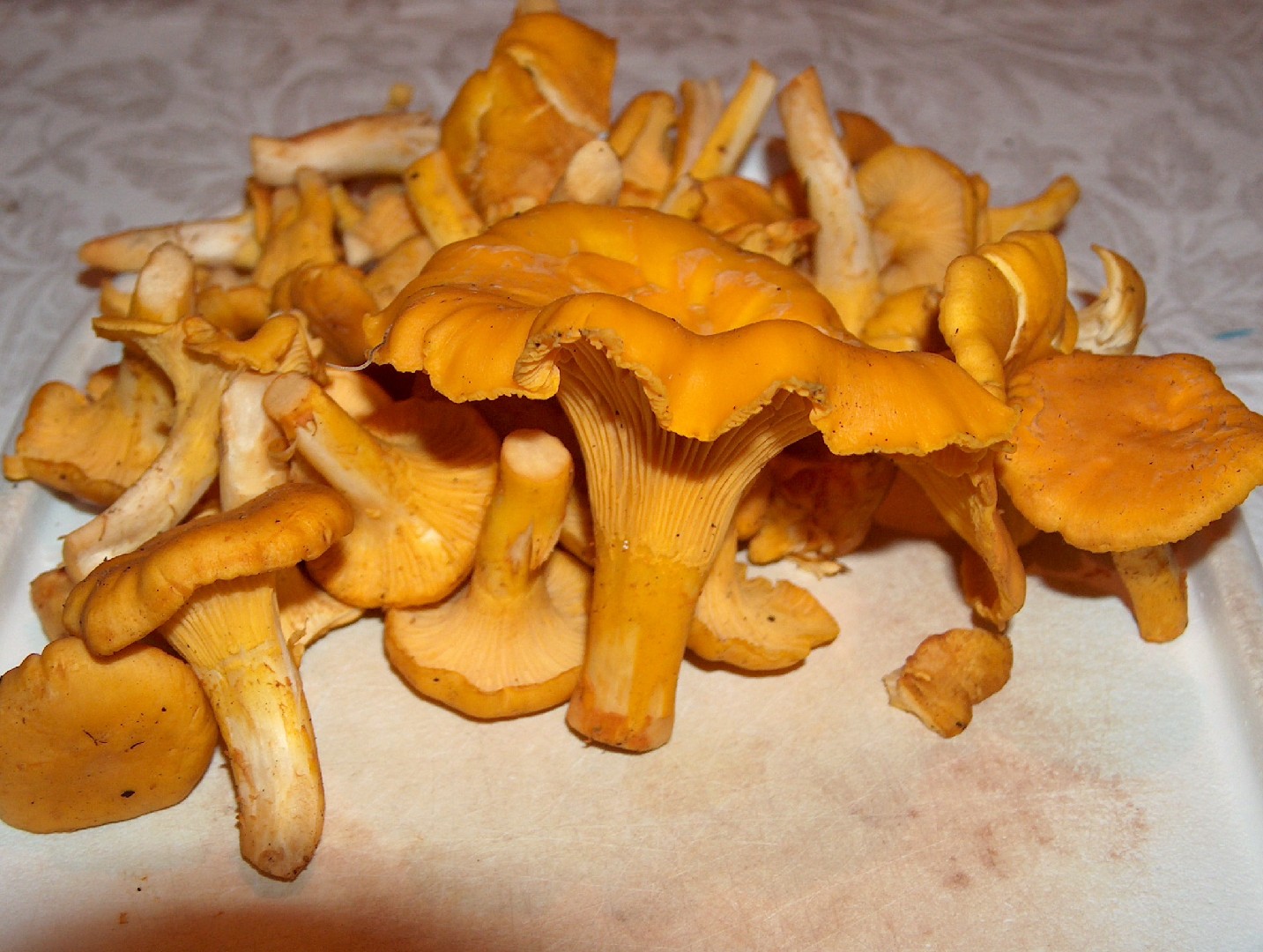
1. Golden chanterelle
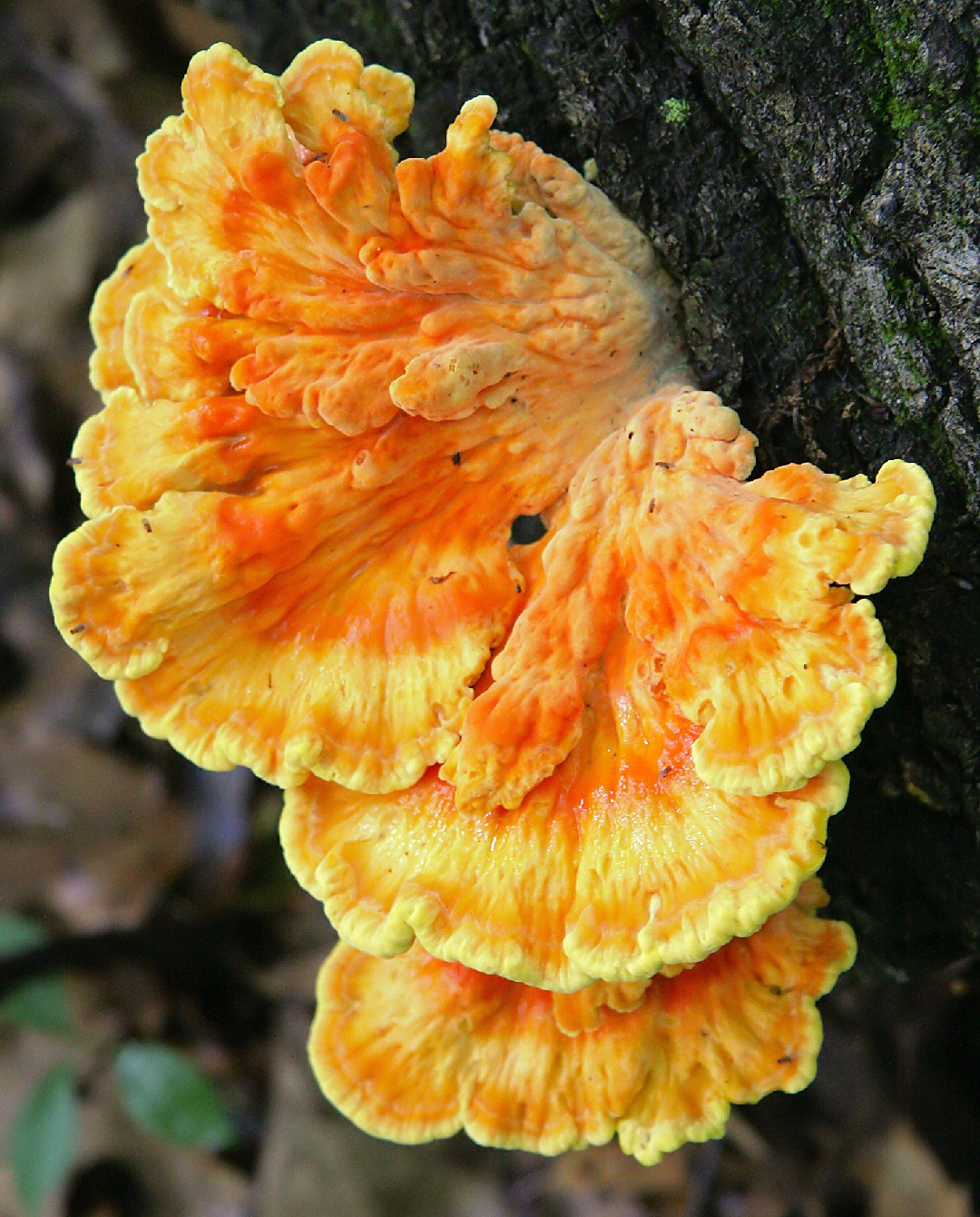
Golden chanterelle mushrooms are popular in gourmet cuisine across Europe, where they grow wild during the warm (but not too hot) months. Similar species grow in other countries. Extremely popular with foragers, the golden chanterelle emits an apricot-like scent and contains an array of nutrients that benefit the human body. Several studies suggest consuming extremely large amounts may have detrimental effects on the eyes and muscles.
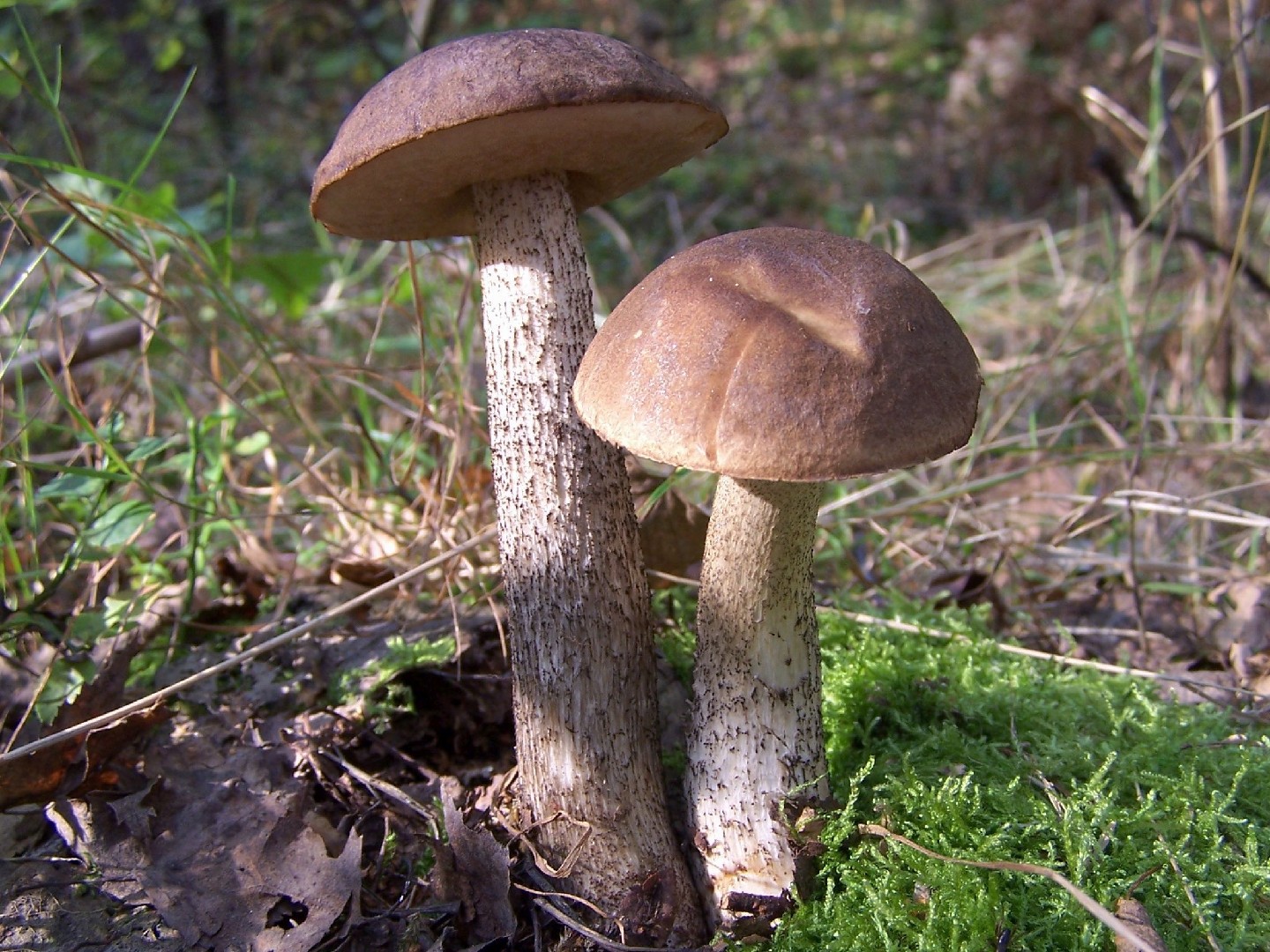
2. Brown birch-bolete
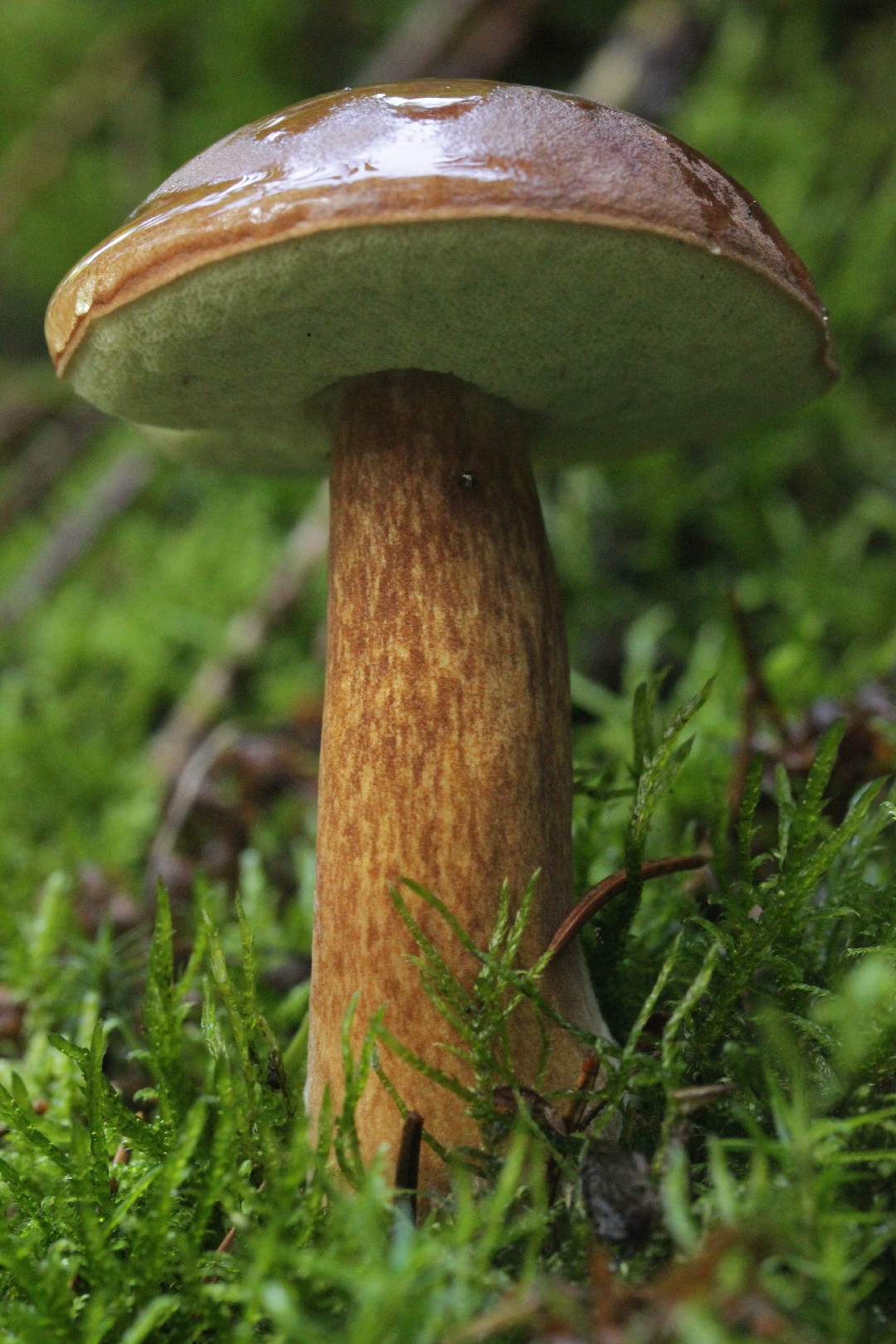
The brown birch-bolete is common around the northern hemisphere. It grows beneath birch trees and is usually easy to identify by its brown cap and scaly stem, the latter of which is referenced in its scientific name Leccinum scabrum. Occasionally, however, it can be found sporting a white cap.
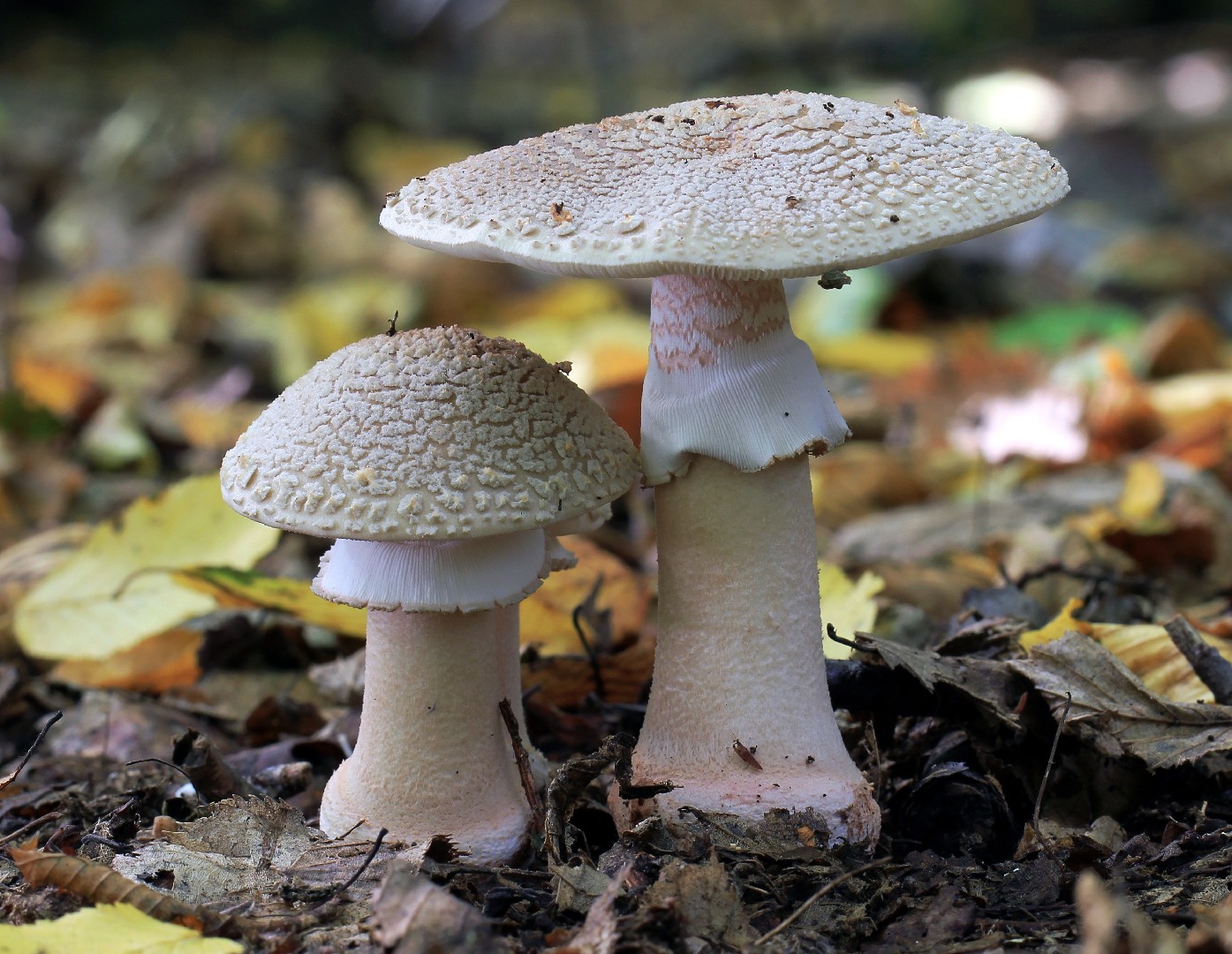
3. Blusher
The blusher mushroom is so named because it “blushes” to a pinkish red color when cut or bruised. It is found in many countries around the world, although it may not be native to the southern hemisphere. It contains a hemolytic toxin that can cause anemia if eaten.
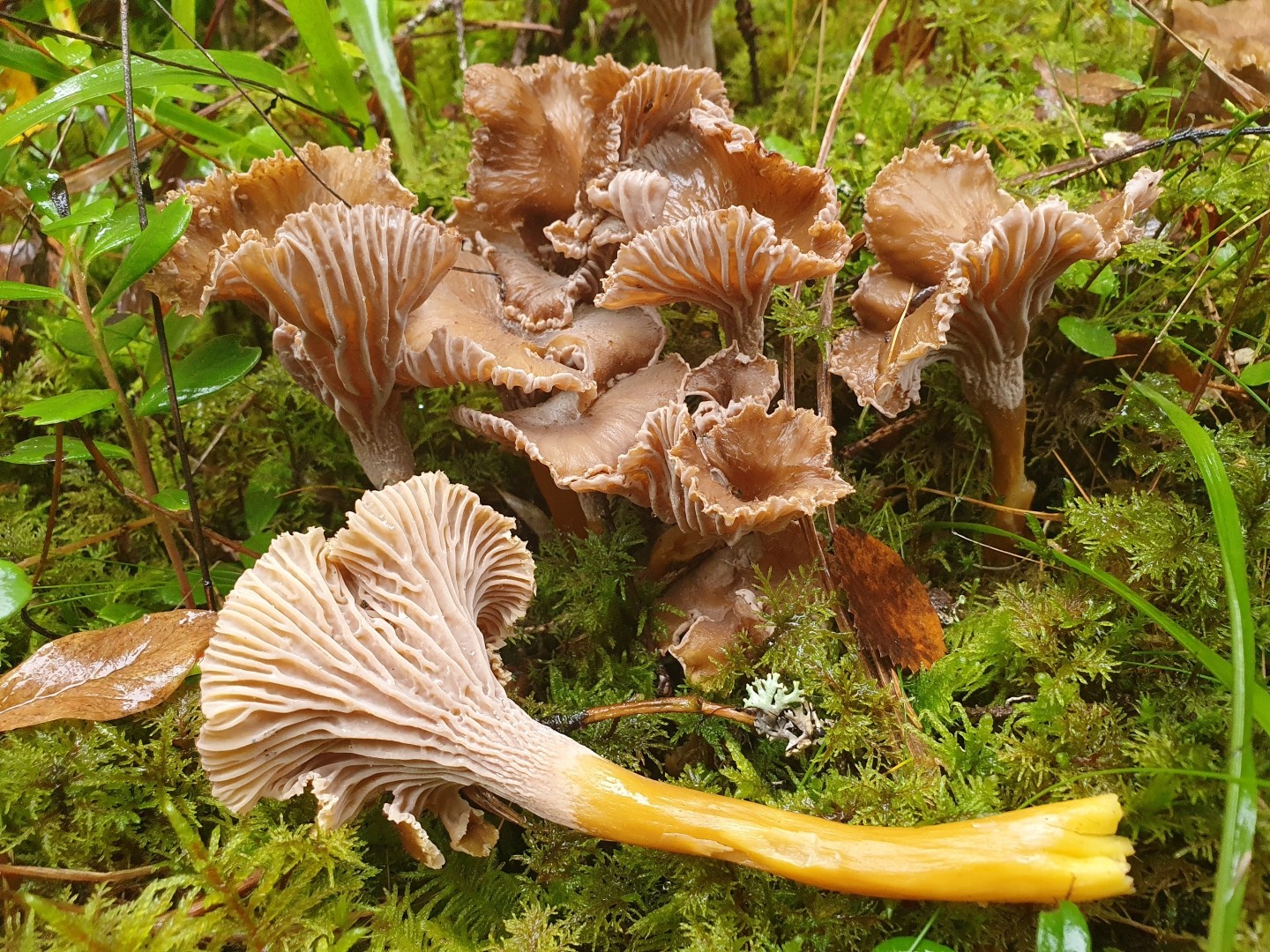
4. Yellowfoot
Found in temperate forests, wetlands, and bogs across the northern hemisphere, the yellowfoot is a highly sought after member of the chanterelle family. Considered a choice edible, it boasts a lovely, complex flavor (though it is somewhat less fruity and sweet then some of its more popular cousins). Yellowfoots are sometimes called "winter mushrooms", as they tend to be very late-season fruiters.
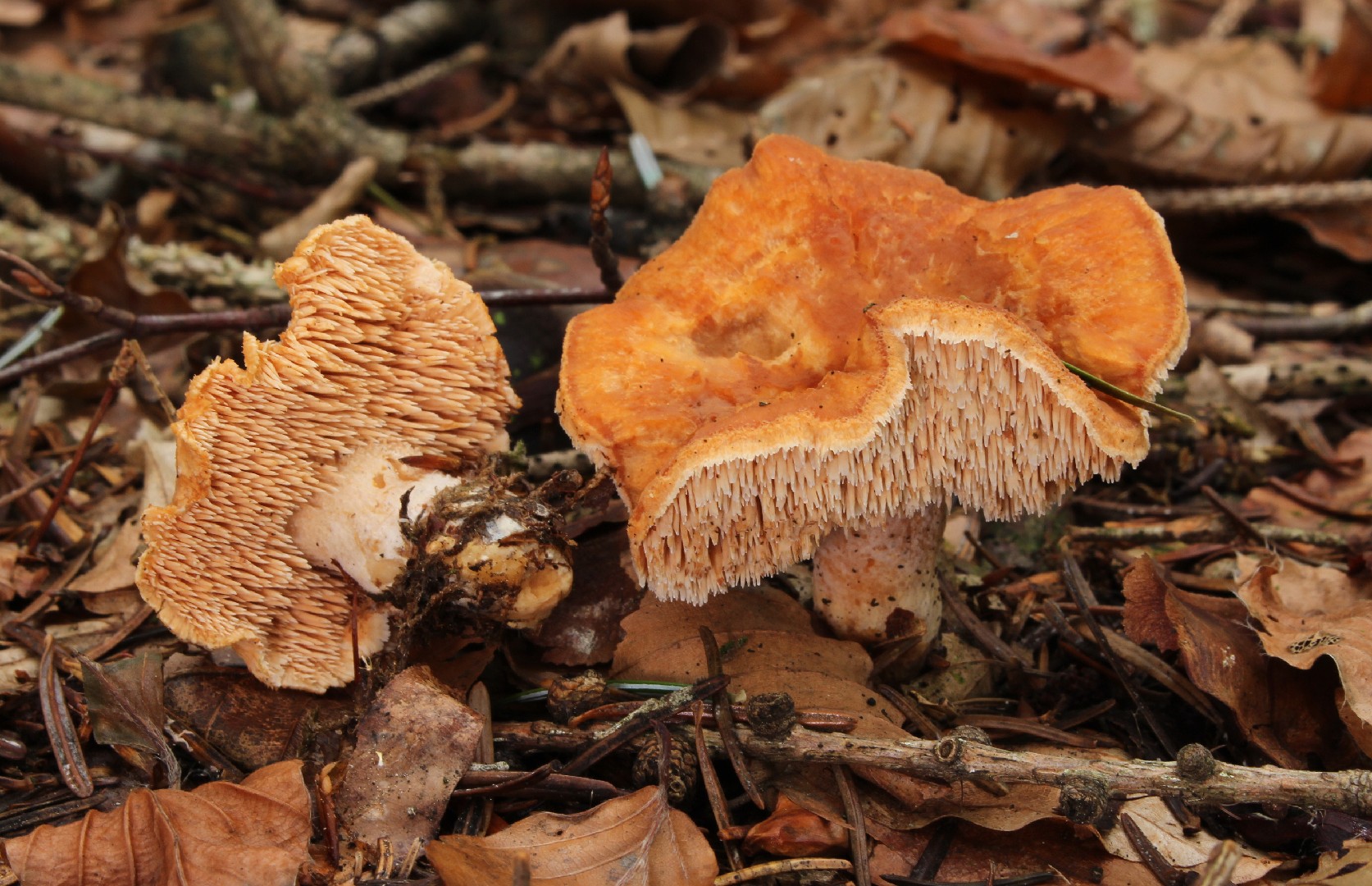
5. Terracotta hedgehog
Terracotta hedgehog (Hydnum rufescens) is covered with small spikes on the underside of its crown, which explains why it's called hedgehog. It has a reddish terracotta cap, which explains the first part of its common name. Terracotta hedgehog typically grows in small clumps among the moss and leaf litter.
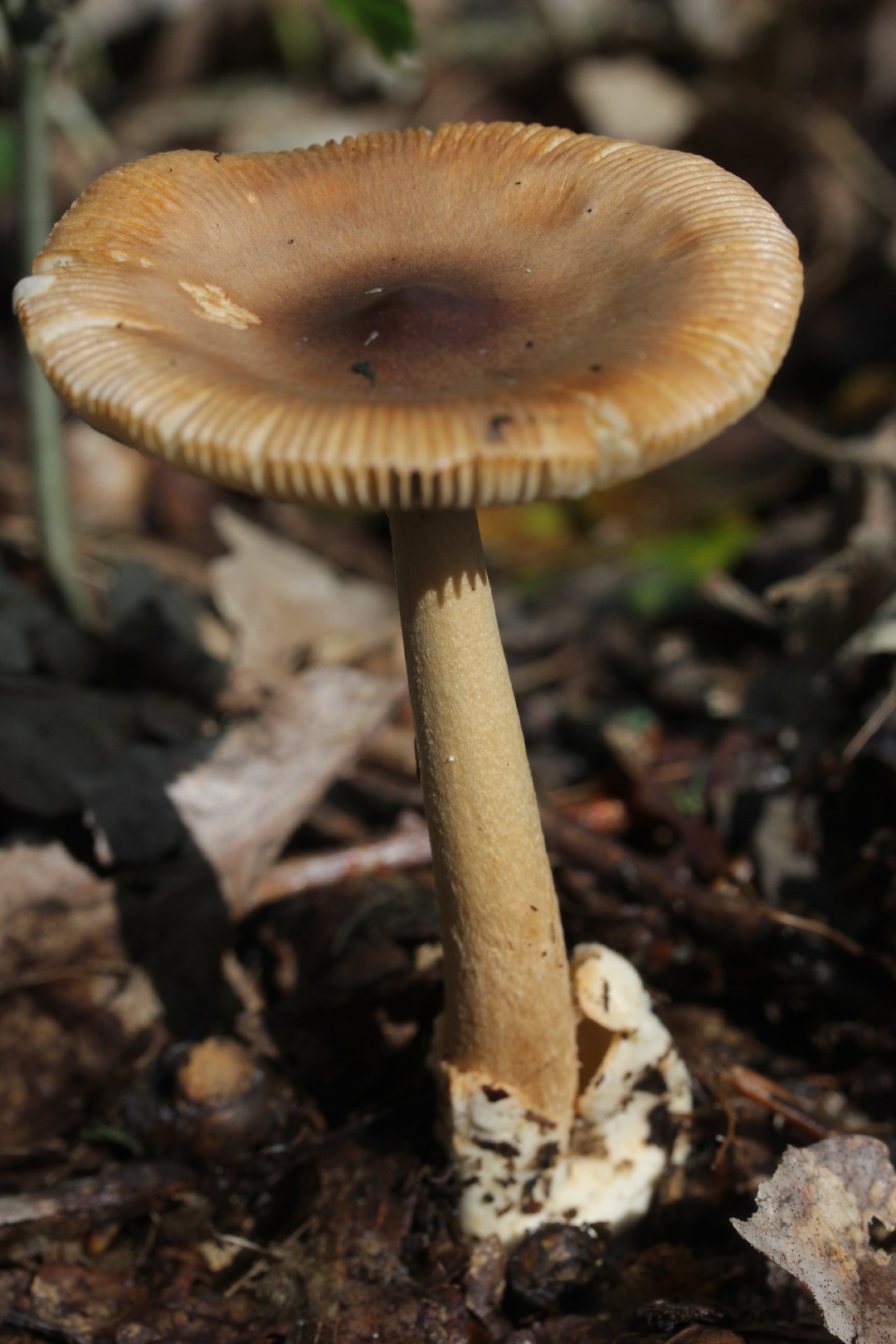
6. Tawny grisette
Tawny grisette (Amanita fulva) is a common species most commonly found in Europe's broadleaf and coniferous forests, with a potential but unverified range in North America. Its name comes from the burnished orange color of its cap, which sits atop a cream-colored stem.
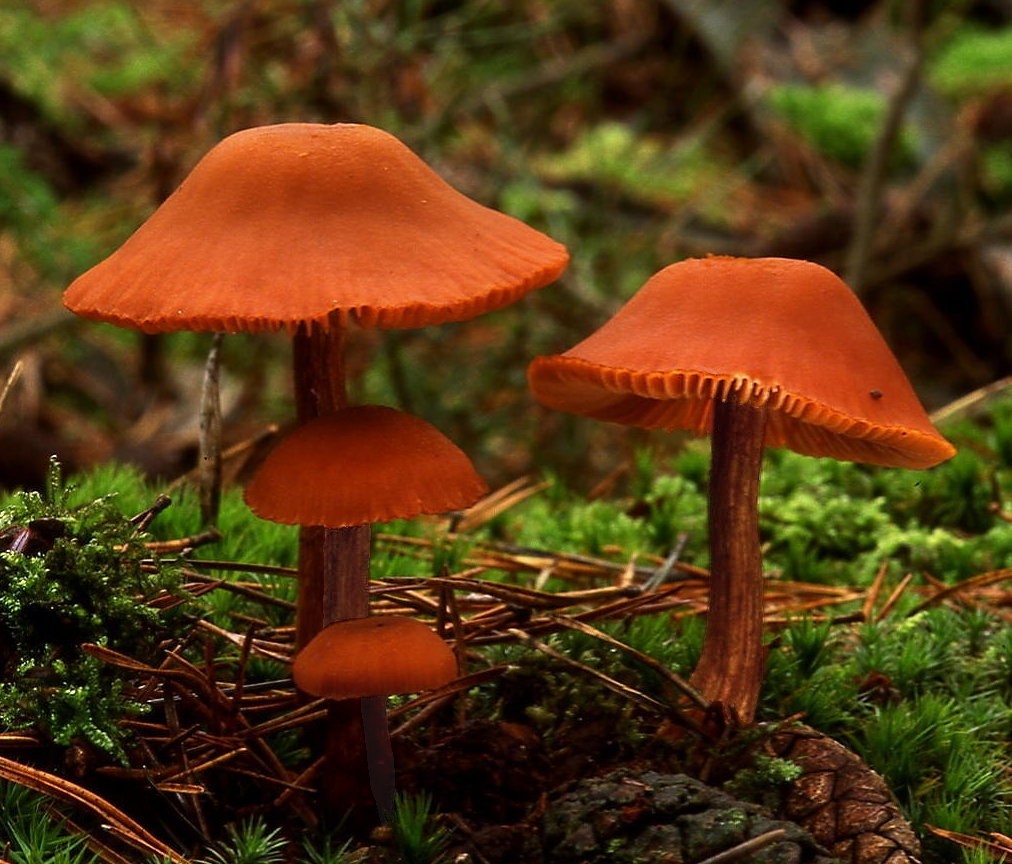
7. Common laccaria
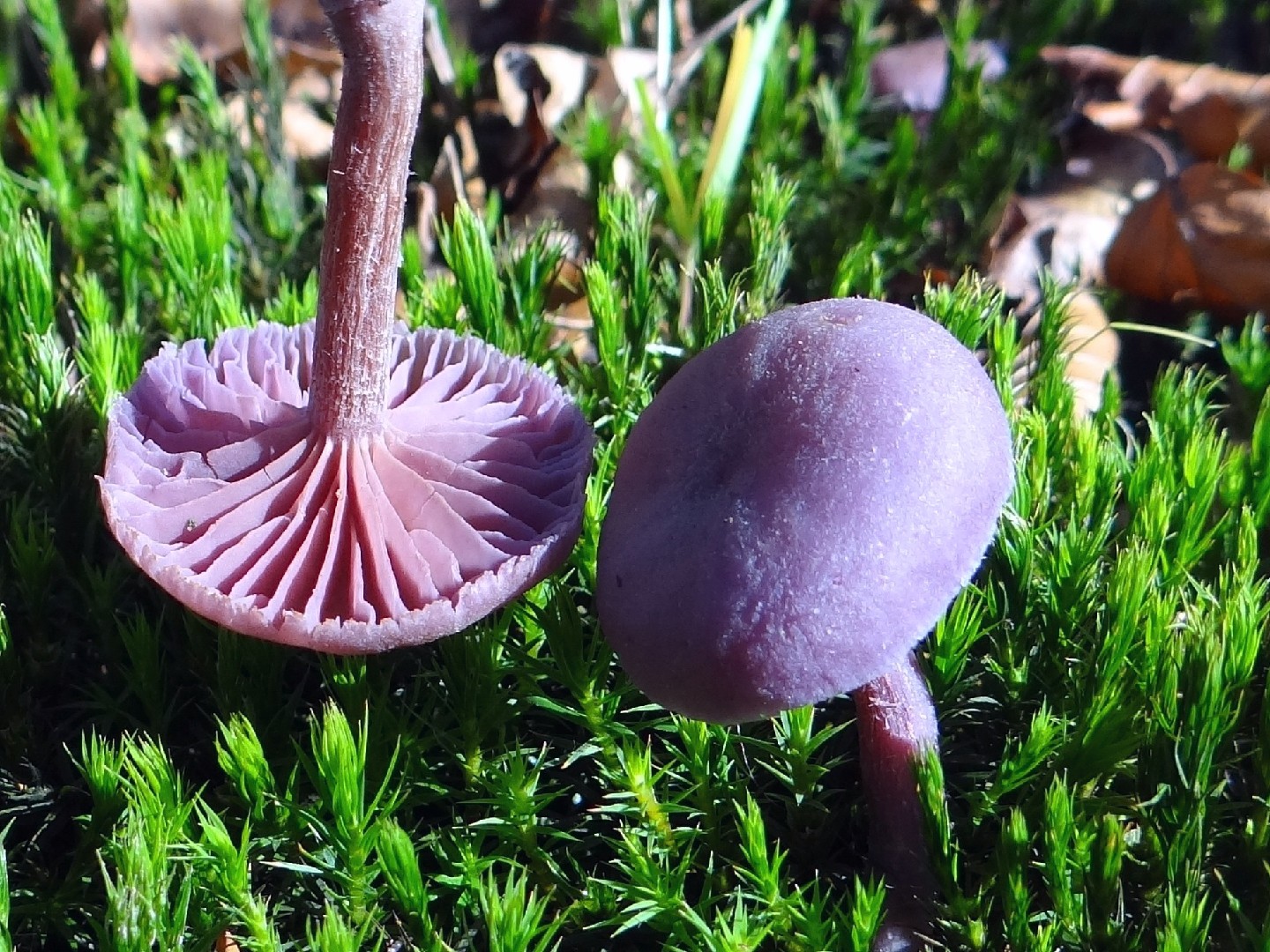
Common laccaria may sound like a malevolent name for a mushroom, but fret not! This species is so-called because its appearance is highly variable, with individual caps taking on a whole host of colors, from whitish to pinkish to dark brown.
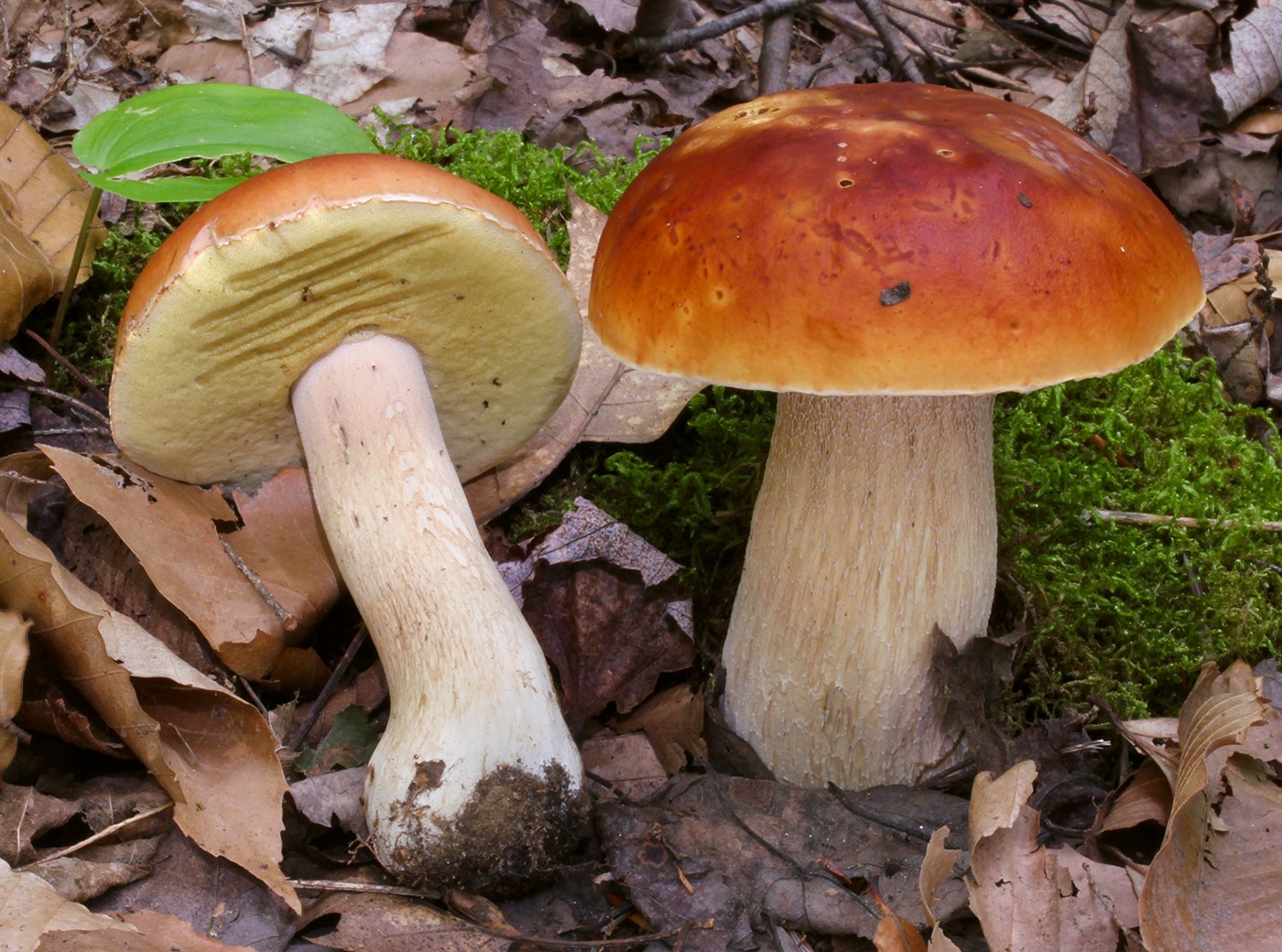
8. King bolete
Extremely popular in many cuisines, this edible wild mushroom grows around the world near the roots of forest trees. In some regions, king bolete mushrooms are collected in great enough volumes that their sale can support entire families during the harvest season. King boletes are reported to be high in fiber, vitamins B and C, calcium, potassium, magnesium, zinc, and several antioxidants.
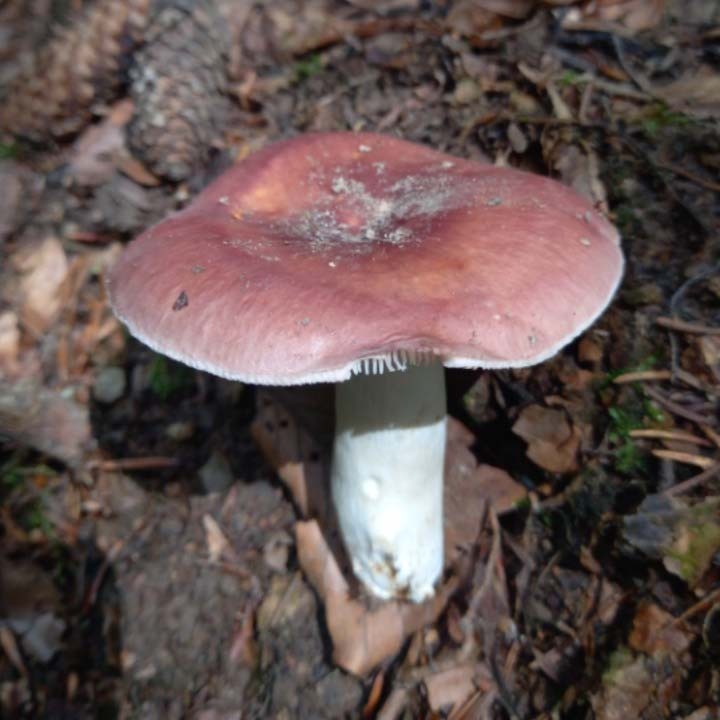
9. Bare-toothed Russula
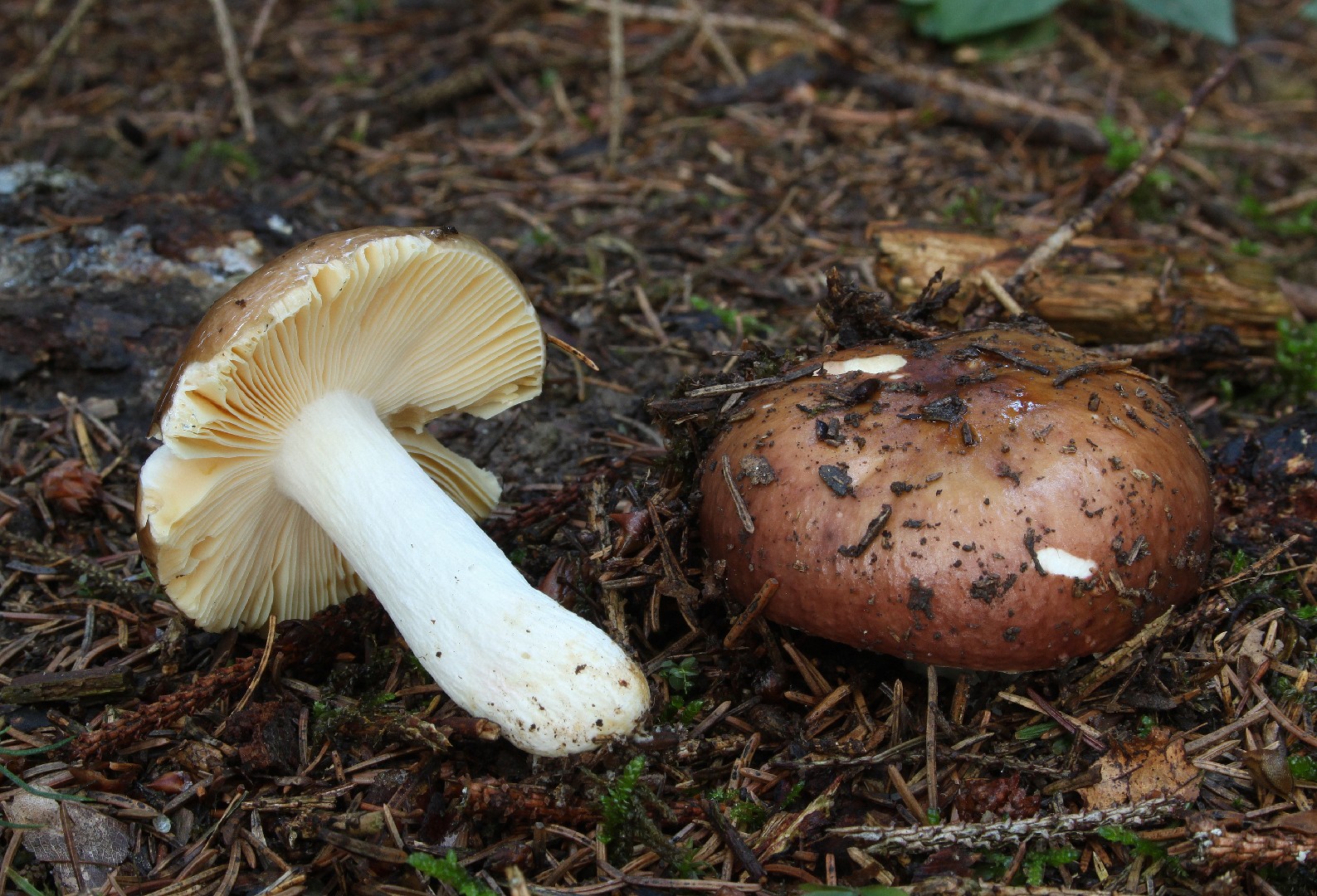
Bare-toothed Russula (Russula vesca) gets its Latin name Russula, which means red color, due to its reddish cap. The second part of its Latin name, vesca, means edible, but it should be noted that this doesn't mean this species should be considered edible by default. This widespread mushroom can be found growing close to oak and beech trees.
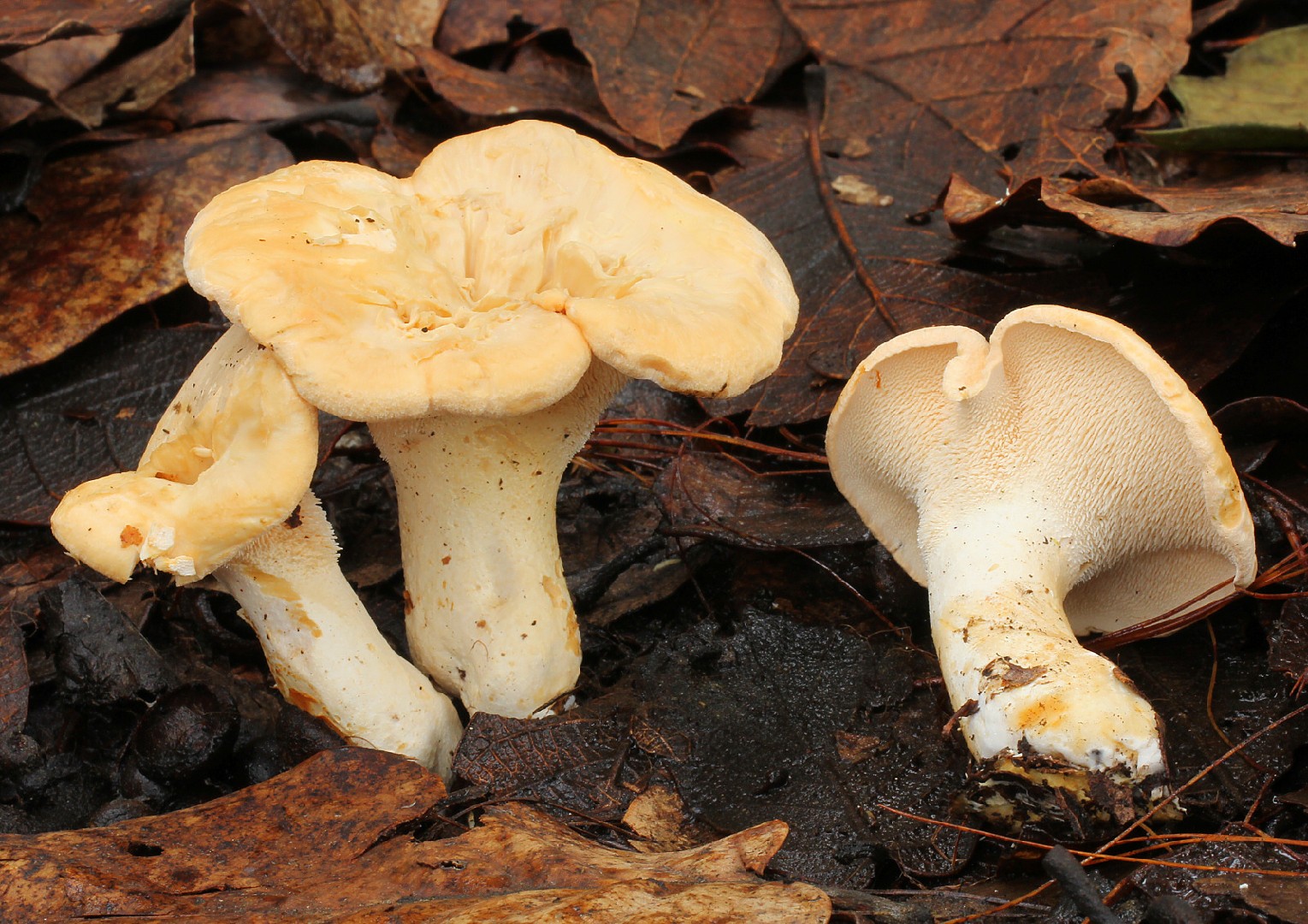
10. Sweet tooth
This mushroom is distinctive for the spines, or teeth, that hang down from the underside of its cap. It can be found on forest floors singly or in groups. In spite of the name, sweet tooth, it has a slightly spicy bite and bitter aftertaste. This wild mushroom needs to be cooked before it is truly edible, and only young, parasite-free mushrooms should be harvested.

More







