




Top 20 Edible Mushrooms Popular in Alta
Delve into the world of edible fungi with our list of '20' most common mushrooms found in the diverse habitat of 'Alta'. Known for its vast wilderness and contrasting climates, 'Alta' provides ideal conditions for a variety of fungi to thrive. In the coming sections, we will explore each mushroom, describing their unique characteristics such as appearance, flavors, preferred habitats, and even their culinary uses. Empower your gastronomic adventures with this knowledgeable foray into 'Alta's' rich mushroom bounty.
* Disclaimer: Content feedback CAN NOT be used as any basis for EATING ANY PLANTS. Some plants can be VERY POISONOUS, please purchase edible plants through regular channels.

Most Popular Edible Mushrooms
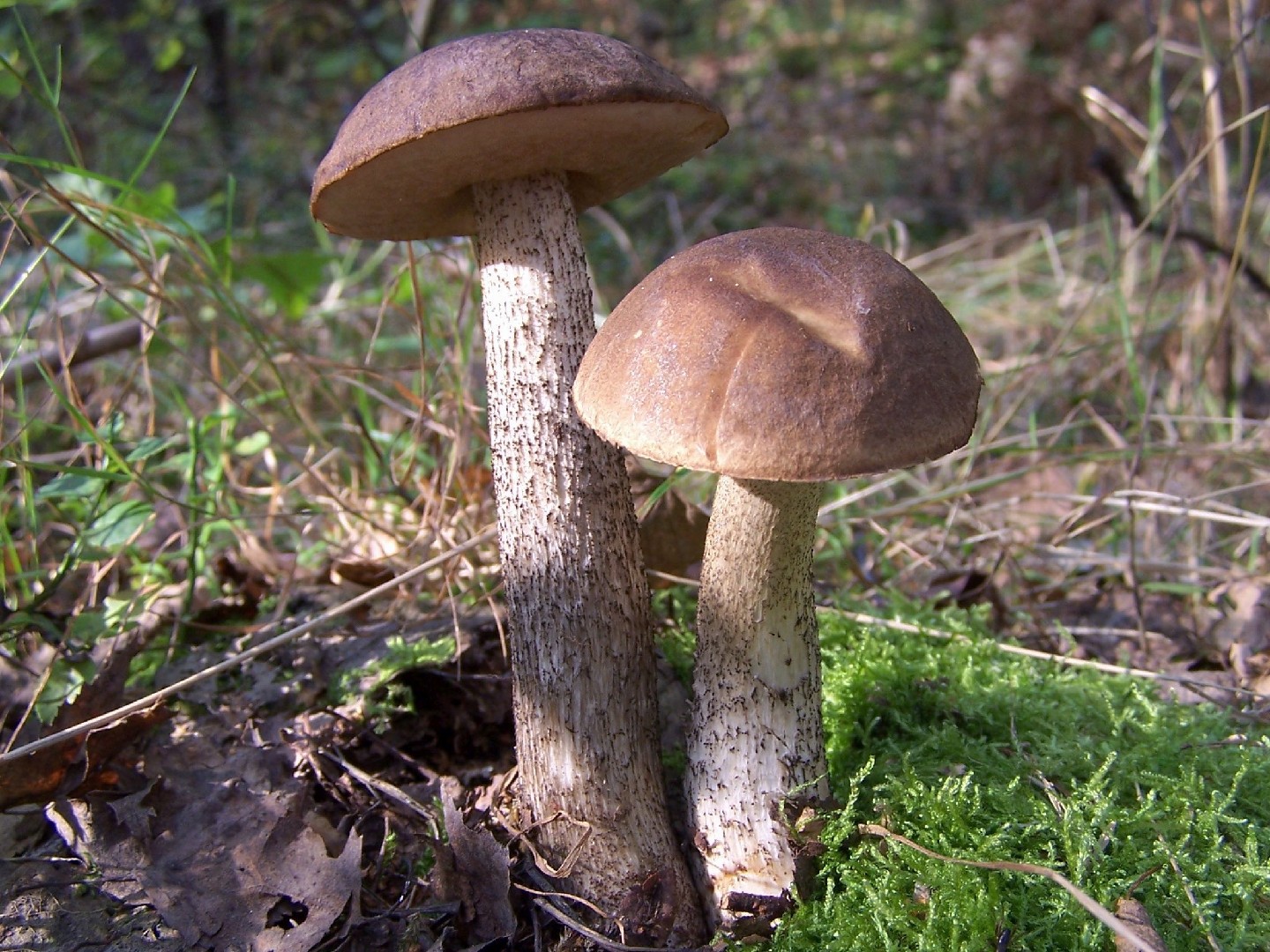
1. Brown birch-bolete
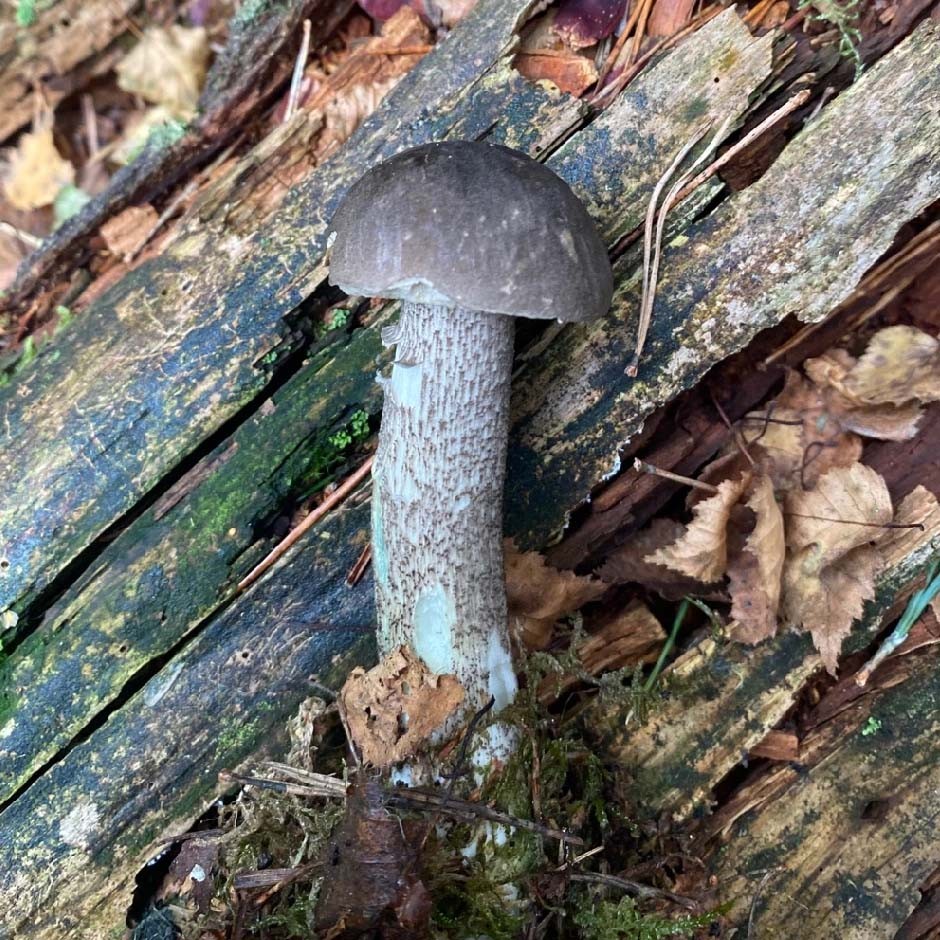
The brown birch-bolete is common around the northern hemisphere. It grows beneath birch trees and is usually easy to identify by its brown cap and scaly stem, the latter of which is referenced in its scientific name Leccinum scabrum. Occasionally, however, it can be found sporting a white cap.
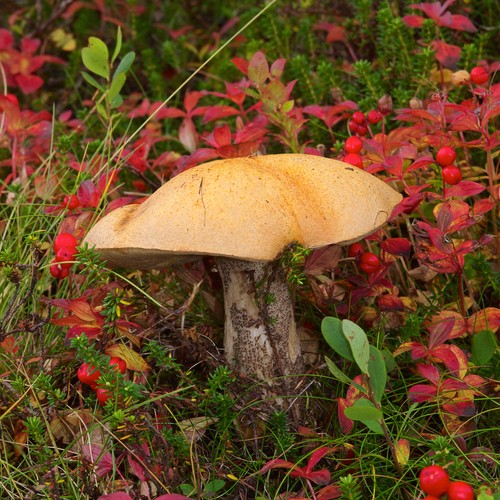
2. Orange birch bolete
You may not be particularly surprised to learn that the orange birch bolete (Leccinum versipelle) is an orange-capped bolete that commonly associates with birch trees. The species has a classic bolete form, boasting a large, bulbous cap, a thick, shaggy stalk, and a sponge-like pore surface. When cut and exposed to air, the flesh of this mushroom will turn blue.
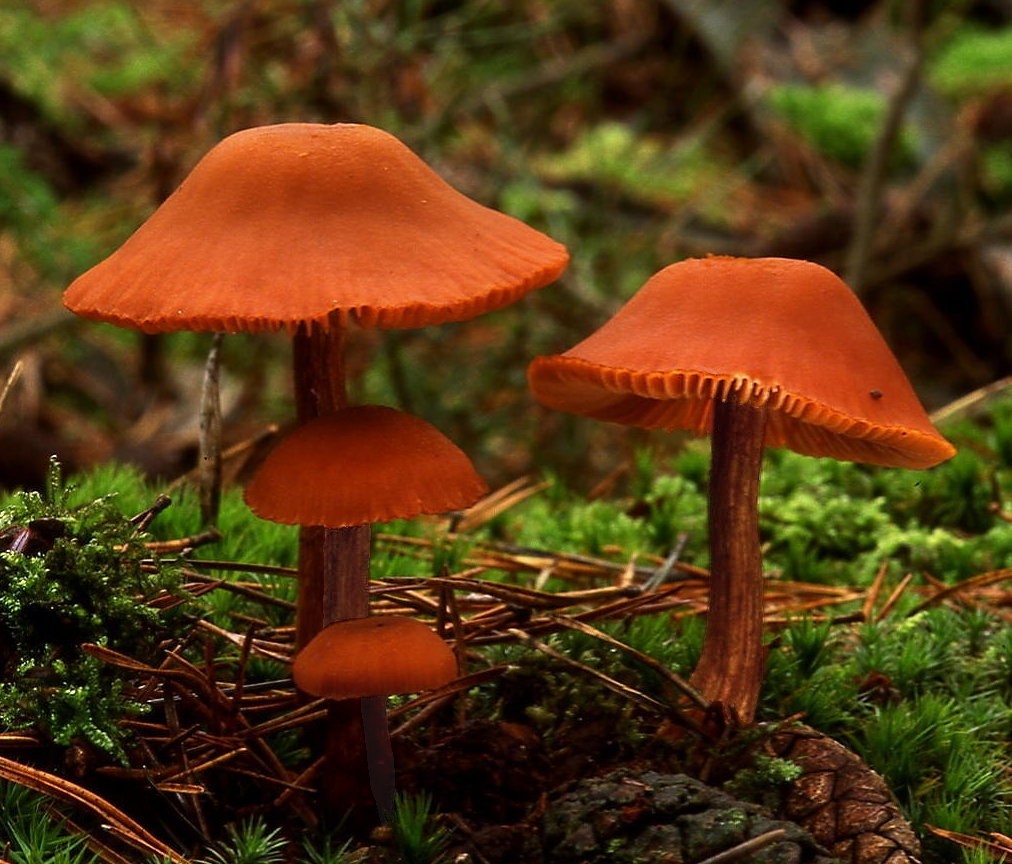
3. Common laccaria
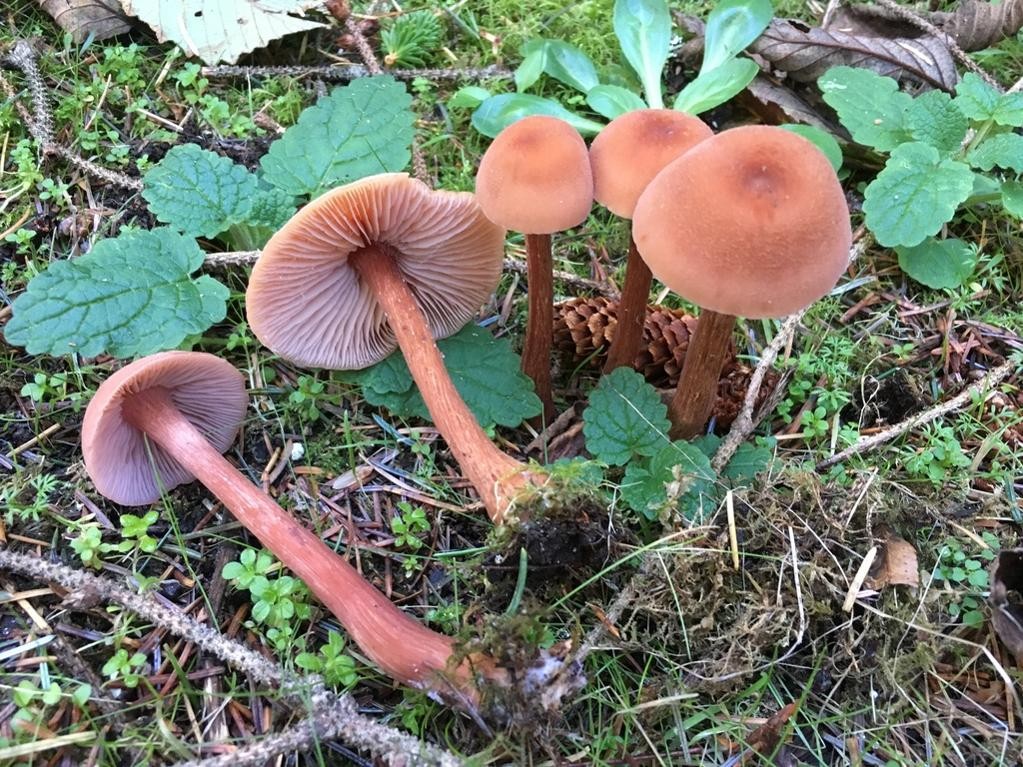
Common laccaria may sound like a malevolent name for a mushroom, but fret not! This species is so-called because its appearance is highly variable, with individual caps taking on a whole host of colors, from whitish to pinkish to dark brown.
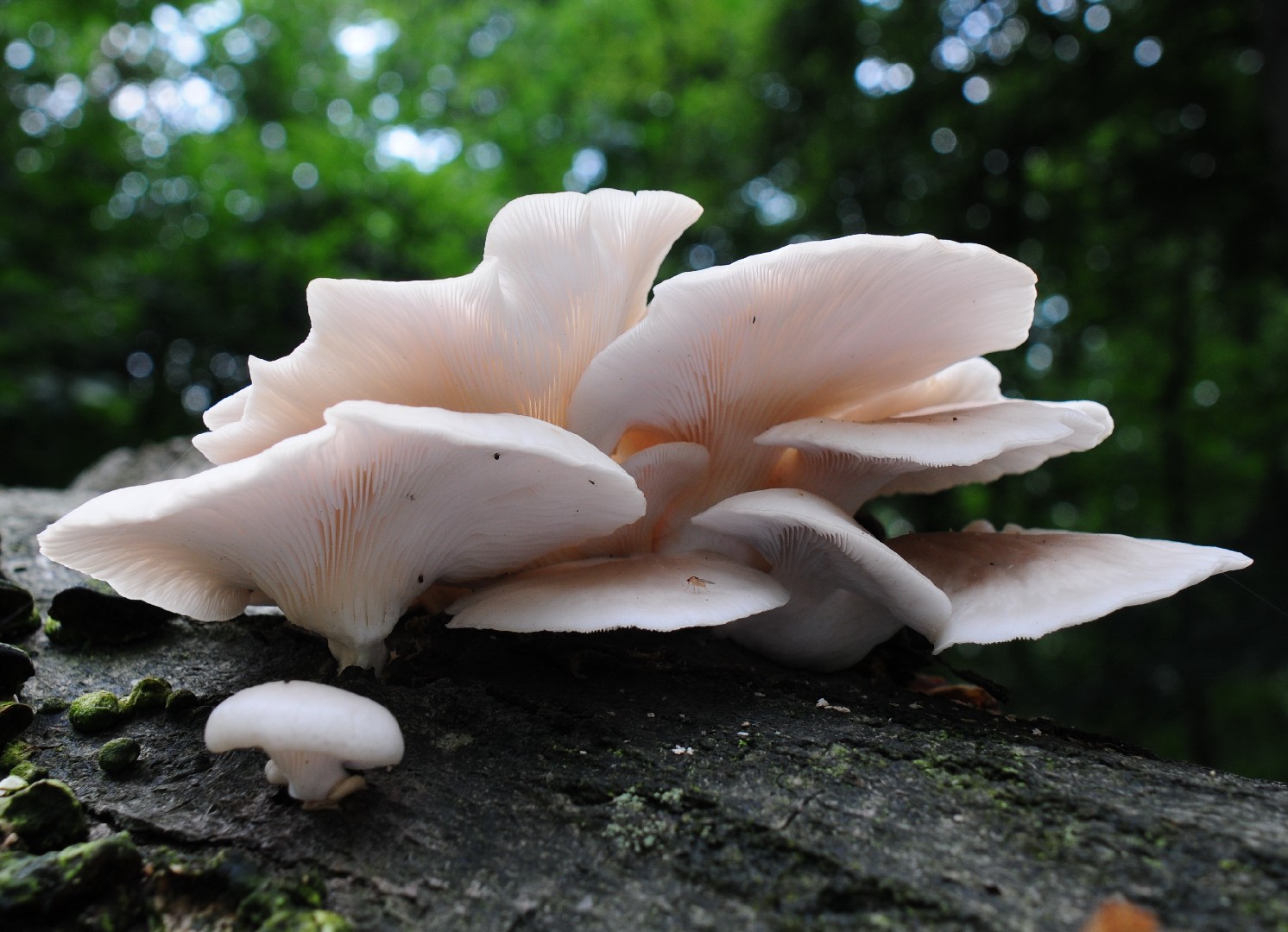
4. Lung oyster
Developing all around the northern hemisphere, lung oyster mushrooms grow in overlapping shelf-like clusters on deciduous branches, trunks, and fallen logs in the wild. They are easy to cultivate on other substrates, like spent coffee grounds and sawdust, for commercial production. They are generally considered safe to eat, although some people may develop allergies.
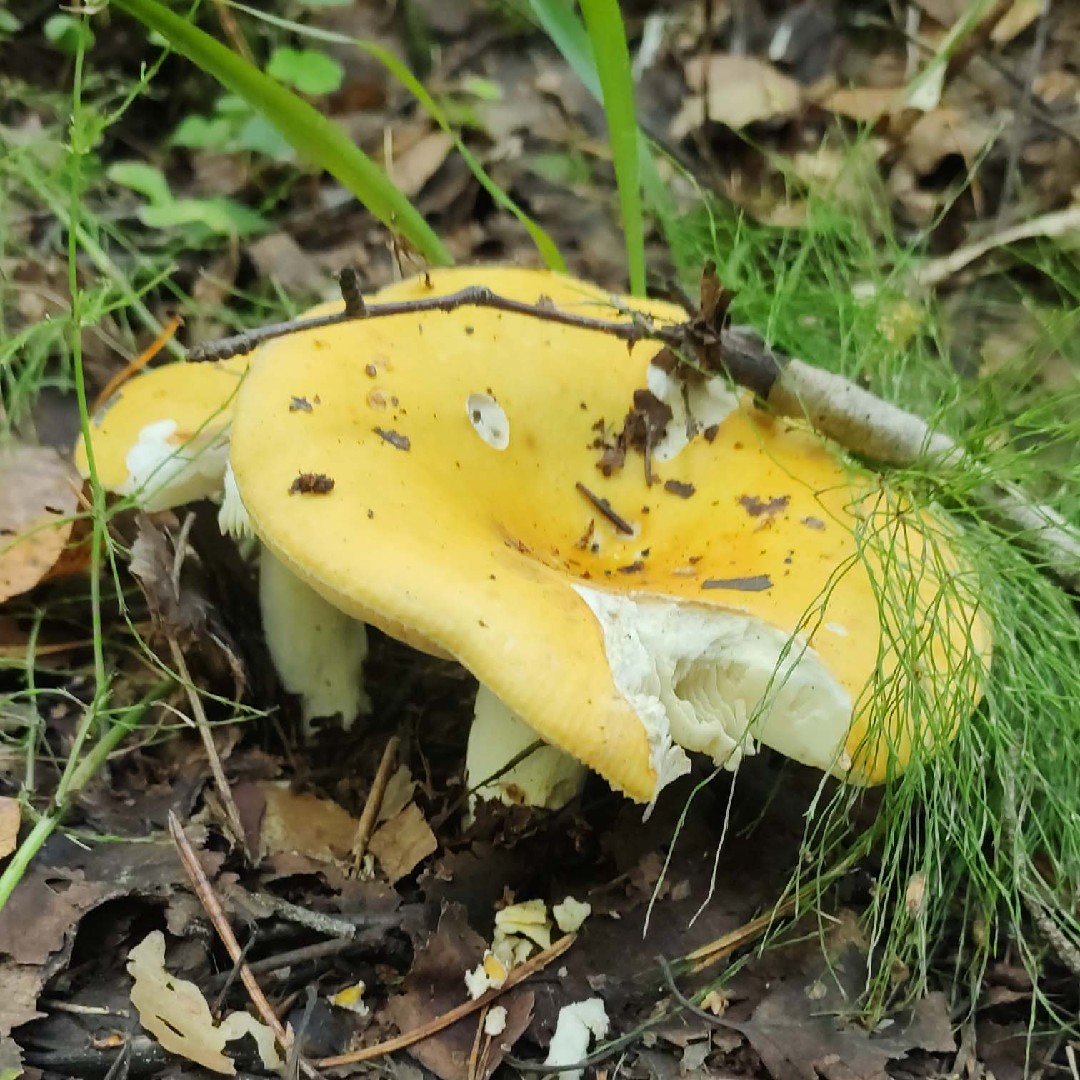
5. Yellow swamp russula
As the name suggests, Yellow swamp brittlegill has a characteristic yellow cap. The name brittlegill refers to the fragility of this mushroom's cap, which breaks easily. Its flesh greys slowly when damaged or cut. It grows close to birch trees. Yellow swamp russula doesn't have any significant odor.
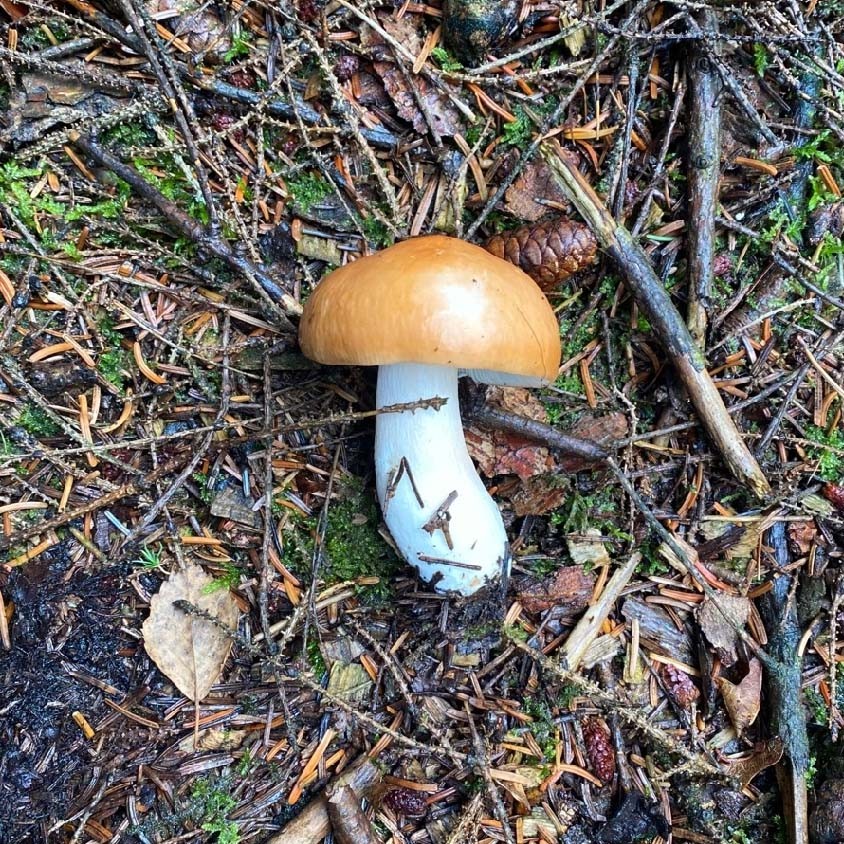
6. Copper brittlegill
Copper brittlegill (Russula decolorans ) has a usefully descriptive name that refers to its characteristic copper-colored cap. When damaged, the white flesh of copper brittlegill quickly fades to a dark grey. This species can be found growing in the leaf litter of coniferous forests. The name russula comes from the Latin word for red.
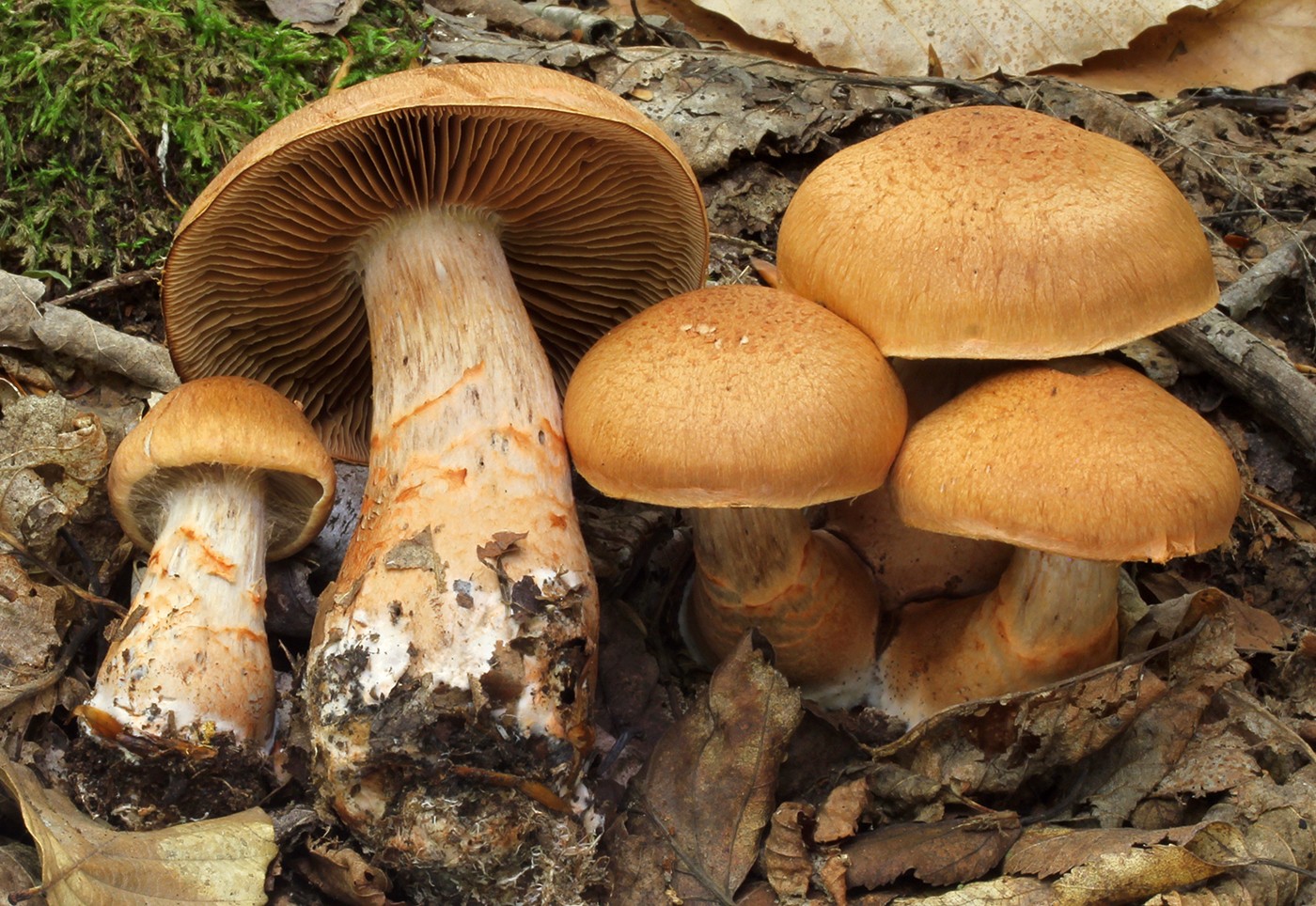
7. Red-banded cortinarius
Red-banded cortinarius (Cortinarius armillatus) usually sports a clear, red or reddish brown band at the base of its stalk. The species is found in temperate areas across Europe and eastern North America. It is often seen associating with conifers in the former area but birches in the latter area. While not edible, this species is sometimes used for dye-making.
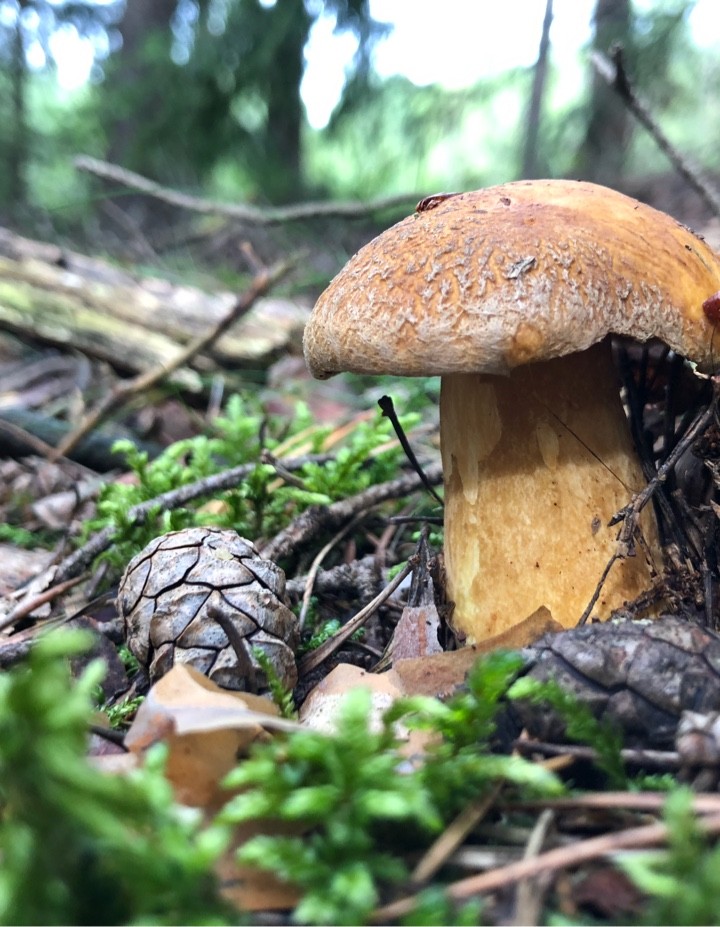
8. Velvet bolete
The velvet bolete is one of the most common mushrooms in pine forests in the northern hemisphere. There have been reports of mild poisoning cases from eating this mushroom, so it is best avoided. The velvet bolete is said to be of poor taste and unpleasant smell, anyway.
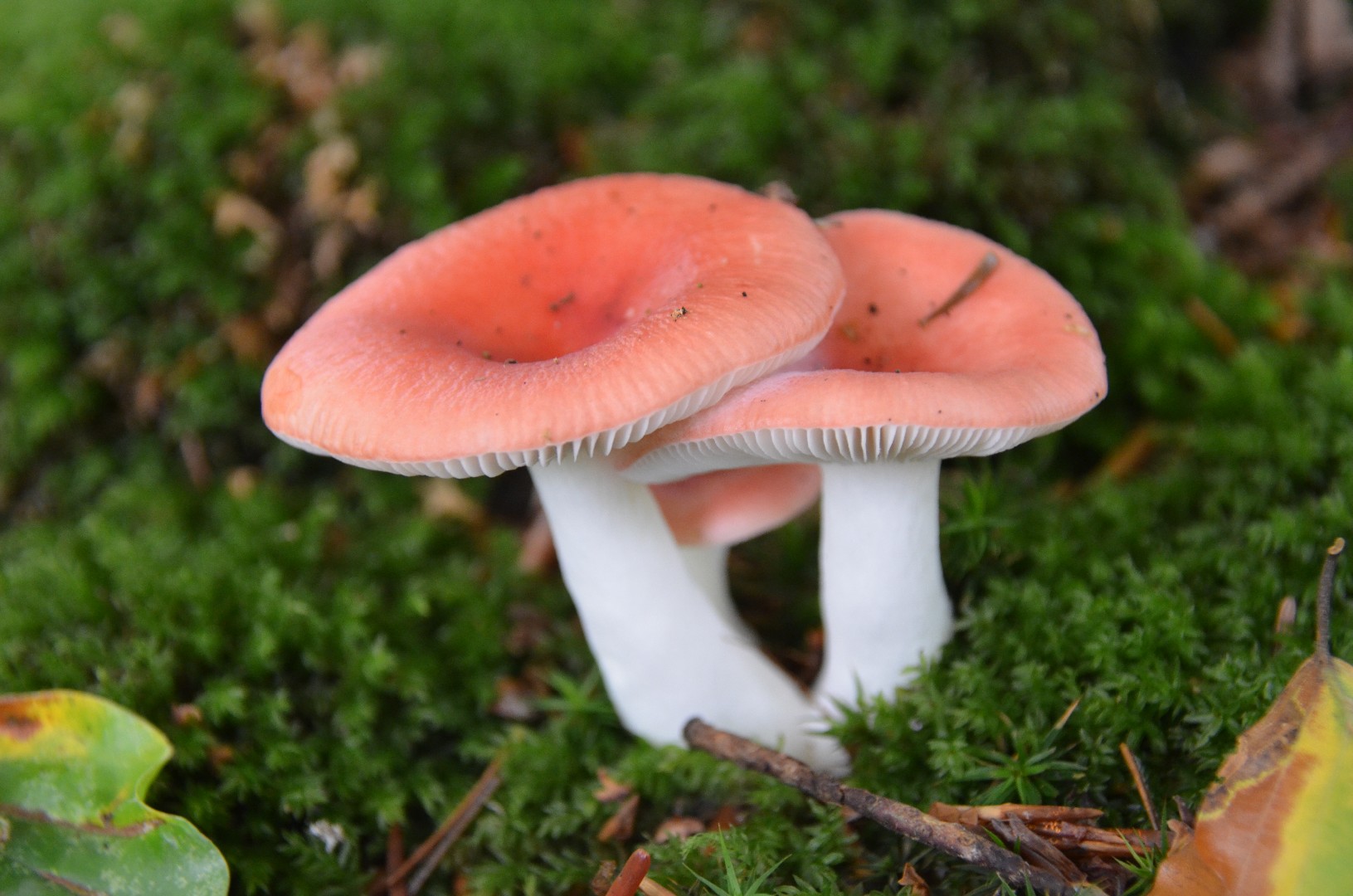
9. Hintapink
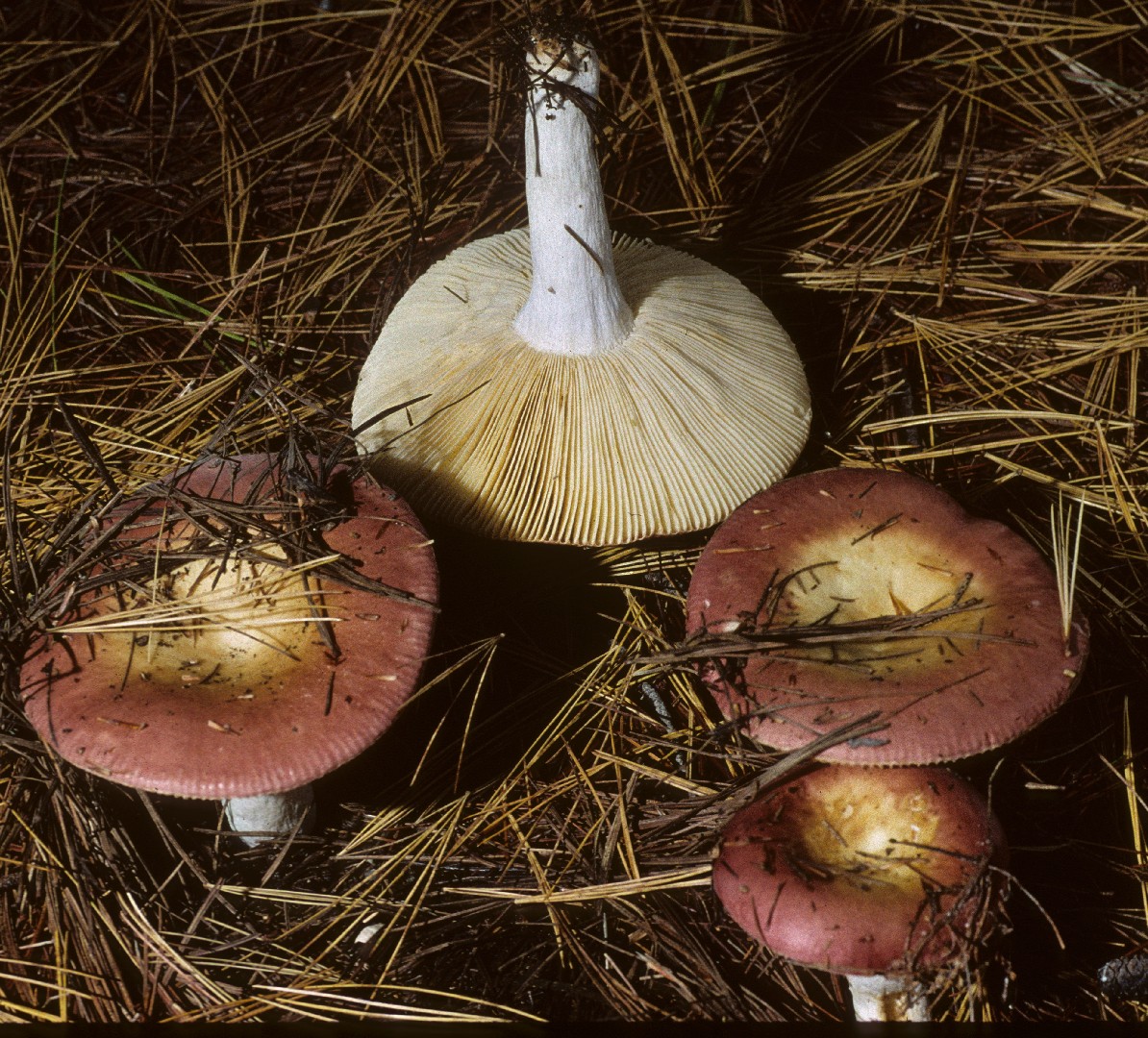
The cap is convex to depressed and is coloured a distinctive bloody red, pink, crimson or purple. Sometimes it may show a yellowish or orange tinge in the centre. It may measure between 6 and 20 cm in diameter. The flesh is white with a mild taste and without scent; it quickly becomes soft and spongy and also greyish. The crowded gills are cream coloured when young, and become yellow with age. They are adnexed and are generally thin. Their edges may sometimes occur reddish. The amyloid, elli spores measure 8–10 by 7–10 μm are warty and are covered by an incomplete mesh. The stem is white, sometimes with a pink hue, slightly clubbed. It may measure 5 to 15 cm in height and up to 3 cm in diameter. 
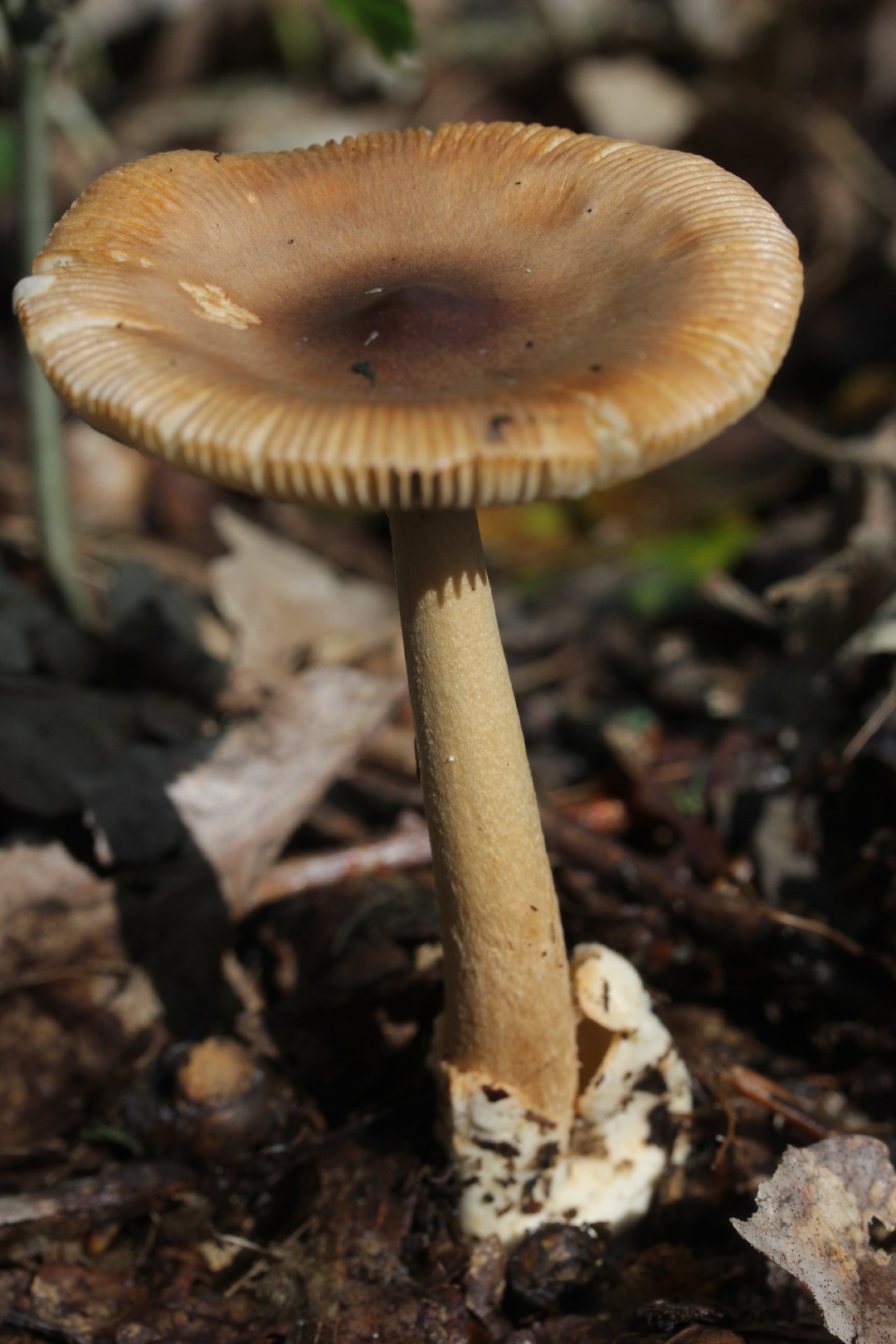
10. Tawny grisette
Tawny grisette (Amanita fulva) is a common species most commonly found in Europe's broadleaf and coniferous forests, with a potential but unverified range in North America. Its name comes from the burnished orange color of its cap, which sits atop a cream-colored stem.
More







