




Top 20 Edible Mushrooms Popular in Udine
Delve into the world of fungi in Udine, a city rich in tradition and diverse environments perfect for mushroom growth. This guide takes you through the top 20 most commonly found edible mushrooms in Udine, detailing the distinctive features, tastes and culinary uses that make each truly unique. Harnessing the local climate and terrain, these distinguished species thrive, showcasing the intricate relationship between mushrooms and their habitat. Learn and discover as we navigate through Udine's mycological wonders.
* Disclaimer: Content feedback CAN NOT be used as any basis for EATING ANY PLANTS. Some plants can be VERY POISONOUS, please purchase edible plants through regular channels.

Most Popular Edible Mushrooms
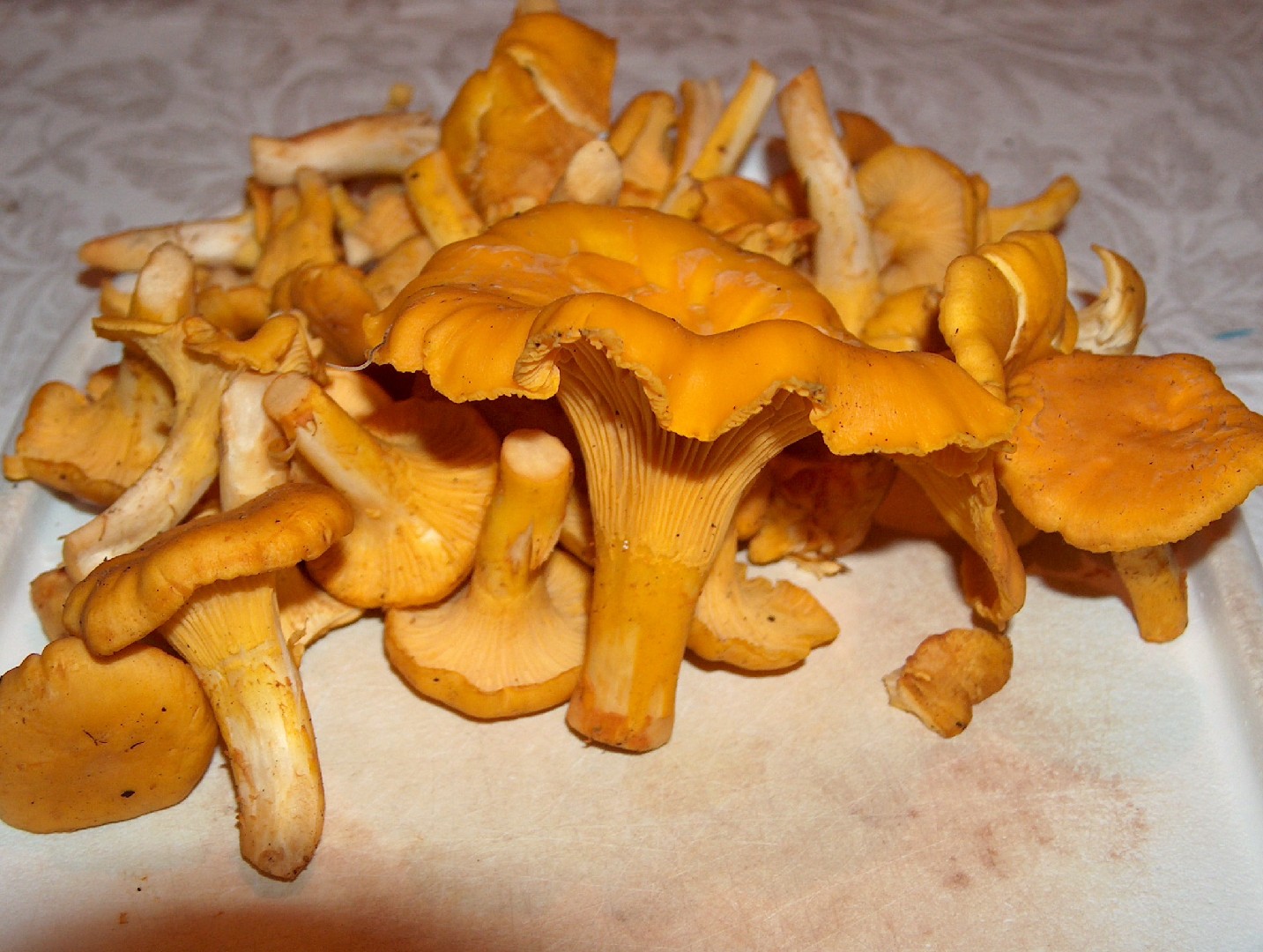
1. Golden chanterelle
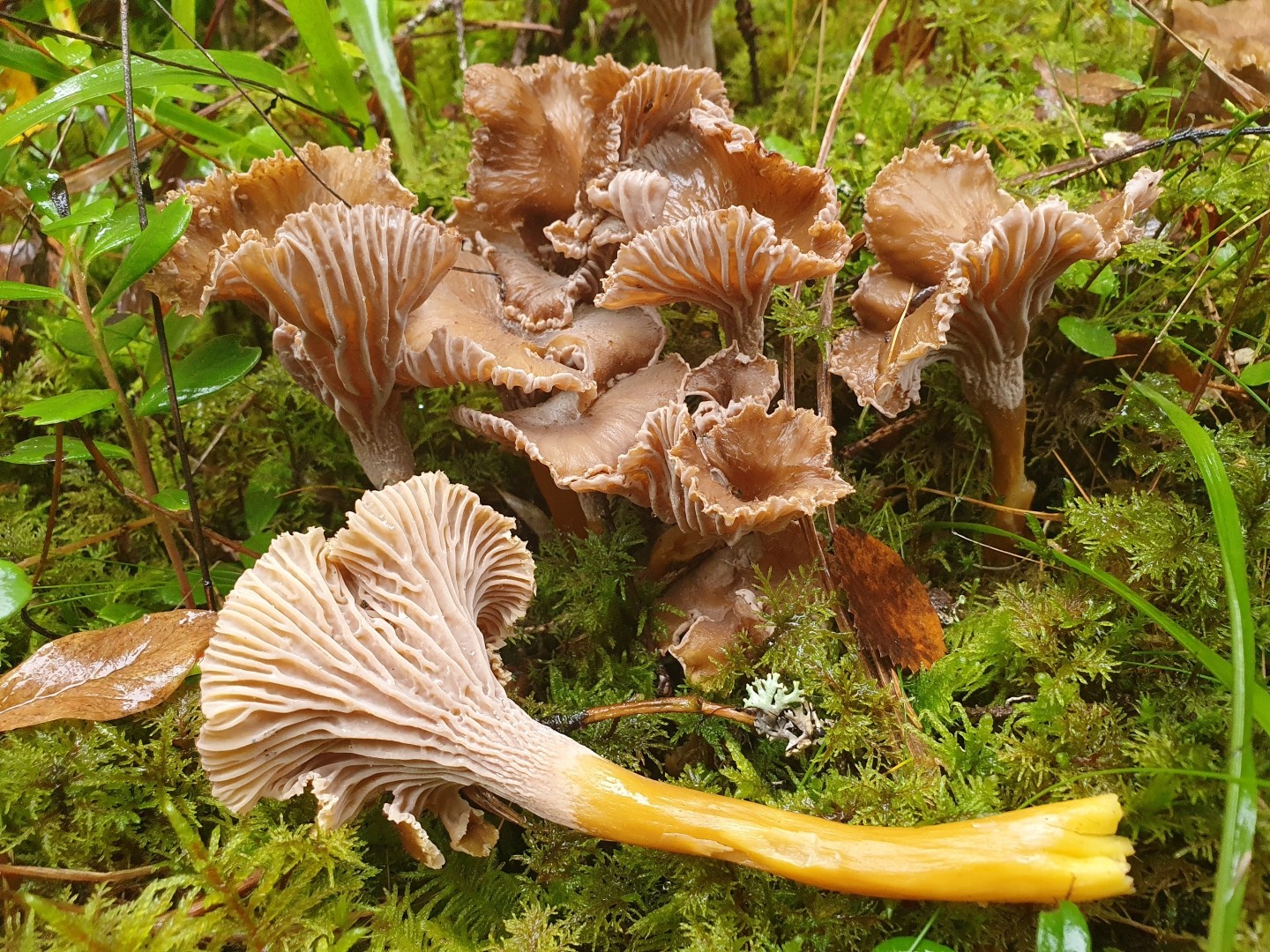
Golden chanterelle mushrooms are popular in gourmet cuisine across Europe, where they grow wild during the warm (but not too hot) months. Similar species grow in other countries. Extremely popular with foragers, the golden chanterelle emits an apricot-like scent and contains an array of nutrients that benefit the human body. Several studies suggest consuming extremely large amounts may have detrimental effects on the eyes and muscles.
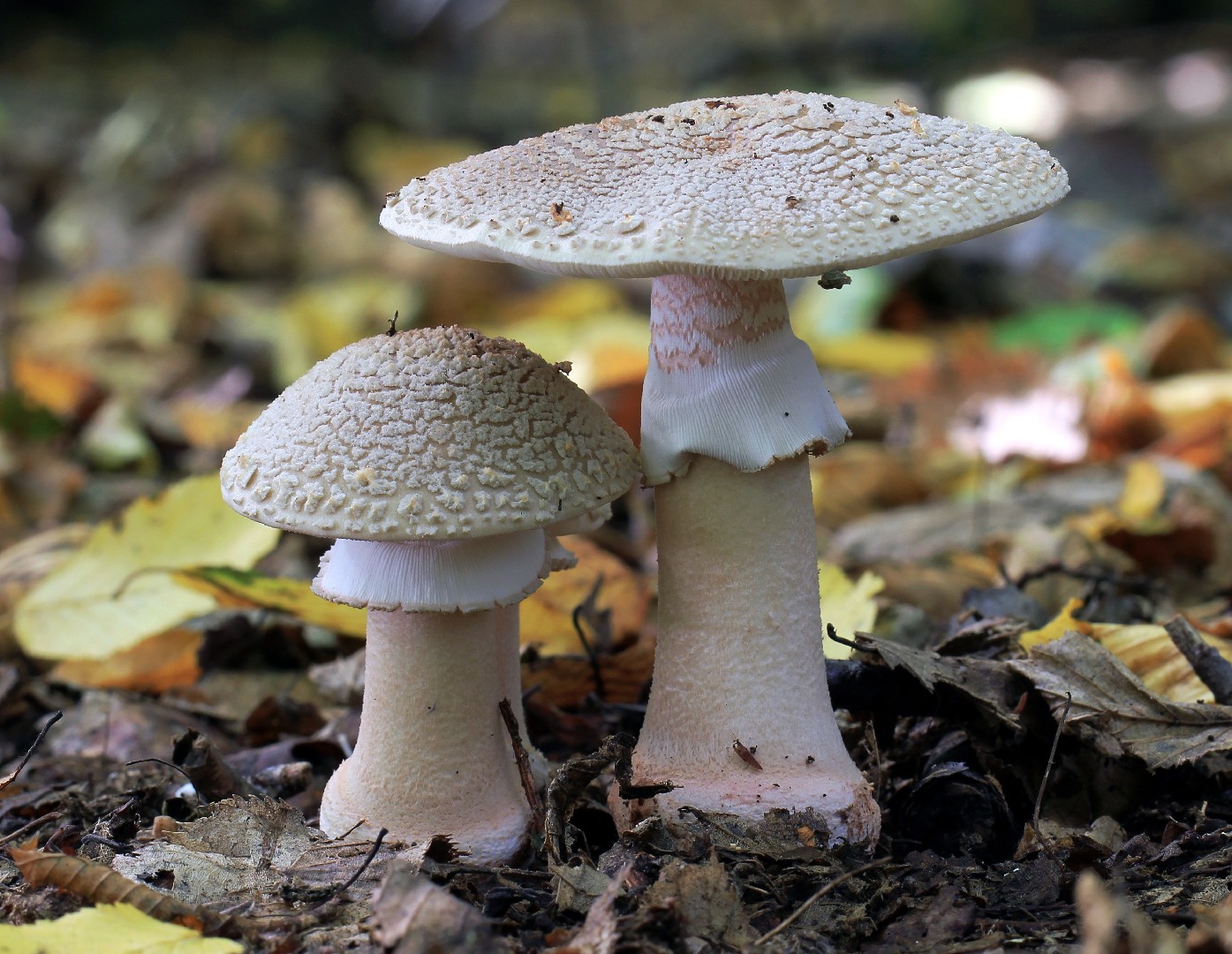
2. Blusher
The blusher mushroom is so named because it “blushes” to a pinkish red color when cut or bruised. It is found in many countries around the world, although it may not be native to the southern hemisphere. It contains a hemolytic toxin that can cause anemia if eaten.
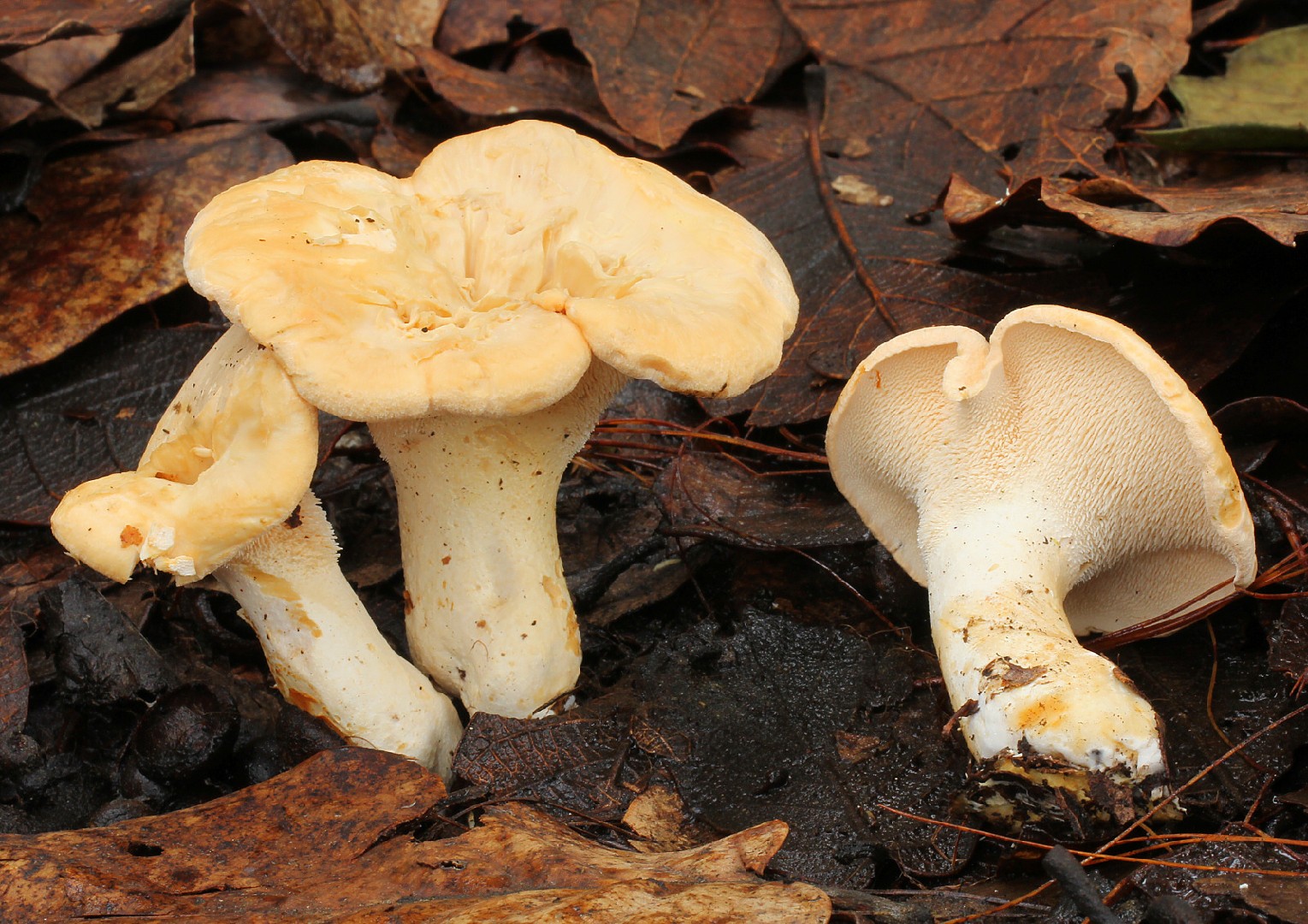
3. Sweet tooth
This mushroom is distinctive for the spines, or teeth, that hang down from the underside of its cap. It can be found on forest floors singly or in groups. In spite of the name, sweet tooth, it has a slightly spicy bite and bitter aftertaste. This wild mushroom needs to be cooked before it is truly edible, and only young, parasite-free mushrooms should be harvested.
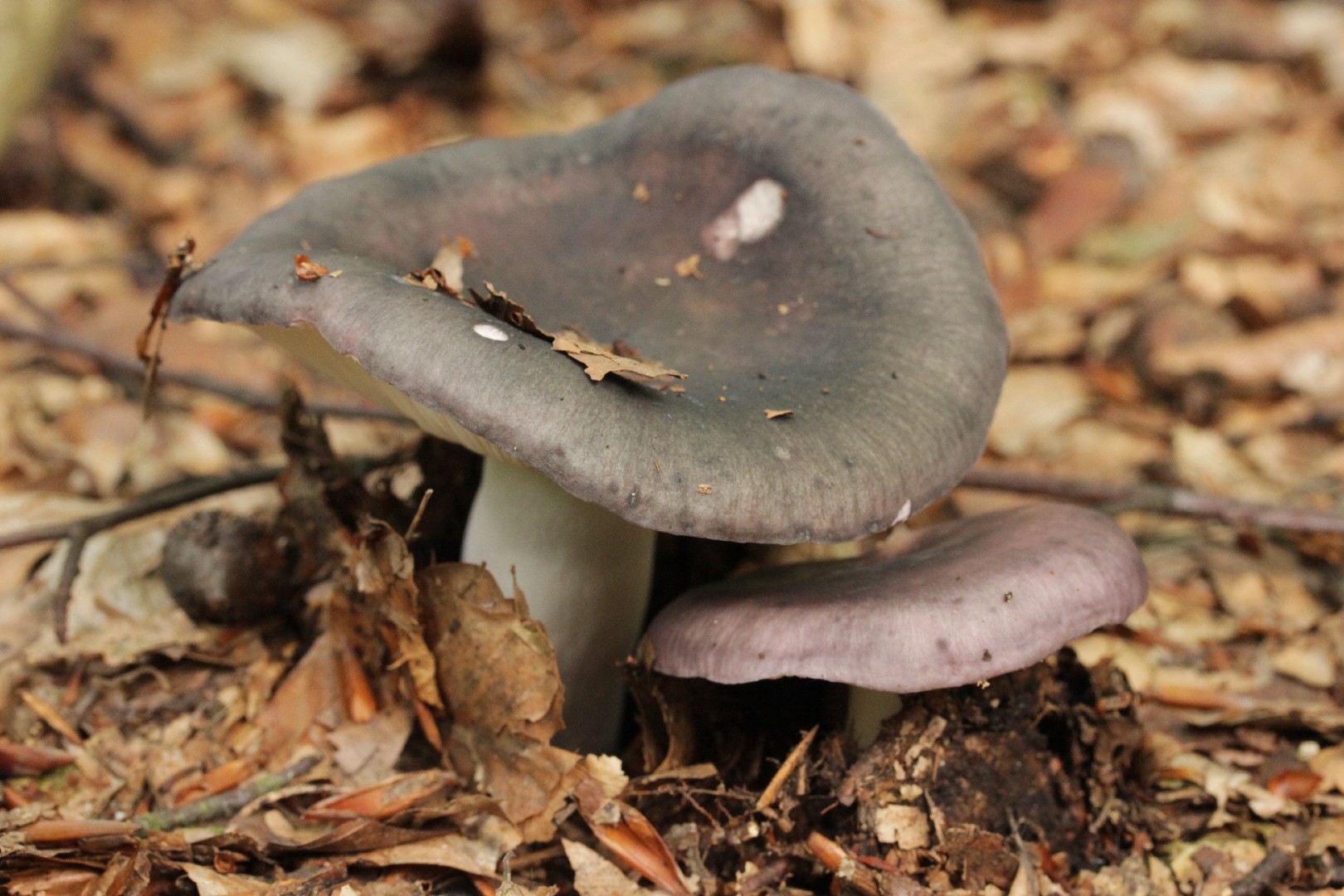
4. Charcoal burner
Most commonly found under beeches in forests or parks, this crumbly mushroom can appear in colors ranging from red and yellow to violet, blue-grey, or even green. Its scientific name represents this variability: Russula cyanoxantha means “reddish blue-blonde.”
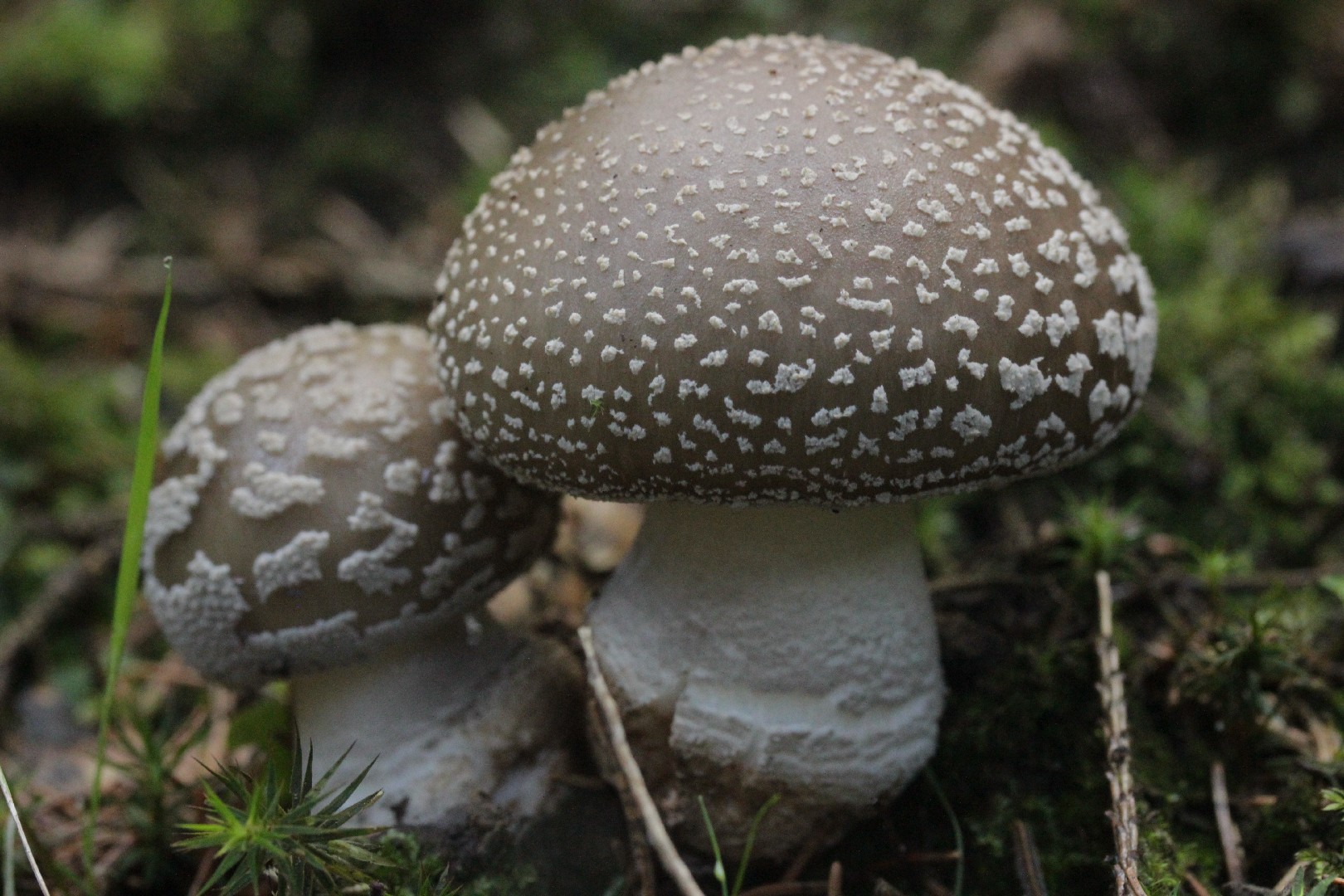
5. Grey spotted amanita
The cracked plaster appearance of grey spotted amanita (Amanita excelsa) caps is a common sight in Europe that also sporadically pops up in North America. This species has a long history and has been recorded and studied as far back as 1821. They contain a potent toxin called thermolabile, making those who consume it very sick if not cooked. This species is not recommended for consumption.
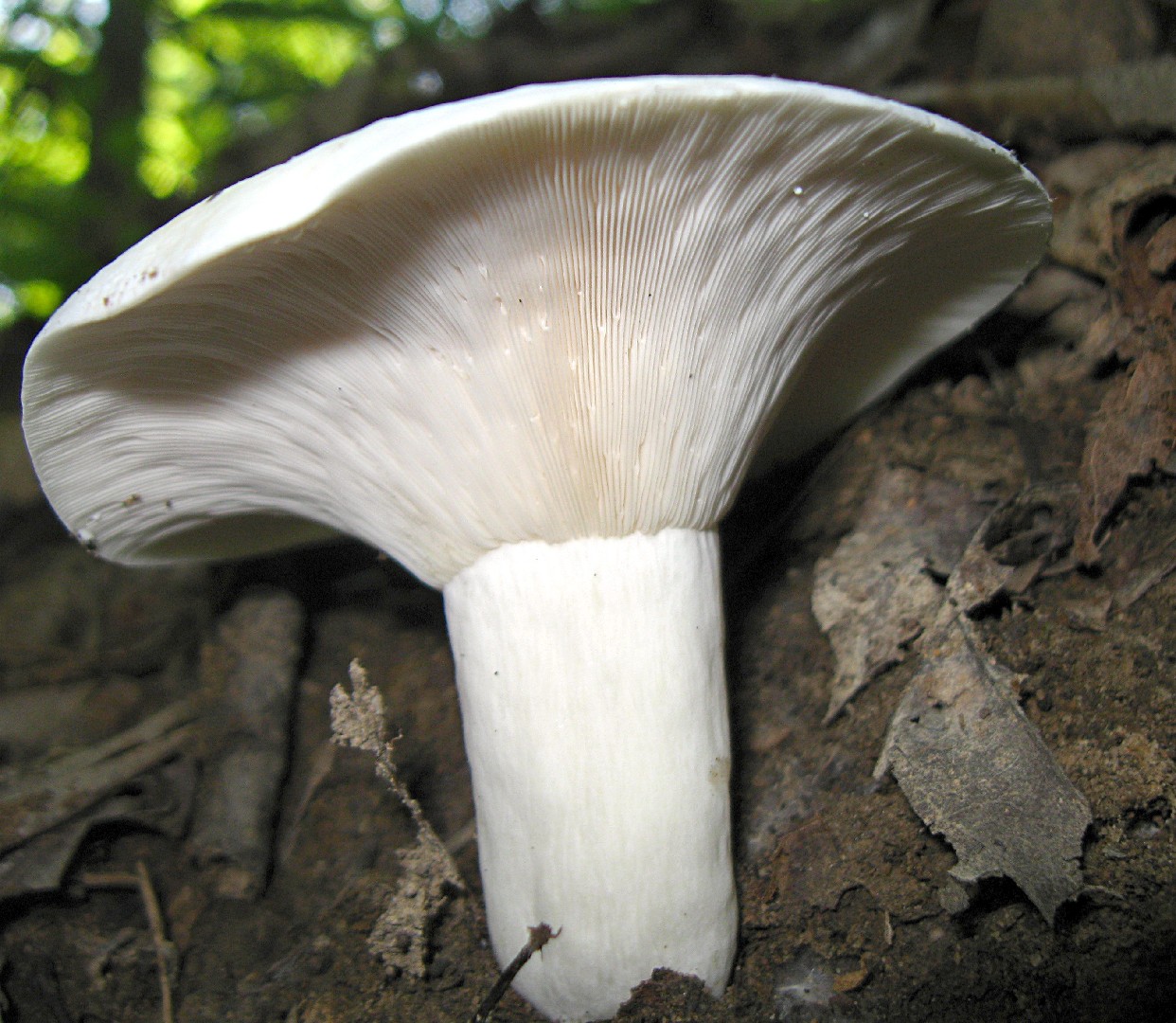
6. Peppery milk cap
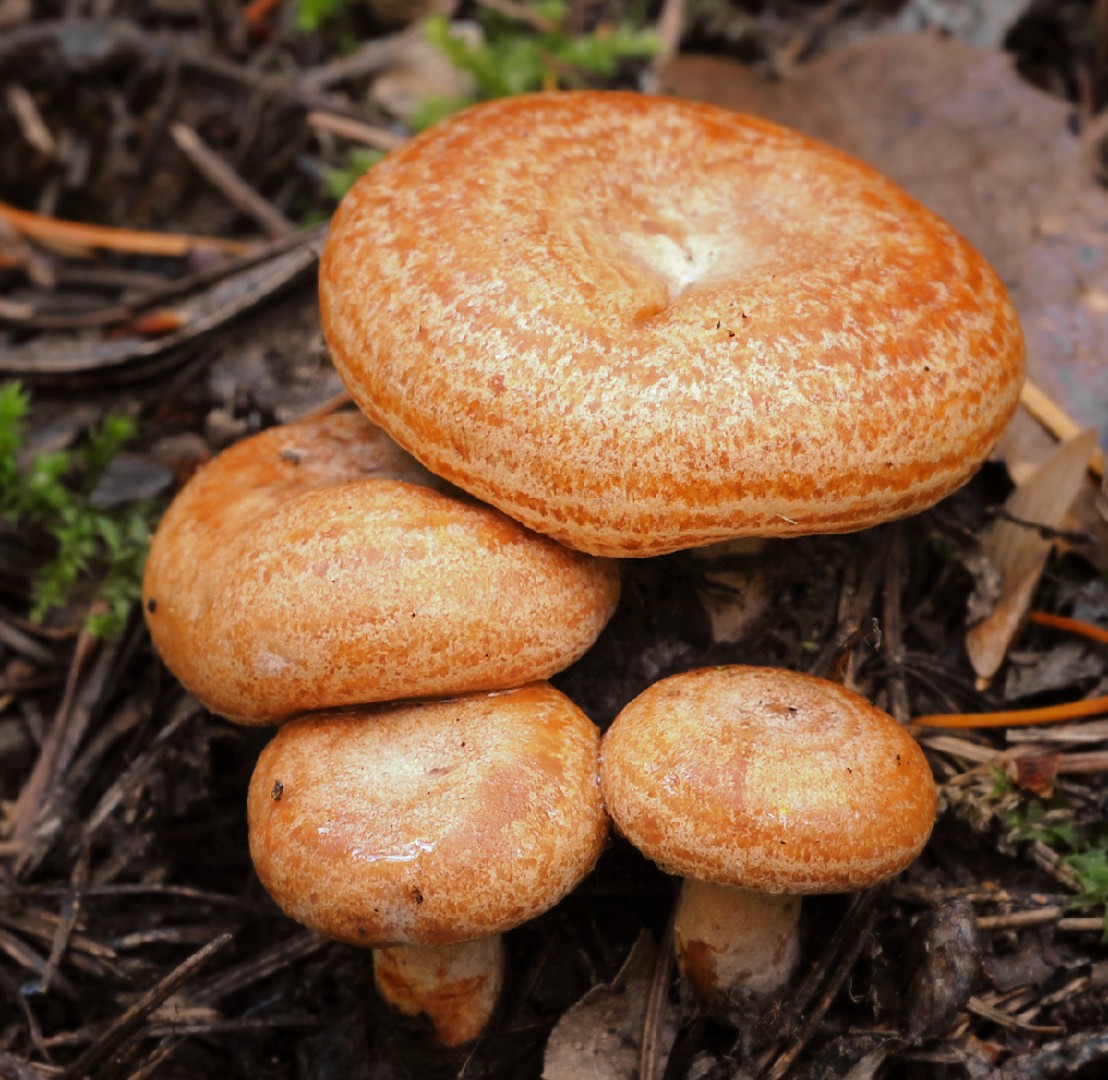
Mushrooms in the Lactarius genus, including peppery milk cap, leak a milky substance from their gills. Peppery milk cap is unique because its milk has an overpowering pepper taste. This mushroom was first described by Carl Linnaeus, the famed father of modern taxonomy.
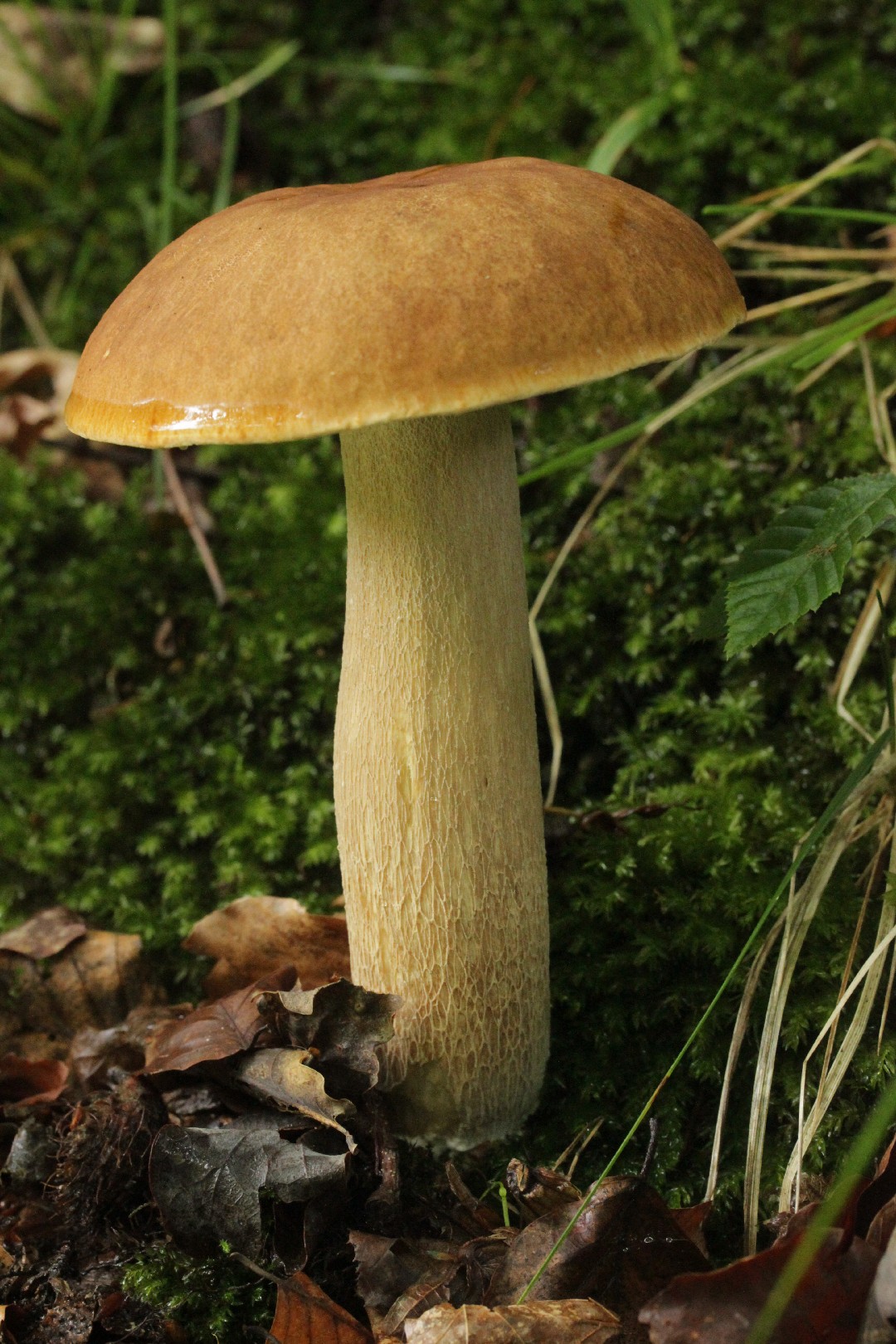
7. Summer bolete
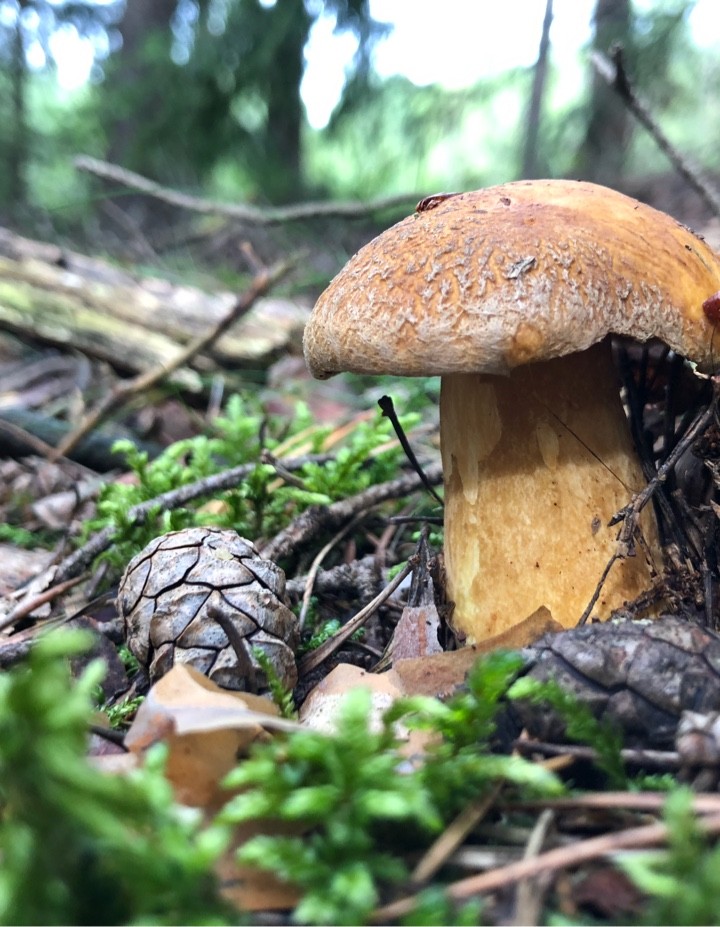
The summer bolete is very similar in appearance to the famous Cep (Boletus edulis), but it differs from it by its "swollen" stem and the absence of a white edge around the cap rim. As its name implies, the summer bolete occurs during the summer months, after very hot and humid weather.
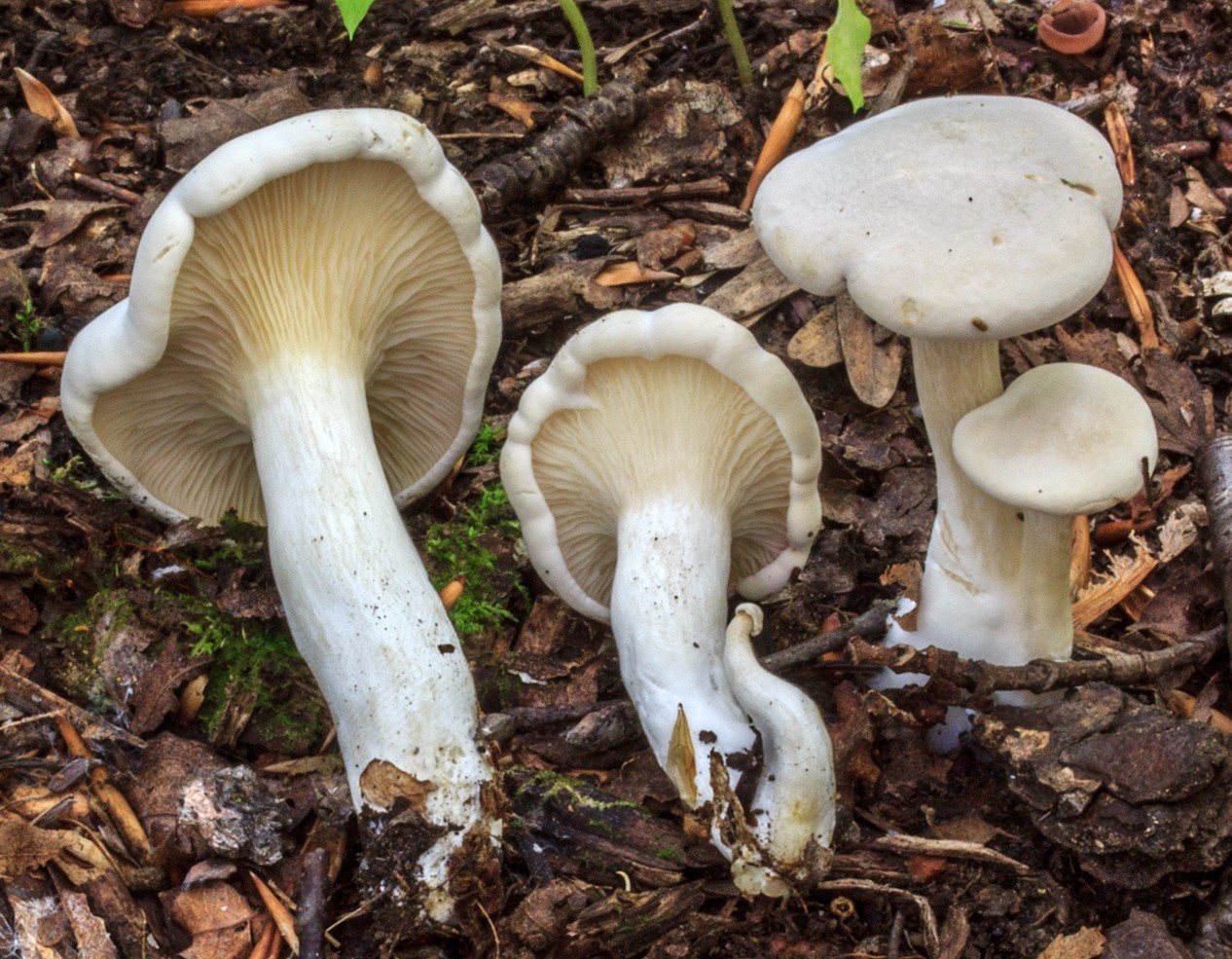
8. Sweetbread mushroom
Sweetbread mushroom(Clitopilus prunulus) is commonly found in grasslands, and it may be solitary or found among others of its kind. It exudes a characteristic odor reminiscent of raw pastry, responsible for its alternative common name of "the sweetbread mushroom." Foraging is discouraged for this mushroom, as its appearance is too similar to a deadly species.
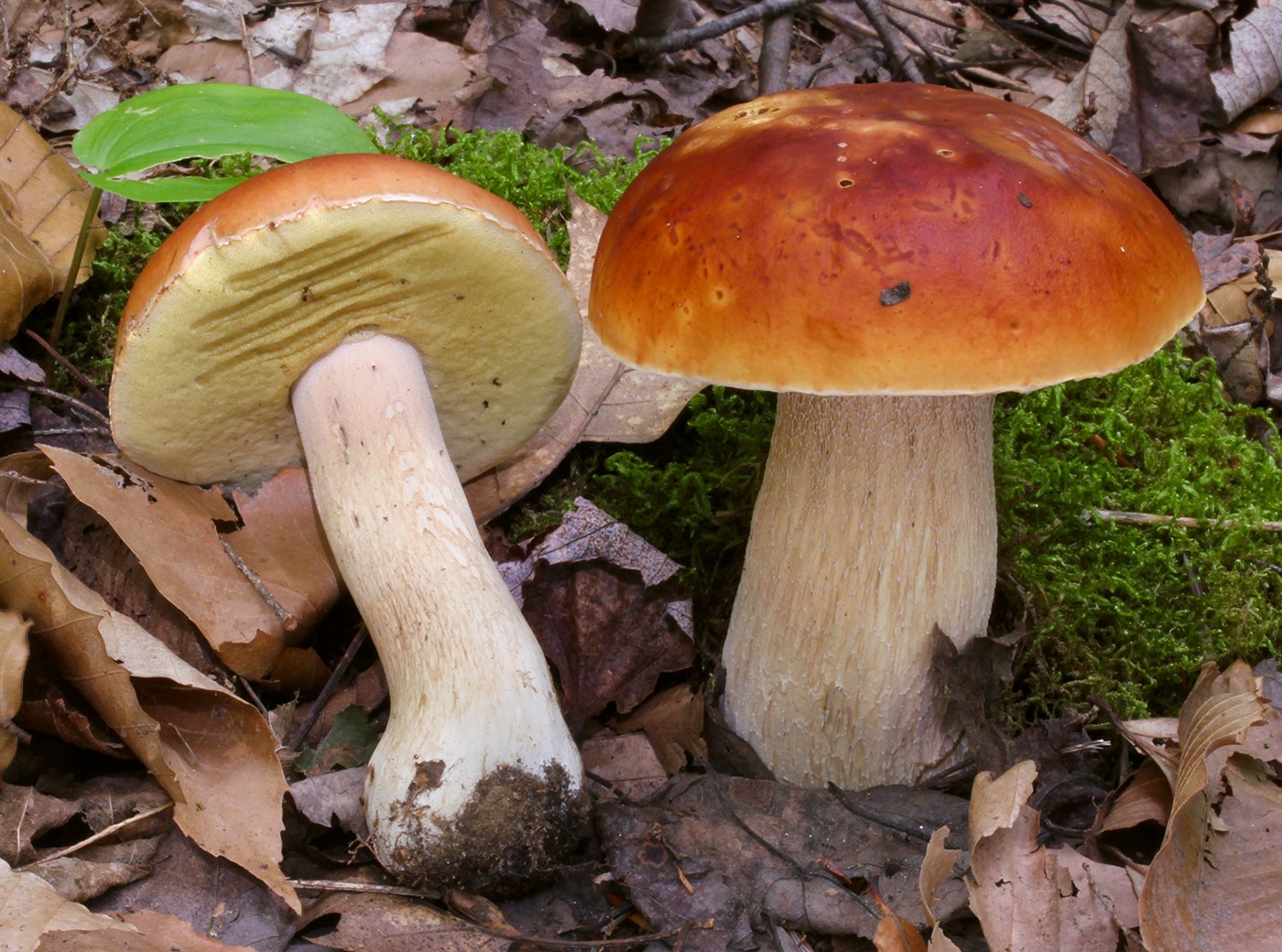
9. King bolete
Extremely popular in many cuisines, this edible wild mushroom grows around the world near the roots of forest trees. In some regions, king bolete mushrooms are collected in great enough volumes that their sale can support entire families during the harvest season. King boletes are reported to be high in fiber, vitamins B and C, calcium, potassium, magnesium, zinc, and several antioxidants.
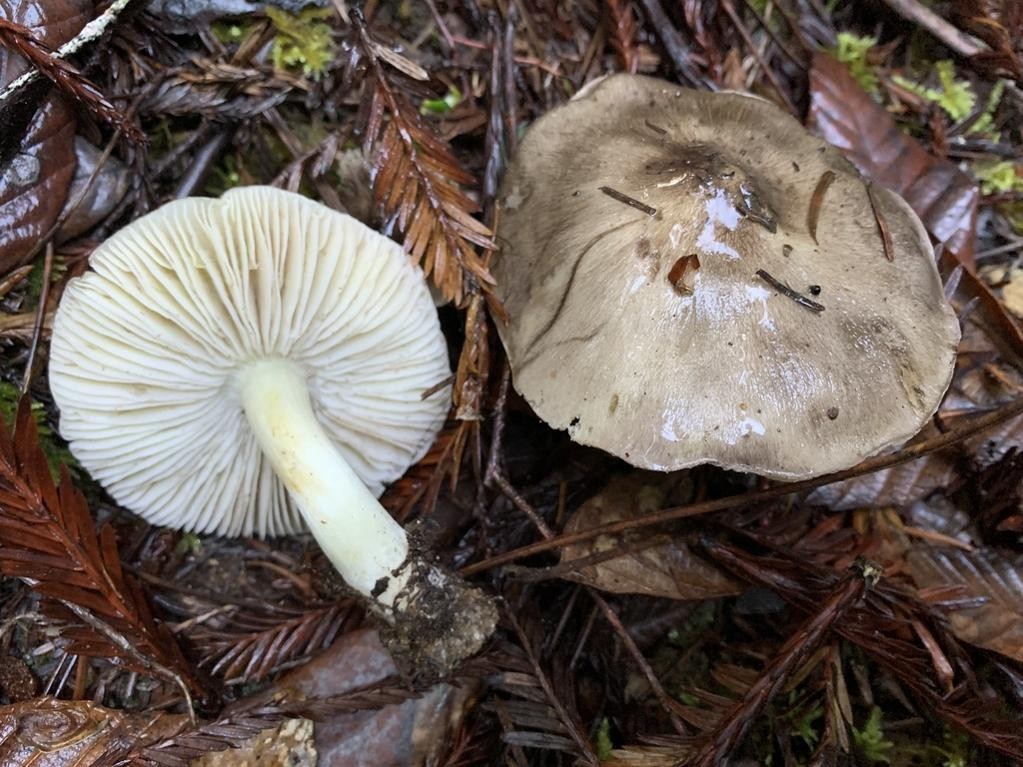
10. Sticky gray trich
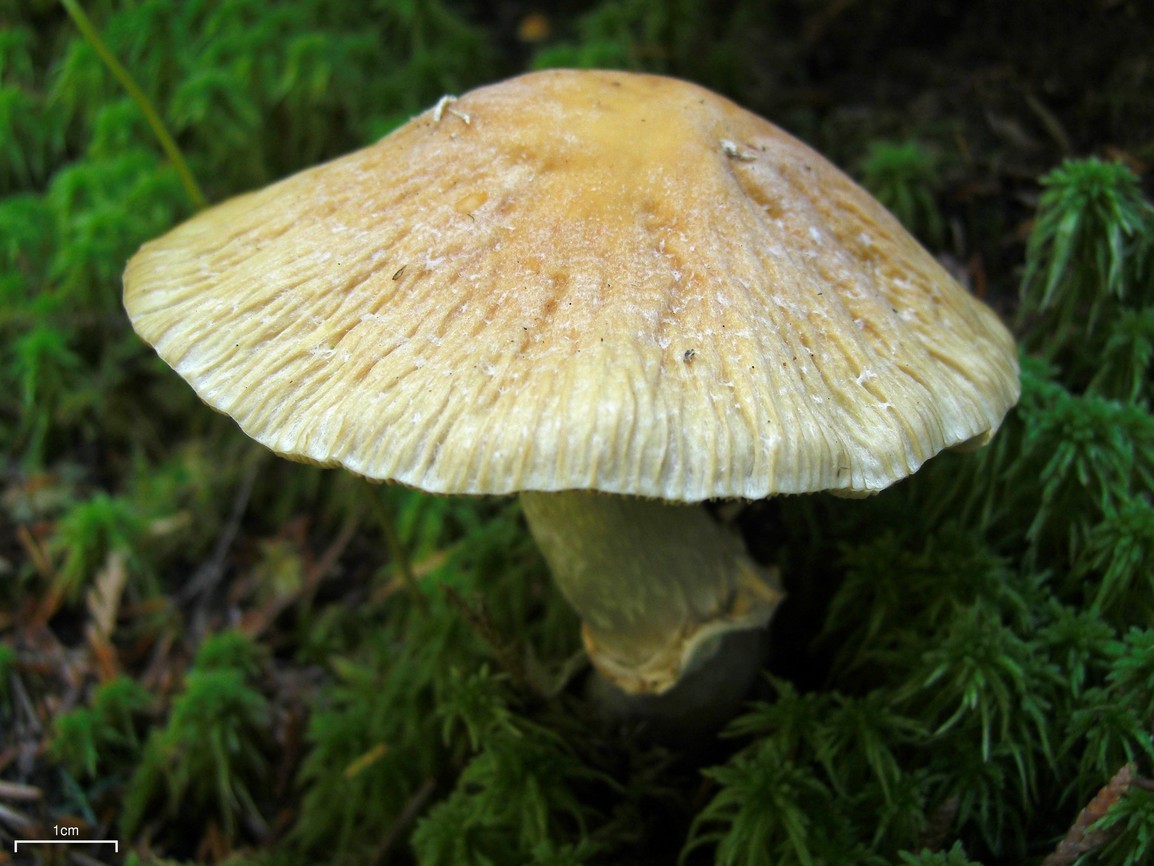
It is a large, imposing mushroom, with a convex cap 3–11 cm (1–4.5 in) in diameter with a boss. The cap is sticky when wet and has an irregularly lobed margin. It is dark grey in colour with darker grey to blackish streaks perpendicular to the margins. The grey colour fades towards the margins and may be tinged with yellow or purple. The crowded adnate gills are white, and the solid stipe is white with a yellow tinge at the top. It measures 3.5–12 cm (1.4–4.7 in) high and 1–3 cm (0.4–1.2 in) wide. The spore print is white. It has a farinaceous smell and taste. Older specimens are often eaten by slugs, and the stem is recommended to be removed before cooking. It can be pickled. 
More







