




Top 20 Edible Mushrooms Popular in Kerry
In the enchanting terrains of Kerry, a biodiversity hotspot, a multitude of edible mushrooms thrive in abundance. Embarking on a tour of the top 20 most common edible mushrooms, this page delves into their distinctive traits, from their unique visual profiles and flavors, to their preferred habitats and culinary applications. Prepare to explore the captivating, often underrated world of fungi – a spectacular display of nature's creativity, offering a bounty of flavors and essential nutrients.
* Disclaimer: Content feedback CAN NOT be used as any basis for EATING ANY PLANTS. Some plants can be VERY POISONOUS, please purchase edible plants through regular channels.

Most Popular Edible Mushrooms
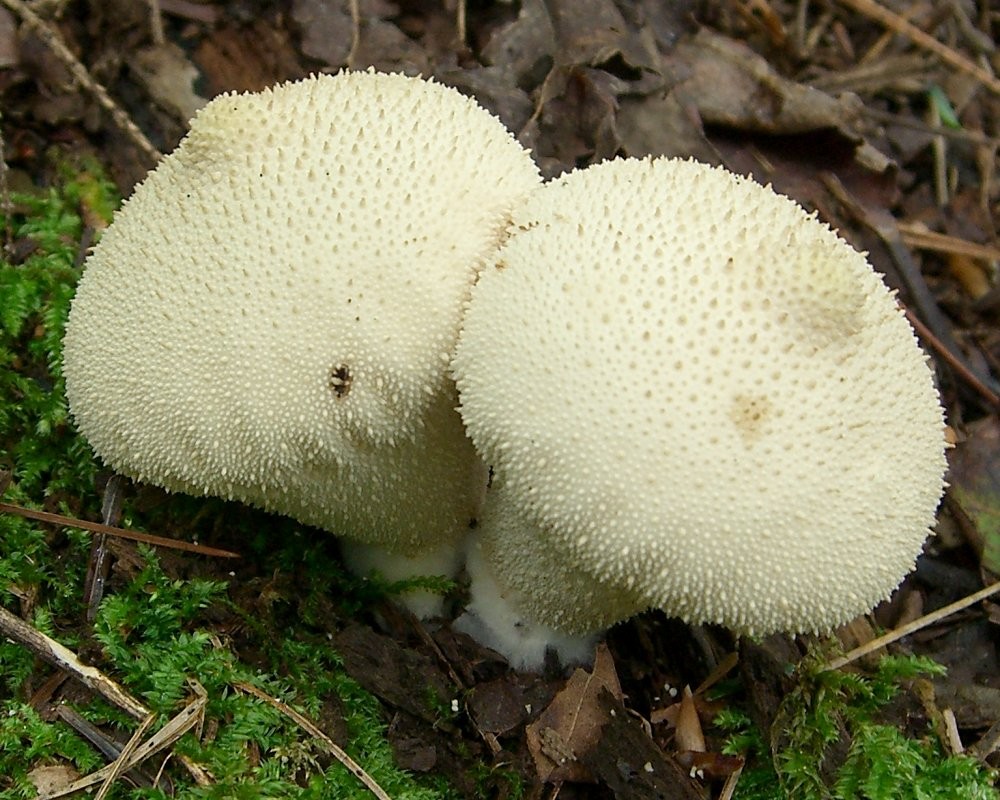
1. Common puffball
These puffy mushrooms grow in small groups on the forest floor. Once they're mature, common puffballs turn yellow and "puff out" smoke-like spore clouds when disturbed. Be very careful when identifying these mushrooms, as their young, immature form looks very similar to the lethal Deathcap.
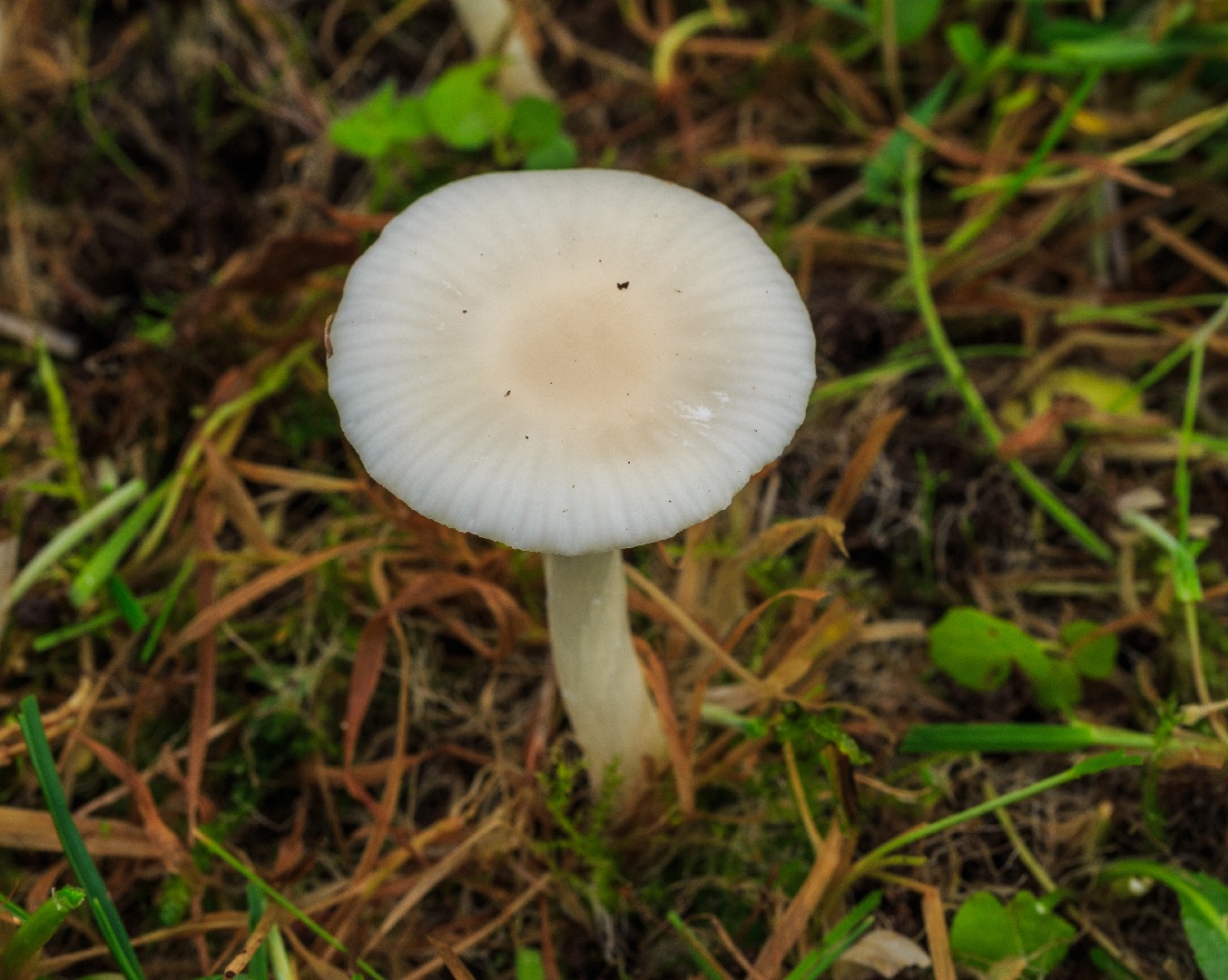
2. Snowy waxcap
The snowy waxcap is so-named because its stalk, cap, and gills are often uniformly white; however, tinges of tan or peach may occur with age, especially on the center of the cap. The species can be found in temperate grasslands and woodlands across the northern hemisphere, and in some parts of Australia.
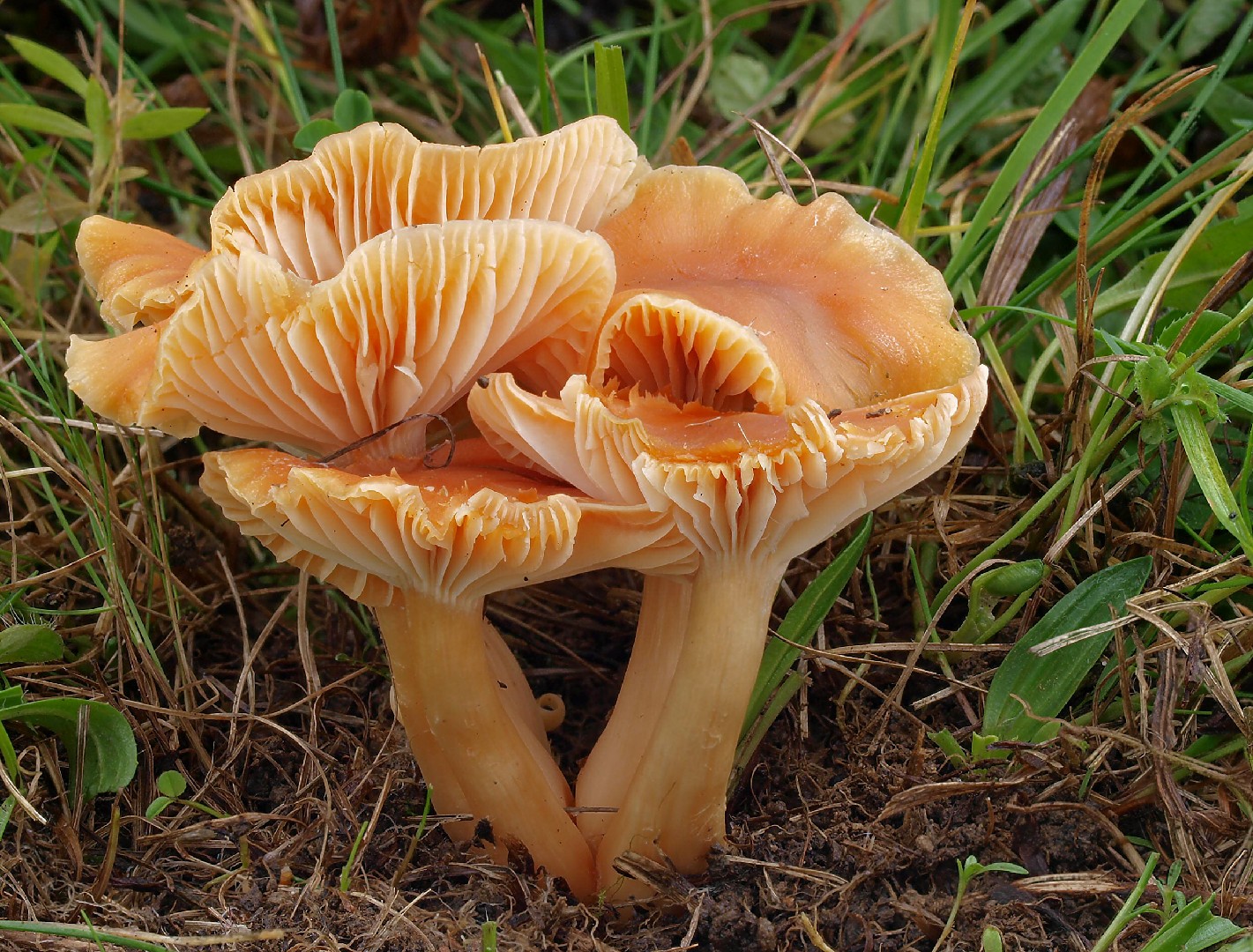
3. Meadow waxcap
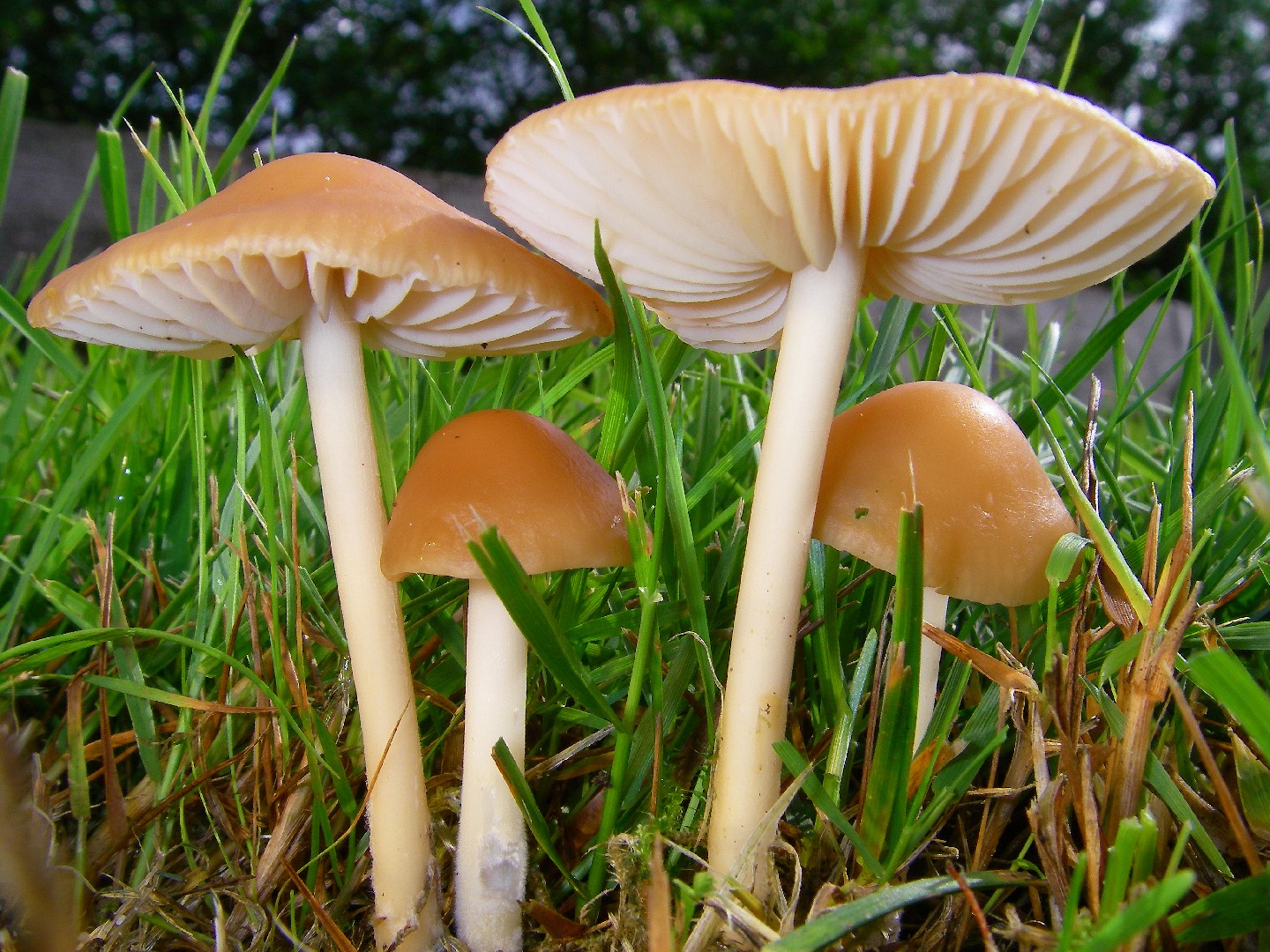
The meadow waxcap is a medium-sized, salmon-colored species that can be found in temperate habitats around the world. The species has broad, thick gills and a relatively smooth (and not particularly waxy) cap.
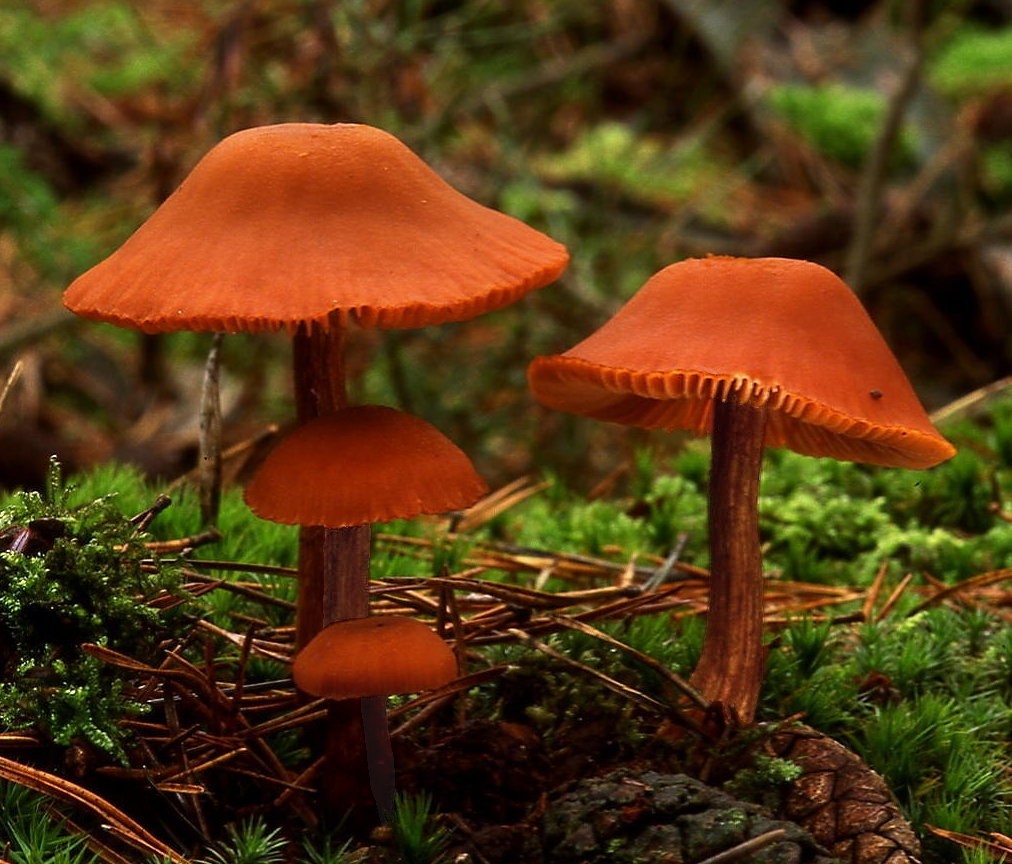
4. Common laccaria
Common laccaria may sound like a malevolent name for a mushroom, but fret not! This species is so-called because its appearance is highly variable, with individual caps taking on a whole host of colors, from whitish to pinkish to dark brown.
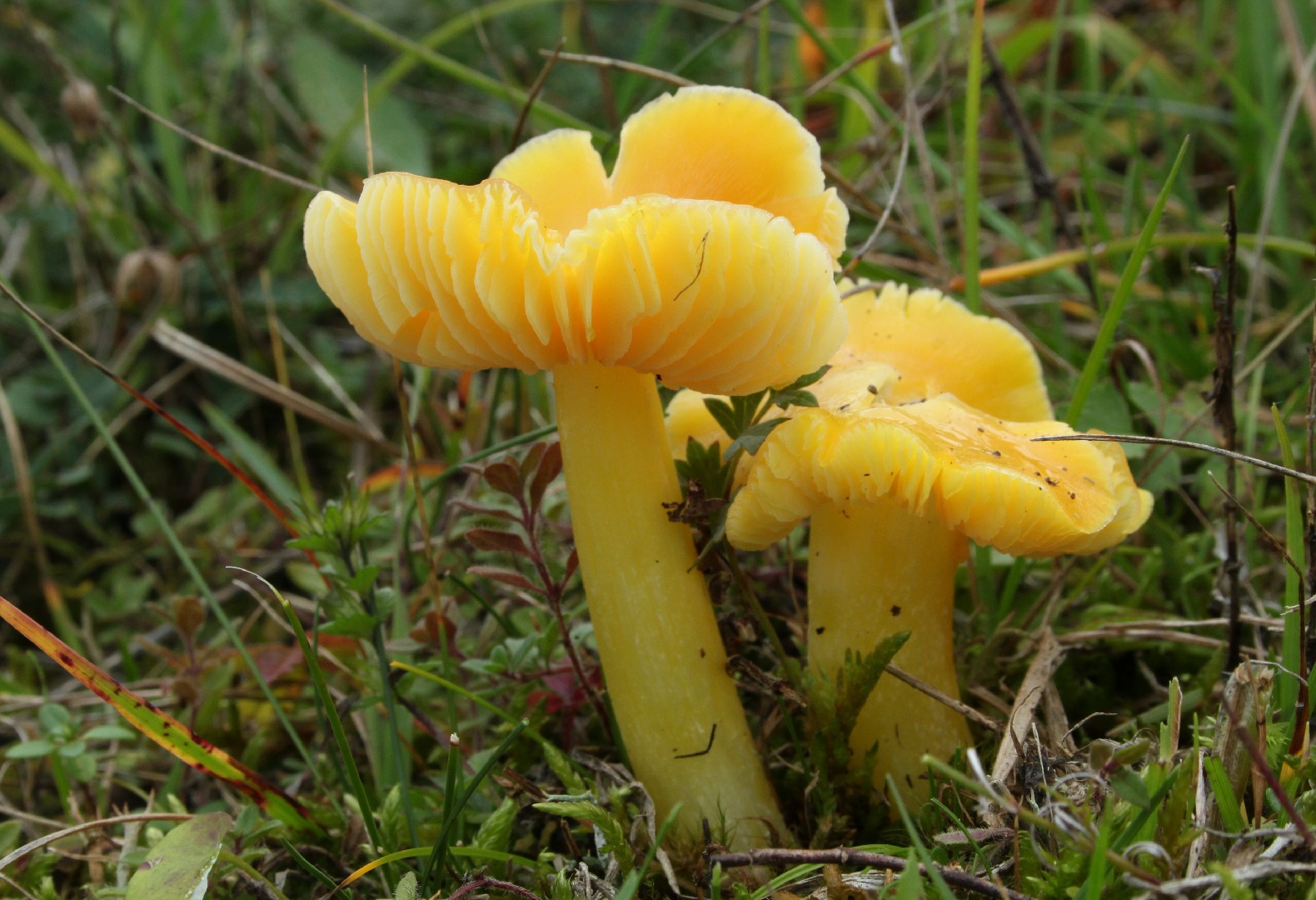
5. Lemon waxcap
The lemon waxcap can occur in both woodlands and grasslands. Despite this, it is becoming endangered in central Europe. The specific epithet Hygrocybe translates essentially as 'watery head,' because these mushrooms are typically moist and shiny. Lemon waxcap has been featured on postage stamps from the Faroe Islands.
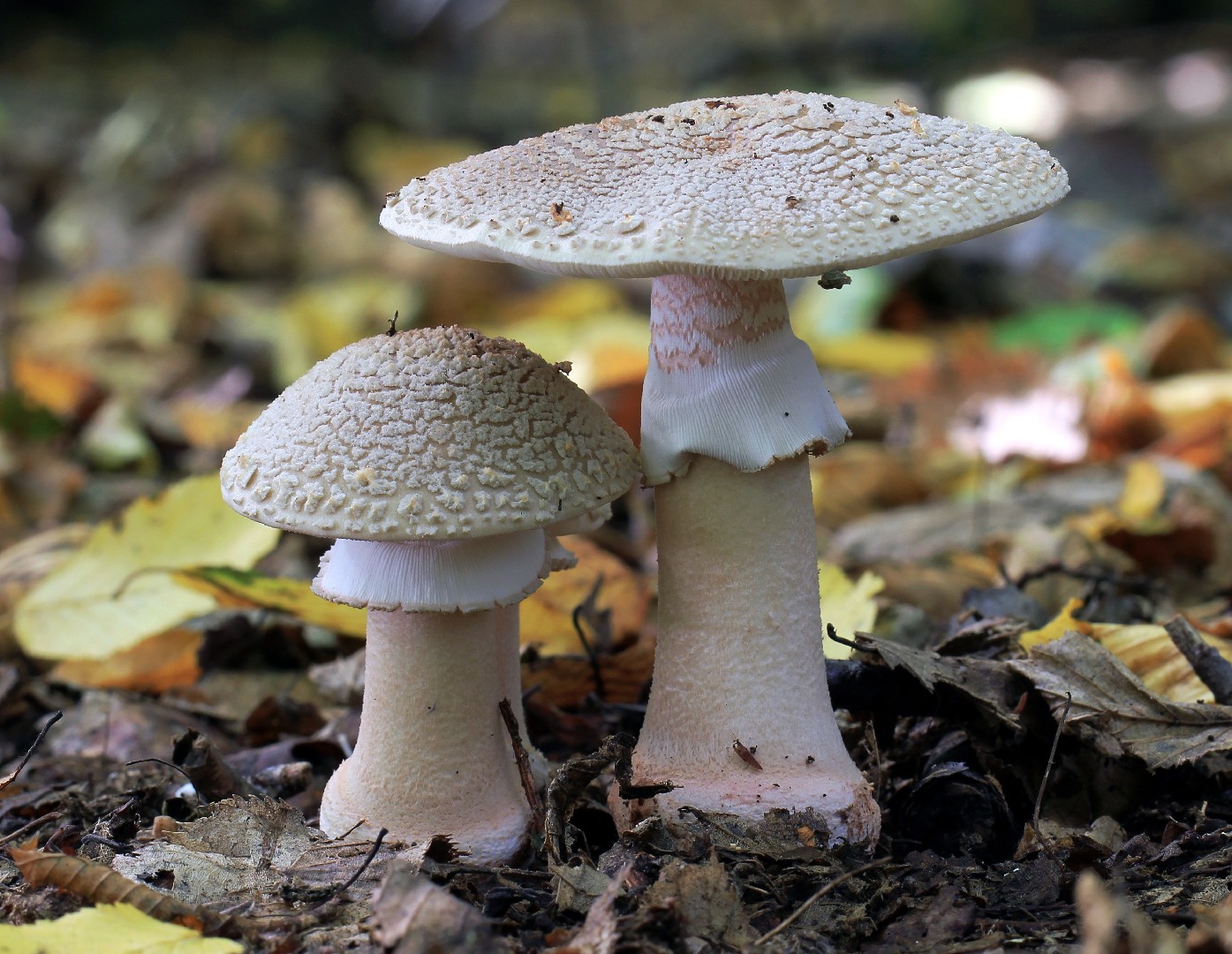
6. Blusher
The blusher mushroom is so named because it “blushes” to a pinkish red color when cut or bruised. It is found in many countries around the world, although it may not be native to the southern hemisphere. It contains a hemolytic toxin that can cause anemia if eaten.
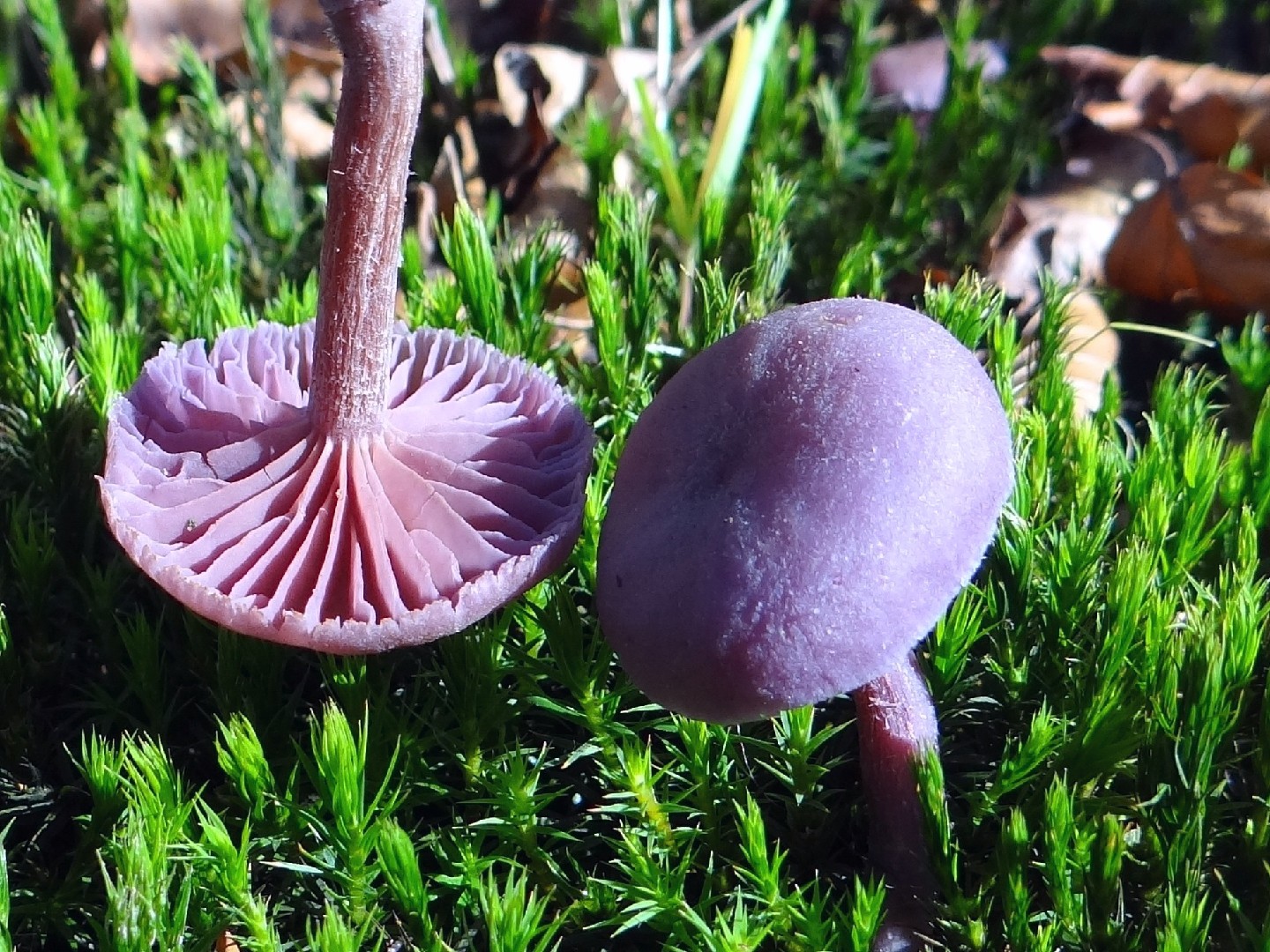
7. Amethyst deceiver
The amethyst deceiver (Laccaria amethystina) is a breathtaking mushroom that pops up from coniferous forest floors. The caps are a striking violet color in youth and are generally flat with a small indentation when the stem connects. As they mature, this violet color transforms to a less than breathtaking grey color, making it quite hard to identify after a certain age positively. Not edible.
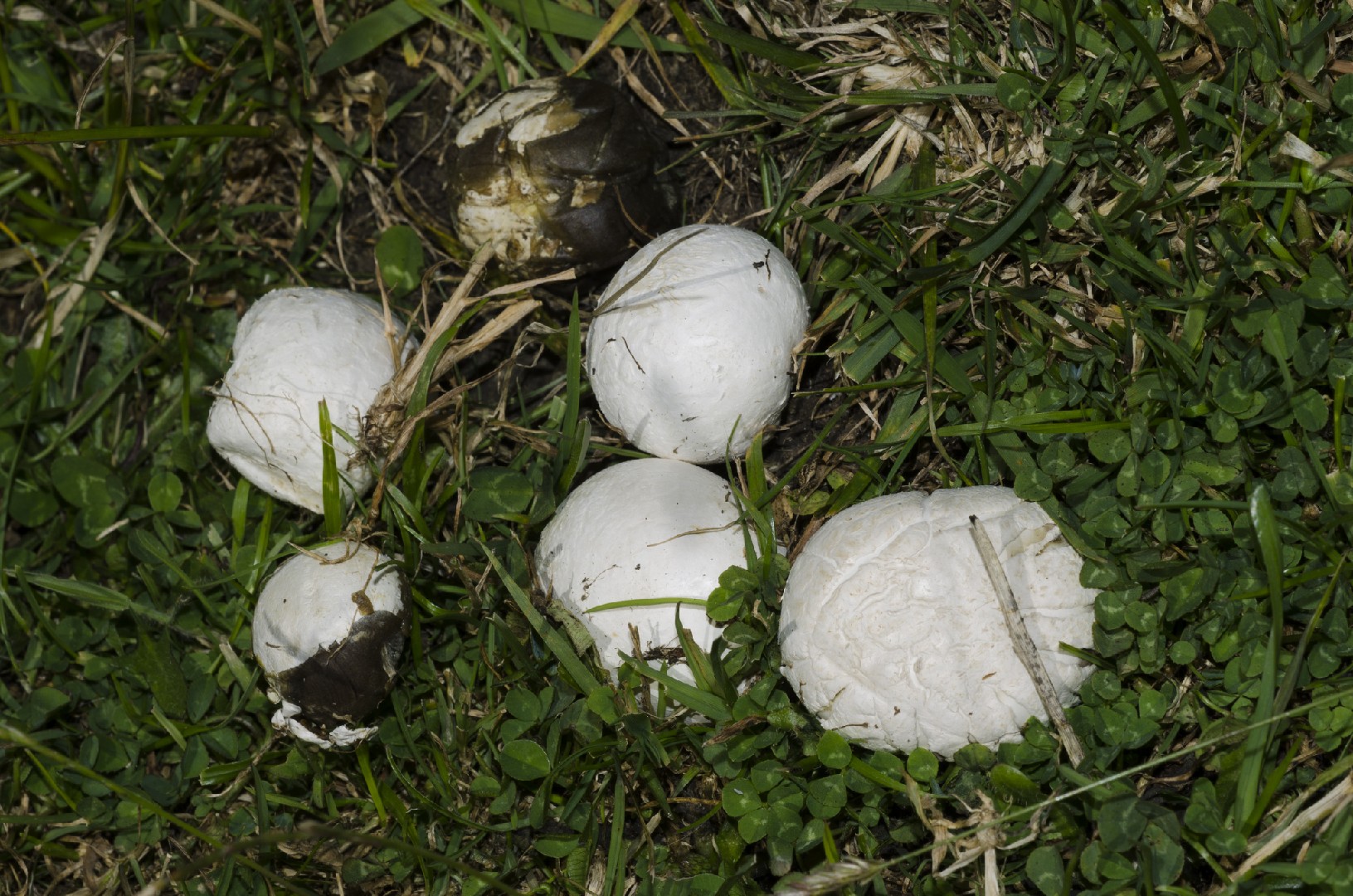
8. Grey puffball
The grey puffball grows in sparse grasslands where the wind can reach it. The 'ball' is connected to the ground only by hairlike mycelium, which fractures as it ages, allowing the spore-filled body to roll away with the wind and populate new areas. The specific epithet, plumbea, means "leaden," for the lead-like color of its inner surface.
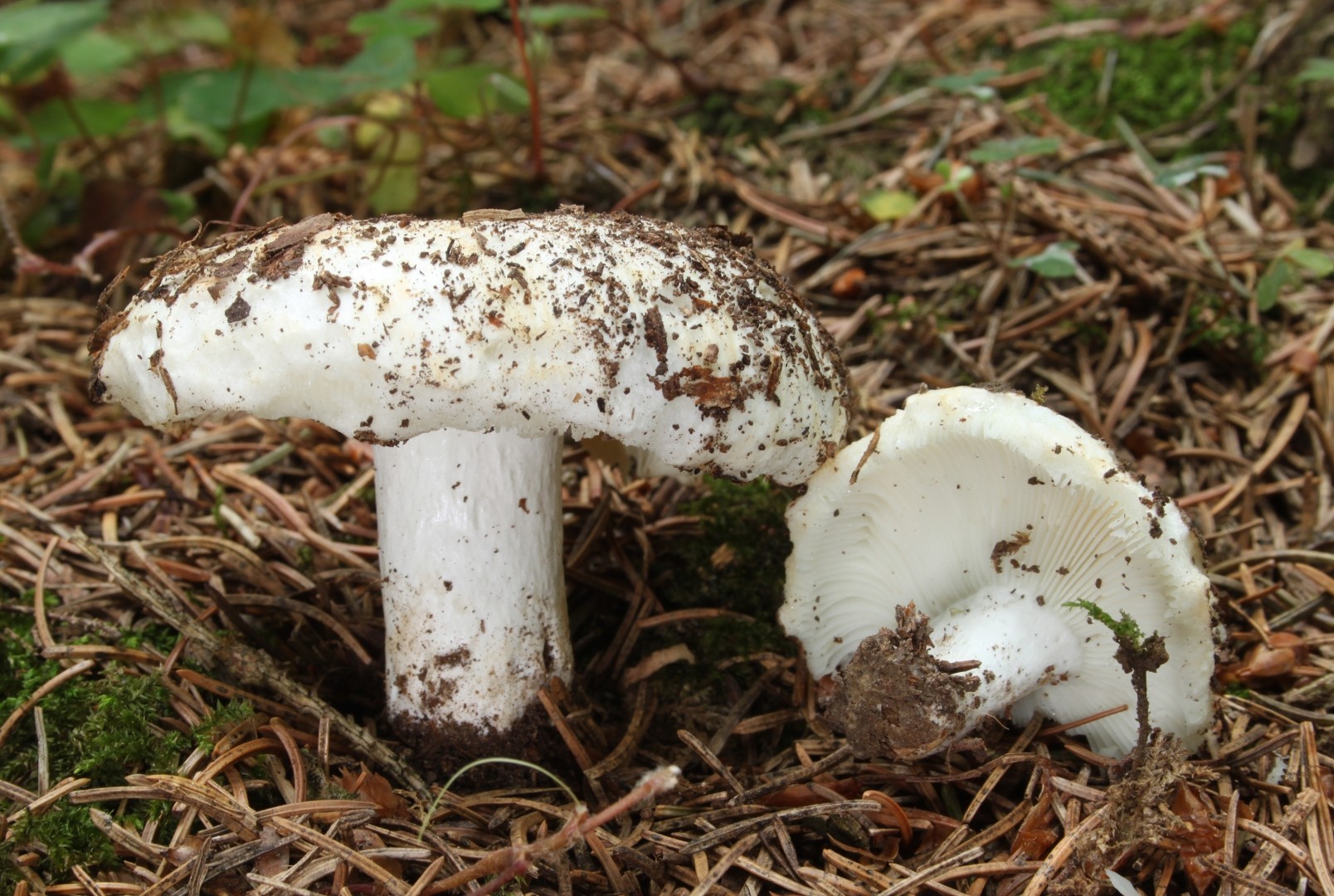
9. Milk-white brittlegill
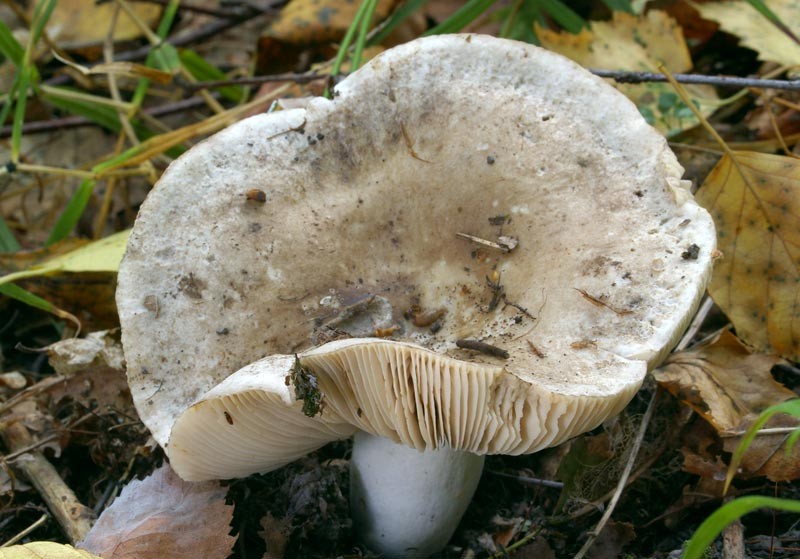
Fruitbodies of the large milk-white brittlegill (Russula delica) arise from the forest floor already quite formed, a fact which results in dirty and pockmarked caps. “Delica” means “without milk,” and this mushroom can be most readily distinguished from the lookalike Fleecy Milkcap by its lack of milky latex exudate.
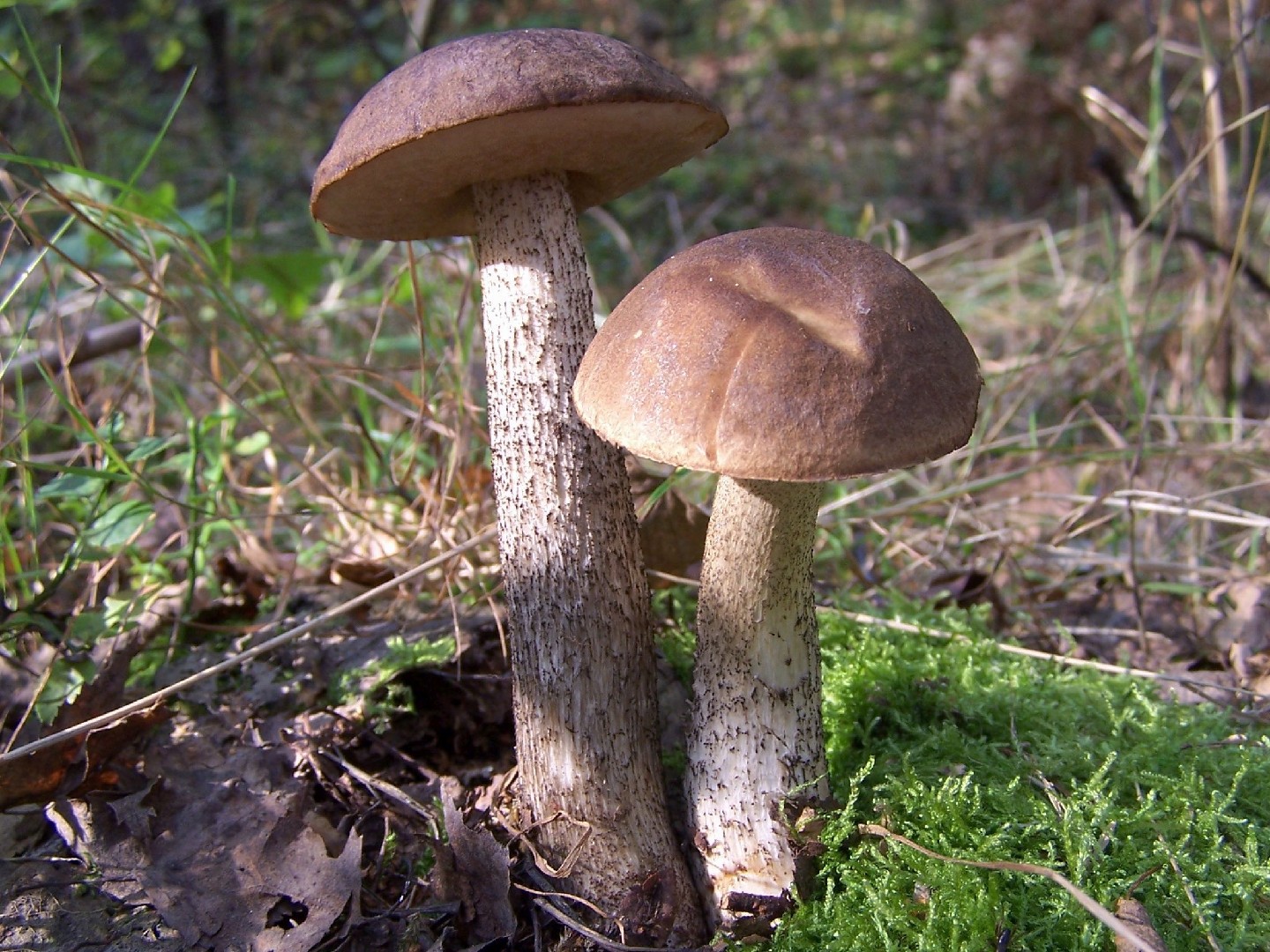
10. Brown birch-bolete
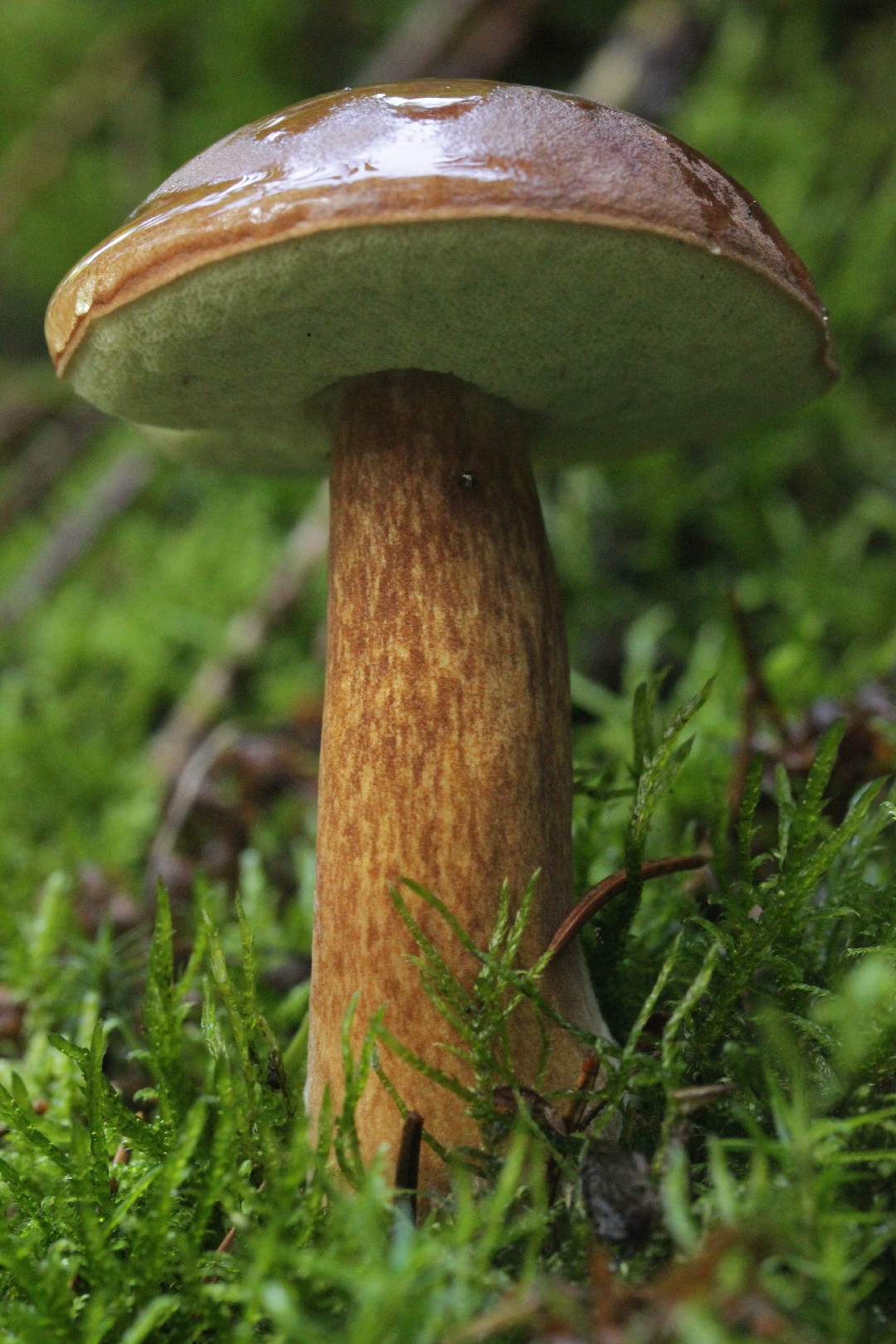
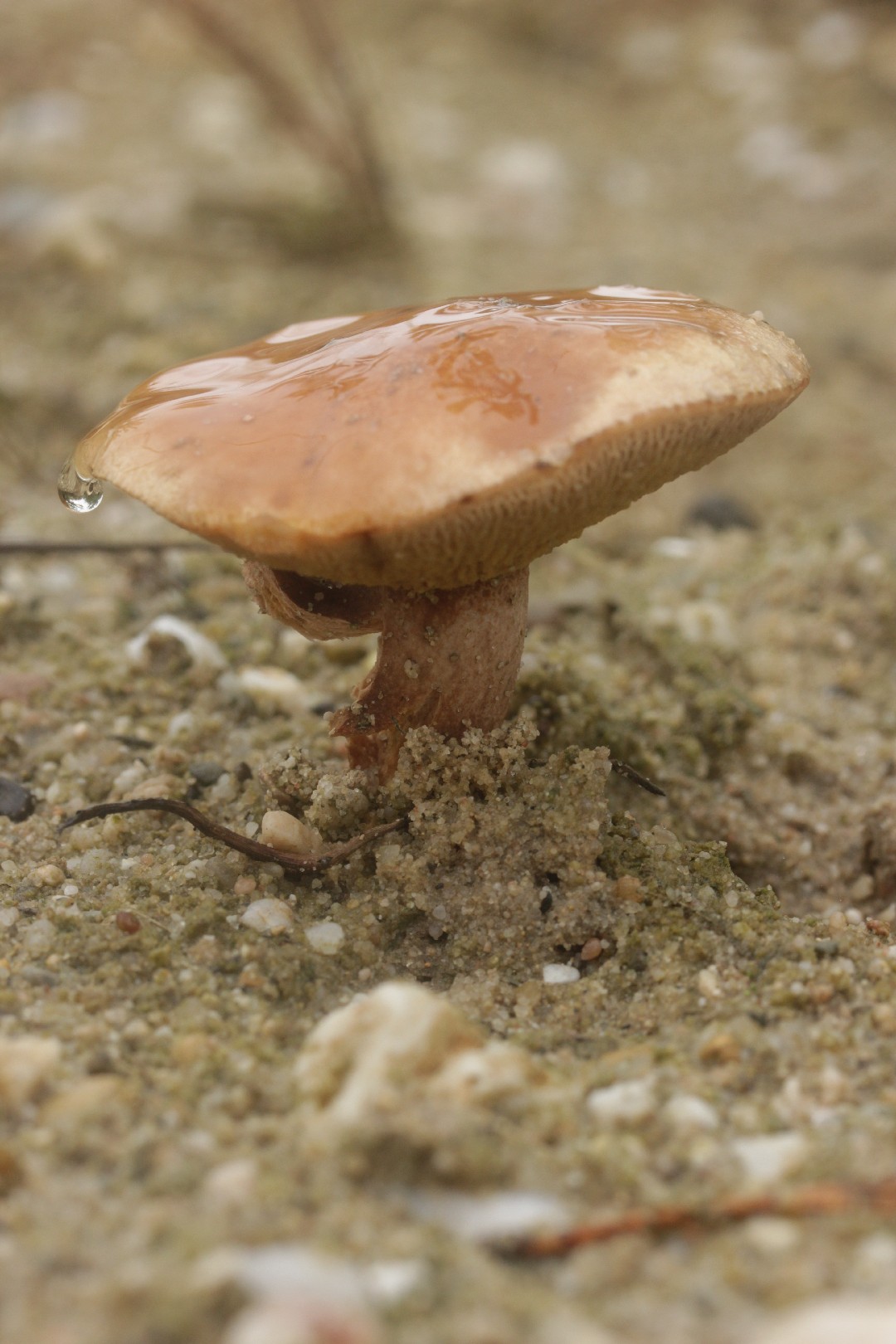
The brown birch-bolete is common around the northern hemisphere. It grows beneath birch trees and is usually easy to identify by its brown cap and scaly stem, the latter of which is referenced in its scientific name Leccinum scabrum. Occasionally, however, it can be found sporting a white cap.


More







