




Top 20 Edible Mushrooms Popular in Lannion
Immerse yourself in the lush world of Lannion's fungi, where 20 common edible mushrooms thrive in abundance. Explore the unique characteristics, from varied venues of verdant woodlands to damp, shadow-kissed soils that provide an optimal environment for mushrooms to grow. Unearth the rich lore tied to their appearances, tastes, habitats, and countless culinary uses. Every morsel of information in this educational guide is precisely curated from reliable sources and designed to fulfill your mycological curiosity.
* Disclaimer: Content feedback CAN NOT be used as any basis for EATING ANY PLANTS. Some plants can be VERY POISONOUS, please purchase edible plants through regular channels.

Most Popular Edible Mushrooms
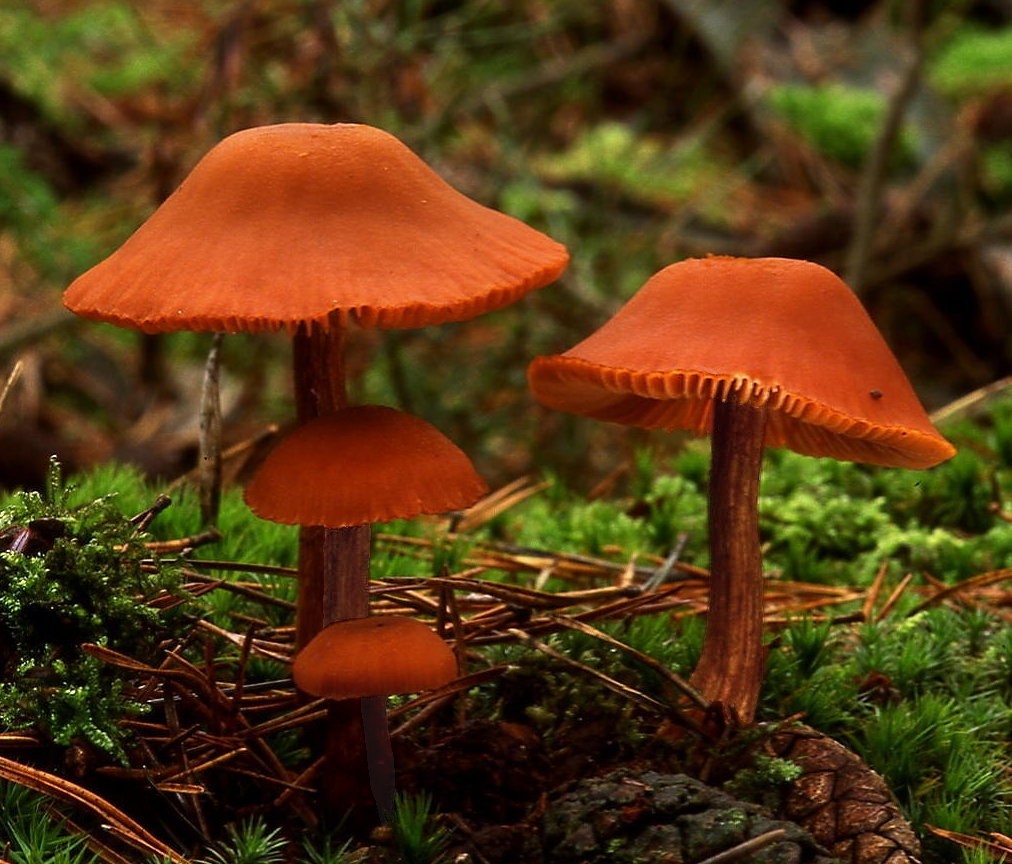
1. Common laccaria
Common laccaria may sound like a malevolent name for a mushroom, but fret not! This species is so-called because its appearance is highly variable, with individual caps taking on a whole host of colors, from whitish to pinkish to dark brown.
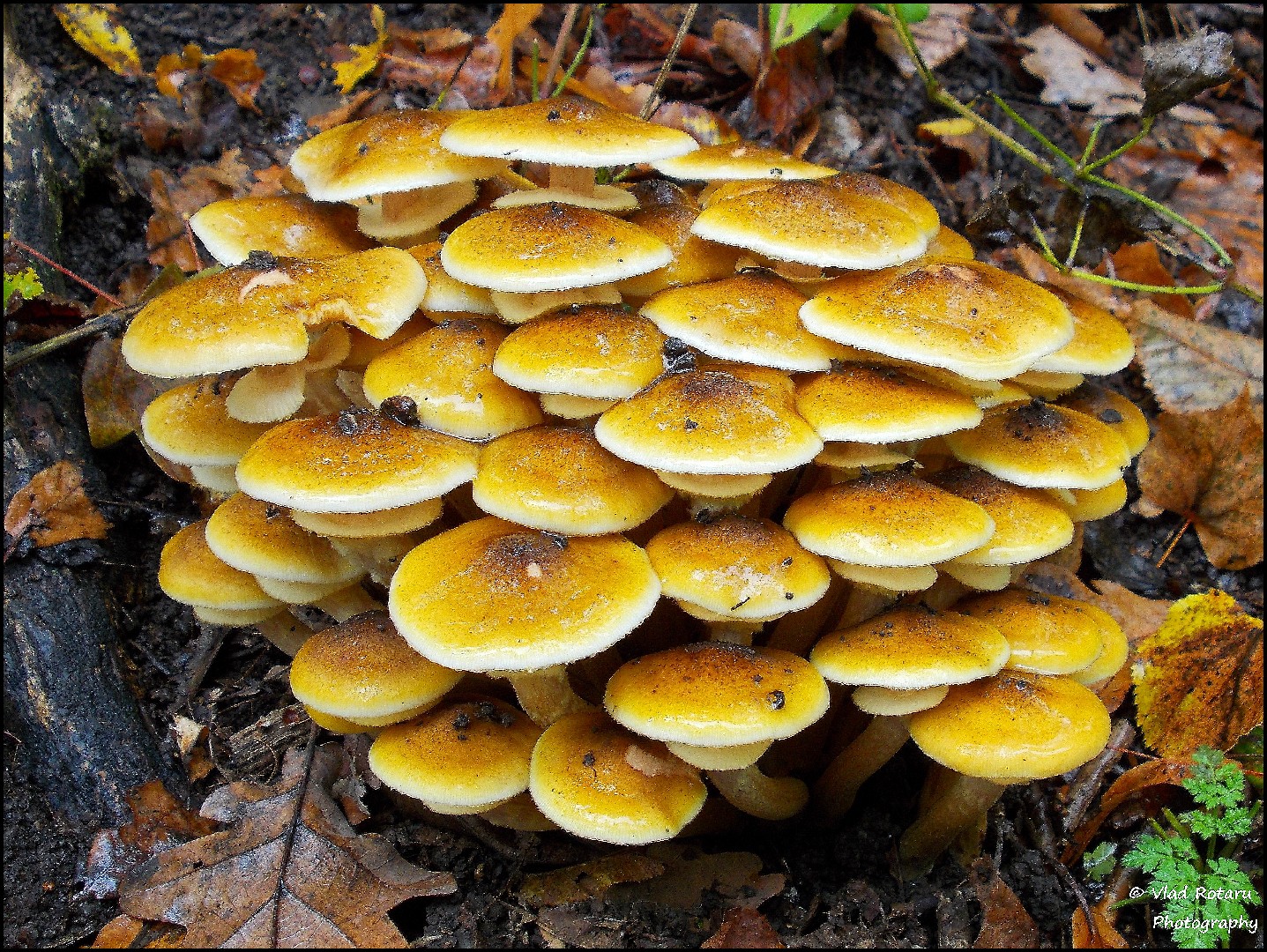
2. Honey fungus
The honey fungus is a parasitic fungus that grows on the roots of many woody and perennial plants, damaging and possibly killing its host. It spreads underground and is considered to be the most damaging fungal disease in gardens across the UK. The appearance of the mushrooms above-ground heralds a much more extensive infection below.
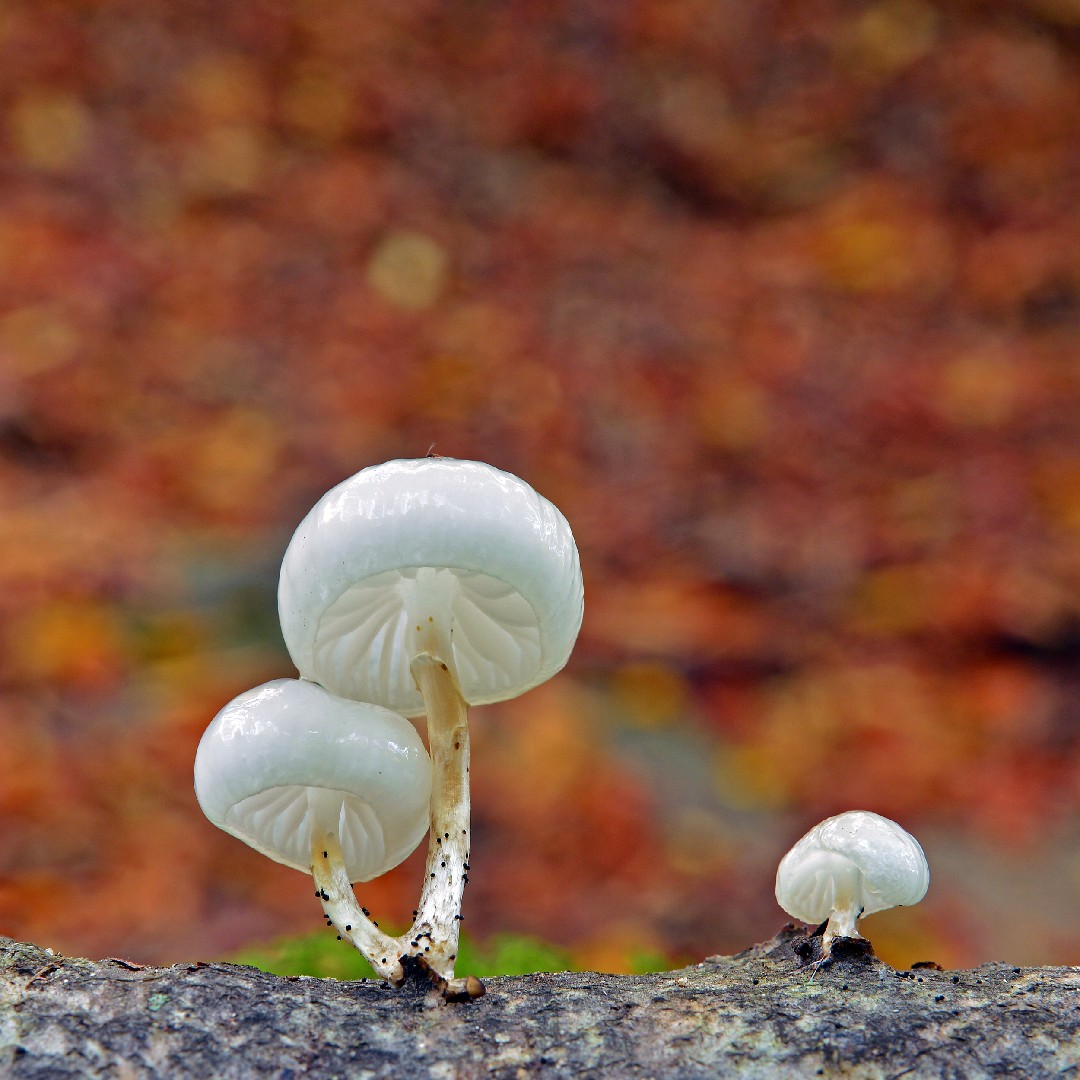
3. Porcelain mushroom
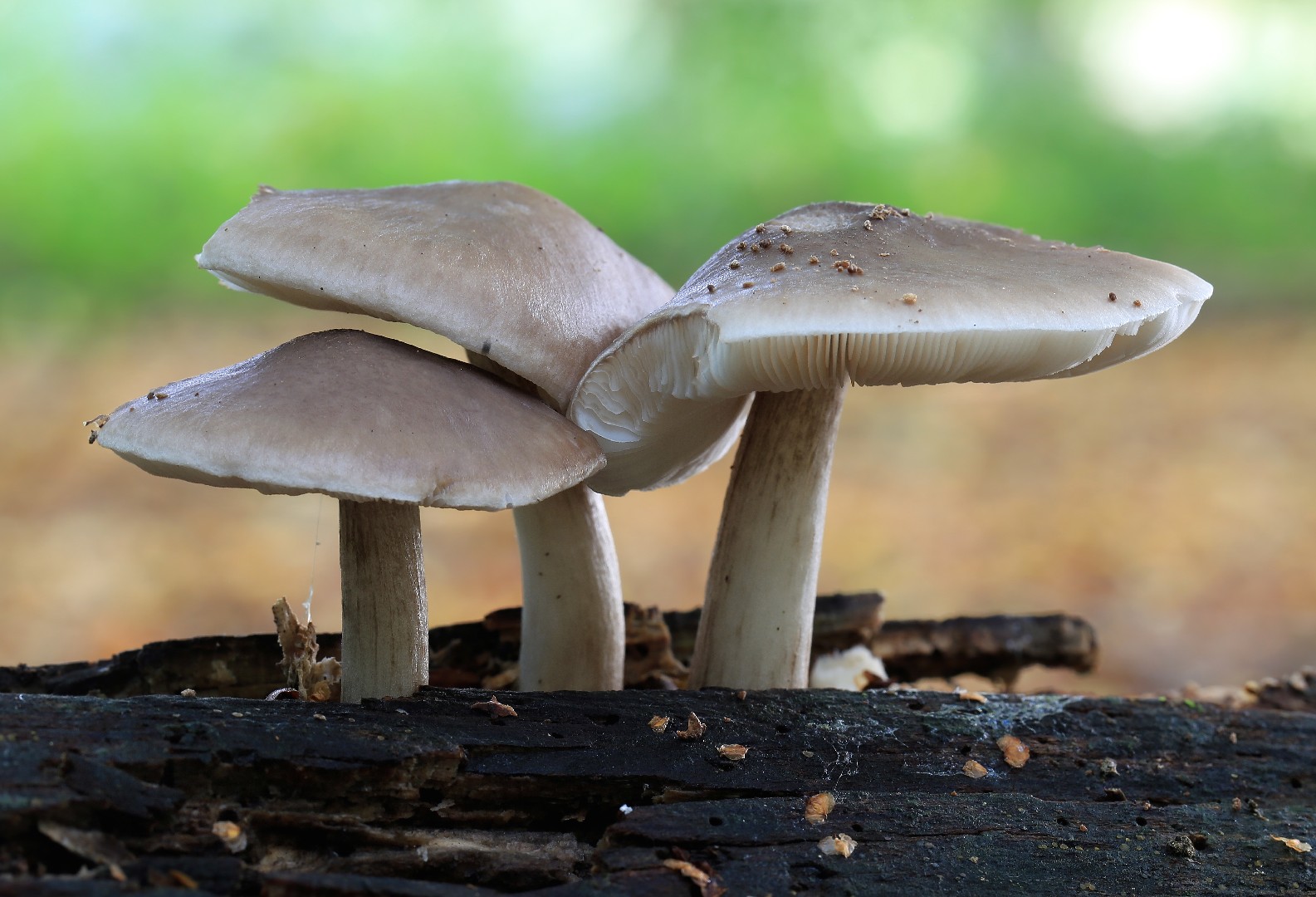
Porcelain mushroom can be found on a variety of deadwood including logs, dead standing trees, and dead upper branches. However, this mushroom is pickier about the type of deadwood, as it only grows on beech trees. This mushroom prefers to keep these trees to itself, releasing fungicides that can kill other mushrooms.
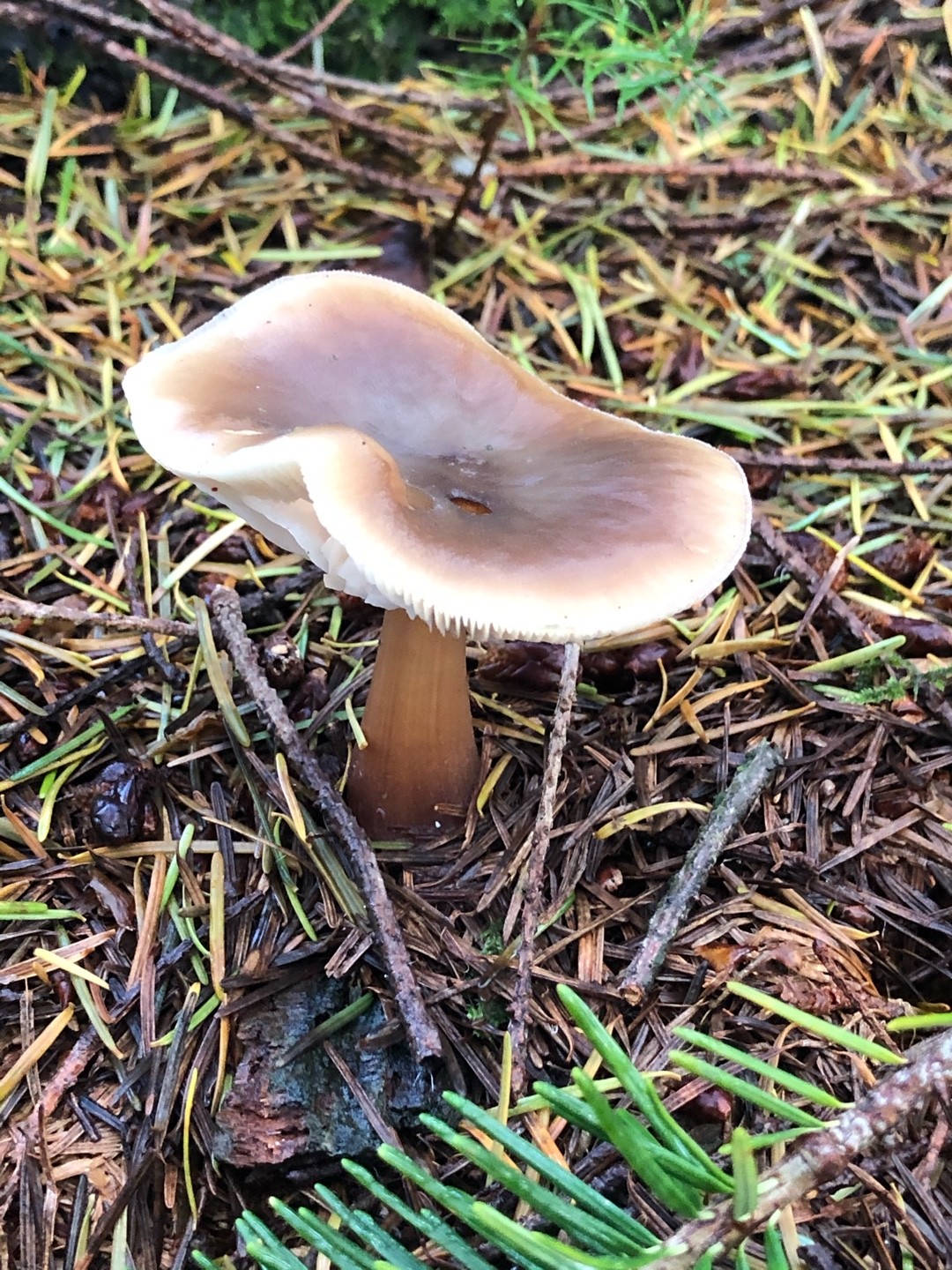
4. Buttery collybia
Buttery collybia mushrooms grow mainly on the floors of coniferous forests, from summer to winter across Europe and North America. This mushroom is called “buttery” not for its flavor, but rather the greasy texture of its surface. In the genus name, “rhodo” means pink, a reference to the shade of the gills beneath its cap.
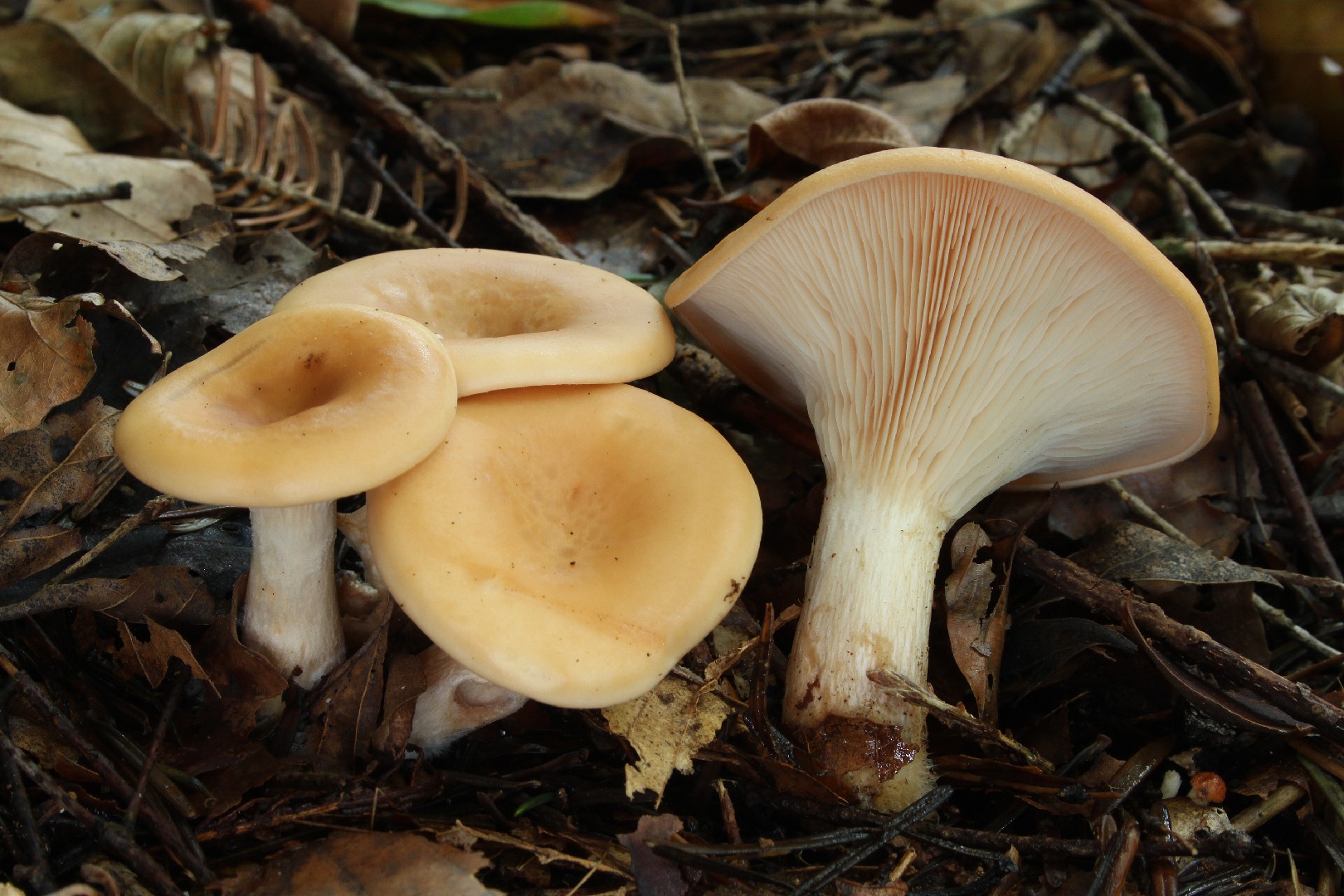
5. Tawny funnel cap
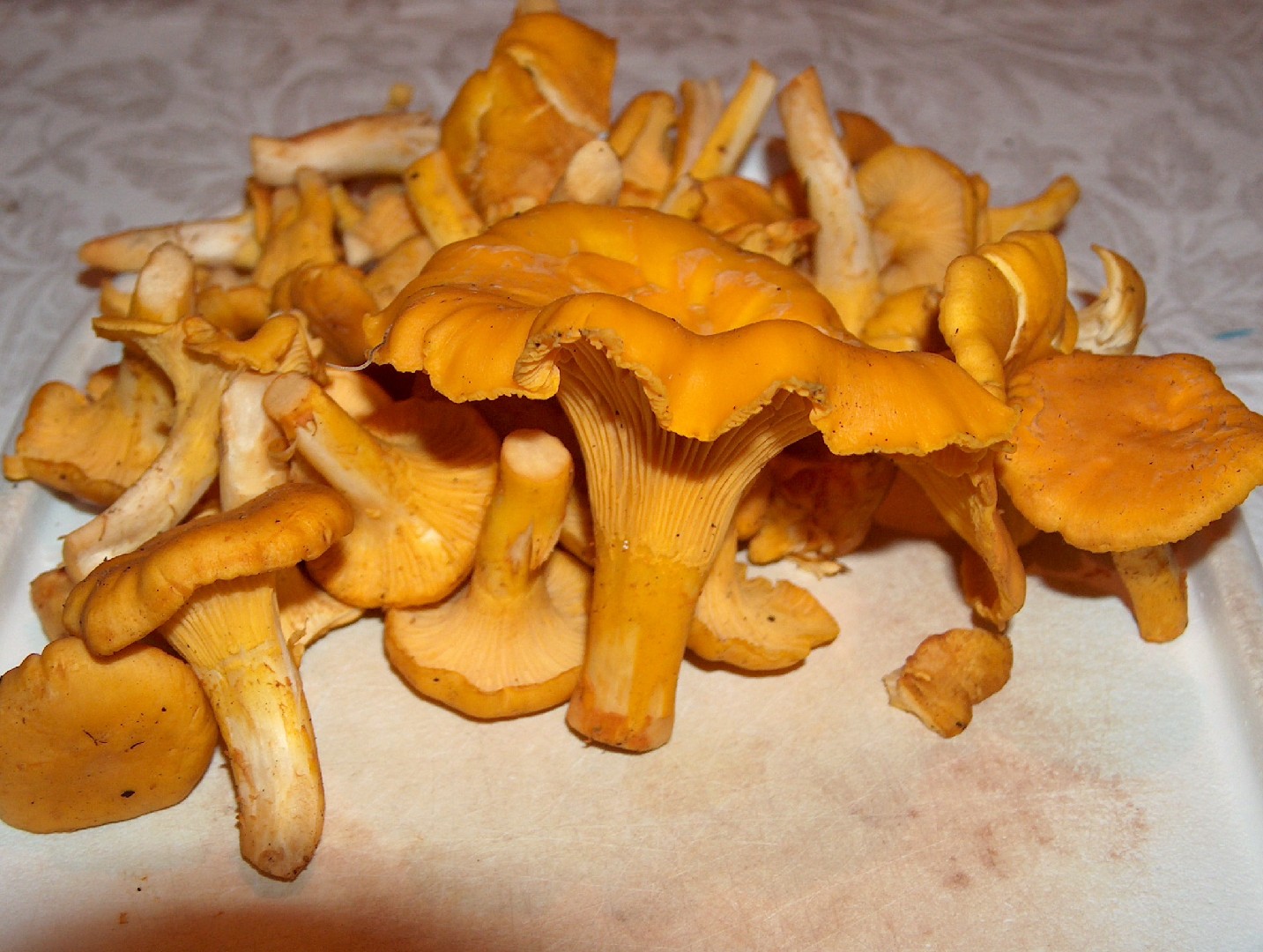
Tawny funnel cap grows in a variety of forest habitats, sometimes in fairy ring or line formations. Tawny funnel cap can have similar characteristics to a chanterelle but is lighter in color and has true gills instead of folded ridges underneath the cap.

6. Sordid blewit
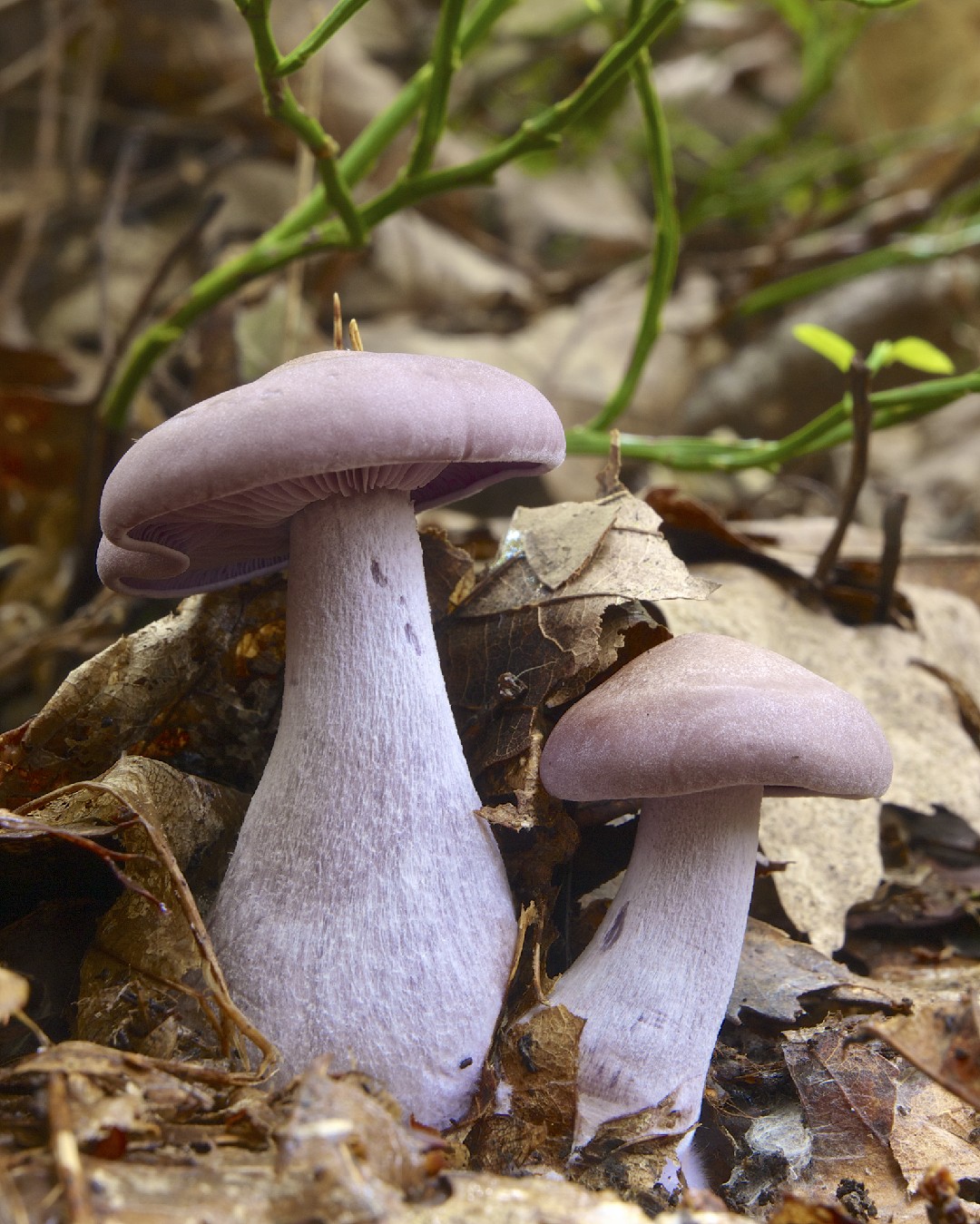
The sordid blewit is a beautiful and attractive mushroom of the northern temperate zones around the world. The flesh is pink or purple when young, and it turns brownish as the mushroom matures. It forms so-called fairy rings. Although the sordid blewit is easily identified, inexperienced mushroom hunters can confuse it for certain Clitocybe species.
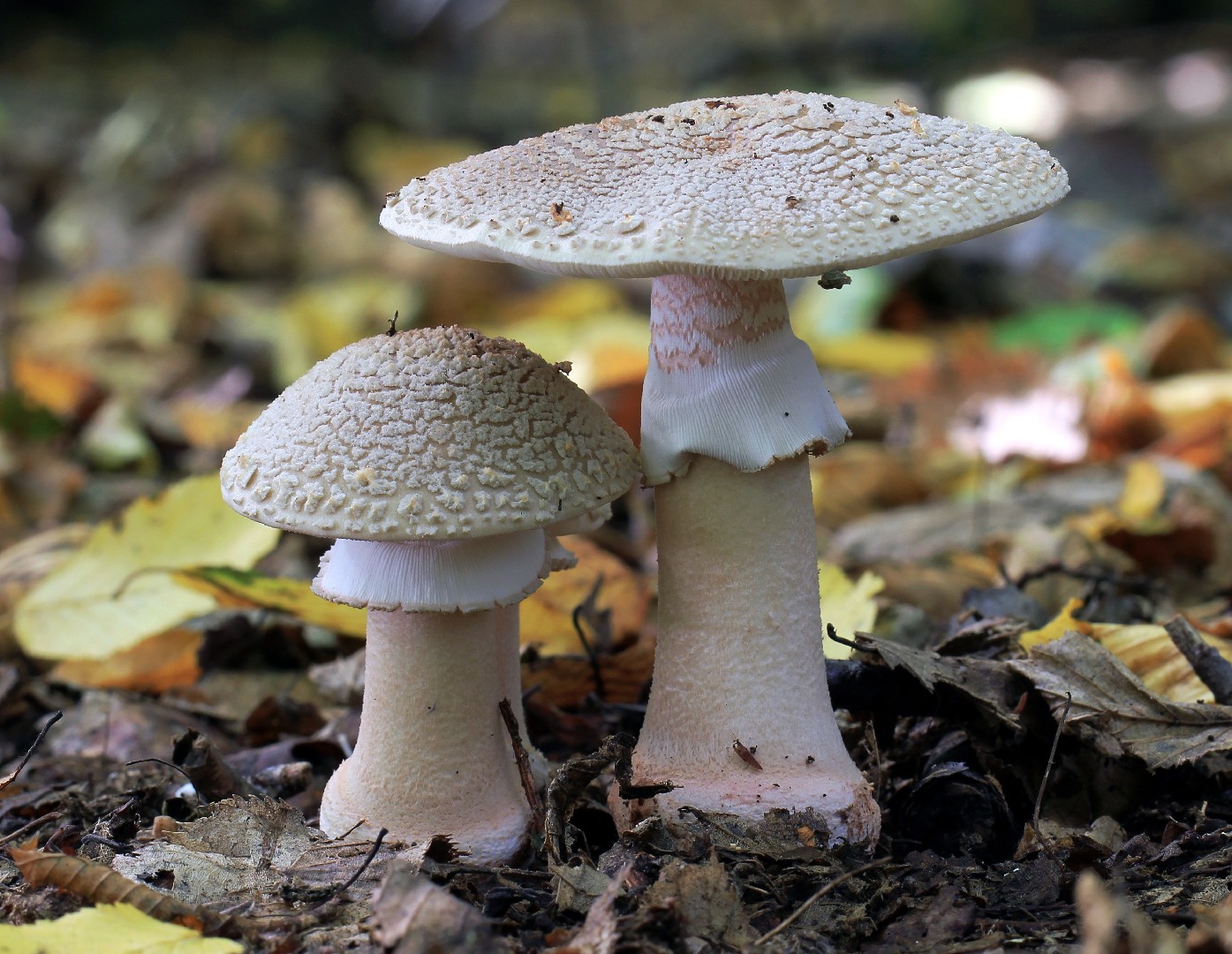
7. Blusher
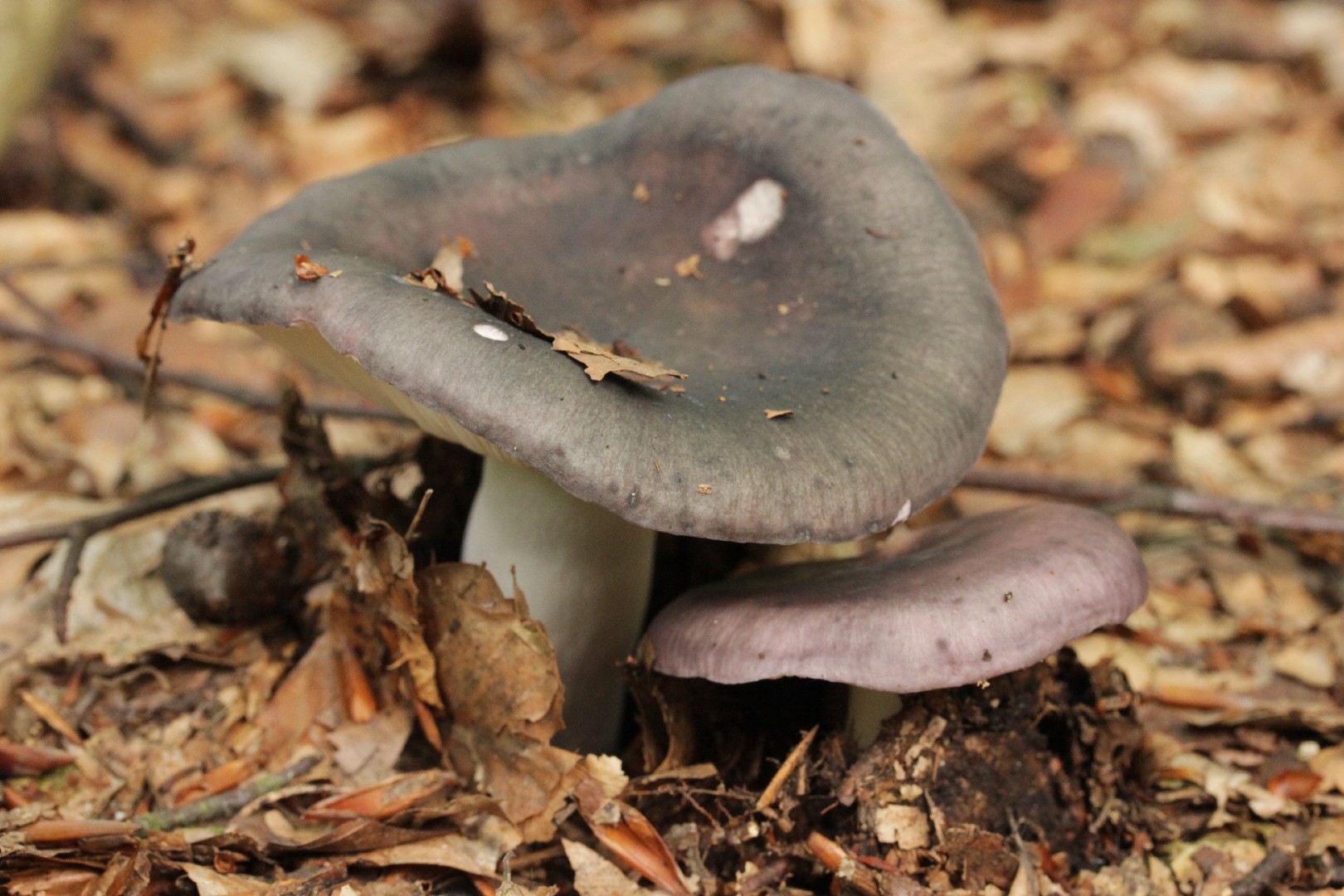
The blusher mushroom is so named because it “blushes” to a pinkish red color when cut or bruised. It is found in many countries around the world, although it may not be native to the southern hemisphere. It contains a hemolytic toxin that can cause anemia if eaten.
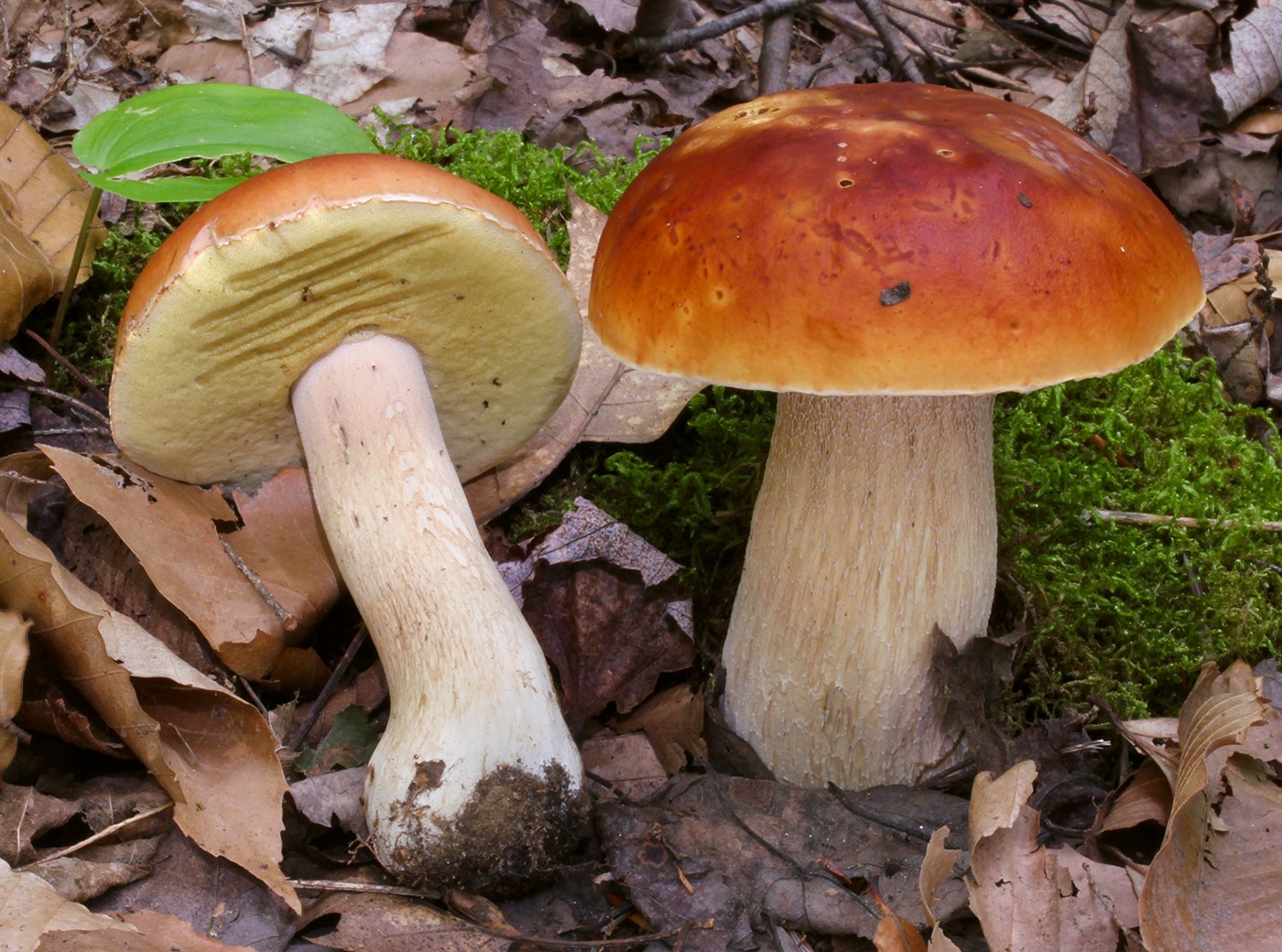
8. King bolete
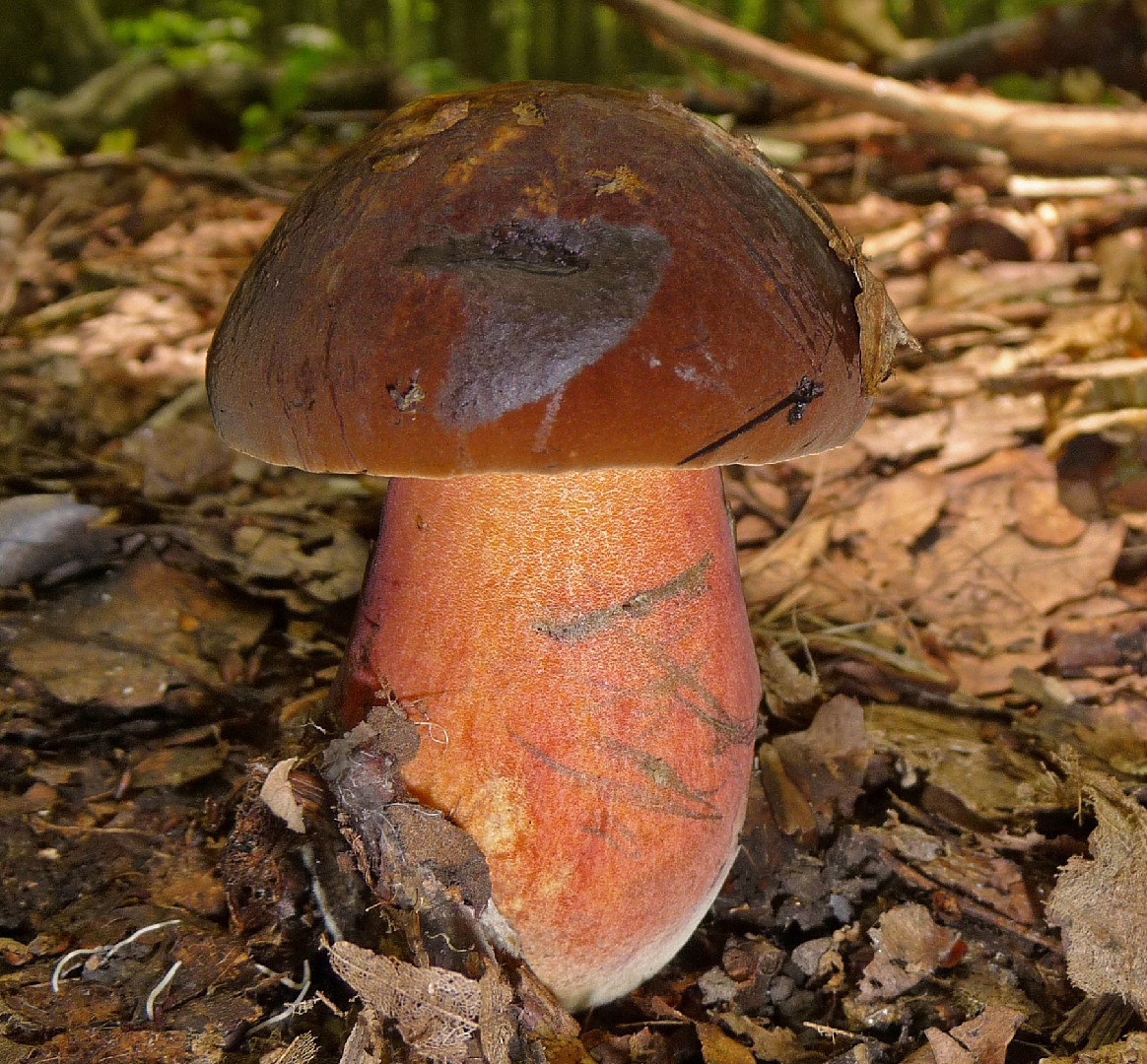
Extremely popular in many cuisines, this edible wild mushroom grows around the world near the roots of forest trees. In some regions, king bolete mushrooms are collected in great enough volumes that their sale can support entire families during the harvest season. King boletes are reported to be high in fiber, vitamins B and C, calcium, potassium, magnesium, zinc, and several antioxidants.
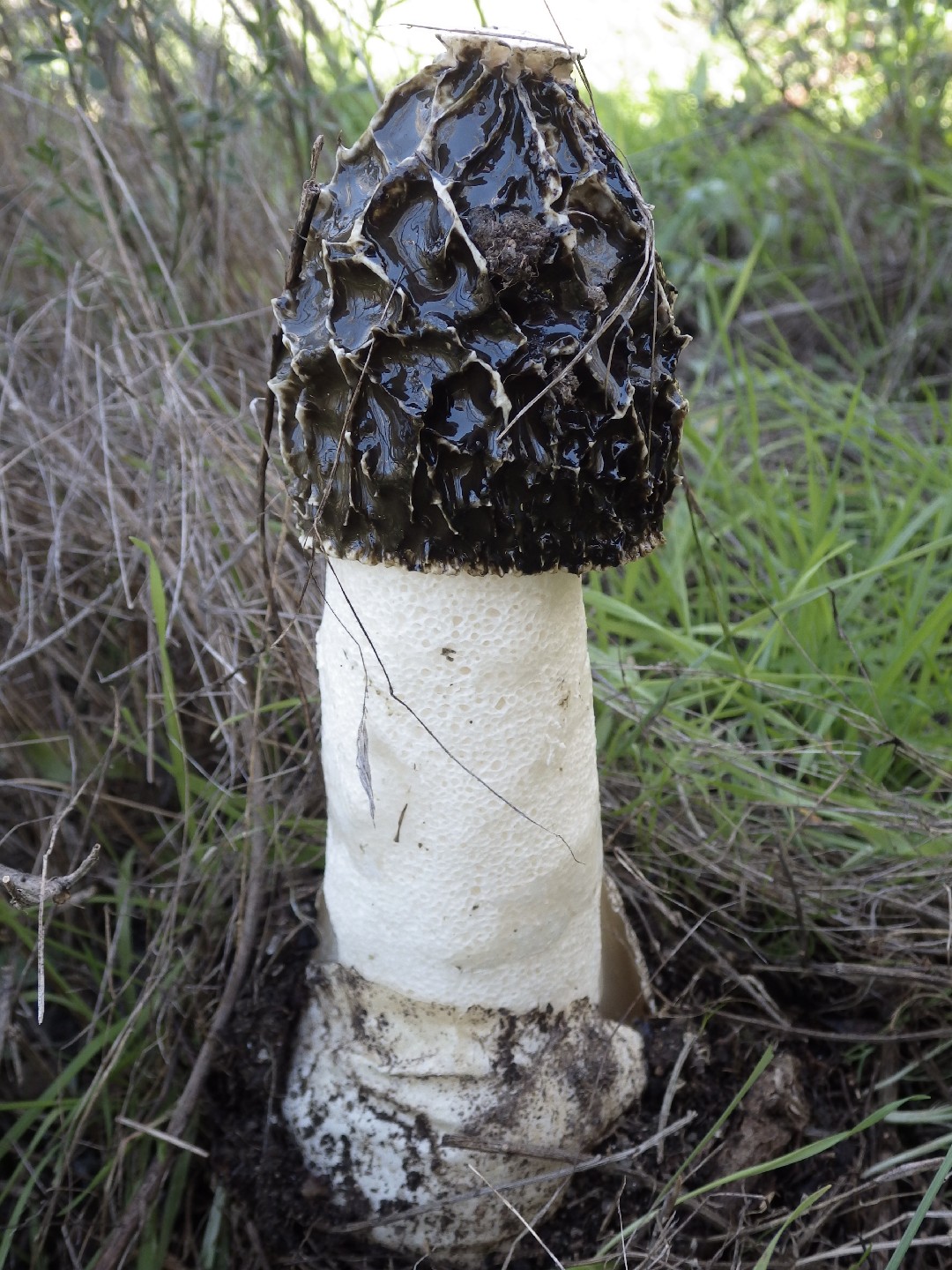
9. Common stinkhorn
The common stinkhorn (Phallus impudicus) grows incredibly quickly, sometimes nearing 30 cm in a single afternoon. Their caps are pitted in a way which makes them reminiscent of morels. However, there's little mistaking the common stinkhorn for a morel; the former, in addition to sporting a much longer stalk, has a clear and pungent odor.

10. Rooting shank
Rooting shank has been known by over a dozen names throughout the years. Despite this identity crisis, this rooting shank is not difficult to recognize due to its distinctive long stem, much of which is often hiding in the soil. This mushroom can most frequently be found on stumps or deadwood beneath the ground.
More







