




Top 20 Edible Mushrooms Popular in Sultepec
Delve into the radiant, diverse world of mushrooms with our guide to the top 20 most common edible species found in Sultepec. Renowned for its bio-geographical variety, Sultepec presents itself as an ideal habitat for mushroom growth. Not only will we explore the unique appearance and habitats of these fungi, but also unravel their diverse culinary potentials and sublime tastes, assisting your next foray into the flavorsome world of mycology.
* Disclaimer: Content feedback CAN NOT be used as any basis for EATING ANY PLANTS. Some plants can be VERY POISONOUS, please purchase edible plants through regular channels.

Most Popular Edible Mushrooms
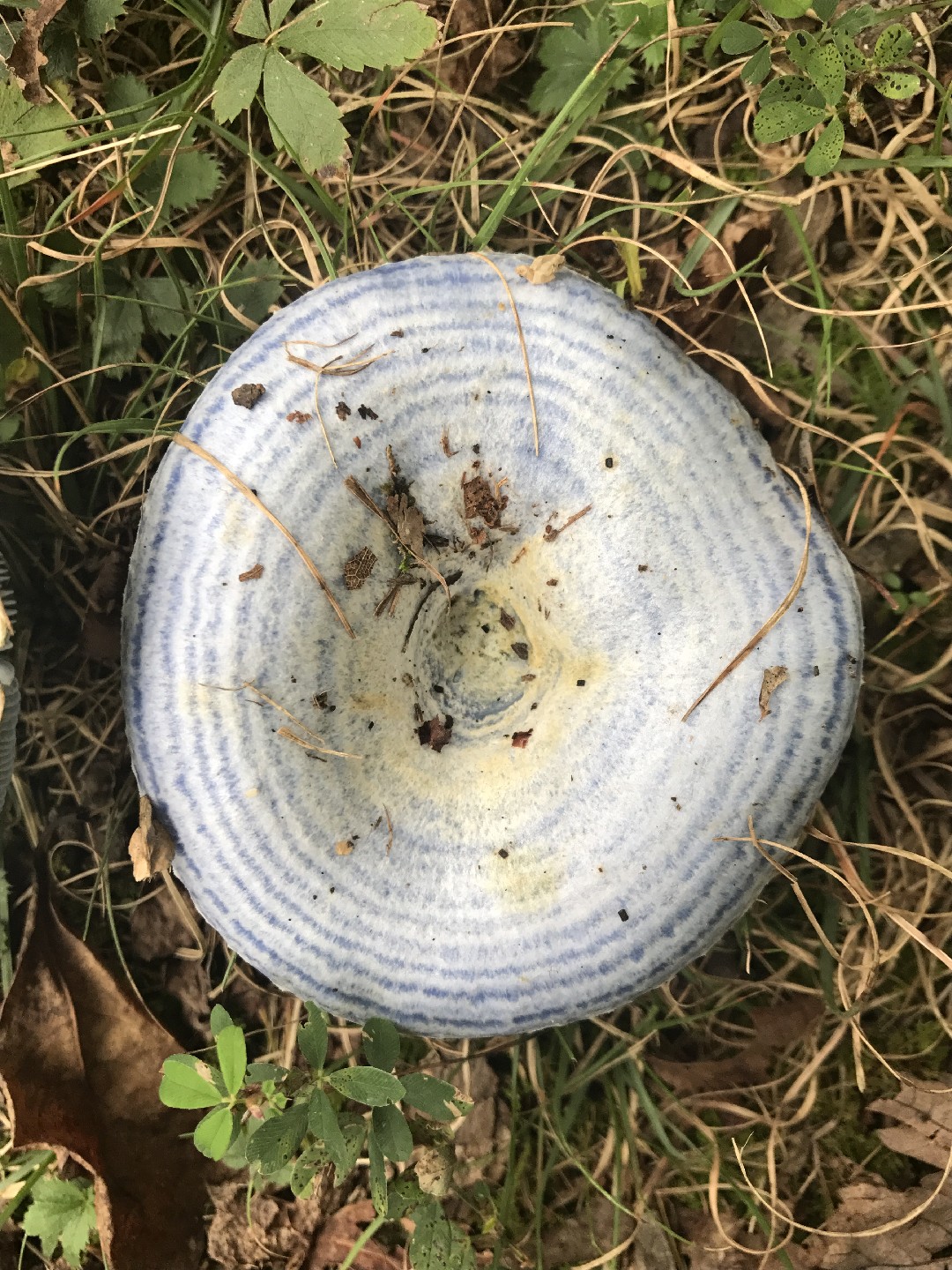
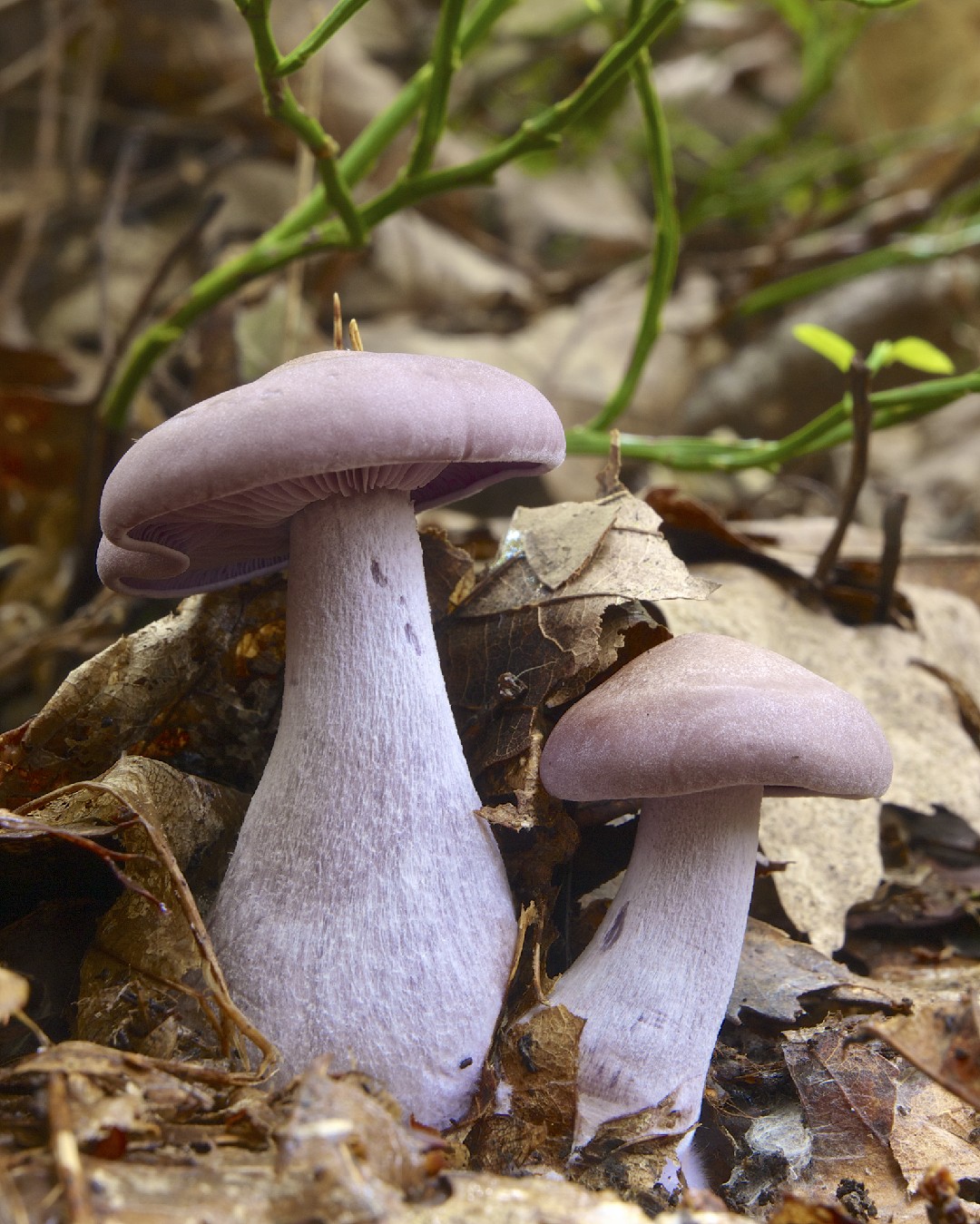
1. Indigo milk cap
This gorgeous species is unlike any other. The indigo milk cap, a member of the often-drab russula family, is deep blue in color. Like other milk caps, it bleeds a latex-like substance when cut or damaged, but instead of the usual white this species bleeds deep blue.

2. Shaggy mane
The shaggy mane mushroom is commonly found in North American and European grasslands. Some peoples foraged for its young egg-shaped caps, but it has more recently been found to be a bioaccumulator of heavy metals, meaning it pulls toxic metals up from the soil where it grows. As a result, shaggy manes should not be eaten. The mushrooms usually appear in clusters or “fairy rings.”

3. Blushing morel
Blushing morel (Morchella rufobrunnea) is most commonly found clustered near piles of woodchips or decaying bark. Because such woodchips are commonly used in landscaping work, this species has also been nicknamed the "Landscaping Morel" for its tendency to sprout in such conditions.
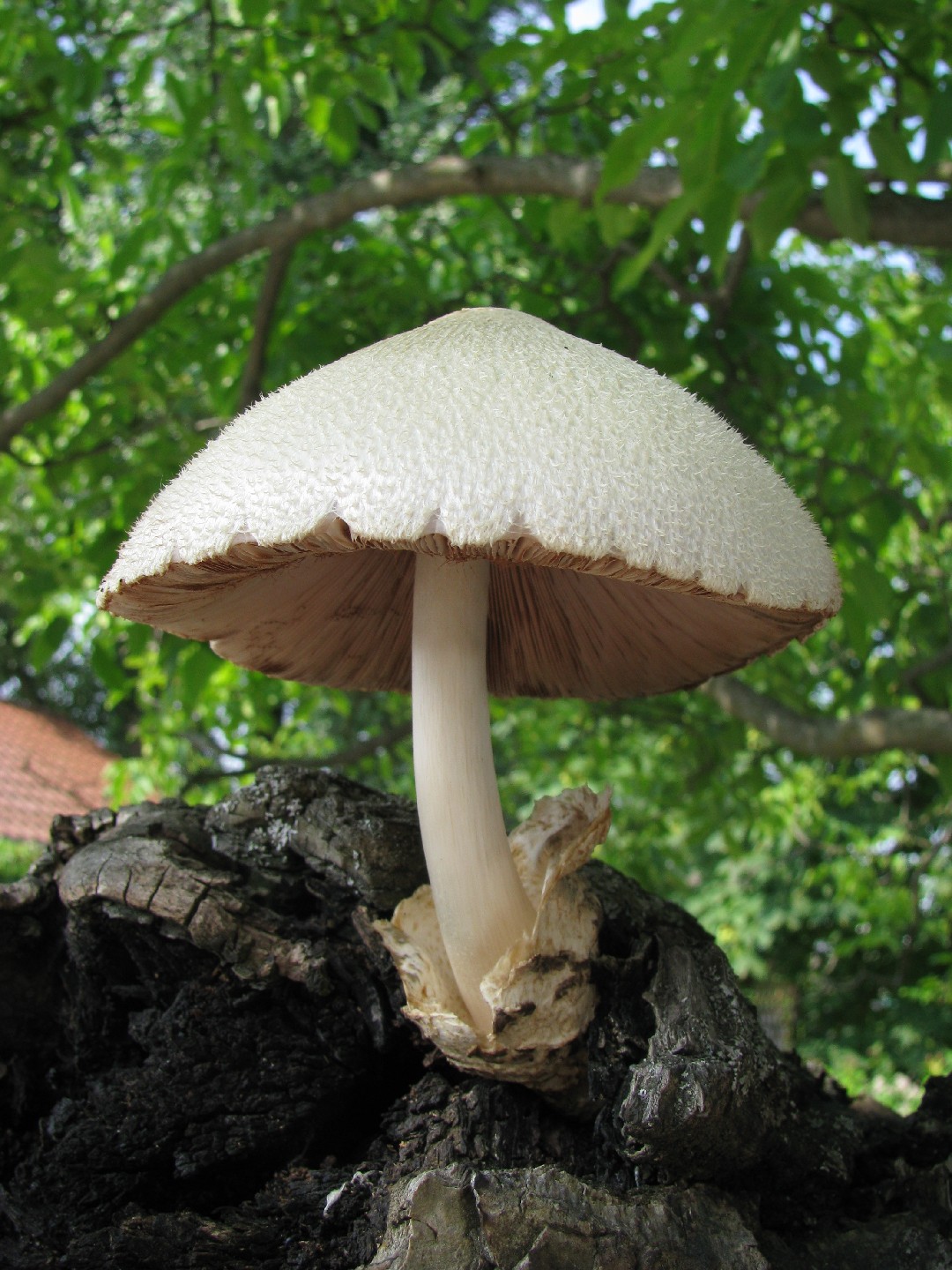
4. Silky sheath
Silky sheaths (Volvariella bombycina) are widely distributed, being found in temperate and sub-tropical forests around the world, but rare. The fruitbody emerges from a silky-textured volva, and the mushroom's white or off-white cap is usually quite smooth as well. One of this species' favored microhabitats is the rotted knotholes of mature maples, elms, oaks, or beeches.

5. Salmon milkcap
Upon gazing upon the cap of the salmon milkcap, you might notice that the color resembles the shiny back of a salmon. This coloration inspired its scientific name, Lactarius salmonicolor. Just as it looks, the species name means "of the color of salmon." They sprout up predominately under the canopies of Fir trees.

6. Common puffball
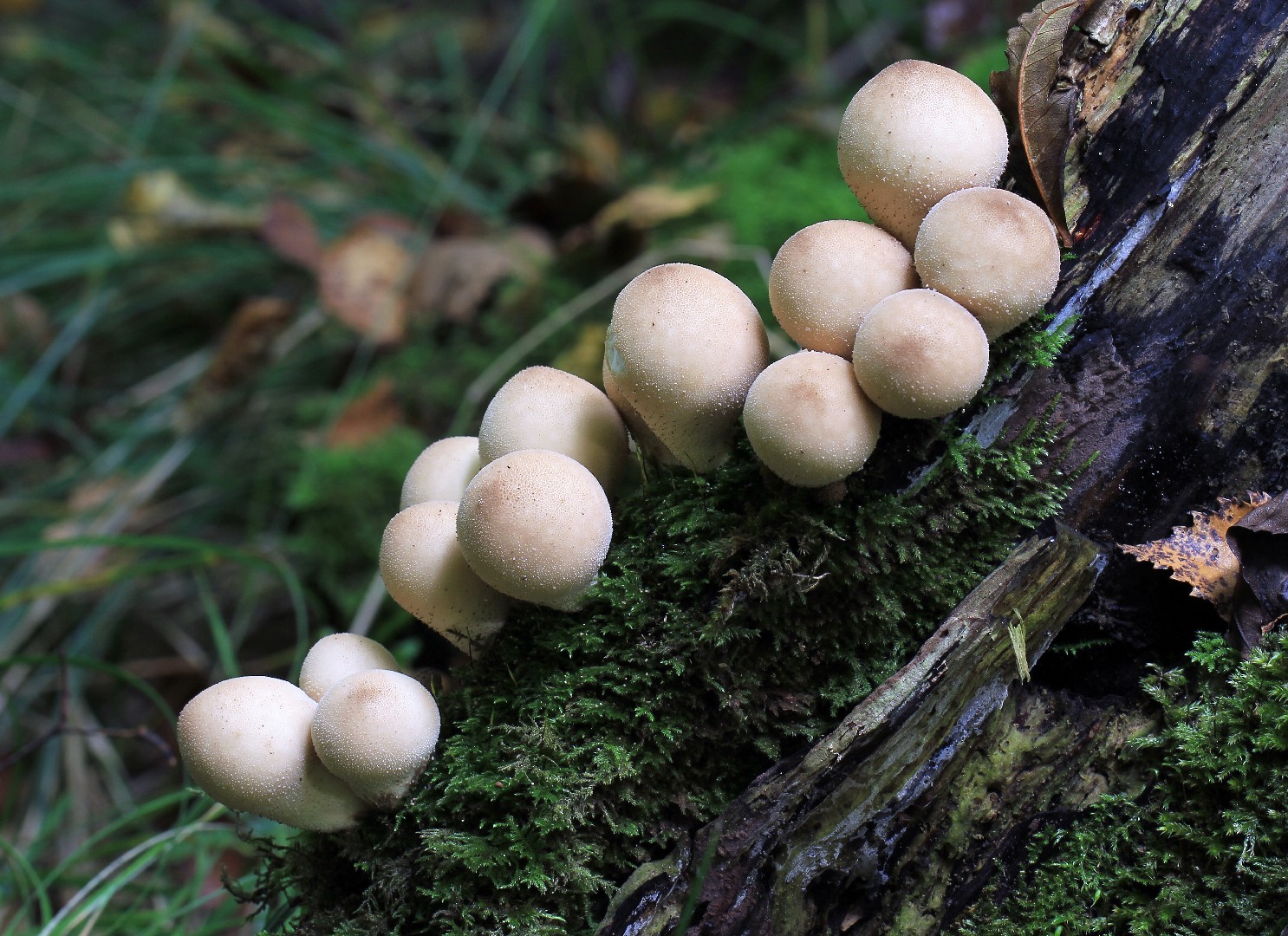
These puffy mushrooms grow in small groups on the forest floor. Once they're mature, common puffballs turn yellow and "puff out" smoke-like spore clouds when disturbed. Be very careful when identifying these mushrooms, as their young, immature form looks very similar to the lethal Deathcap.
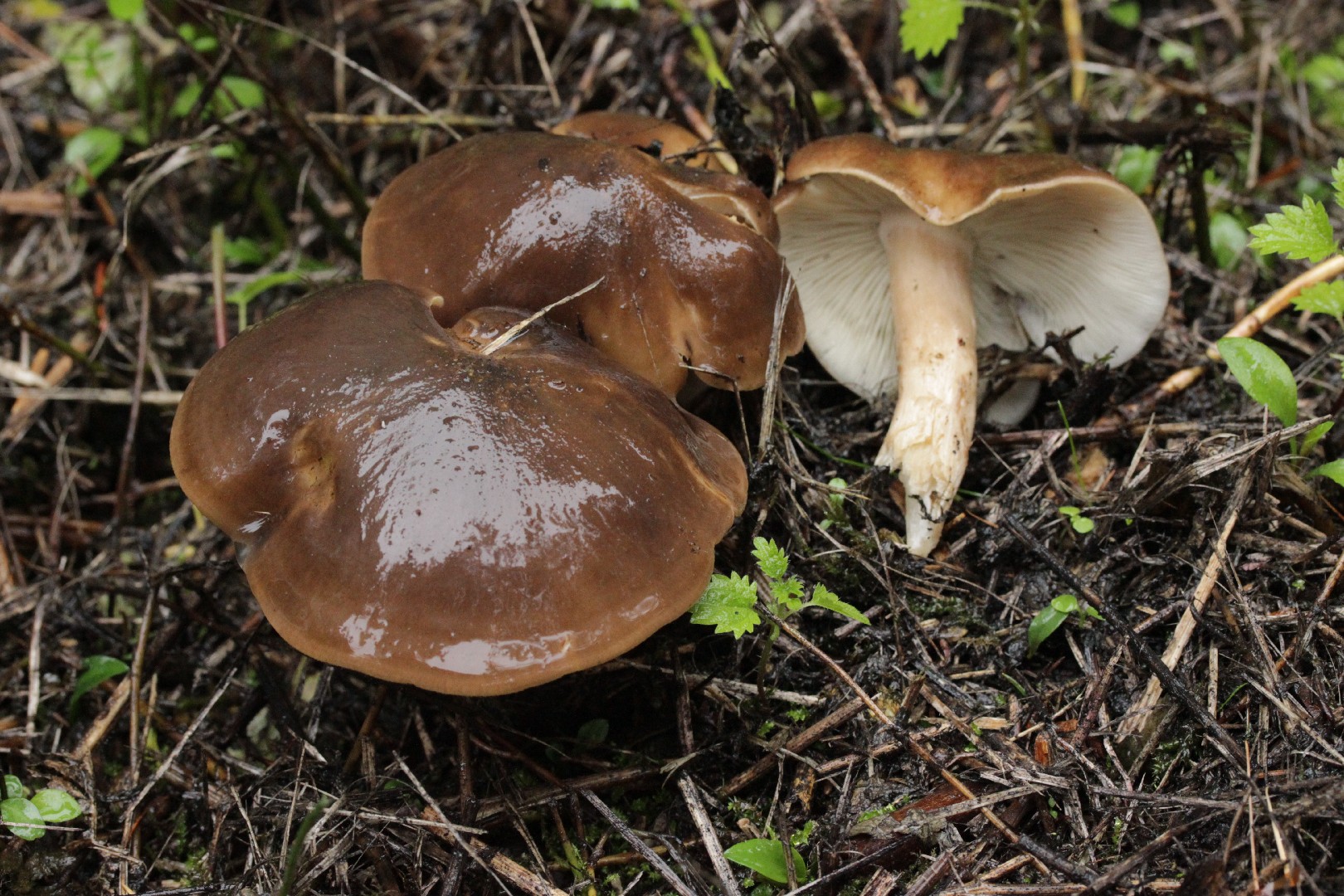
7. Fried chicken mushroom
Lyophyllum decastes, often referred to as the fried chicken mushroom, is a gregarious species of mushroom found across North America that is particularly prevalent along the west coast. Though the species' dull brown cap and whitish stalk are rather unremarkable, it does have the tendency to grow in very large clusters, which may help to distinguish it from similar-looking species, some of which are quite toxic.
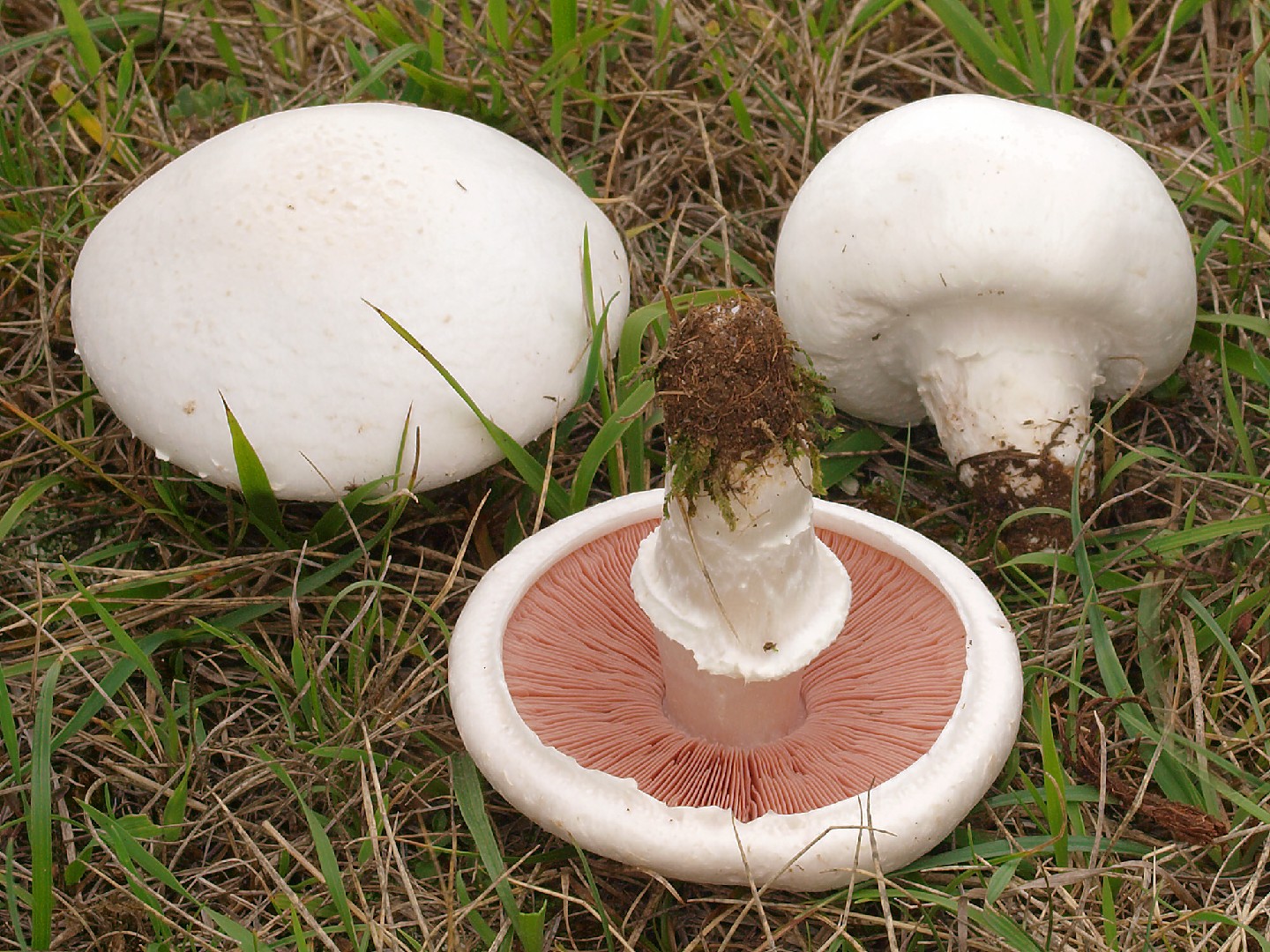
8. Meadow mushroom
The meadow mushroom grows in meadows and pastures around the world—especially those rich in manure—when the weather is warm and wet. They are known to appear in “fairy ring” shapes. Originally identified in Europe, it is possible that North American specimens identified as meadow mushrooms may genetically belong to other species.
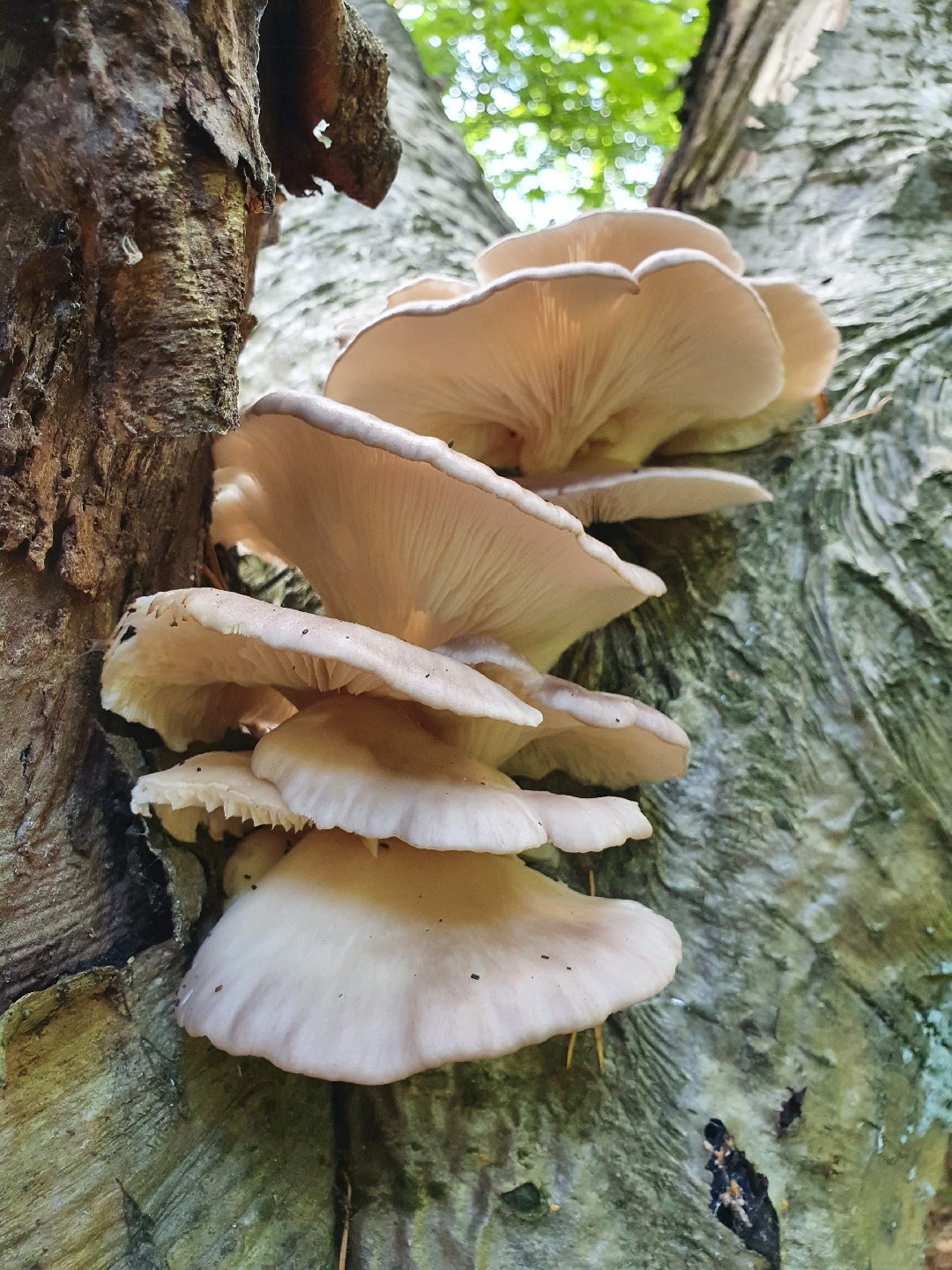
9. Oyster mushroom
Oyster mushrooms grow wild but are also cultivated for sale in supermarkets. They can even be cultivated at home. They will grow on coffee grounds and spent grain, and are occasionally even fashioned into an environmentally-friendly substitute for styrofoam. There are several toxic look-alike species, so it is best to buy these mushrooms at the store.
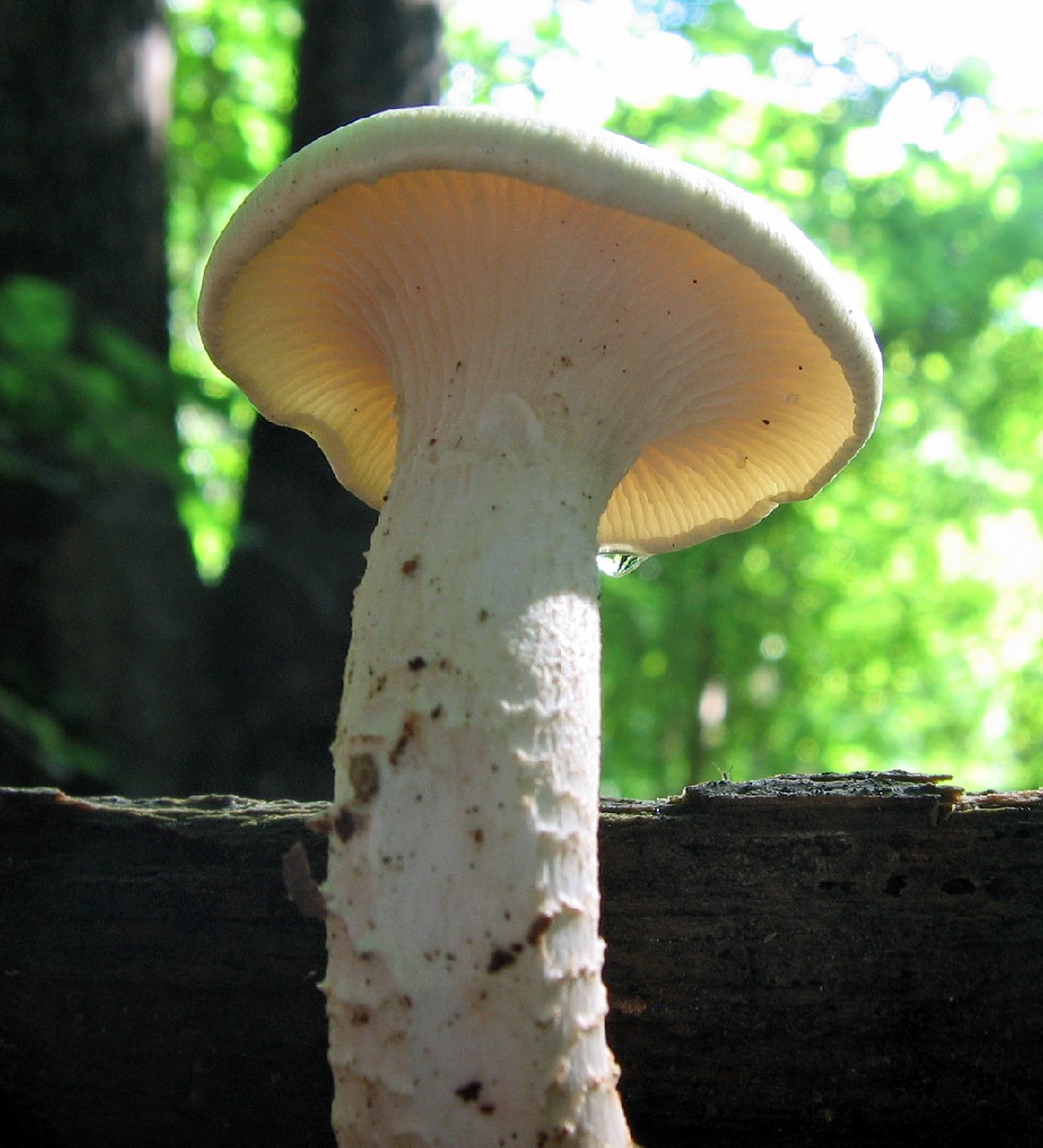
10. Scaly lentinus
Scaly lentinus(Neolentinus lepideus) may be found alone or in groups along dead or decaying pieces of timber. Due to its ability to colonize even chemically treated wood, including railroad tracks, it has been given the nickname "train wrecker." Due to inconsistent reports of safety, consumption is discouraged.
More







