




Top 20 Edible Mushrooms Popular in Hungary
Immersed in vibrant folklore and picturesque landscapes, Hungary boasts a diverse range of edible fungi. Diverse ecosystems ranging from dense forests to grassy meadows make it an idyllic haven for mushroom enthusiasts. This guide will illuminate the top 20 most prevalent edible mushroom species, elucidating their unique features, habitats, flavors, and culinary potential. Unveiling the world of fungi underpinned by Hungary's rich mycological flora and culinary tradition, each mushroom's portrayal is based on empirical data, ensuring your foraging experience in Hungary is both enriching and safe.
* Disclaimer: Content feedback CAN NOT be used as any basis for EATING ANY PLANTS. Some plants can be VERY POISONOUS, please purchase edible plants through regular channels.

Most Popular Edible Mushrooms
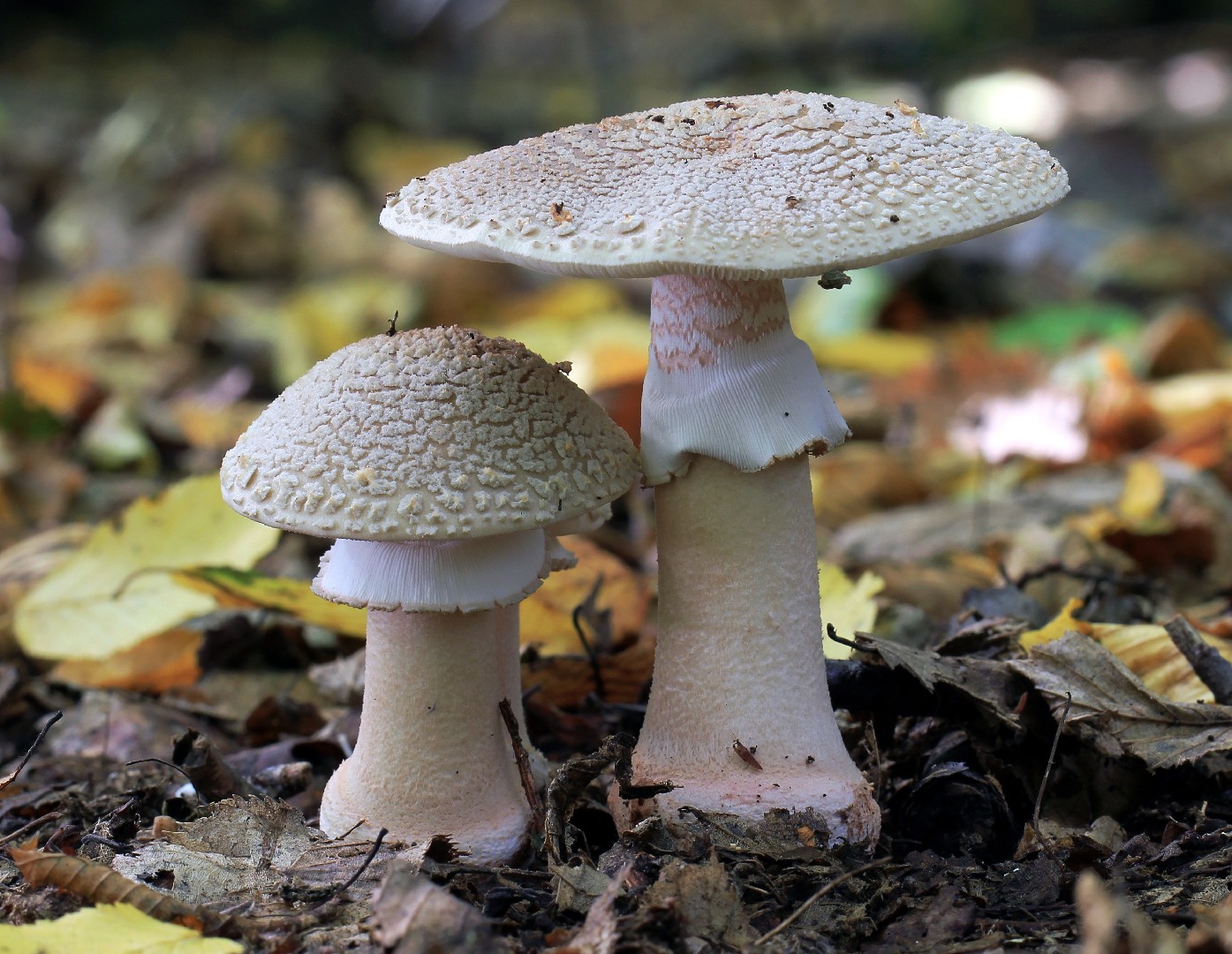
1. Blusher
The blusher mushroom is so named because it “blushes” to a pinkish red color when cut or bruised. It is found in many countries around the world, although it may not be native to the southern hemisphere. It contains a hemolytic toxin that can cause anemia if eaten.
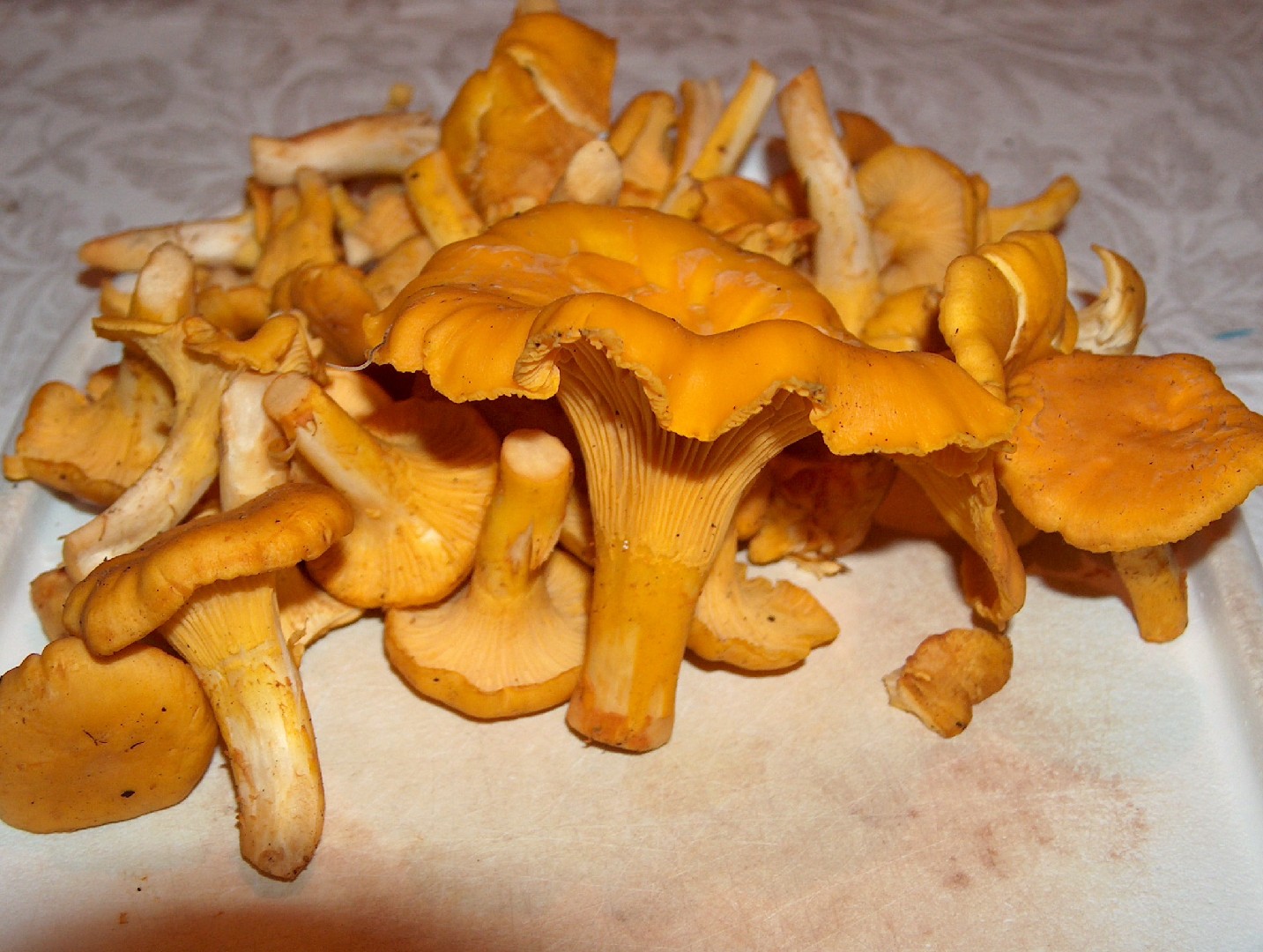
2. Golden chanterelle
Golden chanterelle mushrooms are popular in gourmet cuisine across Europe, where they grow wild during the warm (but not too hot) months. Similar species grow in other countries. Extremely popular with foragers, the golden chanterelle emits an apricot-like scent and contains an array of nutrients that benefit the human body. Several studies suggest consuming extremely large amounts may have detrimental effects on the eyes and muscles.
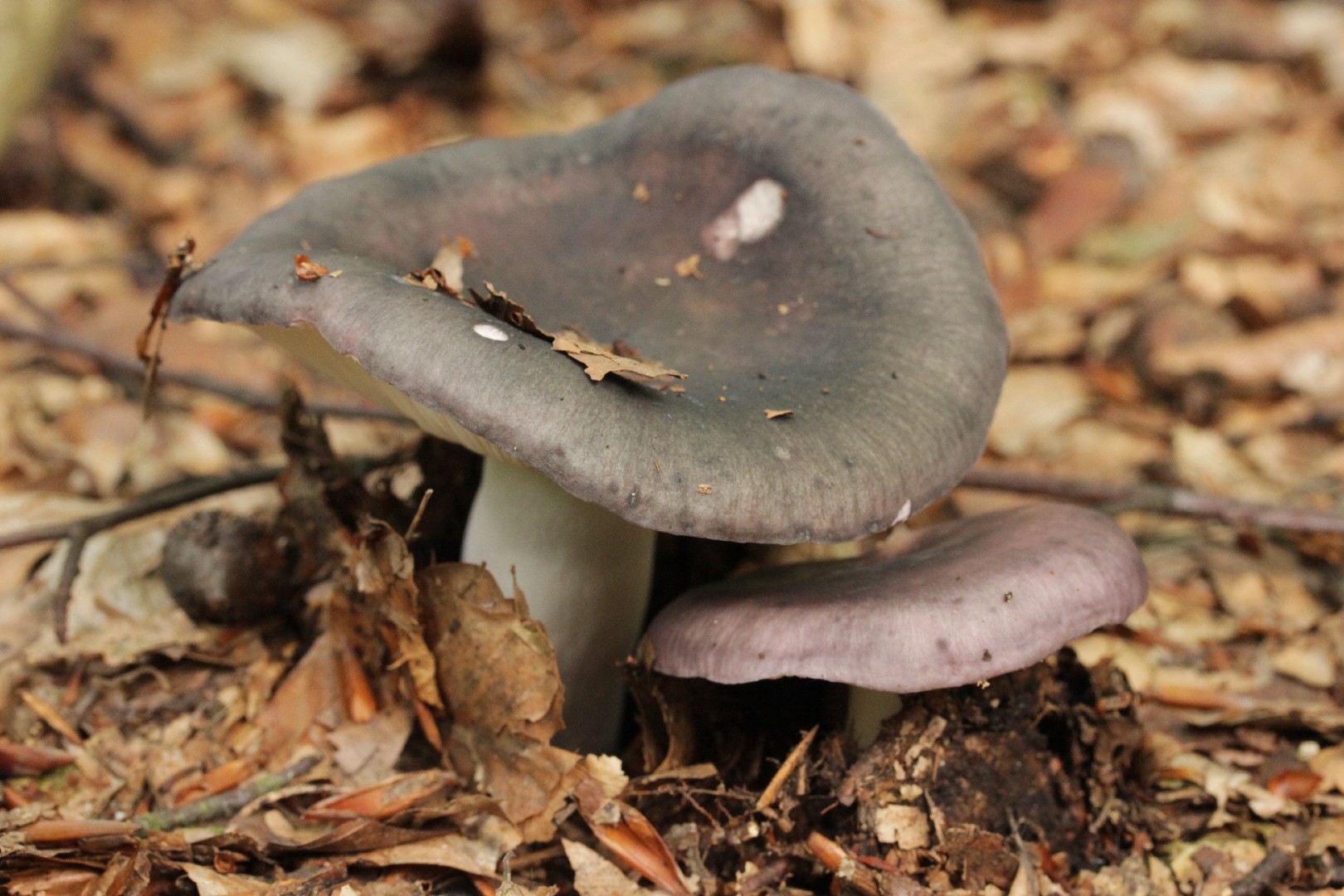
3. Charcoal burner
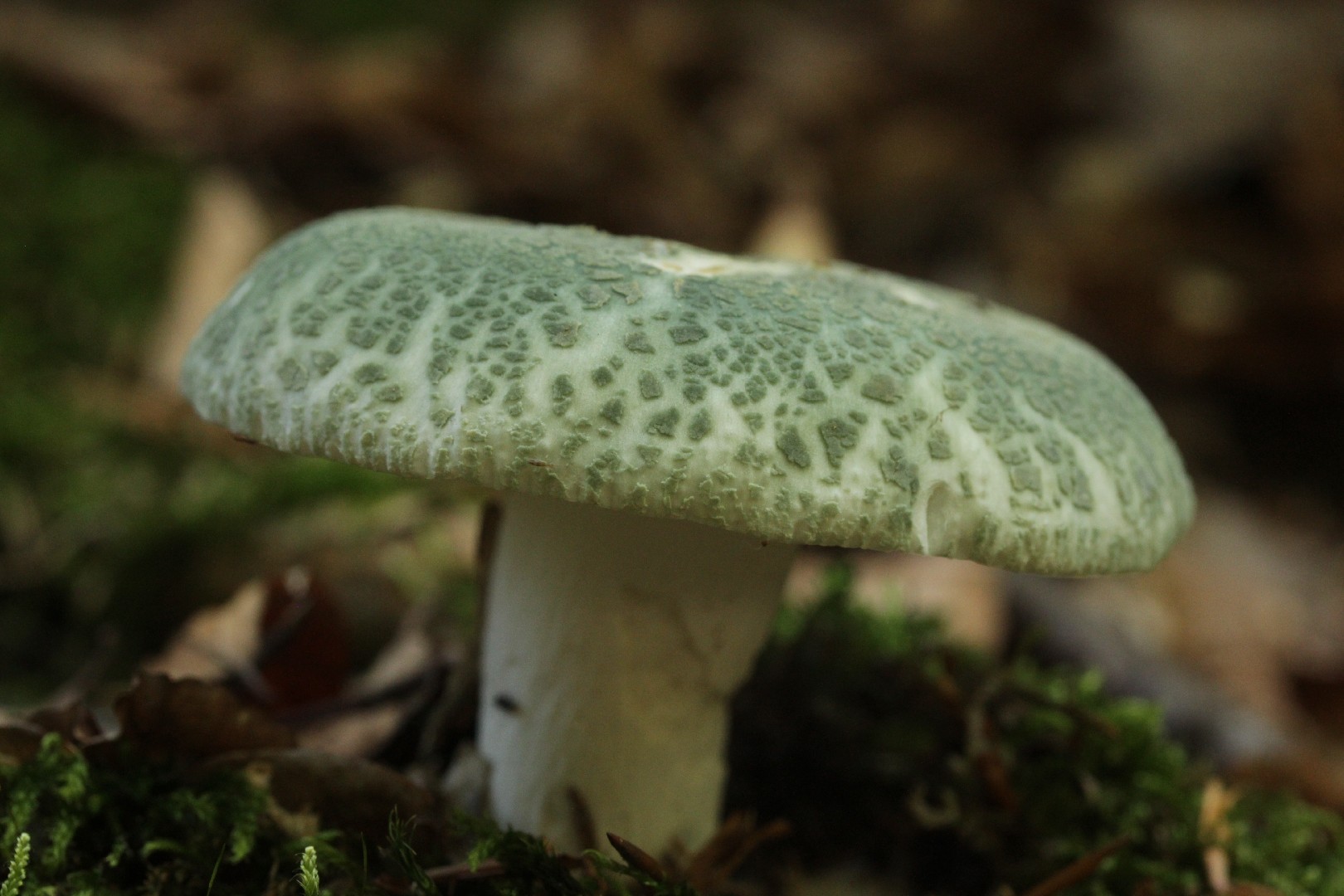
Most commonly found under beeches in forests or parks, this crumbly mushroom can appear in colors ranging from red and yellow to violet, blue-grey, or even green. Its scientific name represents this variability: Russula cyanoxantha means “reddish blue-blonde.”
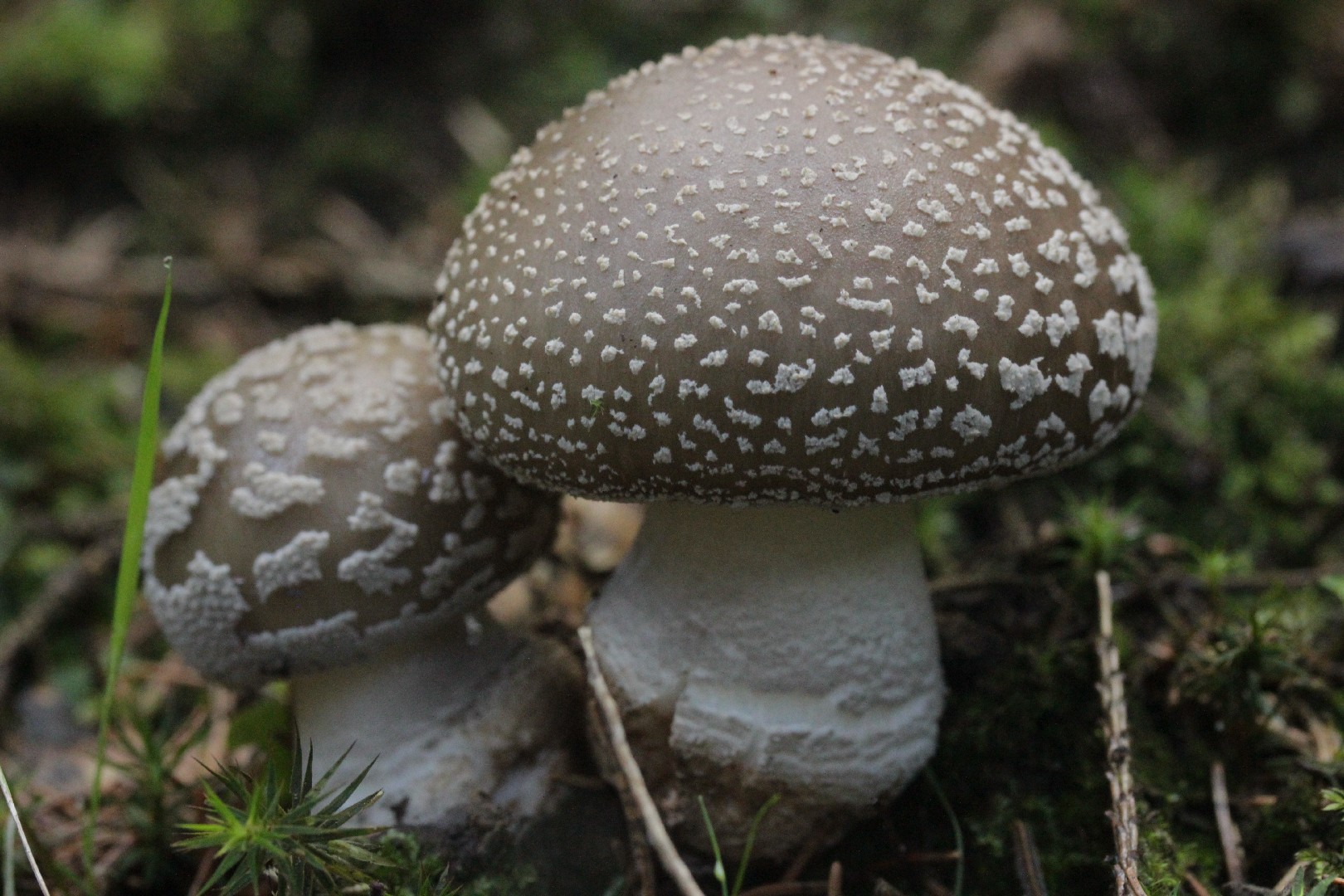
4. Grey spotted amanita
The cracked plaster appearance of grey spotted amanita (Amanita excelsa) caps is a common sight in Europe that also sporadically pops up in North America. This species has a long history and has been recorded and studied as far back as 1821. They contain a potent toxin called thermolabile, making those who consume it very sick if not cooked. This species is not recommended for consumption.
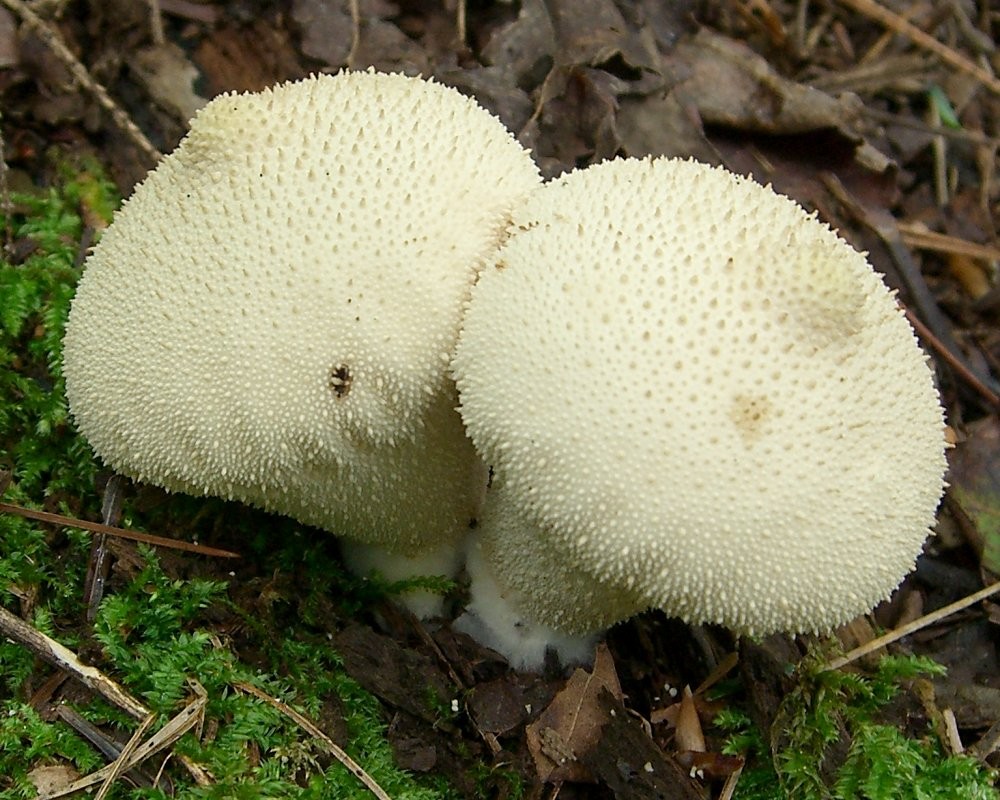
5. Common puffball
These puffy mushrooms grow in small groups on the forest floor. Once they're mature, common puffballs turn yellow and "puff out" smoke-like spore clouds when disturbed. Be very careful when identifying these mushrooms, as their young, immature form looks very similar to the lethal Deathcap.
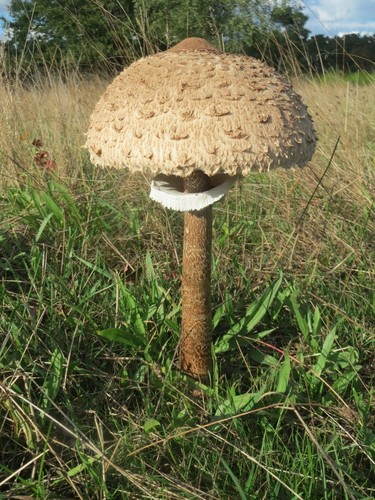
6. Parasol
Found in clearings and grassy areas in late summer, the wild parasol mushroom has a snakeskin-patterned stem. The brown spots on its cap make it look a bit shaggy, but that name is reserved for its poisonous counterpart, the Shaggy Parasol (Chlorophyllum rhacodes). You can distinguish the two by the stems: the latter has a smooth stem and red flesh inside.
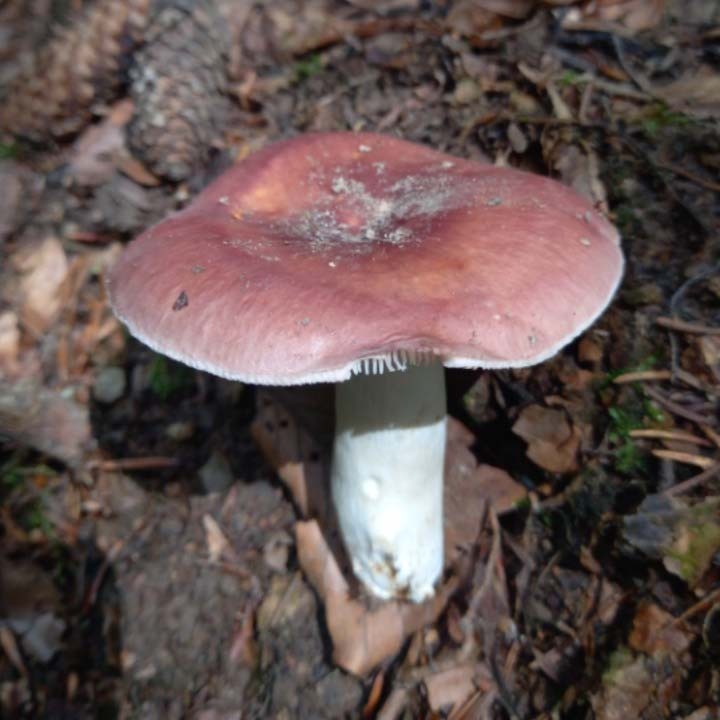
7. Bare-toothed Russula
Bare-toothed Russula (Russula vesca) gets its Latin name Russula, which means red color, due to its reddish cap. The second part of its Latin name, vesca, means edible, but it should be noted that this doesn't mean this species should be considered edible by default. This widespread mushroom can be found growing close to oak and beech trees.
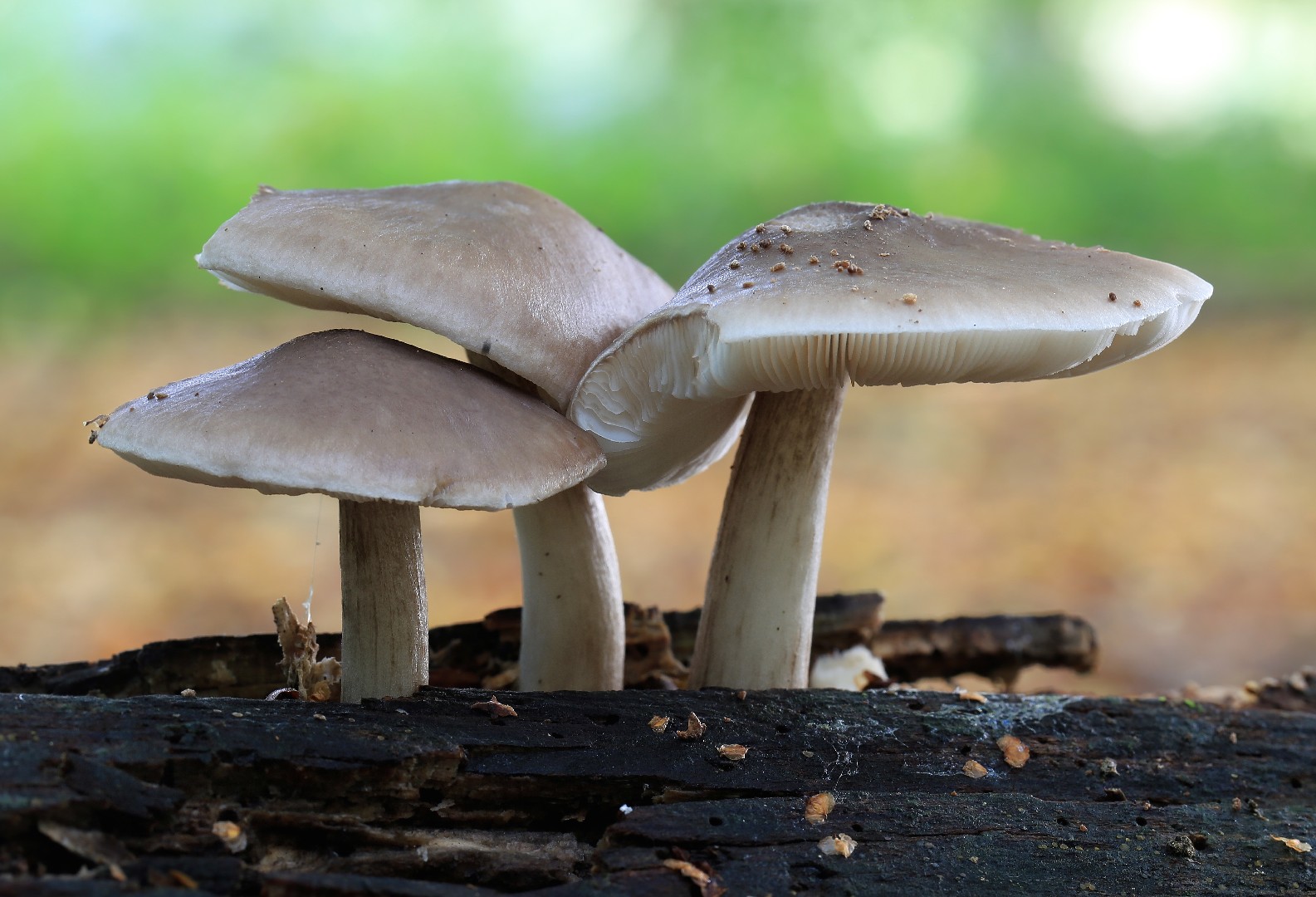
8. Deer mushroom
The deer mushroom is can be found sprouting up from rotting logs, branches, and roots, and while it may have a preference for hardwoods it isn't very picky. Unlike many other mushroom species, the fruitbodies can be found blooming across a wide range of seasons. They have a faint, radish-like odor.
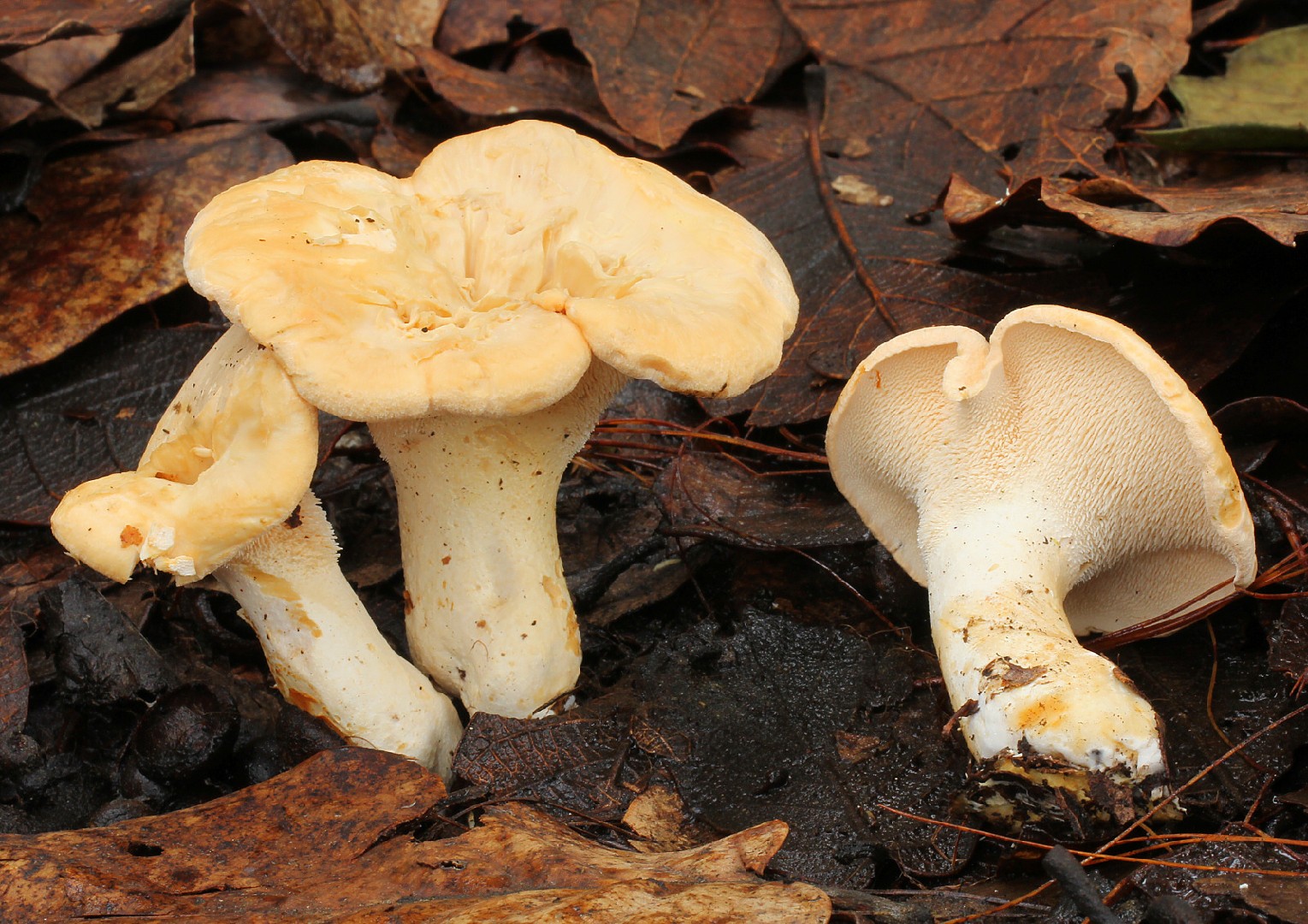
9. Sweet tooth
This mushroom is distinctive for the spines, or teeth, that hang down from the underside of its cap. It can be found on forest floors singly or in groups. In spite of the name, sweet tooth, it has a slightly spicy bite and bitter aftertaste. This wild mushroom needs to be cooked before it is truly edible, and only young, parasite-free mushrooms should be harvested.
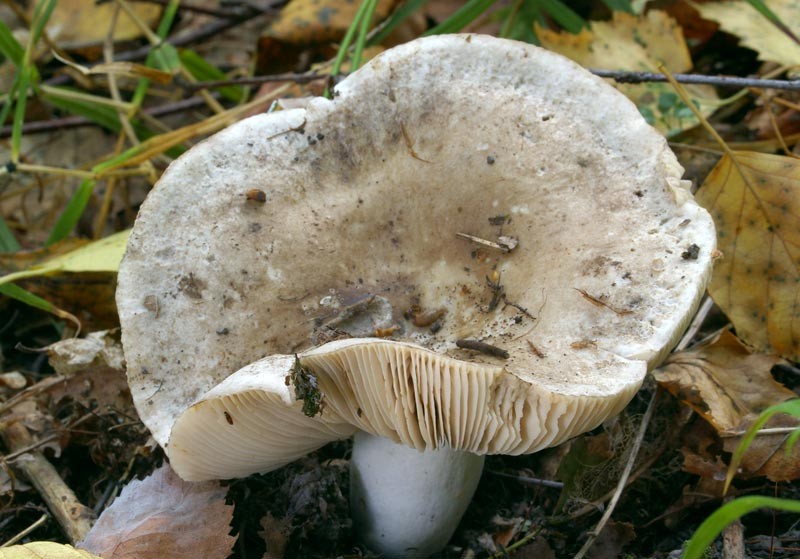
10. Winecork brittlegill
Winecork brittlegill is a widespread mushroom species that typically makes its home on acidic soils in coniferous forests. It gets the name winecork from its smell, which is similar to that of empty wine barrels or bottle corks. The specific Latin name adusta translates as burn or toast and refers to the color of the stem.
More







