




Top 20 Edible Mushrooms Popular in Lienz
In the fertile lands of Lienz, the environment generously fosters a range of unique and scrumptious fungi. Dive into our compilation of the top 20 most common edible mushrooms from these thriving ecosystems. From their fascinating appearances to their distinctive flavors, learn about their habitats and culinary applications. Enjoy an educational journey enhancing your knowledge on these delectable treasures of nature.
* Disclaimer: Content feedback CAN NOT be used as any basis for EATING ANY PLANTS. Some plants can be VERY POISONOUS, please purchase edible plants through regular channels.

Most Popular Edible Mushrooms
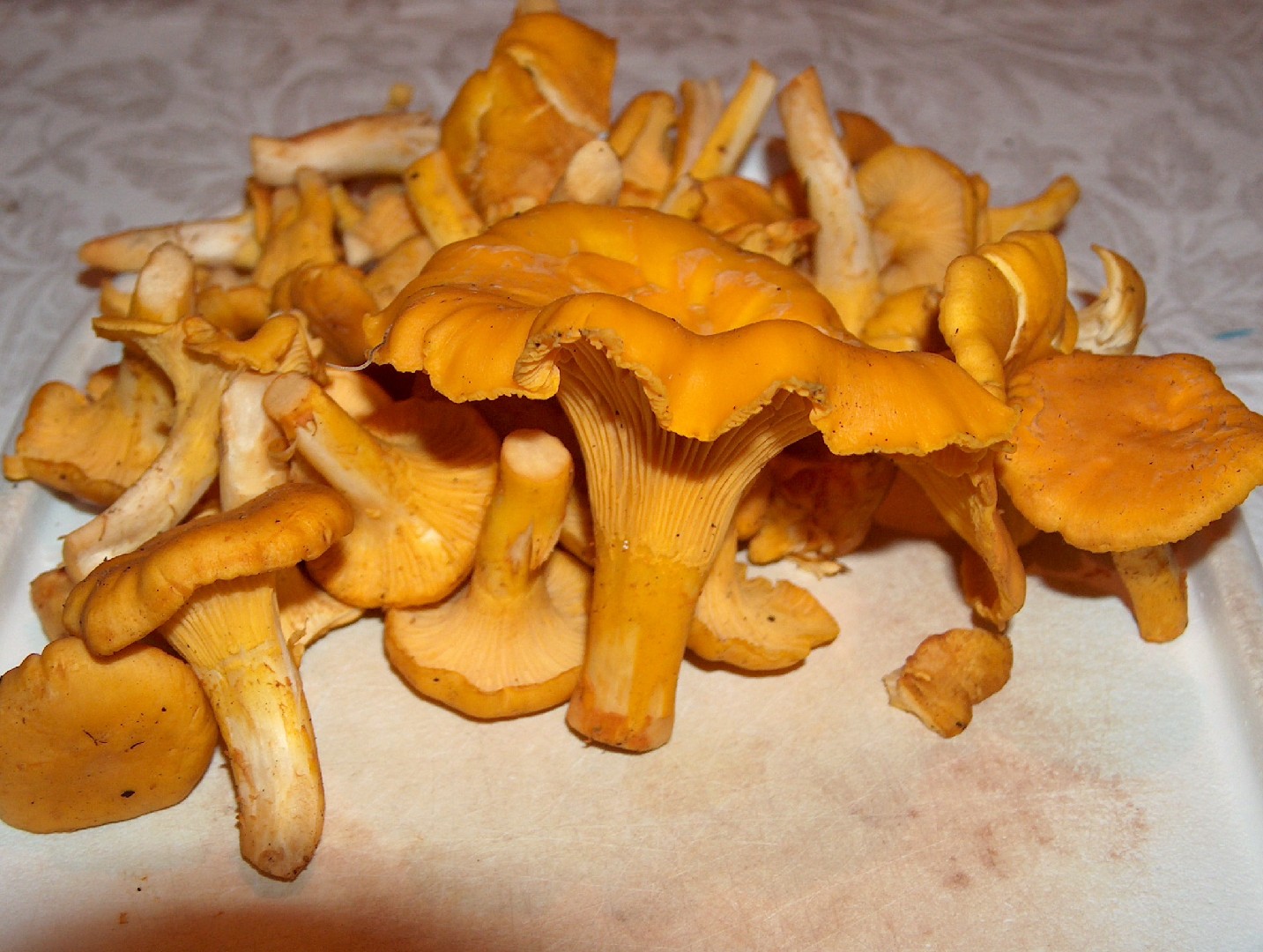
1. Golden chanterelle
Golden chanterelle mushrooms are popular in gourmet cuisine across Europe, where they grow wild during the warm (but not too hot) months. Similar species grow in other countries. Extremely popular with foragers, the golden chanterelle emits an apricot-like scent and contains an array of nutrients that benefit the human body. Several studies suggest consuming extremely large amounts may have detrimental effects on the eyes and muscles.
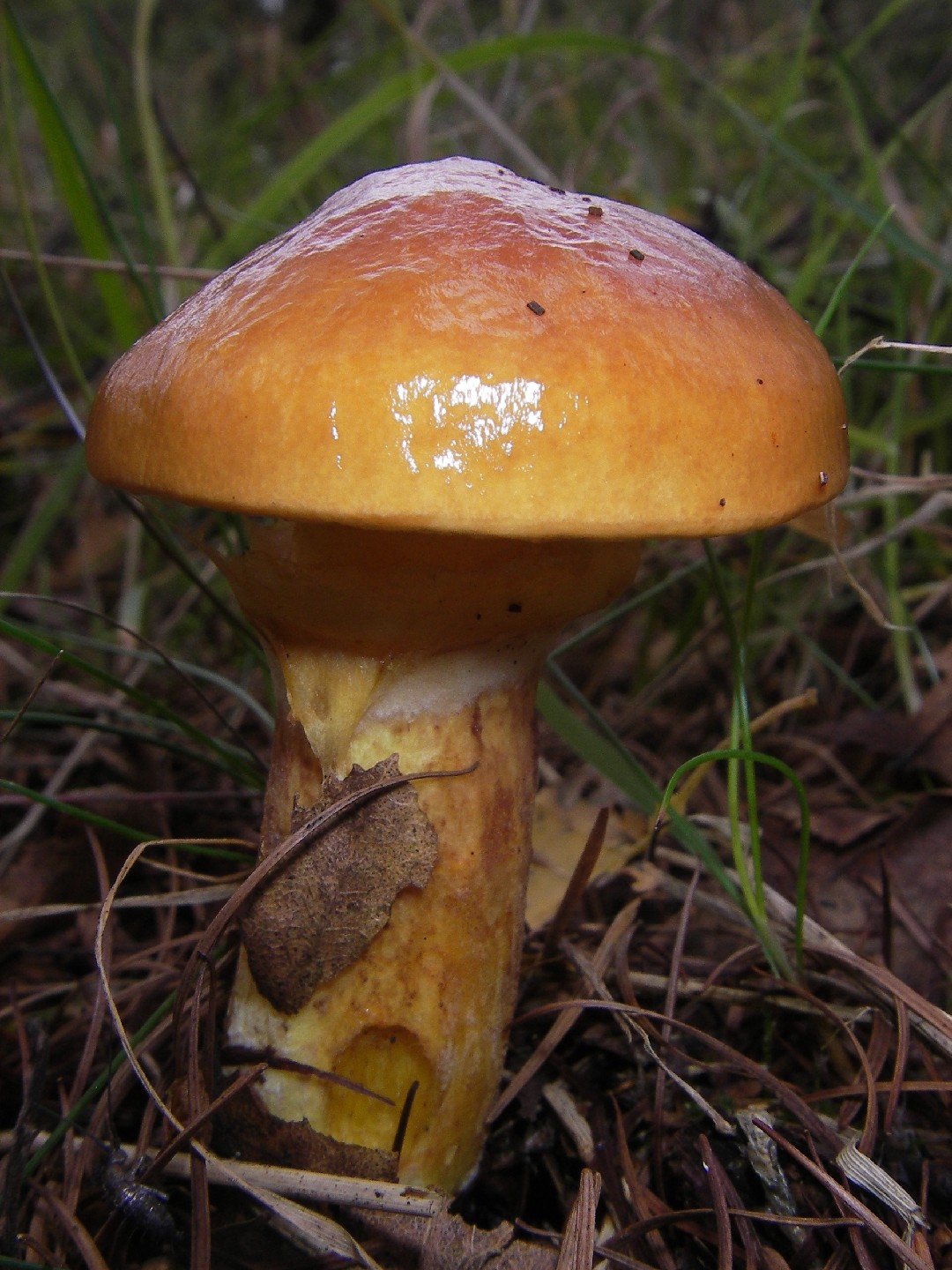
2. Larch bolete
Larch bolete is a vibrant member of the "slippery jack" genus. Like other members of that family, this species sports a slick or slimy cap and has a somewhat bulbous form. Suillus grevillei is also commonly called a "Larch Bolete" because it only associates with larch trees, with which it has a symbiotic relationship.
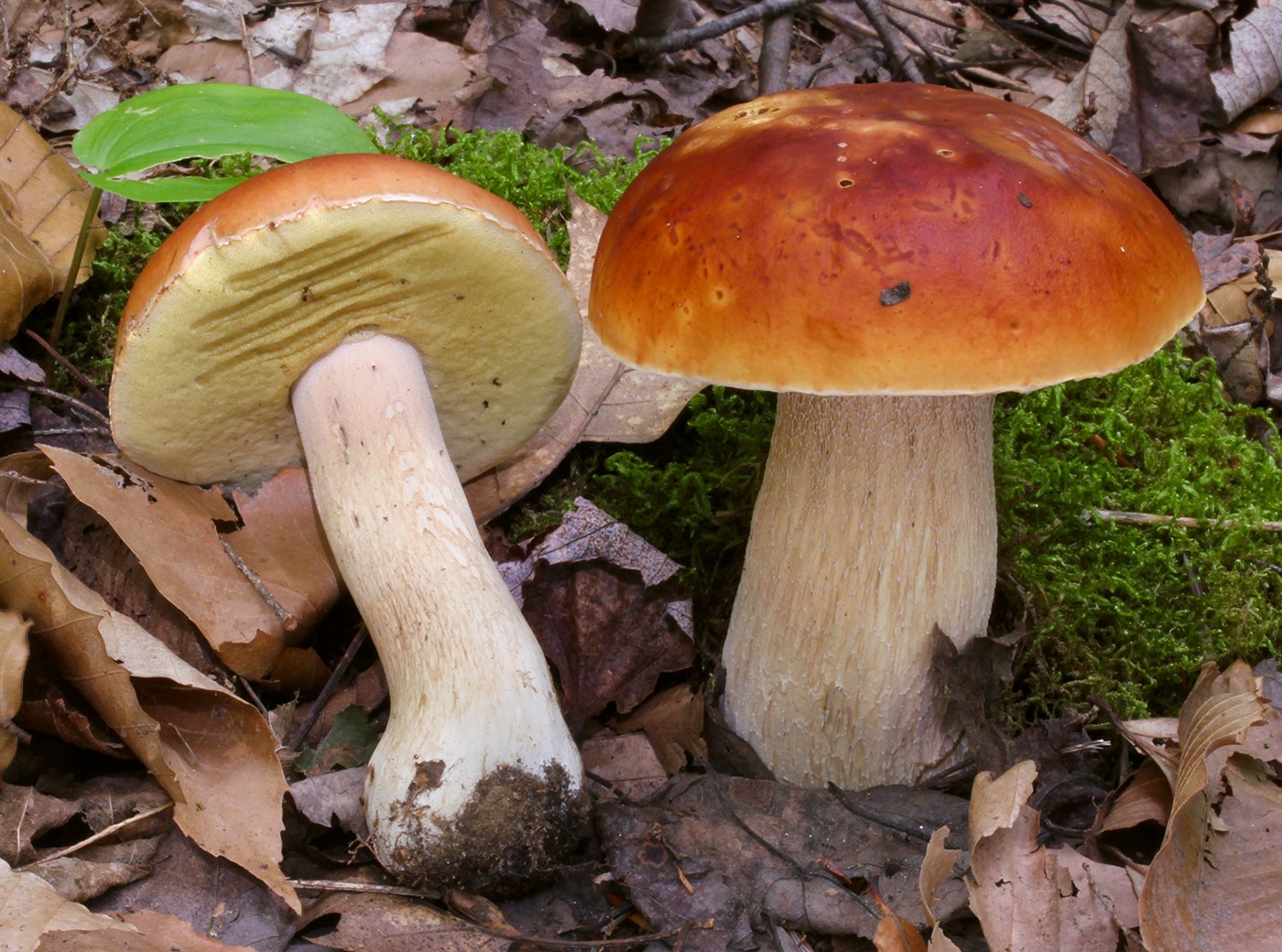
3. King bolete
Extremely popular in many cuisines, this edible wild mushroom grows around the world near the roots of forest trees. In some regions, king bolete mushrooms are collected in great enough volumes that their sale can support entire families during the harvest season. King boletes are reported to be high in fiber, vitamins B and C, calcium, potassium, magnesium, zinc, and several antioxidants.

4. Blusher
The blusher mushroom is so named because it “blushes” to a pinkish red color when cut or bruised. It is found in many countries around the world, although it may not be native to the southern hemisphere. It contains a hemolytic toxin that can cause anemia if eaten.
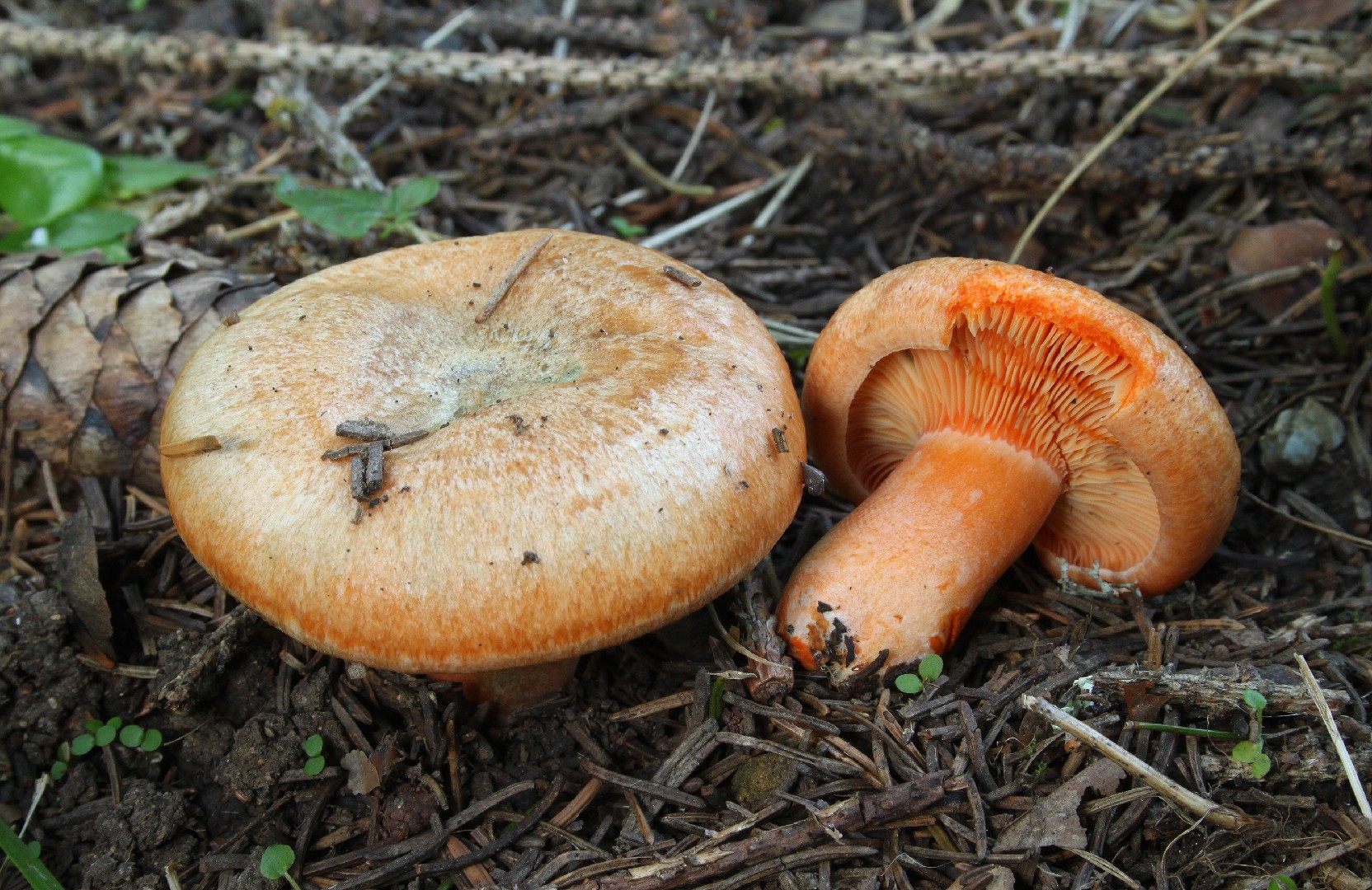
5. False saffron milkcap
A less-tasty cousin of the Saffron milkcap (Lactarius deliciosus), the false saffron milkcap is closely associated with spruce. When it appears in forests, it usually forms a large carpet. Species within the Lactarius genus are hard to differentiate from other, more poisonous mushrooms, and should not be foraged for food by the inexperienced.
6. Sticky bolete
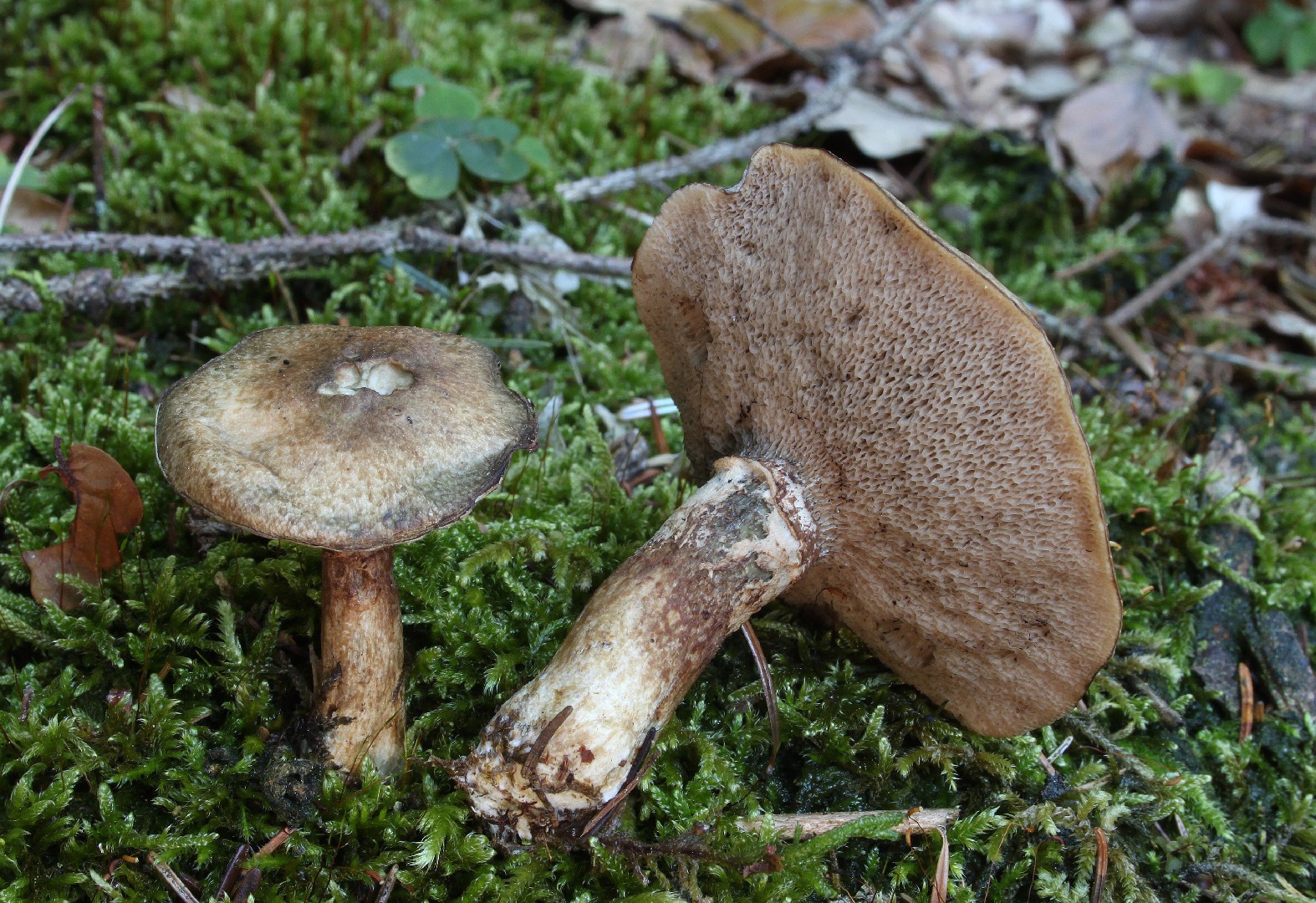
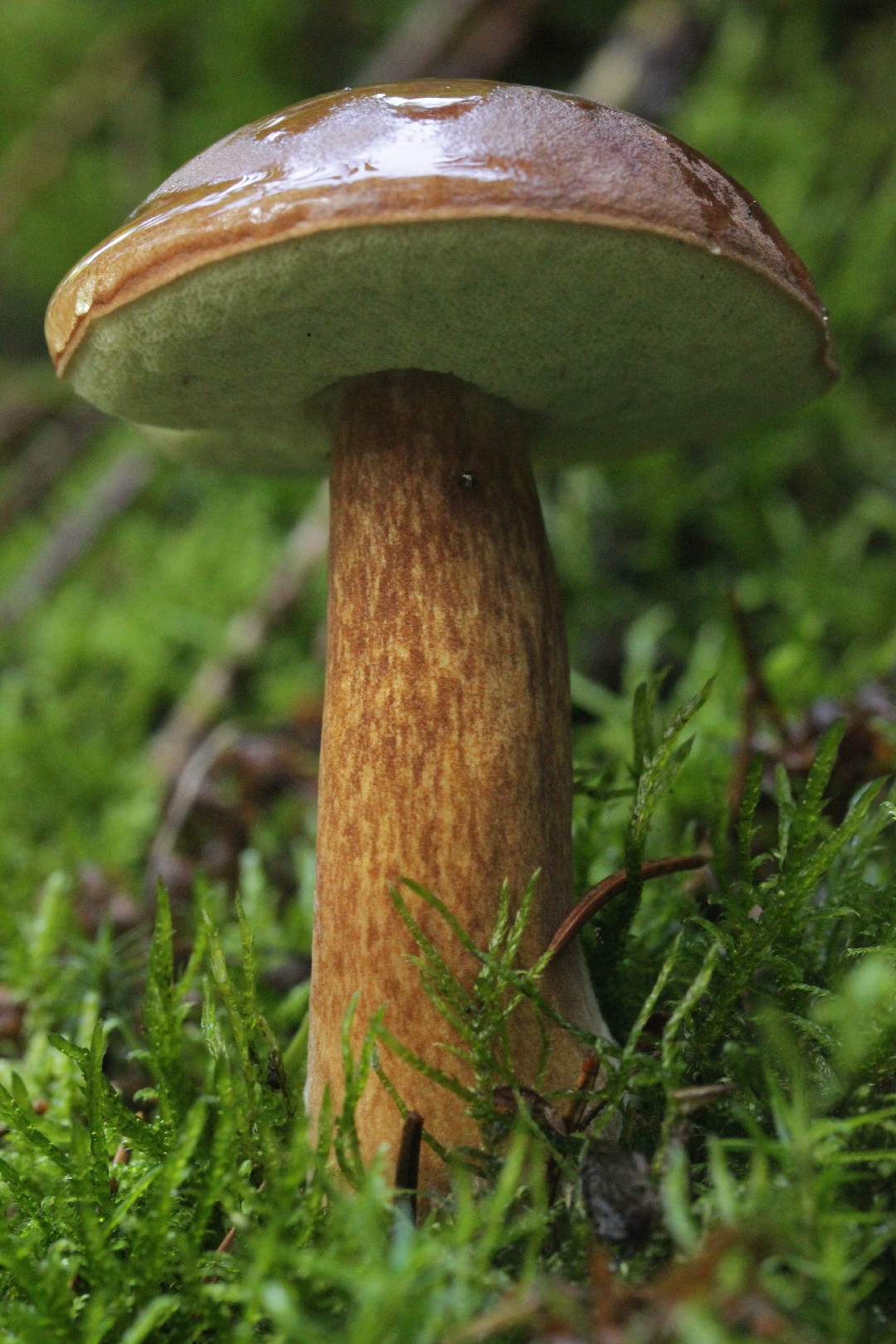
Sticky bolete is a bolete commonly found in groups on larch plantation paths. The common name, "sticky bolete," comes from this mushroom's slimy and sticky film that develops on wet caps. This film does not form any other species in the genus and is a distinguishable feature of this mushroom.

7. Common puffball
These puffy mushrooms grow in small groups on the forest floor. Once they're mature, common puffballs turn yellow and "puff out" smoke-like spore clouds when disturbed. Be very careful when identifying these mushrooms, as their young, immature form looks very similar to the lethal Deathcap.
8. Pear-shaped puffball
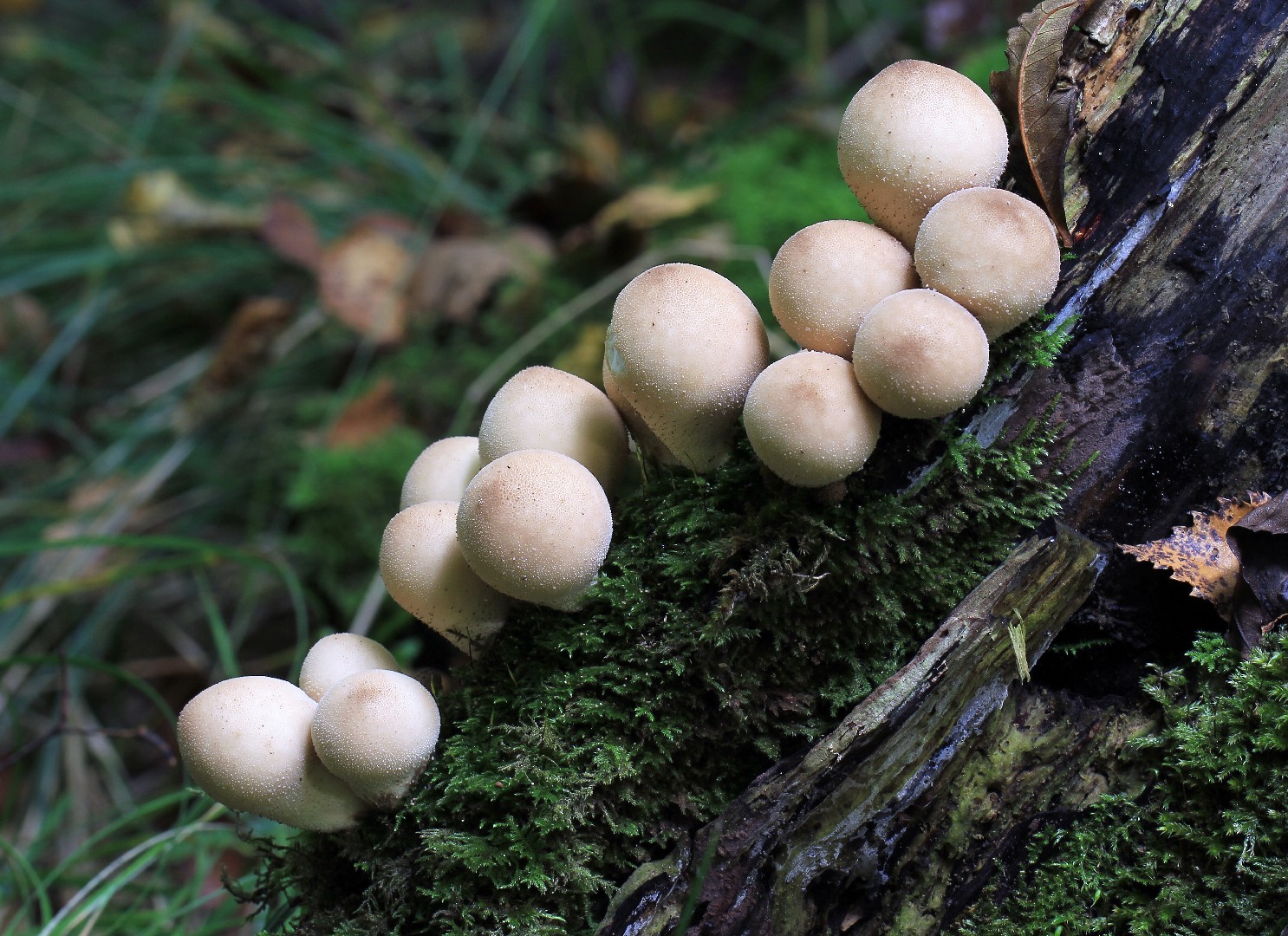
The mushrooms of this species grow in such tight clusters that they may cover fallen trees and stumps almost entirely in a brownish, puffy coat. Pear-shaped puffballs appear all around the northern hemisphere on decaying hardwoods from fall through winter.
9. Larch milkcap
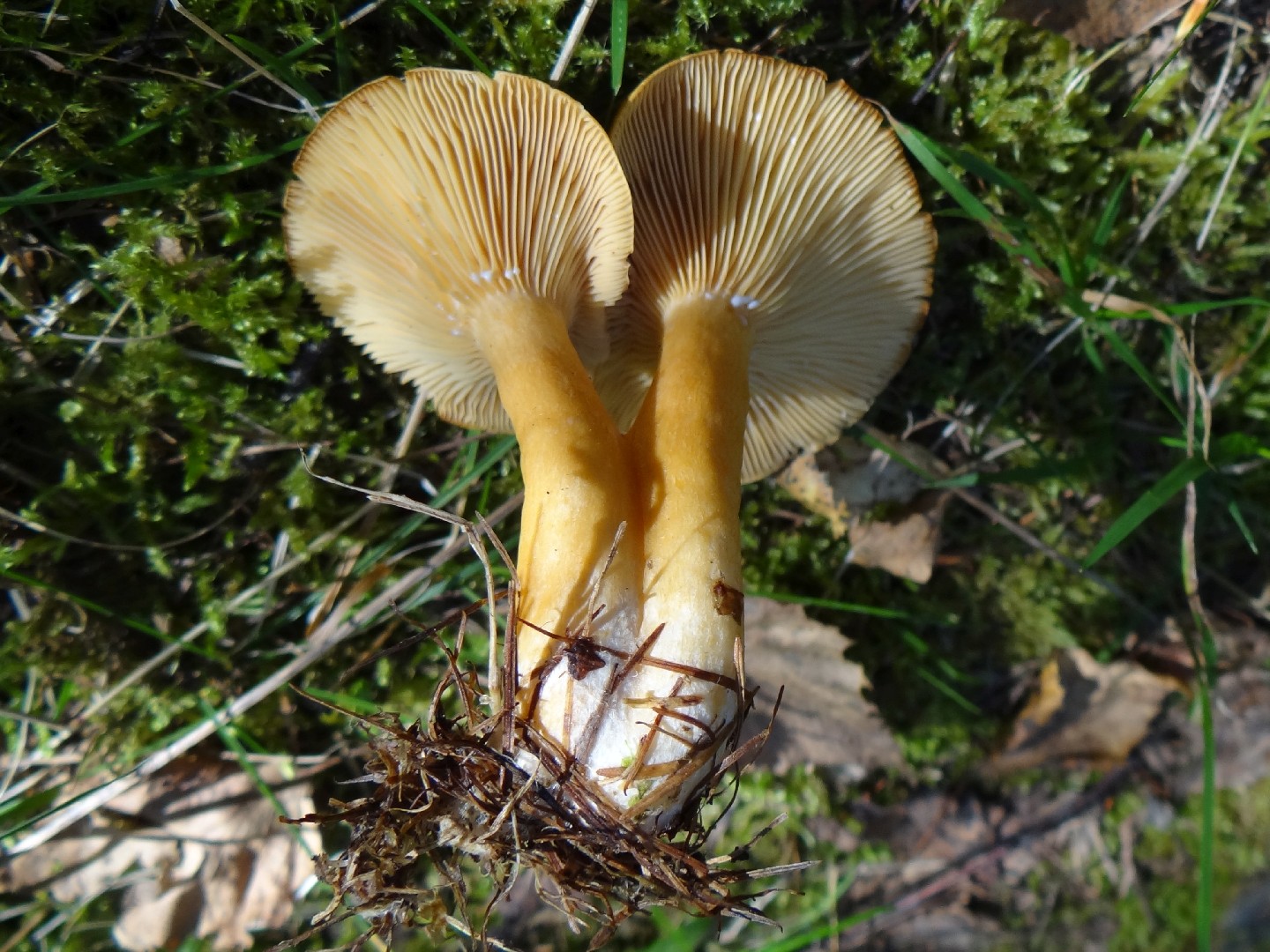
The cap is initially hemispherical with a margin that is rolled inward, later flattening to become convex or flat with a depressed center and margin that curves upward slightly; it reaches 3–13 cm (1.2–5.1 in) in diameter. The cap surface has a felt-like texture and is slightly sticky to the touch. Its colour is orange to yellow-brown or orange-brown, with concentric rings that are palest near the margin. The thin, crowded gills have an adnate to slightly decurrent attachment to the stipe, and are a pale pinkish-buff colour. The cylindric stipe measures 2–9 cm (0.8–3.5 in) long by 0.7–2.5 cm (0.3–1.0 in) thick, and tapers slightly both near the top and the base. It has a smooth surface and ranges in colour from pale cream to pinkish-buff. The spore print is cream, while the spores are ellipsoid, measuring 6.3–9.6 by 5.2–7.3 µm. They have an incompletely reticulated surface with ridges up to 0.5 µm high. The basidia (spore-bearing cells) are somewhat club-shaped, four-spored, and measure 40–50 by 10–13 µm. 
10. Hollow bolete
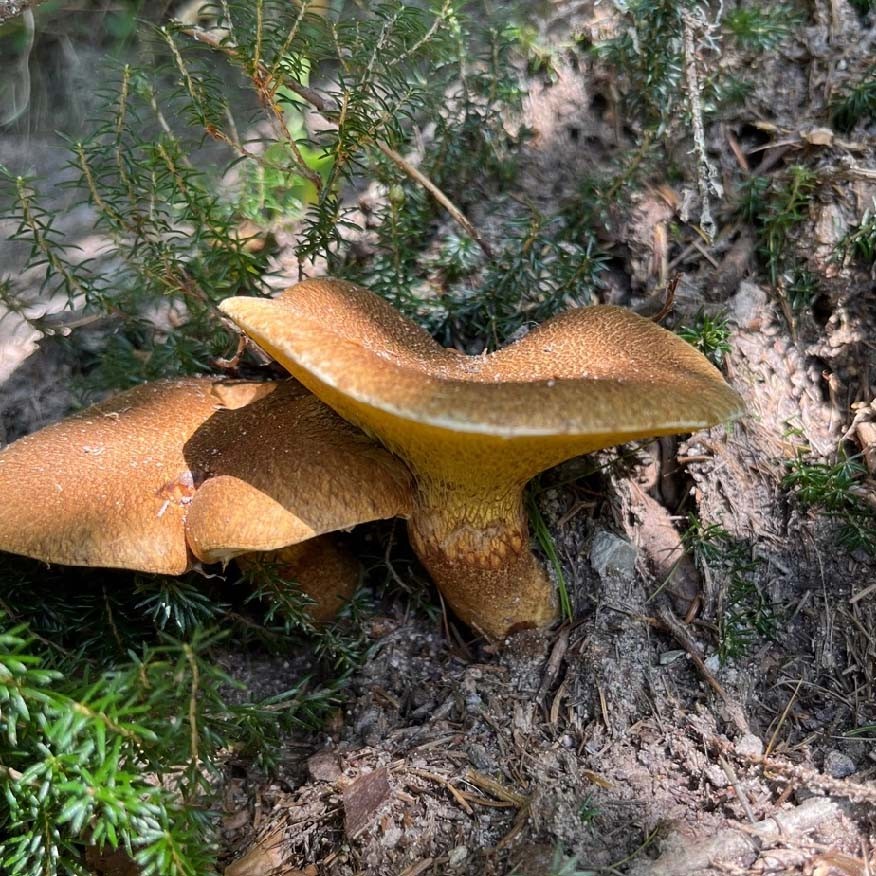
Hollow bolete (Suillus cavipes) gets its Latin name cavipes, which means hollow foot, from its hollow stem. It forms a mutually beneficial relationship with larch trees. This mushroom has an unusual scaly brown cap. It can grow alone or gregariously.

More







