




Top 20 Most Common Mushrooms in Maniago
Nestled amid laudable landscapes, the city of Maniago is a playground for mycophiles boasting a diversified ecosystem. Its fertile soils, copious shade, and temperate climate create an ideal habitat for an astonishing array of mushrooms. Here, the '20' most common mushrooms thrive, embodying extraordinary variety. These fungal treasures, inevitably linked to this city’s identity, make Maniago a natural heaven for mushroom enthusiasts.

Most Common Mushrooms
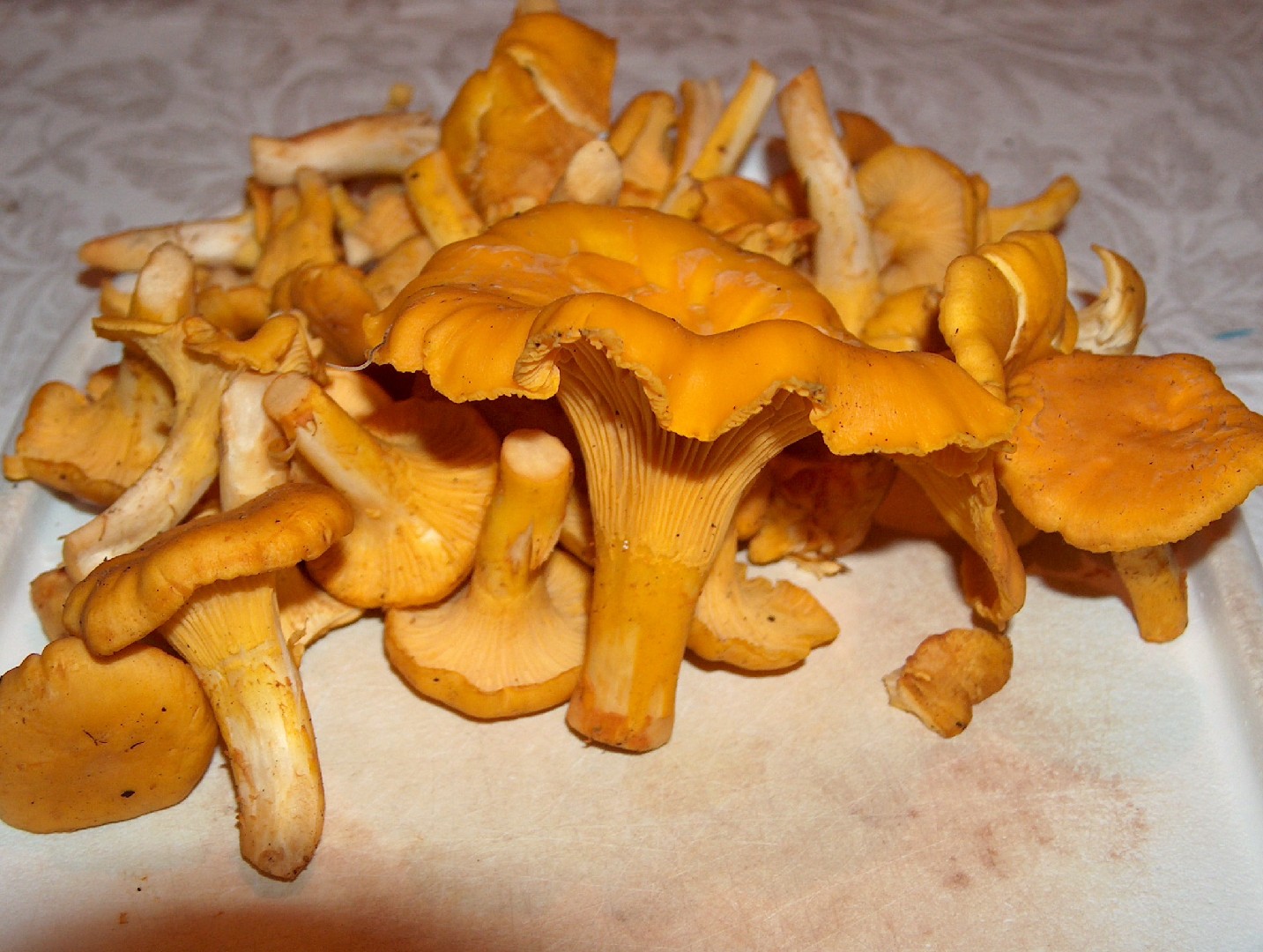
1. Golden chanterelle
Golden chanterelle mushrooms are popular in gourmet cuisine across Europe, where they grow wild during the warm (but not too hot) months. Similar species grow in other countries. Extremely popular with foragers, the golden chanterelle emits an apricot-like scent and contains an array of nutrients that benefit the human body. Several studies suggest consuming extremely large amounts may have detrimental effects on the eyes and muscles.
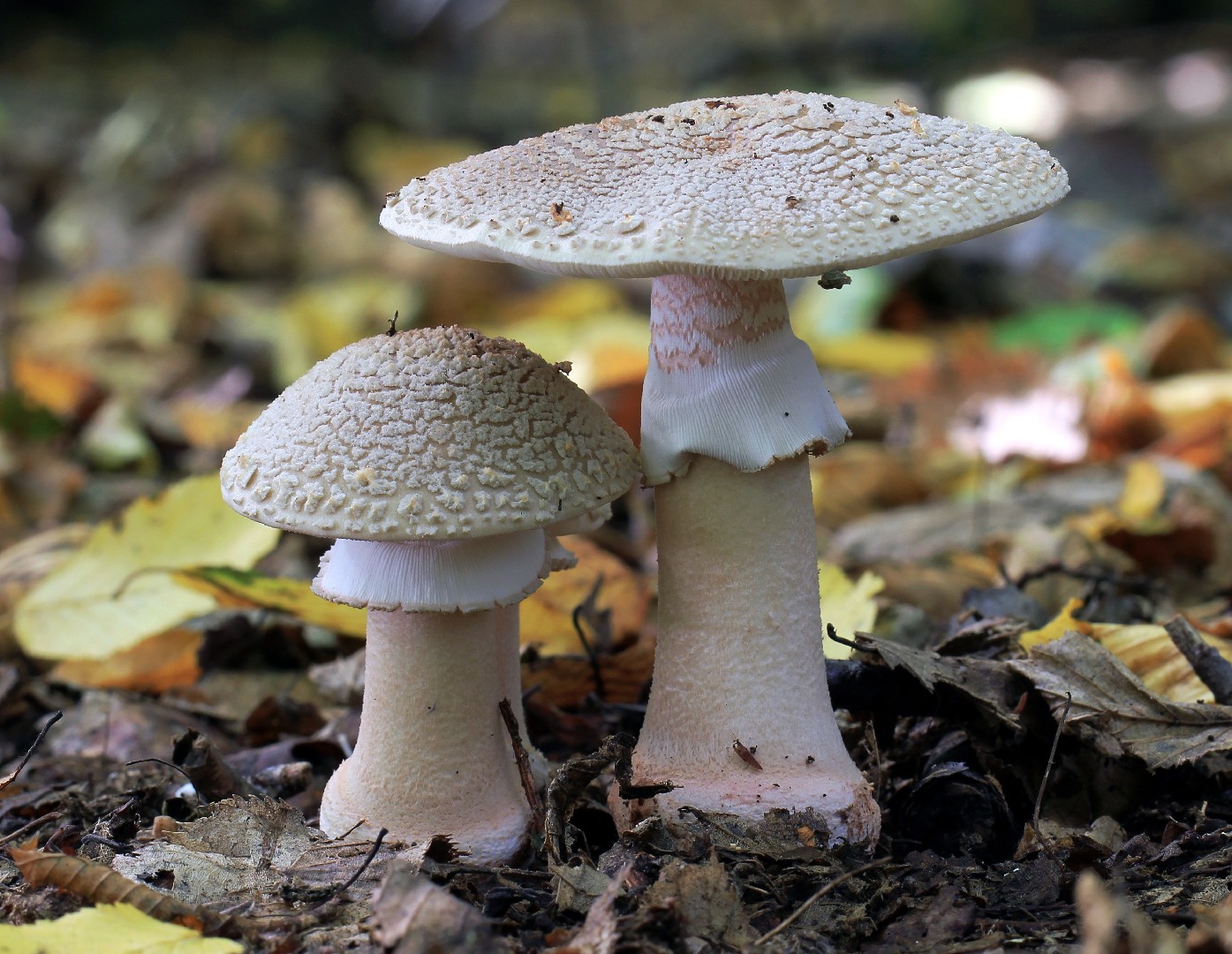
2. Blusher
The blusher mushroom is so named because it “blushes” to a pinkish red color when cut or bruised. It is found in many countries around the world, although it may not be native to the southern hemisphere. It contains a hemolytic toxin that can cause anemia if eaten.
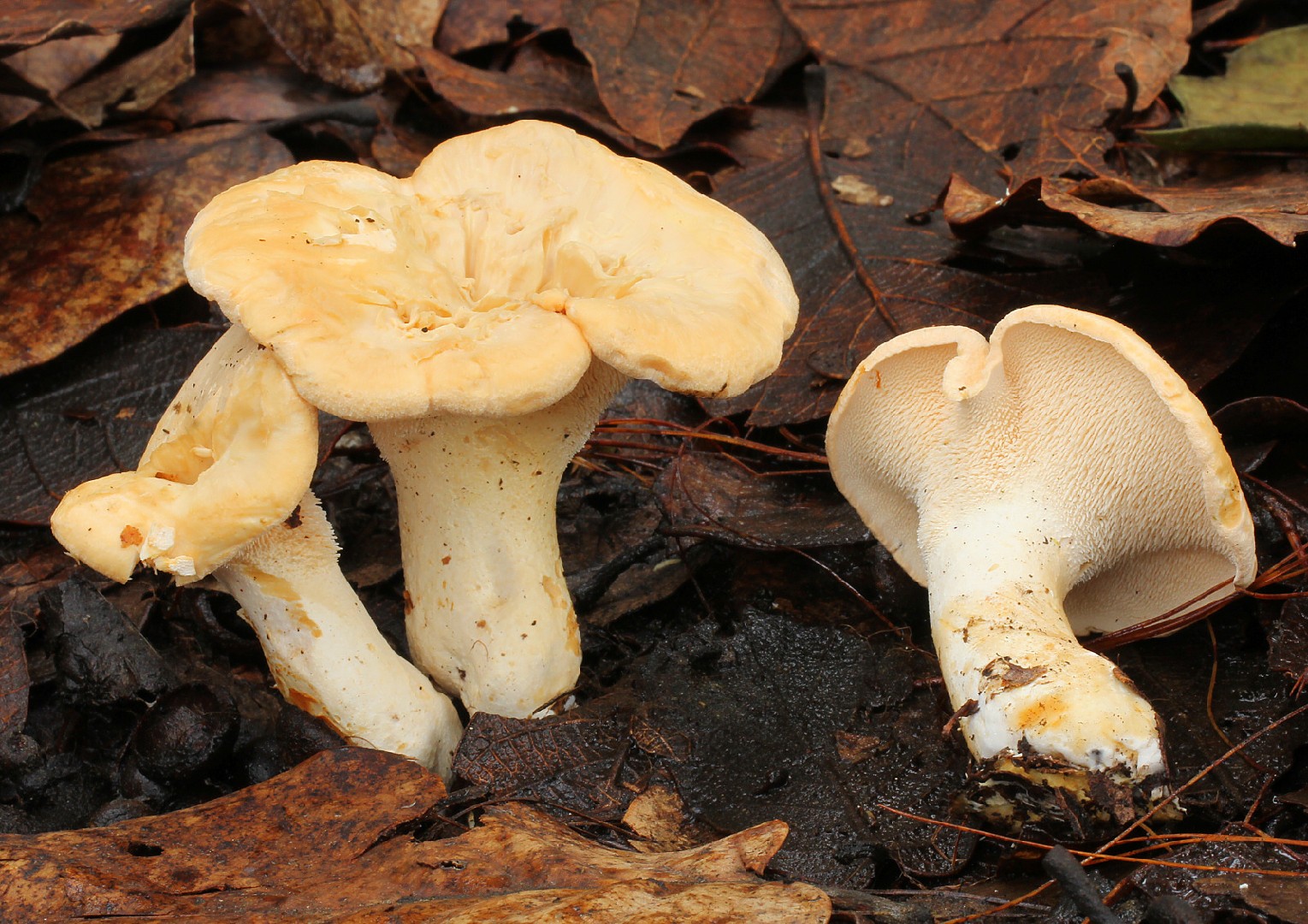
3. Sweet tooth
This mushroom is distinctive for the spines, or teeth, that hang down from the underside of its cap. It can be found on forest floors singly or in groups. In spite of the name, sweet tooth, it has a slightly spicy bite and bitter aftertaste. This wild mushroom needs to be cooked before it is truly edible, and only young, parasite-free mushrooms should be harvested.
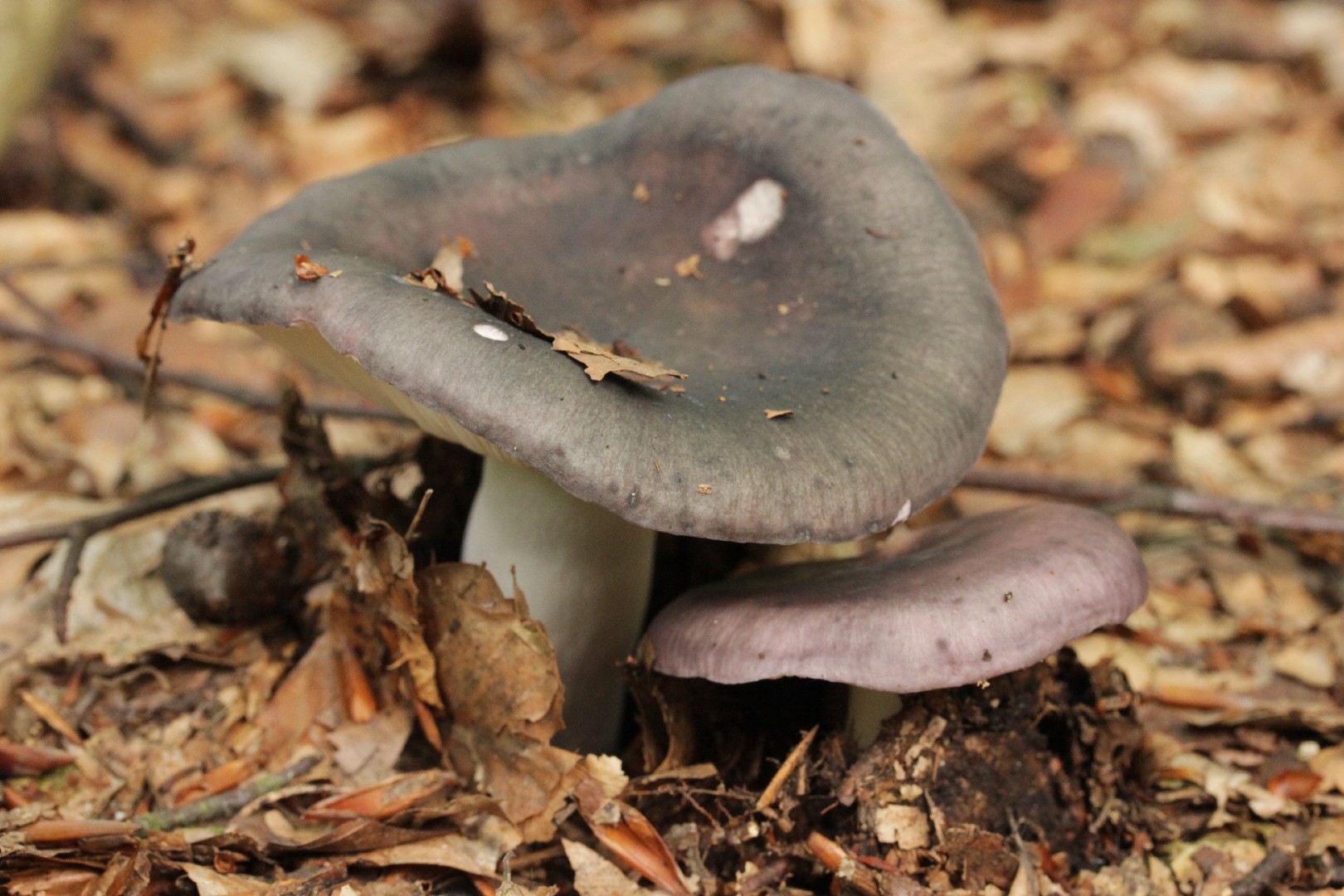
4. Charcoal burner
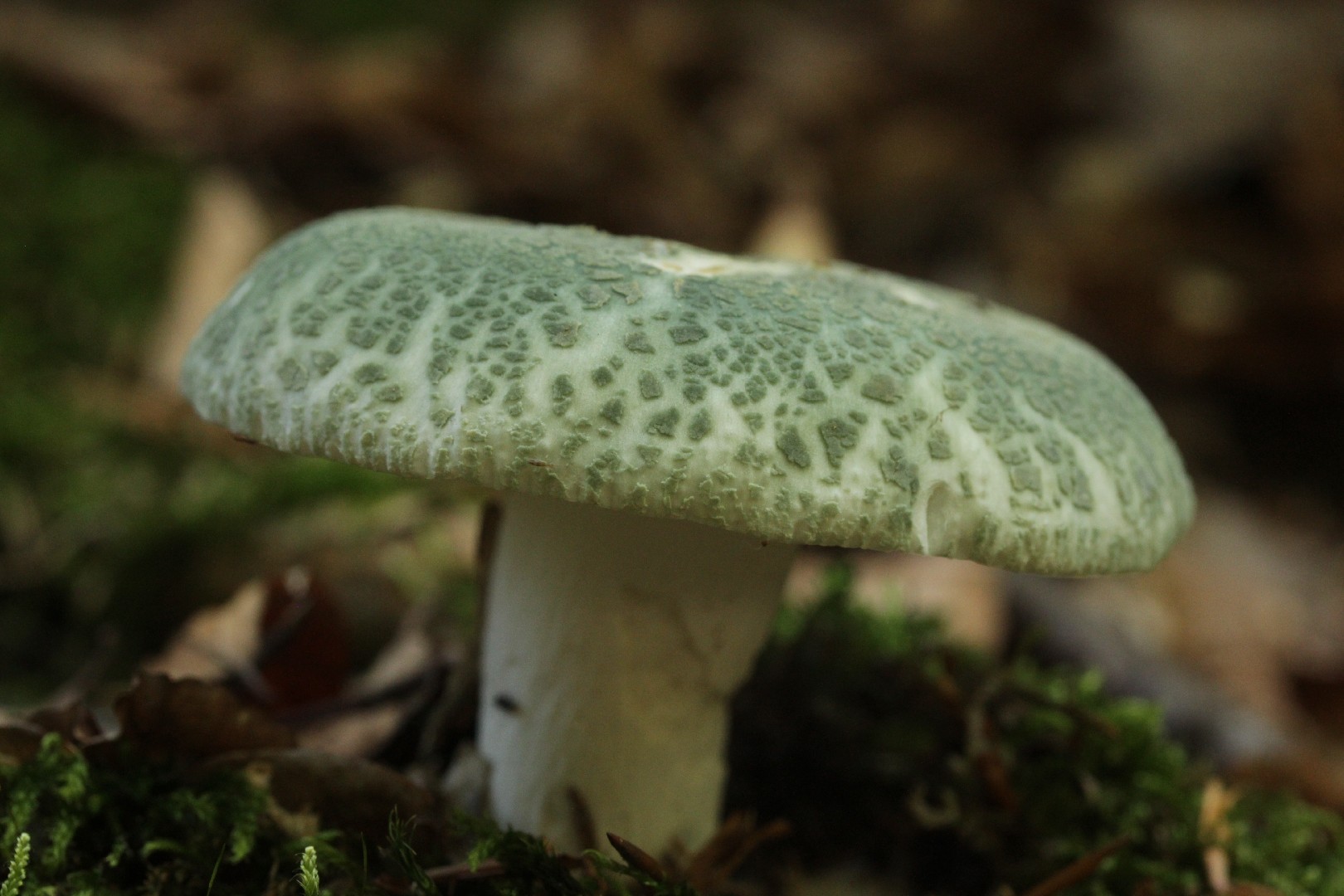
Most commonly found under beeches in forests or parks, this crumbly mushroom can appear in colors ranging from red and yellow to violet, blue-grey, or even green. Its scientific name represents this variability: Russula cyanoxantha means “reddish blue-blonde.”
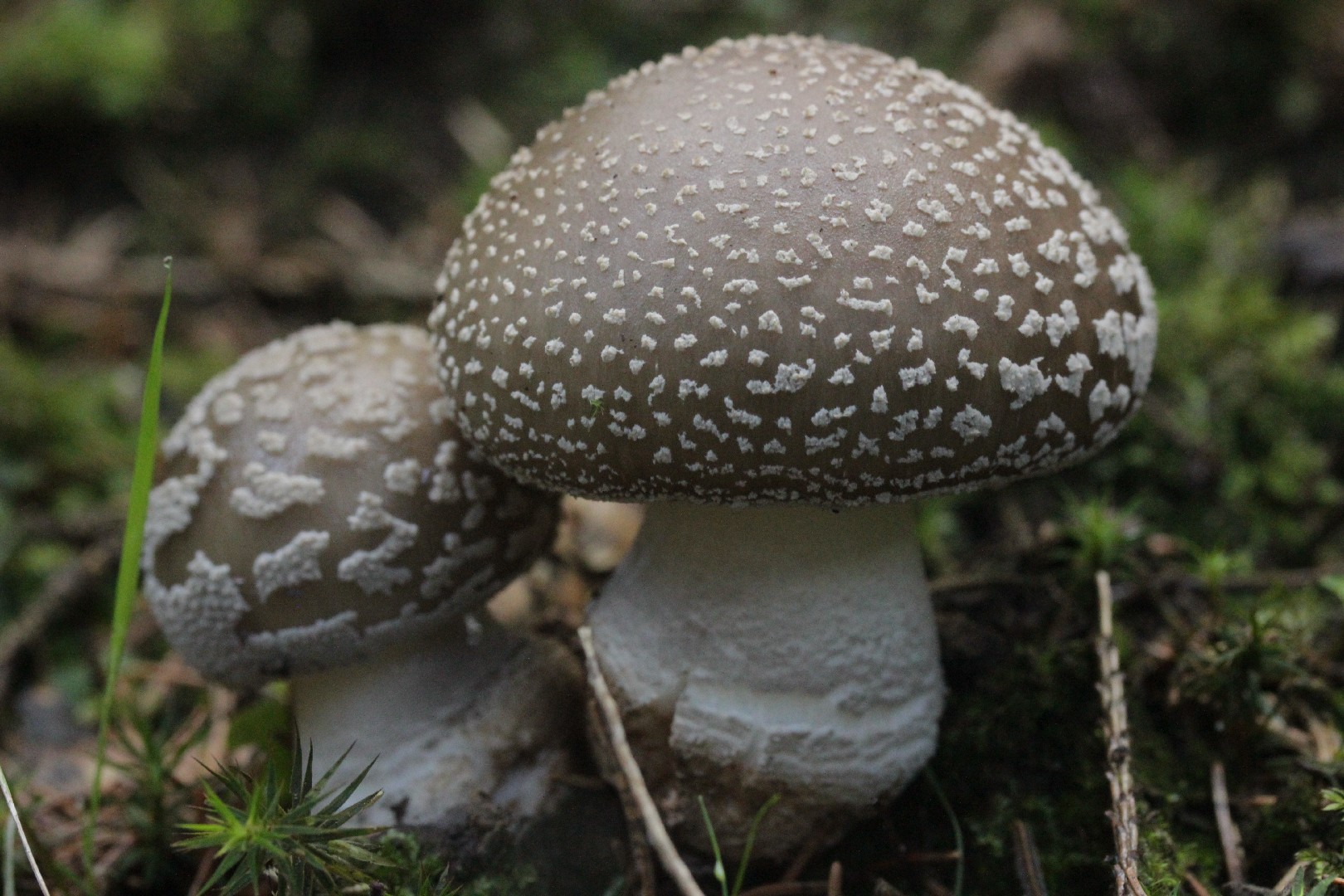
5. Grey spotted amanita
The cracked plaster appearance of grey spotted amanita (Amanita excelsa) caps is a common sight in Europe that also sporadically pops up in North America. This species has a long history and has been recorded and studied as far back as 1821. They contain a potent toxin called thermolabile, making those who consume it very sick if not cooked. This species is not recommended for consumption.
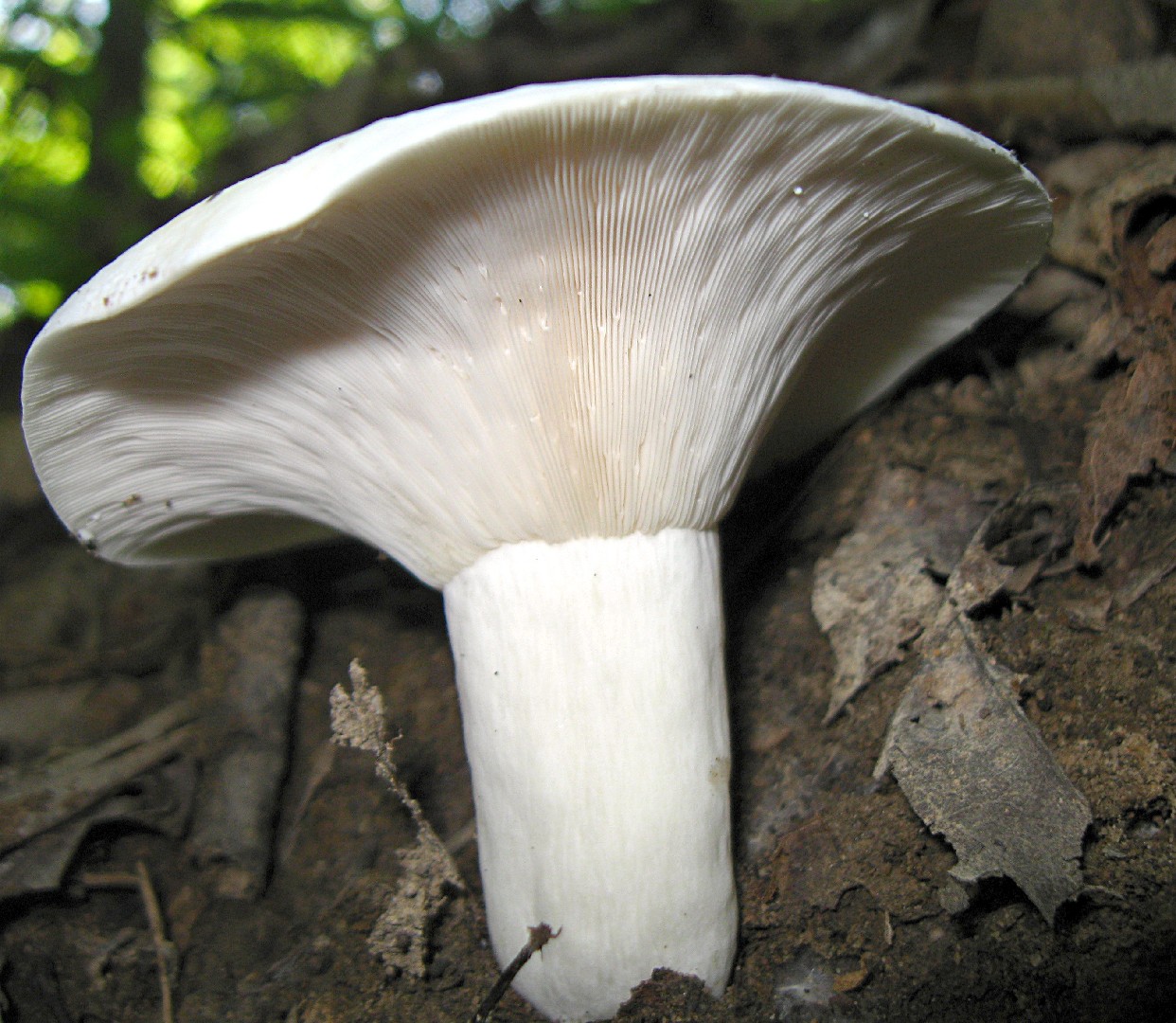
6. Peppery milk cap
Mushrooms in the Lactarius genus, including peppery milk cap, leak a milky substance from their gills. Peppery milk cap is unique because its milk has an overpowering pepper taste. This mushroom was first described by Carl Linnaeus, the famed father of modern taxonomy.
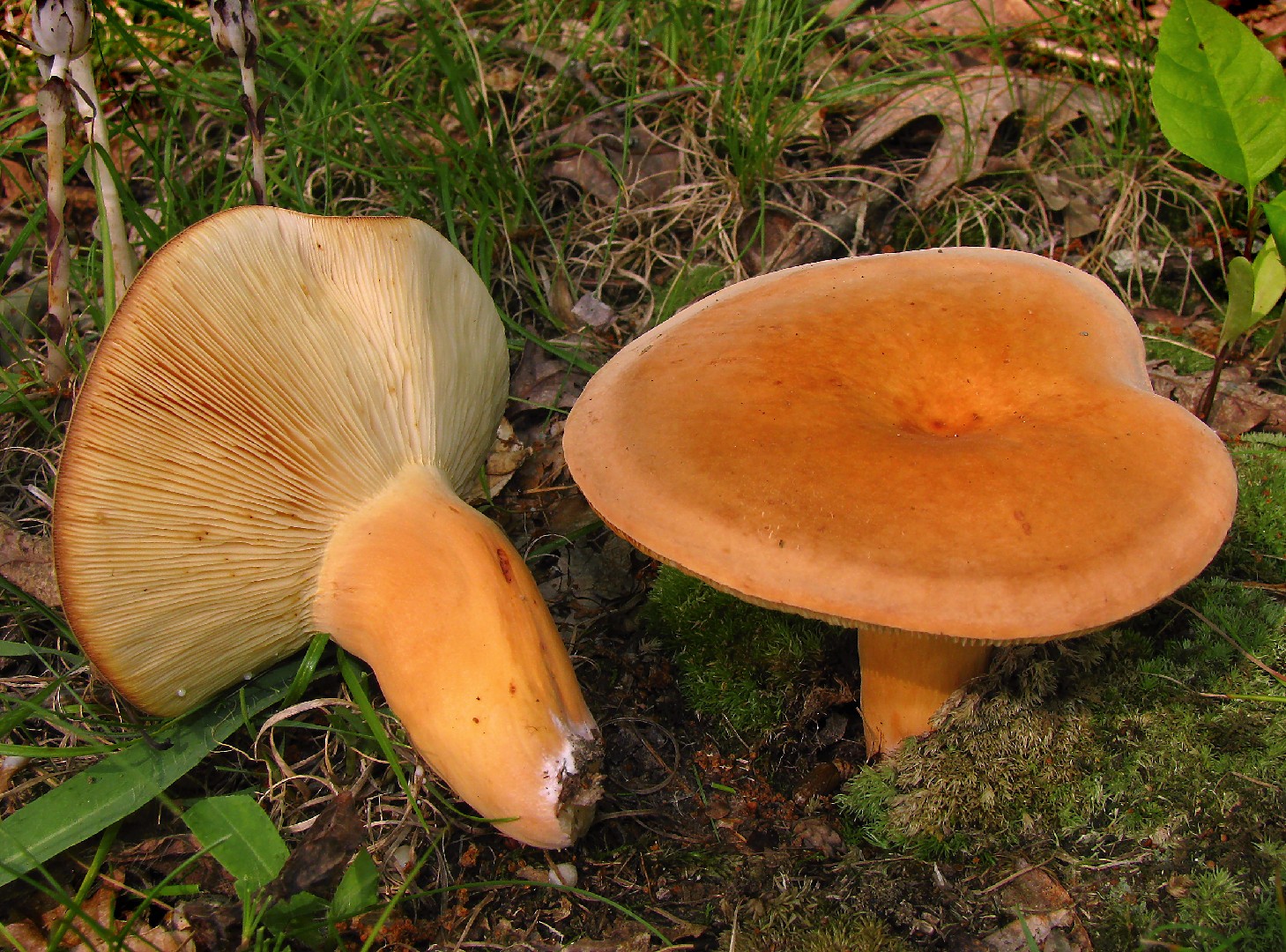
7. Weeping milk cap
Weeping milk cap is a mycorrhizal mushroom, meaning it forms underground connections with plants, and it is associated with a variety of trees, most often oaks. As a Lactarius mushroom, weeping milk cap releases a milky fluid from its gills when disturbed. This mushroom's brown milk is known to stain hands, paper, and other things it comes into contact with.
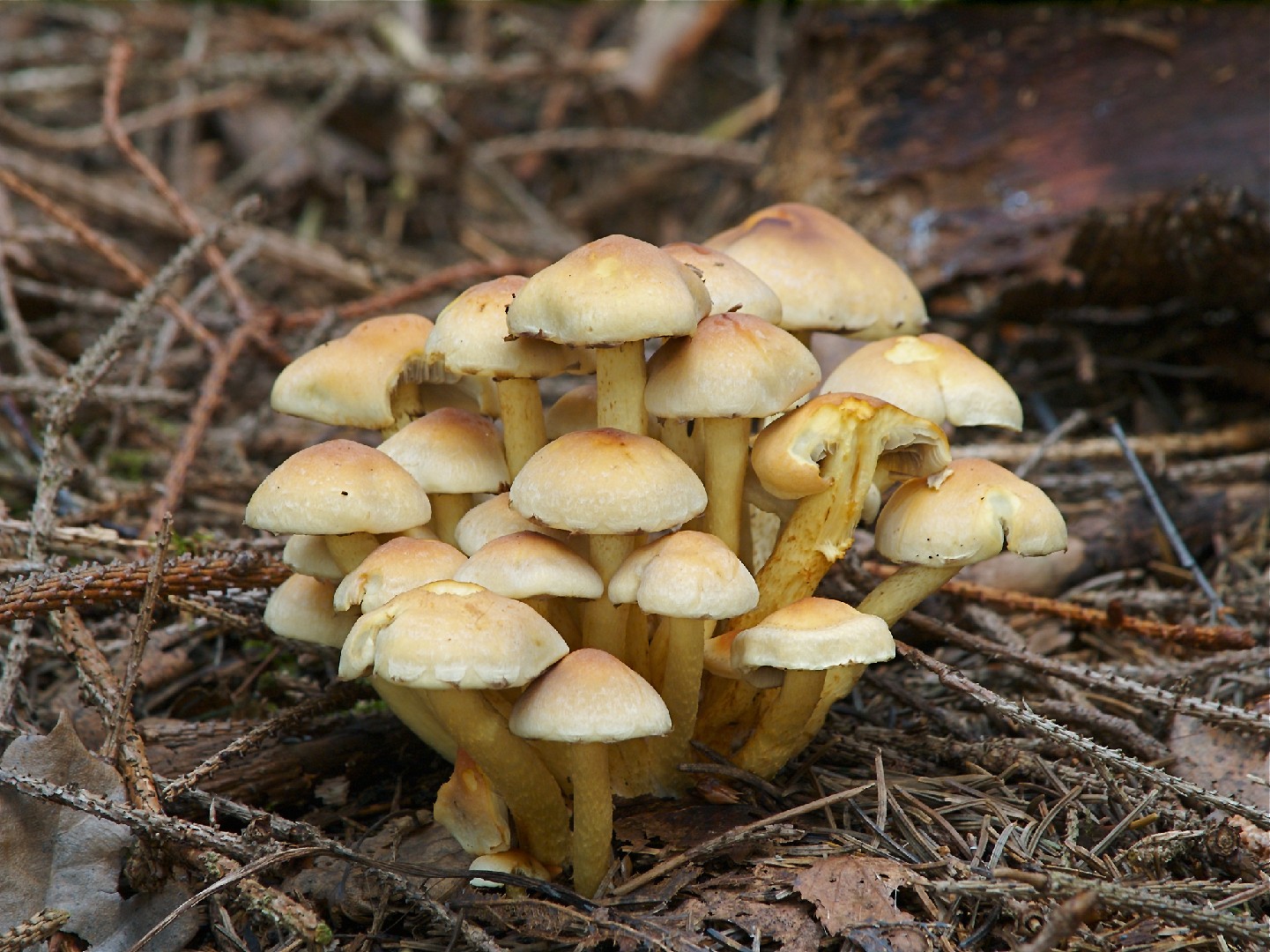
8. Sulphur tuft
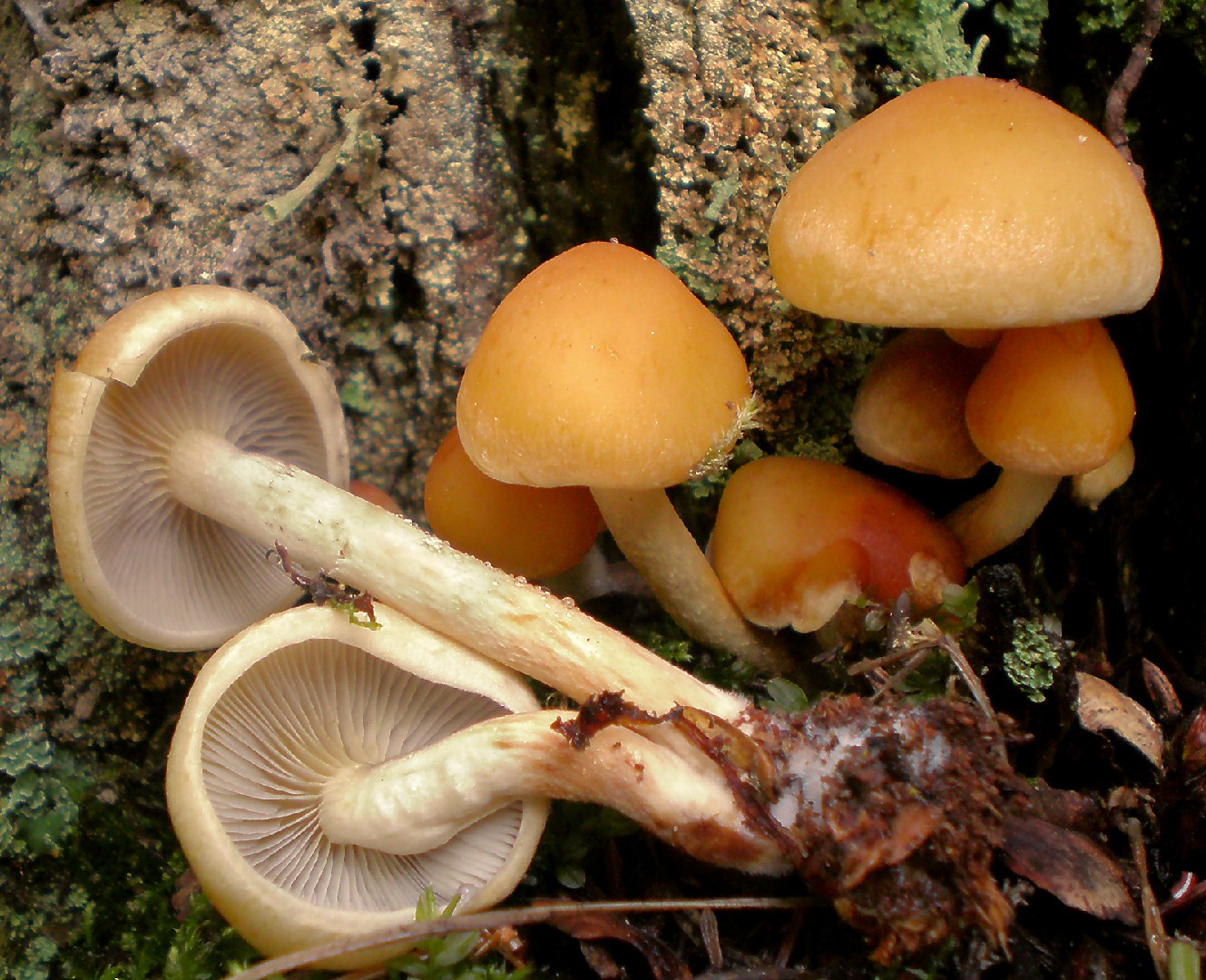
The sulphur tuft grows on rotting wood of all types of trees; it is a particularly efficient decomposer of hardwoods. The mushrooms appear from spring to autumn and are often so tightly packed that they interfere with each other’s shape. This poisonous mushroom can cause temporary paralysis, distorted vision, and stomach pain if consumed.
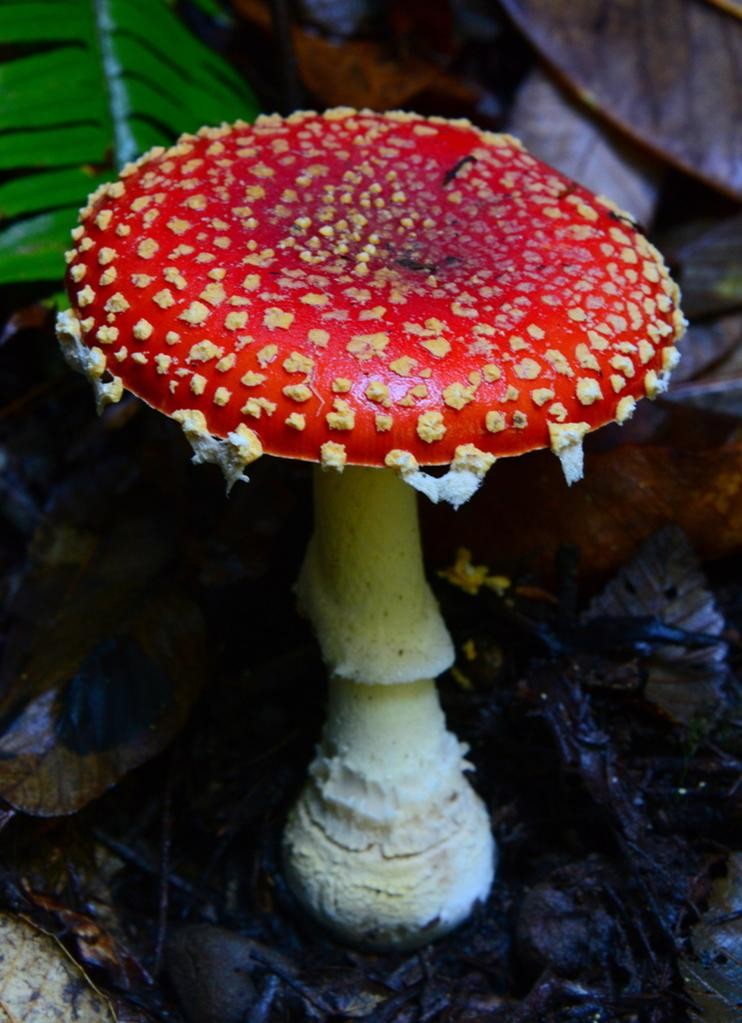
9. Fly agaric
In Northern Asia and Europe, fly agaric grows under trees near the winter solstice and is collected for ritual use tied to the season. Its characteristic shape and coloring are still ubiquitous in many European fairy tale illustrations and Christmas traditions. It is highly toxic.
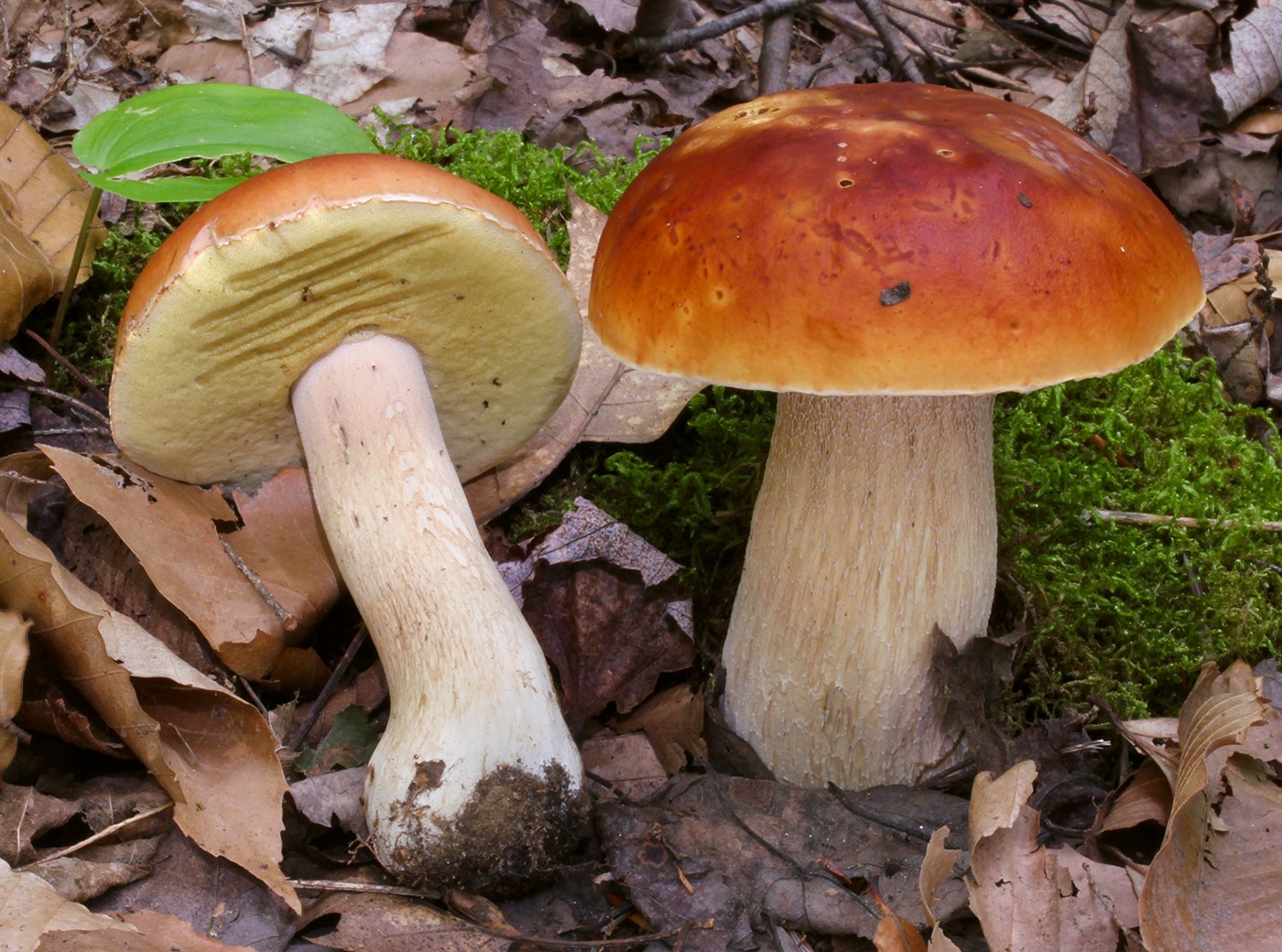
10. King bolete
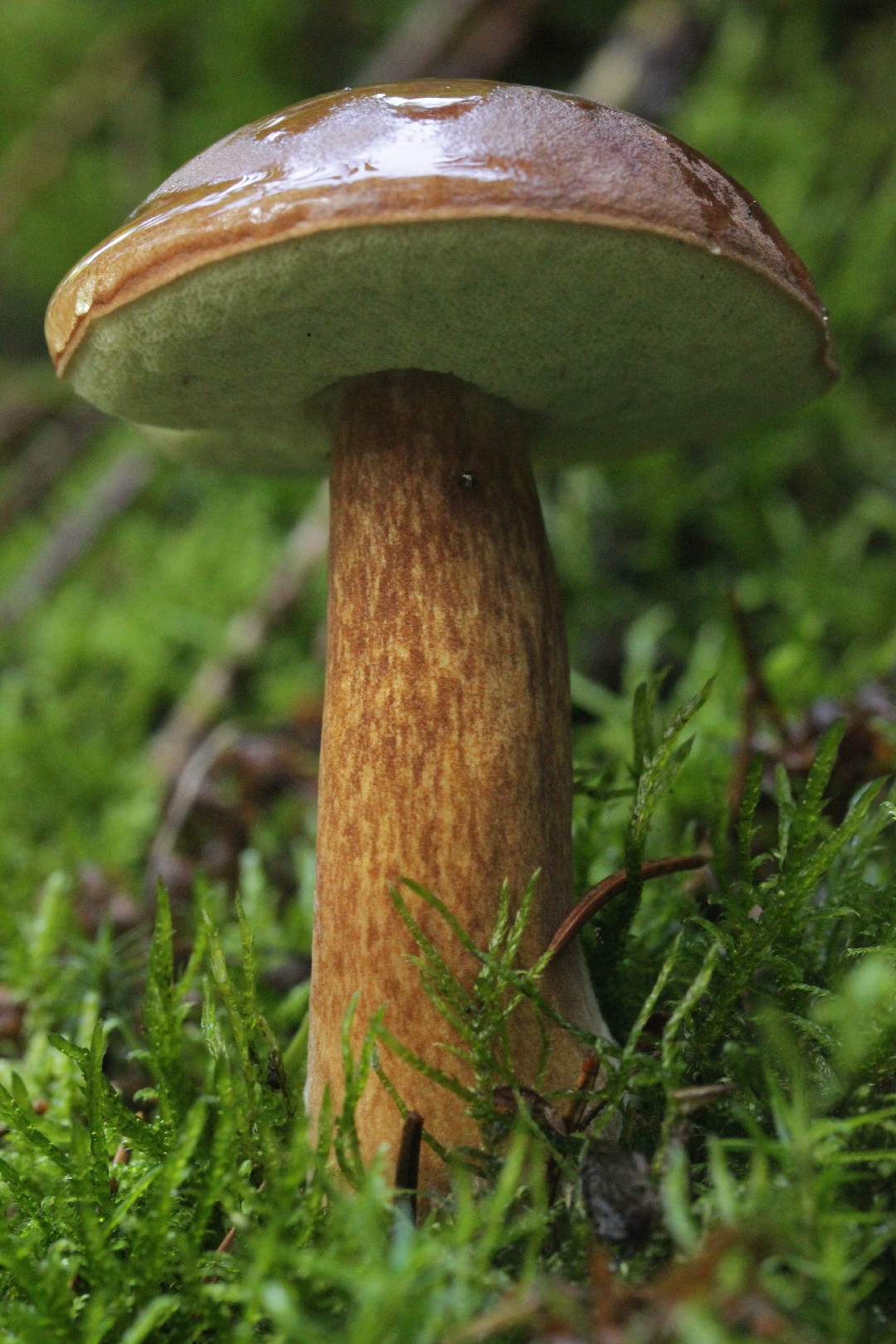
Extremely popular in many cuisines, this edible wild mushroom grows around the world near the roots of forest trees. In some regions, king bolete mushrooms are collected in great enough volumes that their sale can support entire families during the harvest season. King boletes are reported to be high in fiber, vitamins B and C, calcium, potassium, magnesium, zinc, and several antioxidants.

More







