




Top 20 Edible Mushrooms Popular in Dumfries
Dive into the world of fungi discovery with our informative guide on the top 20 most common edible mushrooms in Dumfries. Primed with lush forests and abundant rainfall, this region offers the perfect sanctuary for a diverse range of mushrooms. This guide aims to educate culinary enthusiasts and nature lovers on the specifics of each species. From their unique appearances to distinctive tastes, preferred habitats and notable culinary uses, our meticulously researched guide provides everything you need to know about these natural treasures.
* Disclaimer: Content feedback CAN NOT be used as any basis for EATING ANY PLANTS. Some plants can be VERY POISONOUS, please purchase edible plants through regular channels.

Most Popular Edible Mushrooms
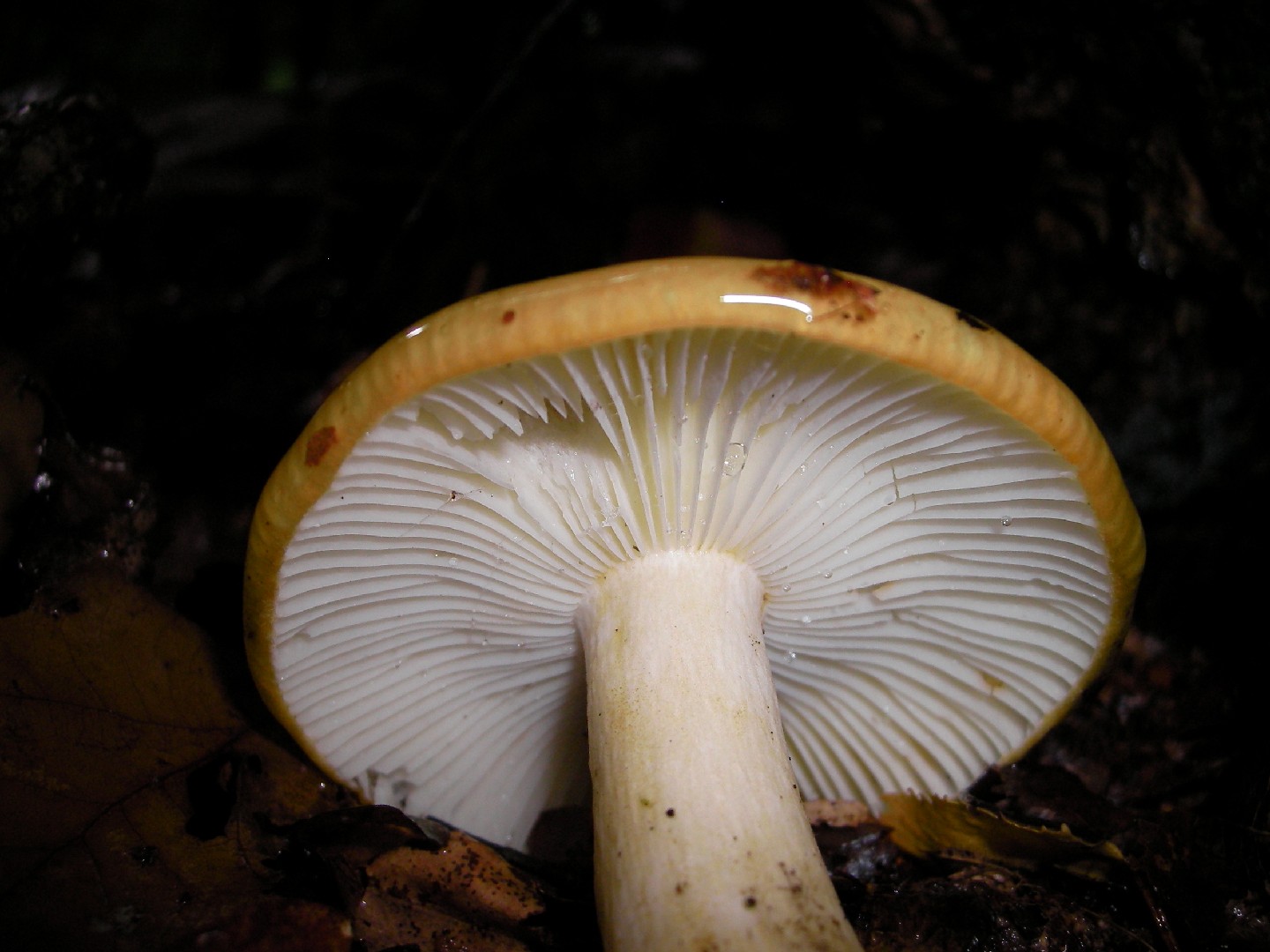
1. Ochre brittlegill
The ochre brittlegill is a large and ubiquitous russula that can be found growing in mixed temperate woodlands across the Northern Hemisphere. This mushroom is distinguished by its smooth ochre cap, which may sometimes have tinges of green, brown, or even purple to it. Ochre brittlegills have brittle gills and bulbous, white stalks.
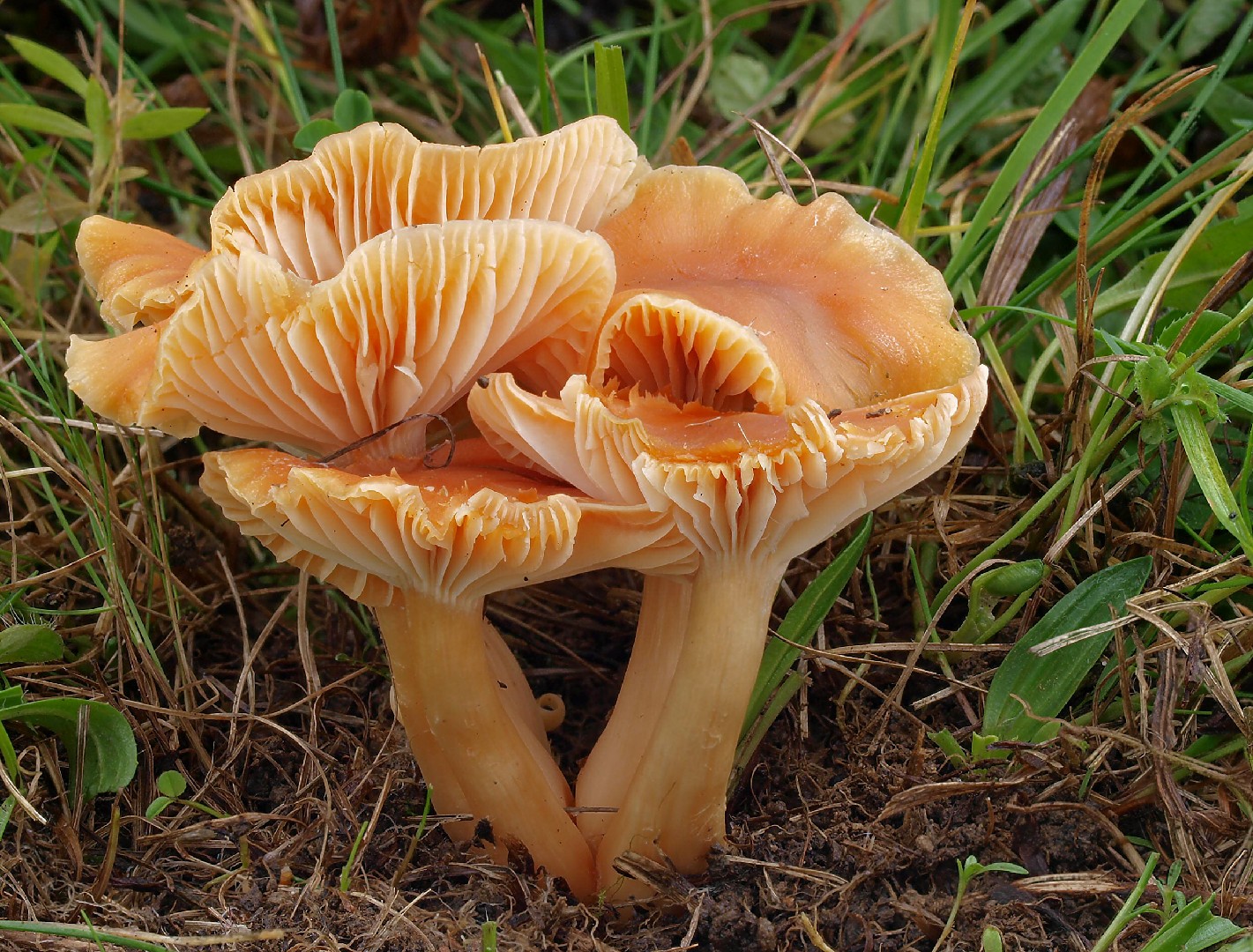
2. Meadow waxcap
The meadow waxcap is a medium-sized, salmon-colored species that can be found in temperate habitats around the world. The species has broad, thick gills and a relatively smooth (and not particularly waxy) cap.
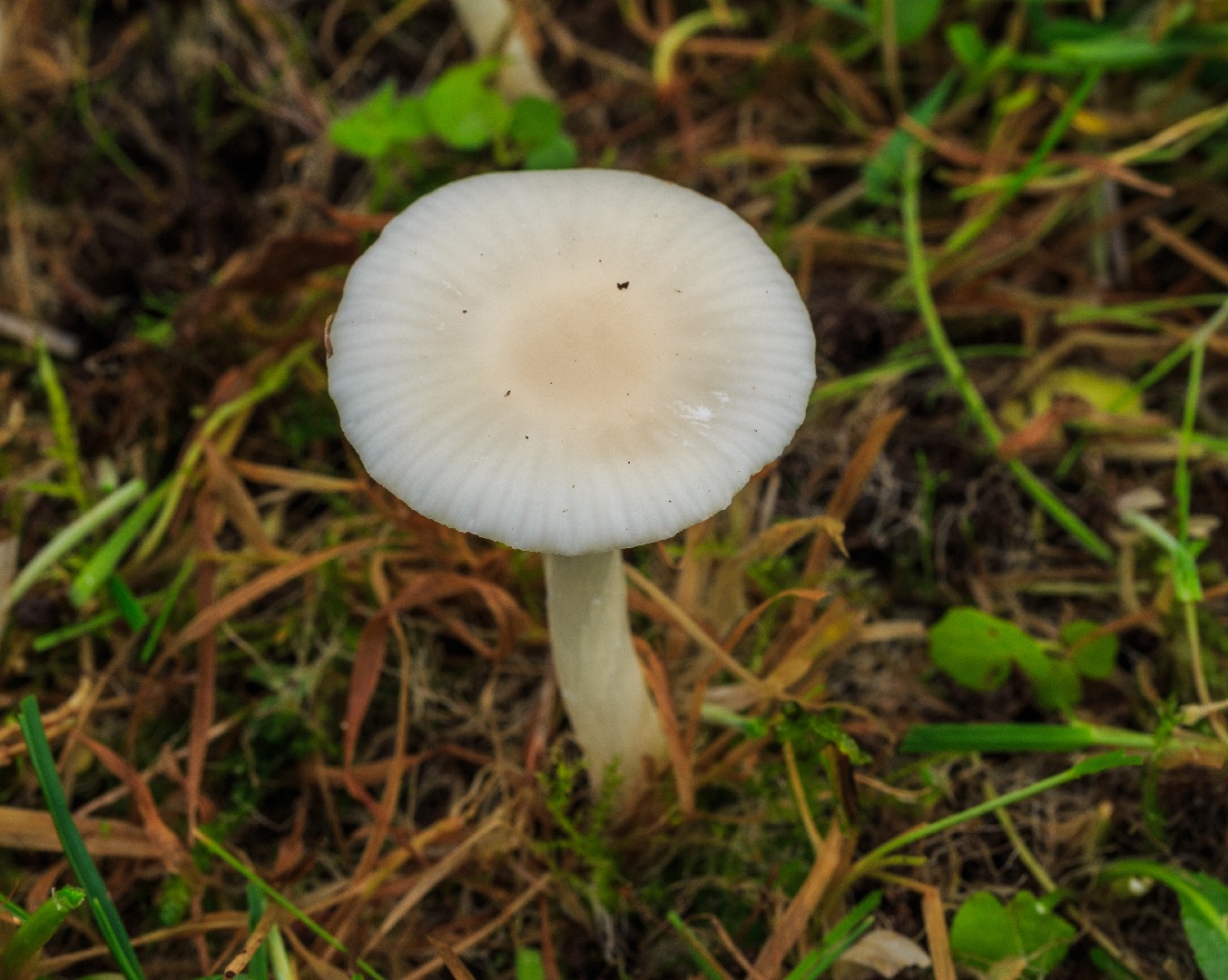
3. Snowy waxcap
The snowy waxcap is so-named because its stalk, cap, and gills are often uniformly white; however, tinges of tan or peach may occur with age, especially on the center of the cap. The species can be found in temperate grasslands and woodlands across the northern hemisphere, and in some parts of Australia.
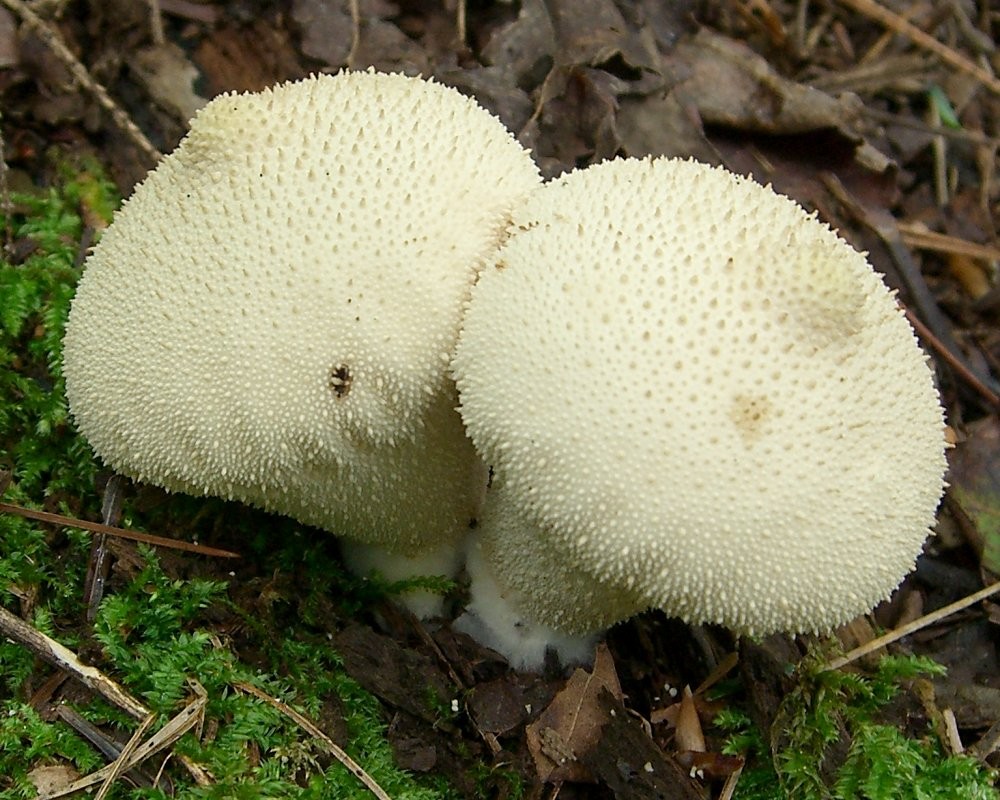
4. Common puffball
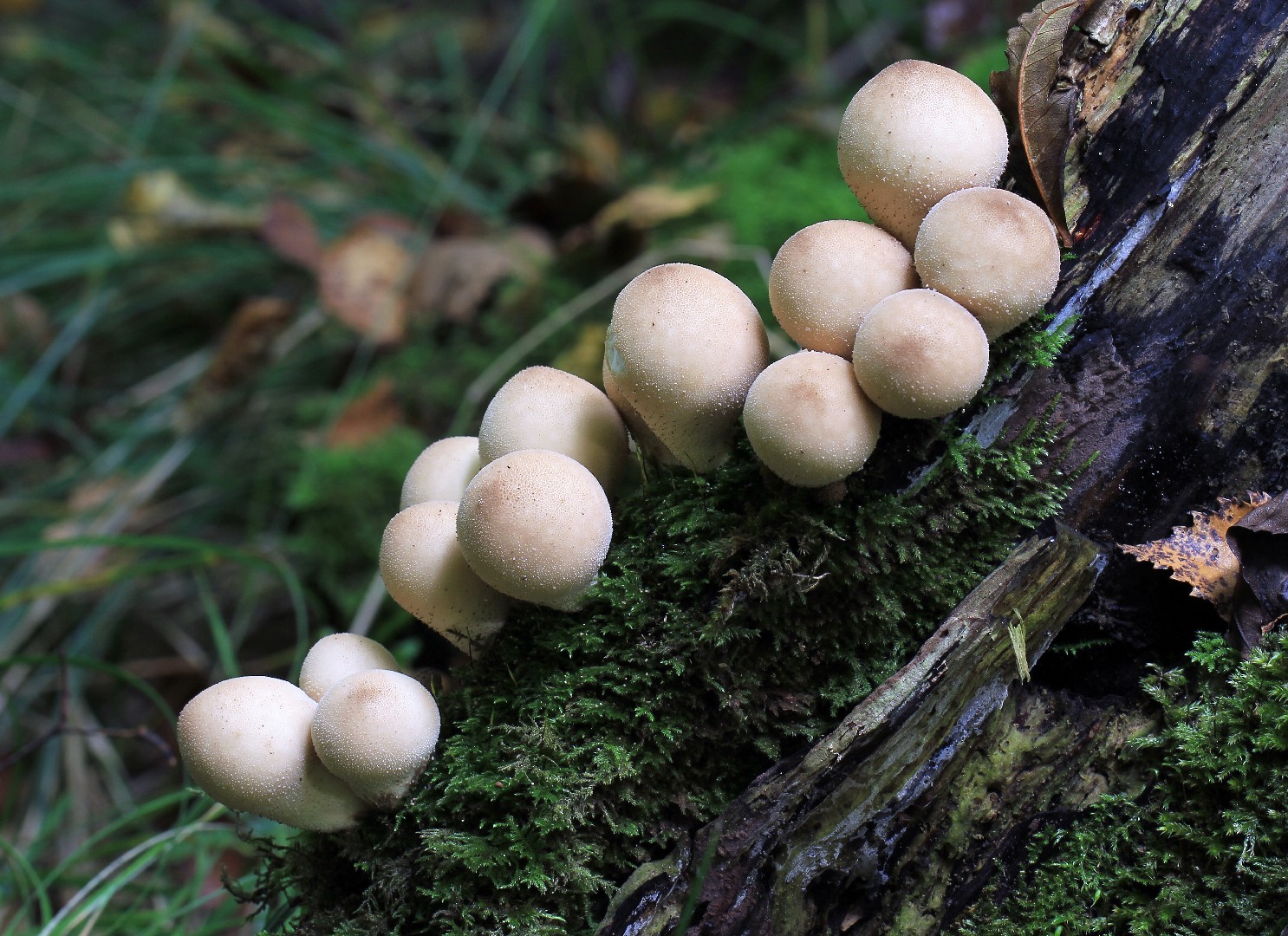
These puffy mushrooms grow in small groups on the forest floor. Once they're mature, common puffballs turn yellow and "puff out" smoke-like spore clouds when disturbed. Be very careful when identifying these mushrooms, as their young, immature form looks very similar to the lethal Deathcap.
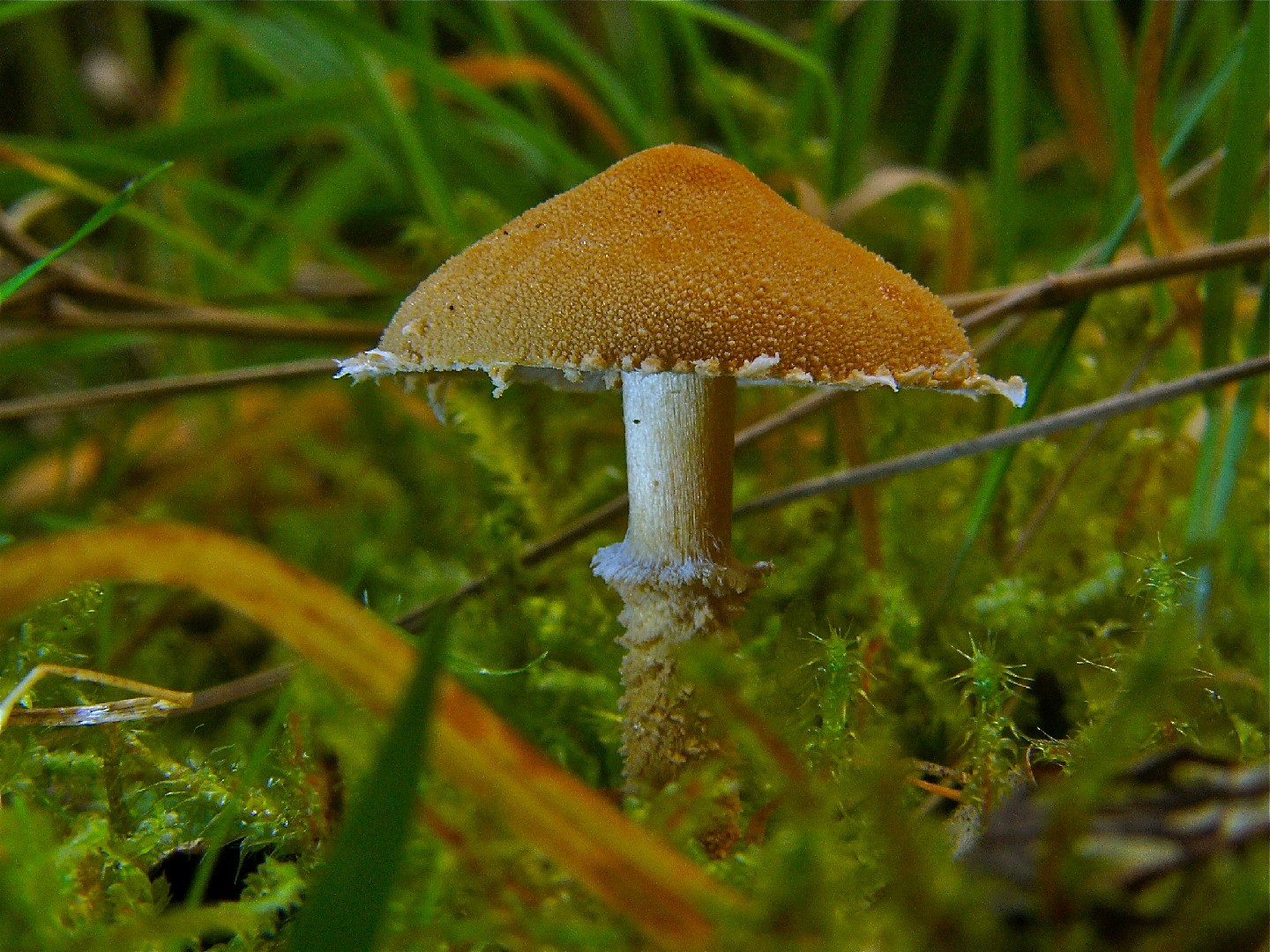
5. Earthy powdercap
Commonly found in lawns, moors, heath, and other wet grasslands, the earthy powdercap (Cystoderma amianthinum) can produce large “fairy rings” in places where fertilizers or chemicals have not been sprayed. Its distinctive stem is smooth just beneath the cap but abruptly shaggy below, giving the appearance that each mushroom is wearing a little sock!
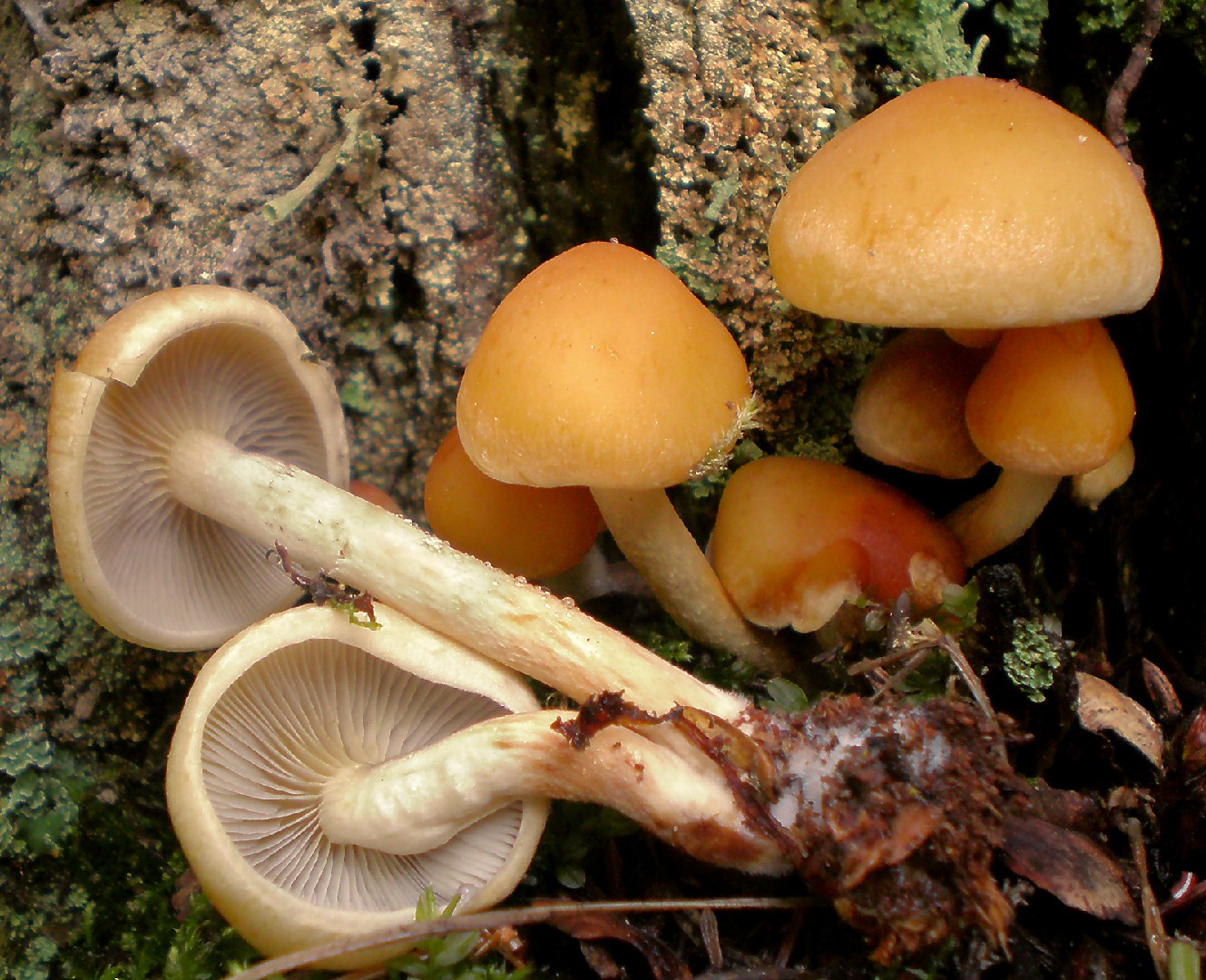
6. Conifer tuft
As its common name implies, the conifer tuft grows on dead conifers, either singly or in groups. It can be found around the northern hemisphere in the autumn season. Take care to distinguish this species from the highly toxic Sulphur Tuft. Inspect the gills closely; those of the conifer tuft are pale grey, and never green.
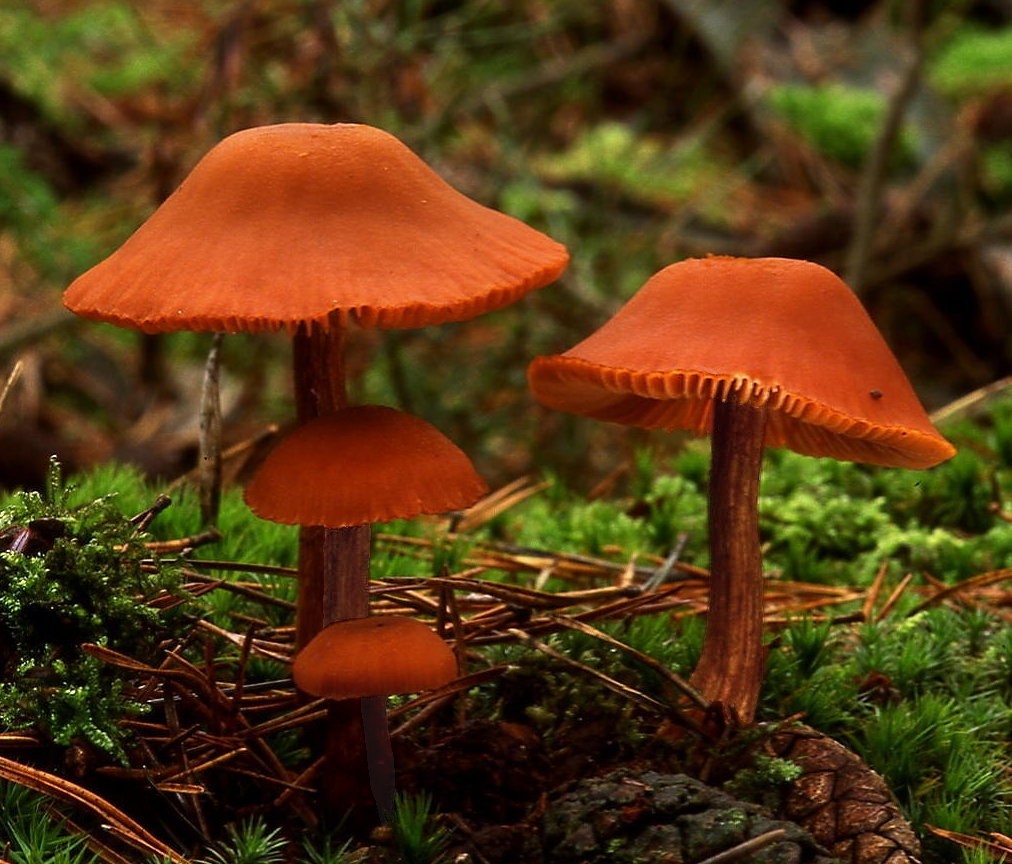
7. Common laccaria
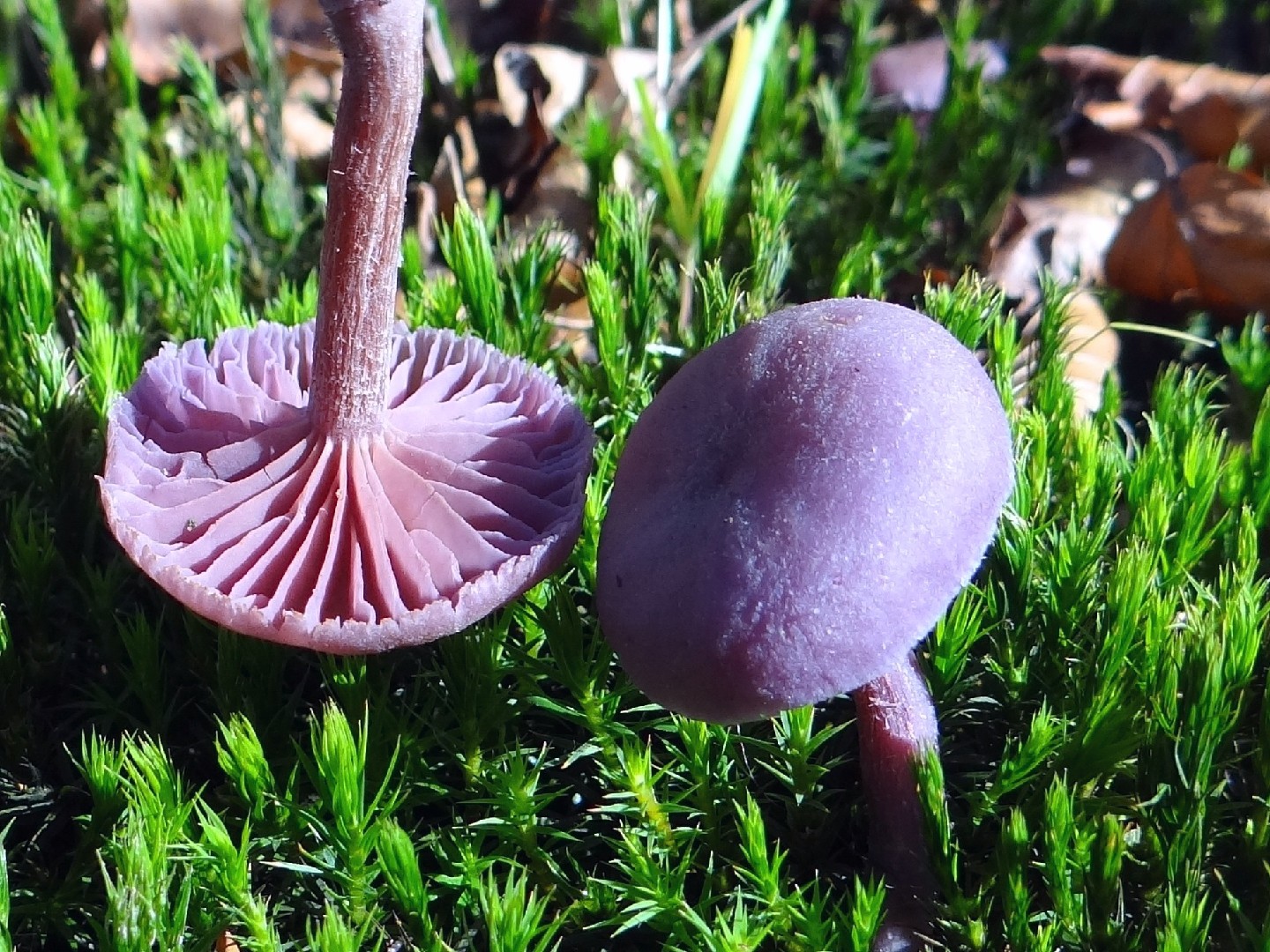
Common laccaria may sound like a malevolent name for a mushroom, but fret not! This species is so-called because its appearance is highly variable, with individual caps taking on a whole host of colors, from whitish to pinkish to dark brown.
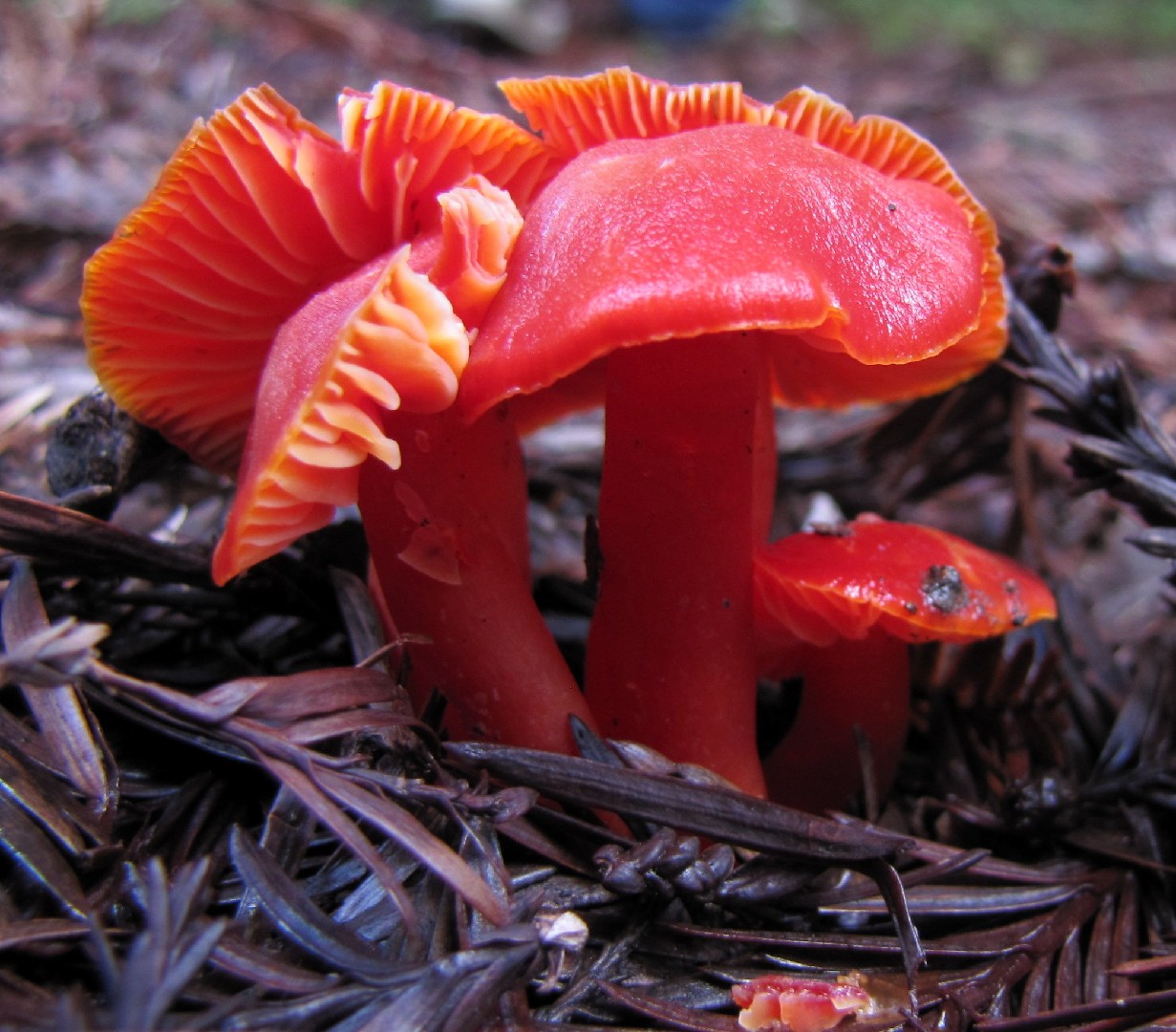
8. Scarlet hood
Scarlet hood(Hygrocybe coccinea) is named for its bright scarlet color, which renders it easy to spot among the grasses and woodlands among which it prefers to grow. Distributed across the Northern Hemisphere, it tends to be small and uncommon, making it of particular interest to photographers.
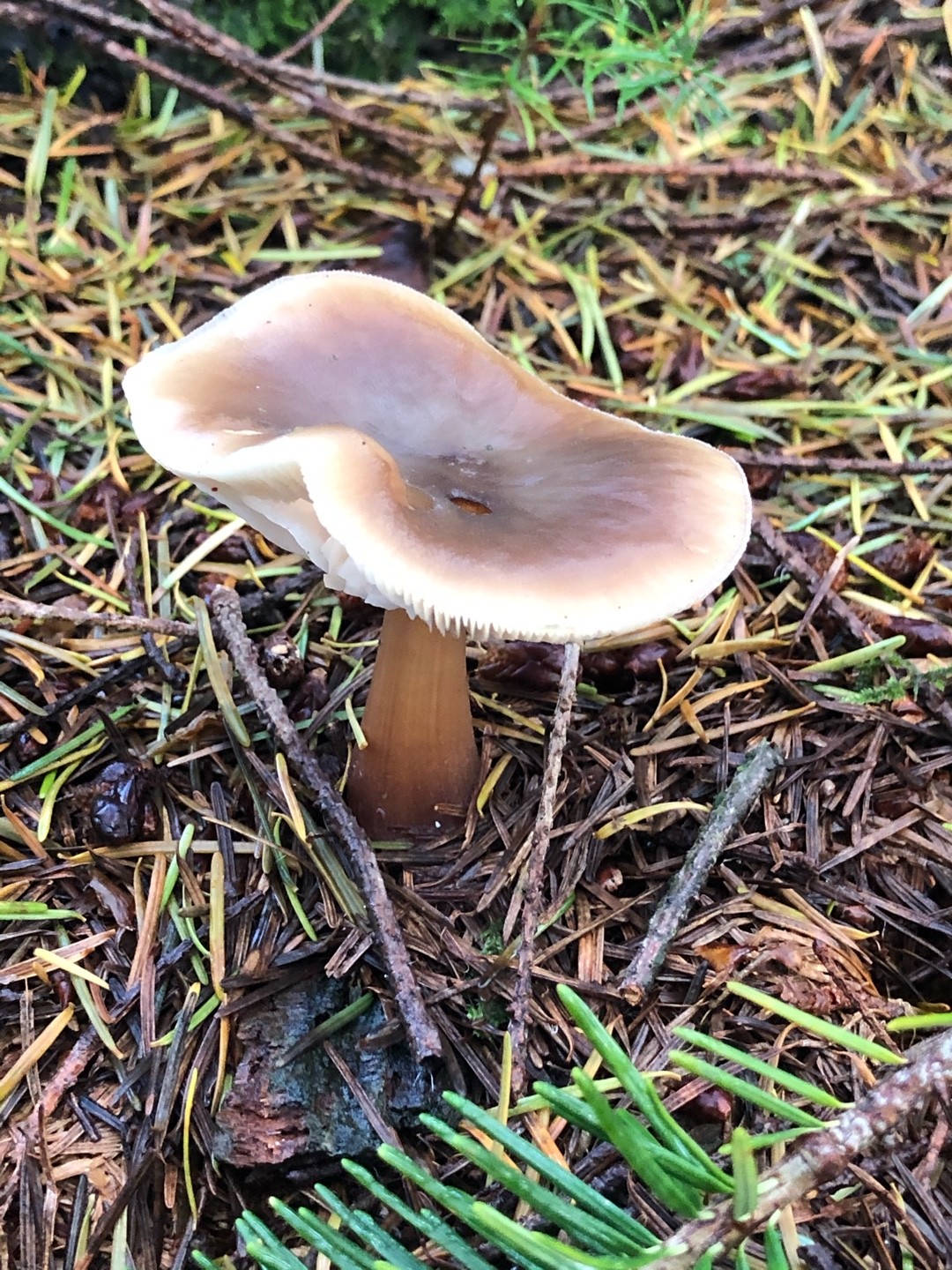
9. Buttery collybia
Buttery collybia mushrooms grow mainly on the floors of coniferous forests, from summer to winter across Europe and North America. This mushroom is called “buttery” not for its flavor, but rather the greasy texture of its surface. In the genus name, “rhodo” means pink, a reference to the shade of the gills beneath its cap.
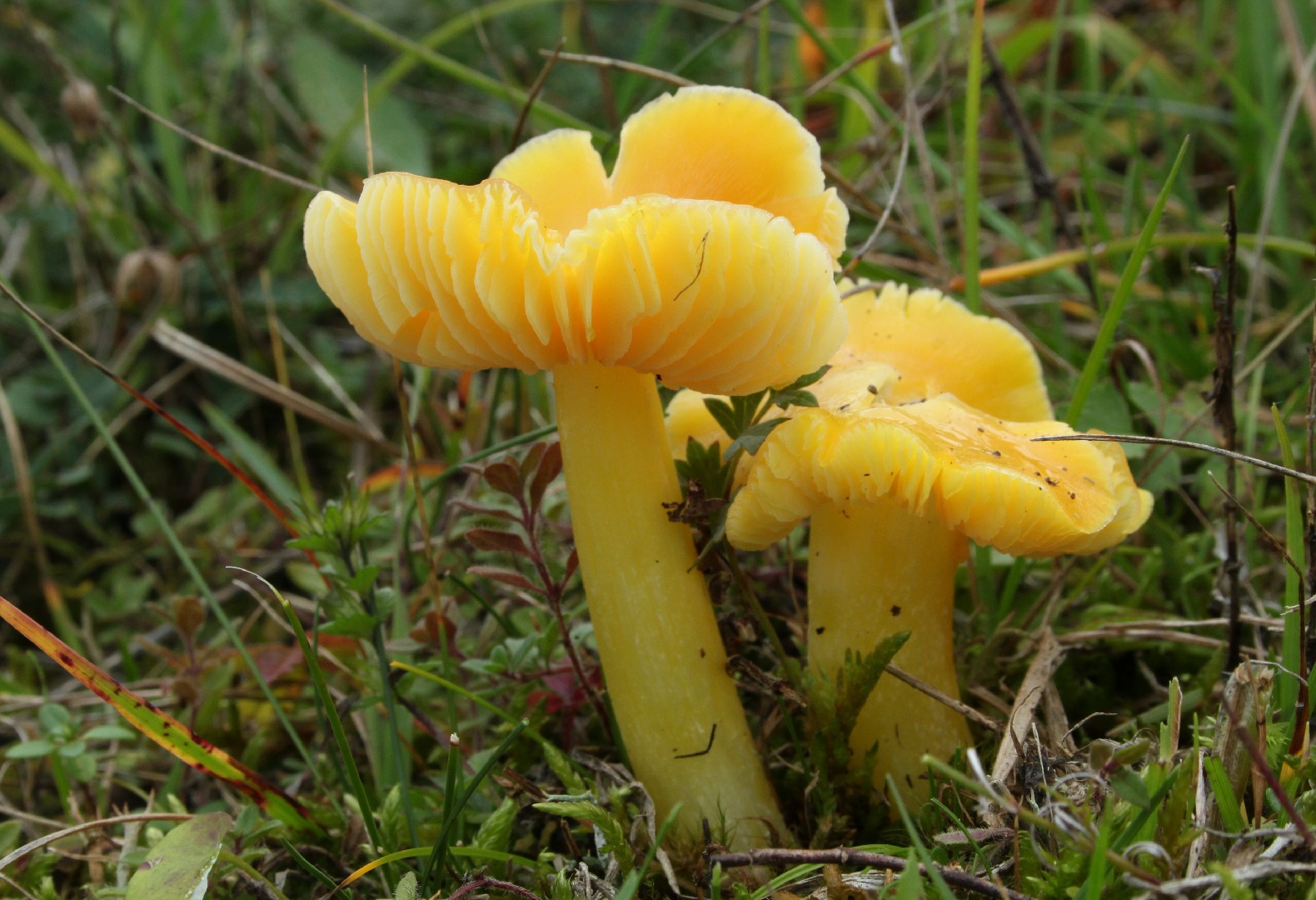
10. Lemon waxcap
The lemon waxcap can occur in both woodlands and grasslands. Despite this, it is becoming endangered in central Europe. The specific epithet Hygrocybe translates essentially as 'watery head,' because these mushrooms are typically moist and shiny. Lemon waxcap has been featured on postage stamps from the Faroe Islands.

More







