




Top 20 Edible Mushrooms Popular in Yilan
Delving into the enchanting mycological panorama of Yilan, we expose the top 20 most common edible mushrooms. A land rich in diversity, Yilan brims with ideal habitats fostering various fungi species. Leverage this in-depth exploration to recognize their unique features, understand their original environments, taste profiles, and culinary applications. Embarking on this enlightening journey, you will gain a comprehensive understanding of these unassuming yet extraordinary organisms.
* Disclaimer: Content feedback CAN NOT be used as any basis for EATING ANY PLANTS. Some plants can be VERY POISONOUS, please purchase edible plants through regular channels.

Most Popular Edible Mushrooms
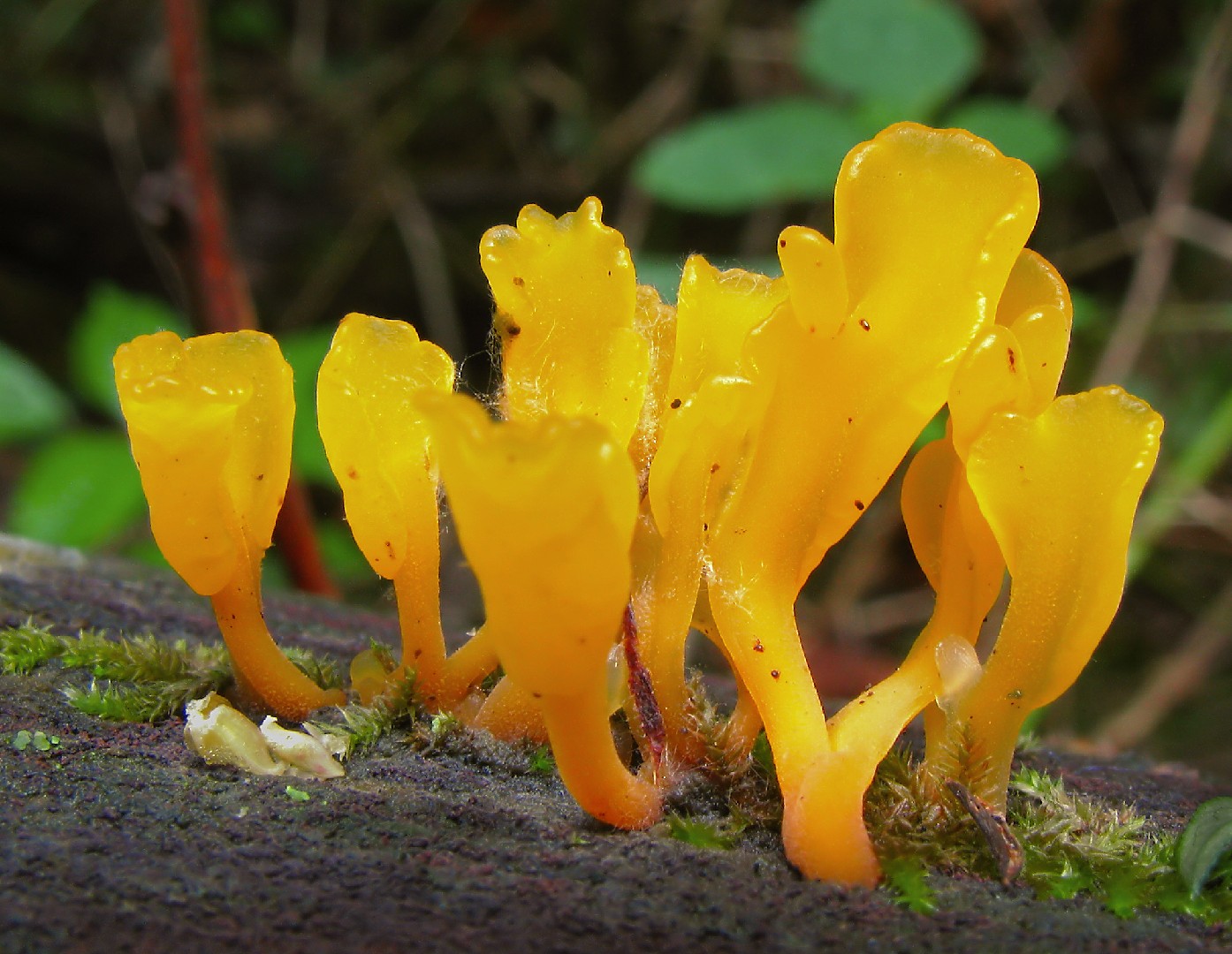
1. Fan-shaped jelly-fungus
Just as its Latin and the common English names suggest, the fan-shaped jelly-fungus (Dacryopinax spathularia) is a fan-shaped or spatula-shaped jelly-like mushroom. It commonly grows in wood cracks and it sometimes even appears in the cracks of the processed wood and lumber. Despite the word "jelly" in its name, the fan-shaped jelly-fungus is not considered edible.
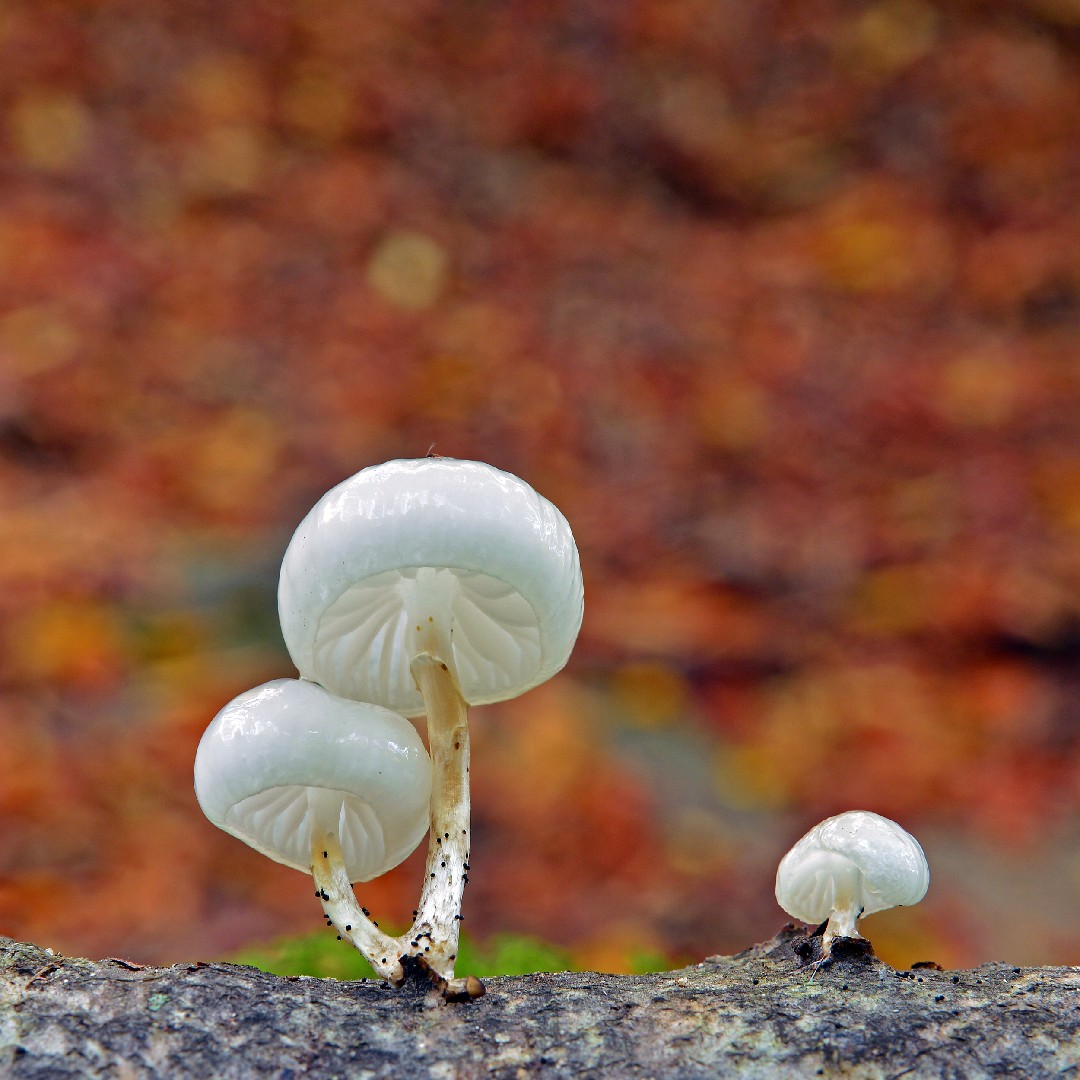
2. Porcelain mushroom
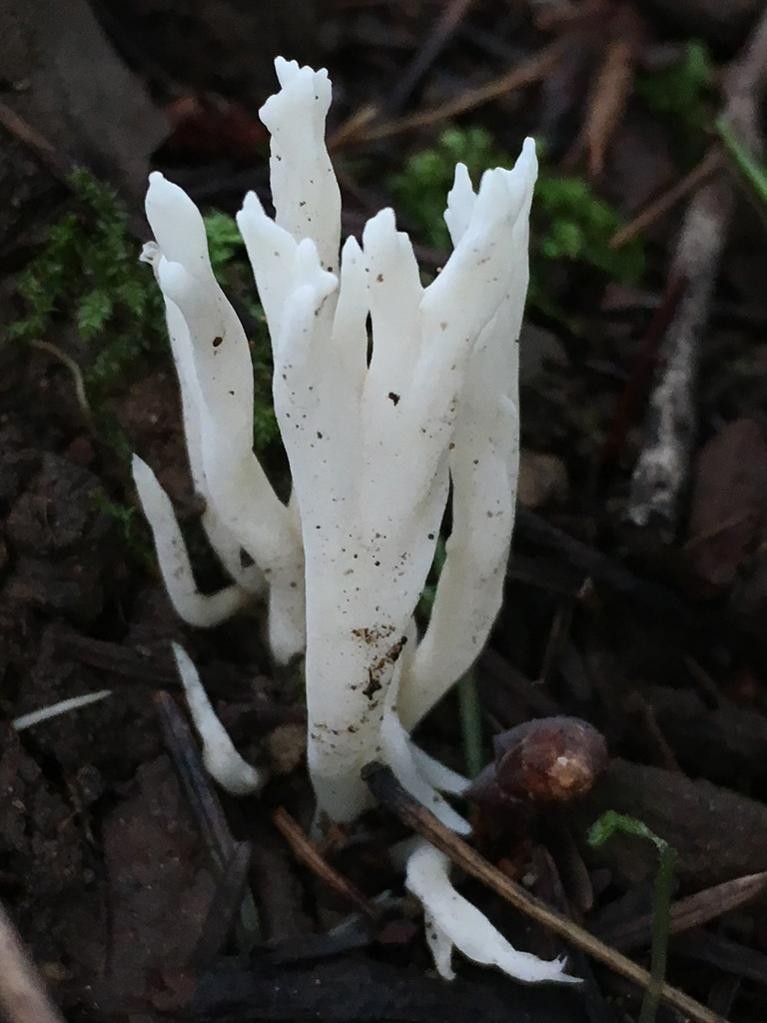
Porcelain mushroom can be found on a variety of deadwood including logs, dead standing trees, and dead upper branches. However, this mushroom is pickier about the type of deadwood, as it only grows on beech trees. This mushroom prefers to keep these trees to itself, releasing fungicides that can kill other mushrooms.
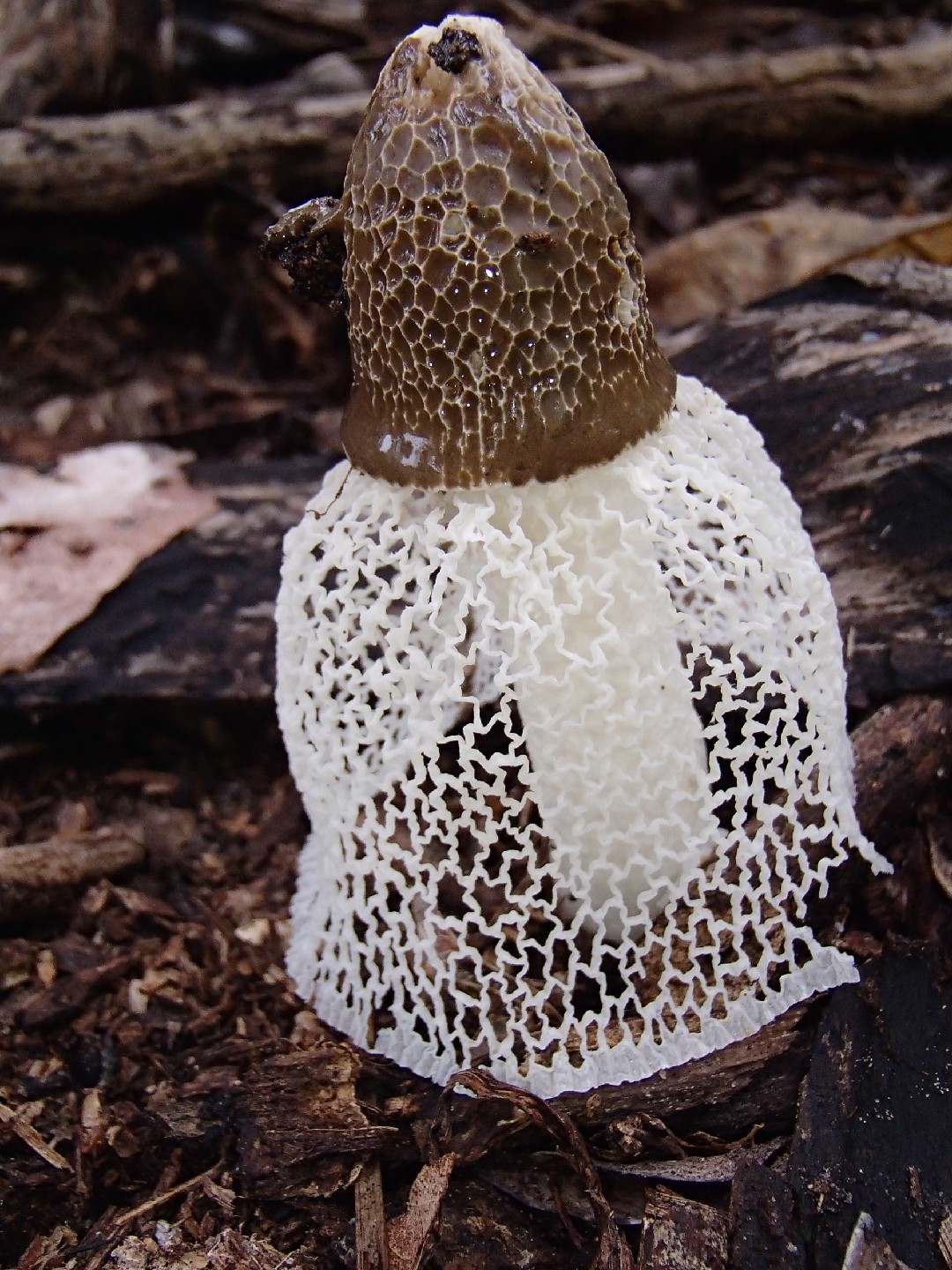
3. Bridal veil stinkhorn
Bridal veil stinkhorn (Phallus indusiatus) can be found rising up from the ground in tropical forests around the world. A distinctive netted fringe “skirt” descends from the cap along the length of the stalk. A type of “stinkhorn,” the fruitbodies of this species produce scents that vary between sickly-sweet to just plain unpleasant. The odor is meant to attract insects that usually lay their eggs in carrion.
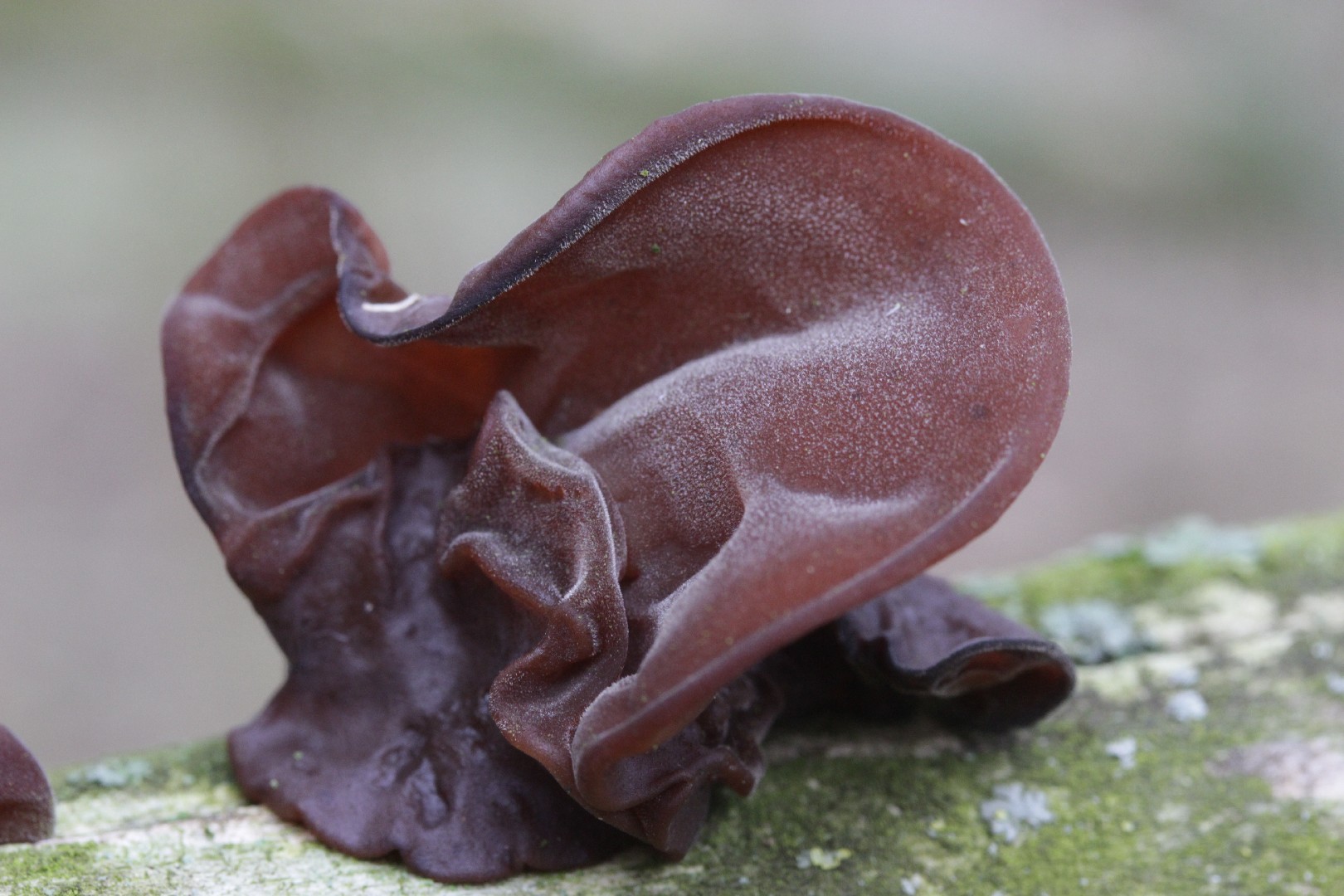
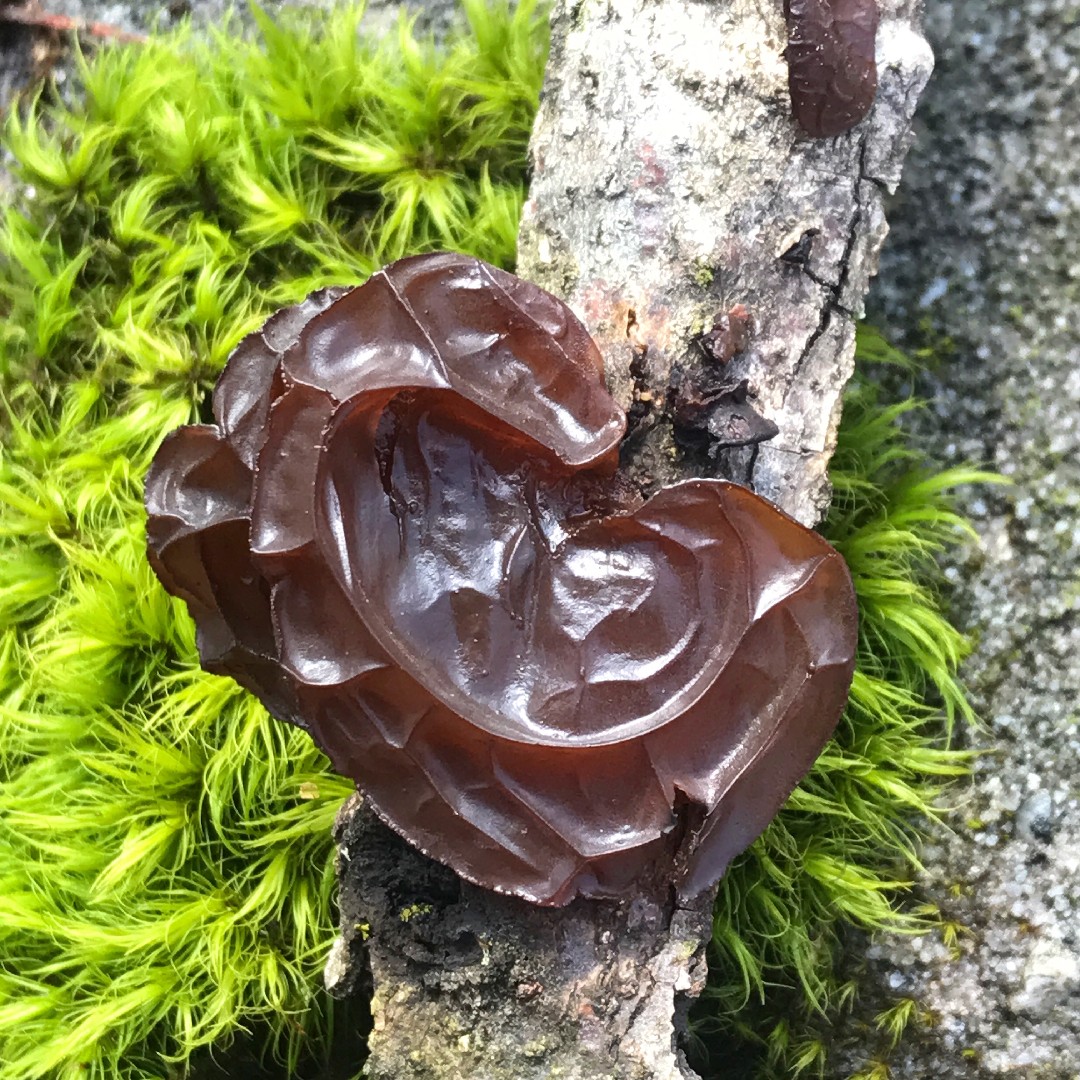
4. Jelly ear
The distinctive jelly ear grows mainly through winter and spring, mostly on the dead trunks and branches of elder trees. It occurs around the world and is often cooked into dishes in Asian countries. This ear-shaped jelly mushroom is often available in stores both fresh and dried.
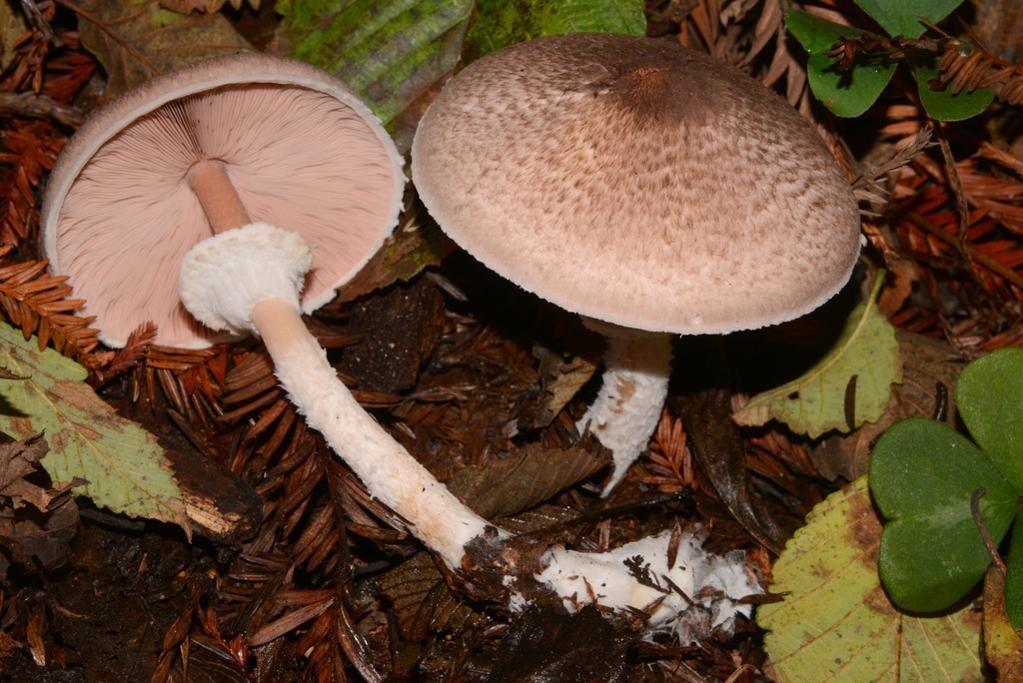
5. Wine-colored Agaric
Much like many other Agaricus, the wine-colored Agaric (Agaricus subrutilescens) lives happily on the floors of conifer forests but can be identified by its dark burnt-maroon color and shaggy appearance of the stem. They are distinguished by their delightful, fruity fragrance. Don't be too tempted by the smell, however; these mushrooms can cause severe gastric issues in those who consume them.
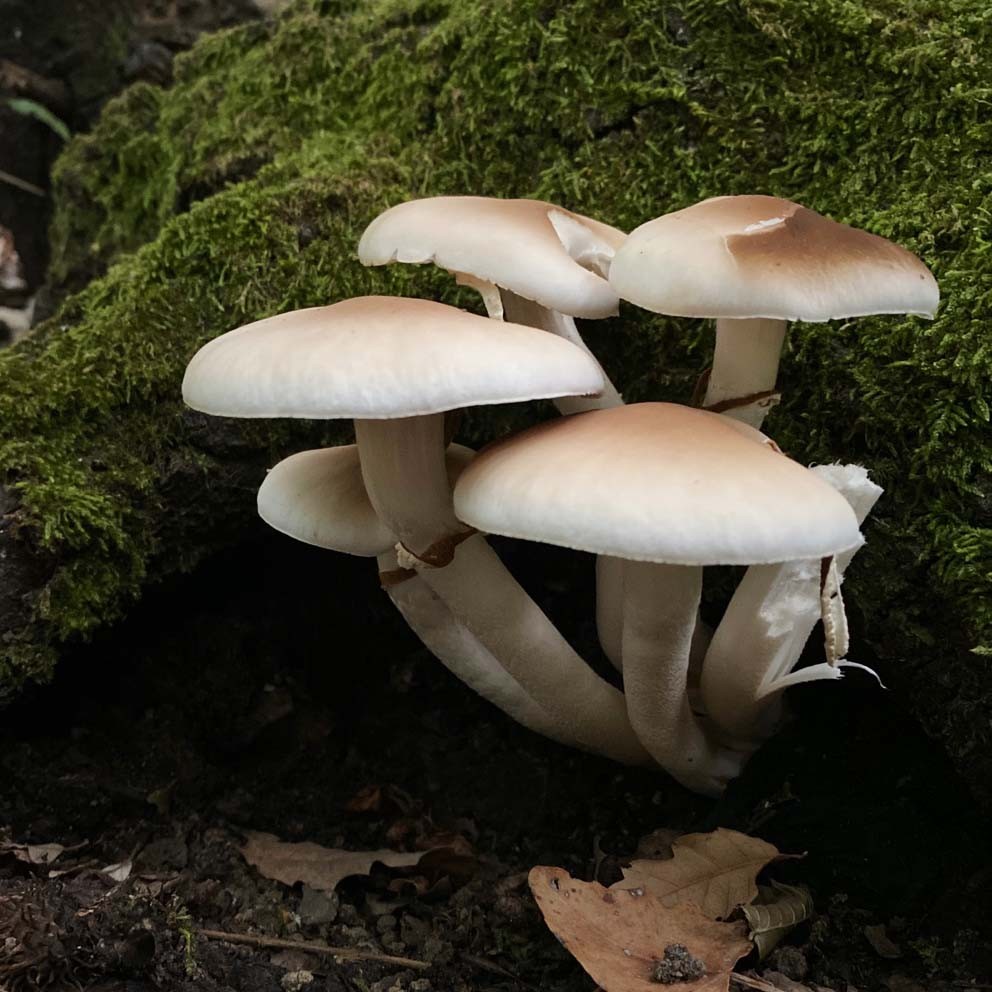
6. Poplar fieldcap
The poplar fieldcap is a cream-colored mushroom that grow predominantly in central and southern Europe. As it matures, the color changes to a tobacco brown. Even though the fungus is called poplar fieldcap, it can usually be found on wood chips and dead trees other than poplars.
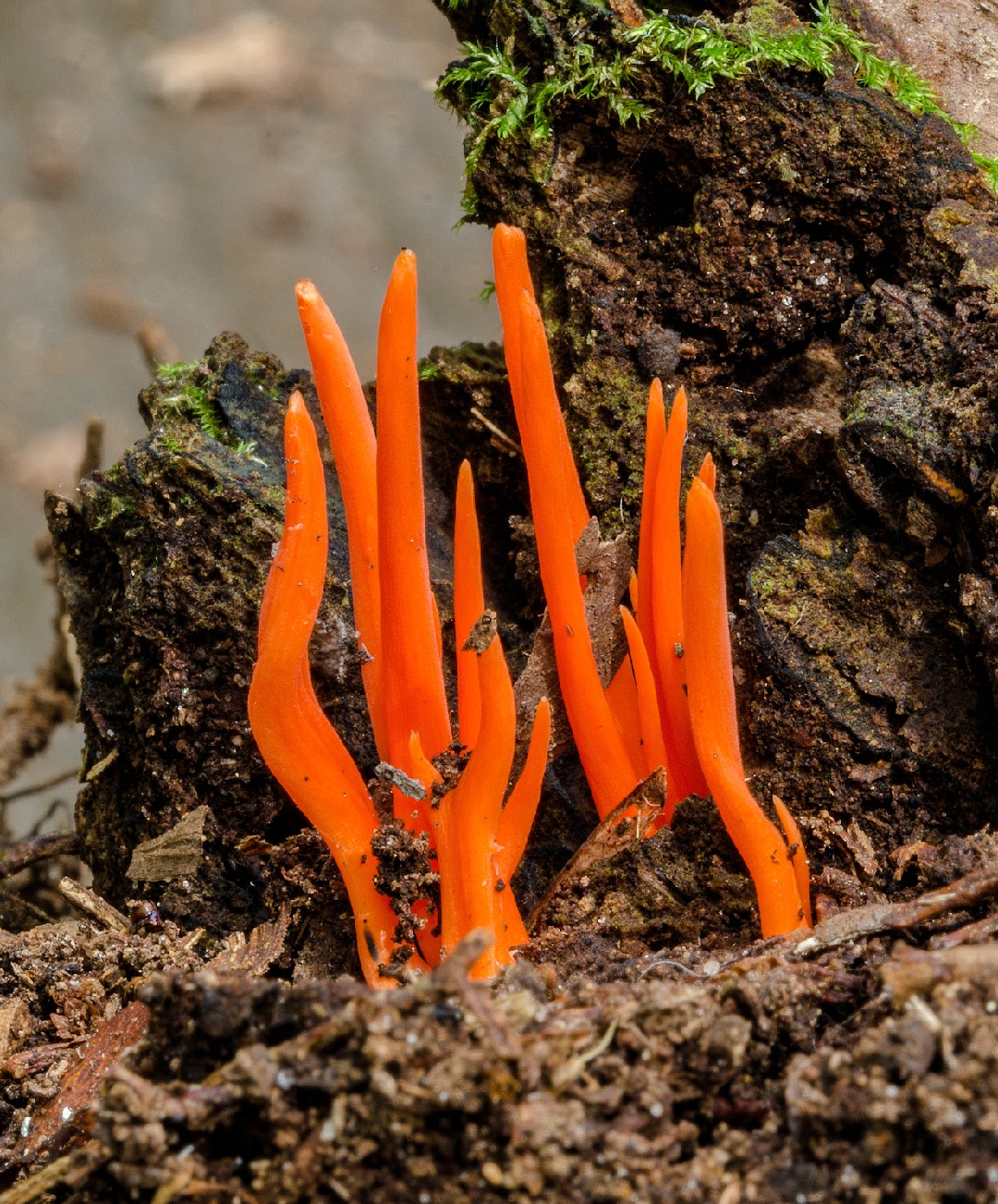
7. Flame fungus
Flame fungus is hard to miss, with its bright colors that range from pink to brilliant red and orange. It is often found singularly or in groups on forest floors and looks similar to a small flame. The tapering stem fills out and becomes waxy as flame fungus matures.
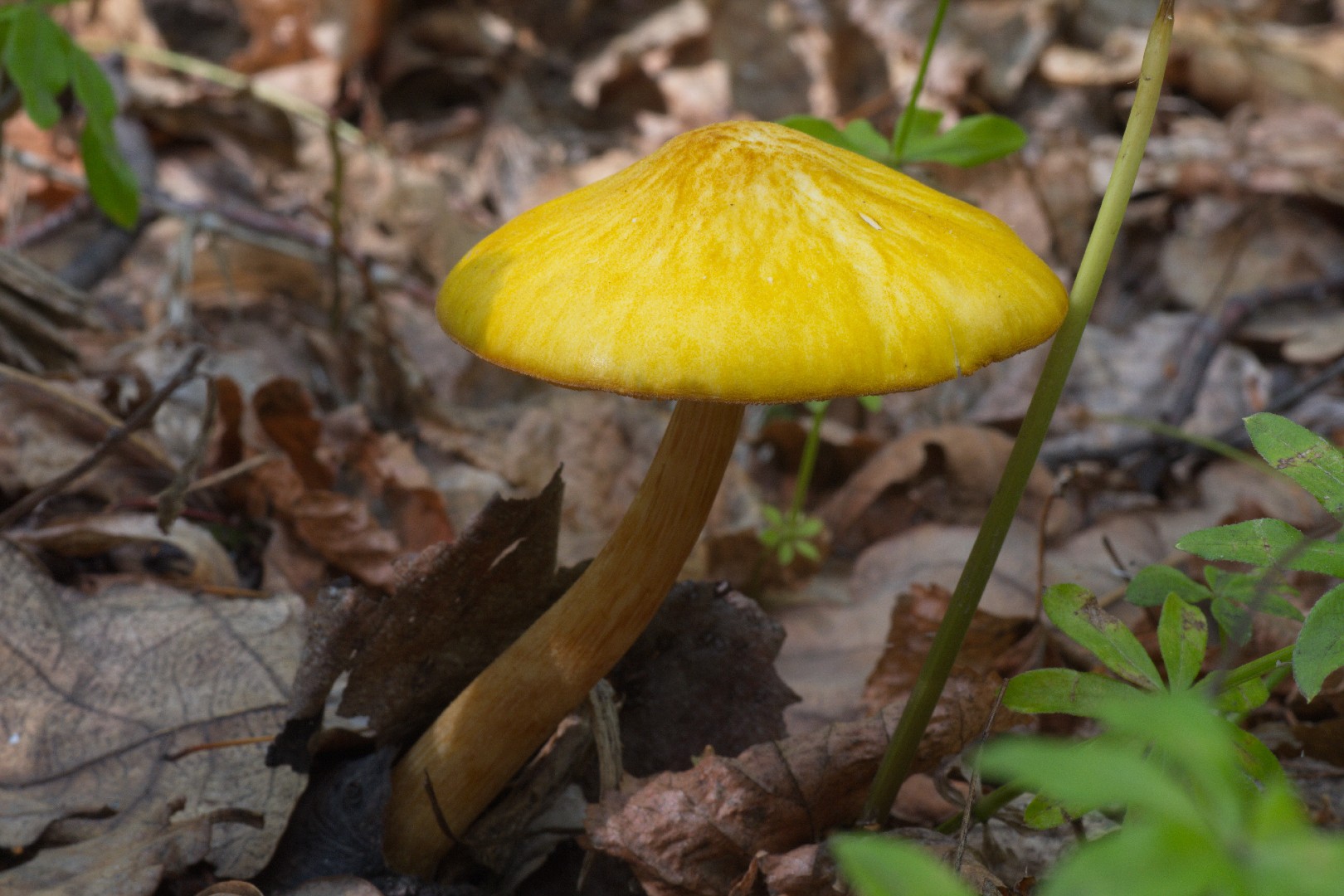
8. Lion shield
Lion shield hides easily in damp, partial shade, and dark places on forest floors thriving in decaying wood. This mushroom has a bright yellow cap that gradually flattens to resemble a shield, giving the mushroom the name "lion's shield."
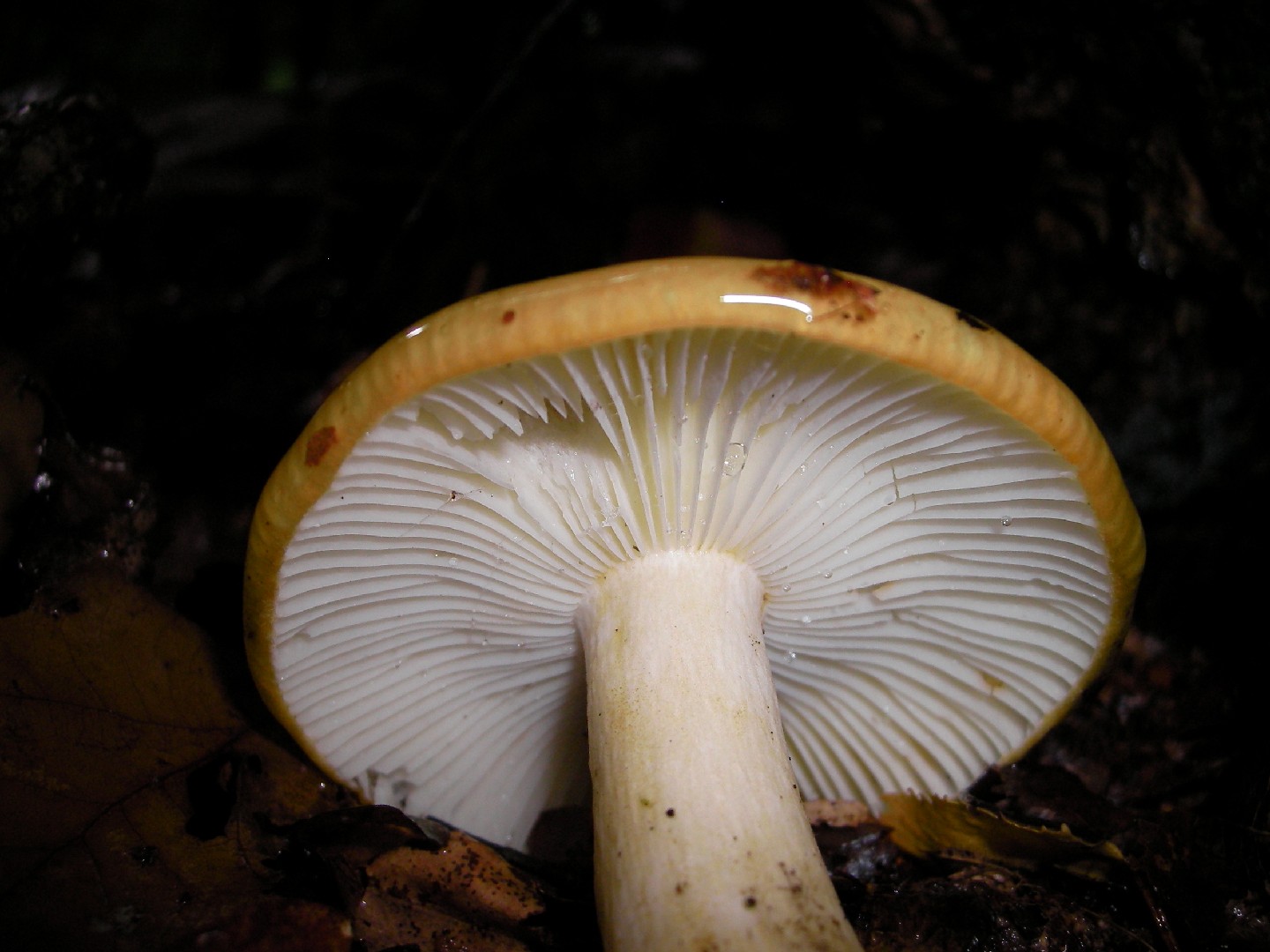
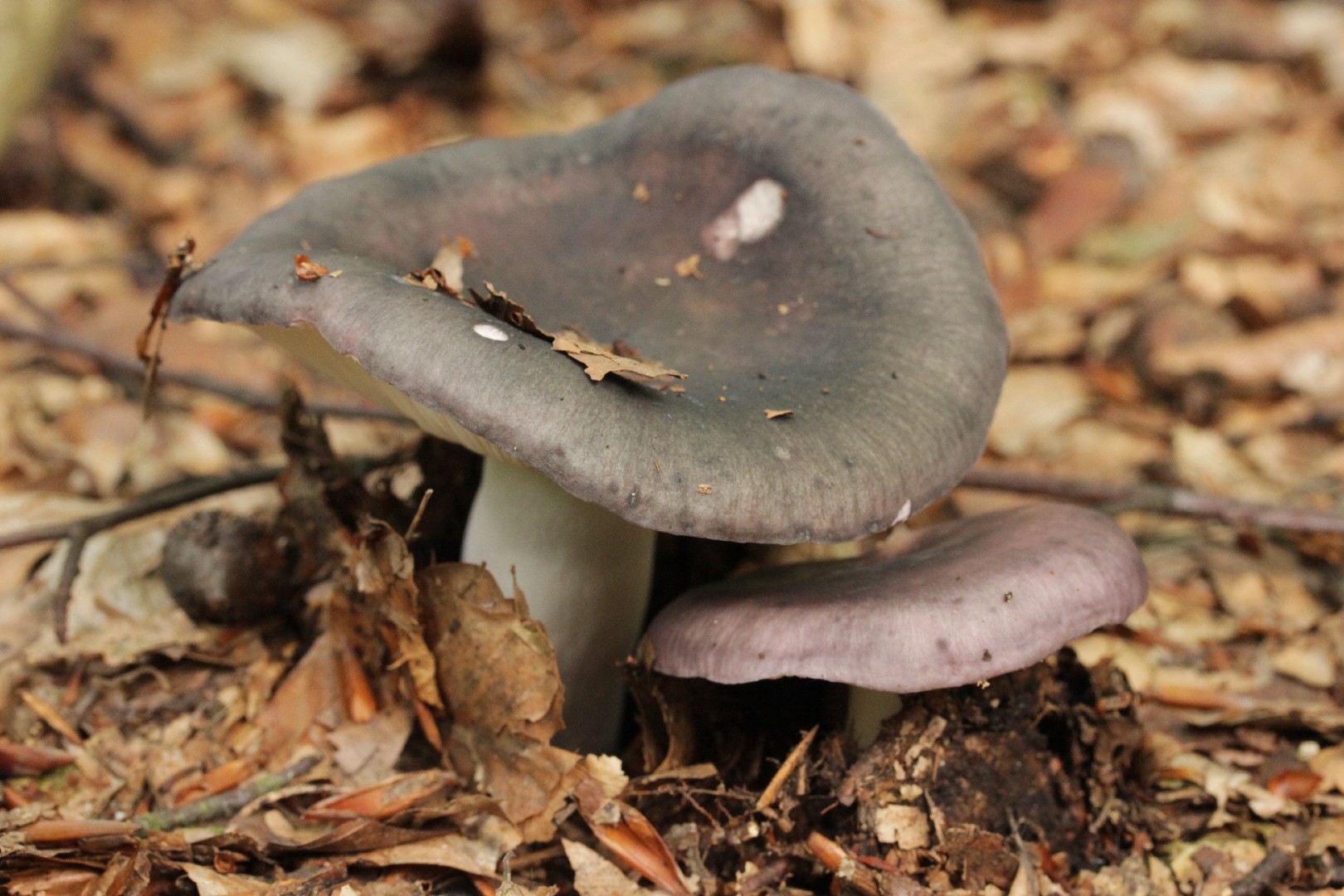
9. Ochre brittlegill
The ochre brittlegill is a large and ubiquitous russula that can be found growing in mixed temperate woodlands across the Northern Hemisphere. This mushroom is distinguished by its smooth ochre cap, which may sometimes have tinges of green, brown, or even purple to it. Ochre brittlegills have brittle gills and bulbous, white stalks.
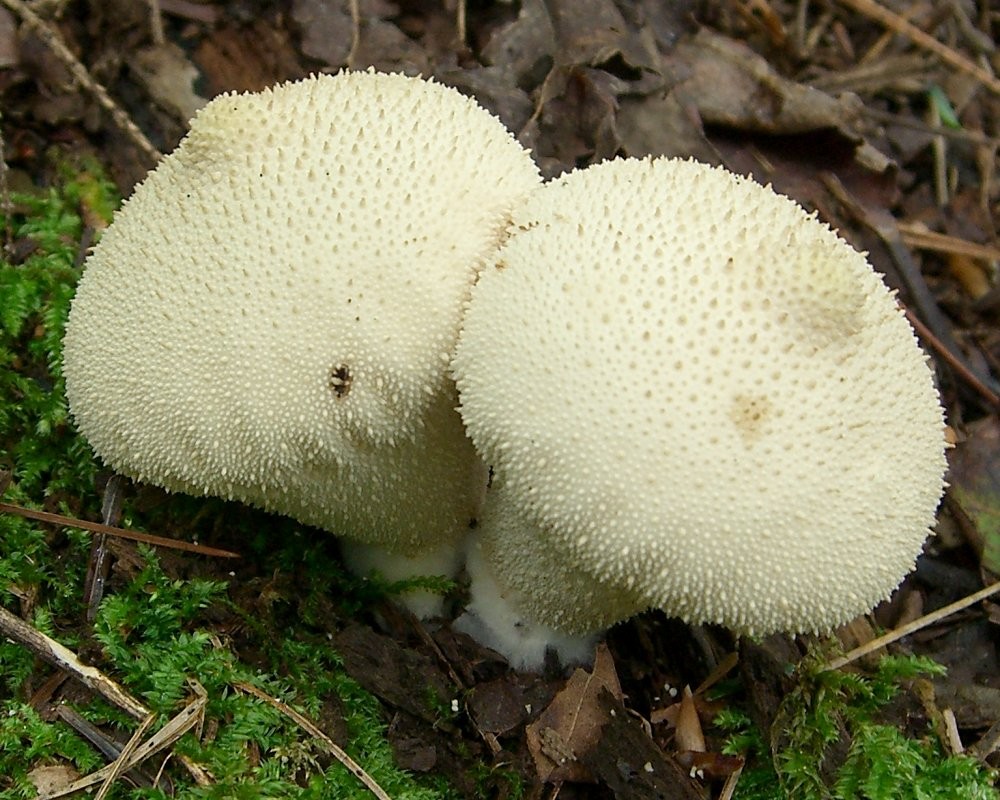
10. Common puffball
These puffy mushrooms grow in small groups on the forest floor. Once they're mature, common puffballs turn yellow and "puff out" smoke-like spore clouds when disturbed. Be very careful when identifying these mushrooms, as their young, immature form looks very similar to the lethal Deathcap.

More







