




Top 20 Edible Mushrooms Popular in Taipei
Dive into the delightful world of mycology as we traverse throughout Taipei, renowned for its distinctive mushroom habitat. Delight in exploring our top 20 edible mushroom species, each offering distinct flavors and unique culinary potentials. Learn about characteristics including appearances, unique tastes, natural habitats and how to adopt these fascinating fungi in your kitchen creations. Unearth these little wonders native to Taipei and experience the wonder of mushrooms at its finest.
* Disclaimer: Content feedback CAN NOT be used as any basis for EATING ANY PLANTS. Some plants can be VERY POISONOUS, please purchase edible plants through regular channels.

Most Popular Edible Mushrooms
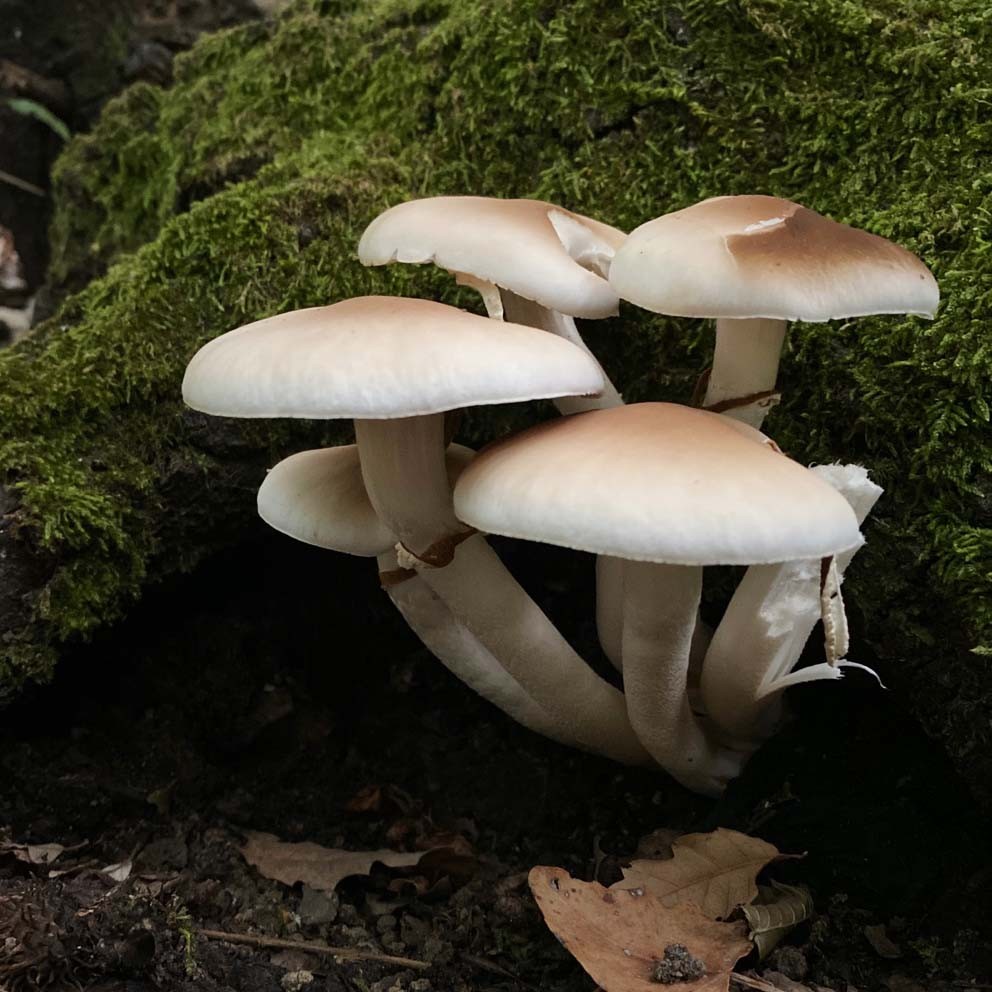
1. Poplar fieldcap
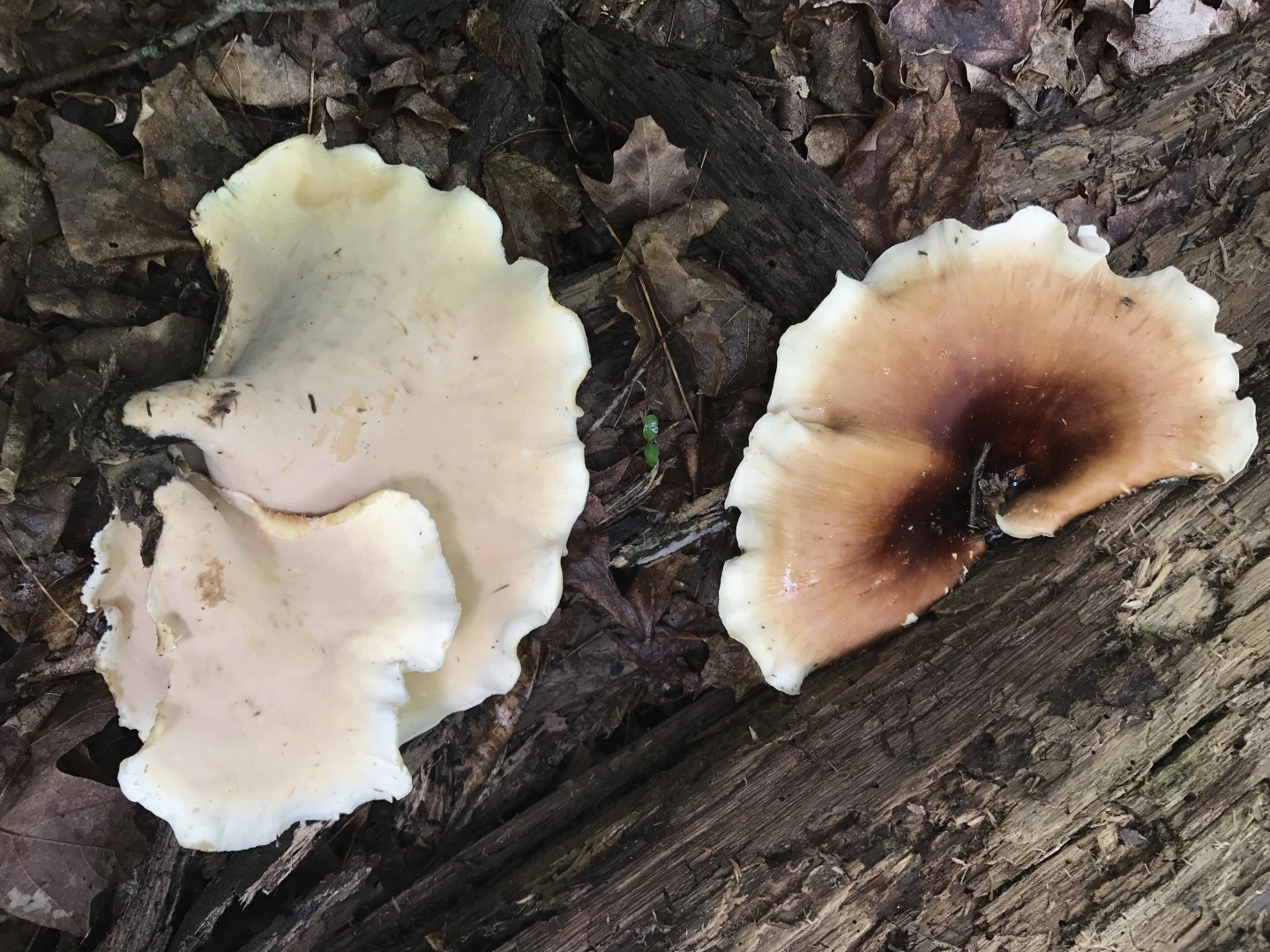
The poplar fieldcap is a cream-colored mushroom that grow predominantly in central and southern Europe. As it matures, the color changes to a tobacco brown. Even though the fungus is called poplar fieldcap, it can usually be found on wood chips and dead trees other than poplars.
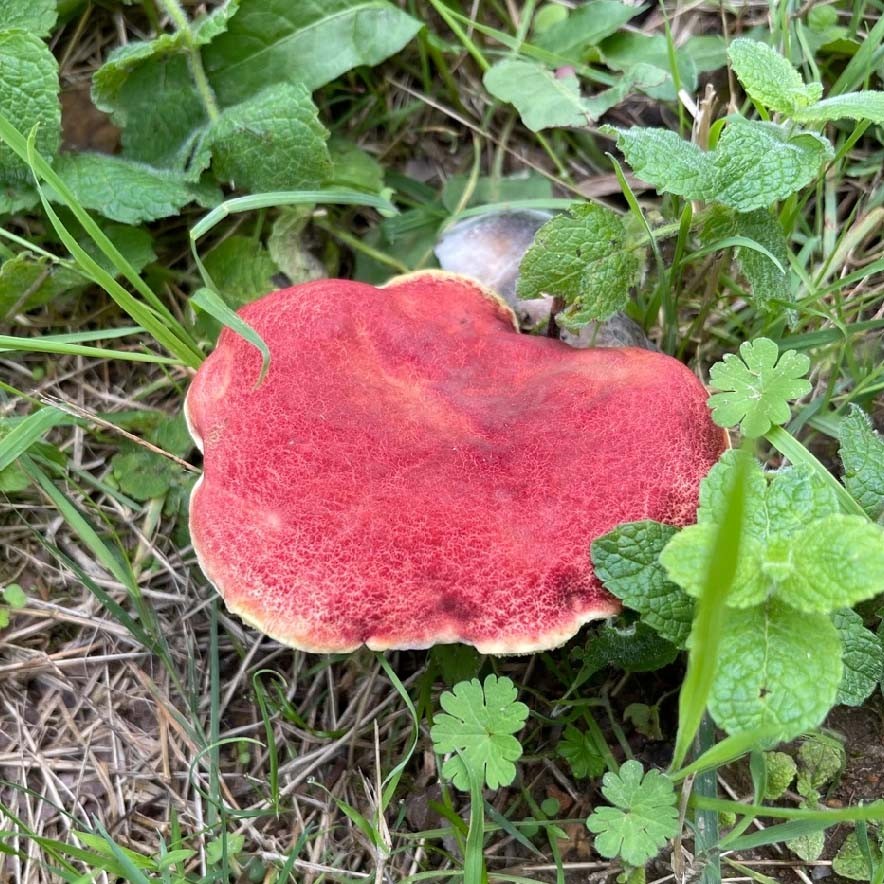
2. Ruby bolete
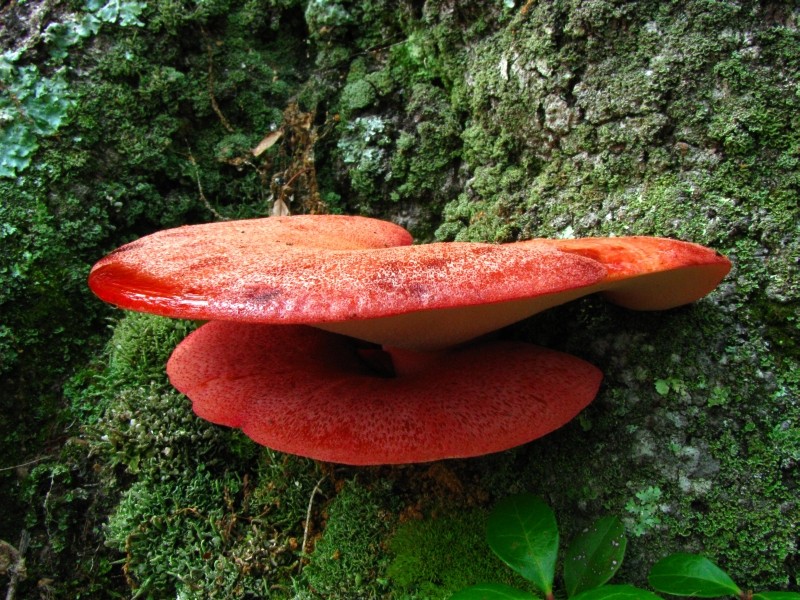
True to its name, ruby bolete is bright red when young but fades to a greenish-red when older. This mushroom is most commonly found growing in groups in open areas or on forest edges. However, it may be difficult to distinguish ruby bolete from other boletes.
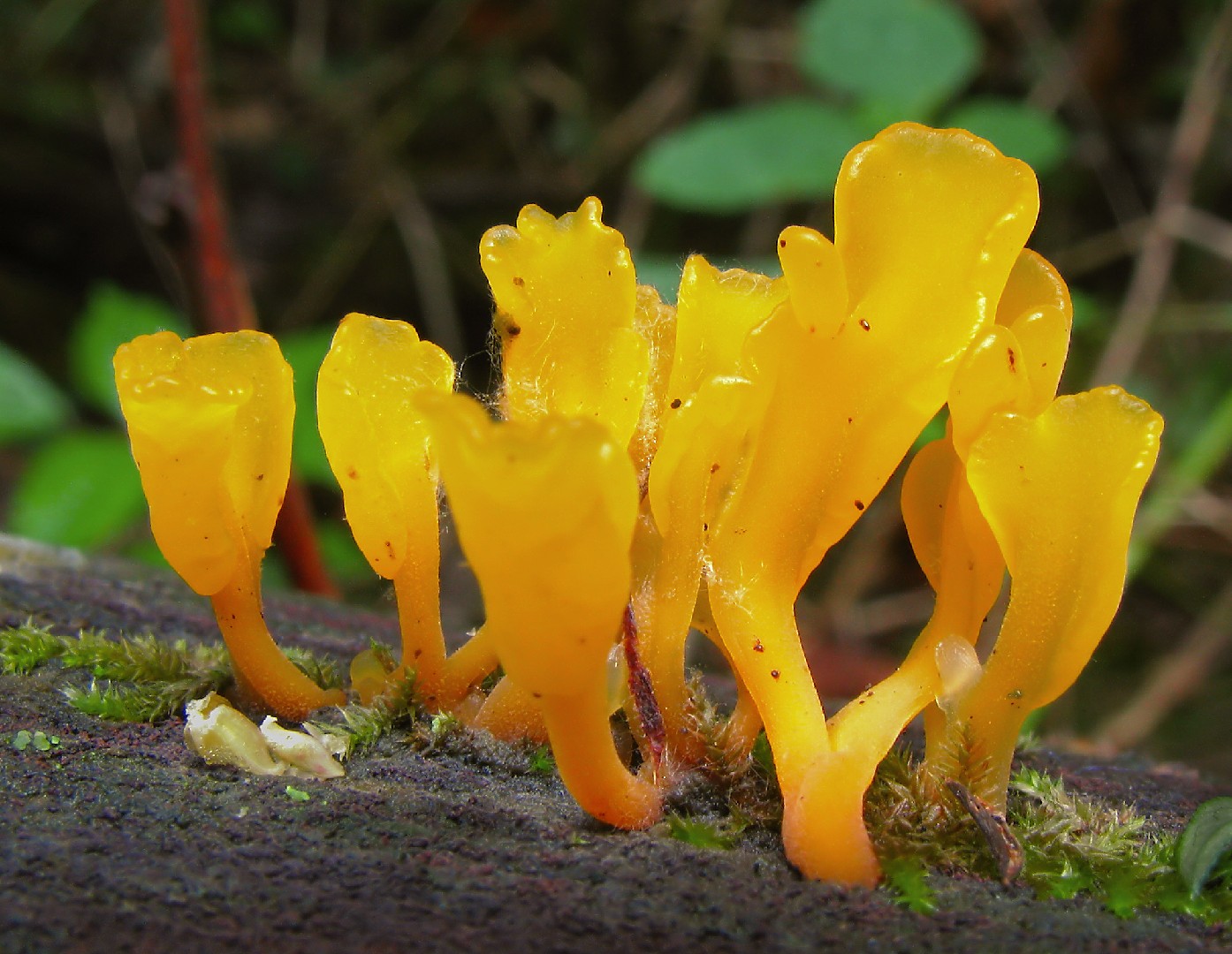
3. Fan-shaped jelly-fungus
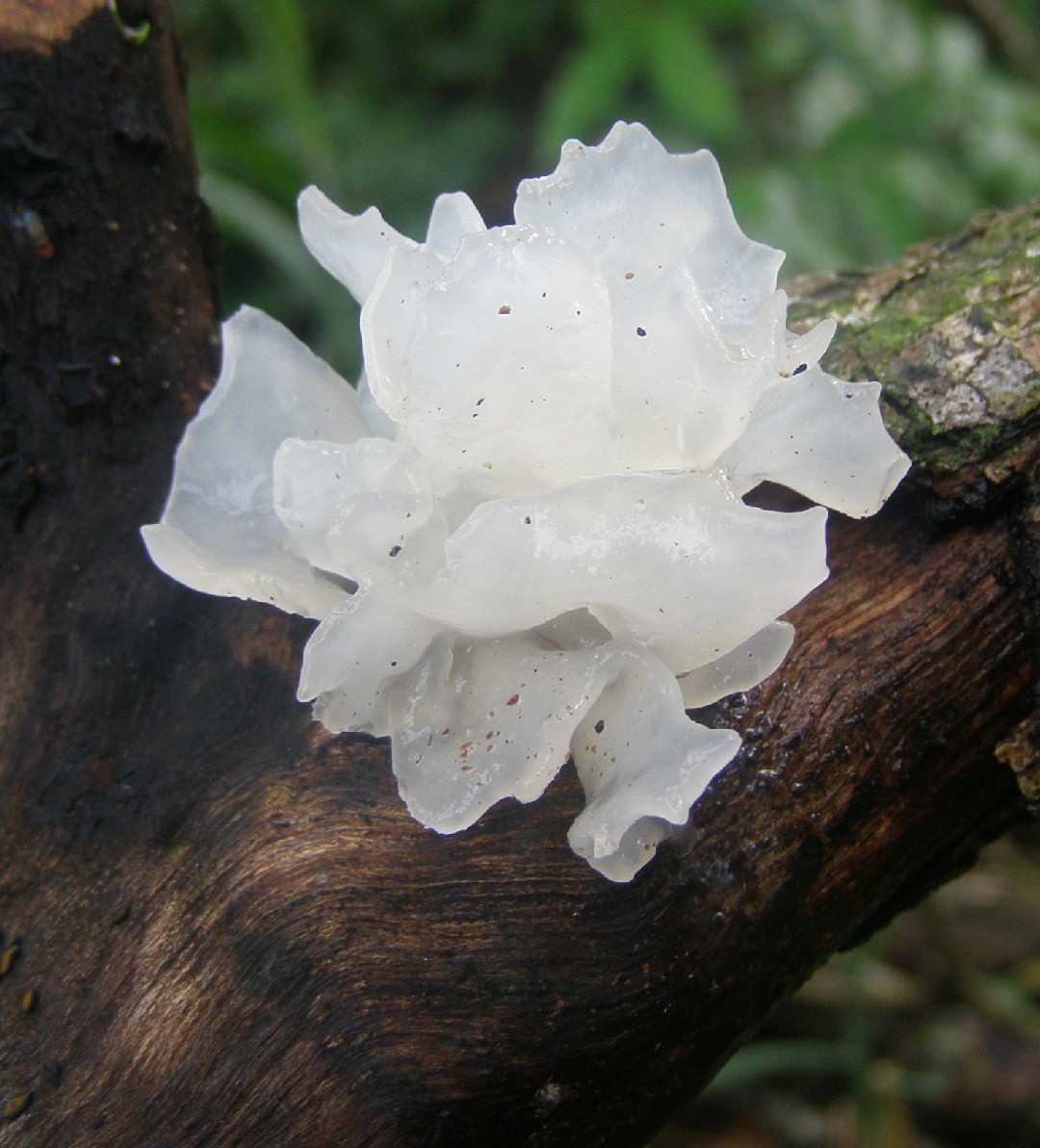
Just as its Latin and the common English names suggest, the fan-shaped jelly-fungus (Dacryopinax spathularia) is a fan-shaped or spatula-shaped jelly-like mushroom. It commonly grows in wood cracks and it sometimes even appears in the cracks of the processed wood and lumber. Despite the word "jelly" in its name, the fan-shaped jelly-fungus is not considered edible.
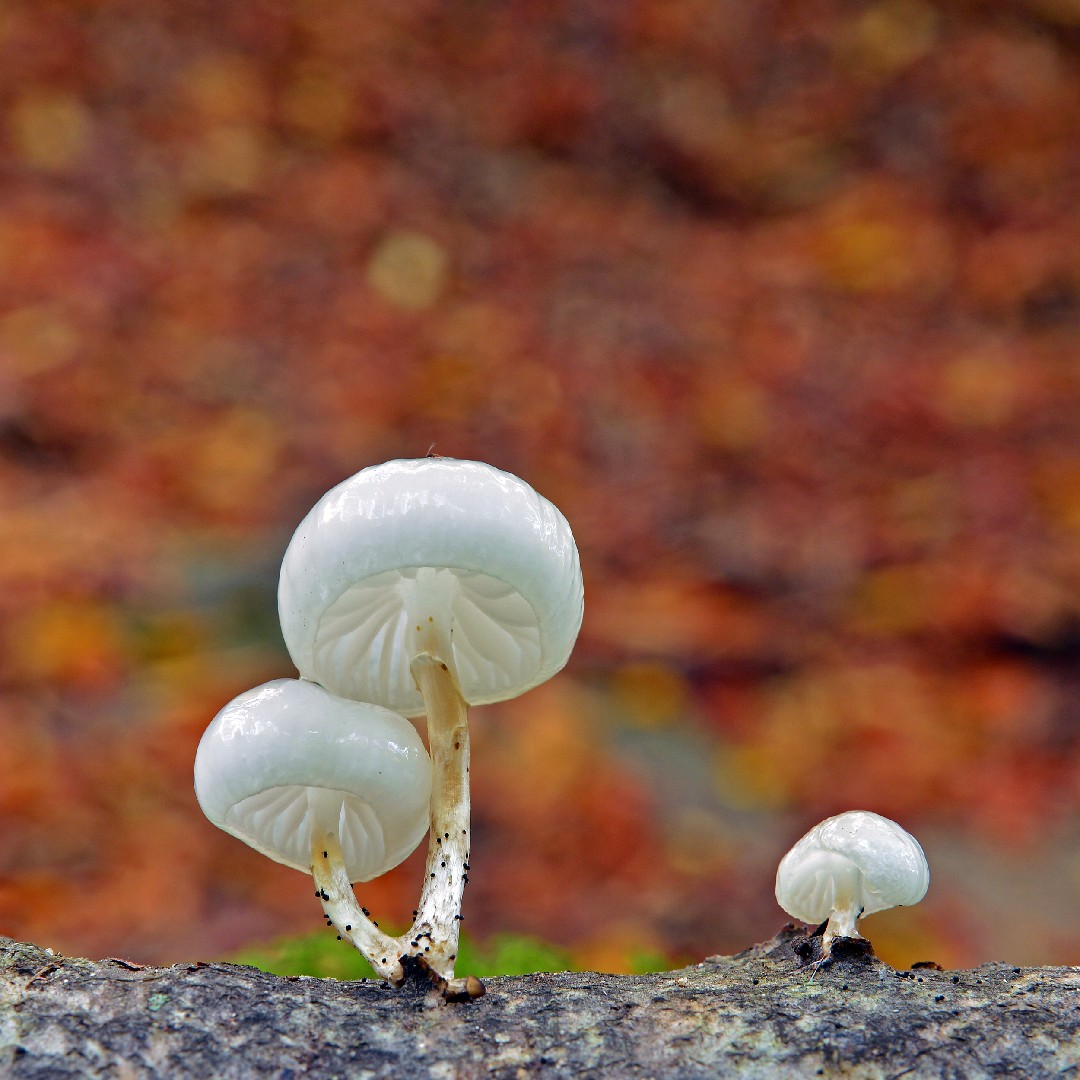
4. Porcelain mushroom
Porcelain mushroom can be found on a variety of deadwood including logs, dead standing trees, and dead upper branches. However, this mushroom is pickier about the type of deadwood, as it only grows on beech trees. This mushroom prefers to keep these trees to itself, releasing fungicides that can kill other mushrooms.
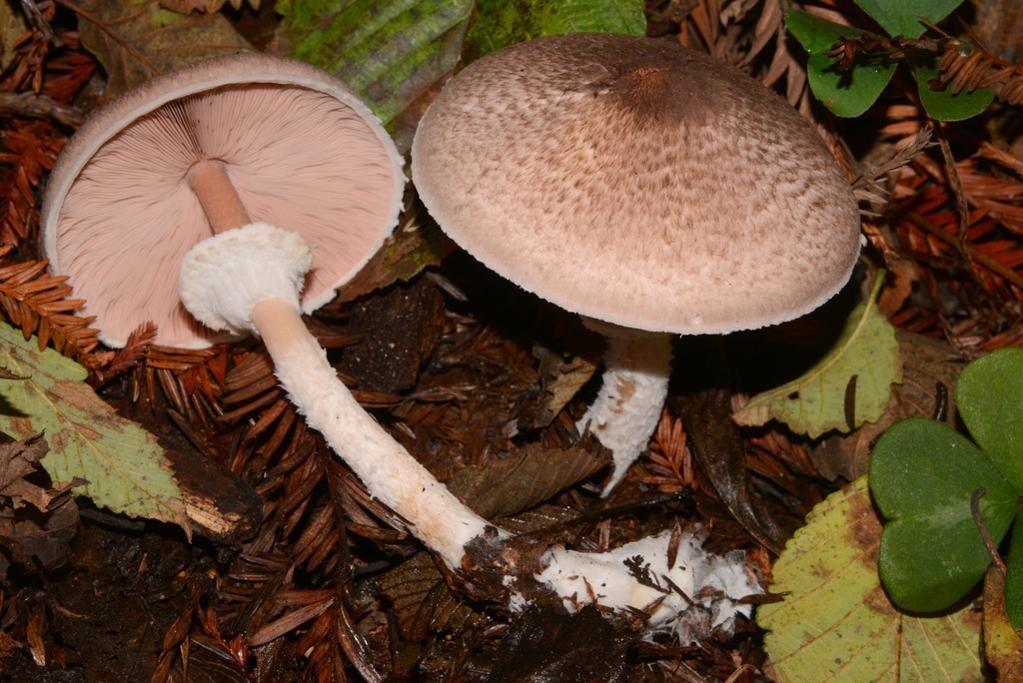
5. Wine-colored Agaric
Much like many other Agaricus, the wine-colored Agaric (Agaricus subrutilescens) lives happily on the floors of conifer forests but can be identified by its dark burnt-maroon color and shaggy appearance of the stem. They are distinguished by their delightful, fruity fragrance. Don't be too tempted by the smell, however; these mushrooms can cause severe gastric issues in those who consume them.
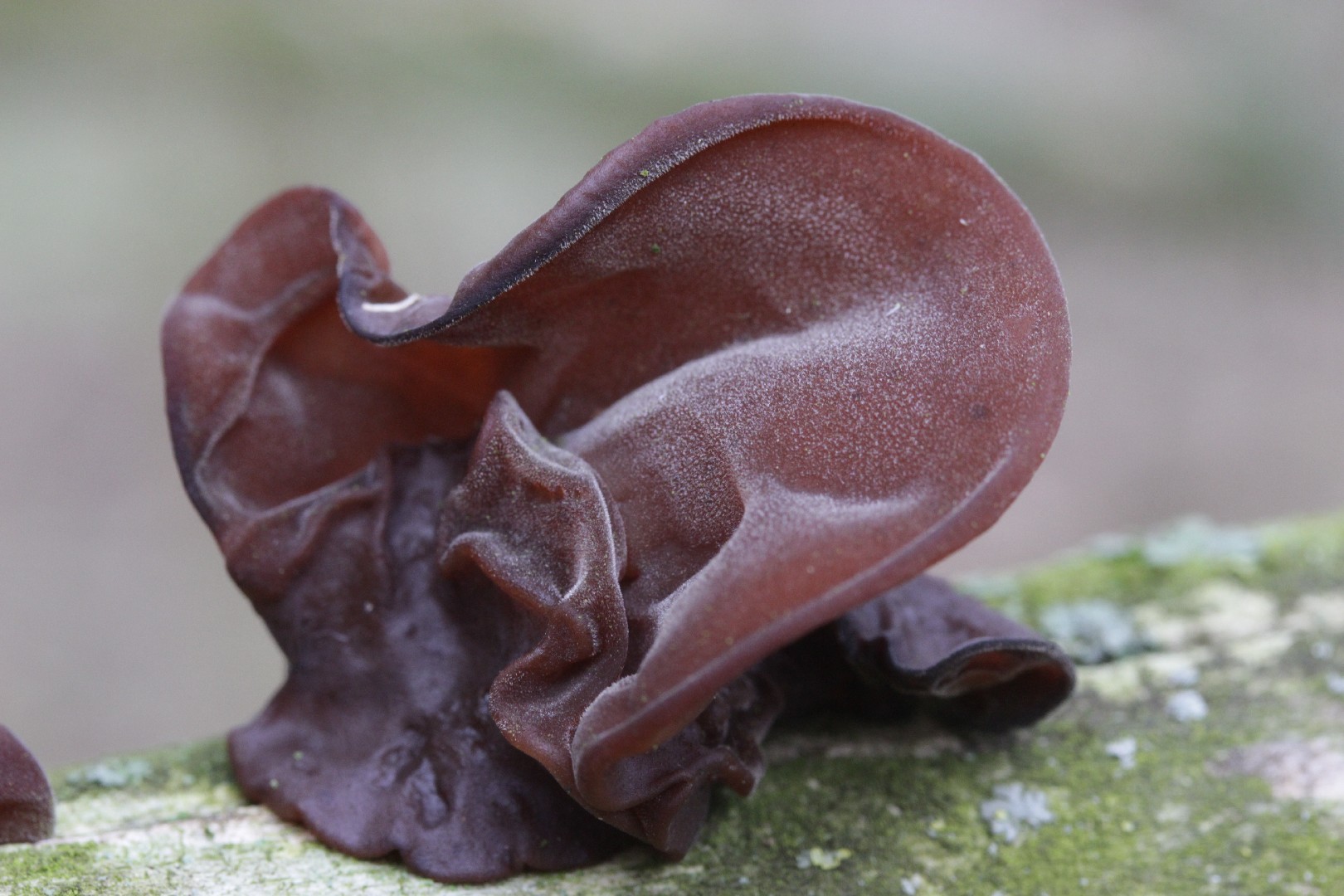
6. Jelly ear
The distinctive jelly ear grows mainly through winter and spring, mostly on the dead trunks and branches of elder trees. It occurs around the world and is often cooked into dishes in Asian countries. This ear-shaped jelly mushroom is often available in stores both fresh and dried.
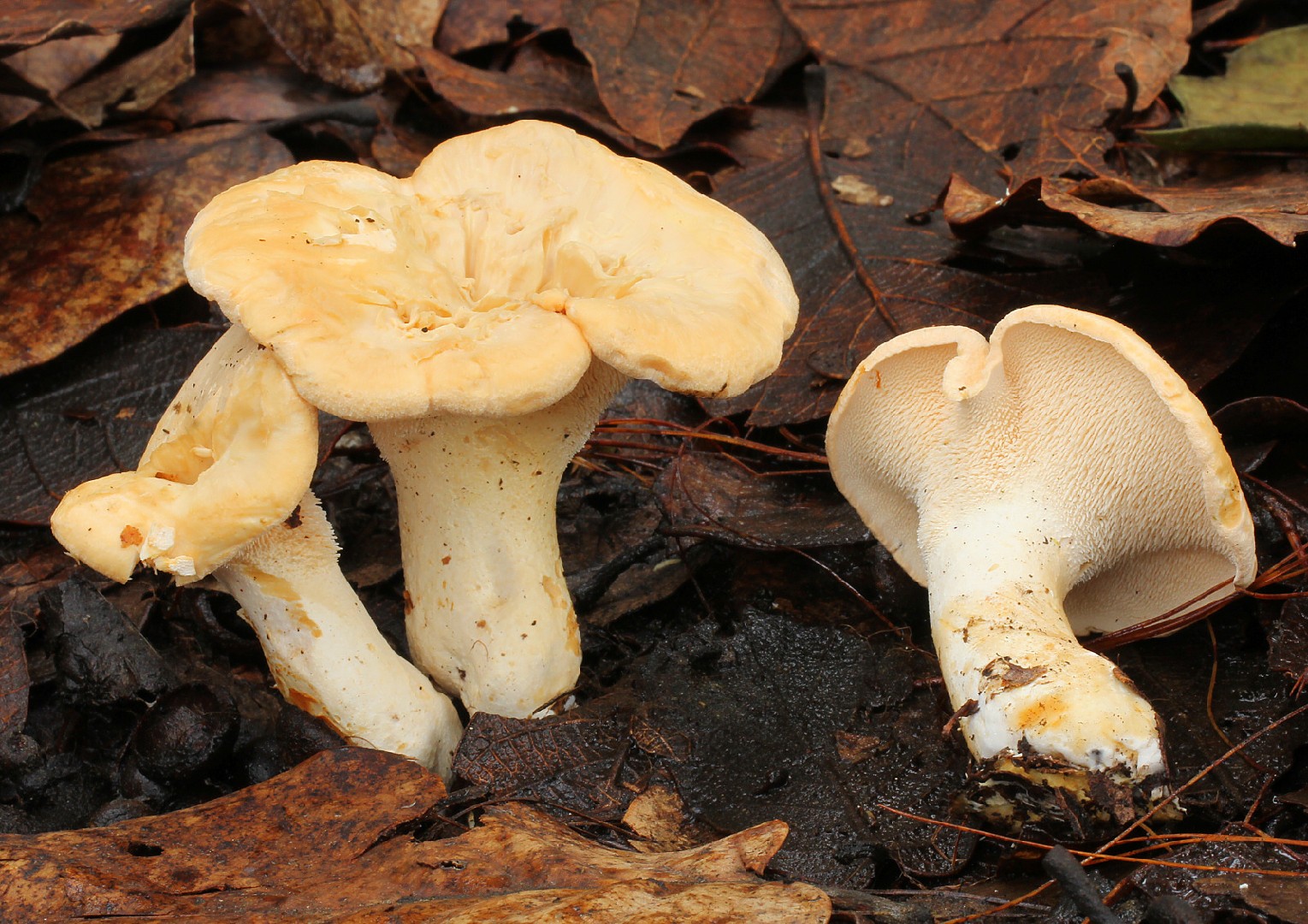
7. Sweet tooth
This mushroom is distinctive for the spines, or teeth, that hang down from the underside of its cap. It can be found on forest floors singly or in groups. In spite of the name, sweet tooth, it has a slightly spicy bite and bitter aftertaste. This wild mushroom needs to be cooked before it is truly edible, and only young, parasite-free mushrooms should be harvested.
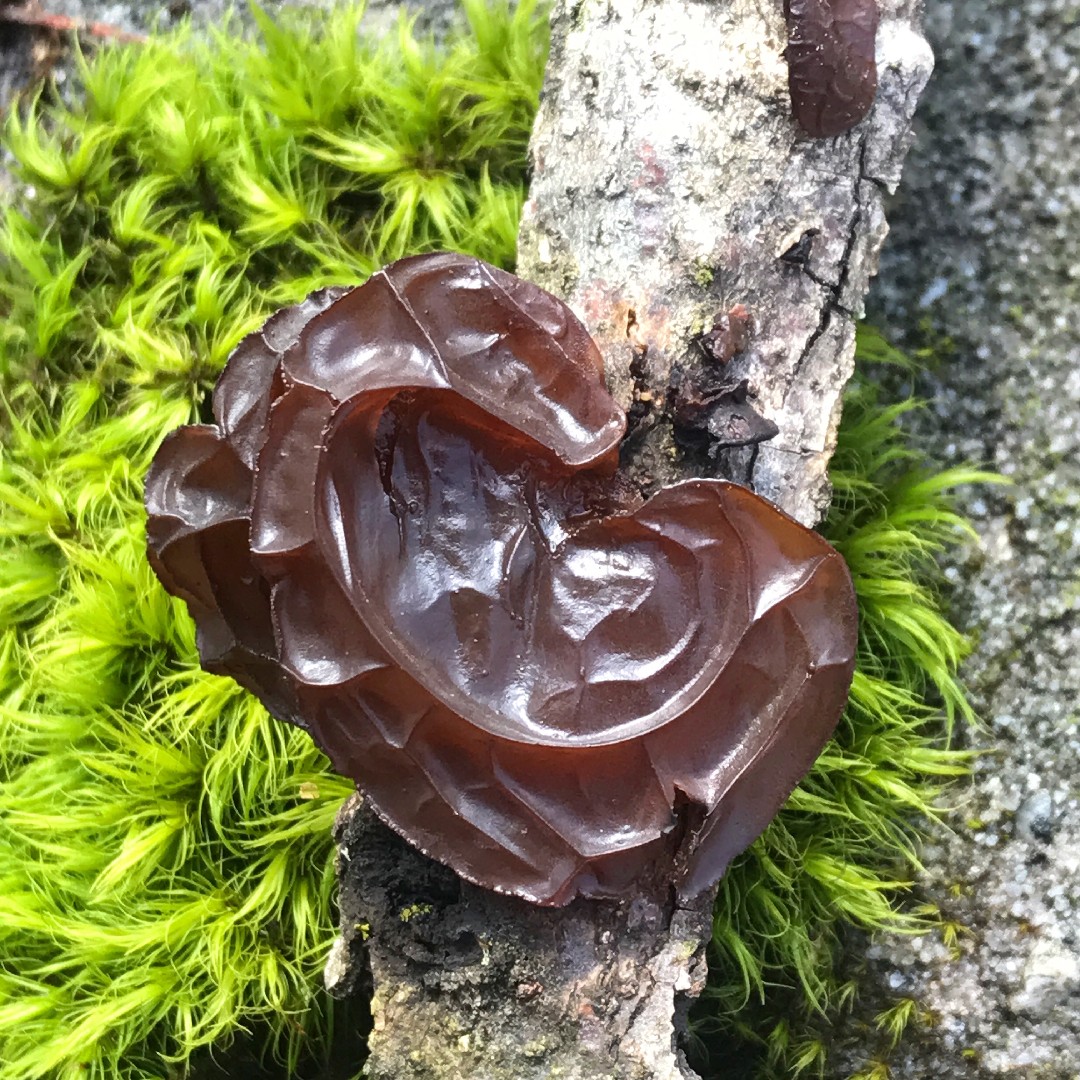
8. Amber jelly roll
The common name says it all. The fruitbody of the "willow brain" fungus, found most often growing on willows, has a folded, gelatinous form which indeed makes it look similar to a brain. Amber jelly roll (Exidia recisa) can be found in moist environments in North and Central America, Europe, and Asia.
9. Black-footed polypore
This inedible fungus grows on fallen wood and stumps of deciduous trees. Black-footed polypores have the ability to remain through the winter, as they rot very slowly after releasing their spores. They are thus appreciated for providing a bit of visual interest in winter landscapes.

10. Rooting shank
Rooting shank has been known by over a dozen names throughout the years. Despite this identity crisis, this rooting shank is not difficult to recognize due to its distinctive long stem, much of which is often hiding in the soil. This mushroom can most frequently be found on stumps or deadwood beneath the ground.

More







