




Top 20 Edible Mushrooms Popular in Skane
Delving into the flourishing landscapes of Skane, a unique and rich mycological paradise awaits exploration. Our compilation of the 'Top 20 Most Common Edible Mushrooms' in Skane introduces the diverse and abundant edible fungi flourishing in this region. Get educated on the key traits, palatability, habitats, and culinary roles these mushrooms serve. Our scientifically-backed content dispenses reliable knowledge, helping you to identify, appreciate, and potentially plate these delicious morsels from Skane. Each mushroom is a testament to the region’s perfect symbiosis of microclimate, geography, and ecology; an adventure for both the novice forager and the seasoned mycologist.
* Disclaimer: Content feedback CAN NOT be used as any basis for EATING ANY PLANTS. Some plants can be VERY POISONOUS, please purchase edible plants through regular channels.

Most Popular Edible Mushrooms

1. Garlic parachute
Garlic parachute has a helpful name that gives a couple of clues as to how to identify it. With its slim stem and wide cap, this mushroom does look like a parachute. It has a strong garlic-like aroma and can often be found on leaf litter and decaying wood.
2. Blusher
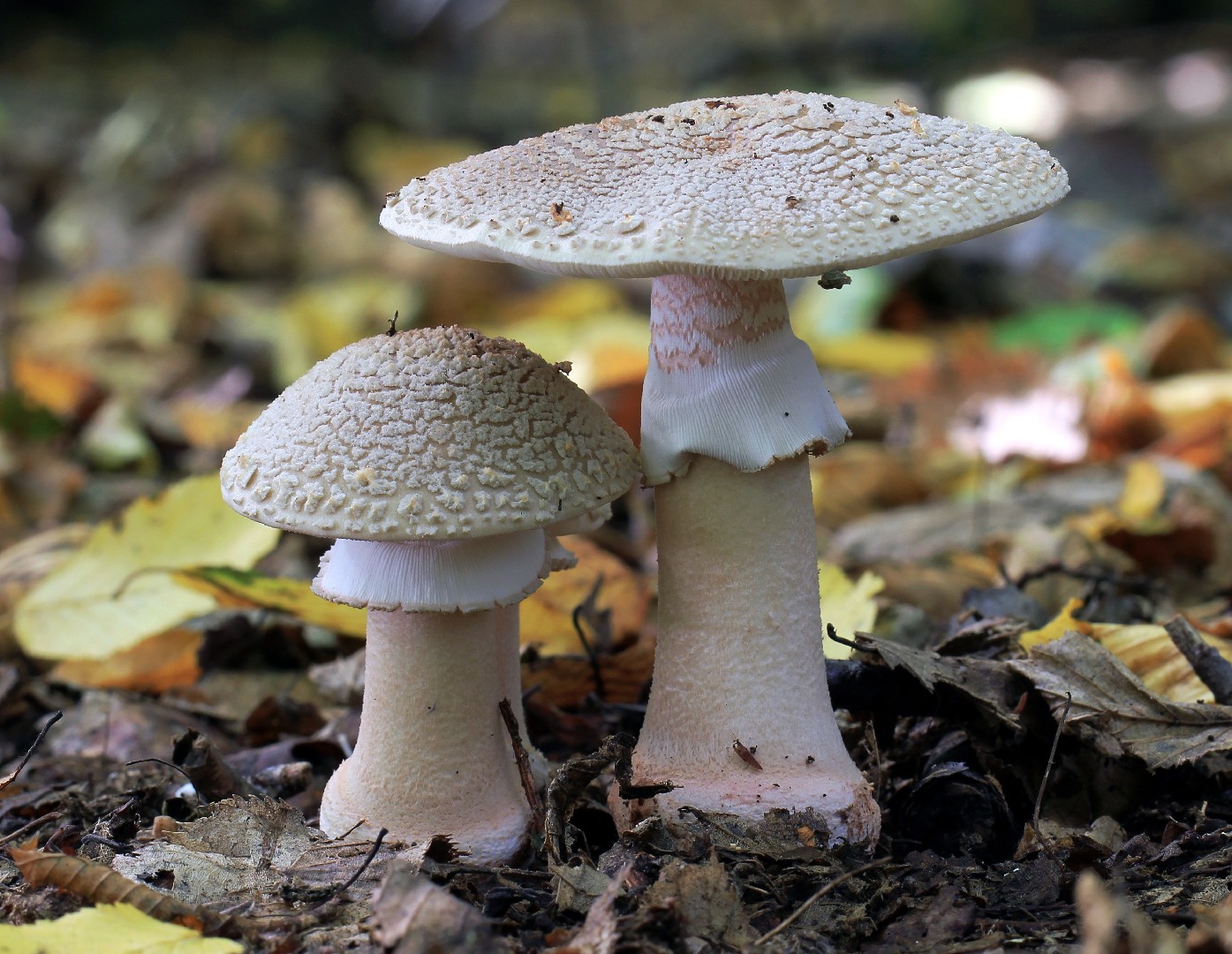
The blusher mushroom is so named because it “blushes” to a pinkish red color when cut or bruised. It is found in many countries around the world, although it may not be native to the southern hemisphere. It contains a hemolytic toxin that can cause anemia if eaten.
3. Sheathed woodtuft
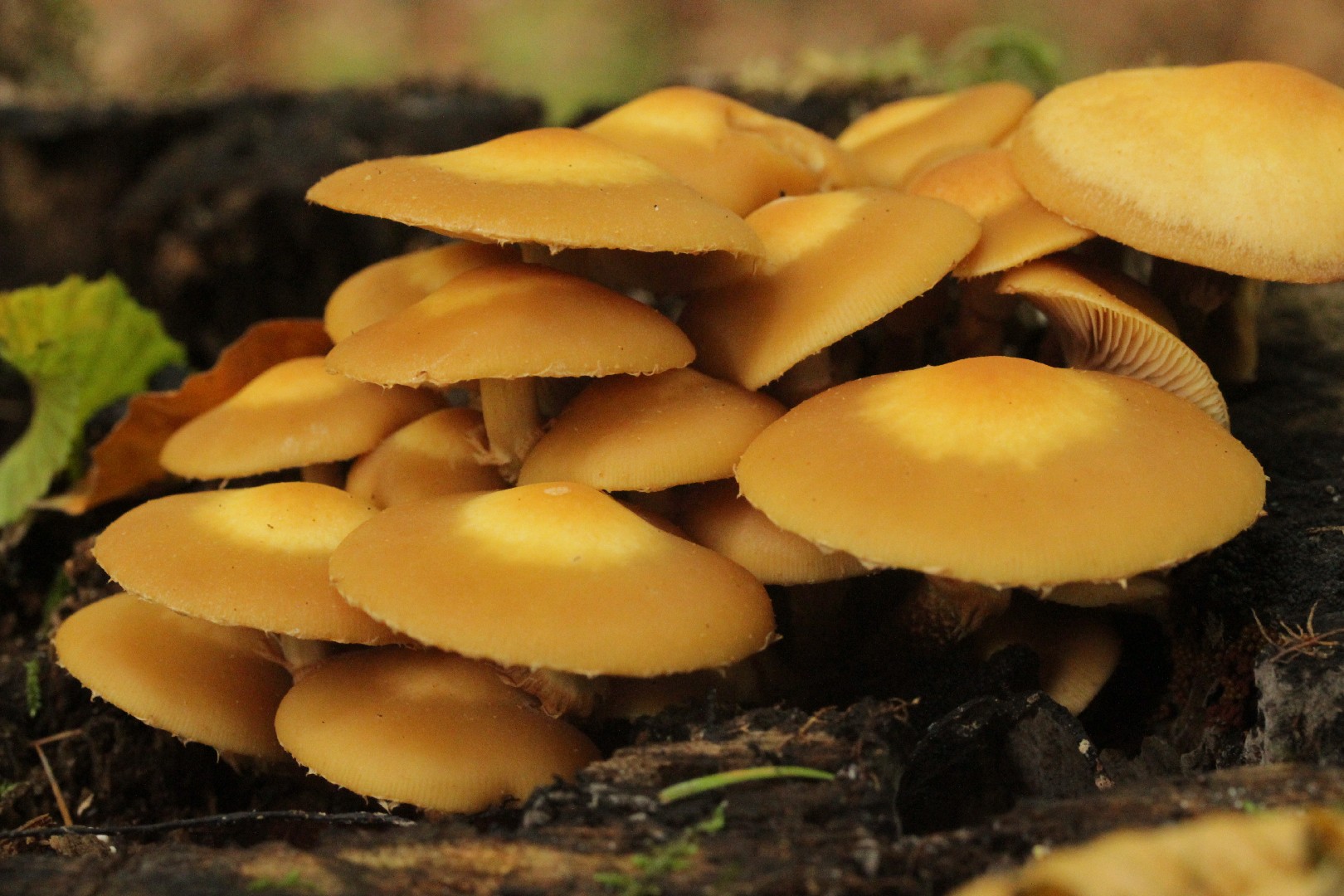
The sheathed woodtuft (Kuehneromyces mutabilis) is a fairly distinctive species that can be found growing in clusters on dead or dying wood in temperate areas across the world. This mushroom's cap has the unusual trait of being highly hygrophanous - this means that its color changes significantly with changes in moisture level. In the case of the sheathed woodtuft, moist individuals are deep orange brown while dry individuals are a lighter brown or buff color.
4. Golden chanterelle
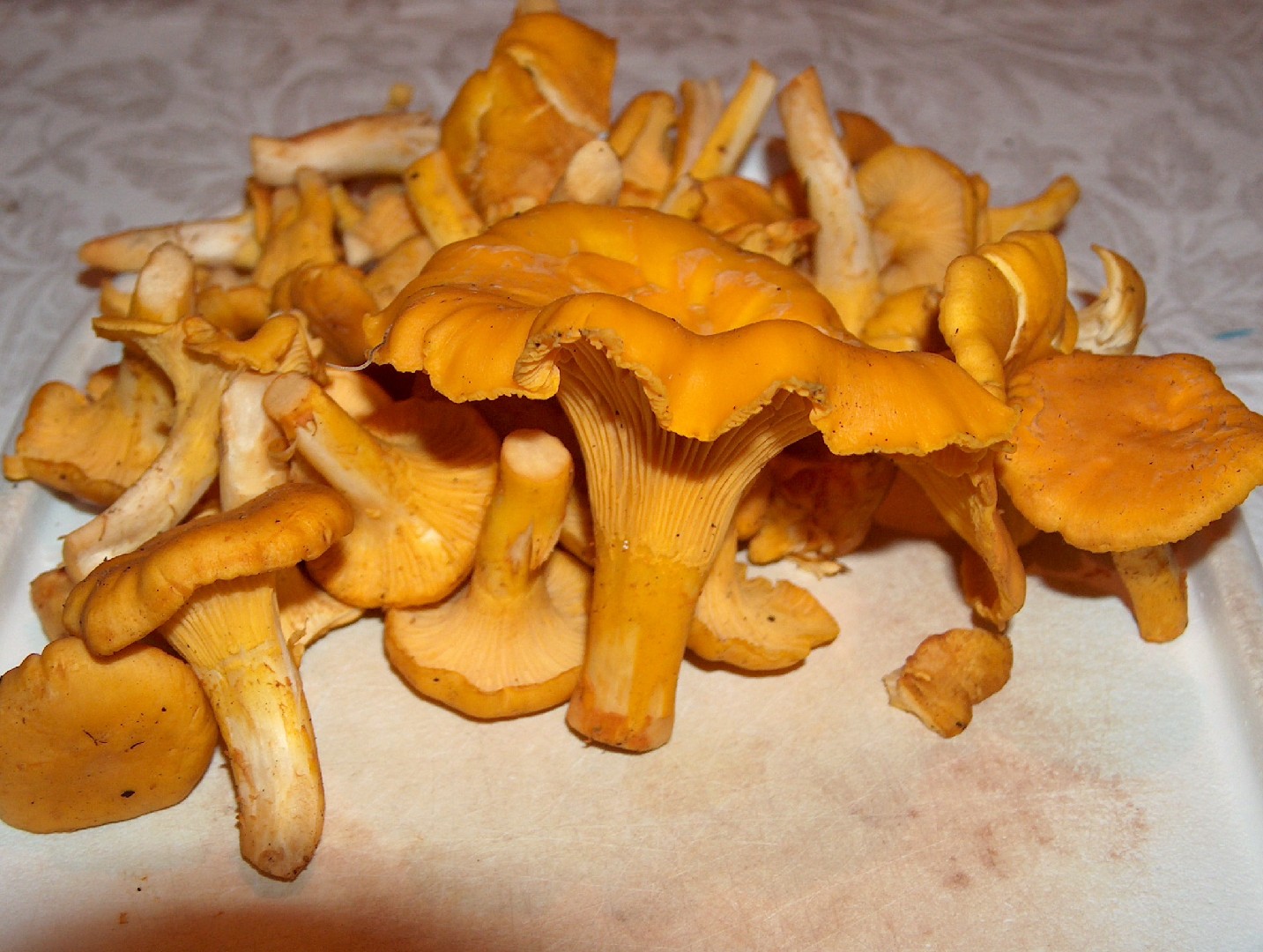
Golden chanterelle mushrooms are popular in gourmet cuisine across Europe, where they grow wild during the warm (but not too hot) months. Similar species grow in other countries. Extremely popular with foragers, the golden chanterelle emits an apricot-like scent and contains an array of nutrients that benefit the human body. Several studies suggest consuming extremely large amounts may have detrimental effects on the eyes and muscles.
5. Amethyst deceiver
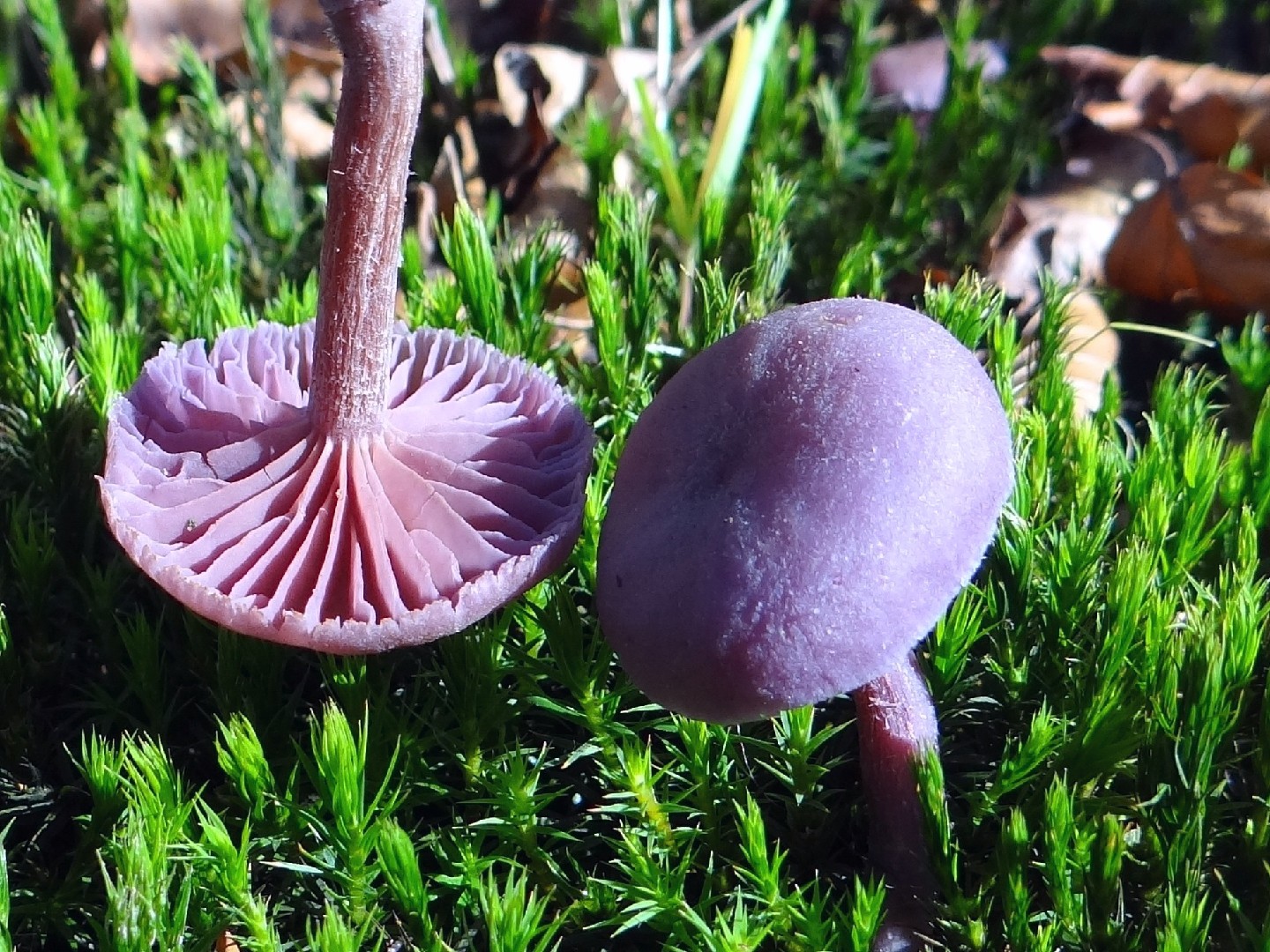
The amethyst deceiver (Laccaria amethystina) is a breathtaking mushroom that pops up from coniferous forest floors. The caps are a striking violet color in youth and are generally flat with a small indentation when the stem connects. As they mature, this violet color transforms to a less than breathtaking grey color, making it quite hard to identify after a certain age positively. Not edible.
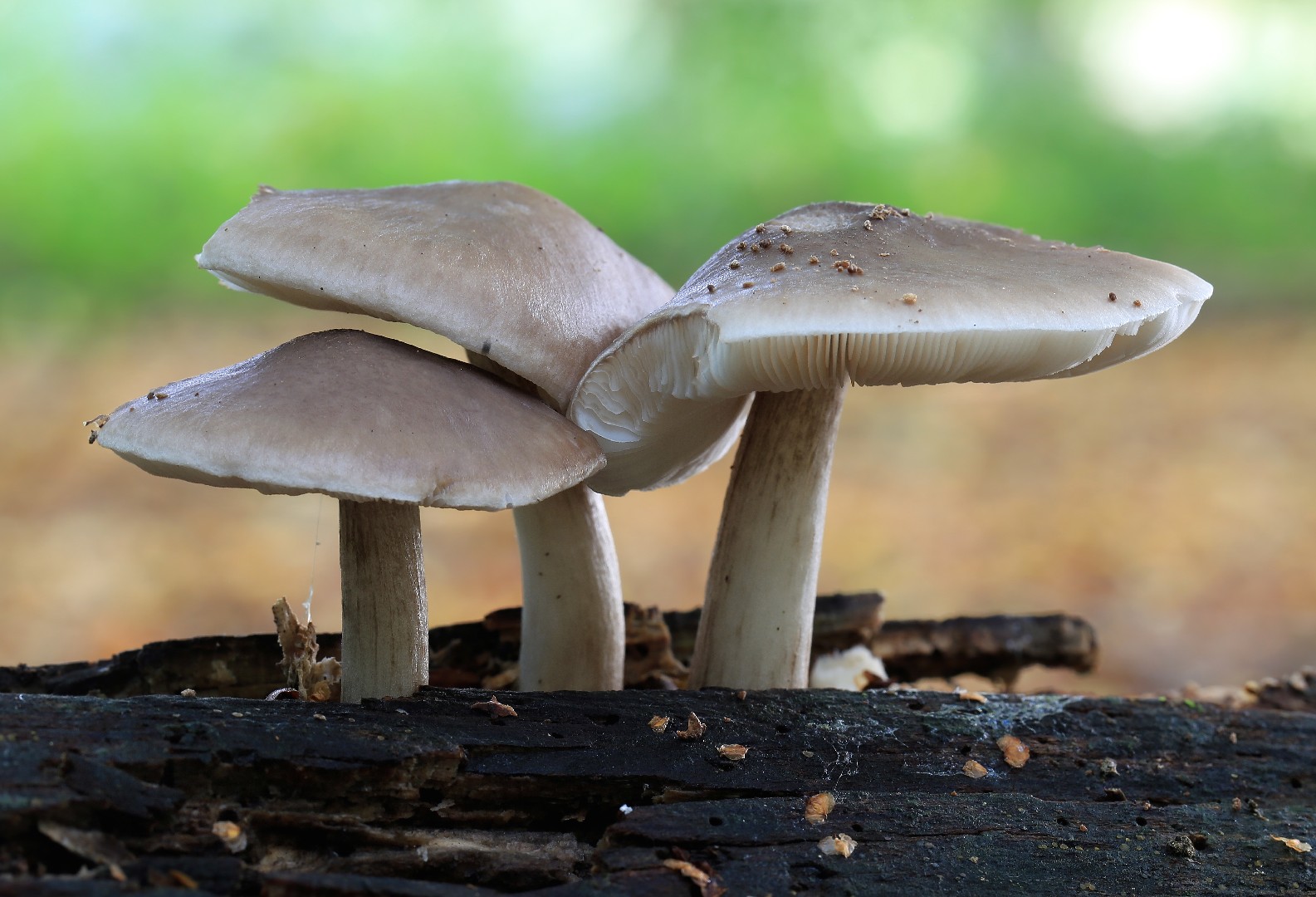
6. Deer mushroom
The deer mushroom is can be found sprouting up from rotting logs, branches, and roots, and while it may have a preference for hardwoods it isn't very picky. Unlike many other mushroom species, the fruitbodies can be found blooming across a wide range of seasons. They have a faint, radish-like odor.
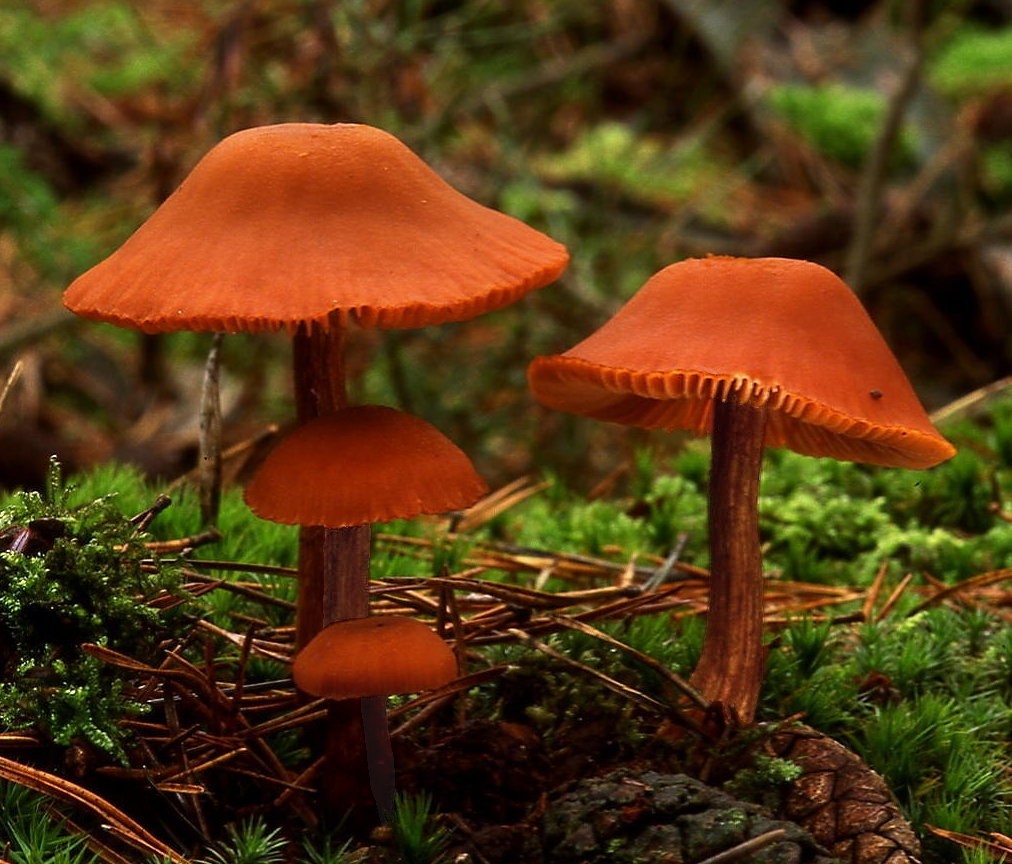
7. Common laccaria
Common laccaria may sound like a malevolent name for a mushroom, but fret not! This species is so-called because its appearance is highly variable, with individual caps taking on a whole host of colors, from whitish to pinkish to dark brown.
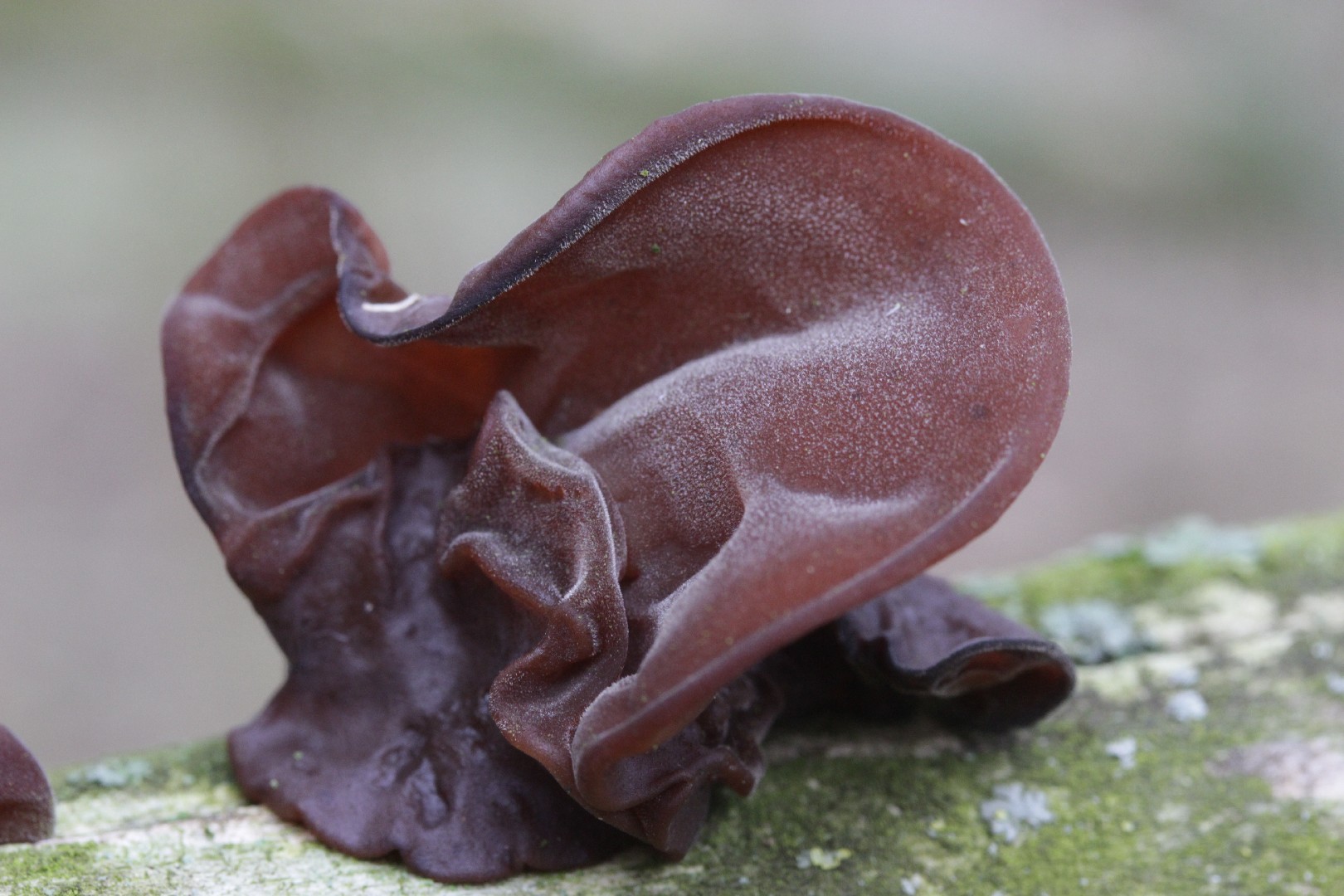
8. Jelly ear
The distinctive jelly ear grows mainly through winter and spring, mostly on the dead trunks and branches of elder trees. It occurs around the world and is often cooked into dishes in Asian countries. This ear-shaped jelly mushroom is often available in stores both fresh and dried.
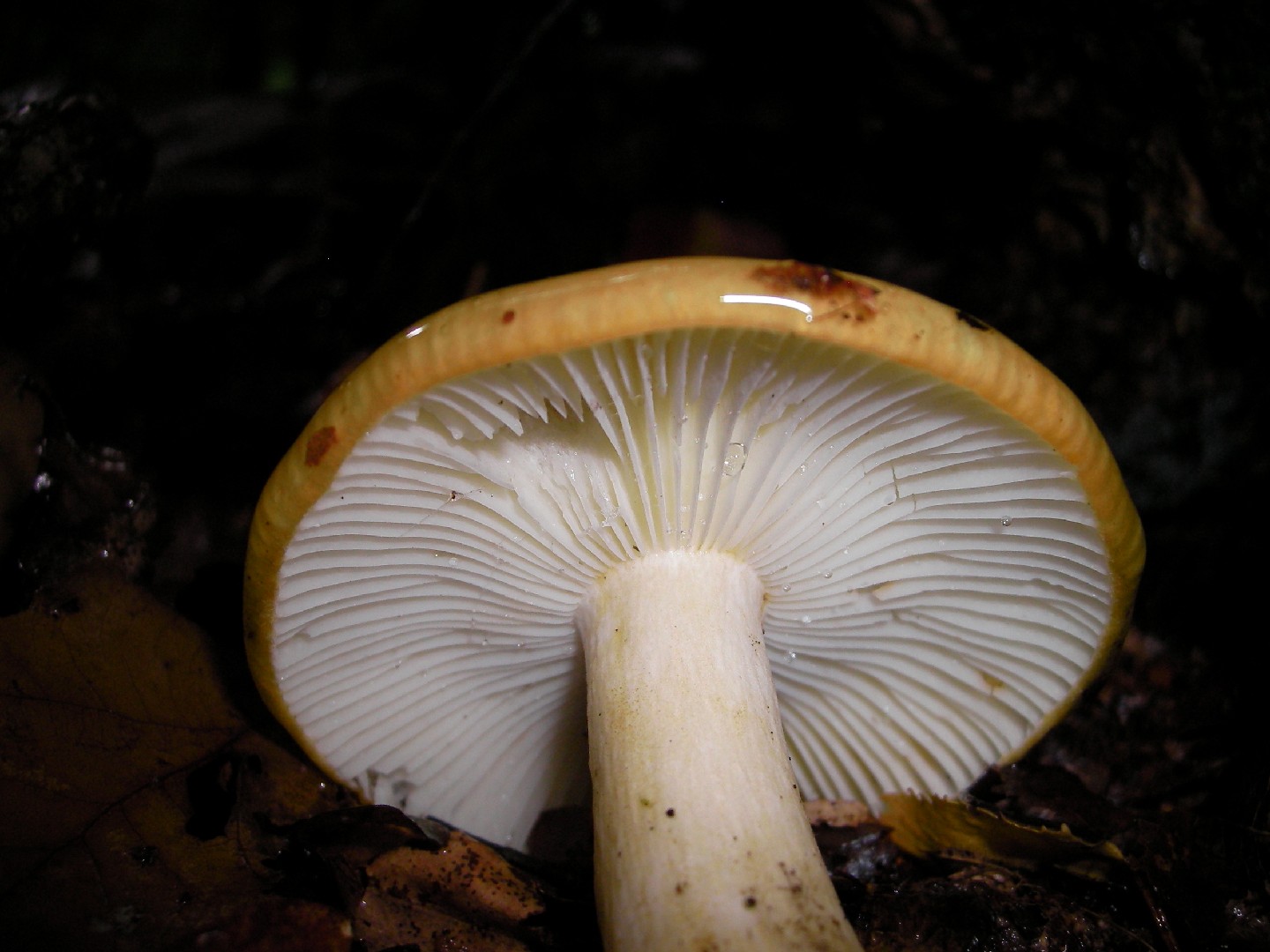
9. Ochre brittlegill
The ochre brittlegill is a large and ubiquitous russula that can be found growing in mixed temperate woodlands across the Northern Hemisphere. This mushroom is distinguished by its smooth ochre cap, which may sometimes have tinges of green, brown, or even purple to it. Ochre brittlegills have brittle gills and bulbous, white stalks.
10. Winecork brittlegill
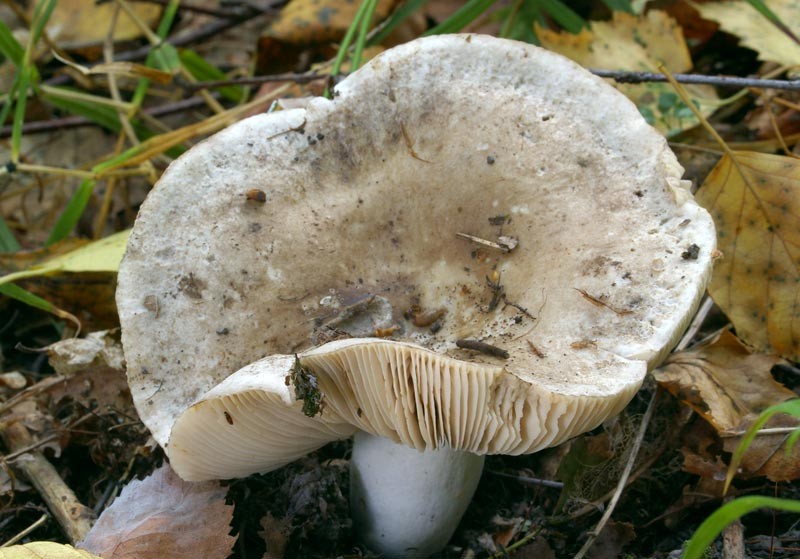
Winecork brittlegill is a widespread mushroom species that typically makes its home on acidic soils in coniferous forests. It gets the name winecork from its smell, which is similar to that of empty wine barrels or bottle corks. The specific Latin name adusta translates as burn or toast and refers to the color of the stem.

More







