




Top 20 Edible Mushrooms Popular in Vitoria-Gasteiz
In the heart of Spain's lush Basque Country, nestled amidst verdant parks and woodland reserves, a fascinating mycological treasure teeming with diverse fungi awaits exploration. The city, Vitoria-Gasteiz, is a hotspot for flavorful and exquisite mushrooms. In this unique habitat, feeding on Vitoria-Gasteiz's fertile soils, a selection of 20 distinct mushroom species thrive. These fungi come in a myriad of shapes, sizes, and tastes, each with their specific culinary uses. From the rich, earthy tones of the Porcini to the subtle nuttiness of the Albatrellus, learn more about each of these 20 species in the broad spectrum of Vitoria-Gasteiz's thriving mushroom flora.
* Disclaimer: Content feedback CAN NOT be used as any basis for EATING ANY PLANTS. Some plants can be VERY POISONOUS, please purchase edible plants through regular channels.

Most Popular Edible Mushrooms
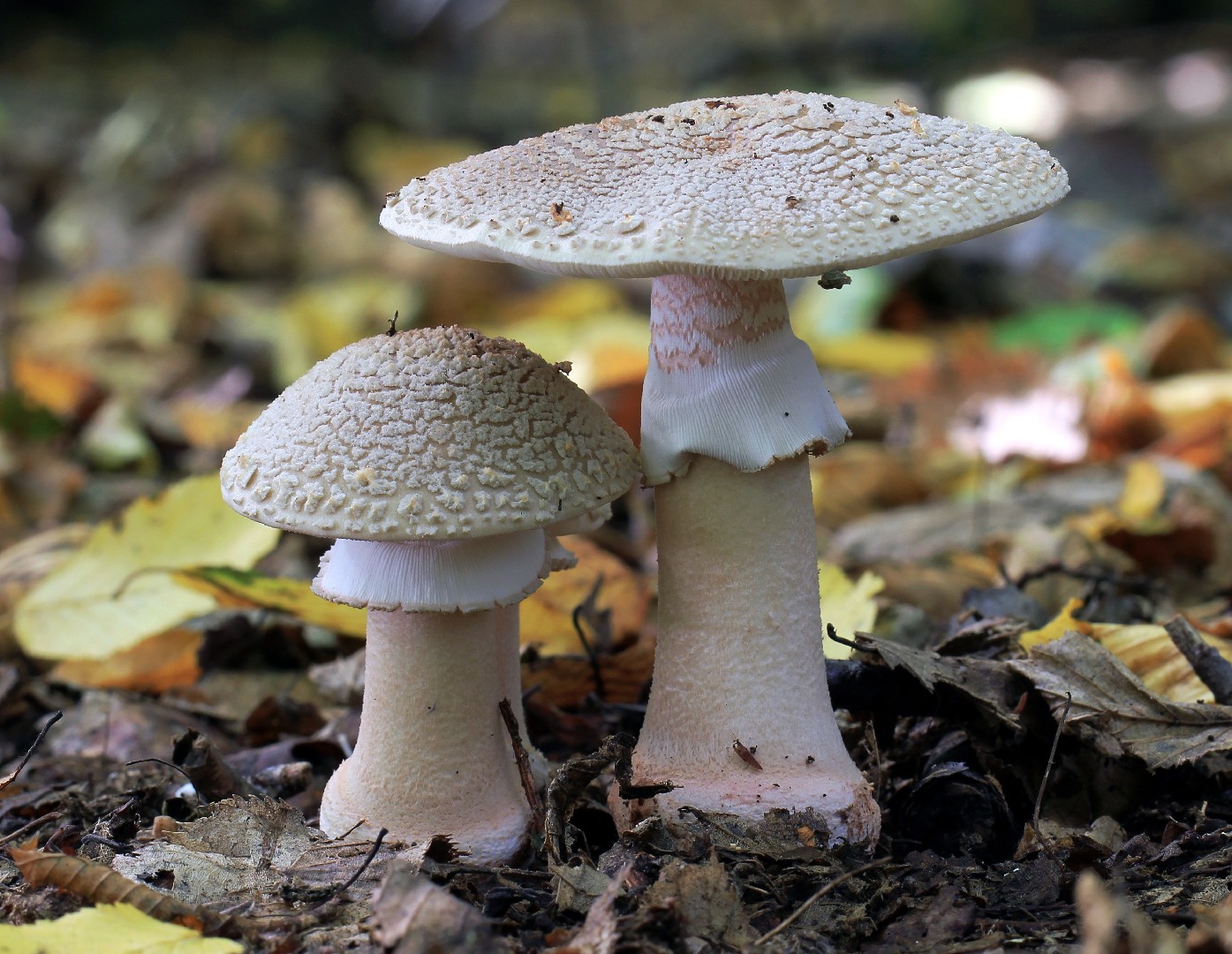
1. Blusher
The blusher mushroom is so named because it “blushes” to a pinkish red color when cut or bruised. It is found in many countries around the world, although it may not be native to the southern hemisphere. It contains a hemolytic toxin that can cause anemia if eaten.
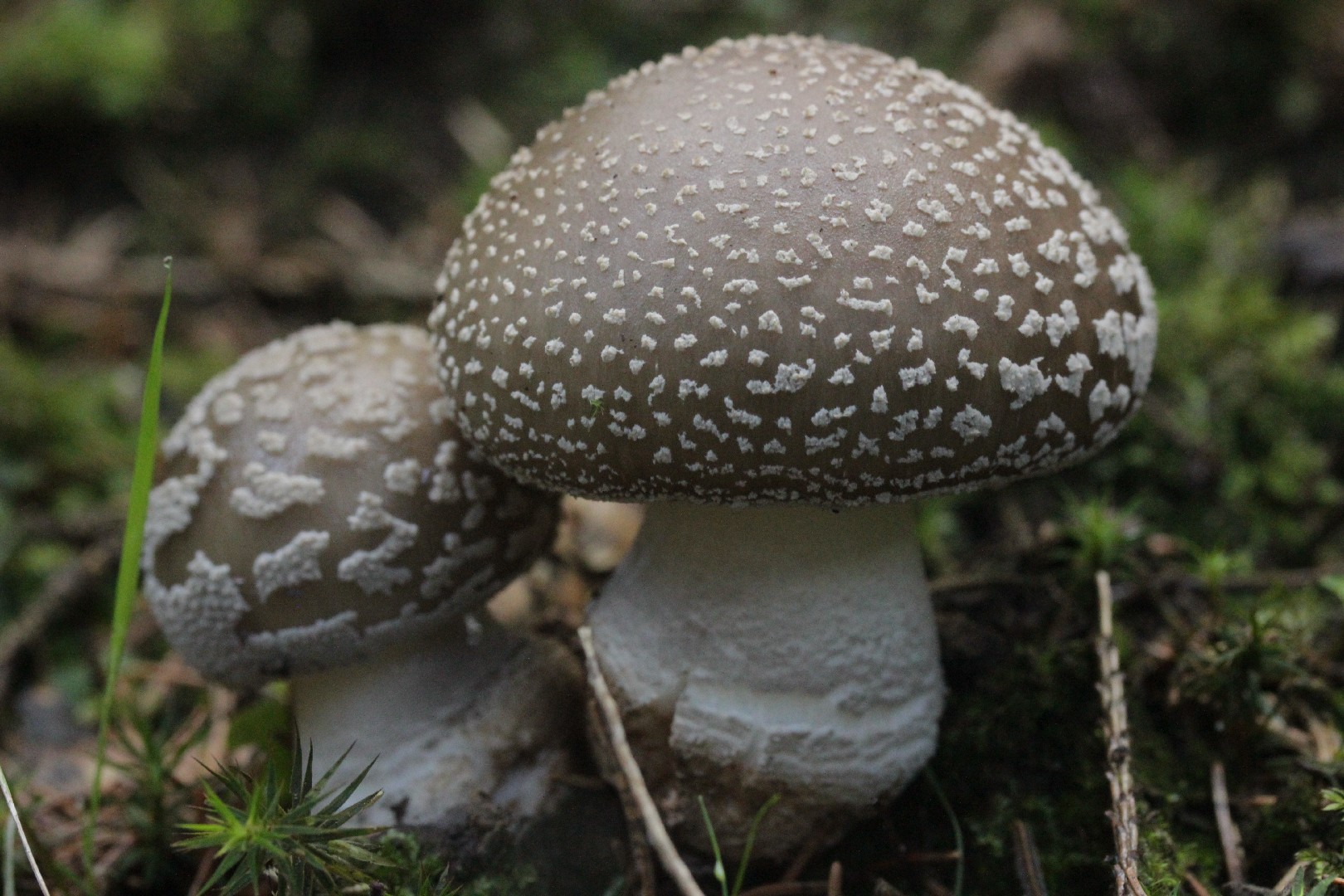
2. Grey spotted amanita
The cracked plaster appearance of grey spotted amanita (Amanita excelsa) caps is a common sight in Europe that also sporadically pops up in North America. This species has a long history and has been recorded and studied as far back as 1821. They contain a potent toxin called thermolabile, making those who consume it very sick if not cooked. This species is not recommended for consumption.
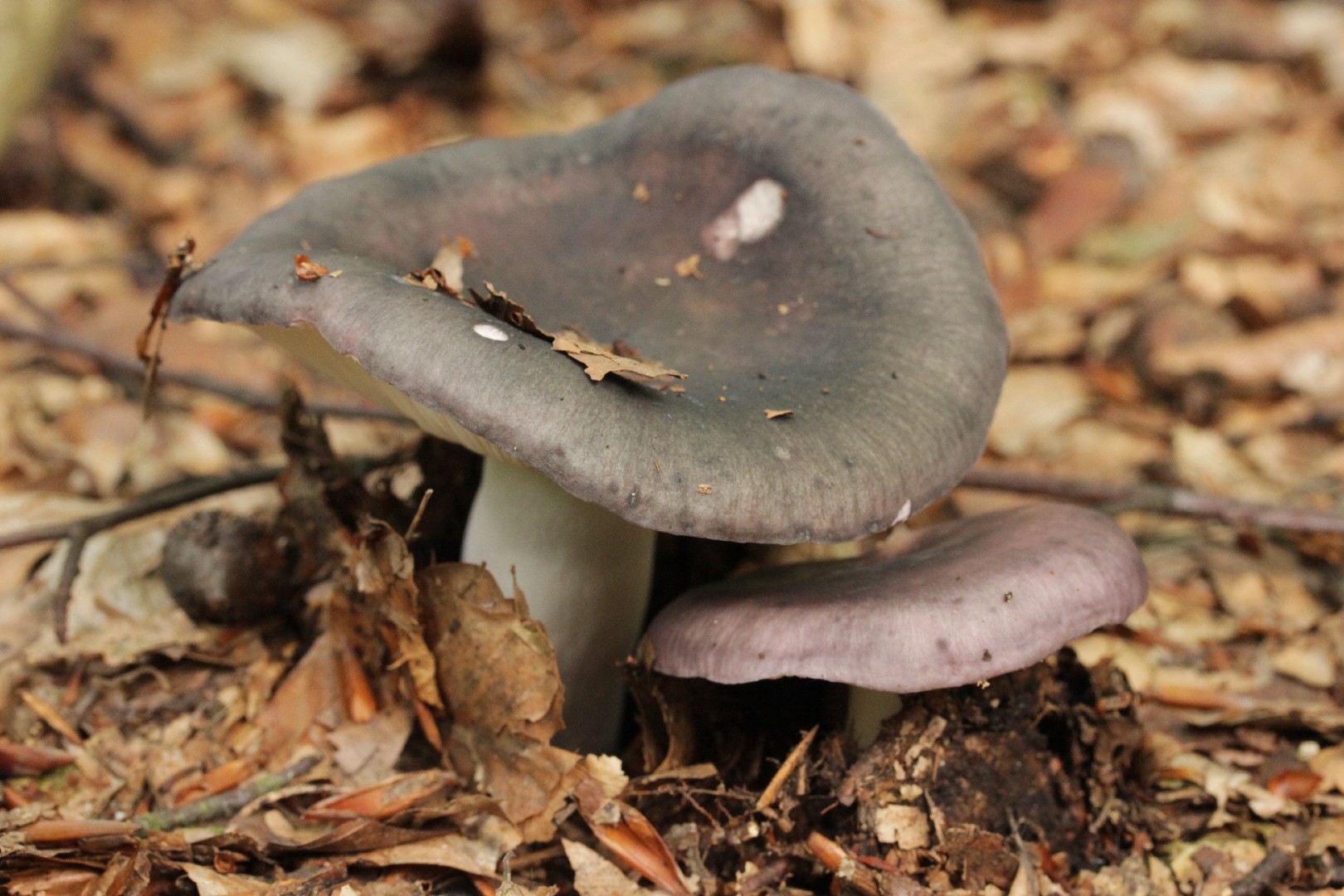
3. Charcoal burner
Most commonly found under beeches in forests or parks, this crumbly mushroom can appear in colors ranging from red and yellow to violet, blue-grey, or even green. Its scientific name represents this variability: Russula cyanoxantha means “reddish blue-blonde.”
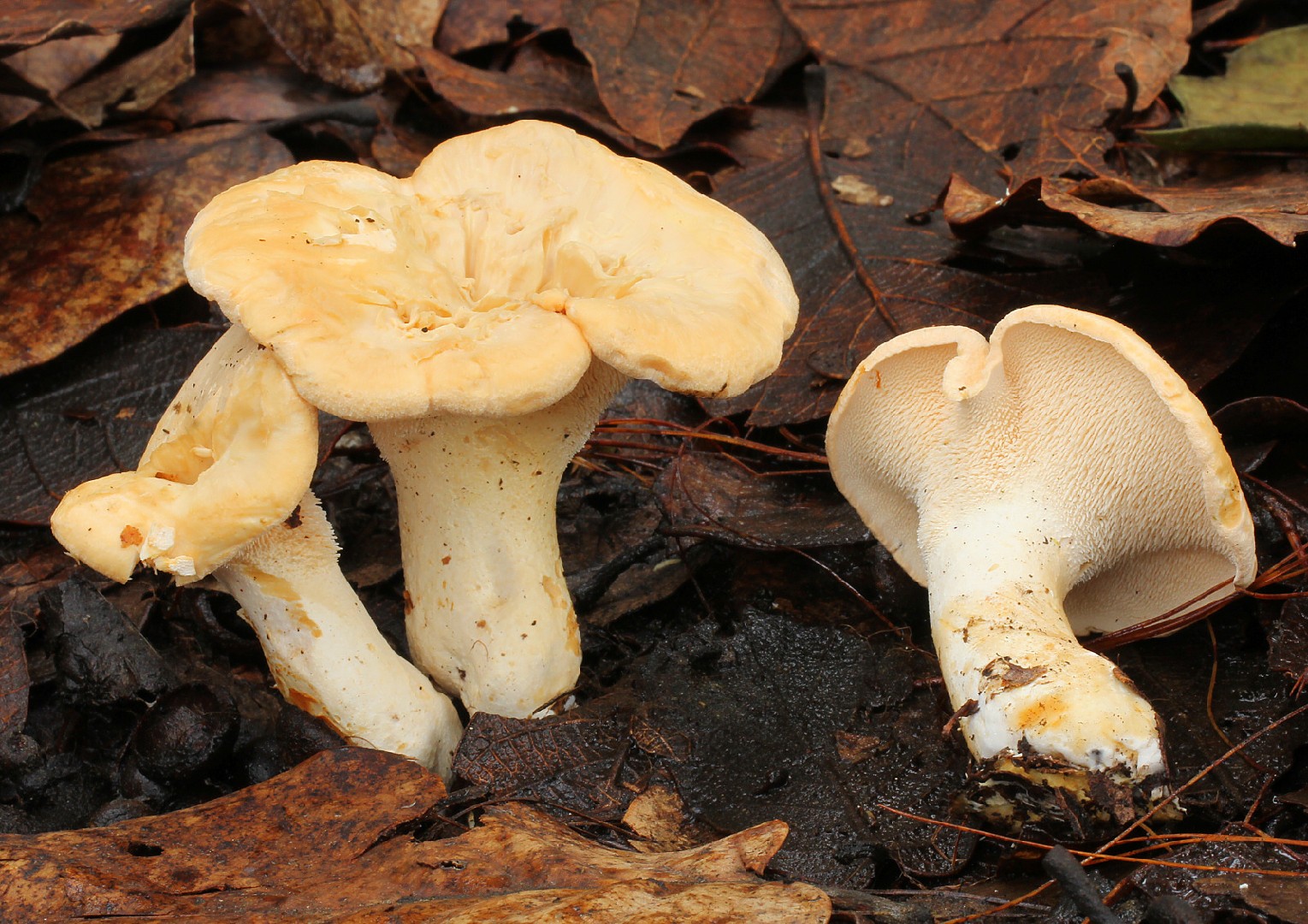
4. Sweet tooth
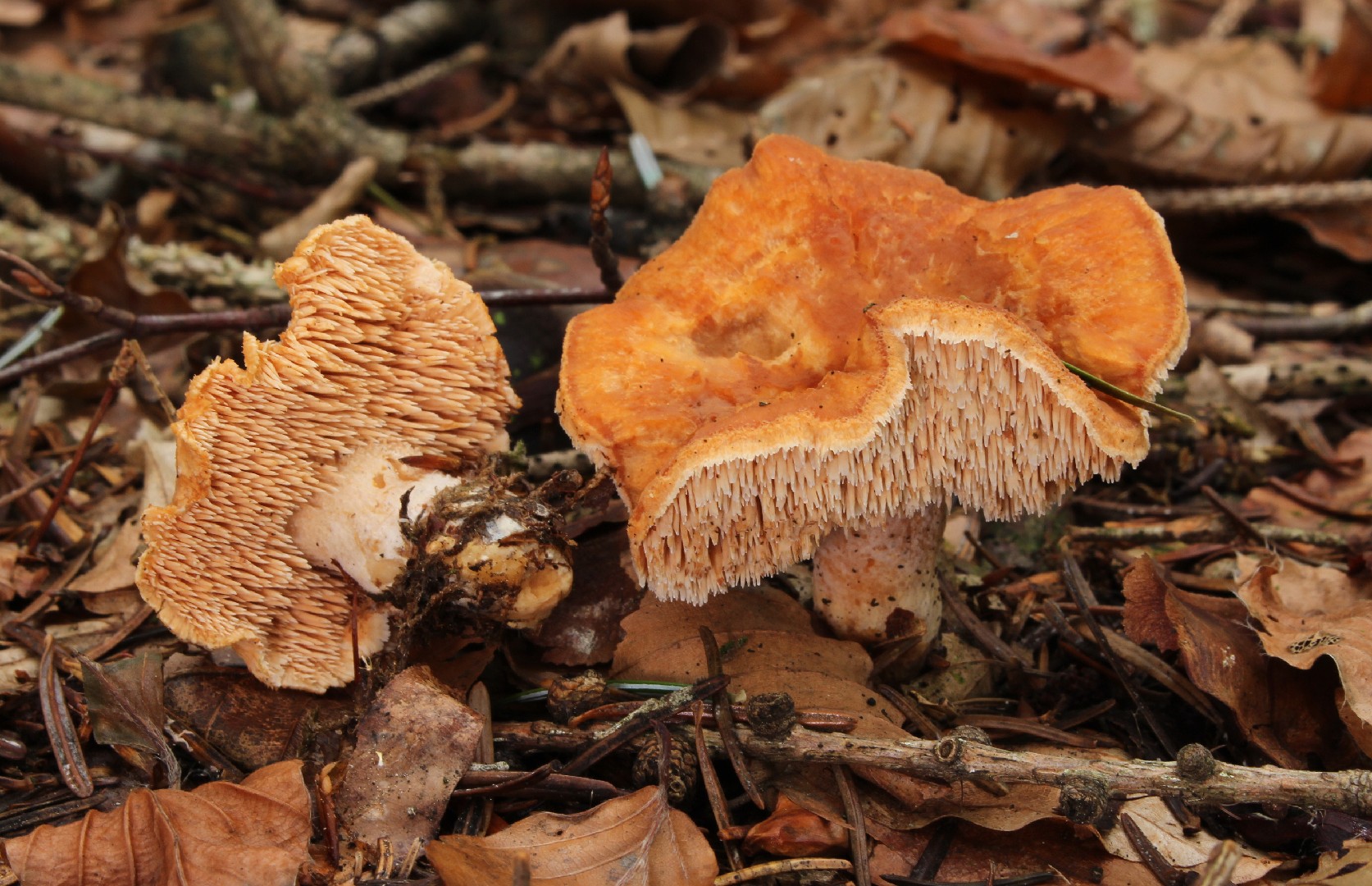
This mushroom is distinctive for the spines, or teeth, that hang down from the underside of its cap. It can be found on forest floors singly or in groups. In spite of the name, sweet tooth, it has a slightly spicy bite and bitter aftertaste. This wild mushroom needs to be cooked before it is truly edible, and only young, parasite-free mushrooms should be harvested.
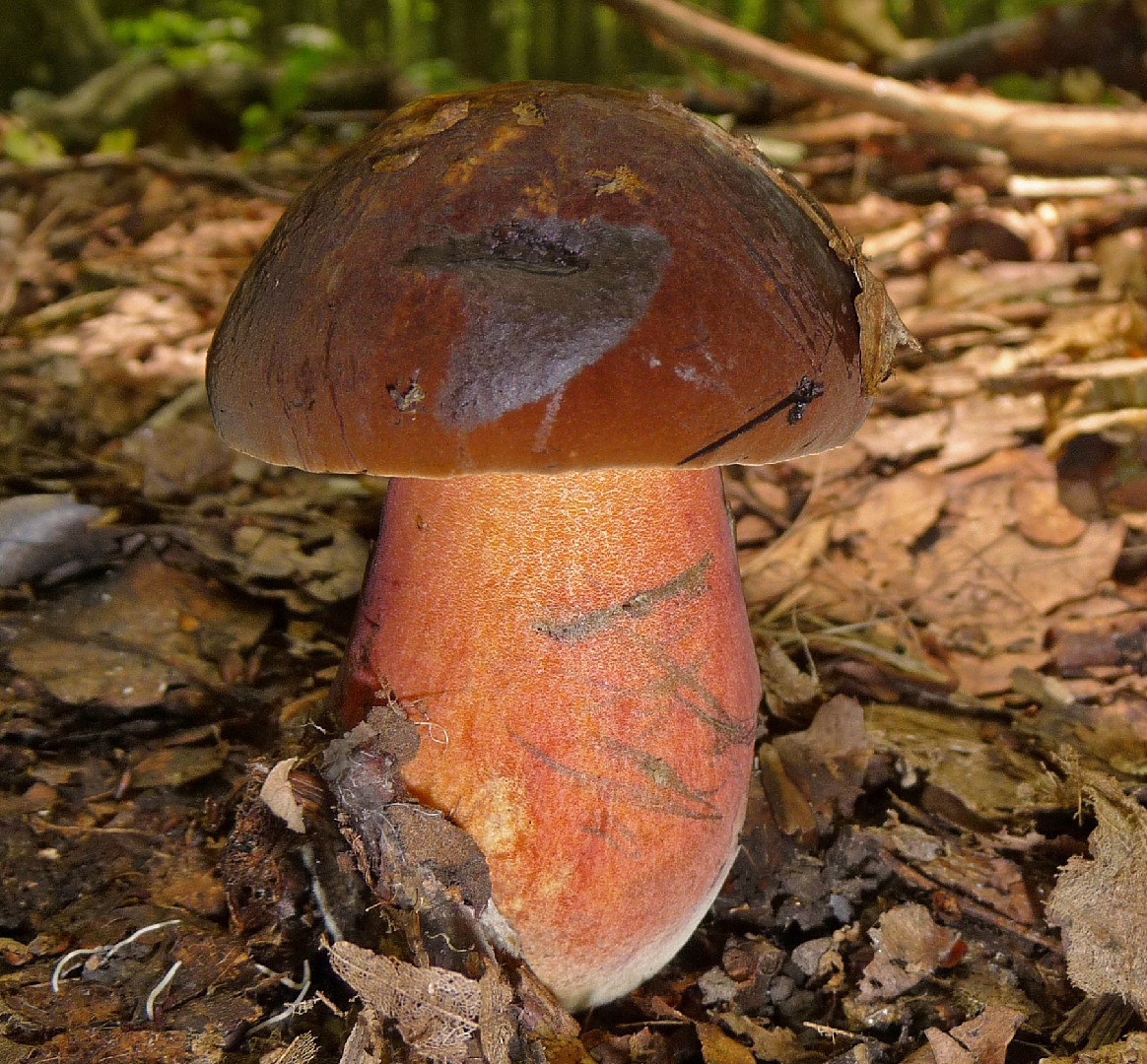
5. Dotted stem bolete
The name of the dotted stem bolete is also an accurate description of this mushroom, which indeed does have a wide and dotted red and yellow stem. This species can be found in both coniferous and deciduous woodlands, often in the same locations as its relative the edible Boletus edulis.

6. Rooting shank
Rooting shank has been known by over a dozen names throughout the years. Despite this identity crisis, this rooting shank is not difficult to recognize due to its distinctive long stem, much of which is often hiding in the soil. This mushroom can most frequently be found on stumps or deadwood beneath the ground.

7. Garlic parachute
Garlic parachute has a helpful name that gives a couple of clues as to how to identify it. With its slim stem and wide cap, this mushroom does look like a parachute. It has a strong garlic-like aroma and can often be found on leaf litter and decaying wood.
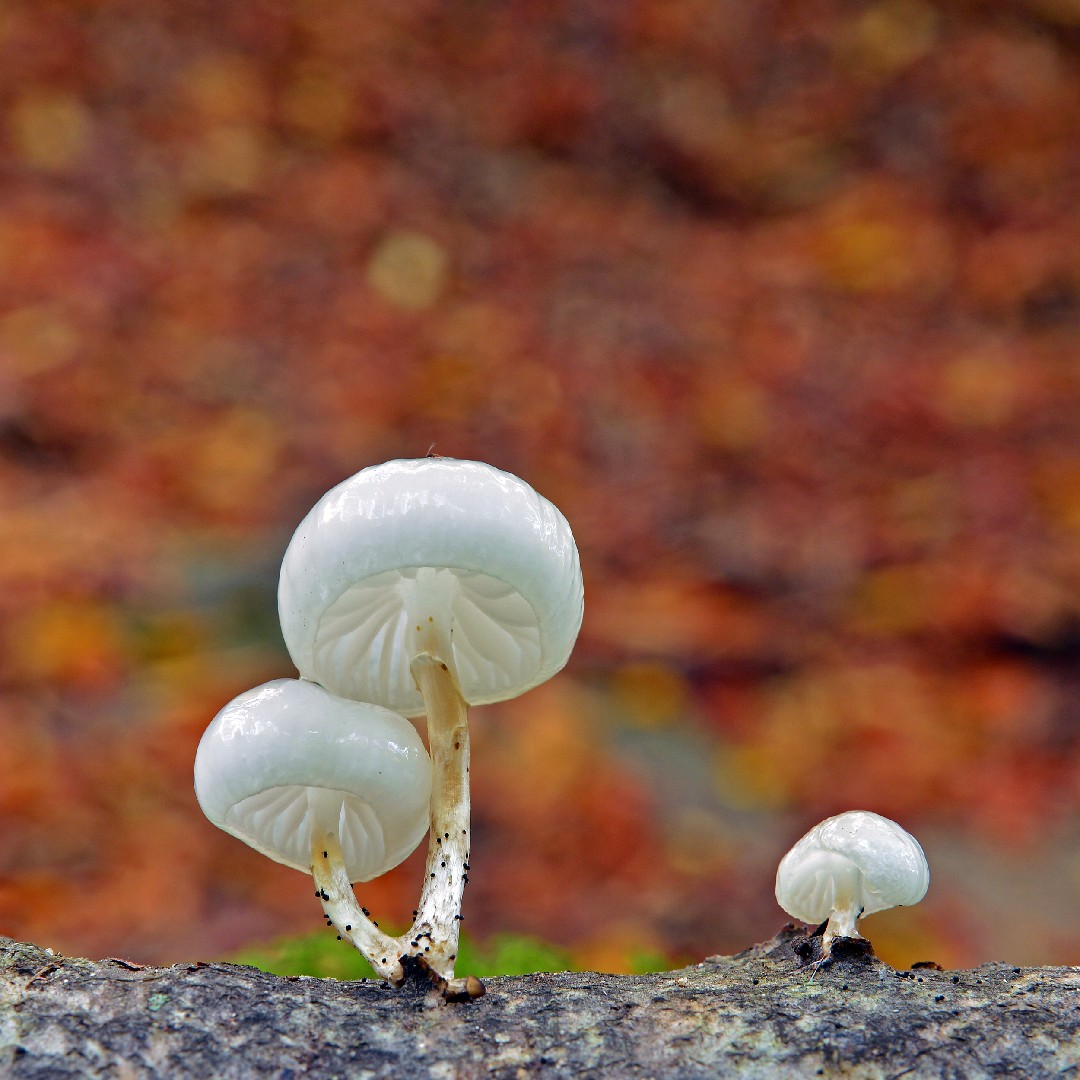
8. Porcelain mushroom
Porcelain mushroom can be found on a variety of deadwood including logs, dead standing trees, and dead upper branches. However, this mushroom is pickier about the type of deadwood, as it only grows on beech trees. This mushroom prefers to keep these trees to itself, releasing fungicides that can kill other mushrooms.

9. Shaggy mane
The shaggy mane mushroom is commonly found in North American and European grasslands. Some peoples foraged for its young egg-shaped caps, but it has more recently been found to be a bioaccumulator of heavy metals, meaning it pulls toxic metals up from the soil where it grows. As a result, shaggy manes should not be eaten. The mushrooms usually appear in clusters or “fairy rings.”
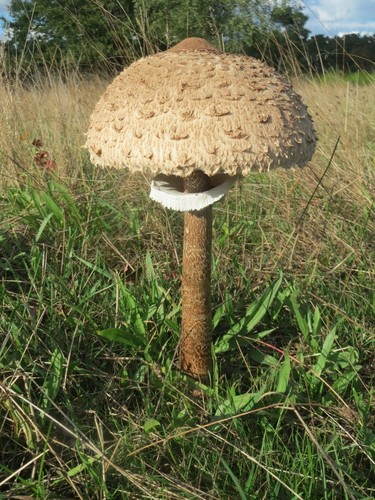
10. Parasol
Found in clearings and grassy areas in late summer, the wild parasol mushroom has a snakeskin-patterned stem. The brown spots on its cap make it look a bit shaggy, but that name is reserved for its poisonous counterpart, the Shaggy Parasol (Chlorophyllum rhacodes). You can distinguish the two by the stems: the latter has a smooth stem and red flesh inside.
More







