




Top 20 Edible Mushrooms Popular in Maribor
Intriguingly diverse, Maribor offers an ideal habitat for mushroom cultivation. Its unique topography and climate foster the growth of a variety of fungi. This guide will delve into the 20 most common edible mushrooms in Maribor, providing insights into their appearance, flavor profiles, habitats, and culinary applications. This knowledge ensures responsible and safe foraging while enhancing your culinary adventures with nature's bounty right from Maribor's backyard.
* Disclaimer: Content feedback CAN NOT be used as any basis for EATING ANY PLANTS. Some plants can be VERY POISONOUS, please purchase edible plants through regular channels.

Most Popular Edible Mushrooms
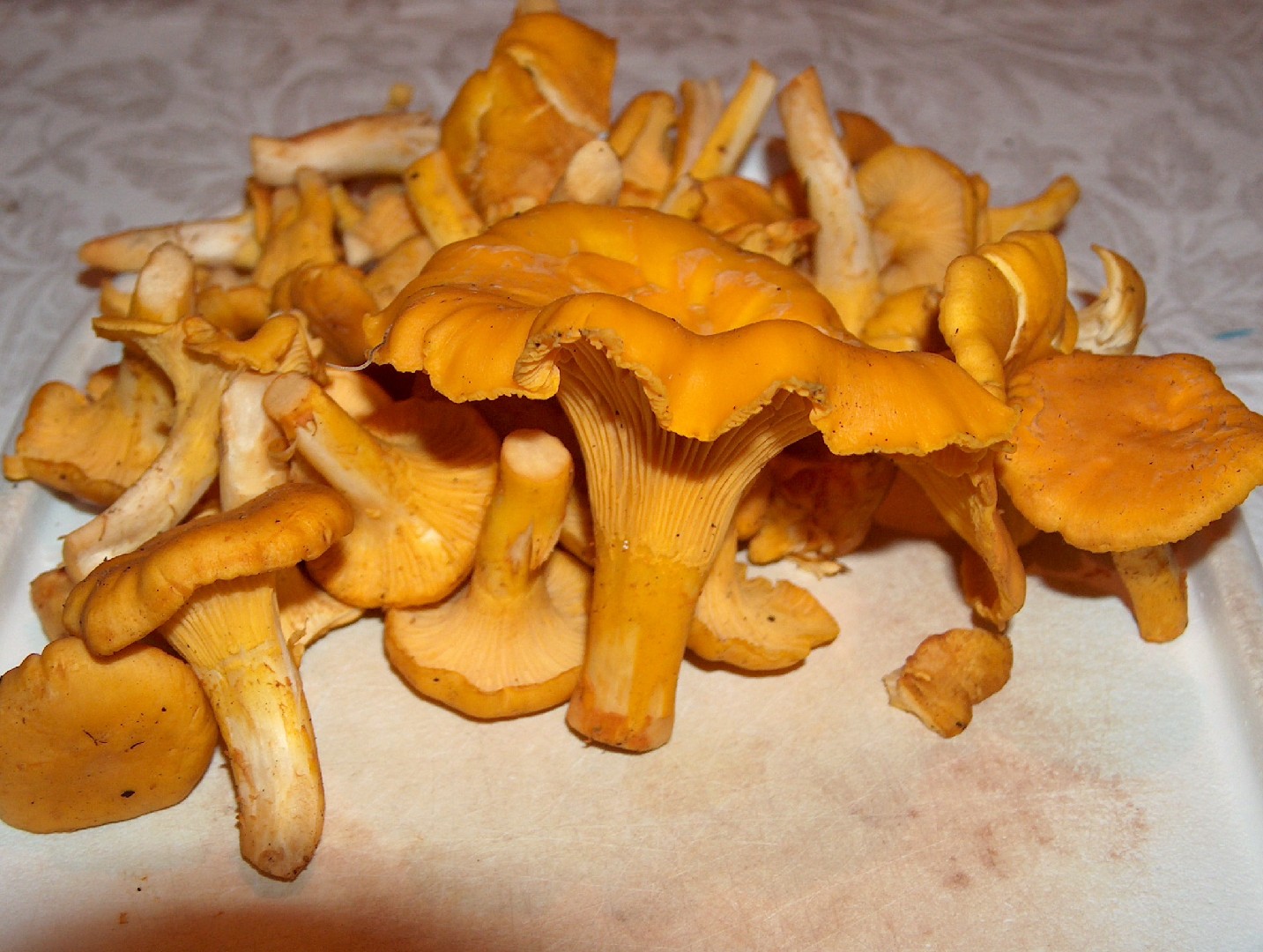
1. Golden chanterelle
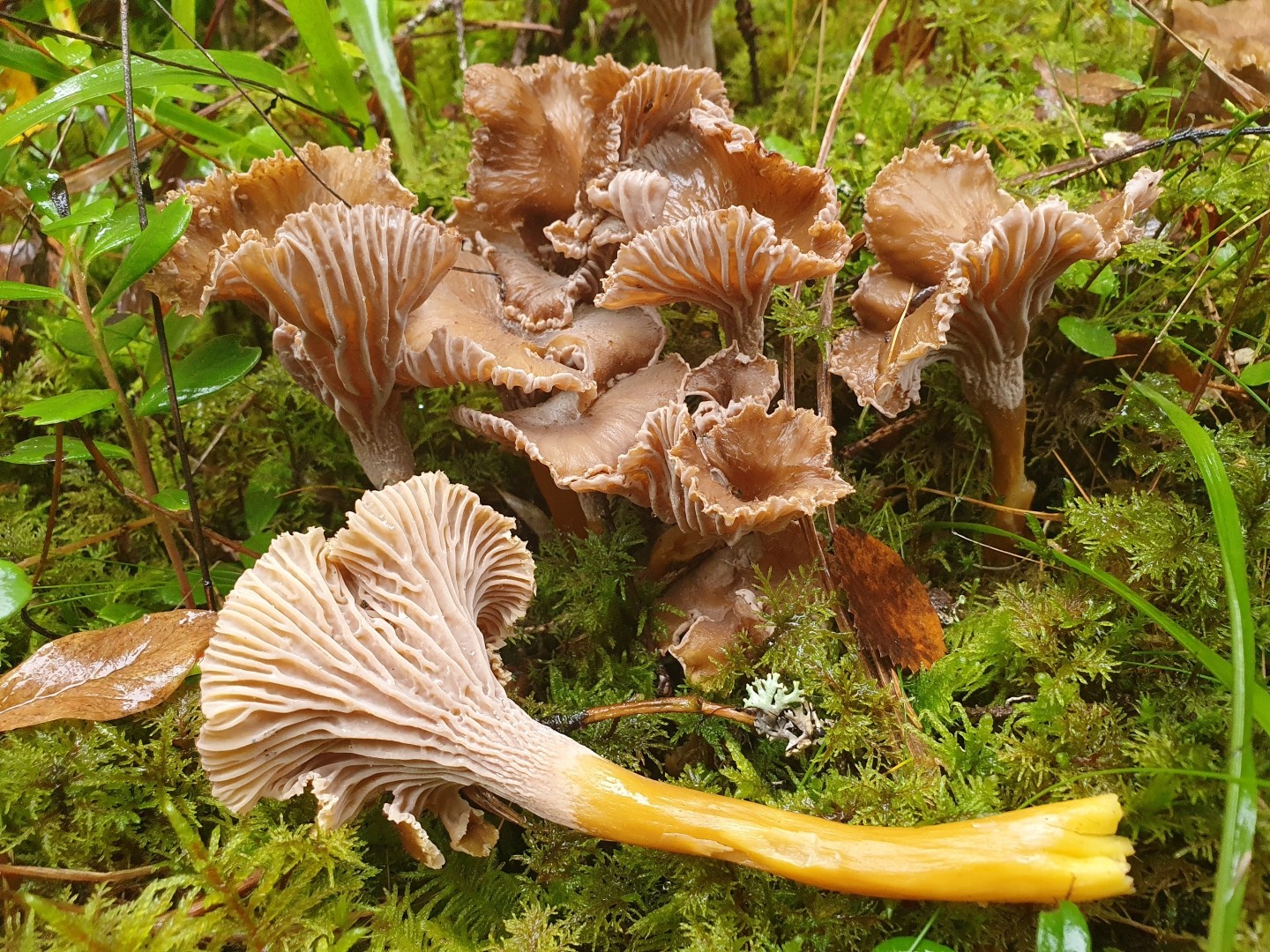
Golden chanterelle mushrooms are popular in gourmet cuisine across Europe, where they grow wild during the warm (but not too hot) months. Similar species grow in other countries. Extremely popular with foragers, the golden chanterelle emits an apricot-like scent and contains an array of nutrients that benefit the human body. Several studies suggest consuming extremely large amounts may have detrimental effects on the eyes and muscles.
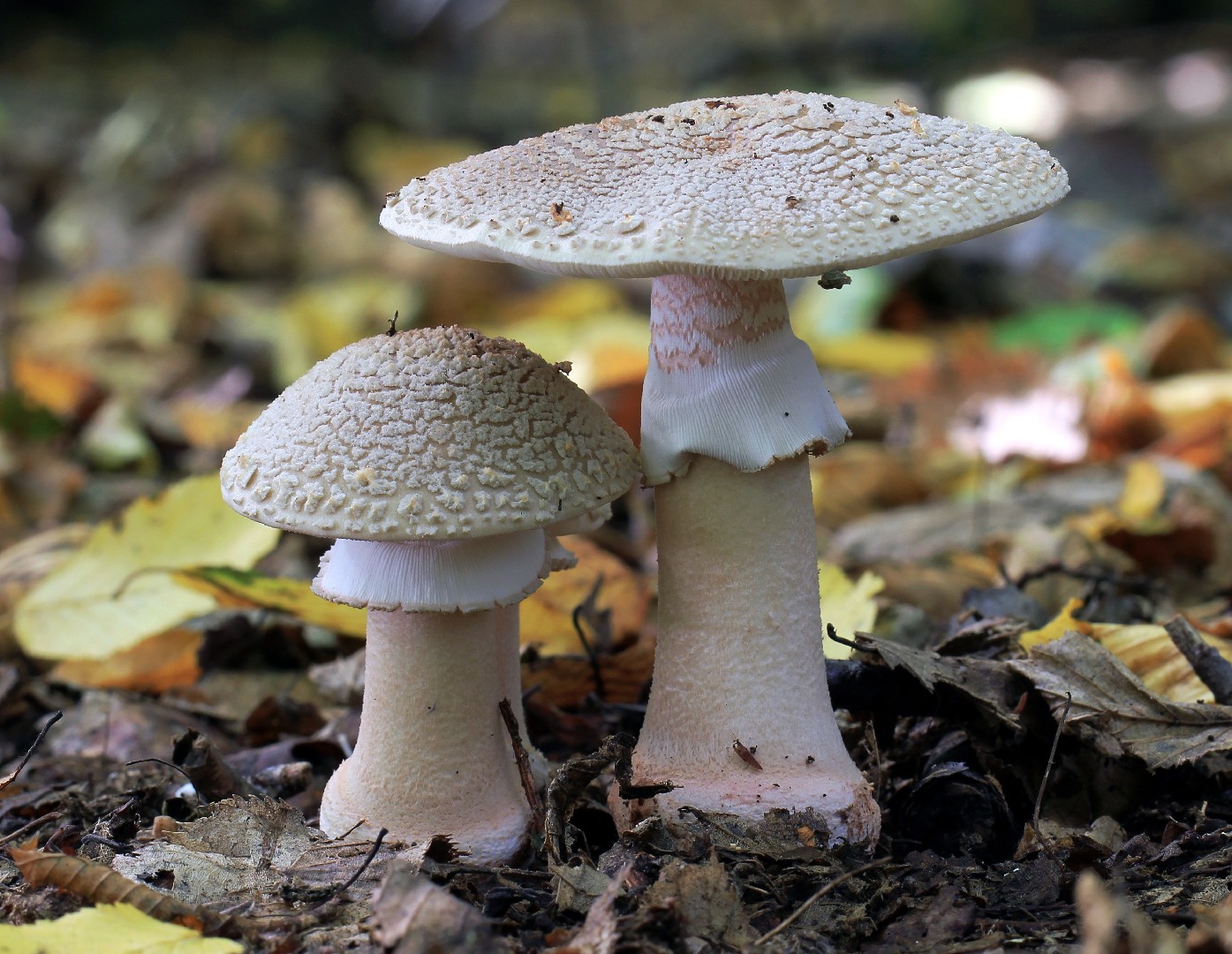
2. Blusher
The blusher mushroom is so named because it “blushes” to a pinkish red color when cut or bruised. It is found in many countries around the world, although it may not be native to the southern hemisphere. It contains a hemolytic toxin that can cause anemia if eaten.
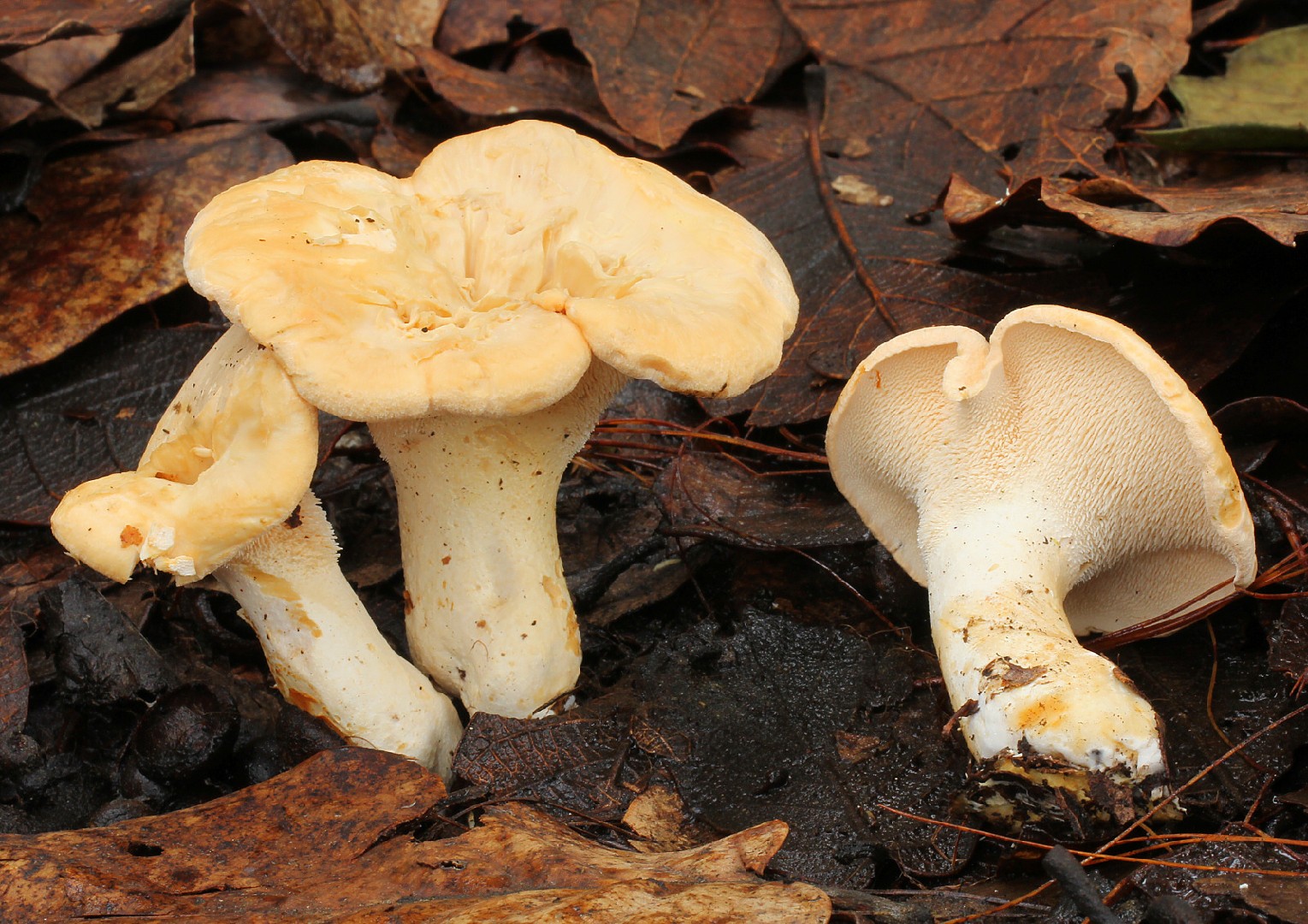
3. Sweet tooth
This mushroom is distinctive for the spines, or teeth, that hang down from the underside of its cap. It can be found on forest floors singly or in groups. In spite of the name, sweet tooth, it has a slightly spicy bite and bitter aftertaste. This wild mushroom needs to be cooked before it is truly edible, and only young, parasite-free mushrooms should be harvested.
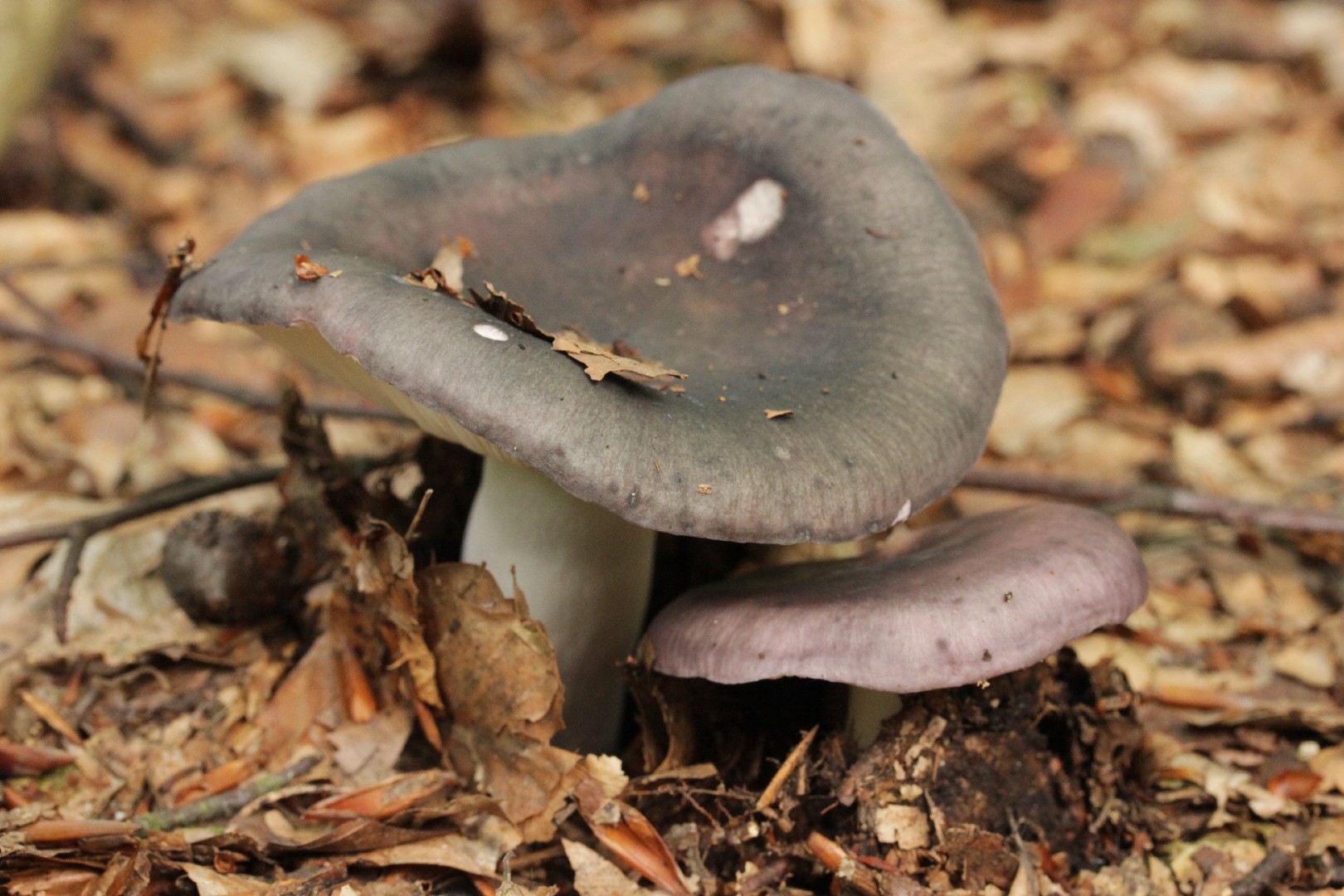
4. Charcoal burner
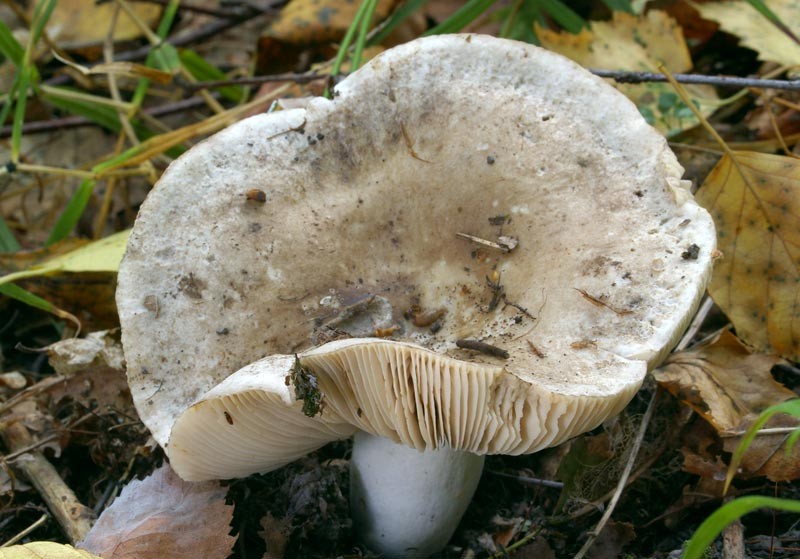
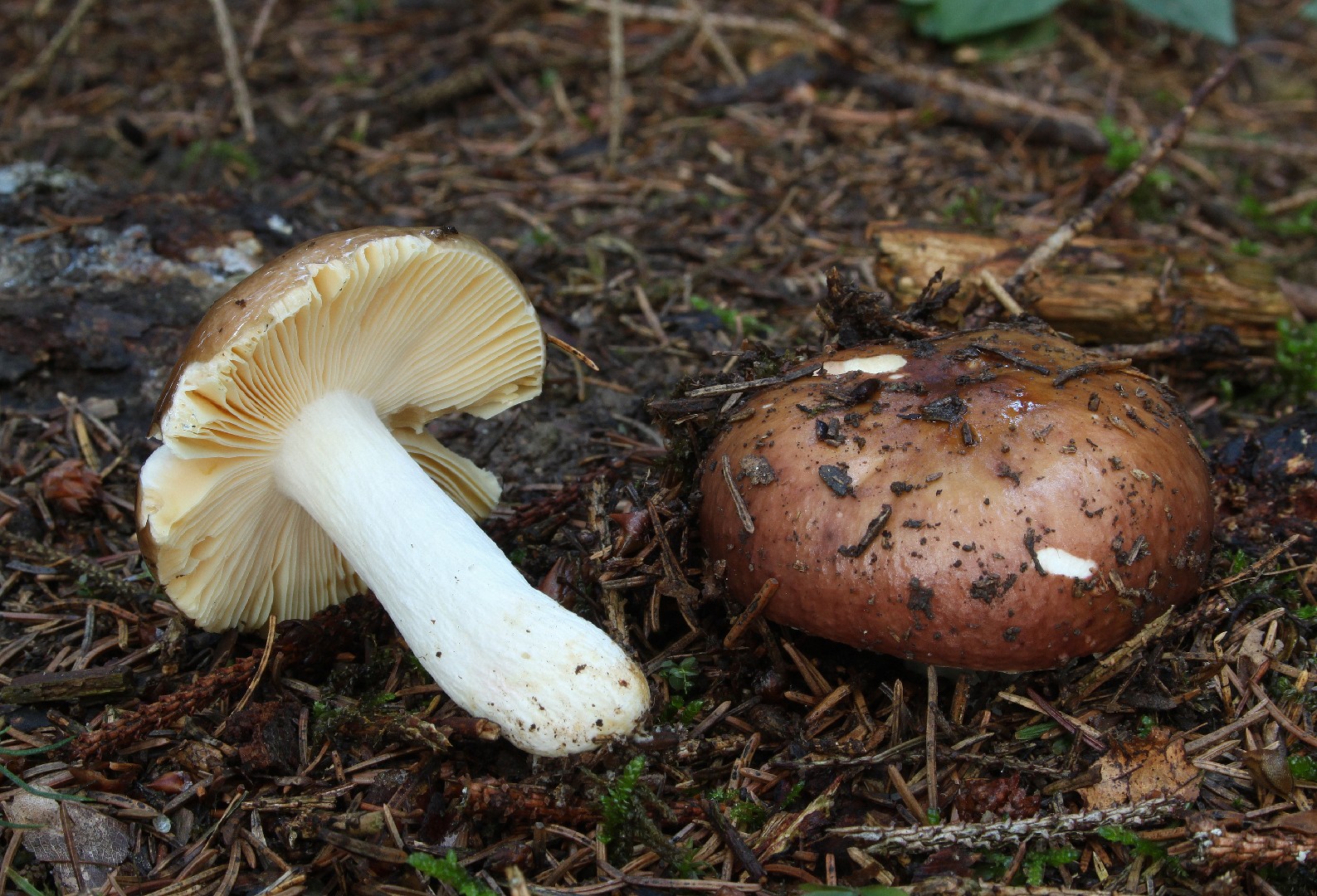
Most commonly found under beeches in forests or parks, this crumbly mushroom can appear in colors ranging from red and yellow to violet, blue-grey, or even green. Its scientific name represents this variability: Russula cyanoxantha means “reddish blue-blonde.”
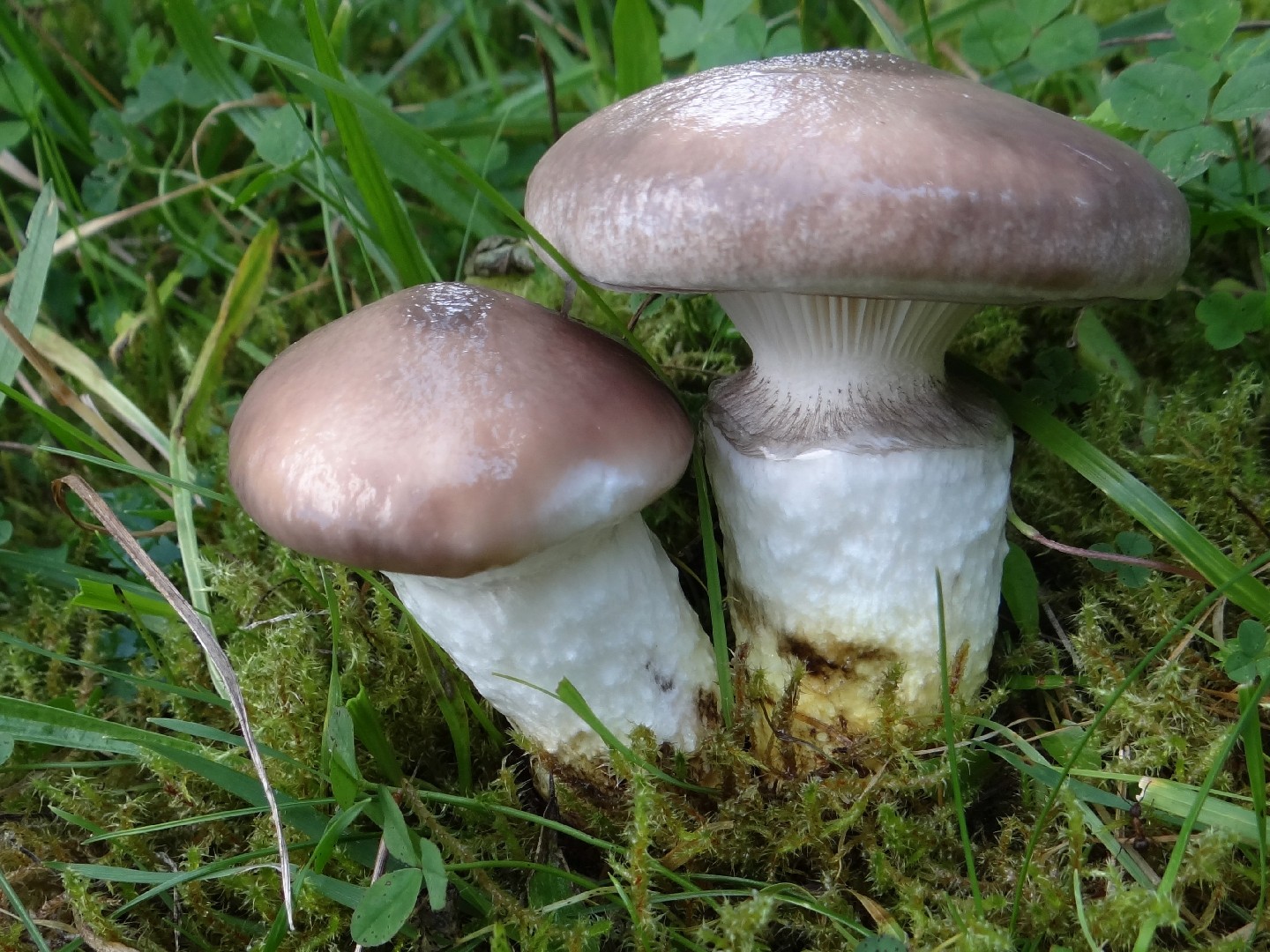
5. Slimy spike
A stocky, almost imposing mushroom, the slimy spike (Gomphidius glutinosus) has a round bulbous cap and a very thick stalk. This species is one of the more unusual members of the bolete order (Boletales) because it has gills, rather than a spongey pore surface. The "slimy" in this species' common name is well-earned - individuals are almost always coated in a shiny layer of slime.
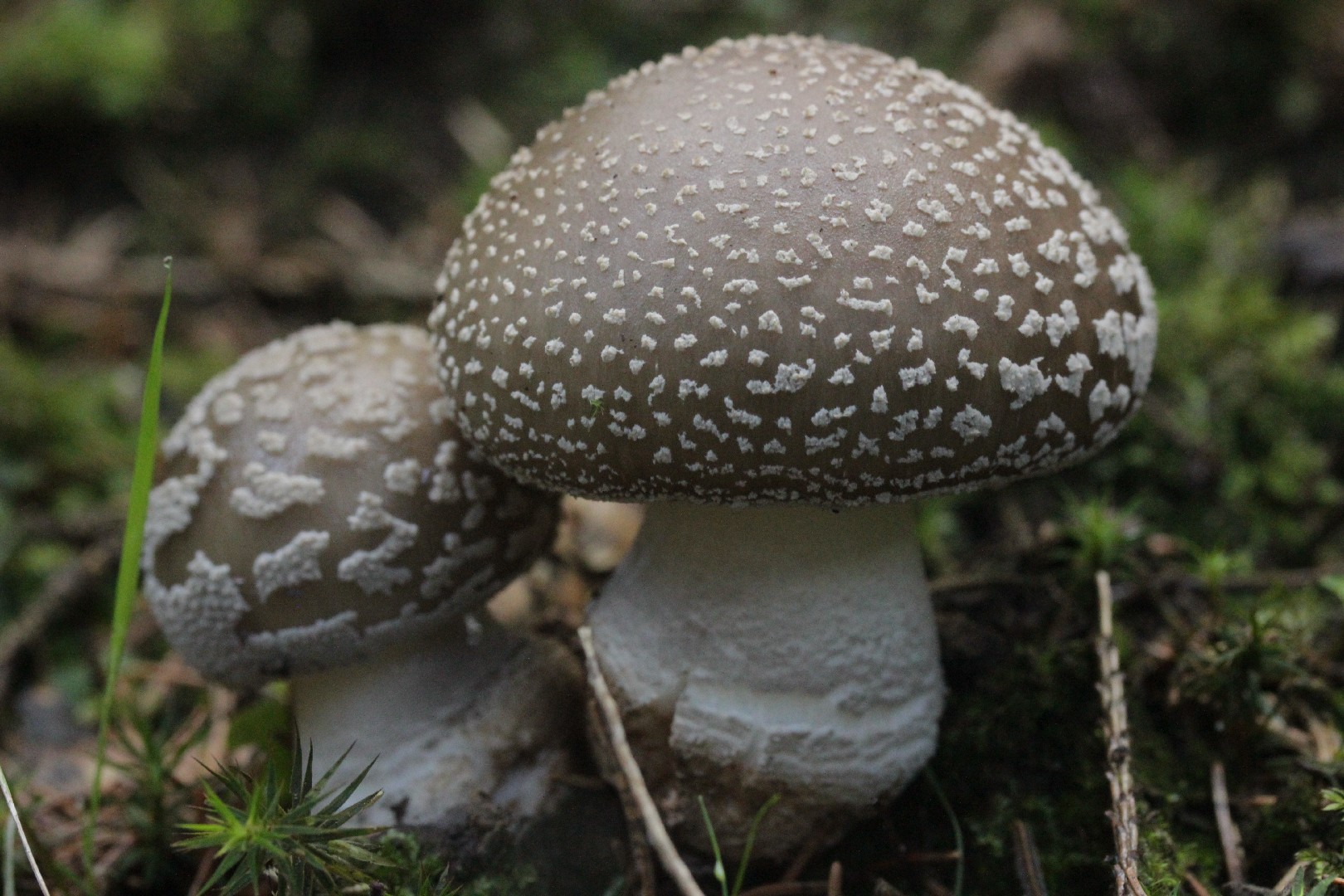
6. Grey spotted amanita
The cracked plaster appearance of grey spotted amanita (Amanita excelsa) caps is a common sight in Europe that also sporadically pops up in North America. This species has a long history and has been recorded and studied as far back as 1821. They contain a potent toxin called thermolabile, making those who consume it very sick if not cooked. This species is not recommended for consumption.
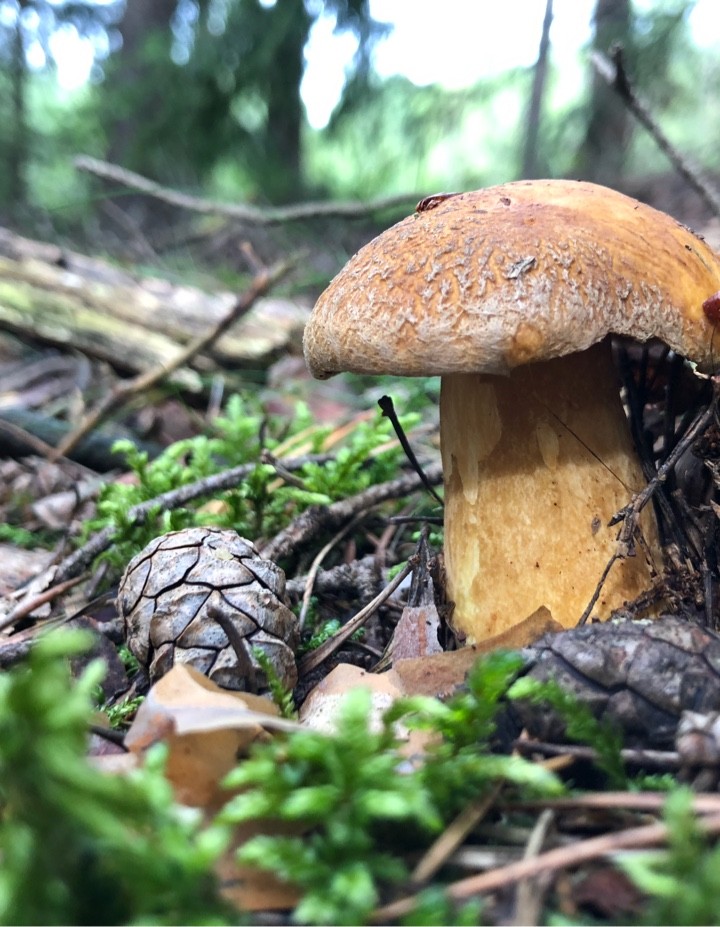
7. Velvet bolete
The velvet bolete is one of the most common mushrooms in pine forests in the northern hemisphere. There have been reports of mild poisoning cases from eating this mushroom, so it is best avoided. The velvet bolete is said to be of poor taste and unpleasant smell, anyway.
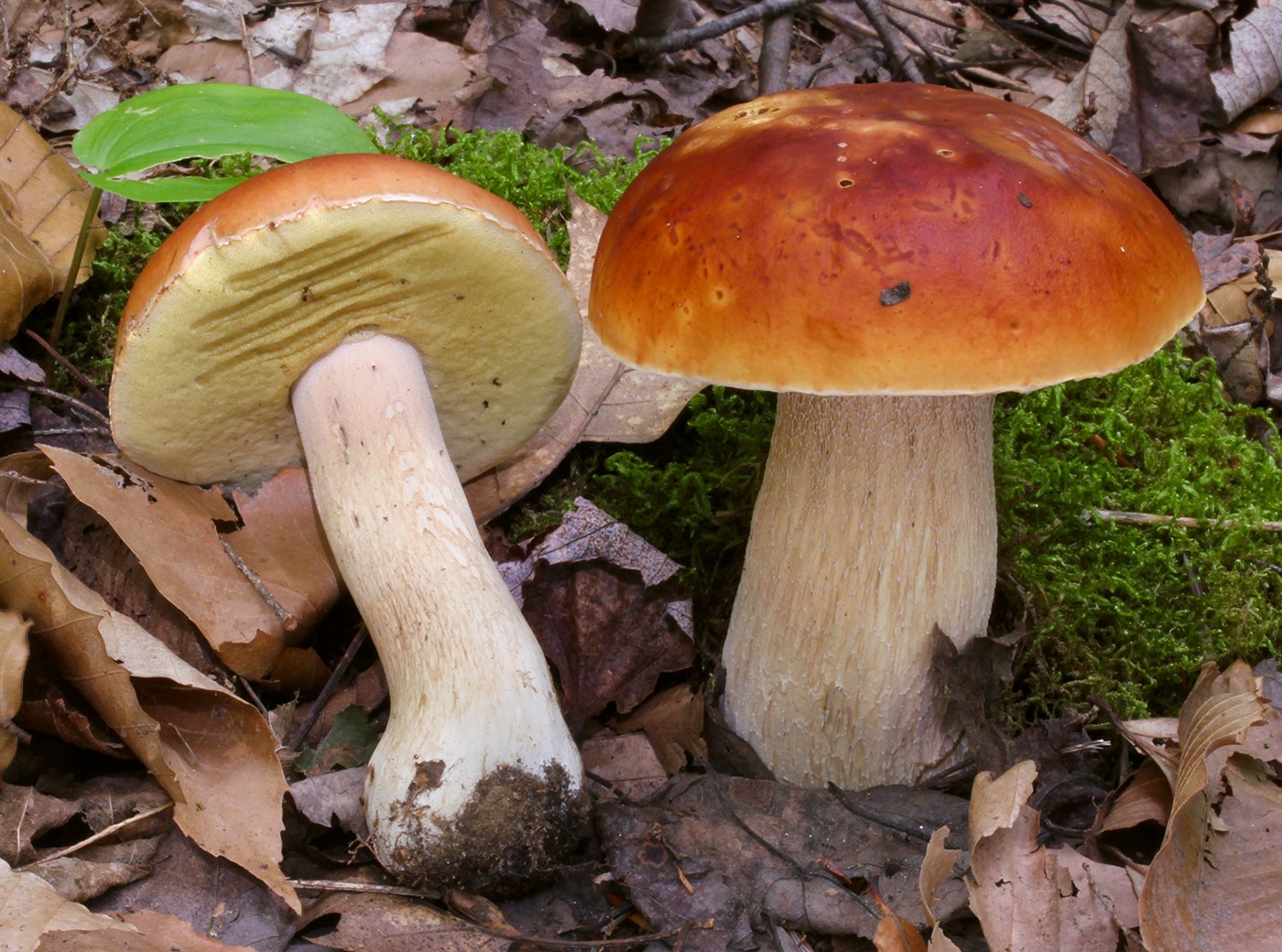
8. King bolete
Extremely popular in many cuisines, this edible wild mushroom grows around the world near the roots of forest trees. In some regions, king bolete mushrooms are collected in great enough volumes that their sale can support entire families during the harvest season. King boletes are reported to be high in fiber, vitamins B and C, calcium, potassium, magnesium, zinc, and several antioxidants.
9. Bovine bolete
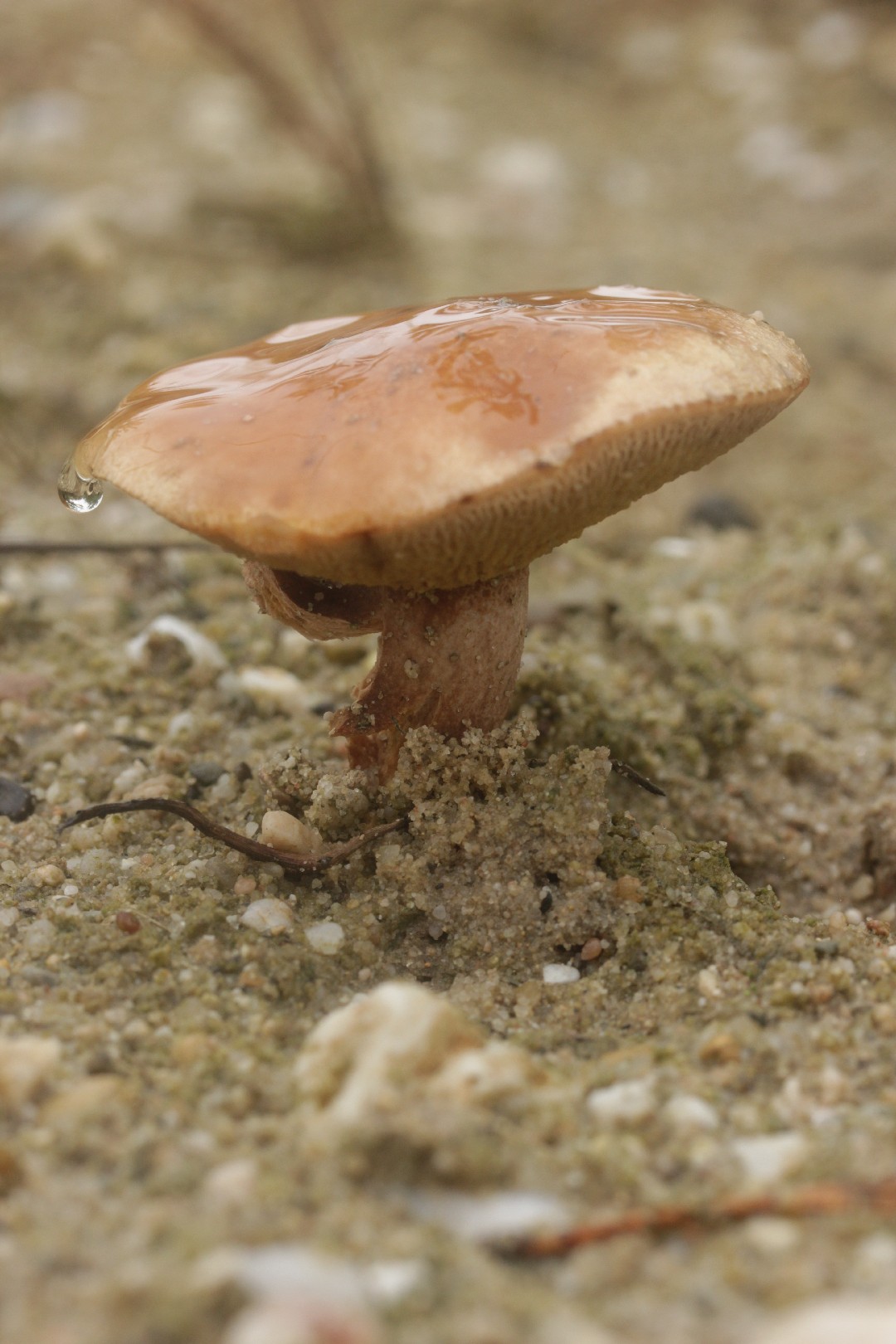
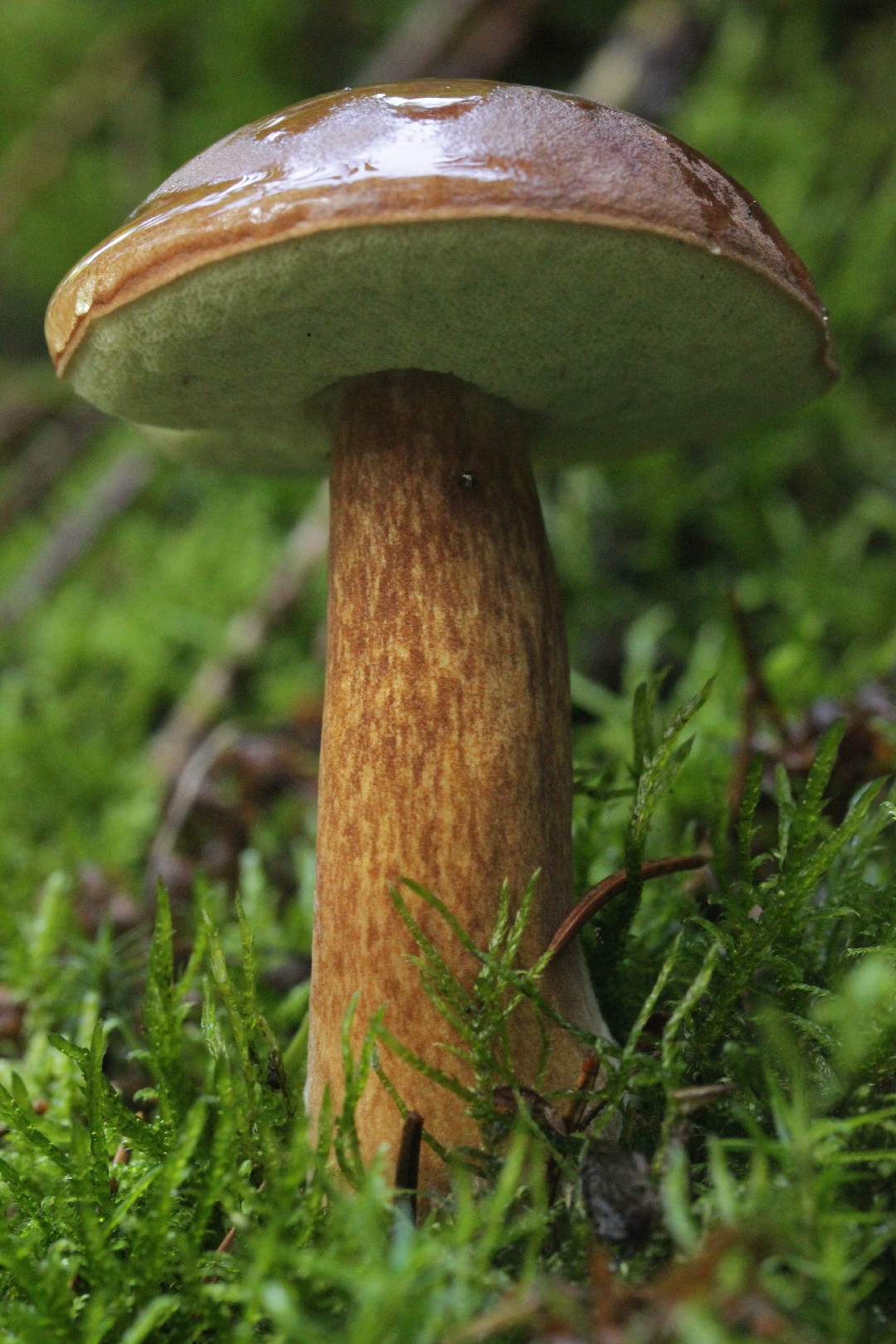
The bovine bolete (Suillus bovinus) often appears in a three-way relationship not only with the roots of pine trees but also with another parasitic mushroom known as the Rosy Spike. This greasy-capped mushroom appears clustered in tight tufts, which is unusual for a bolete. Bovine boletes give off a faint fruity aroma.

10. Common puffball
These puffy mushrooms grow in small groups on the forest floor. Once they're mature, common puffballs turn yellow and "puff out" smoke-like spore clouds when disturbed. Be very careful when identifying these mushrooms, as their young, immature form looks very similar to the lethal Deathcap.

More







