




Top 20 Edible Mushrooms Popular in Auckland
Home to lush greenery and moist climate, Auckland offers an ideal breeding ground for a diverse array of fungi, including edible mushrooms. As we dive into the 20 most commonly found edible fungi here, expect to discover intriguing variations in appearance, taste and habitat. Each mushroom on our list also comes equipped with unique culinary potentials to add some extraordinary taste to your meals. Lets delve in and enlighten ourselves.
* Disclaimer: Content feedback CAN NOT be used as any basis for EATING ANY PLANTS. Some plants can be VERY POISONOUS, please purchase edible plants through regular channels.

Most Popular Edible Mushrooms
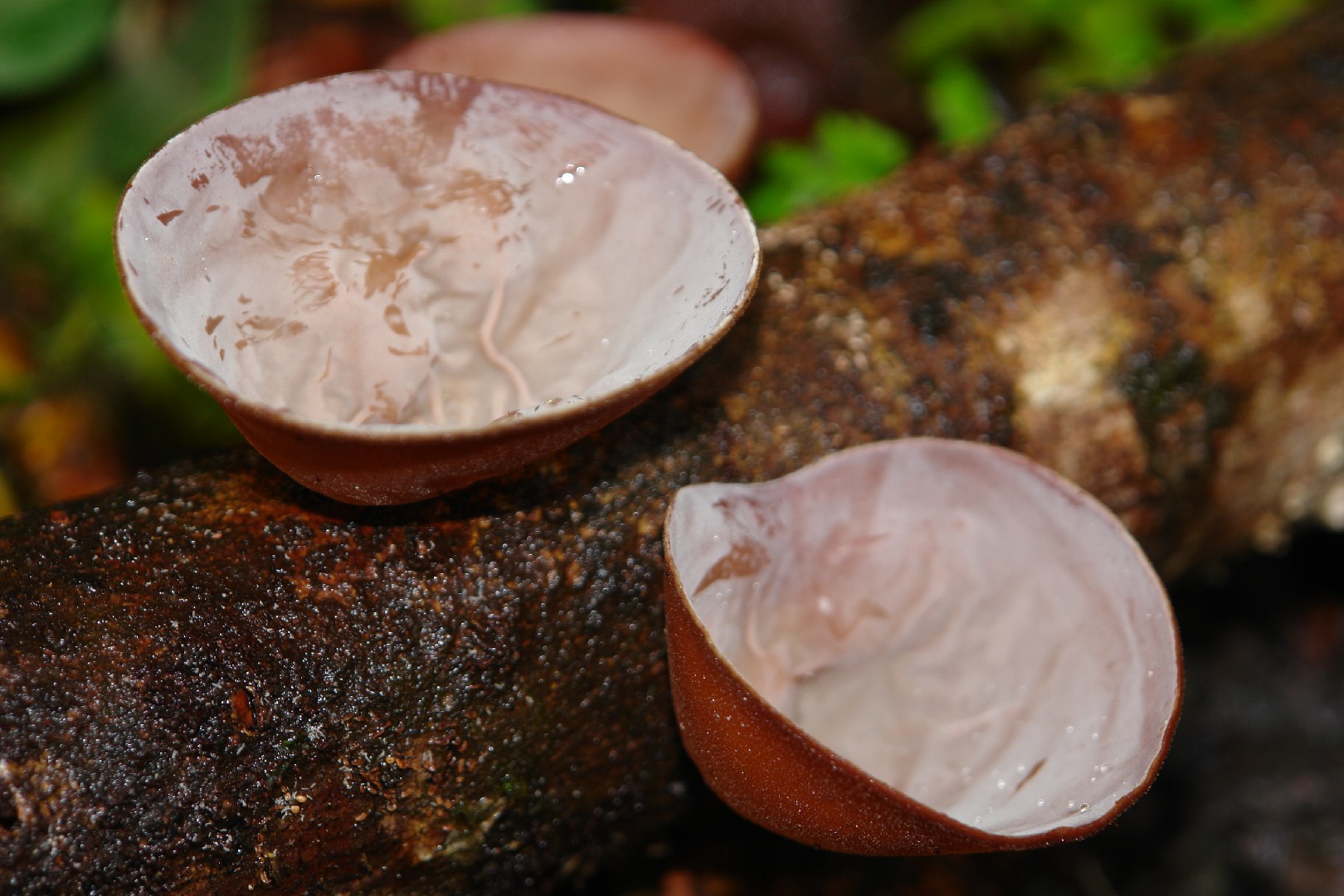
1. Wood ear
The fuzzy surface of the wood ear (Auricularia cornea) is a distinguishable characteristic of this wood-loving mushroom. The hairy, ear-shaped body transforms in color when exposed to moisture and can range from chocolate brown to dull gray.
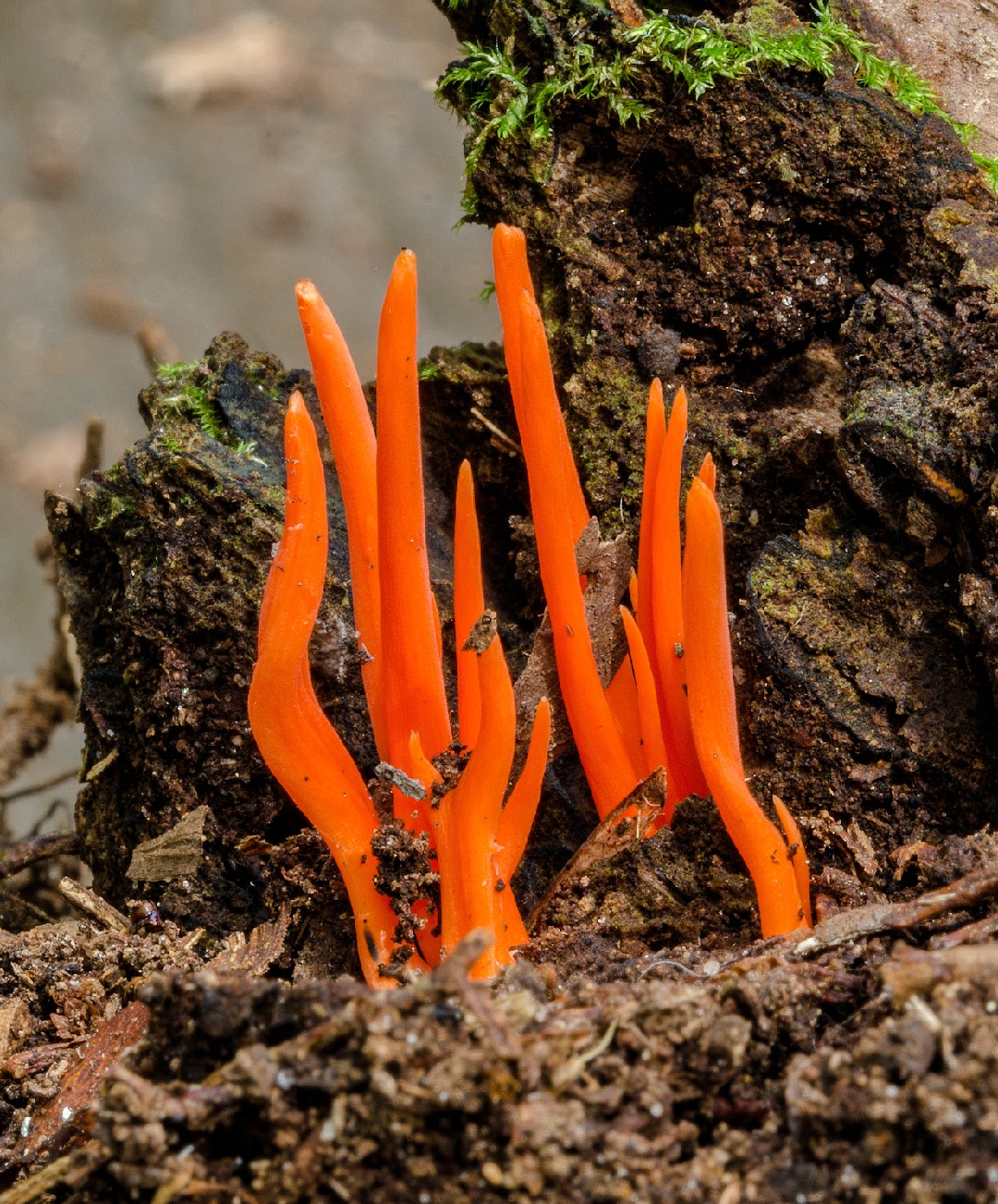
2. Flame fungus
Flame fungus is hard to miss, with its bright colors that range from pink to brilliant red and orange. It is often found singularly or in groups on forest floors and looks similar to a small flame. The tapering stem fills out and becomes waxy as flame fungus matures.

3. Shaggy mane
The shaggy mane mushroom is commonly found in North American and European grasslands. Some peoples foraged for its young egg-shaped caps, but it has more recently been found to be a bioaccumulator of heavy metals, meaning it pulls toxic metals up from the soil where it grows. As a result, shaggy manes should not be eaten. The mushrooms usually appear in clusters or “fairy rings.”
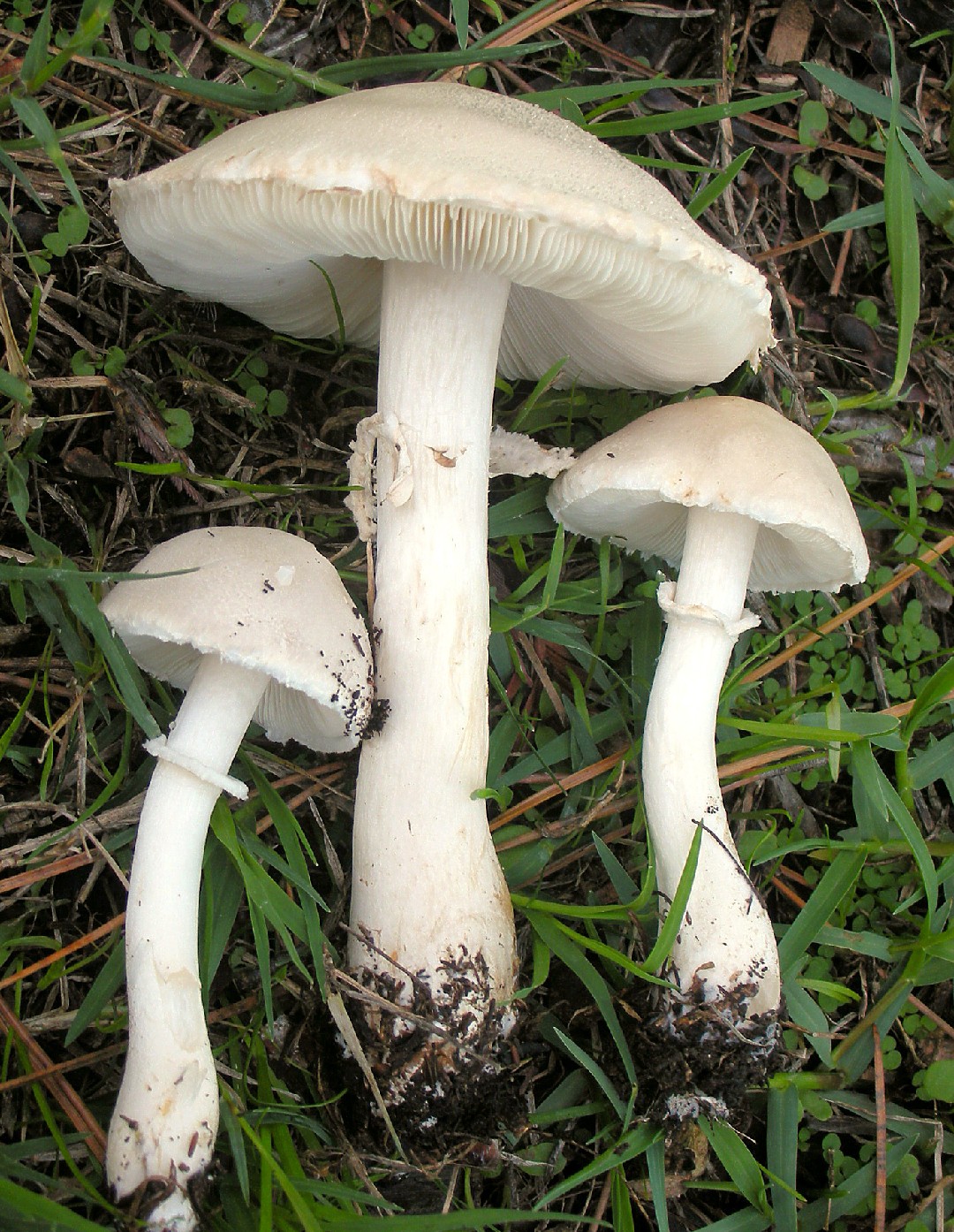
4. White dapperling
White dapperling mushrooms grow in scattered groups across open fields in the northern hemisphere. They can occasionally cause toxic reactions in humans, and their similarity to extremely poisonous lookalikes like Deathcap and Destroying Angel make them hazardous to handle.
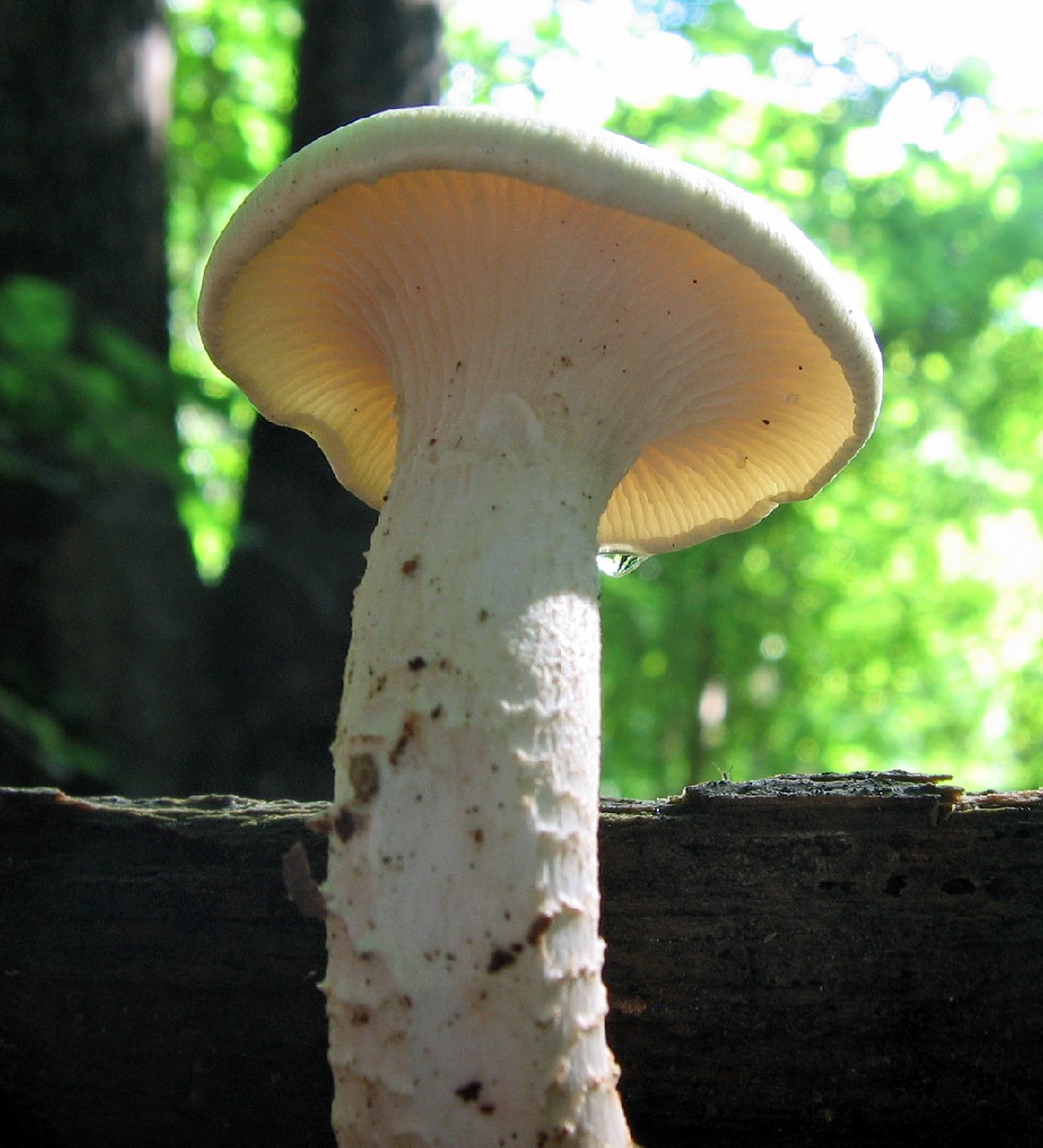
5. Scaly lentinus
Scaly lentinus(Neolentinus lepideus) may be found alone or in groups along dead or decaying pieces of timber. Due to its ability to colonize even chemically treated wood, including railroad tracks, it has been given the nickname "train wrecker." Due to inconsistent reports of safety, consumption is discouraged.
6. Bovine bolete
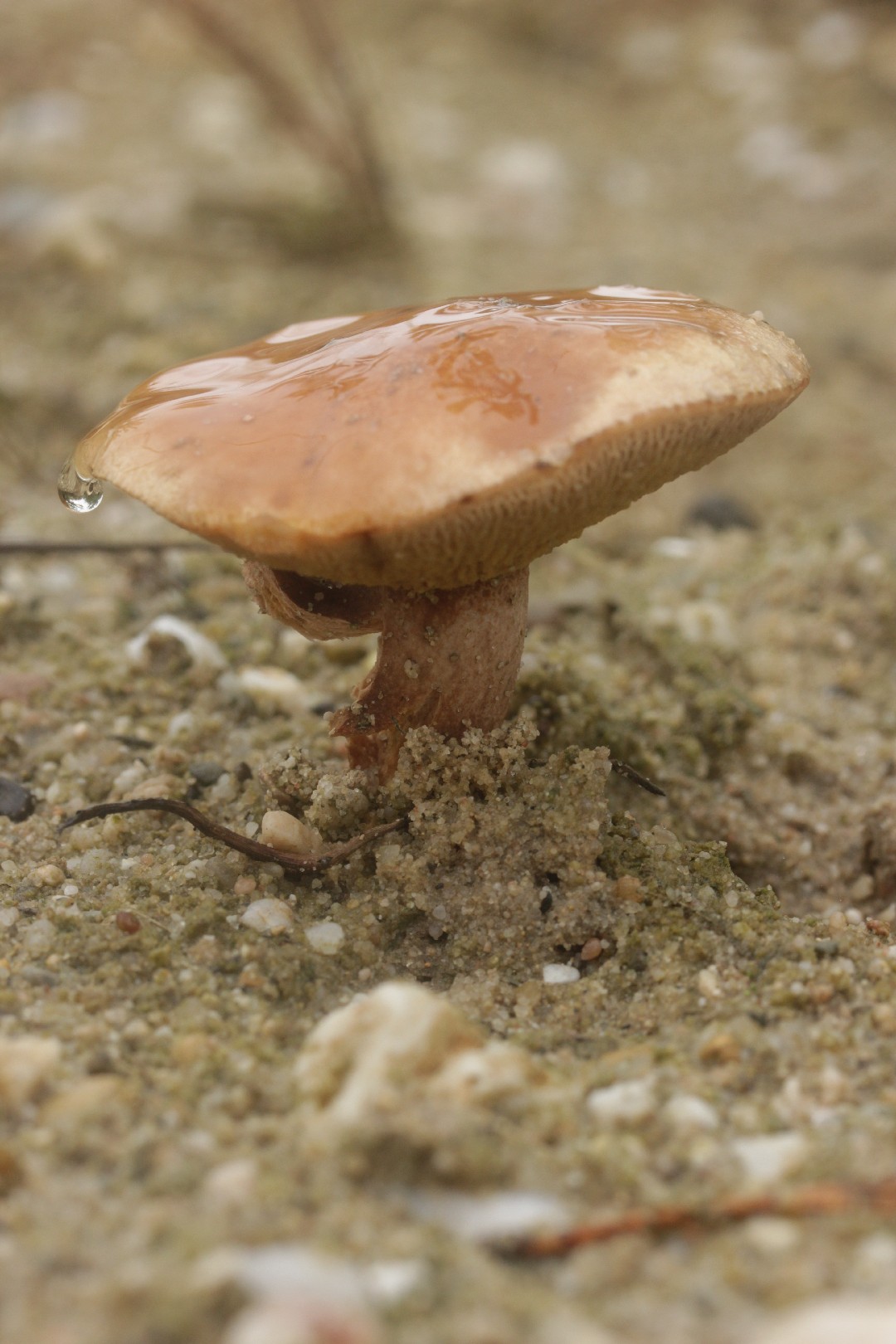
The bovine bolete (Suillus bovinus) often appears in a three-way relationship not only with the roots of pine trees but also with another parasitic mushroom known as the Rosy Spike. This greasy-capped mushroom appears clustered in tight tufts, which is unusual for a bolete. Bovine boletes give off a faint fruity aroma.
7. Weeping bolete
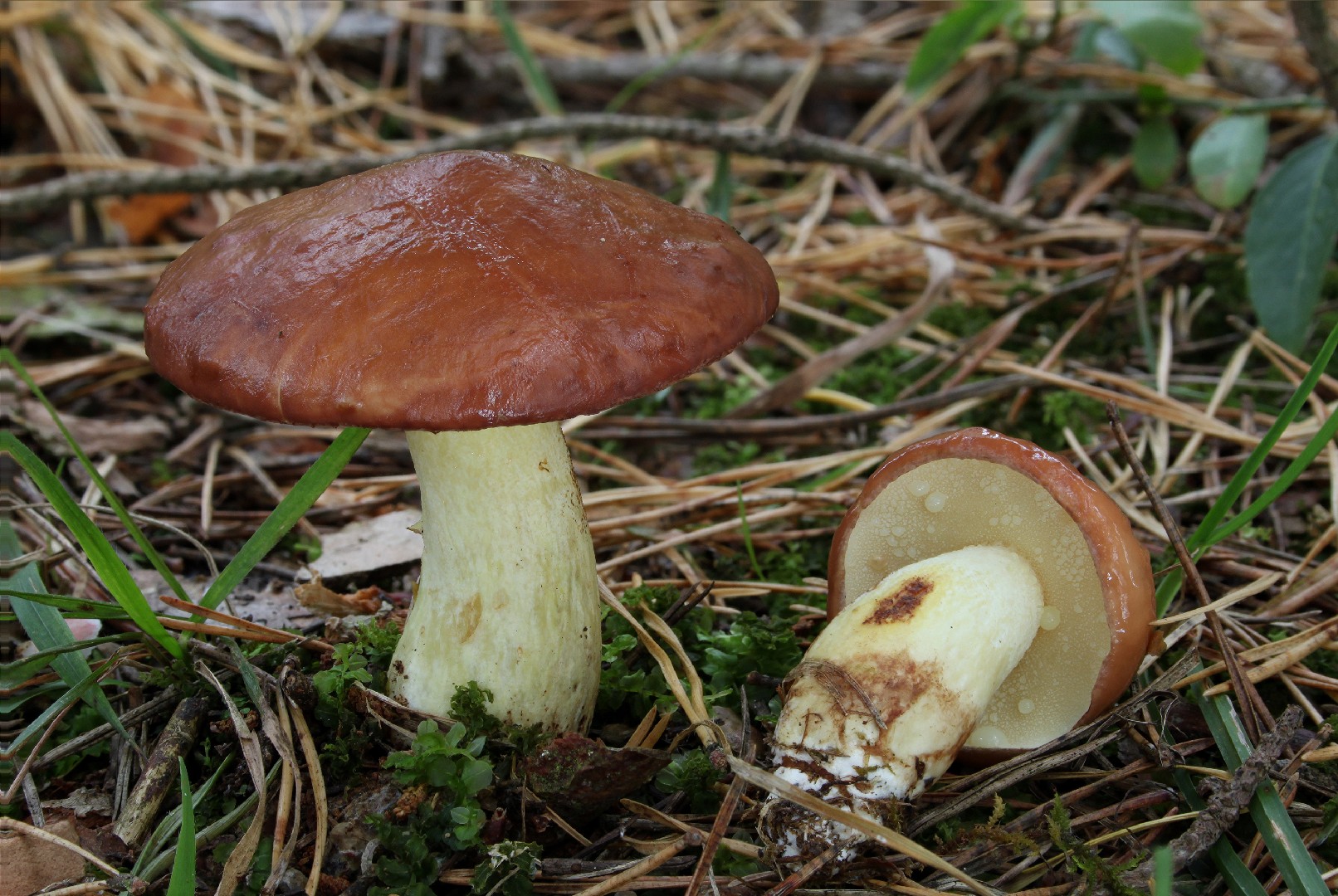
The weeping bolete features a greasy, sticky cap surface. When young, milky droplets are released through pores on its surface. It appears most commonly beneath Scots pine or other coniferous trees and forms a mutually beneficial relationship with its host.
8. Big sheath mushroom
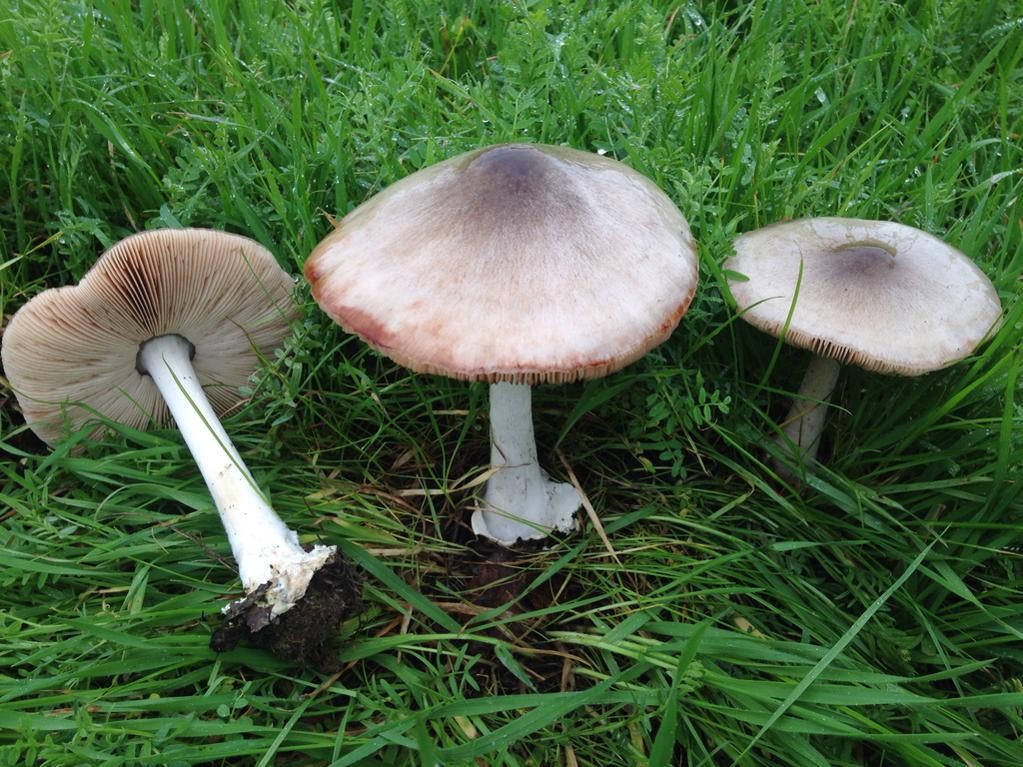
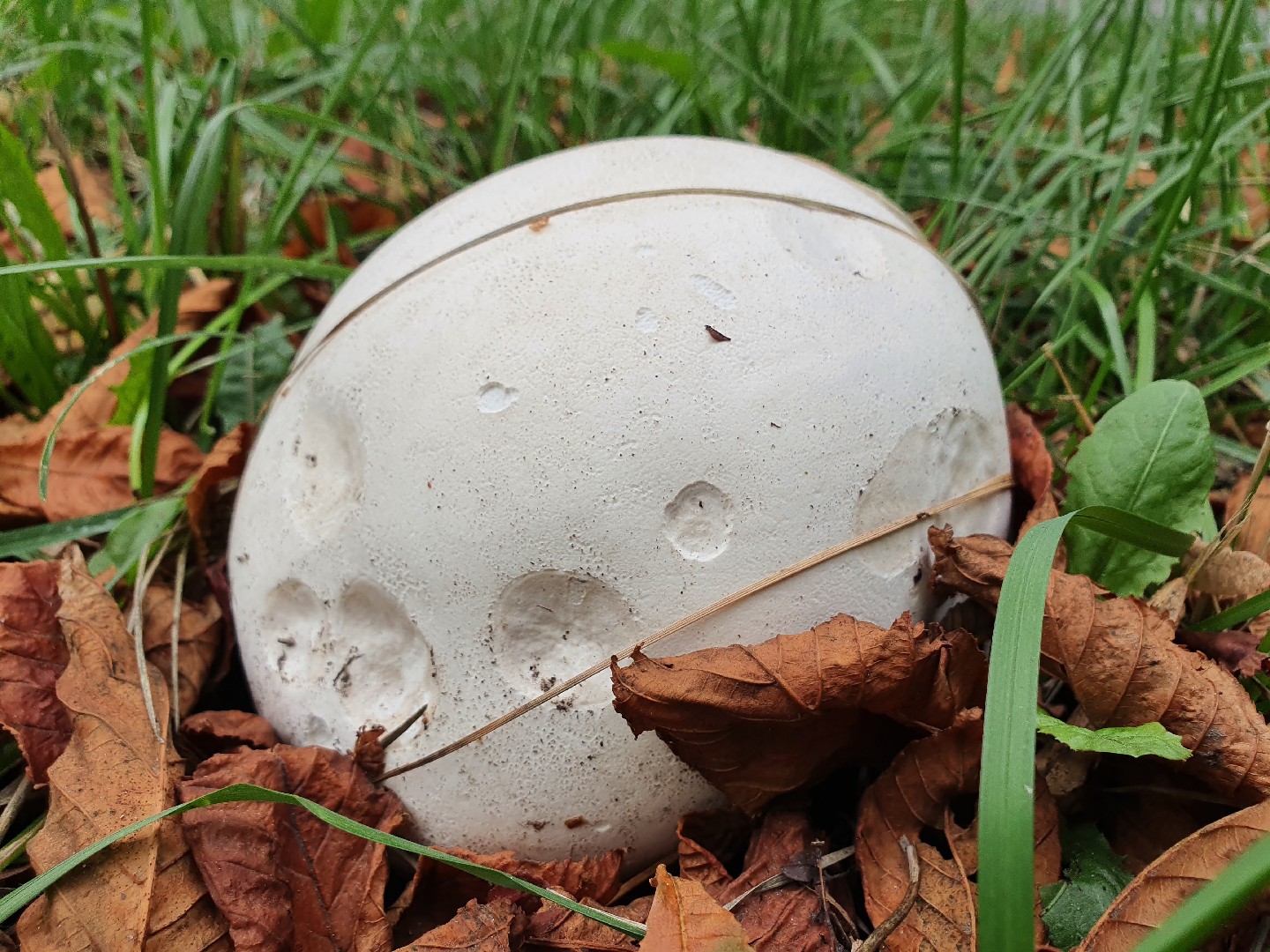
These large white mushrooms bloom all over cleared, harvested fields, as well as pastures and roadsides. The scientific species name comes from Greek words meaning “glue” (glioio) and “head” (cephalus), in reference to the sticky surface of this mushroom’s cap. The big sheath mushroom looks so similar to the poisonous Deathcap and Destroying Angel mushrooms that it should always be left alone.
9. Wine cap stropharia
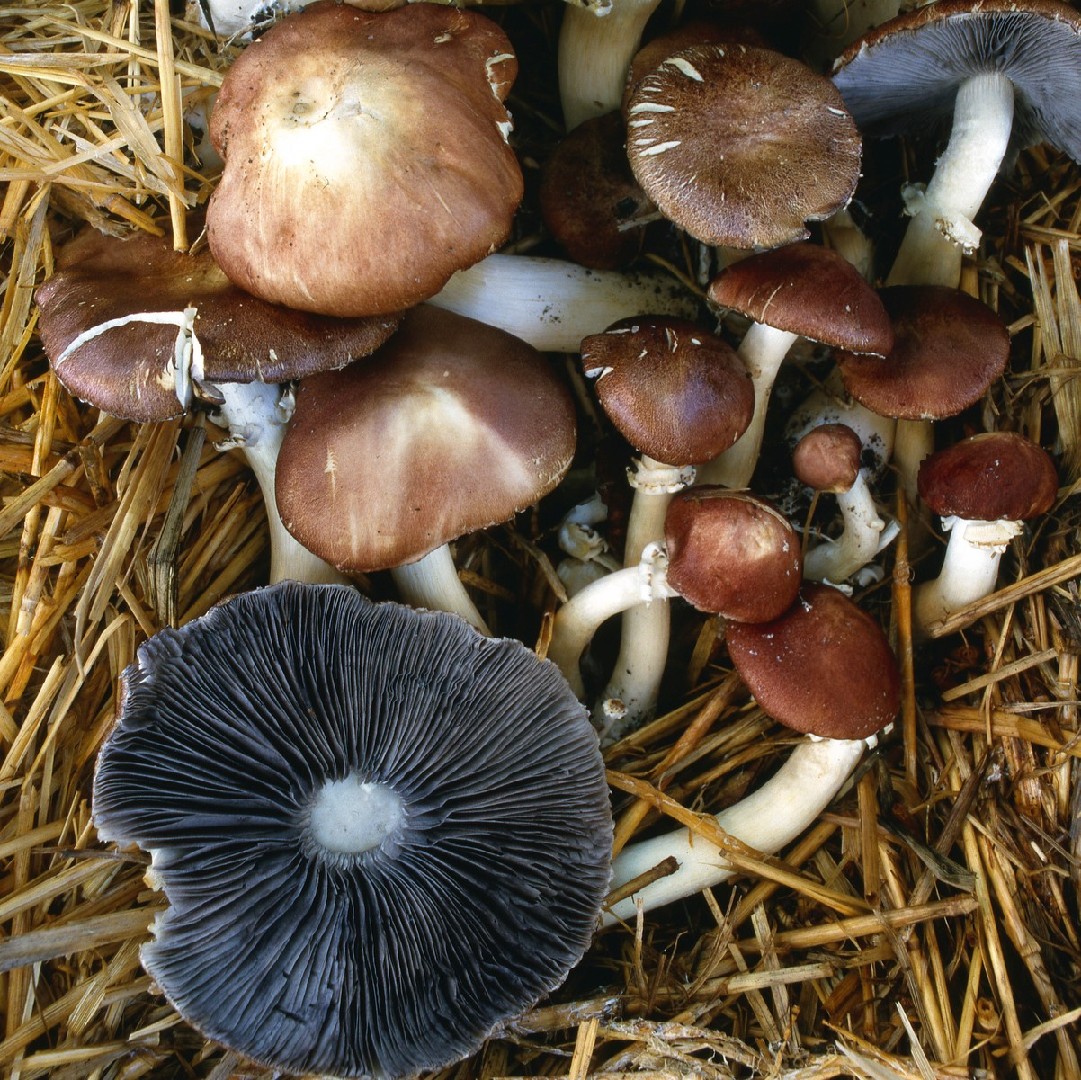
These large mushrooms have distinctive red caps when young, but the color soon fades to brown as they mature. Rare in the wild, wine cap stropharia are highly regarded among foragers as a desirable edible mushroom. Discard any specimens with holes in the stalk or caps, as flies use them to lay eggs. They are also cultivated.
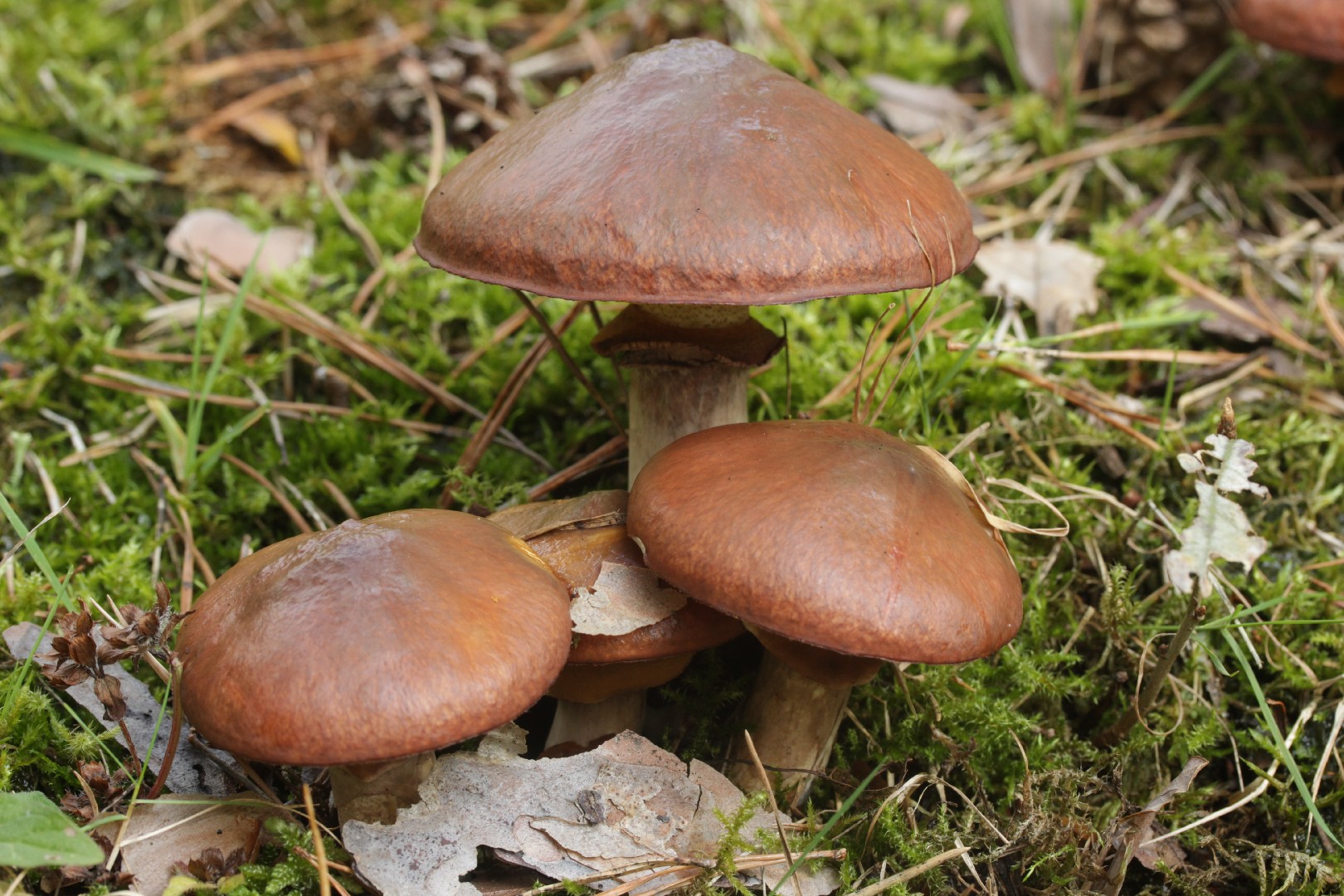
10. Slippery jack
This mushroom blooms in summer and autumn, usually near or beneath pine trees. It does well in cold climates, but can also be found further south all around the northern hemisphere. During moist weather, the slippery jack's caps become quite slimy, leading to their common name.
More







