




Top 20 Edible Mushrooms Popular in Bourg-en-Bresse
Nestled within the scenic surrounds of Bourg-en-Bresse, a city renowned for its lush landscapes and ideal mushroom-growing conditions, thrives a diverse array of 20 most common edible mushrooms. Each mushroom species, distinguished by its unique appearance, flavor profile, and habitat, contributes to the rich tapestry of the local landscape. Read on to delve into the fascinating world of these fungi, and discover their culinary uses. This comprehensive guide, underpinned by verified data, provides an unrivaled journey into Bourg-en-Bresse's mushroom wonderland.
* Disclaimer: Content feedback CAN NOT be used as any basis for EATING ANY PLANTS. Some plants can be VERY POISONOUS, please purchase edible plants through regular channels.

Most Popular Edible Mushrooms
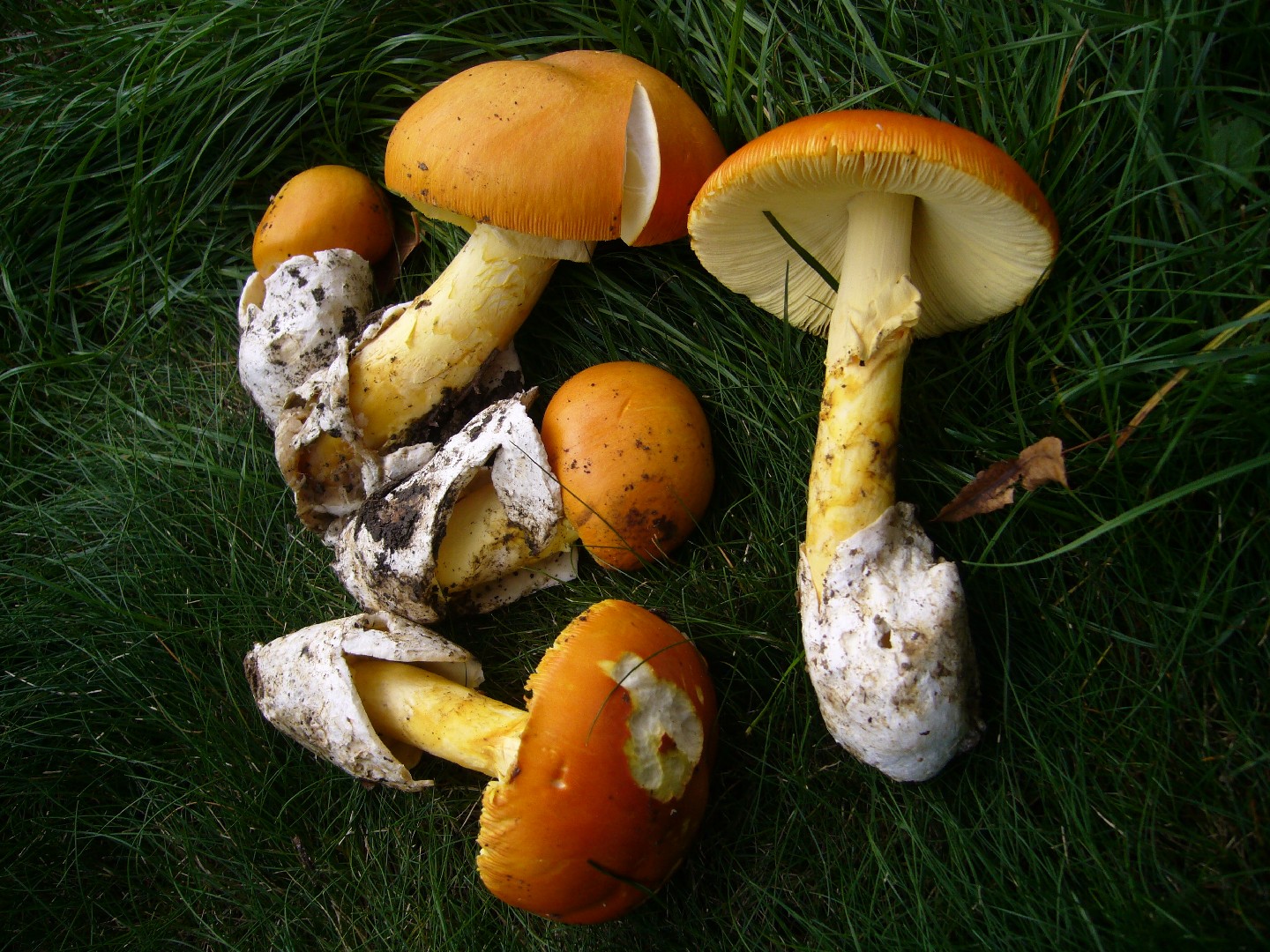
1. Caesar's mushroom
Caesar's mushroom (Amanita caesarea) is a brightly colored Amanita associated with ancient Roman nobility. Sporting a vivid orange cap and a yellow stalk and gills, this mushroom is an exciting find - however, because faded or young individuals may resemble the highly deadly Death Cap, it is recommended that this species be treated with a "look but do not touch" policy.
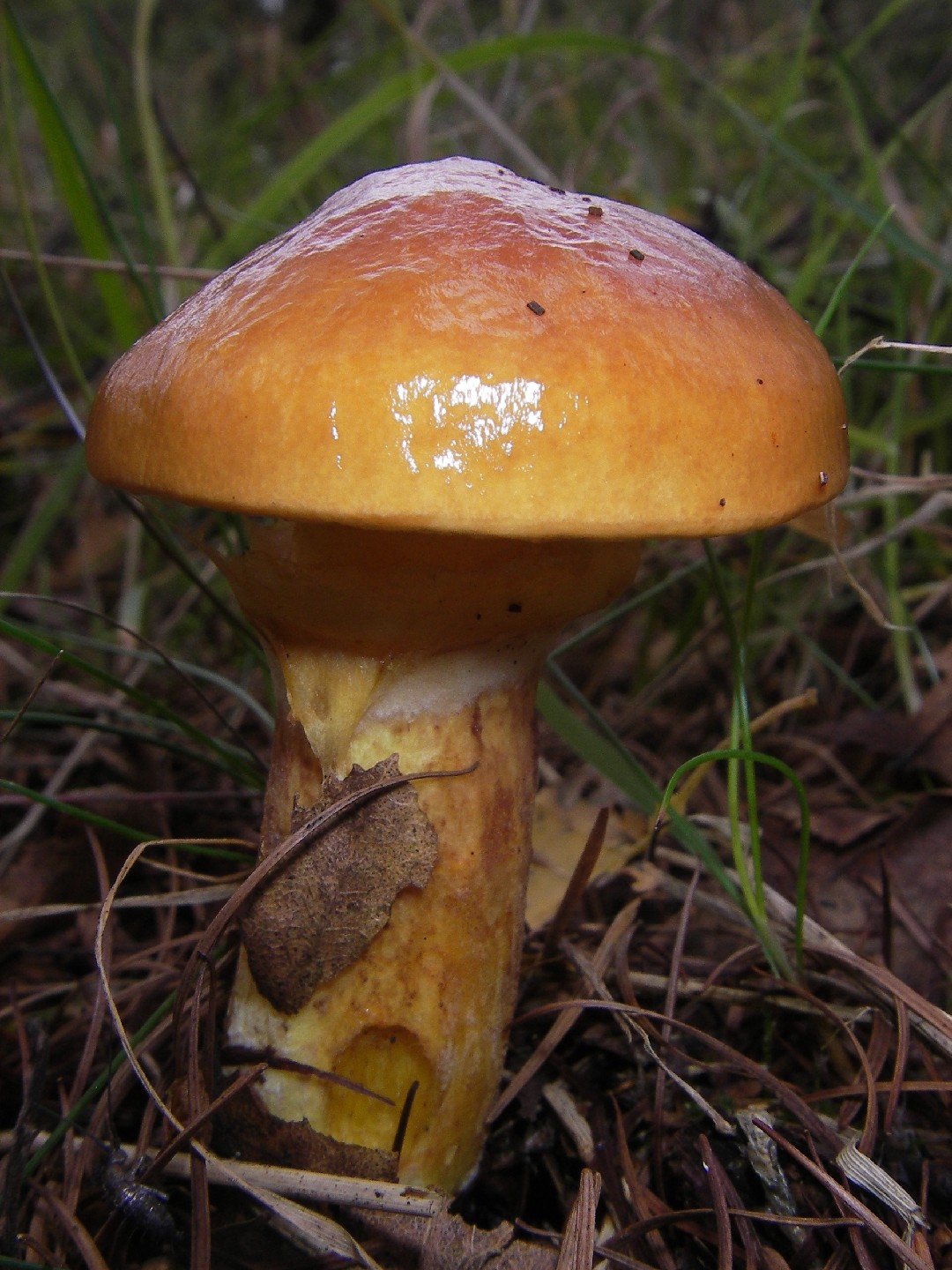
2. Larch bolete
Larch bolete is a vibrant member of the "slippery jack" genus. Like other members of that family, this species sports a slick or slimy cap and has a somewhat bulbous form. Suillus grevillei is also commonly called a "Larch Bolete" because it only associates with larch trees, with which it has a symbiotic relationship.
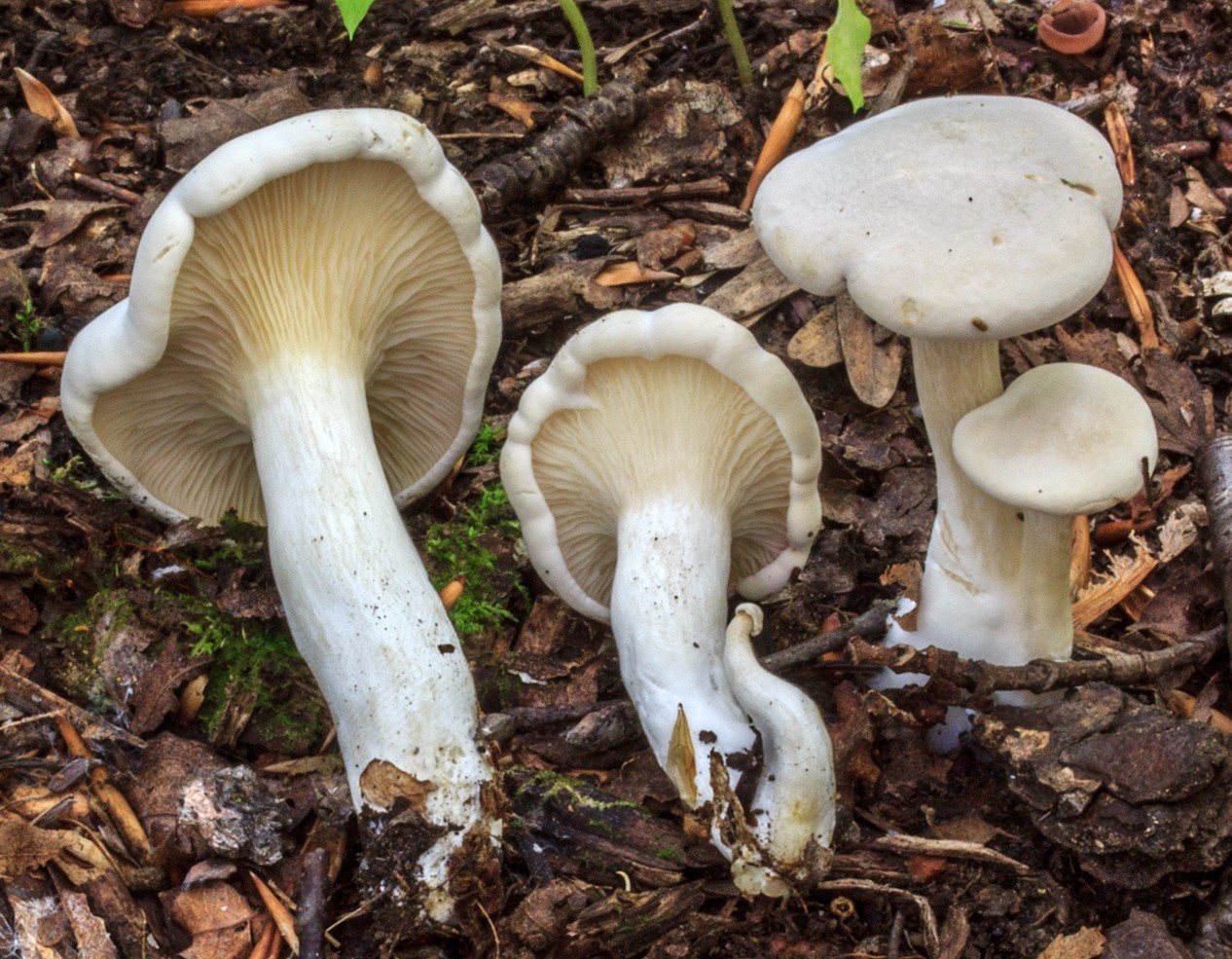
3. Sweetbread mushroom
Sweetbread mushroom(Clitopilus prunulus) is commonly found in grasslands, and it may be solitary or found among others of its kind. It exudes a characteristic odor reminiscent of raw pastry, responsible for its alternative common name of "the sweetbread mushroom." Foraging is discouraged for this mushroom, as its appearance is too similar to a deadly species.
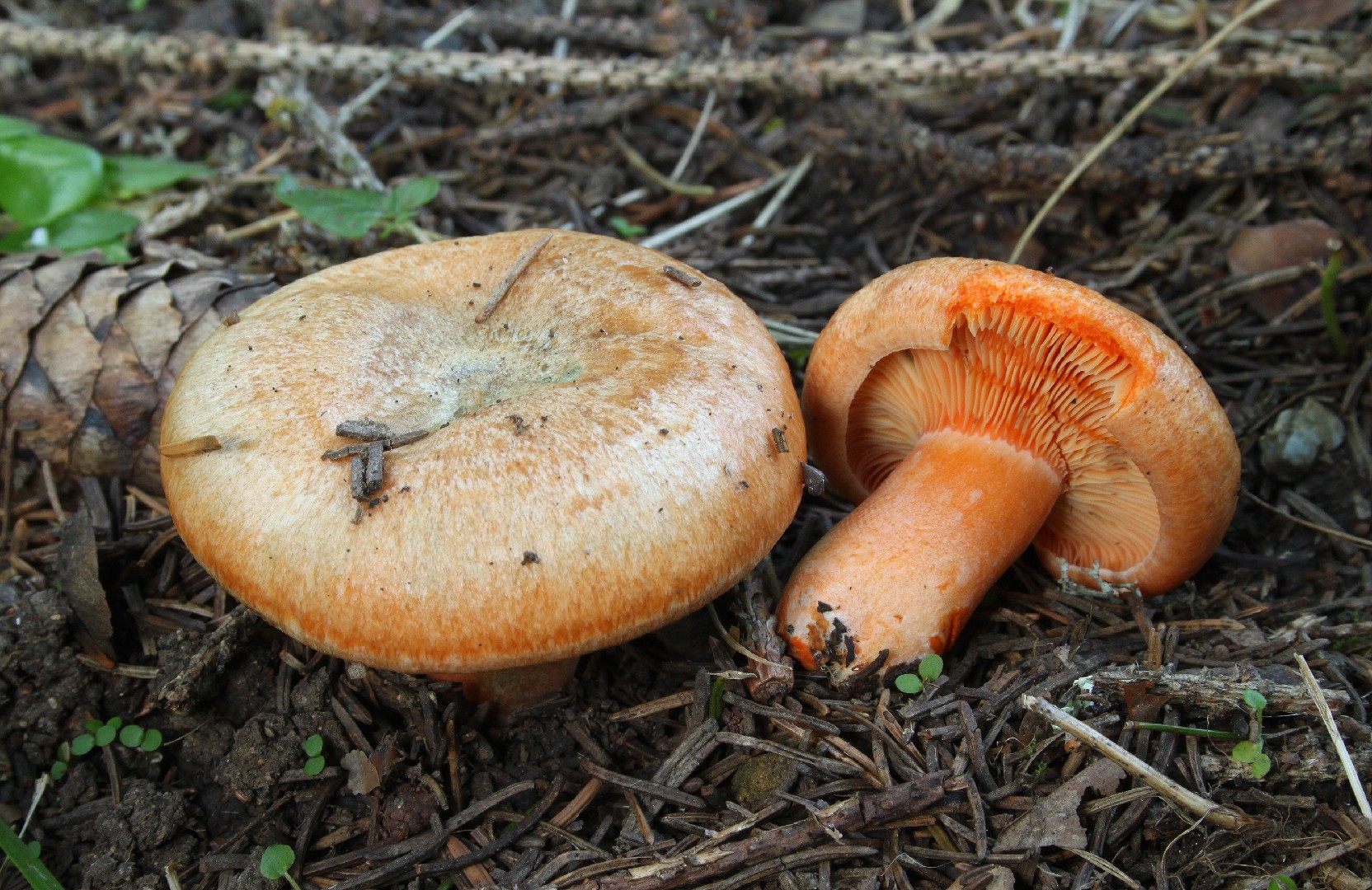
4. False saffron milkcap
A less-tasty cousin of the Saffron milkcap (Lactarius deliciosus), the false saffron milkcap is closely associated with spruce. When it appears in forests, it usually forms a large carpet. Species within the Lactarius genus are hard to differentiate from other, more poisonous mushrooms, and should not be foraged for food by the inexperienced.

5. Blusher
The blusher mushroom is so named because it “blushes” to a pinkish red color when cut or bruised. It is found in many countries around the world, although it may not be native to the southern hemisphere. It contains a hemolytic toxin that can cause anemia if eaten.
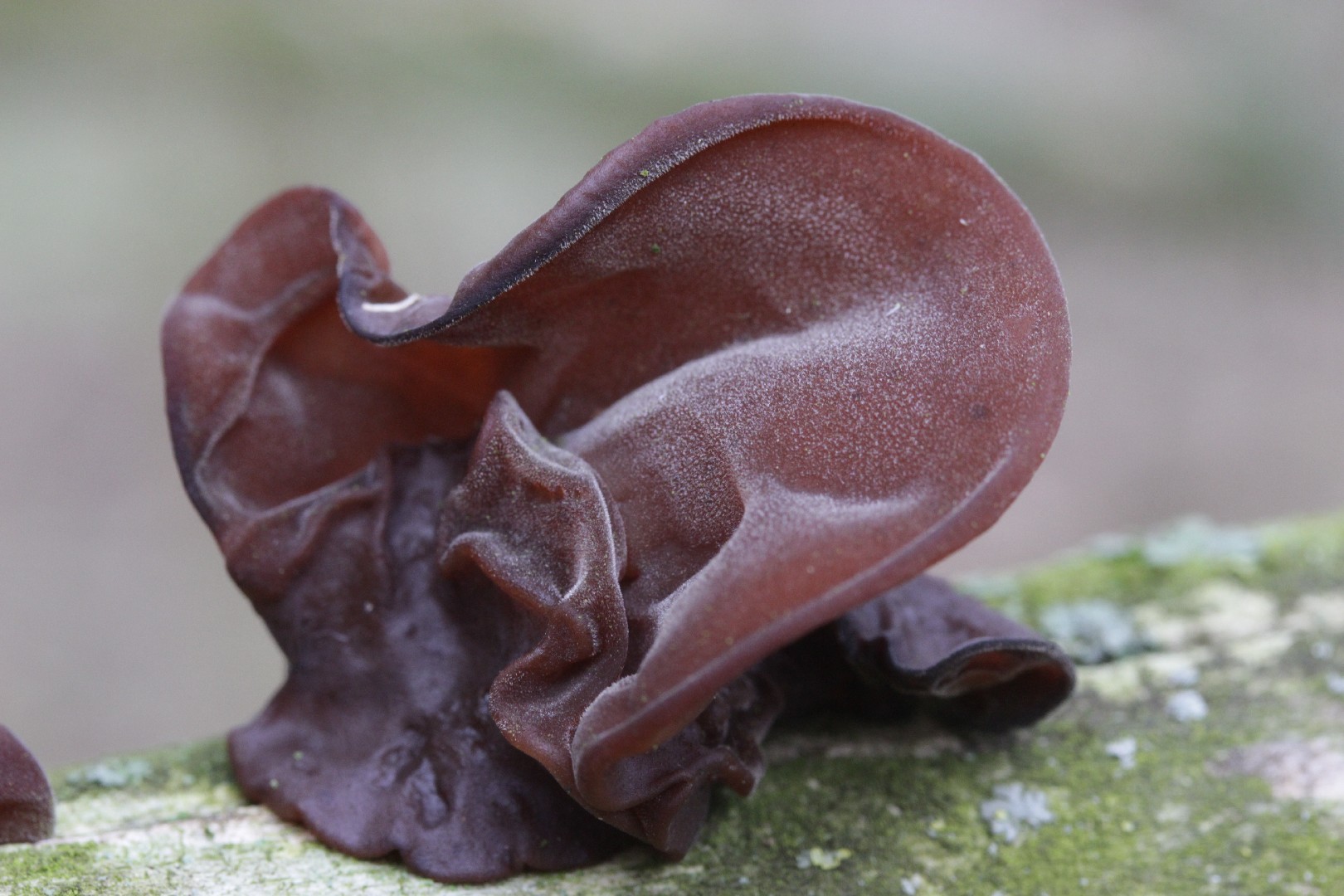
6. Jelly ear
The distinctive jelly ear grows mainly through winter and spring, mostly on the dead trunks and branches of elder trees. It occurs around the world and is often cooked into dishes in Asian countries. This ear-shaped jelly mushroom is often available in stores both fresh and dried.
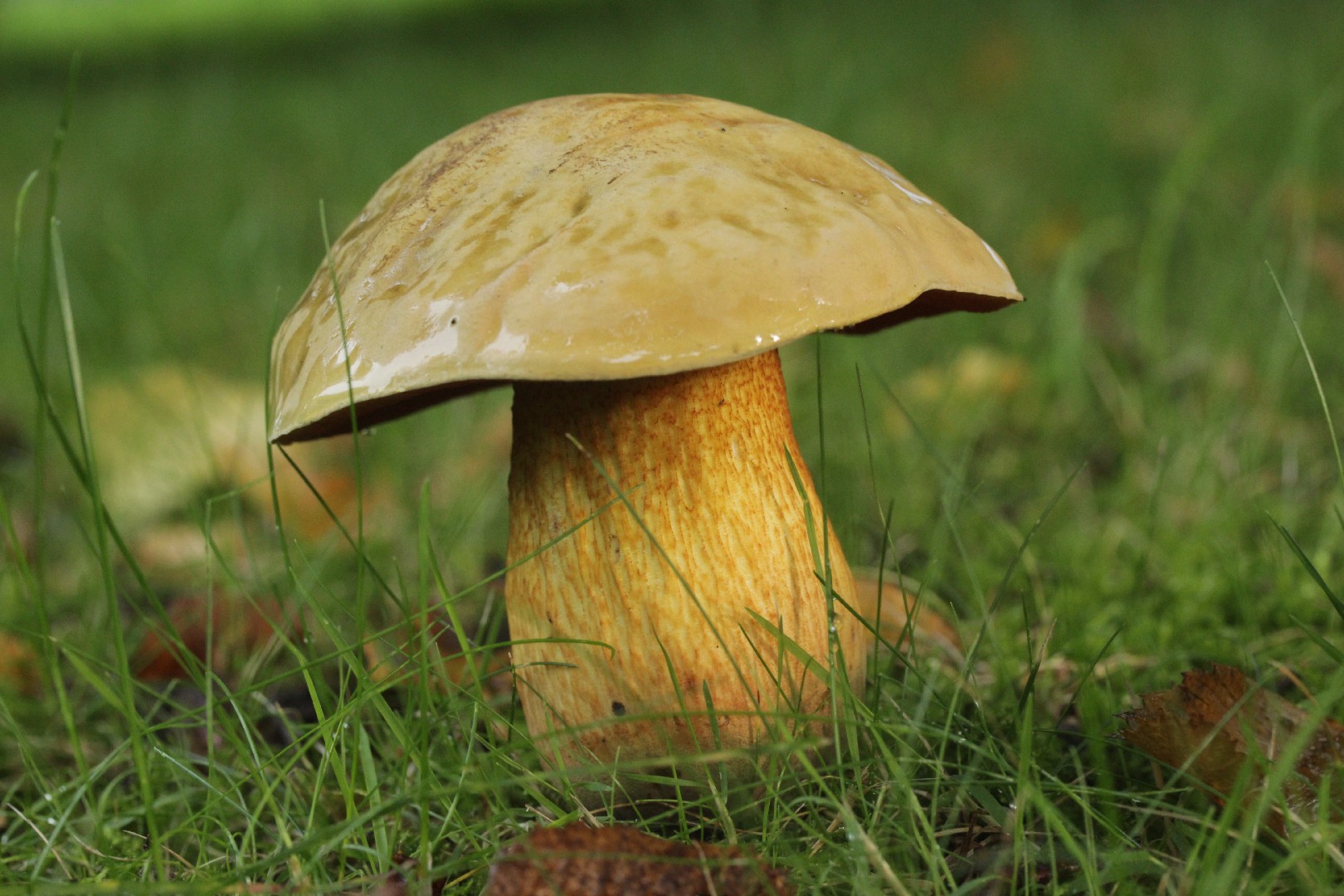
7. Lurid bolete
Once considered a member of the Boletus genus, the lurid bolete is a mushroom that is best avoided. Inexperienced mushroom hunters could easily confuse it with the severely poisonous European species Satan's bolete (Rubroboletus satanas) or its North American cousin Rubroboletus eastwoodiae. When cut, the stem of this bolete goes dark blue. Its smell is a bit sour.
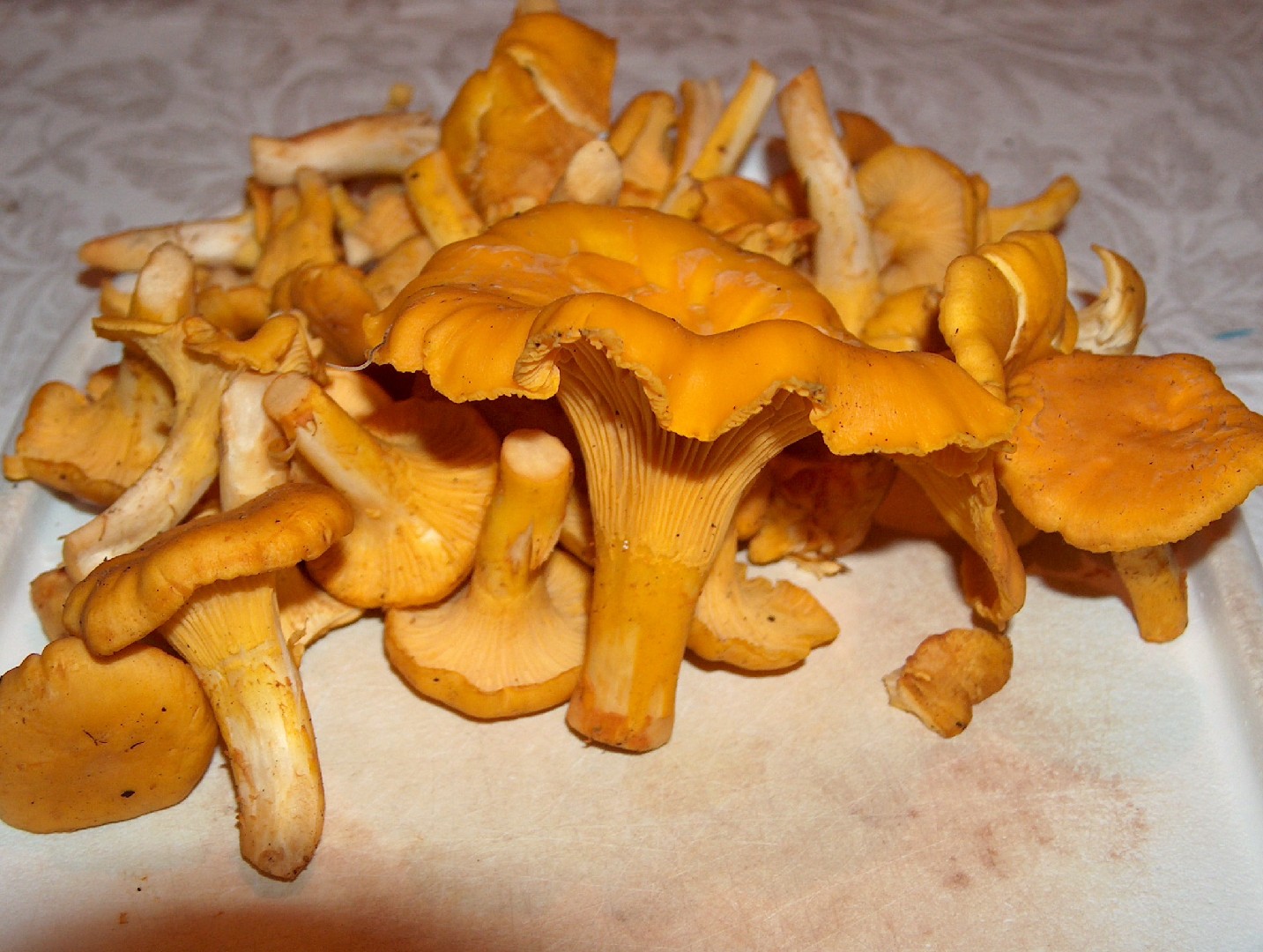
8. Golden chanterelle
Golden chanterelle mushrooms are popular in gourmet cuisine across Europe, where they grow wild during the warm (but not too hot) months. Similar species grow in other countries. Extremely popular with foragers, the golden chanterelle emits an apricot-like scent and contains an array of nutrients that benefit the human body. Several studies suggest consuming extremely large amounts may have detrimental effects on the eyes and muscles.
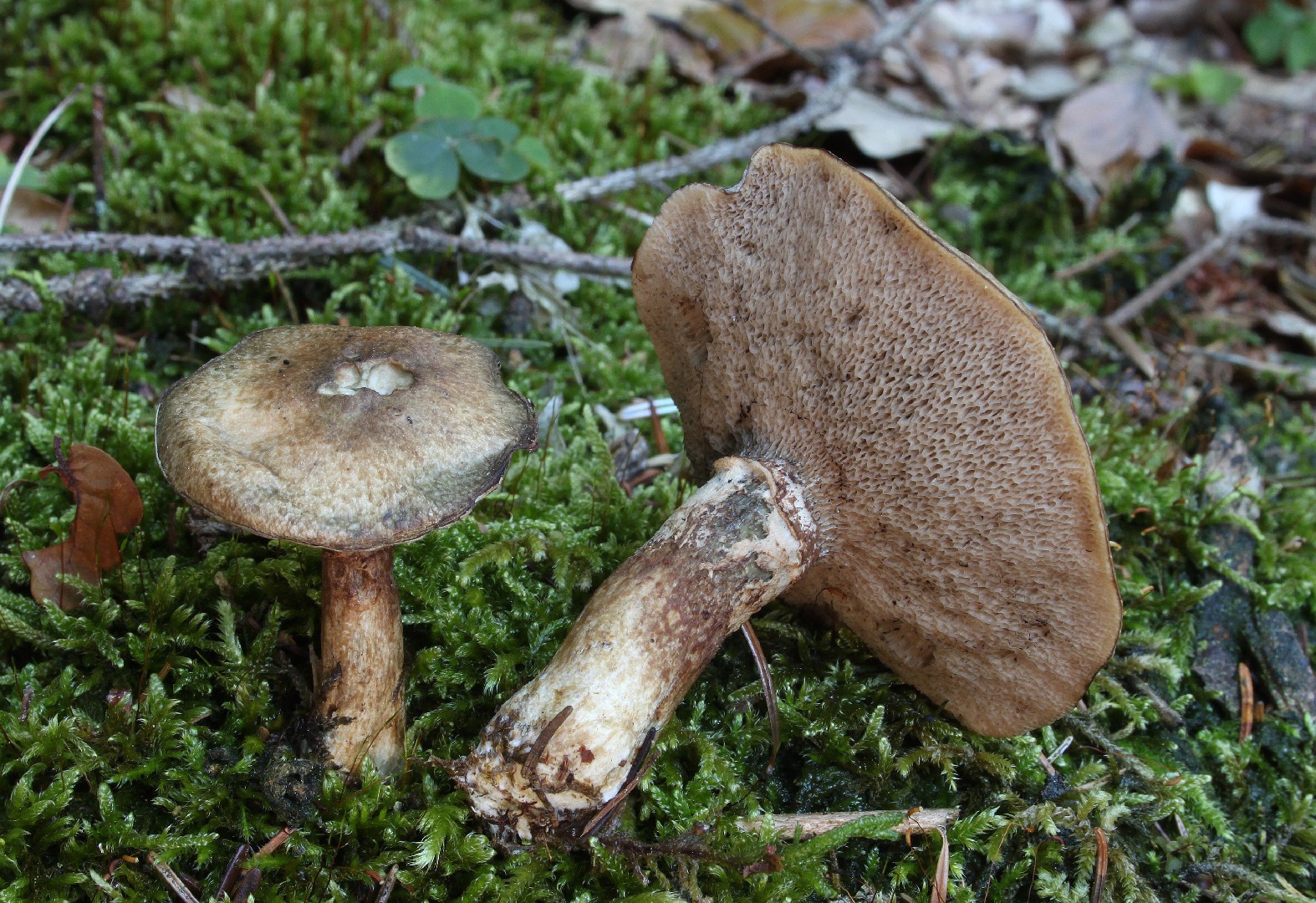
9. Sticky bolete
Sticky bolete is a bolete commonly found in groups on larch plantation paths. The common name, "sticky bolete," comes from this mushroom's slimy and sticky film that develops on wet caps. This film does not form any other species in the genus and is a distinguishable feature of this mushroom.
10. Blewit
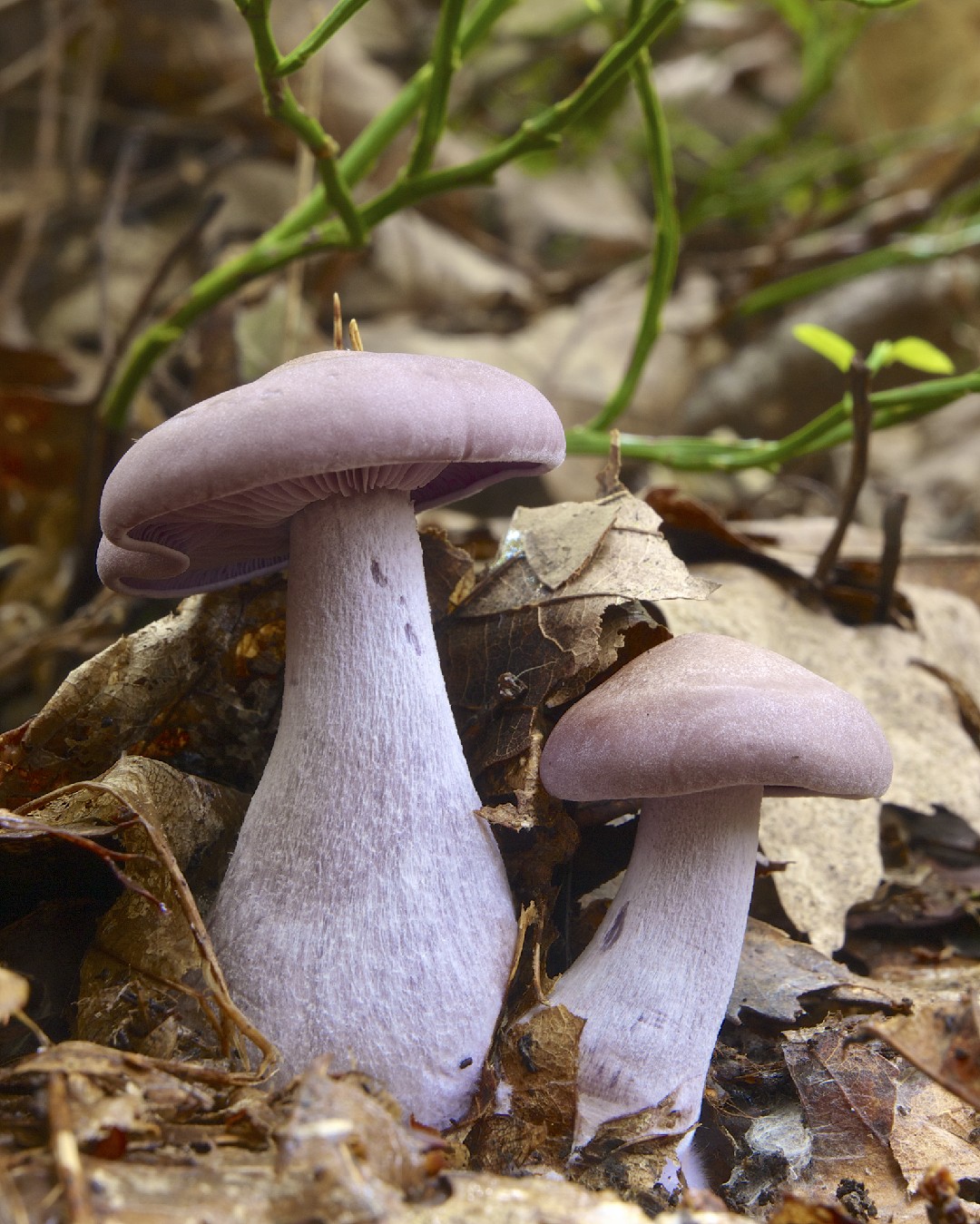
The blewit mushroom grows in fallen leaves in autumn and winter, sometimes appearing in ‘fairy ring’ circles. It can be used to make a green dye when chopped and boiled in an iron pot. The scientific name, Lepista nuda, derives from Latin words meaning “bare goblet,” a reference to the shape and texture of the mushroom.


More







