




Top 20 Edible Mushrooms Popular in Kuopio
Nestled in Finland's verdant heartland, Kuopio boasts a lush ecosystem that offers fertile grounds for mushrooms. This introduction to the top 20 most common edible mushrooms harvested in this verdant region provides a succinct description of their unique features, taste profiles, preferred growing conditions, and culinary applications. Delve into the rewarding world of mushroom foraging in Kuopio and enrich your kitchen repertoire with these natural gourmet delights.
* Disclaimer: Content feedback CAN NOT be used as any basis for EATING ANY PLANTS. Some plants can be VERY POISONOUS, please purchase edible plants through regular channels.

Most Popular Edible Mushrooms
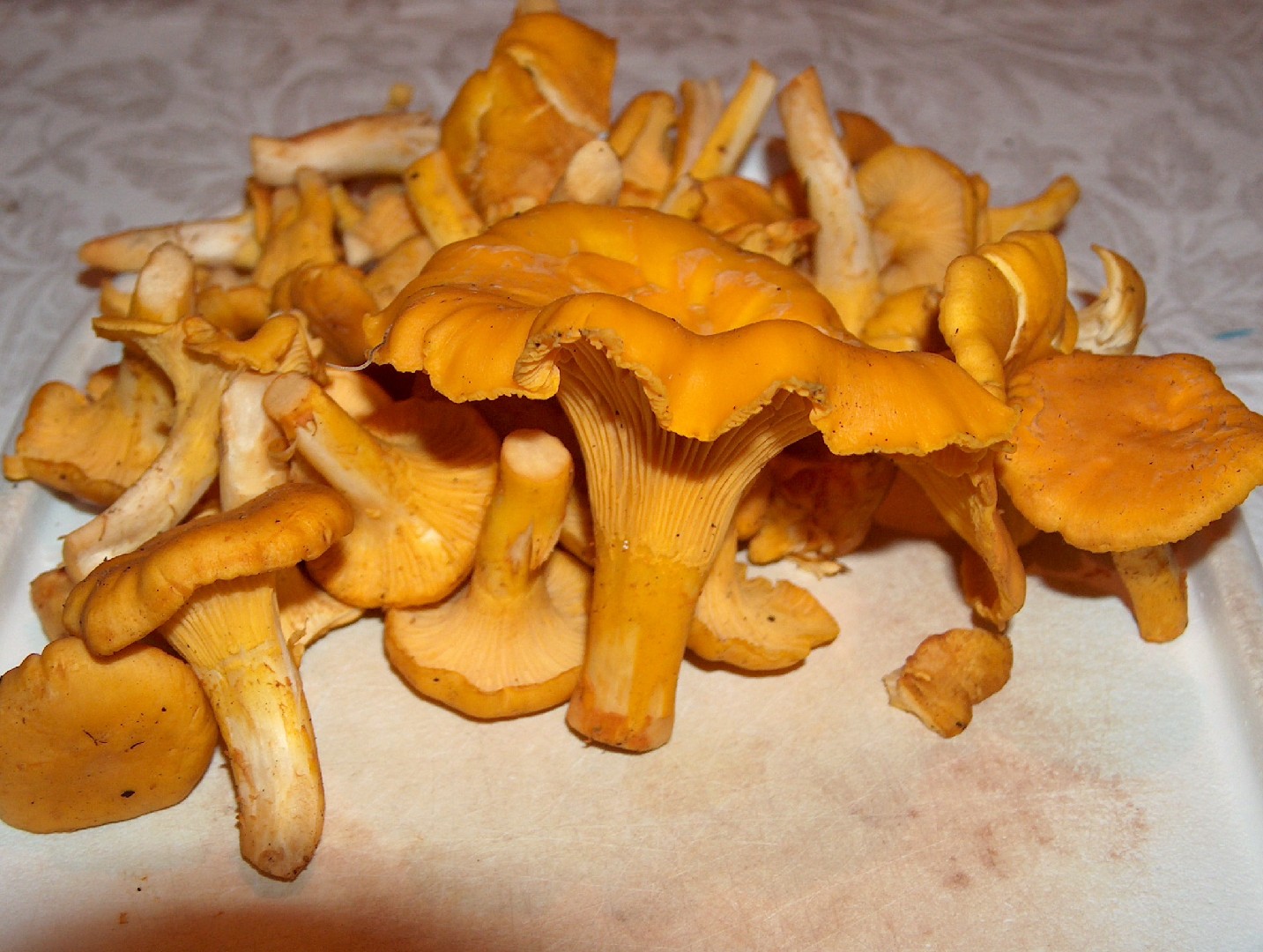
1. Golden chanterelle
Golden chanterelle mushrooms are popular in gourmet cuisine across Europe, where they grow wild during the warm (but not too hot) months. Similar species grow in other countries. Extremely popular with foragers, the golden chanterelle emits an apricot-like scent and contains an array of nutrients that benefit the human body. Several studies suggest consuming extremely large amounts may have detrimental effects on the eyes and muscles.
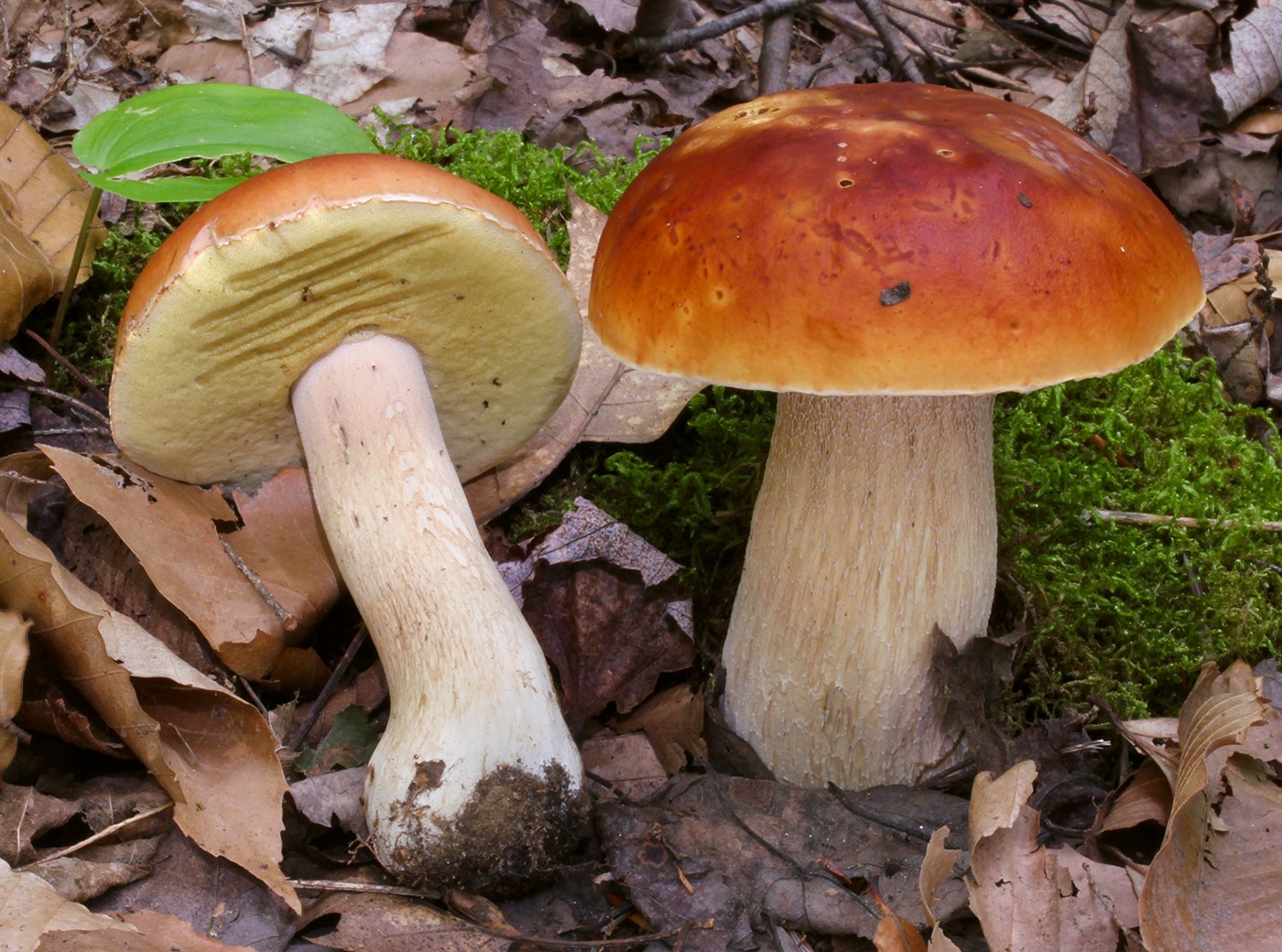
2. King bolete
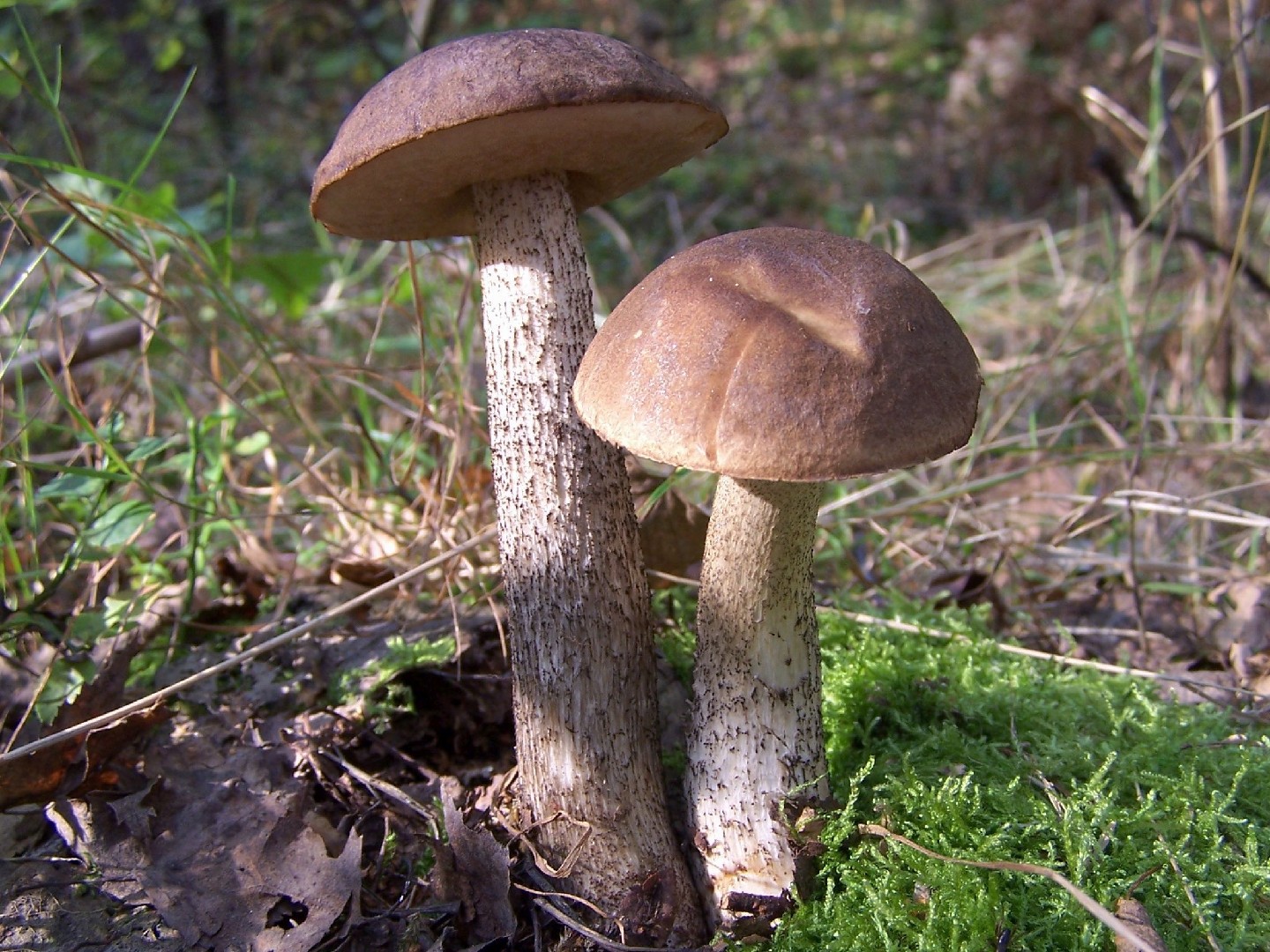
Extremely popular in many cuisines, this edible wild mushroom grows around the world near the roots of forest trees. In some regions, king bolete mushrooms are collected in great enough volumes that their sale can support entire families during the harvest season. King boletes are reported to be high in fiber, vitamins B and C, calcium, potassium, magnesium, zinc, and several antioxidants.
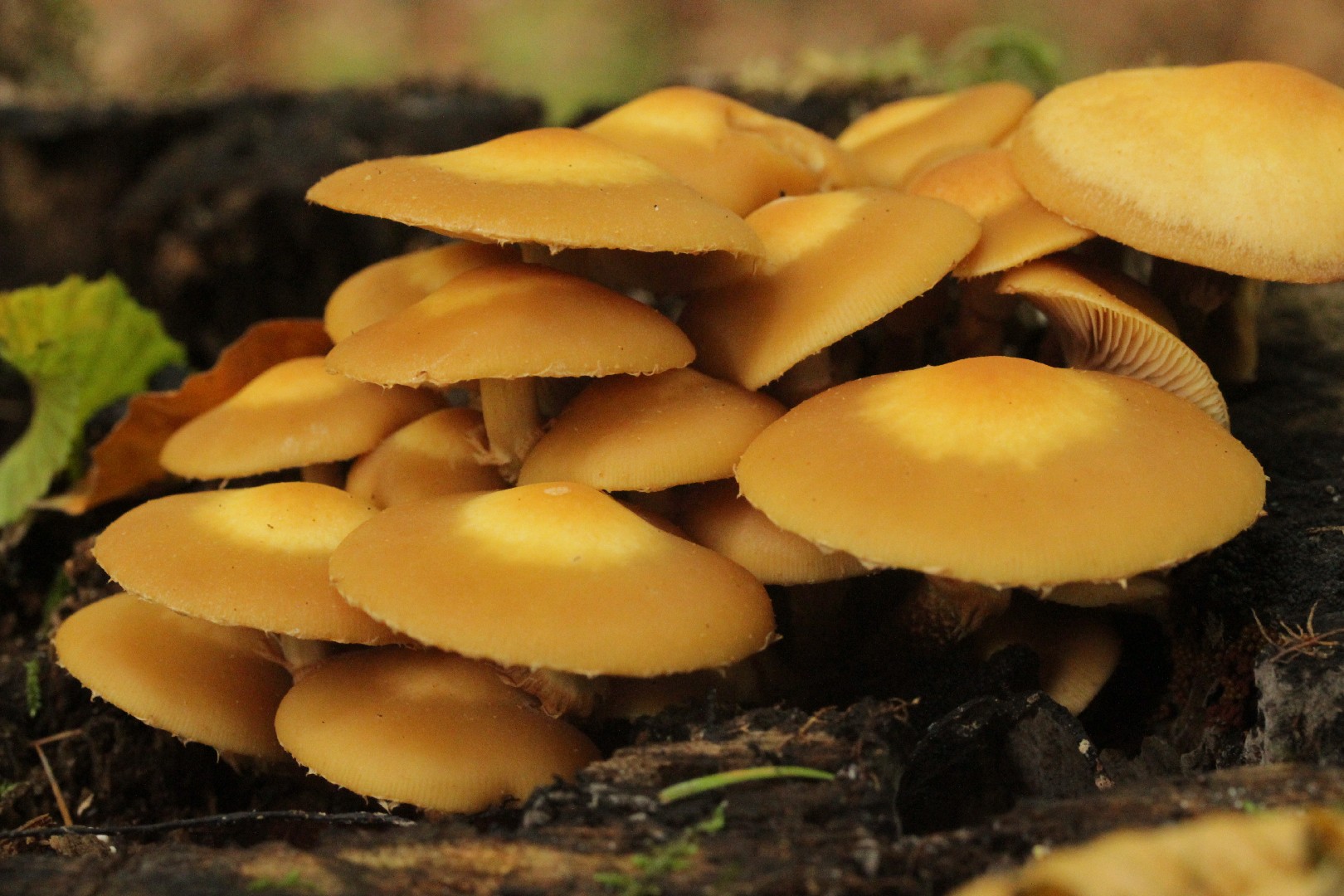
3. Sheathed woodtuft
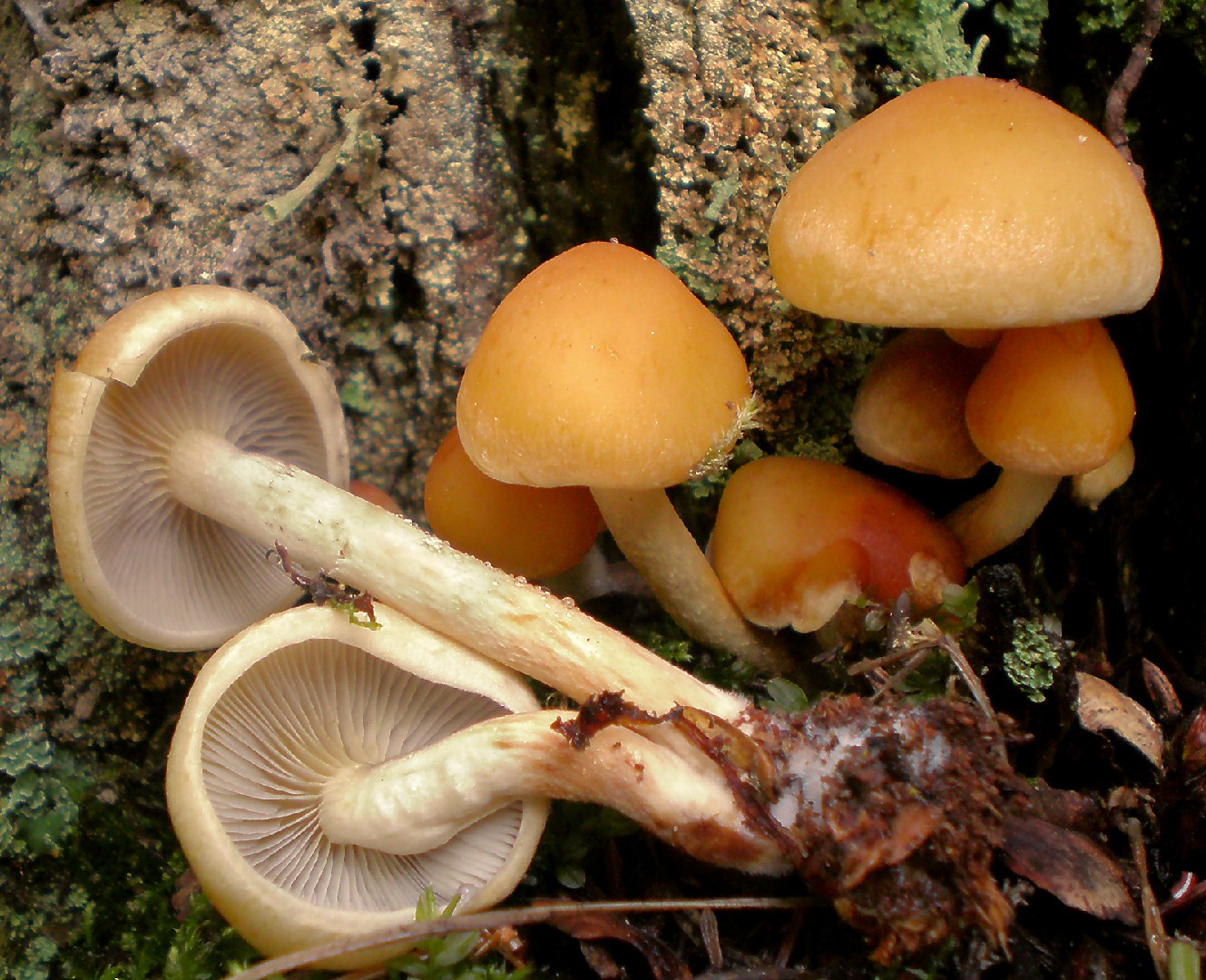
The sheathed woodtuft (Kuehneromyces mutabilis) is a fairly distinctive species that can be found growing in clusters on dead or dying wood in temperate areas across the world. This mushroom's cap has the unusual trait of being highly hygrophanous - this means that its color changes significantly with changes in moisture level. In the case of the sheathed woodtuft, moist individuals are deep orange brown while dry individuals are a lighter brown or buff color.
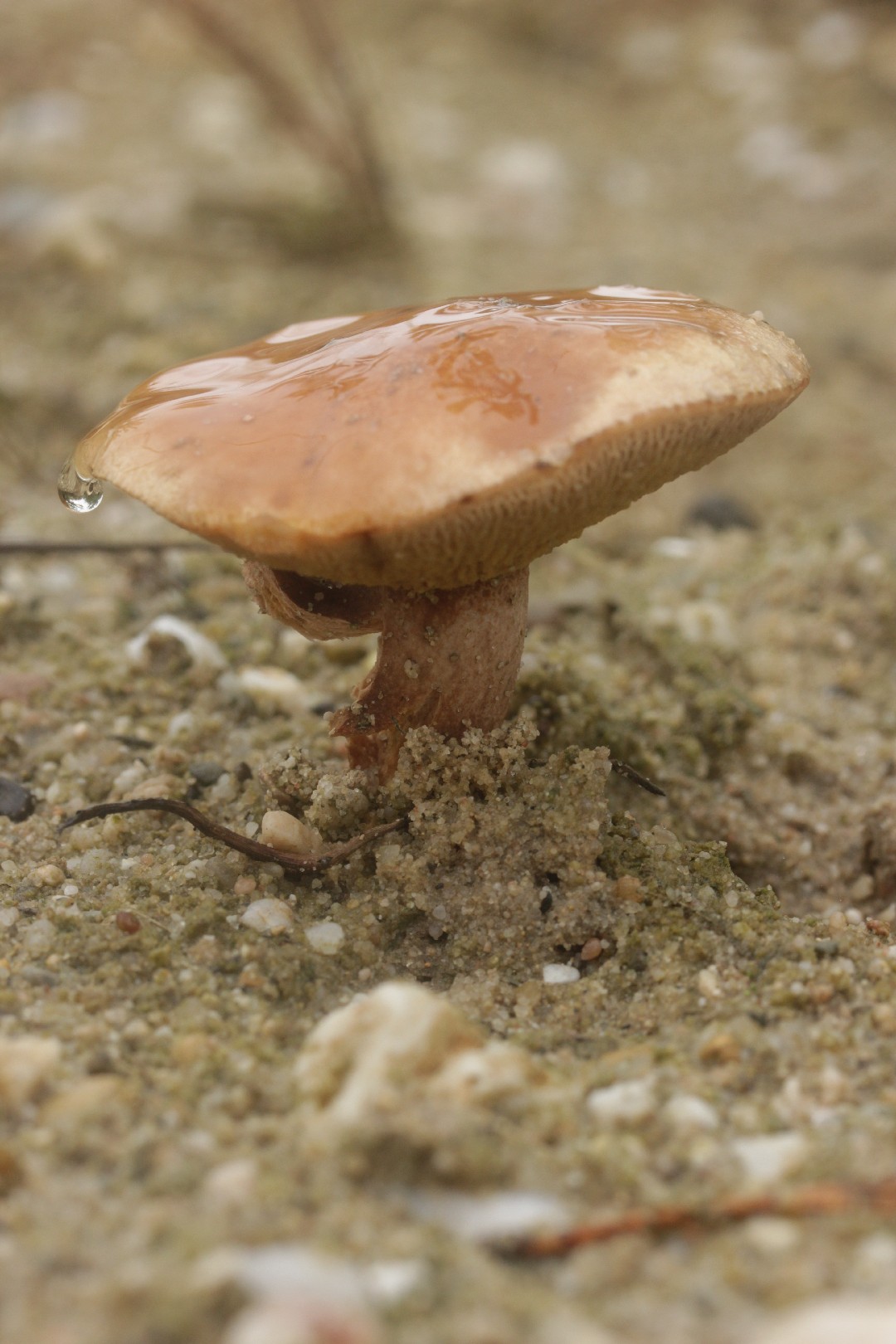
4. Bovine bolete
The bovine bolete (Suillus bovinus) often appears in a three-way relationship not only with the roots of pine trees but also with another parasitic mushroom known as the Rosy Spike. This greasy-capped mushroom appears clustered in tight tufts, which is unusual for a bolete. Bovine boletes give off a faint fruity aroma.
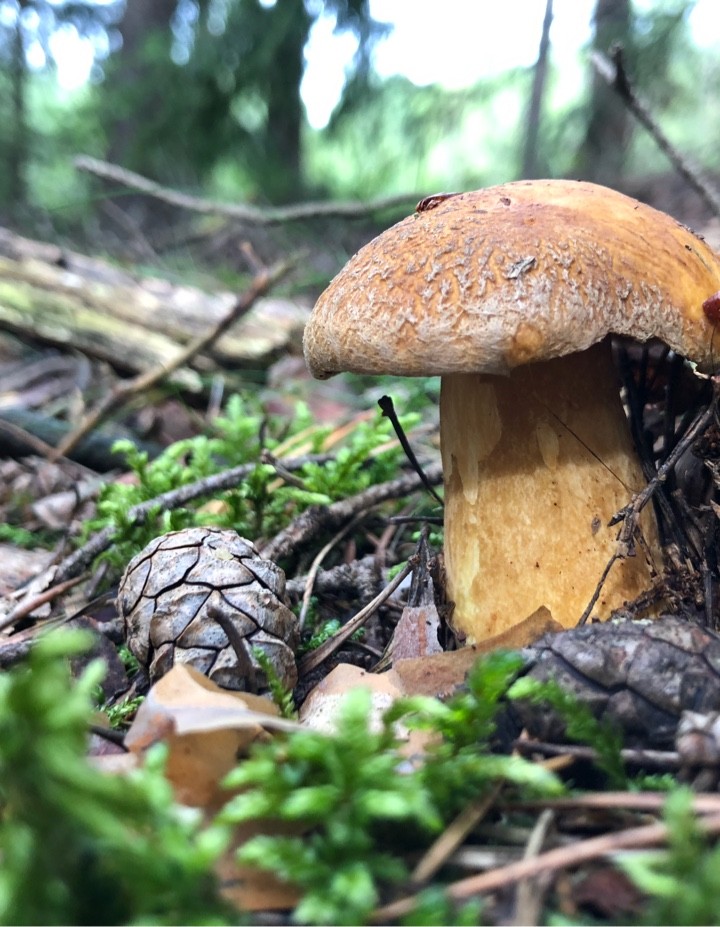
5. Velvet bolete
The velvet bolete is one of the most common mushrooms in pine forests in the northern hemisphere. There have been reports of mild poisoning cases from eating this mushroom, so it is best avoided. The velvet bolete is said to be of poor taste and unpleasant smell, anyway.
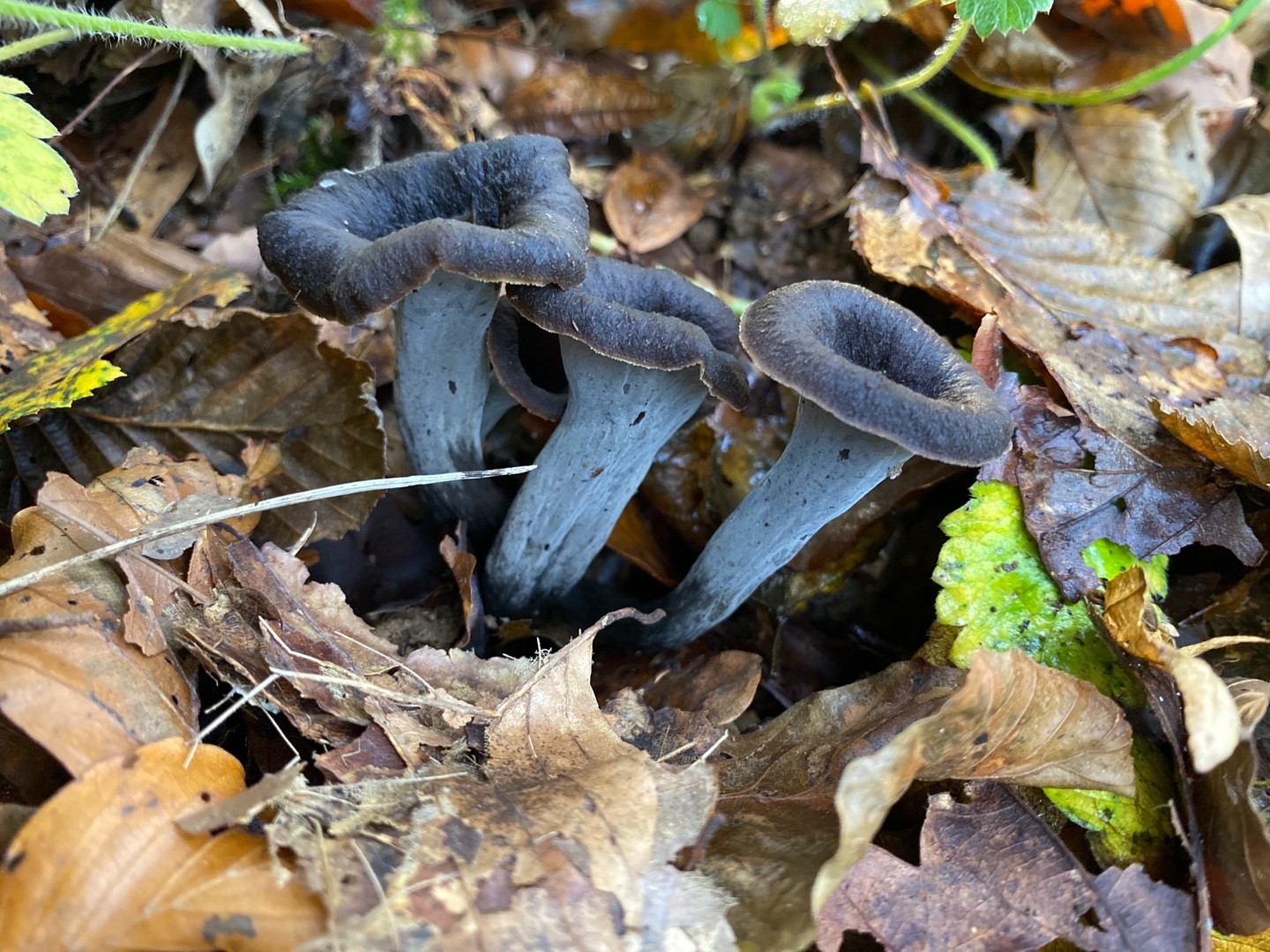
6. Horn of plenty
The Craterellus cornucopioides is an edible and highly sought-after species of mushroom that is usually grouped with the chanterelles. It has a black, trumpet-like shape due to its highly upturned cap. Sometimes called the 'trumpet of the dead,' this is not a reference to danger, but rather an old European belief that these mushrooms spring up over the graves of the dead.
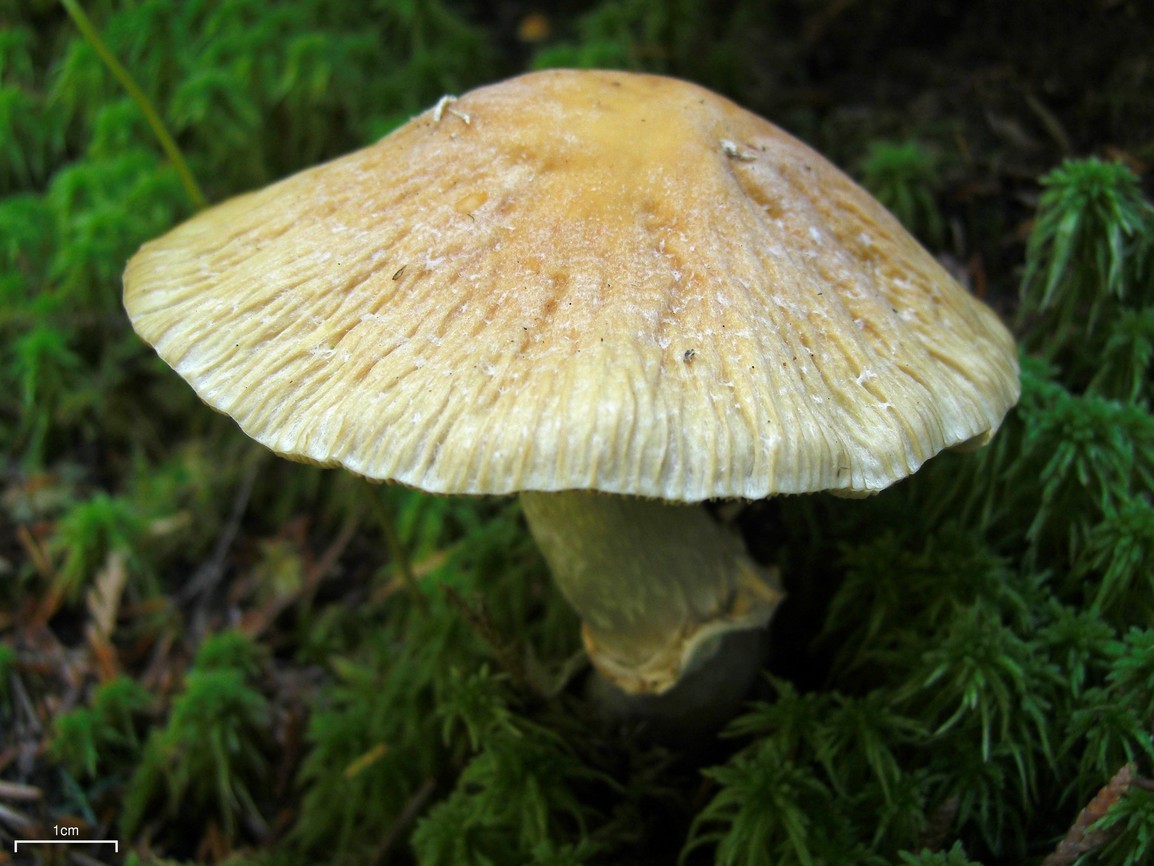
7. Gypsy mushroom
Cortinarius caperatus, commonly referred to as the gypsy mushroom, is a sought-after species that grows across the temperate regions of the Northern Hemisphere. The fruitbodies sport ochre-colored caps and pale gills and stems - their cap color fades over time though, which may lead to their being confused with other, more toxic species.
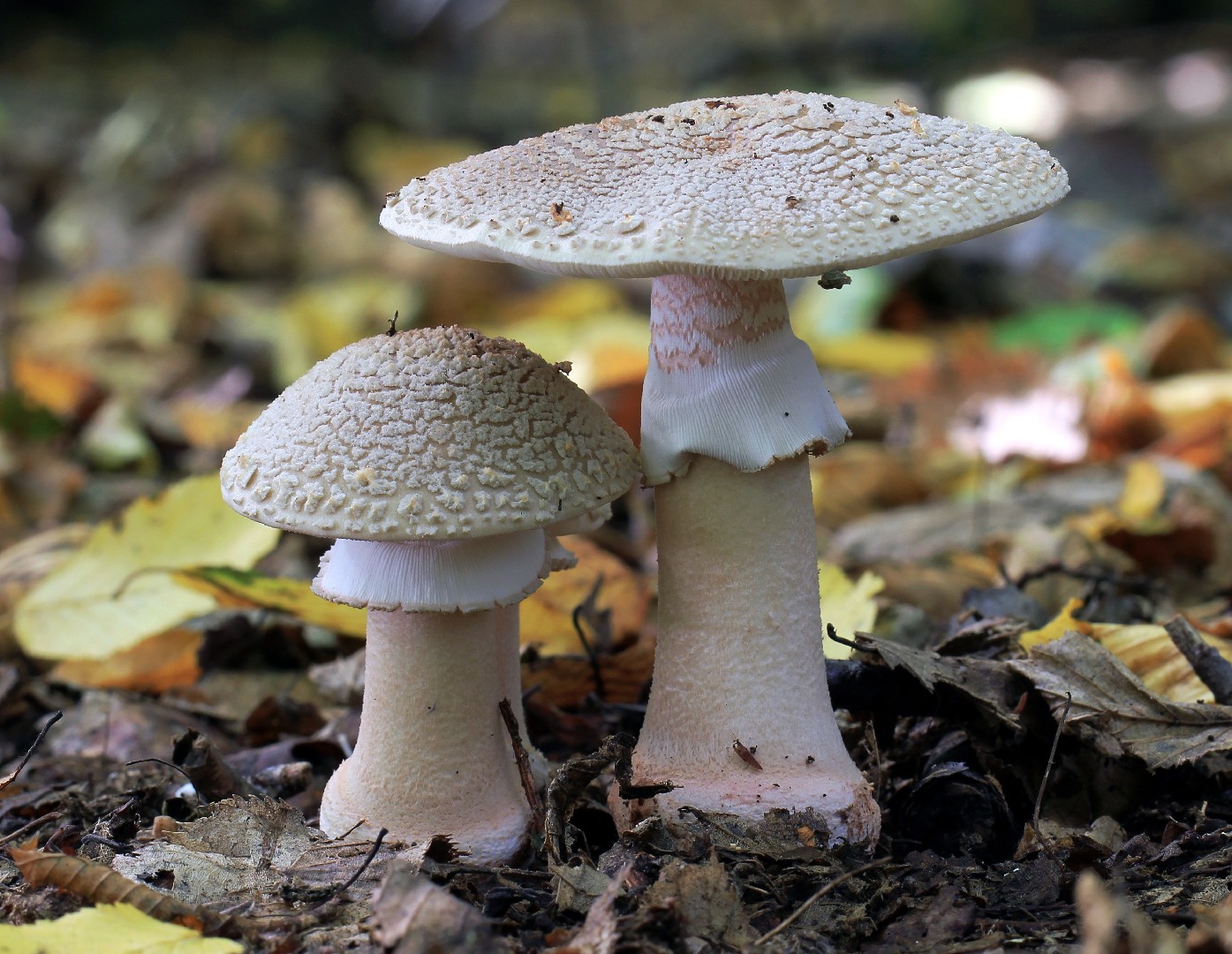
8. Blusher
The blusher mushroom is so named because it “blushes” to a pinkish red color when cut or bruised. It is found in many countries around the world, although it may not be native to the southern hemisphere. It contains a hemolytic toxin that can cause anemia if eaten.
9. Slippery jack
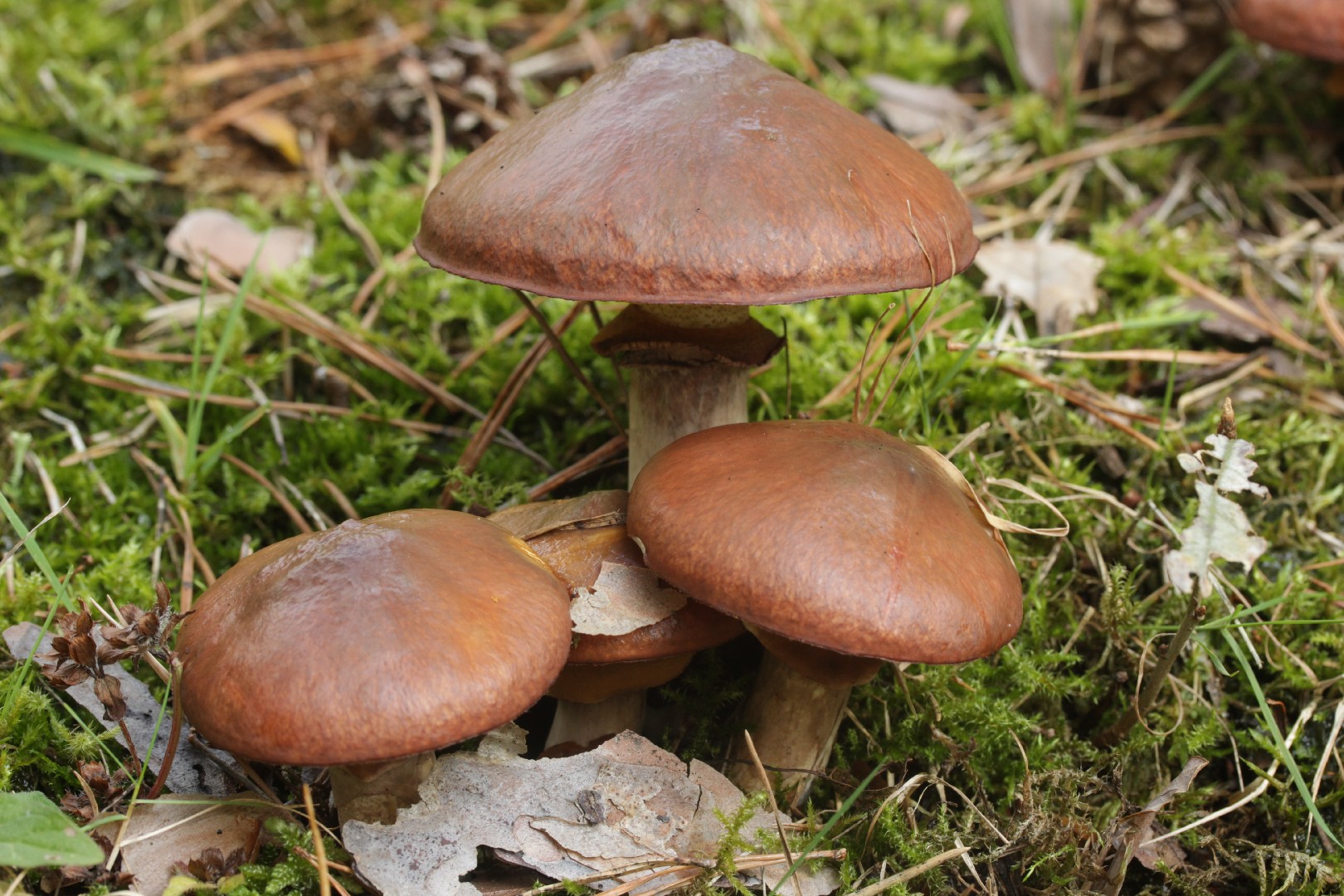
This mushroom blooms in summer and autumn, usually near or beneath pine trees. It does well in cold climates, but can also be found further south all around the northern hemisphere. During moist weather, the slippery jack's caps become quite slimy, leading to their common name.
10. Candy cap
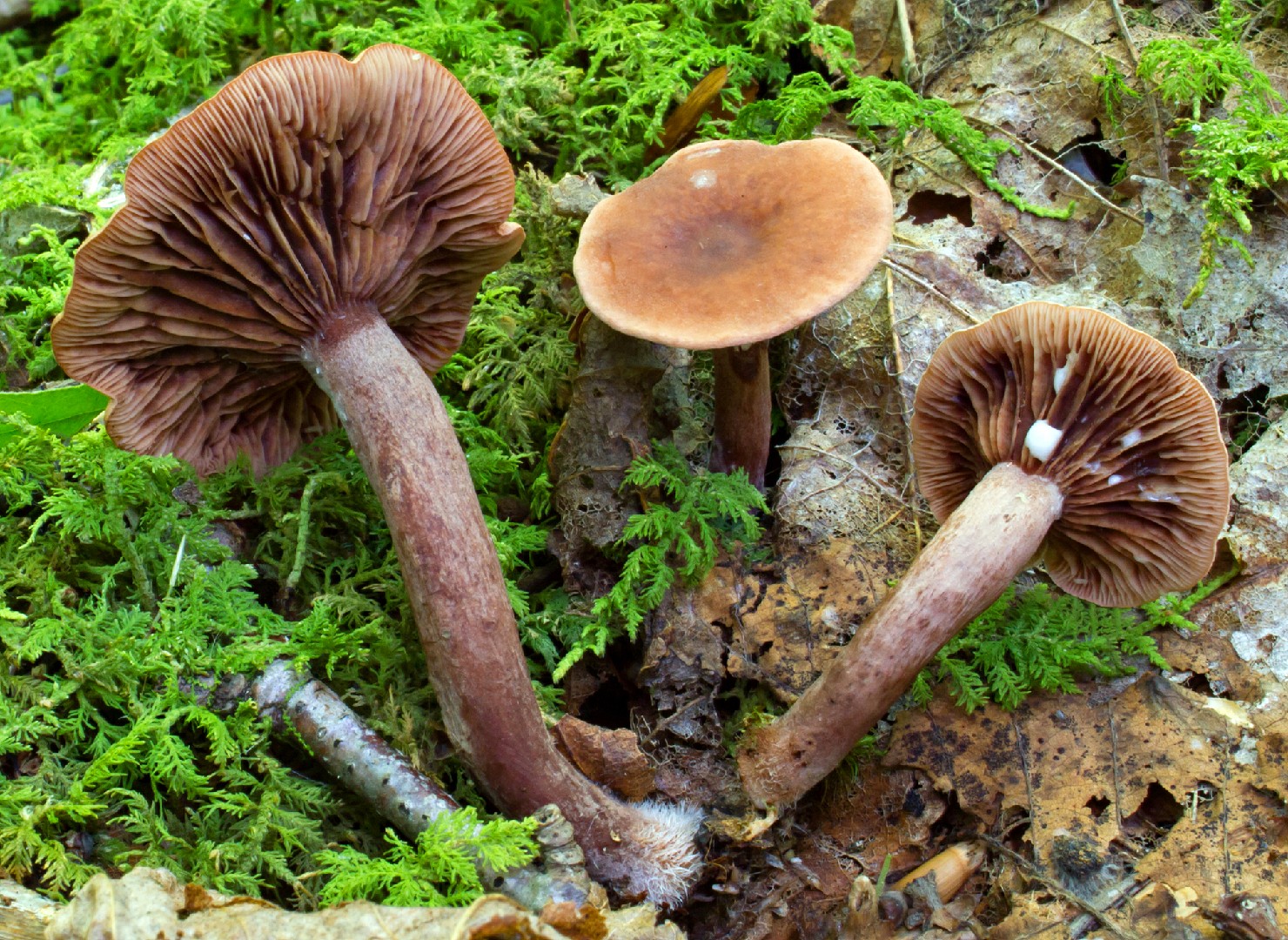
The candy cap can be identified by its aromatic odor and reddish-brown coloring. When damaged, the mushroom emits a milky substance. It is frequently found in deciduous forests throughout Europe and eastern North America. The mushroom is edible, though it is mostly used for flavoring, like one would use saffron or vanilla.

More







