




Top 20 Edible Mushrooms Popular in Tallinn
Discover the fascinating world of fungi in the verdant landscapes of Tallinn, where a variety of edible mushrooms thrive. Explore these 20 most common types, each unique in their appearance, taste, and culinary uses. Revel in the biodiversity that Tallinn offers, from wooded areas to meadows, providing an ideal habitat for fungi. Learn, indulge, and enhance your mycological knowledge.
* Disclaimer: Content feedback CAN NOT be used as any basis for EATING ANY PLANTS. Some plants can be VERY POISONOUS, please purchase edible plants through regular channels.

Most Popular Edible Mushrooms
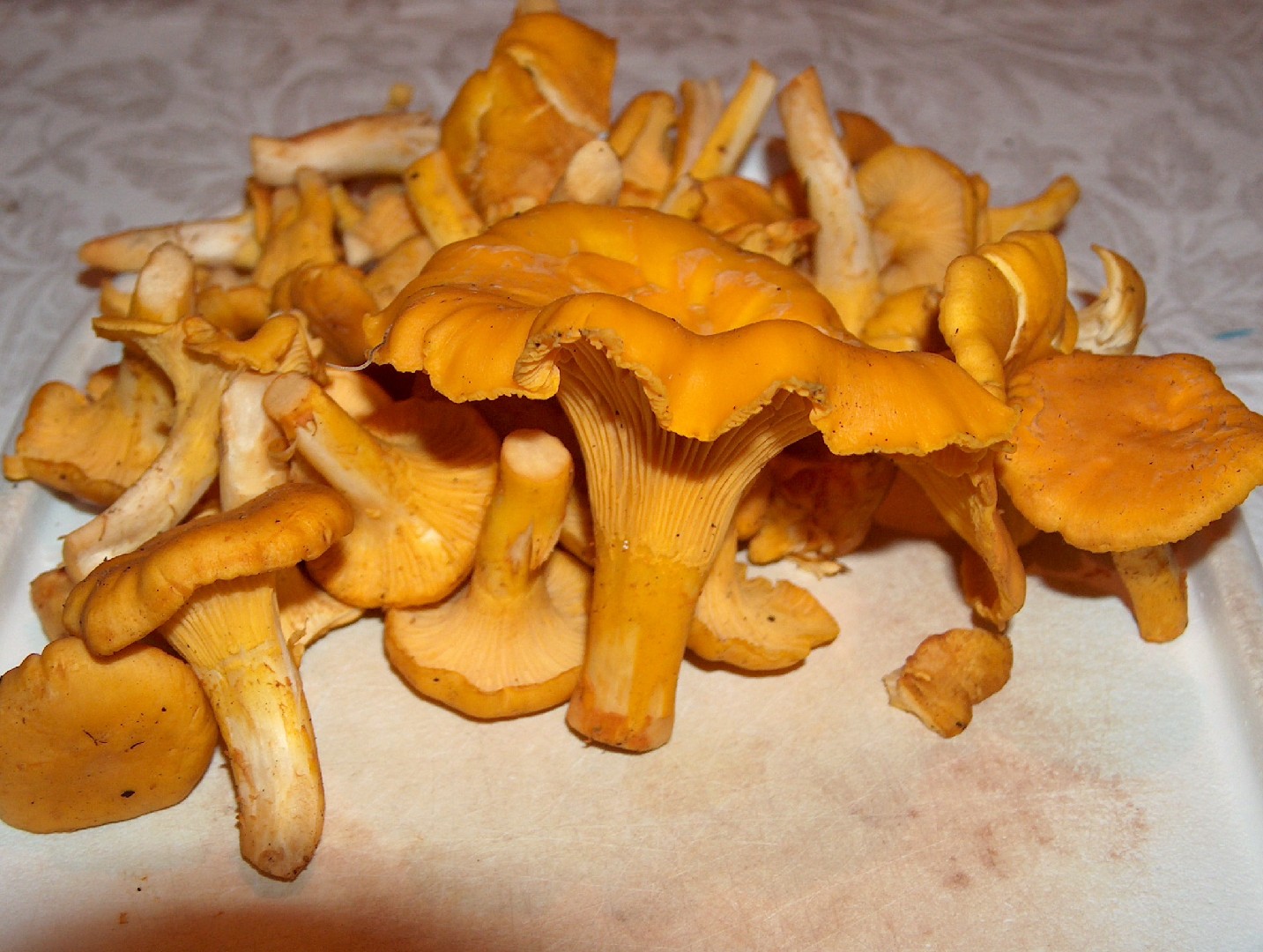
1. Golden chanterelle
Golden chanterelle mushrooms are popular in gourmet cuisine across Europe, where they grow wild during the warm (but not too hot) months. Similar species grow in other countries. Extremely popular with foragers, the golden chanterelle emits an apricot-like scent and contains an array of nutrients that benefit the human body. Several studies suggest consuming extremely large amounts may have detrimental effects on the eyes and muscles.
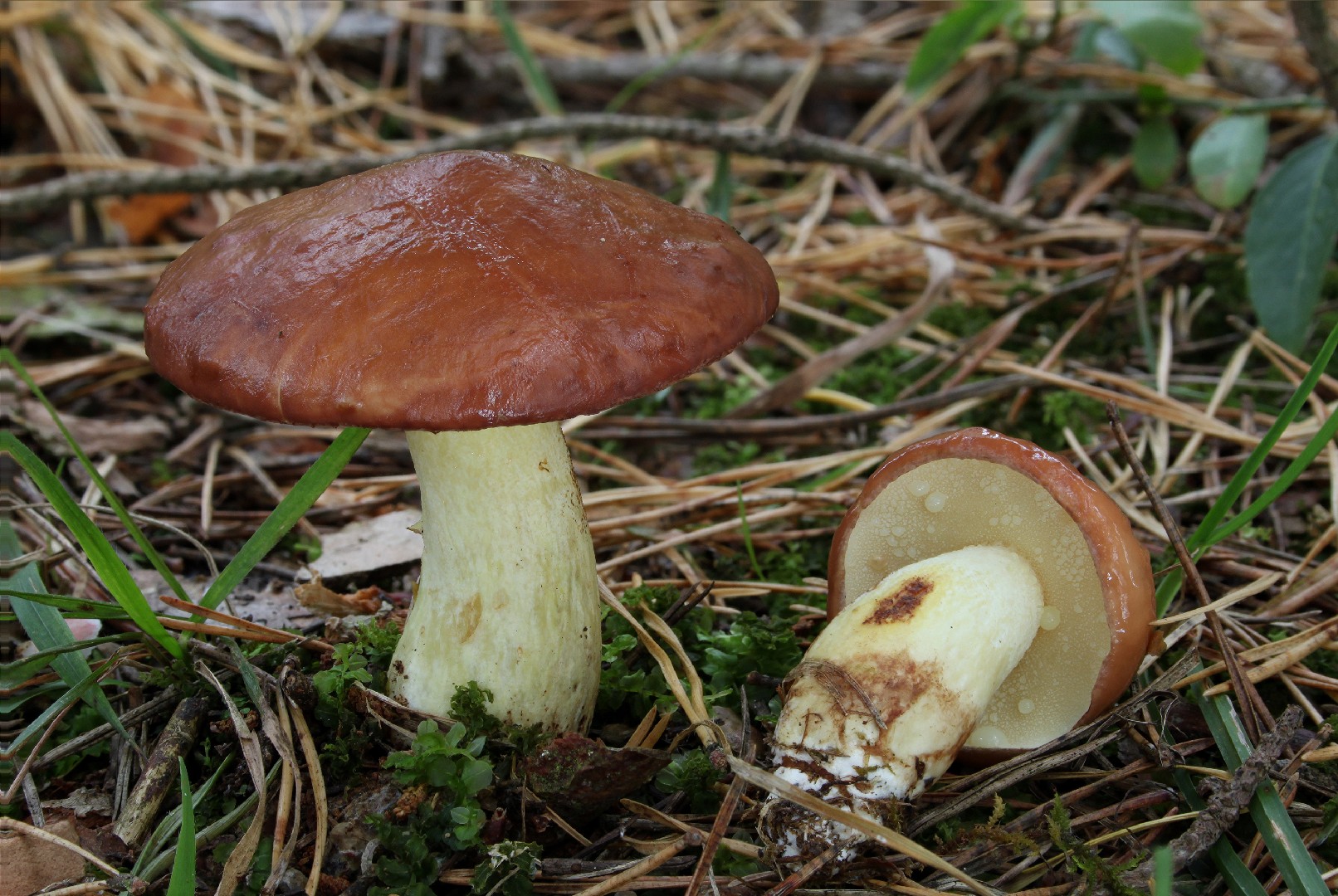
2. Weeping bolete
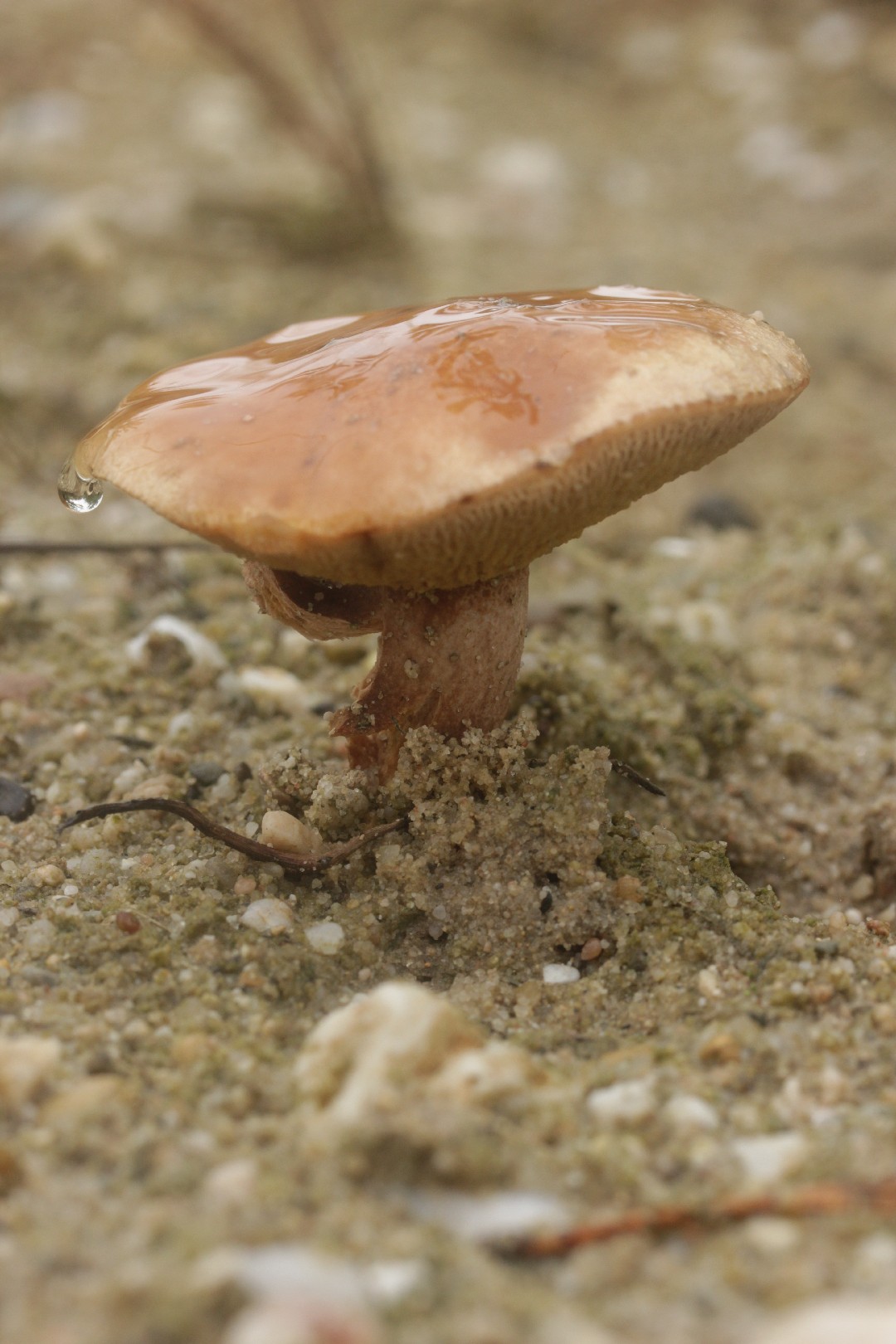
The weeping bolete features a greasy, sticky cap surface. When young, milky droplets are released through pores on its surface. It appears most commonly beneath Scots pine or other coniferous trees and forms a mutually beneficial relationship with its host.
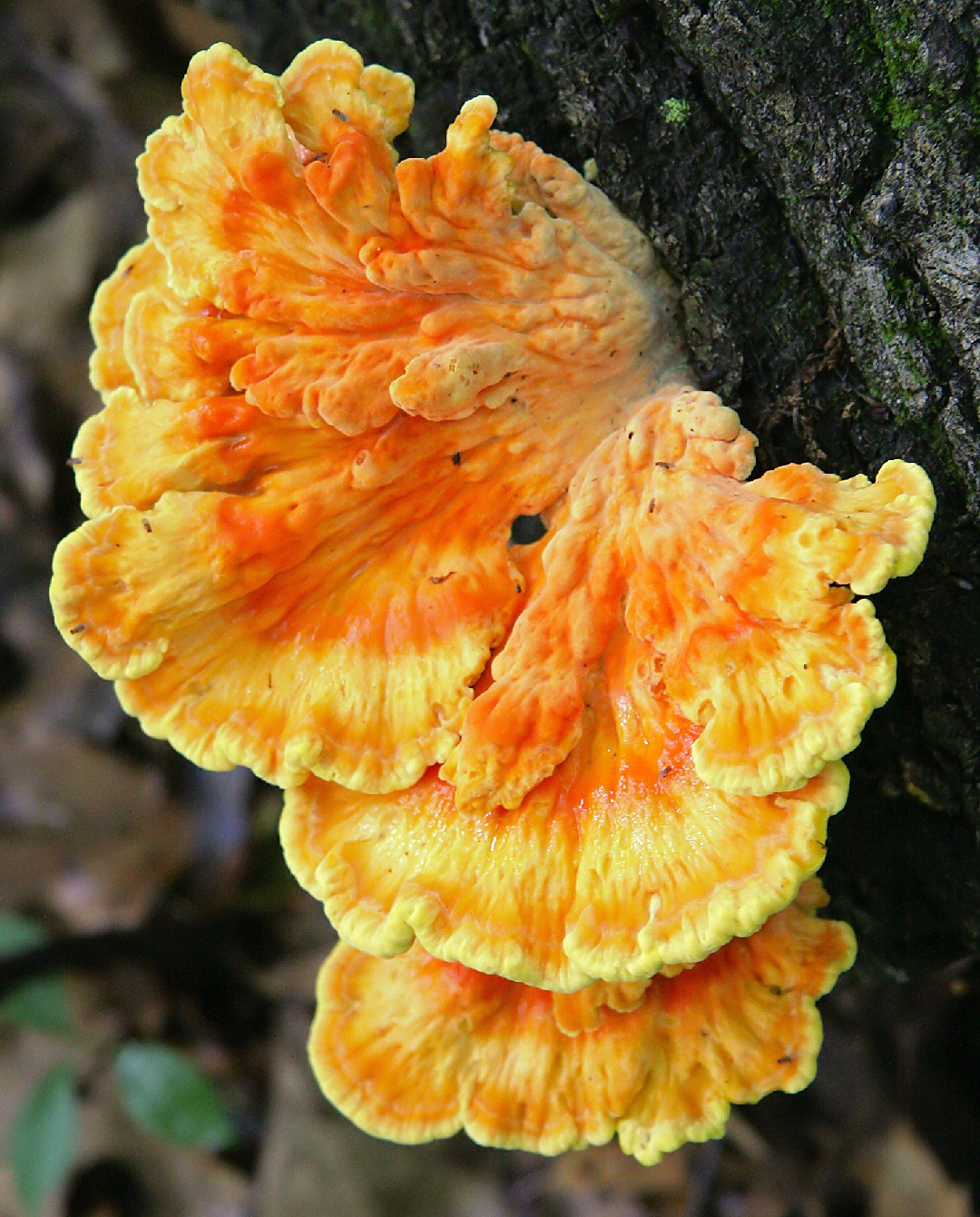
3. Chicken of the woods
Chicken of the woods is very noticeable in hardwood forests, appearing in clusters on standing tree trunks in bright orange and yellow hues that sometimes last through the entire winter. It is a parasite that causes an unfortunate brown heart rot, and is considered a particularly troublesome pest of Yew trees. If the fruitbodies can be seen, the tree is likely already beyond saving.
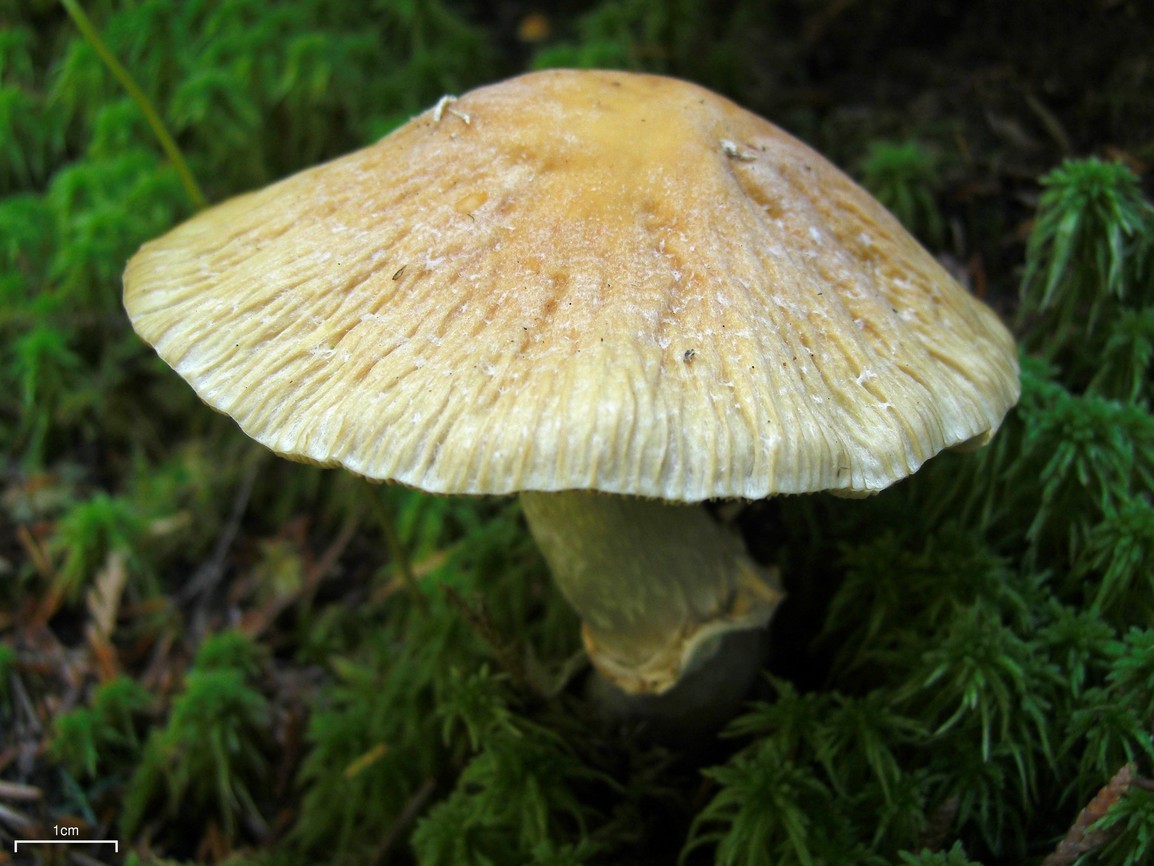
4. Gypsy mushroom
Cortinarius caperatus, commonly referred to as the gypsy mushroom, is a sought-after species that grows across the temperate regions of the Northern Hemisphere. The fruitbodies sport ochre-colored caps and pale gills and stems - their cap color fades over time though, which may lead to their being confused with other, more toxic species.
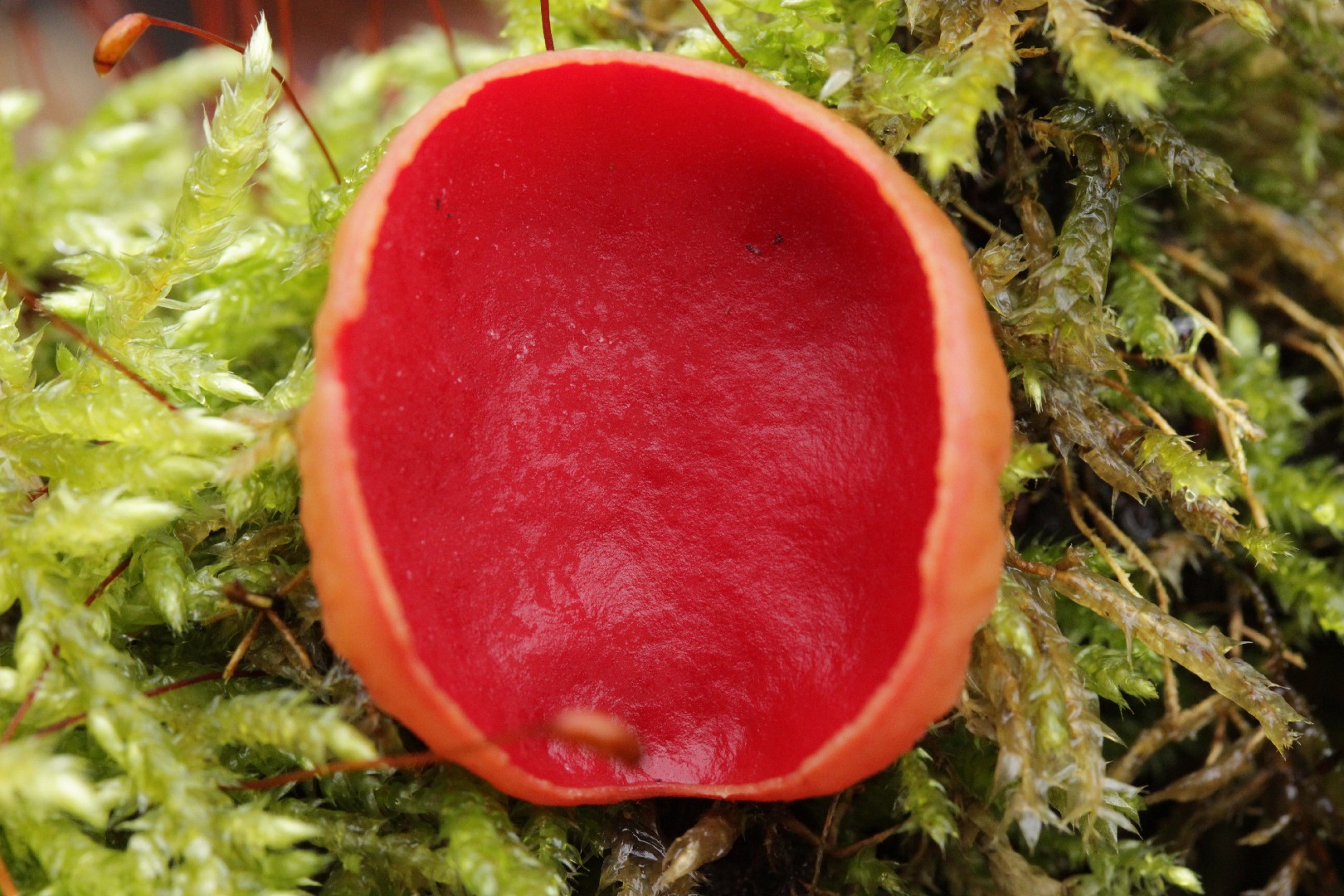
5. Scarlet cup
One of the first mushrooms to appear in the spring, the scarlet cup sometimes pops out of snow. Definitely a cool-season mushroom, the scarlet cup also prefers areas with high rainfall. It forms large colonies and it's very abundant. Slugs and various rodents like to feed on this mushroom.
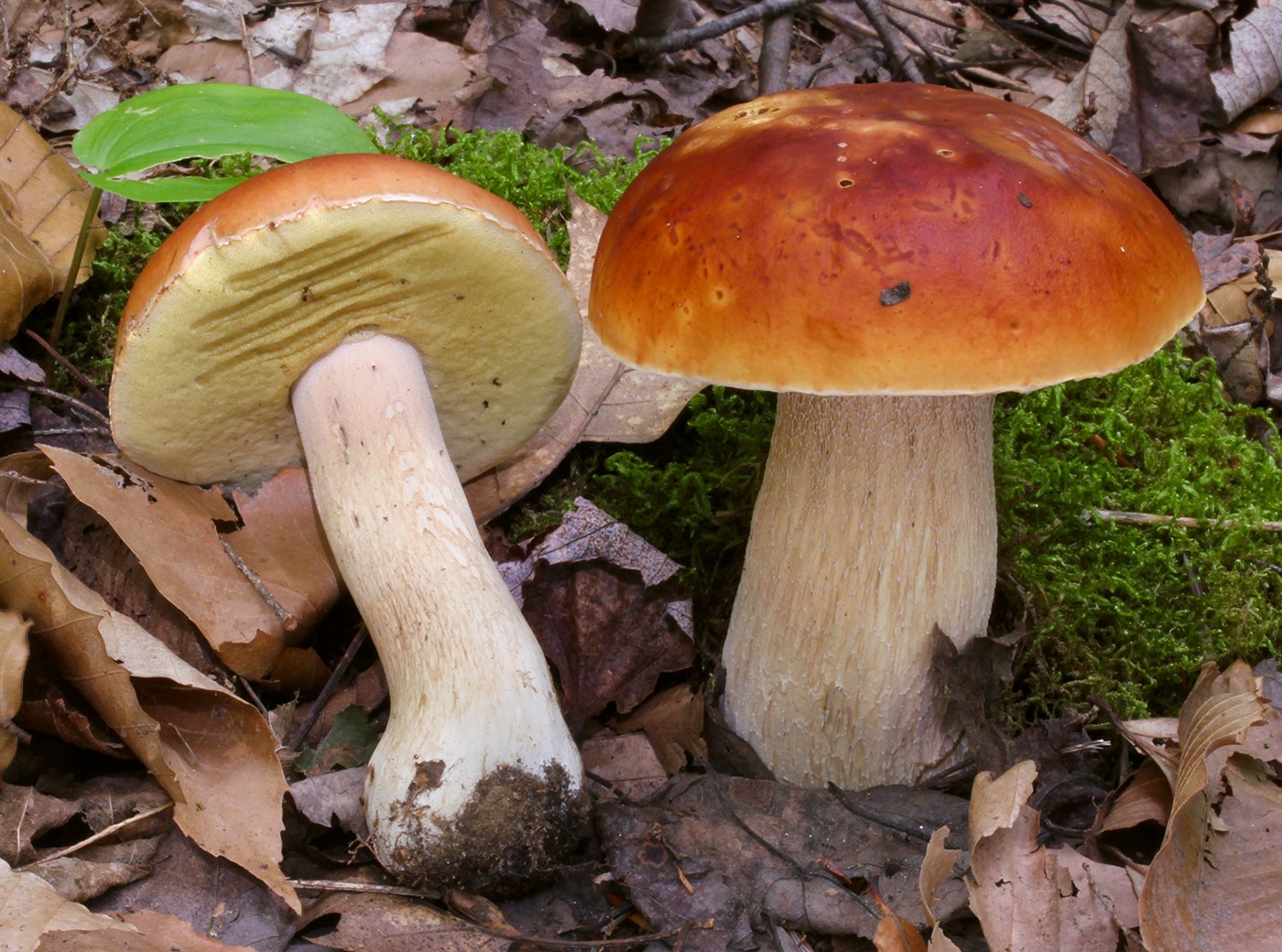
6. King bolete
Extremely popular in many cuisines, this edible wild mushroom grows around the world near the roots of forest trees. In some regions, king bolete mushrooms are collected in great enough volumes that their sale can support entire families during the harvest season. King boletes are reported to be high in fiber, vitamins B and C, calcium, potassium, magnesium, zinc, and several antioxidants.
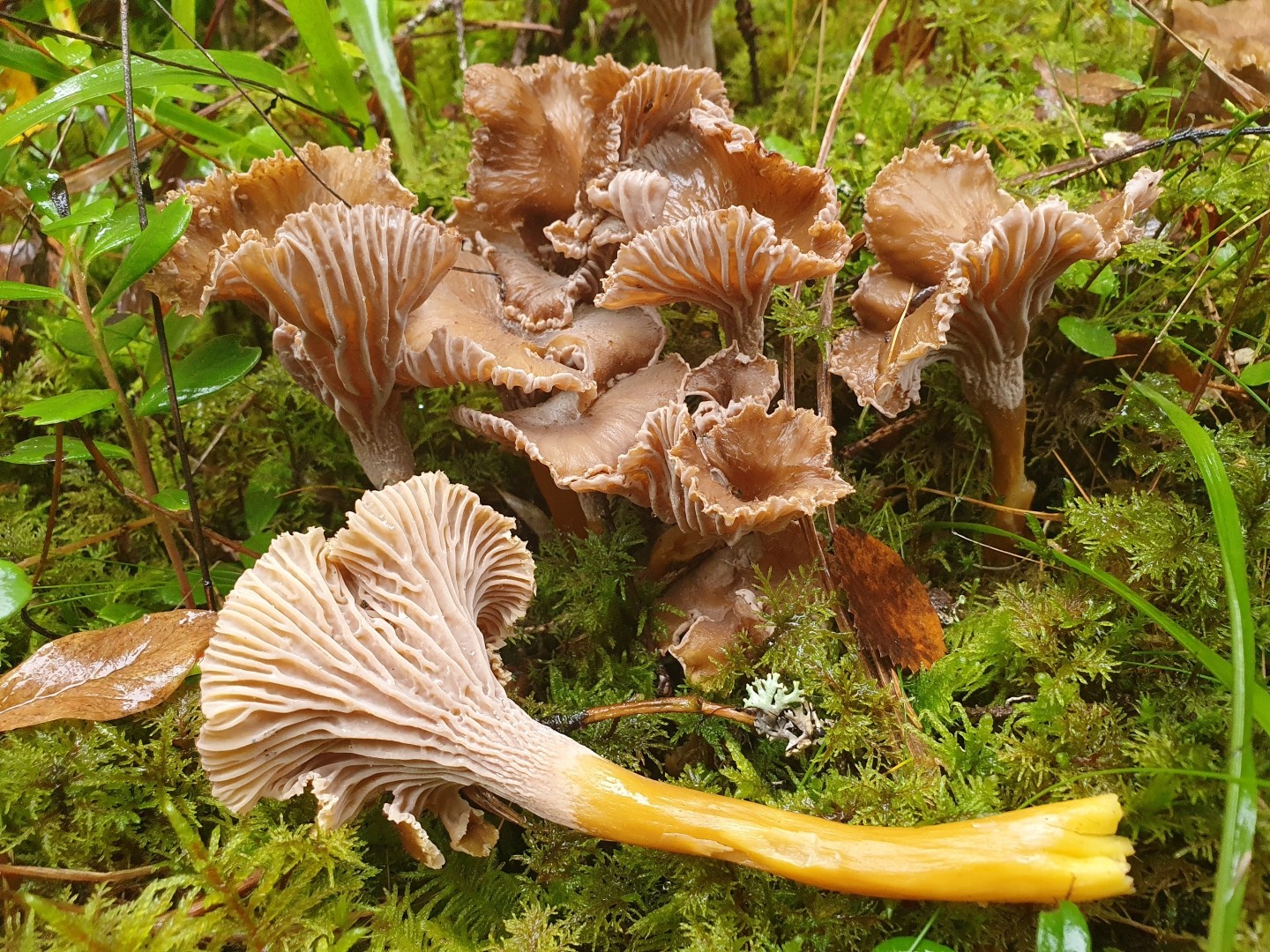
7. Yellowfoot
Found in temperate forests, wetlands, and bogs across the northern hemisphere, the yellowfoot is a highly sought after member of the chanterelle family. Considered a choice edible, it boasts a lovely, complex flavor (though it is somewhat less fruity and sweet then some of its more popular cousins). Yellowfoots are sometimes called "winter mushrooms", as they tend to be very late-season fruiters.
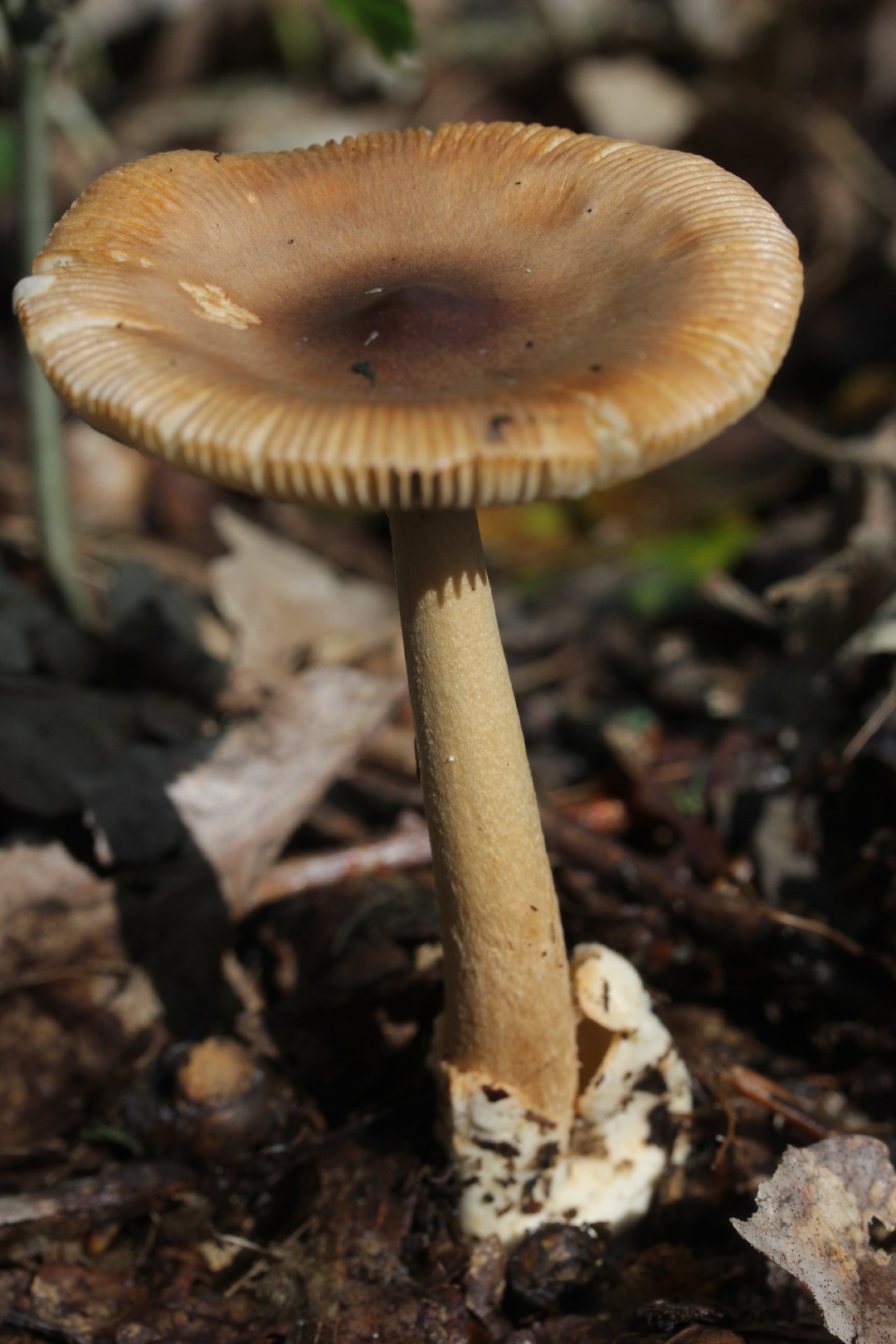
8. Tawny grisette
Tawny grisette (Amanita fulva) is a common species most commonly found in Europe's broadleaf and coniferous forests, with a potential but unverified range in North America. Its name comes from the burnished orange color of its cap, which sits atop a cream-colored stem.
9. Velvet bolete
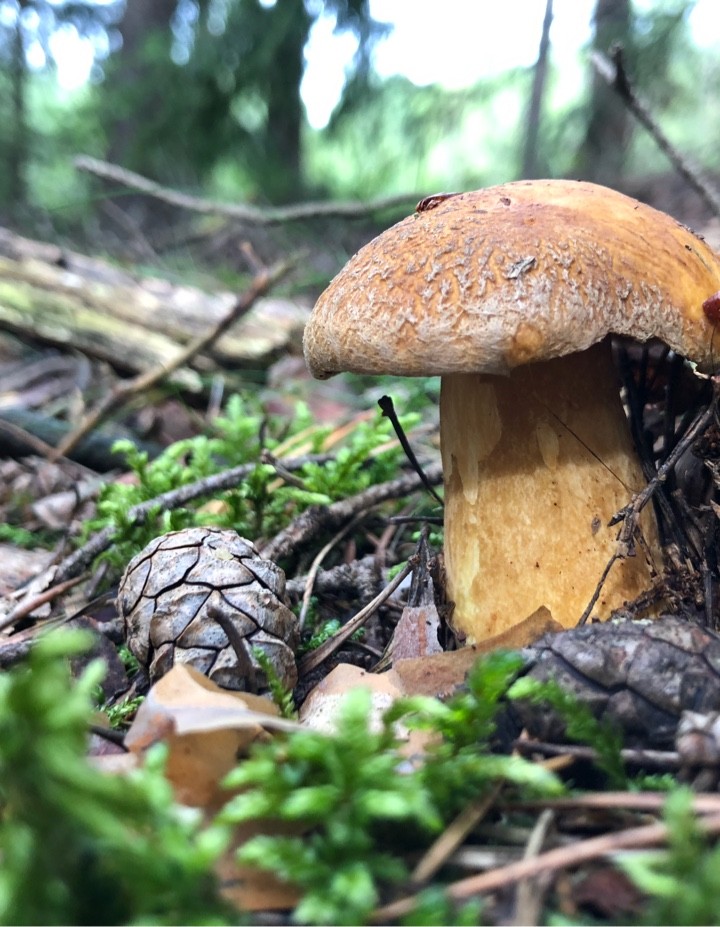
The velvet bolete is one of the most common mushrooms in pine forests in the northern hemisphere. There have been reports of mild poisoning cases from eating this mushroom, so it is best avoided. The velvet bolete is said to be of poor taste and unpleasant smell, anyway.
10. Copper spike
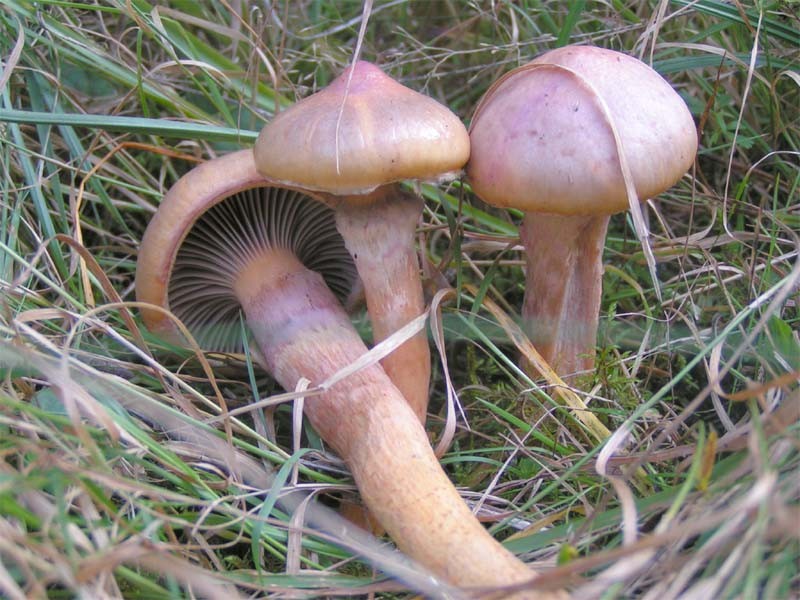
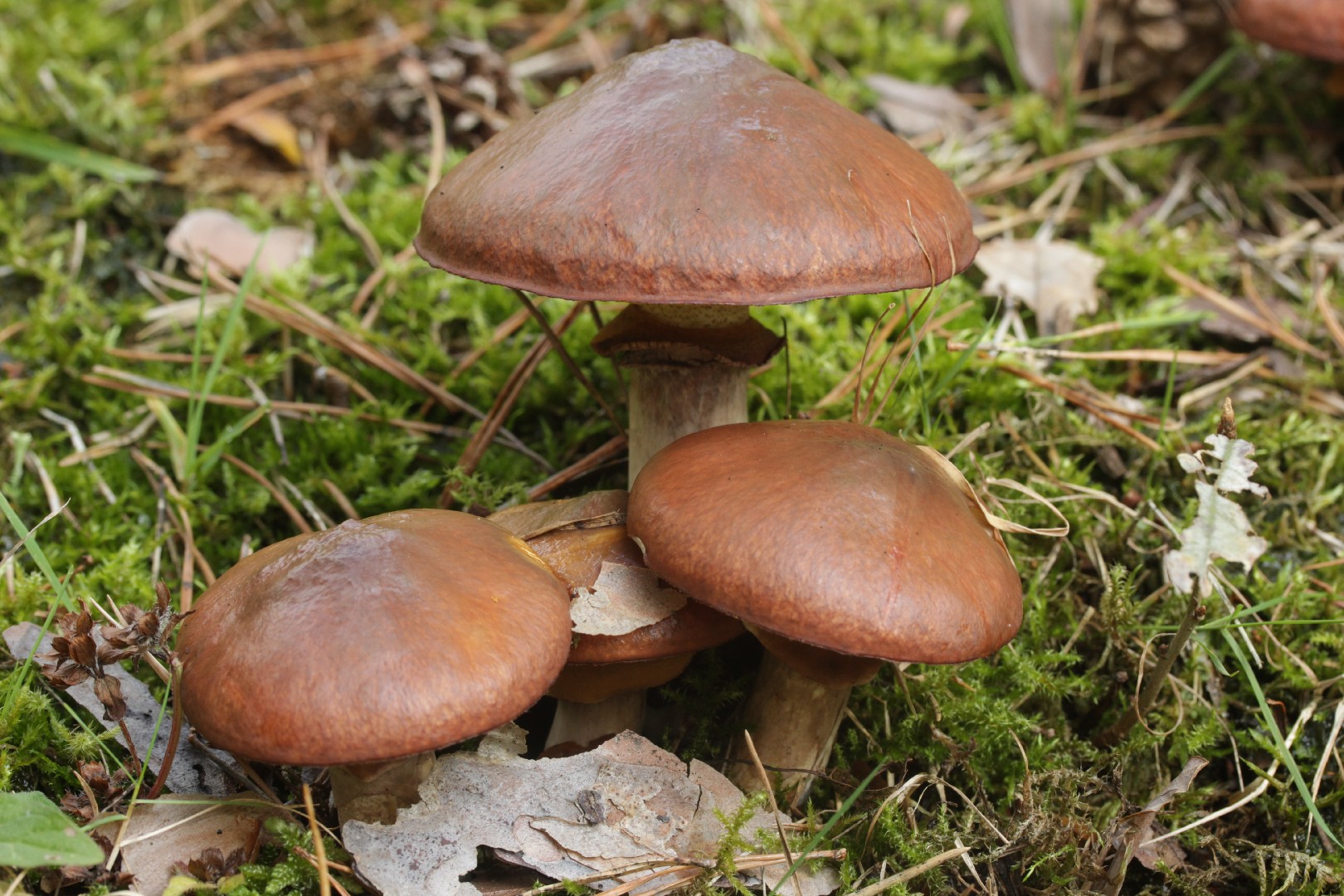
A European fungus, the copper spike is is visually almost indistinguishable from its North American counterpart - Chroogomphus ochraceus, although molecular studies have shown that these two are different species. Its cap becomes slimy when wet, hence the common name. The cap color is highly variable and it can range from yellowish, to orange, purplish, reddish, and brown.

More







