




Top 20 Most Common Mushrooms in Slovenia
Dive into the magic of mushroom hunting in the lush landscapes of Slovenia, a kingdom for fungi enthusiasts. The country's diverse terrain, temperate climate, and well-preserved ecosystems offer a fertile playground for 20 of the most common mushrooms. Abundant and wide-ranging, these mushroom species mirror the natural richness of Slovenia, each with its own distinct features and marvels. Join us, as we explore the stunning diversity, adaptations, and vibrant habitats of these fungi. Get ready to immerse yourself into the peculiar world of mushrooms hidden within the captivating forests of Slovenia.

Most Common Mushrooms
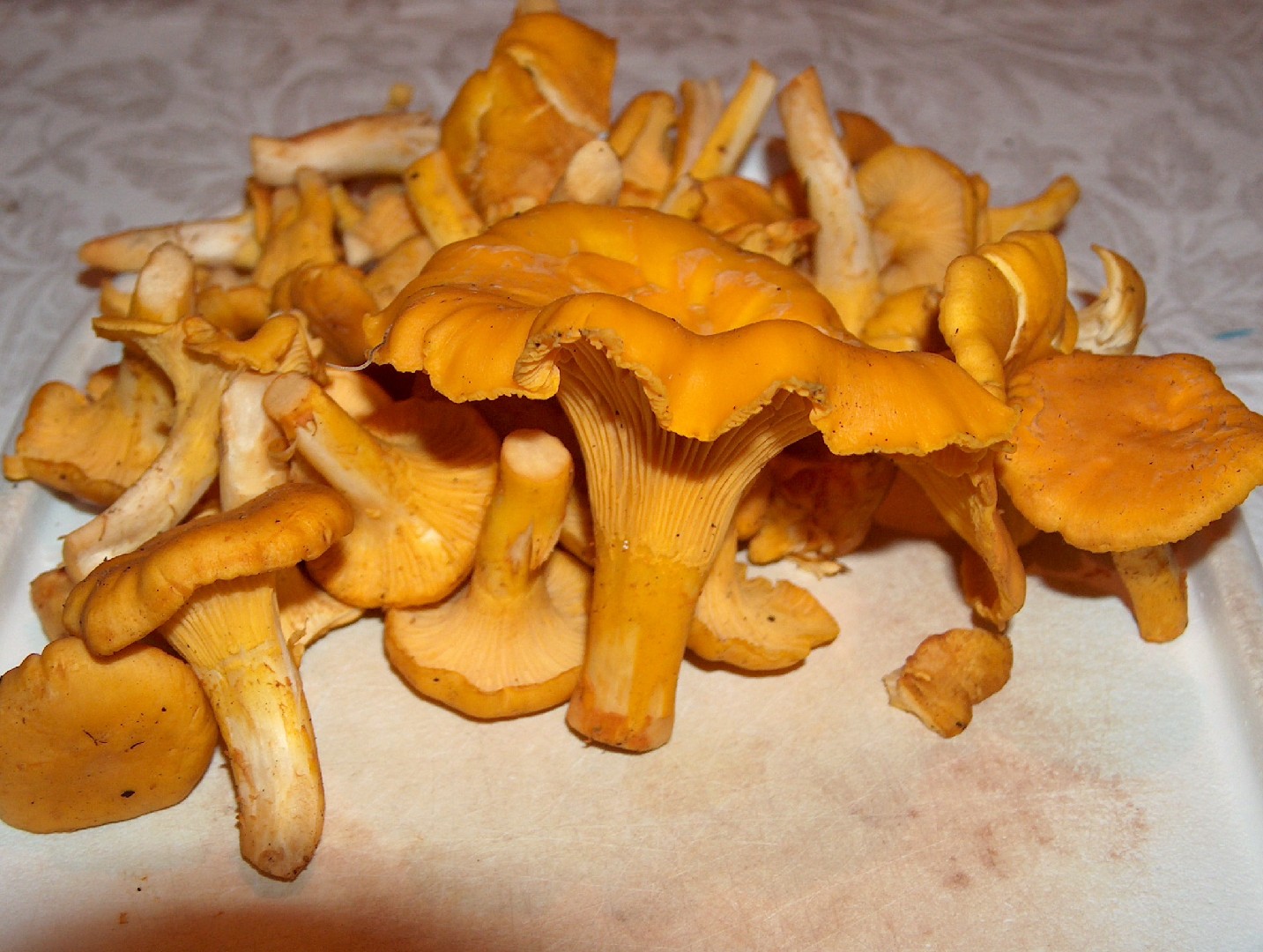
1. Golden chanterelle
Golden chanterelle mushrooms are popular in gourmet cuisine across Europe, where they grow wild during the warm (but not too hot) months. Similar species grow in other countries. Extremely popular with foragers, the golden chanterelle emits an apricot-like scent and contains an array of nutrients that benefit the human body. Several studies suggest consuming extremely large amounts may have detrimental effects on the eyes and muscles.
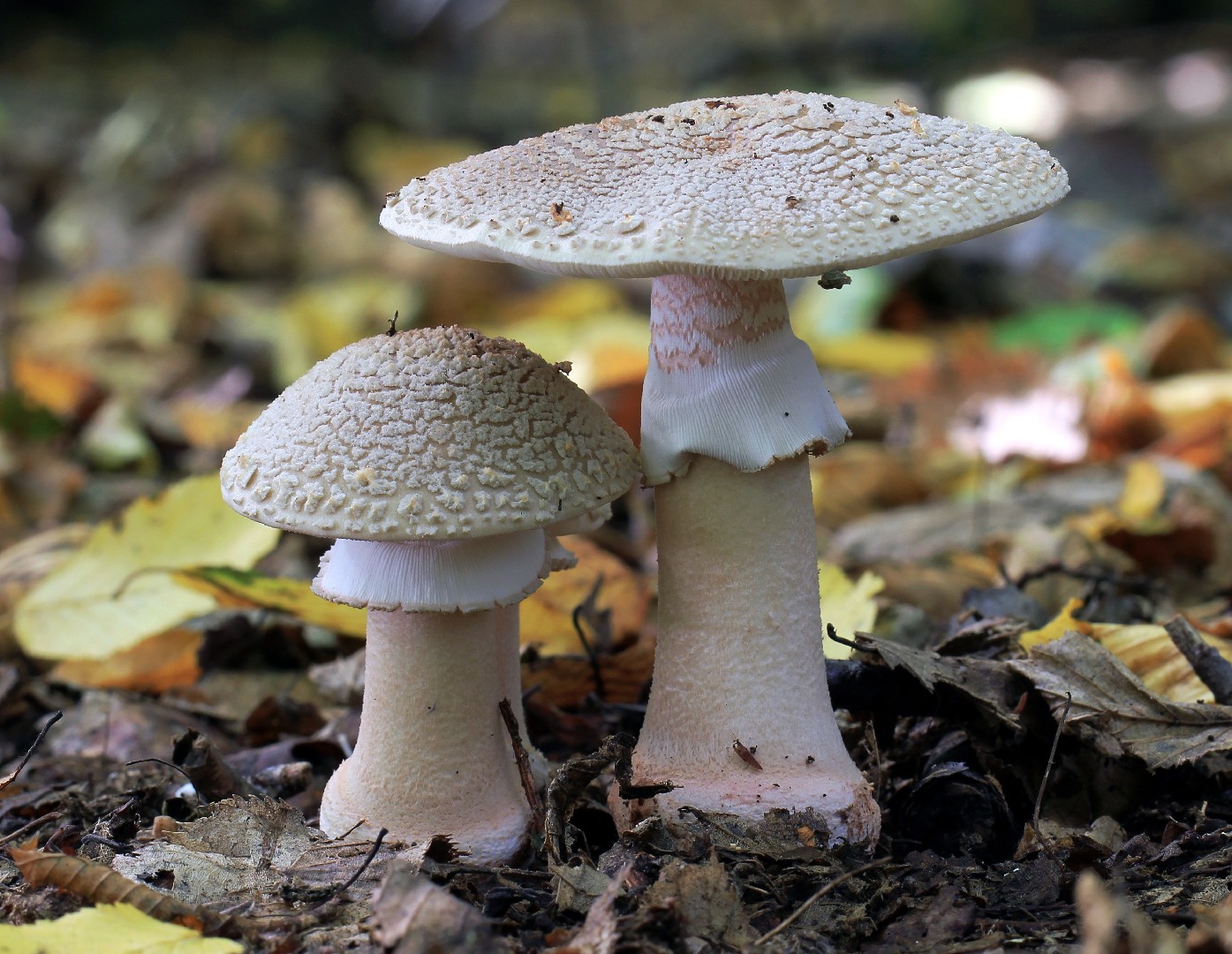
2. Blusher
The blusher mushroom is so named because it “blushes” to a pinkish red color when cut or bruised. It is found in many countries around the world, although it may not be native to the southern hemisphere. It contains a hemolytic toxin that can cause anemia if eaten.
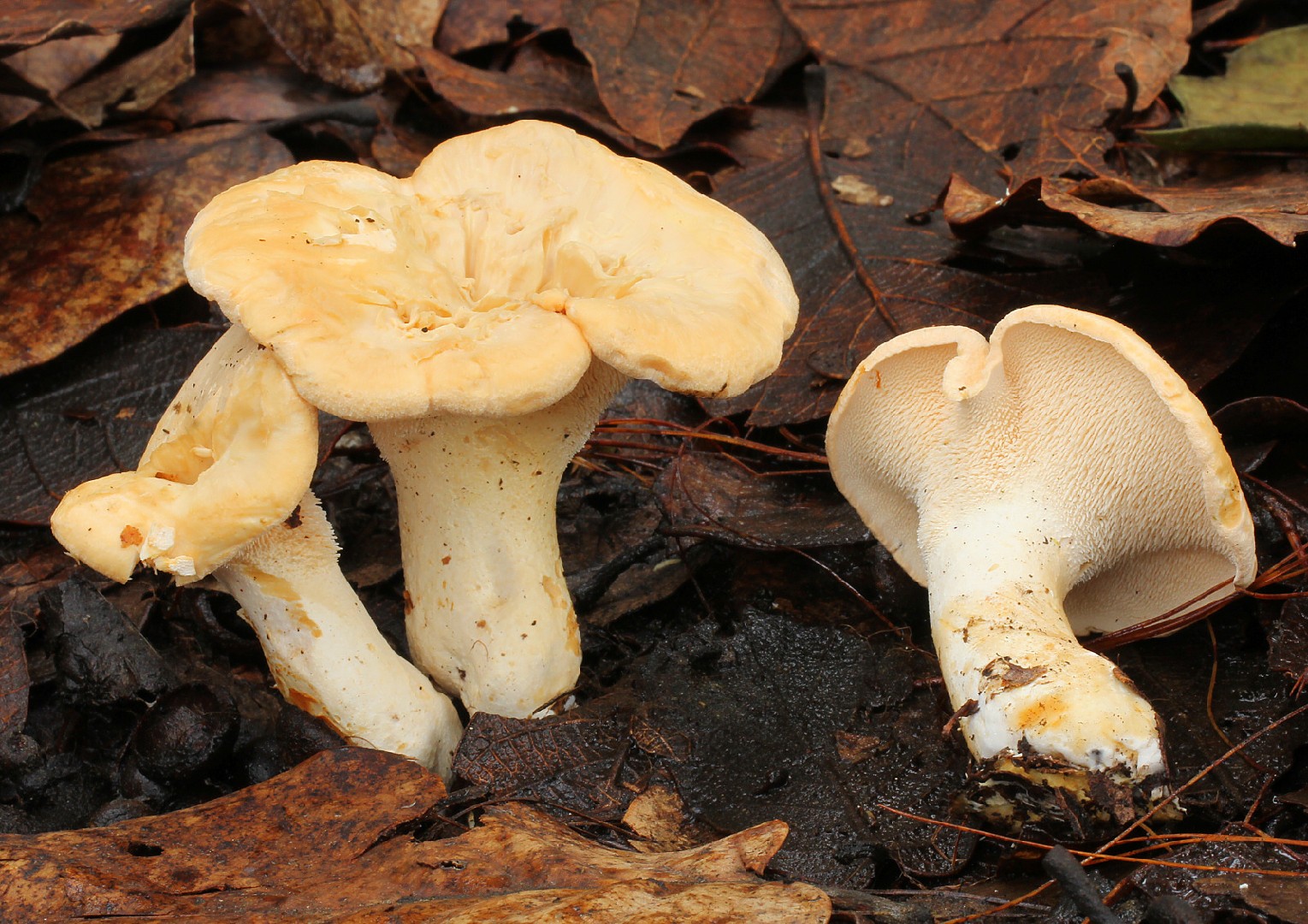
3. Sweet tooth
This mushroom is distinctive for the spines, or teeth, that hang down from the underside of its cap. It can be found on forest floors singly or in groups. In spite of the name, sweet tooth, it has a slightly spicy bite and bitter aftertaste. This wild mushroom needs to be cooked before it is truly edible, and only young, parasite-free mushrooms should be harvested.
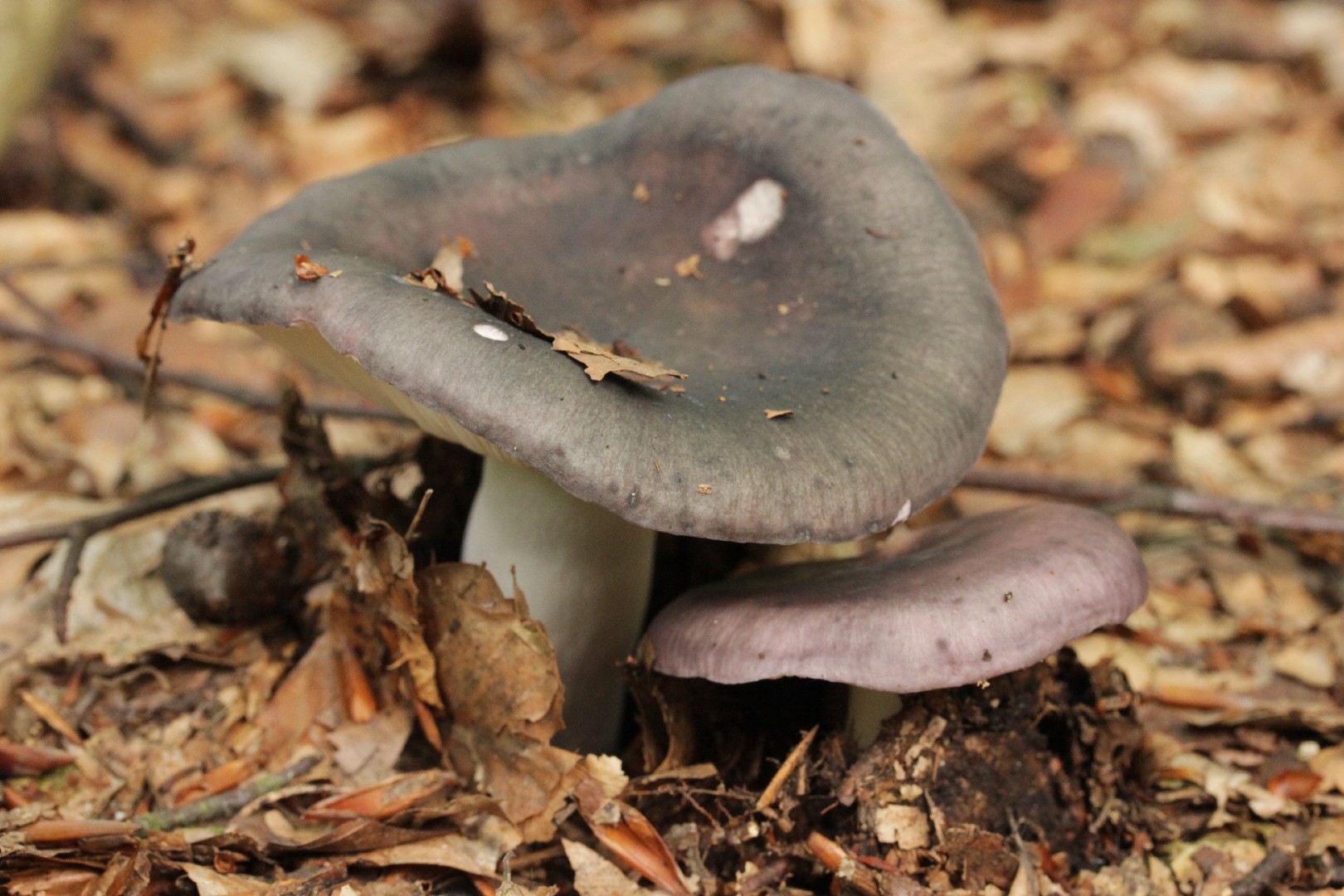
4. Charcoal burner
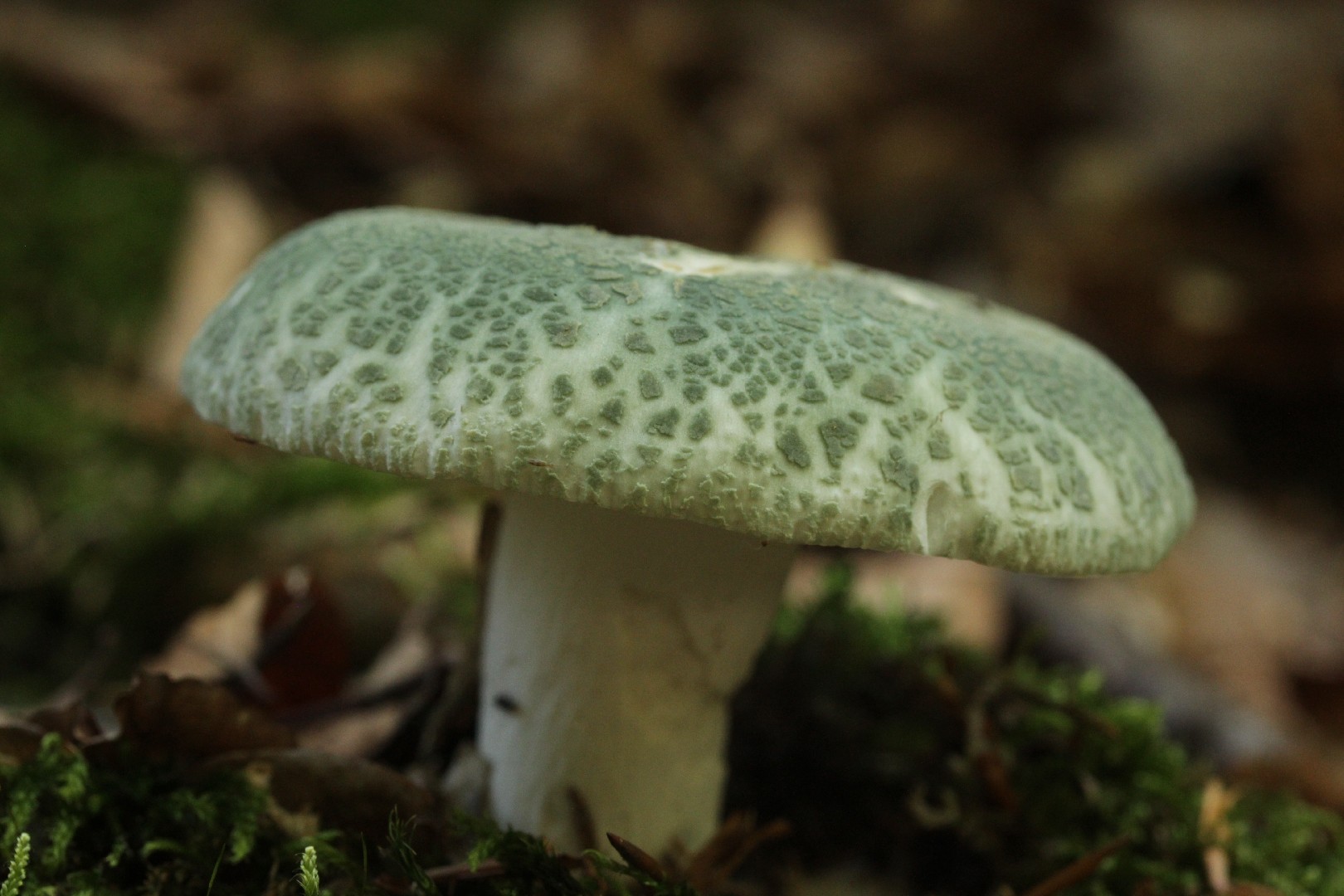
Most commonly found under beeches in forests or parks, this crumbly mushroom can appear in colors ranging from red and yellow to violet, blue-grey, or even green. Its scientific name represents this variability: Russula cyanoxantha means “reddish blue-blonde.”
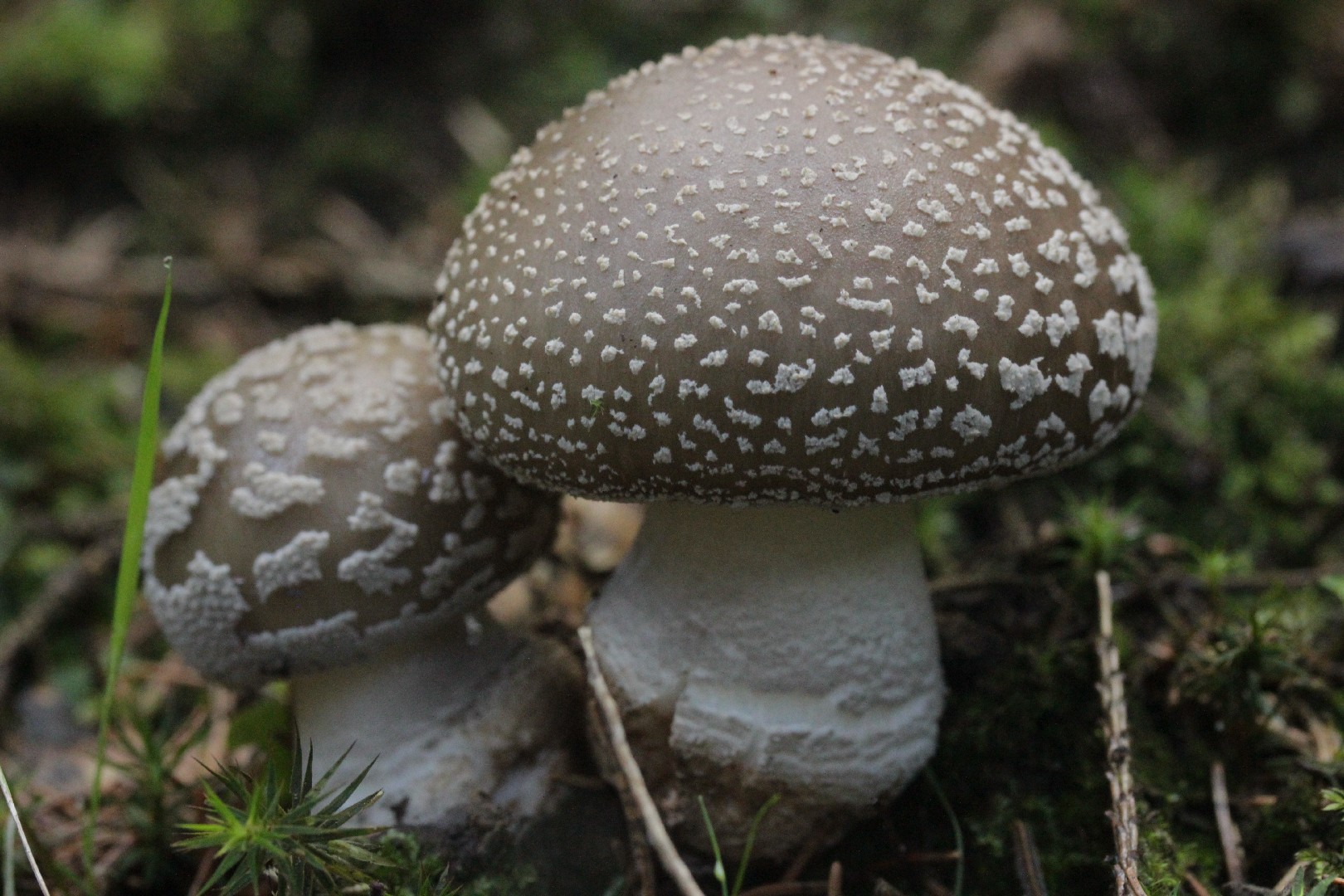
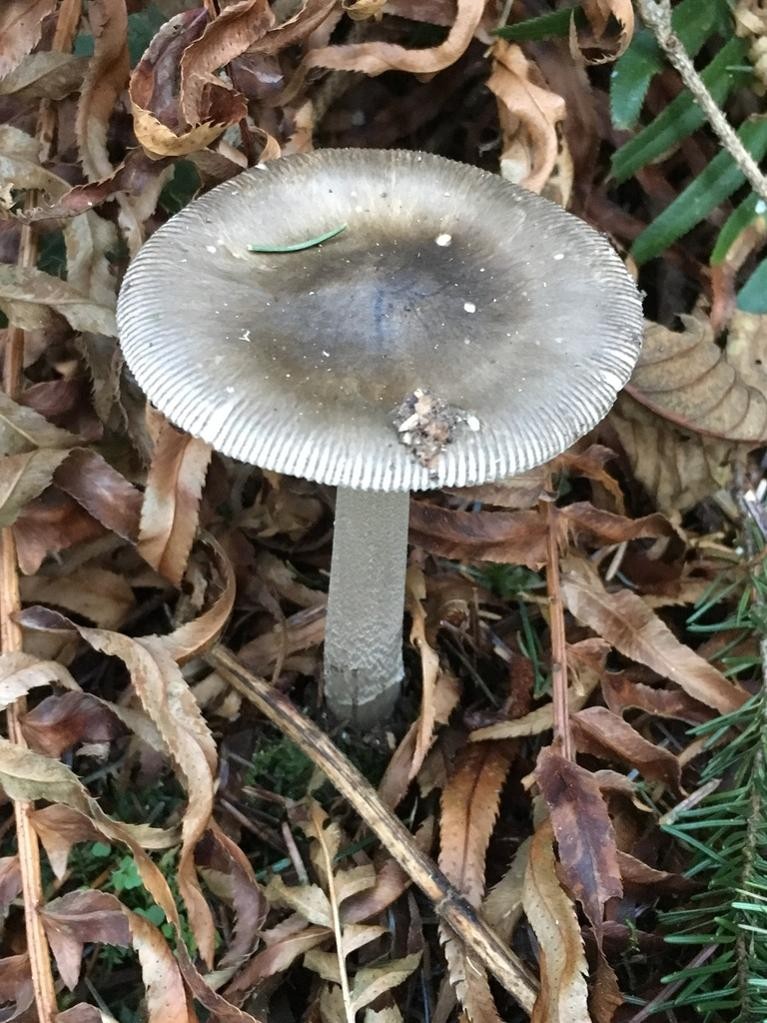
5. Grey spotted amanita
The cracked plaster appearance of grey spotted amanita (Amanita excelsa) caps is a common sight in Europe that also sporadically pops up in North America. This species has a long history and has been recorded and studied as far back as 1821. They contain a potent toxin called thermolabile, making those who consume it very sick if not cooked. This species is not recommended for consumption.
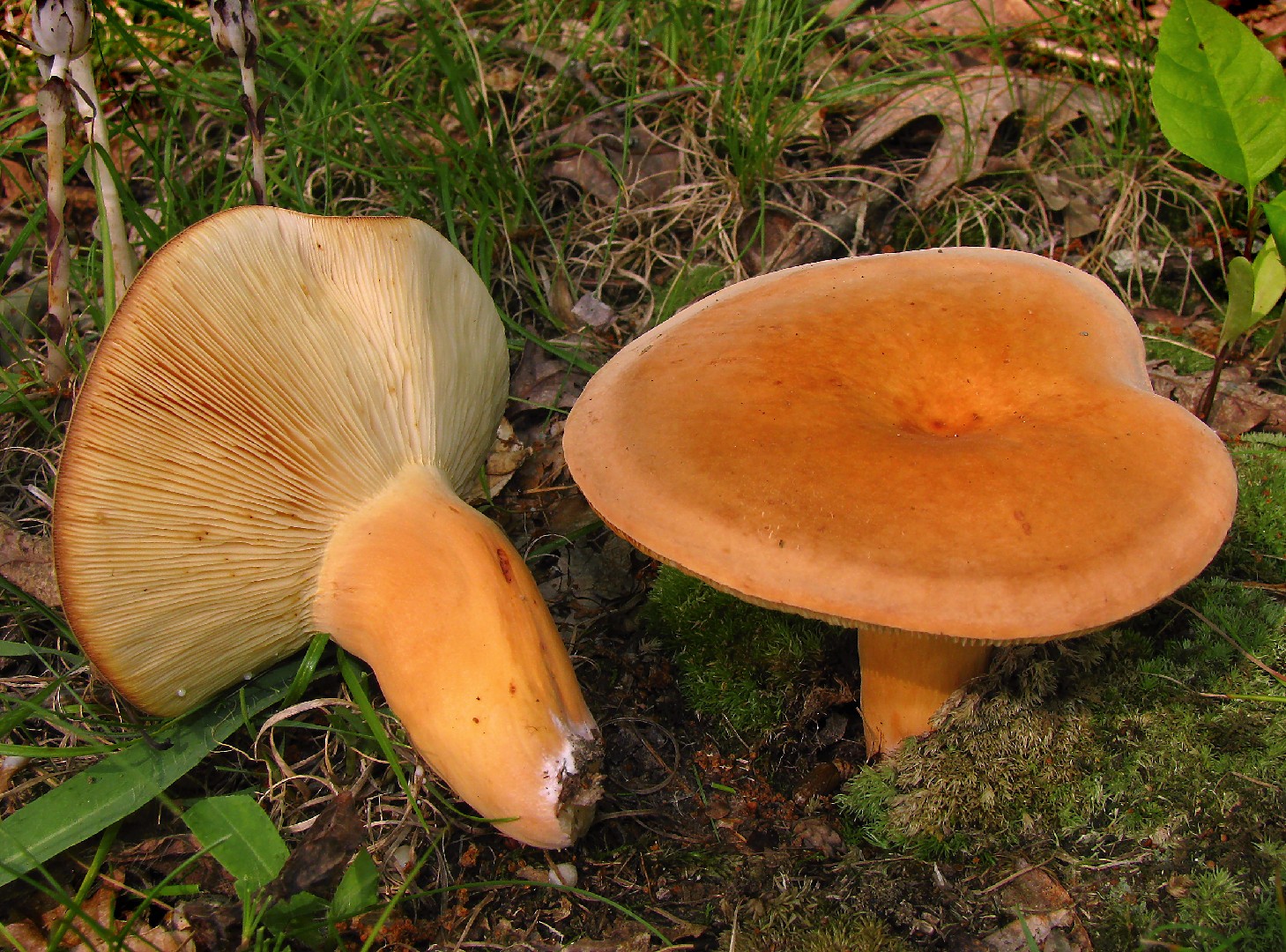
6. Weeping milk cap
Weeping milk cap is a mycorrhizal mushroom, meaning it forms underground connections with plants, and it is associated with a variety of trees, most often oaks. As a Lactarius mushroom, weeping milk cap releases a milky fluid from its gills when disturbed. This mushroom's brown milk is known to stain hands, paper, and other things it comes into contact with.
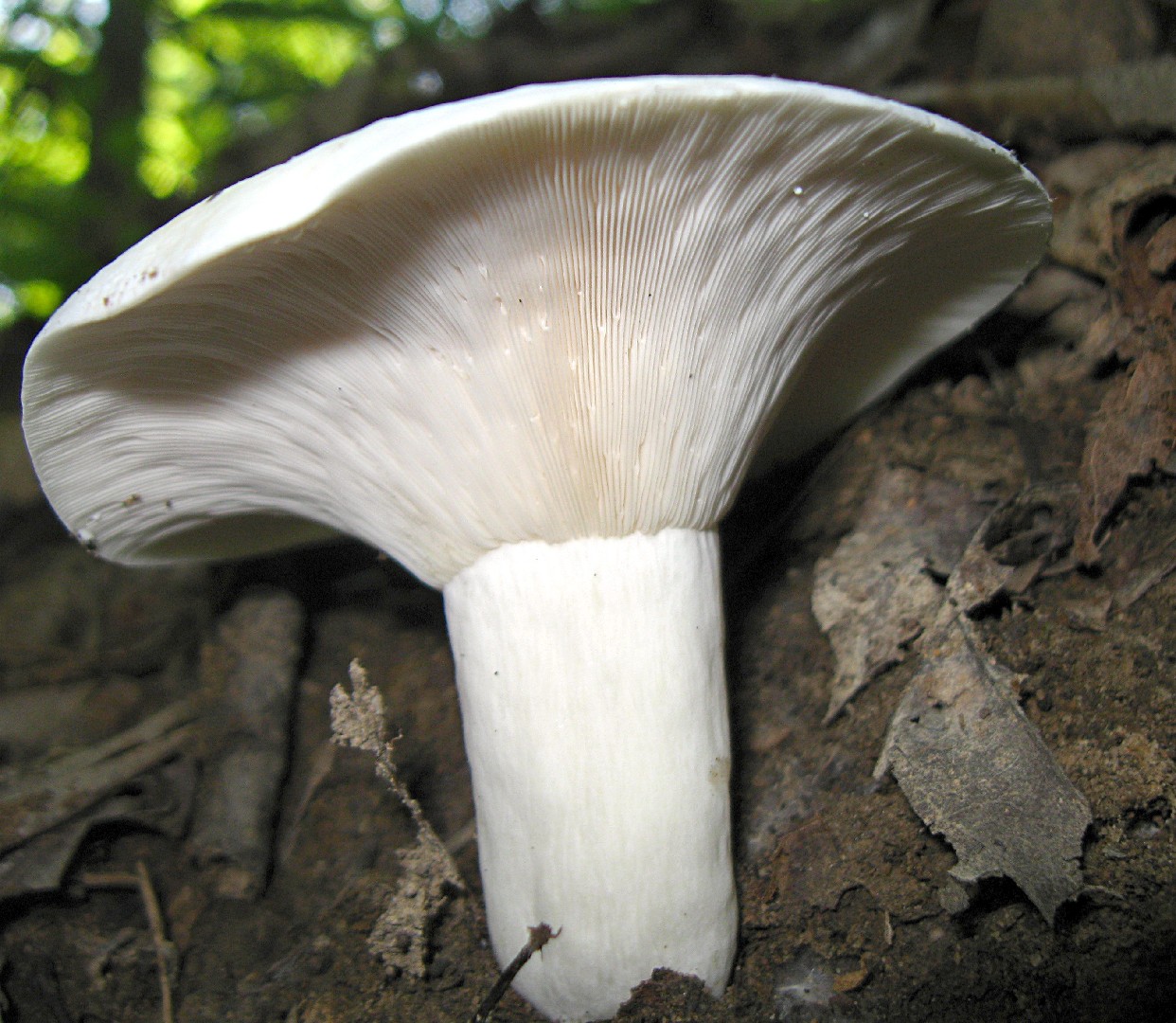
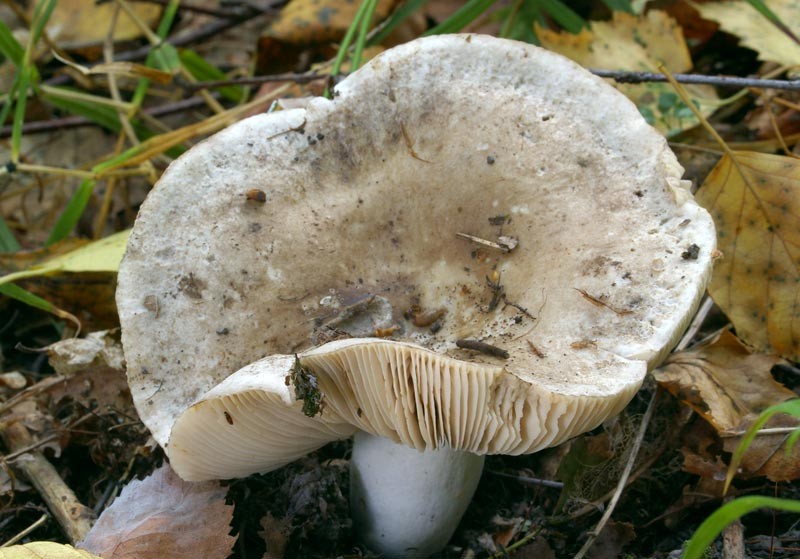
7. Peppery milk cap
Mushrooms in the Lactarius genus, including peppery milk cap, leak a milky substance from their gills. Peppery milk cap is unique because its milk has an overpowering pepper taste. This mushroom was first described by Carl Linnaeus, the famed father of modern taxonomy.
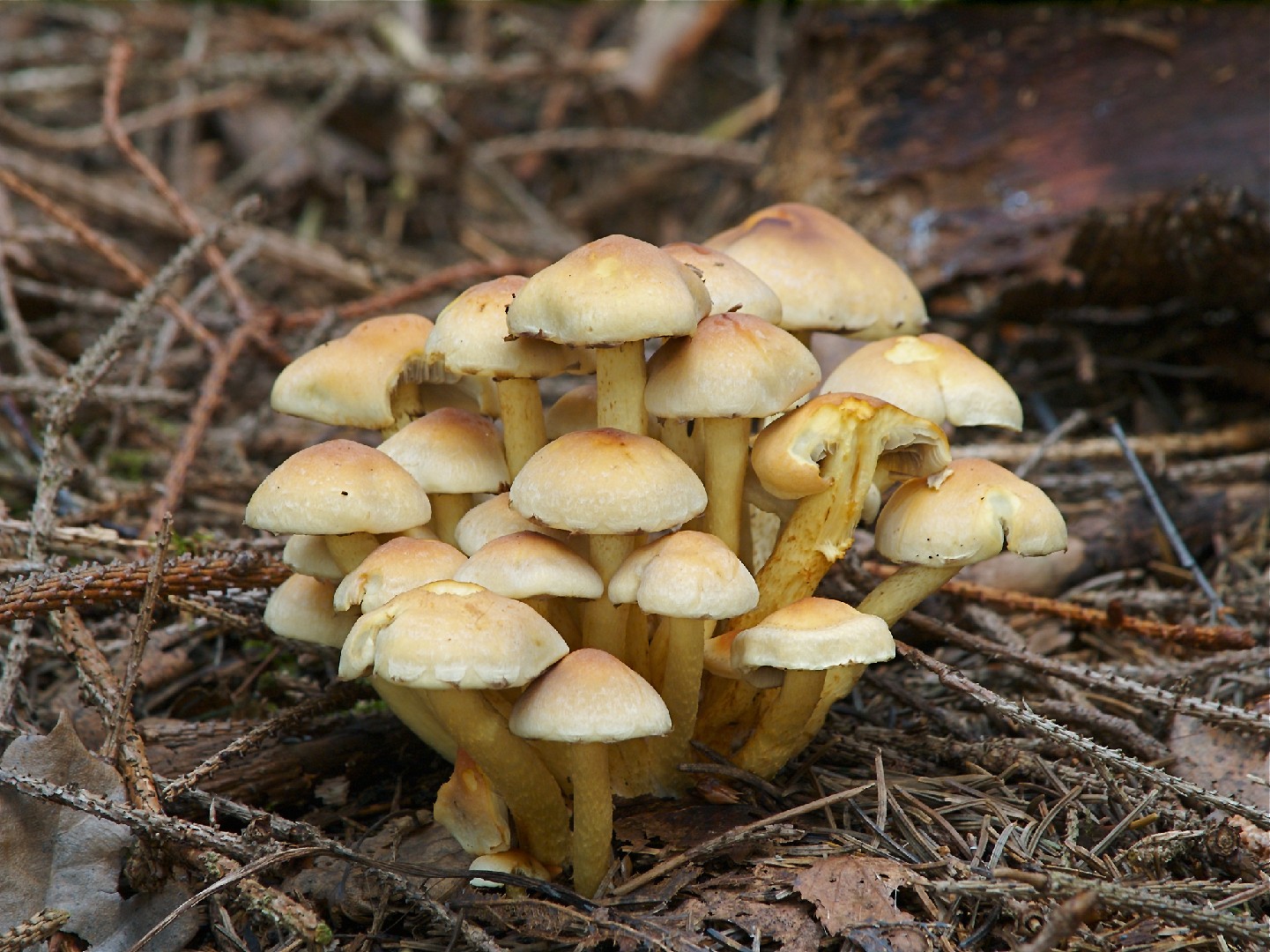
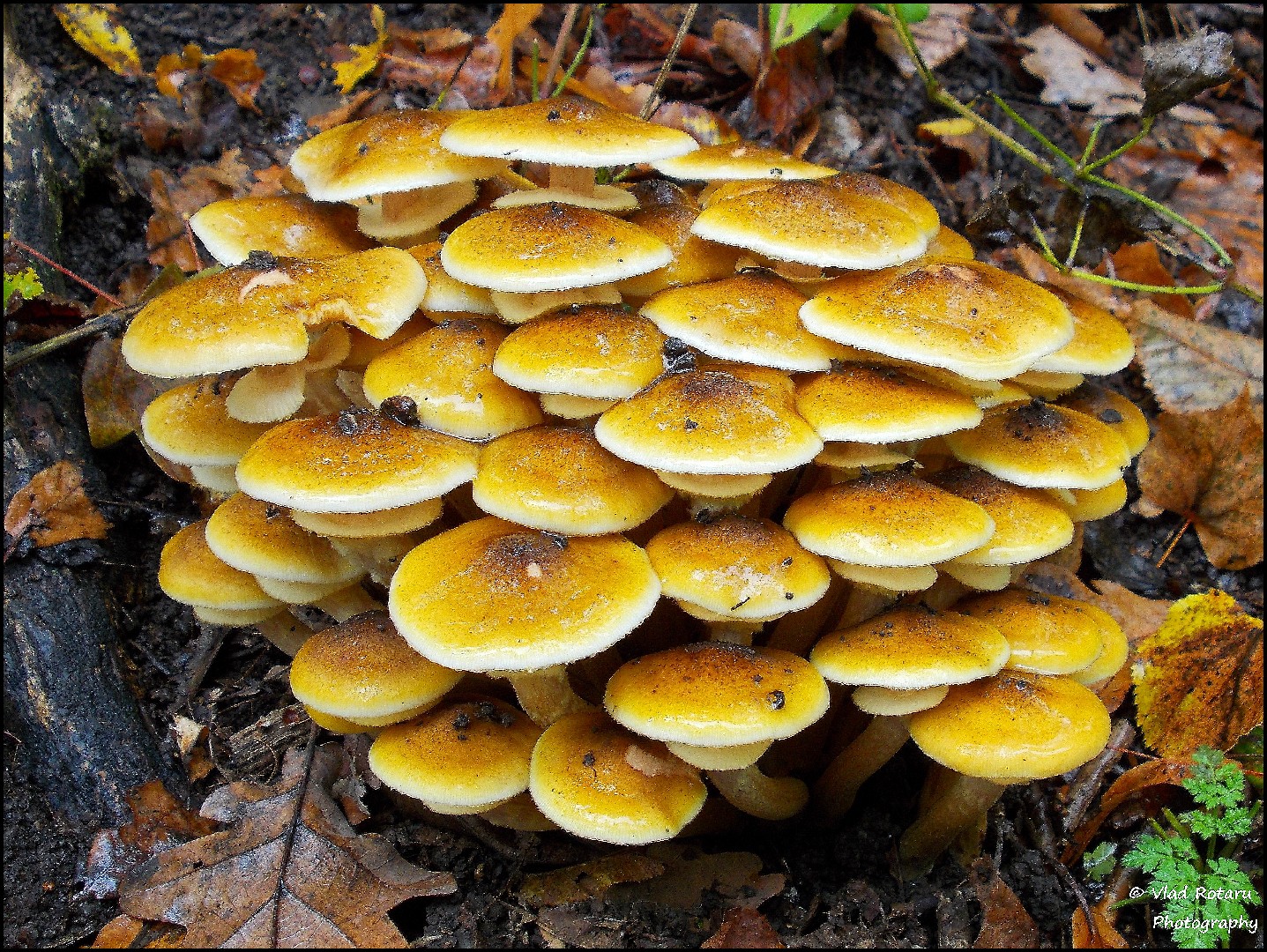
8. Sulphur tuft
The sulphur tuft grows on rotting wood of all types of trees; it is a particularly efficient decomposer of hardwoods. The mushrooms appear from spring to autumn and are often so tightly packed that they interfere with each other’s shape. This poisonous mushroom can cause temporary paralysis, distorted vision, and stomach pain if consumed.
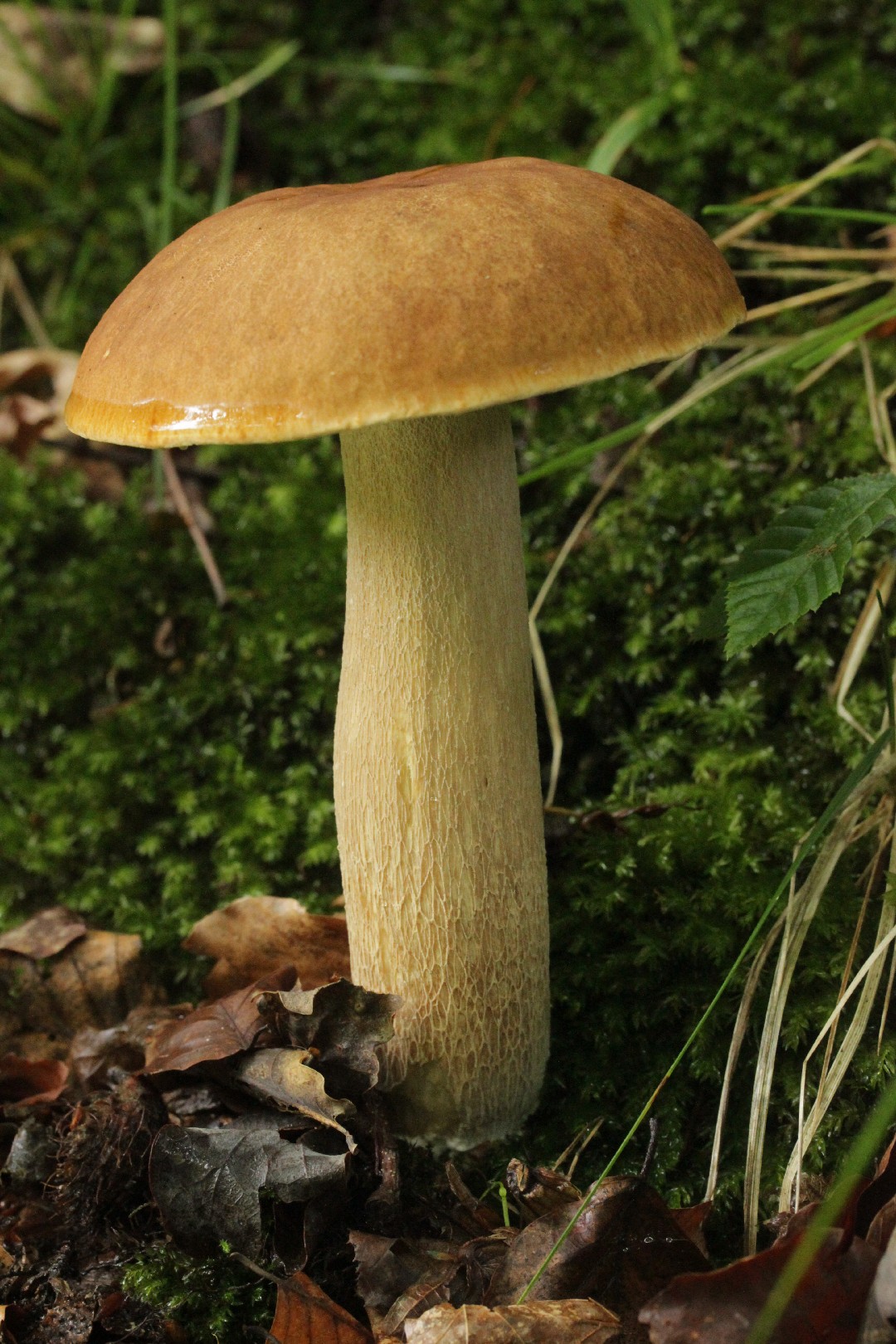
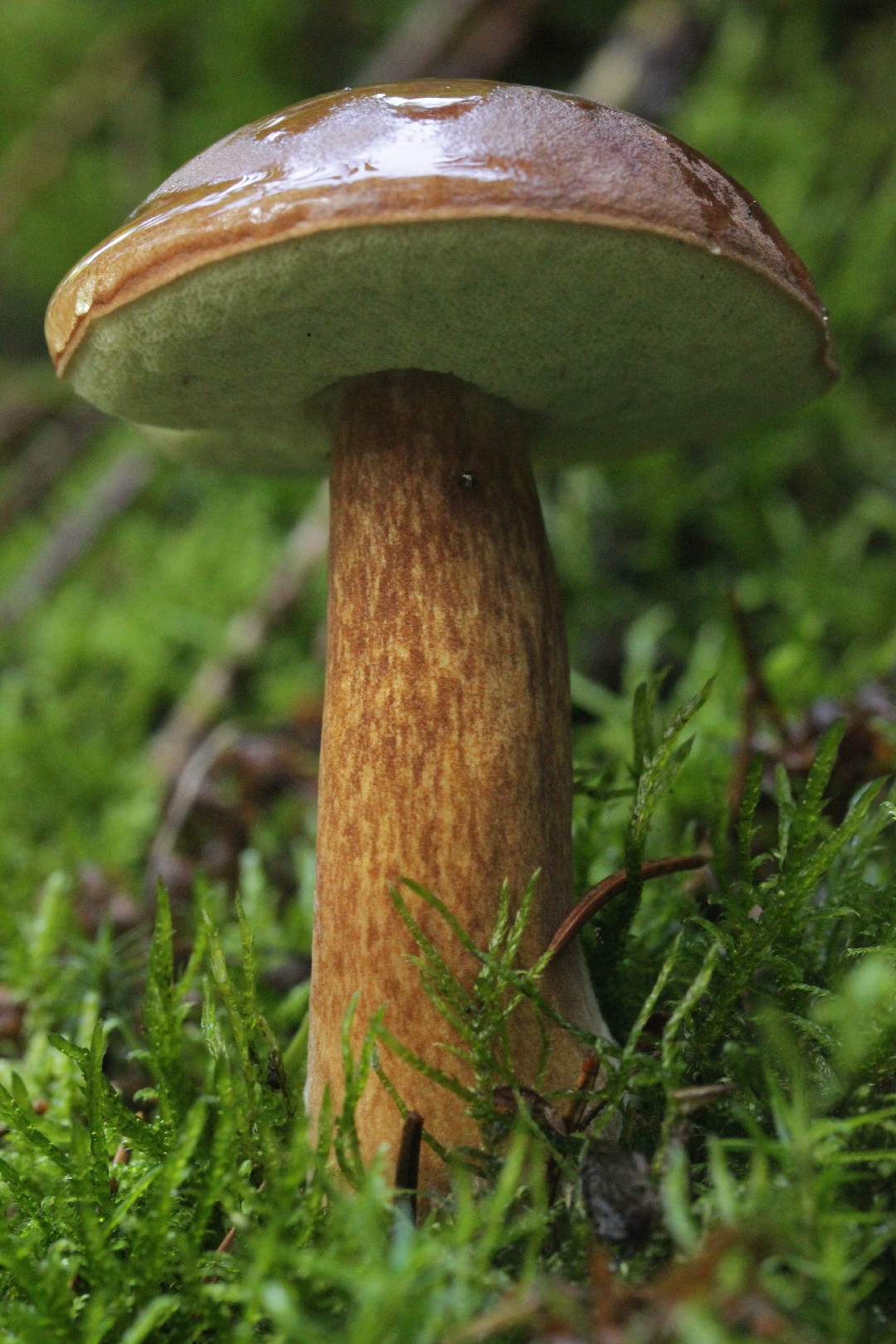
9. Summer bolete
The summer bolete is very similar in appearance to the famous Cep (Boletus edulis), but it differs from it by its "swollen" stem and the absence of a white edge around the cap rim. As its name implies, the summer bolete occurs during the summer months, after very hot and humid weather.
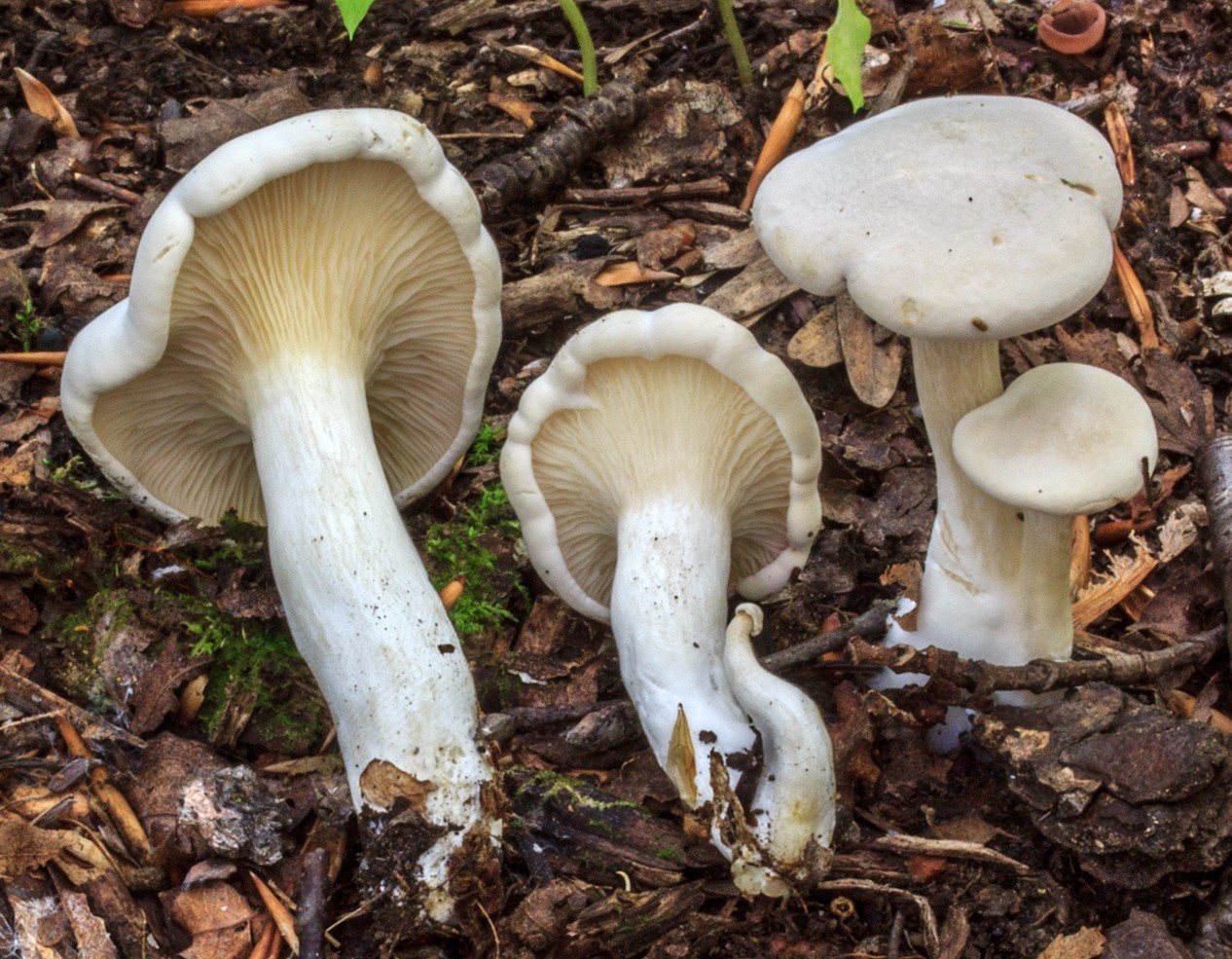
10. Sweetbread mushroom
Sweetbread mushroom(Clitopilus prunulus) is commonly found in grasslands, and it may be solitary or found among others of its kind. It exudes a characteristic odor reminiscent of raw pastry, responsible for its alternative common name of "the sweetbread mushroom." Foraging is discouraged for this mushroom, as its appearance is too similar to a deadly species.

More







