




Top 20 Edible Mushrooms Popular in Montana
Montana, fondly known as Montana, offers an ideal habitat for an array of mushrooms, owing to its moist, forested areas. This comprehensive guide on the top 20 most commonly found edible mushrooms in Montana will be enriching for both amateur foragers and mushroom enthusiasts. Highlighting each mushroom’s unique characteristics, flavors, habitats, and culinary uses, the focus is on an educational and engaging journey into the fungal realm. Step into Montana's ancient forests and discover the delightful world of edible mushrooms!
* Disclaimer: Content feedback CAN NOT be used as any basis for EATING ANY PLANTS. Some plants can be VERY POISONOUS, please purchase edible plants through regular channels.

Most Popular Edible Mushrooms

1. Shaggy mane
The shaggy mane mushroom is commonly found in North American and European grasslands. Some peoples foraged for its young egg-shaped caps, but it has more recently been found to be a bioaccumulator of heavy metals, meaning it pulls toxic metals up from the soil where it grows. As a result, shaggy manes should not be eaten. The mushrooms usually appear in clusters or “fairy rings.”
2. Coral tooth fungus
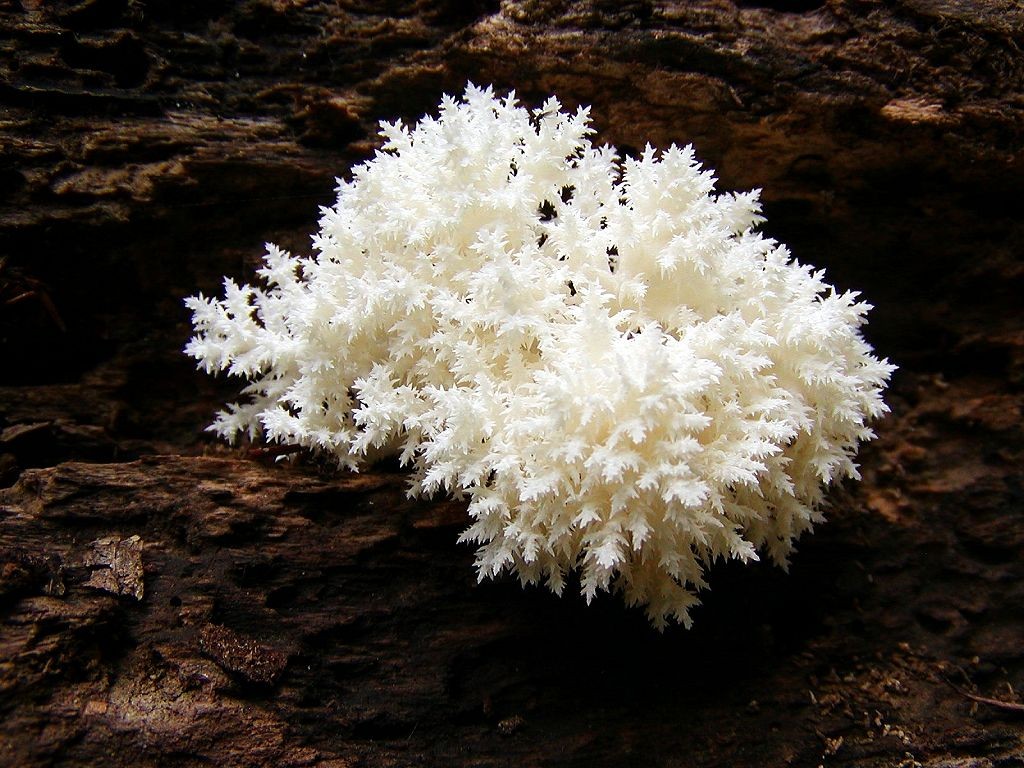
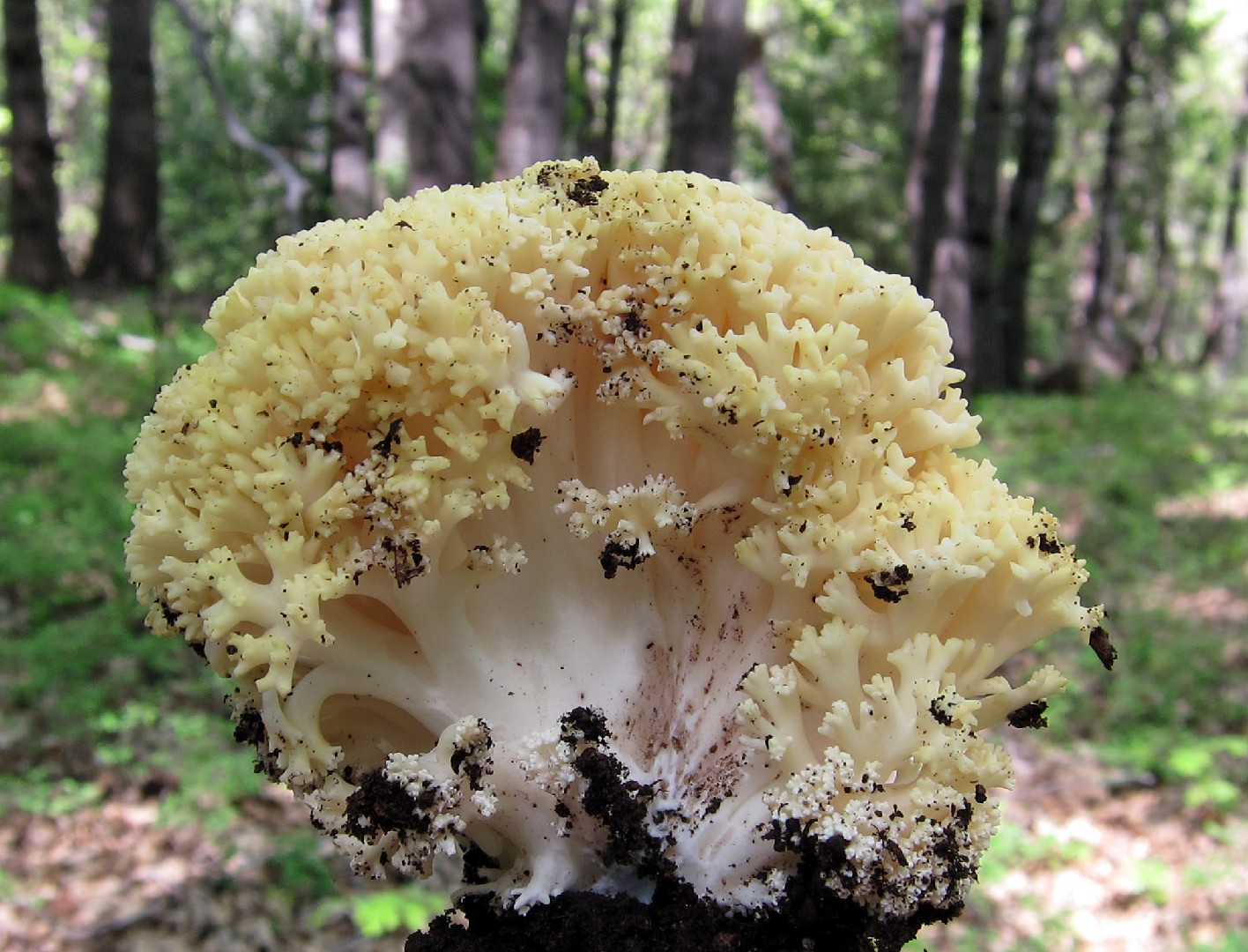
Coral tooth fungus (Hericium coralloides) is a species of coral mushroom most frequently sighted on dead or decaying hardwoods. Generally, younger specimens are white and become increasingly yellowish as they mature. Found around the world, the Māori refer to this species as pekepekekiore.
3. Fairy ring mushroom
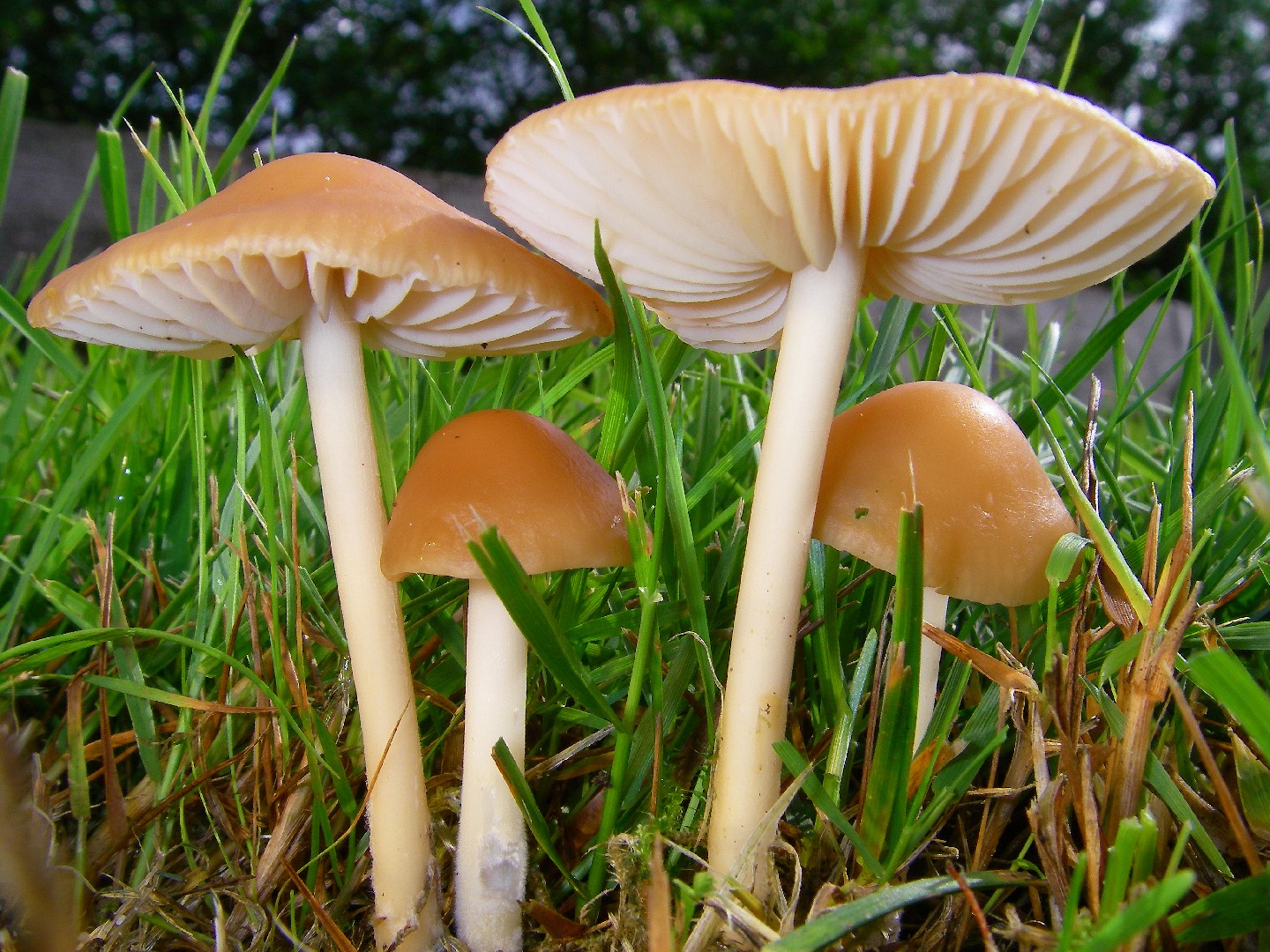
Fairy ring mushrooms may dry out completely in the sun, but will “resurrect” during the next rain and regain their ability to make new spores. This is due to a sugar called trehalose which protects their cells. They appear in lawns and fields, sometimes in “fairy ring” configurations.
4. Parasol
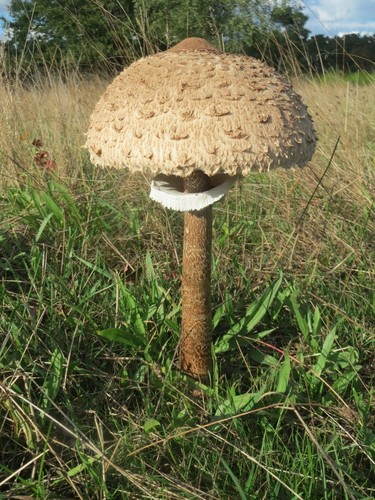
Found in clearings and grassy areas in late summer, the wild parasol mushroom has a snakeskin-patterned stem. The brown spots on its cap make it look a bit shaggy, but that name is reserved for its poisonous counterpart, the Shaggy Parasol (Chlorophyllum rhacodes). You can distinguish the two by the stems: the latter has a smooth stem and red flesh inside.

5. Common puffball
These puffy mushrooms grow in small groups on the forest floor. Once they're mature, common puffballs turn yellow and "puff out" smoke-like spore clouds when disturbed. Be very careful when identifying these mushrooms, as their young, immature form looks very similar to the lethal Deathcap.
6. White dapperling
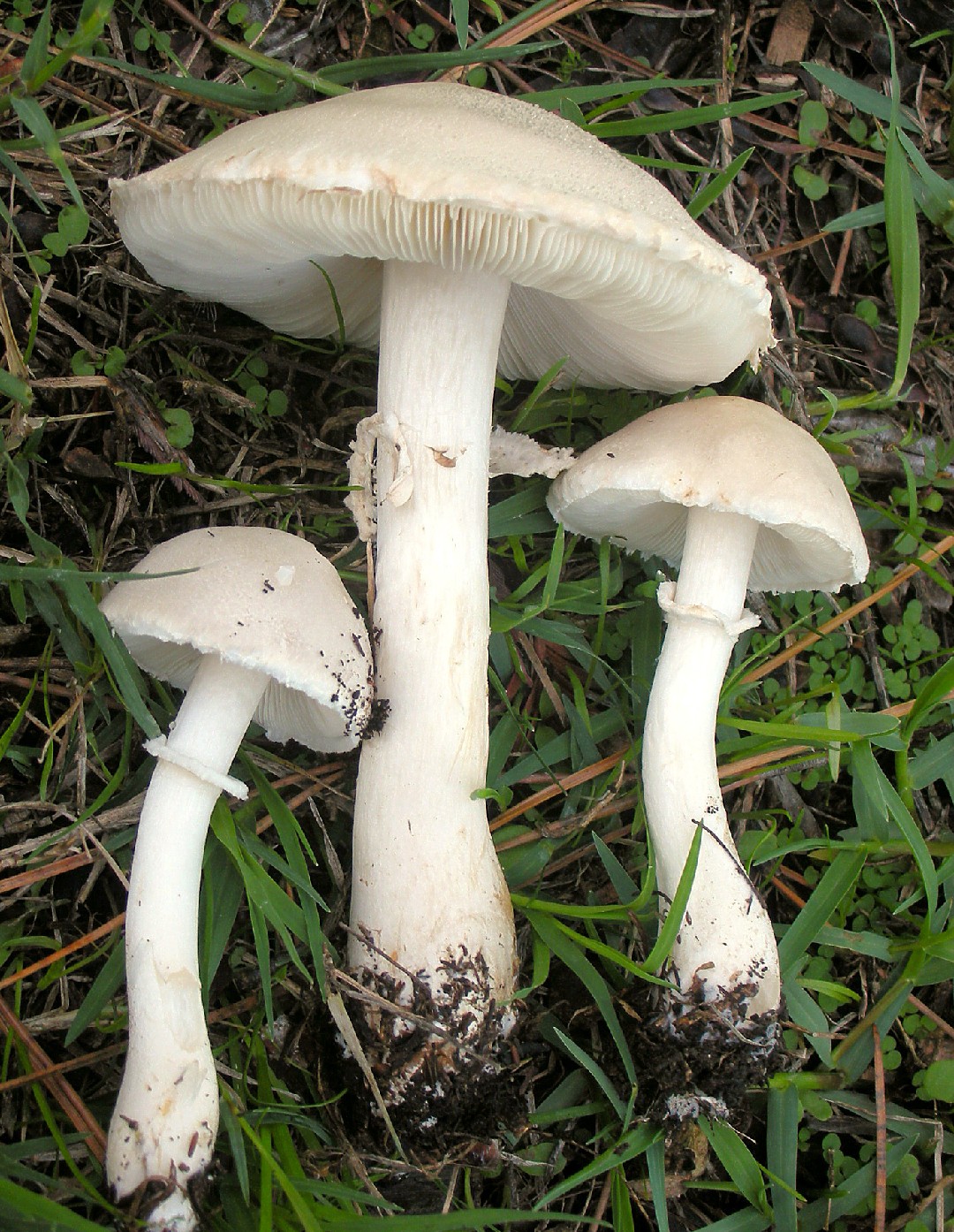
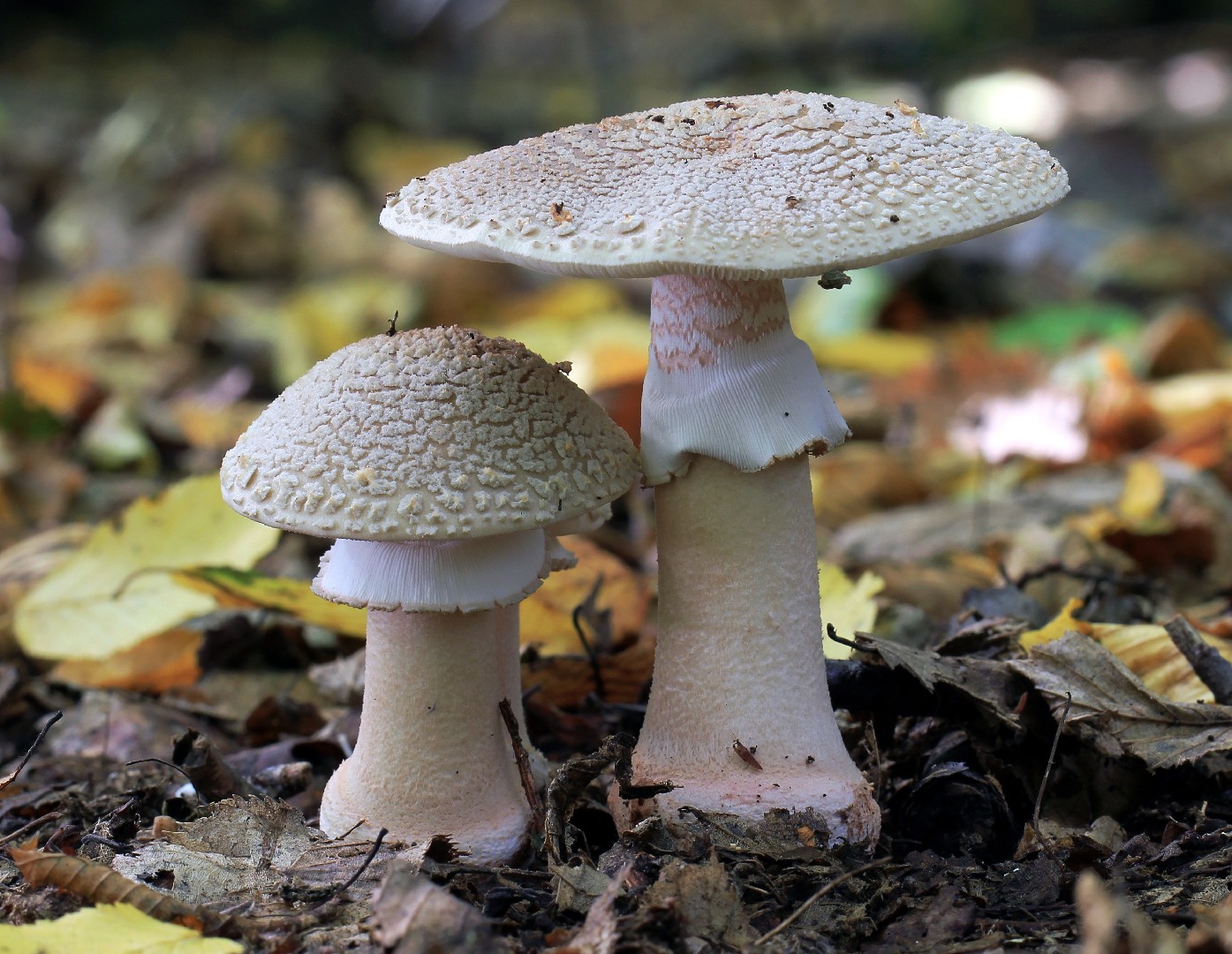
White dapperling mushrooms grow in scattered groups across open fields in the northern hemisphere. They can occasionally cause toxic reactions in humans, and their similarity to extremely poisonous lookalikes like Deathcap and Destroying Angel make them hazardous to handle.
7. Shingled hedgehog
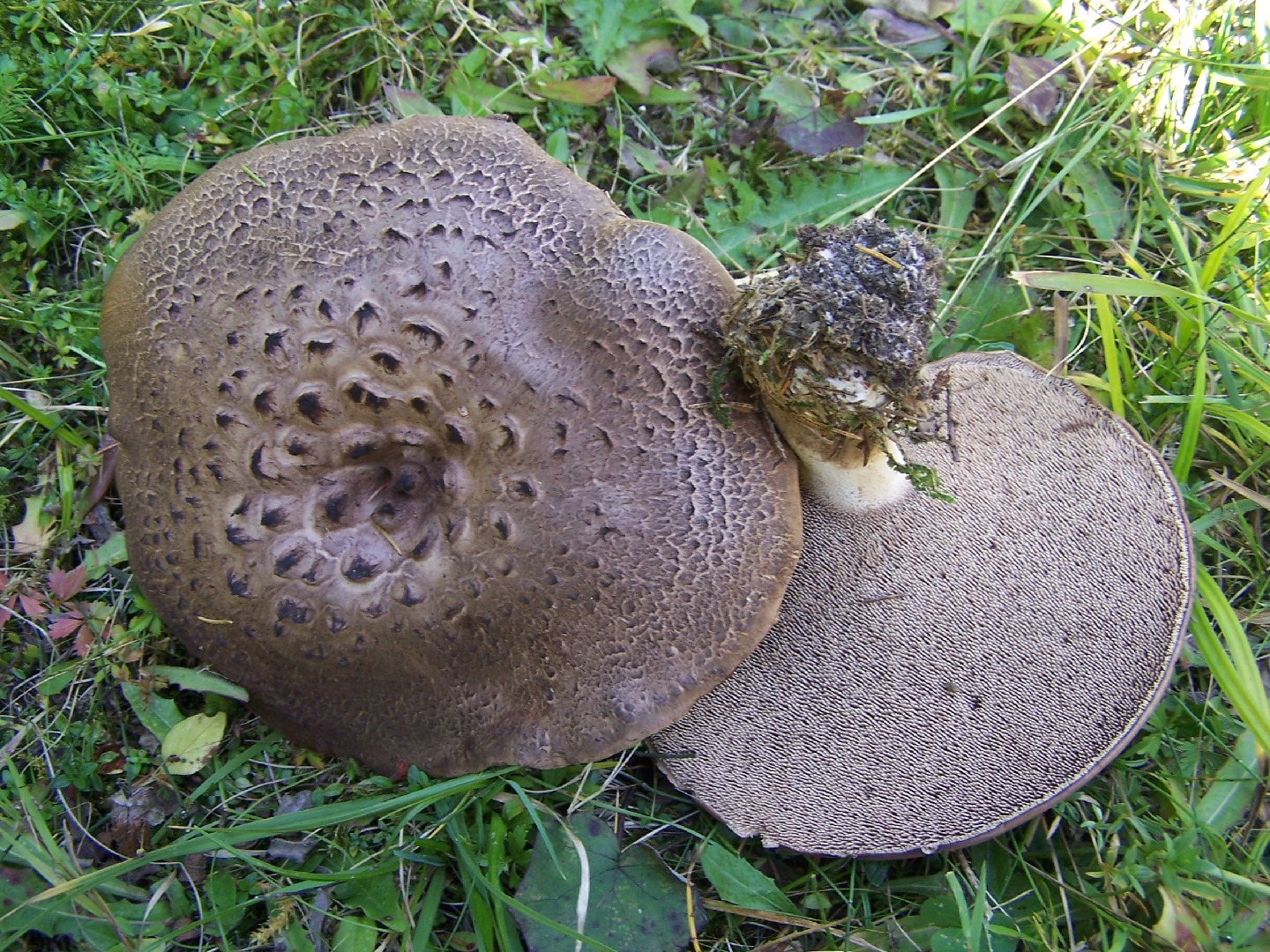
Shingled hedgehog(Sarcodon imbricatus) is often found in the company of fir trees, and it is therefore partial to mountainous or hilly regions. Endemic to Europe and North America, the species is prone to forming fairy rings. It fruits in early autumn.
8. Sculpted puffball
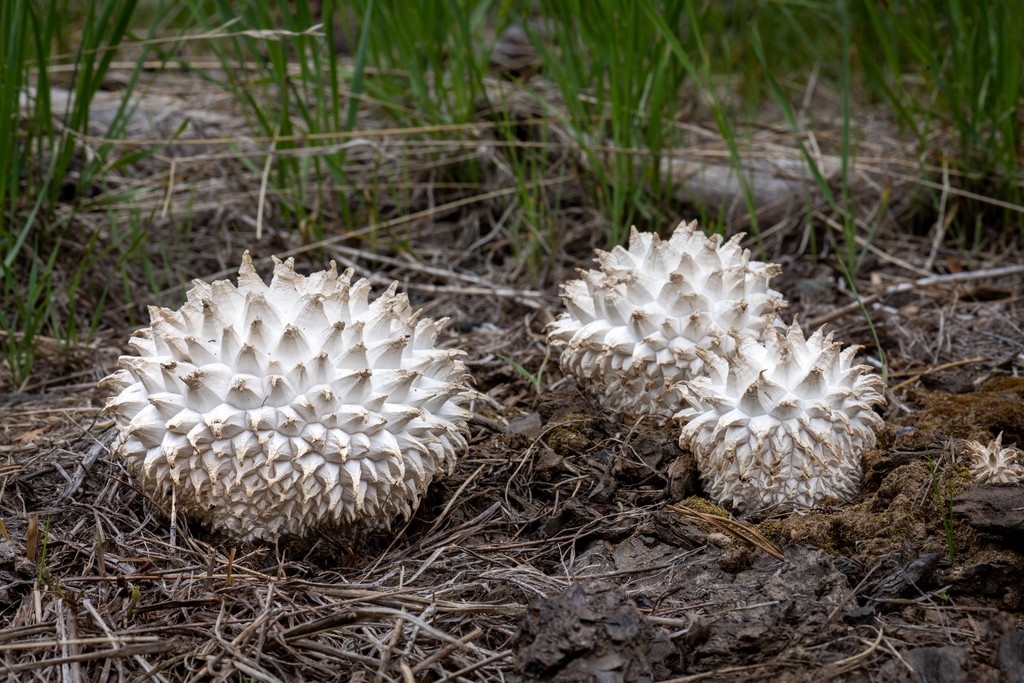
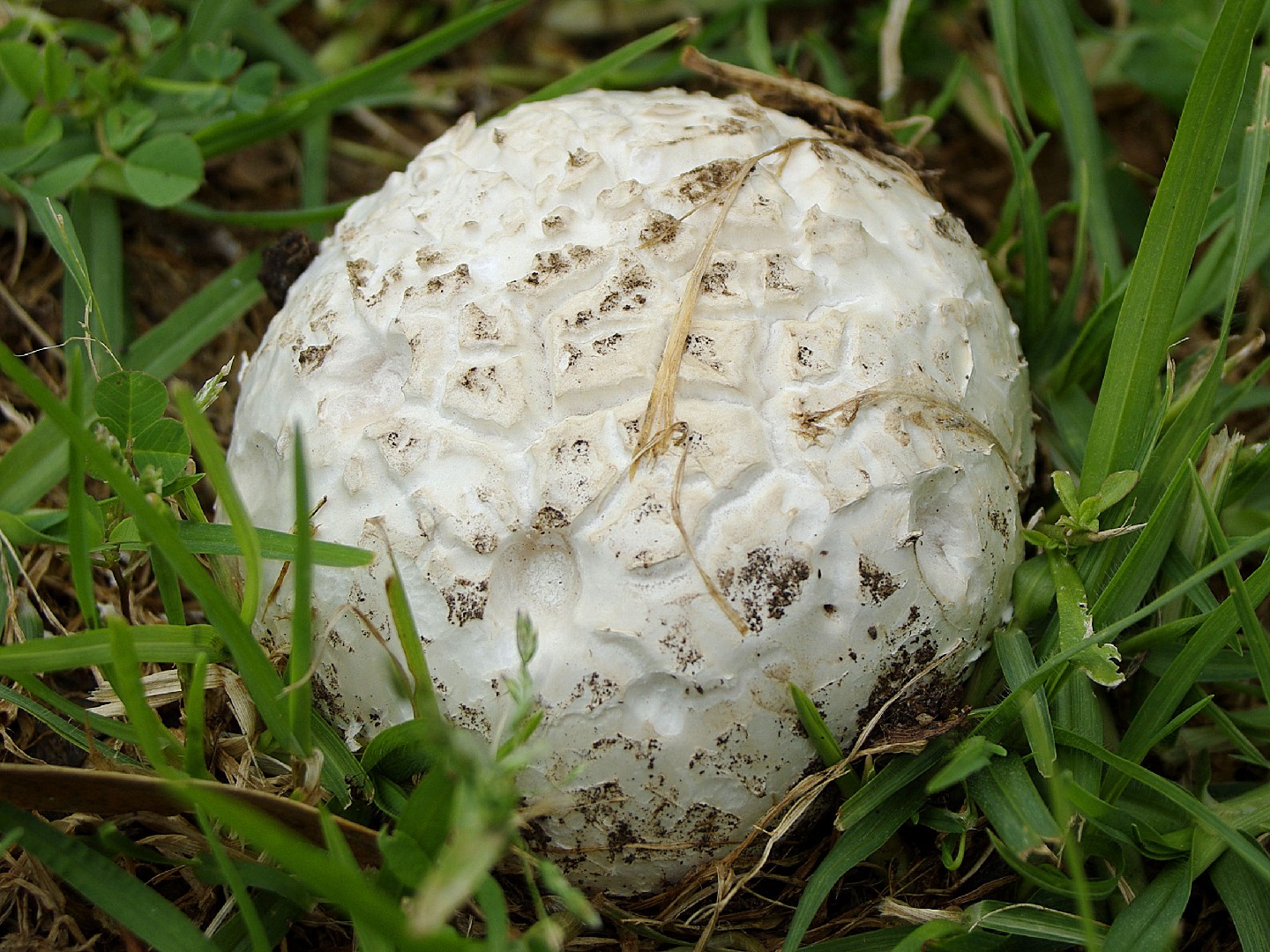
Sculpted puffball is an eye-catching and unique puffball that appears to have been sculpted with pyramidal warts, giving rise to its name. Sculpted puffball fruits during the late spring/early summer in the soil of conifer forests at altitude. It can be mistaken for the larger C. subsculpta.
9. March mushroom
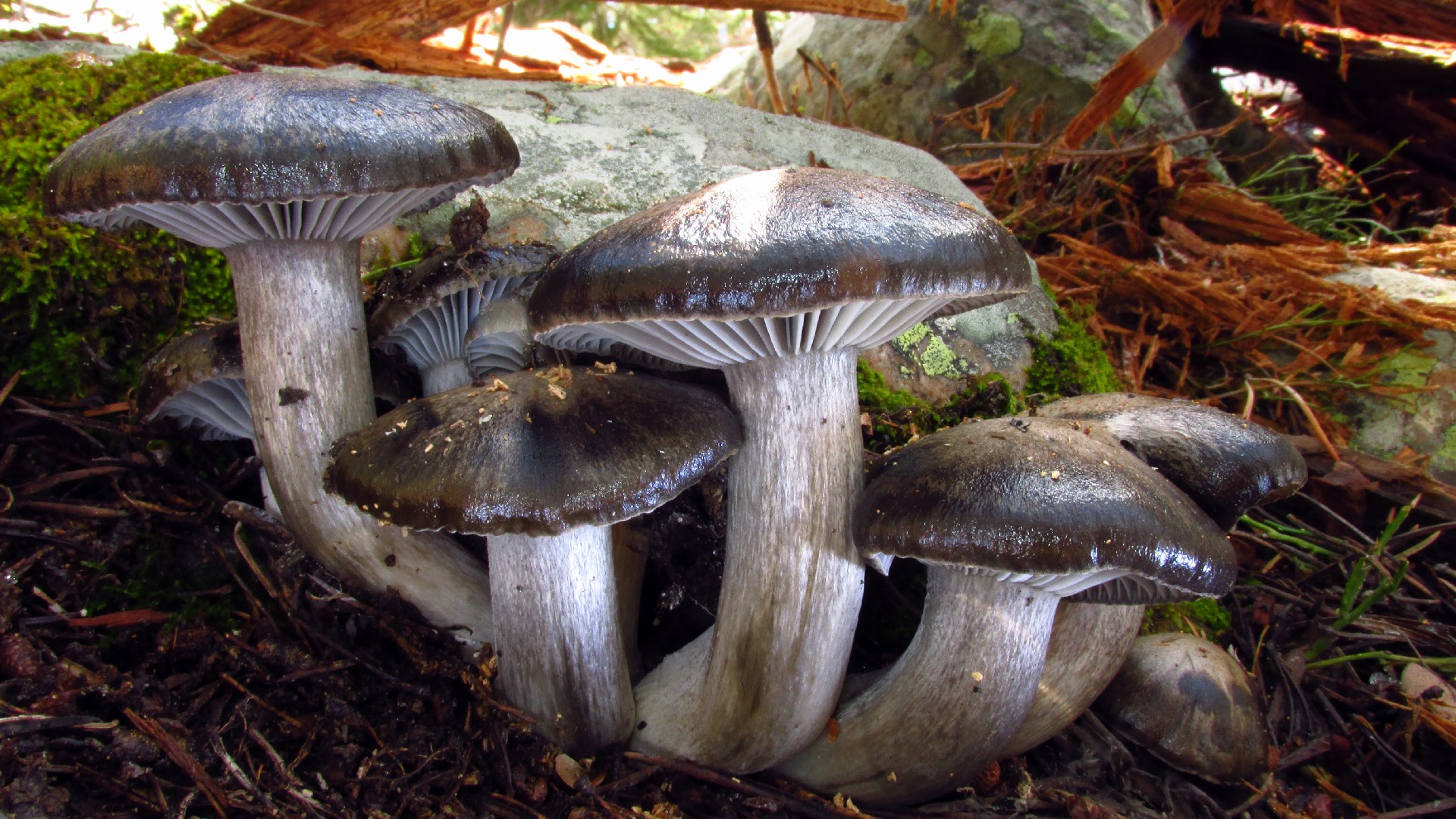
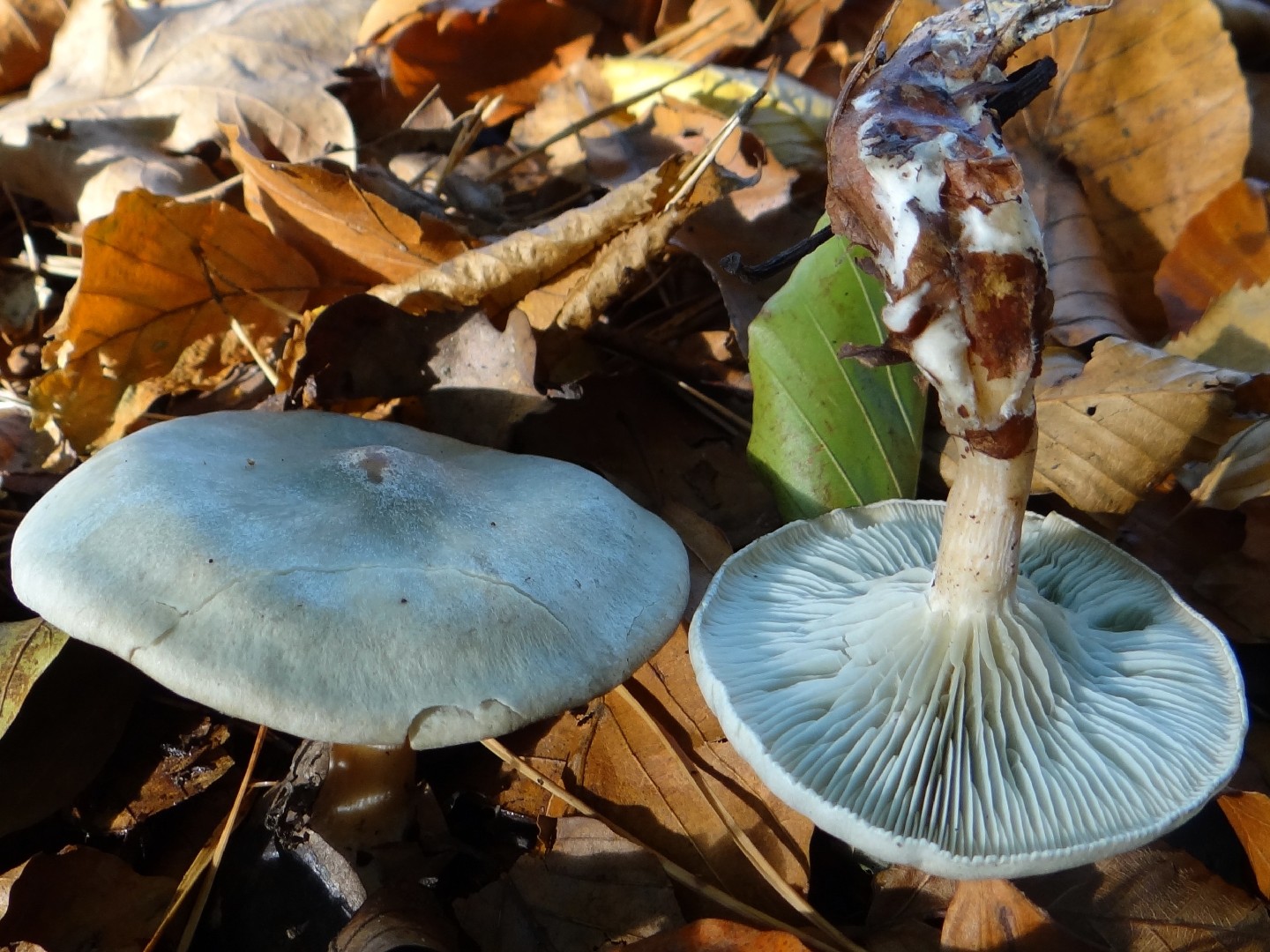
The fruit bodies have caps that are broadly convex, measuring 2.5–11 cm (1.0–4.3 in) in diameter. Their surfaces are smooth and sticky, with a pale greyish-brown center and darker brown to blackish-grey margin. The distantly spaced, broad gills have an adnate to adnexed attachment to the stipe, and two tiers of intervening lamellulae (short gills). The gills are initially white before turning gray to bluish-gray in age. The whitish stipe measures 3–10 cm (1.2–3.9 in) long by 1–2.5 cm (0.4–1.0 in) thick, and is either equal in width throughout or tapers slightly towards the base. The stipe is smooth except for a few tufts of hairs near the top. Immediately underneath the cap cuticle, the flesh of the cap is water-soaked; elsewhere in the cap, it is gray-tinted with a sheen, while in the stipe it is dull white. It lacks any appreciable odor or taste. It is considered edible in Europe, where it is prized in some regions. The thin-walled, elliptical spores measure 6.5–8.5 by 4.5–5 µm. The basidia (spore-bearing cells) are narrowly club-shaped, four-spored, and measure 42–55 by 5.4–8.1 µm. 
10. Meadow mushroom
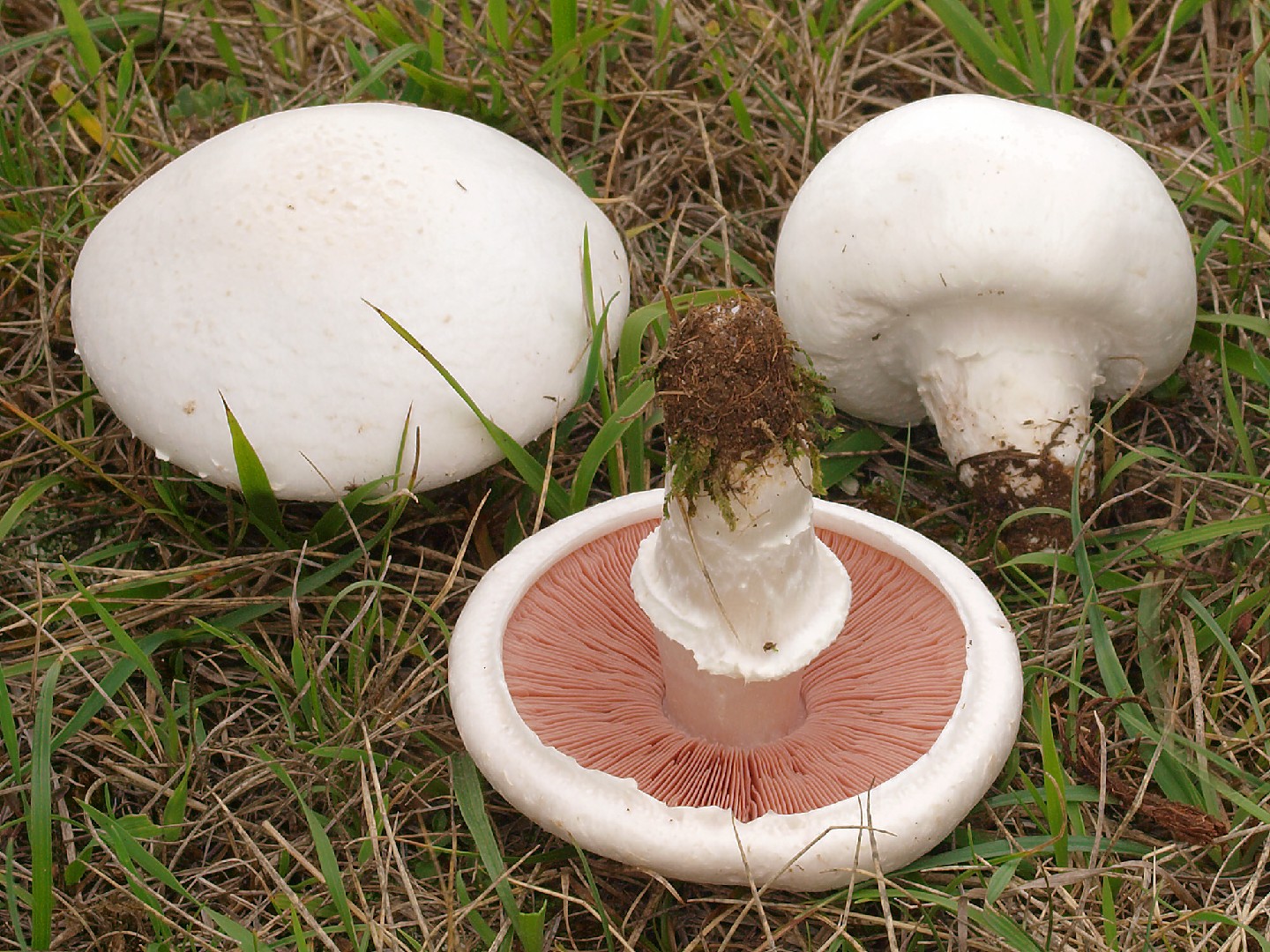
The meadow mushroom grows in meadows and pastures around the world—especially those rich in manure—when the weather is warm and wet. They are known to appear in “fairy ring” shapes. Originally identified in Europe, it is possible that North American specimens identified as meadow mushrooms may genetically belong to other species.

More







