




Top 20 Edible Mushrooms Popular in Stockholm
Experience the myriad of flavors and textures that Stockholm has to offer, home to 20 of the most common, yet delectable, edible mushrooms. Afforded by the lush, damp, and predominantly forested habitat, these fungus wonders thrive abundantly for your picking or tasting pleasure. Learn more about their unique appearance, taste, environment, and culinary usage. Discover the diverse aromatic profiles from our top picks, adding a touch of Stockholm's natural, earthy gastronomy to every dish.
* Disclaimer: Content feedback CAN NOT be used as any basis for EATING ANY PLANTS. Some plants can be VERY POISONOUS, please purchase edible plants through regular channels.

Most Popular Edible Mushrooms
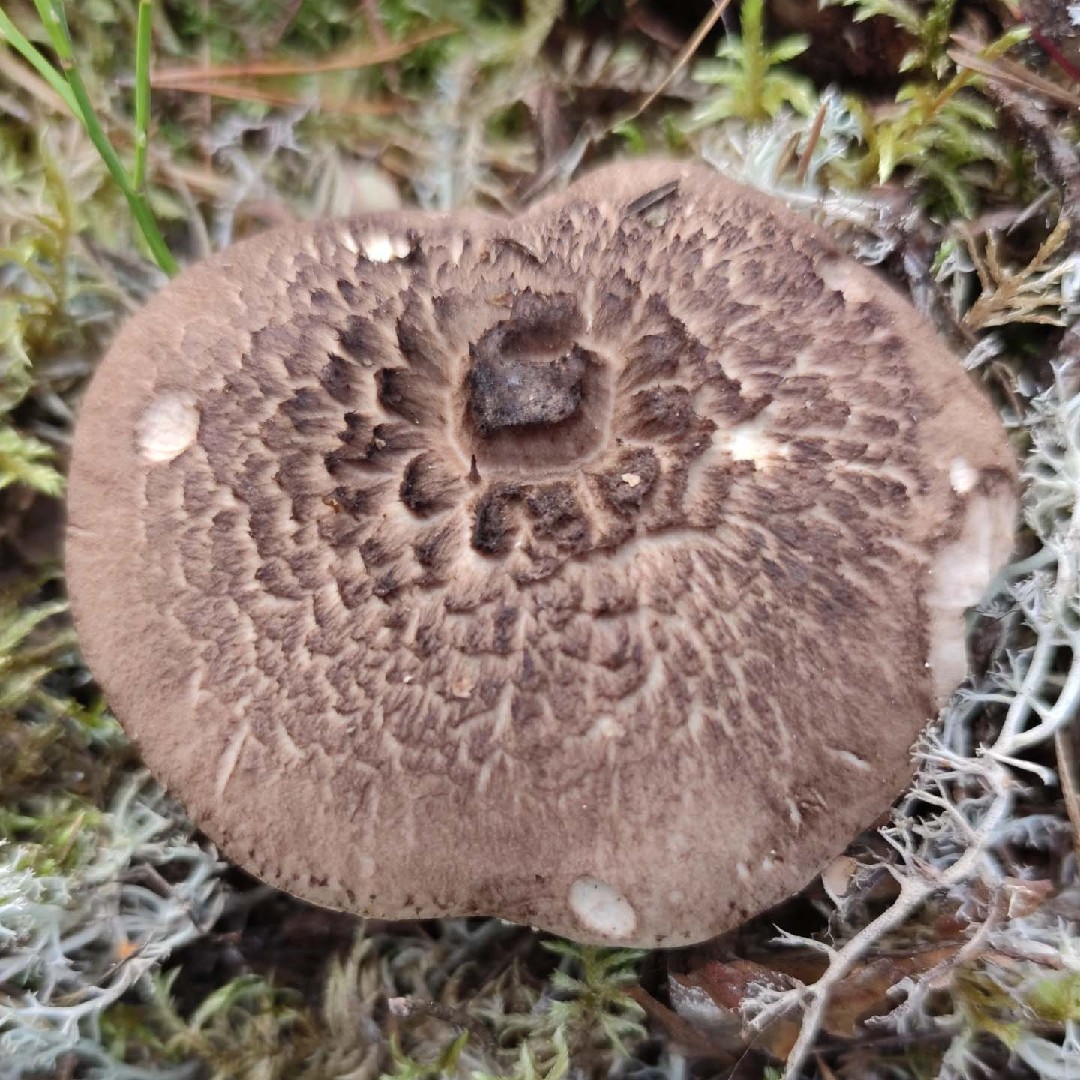
1. Scaly tooth
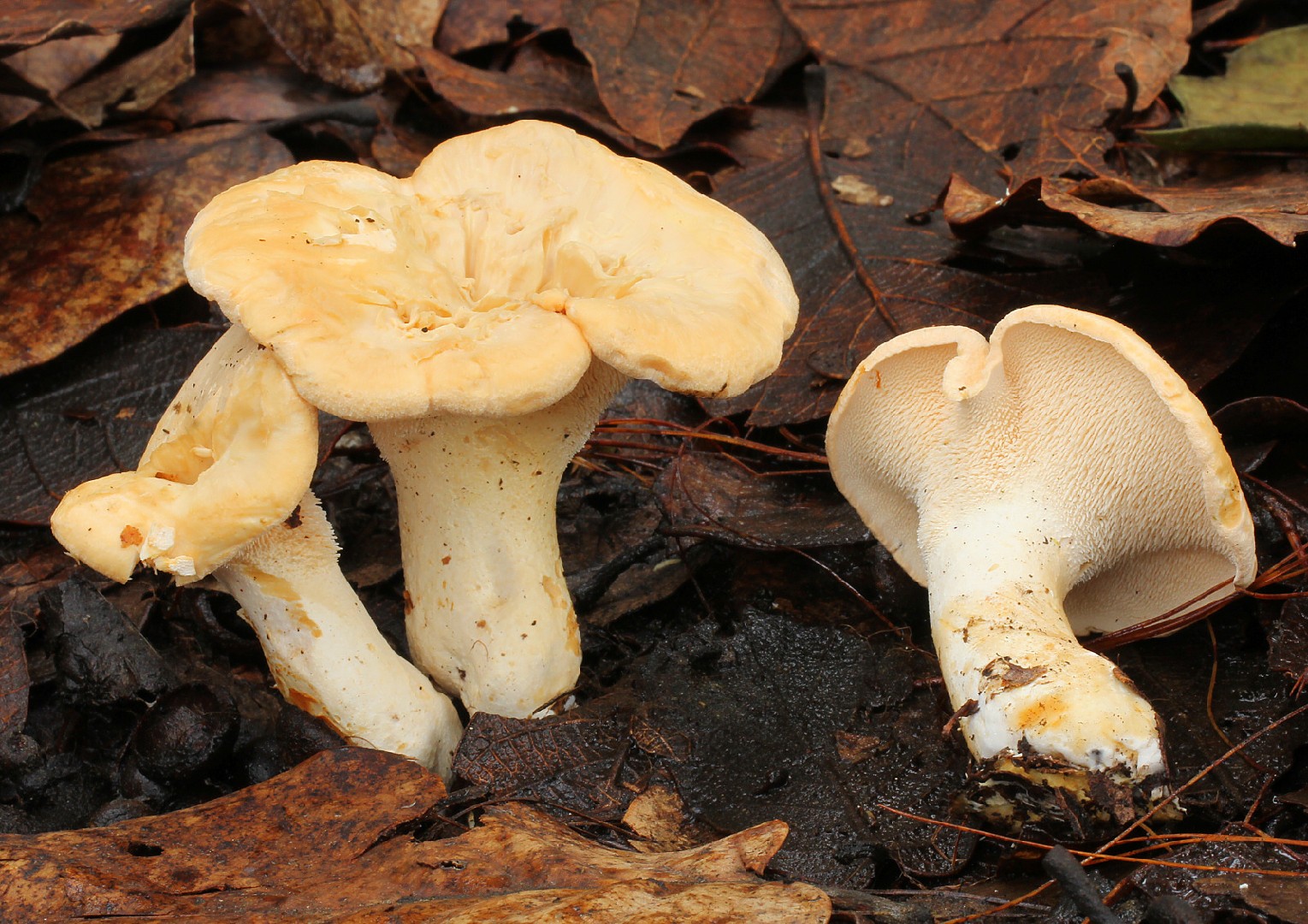
Found in the pine forests of Europe and North America, the scaly tooth has a blue pigment that can be used to dye textiles. This large mushroom got its name, scaly tooth, from its coarse and scaly, brown cap. It has a mealy scent.
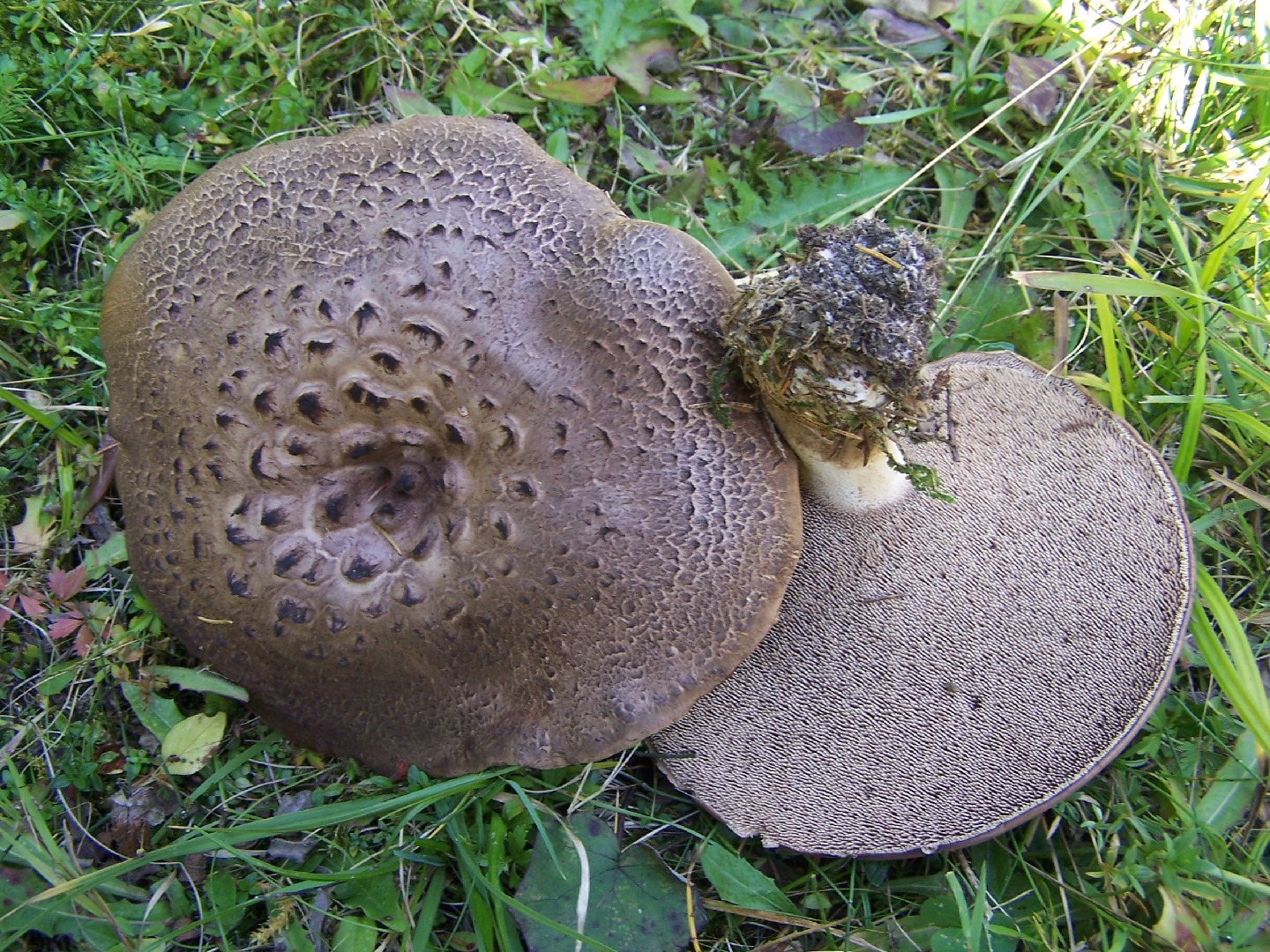
2. Shingled hedgehog
Shingled hedgehog(Sarcodon imbricatus) is often found in the company of fir trees, and it is therefore partial to mountainous or hilly regions. Endemic to Europe and North America, the species is prone to forming fairy rings. It fruits in early autumn.
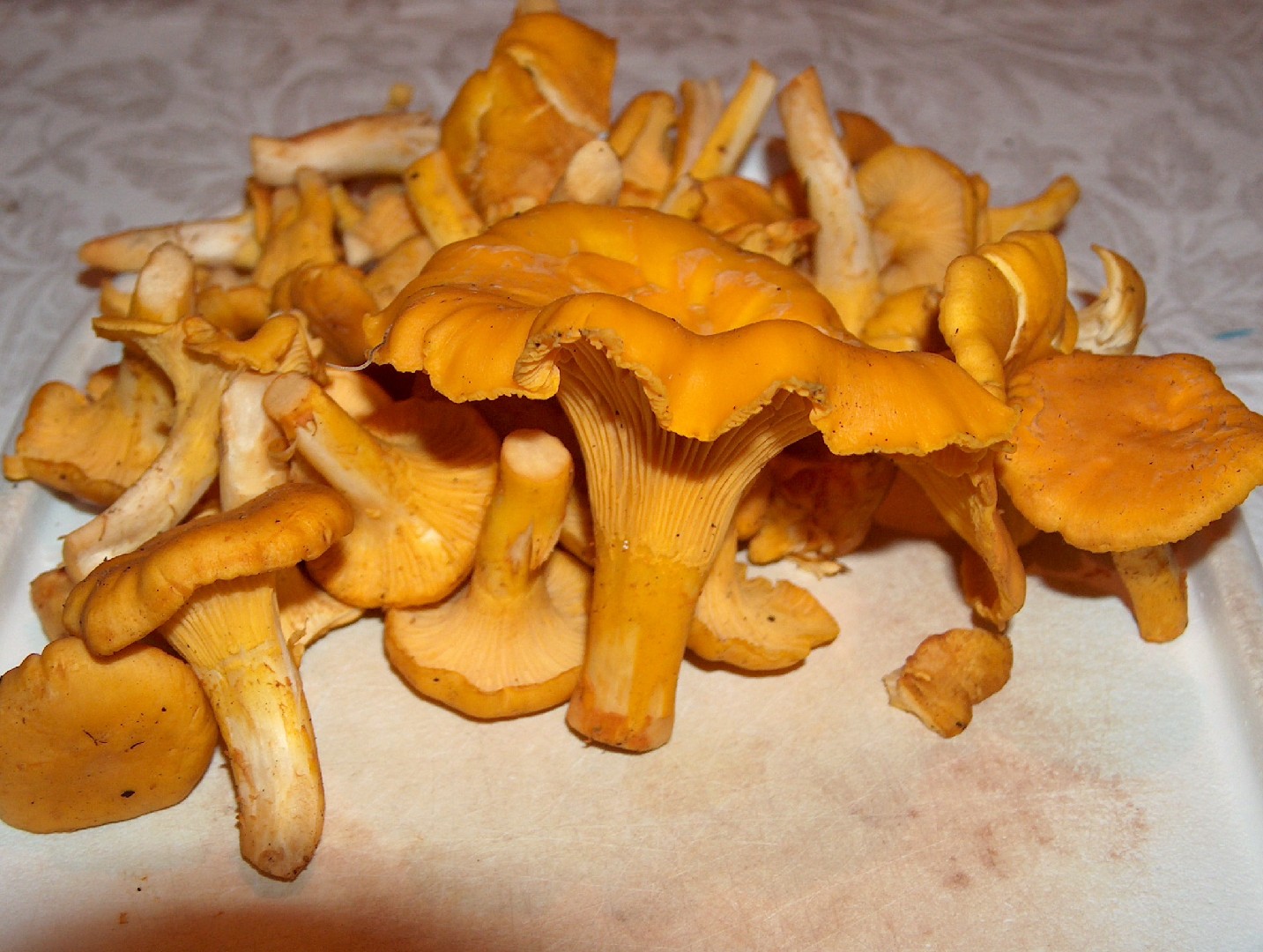
3. Golden chanterelle
Golden chanterelle mushrooms are popular in gourmet cuisine across Europe, where they grow wild during the warm (but not too hot) months. Similar species grow in other countries. Extremely popular with foragers, the golden chanterelle emits an apricot-like scent and contains an array of nutrients that benefit the human body. Several studies suggest consuming extremely large amounts may have detrimental effects on the eyes and muscles.
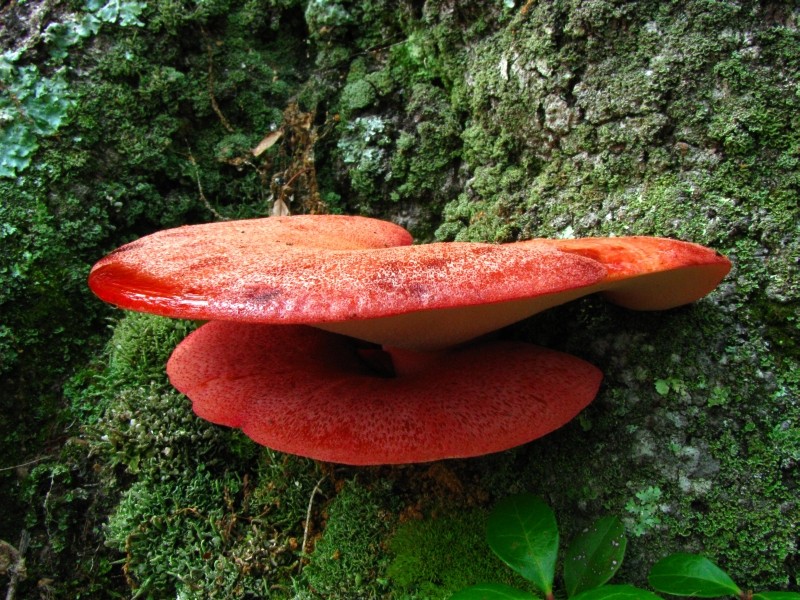
4. Beefsteak fungus
Beefsteak fungus(Fistulina hepatica) is an unusual fungus that visually resembles a slab of raw meat; cutting into it will cause a discharge of thick red liquid resembling blood, adding to this resemblance.
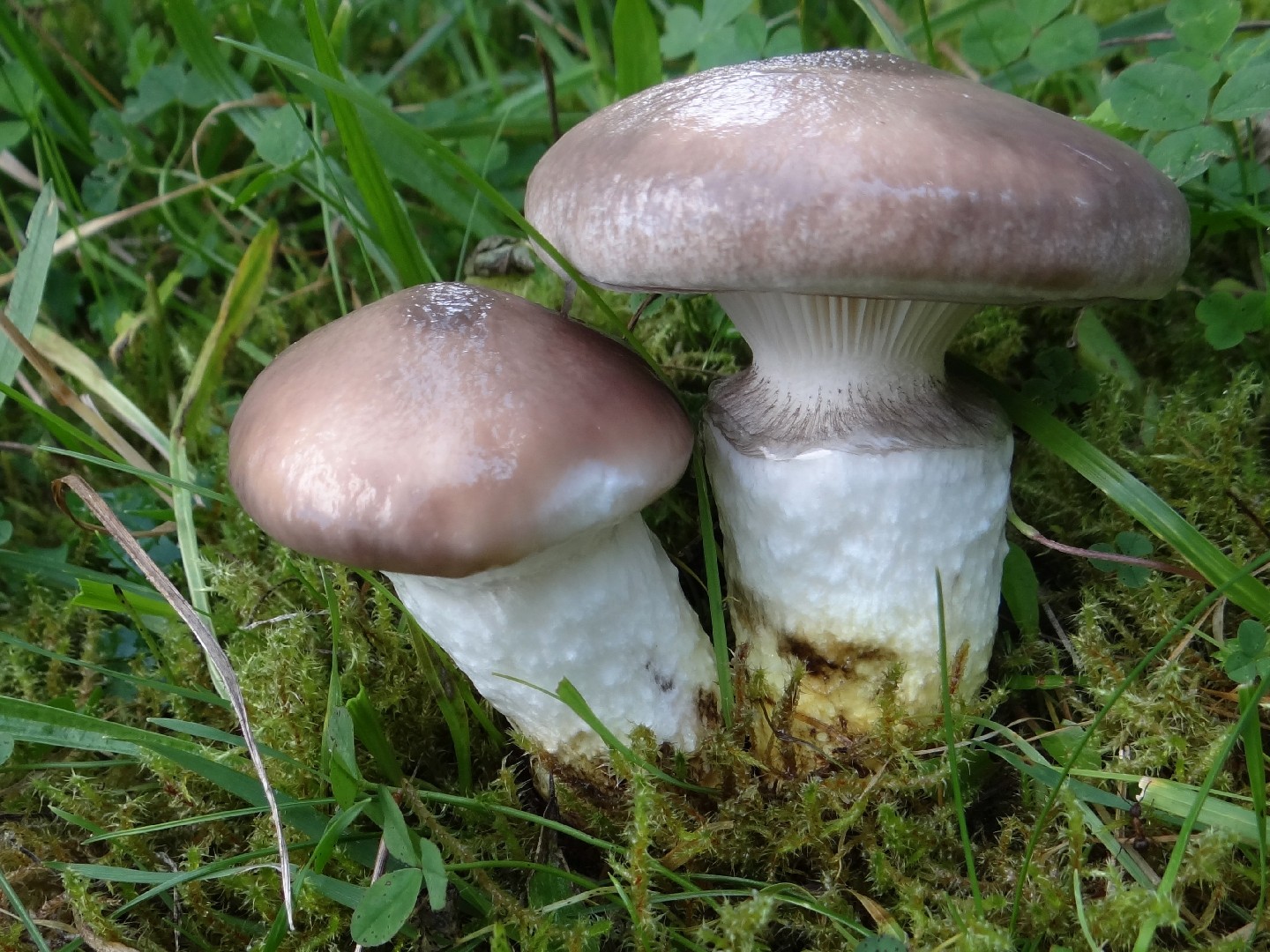
5. Slimy spike
A stocky, almost imposing mushroom, the slimy spike (Gomphidius glutinosus) has a round bulbous cap and a very thick stalk. This species is one of the more unusual members of the bolete order (Boletales) because it has gills, rather than a spongey pore surface. The "slimy" in this species' common name is well-earned - individuals are almost always coated in a shiny layer of slime.
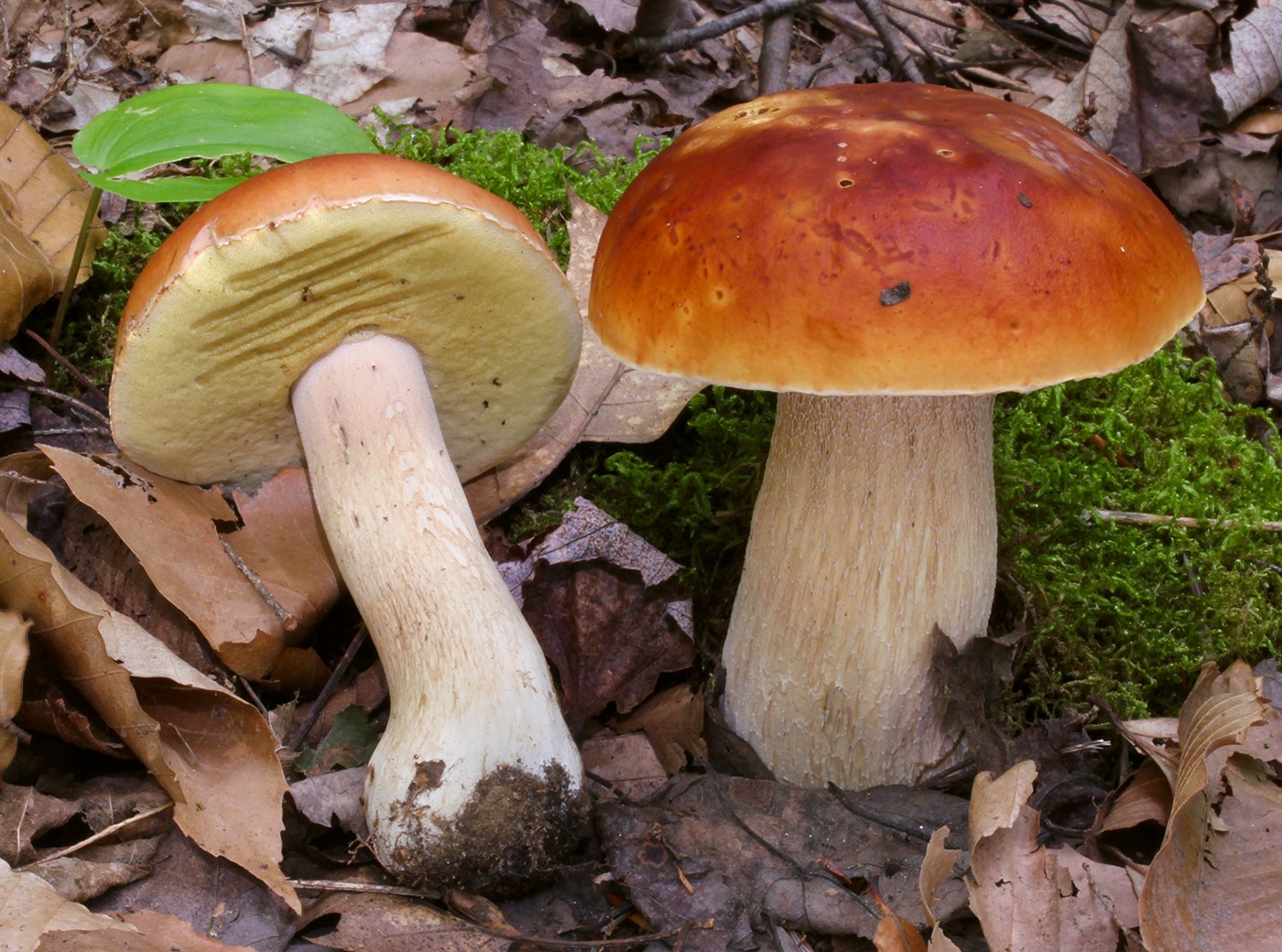
6. King bolete
Extremely popular in many cuisines, this edible wild mushroom grows around the world near the roots of forest trees. In some regions, king bolete mushrooms are collected in great enough volumes that their sale can support entire families during the harvest season. King boletes are reported to be high in fiber, vitamins B and C, calcium, potassium, magnesium, zinc, and several antioxidants.
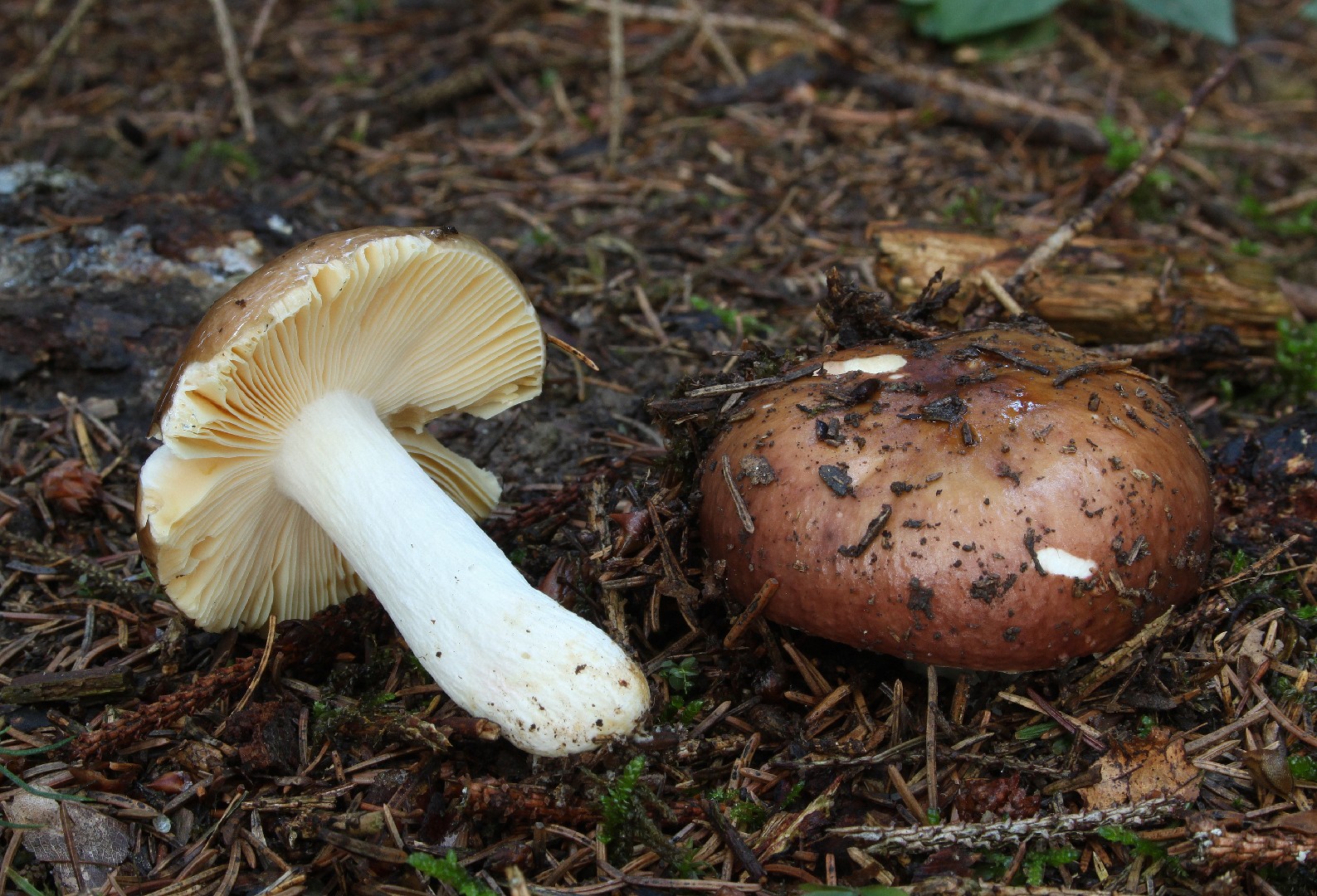
7. Entire russula
A group of very similar fungi, rather than a single species, the entire russula complex is yet to be studied. These mushrooms grow in conifer forests, where they're quite widespread and common. Entire russula is often found in early winter and late fall. 
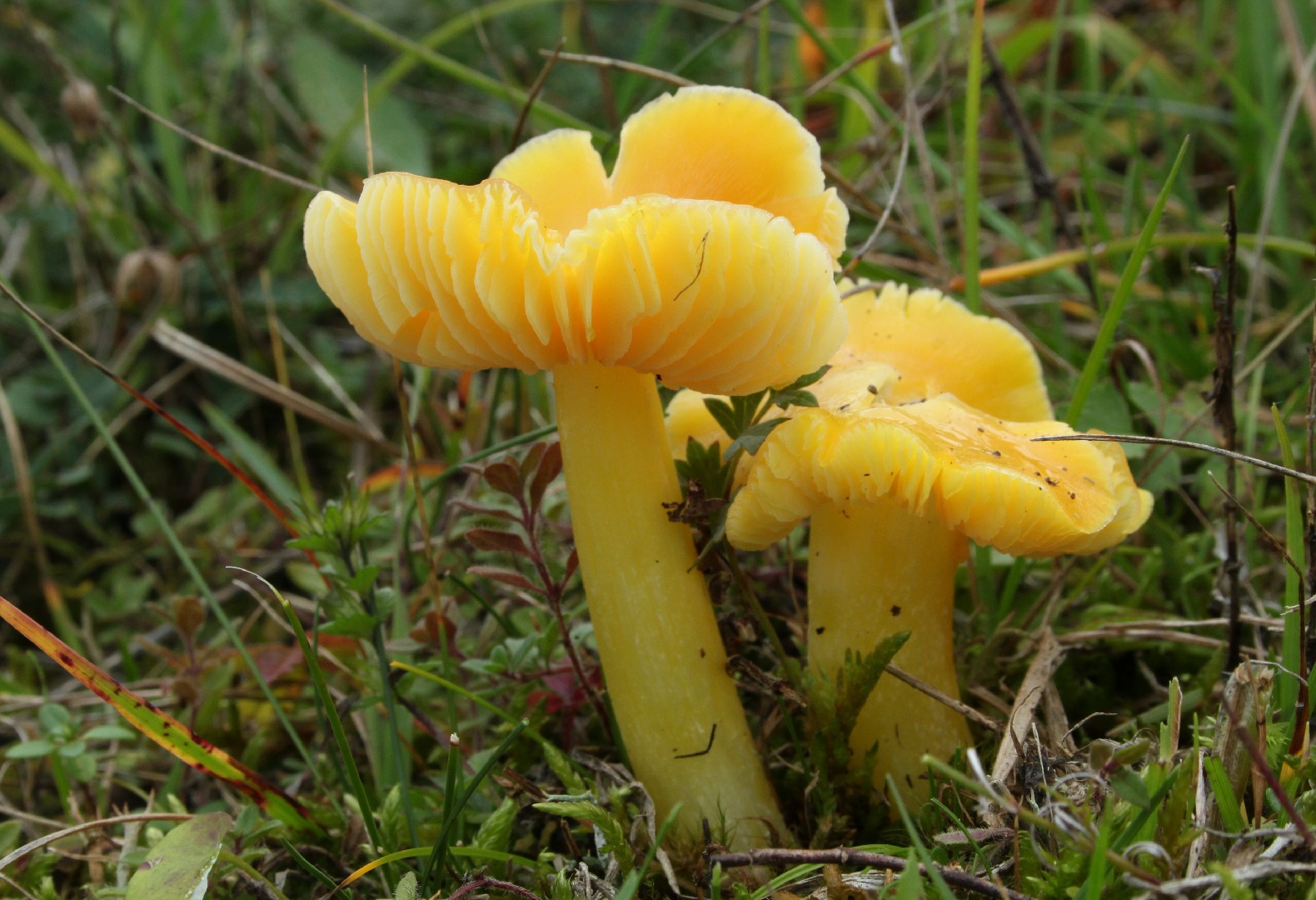
8. Lemon waxcap
The lemon waxcap can occur in both woodlands and grasslands. Despite this, it is becoming endangered in central Europe. The specific epithet Hygrocybe translates essentially as 'watery head,' because these mushrooms are typically moist and shiny. Lemon waxcap has been featured on postage stamps from the Faroe Islands.
9. Yellow foot
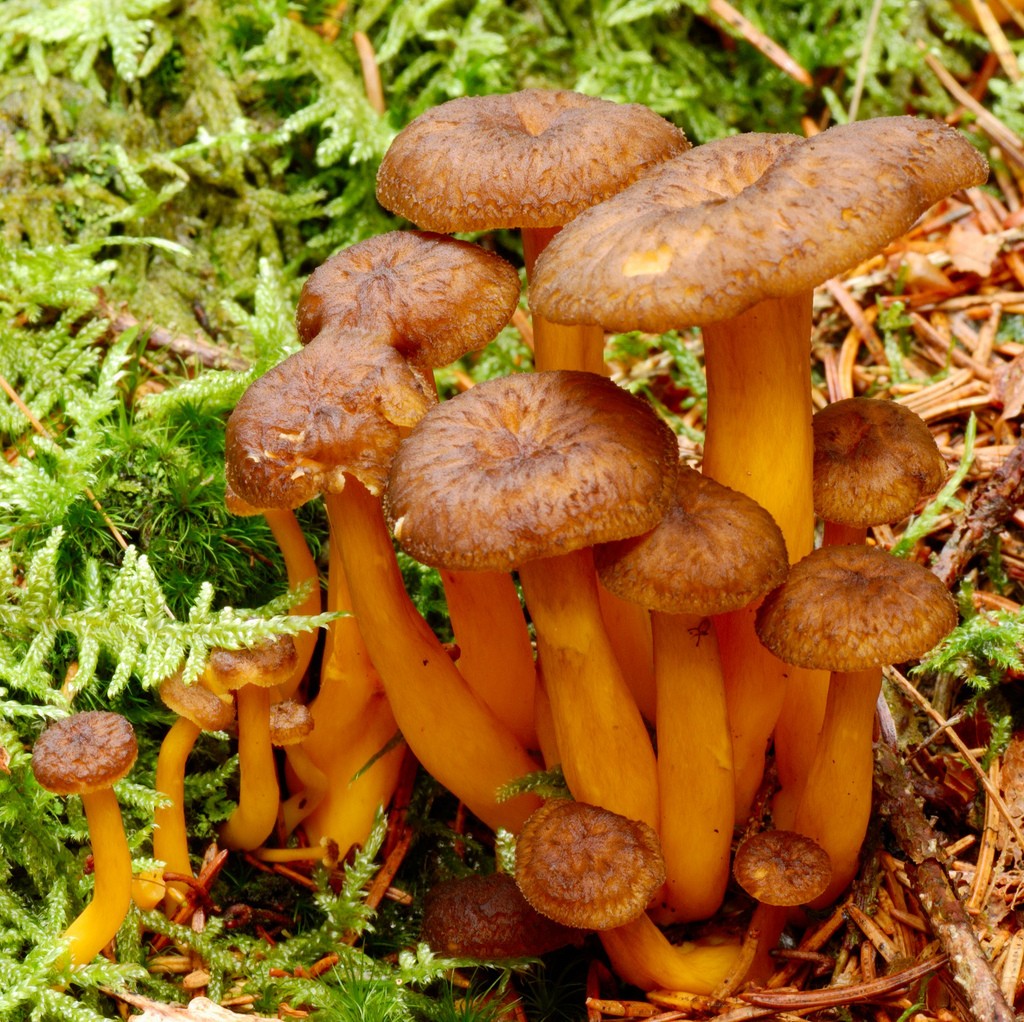
Like all members of the Craterellus genus, the yellow foot doesn't have true gills but wrinkled veins instead. These gill-like wrinkles are extremely subtle in this mushroom and its undersurface seems like it's completely smooth. The species is associated with conifer forests.
10. Velvet bolete
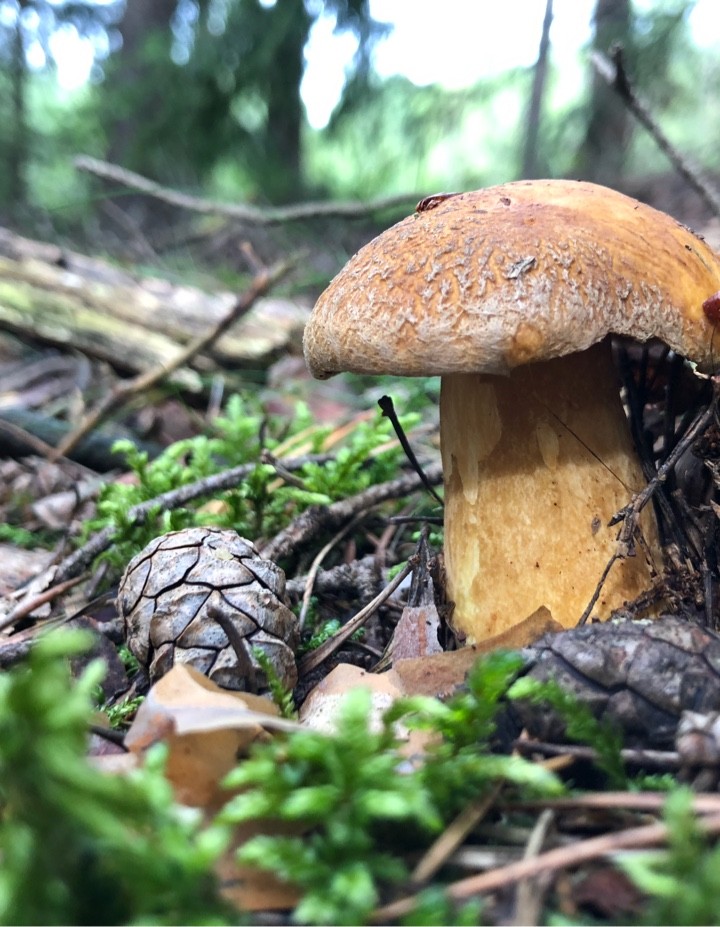
The velvet bolete is one of the most common mushrooms in pine forests in the northern hemisphere. There have been reports of mild poisoning cases from eating this mushroom, so it is best avoided. The velvet bolete is said to be of poor taste and unpleasant smell, anyway.
More







