




Top 20 Edible Mushrooms Popular in Vaxjo
Venturing into the world of fungi, our focus turns to the most prolific region, Vaxjo, famed for its diverse mushroom population. Discover the top 20 edible mushrooms that find solace in Vaxjo's unique environment, flourishing in its dense forests and fertile soil. Expect a vivid description of each mushroom's alluring looks, distinctive tastes, chosen habitats, and favored culinary employments, all presented in an educational style. Augment your knowledge on these exquisite fungi, courtesy of reliable and well-documented sources.
* Disclaimer: Content feedback CAN NOT be used as any basis for EATING ANY PLANTS. Some plants can be VERY POISONOUS, please purchase edible plants through regular channels.

Most Popular Edible Mushrooms
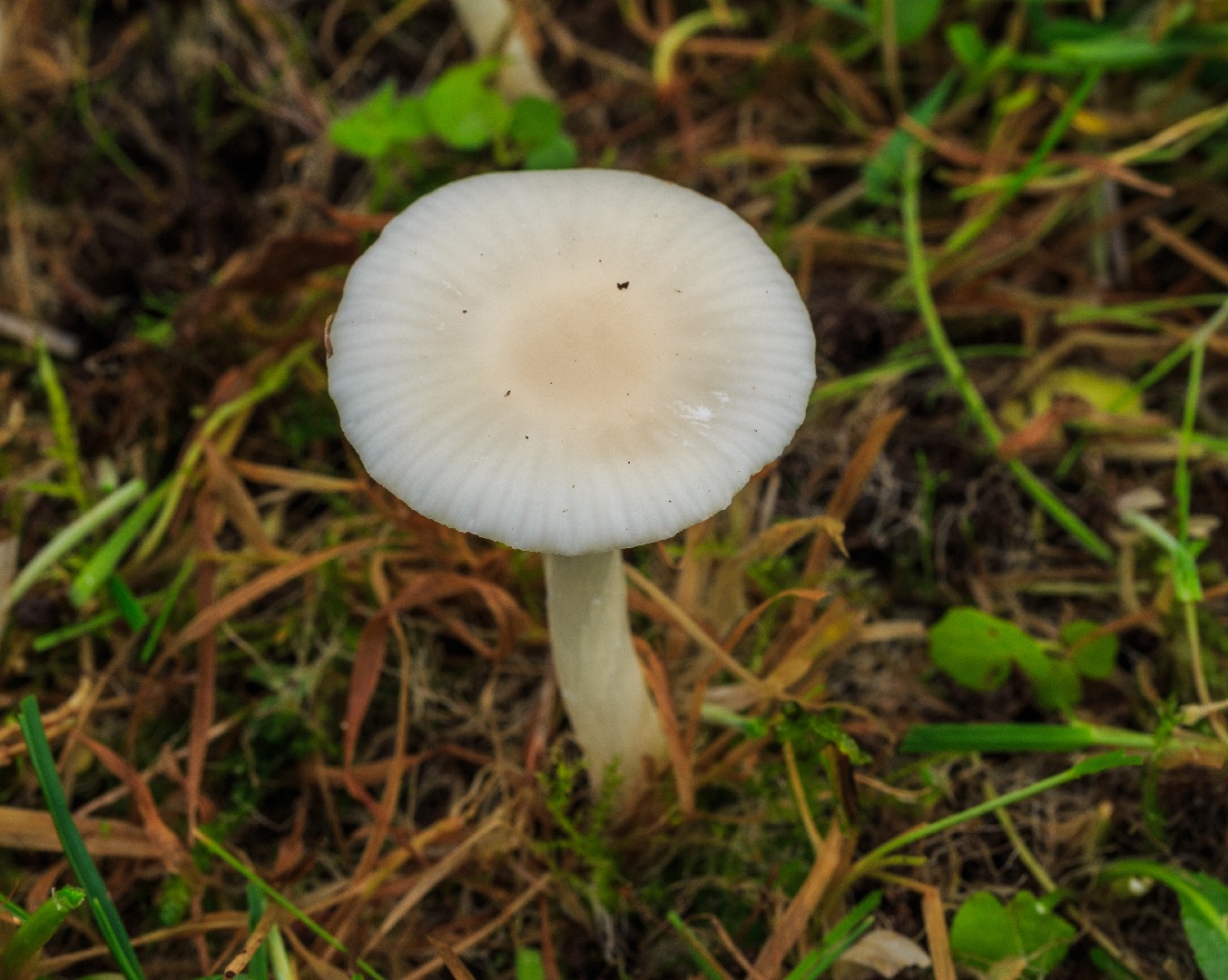
1. Snowy waxcap
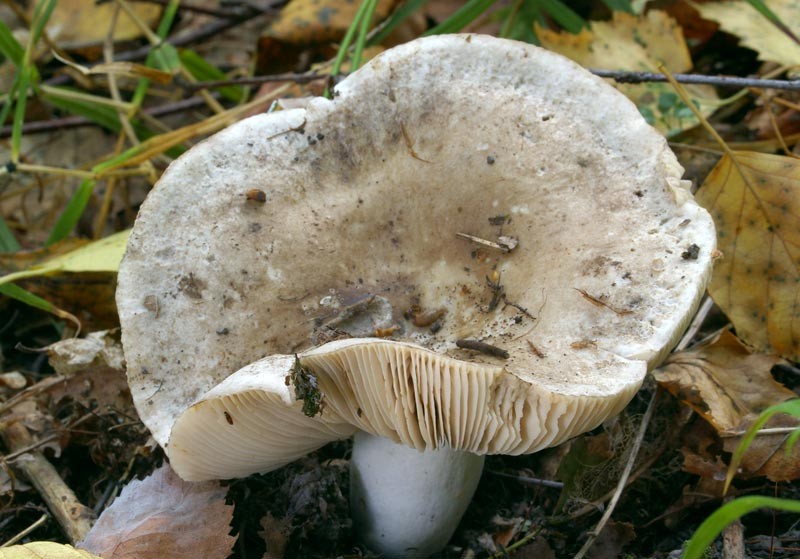
The snowy waxcap is so-named because its stalk, cap, and gills are often uniformly white; however, tinges of tan or peach may occur with age, especially on the center of the cap. The species can be found in temperate grasslands and woodlands across the northern hemisphere, and in some parts of Australia.
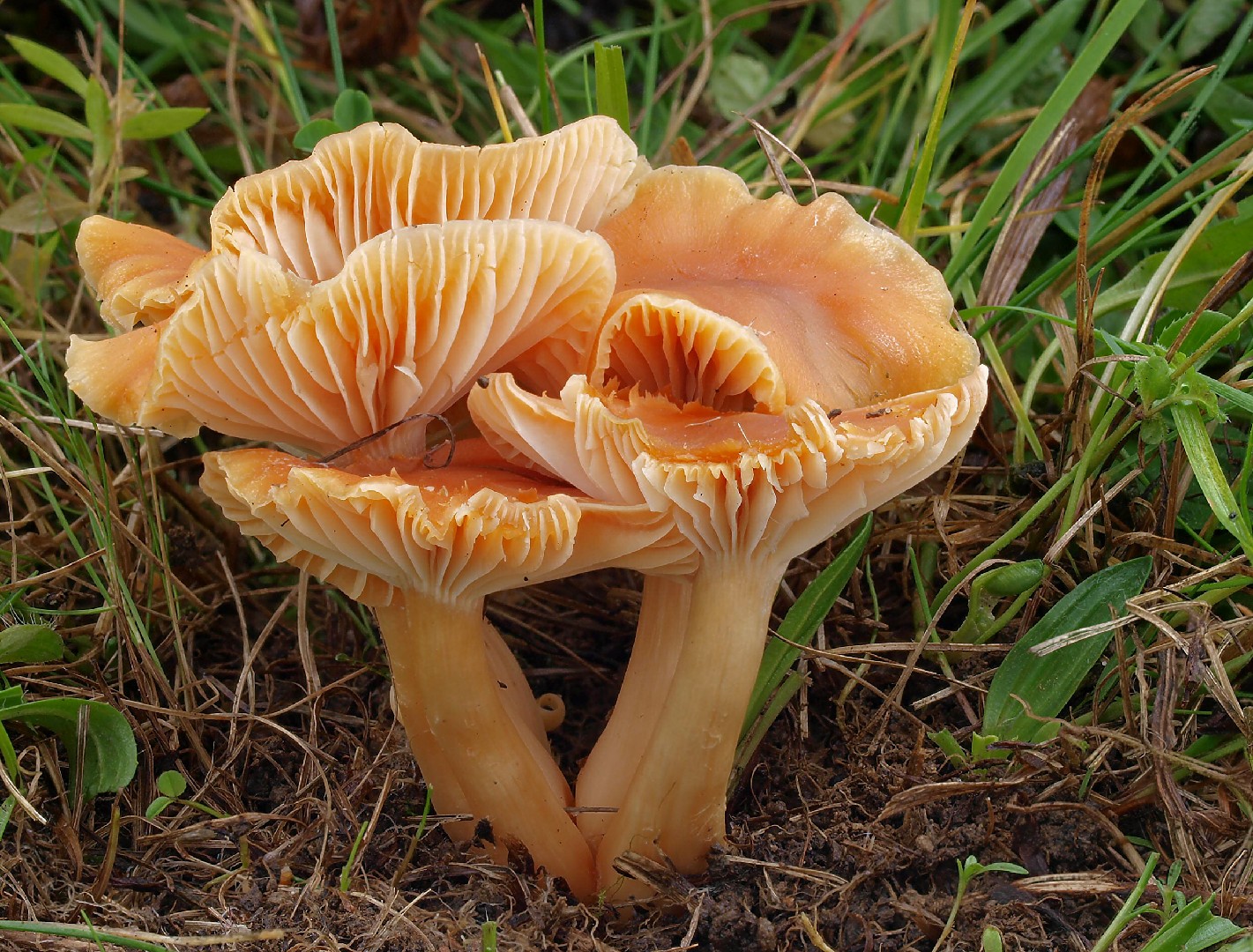
2. Meadow waxcap
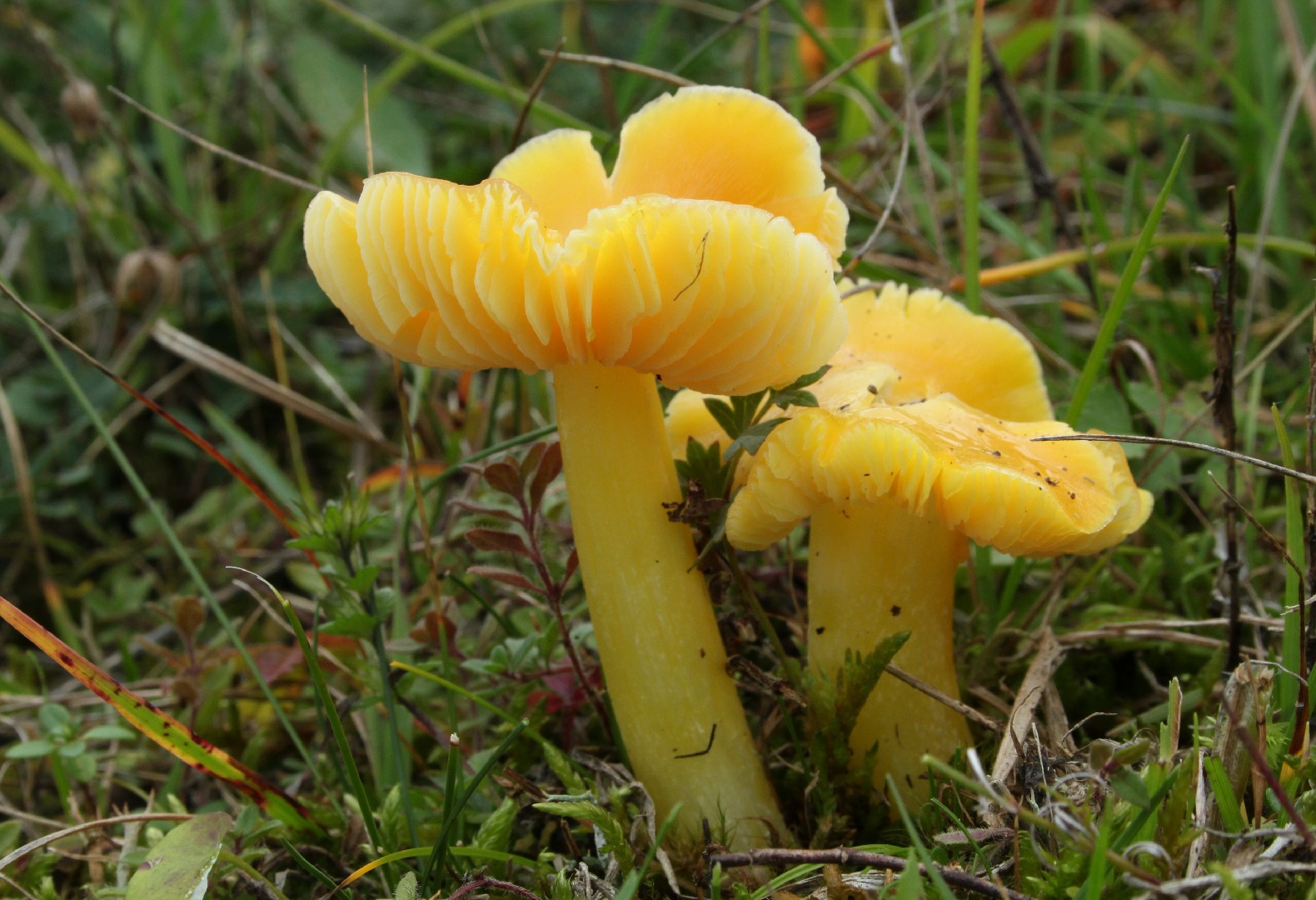
The meadow waxcap is a medium-sized, salmon-colored species that can be found in temperate habitats around the world. The species has broad, thick gills and a relatively smooth (and not particularly waxy) cap.
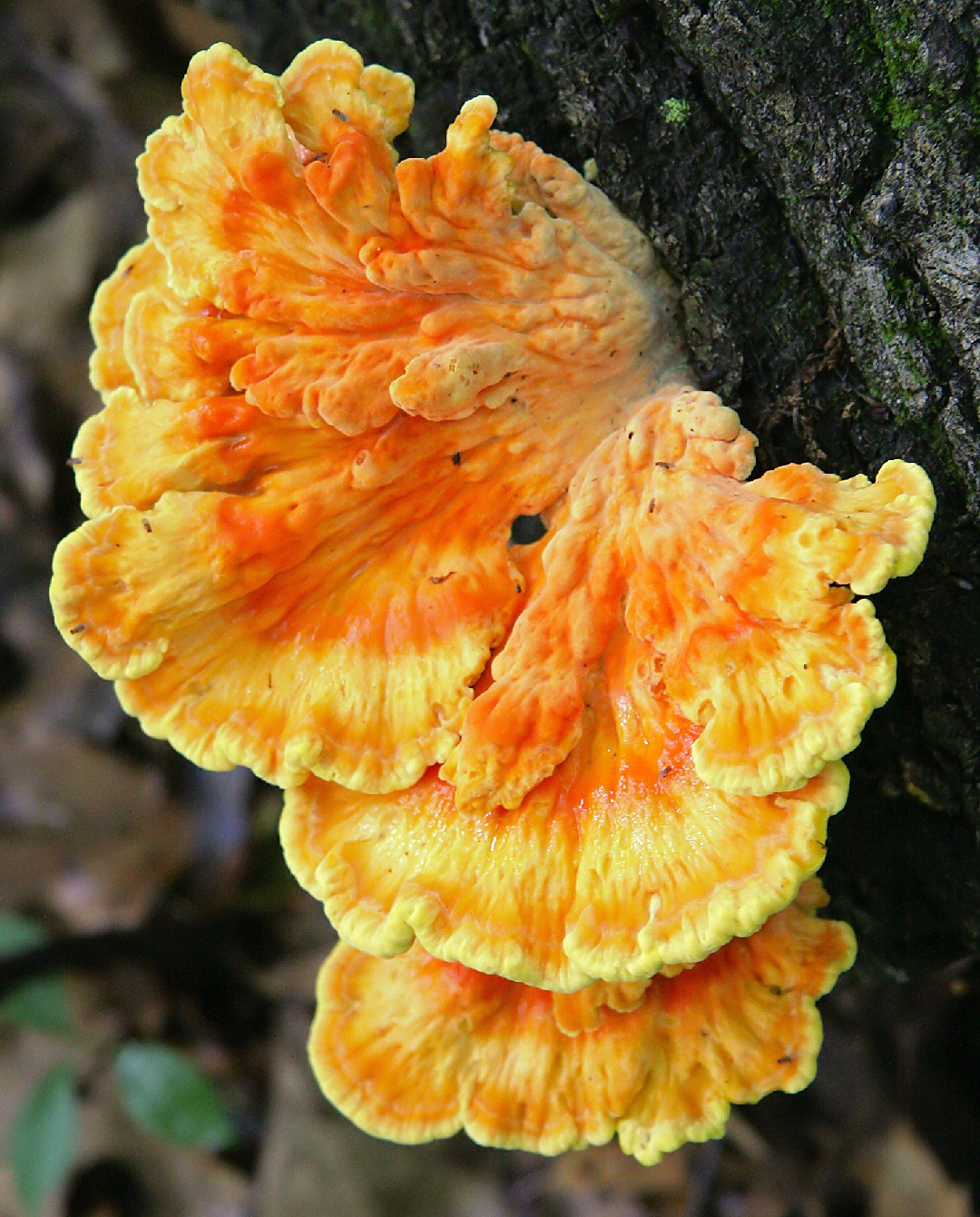
3. Chicken of the woods
Chicken of the woods is very noticeable in hardwood forests, appearing in clusters on standing tree trunks in bright orange and yellow hues that sometimes last through the entire winter. It is a parasite that causes an unfortunate brown heart rot, and is considered a particularly troublesome pest of Yew trees. If the fruitbodies can be seen, the tree is likely already beyond saving.
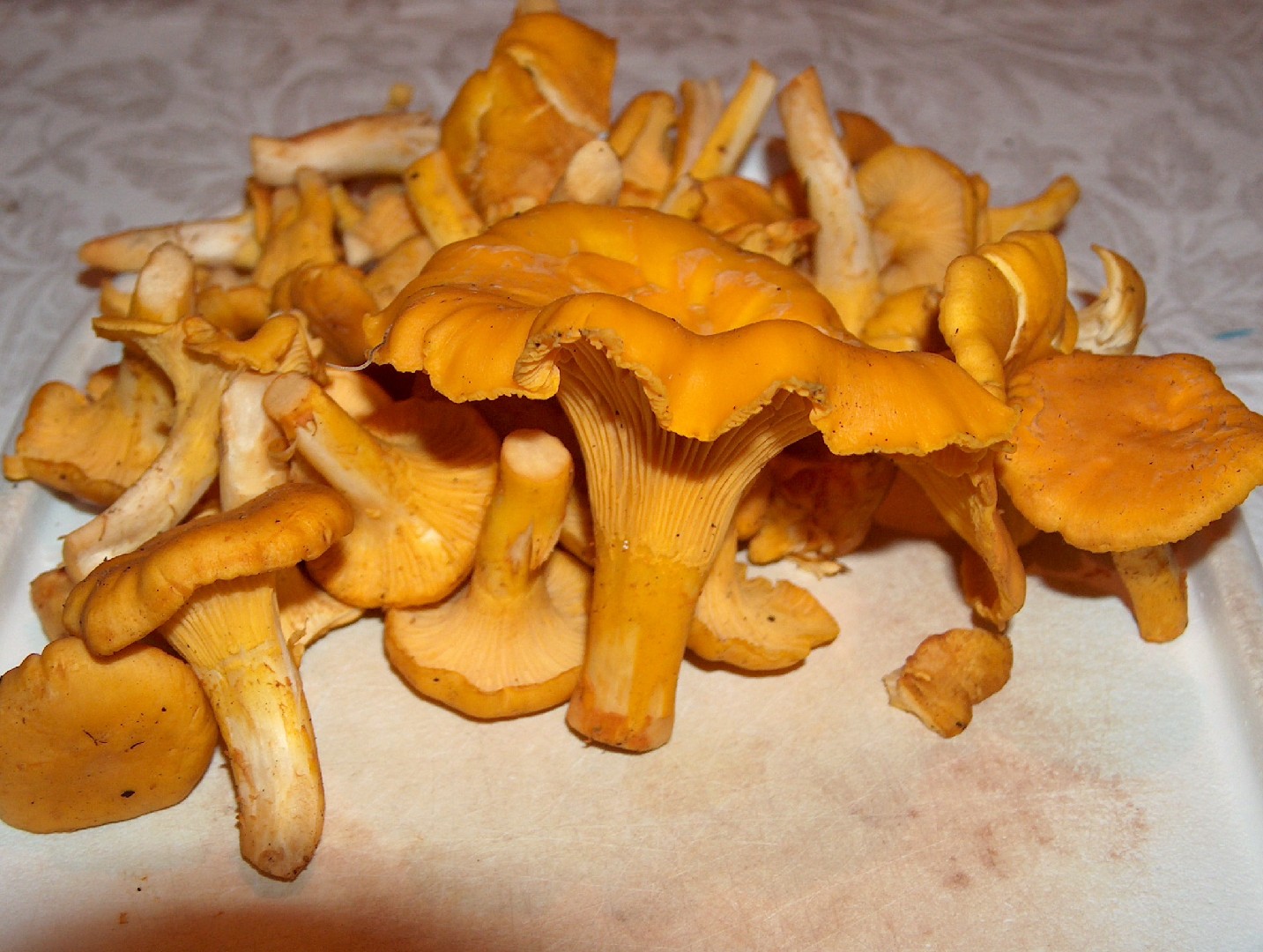
4. Golden chanterelle
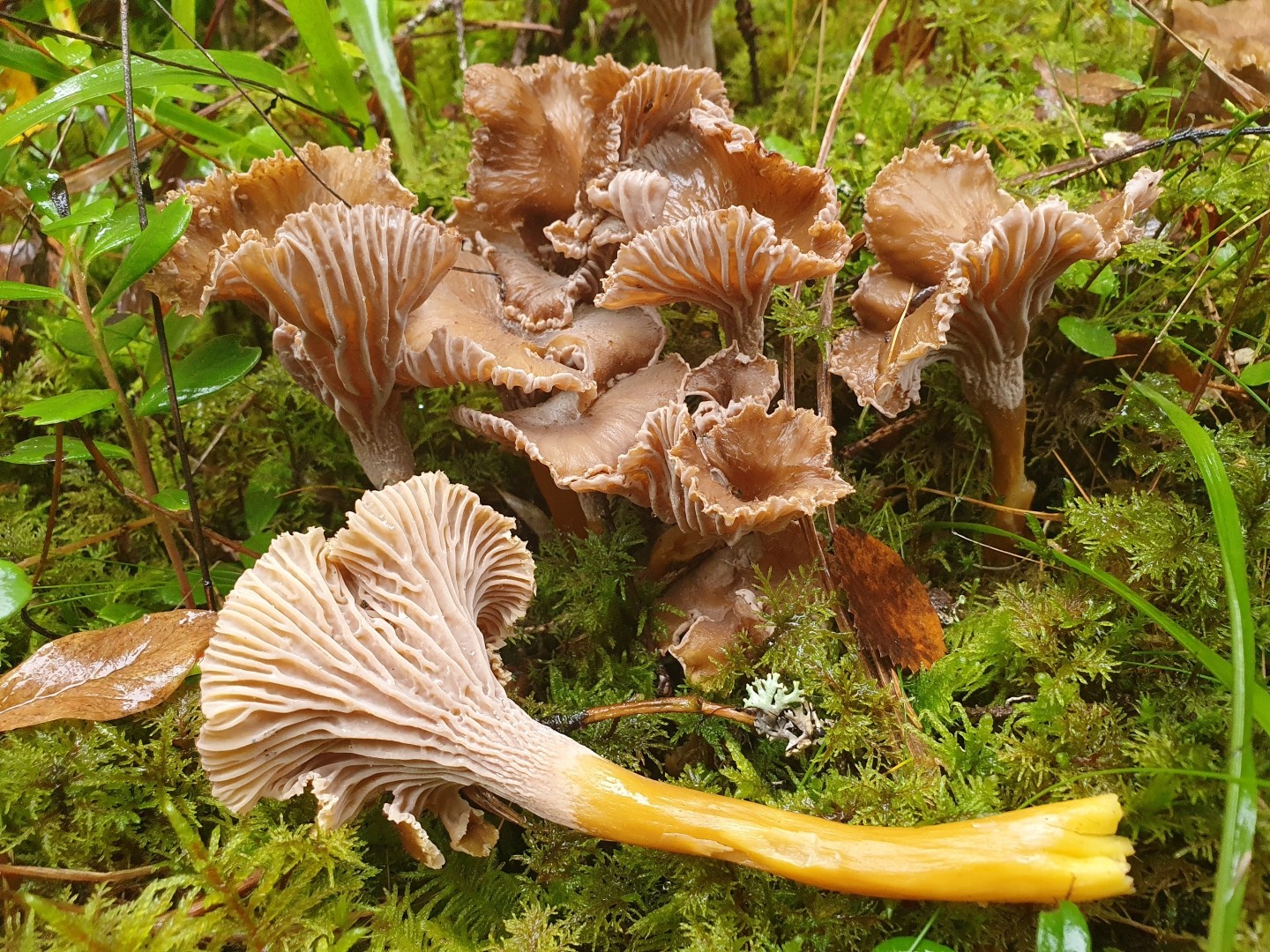
Golden chanterelle mushrooms are popular in gourmet cuisine across Europe, where they grow wild during the warm (but not too hot) months. Similar species grow in other countries. Extremely popular with foragers, the golden chanterelle emits an apricot-like scent and contains an array of nutrients that benefit the human body. Several studies suggest consuming extremely large amounts may have detrimental effects on the eyes and muscles.
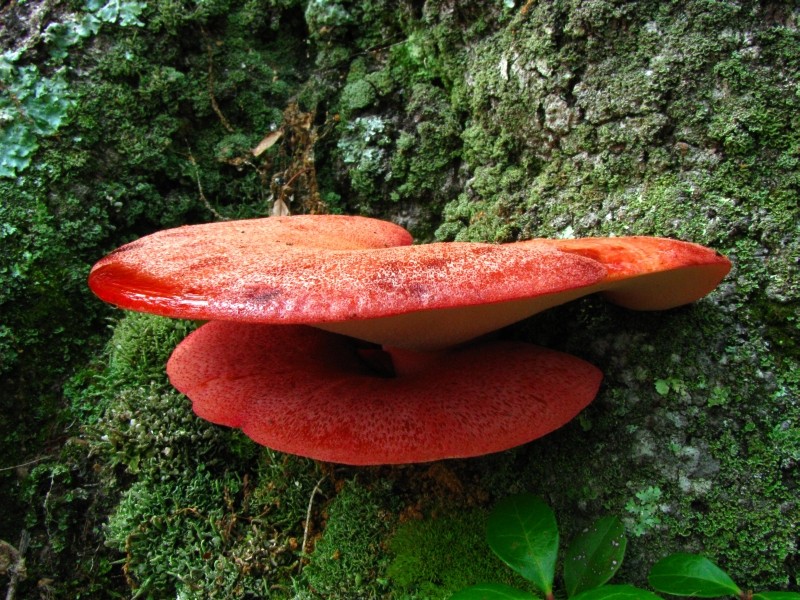
5. Beefsteak fungus
Beefsteak fungus(Fistulina hepatica) is an unusual fungus that visually resembles a slab of raw meat; cutting into it will cause a discharge of thick red liquid resembling blood, adding to this resemblance.
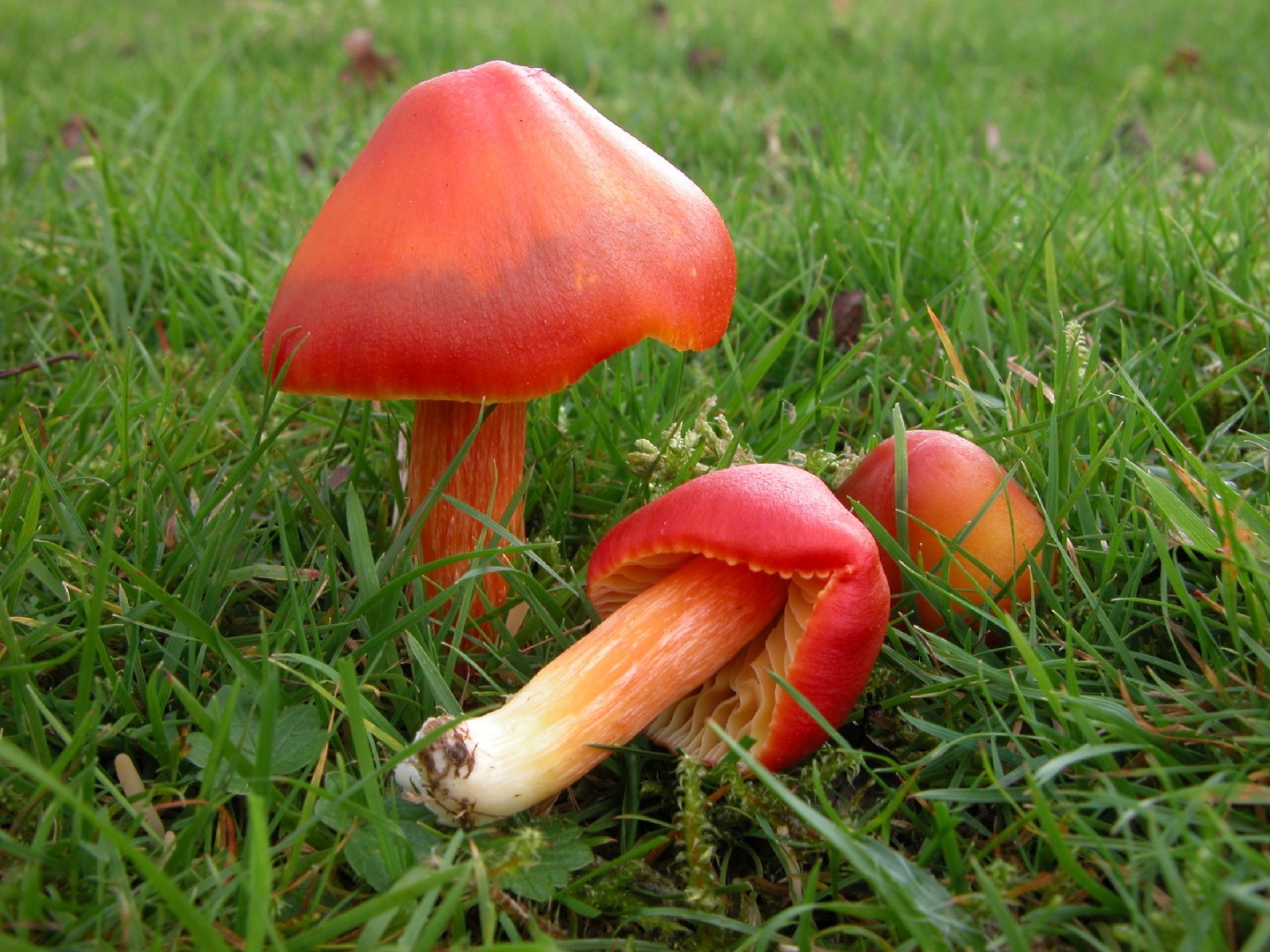
6. Crimson waxcap
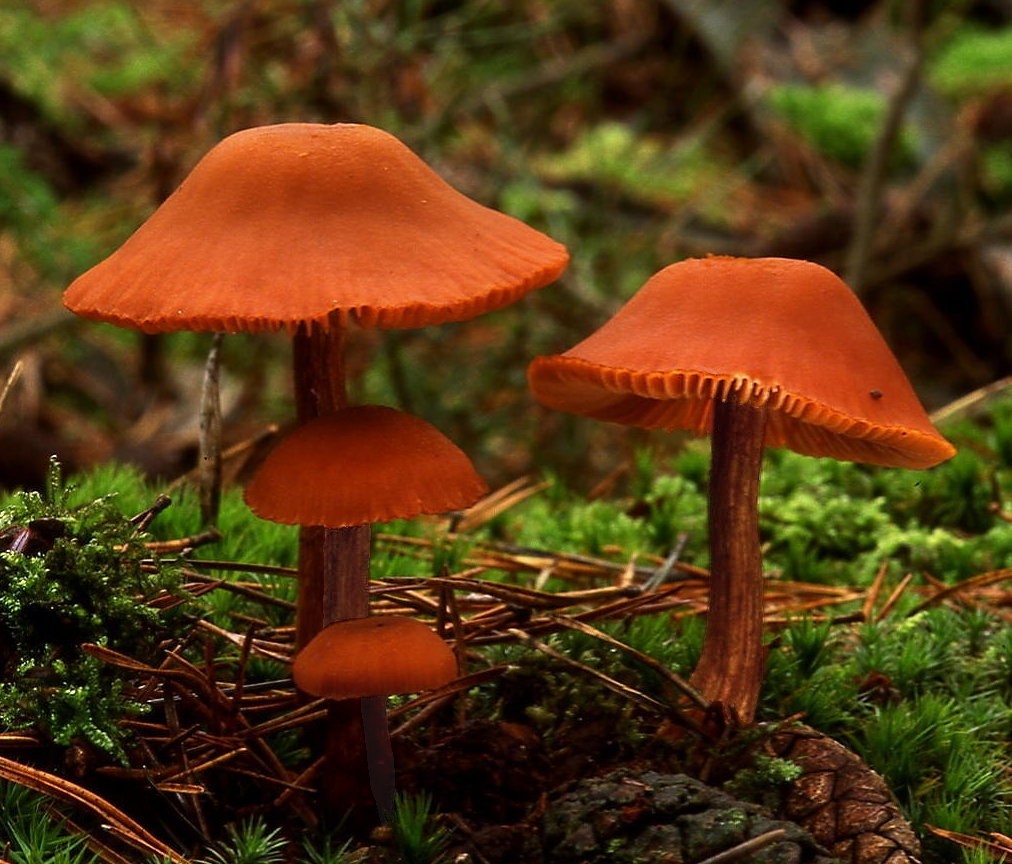
The crimson waxcap (Hygrocybe punicea) is one of the largest of the wax cap mushrooms. They have been called ‘the orchids of the fungi world.’ They present brilliant red-to-yellow shades on both cap and stem. Although they are beautiful, do not try and eat; crimson waxcaps can cause significant stomach distress.
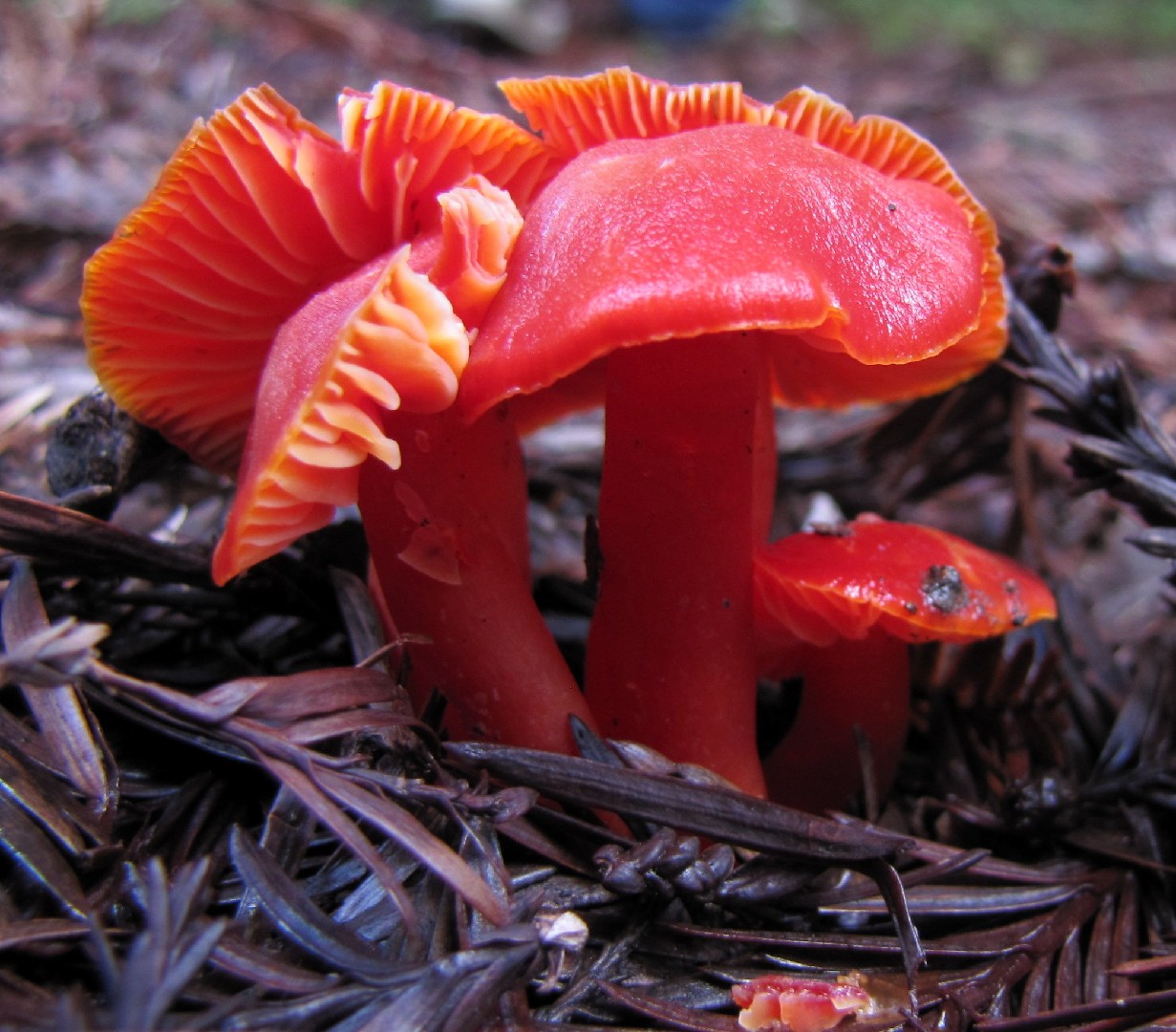
7. Scarlet hood
Scarlet hood(Hygrocybe coccinea) is named for its bright scarlet color, which renders it easy to spot among the grasses and woodlands among which it prefers to grow. Distributed across the Northern Hemisphere, it tends to be small and uncommon, making it of particular interest to photographers.
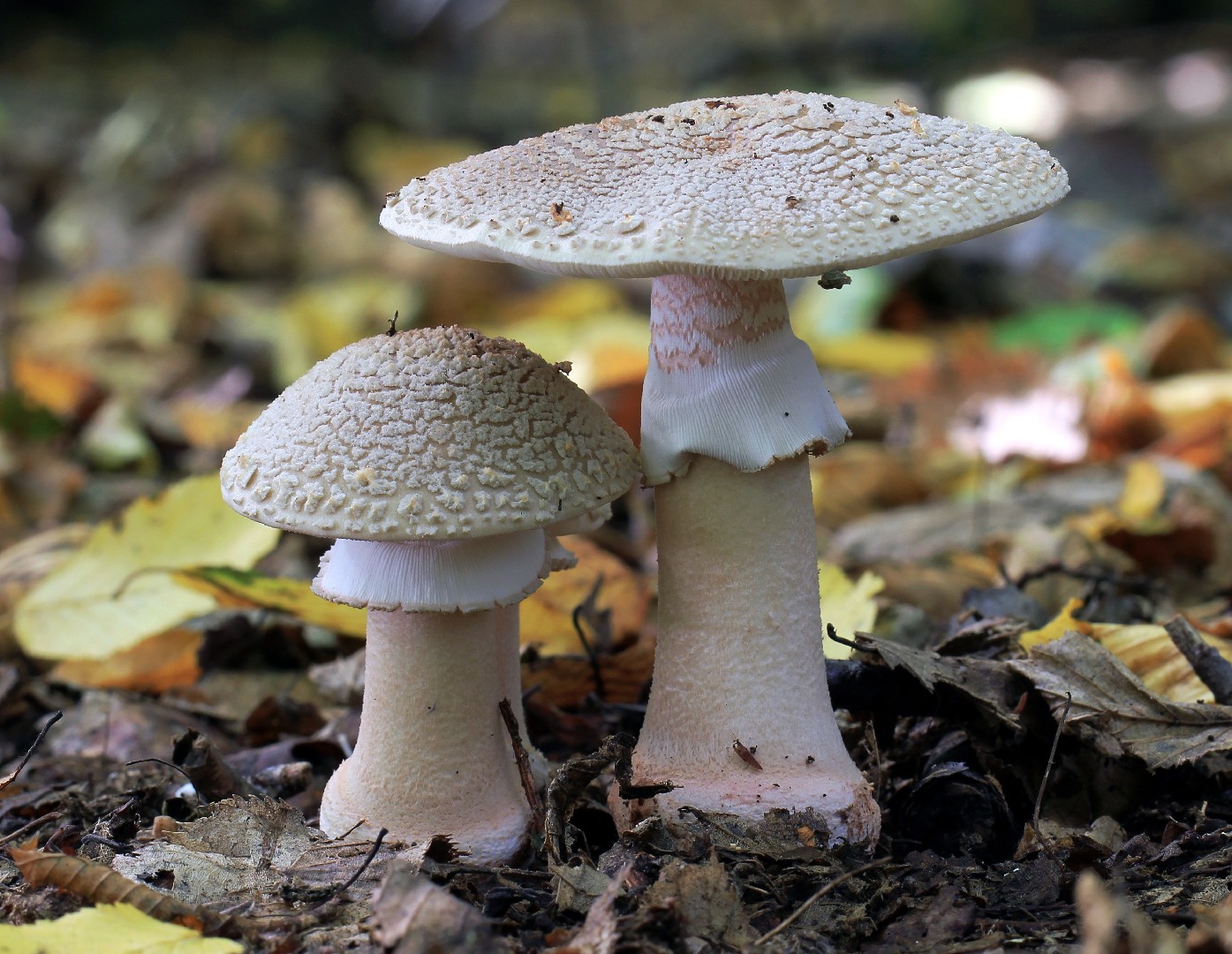
8. Blusher
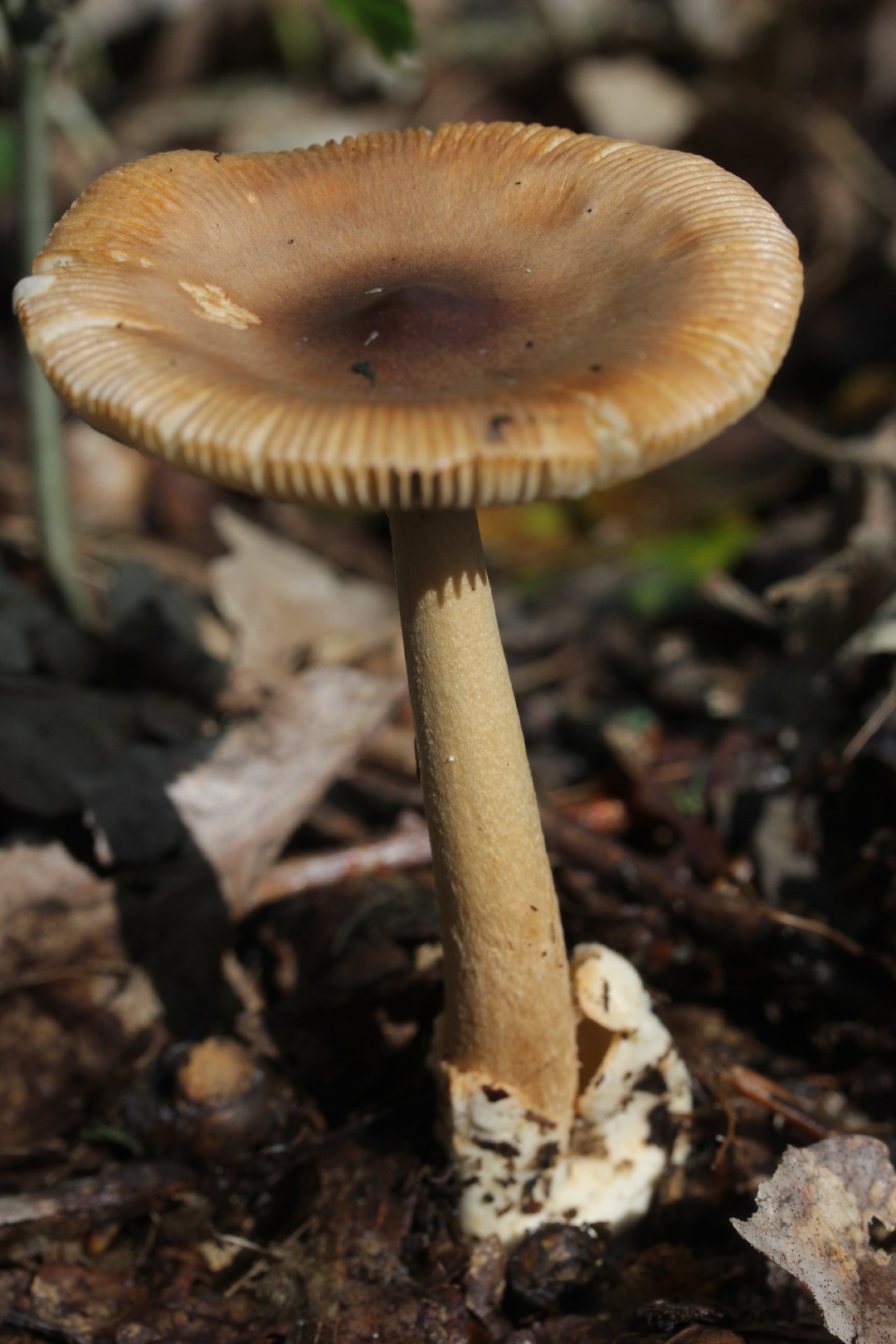
The blusher mushroom is so named because it “blushes” to a pinkish red color when cut or bruised. It is found in many countries around the world, although it may not be native to the southern hemisphere. It contains a hemolytic toxin that can cause anemia if eaten.
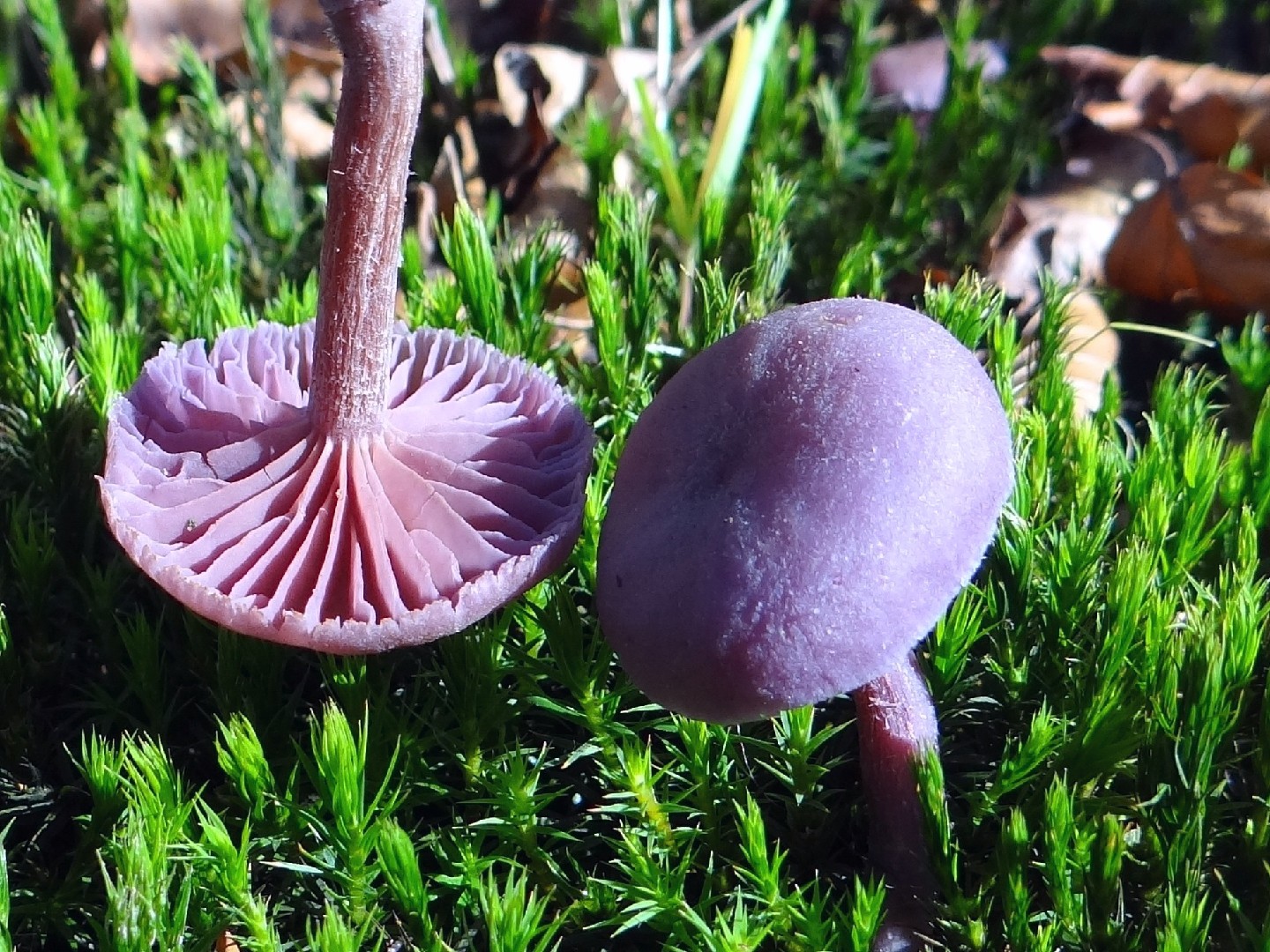
9. Amethyst deceiver
The amethyst deceiver (Laccaria amethystina) is a breathtaking mushroom that pops up from coniferous forest floors. The caps are a striking violet color in youth and are generally flat with a small indentation when the stem connects. As they mature, this violet color transforms to a less than breathtaking grey color, making it quite hard to identify after a certain age positively. Not edible.
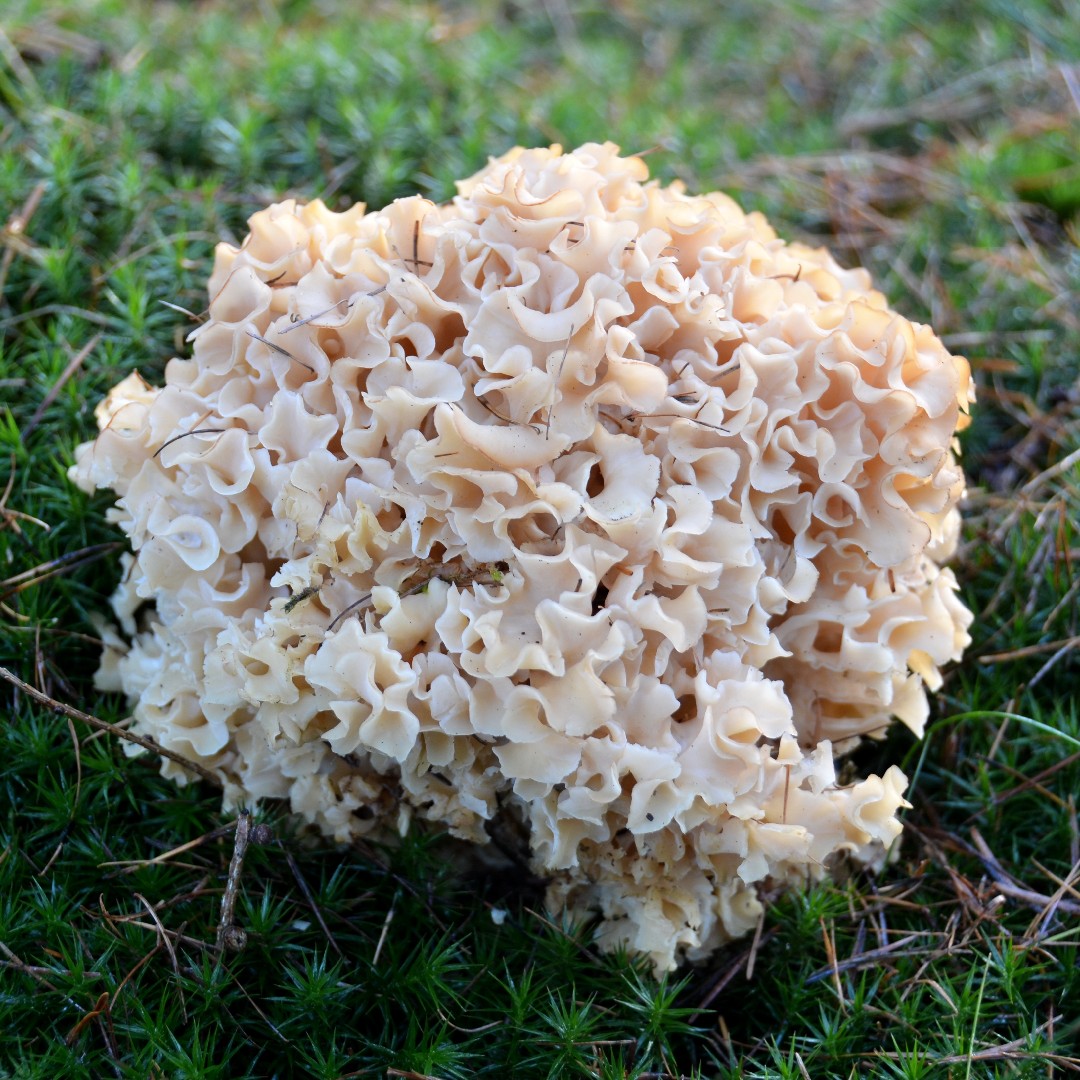
10. Cauliflower mushroom
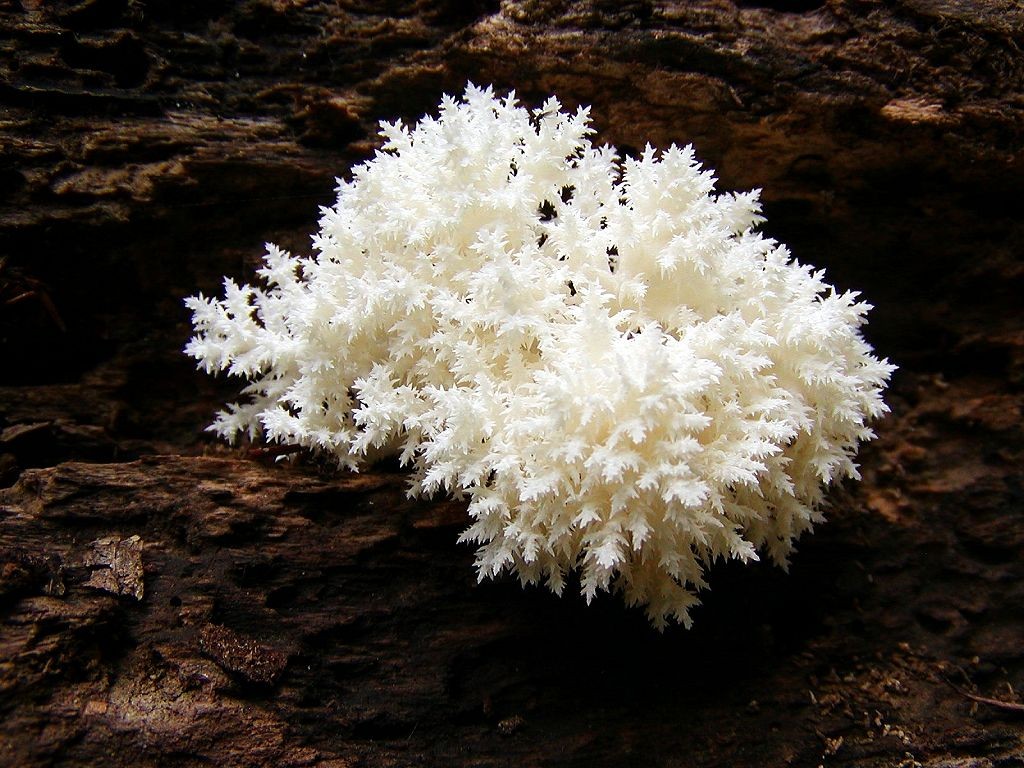
Instantly recognizable and highly sought-after, cauliflower mushroom (Sparassis crispa) forms a distinct-looking fruitbody that can be found across temperate North America and Europe. The species resembles cauliflower in both color and overall shape, although instead of bearing florets, its appendages look more like wavy, partially-cooked pasta.
More







