




Top 20 Edible Mushrooms Popular in Beius
Delve into the magic of 'Beius', a region distinguished by its diverse ecosystem, perfect for the growth of fungi. Discover the top '20' most common edible mushrooms found in this area, each unique in flavor and texture, suited to various culinary creations. Learn about their appearance, taste, preferred habitat, and potential use in your kitchen, enhancing your knowledge about these natural treasures in a educative tone.
* Disclaimer: Content feedback CAN NOT be used as any basis for EATING ANY PLANTS. Some plants can be VERY POISONOUS, please purchase edible plants through regular channels.

Most Popular Edible Mushrooms
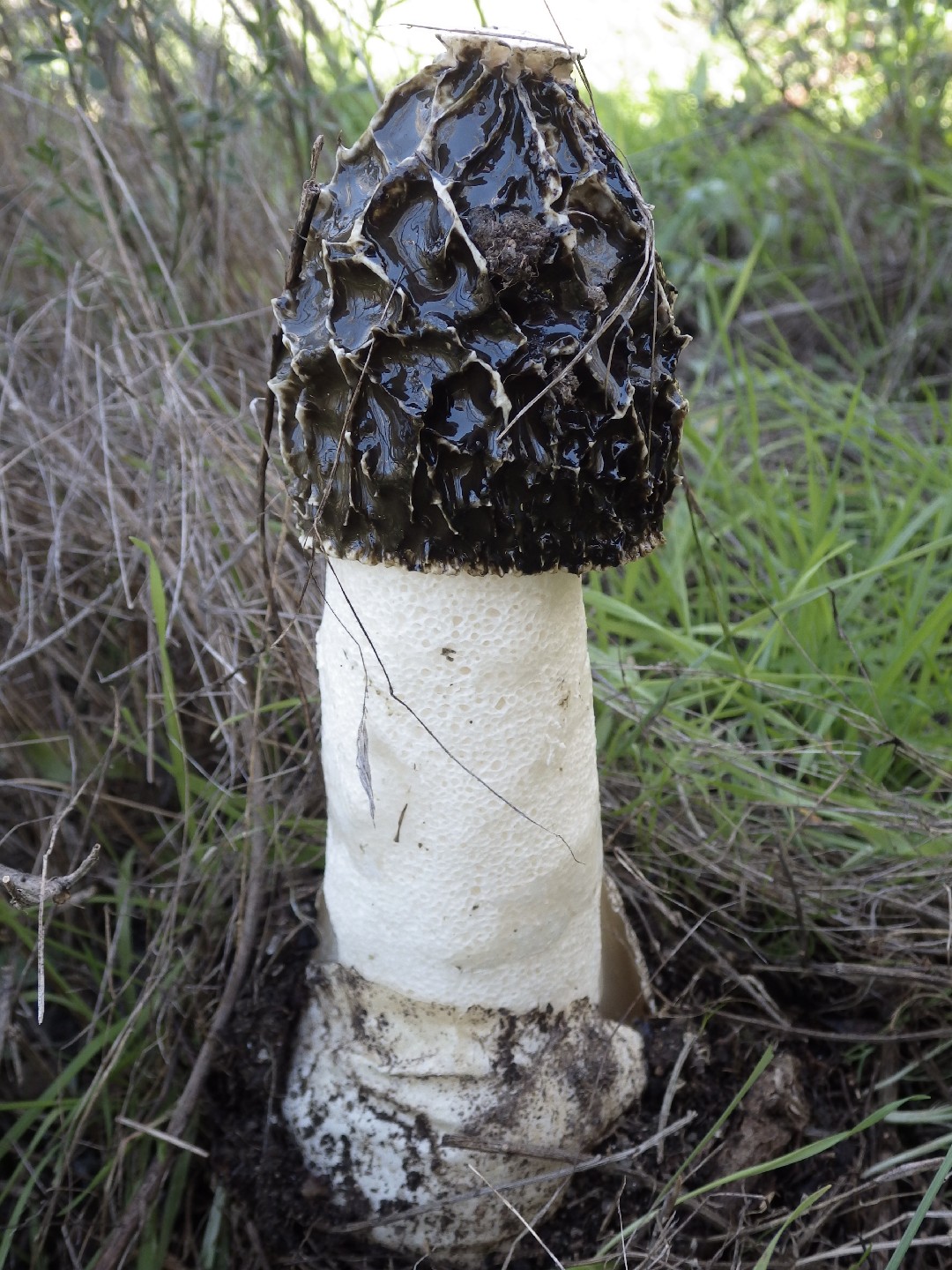
1. Common stinkhorn
The common stinkhorn (Phallus impudicus) grows incredibly quickly, sometimes nearing 30 cm in a single afternoon. Their caps are pitted in a way which makes them reminiscent of morels. However, there's little mistaking the common stinkhorn for a morel; the former, in addition to sporting a much longer stalk, has a clear and pungent odor.
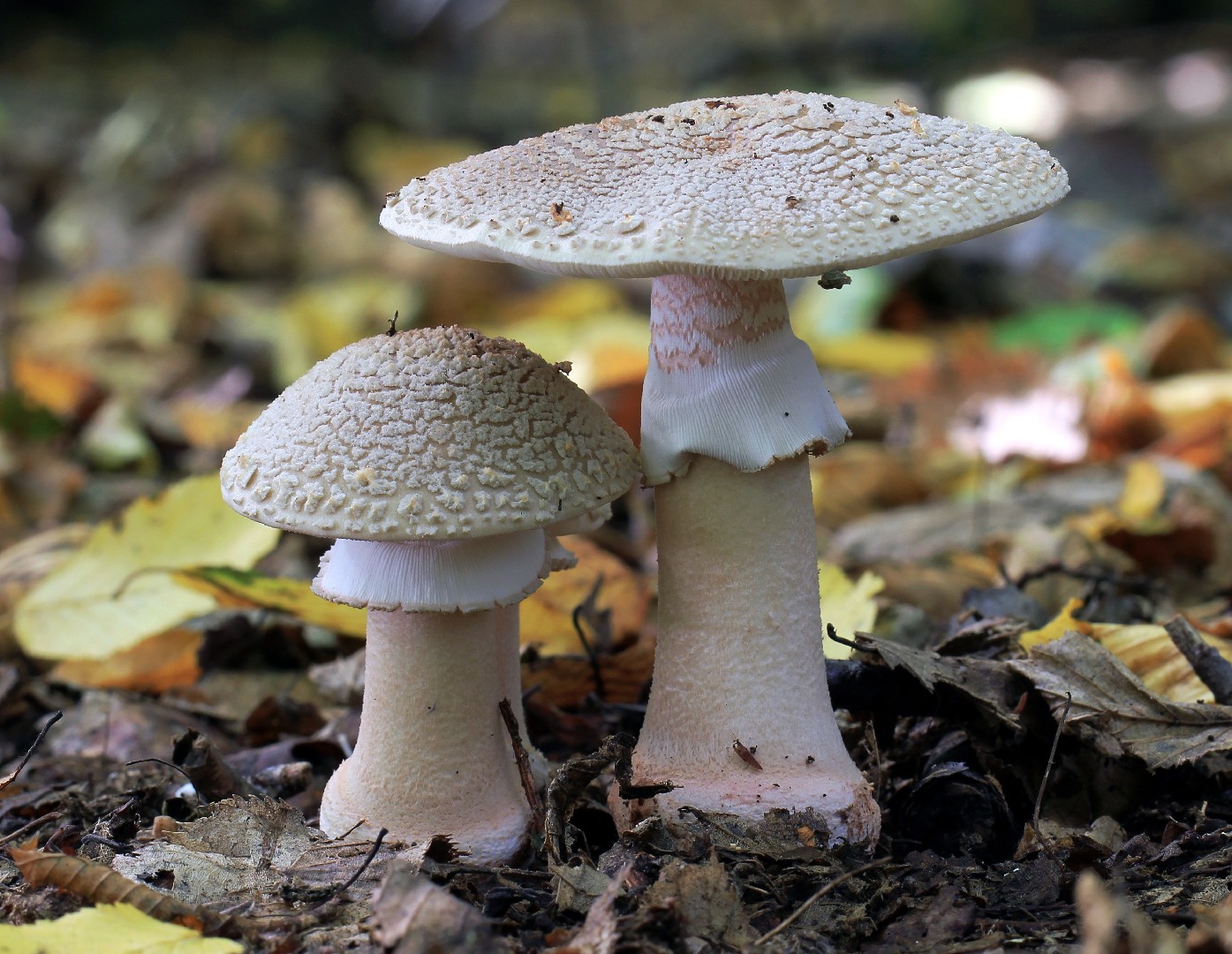
2. Blusher
The blusher mushroom is so named because it “blushes” to a pinkish red color when cut or bruised. It is found in many countries around the world, although it may not be native to the southern hemisphere. It contains a hemolytic toxin that can cause anemia if eaten.

3. Shaggy mane
The shaggy mane mushroom is commonly found in North American and European grasslands. Some peoples foraged for its young egg-shaped caps, but it has more recently been found to be a bioaccumulator of heavy metals, meaning it pulls toxic metals up from the soil where it grows. As a result, shaggy manes should not be eaten. The mushrooms usually appear in clusters or “fairy rings.”
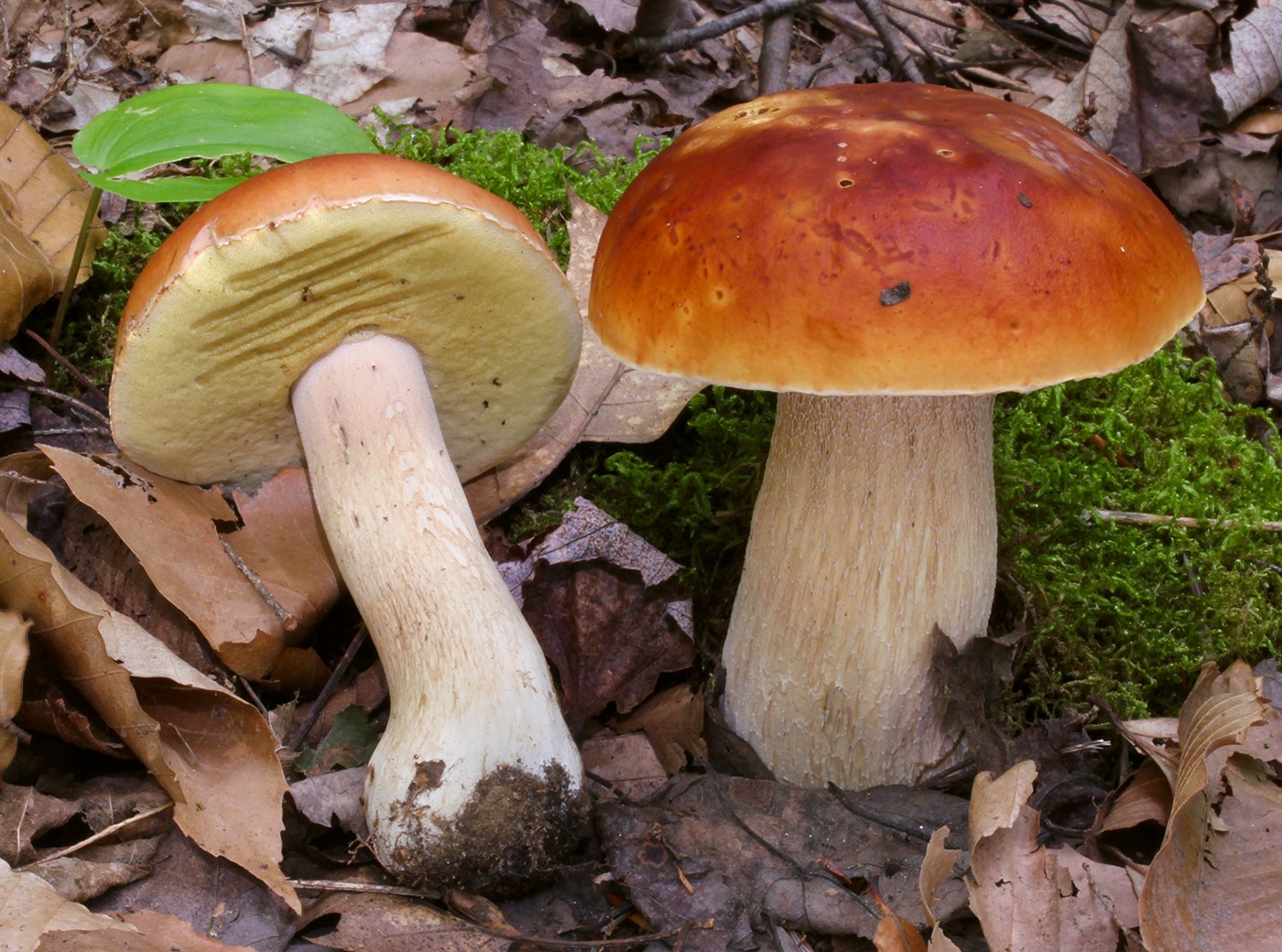
4. King bolete
Extremely popular in many cuisines, this edible wild mushroom grows around the world near the roots of forest trees. In some regions, king bolete mushrooms are collected in great enough volumes that their sale can support entire families during the harvest season. King boletes are reported to be high in fiber, vitamins B and C, calcium, potassium, magnesium, zinc, and several antioxidants.
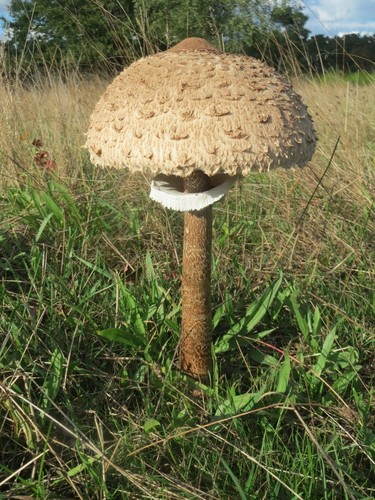
5. Parasol
Found in clearings and grassy areas in late summer, the wild parasol mushroom has a snakeskin-patterned stem. The brown spots on its cap make it look a bit shaggy, but that name is reserved for its poisonous counterpart, the Shaggy Parasol (Chlorophyllum rhacodes). You can distinguish the two by the stems: the latter has a smooth stem and red flesh inside.

6. Rooting shank
Rooting shank has been known by over a dozen names throughout the years. Despite this identity crisis, this rooting shank is not difficult to recognize due to its distinctive long stem, much of which is often hiding in the soil. This mushroom can most frequently be found on stumps or deadwood beneath the ground.
7. Gilded brittlegill
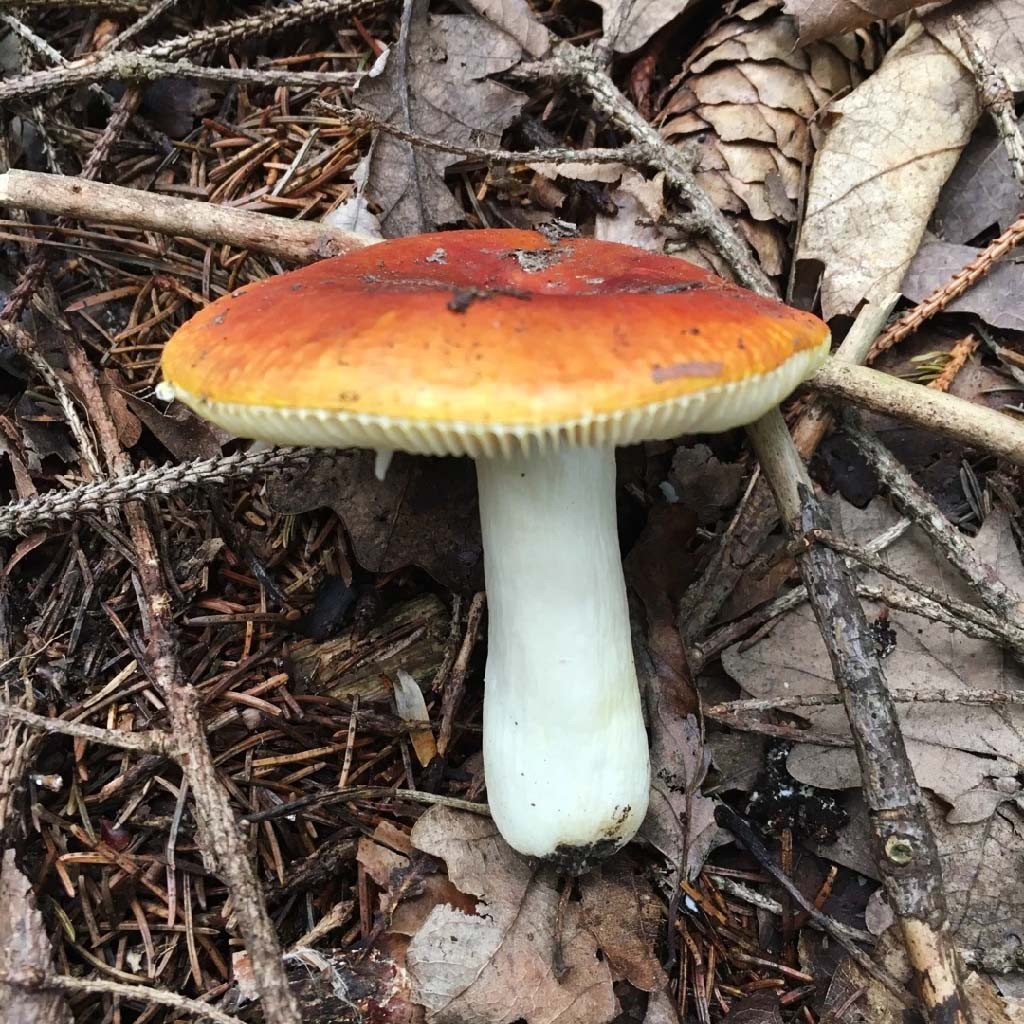
The cap is 4–9 cm (1.5–3.5 in) wide and a blood- or orange-red in colour with ridged margins. Sticky when wet, it is initially convex, then later flat, or depressed; it is able to be peeled half-way. The widely spaced gills are ochre with yellow edges, and adnexed or free. The stipe is up to 3–8 cm (1–3 in) long and 1–2.5 cm (0.39–0.98 in) wide, cylindrical and white or cream to golden-yellow. The brittle flesh is yellow and the taste mild. The spore print is ochre, the warty spores are oval or round and measure 7.5–9 × 6–8 μm. 
8. Enoki
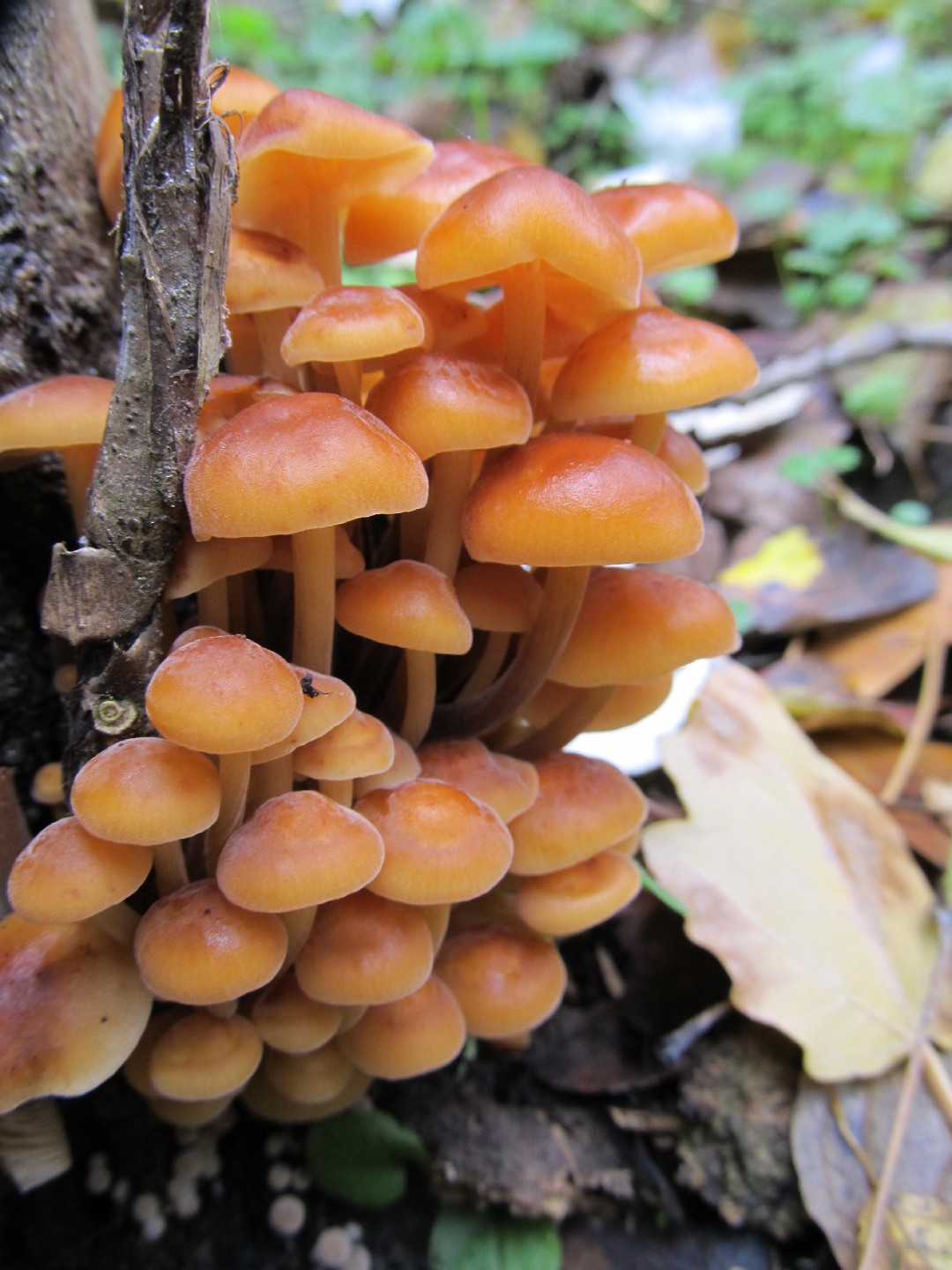
The enoki grows wild on dead elm trees, and is also cultivated for human use. This flavorful species (Flammulina velutipes) has been used in dishes around the world for generations, being particularly high in nutrients. Though store-bought enoki are often plain white, wild ones can be found in a range of colors.
9. Brown birch-bolete
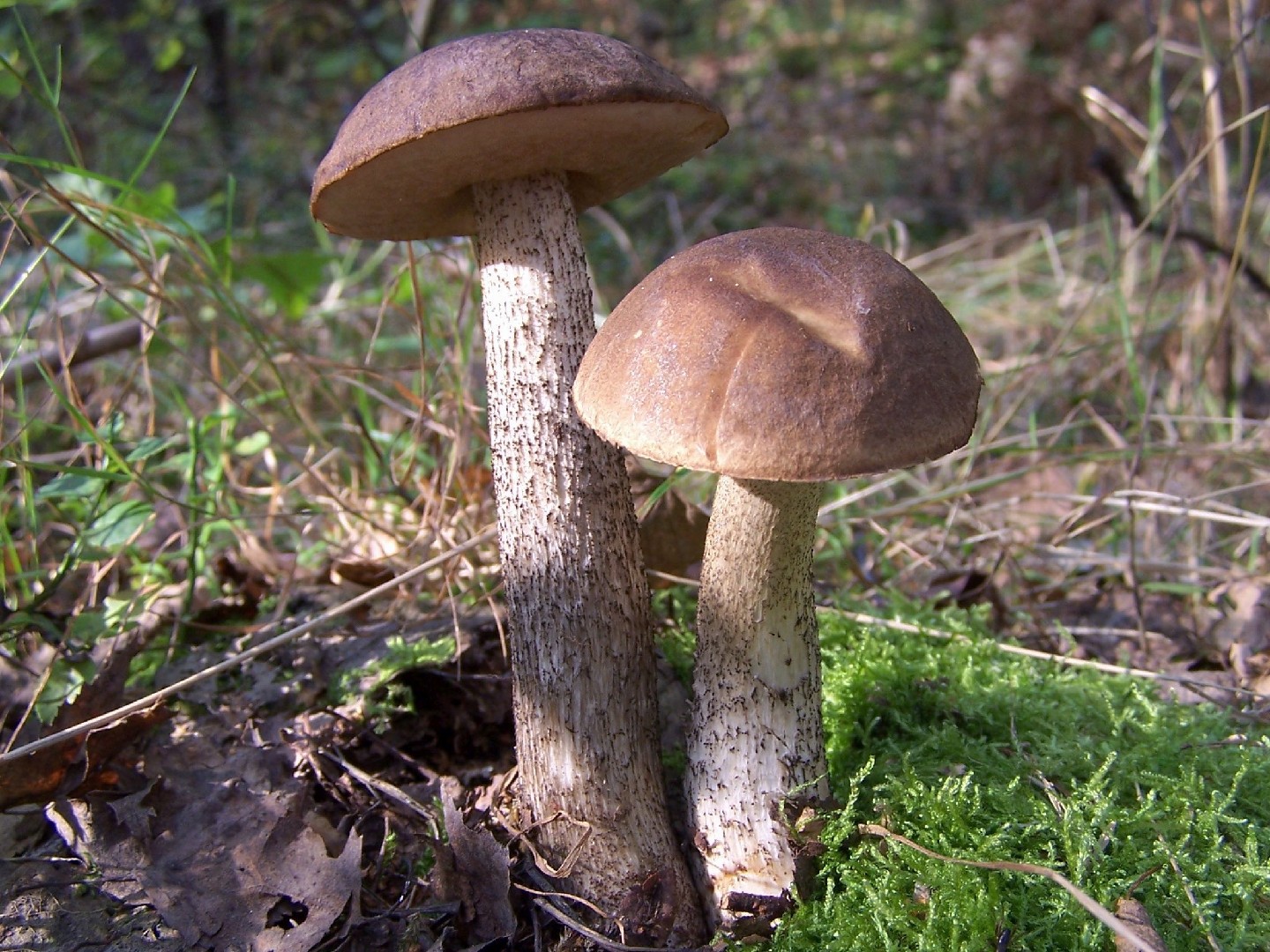
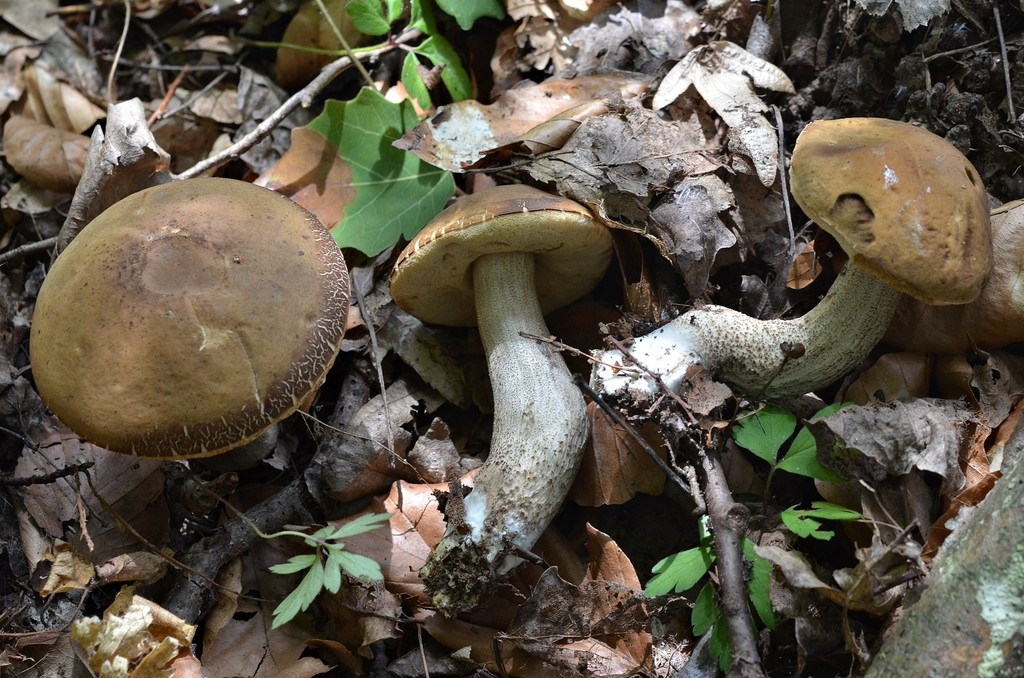
The brown birch-bolete is common around the northern hemisphere. It grows beneath birch trees and is usually easy to identify by its brown cap and scaly stem, the latter of which is referenced in its scientific name Leccinum scabrum. Occasionally, however, it can be found sporting a white cap.
10. Summer bolete
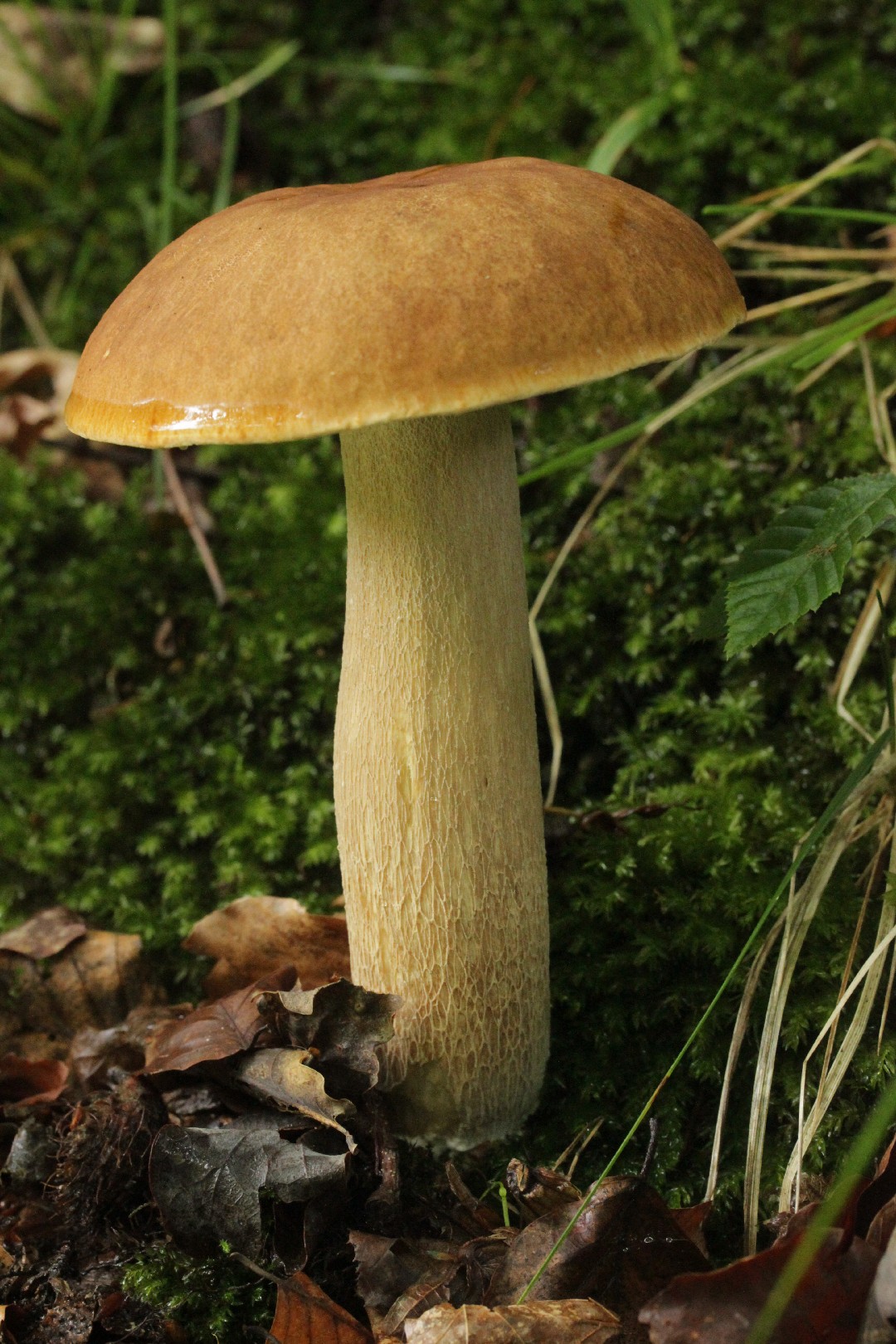
The summer bolete is very similar in appearance to the famous Cep (Boletus edulis), but it differs from it by its "swollen" stem and the absence of a white edge around the cap rim. As its name implies, the summer bolete occurs during the summer months, after very hot and humid weather.
More







