




Top 20 Edible Mushrooms Popular in Fuji
Immerse yourself in the bounty of Fuji, famed for its fertile soil and varied climate ideal for mushroom cultivation. Discover the delightful world of the top 20 edible mushrooms, known for their distinct appearance, taste, and culinary applications. Now, let's delve into the fascinating details of these mushrooms, from their natural habitats to their striking features, offering valuable insights to mushroom enthusiasts and culinary aficionados alike.
* Disclaimer: Content feedback CAN NOT be used as any basis for EATING ANY PLANTS. Some plants can be VERY POISONOUS, please purchase edible plants through regular channels.

Most Popular Edible Mushrooms
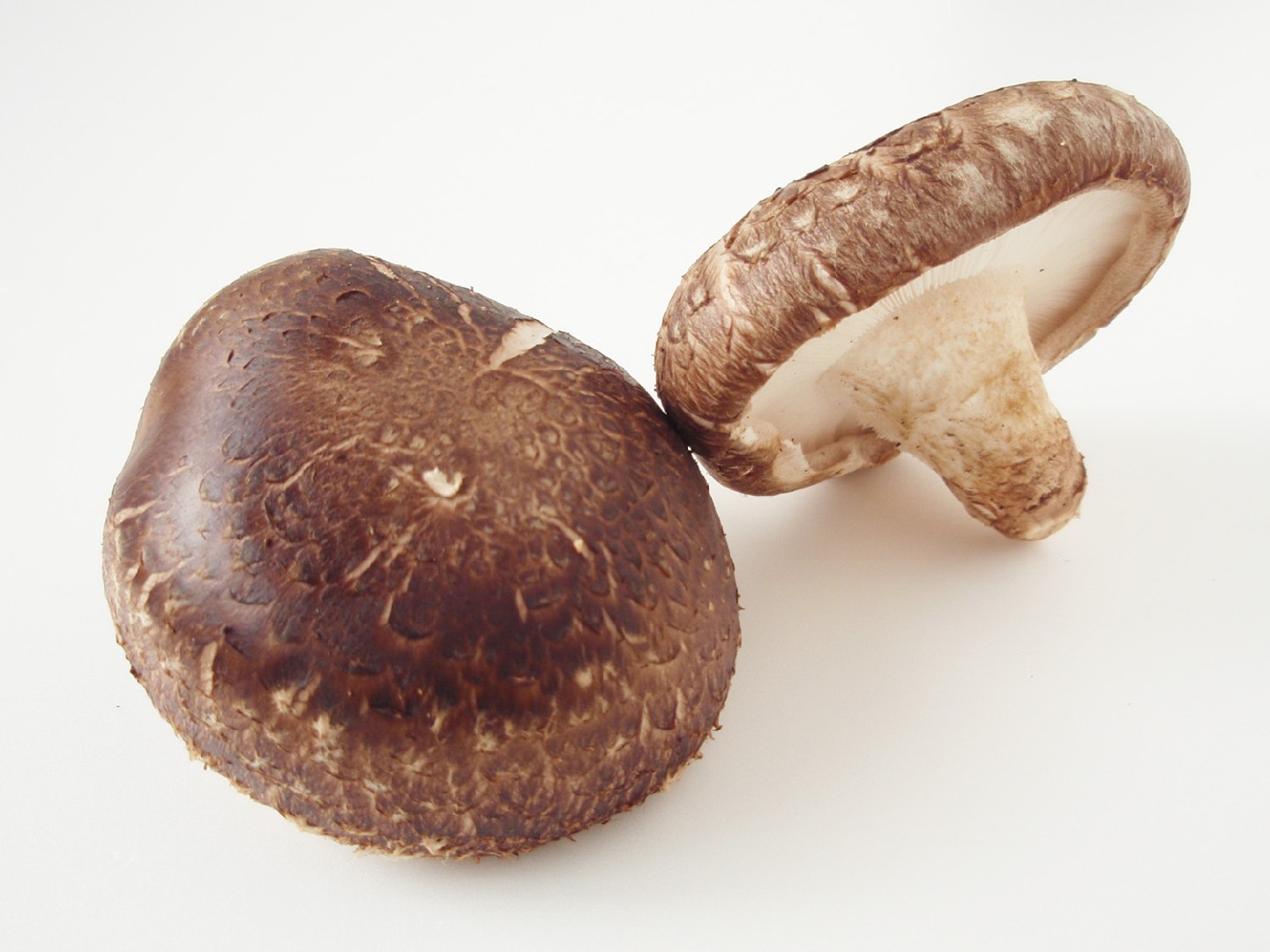
1. Shiitake
Lentinula edodes, commonly called the shiitake, is one of the most iconic and widely cultivated species of edible mushrooms in the world. The species, which is native to East and Southeast Asia, grows on dead oak and other hardwoods. Shiitakes boast a rich, meaty flavor and are used across a wide spectrum of Asian cuisines and have become popular in the West as well.
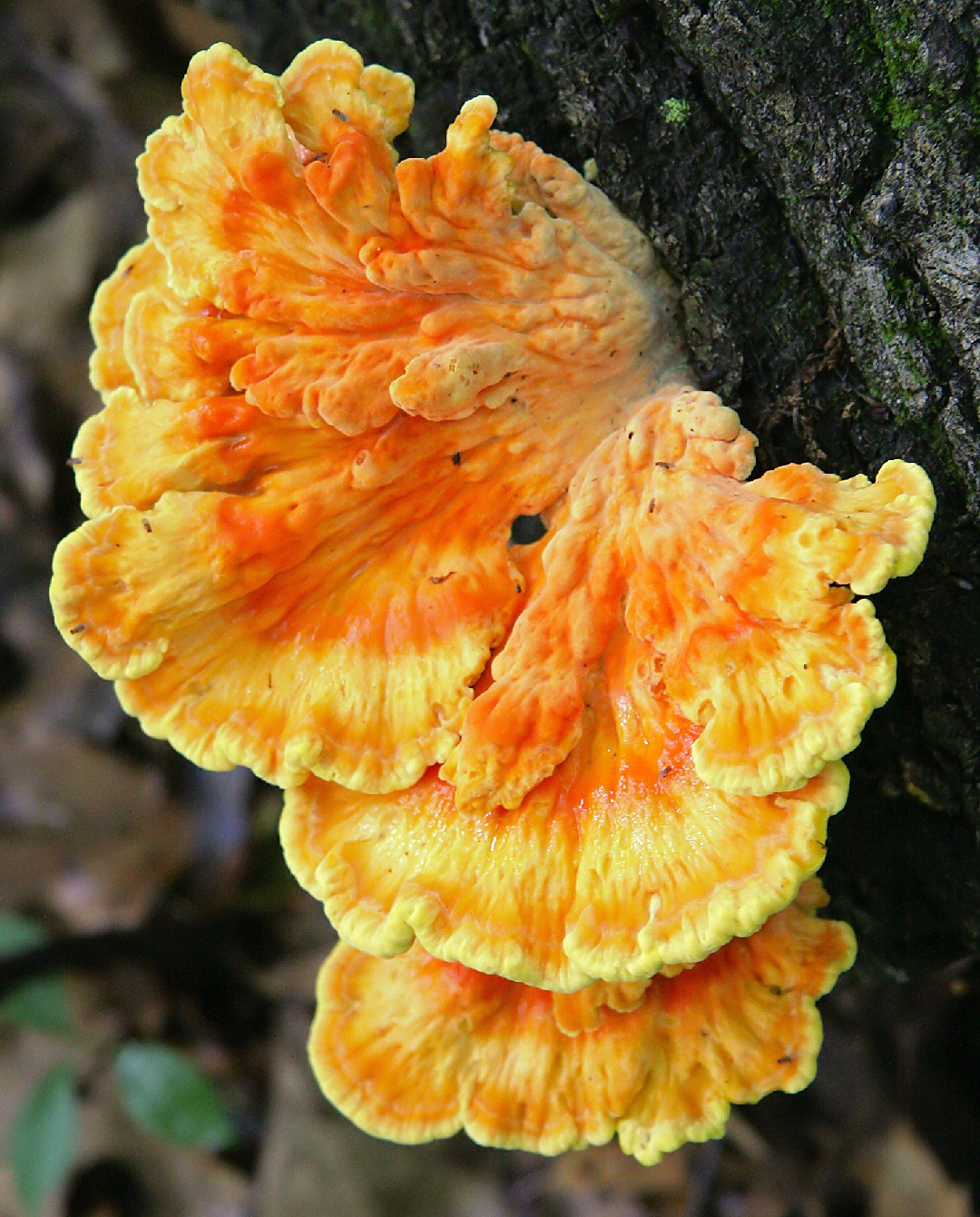
2. Chicken of the woods
Chicken of the woods is very noticeable in hardwood forests, appearing in clusters on standing tree trunks in bright orange and yellow hues that sometimes last through the entire winter. It is a parasite that causes an unfortunate brown heart rot, and is considered a particularly troublesome pest of Yew trees. If the fruitbodies can be seen, the tree is likely already beyond saving.
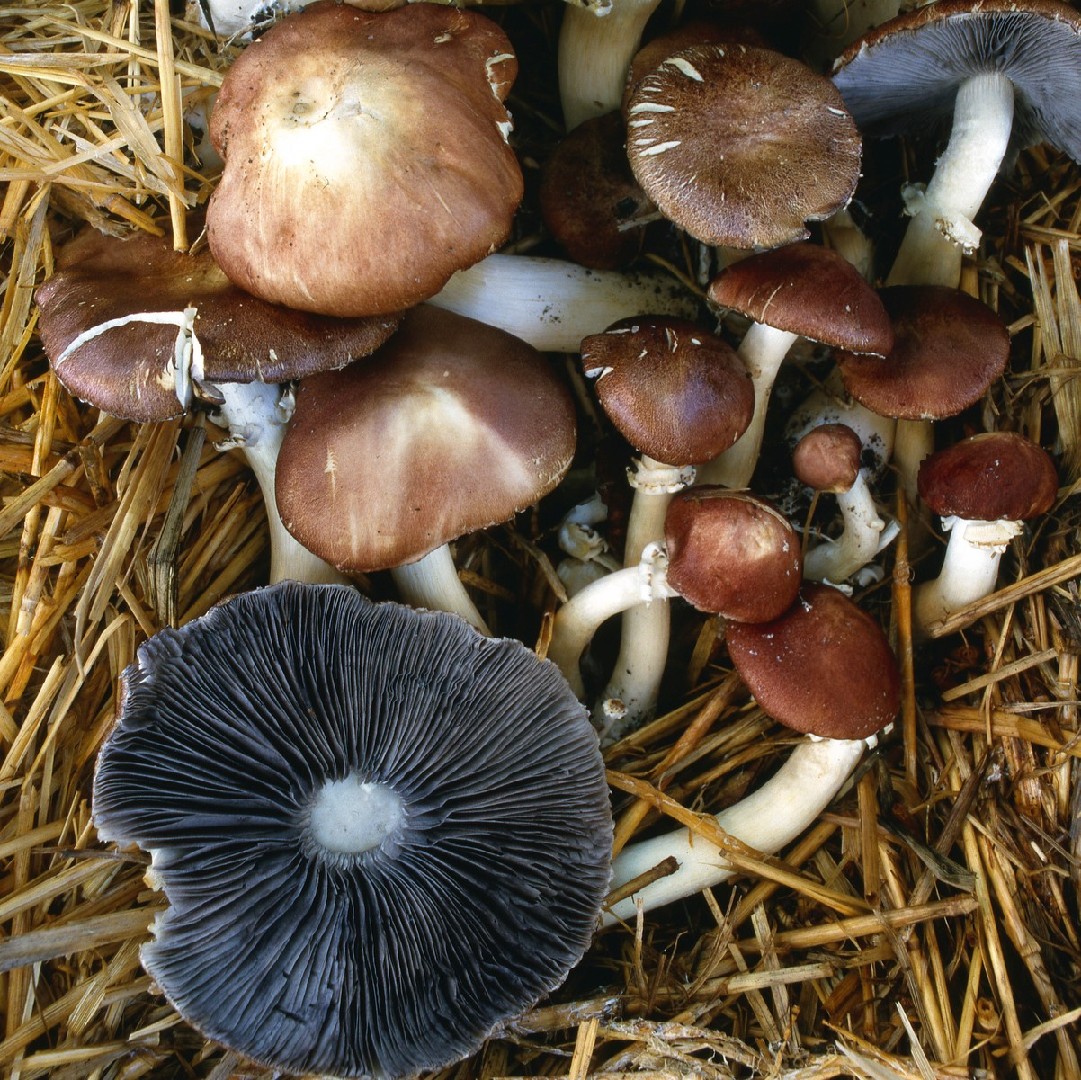
3. Wine cap stropharia
These large mushrooms have distinctive red caps when young, but the color soon fades to brown as they mature. Rare in the wild, wine cap stropharia are highly regarded among foragers as a desirable edible mushroom. Discard any specimens with holes in the stalk or caps, as flies use them to lay eggs. They are also cultivated.
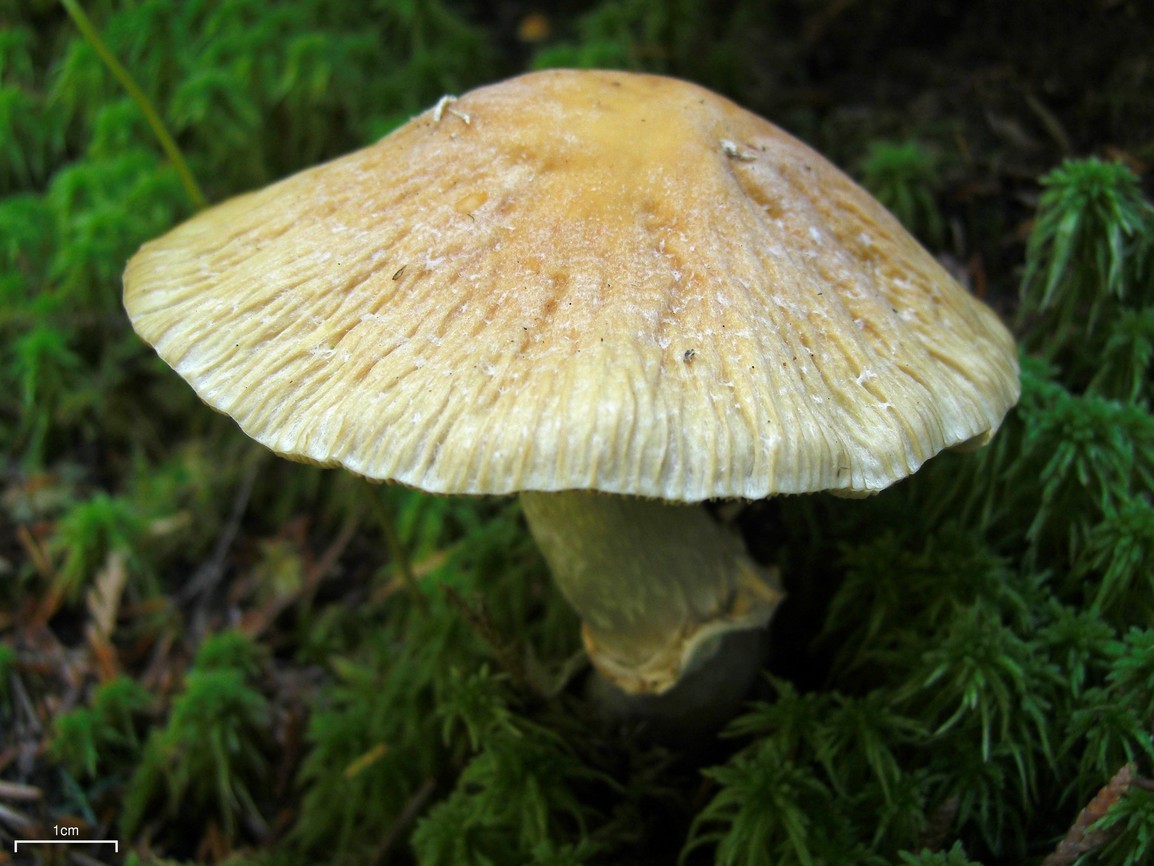
4. Gypsy mushroom
Cortinarius caperatus, commonly referred to as the gypsy mushroom, is a sought-after species that grows across the temperate regions of the Northern Hemisphere. The fruitbodies sport ochre-colored caps and pale gills and stems - their cap color fades over time though, which may lead to their being confused with other, more toxic species.
5. Apricot jelly
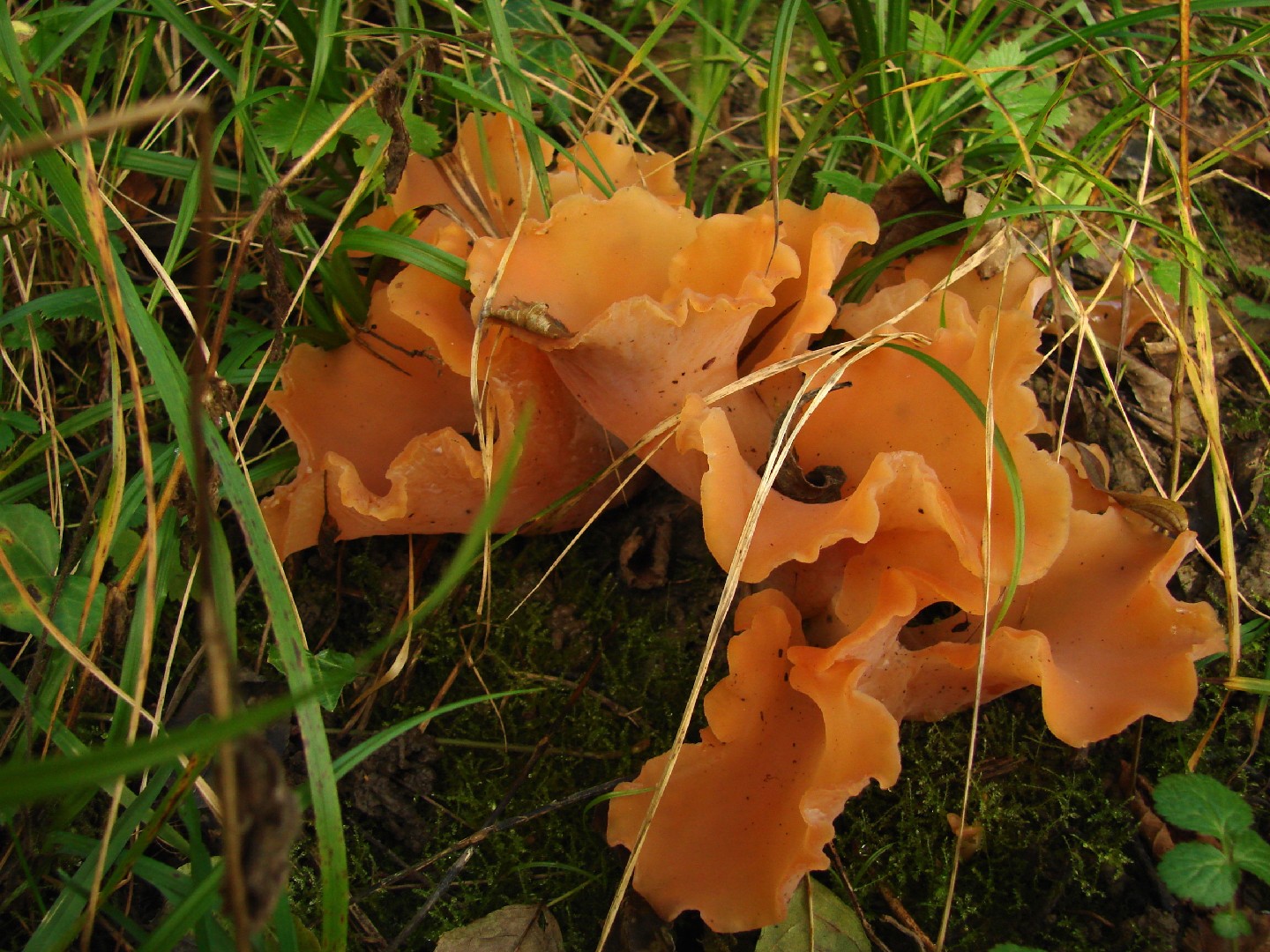
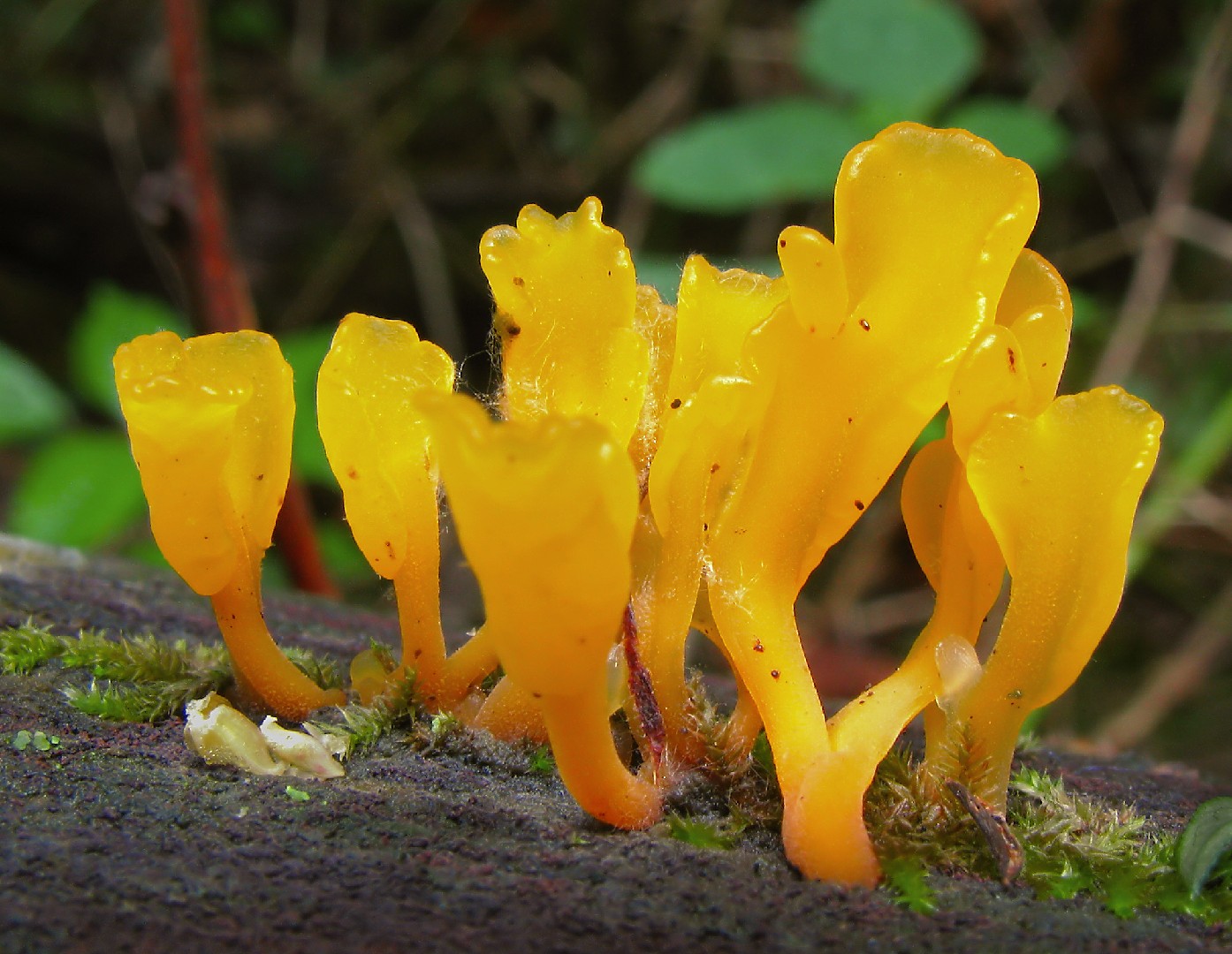
This distinctive, rubbery fungus has an entirely unique appearance. Occurring in temperate regions around the world, the apricot jelly grows in tongue-like funnels in varying shades of orange or pink. While it may look like candy, it is reported to have almost no taste and no culinary value.
6. Amethyst deceiver
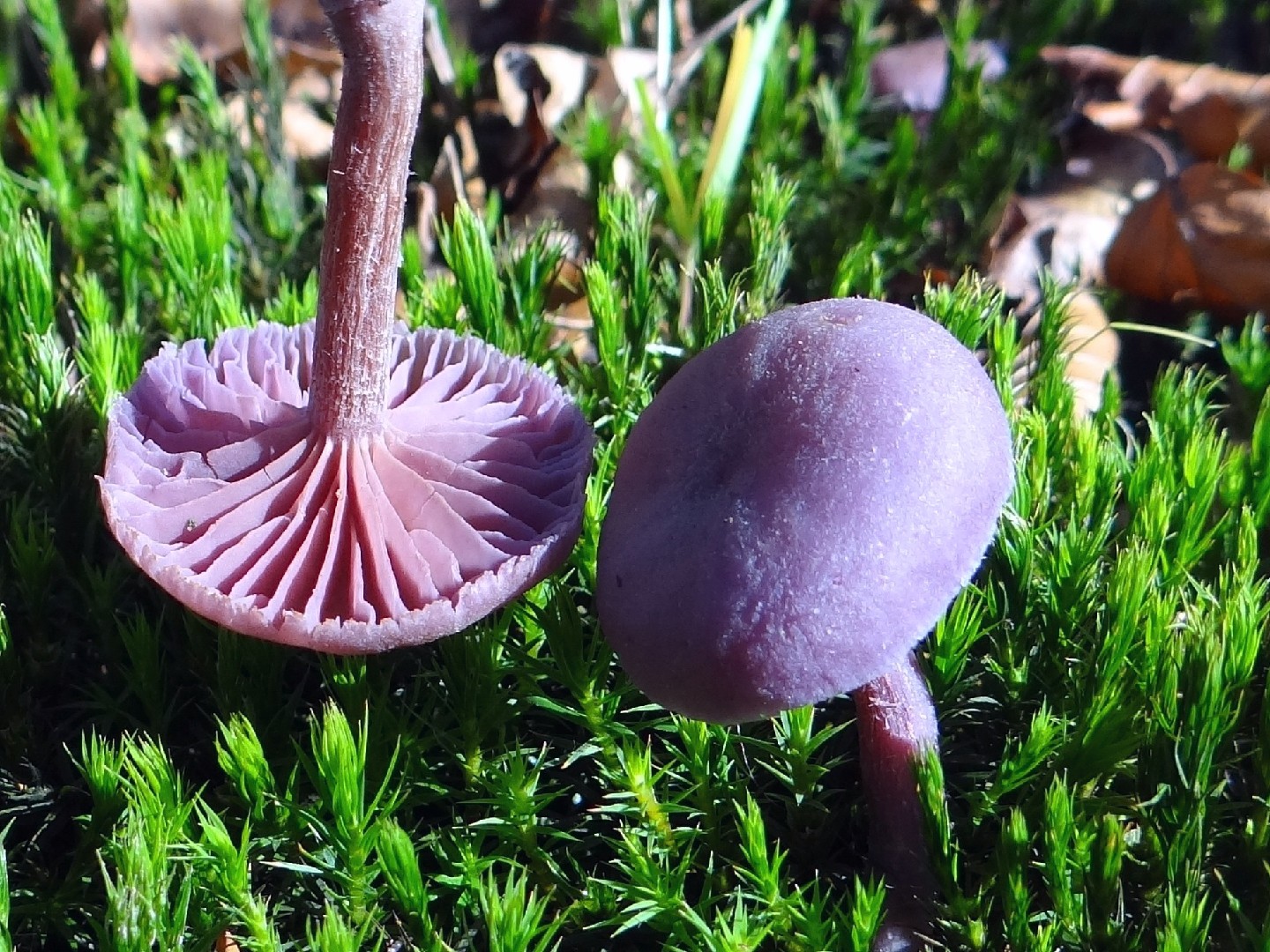
The amethyst deceiver (Laccaria amethystina) is a breathtaking mushroom that pops up from coniferous forest floors. The caps are a striking violet color in youth and are generally flat with a small indentation when the stem connects. As they mature, this violet color transforms to a less than breathtaking grey color, making it quite hard to identify after a certain age positively. Not edible.
7. Hollow bolete
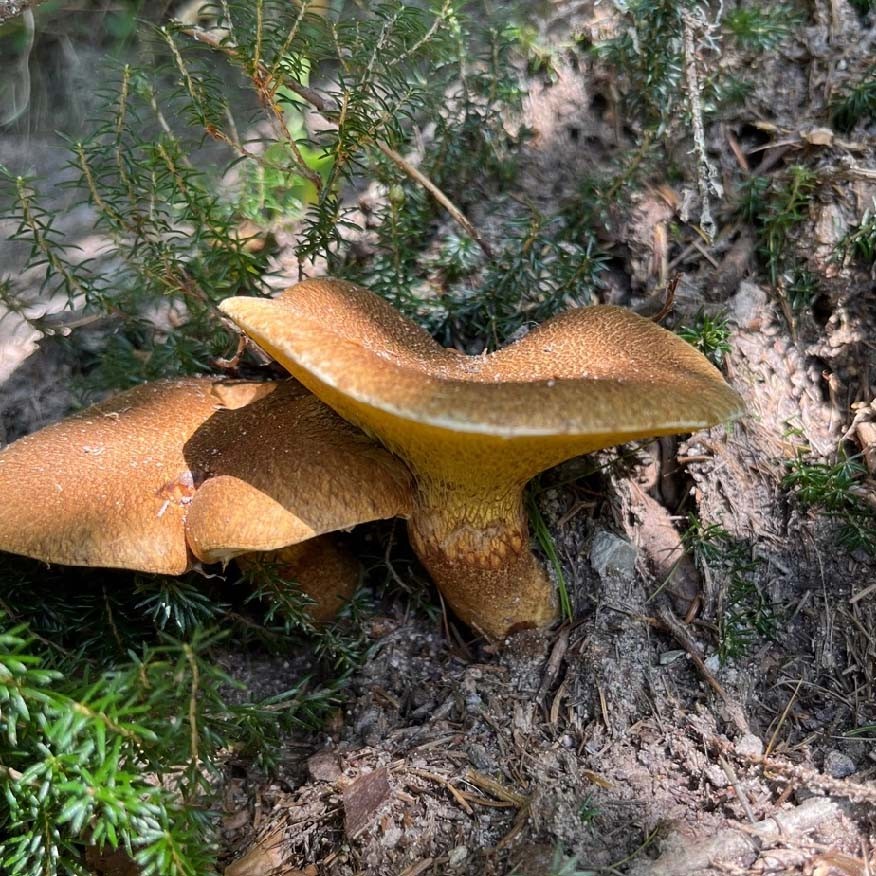
Hollow bolete (Suillus cavipes) gets its Latin name cavipes, which means hollow foot, from its hollow stem. It forms a mutually beneficial relationship with larch trees. This mushroom has an unusual scaly brown cap. It can grow alone or gregariously.
8. Violet coral
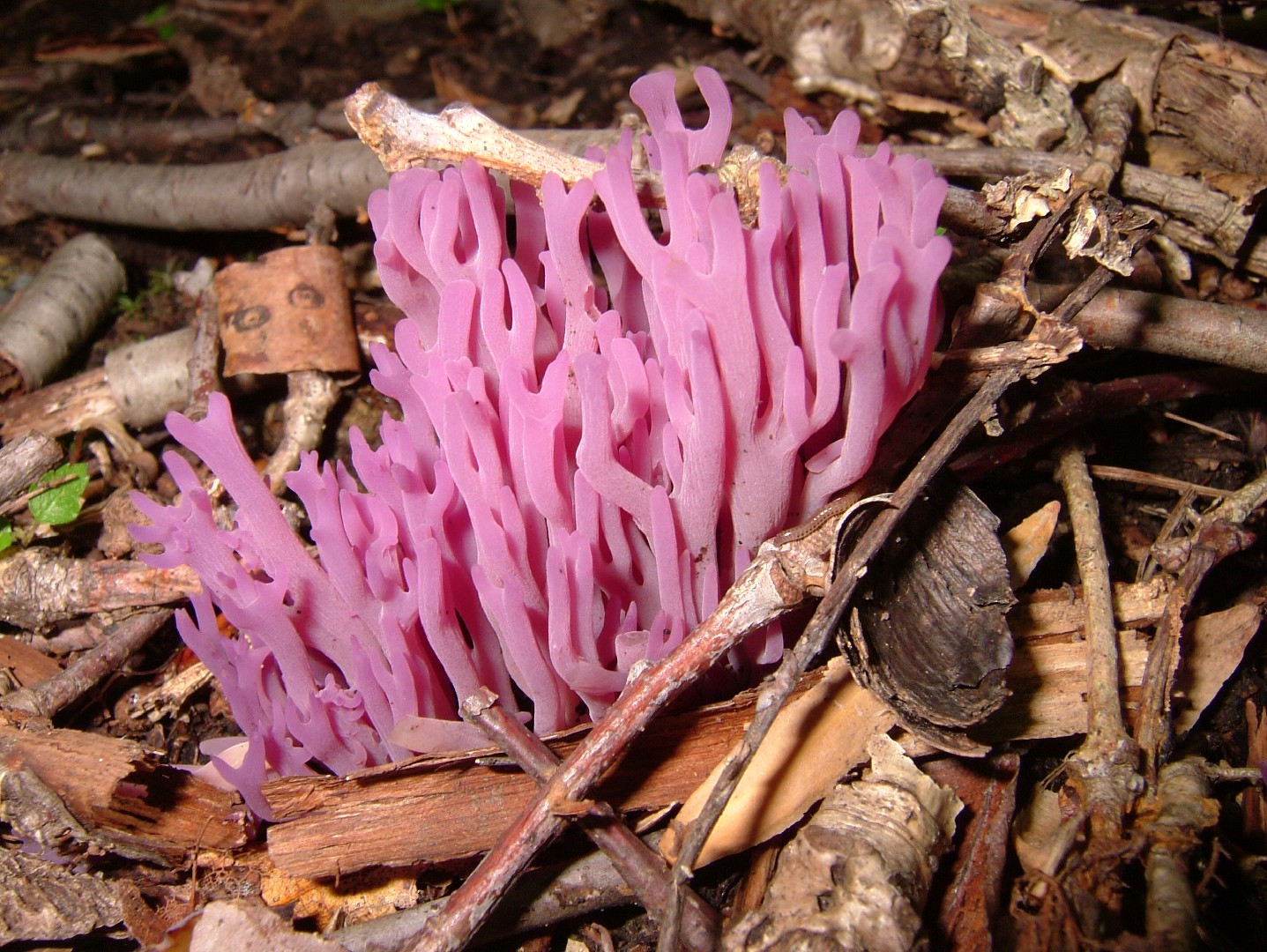
The striking violet coral (Clavaria zollingeri) is most common in the eastern part of North America, although it can also be found elsewhere. The clustered, branching fruitbody looks spectacularly similar to an underwater coral, in both shape and color. This species is distinguished by the antler-like pattern with which each frond branches.
9. Earthy powdercap
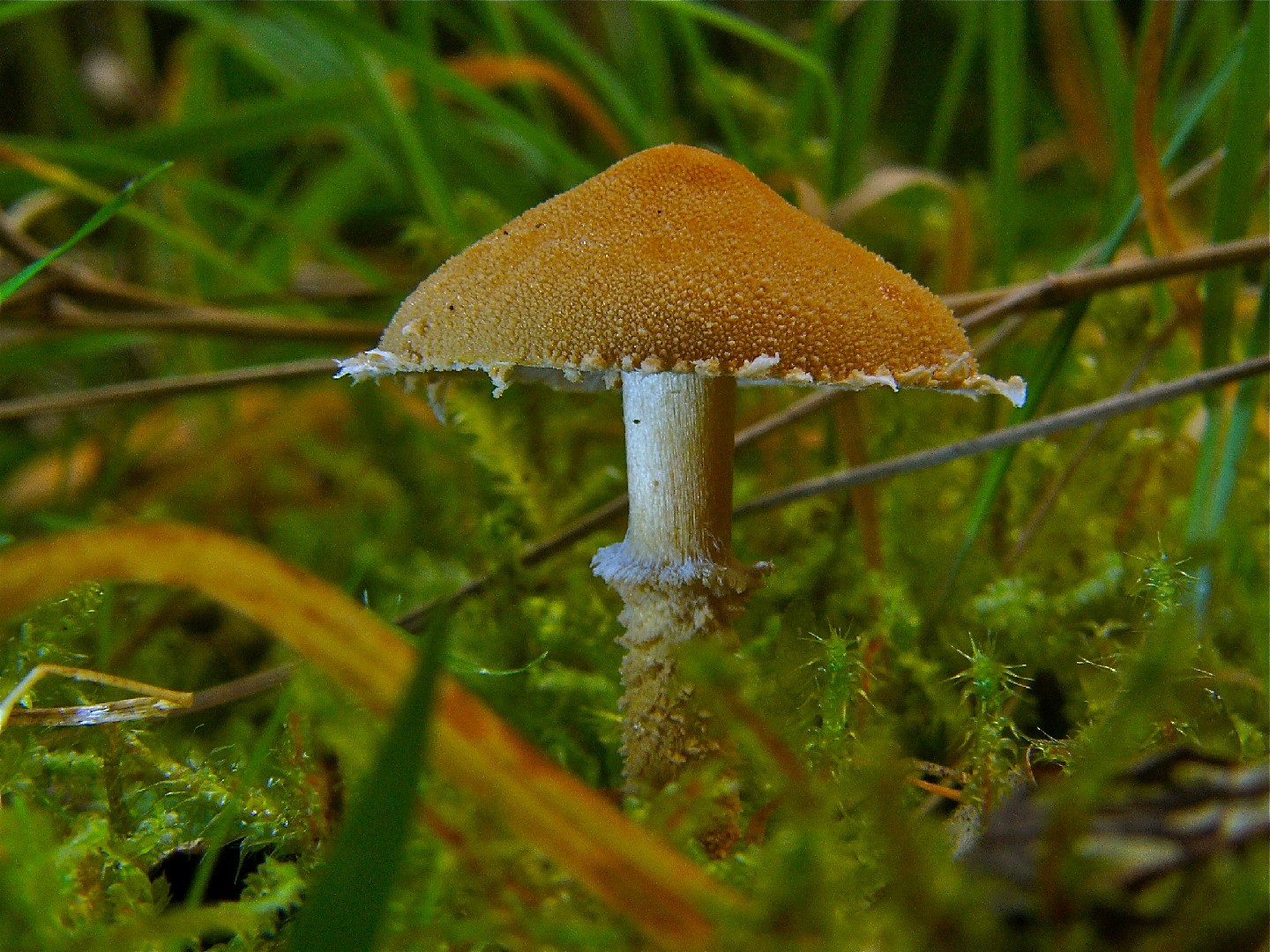
Commonly found in lawns, moors, heath, and other wet grasslands, the earthy powdercap (Cystoderma amianthinum) can produce large “fairy rings” in places where fertilizers or chemicals have not been sprayed. Its distinctive stem is smooth just beneath the cap but abruptly shaggy below, giving the appearance that each mushroom is wearing a little sock!
10. Golden chanterelle
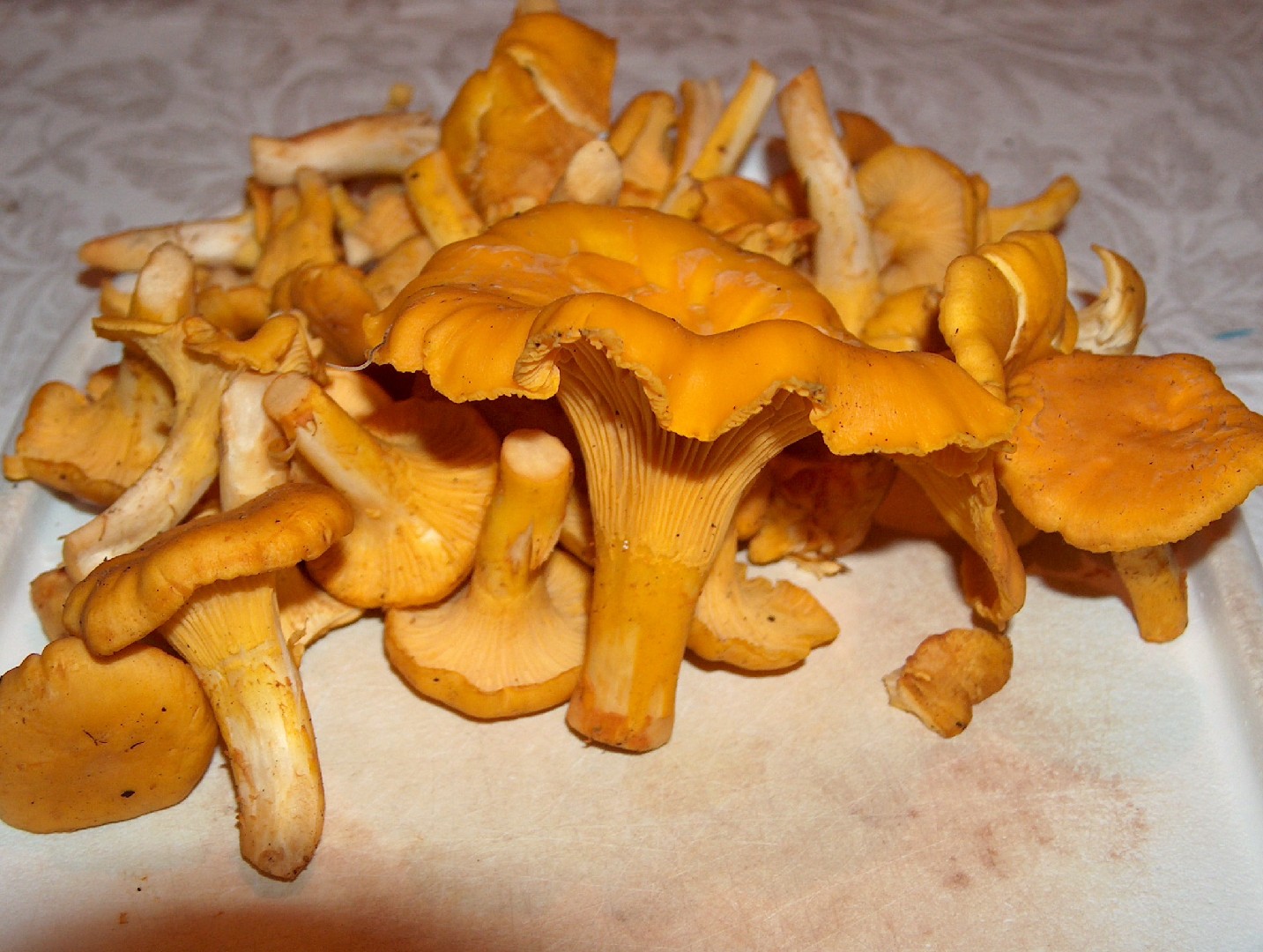
Golden chanterelle mushrooms are popular in gourmet cuisine across Europe, where they grow wild during the warm (but not too hot) months. Similar species grow in other countries. Extremely popular with foragers, the golden chanterelle emits an apricot-like scent and contains an array of nutrients that benefit the human body. Several studies suggest consuming extremely large amounts may have detrimental effects on the eyes and muscles.

More







