




Top 20 Edible Mushrooms Popular in Honduras
Surrounded by luxuriant tropical forests and evergreen emerald landscapes, Honduras provides an ideal environment for a variety of fungal species, making it a mycophagist's paradise. In Honduras, the most common edible mushrooms hold a distinctive place in gastronomy, weaving a flavorful tale of ancient culinary traditions and ecological diversity. In this guide, we'll be exploring the 20 most common edible mushrooms in Honduras, delving into their unique characteristics such as distinctive appearance, flavorsome taste, specific habitat, and exciting culinary uses. Each mushroom is more than just a delightful edible; it's a harmony of Honduras's flavors reflected in its very essence.
* Disclaimer: Content feedback CAN NOT be used as any basis for EATING ANY PLANTS. Some plants can be VERY POISONOUS, please purchase edible plants through regular channels.

Most Popular Edible Mushrooms
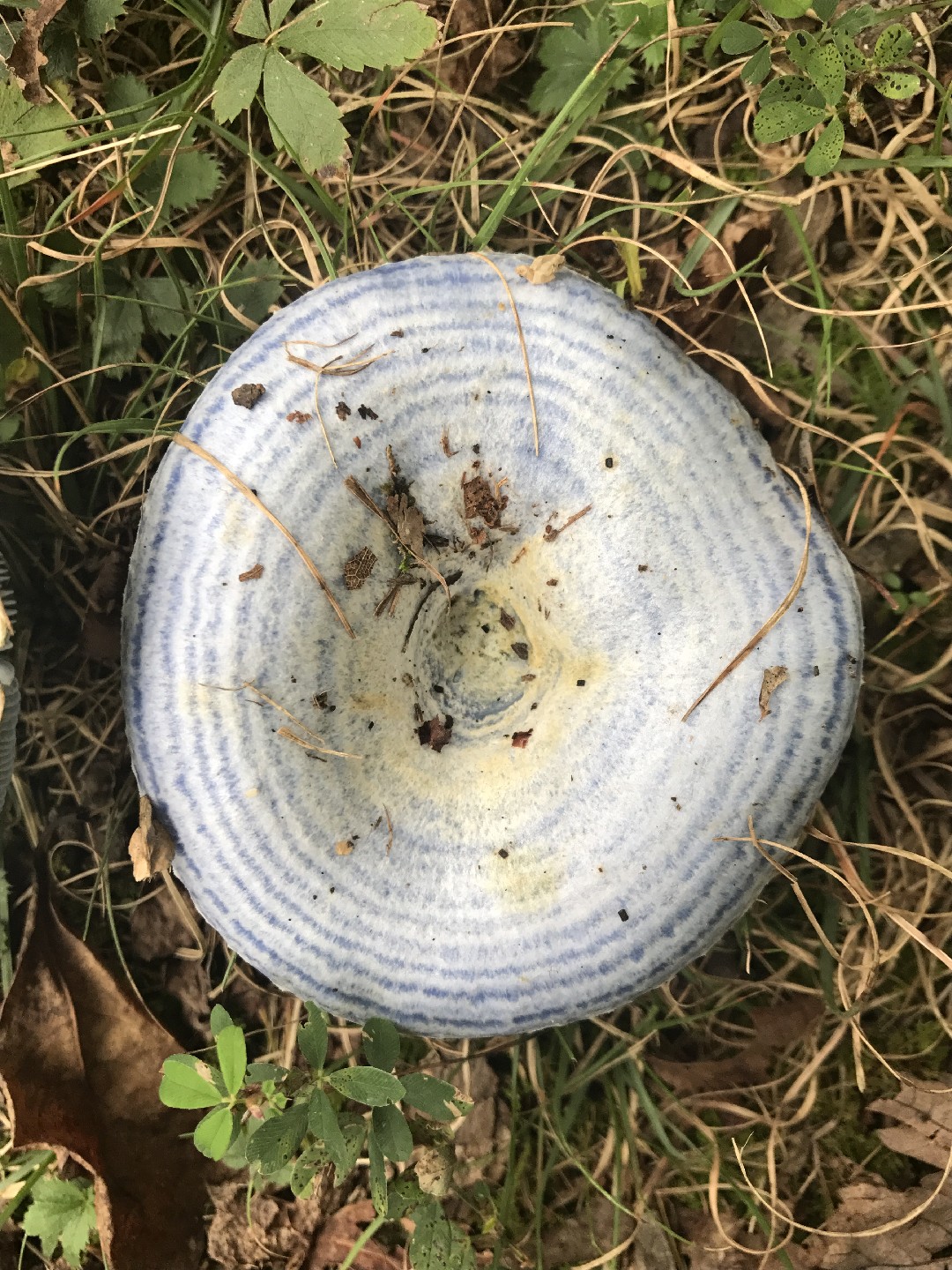
1. Indigo milk cap
This gorgeous species is unlike any other. The indigo milk cap, a member of the often-drab russula family, is deep blue in color. Like other milk caps, it bleeds a latex-like substance when cut or damaged, but instead of the usual white this species bleeds deep blue.
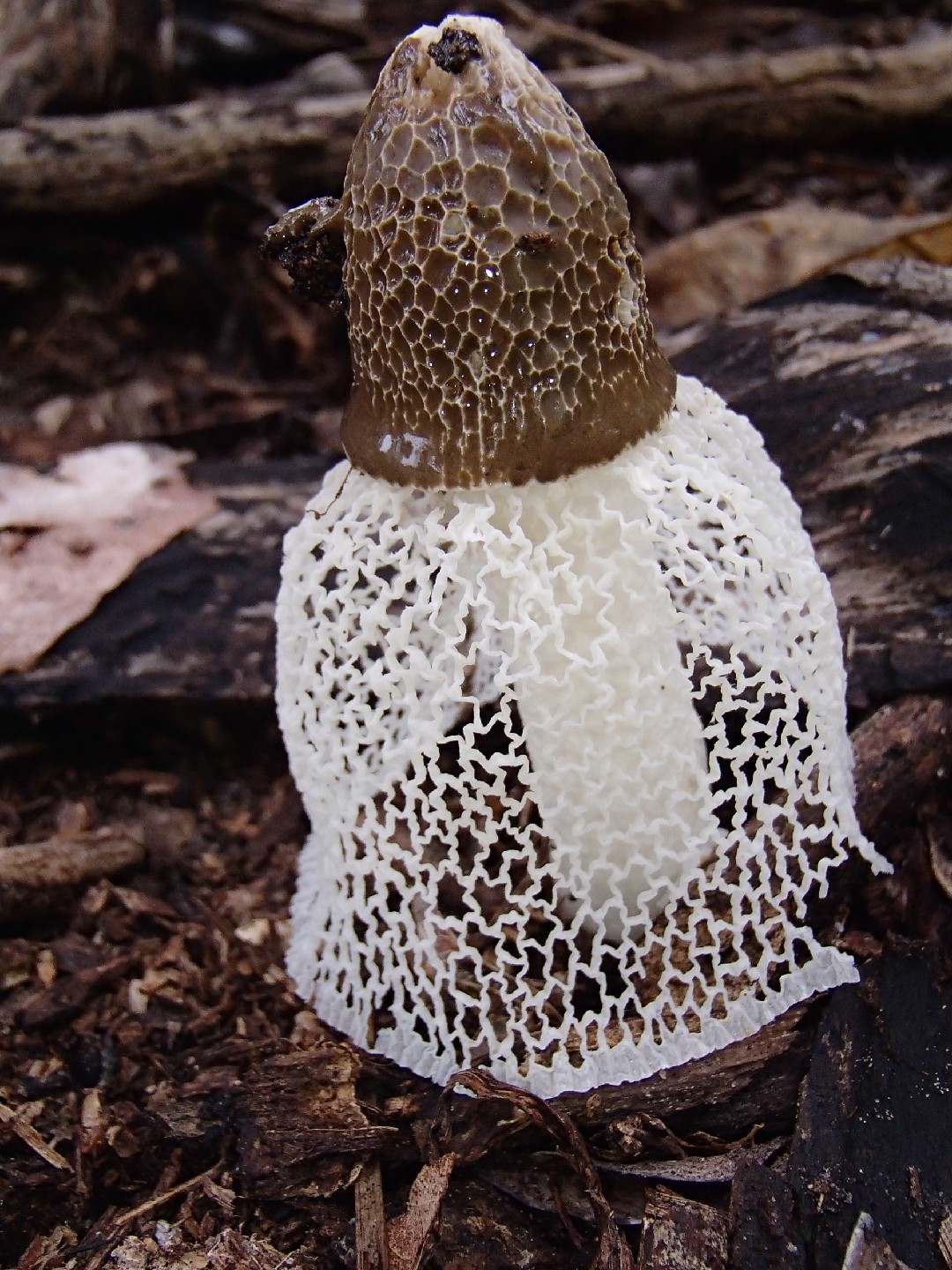
2. Bridal veil stinkhorn
Bridal veil stinkhorn (Phallus indusiatus) can be found rising up from the ground in tropical forests around the world. A distinctive netted fringe “skirt” descends from the cap along the length of the stalk. A type of “stinkhorn,” the fruitbodies of this species produce scents that vary between sickly-sweet to just plain unpleasant. The odor is meant to attract insects that usually lay their eggs in carrion.
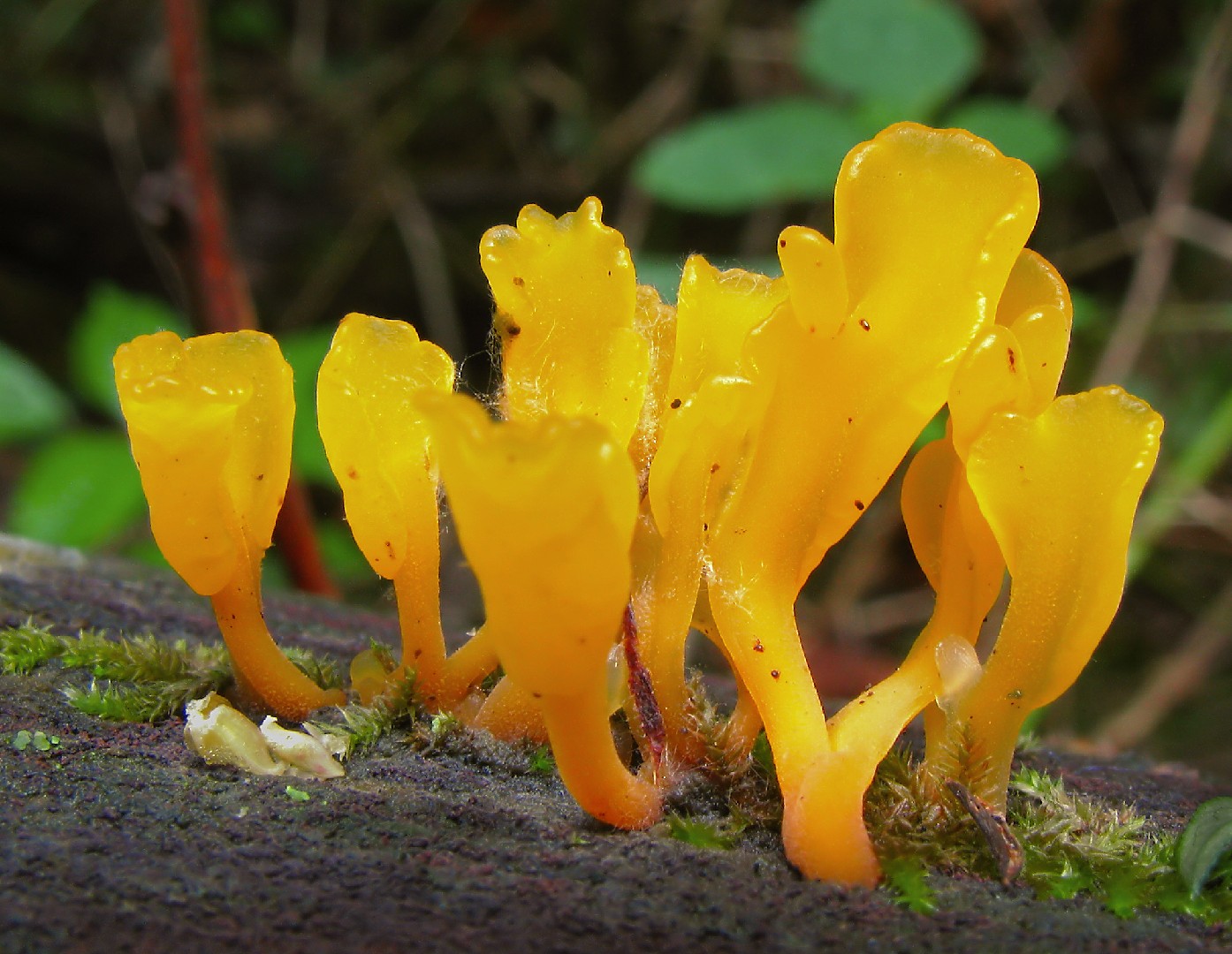
3. Fan-shaped jelly-fungus
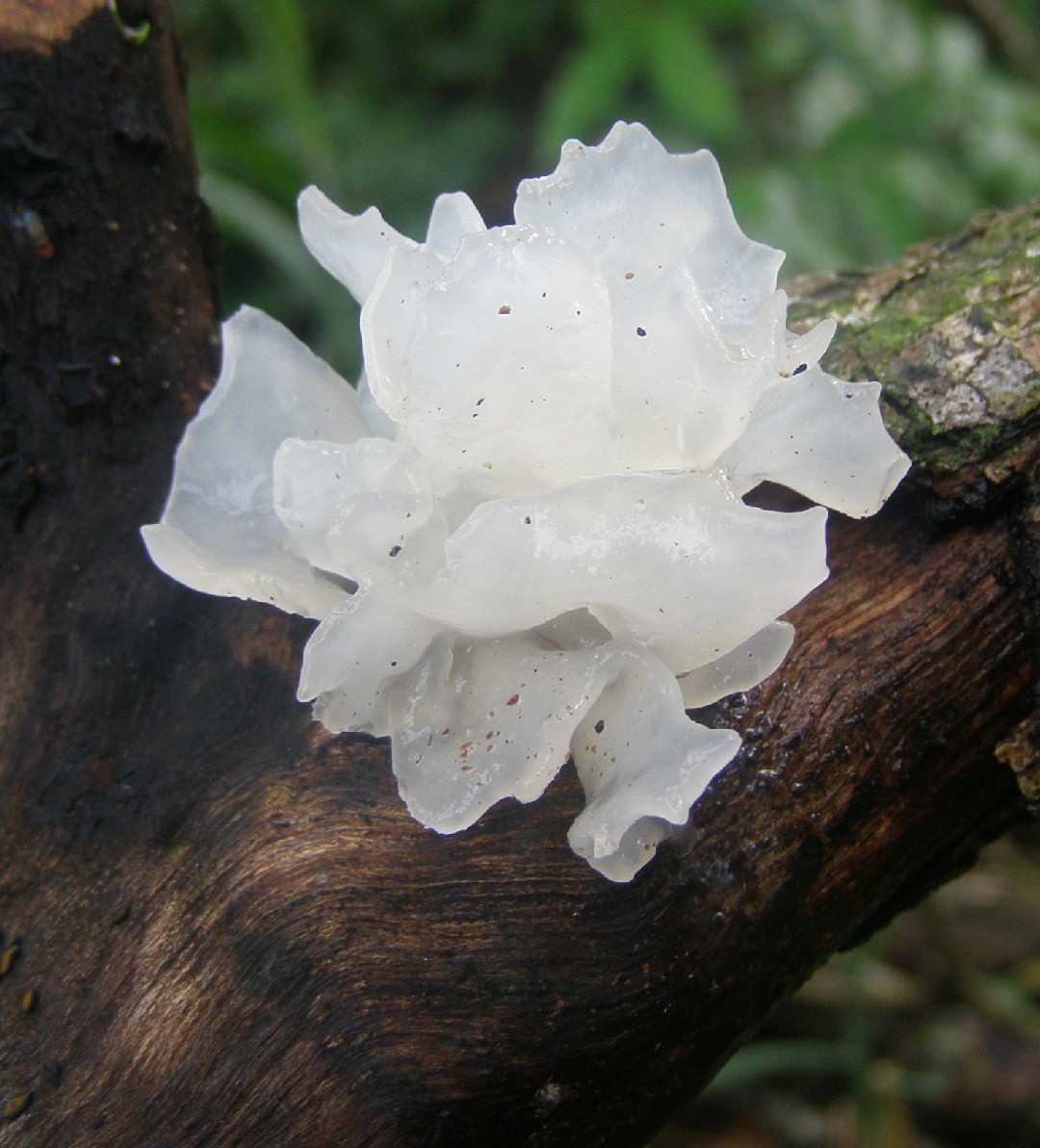
Just as its Latin and the common English names suggest, the fan-shaped jelly-fungus (Dacryopinax spathularia) is a fan-shaped or spatula-shaped jelly-like mushroom. It commonly grows in wood cracks and it sometimes even appears in the cracks of the processed wood and lumber. Despite the word "jelly" in its name, the fan-shaped jelly-fungus is not considered edible.
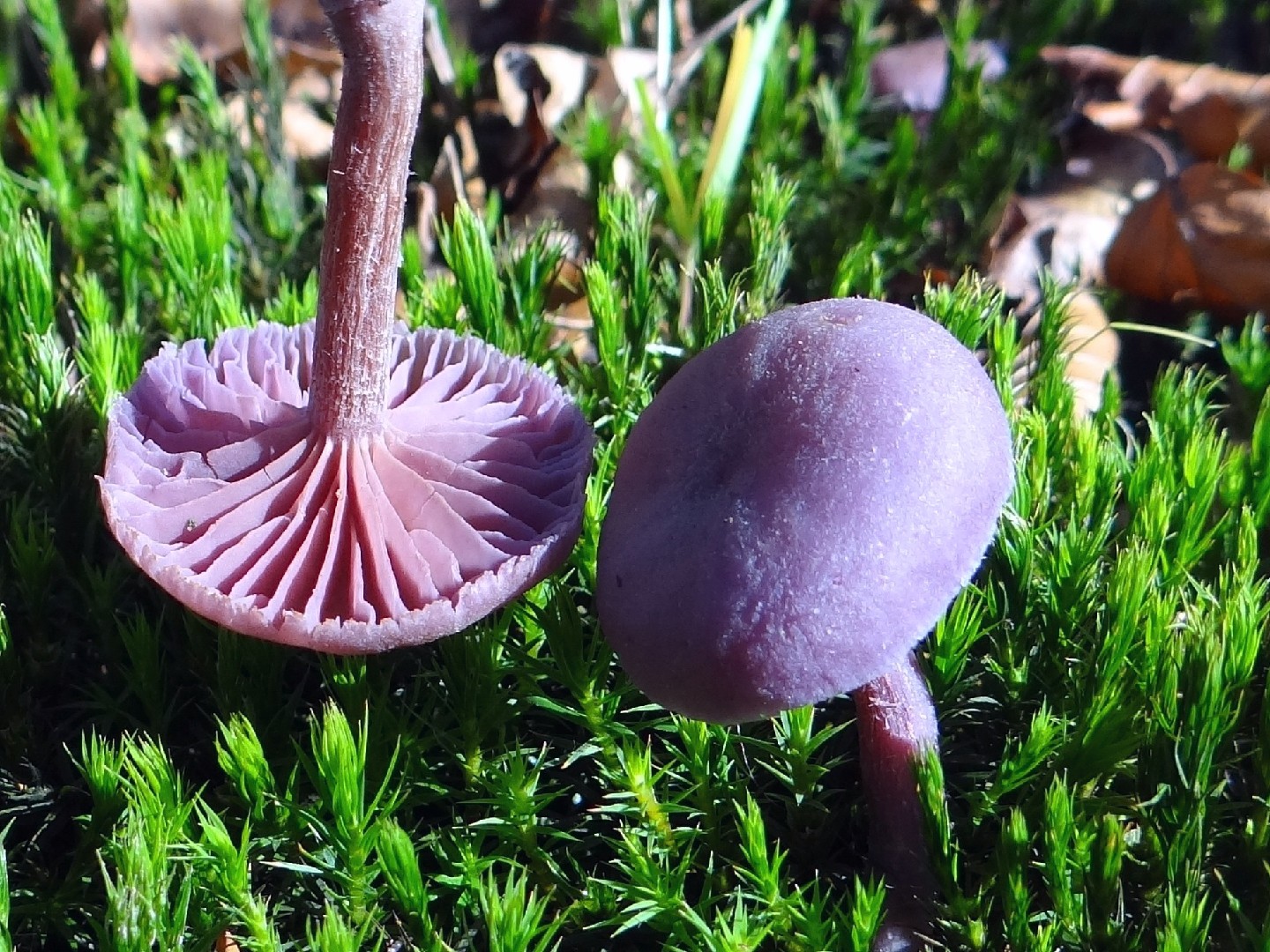
4. Amethyst deceiver
The amethyst deceiver (Laccaria amethystina) is a breathtaking mushroom that pops up from coniferous forest floors. The caps are a striking violet color in youth and are generally flat with a small indentation when the stem connects. As they mature, this violet color transforms to a less than breathtaking grey color, making it quite hard to identify after a certain age positively. Not edible.

5. Shaggy mane
The shaggy mane mushroom is commonly found in North American and European grasslands. Some peoples foraged for its young egg-shaped caps, but it has more recently been found to be a bioaccumulator of heavy metals, meaning it pulls toxic metals up from the soil where it grows. As a result, shaggy manes should not be eaten. The mushrooms usually appear in clusters or “fairy rings.”
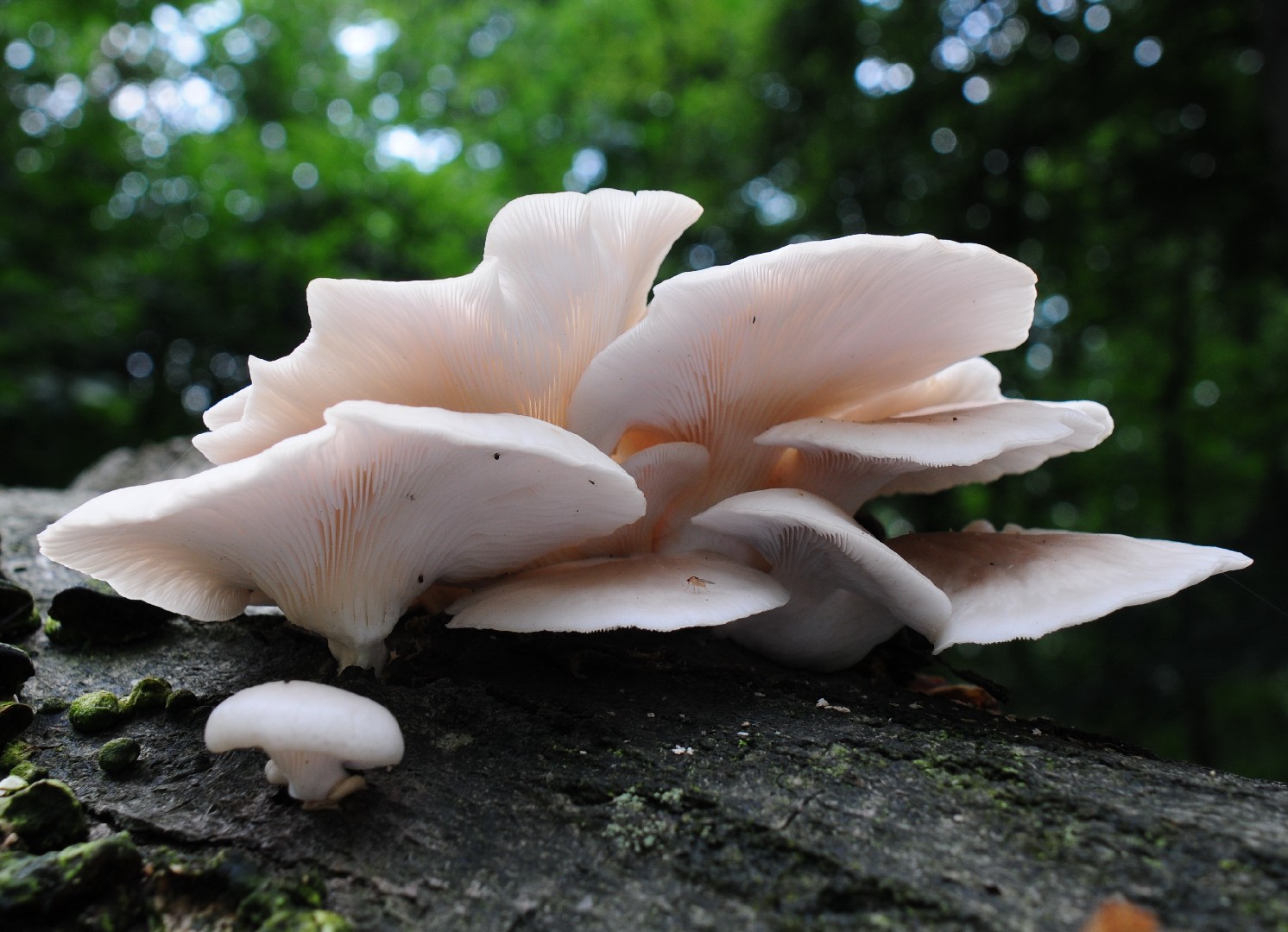
6. Lung oyster
Developing all around the northern hemisphere, lung oyster mushrooms grow in overlapping shelf-like clusters on deciduous branches, trunks, and fallen logs in the wild. They are easy to cultivate on other substrates, like spent coffee grounds and sawdust, for commercial production. They are generally considered safe to eat, although some people may develop allergies.
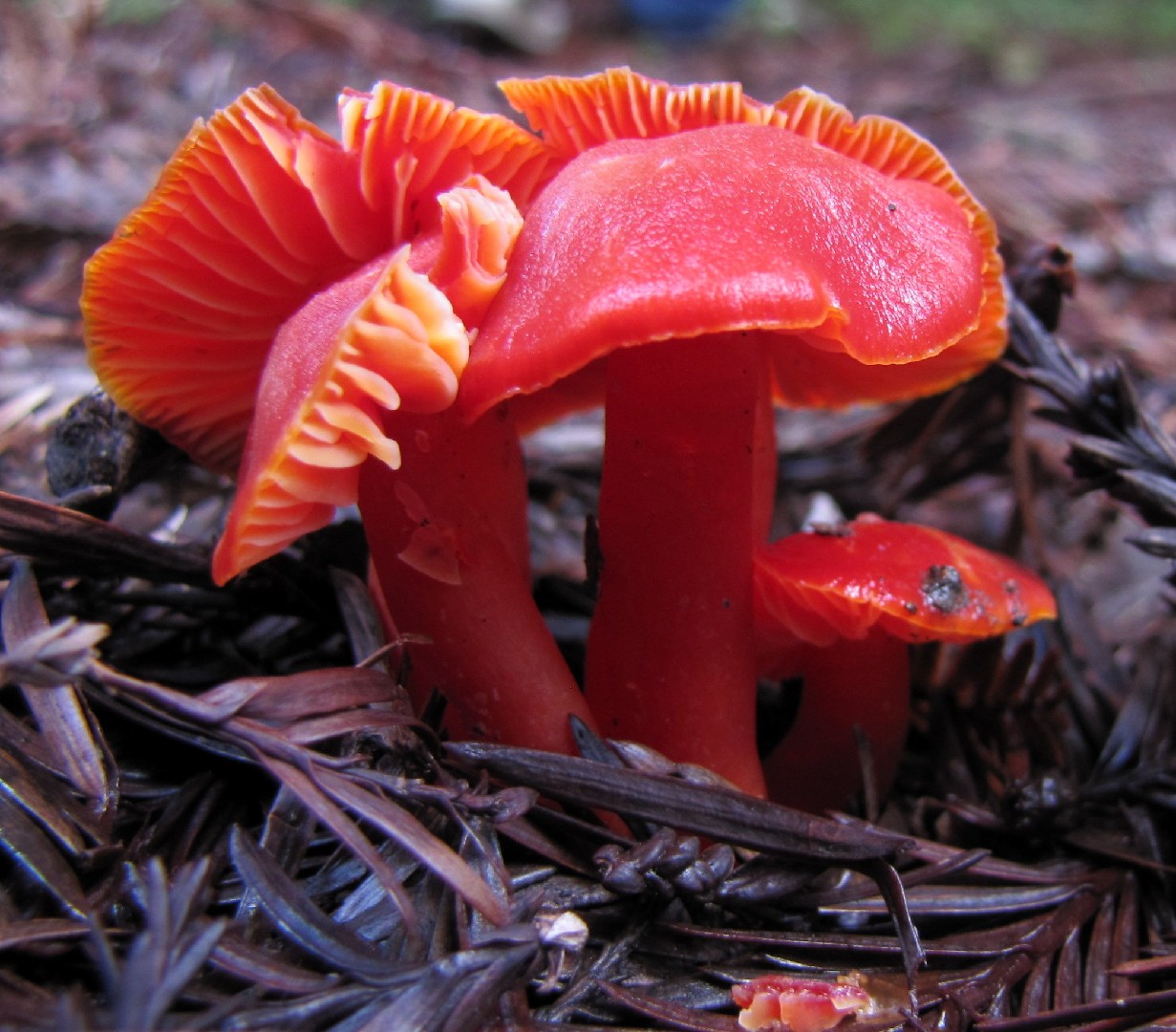
7. Scarlet hood
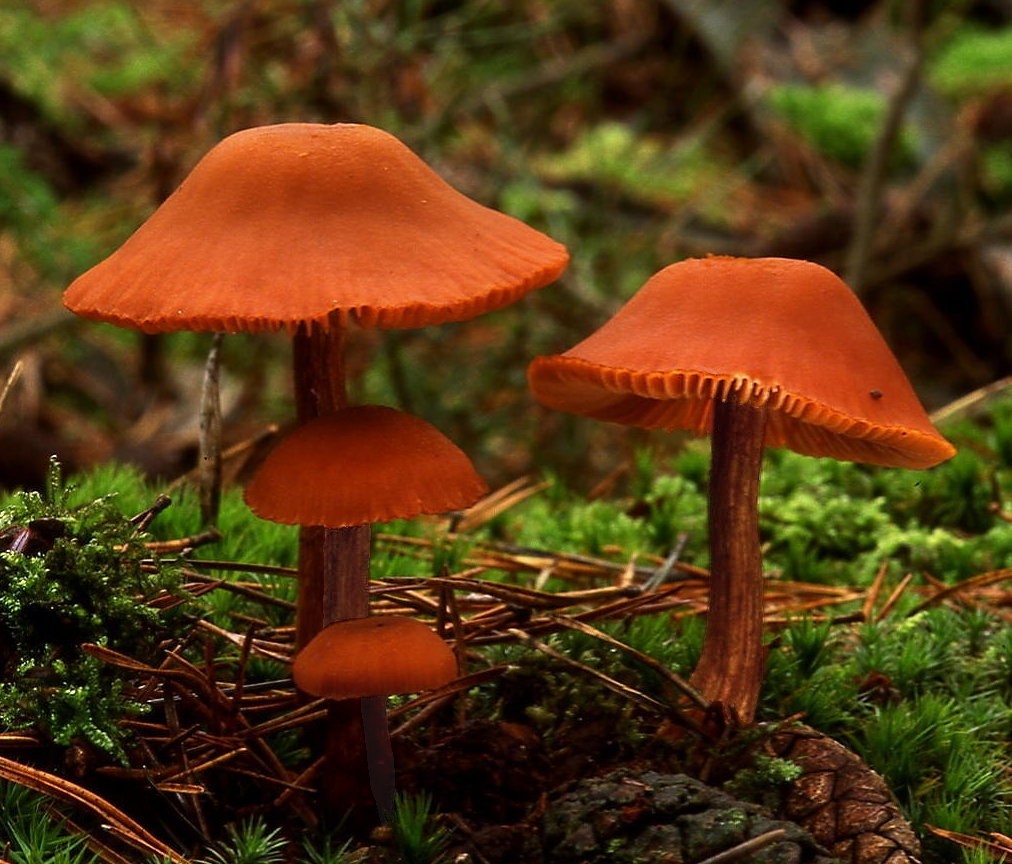
Scarlet hood(Hygrocybe coccinea) is named for its bright scarlet color, which renders it easy to spot among the grasses and woodlands among which it prefers to grow. Distributed across the Northern Hemisphere, it tends to be small and uncommon, making it of particular interest to photographers.
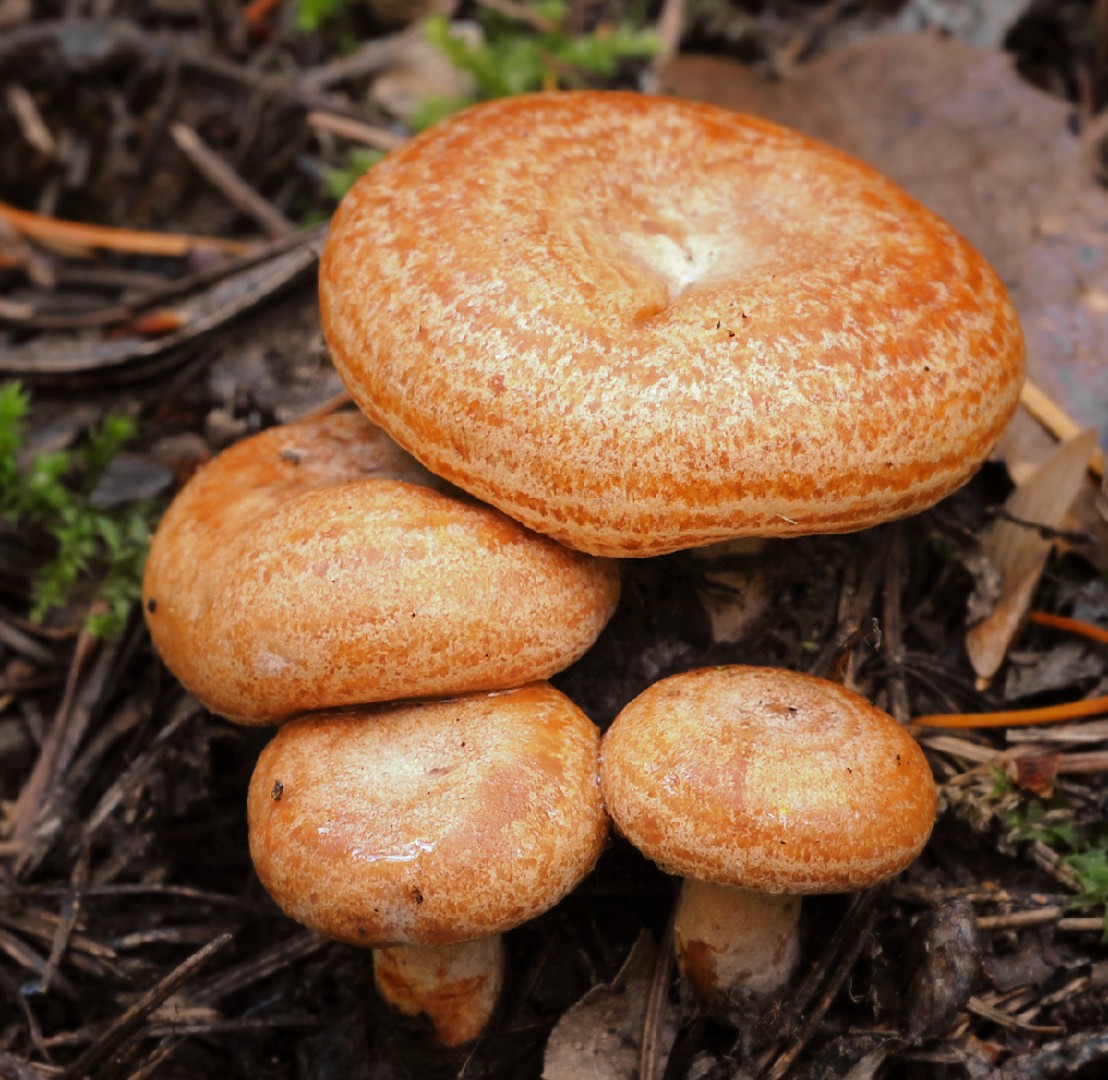
8. Saffron milk cap
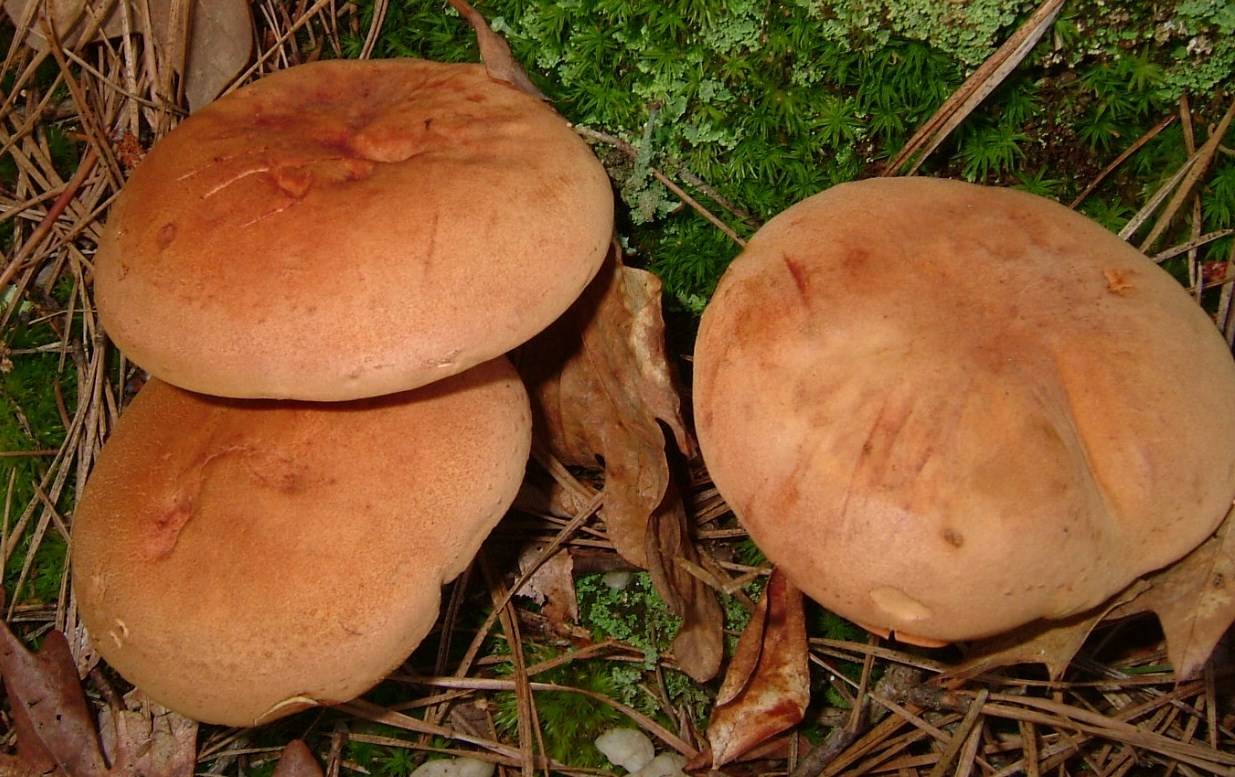
Growing wild in the northern hemisphere and introduced to Australia, the saffron milk cap is found in pine forests during autumn. As the name implies, these mushrooms have been harvested for cooking for a long time. They have been known to cause stomach upset in some individuals, however, and carry a risk of being contaminated with heavy metals, so forage with caution.
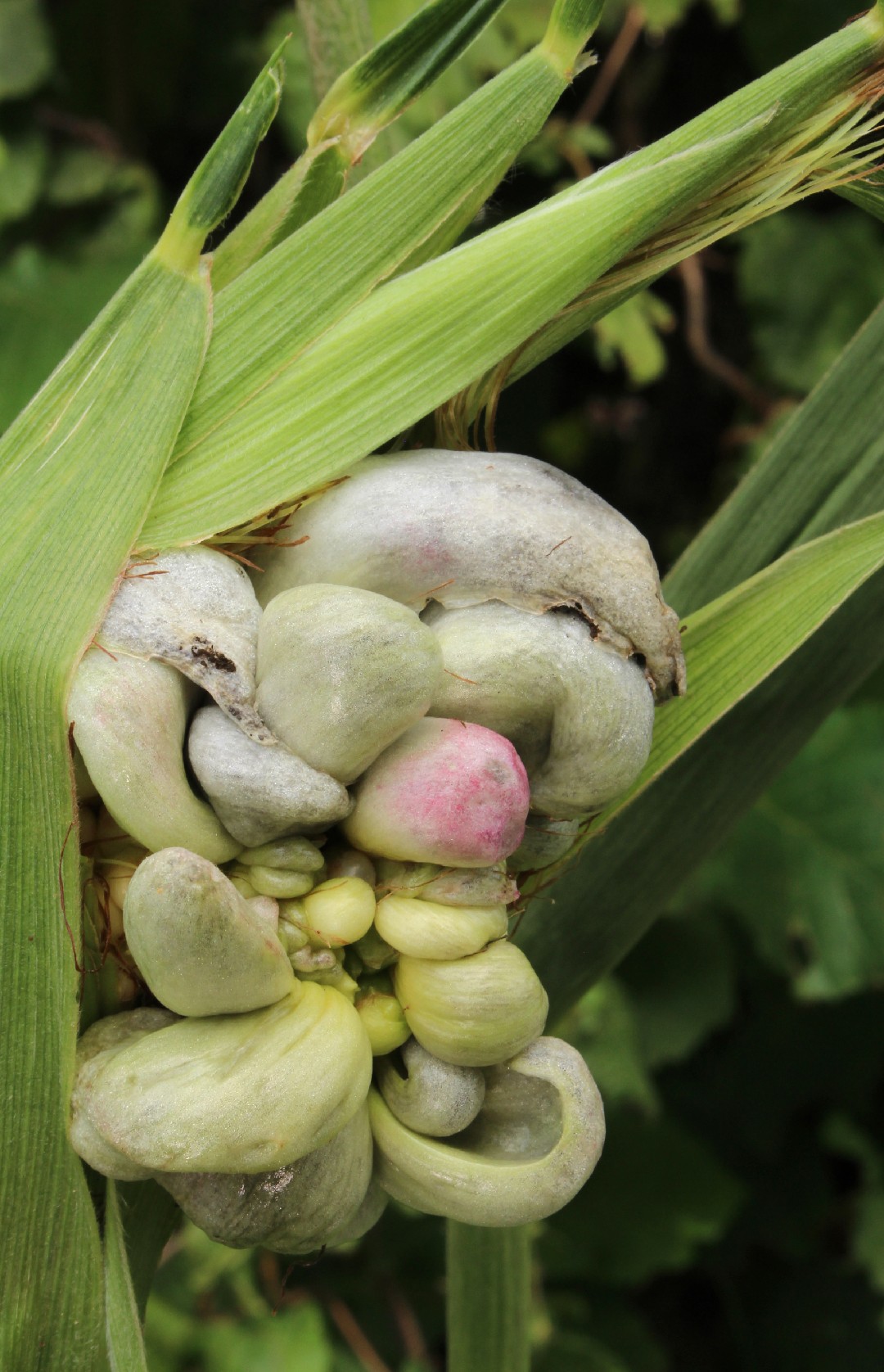
9. Corn smut
With a common name such as "corn smut," it is easy to guess that the most common place to find this crop-devastating fungus is on corn plants. The gall-shaped growths of corn smut (Ustilago maydis) are black in color with hues of grey and white closer to where they attach to the host plant. The corn will develop a scorched appearance, which is actually the smut rot.
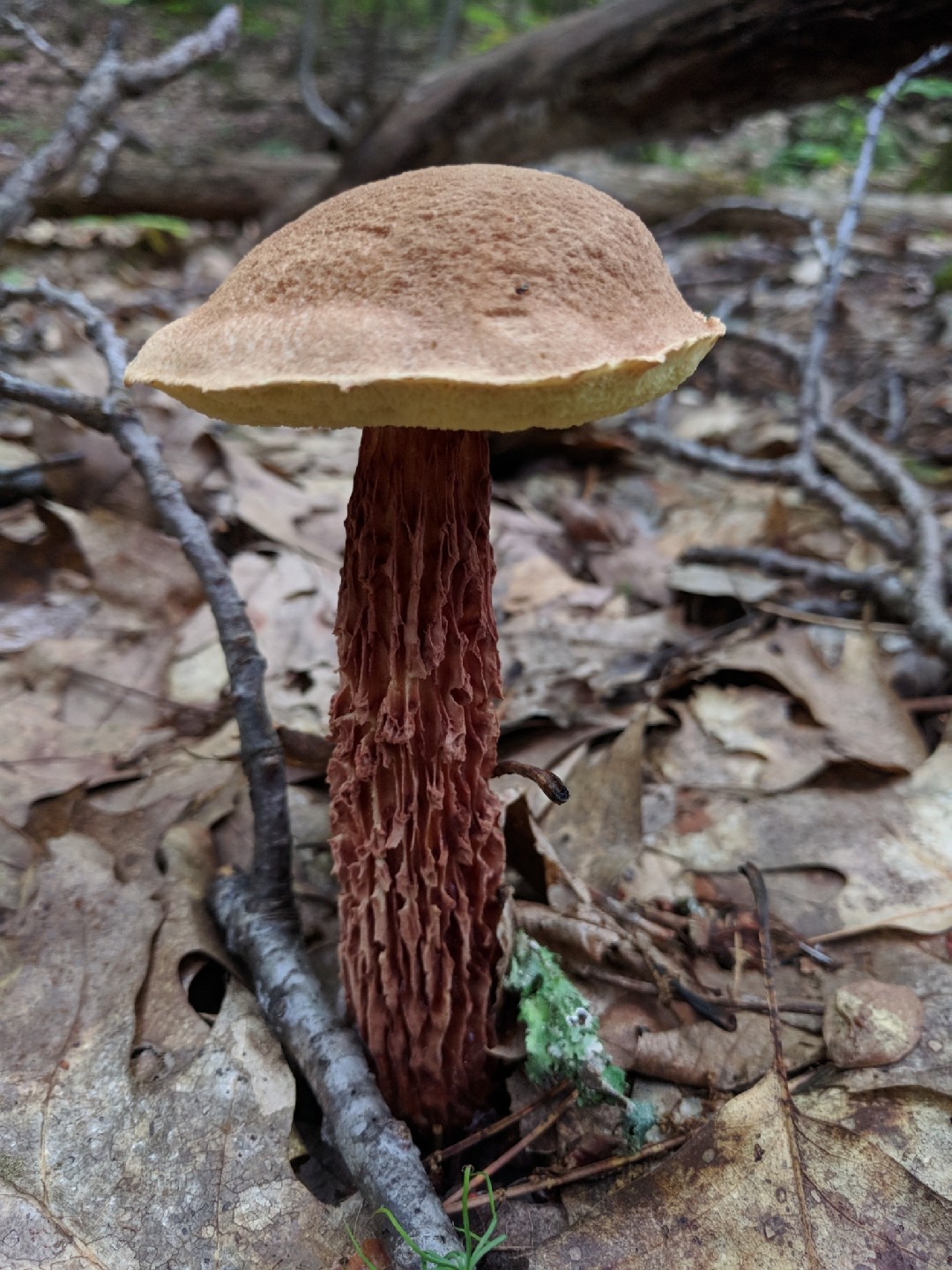
10. Russell's bolete
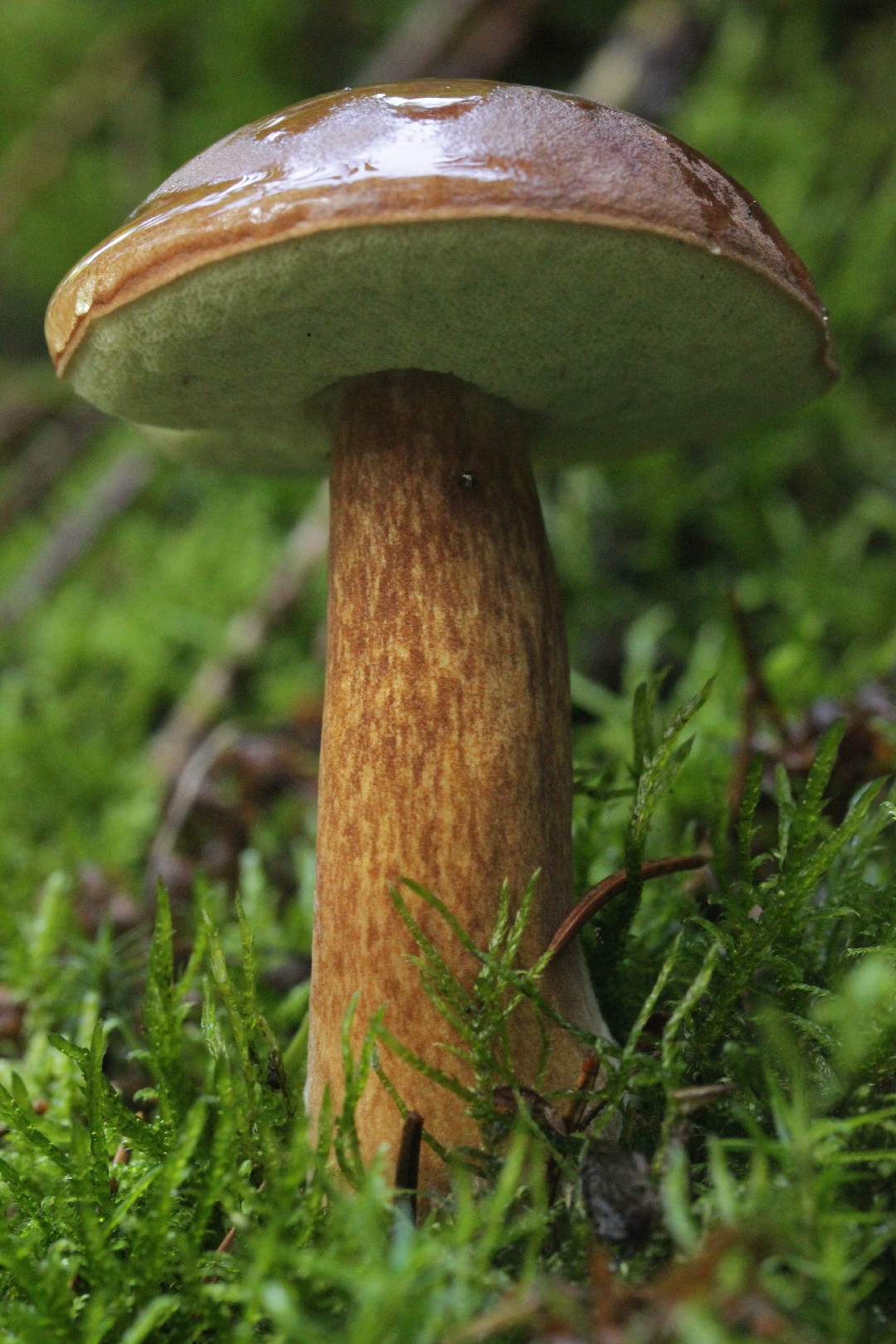
Russell's bolete is a unique-looking bolete with an attractive appearance that makes it easy to spot underneath oaks and other hardwood trees. It is distinctive for its slender stem which is also shaggy and pocketed. Unlike similar species, russell's bolete’s cap does not become sticky.

More







