




Top 20 Edible Mushrooms Popular in Rouen
Unearth the exquisite charm of Rouen as we explore the top 20 edible mushrooms peppered throughout its damp woods and lush fields. Among Rouen's diverse ecosystems, the soft rain-soaked soil makes for a delightful sanctuary for fungal growth. Our guide will delve into each mushroom, shedding light on their distinctive appearance, palate-pleasing tastes, preferred habitats, and culinary uses. Enjoy this educational journey through Rouen's bountiful fungi kingdom, armed with knowledge you can taste.
* Disclaimer: Content feedback CAN NOT be used as any basis for EATING ANY PLANTS. Some plants can be VERY POISONOUS, please purchase edible plants through regular channels.

Most Popular Edible Mushrooms
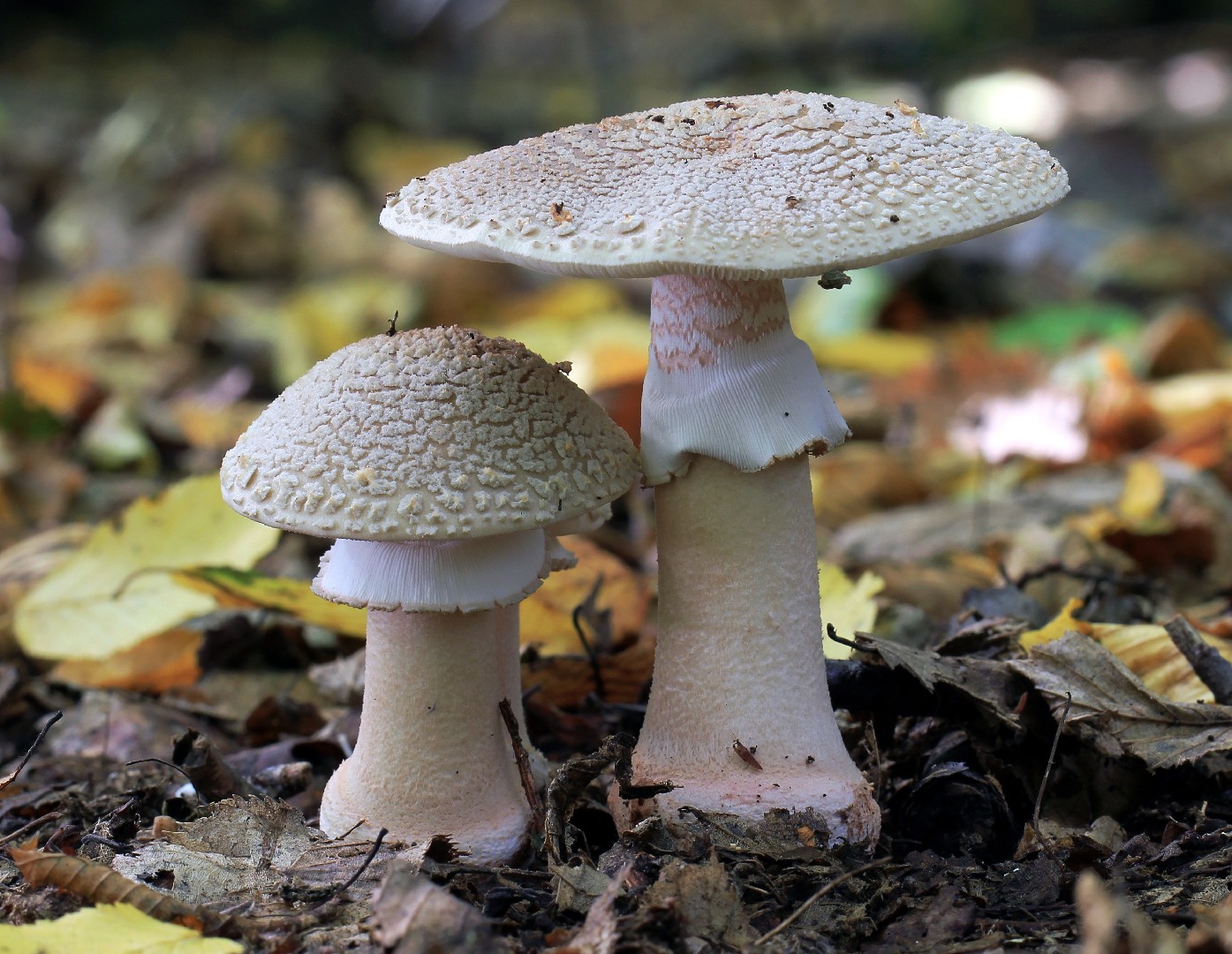
1. Blusher
The blusher mushroom is so named because it “blushes” to a pinkish red color when cut or bruised. It is found in many countries around the world, although it may not be native to the southern hemisphere. It contains a hemolytic toxin that can cause anemia if eaten.
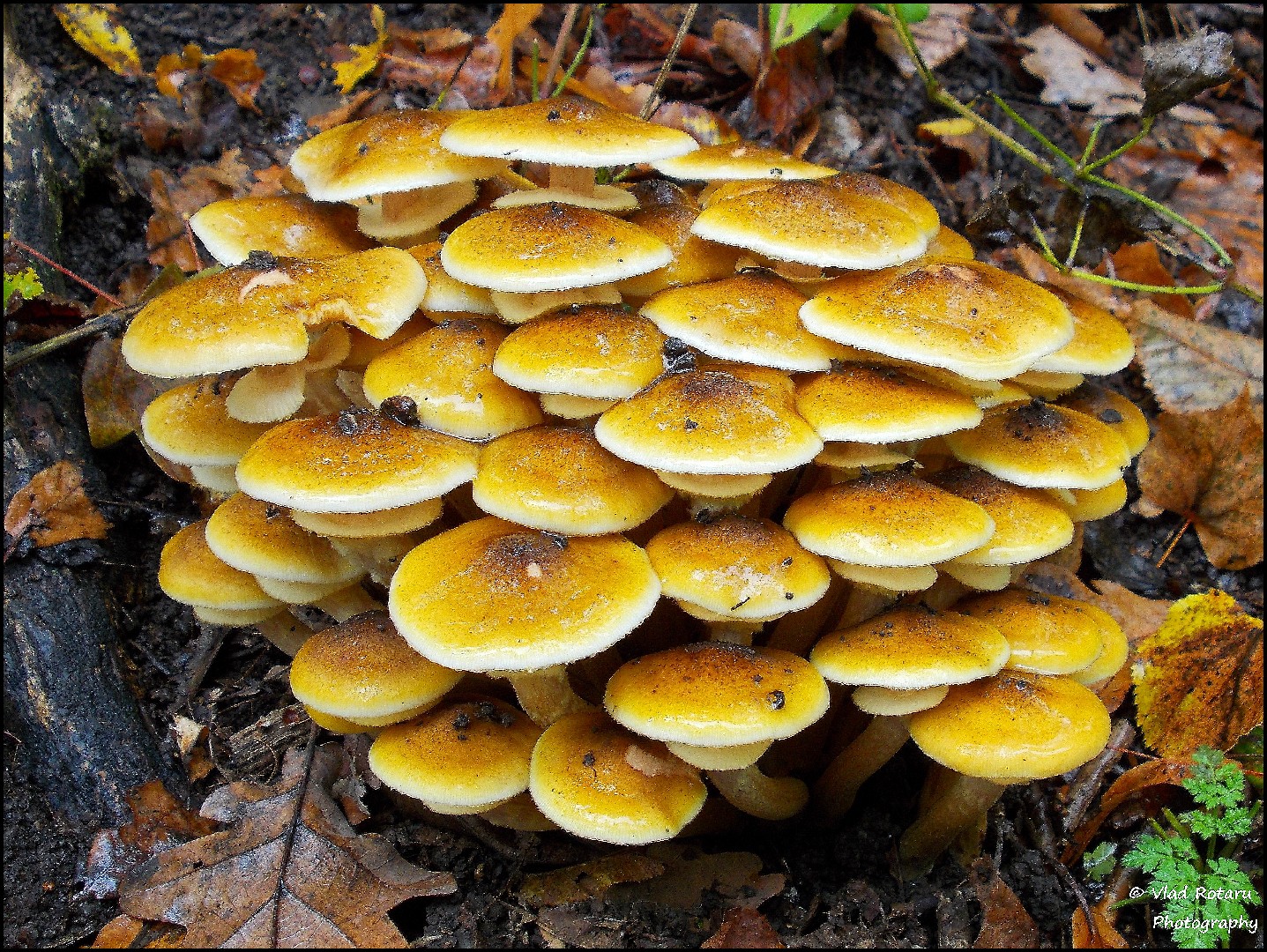
2. Honey fungus
The honey fungus is a parasitic fungus that grows on the roots of many woody and perennial plants, damaging and possibly killing its host. It spreads underground and is considered to be the most damaging fungal disease in gardens across the UK. The appearance of the mushrooms above-ground heralds a much more extensive infection below.
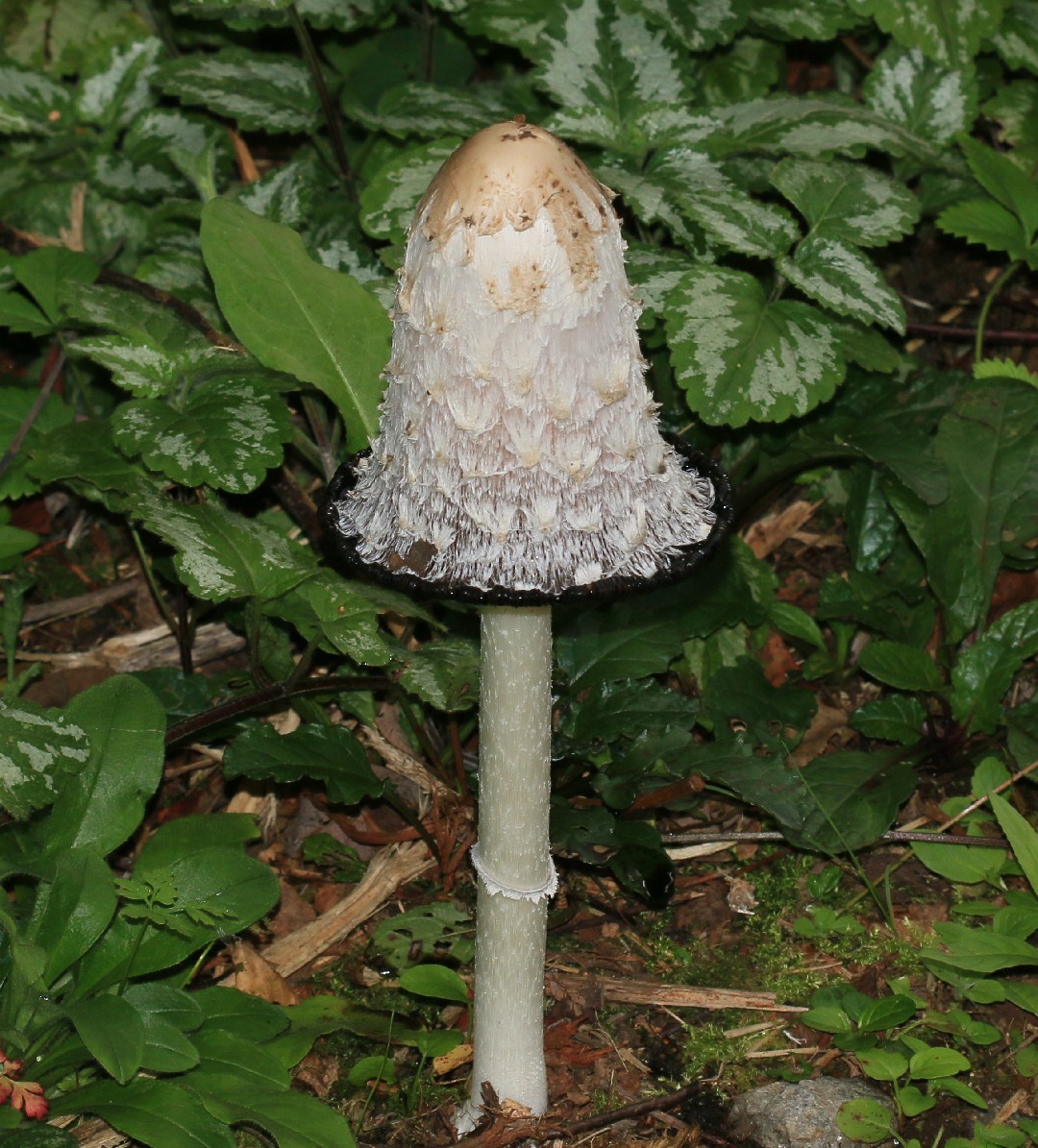
3. Shaggy mane
The shaggy mane mushroom is commonly found in North American and European grasslands. Some peoples foraged for its young egg-shaped caps, but it has more recently been found to be a bioaccumulator of heavy metals, meaning it pulls toxic metals up from the soil where it grows. As a result, shaggy manes should not be eaten. The mushrooms usually appear in clusters or “fairy rings.”
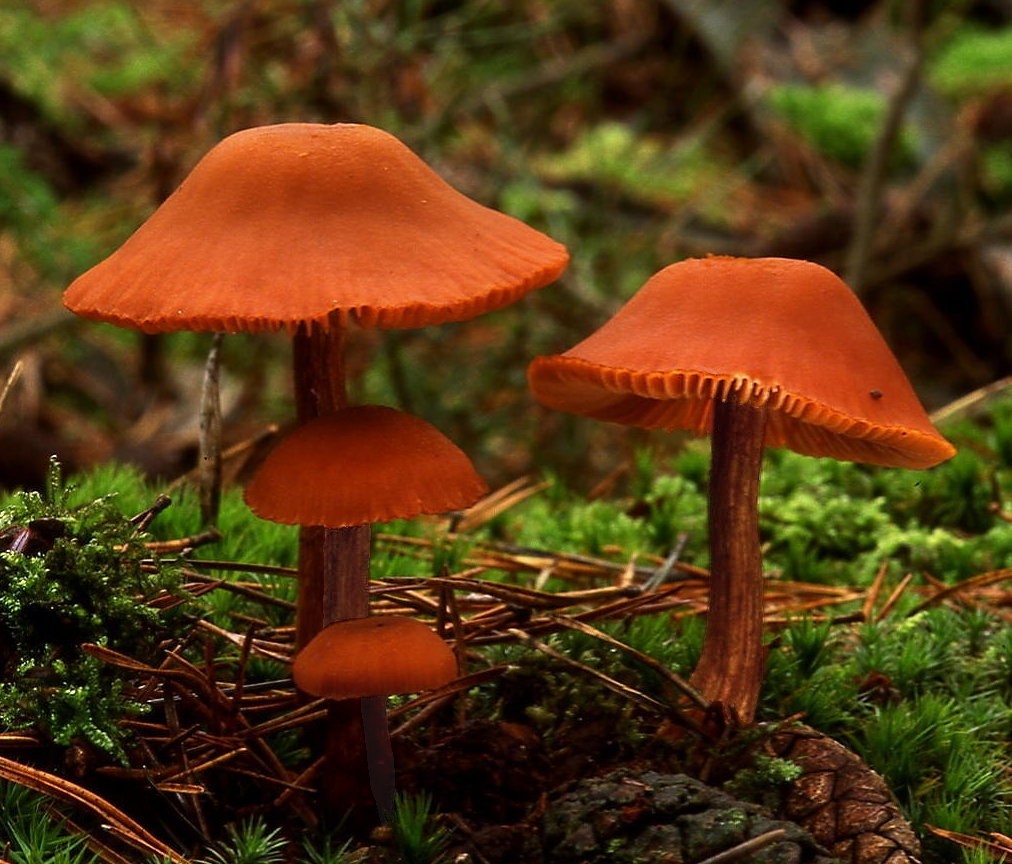
4. Common laccaria
Common laccaria may sound like a malevolent name for a mushroom, but fret not! This species is so-called because its appearance is highly variable, with individual caps taking on a whole host of colors, from whitish to pinkish to dark brown.
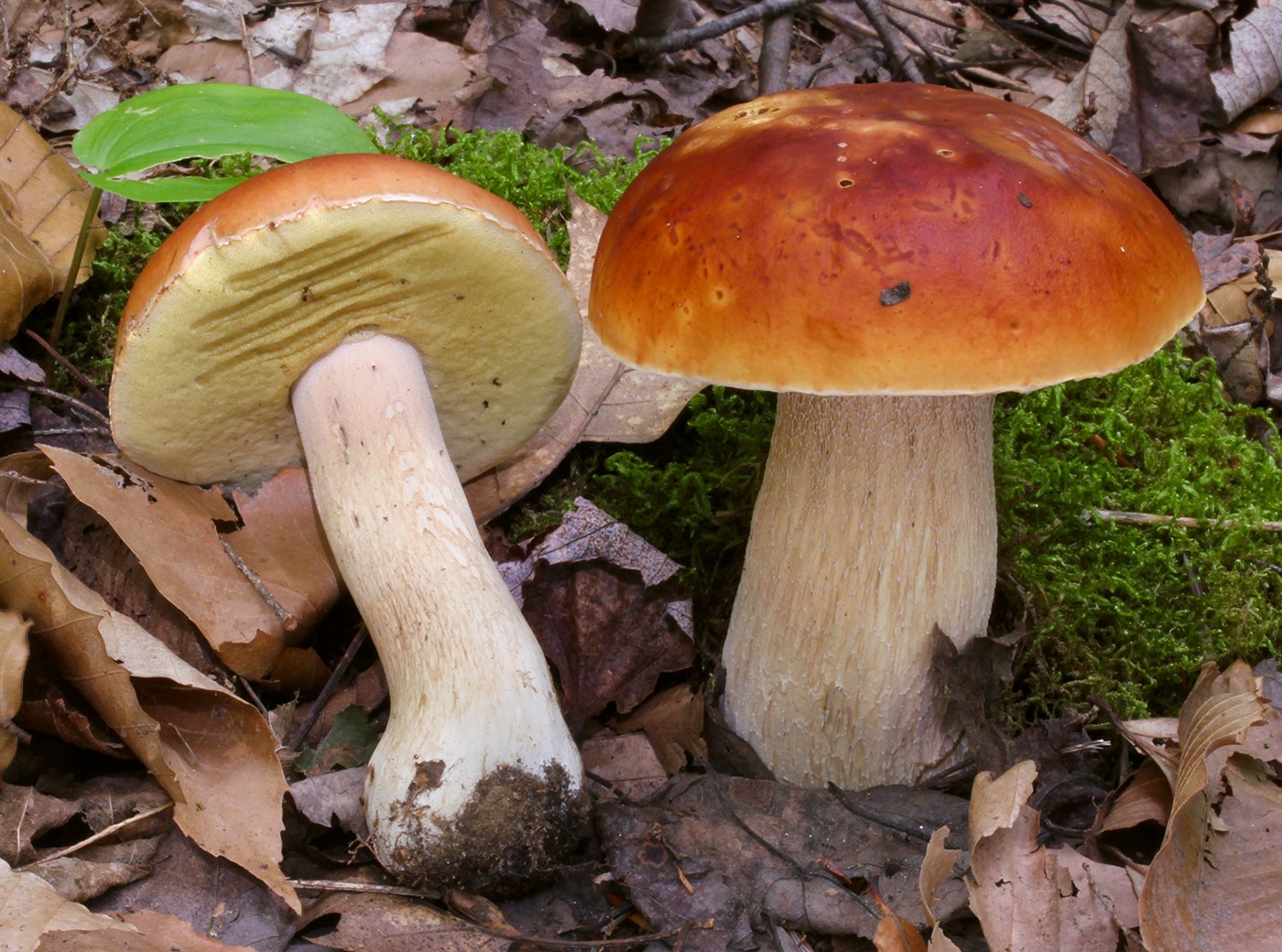
5. King bolete
Extremely popular in many cuisines, this edible wild mushroom grows around the world near the roots of forest trees. In some regions, king bolete mushrooms are collected in great enough volumes that their sale can support entire families during the harvest season. King boletes are reported to be high in fiber, vitamins B and C, calcium, potassium, magnesium, zinc, and several antioxidants.
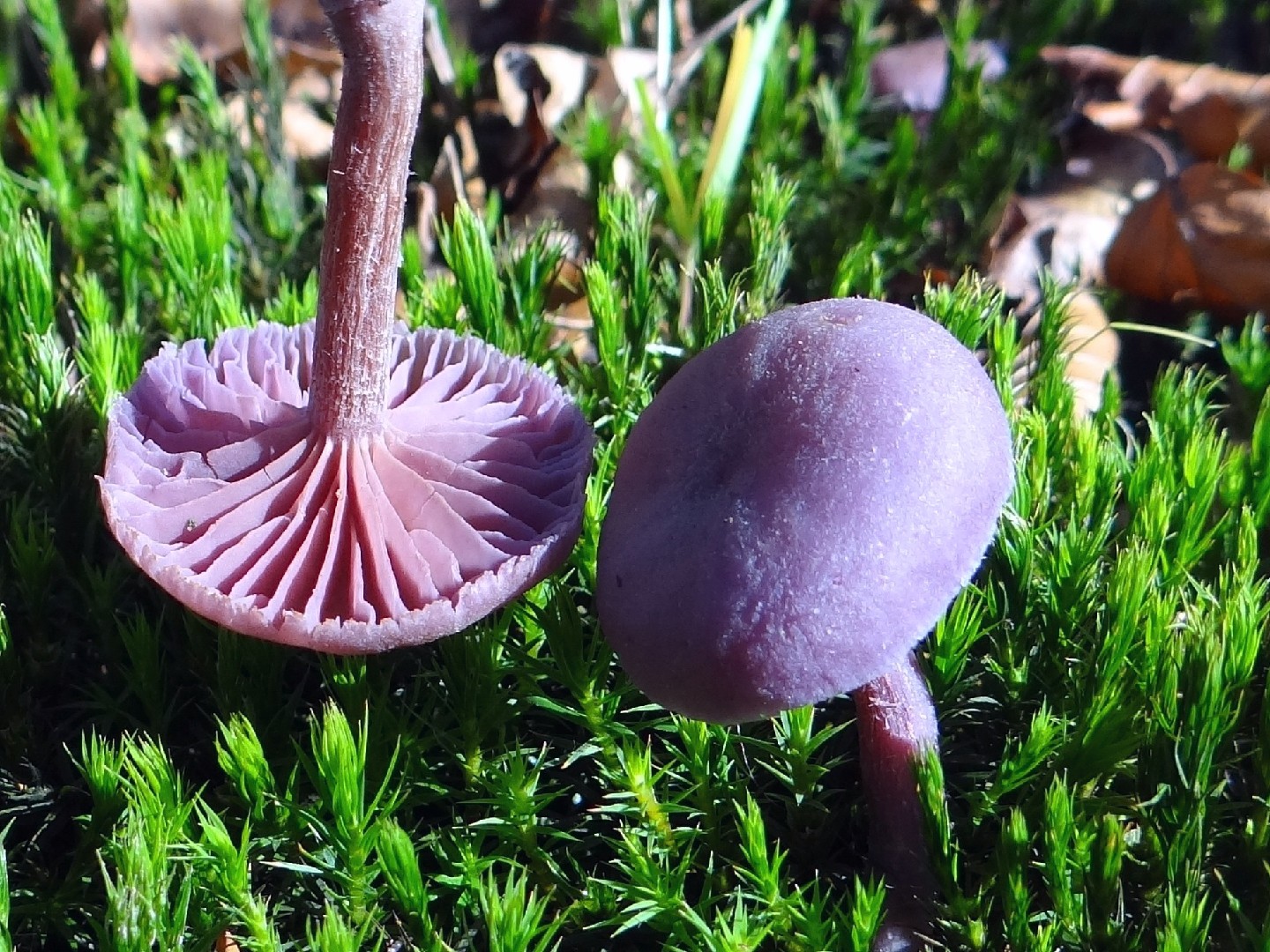
6. Amethyst deceiver
The amethyst deceiver (Laccaria amethystina) is a breathtaking mushroom that pops up from coniferous forest floors. The caps are a striking violet color in youth and are generally flat with a small indentation when the stem connects. As they mature, this violet color transforms to a less than breathtaking grey color, making it quite hard to identify after a certain age positively. Not edible.
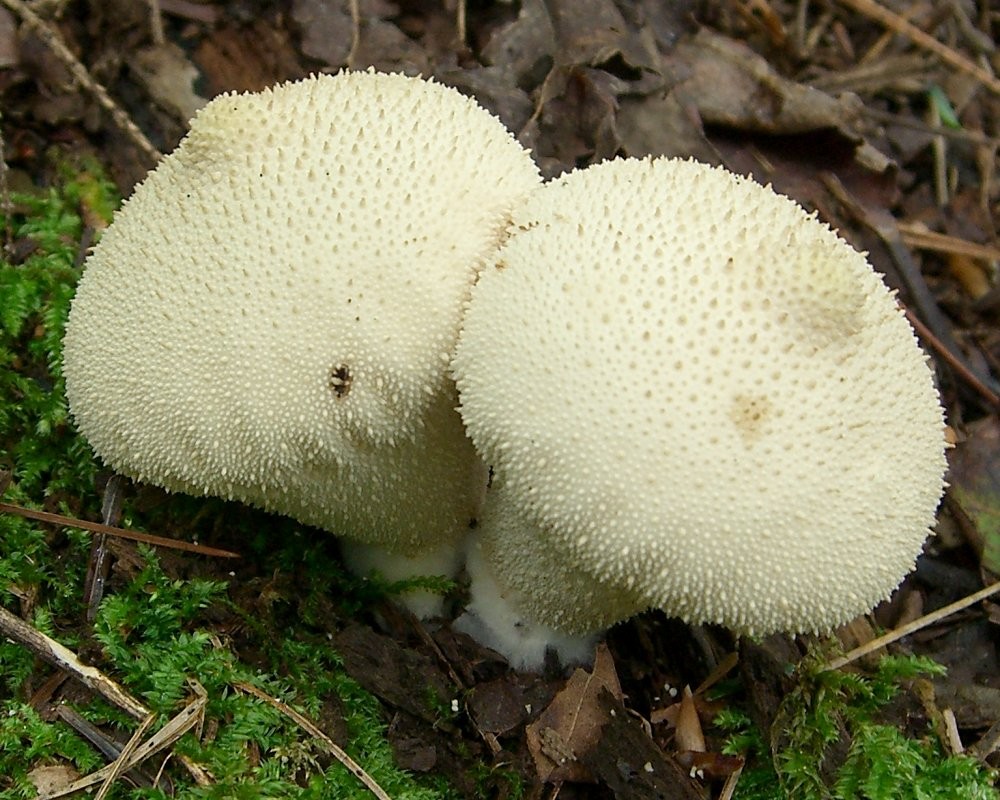
7. Common puffball
These puffy mushrooms grow in small groups on the forest floor. Once they're mature, common puffballs turn yellow and "puff out" smoke-like spore clouds when disturbed. Be very careful when identifying these mushrooms, as their young, immature form looks very similar to the lethal Deathcap.
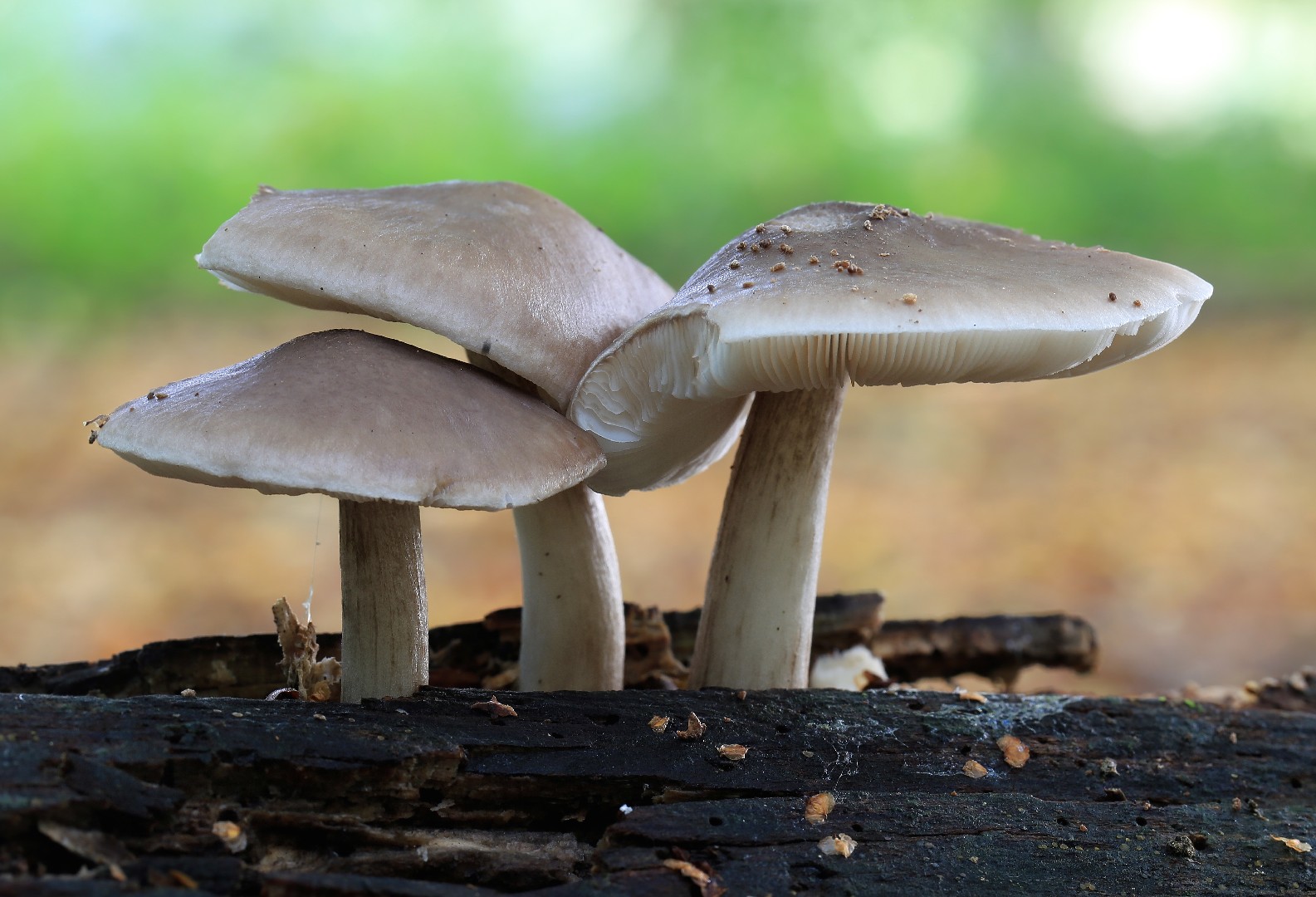
8. Deer mushroom
The deer mushroom is can be found sprouting up from rotting logs, branches, and roots, and while it may have a preference for hardwoods it isn't very picky. Unlike many other mushroom species, the fruitbodies can be found blooming across a wide range of seasons. They have a faint, radish-like odor.
9. Common stinkhorn
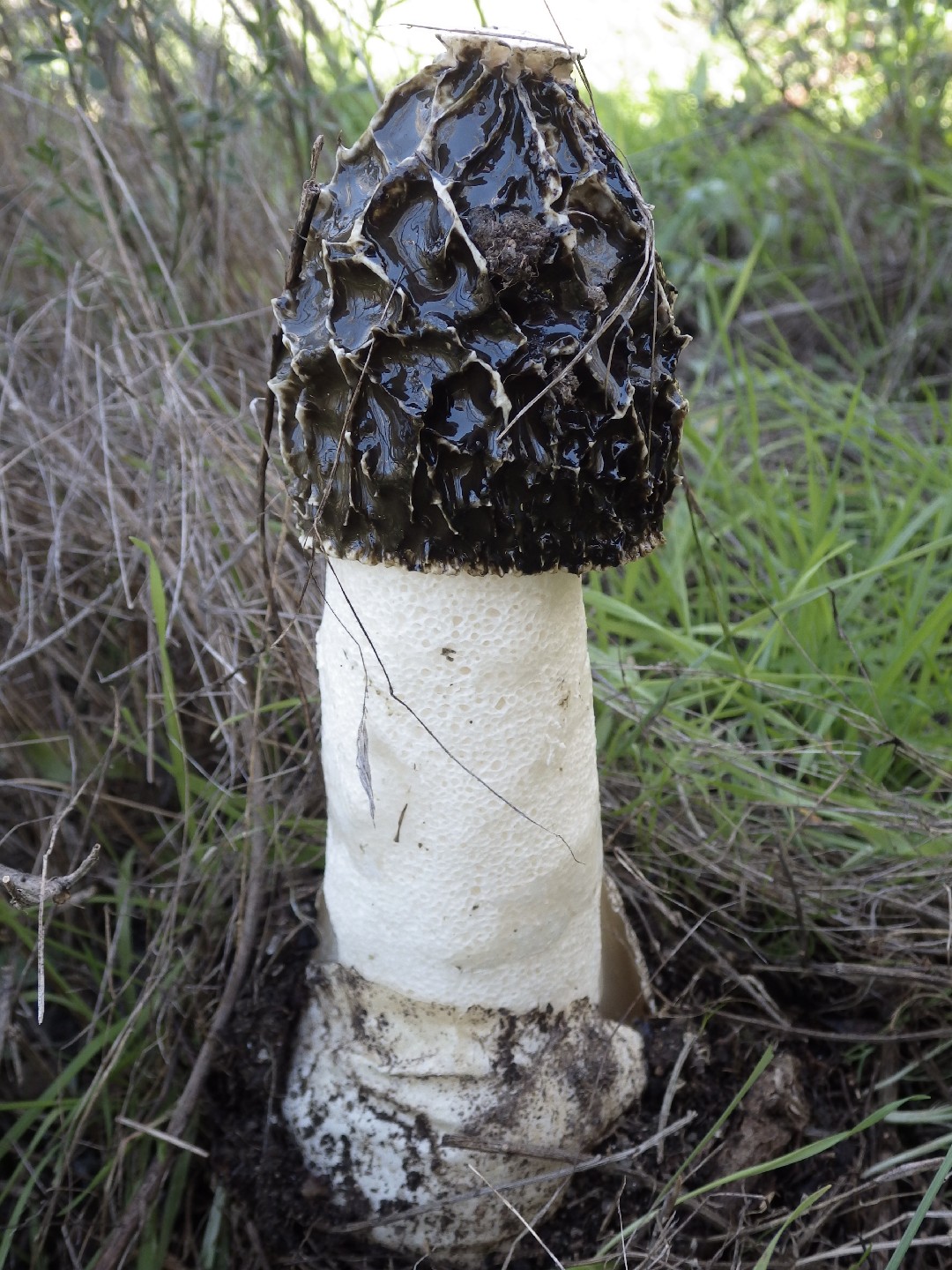
The common stinkhorn (Phallus impudicus) grows incredibly quickly, sometimes nearing 30 cm in a single afternoon. Their caps are pitted in a way which makes them reminiscent of morels. However, there's little mistaking the common stinkhorn for a morel; the former, in addition to sporting a much longer stalk, has a clear and pungent odor.
10. Bay bolete
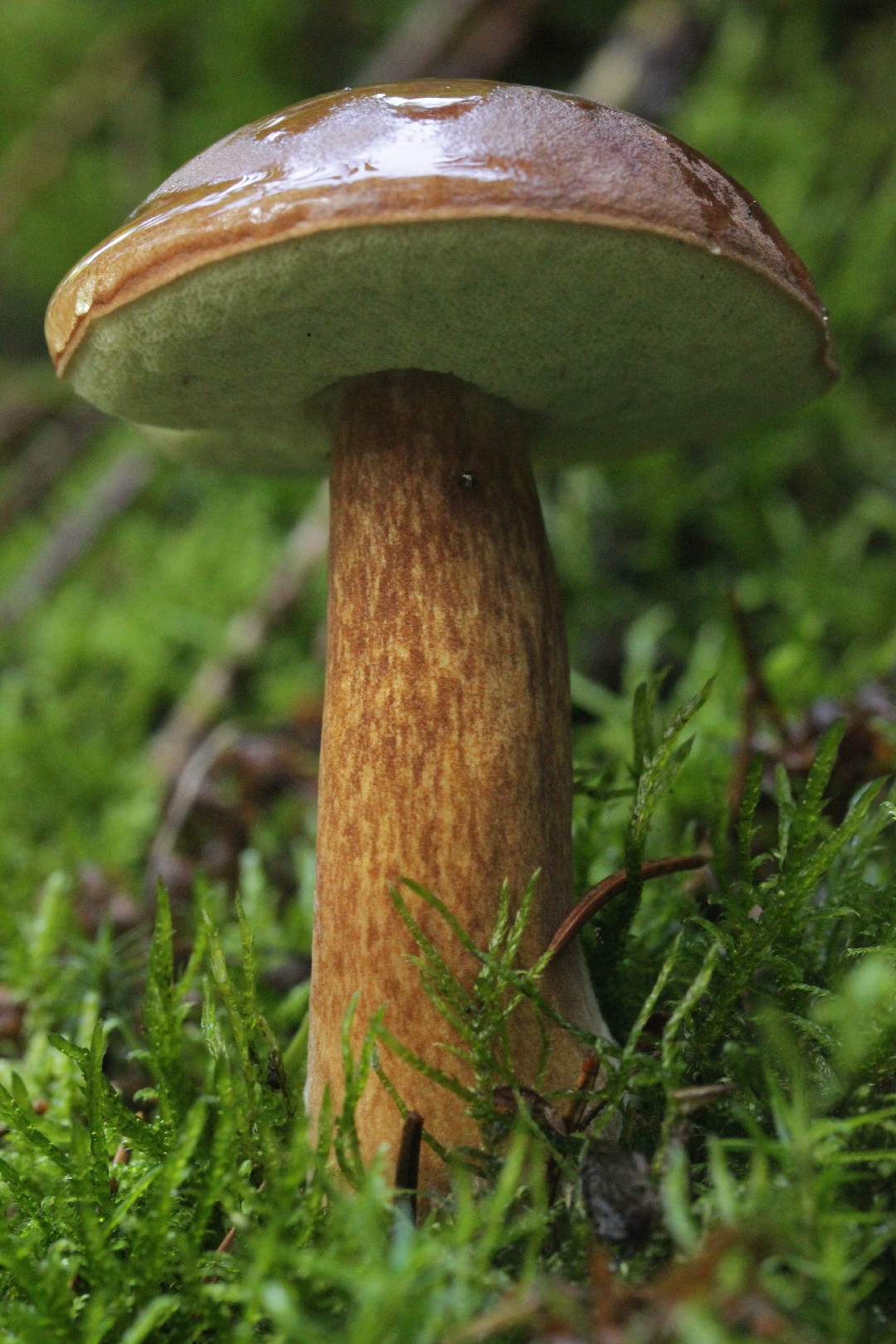
The common bay bolete is found across the northern hemisphere, often in spruce and pine forests and occasionally under deciduous trees. While it lives in a symbiotic relationship with a living tree, the mushrooms are most often found near well-decayed, mossy stumps, usually singly or in very small groups.

More







