




Top 20 Edible Mushrooms Popular in Fontainebleau
Embark on an enlightening journey across the natural gourmet arena of Fontainebleau, exploring forests carpeted with a plethora of 20 distinctive, edible mushroom species. With its diverse ecosystems and distinct seasons, Fontainebleau provides the perfect conditions for these fungi to flourish. In this guide, we will illuminate the salient features, habitats, and culinary uses of these incredible mushrooms. From their unique shapes and rich flavors, to their habitats nestled within Fontainebleau's lush forest expanses, prepare to delve deep into the world of mycological wonders.
* Disclaimer: Content feedback CAN NOT be used as any basis for EATING ANY PLANTS. Some plants can be VERY POISONOUS, please purchase edible plants through regular channels.

Most Popular Edible Mushrooms
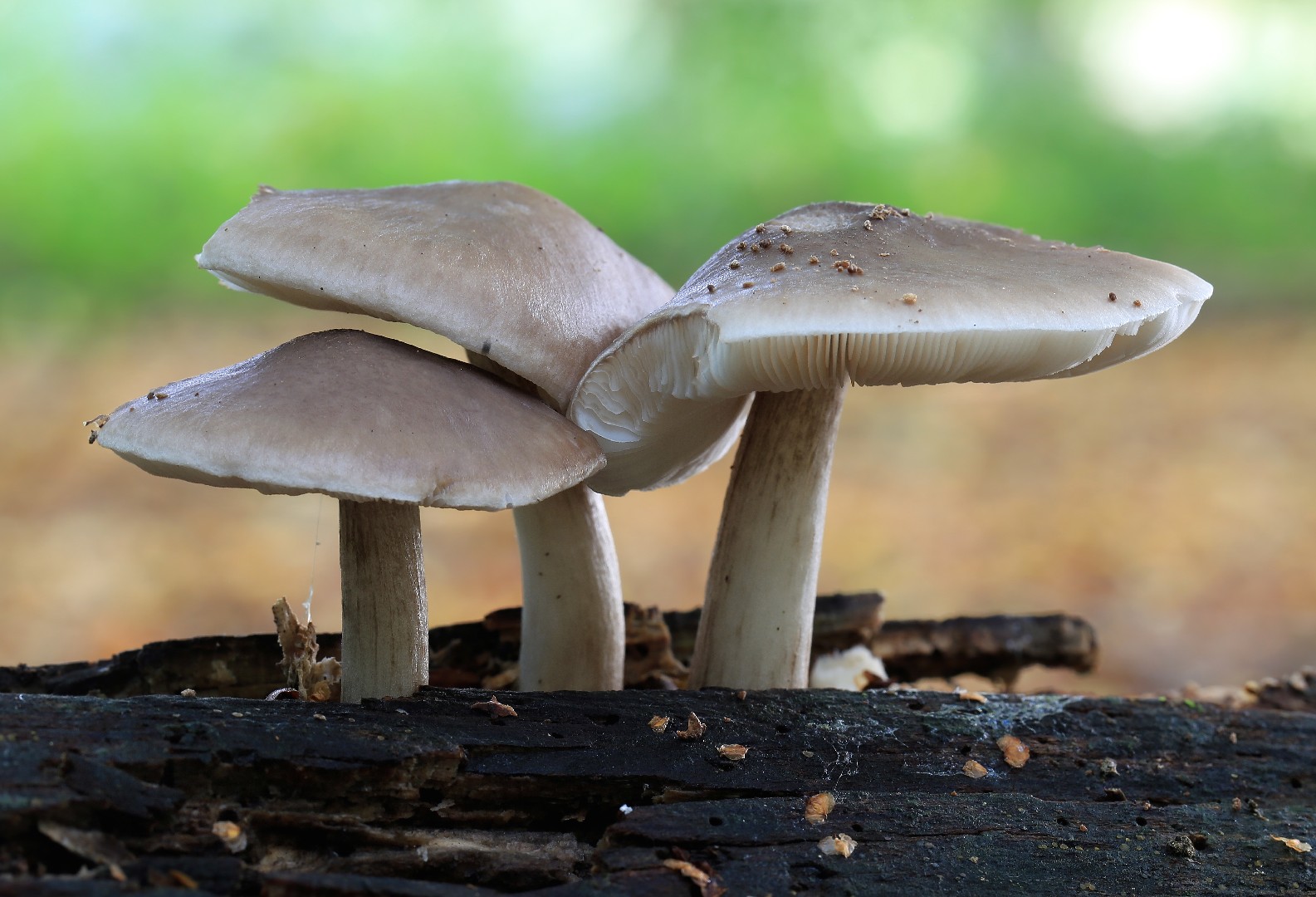
1. Deer mushroom
The deer mushroom is can be found sprouting up from rotting logs, branches, and roots, and while it may have a preference for hardwoods it isn't very picky. Unlike many other mushroom species, the fruitbodies can be found blooming across a wide range of seasons. They have a faint, radish-like odor.
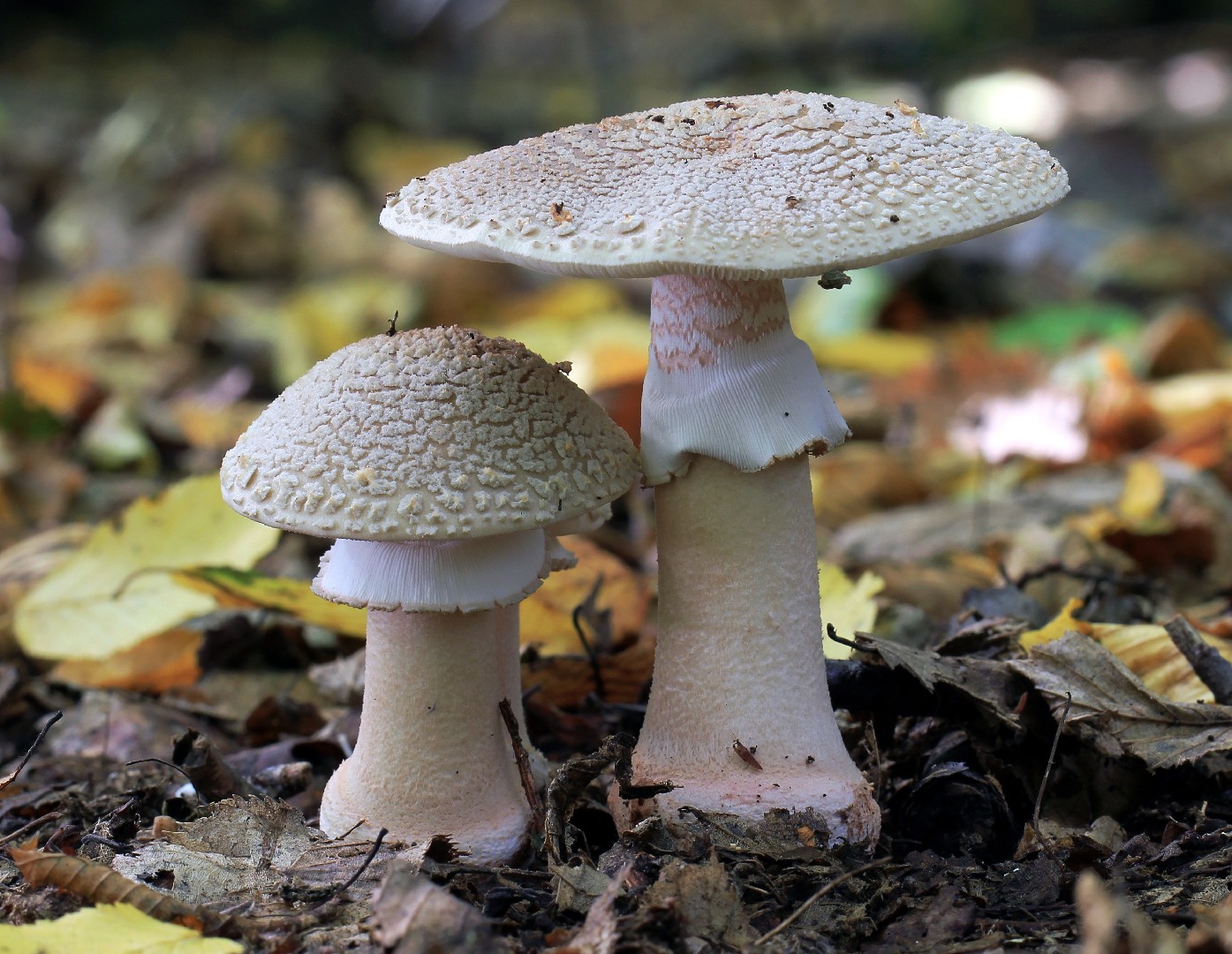
2. Blusher
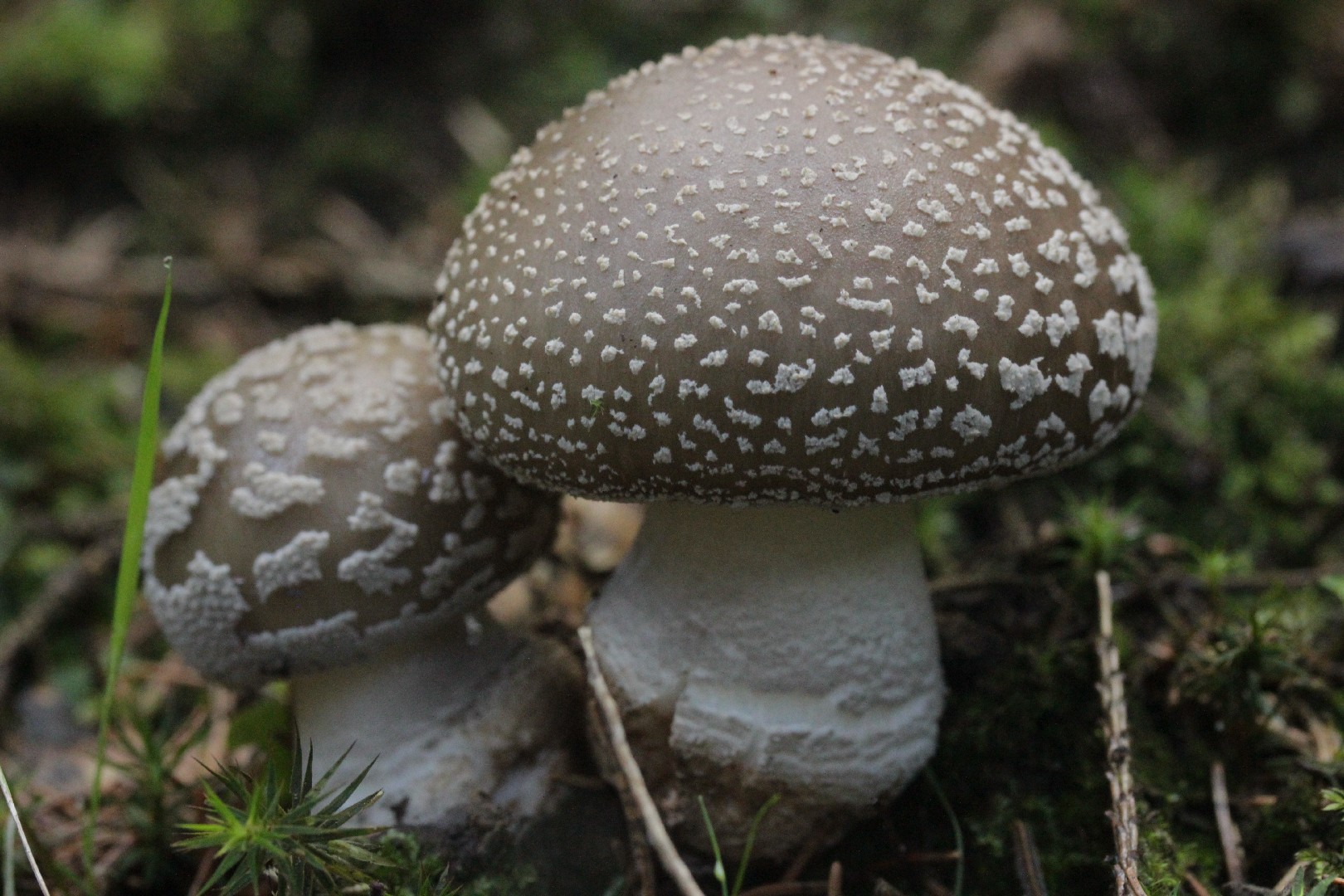
The blusher mushroom is so named because it “blushes” to a pinkish red color when cut or bruised. It is found in many countries around the world, although it may not be native to the southern hemisphere. It contains a hemolytic toxin that can cause anemia if eaten.
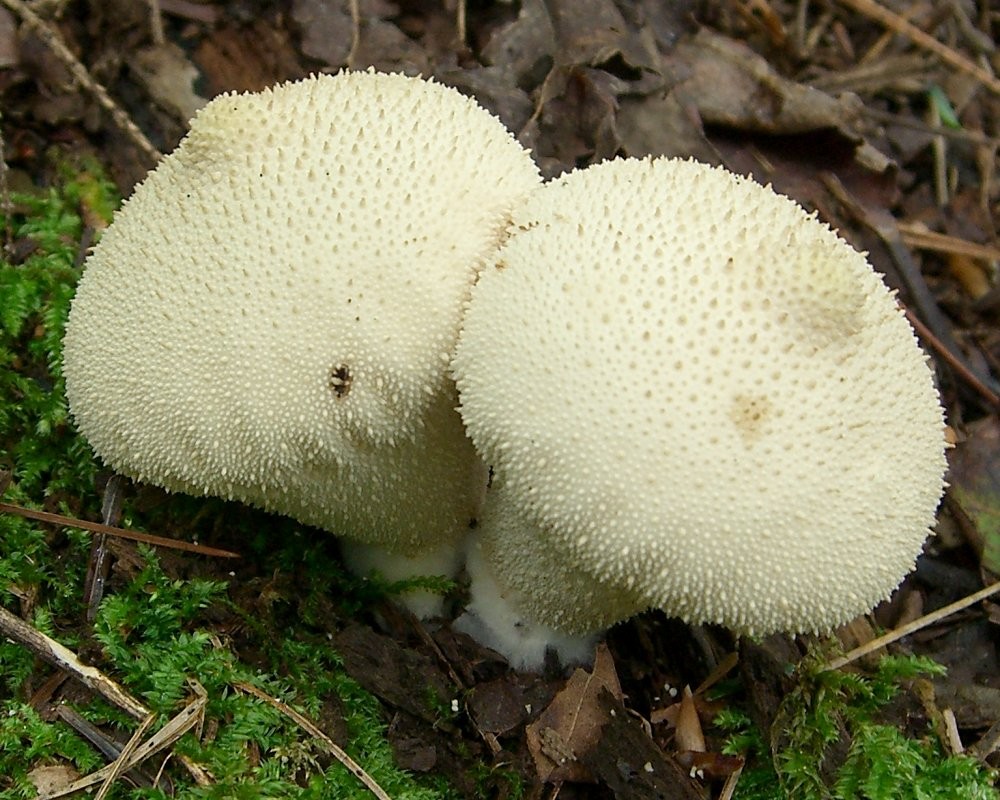
3. Common puffball
These puffy mushrooms grow in small groups on the forest floor. Once they're mature, common puffballs turn yellow and "puff out" smoke-like spore clouds when disturbed. Be very careful when identifying these mushrooms, as their young, immature form looks very similar to the lethal Deathcap.
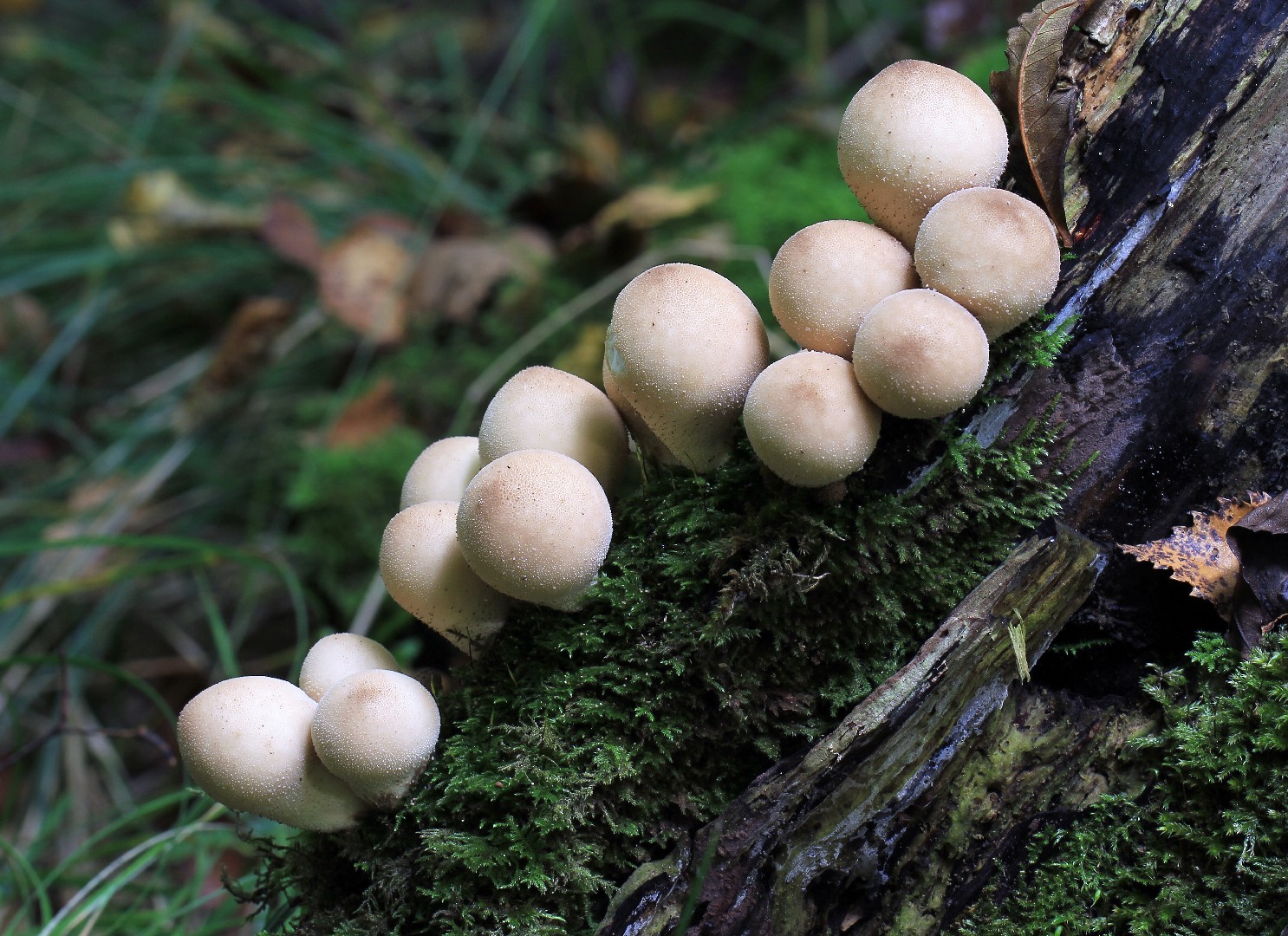
4. Pear-shaped puffball
The mushrooms of this species grow in such tight clusters that they may cover fallen trees and stumps almost entirely in a brownish, puffy coat. Pear-shaped puffballs appear all around the northern hemisphere on decaying hardwoods from fall through winter.
5. Common laccaria
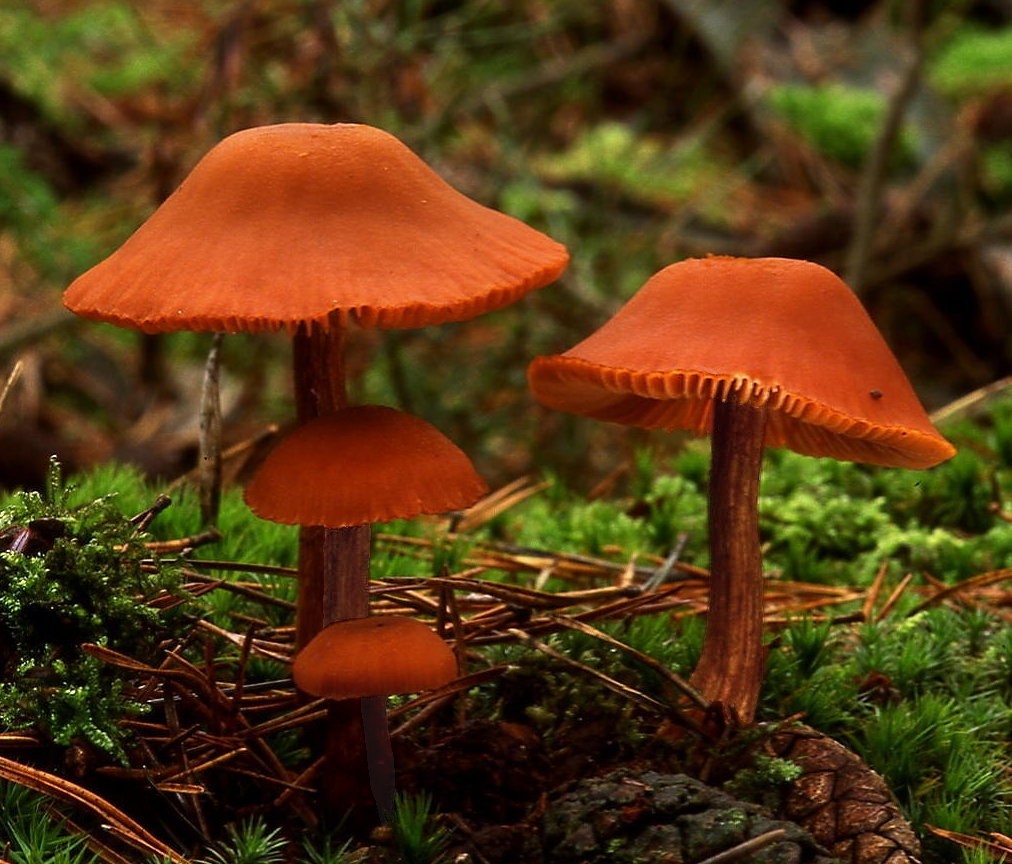
Common laccaria may sound like a malevolent name for a mushroom, but fret not! This species is so-called because its appearance is highly variable, with individual caps taking on a whole host of colors, from whitish to pinkish to dark brown.
6. Tawny grisette
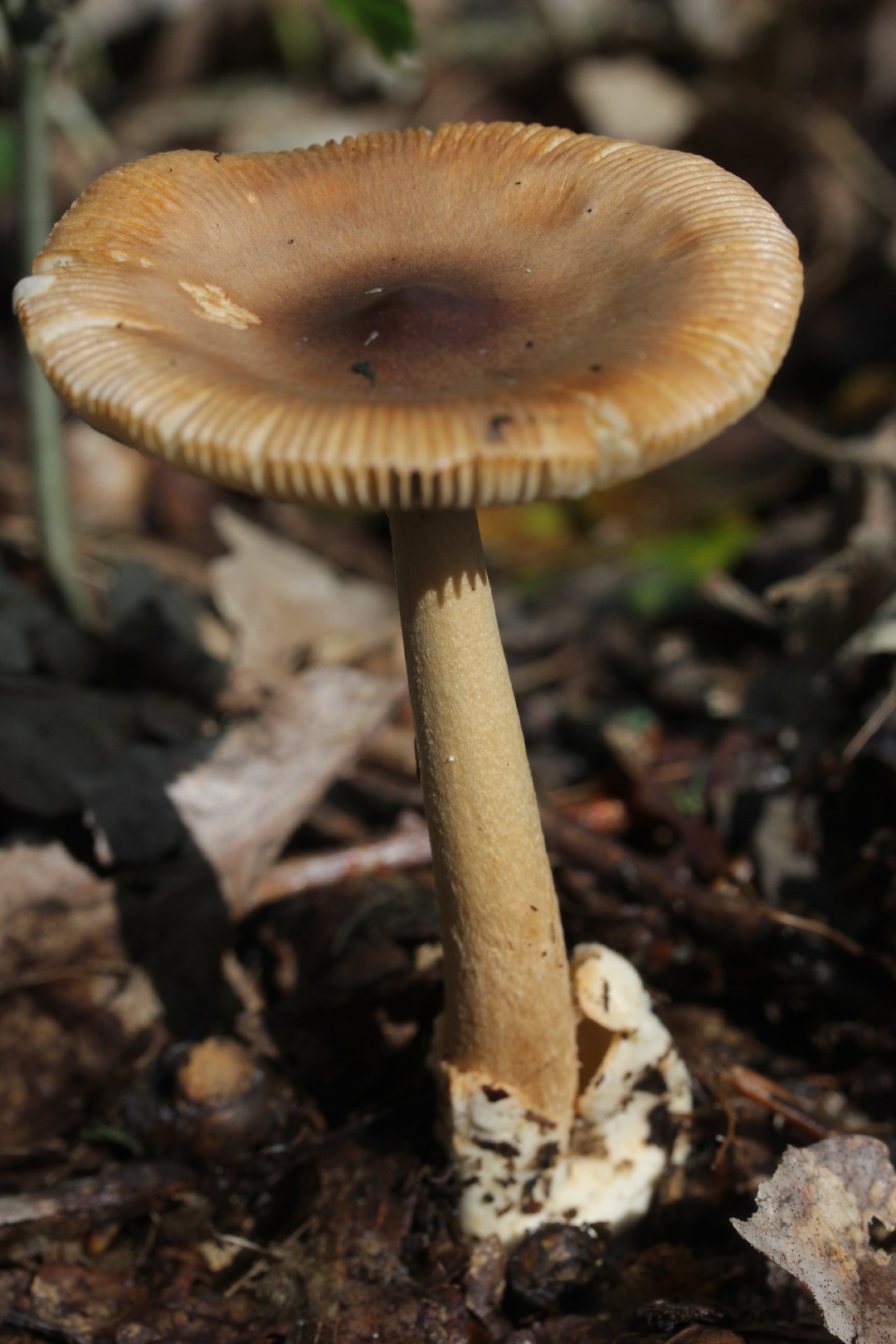
Tawny grisette (Amanita fulva) is a common species most commonly found in Europe's broadleaf and coniferous forests, with a potential but unverified range in North America. Its name comes from the burnished orange color of its cap, which sits atop a cream-colored stem.
7. Honey fungus
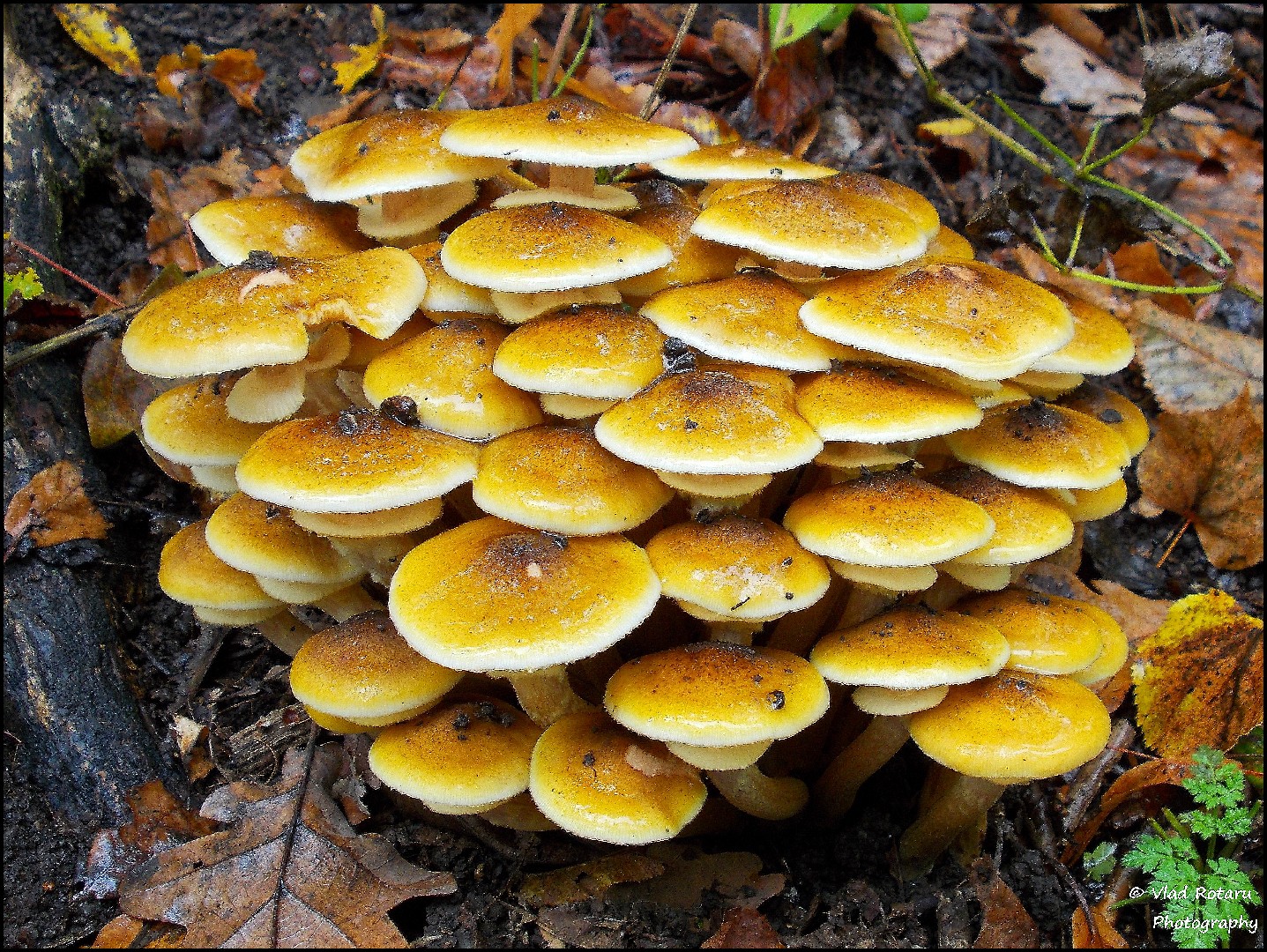
The honey fungus is a parasitic fungus that grows on the roots of many woody and perennial plants, damaging and possibly killing its host. It spreads underground and is considered to be the most damaging fungal disease in gardens across the UK. The appearance of the mushrooms above-ground heralds a much more extensive infection below.
8. Bay bolete
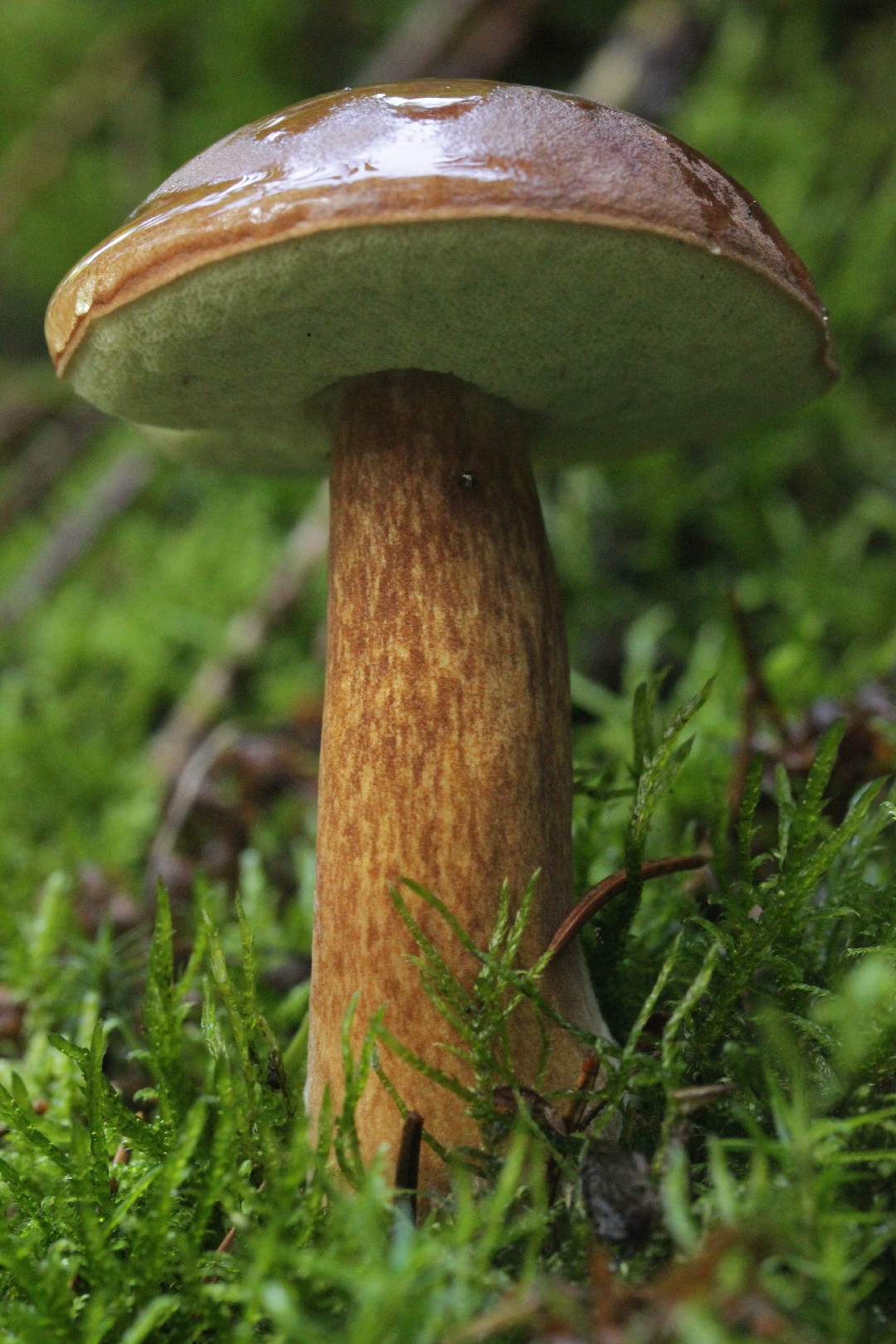
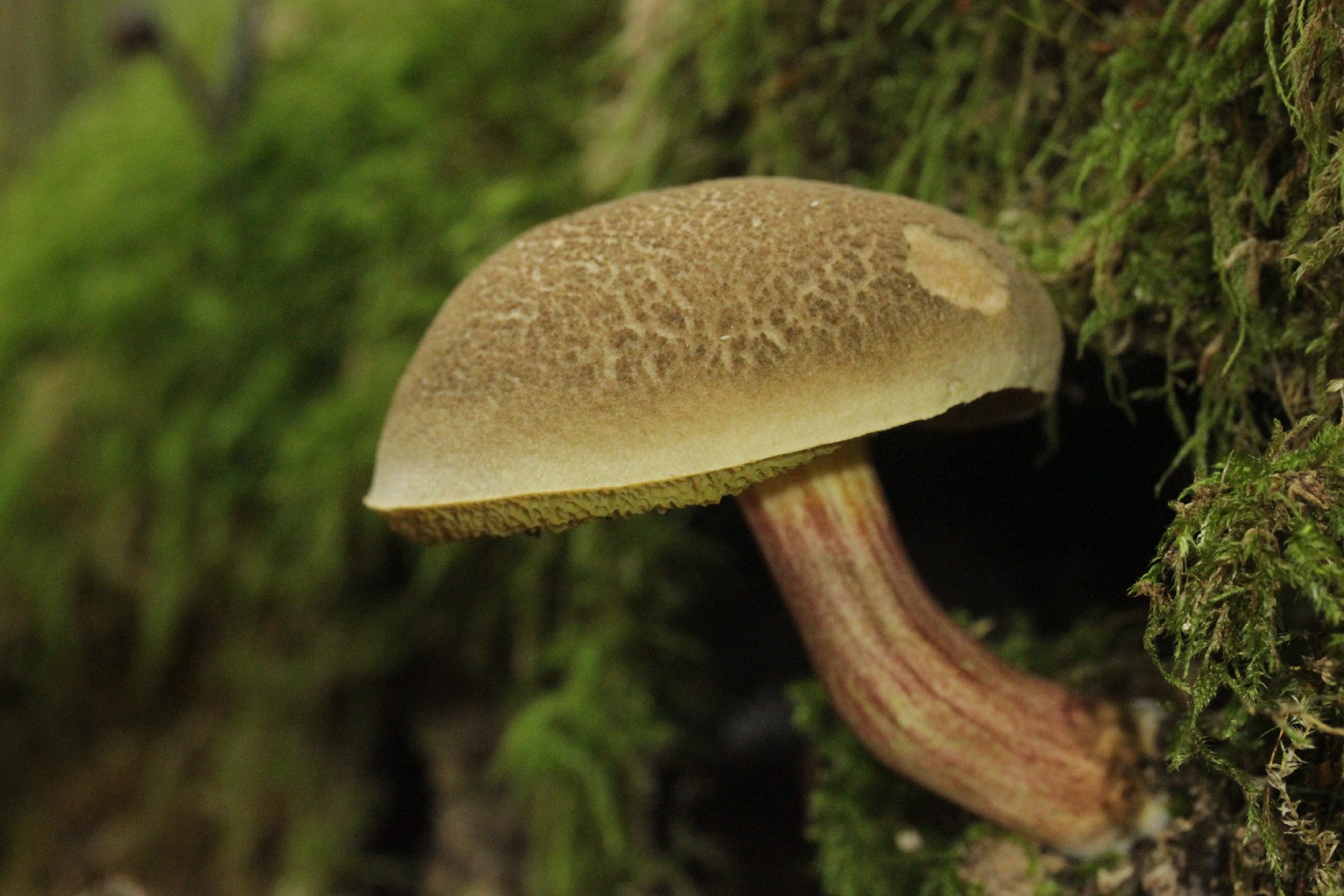
The common bay bolete is found across the northern hemisphere, often in spruce and pine forests and occasionally under deciduous trees. While it lives in a symbiotic relationship with a living tree, the mushrooms are most often found near well-decayed, mossy stumps, usually singly or in very small groups.
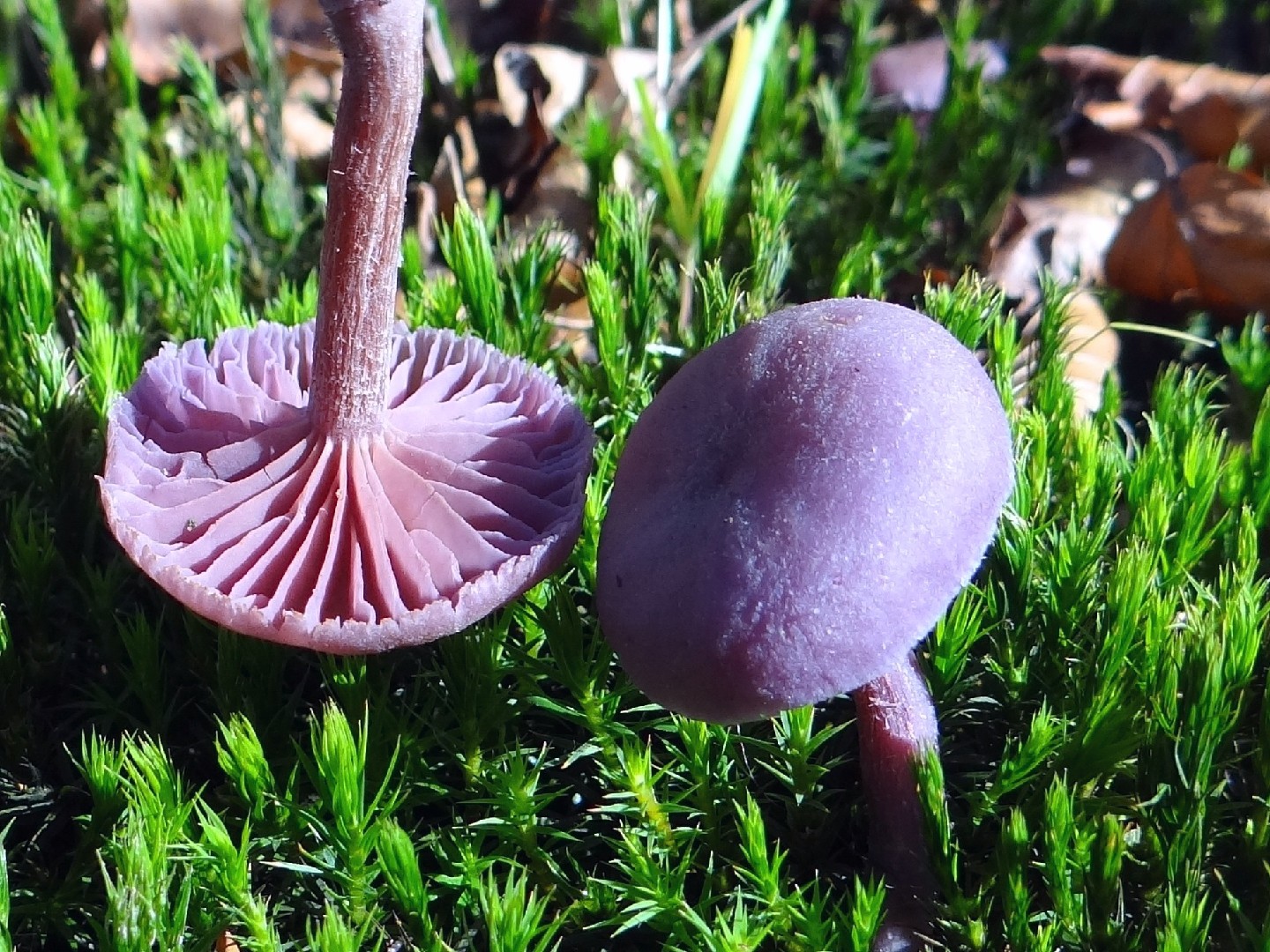
9. Amethyst deceiver
The amethyst deceiver (Laccaria amethystina) is a breathtaking mushroom that pops up from coniferous forest floors. The caps are a striking violet color in youth and are generally flat with a small indentation when the stem connects. As they mature, this violet color transforms to a less than breathtaking grey color, making it quite hard to identify after a certain age positively. Not edible.
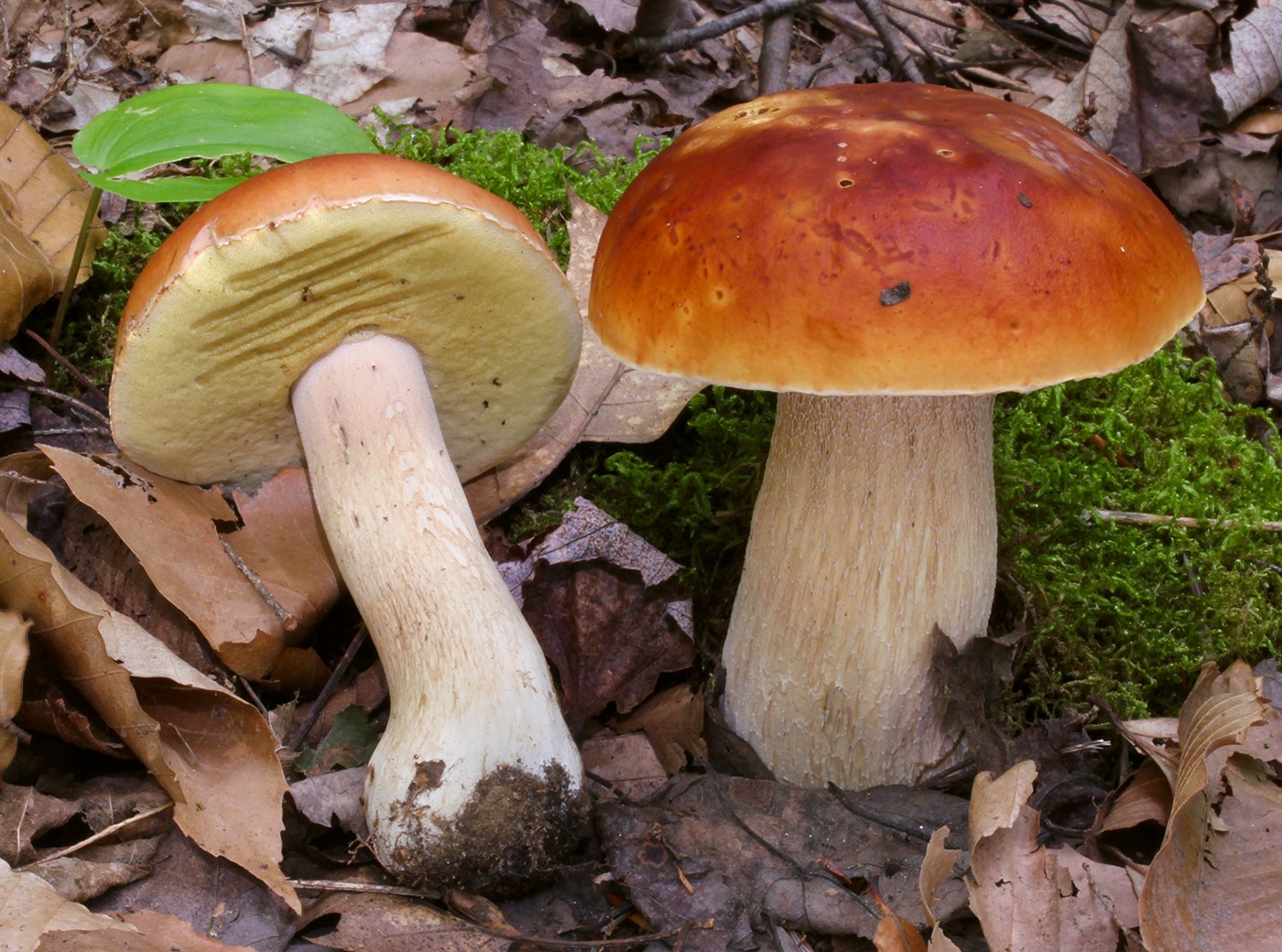
10. King bolete
Extremely popular in many cuisines, this edible wild mushroom grows around the world near the roots of forest trees. In some regions, king bolete mushrooms are collected in great enough volumes that their sale can support entire families during the harvest season. King boletes are reported to be high in fiber, vitamins B and C, calcium, potassium, magnesium, zinc, and several antioxidants.
More







