




Top 20 Edible Mushrooms Popular in Lille
In the picturesque cityscape of Lille, a melange of exquisitely edible fungi flourish, making the locale a treasure trove for common mushroom varieties. With varying terrains and a climate conducive to mushroom growth, Lille cultivates a fascinating assortment of 20 unique, palatable mushrooms. This guide lays out essential details regarding their distinctive appearance, delightful flavors, natural habitats, and culinary uses. Enjoy your edible fungi discovery in Lille, as it unfolds the enigmatic world of mushrooms beneath your feet.
* Disclaimer: Content feedback CAN NOT be used as any basis for EATING ANY PLANTS. Some plants can be VERY POISONOUS, please purchase edible plants through regular channels.

Most Popular Edible Mushrooms
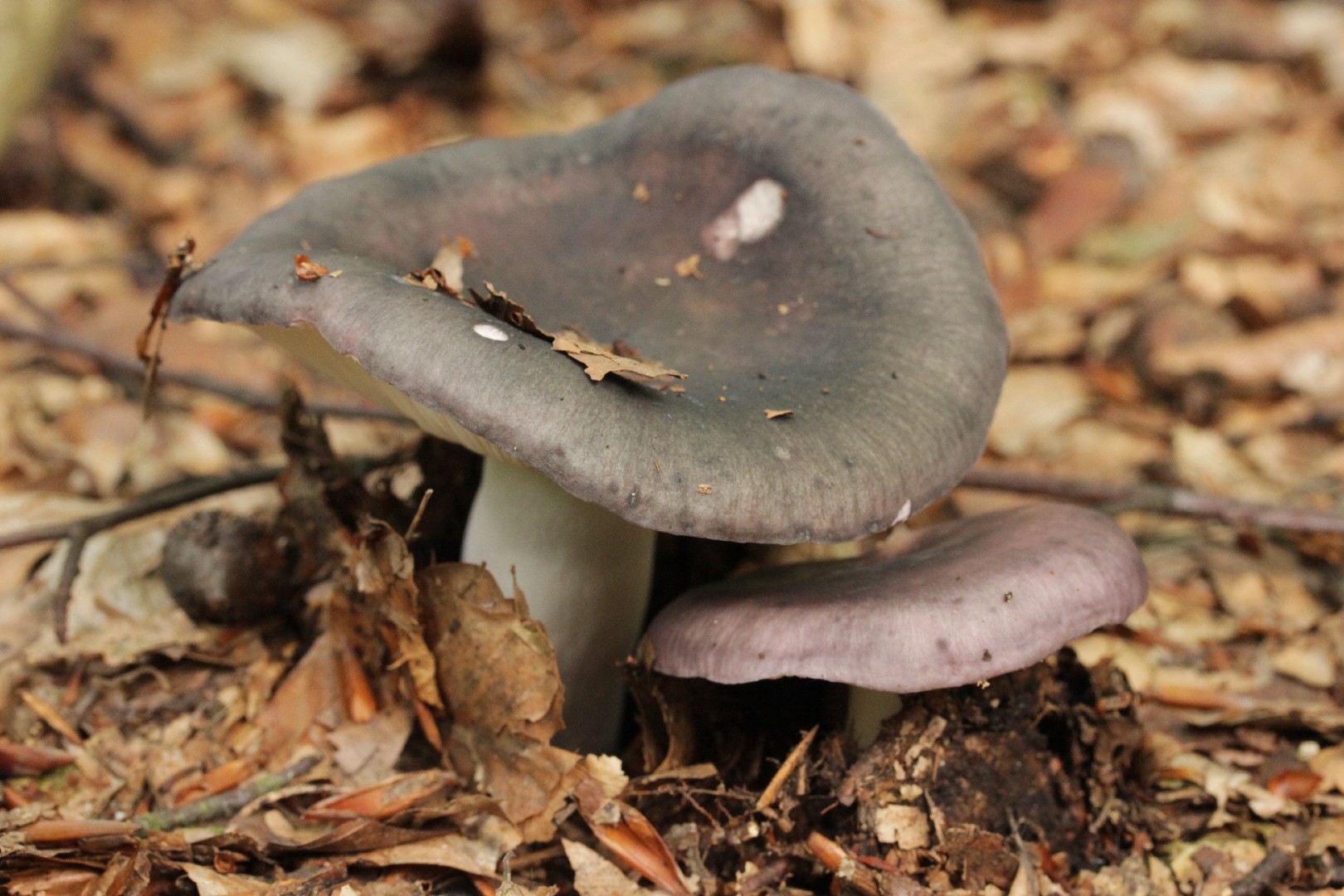
1. Charcoal burner
Most commonly found under beeches in forests or parks, this crumbly mushroom can appear in colors ranging from red and yellow to violet, blue-grey, or even green. Its scientific name represents this variability: Russula cyanoxantha means “reddish blue-blonde.”
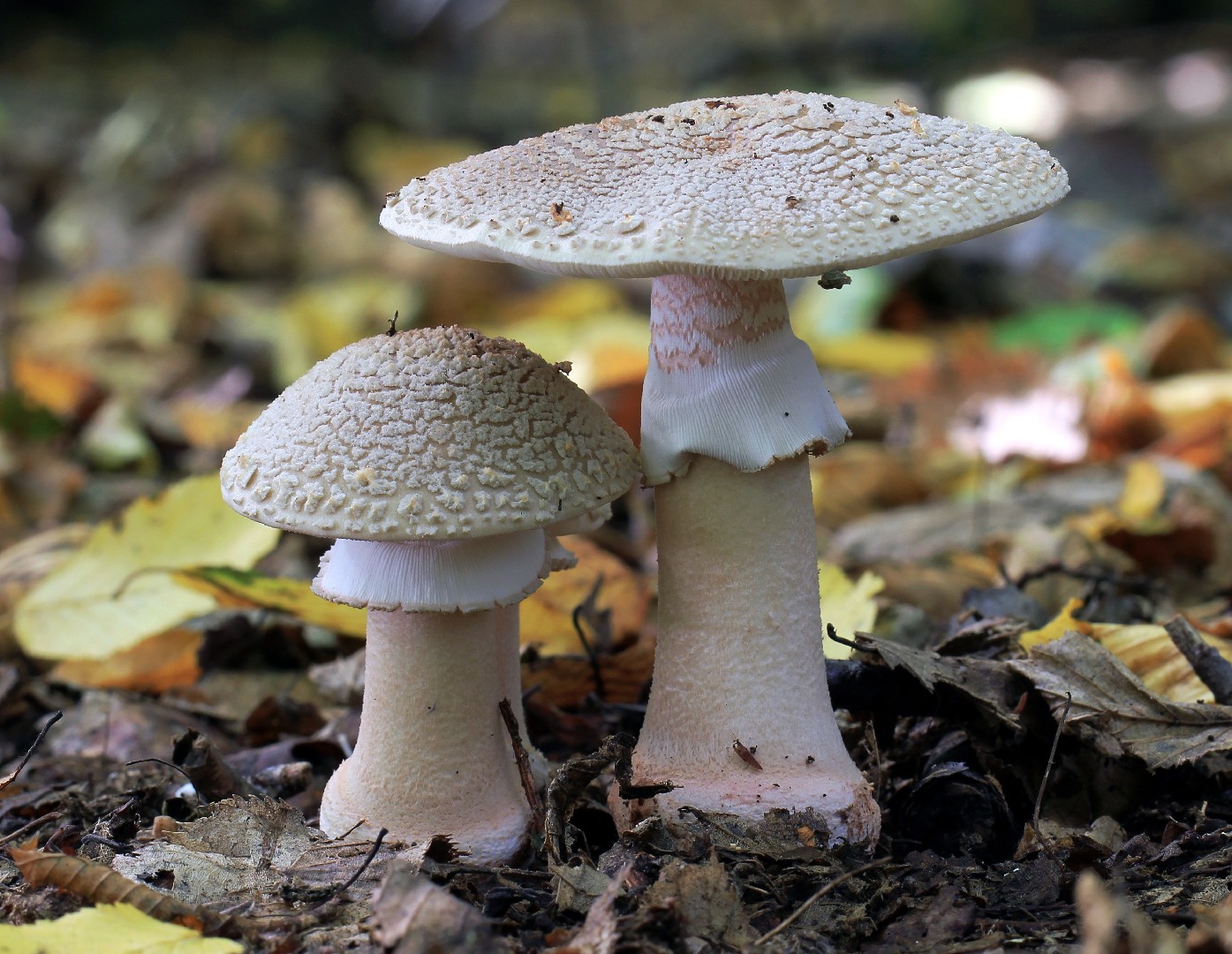
2. Blusher
The blusher mushroom is so named because it “blushes” to a pinkish red color when cut or bruised. It is found in many countries around the world, although it may not be native to the southern hemisphere. It contains a hemolytic toxin that can cause anemia if eaten.
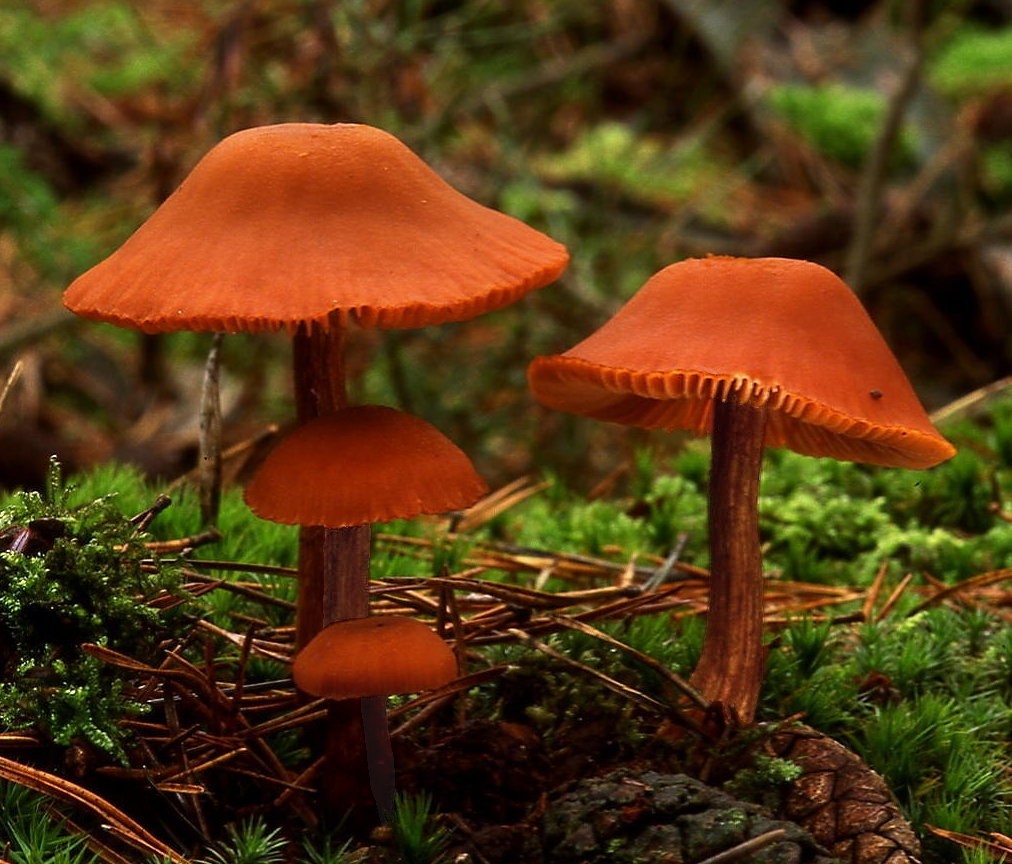
3. Common laccaria
Common laccaria may sound like a malevolent name for a mushroom, but fret not! This species is so-called because its appearance is highly variable, with individual caps taking on a whole host of colors, from whitish to pinkish to dark brown.
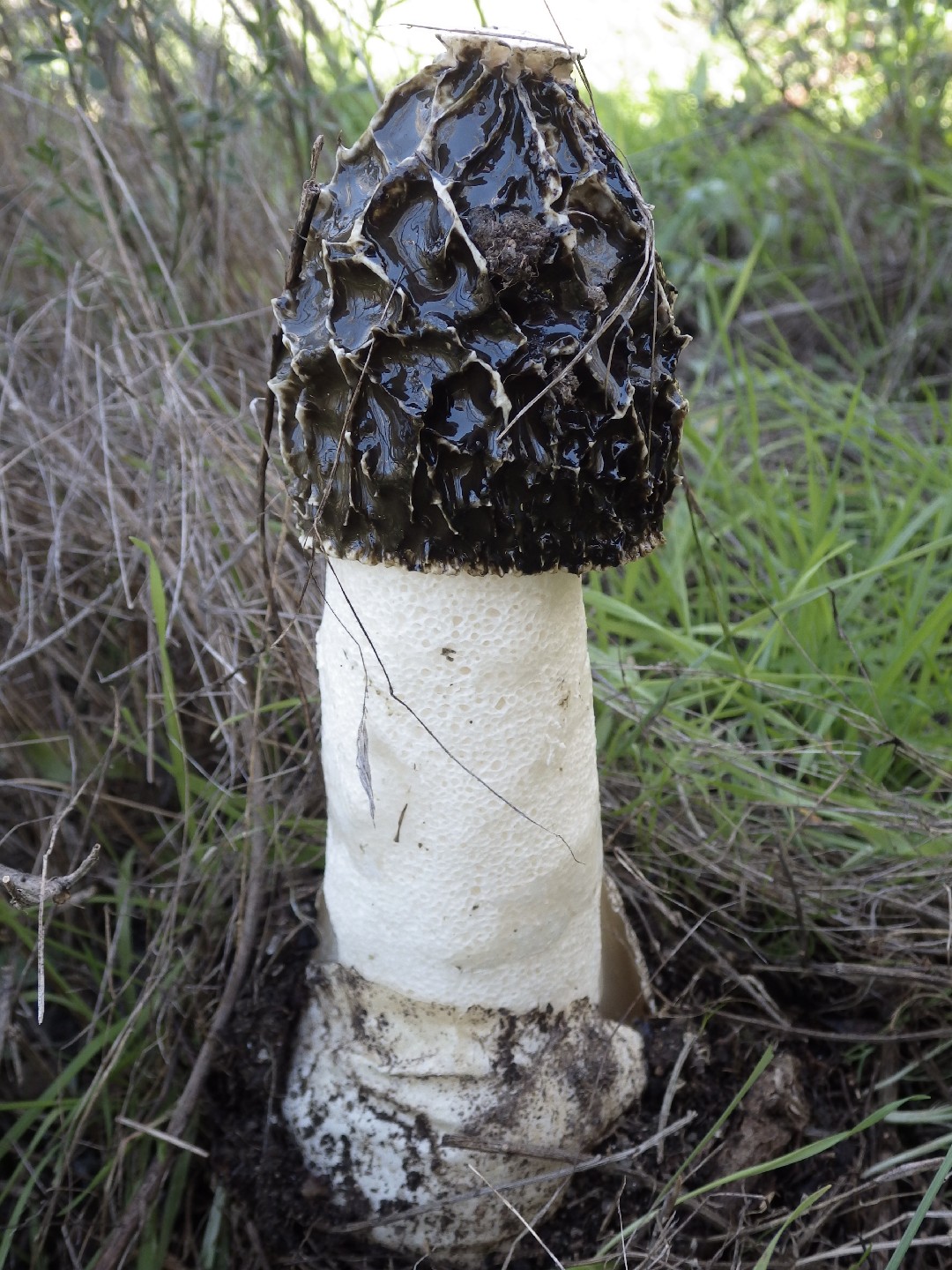
4. Common stinkhorn
The common stinkhorn (Phallus impudicus) grows incredibly quickly, sometimes nearing 30 cm in a single afternoon. Their caps are pitted in a way which makes them reminiscent of morels. However, there's little mistaking the common stinkhorn for a morel; the former, in addition to sporting a much longer stalk, has a clear and pungent odor.
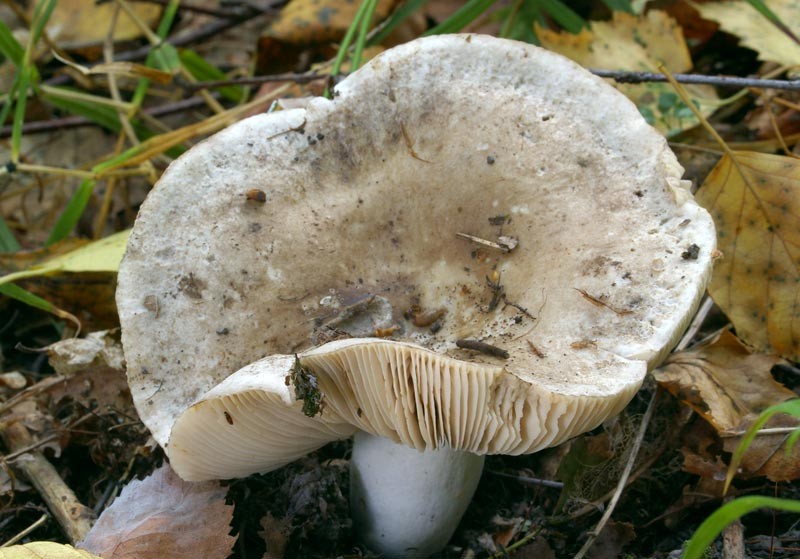
5. Winecork brittlegill
Winecork brittlegill is a widespread mushroom species that typically makes its home on acidic soils in coniferous forests. It gets the name winecork from its smell, which is similar to that of empty wine barrels or bottle corks. The specific Latin name adusta translates as burn or toast and refers to the color of the stem.
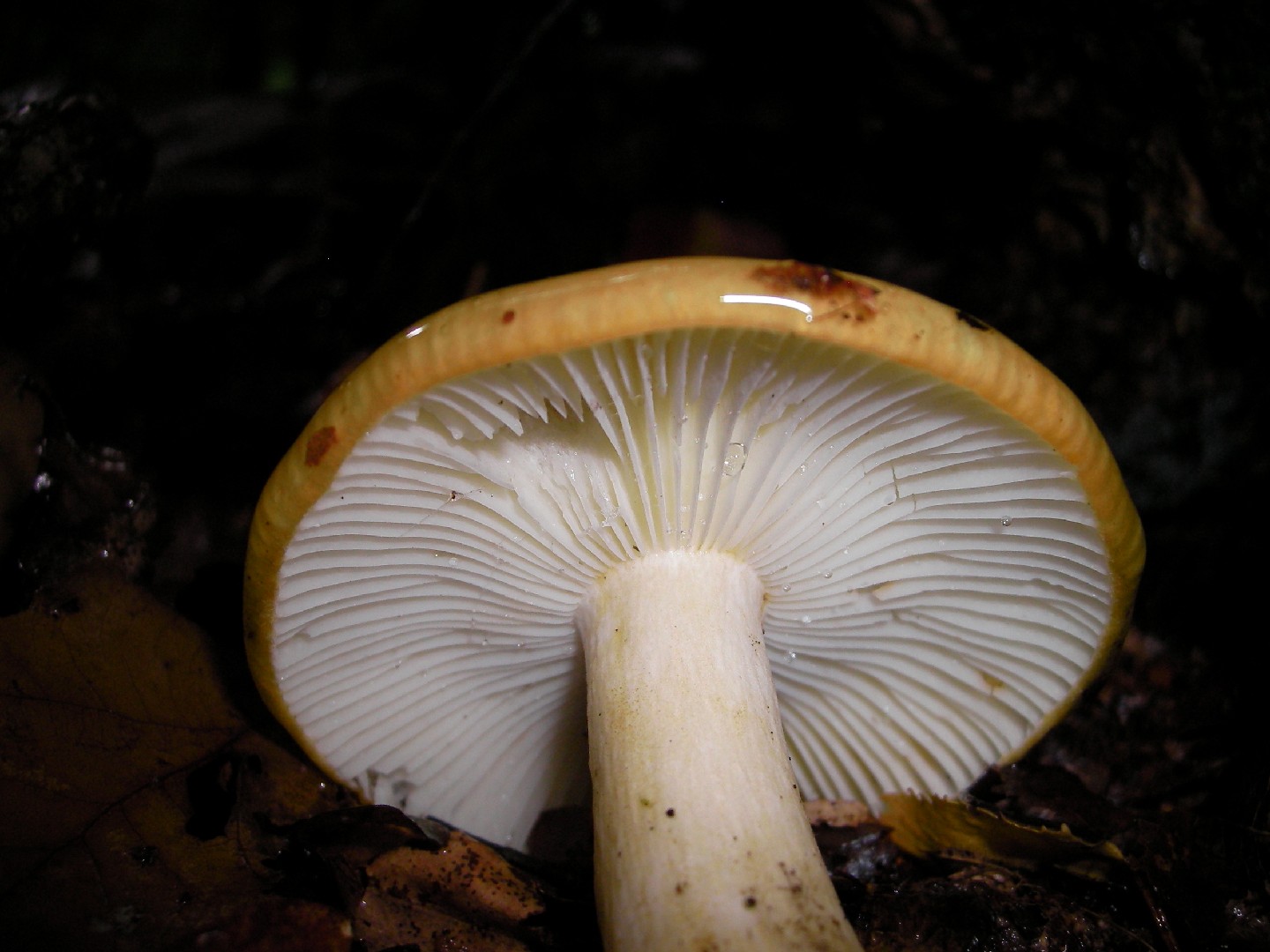
6. Ochre brittlegill
The ochre brittlegill is a large and ubiquitous russula that can be found growing in mixed temperate woodlands across the Northern Hemisphere. This mushroom is distinguished by its smooth ochre cap, which may sometimes have tinges of green, brown, or even purple to it. Ochre brittlegills have brittle gills and bulbous, white stalks.
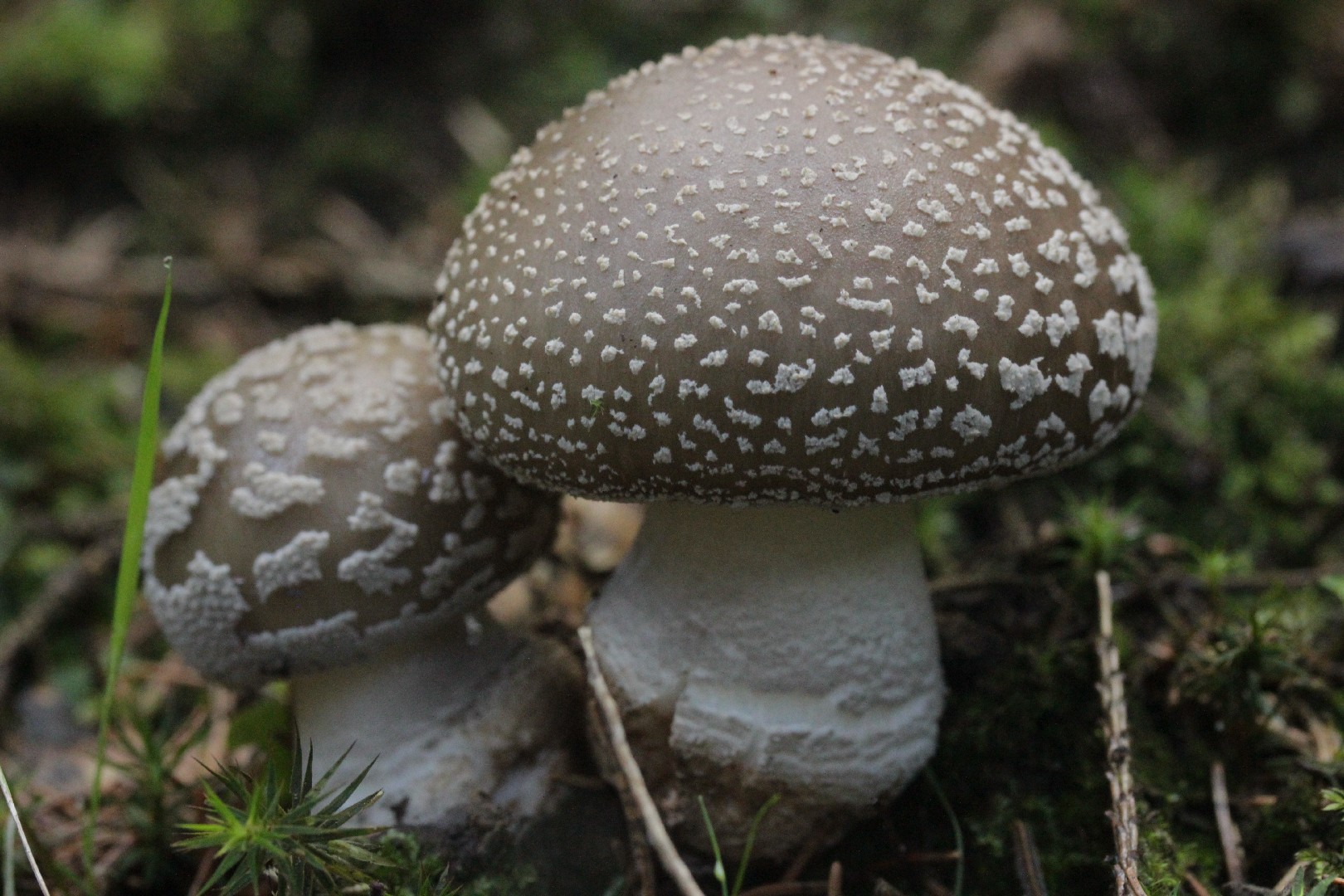
7. Grey spotted amanita
The cracked plaster appearance of grey spotted amanita (Amanita excelsa) caps is a common sight in Europe that also sporadically pops up in North America. This species has a long history and has been recorded and studied as far back as 1821. They contain a potent toxin called thermolabile, making those who consume it very sick if not cooked. This species is not recommended for consumption.
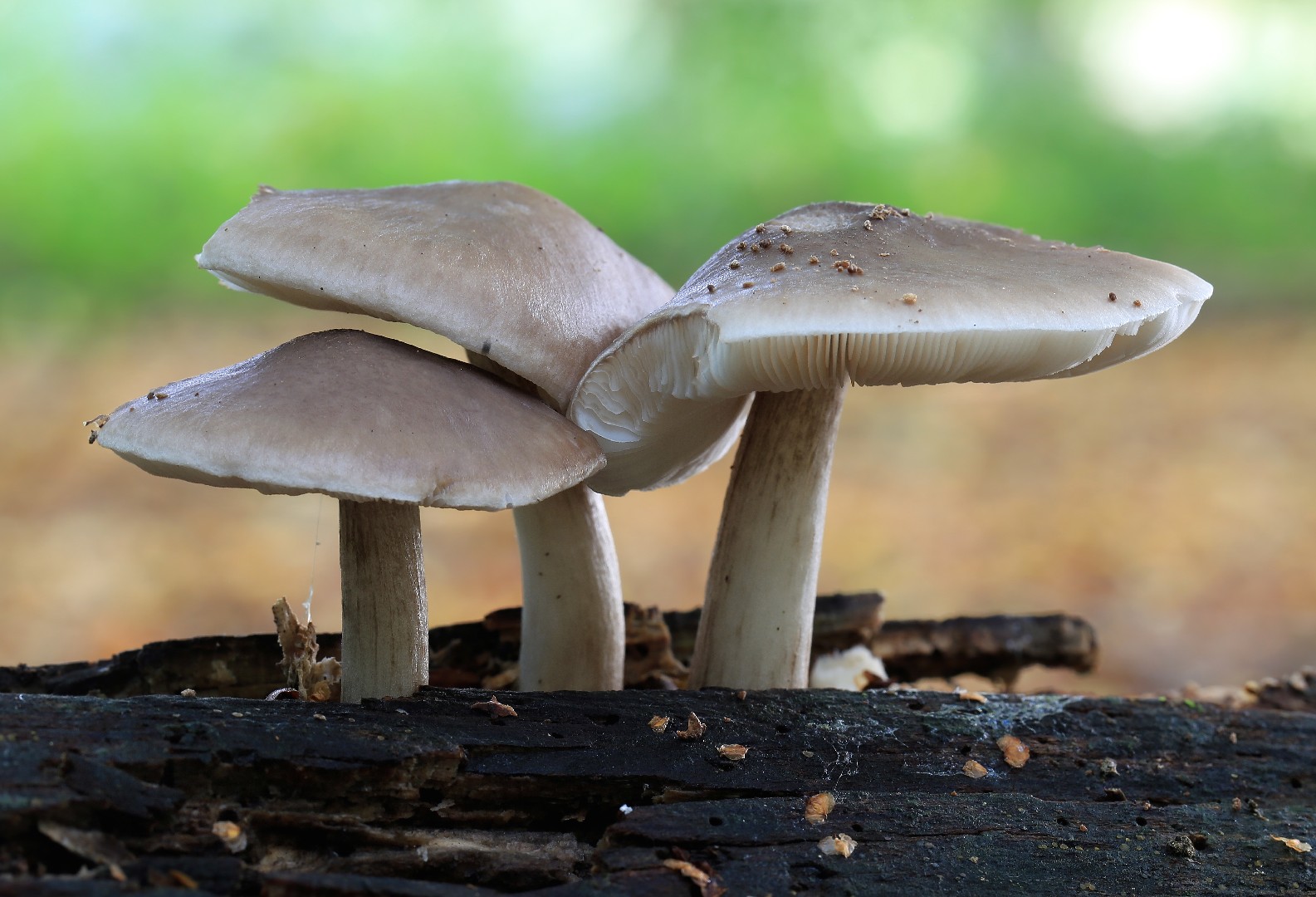
8. Deer mushroom
The deer mushroom is can be found sprouting up from rotting logs, branches, and roots, and while it may have a preference for hardwoods it isn't very picky. Unlike many other mushroom species, the fruitbodies can be found blooming across a wide range of seasons. They have a faint, radish-like odor.
9. Amethyst deceiver
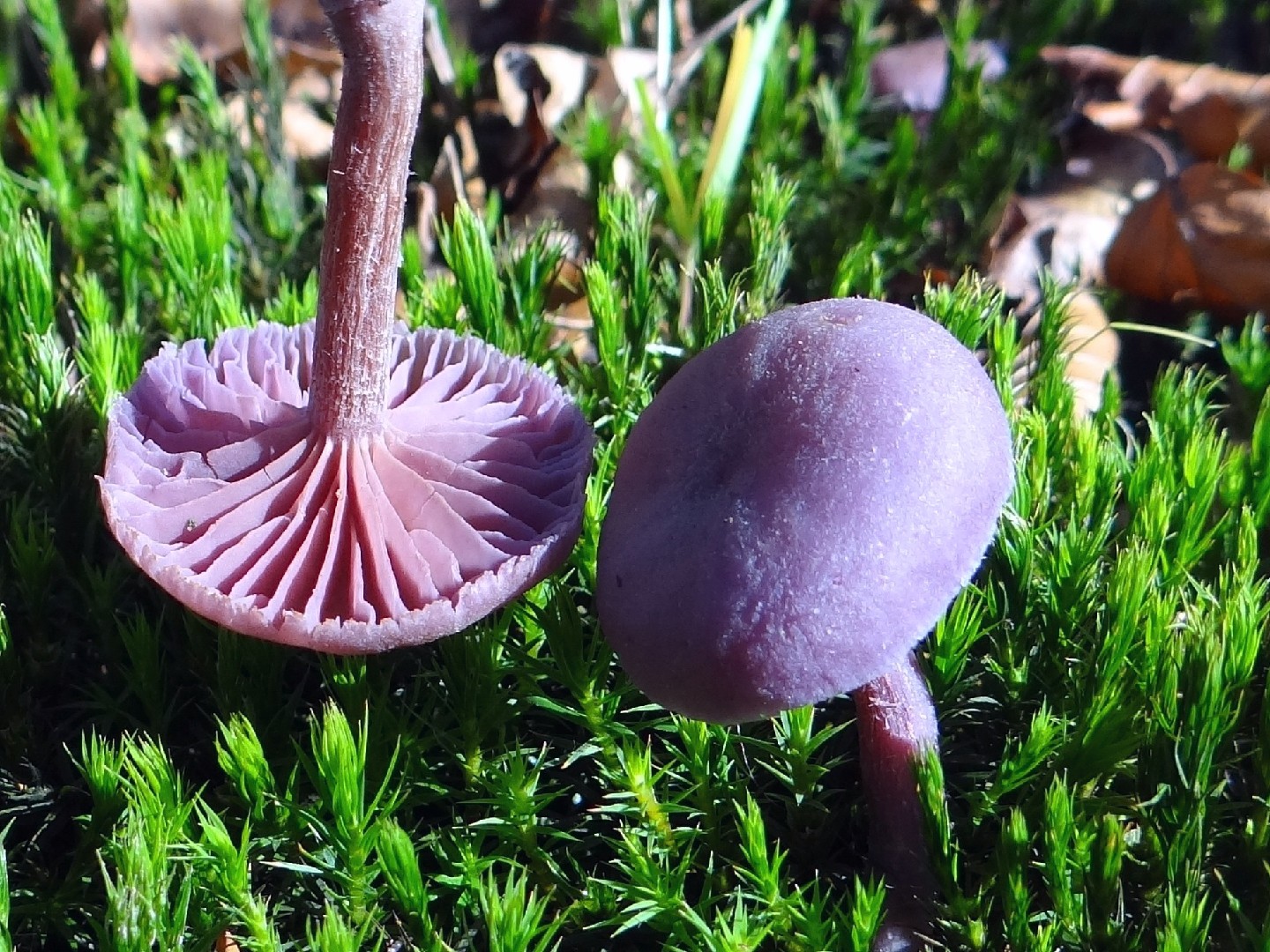
The amethyst deceiver (Laccaria amethystina) is a breathtaking mushroom that pops up from coniferous forest floors. The caps are a striking violet color in youth and are generally flat with a small indentation when the stem connects. As they mature, this violet color transforms to a less than breathtaking grey color, making it quite hard to identify after a certain age positively. Not edible.
10. Hazel bolete
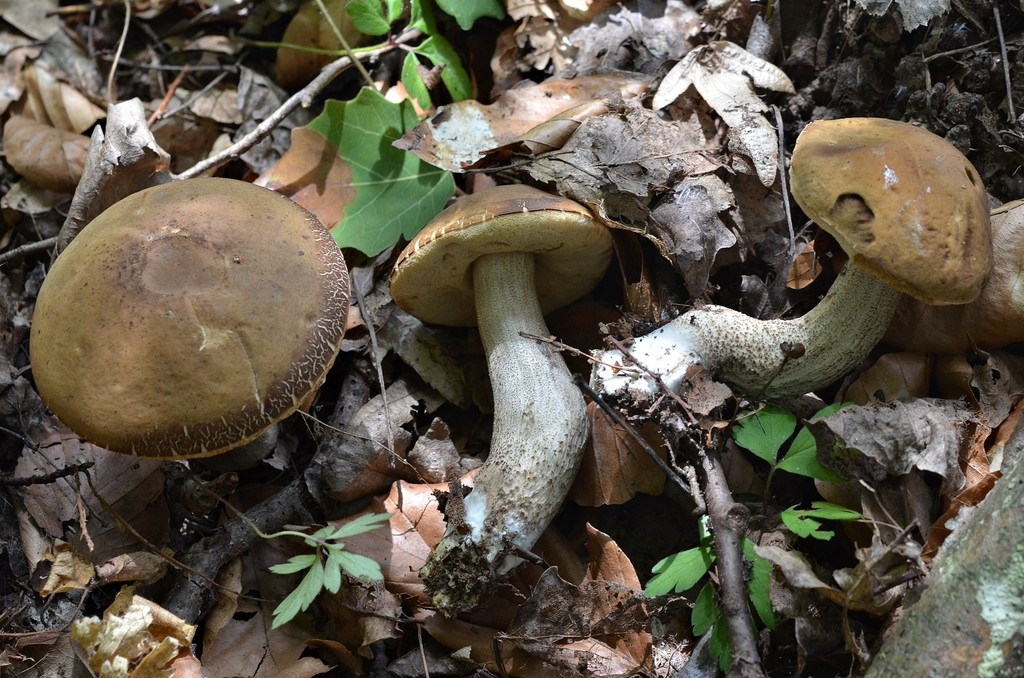
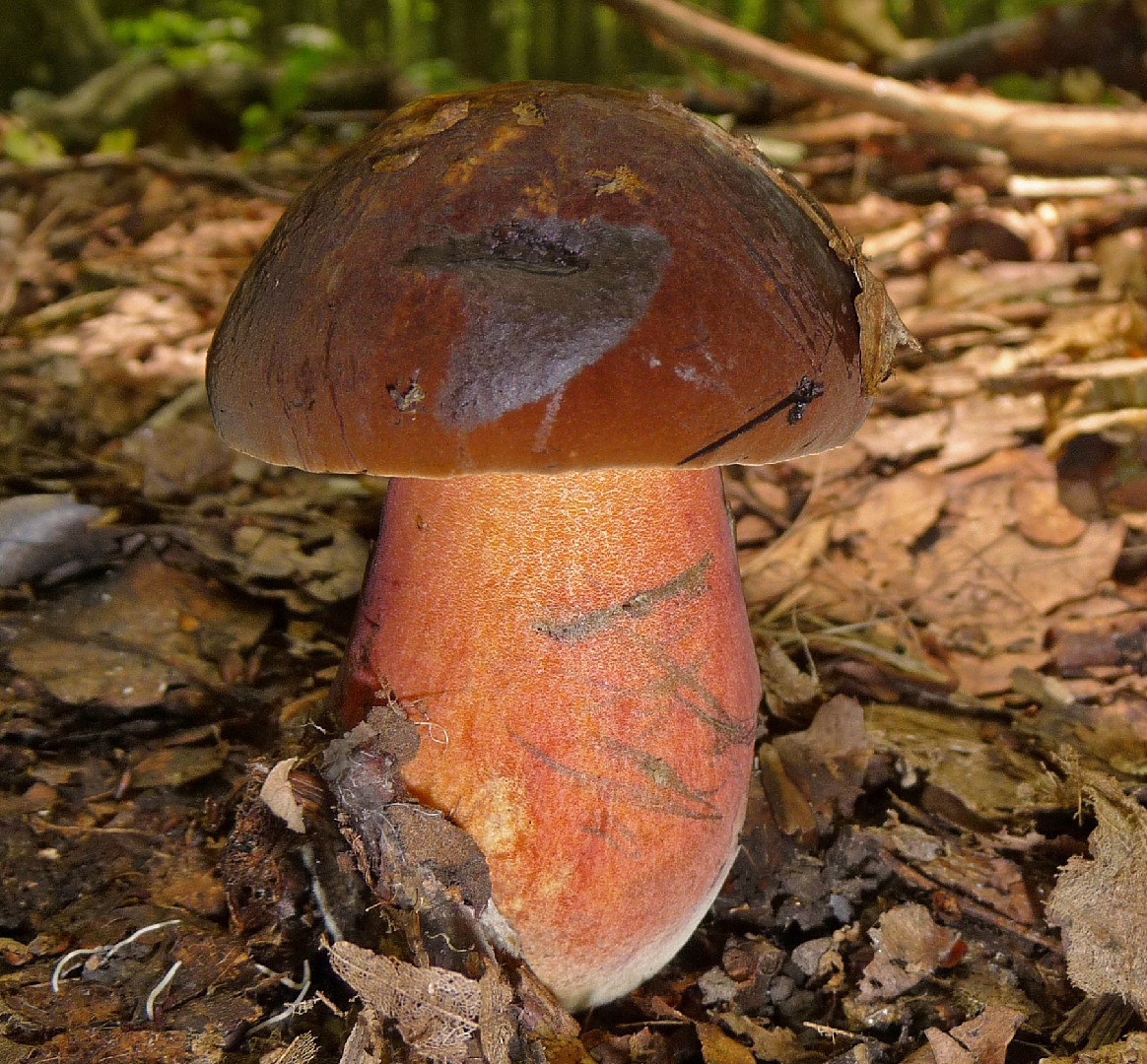
The hazel bolete is a fairly common mushroom that is often found near hornbeam trees, rather than around hazels. When cut or bruised, the flesh first goes red and then turns very dark blue. This mushroom is similar to Leccinum scabrum, but the latter one grows strictly near birch.


More







