




Top 20 Edible Mushrooms Popular in Valence
Dive into the fascinating world of fungi in Valence, a region boasting diverse environments ideal for mushroom growth. This list uncovers 20 of the most frequently seen edible mushrooms here, detailing key features, flavor profiles, native habitats, and cooking applications. Savor the knowledge as you would the exquisite umami that these mycological marvels bring to our plates.
* Disclaimer: Content feedback CAN NOT be used as any basis for EATING ANY PLANTS. Some plants can be VERY POISONOUS, please purchase edible plants through regular channels.

Most Popular Edible Mushrooms
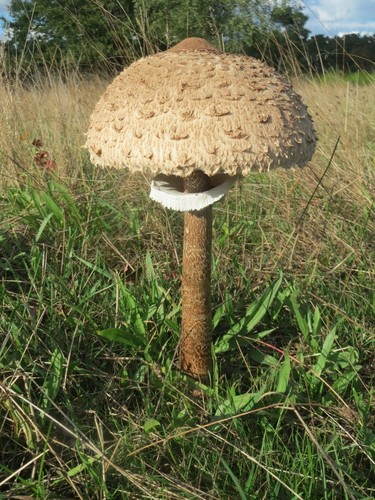
1. Parasol
Found in clearings and grassy areas in late summer, the wild parasol mushroom has a snakeskin-patterned stem. The brown spots on its cap make it look a bit shaggy, but that name is reserved for its poisonous counterpart, the Shaggy Parasol (Chlorophyllum rhacodes). You can distinguish the two by the stems: the latter has a smooth stem and red flesh inside.
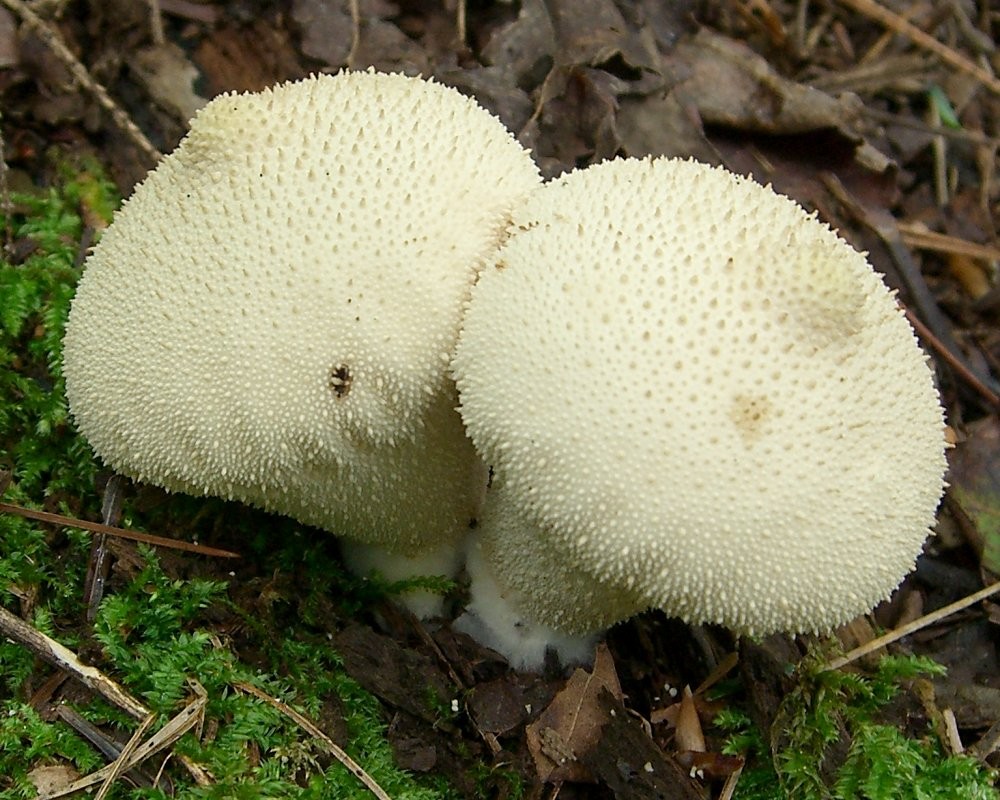
2. Common puffball
These puffy mushrooms grow in small groups on the forest floor. Once they're mature, common puffballs turn yellow and "puff out" smoke-like spore clouds when disturbed. Be very careful when identifying these mushrooms, as their young, immature form looks very similar to the lethal Deathcap.

3. Shaggy mane
The shaggy mane mushroom is commonly found in North American and European grasslands. Some peoples foraged for its young egg-shaped caps, but it has more recently been found to be a bioaccumulator of heavy metals, meaning it pulls toxic metals up from the soil where it grows. As a result, shaggy manes should not be eaten. The mushrooms usually appear in clusters or “fairy rings.”
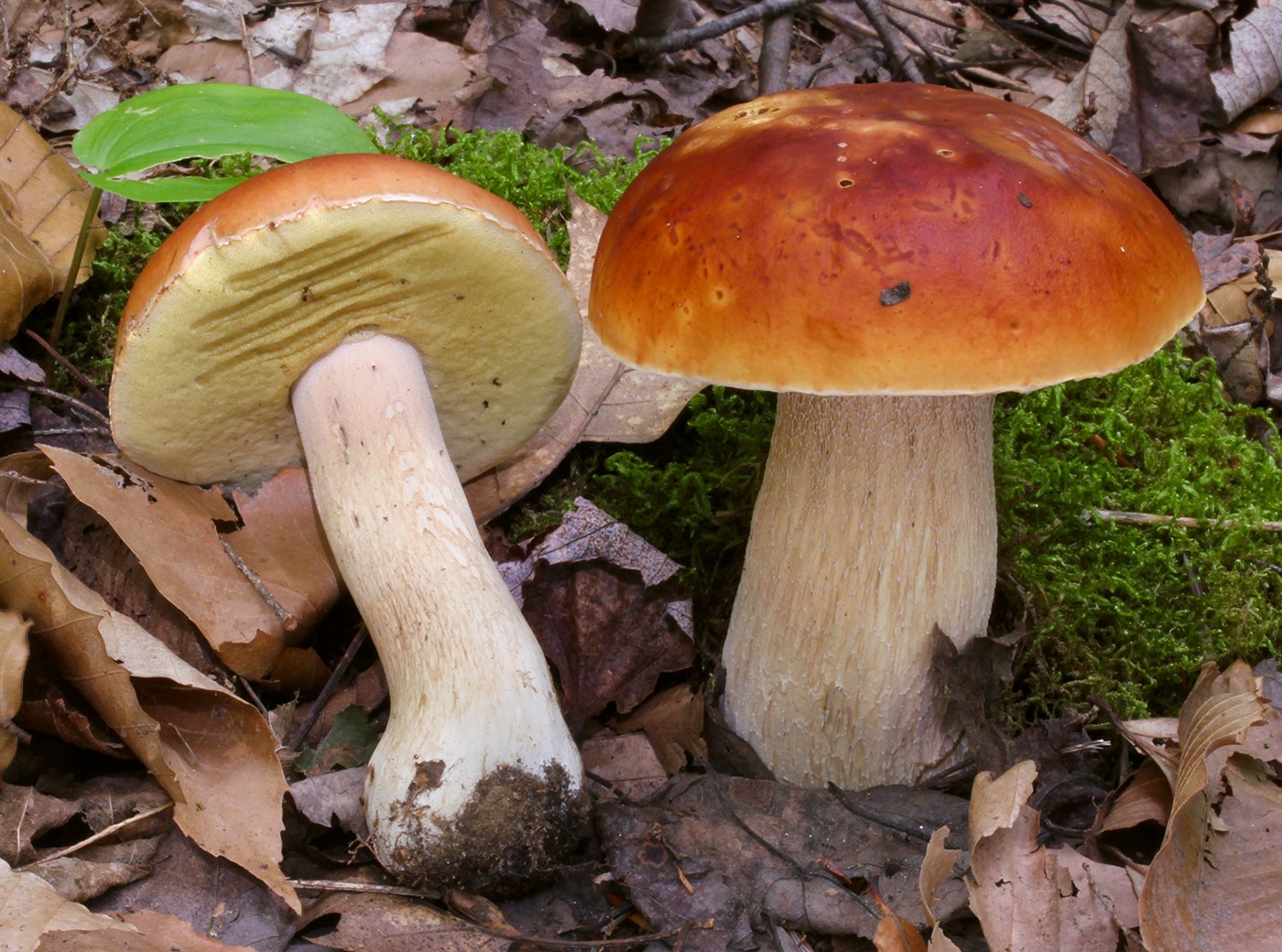
4. King bolete
Extremely popular in many cuisines, this edible wild mushroom grows around the world near the roots of forest trees. In some regions, king bolete mushrooms are collected in great enough volumes that their sale can support entire families during the harvest season. King boletes are reported to be high in fiber, vitamins B and C, calcium, potassium, magnesium, zinc, and several antioxidants.
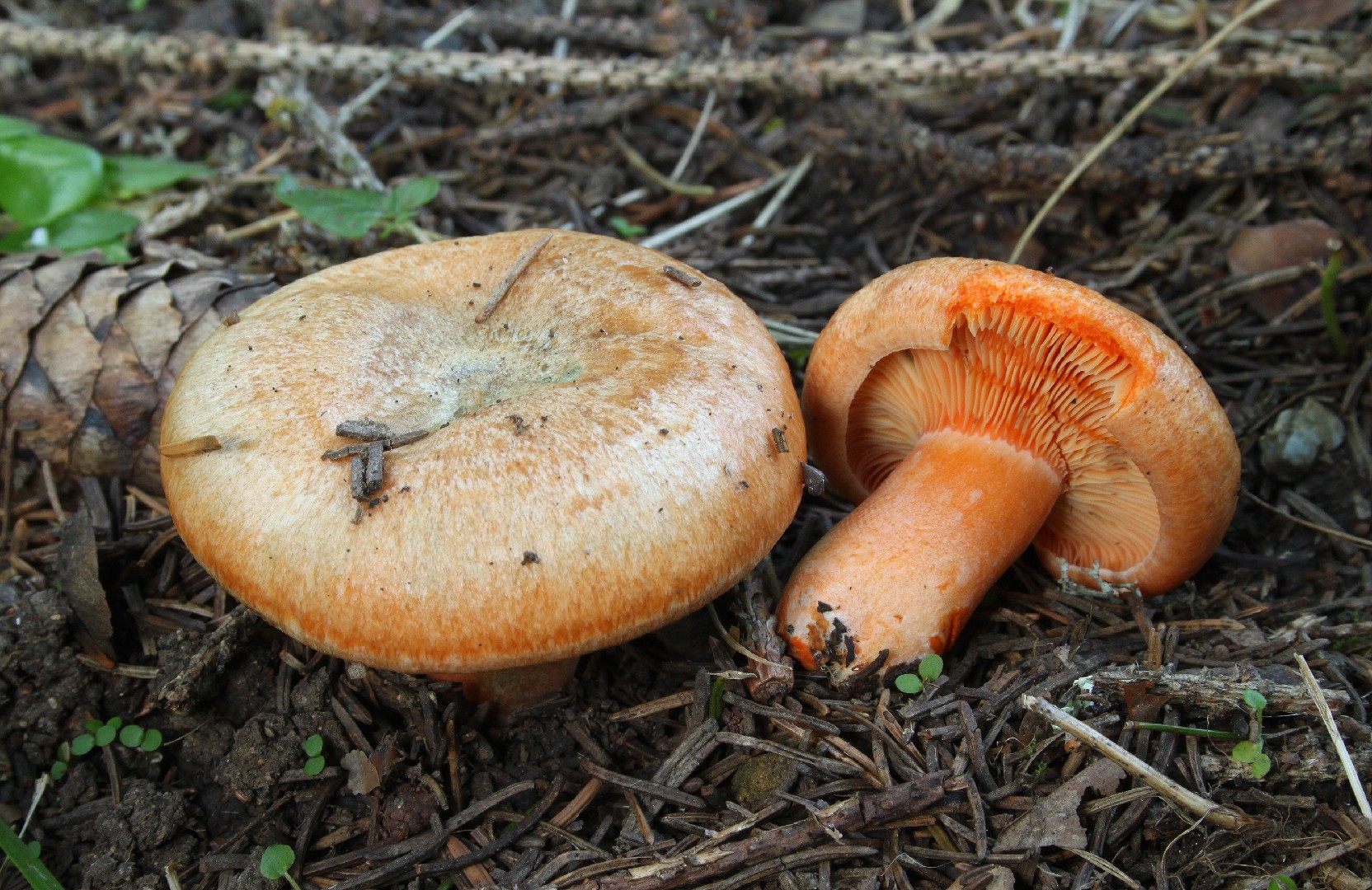
5. False saffron milkcap
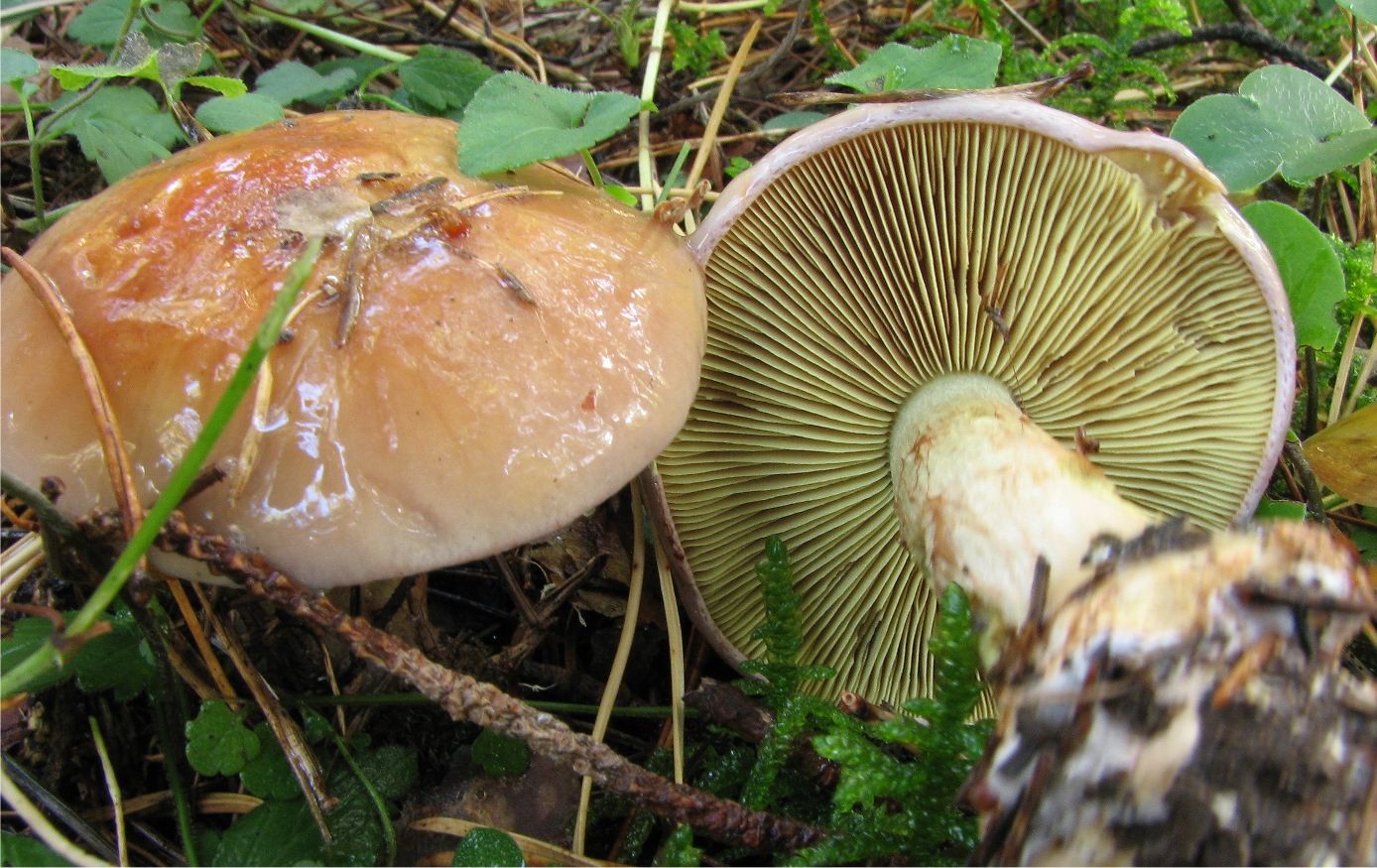
A less-tasty cousin of the Saffron milkcap (Lactarius deliciosus), the false saffron milkcap is closely associated with spruce. When it appears in forests, it usually forms a large carpet. Species within the Lactarius genus are hard to differentiate from other, more poisonous mushrooms, and should not be foraged for food by the inexperienced.

6. Salmon milkcap
Upon gazing upon the cap of the salmon milkcap, you might notice that the color resembles the shiny back of a salmon. This coloration inspired its scientific name, Lactarius salmonicolor. Just as it looks, the species name means "of the color of salmon." They sprout up predominately under the canopies of Fir trees.
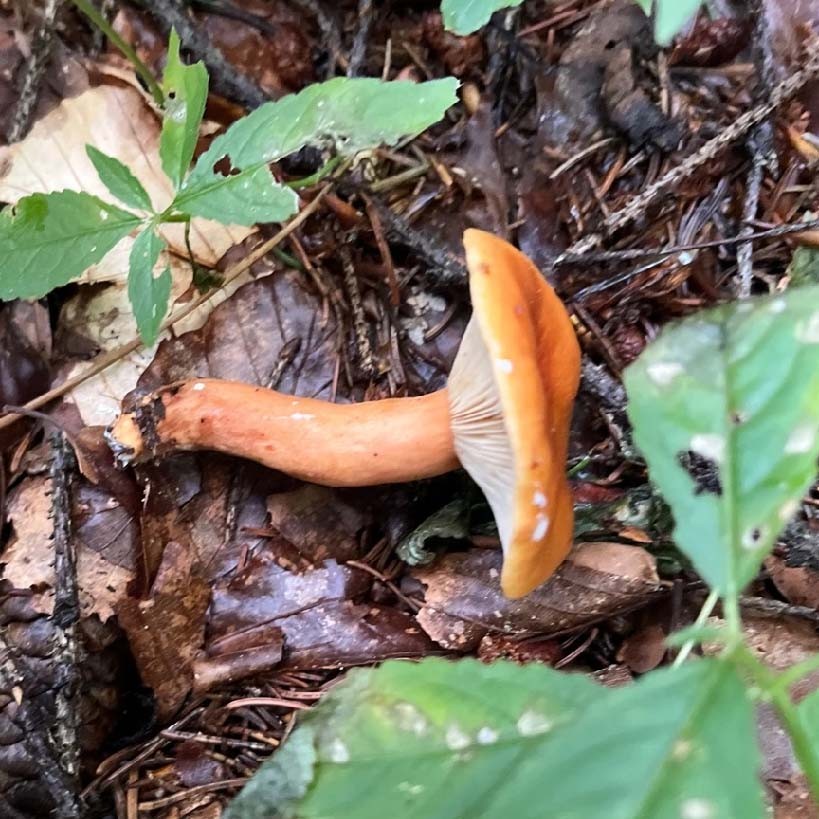
7. Orange milkcap
Orange milkcap (Lactarius aurantiacus) grows alone or in small groups. Its common name Orange milkcap and Latin name (Lactarius aurantiacus) both refer to its orange color and the milky white juice that it sheds when it is cut or damaged. This mushroom prefers acidic soils and typically grows under spruce and pine trees.
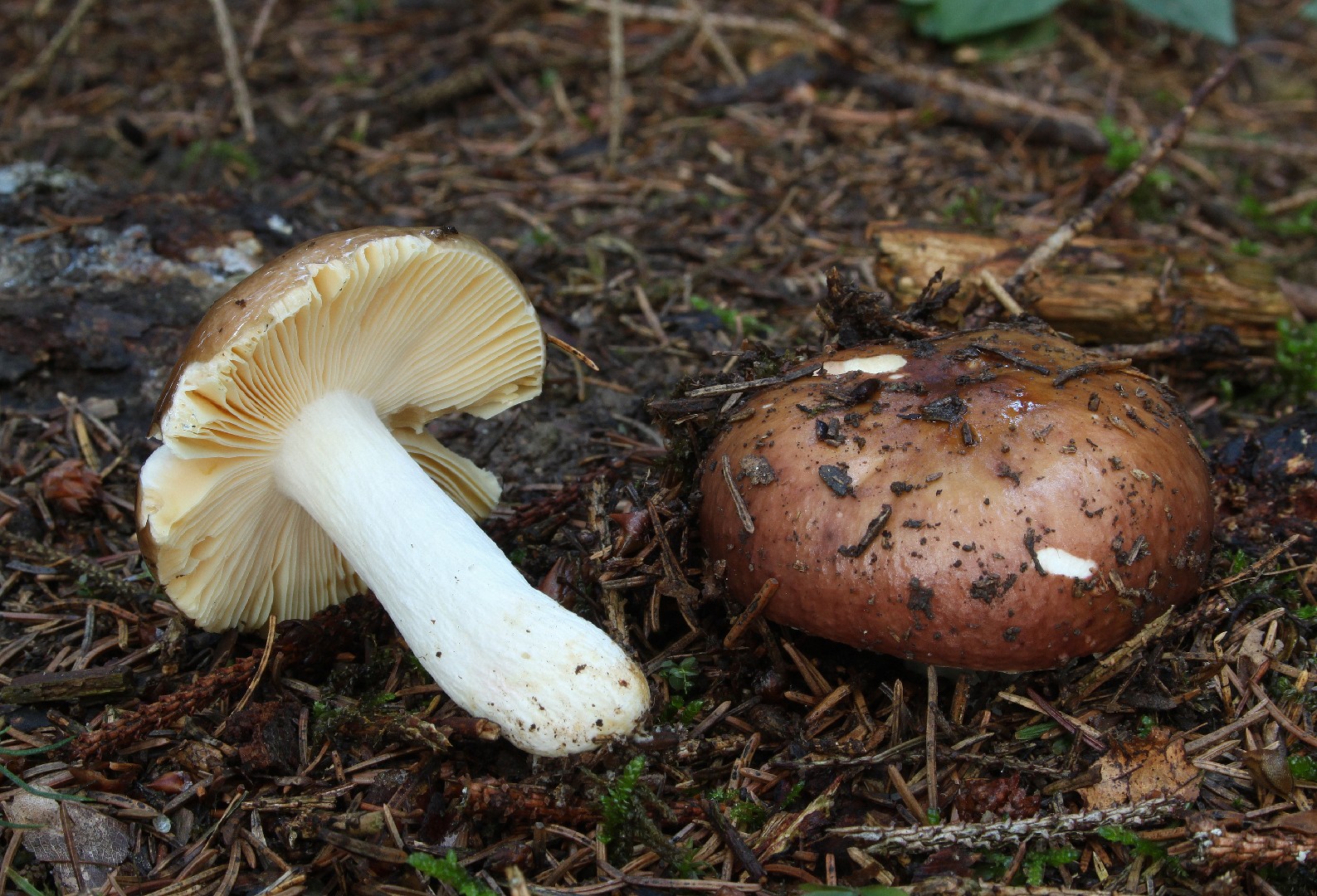
8. Entire russula
A group of very similar fungi, rather than a single species, the entire russula complex is yet to be studied. These mushrooms grow in conifer forests, where they're quite widespread and common. Entire russula is often found in early winter and late fall. 
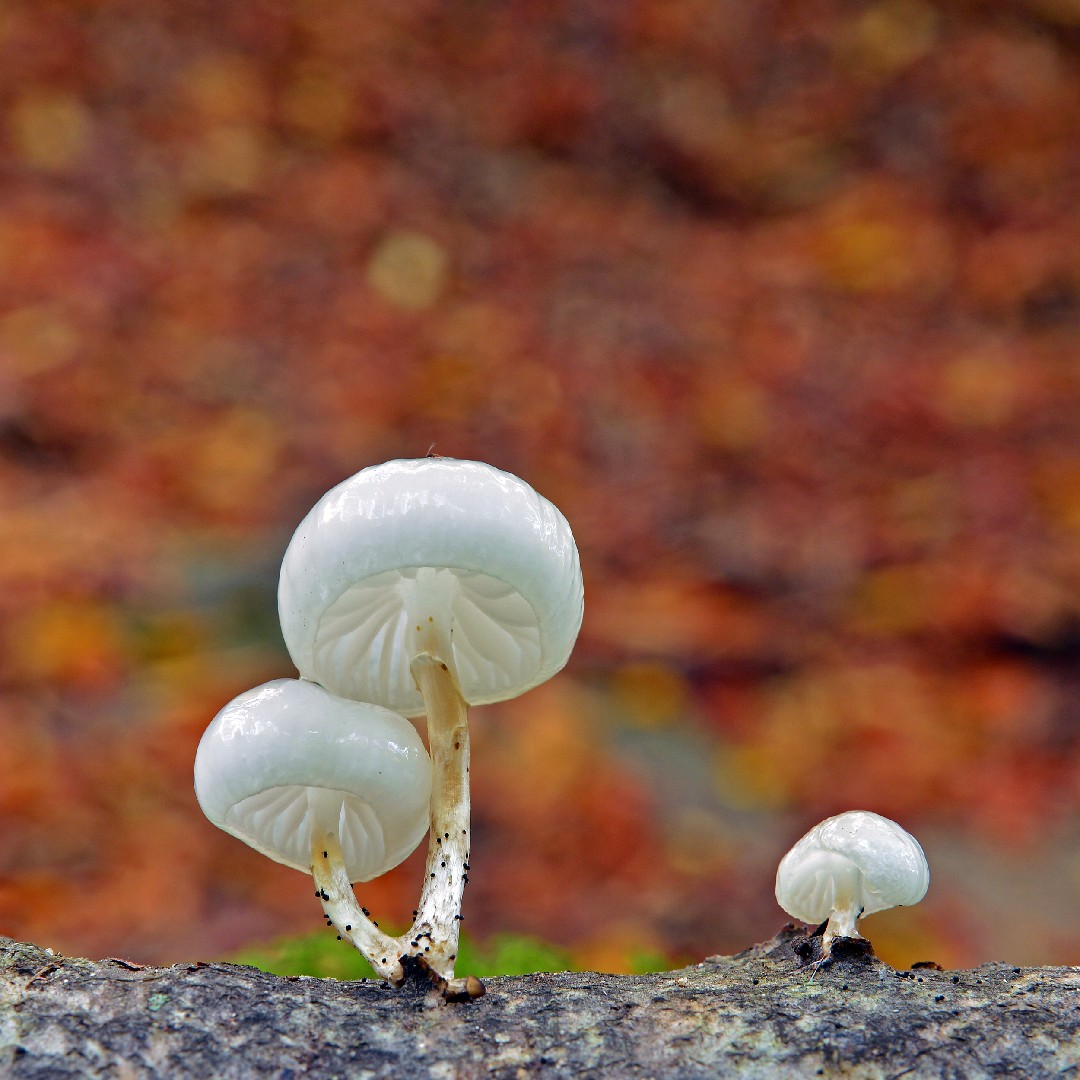
9. Porcelain mushroom
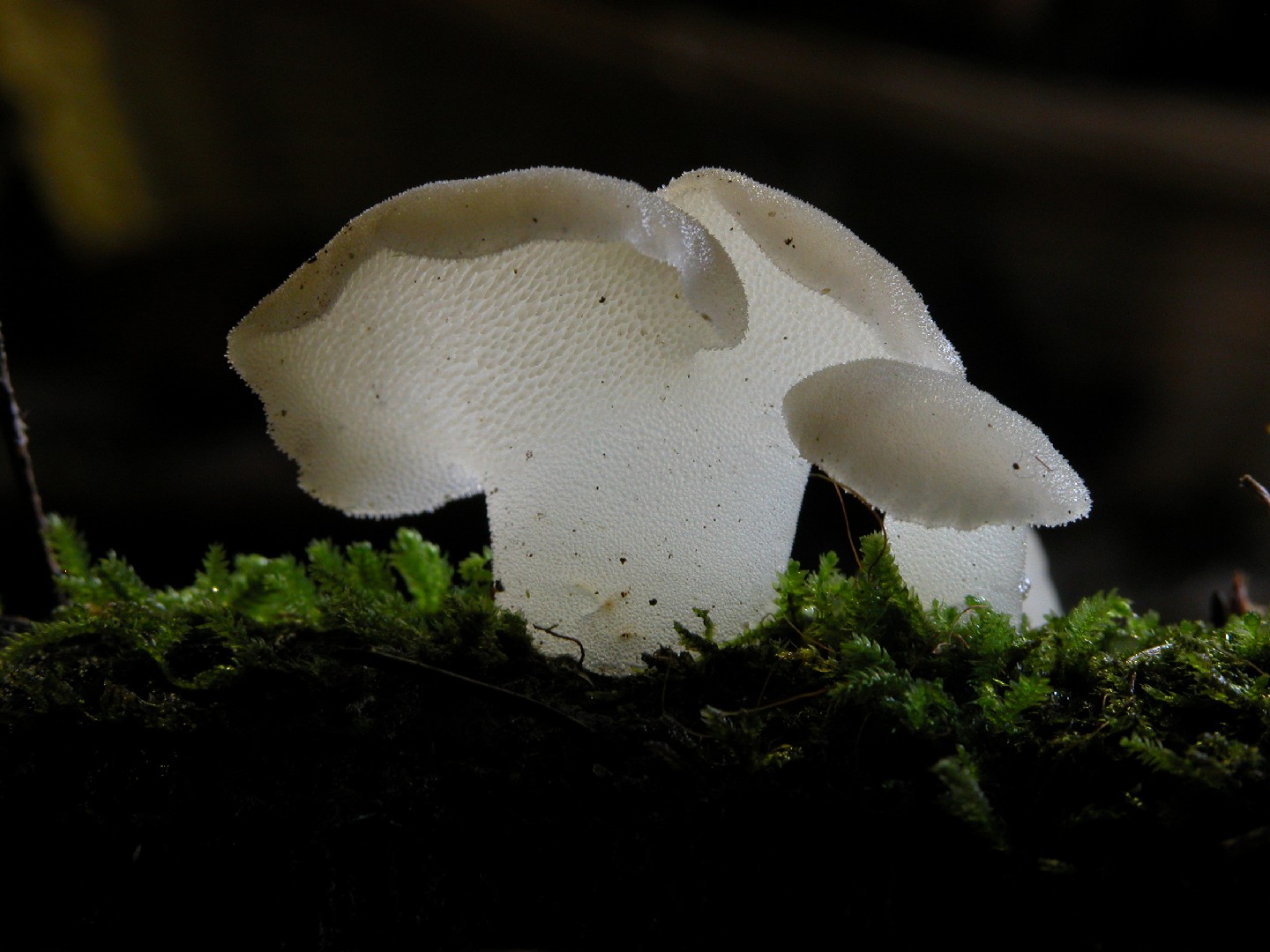
Porcelain mushroom can be found on a variety of deadwood including logs, dead standing trees, and dead upper branches. However, this mushroom is pickier about the type of deadwood, as it only grows on beech trees. This mushroom prefers to keep these trees to itself, releasing fungicides that can kill other mushrooms.

10. Garlic parachute
Garlic parachute has a helpful name that gives a couple of clues as to how to identify it. With its slim stem and wide cap, this mushroom does look like a parachute. It has a strong garlic-like aroma and can often be found on leaf litter and decaying wood.
More







