




Top 20 Edible Mushrooms Popular in Rovaniemi
Dive into the fascinating world of mycoculture in Rovaniemi, where the dense, moist forests create idyllic environments for fungi to thrive. This list will explore the 20 most common edible mushrooms found in the region. Each mushroom specified possesses unique aesthetics, flavors, and culinary applications besides specifics on their respective habitats. Let's uncover the indigenous fungal treasures of Rovaniemi and learn how these shape the local gastronomy.
* Disclaimer: Content feedback CAN NOT be used as any basis for EATING ANY PLANTS. Some plants can be VERY POISONOUS, please purchase edible plants through regular channels.

Most Popular Edible Mushrooms
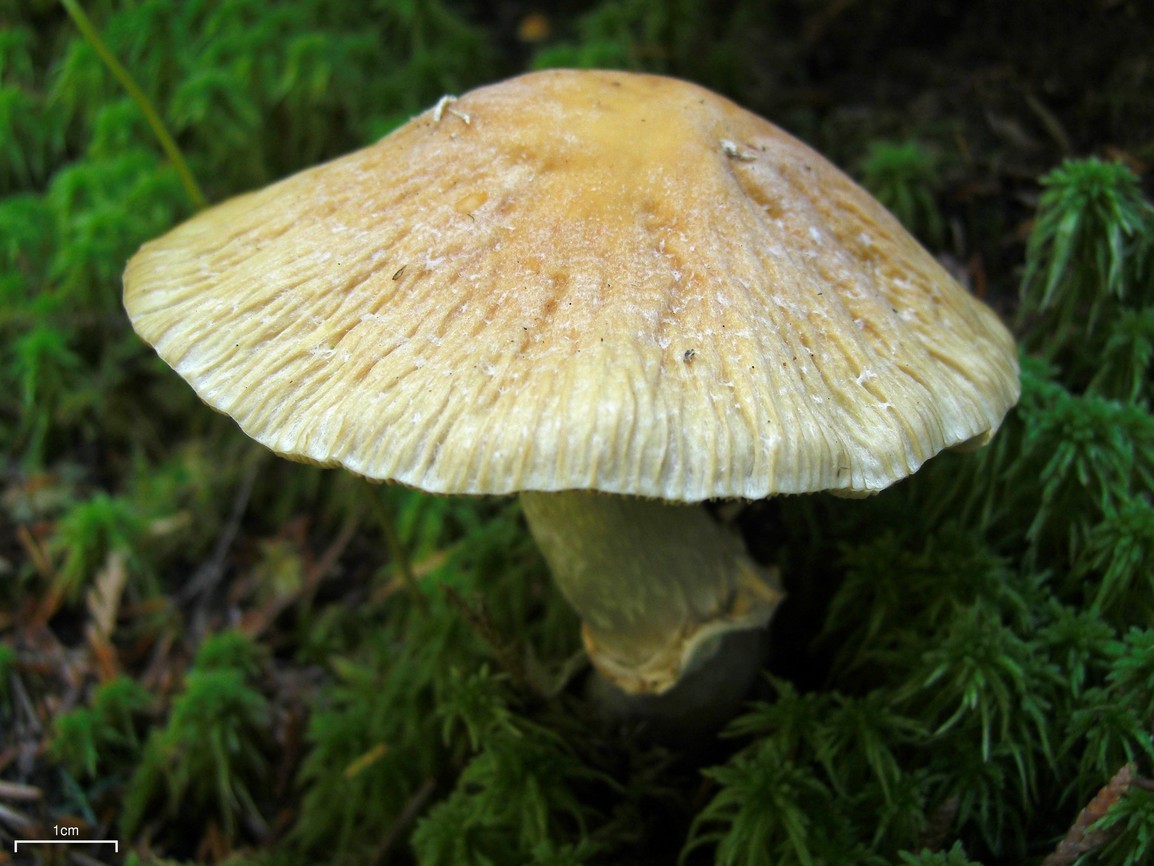
1. Gypsy mushroom
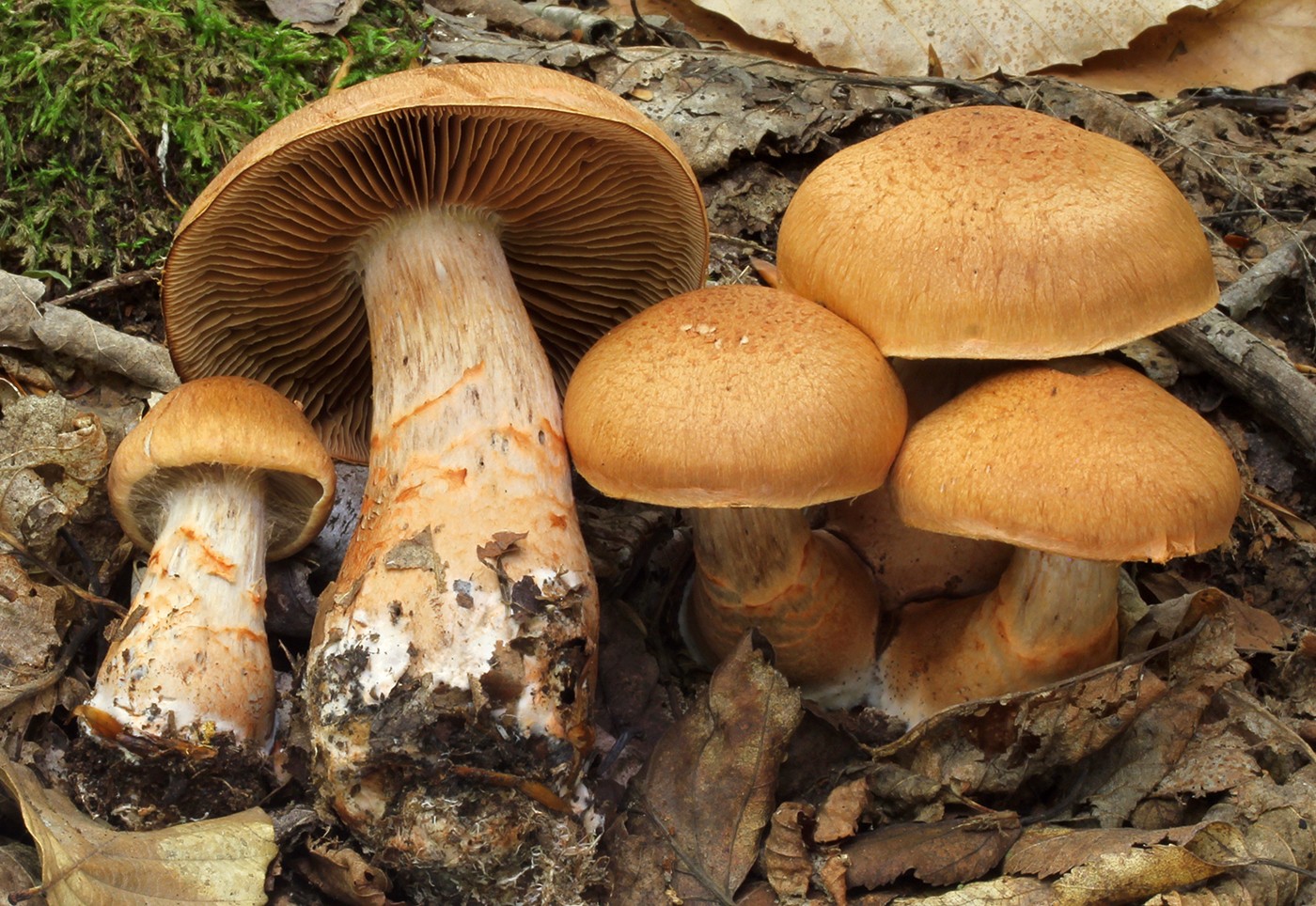
Cortinarius caperatus, commonly referred to as the gypsy mushroom, is a sought-after species that grows across the temperate regions of the Northern Hemisphere. The fruitbodies sport ochre-colored caps and pale gills and stems - their cap color fades over time though, which may lead to their being confused with other, more toxic species.
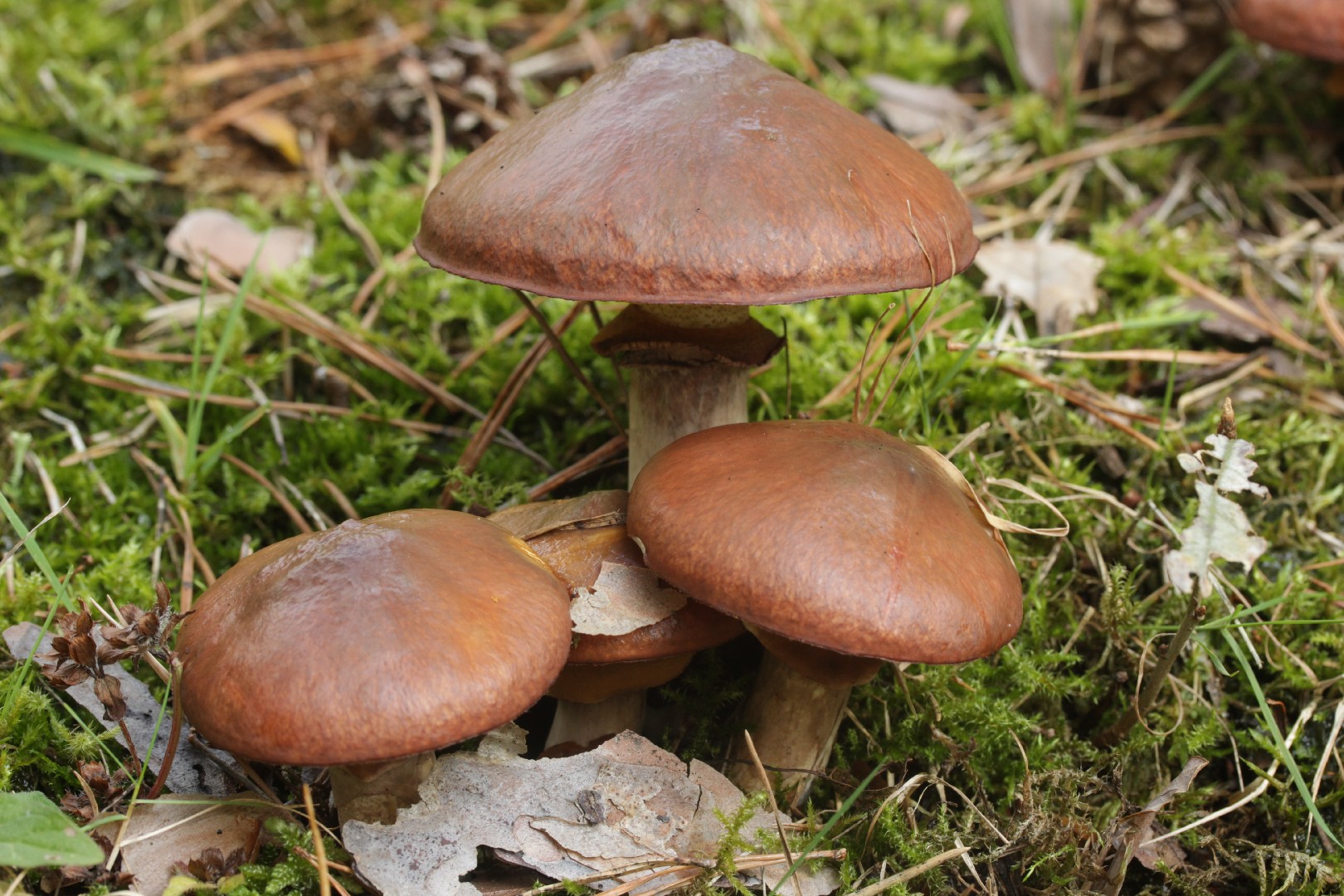
2. Slippery jack
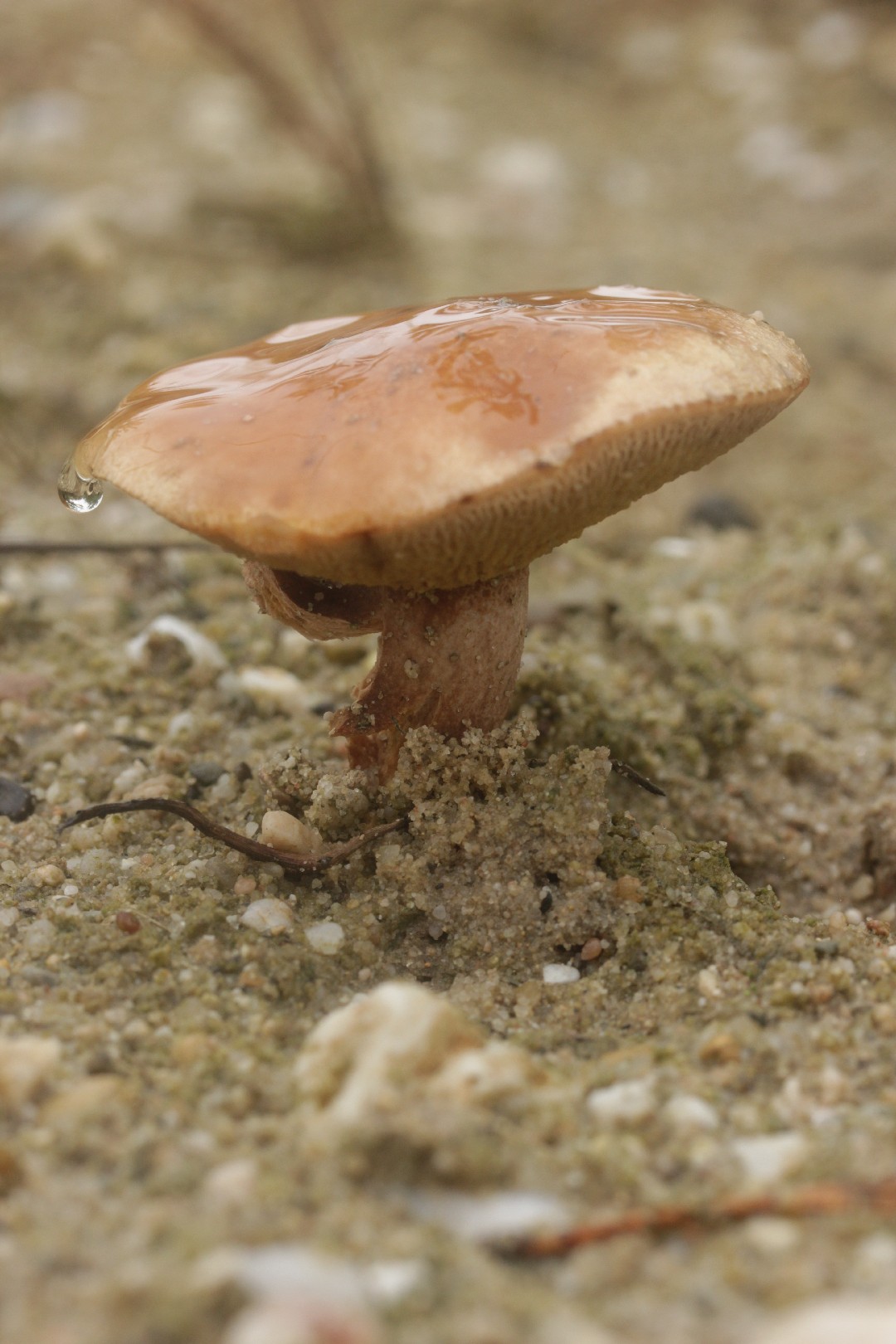
This mushroom blooms in summer and autumn, usually near or beneath pine trees. It does well in cold climates, but can also be found further south all around the northern hemisphere. During moist weather, the slippery jack's caps become quite slimy, leading to their common name.
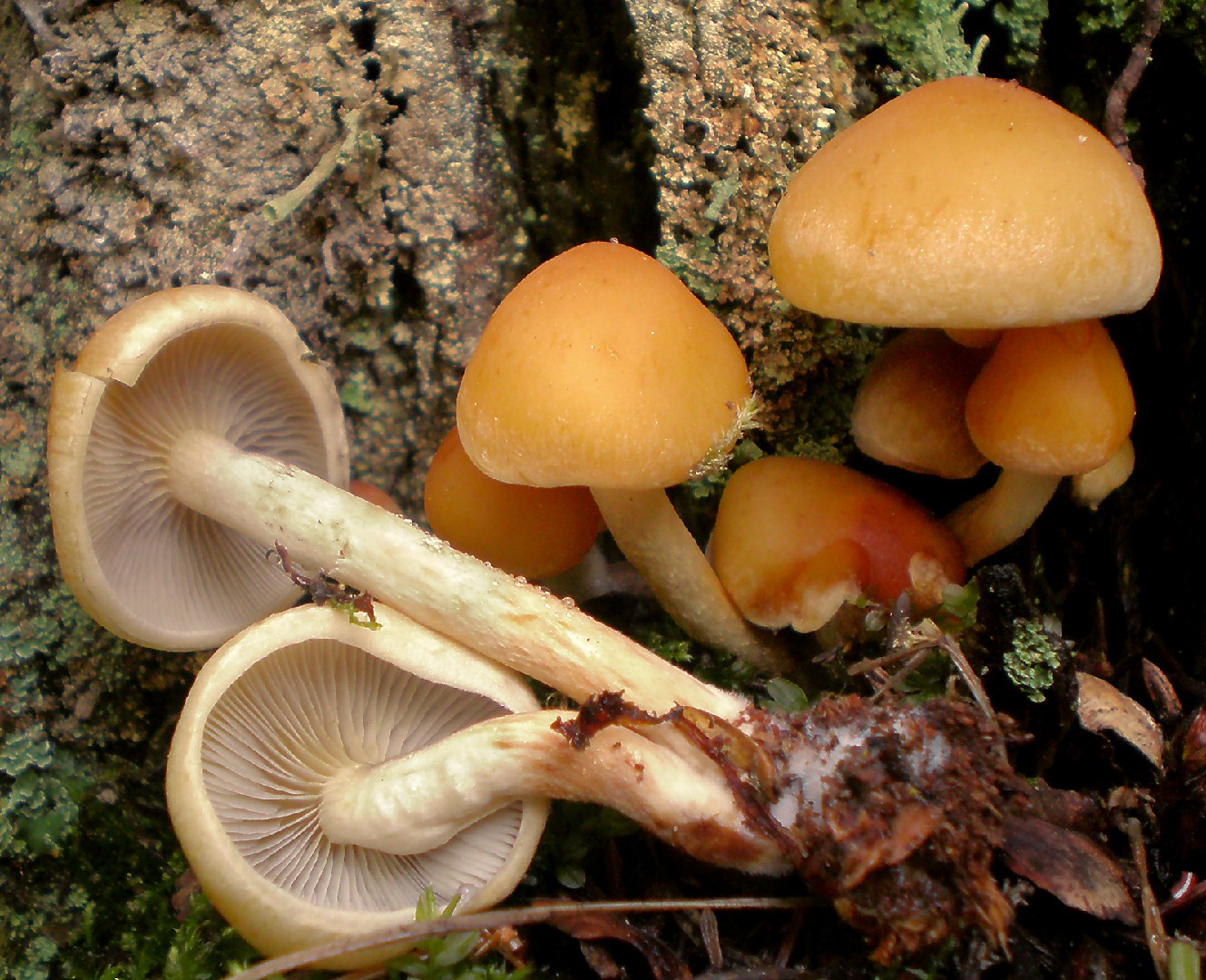
3. Conifer tuft
As its common name implies, the conifer tuft grows on dead conifers, either singly or in groups. It can be found around the northern hemisphere in the autumn season. Take care to distinguish this species from the highly toxic Sulphur Tuft. Inspect the gills closely; those of the conifer tuft are pale grey, and never green.
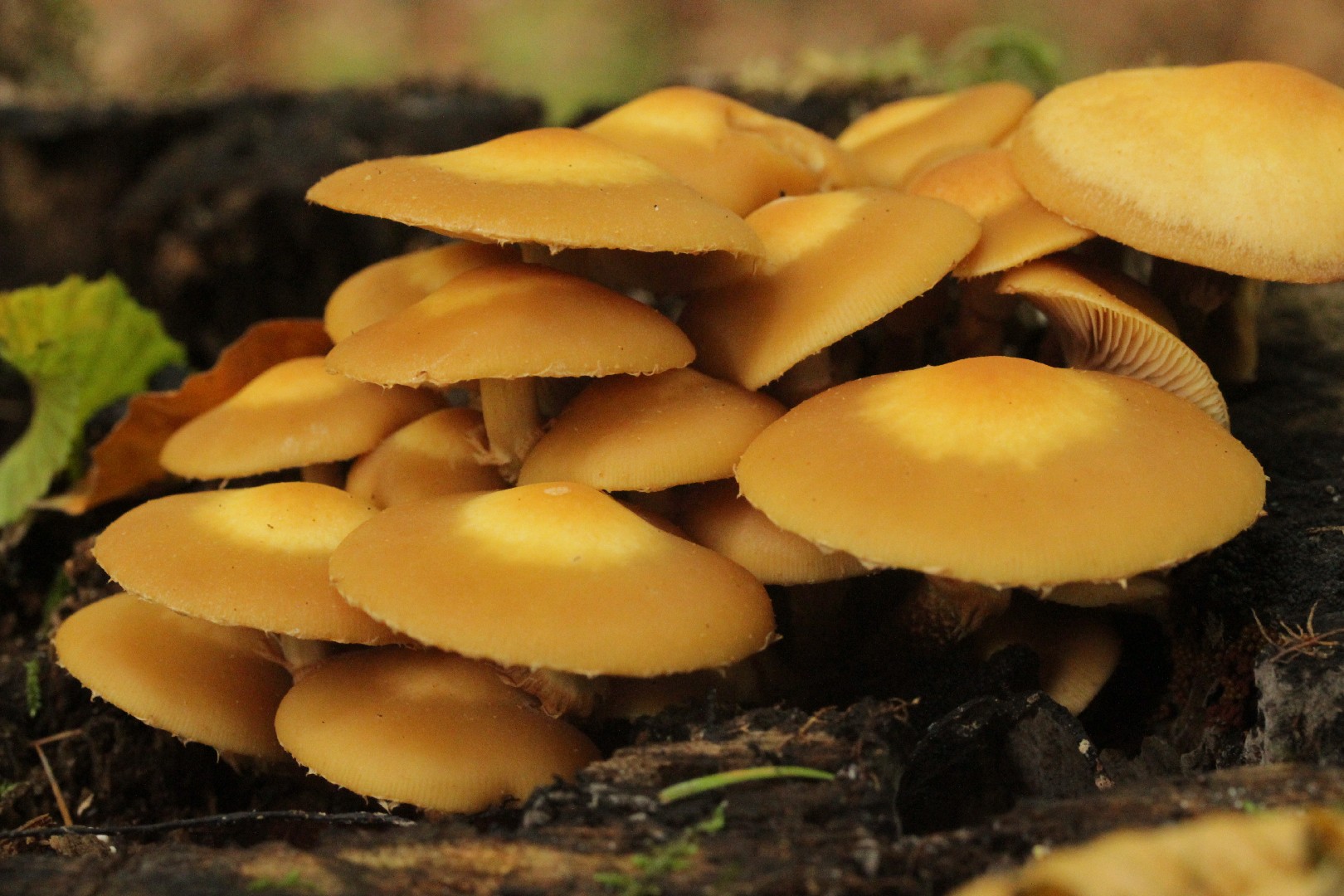
4. Sheathed woodtuft
The sheathed woodtuft (Kuehneromyces mutabilis) is a fairly distinctive species that can be found growing in clusters on dead or dying wood in temperate areas across the world. This mushroom's cap has the unusual trait of being highly hygrophanous - this means that its color changes significantly with changes in moisture level. In the case of the sheathed woodtuft, moist individuals are deep orange brown while dry individuals are a lighter brown or buff color.
5. Hintapink
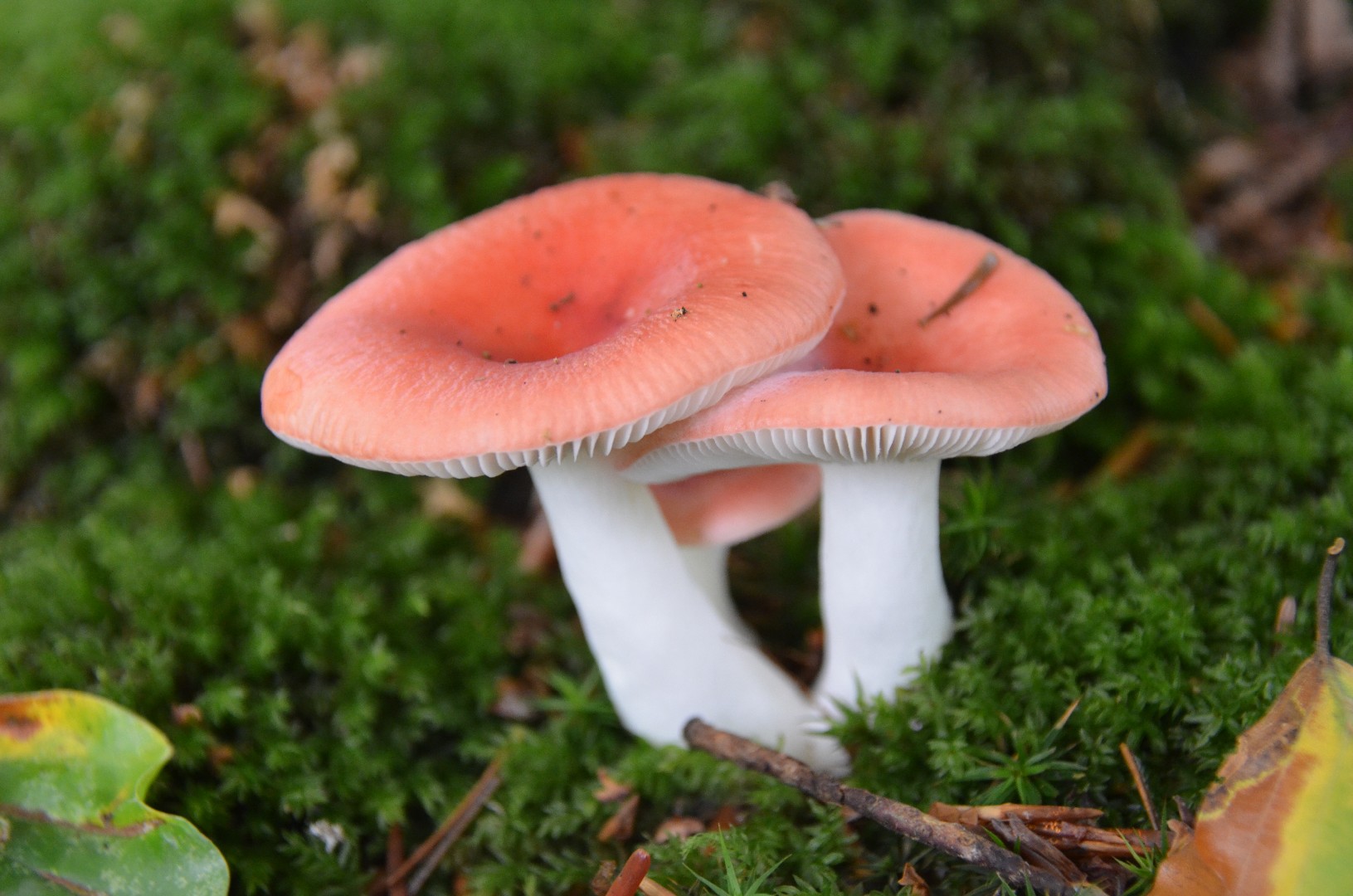
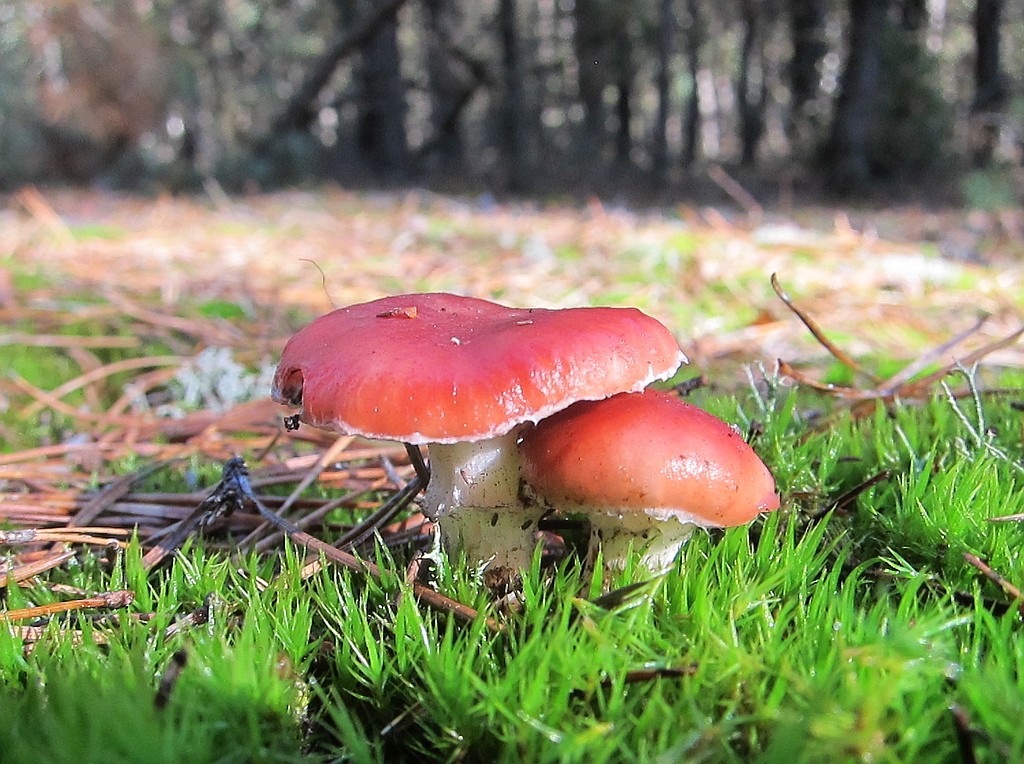
The cap is convex to depressed and is coloured a distinctive bloody red, pink, crimson or purple. Sometimes it may show a yellowish or orange tinge in the centre. It may measure between 6 and 20 cm in diameter. The flesh is white with a mild taste and without scent; it quickly becomes soft and spongy and also greyish. The crowded gills are cream coloured when young, and become yellow with age. They are adnexed and are generally thin. Their edges may sometimes occur reddish. The amyloid, elli spores measure 8–10 by 7–10 μm are warty and are covered by an incomplete mesh. The stem is white, sometimes with a pink hue, slightly clubbed. It may measure 5 to 15 cm in height and up to 3 cm in diameter. 

6. Herald of winter
The herald of winter is a woodland mushroom, closely associated with pine trees. It can be found in large amounts, particularly during cooler months, but sometimes is difficult to spot thanks to its excellent camouflage skills. The cap color is highly variable, particularly with age - young and old specimens can bear very little resemblance.
7. Pine bolete
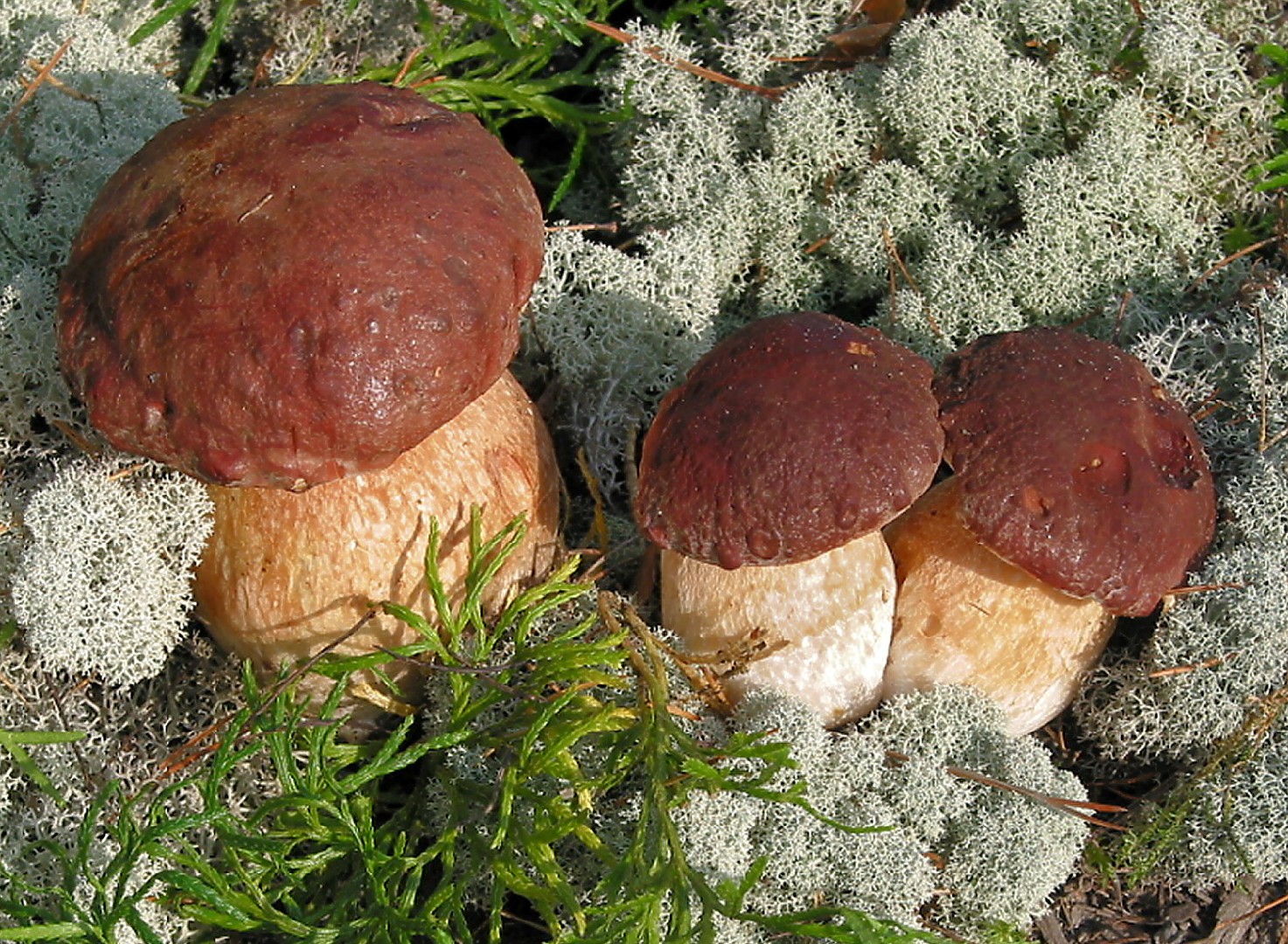
Pine bolete is so named because of its strong mutually-beneficial association with several species of pine tree. So, if you find stone pine, Corsican pine, and similar trees in coniferous woodlands, you are likely to see pine bolete growing beneath them. This chunky-looking mushroom has a distinctively bulbous stem.
8. Velvet bolete
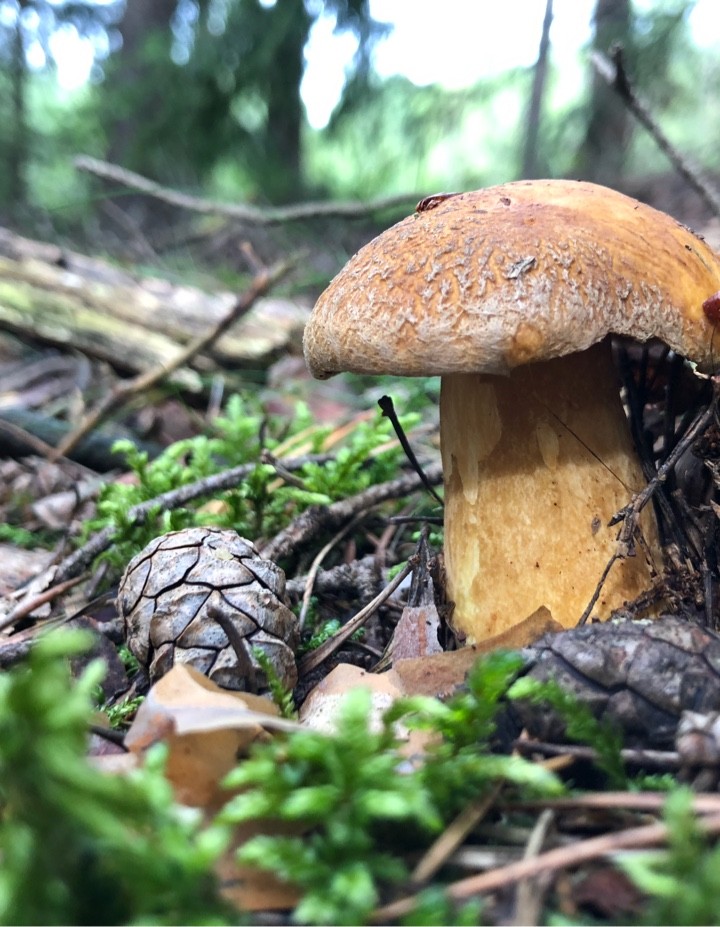
The velvet bolete is one of the most common mushrooms in pine forests in the northern hemisphere. There have been reports of mild poisoning cases from eating this mushroom, so it is best avoided. The velvet bolete is said to be of poor taste and unpleasant smell, anyway.
9. Orange birch bolete
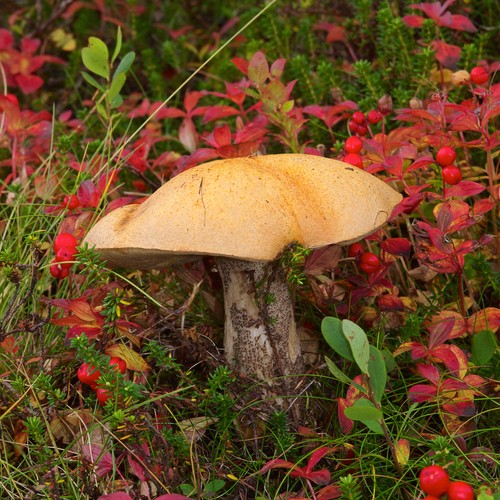
You may not be particularly surprised to learn that the orange birch bolete (Leccinum versipelle) is an orange-capped bolete that commonly associates with birch trees. The species has a classic bolete form, boasting a large, bulbous cap, a thick, shaggy stalk, and a sponge-like pore surface. When cut and exposed to air, the flesh of this mushroom will turn blue.
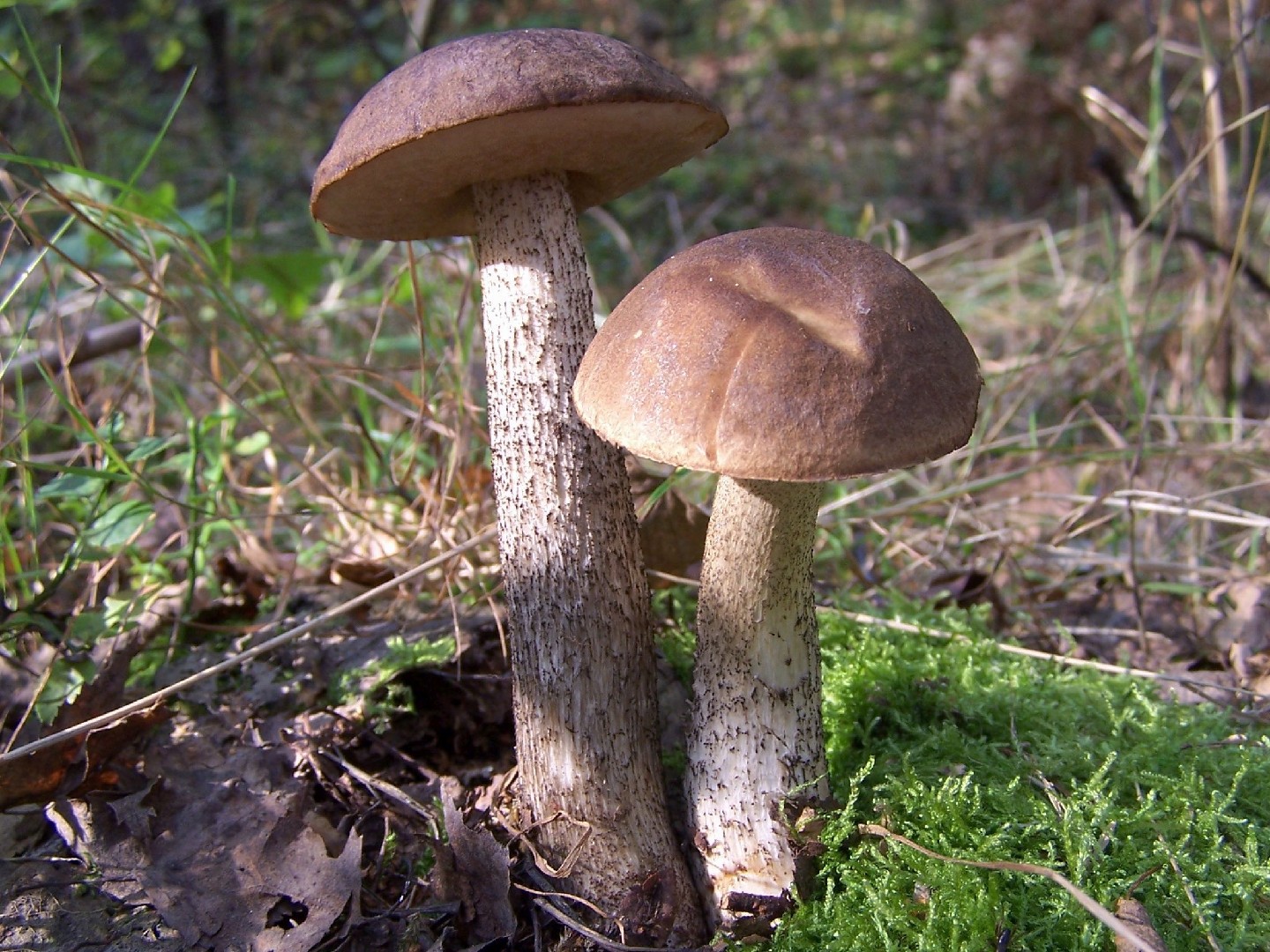
10. Brown birch-bolete
The brown birch-bolete is common around the northern hemisphere. It grows beneath birch trees and is usually easy to identify by its brown cap and scaly stem, the latter of which is referenced in its scientific name Leccinum scabrum. Occasionally, however, it can be found sporting a white cap.
More







