




Top 20 Edible Mushrooms Popular in Mont-Laurier
Immerse in the world of fungi within the captivating landscapes of Mont-Laurier. An abundant province rich in forested landscapes, Mont-Laurier presents an ideal habitat for a myriad of mushroom species. Get to know 20 of the most common edible mushrooms within Mont-Laurier, discovering their distinct appearances, captivating flavours, ecological adaptations, and culinary potency. Learn, appreciate and tantalize your taste buds with the mushrooms that quietly thrive in this botanical paradise. Be informed, be inspired, and let the fungal feast begin!
* Disclaimer: Content feedback CAN NOT be used as any basis for EATING ANY PLANTS. Some plants can be VERY POISONOUS, please purchase edible plants through regular channels.

Most Popular Edible Mushrooms
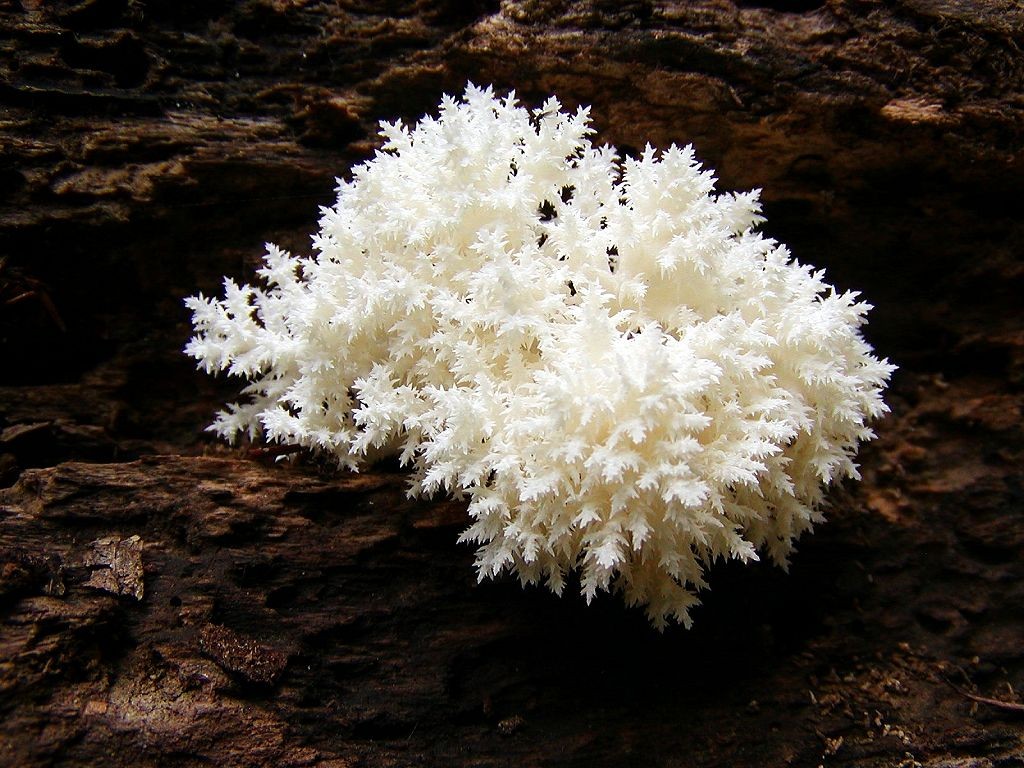
1. Coral tooth fungus
Coral tooth fungus (Hericium coralloides) is a species of coral mushroom most frequently sighted on dead or decaying hardwoods. Generally, younger specimens are white and become increasingly yellowish as they mature. Found around the world, the Māori refer to this species as pekepekekiore.
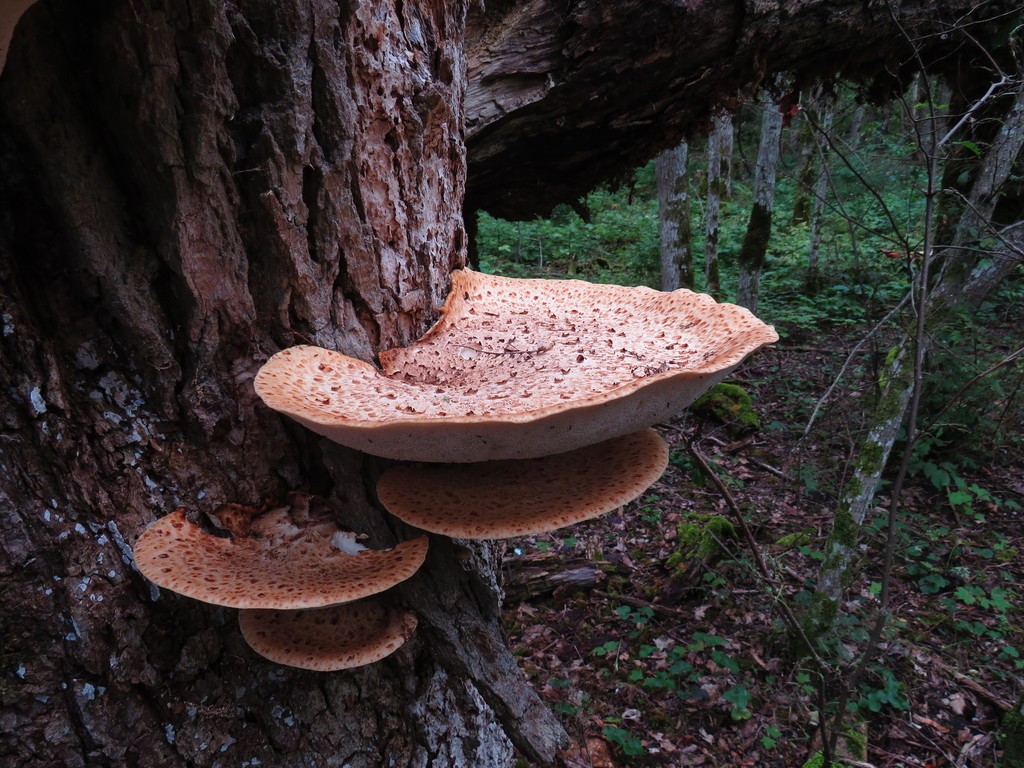
2. Dryad's saddle
A familiar sight to spring morel hunters, dryad's saddle is noteworthy for its large size, striking scales, and watermelon-like smell. Similar to other mushrooms in the bracket fungi family, dryad's saddle can be used to make paper. Younger mushrooms are better suited for this purpose due to their smaller and more consistent fibers.
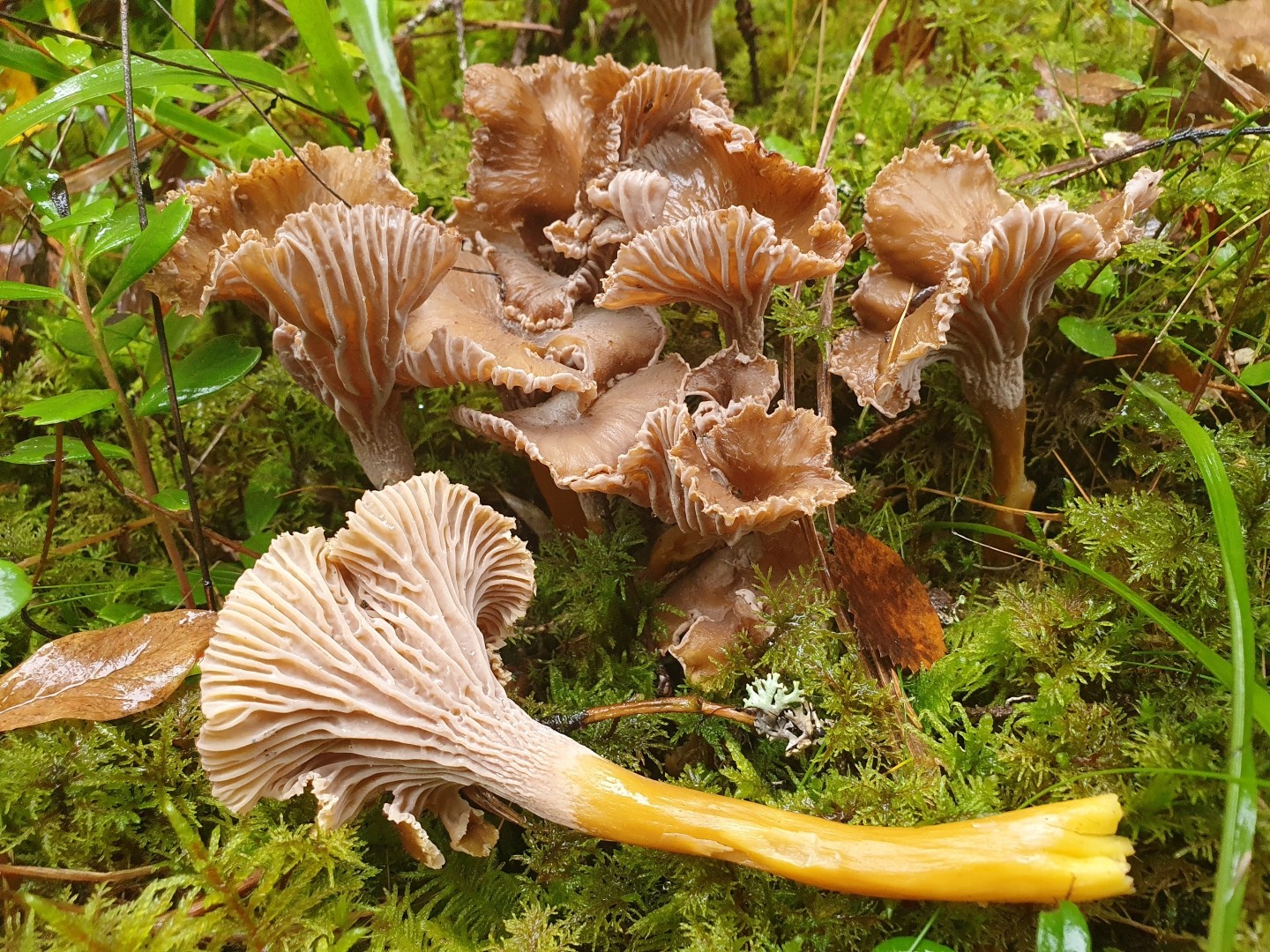
3. Yellowfoot
Found in temperate forests, wetlands, and bogs across the northern hemisphere, the yellowfoot is a highly sought after member of the chanterelle family. Considered a choice edible, it boasts a lovely, complex flavor (though it is somewhat less fruity and sweet then some of its more popular cousins). Yellowfoots are sometimes called "winter mushrooms", as they tend to be very late-season fruiters.

4. Shaggy mane
The shaggy mane mushroom is commonly found in North American and European grasslands. Some peoples foraged for its young egg-shaped caps, but it has more recently been found to be a bioaccumulator of heavy metals, meaning it pulls toxic metals up from the soil where it grows. As a result, shaggy manes should not be eaten. The mushrooms usually appear in clusters or “fairy rings.”
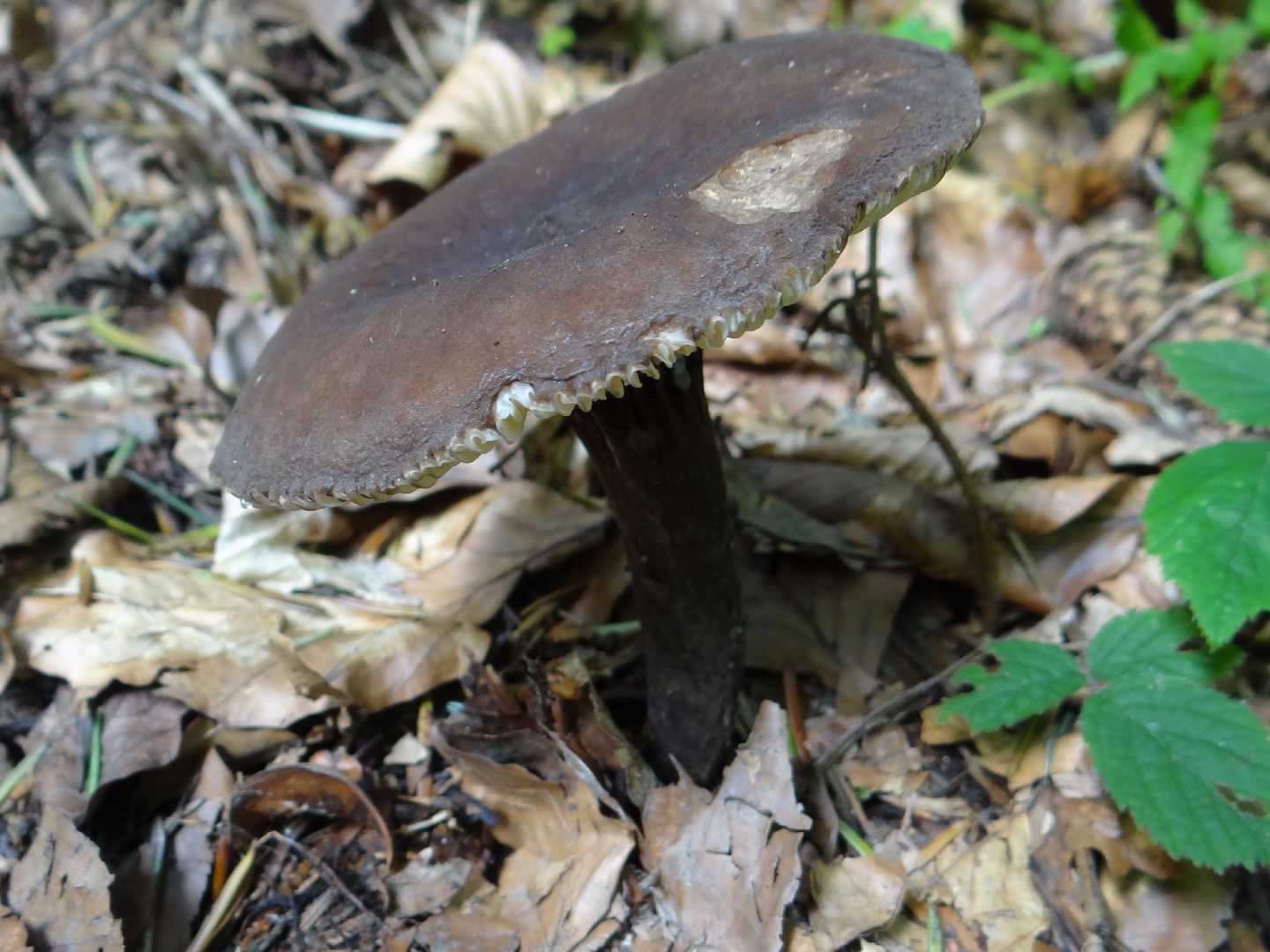
5. Velvet milkcap
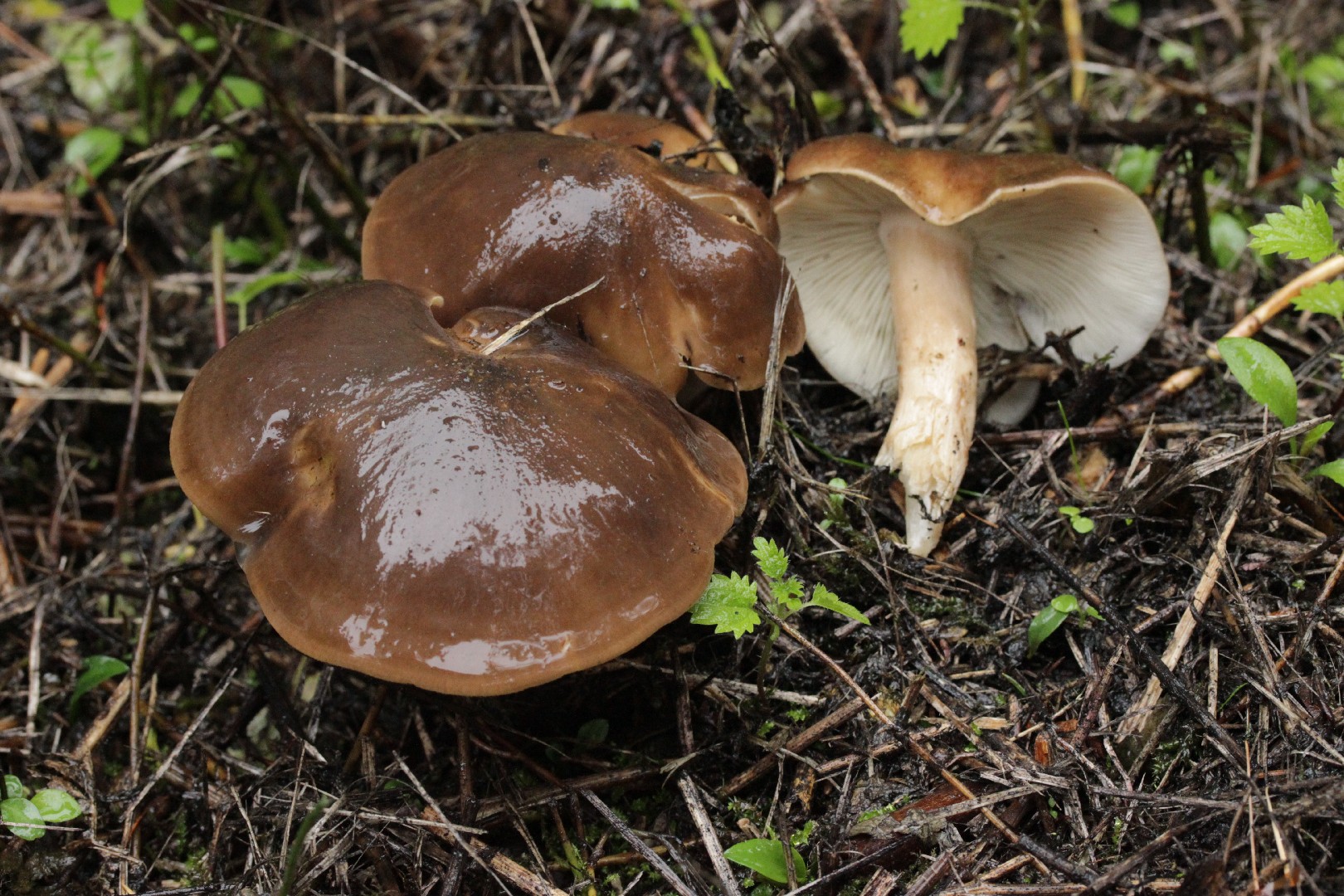
The velvet milkcap grows naturally across Europe and North America. However, the European species is quite stable in its appearance, while the North American specimens are highly variable. Numerous forms of the velvet milkcap are yet to be described, and until then, this chocolate-looking mushroom should not be considered safe to eat.
6. Gypsy mushroom
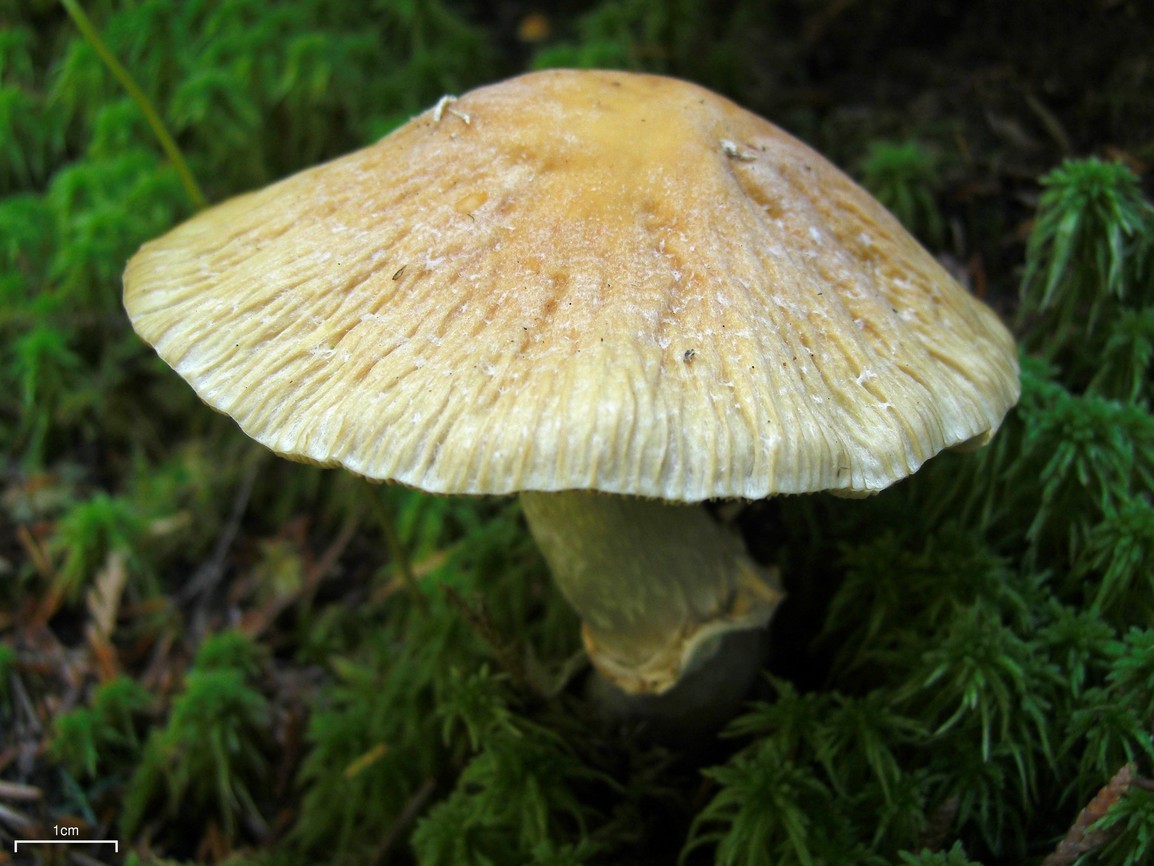
Cortinarius caperatus, commonly referred to as the gypsy mushroom, is a sought-after species that grows across the temperate regions of the Northern Hemisphere. The fruitbodies sport ochre-colored caps and pale gills and stems - their cap color fades over time though, which may lead to their being confused with other, more toxic species.
7. White coral
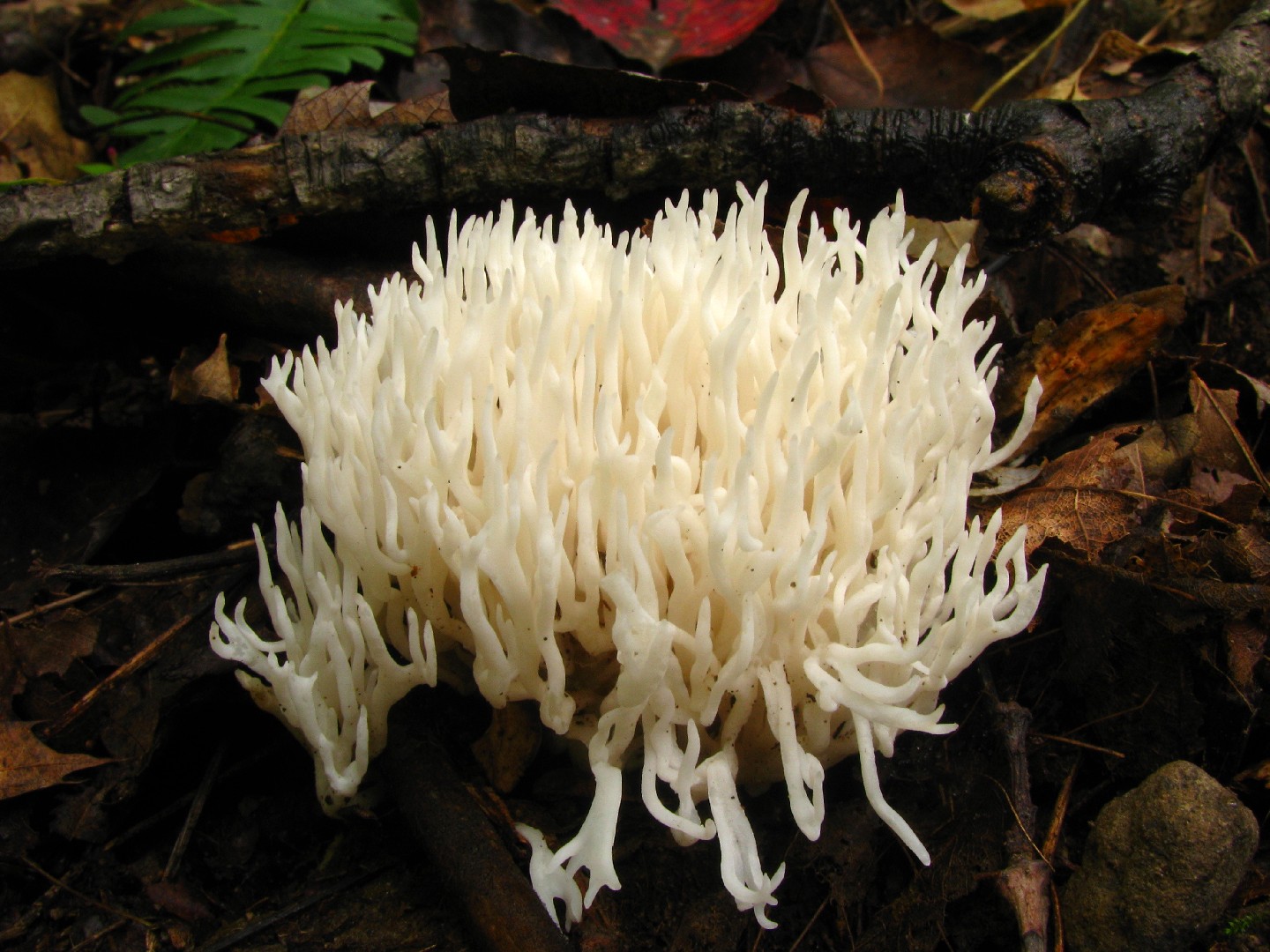
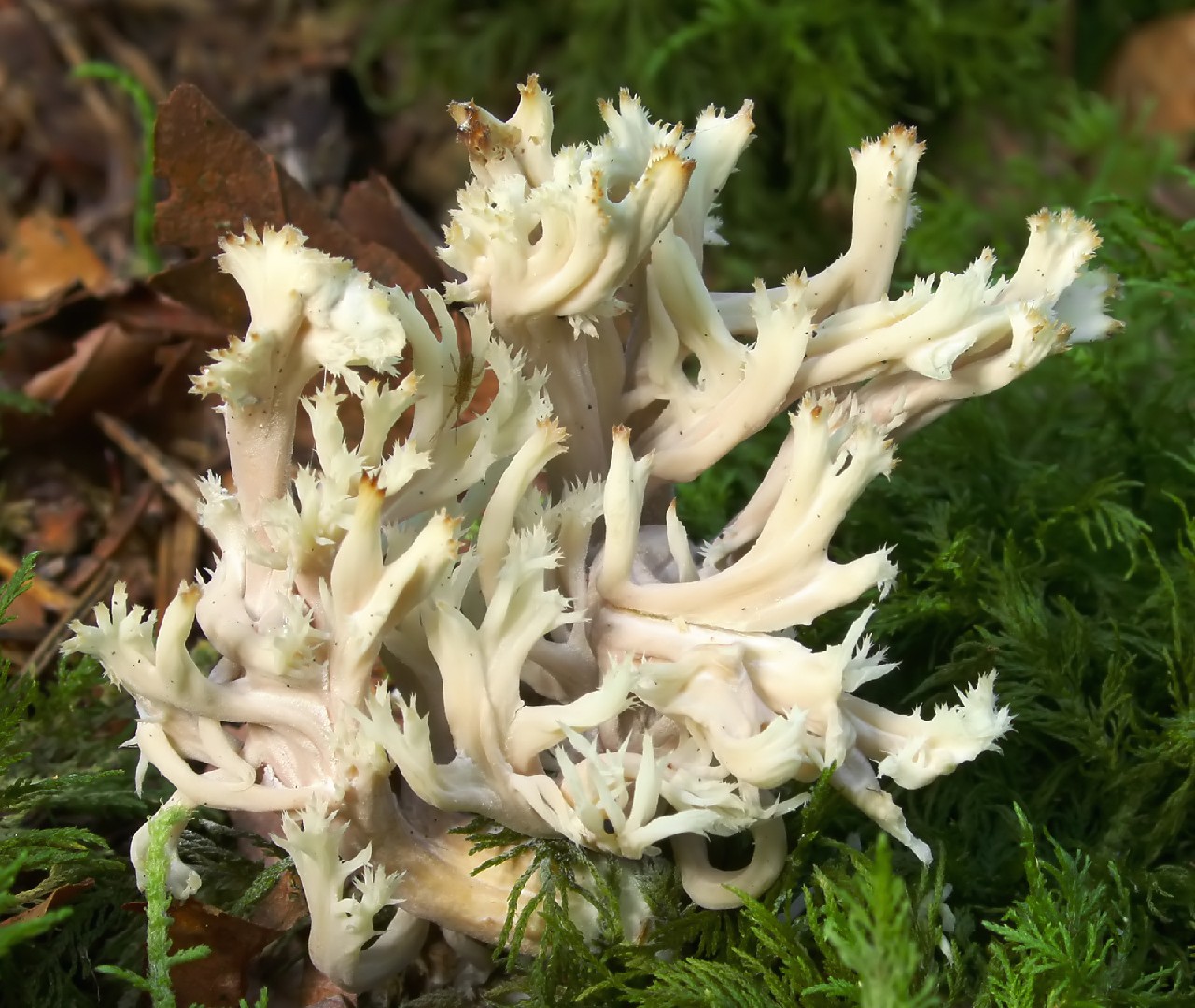
The white coral (Ramariopsis kunzei), with its upright, branching tendrils which do not have caps, bears a striking resemblance to underwater corals. It is an odd sight to encounter in the forest. The species is a generalist, being found in woodlands - usually on decaying litter - around the world.
8. Toothed jelly fungus
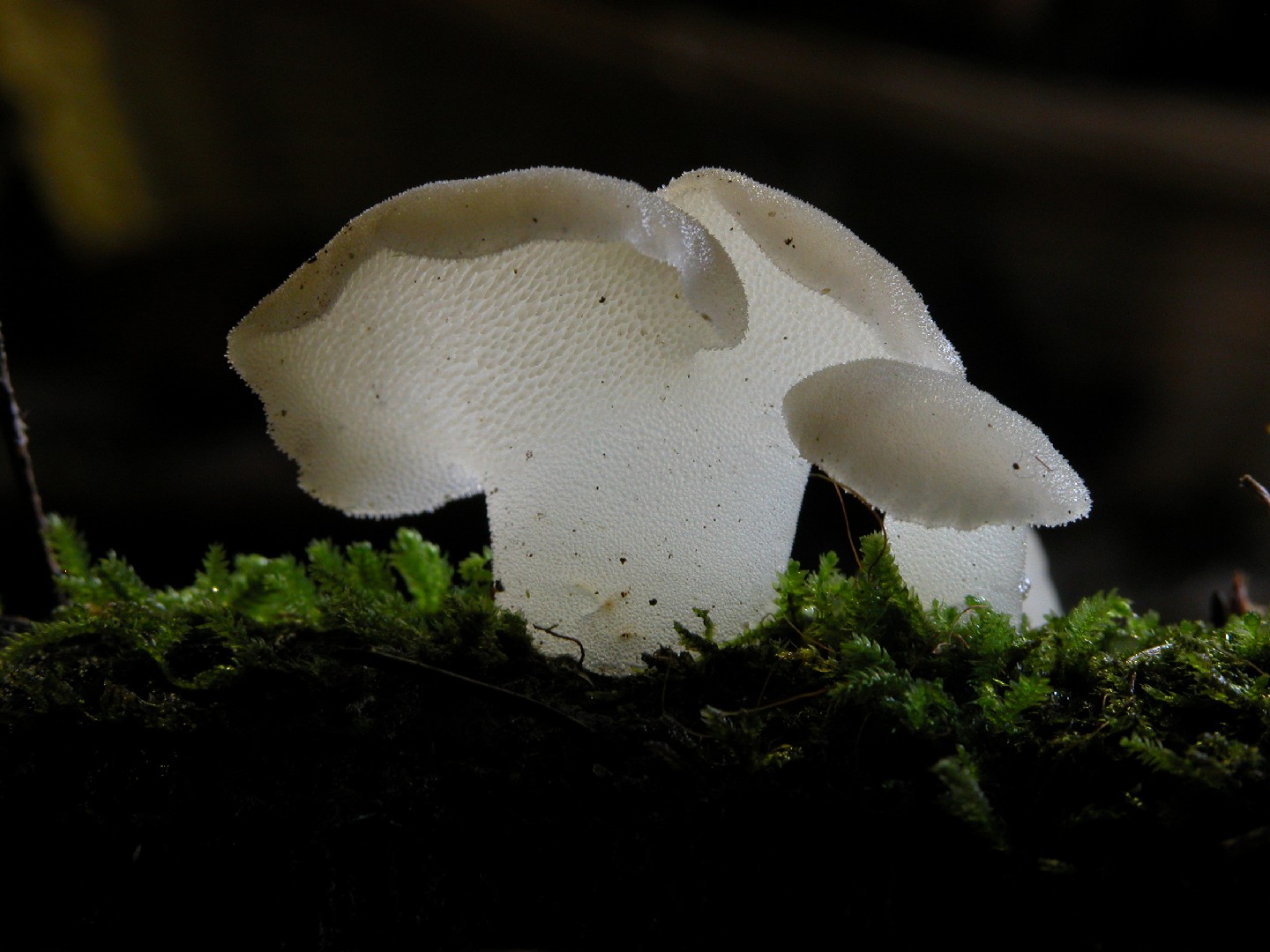
This whimsically-named mushroom has a global distribution and a unique appearance. Toothed jelly fungus has a white, translucent - almost spectral - coloration and sports little downward pointing "teeth" on the underside of its cap. Although its toothed underside may scream "hedgehog mushroom", it is actually a member of a separate genus (Pseudohydnum, as opposed to Hydnum).
9. Chicken of the woods
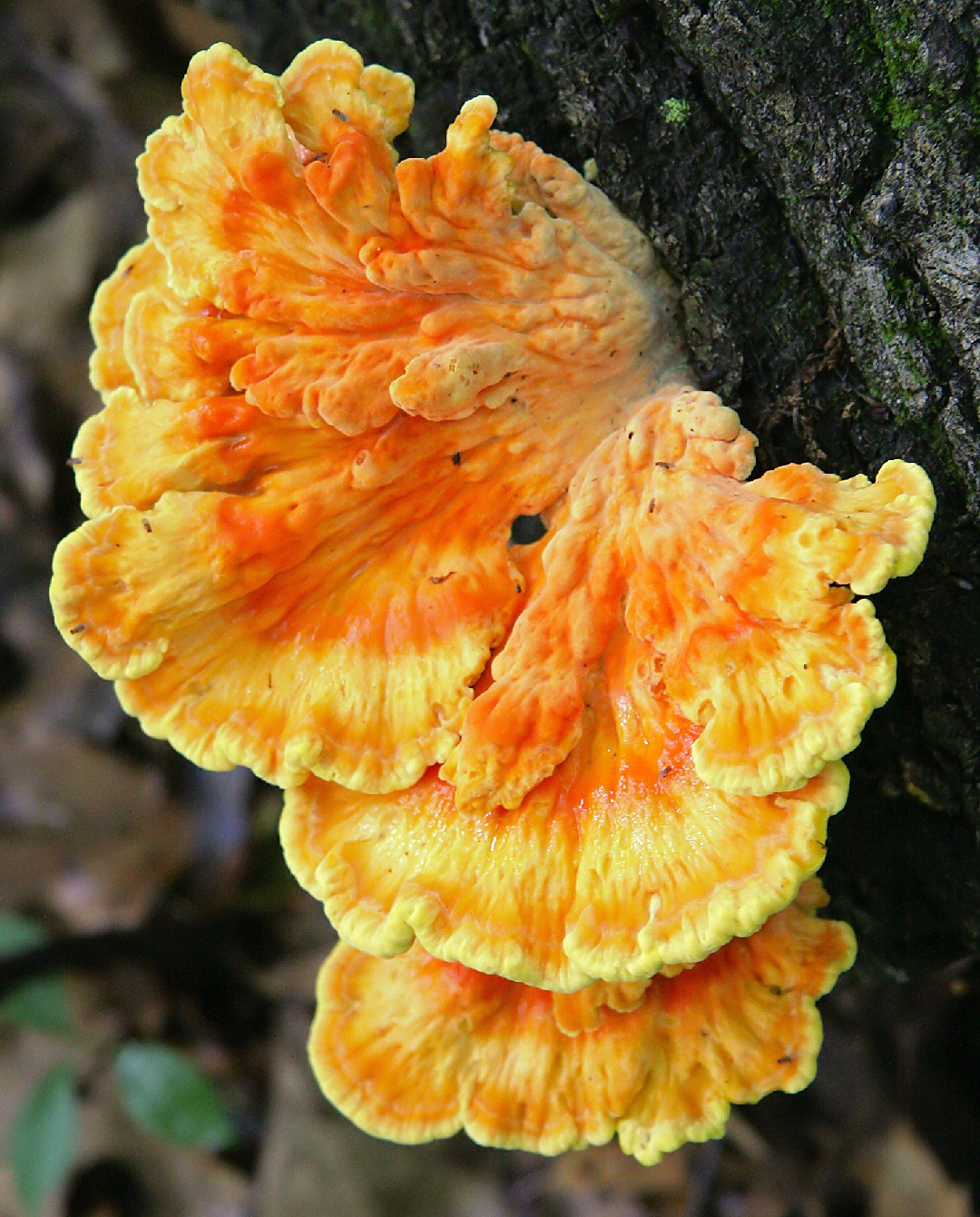
Chicken of the woods is very noticeable in hardwood forests, appearing in clusters on standing tree trunks in bright orange and yellow hues that sometimes last through the entire winter. It is a parasite that causes an unfortunate brown heart rot, and is considered a particularly troublesome pest of Yew trees. If the fruitbodies can be seen, the tree is likely already beyond saving.
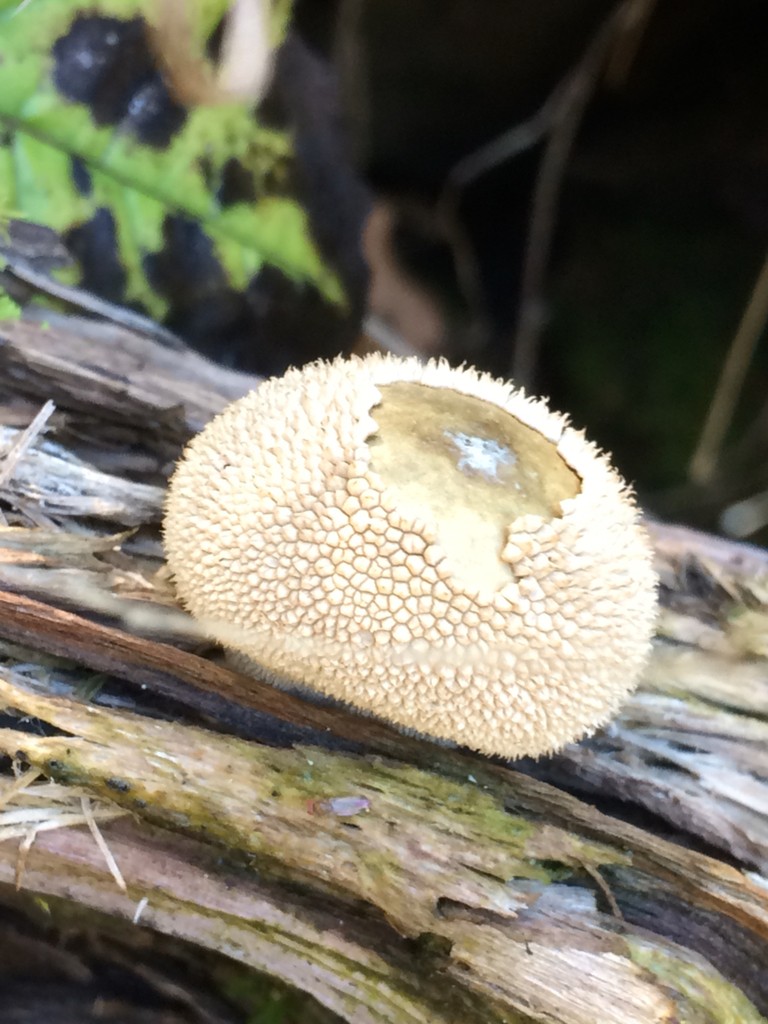
10. Peeling puffball
It is easy to spot as it resembles a puffball but has spines that gradually peel off as it ages. This appearance gave this mushroom its common name "peeling puffball." peeling puffball thrives underneath deciduous and conifer trees, getting its nutrients from decaying plant matter.

More







