




Top 20 Most Common Mushrooms in Morges

Most Common Mushrooms
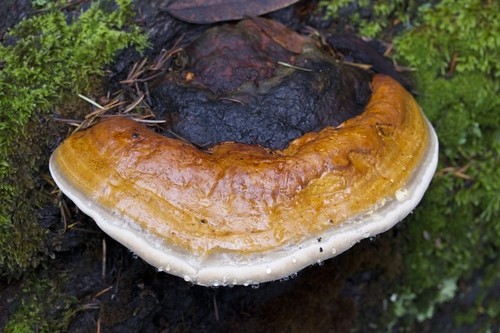
1. Red-belted conk
This bracket or shelf fungus grows for years on both living and dead conifer trees. Its annual growth creates distinctive rings or ridges, with a bright red or orange band separating the old layers from the current growth. Red-belted conk is only a danger to living trees if it colonizes a very deep cut or broken top.
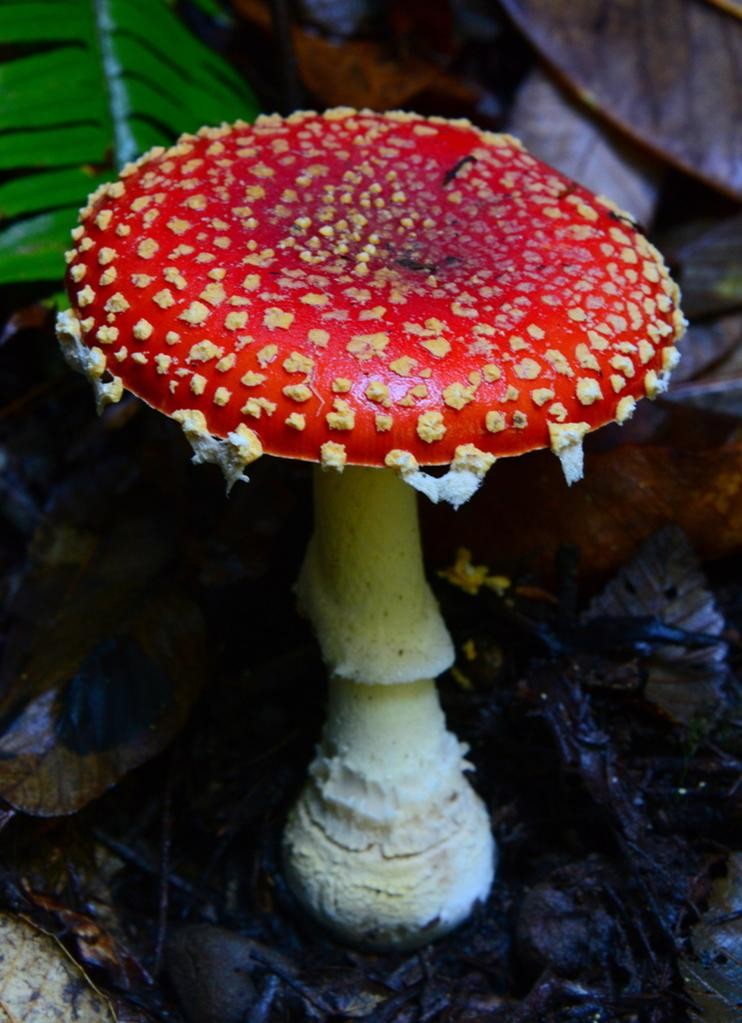
2. Fly agaric
In Northern Asia and Europe, fly agaric grows under trees near the winter solstice and is collected for ritual use tied to the season. Its characteristic shape and coloring are still ubiquitous in many European fairy tale illustrations and Christmas traditions. It is highly toxic.
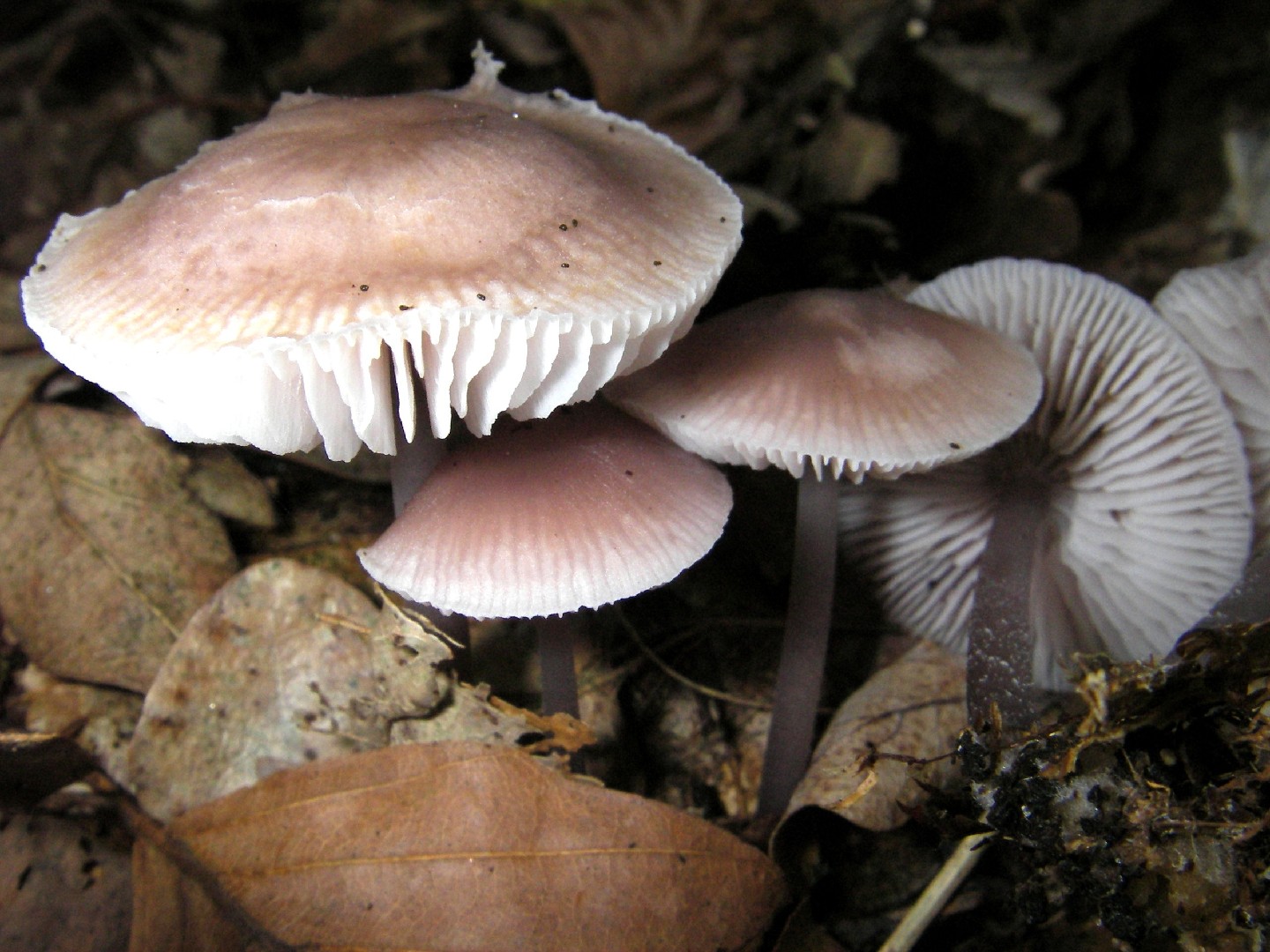
3. Lilac bonnet
The lilac bonnet is common around the northern hemisphere in woodlands of all types, and can sometimes also be seen in grasslands. It is toxic to humans due to its muscarine content, a poison that can cause convulsions and death after ingestion.
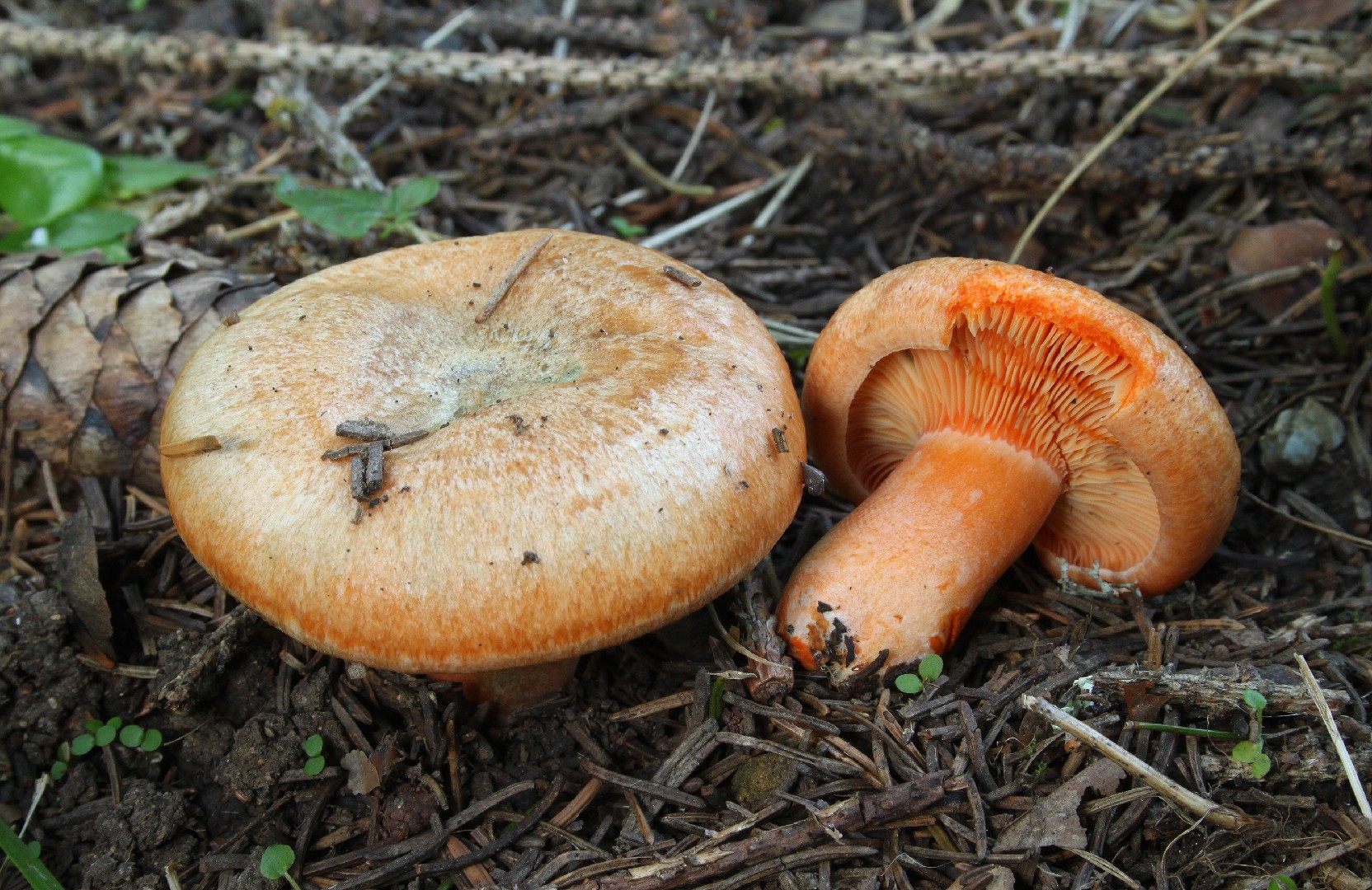
4. False saffron milkcap
A less-tasty cousin of the Saffron milkcap (Lactarius deliciosus), the false saffron milkcap is closely associated with spruce. When it appears in forests, it usually forms a large carpet. Species within the Lactarius genus are hard to differentiate from other, more poisonous mushrooms, and should not be foraged for food by the inexperienced.
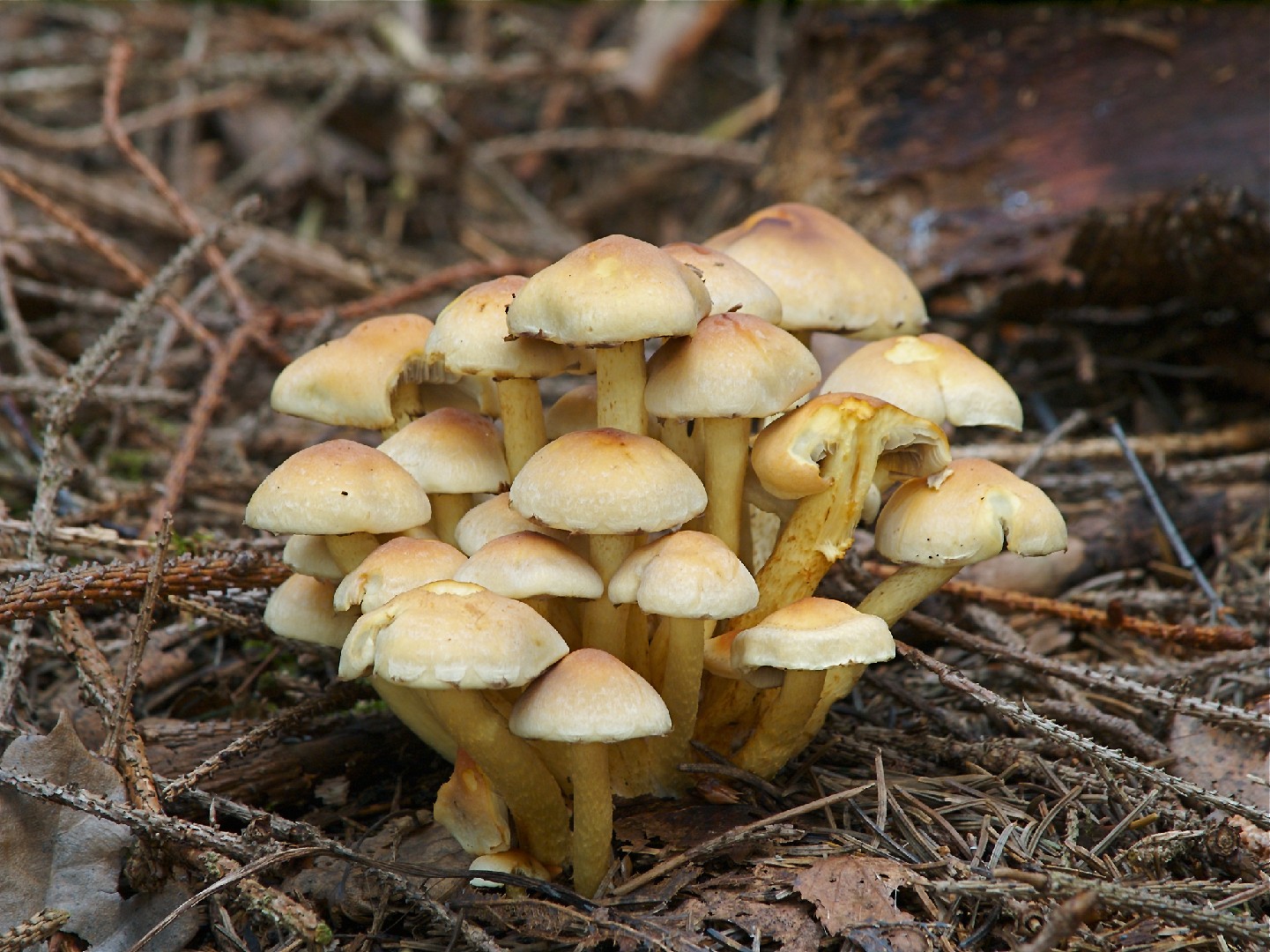
5. Sulphur tuft
The sulphur tuft grows on rotting wood of all types of trees; it is a particularly efficient decomposer of hardwoods. The mushrooms appear from spring to autumn and are often so tightly packed that they interfere with each other’s shape. This poisonous mushroom can cause temporary paralysis, distorted vision, and stomach pain if consumed.
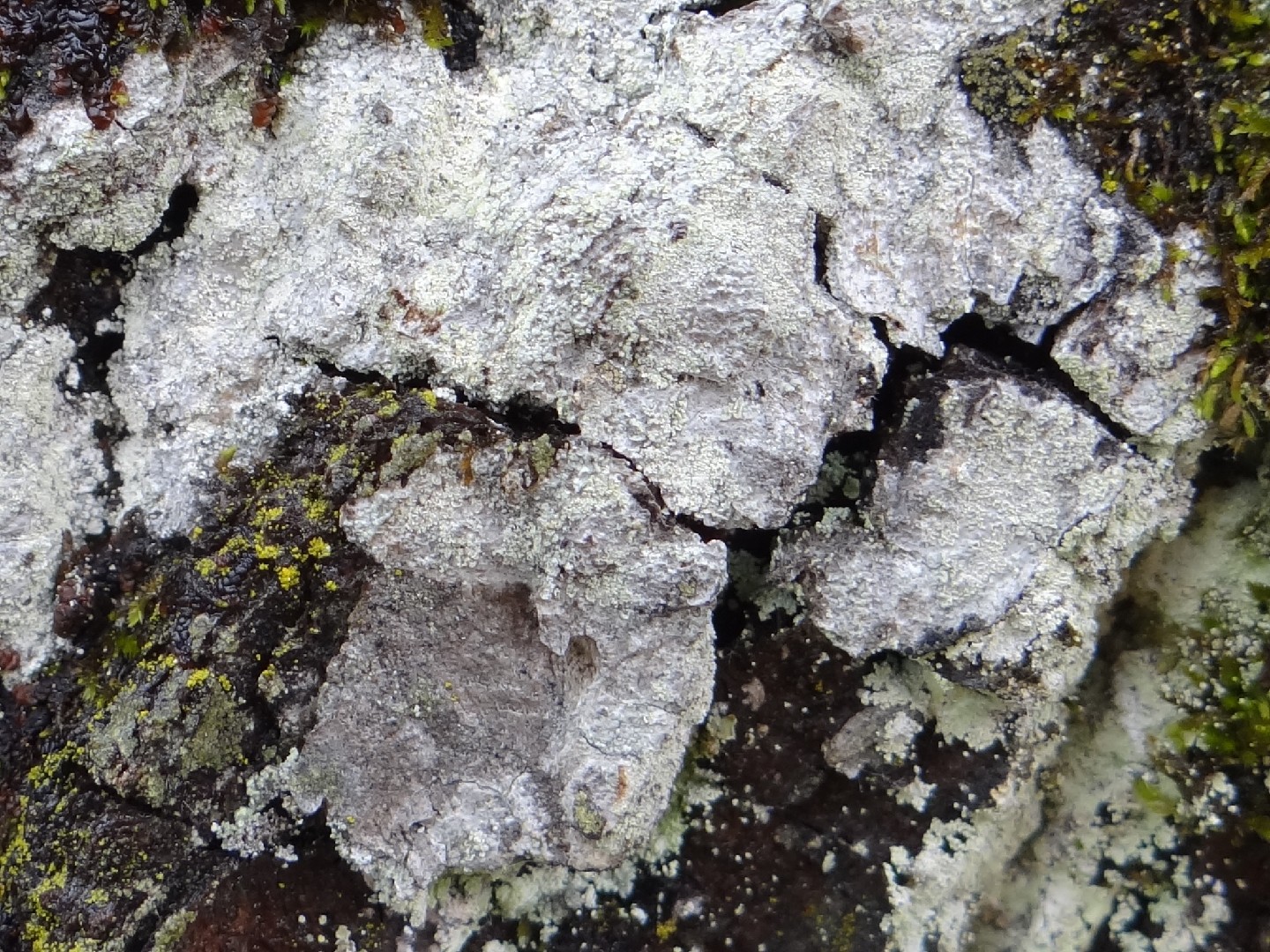
6. Whitewash lichen
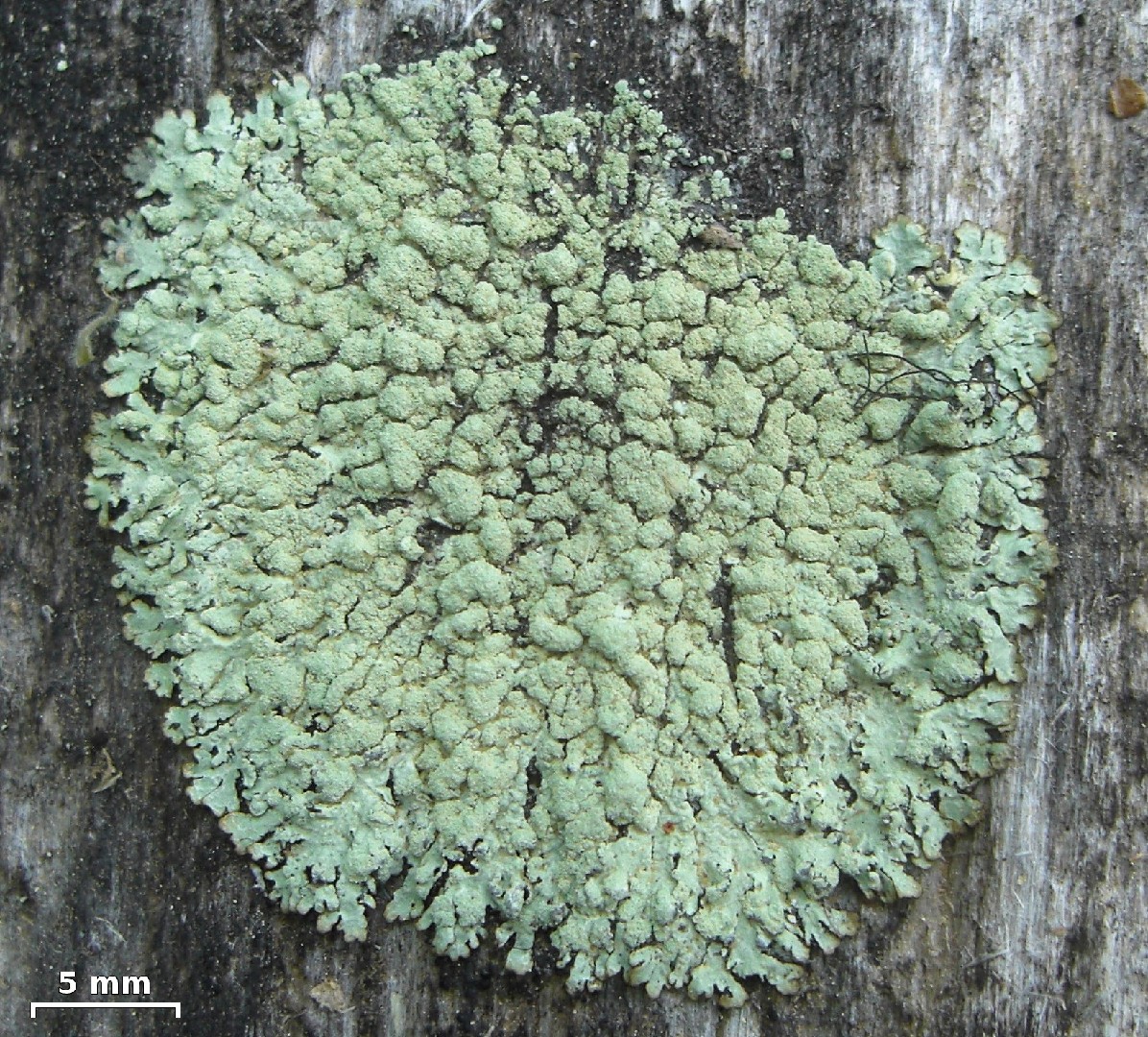
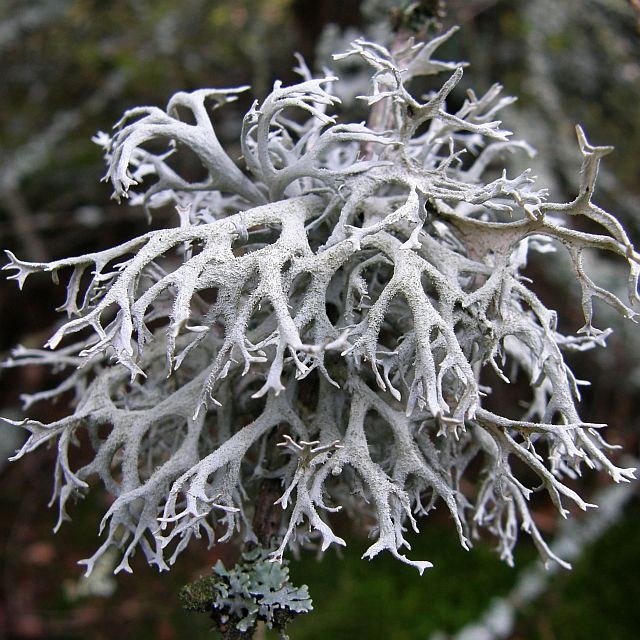
Whitewash lichen is most commonly found growing on trees, especially hardwoods that are in well-lit areas. Its color usually begins a bright green-white that turns to a dull brown-grey. When fresh, it spreads out smoothly over trees as though coating them in white paint.
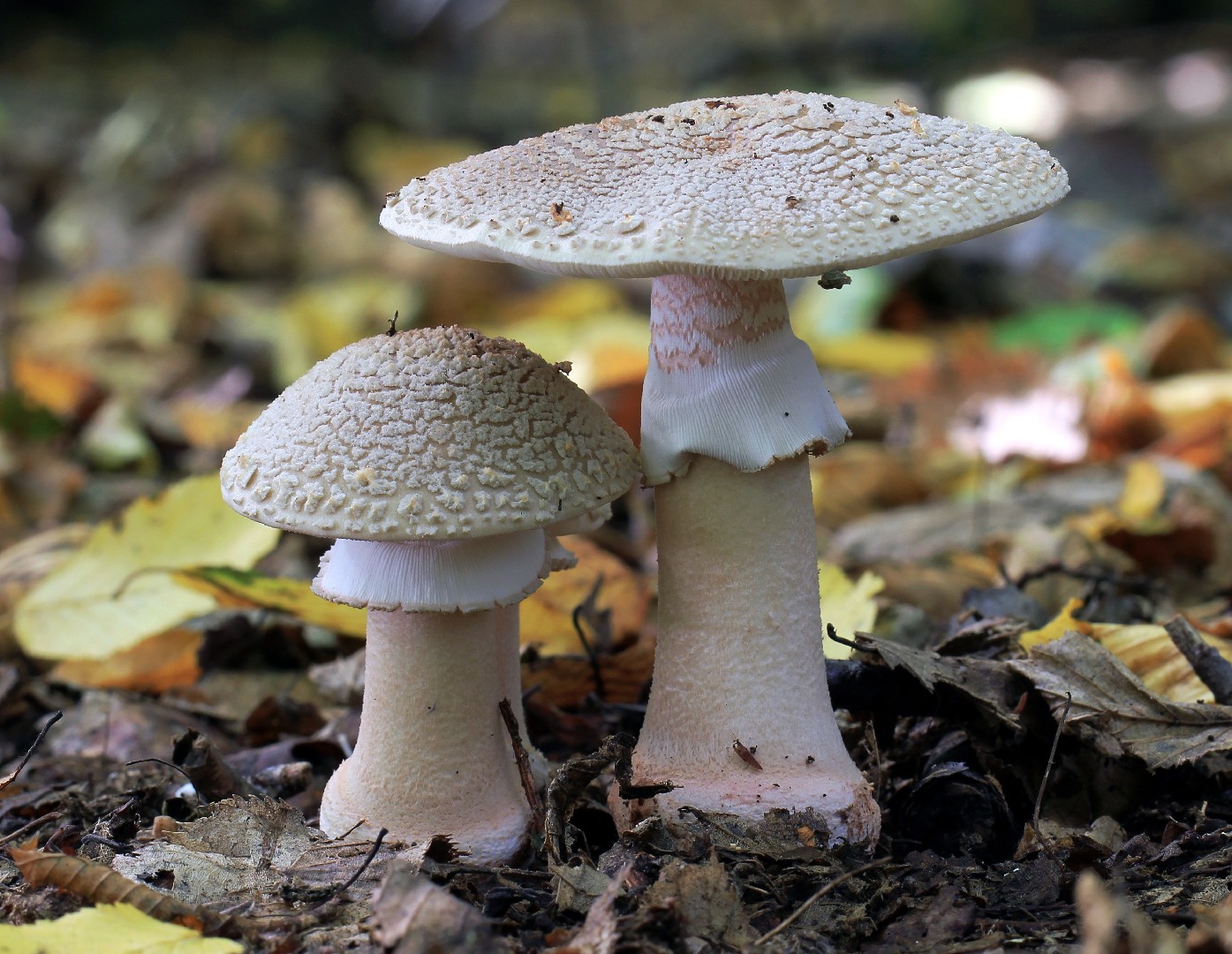
7. Blusher
The blusher mushroom is so named because it “blushes” to a pinkish red color when cut or bruised. It is found in many countries around the world, although it may not be native to the southern hemisphere. It contains a hemolytic toxin that can cause anemia if eaten.
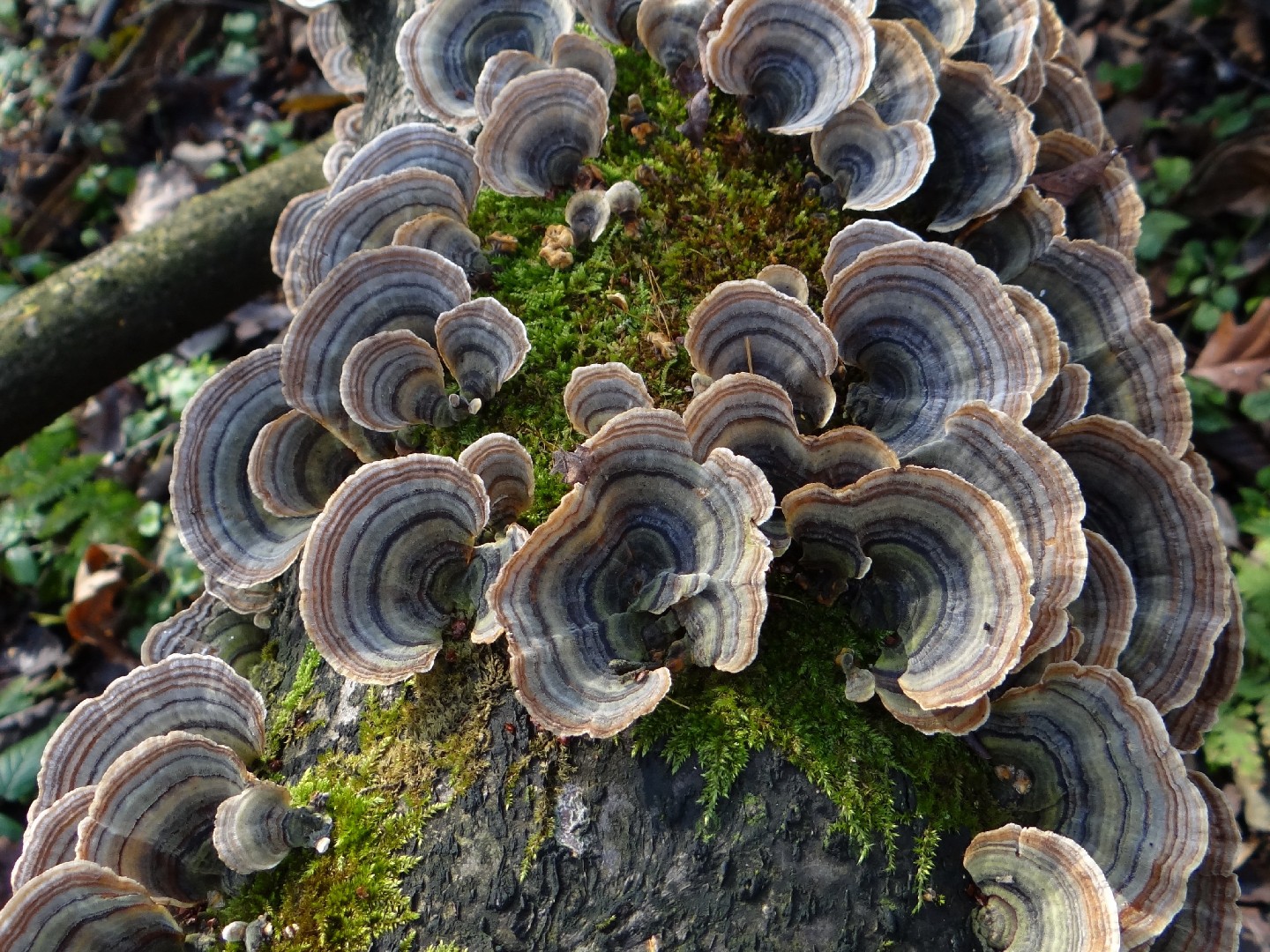
8. Turkey tail
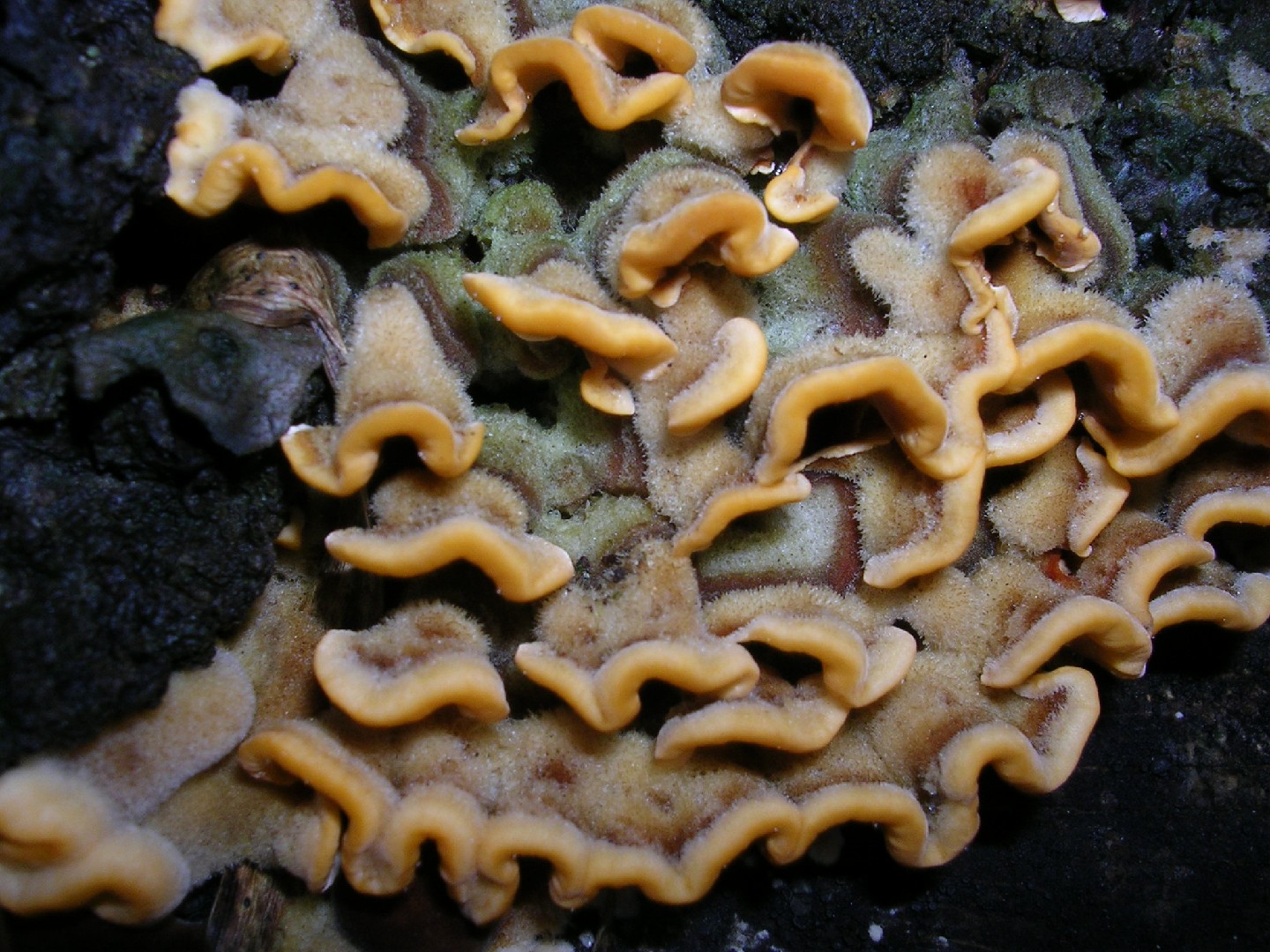
The distinctively-striped turkey tail fungus grows on stumps and logs all over the forests of the northern hemisphere. It is, in fact, probably the most common species you will find. That doesn't mean this mushroom is plain, however; each cap is uniquely patterned. Look for bands of alternating textures as well as color.
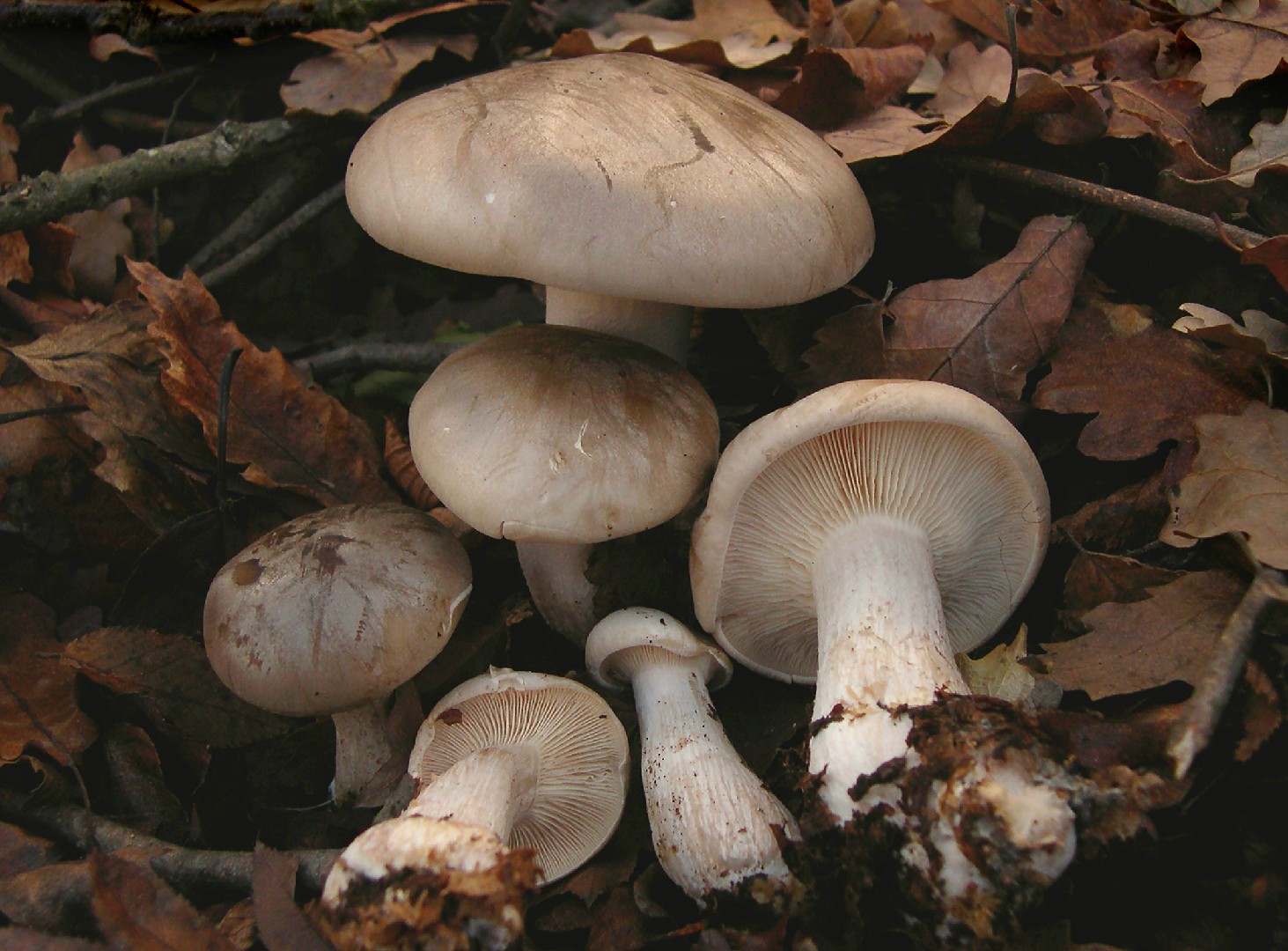
9. Clouded funnel
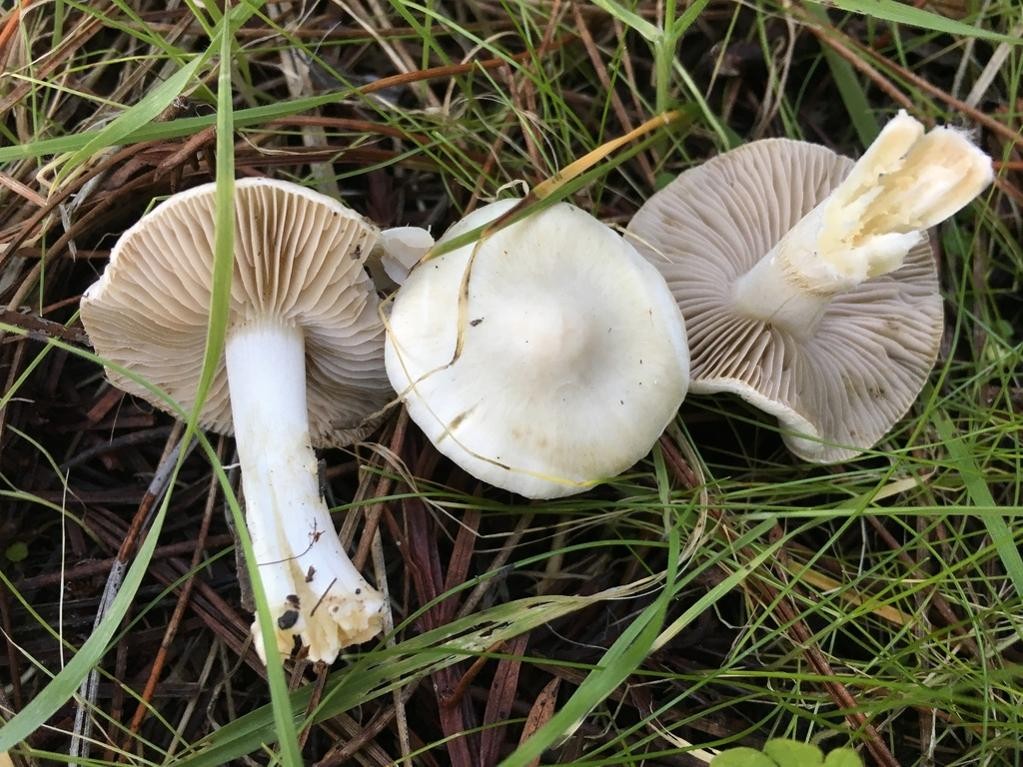
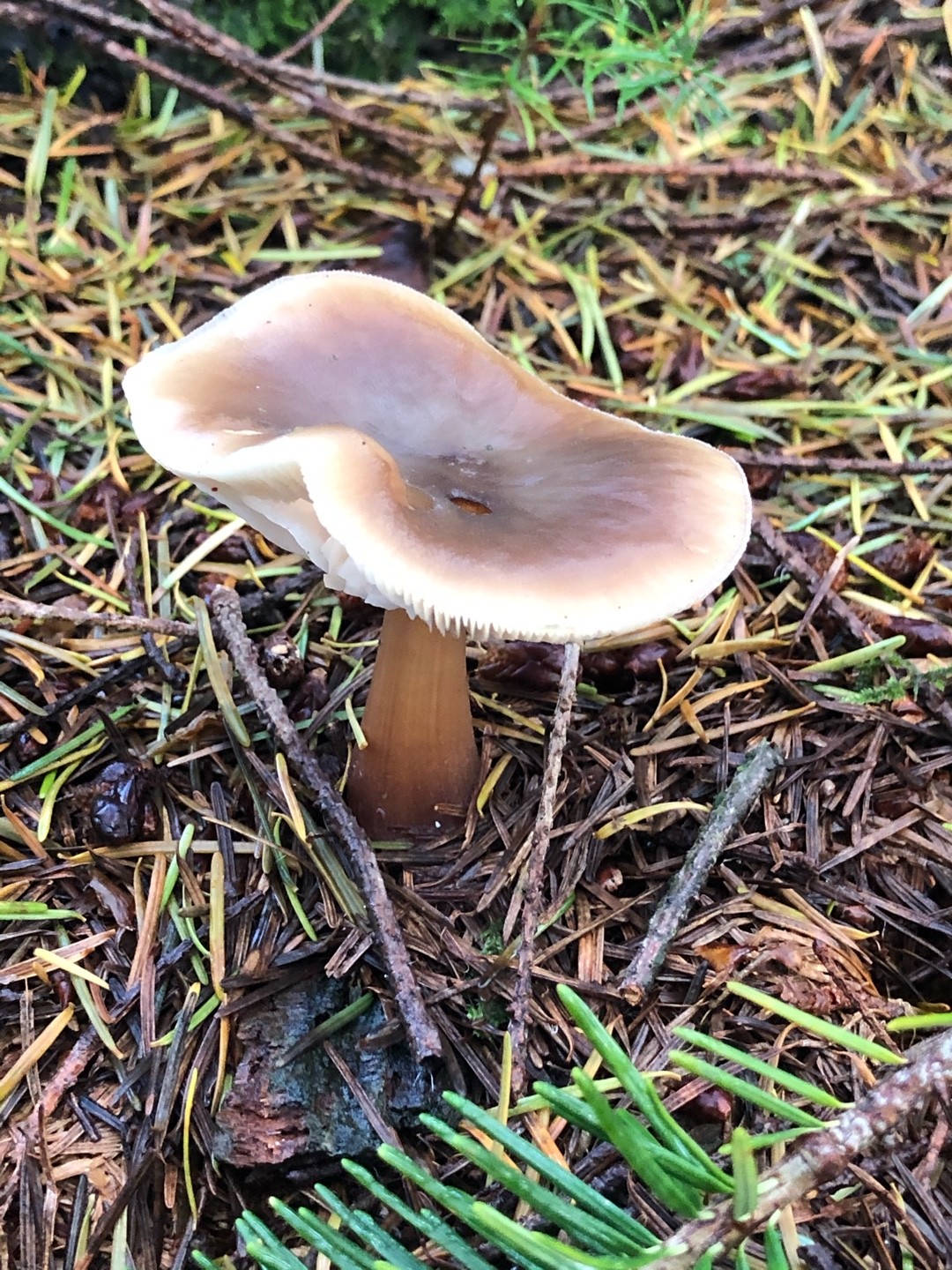
The mushrooms of the clouded funnel grow in rings on the forest floor across Europe and North America. In Britain and Ireland these have been called “fairy rings.” clouded funnels were once said to be edible, but modern research has found them to be mildly toxic and best avoided, as they cause extreme stomach upset in some people.
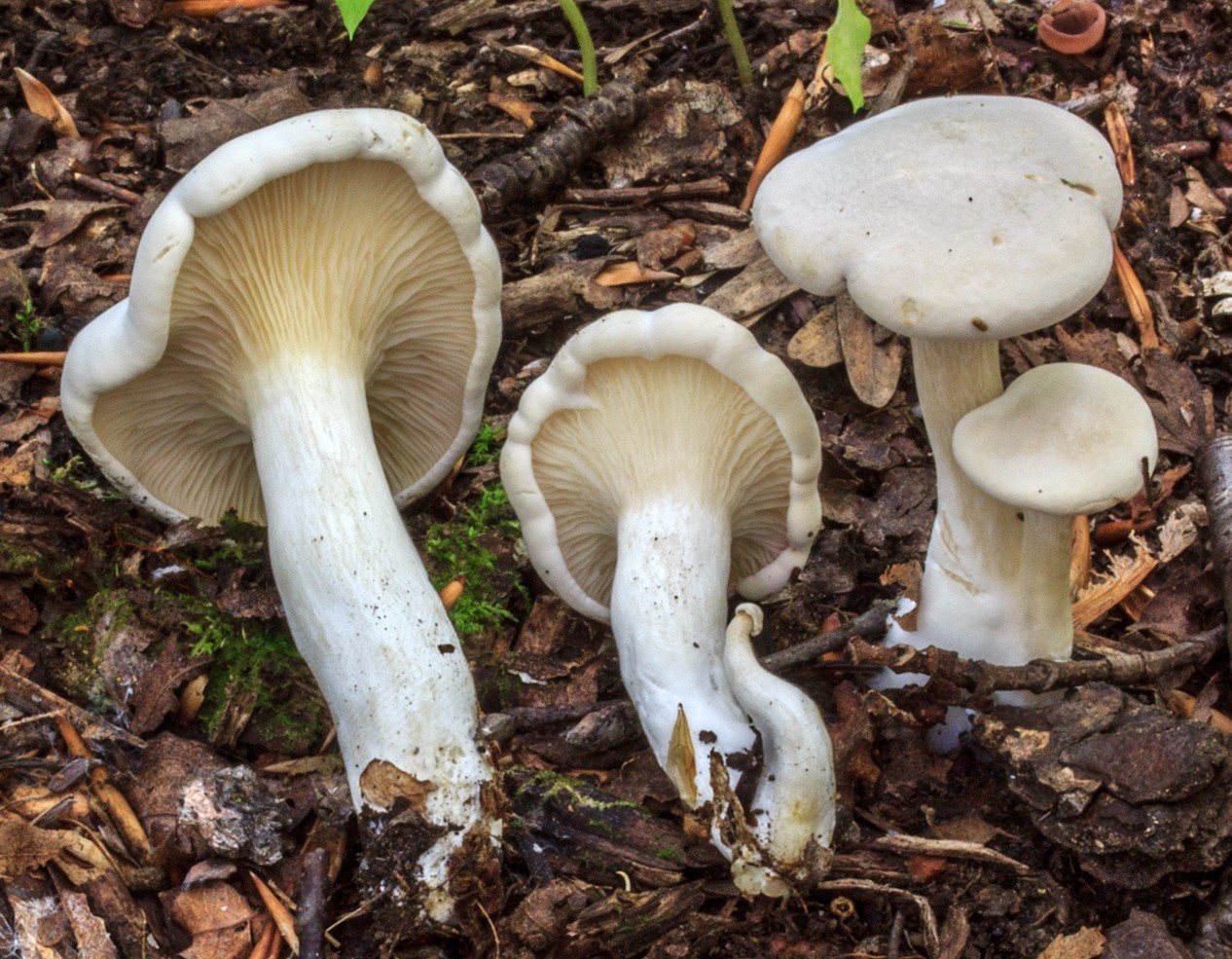
10. Sweetbread mushroom
Sweetbread mushroom(Clitopilus prunulus) is commonly found in grasslands, and it may be solitary or found among others of its kind. It exudes a characteristic odor reminiscent of raw pastry, responsible for its alternative common name of "the sweetbread mushroom." Foraging is discouraged for this mushroom, as its appearance is too similar to a deadly species.

More







