




Top 20 Most Common Mushrooms in Mulhouse
Nestled in the heart of Europe, the city known as Mulhouse hosts a fascinating tapestry of environments ideal for mushroom cultivation. With its varied ecosystems, from lush woodlands to manicured gardens, Mulhouse harbors an impressive array of fungi. Discover the top 20 most common mushrooms in Mulhouse, a testament to the city's remarkable mycological diversity. As you journey through our carefully researched selection, you'll gain true insight into these essential and mysterious lifeforms.

Most Common Mushrooms
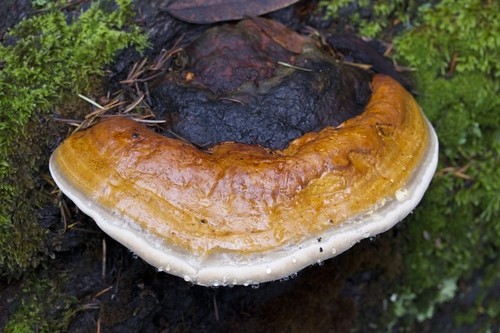
1. Red-belted conk
This bracket or shelf fungus grows for years on both living and dead conifer trees. Its annual growth creates distinctive rings or ridges, with a bright red or orange band separating the old layers from the current growth. Red-belted conk is only a danger to living trees if it colonizes a very deep cut or broken top.
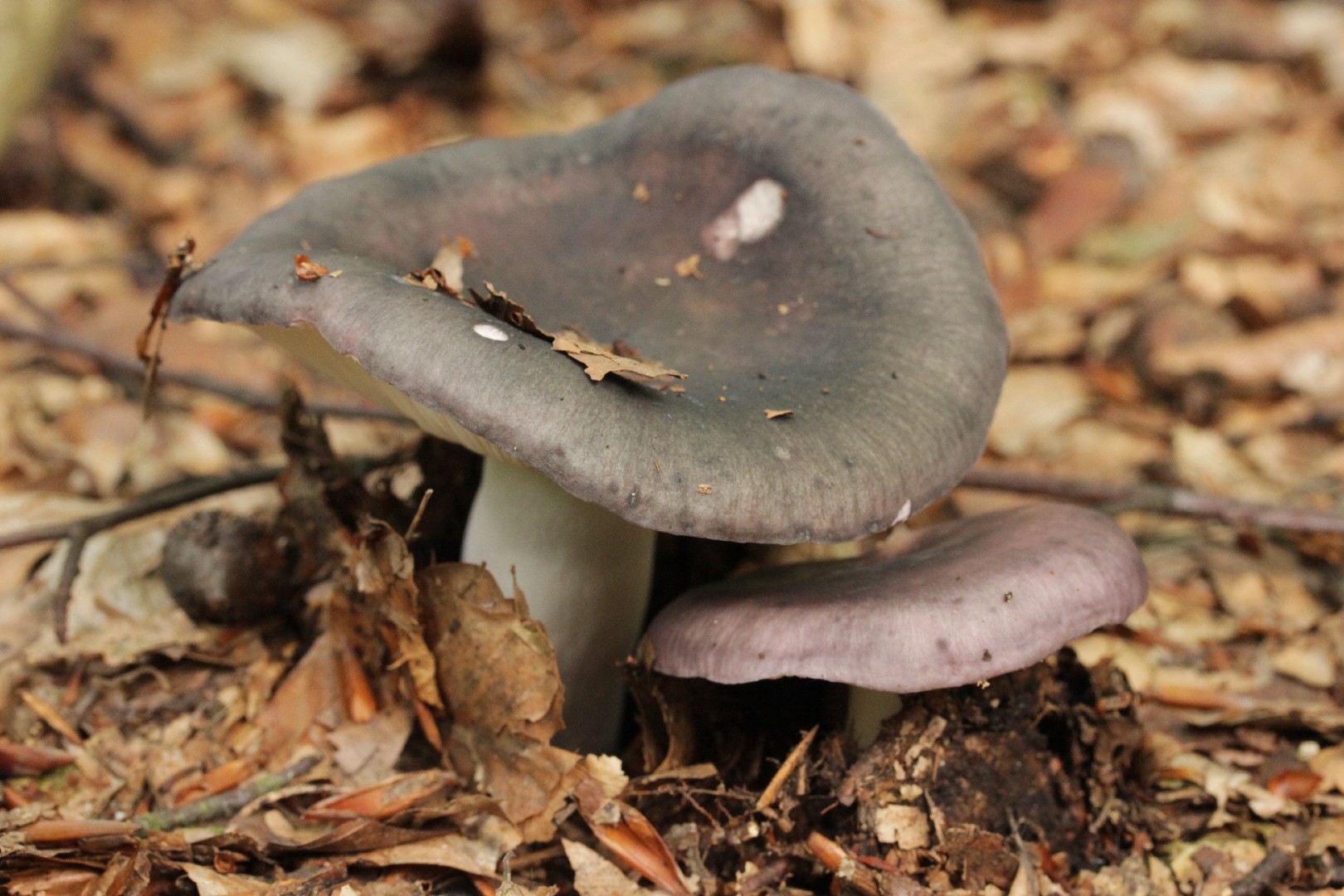
2. Charcoal burner
Most commonly found under beeches in forests or parks, this crumbly mushroom can appear in colors ranging from red and yellow to violet, blue-grey, or even green. Its scientific name represents this variability: Russula cyanoxantha means “reddish blue-blonde.”
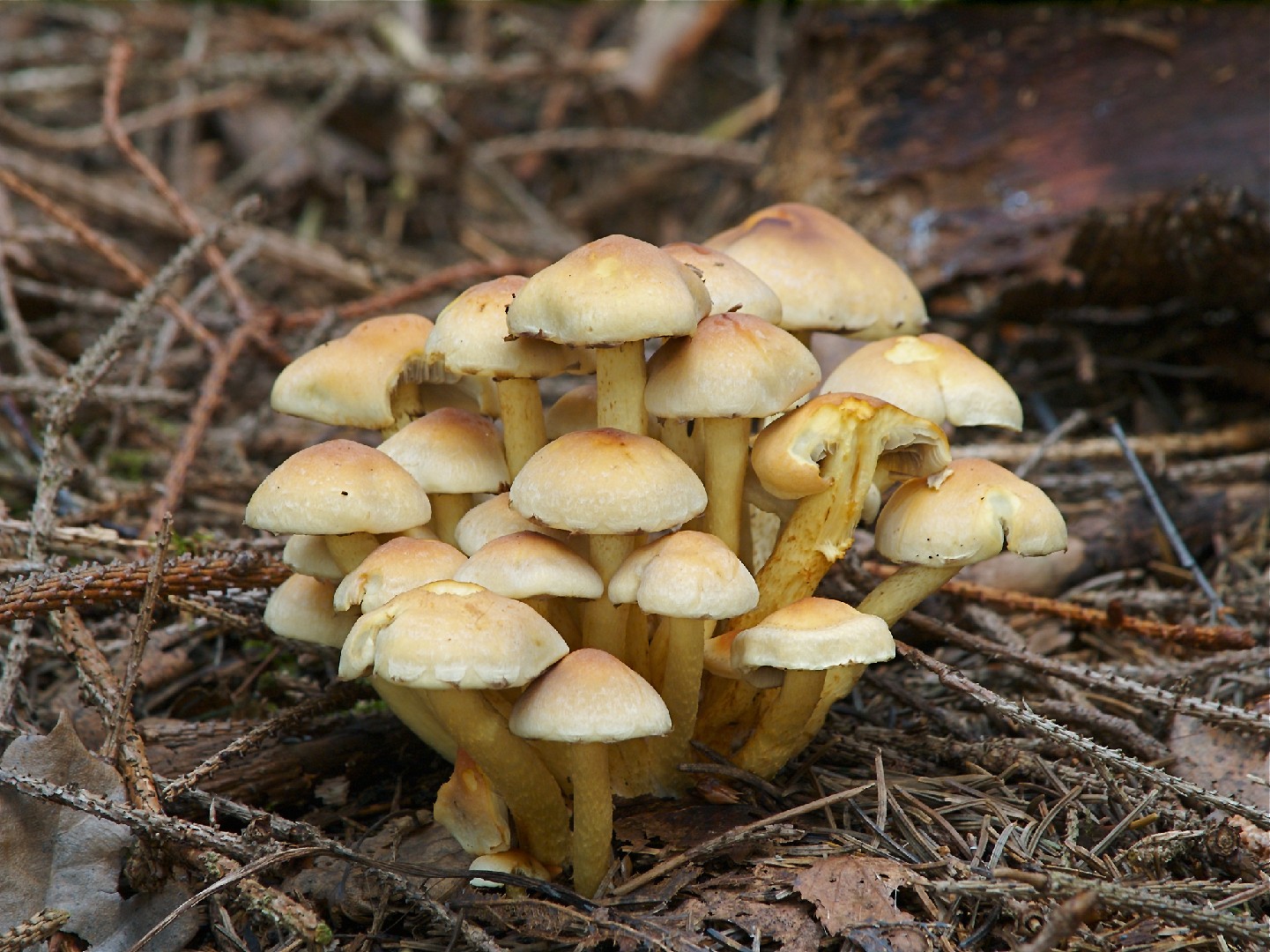
3. Sulphur tuft
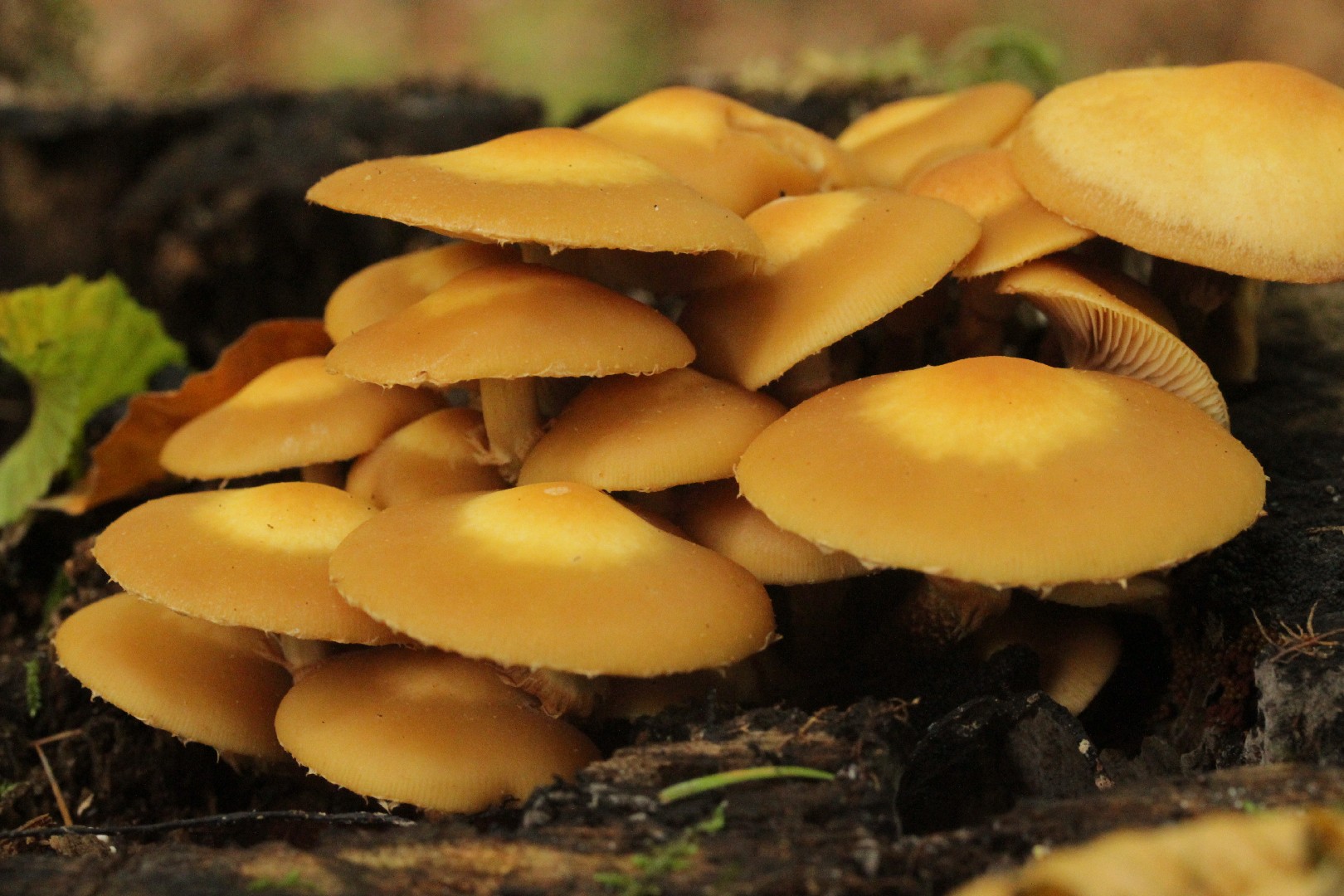
The sulphur tuft grows on rotting wood of all types of trees; it is a particularly efficient decomposer of hardwoods. The mushrooms appear from spring to autumn and are often so tightly packed that they interfere with each other’s shape. This poisonous mushroom can cause temporary paralysis, distorted vision, and stomach pain if consumed.
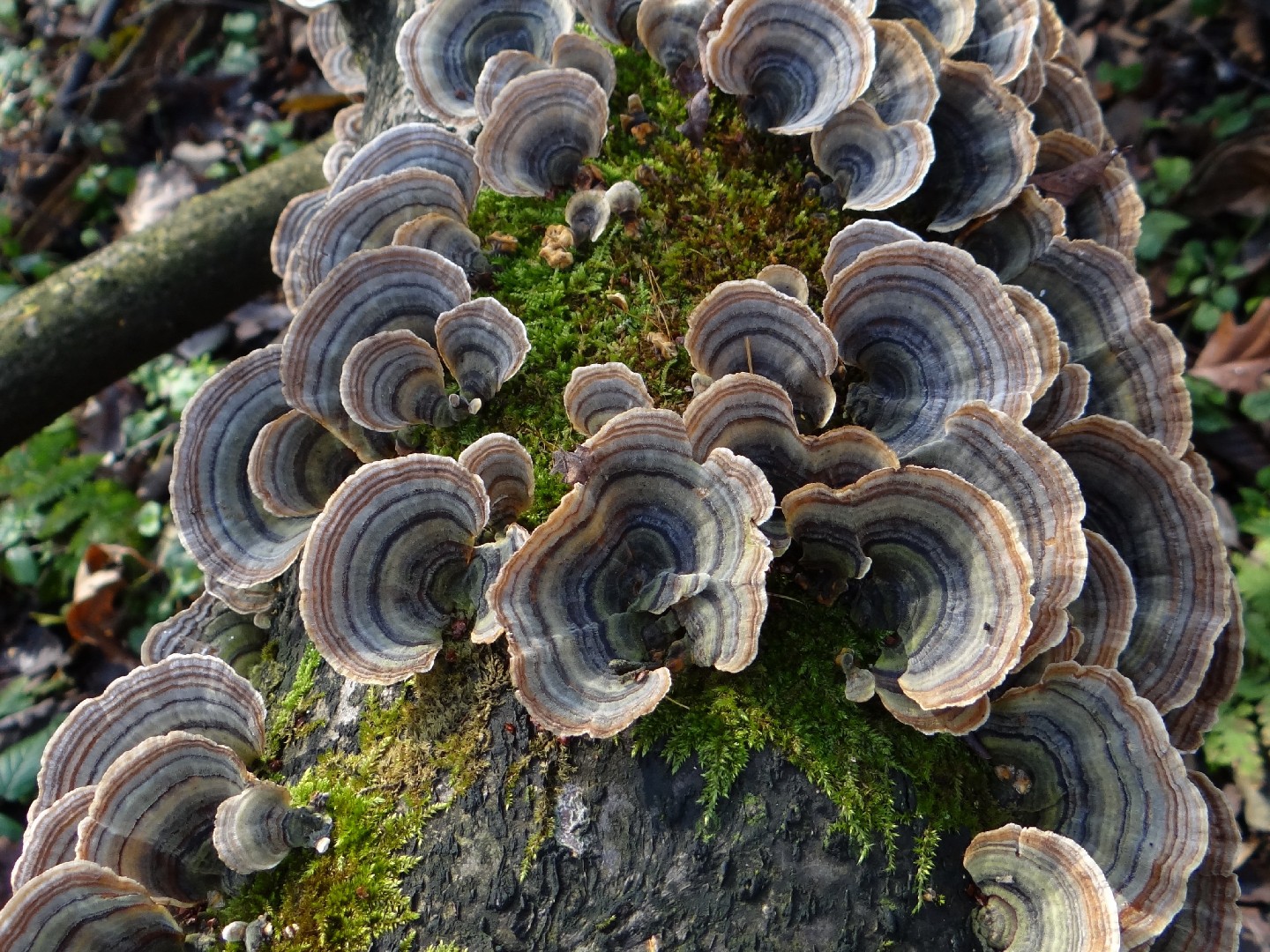
4. Turkey tail
The distinctively-striped turkey tail fungus grows on stumps and logs all over the forests of the northern hemisphere. It is, in fact, probably the most common species you will find. That doesn't mean this mushroom is plain, however; each cap is uniquely patterned. Look for bands of alternating textures as well as color.
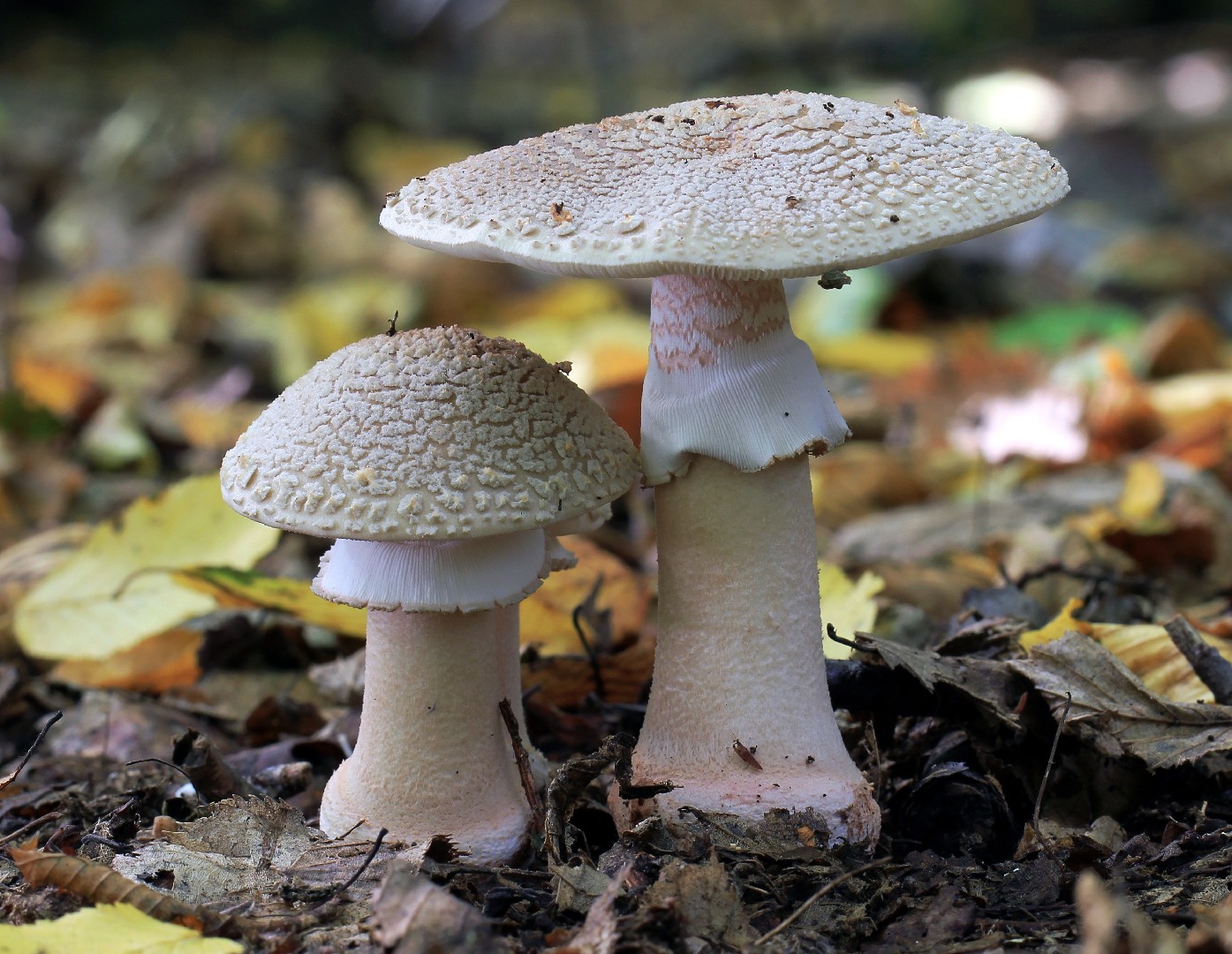
5. Blusher
The blusher mushroom is so named because it “blushes” to a pinkish red color when cut or bruised. It is found in many countries around the world, although it may not be native to the southern hemisphere. It contains a hemolytic toxin that can cause anemia if eaten.
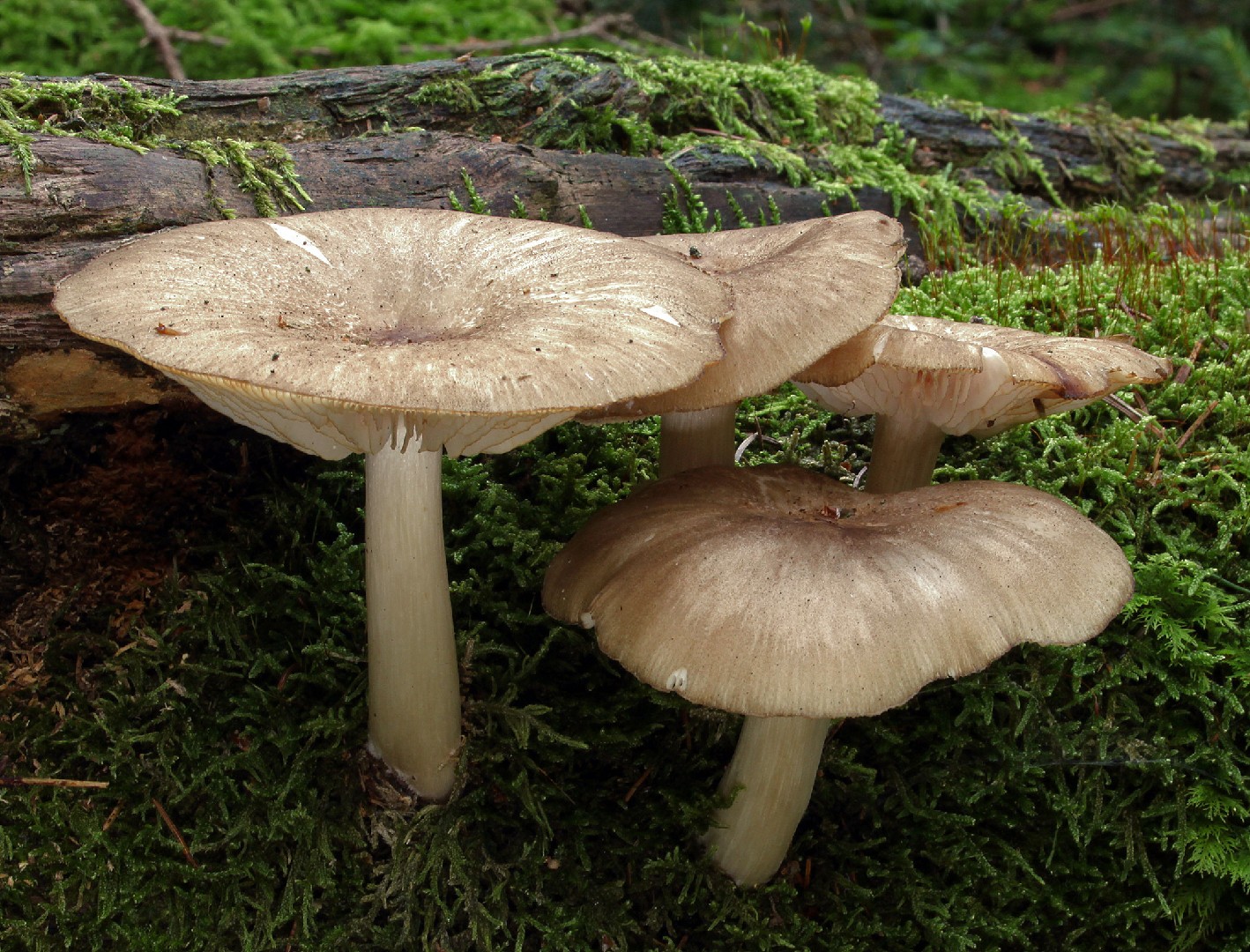
6. Platterful mushroom
The best way to identify the platterful mushroom is by excavating it and inspecting the underground section of the stem - the species features unusual root-like mycelial fibers that are sometimes described as "laces". These "laces" extend deeply into the substrate and are visible only when the mushroom is carefully dug up. The cap can split at edges in dry weather and becomes irregularly wavy as the fungus matures. It is one of the first agaric mushrooms to appear in spring.
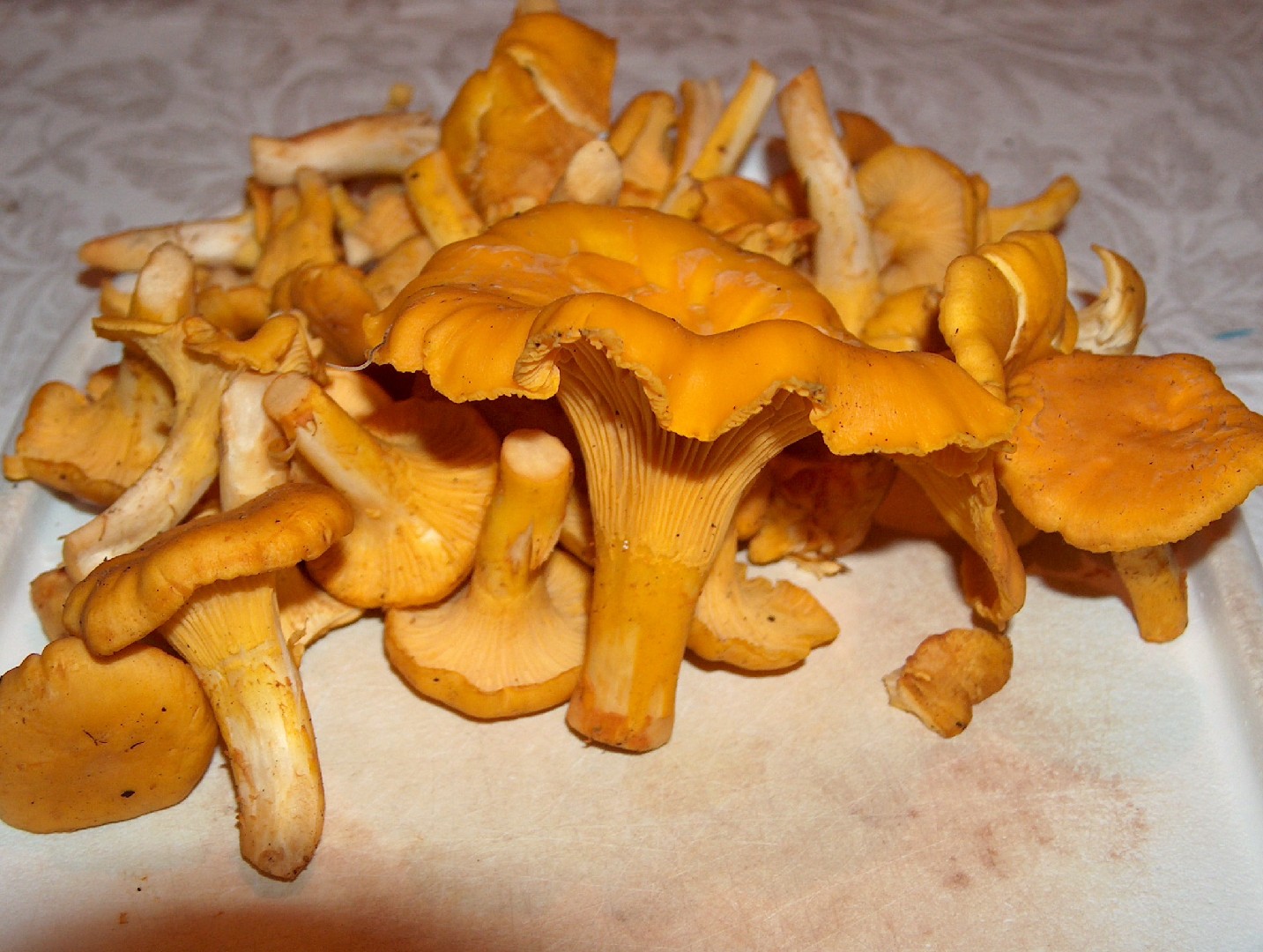
7. Golden chanterelle
Golden chanterelle mushrooms are popular in gourmet cuisine across Europe, where they grow wild during the warm (but not too hot) months. Similar species grow in other countries. Extremely popular with foragers, the golden chanterelle emits an apricot-like scent and contains an array of nutrients that benefit the human body. Several studies suggest consuming extremely large amounts may have detrimental effects on the eyes and muscles.
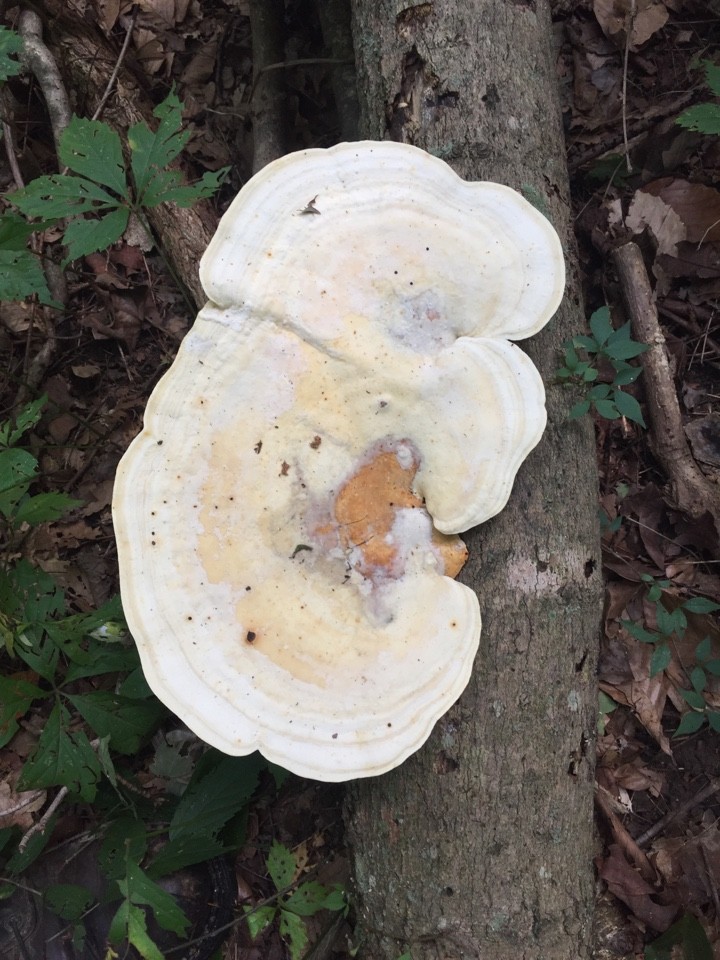
8. Lumpy bracket
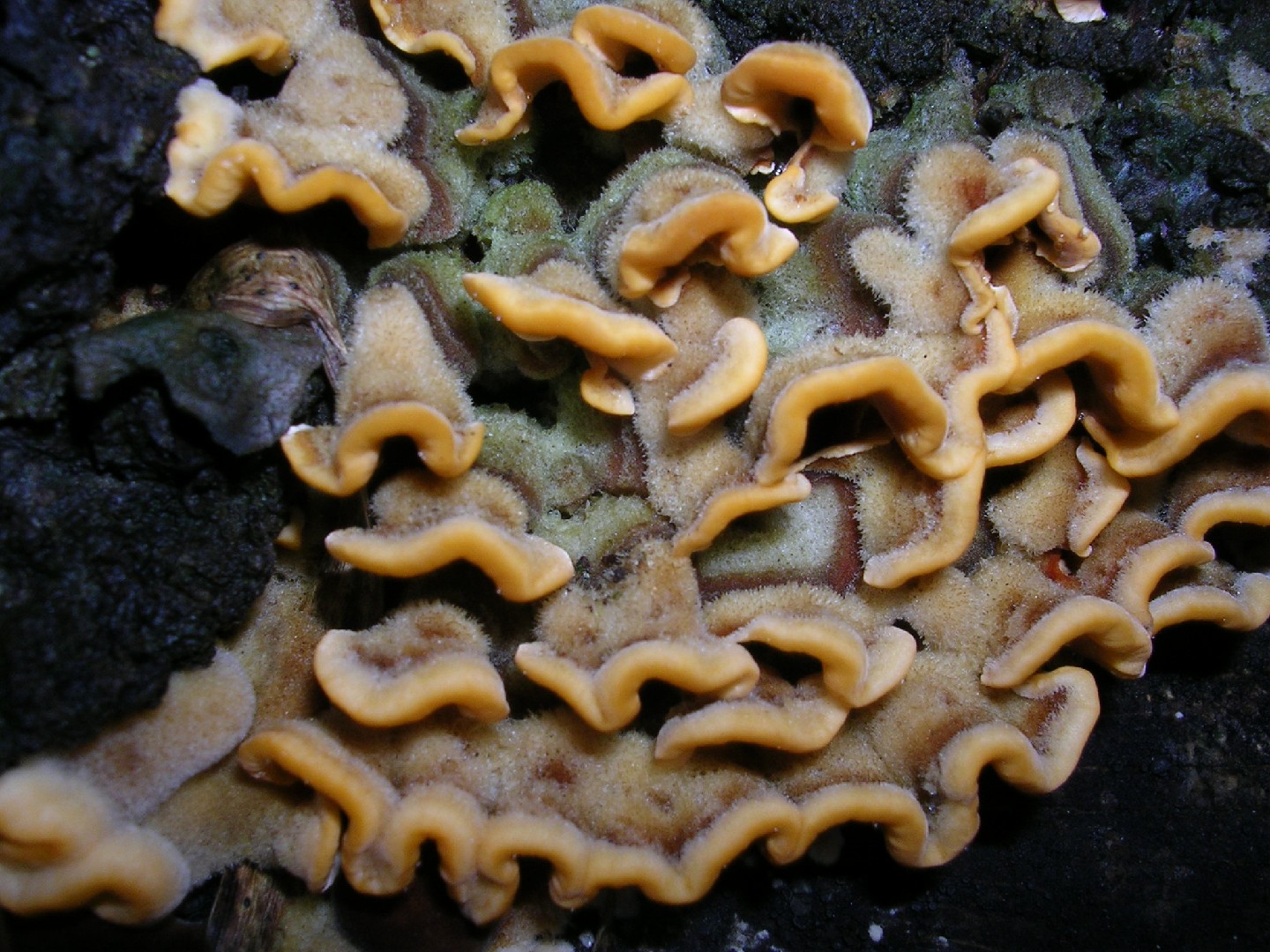
Lumpy bracket grows on most types of hardwood, forming clustered brackets on standing trees or rosette patterns on the tops of stumps. The surface is a very pale color that sometimes appears tinged green when algae colonize the top of the fungus. They can get very large as they remain through the winter and grow for several years.
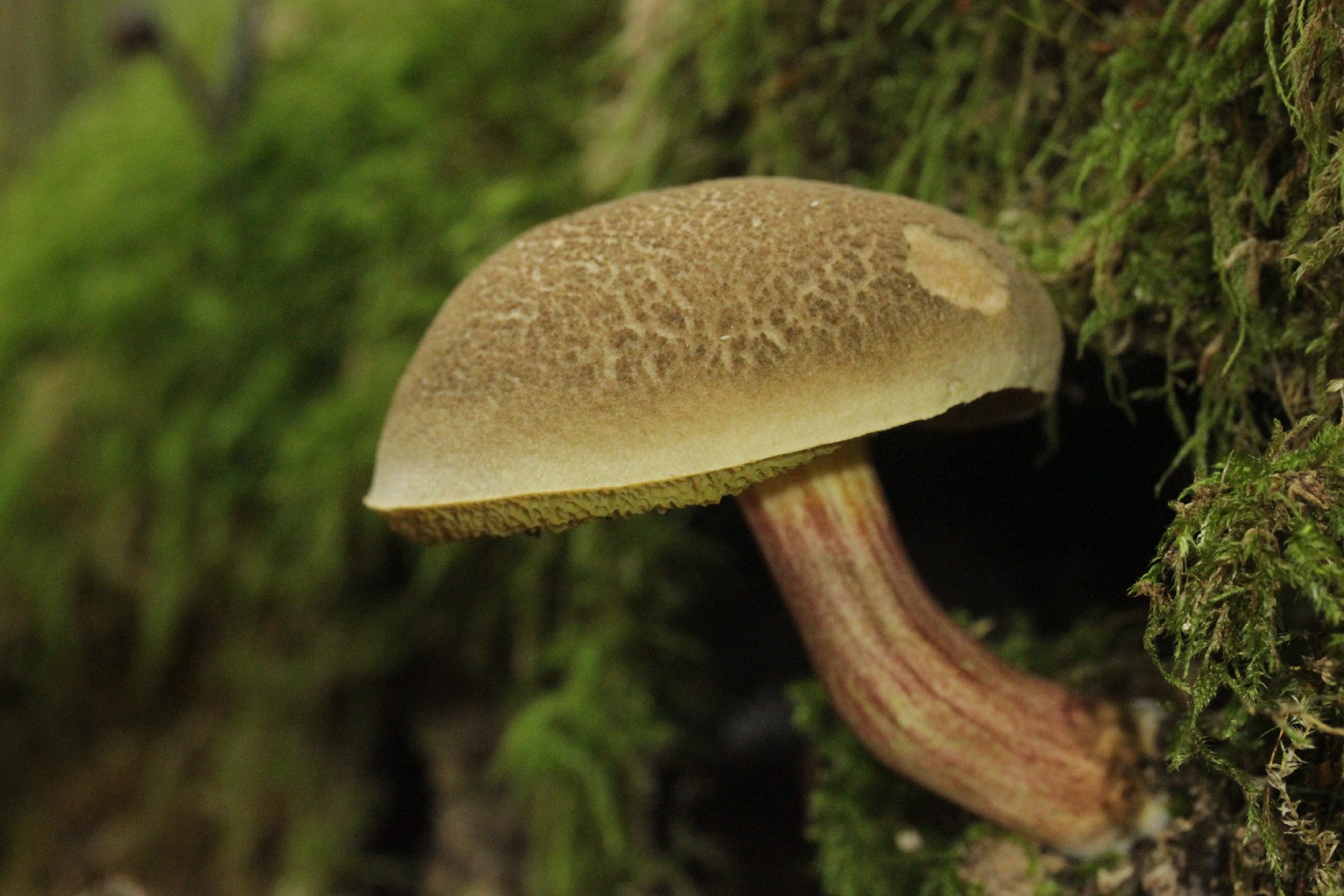
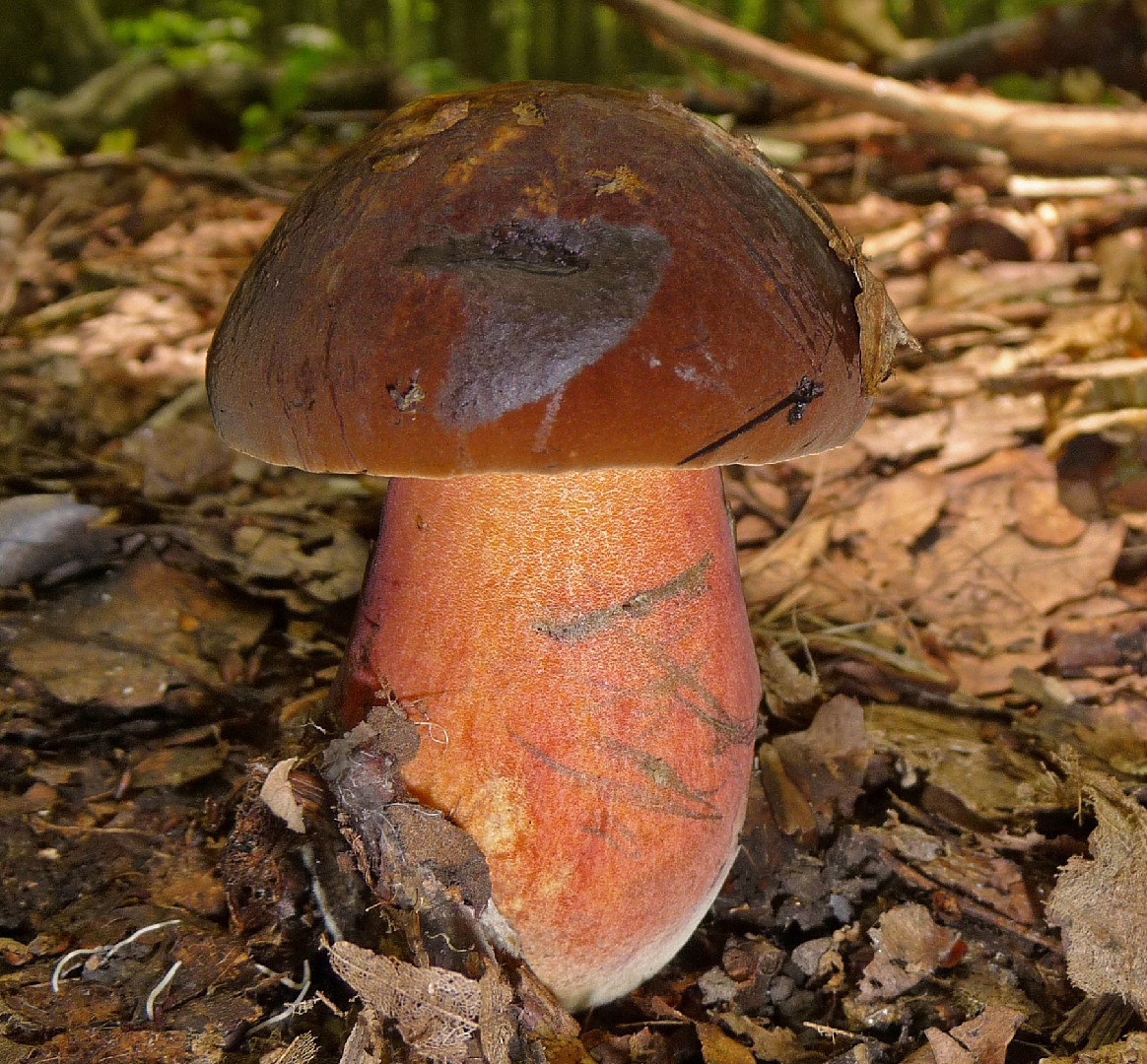
9. Red cracking bolete
The red cracking bolete mushroom is considered difficult to accurately identify, due to its similarity in many ways to others of its genus. It seems to occur only rarely around the northern hemisphere, but it may have been misclassified in some sources. In spite of the name, the surface of the red cracking bolete's cap only rarely appears "cracked."
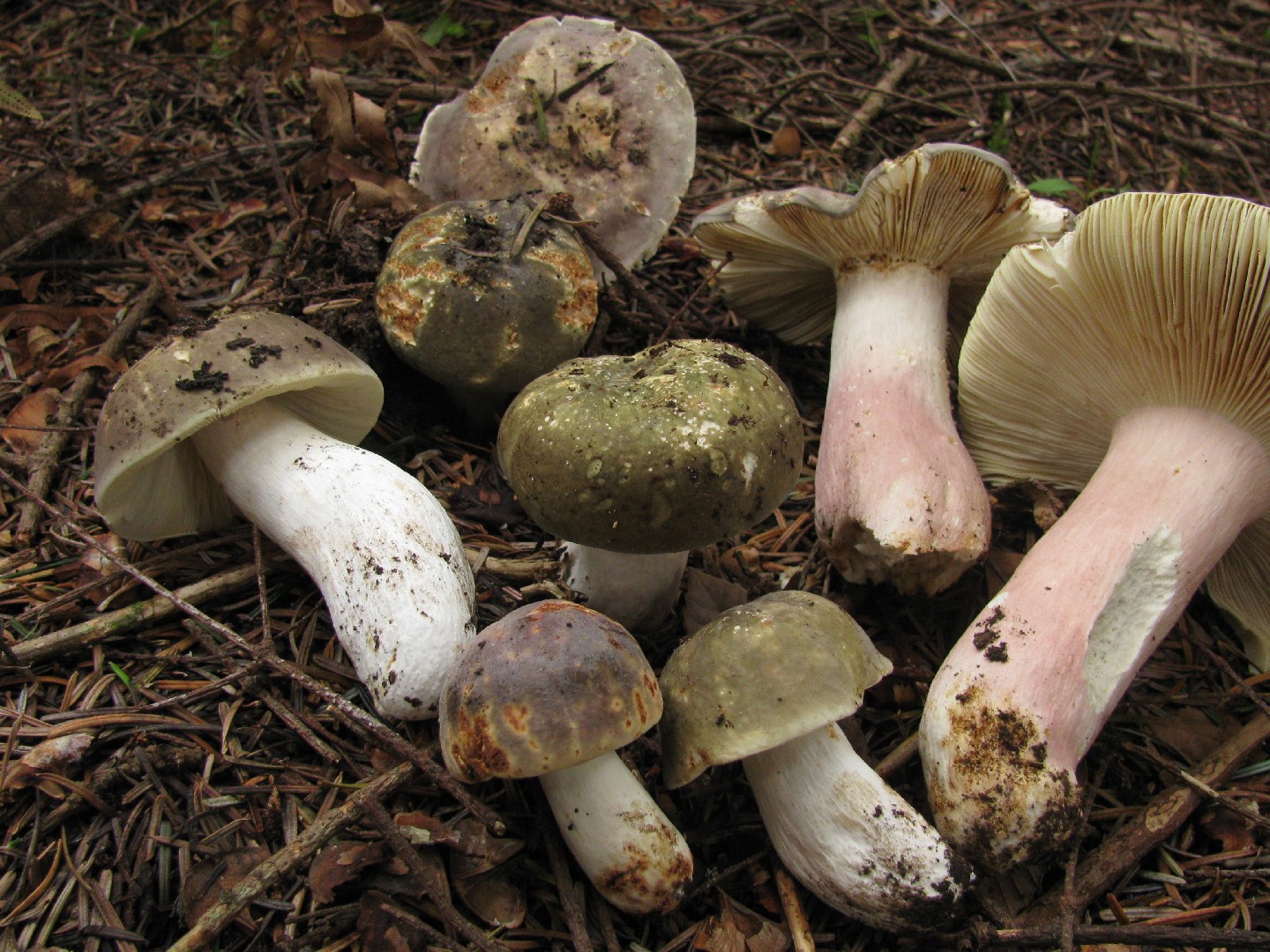
10. Olive brittlegill
The cap is convex when young, soon flat, yellowish-olive when young which develops into rusty brown; up to 15 cm in diameter. The gills are cream, deep ochre when old and rather crowded and brittle. The spores are yellow. The stem is strong and evenly thick, often pale pink. The flesh is firm, white, and is without smell and has a mild taste. 

More







