




Top 20 Edible Mushrooms Popular in Lugo
Delving into the world of fungi flourishing in Lugo, this guide is designed to unearth the 'Top 20 most common edible mushrooms.' Often lauded for their nutritional significance and unique flavors, mushrooms in Lugo thrive in the city's diverse microclimates, ideally suited for their propagation. Wonderfully distinct, each mushroom variety includes distinctive features, eclectic flavors, prevalent habitats, and interesting culinary applications. Join us on this fascinating journey to understand these local fungi heroes, bolstered by data from credible sources that enchant amateur mycologists and food enthusiasts alike.
* Disclaimer: Content feedback CAN NOT be used as any basis for EATING ANY PLANTS. Some plants can be VERY POISONOUS, please purchase edible plants through regular channels.

Most Popular Edible Mushrooms
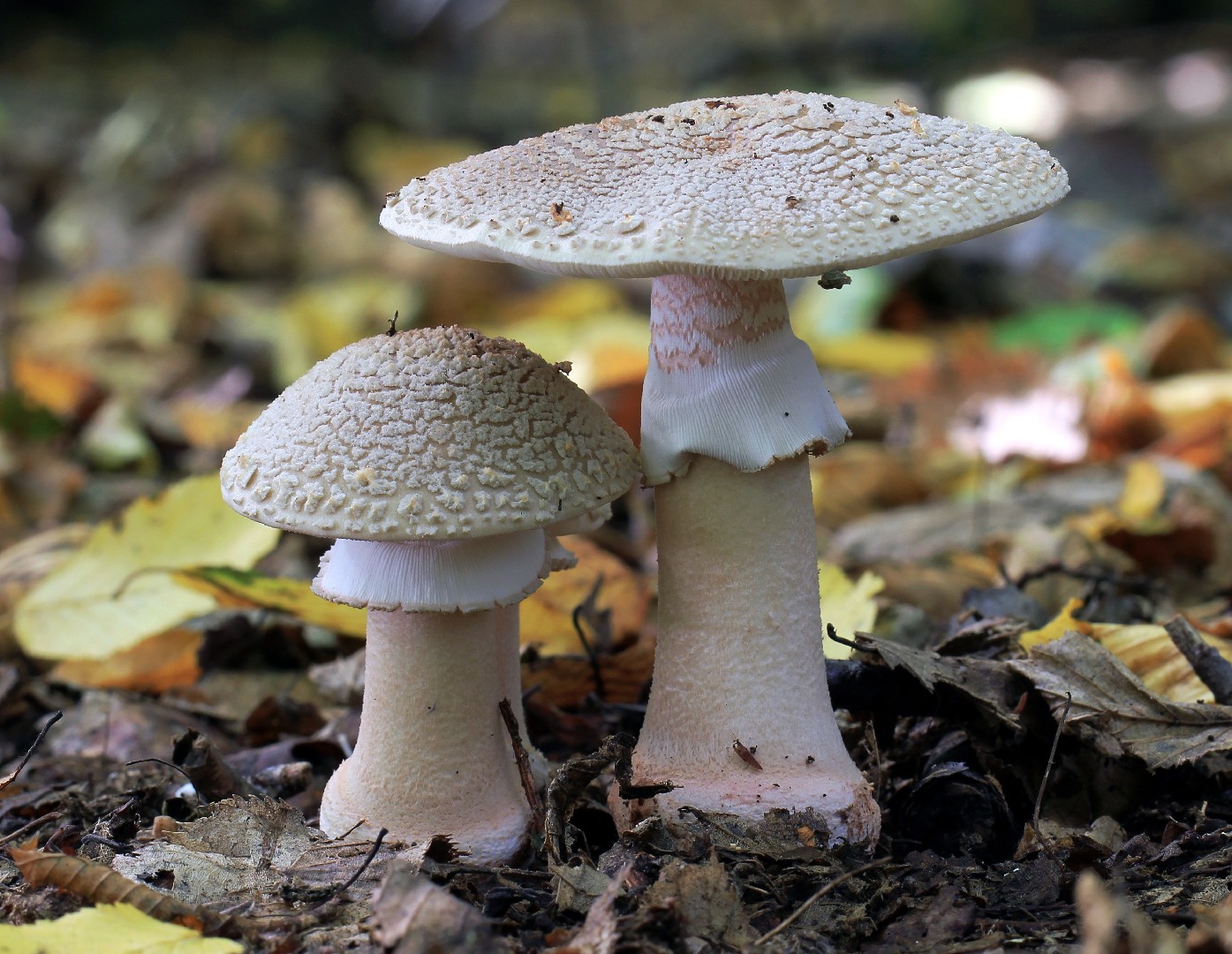
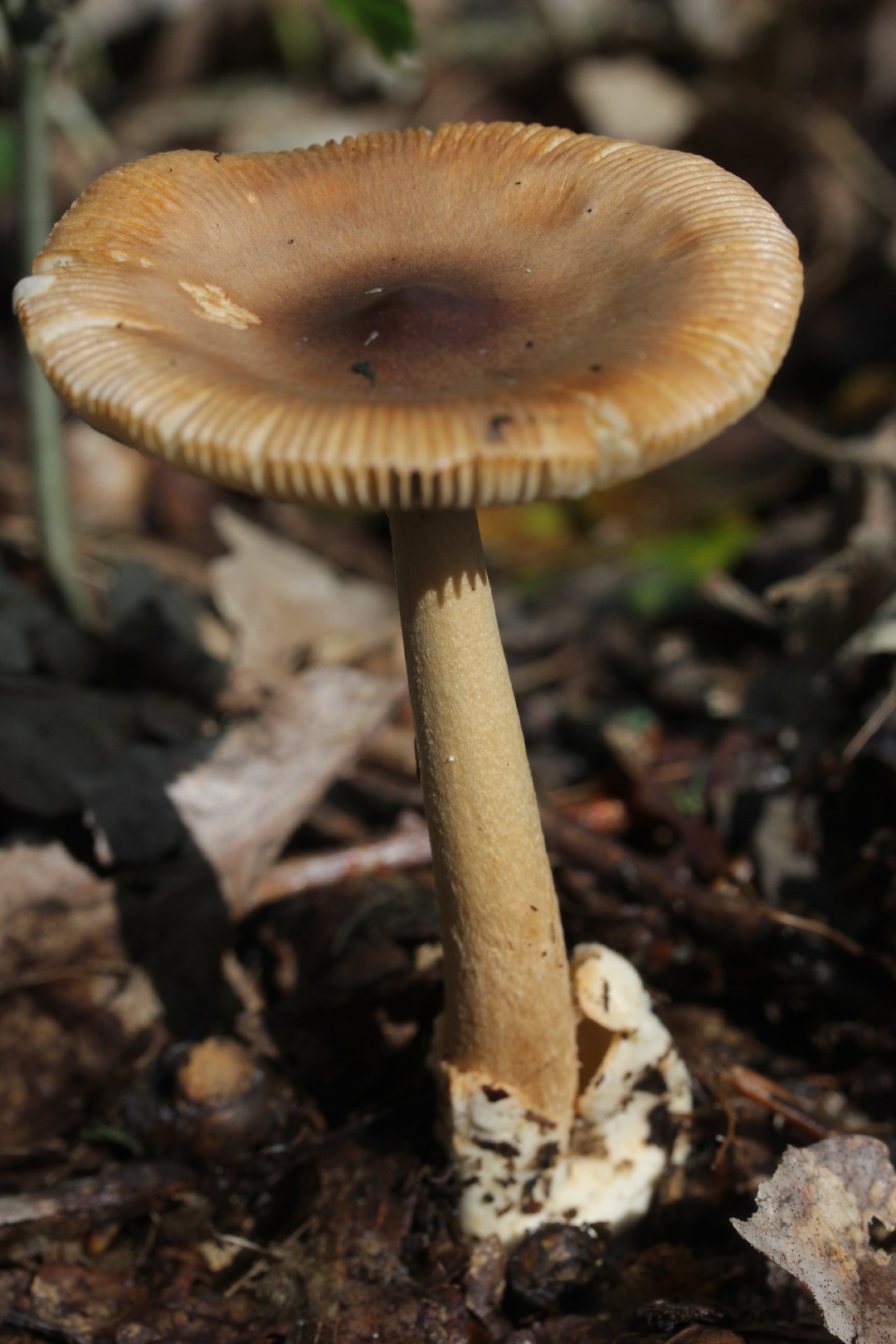
1. Blusher
The blusher mushroom is so named because it “blushes” to a pinkish red color when cut or bruised. It is found in many countries around the world, although it may not be native to the southern hemisphere. It contains a hemolytic toxin that can cause anemia if eaten.
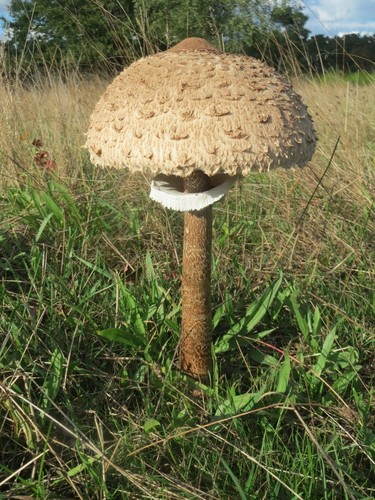
2. Parasol
Found in clearings and grassy areas in late summer, the wild parasol mushroom has a snakeskin-patterned stem. The brown spots on its cap make it look a bit shaggy, but that name is reserved for its poisonous counterpart, the Shaggy Parasol (Chlorophyllum rhacodes). You can distinguish the two by the stems: the latter has a smooth stem and red flesh inside.
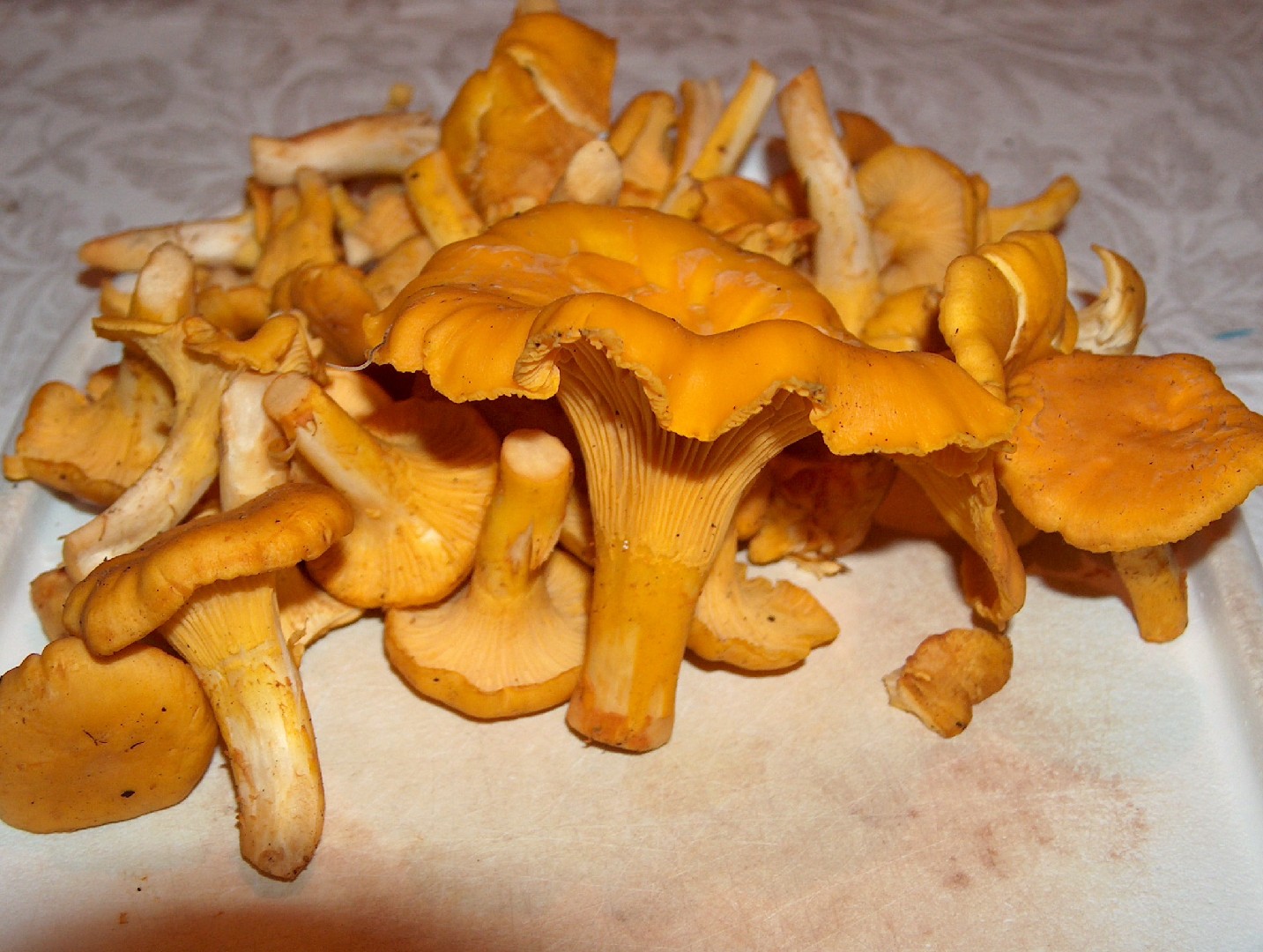
3. Golden chanterelle
Golden chanterelle mushrooms are popular in gourmet cuisine across Europe, where they grow wild during the warm (but not too hot) months. Similar species grow in other countries. Extremely popular with foragers, the golden chanterelle emits an apricot-like scent and contains an array of nutrients that benefit the human body. Several studies suggest consuming extremely large amounts may have detrimental effects on the eyes and muscles.
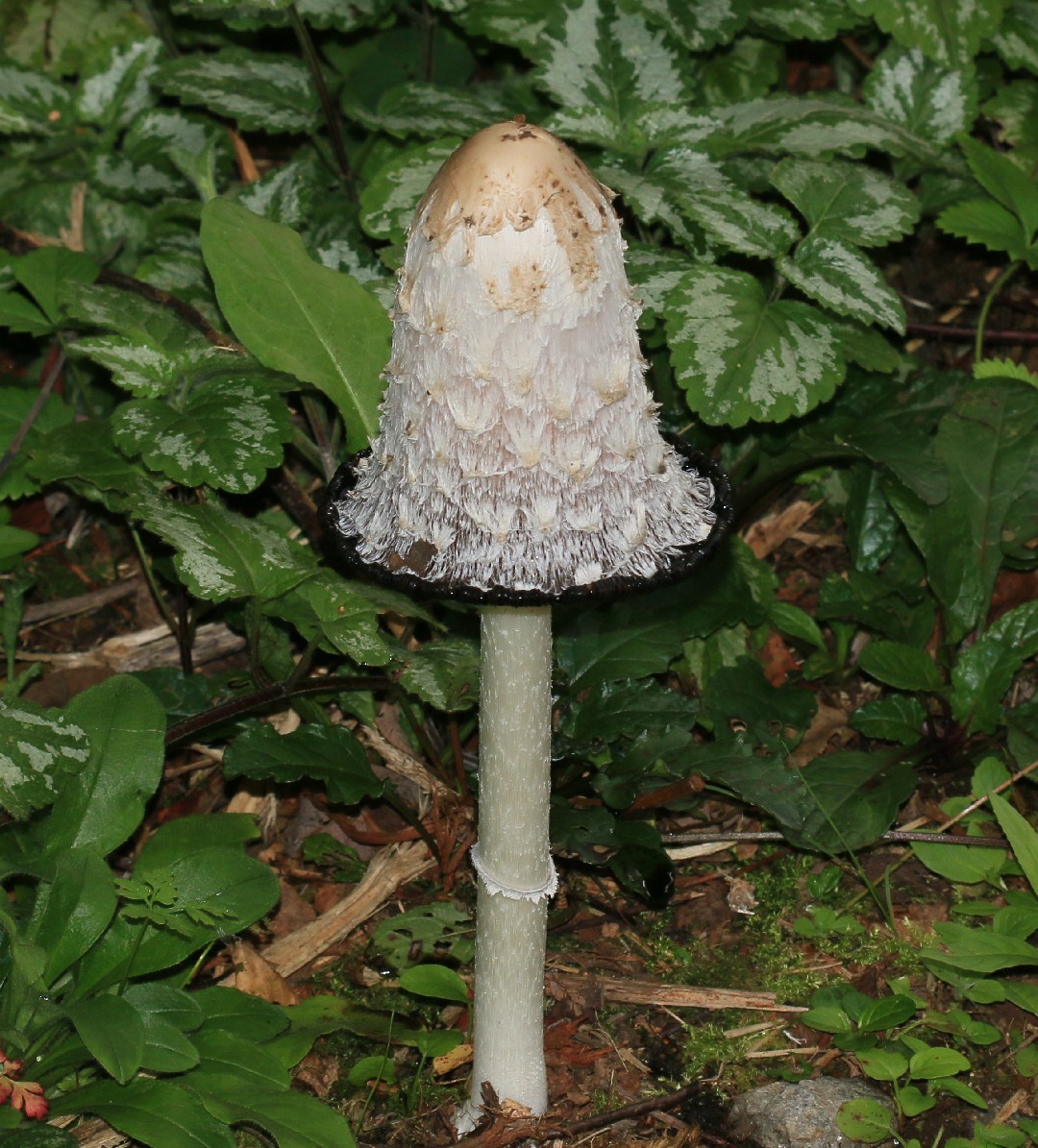
4. Shaggy mane
The shaggy mane mushroom is commonly found in North American and European grasslands. Some peoples foraged for its young egg-shaped caps, but it has more recently been found to be a bioaccumulator of heavy metals, meaning it pulls toxic metals up from the soil where it grows. As a result, shaggy manes should not be eaten. The mushrooms usually appear in clusters or “fairy rings.”
5. Umber-brown puffball
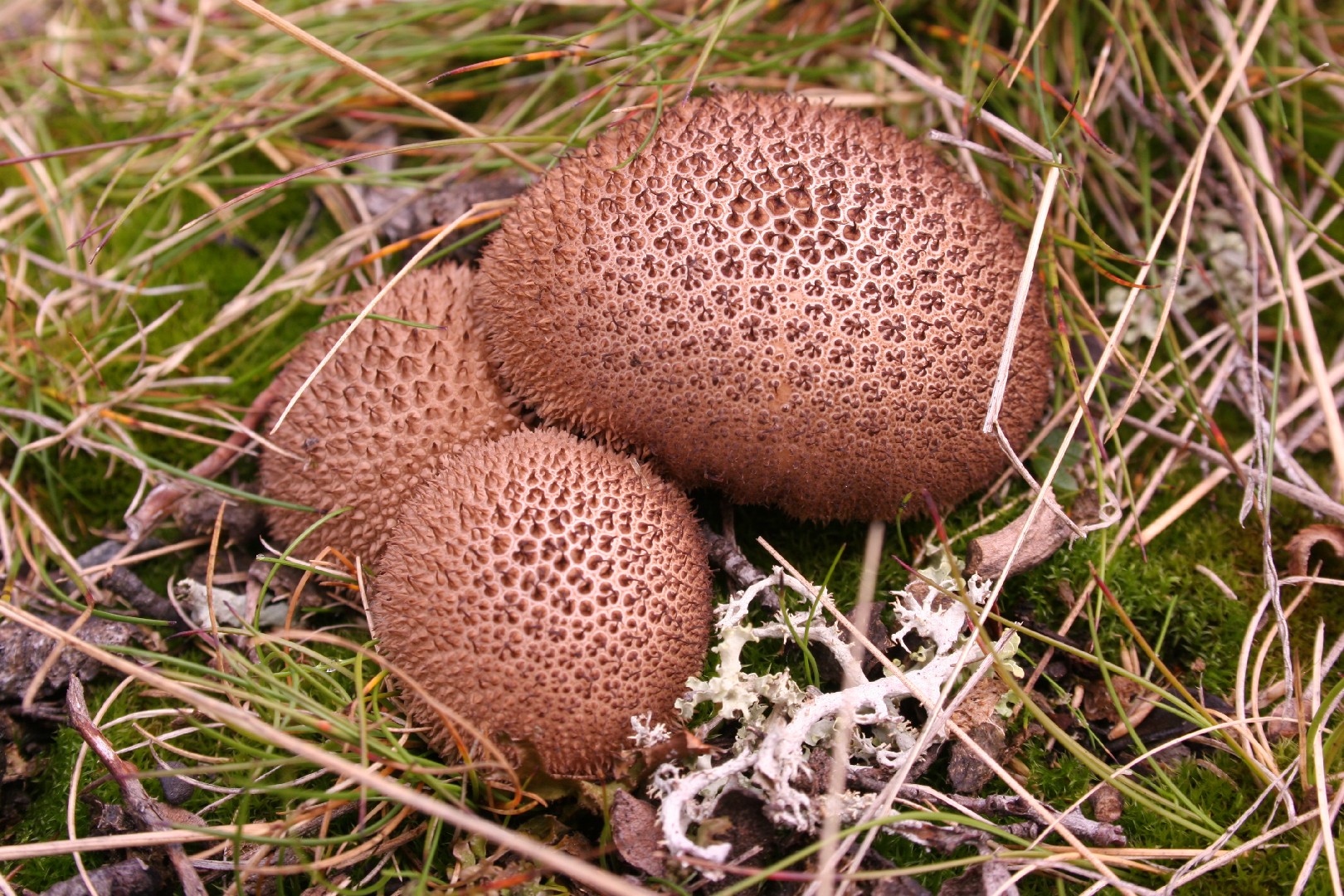
Like all puffballs, this mushroom grows without a distinct stalk, and assumes a sort of inverted-pear shape. The umber-brown puffball is distinguished by its dark color and the short spines, less than 1 mm in length, that cover its cap.
6. Amethyst deceiver
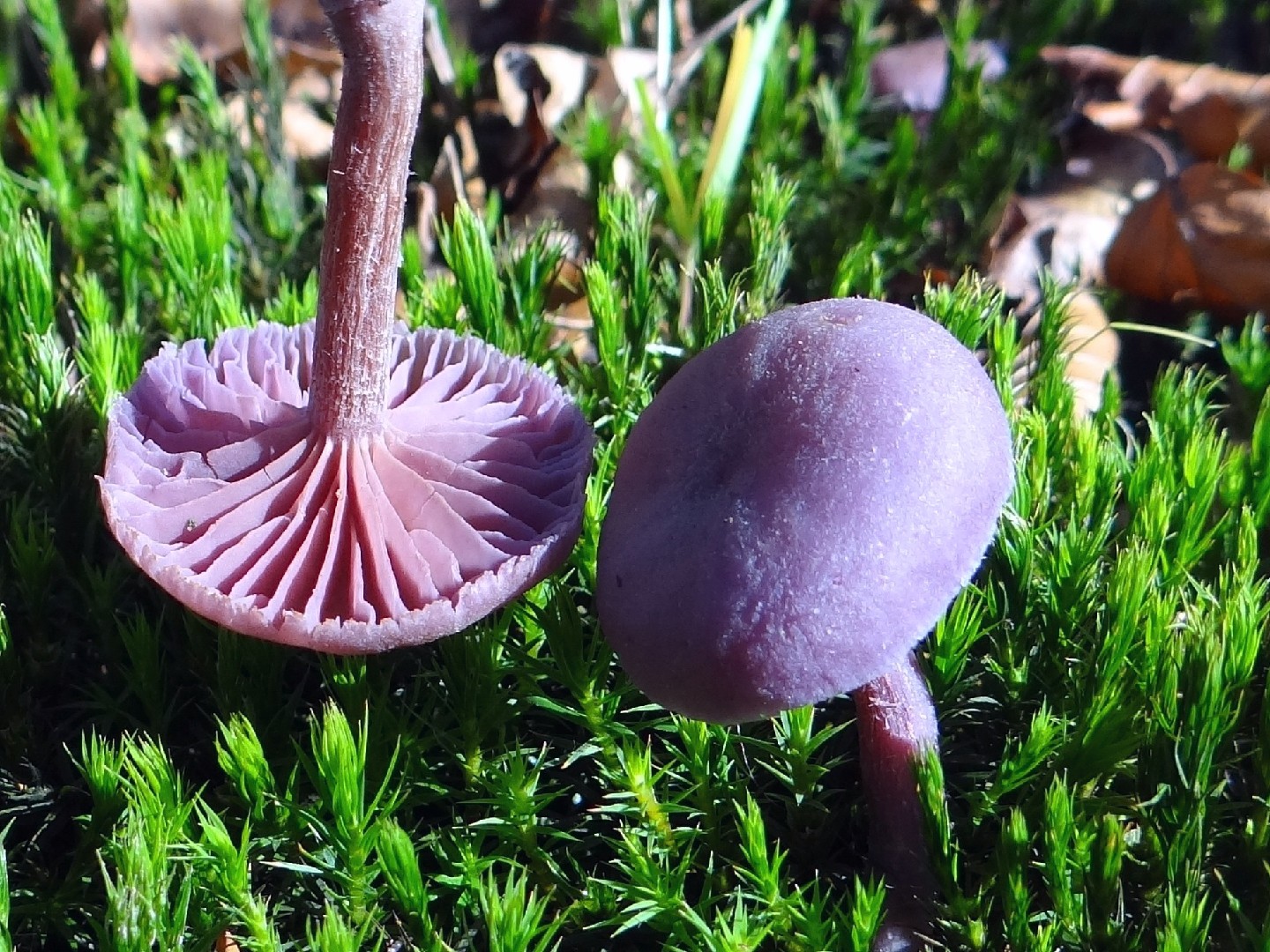
The amethyst deceiver (Laccaria amethystina) is a breathtaking mushroom that pops up from coniferous forest floors. The caps are a striking violet color in youth and are generally flat with a small indentation when the stem connects. As they mature, this violet color transforms to a less than breathtaking grey color, making it quite hard to identify after a certain age positively. Not edible.
7. Dead man's foot
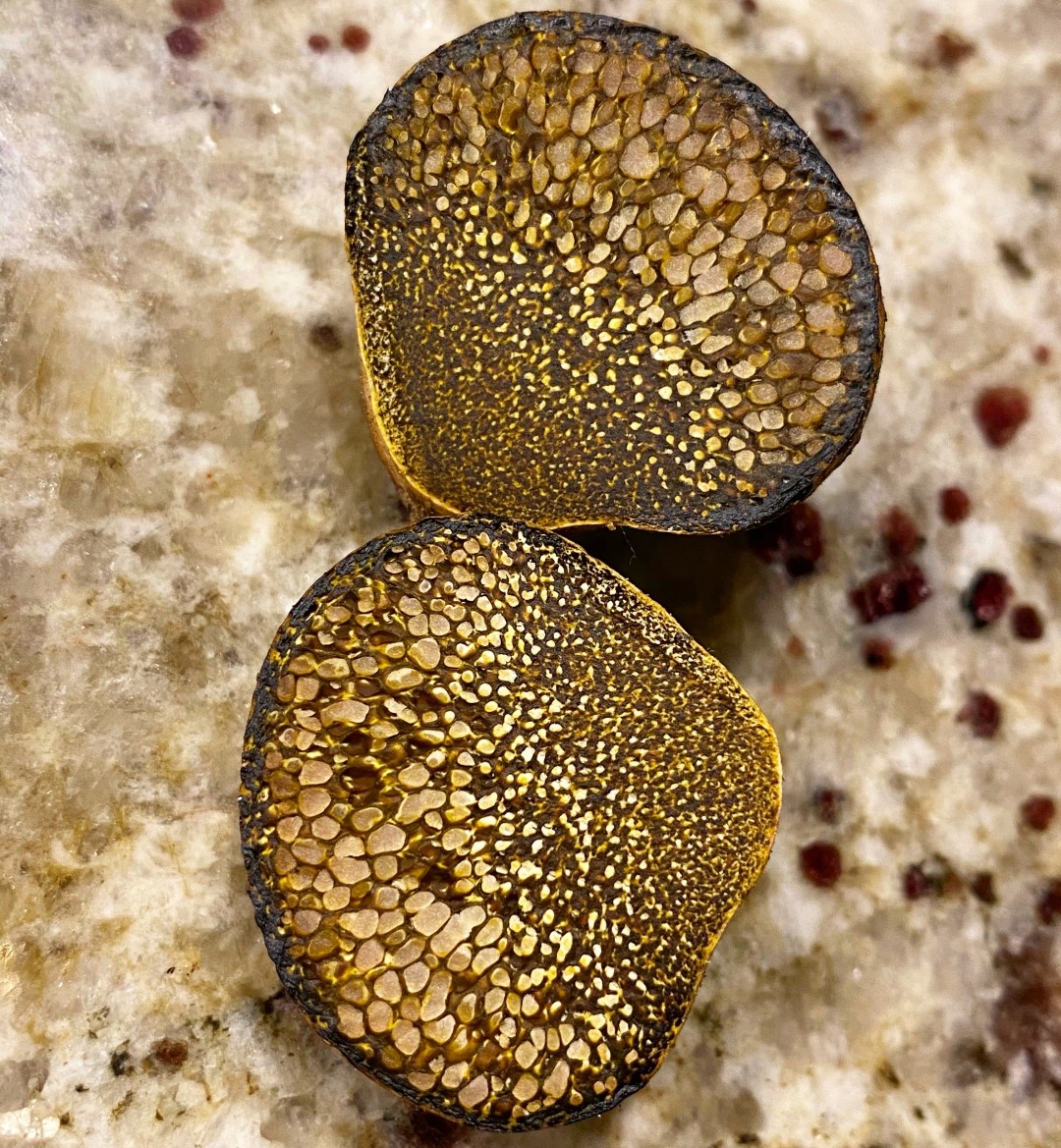
Dead man's foot (Pisolithus arhizus) actually bears a number of colorful names stemming from its unusual appearance, such as the horse dung fungus (Australia). It can be distilled into a viscous black gel, which is then used as a natural dye for clothing. It is considered to be inedible.
8. Common puffball
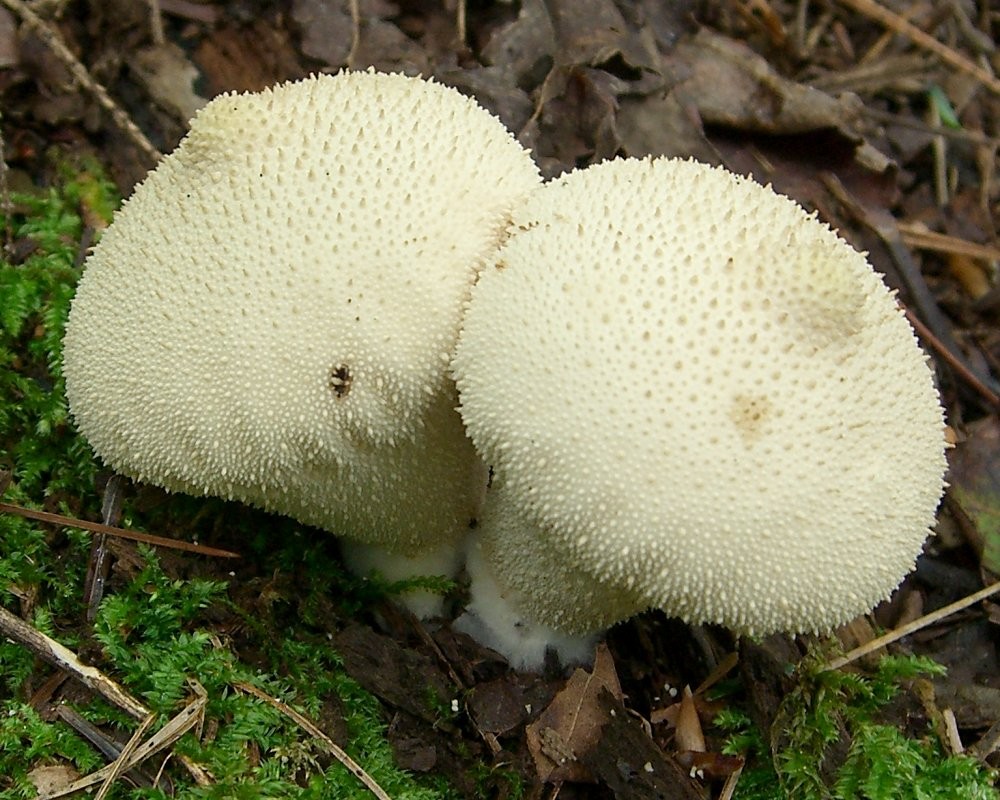
These puffy mushrooms grow in small groups on the forest floor. Once they're mature, common puffballs turn yellow and "puff out" smoke-like spore clouds when disturbed. Be very careful when identifying these mushrooms, as their young, immature form looks very similar to the lethal Deathcap.
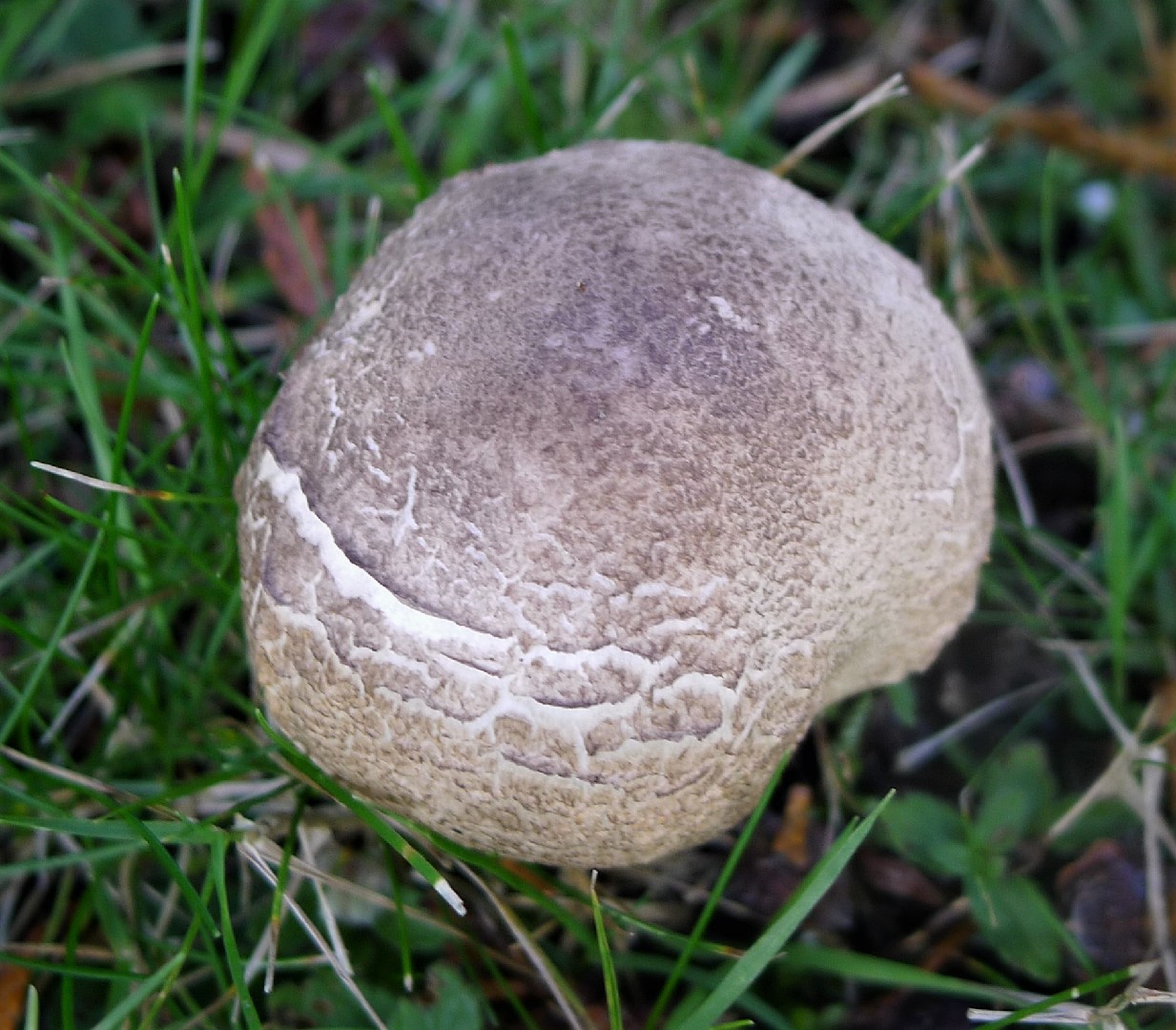
9. Macro mushroom
Macro mushroom will initially smell like almonds but with age will gradually smell of urine. This explains the scientific name urinascens. It can be found in late summer and autumn in open woodland, usually close to spruce. It is easy to be confused with poisonous mushrooms, so it is not recommended to eat.
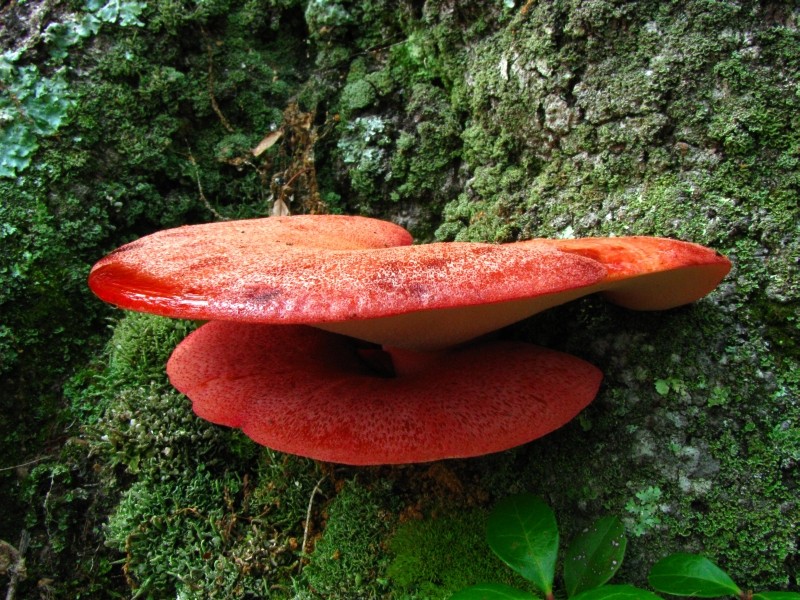
10. Beefsteak fungus
Beefsteak fungus(Fistulina hepatica) is an unusual fungus that visually resembles a slab of raw meat; cutting into it will cause a discharge of thick red liquid resembling blood, adding to this resemblance.
More







