




Top 20 Edible Mushrooms Popular in Palma
Nestled in the folds of fertile landscapes and diverse ecosystems, Palma is a haven for mycologists and culinary enthusiasts alike. Unveiling the top 20 most common edible mushrooms, Palma boasts varieties that tantalize the senses with their unique appearance, enticing flavours, and exceptional culinary uses. From the shady woodland floor to flourishing meadows, mushrooms in Palma thrive in an array of habitats, promising a captivating journey into the world of fungi. Let's take a close look at these tantalizing species, their habitats, and appetizing potential.
* Disclaimer: Content feedback CAN NOT be used as any basis for EATING ANY PLANTS. Some plants can be VERY POISONOUS, please purchase edible plants through regular channels.

Most Popular Edible Mushrooms
1. Bloody milk cap
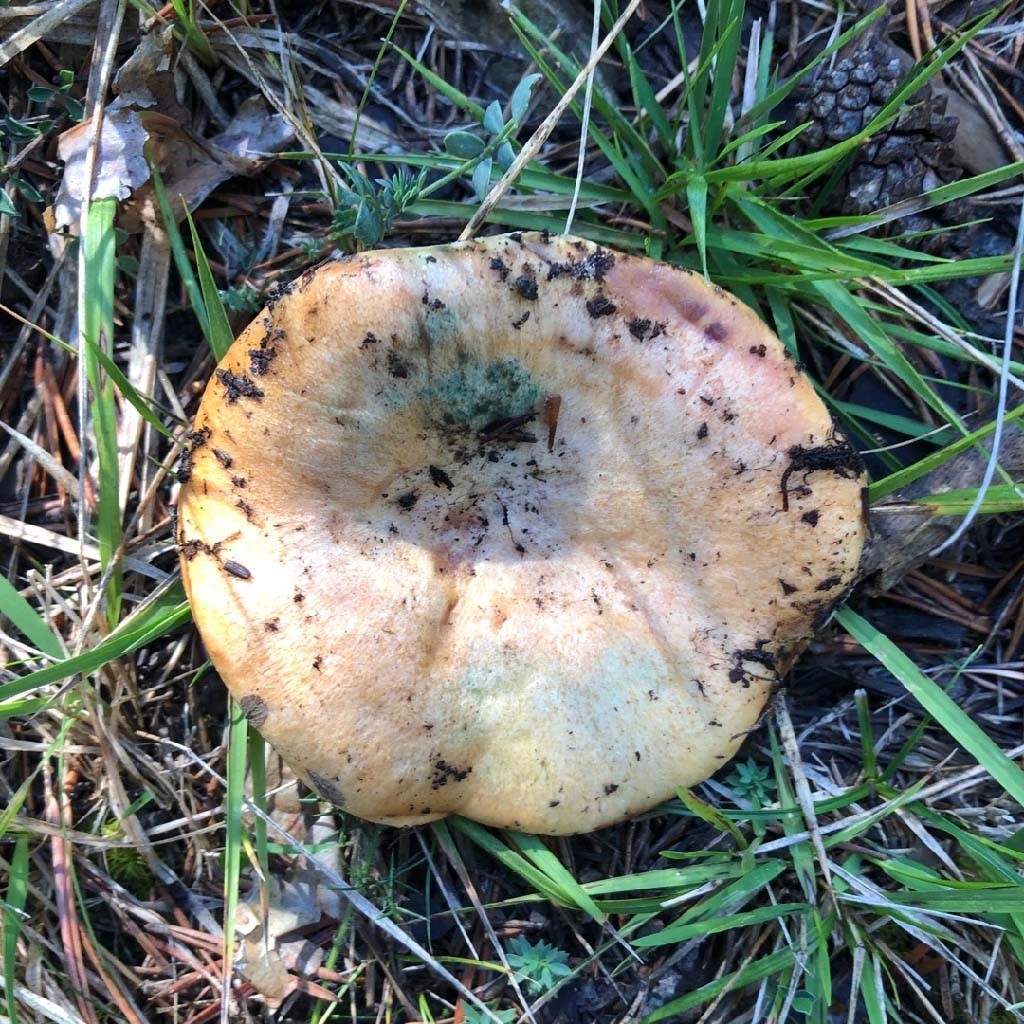
Bloody milk cap (Lactarius sanguifluus) has a distinctive appearance with its pale exterior but a deep blood-red interior, for which it is named. This mushroom can be found in pine forests where it grows in a mycorrhizal relationship with the trees. Bloody milk cap is known to accumulate large quantities of toxic heavy metals.
2. Copper spike
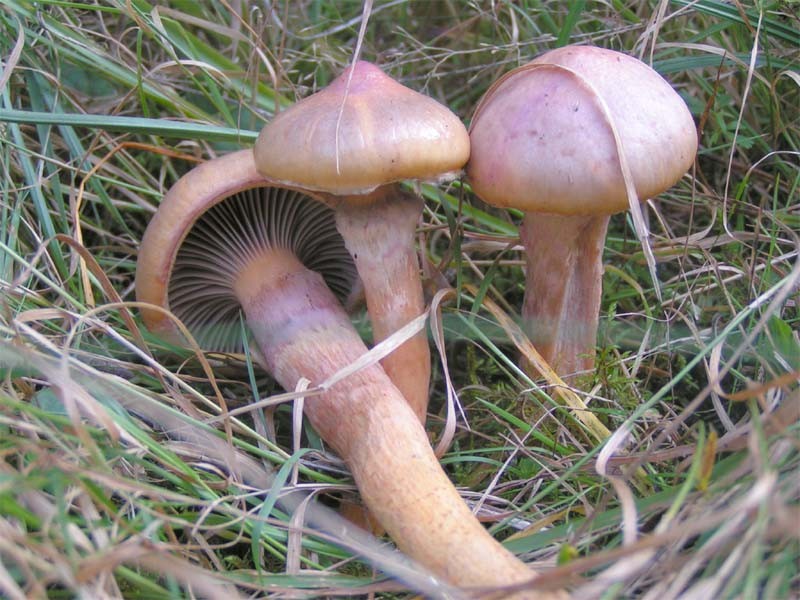
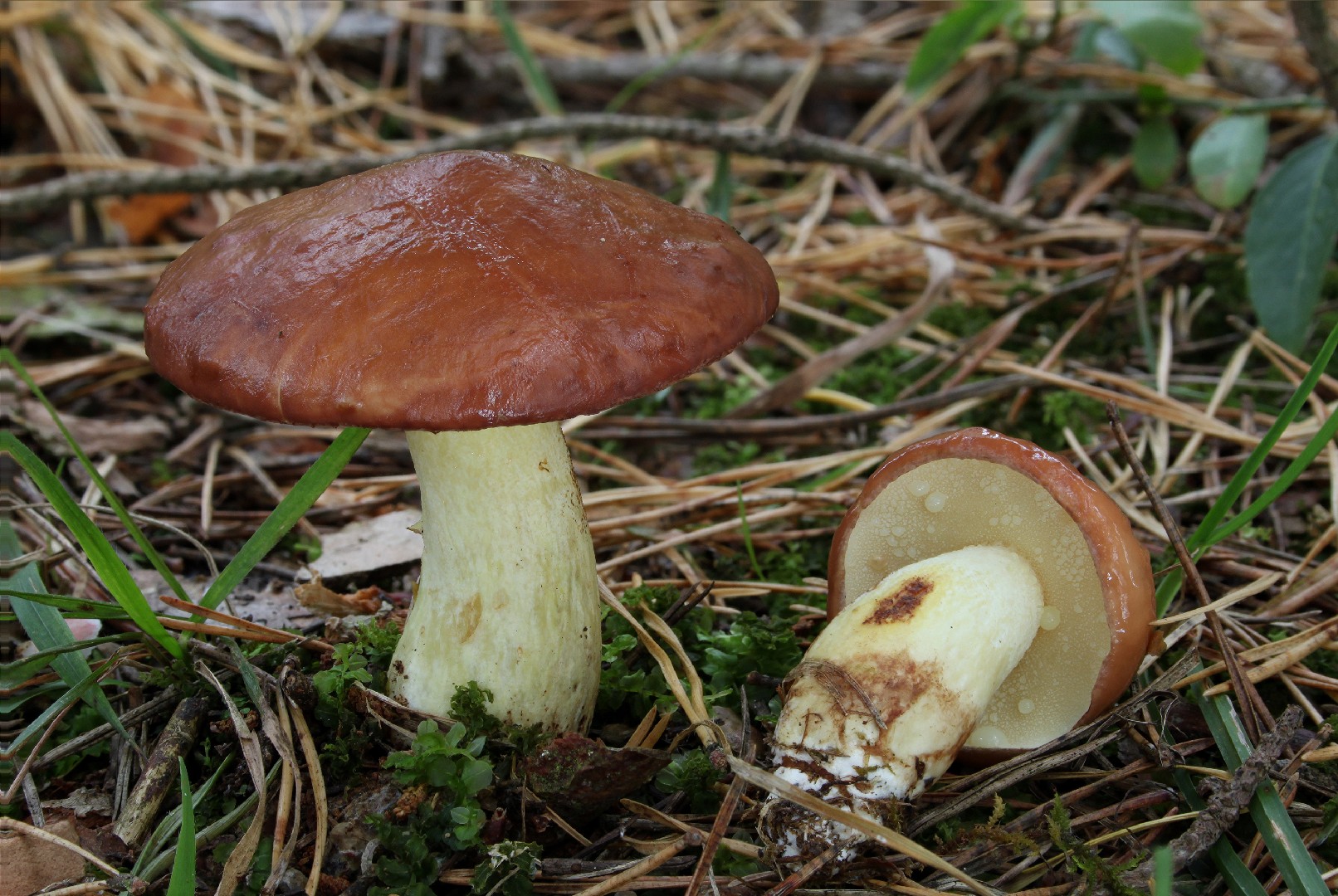
A European fungus, the copper spike is is visually almost indistinguishable from its North American counterpart - Chroogomphus ochraceus, although molecular studies have shown that these two are different species. Its cap becomes slimy when wet, hence the common name. The cap color is highly variable and it can range from yellowish, to orange, purplish, reddish, and brown.
3. Sweet tooth
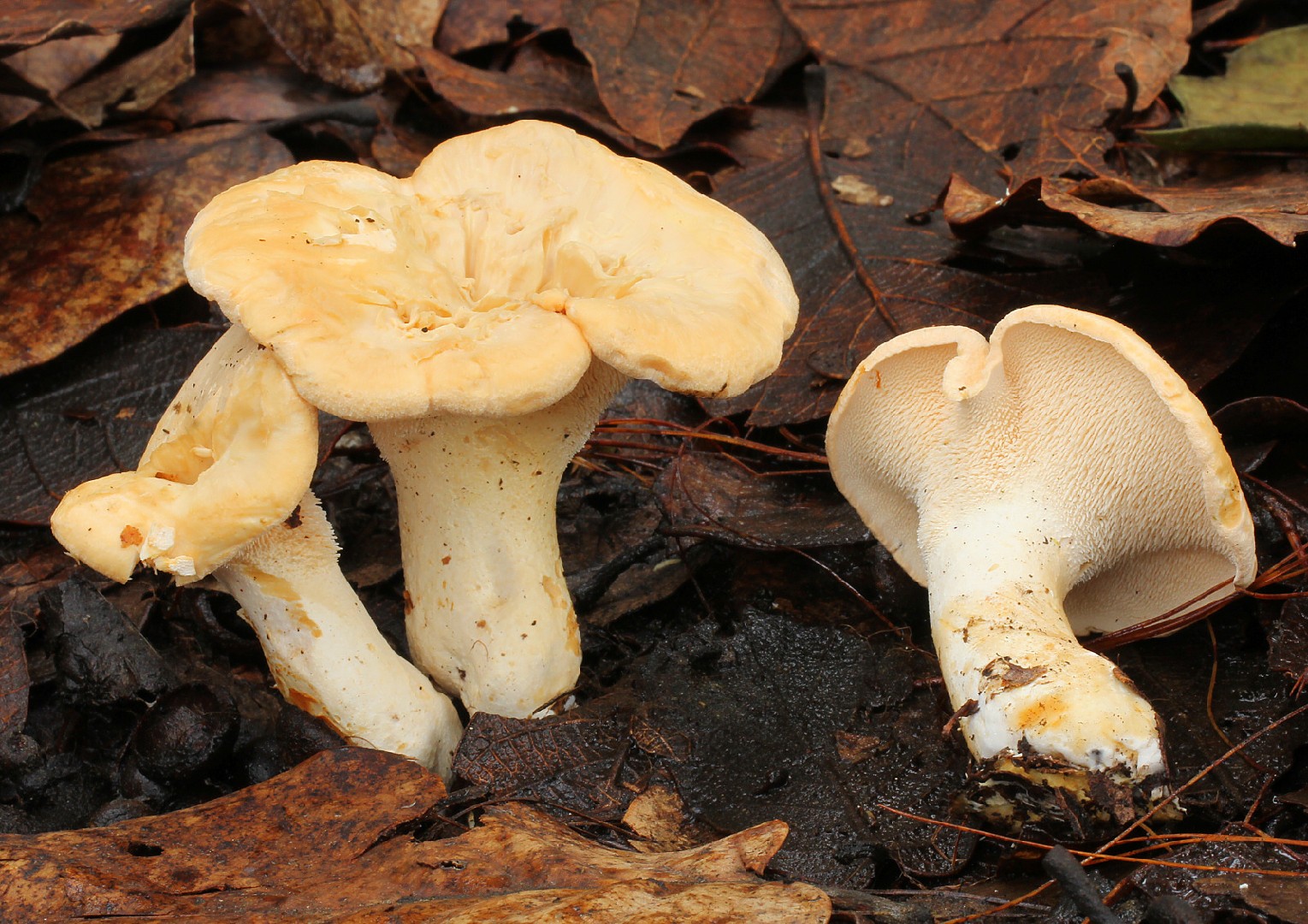
This mushroom is distinctive for the spines, or teeth, that hang down from the underside of its cap. It can be found on forest floors singly or in groups. In spite of the name, sweet tooth, it has a slightly spicy bite and bitter aftertaste. This wild mushroom needs to be cooked before it is truly edible, and only young, parasite-free mushrooms should be harvested.

4. Torq
The torq (Agaricus bitorquis) is a white-capped agaric that bears a resemblance to, and is closely related to, the commonly-eaten button mushroom (Agaricus bisporus). This hardy, generalist species does well even in urban environments - their white fruiting bodies can be seen poking up through woodchips, mulch, sidewalk cracks, and even asphalt.
5. Golden chanterelle
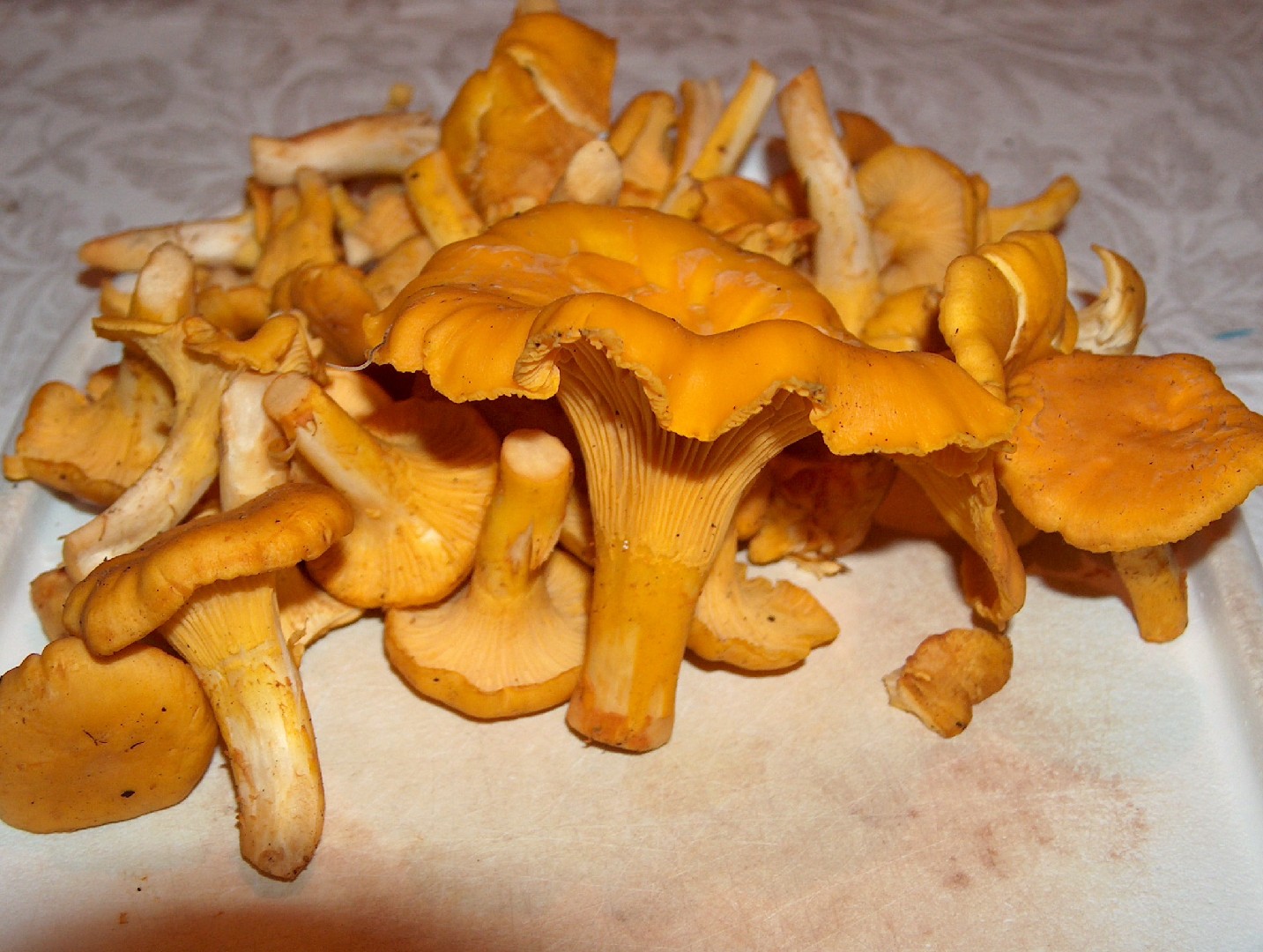
Golden chanterelle mushrooms are popular in gourmet cuisine across Europe, where they grow wild during the warm (but not too hot) months. Similar species grow in other countries. Extremely popular with foragers, the golden chanterelle emits an apricot-like scent and contains an array of nutrients that benefit the human body. Several studies suggest consuming extremely large amounts may have detrimental effects on the eyes and muscles.
6. Meadow mushroom
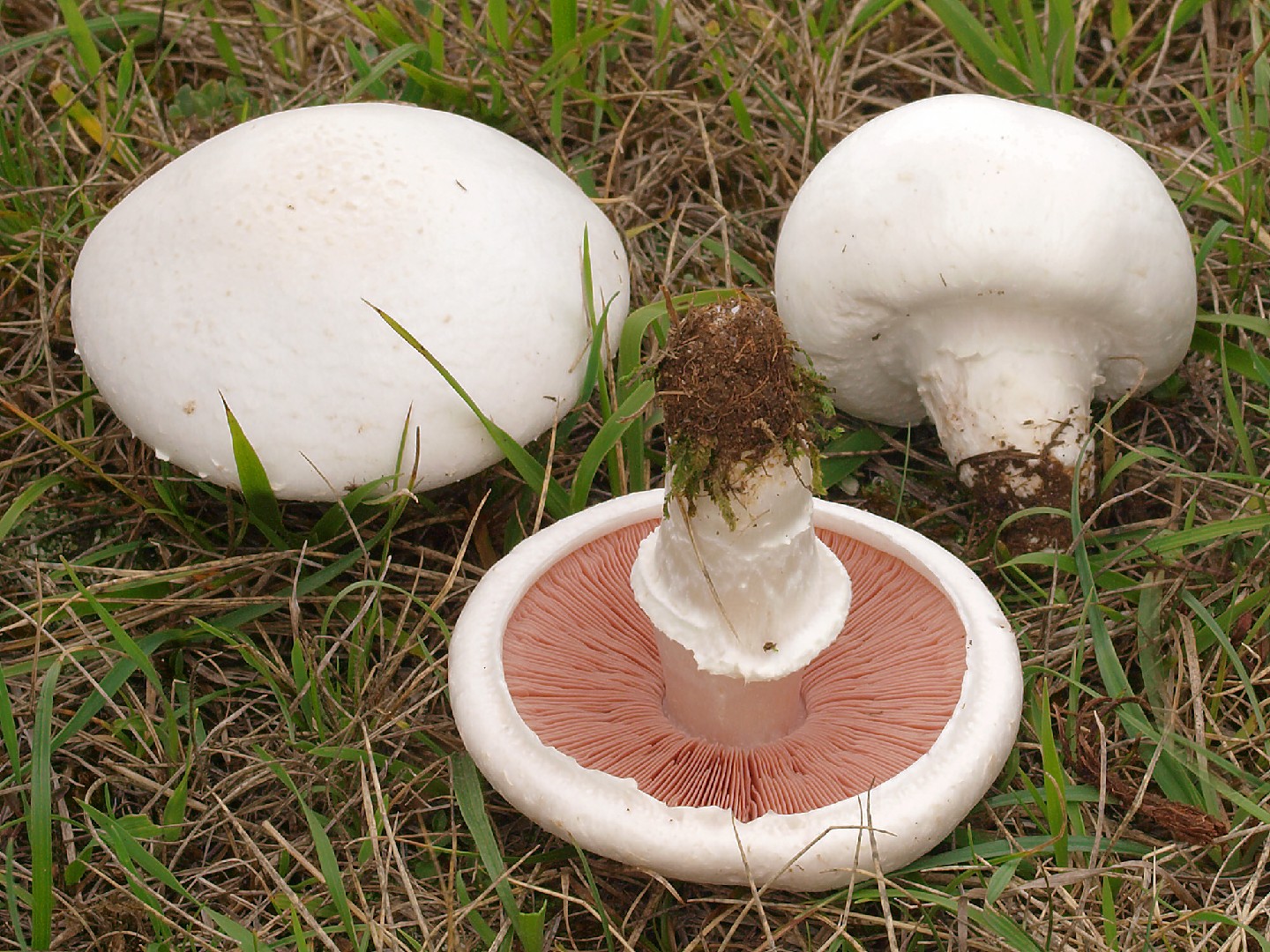
The meadow mushroom grows in meadows and pastures around the world—especially those rich in manure—when the weather is warm and wet. They are known to appear in “fairy ring” shapes. Originally identified in Europe, it is possible that North American specimens identified as meadow mushrooms may genetically belong to other species.

7. Salt-loving mushroom
The salt-loving mushroom (Agaricus bernardii) is a globally-distributed species that has a fondness for microhabitats that are, you guessed it, salty! Salt marshes, coastal grasslands, and even recently salted roads and sidewalks play host to this agaric species, which is stocky in stature and has a white or off-white cap.
8. Button mushroom
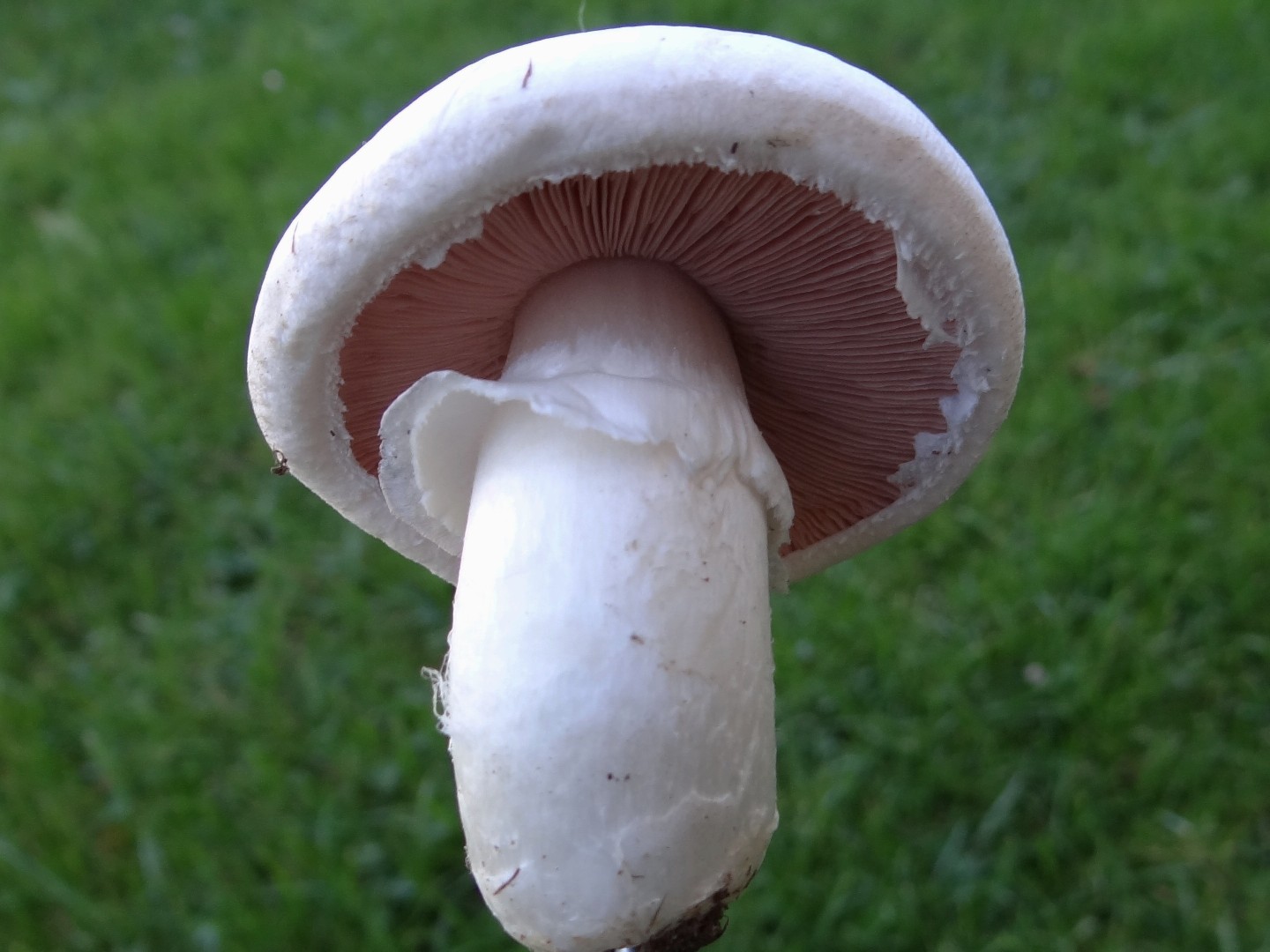
Most of the mushrooms sold in supermarkets in the US are cultivated forms of the button mushroom. The white variants are sold as "button mushrooms", the brown as "cremini" or "baby bellas", and full-grown caps as "portobellas." They occur quite infrequently in the wild, in grassy fields around the Northern Hemisphere.
9. Dead man's foot
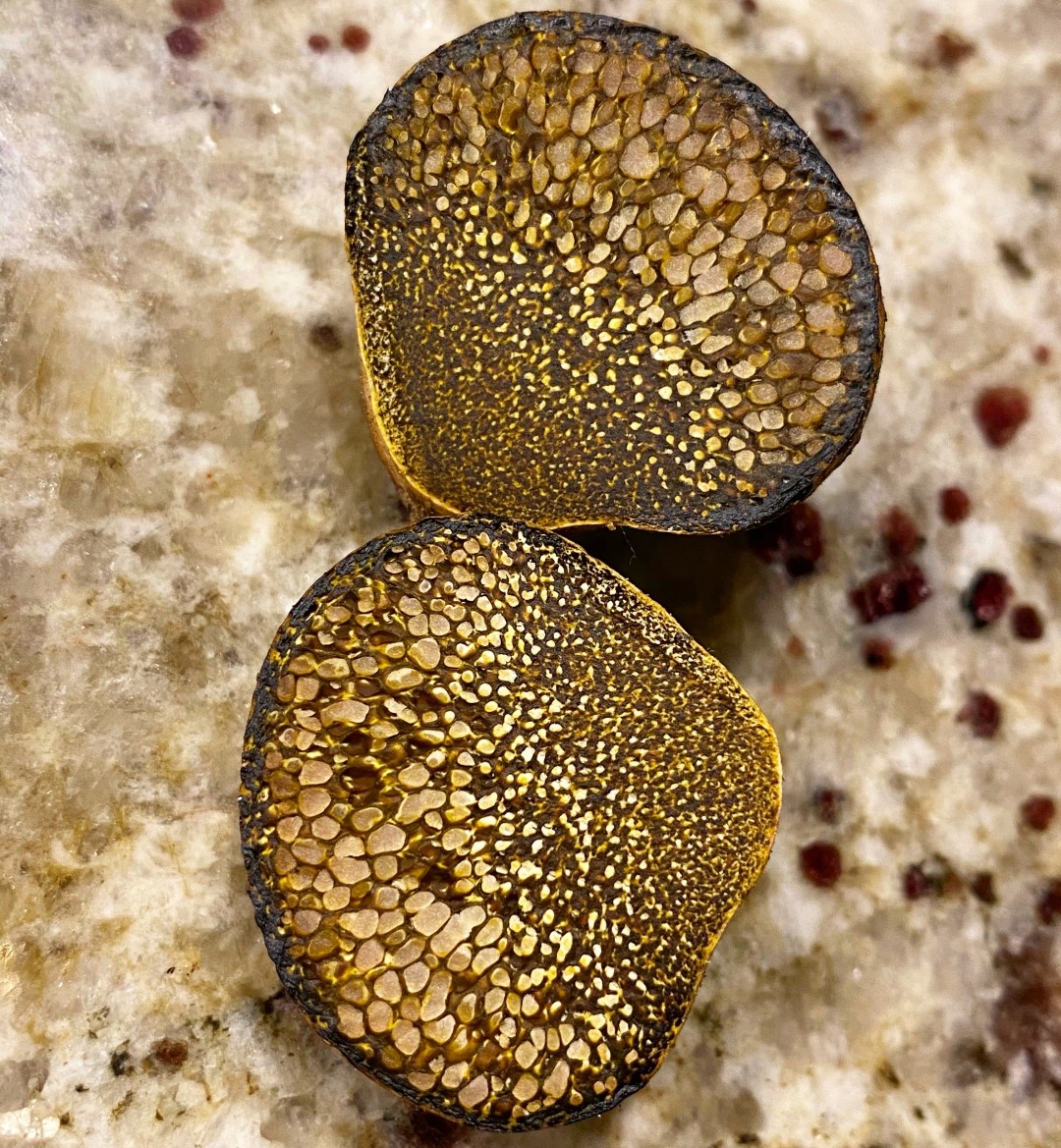
Dead man's foot (Pisolithus arhizus) actually bears a number of colorful names stemming from its unusual appearance, such as the horse dung fungus (Australia). It can be distilled into a viscous black gel, which is then used as a natural dye for clothing. It is considered to be inedible.
10. Terracotta hedgehog
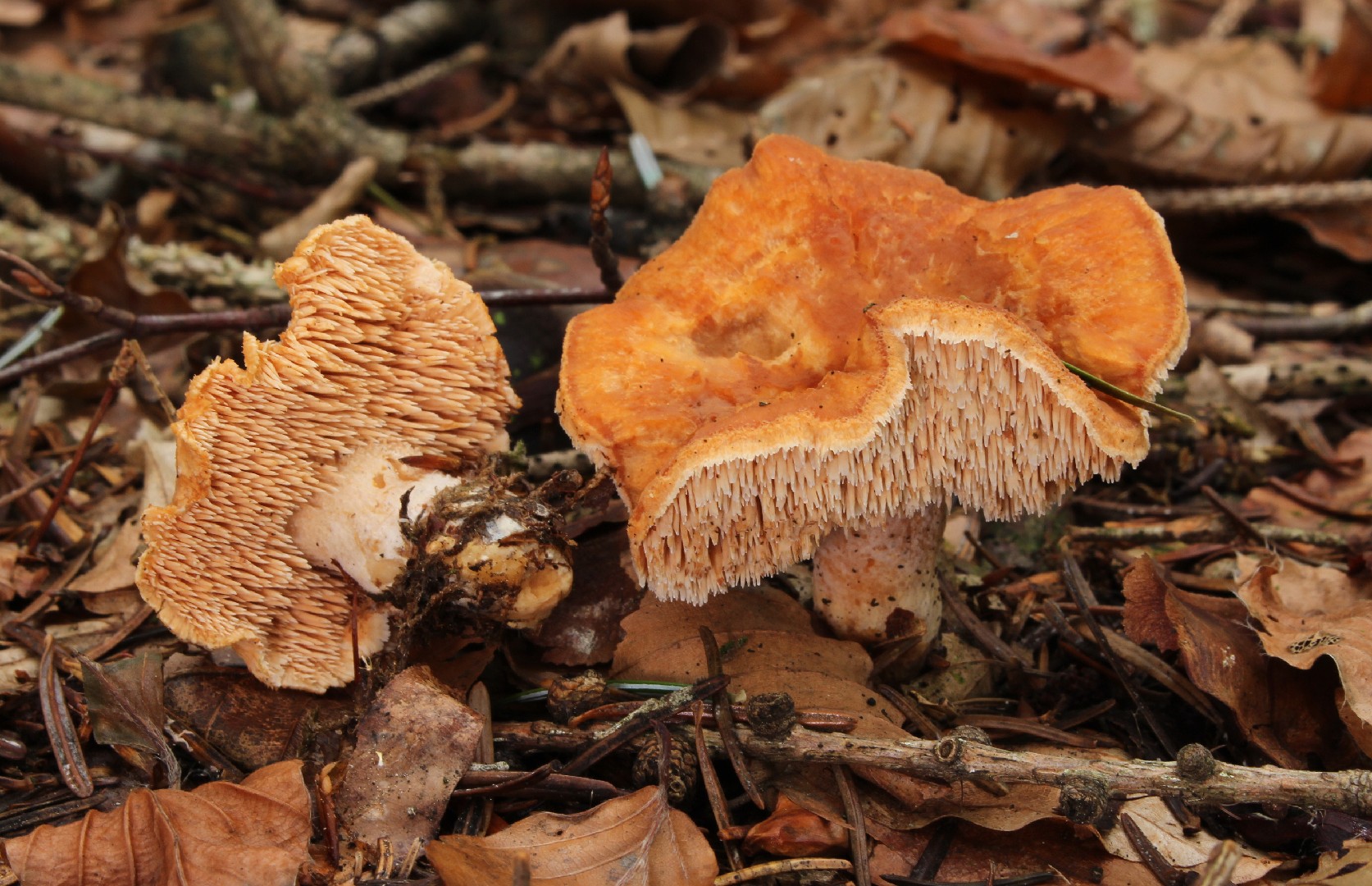
Terracotta hedgehog (Hydnum rufescens) is covered with small spikes on the underside of its crown, which explains why it's called hedgehog. It has a reddish terracotta cap, which explains the first part of its common name. Terracotta hedgehog typically grows in small clumps among the moss and leaf litter.

More







