




Top 20 Edible Mushrooms Popular in Ibiza
The enchanting island of Ibiza provides a unique microclimate that fosters a diverse array of mushroom species. This piece uncovers the 20 most common edible mushrooms found in this beautiful locale. We delve into the visual characteristics, distinct flavors, particular habitats, and culinary versatility of each species. Brimming with knowledge and captivating details, join us on this mycological journey as we unravel the fungal treasures of Ibiza.
* Disclaimer: Content feedback CAN NOT be used as any basis for EATING ANY PLANTS. Some plants can be VERY POISONOUS, please purchase edible plants through regular channels.

Most Popular Edible Mushrooms
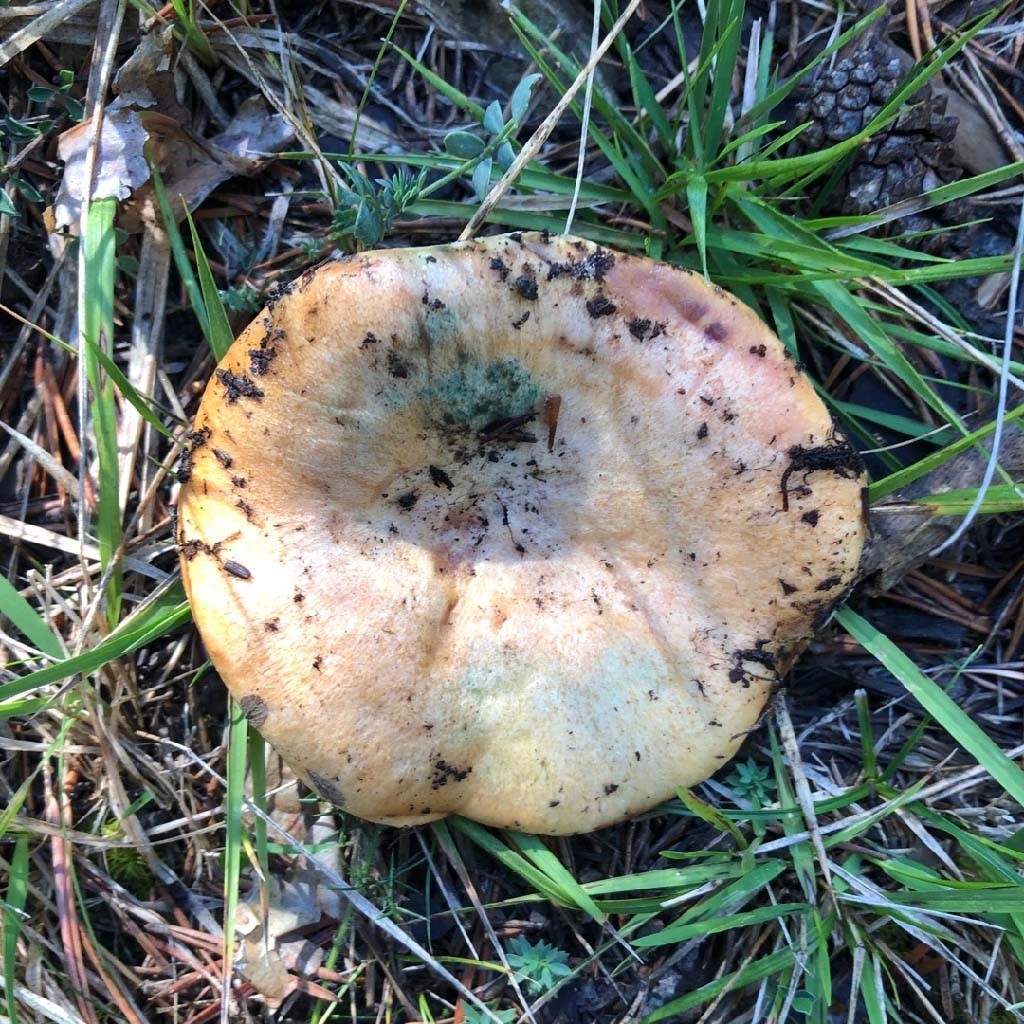
1. Bloody milk cap
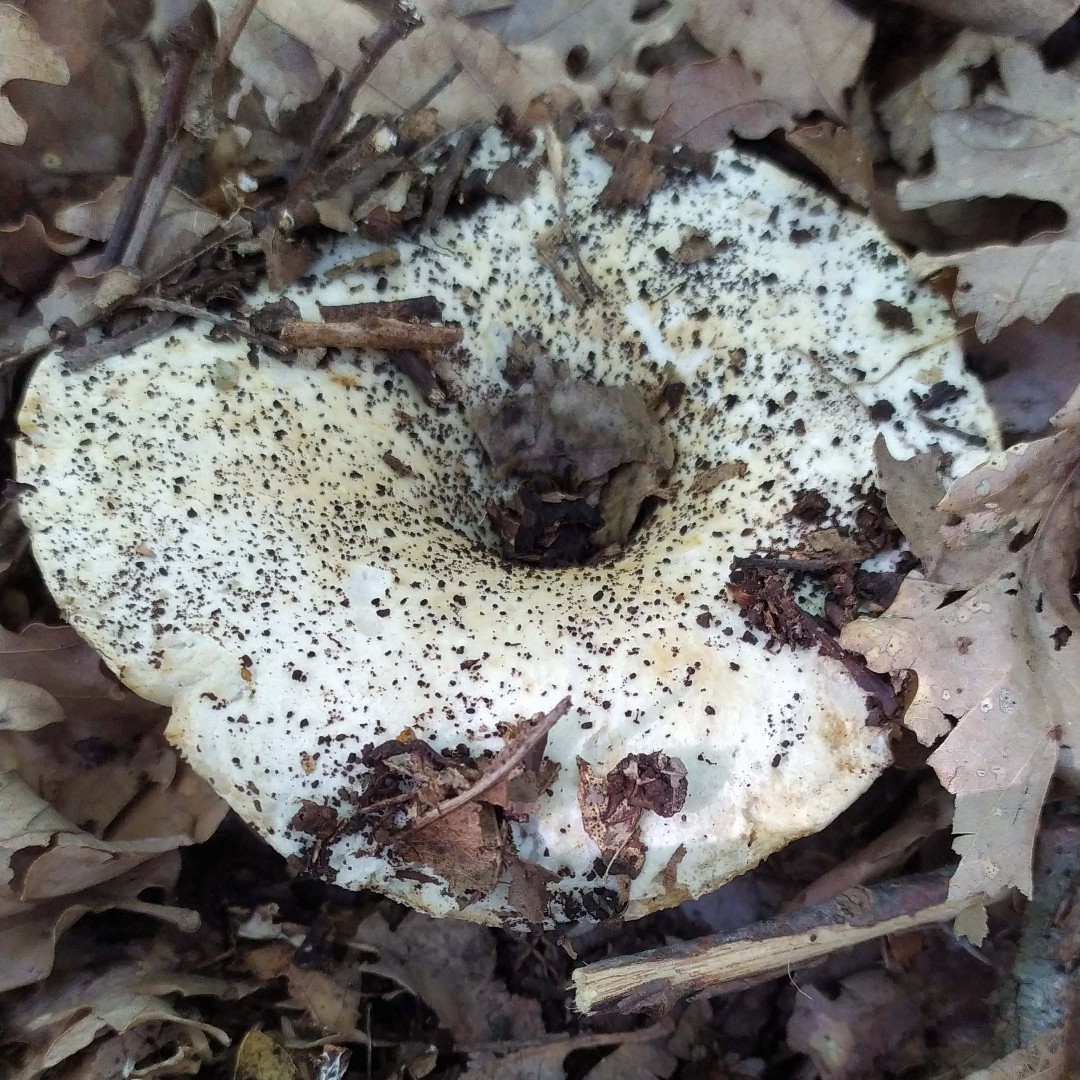
Bloody milk cap (Lactarius sanguifluus) has a distinctive appearance with its pale exterior but a deep blood-red interior, for which it is named. This mushroom can be found in pine forests where it grows in a mycorrhizal relationship with the trees. Bloody milk cap is known to accumulate large quantities of toxic heavy metals.
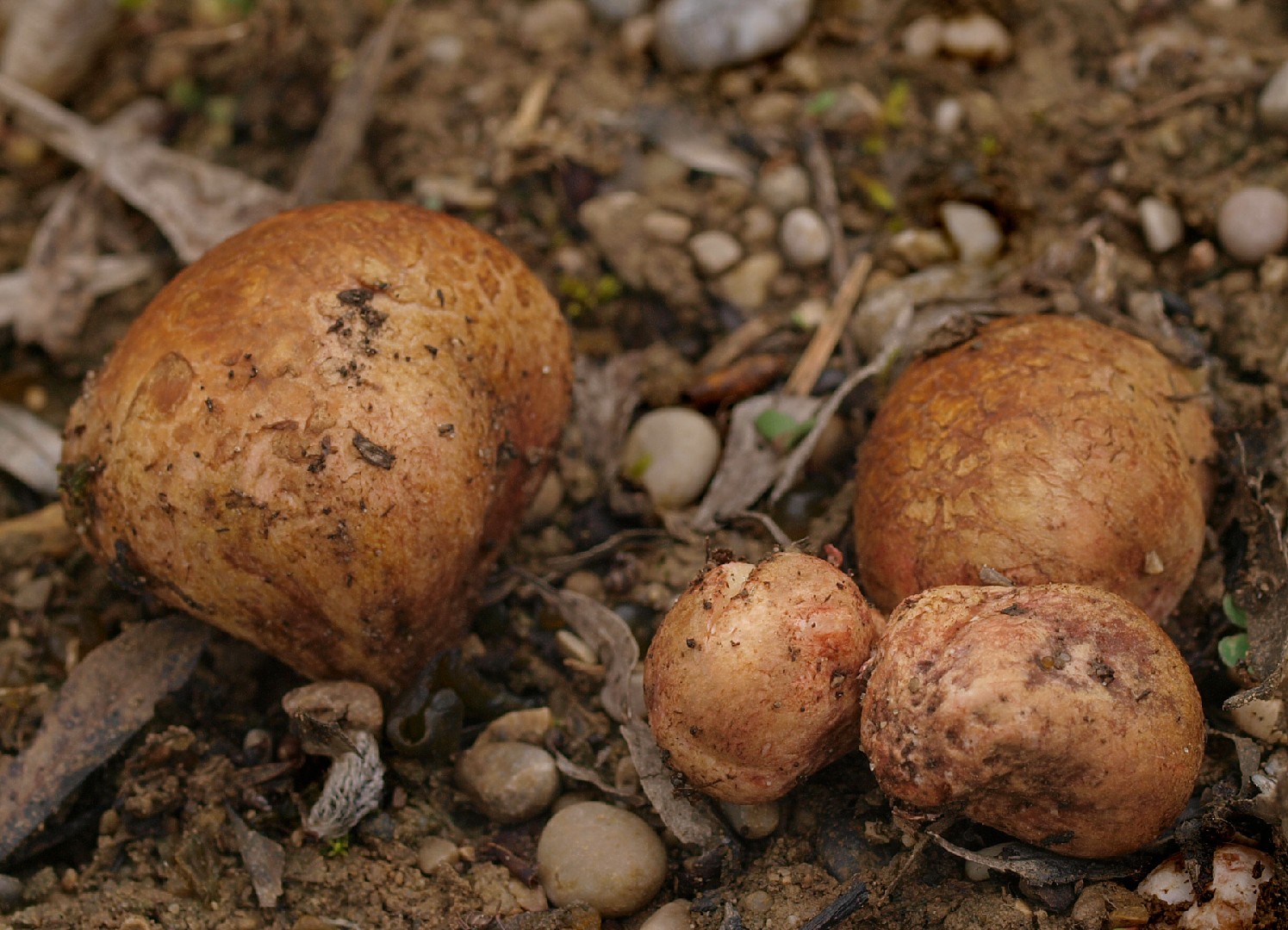
2. Blushing beard truffle
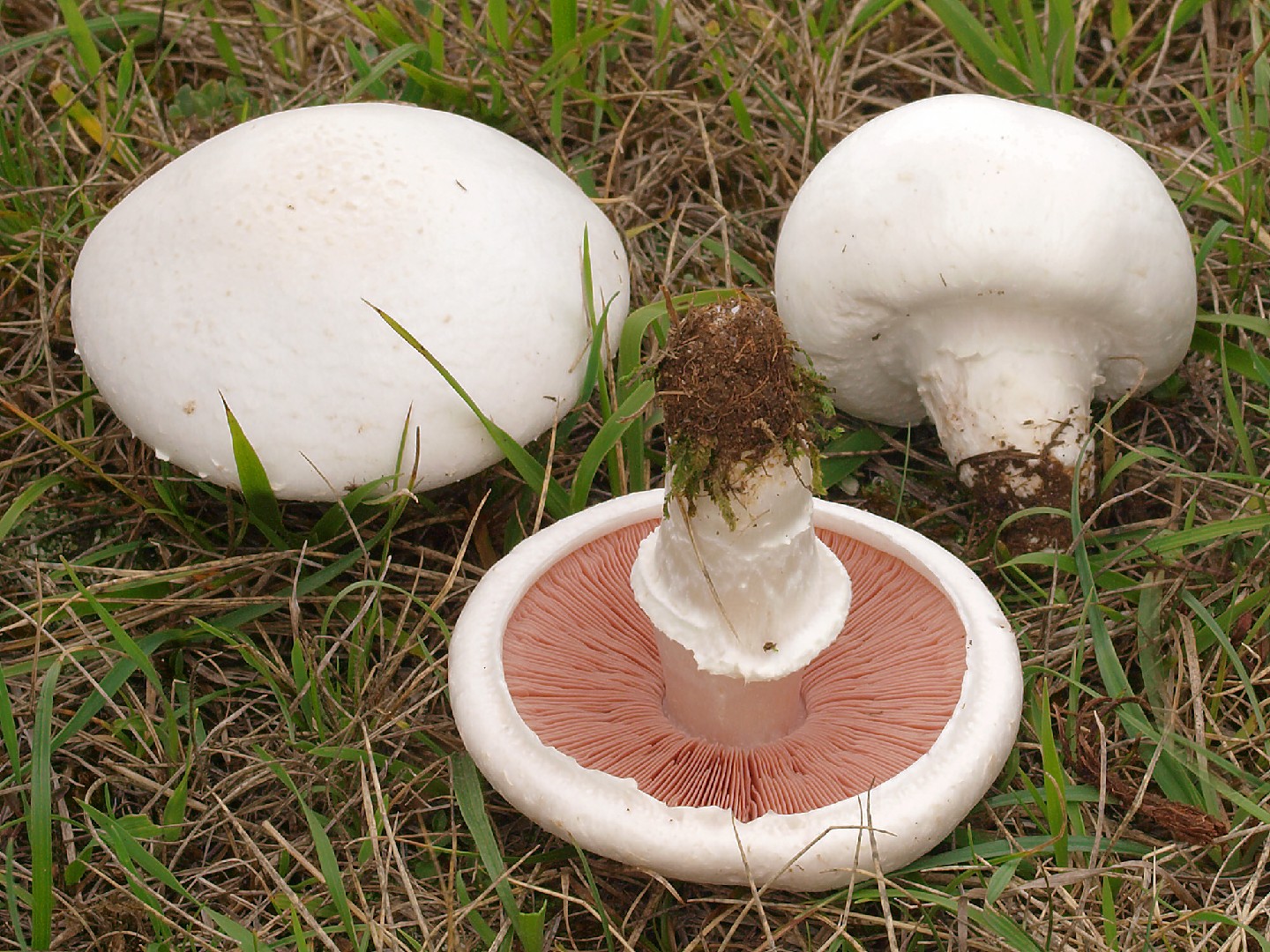
3. Meadow mushroom
The meadow mushroom grows in meadows and pastures around the world—especially those rich in manure—when the weather is warm and wet. They are known to appear in “fairy ring” shapes. Originally identified in Europe, it is possible that North American specimens identified as meadow mushrooms may genetically belong to other species.
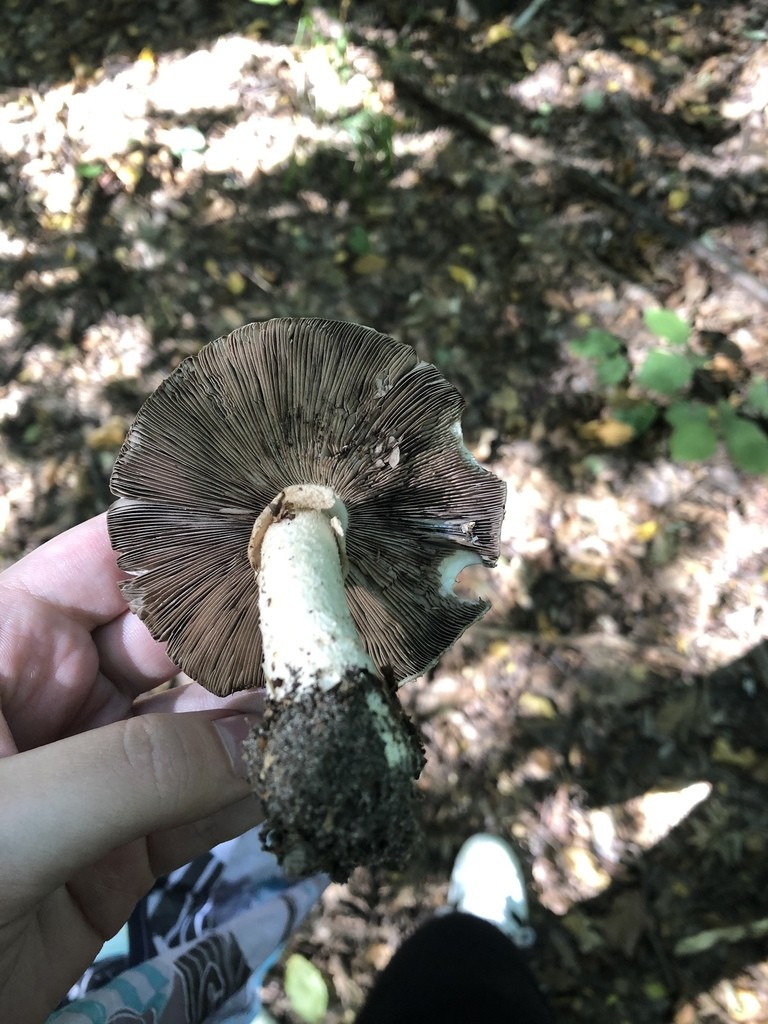
4. The princess
5. Yellow false truffle
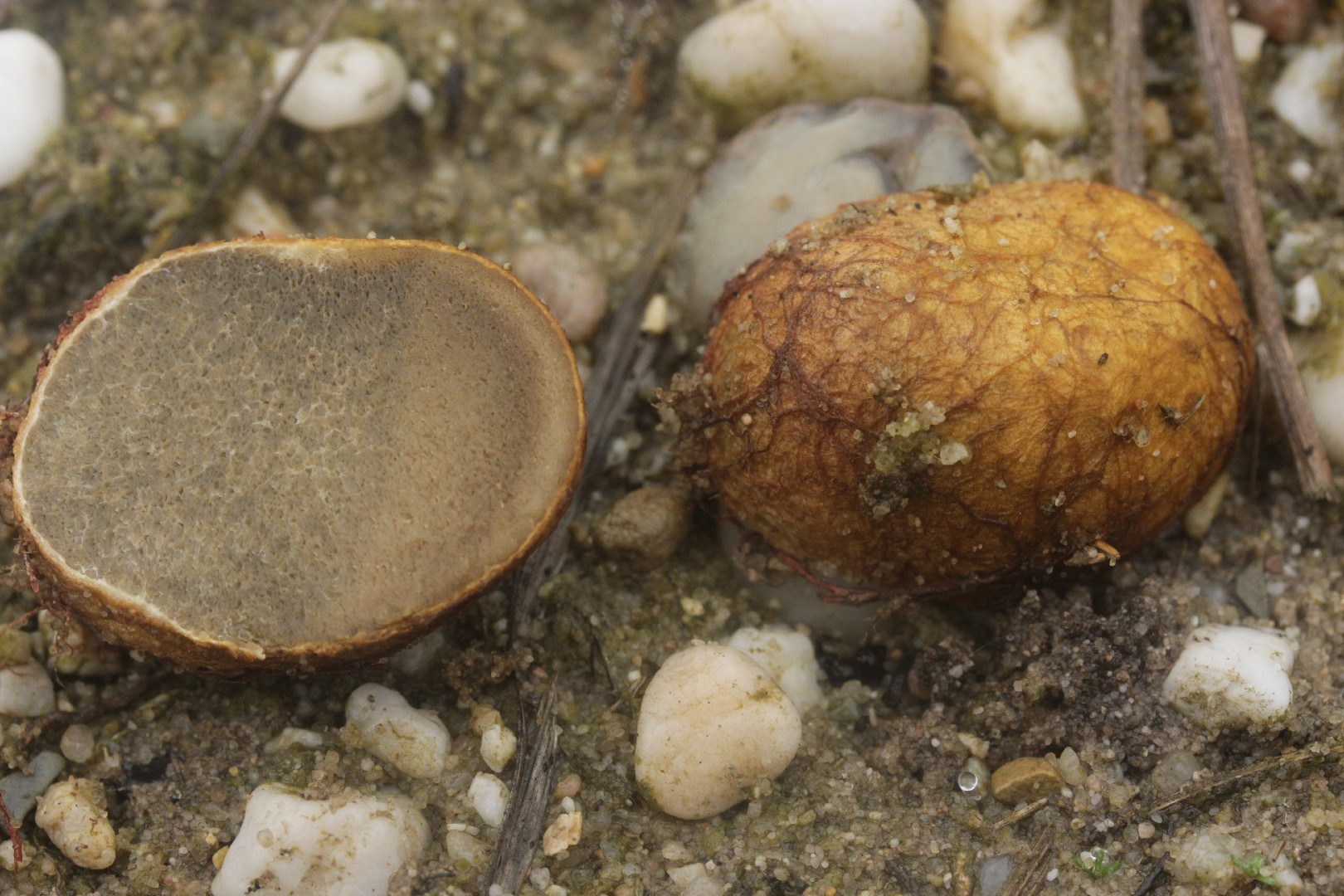
The yellow false truffle (Rhizopogon luteolus) may be vaguely truffle-like in appearance, but it's easy to distinguish this species from true truffles. The large and lumpy fruiting body of the yellow false truffle is usually exposed, sitting atop soil or leaf litter, whereas true truffles are almost always buried underground. The yellow false truffle has a spongey white body, much like a puffball, and a subdued yellow exterior. The species is not considered to be edible.
6. Lurid bolete
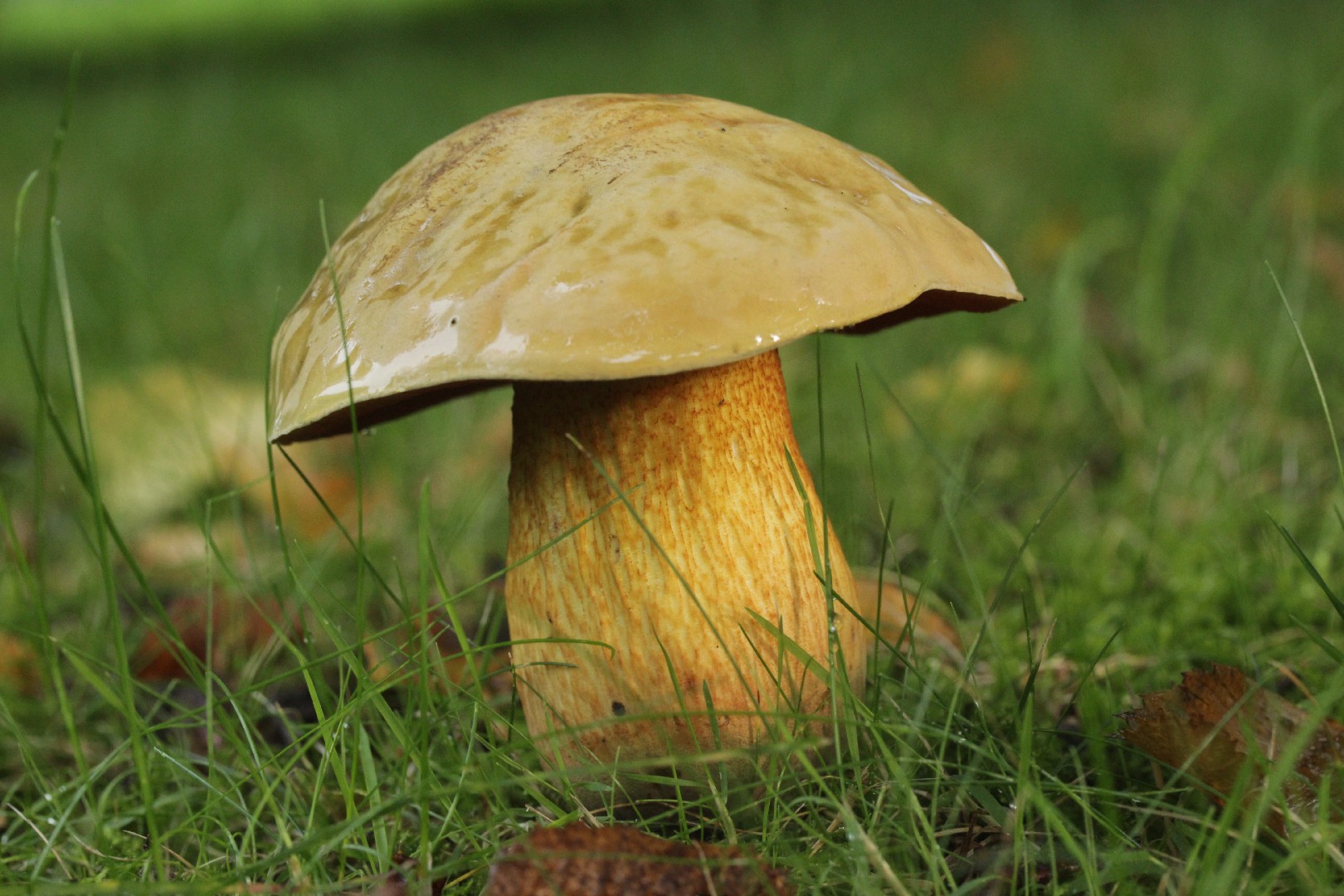
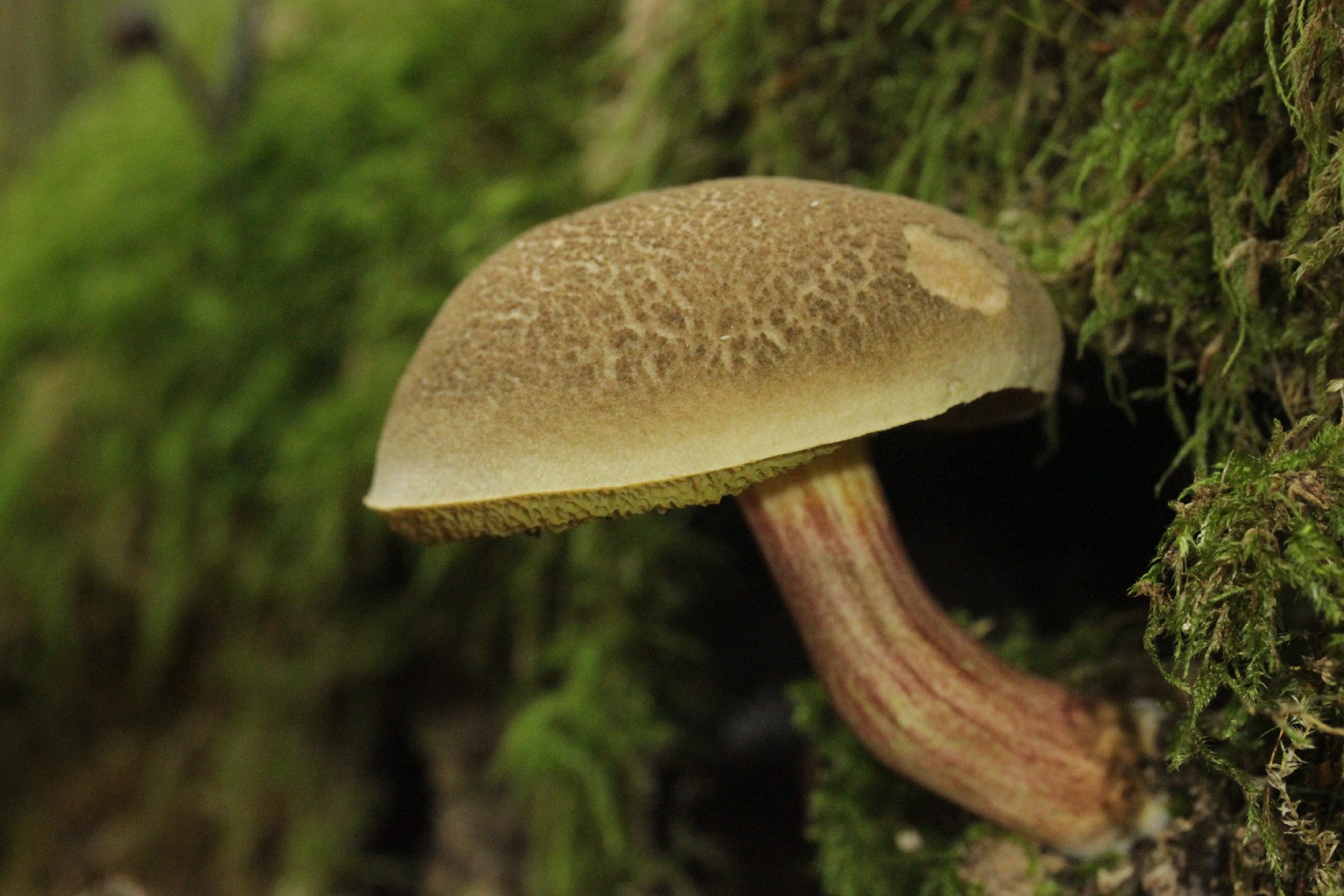
Once considered a member of the Boletus genus, the lurid bolete is a mushroom that is best avoided. Inexperienced mushroom hunters could easily confuse it with the severely poisonous European species Satan's bolete (Rubroboletus satanas) or its North American cousin Rubroboletus eastwoodiae. When cut, the stem of this bolete goes dark blue. Its smell is a bit sour.
7. Pale bolete
8. Blewit
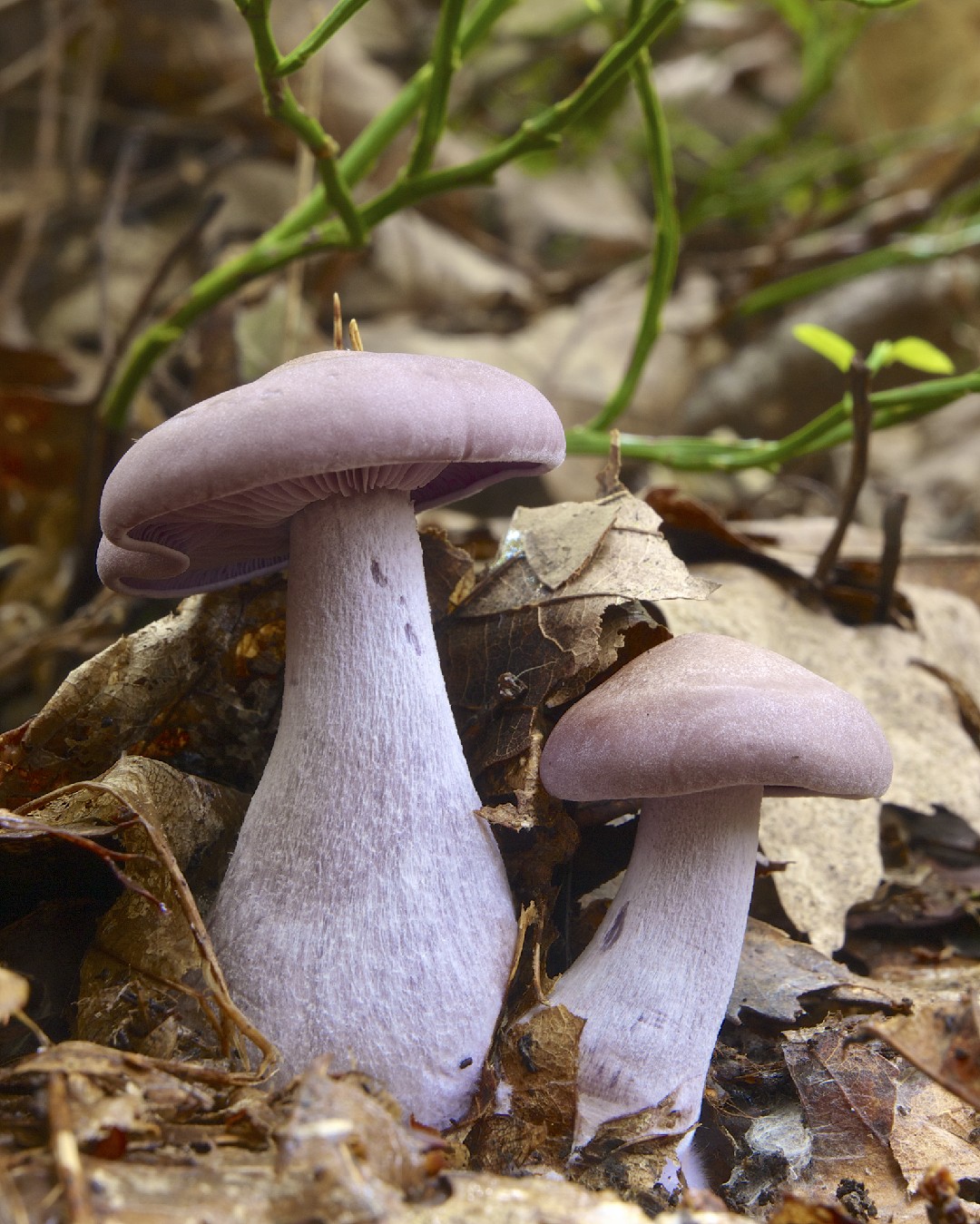
The blewit mushroom grows in fallen leaves in autumn and winter, sometimes appearing in ‘fairy ring’ circles. It can be used to make a green dye when chopped and boiled in an iron pot. The scientific name, Lepista nuda, derives from Latin words meaning “bare goblet,” a reference to the shape and texture of the mushroom.
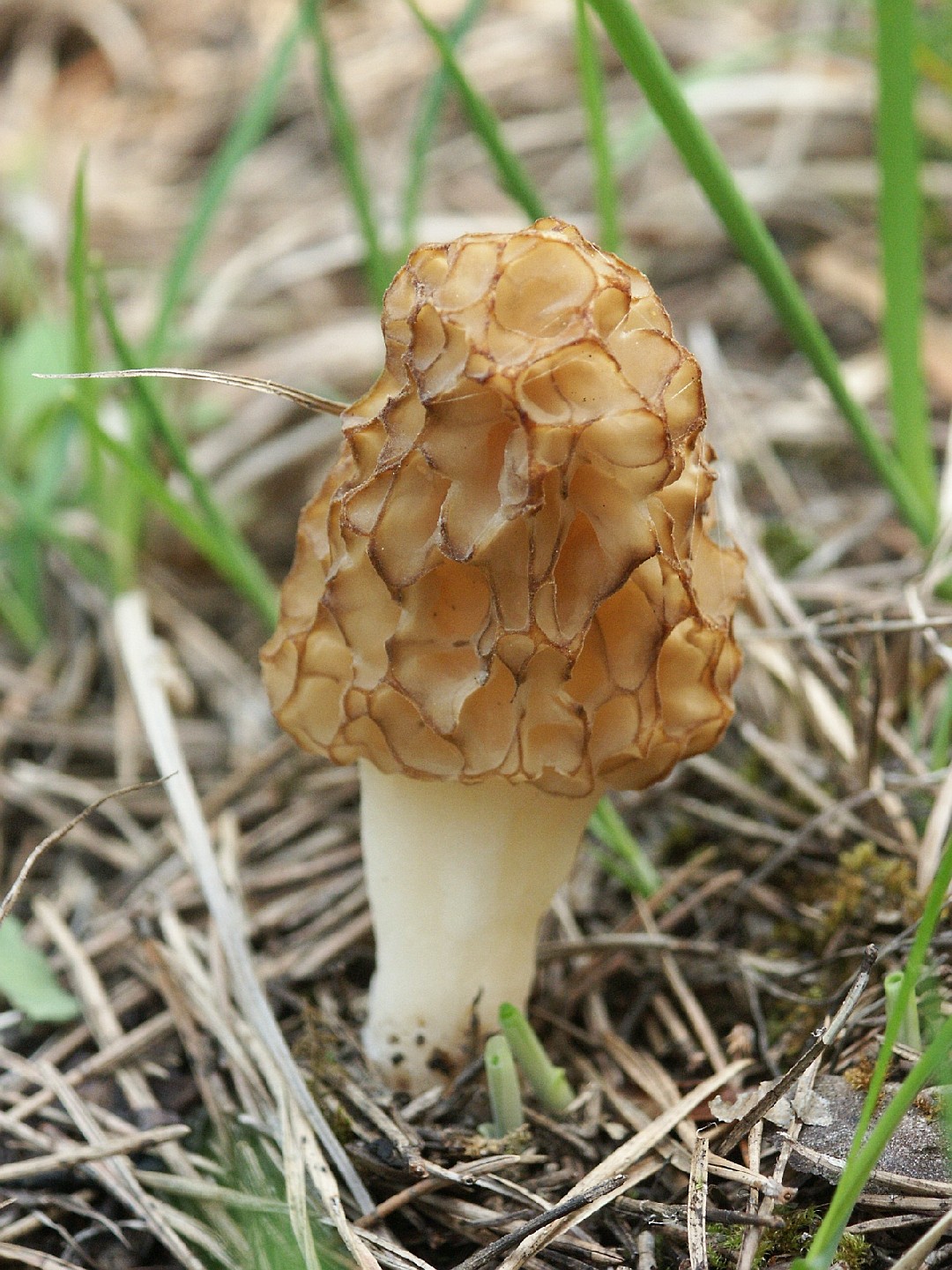
9. Yellow morel
The yellow morel (Morchella esculenta) is one of the most iconic and sought-after species of edible mushrooms. It is often one of the first species that novice mushroom gatherers will hunt for. Yellow morels have elongated caps that are "honeycombed", being filled with roughly polygonal holes. Splitting them down the middle reveals them to be hollow on the inside, a key feature that distinguishes them from toxic false morels. Experts recommend cooking or boiling this mushroom before consumption, as raw morels may cause an upset stomach.
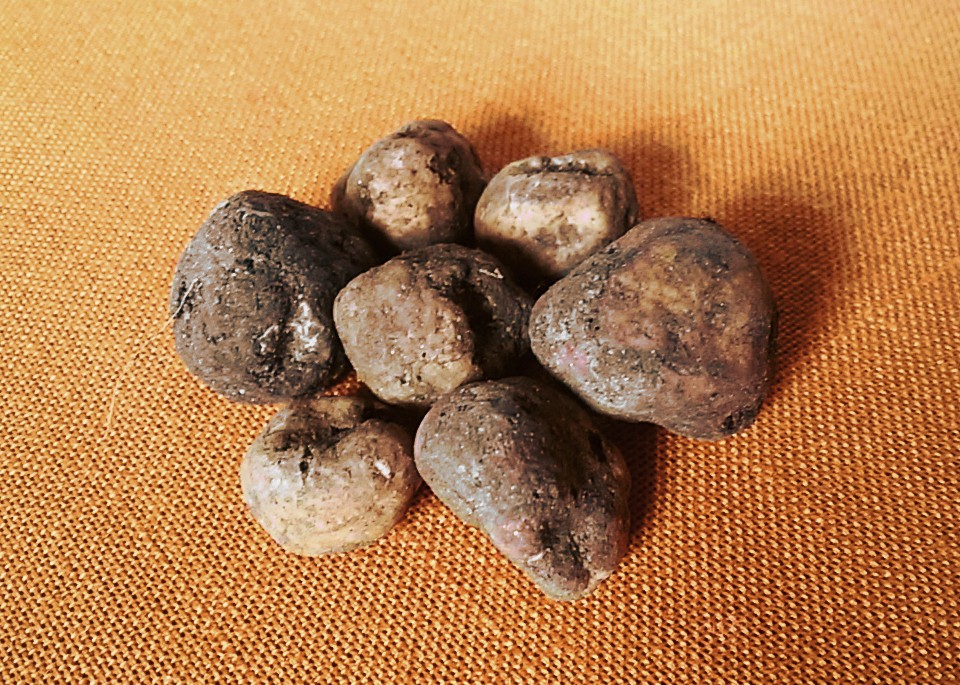
10. Truffle



More







