




Top 20 Edible Mushrooms Popular in Teruel
Nestled in the heart of Spain, Teruel provides a robust habitat for mushrooms, thanks to its stunning landscapes and complex microclimates. Our list of Top 20 Most Common Edible Mushrooms spotlights the bounty this region offers. Each mushroom species' unique appearance, flavor profile, growth conditions, and culinary uses will be elaborated, creating an enriching, educational resource for foragers and gourmets alike. Delve into Teruel's mycological wonder and uncover a plethora of exquisite fungi.
* Disclaimer: Content feedback CAN NOT be used as any basis for EATING ANY PLANTS. Some plants can be VERY POISONOUS, please purchase edible plants through regular channels.

Most Popular Edible Mushrooms
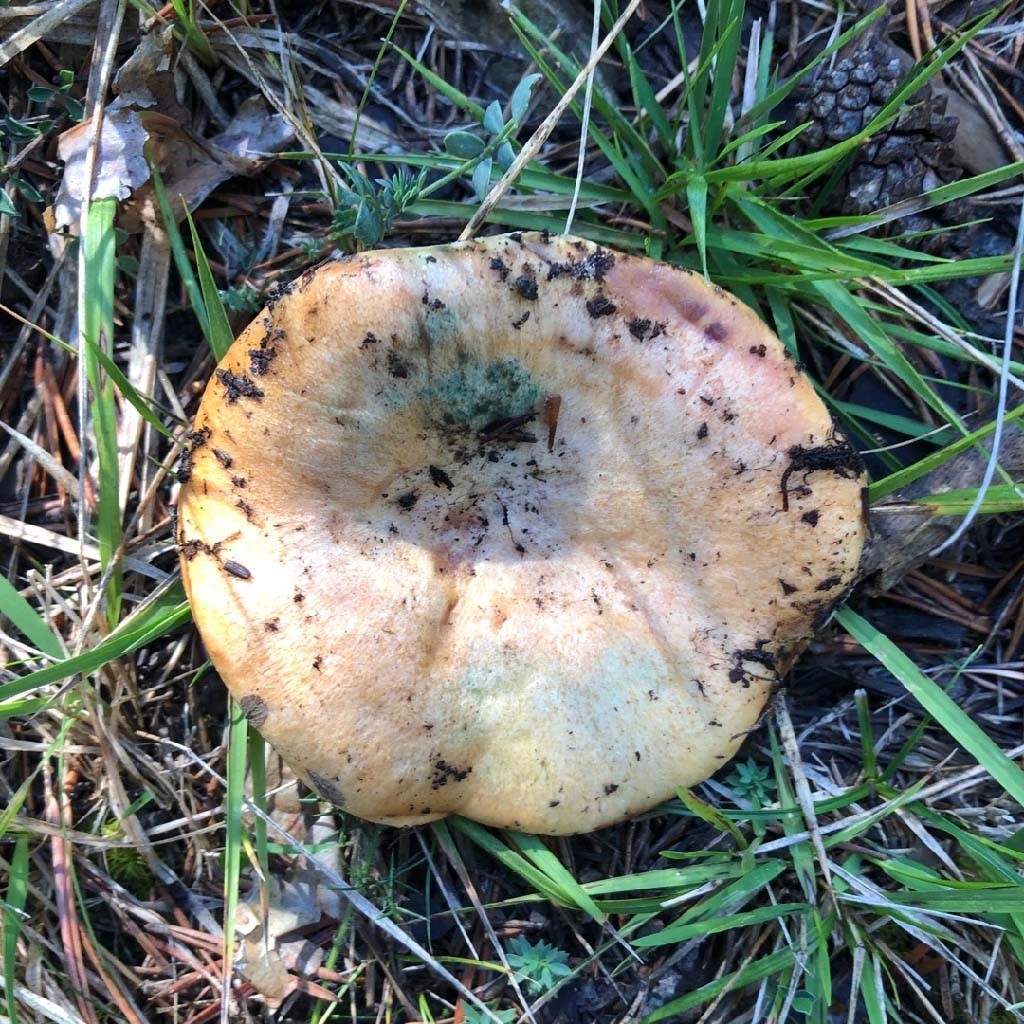
1. Bloody milk cap
Bloody milk cap (Lactarius sanguifluus) has a distinctive appearance with its pale exterior but a deep blood-red interior, for which it is named. This mushroom can be found in pine forests where it grows in a mycorrhizal relationship with the trees. Bloody milk cap is known to accumulate large quantities of toxic heavy metals.
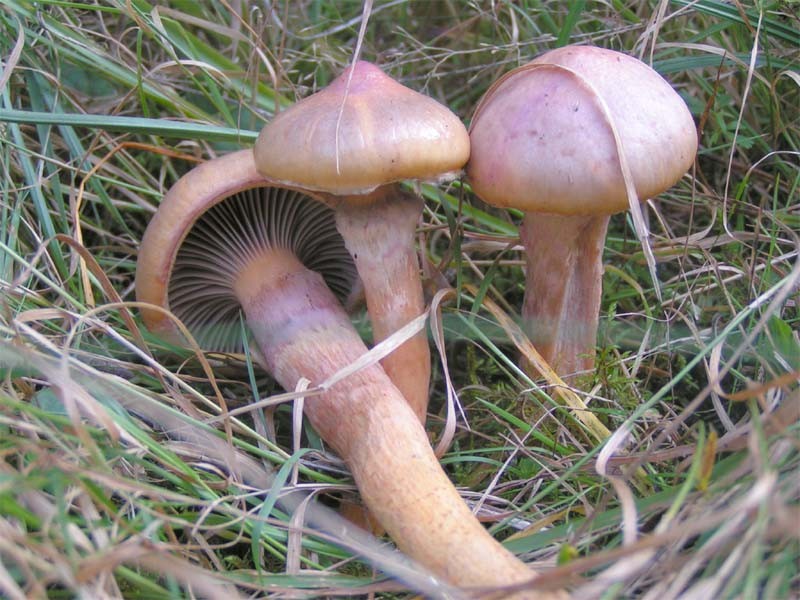
2. Copper spike
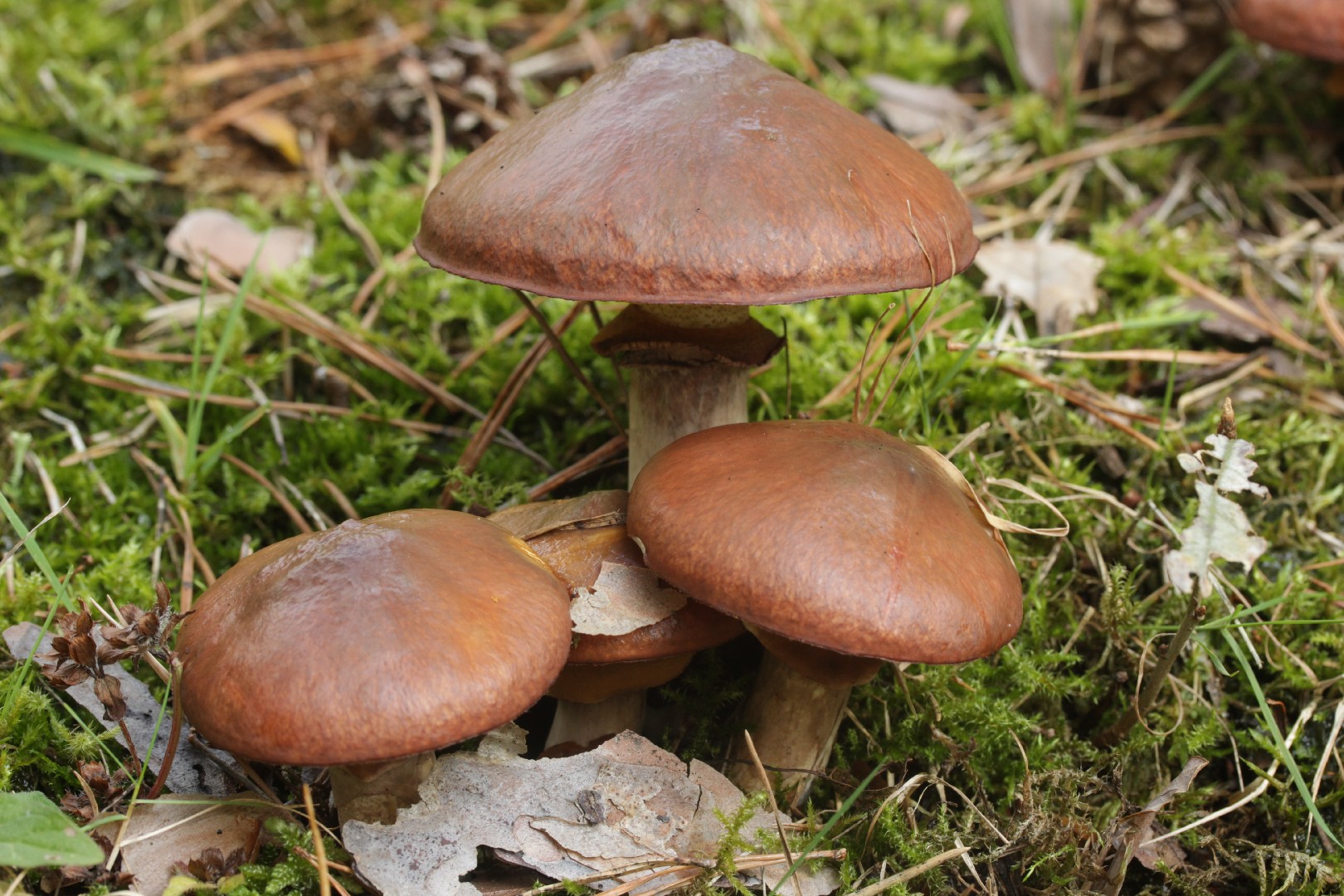
A European fungus, the copper spike is is visually almost indistinguishable from its North American counterpart - Chroogomphus ochraceus, although molecular studies have shown that these two are different species. Its cap becomes slimy when wet, hence the common name. The cap color is highly variable and it can range from yellowish, to orange, purplish, reddish, and brown.
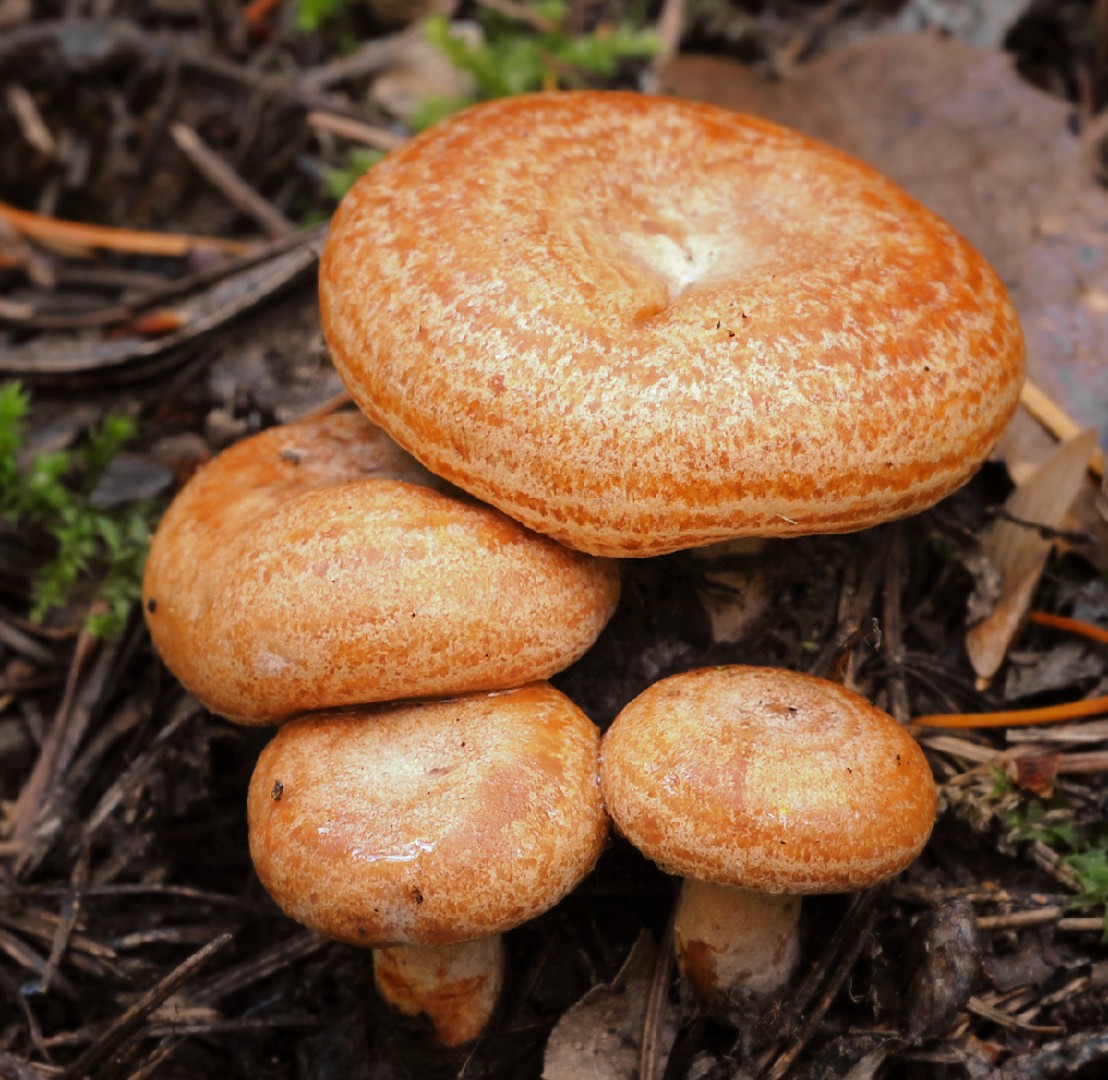
3. Saffron milk cap
Growing wild in the northern hemisphere and introduced to Australia, the saffron milk cap is found in pine forests during autumn. As the name implies, these mushrooms have been harvested for cooking for a long time. They have been known to cause stomach upset in some individuals, however, and carry a risk of being contaminated with heavy metals, so forage with caution.
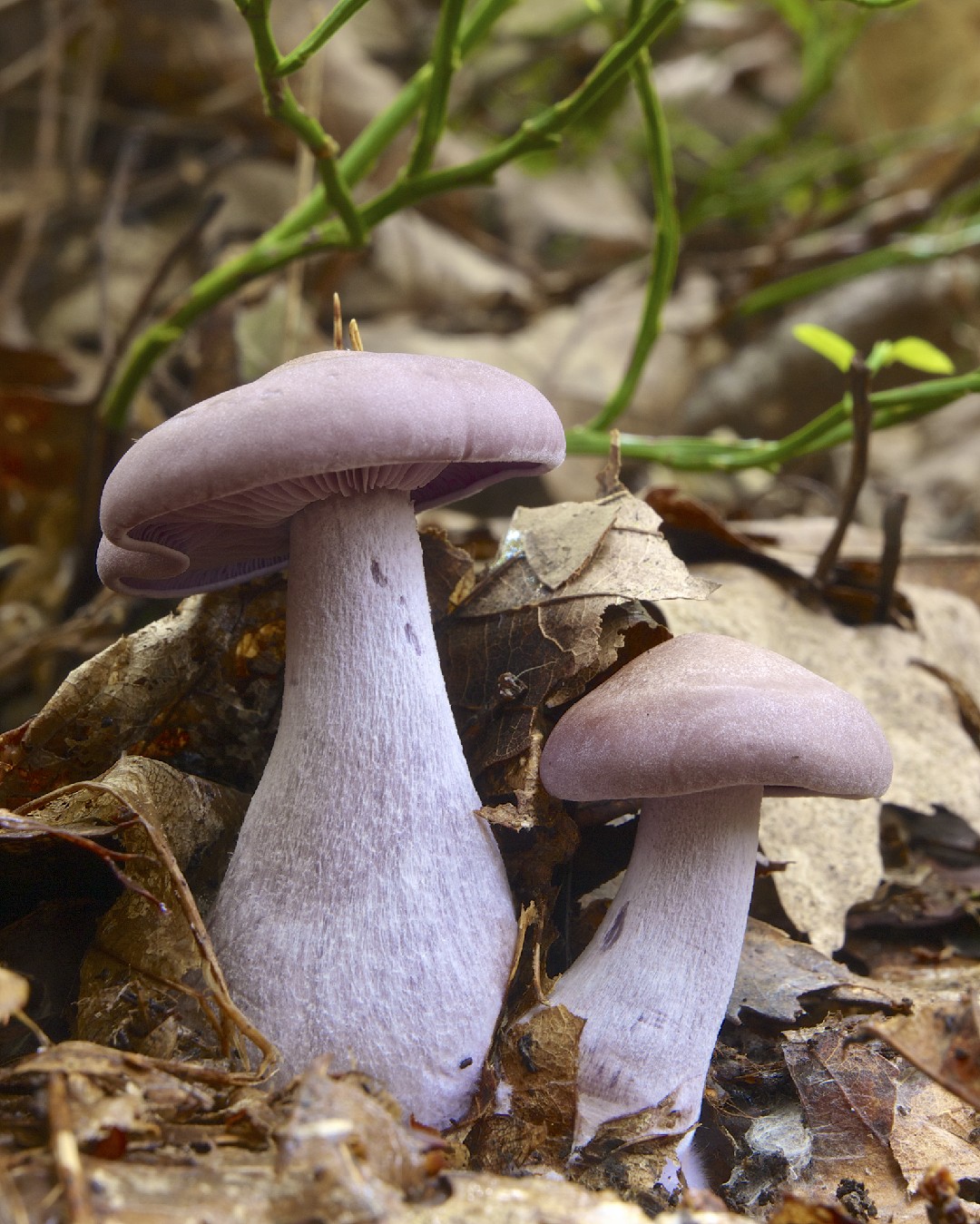
4. Blewit
The blewit mushroom grows in fallen leaves in autumn and winter, sometimes appearing in ‘fairy ring’ circles. It can be used to make a green dye when chopped and boiled in an iron pot. The scientific name, Lepista nuda, derives from Latin words meaning “bare goblet,” a reference to the shape and texture of the mushroom.
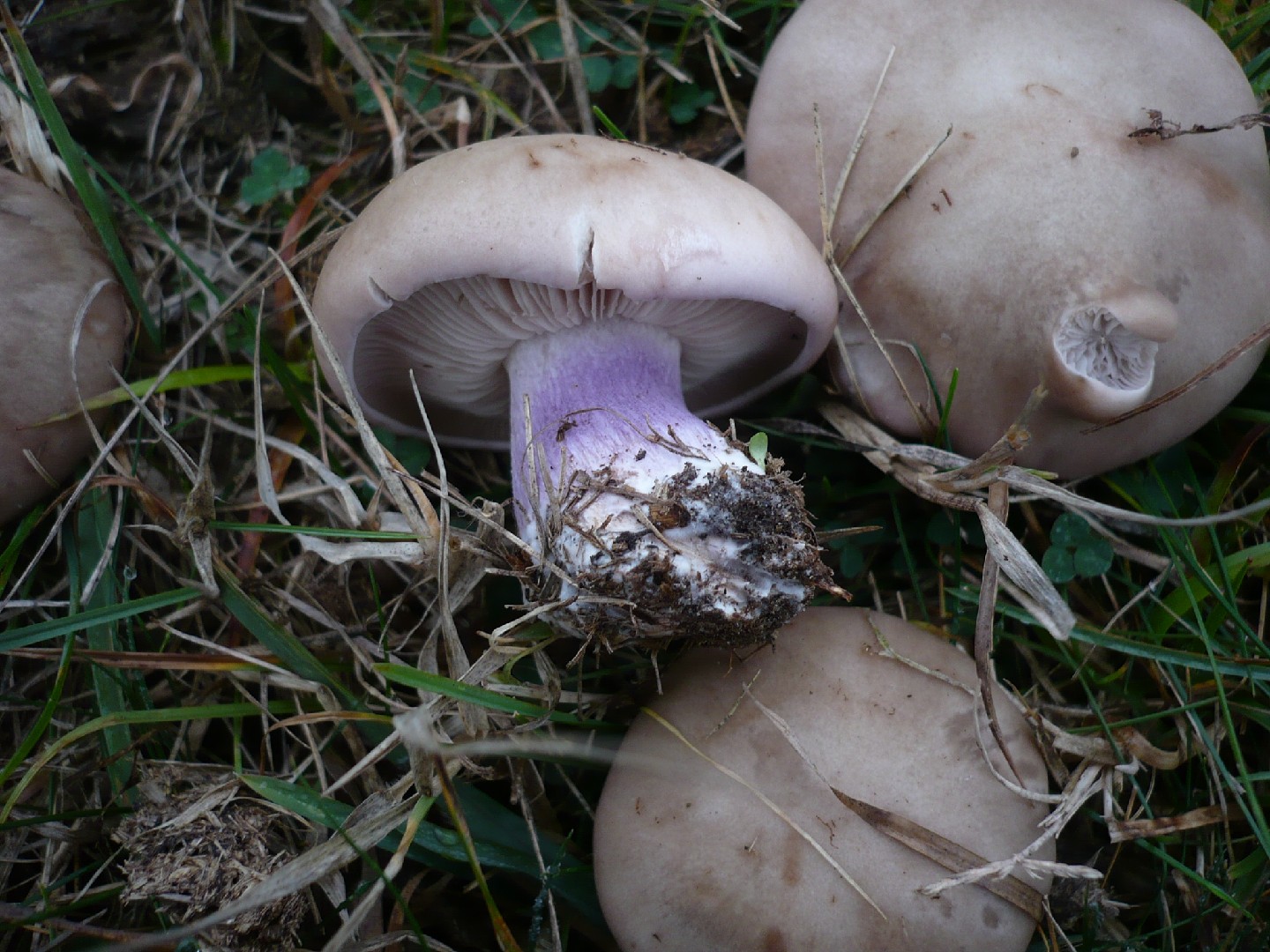
5. Field blewit
As the common name implies, fruitbodies of the field blewit (Lepista personata) can often be found in clusters or fairy rings in areas of open grassland. Their thick, creamy caps start off domed and morph into concave goblets as they age. Consumption of this mushroom has been reported to cause gastric distress.
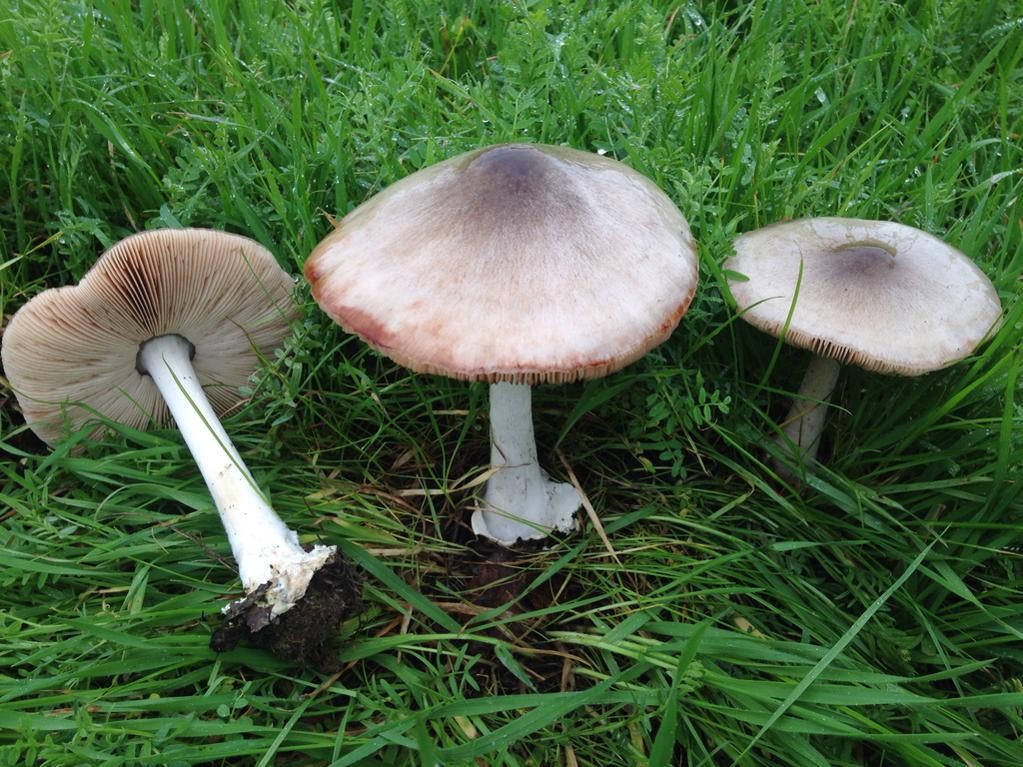
6. Big sheath mushroom
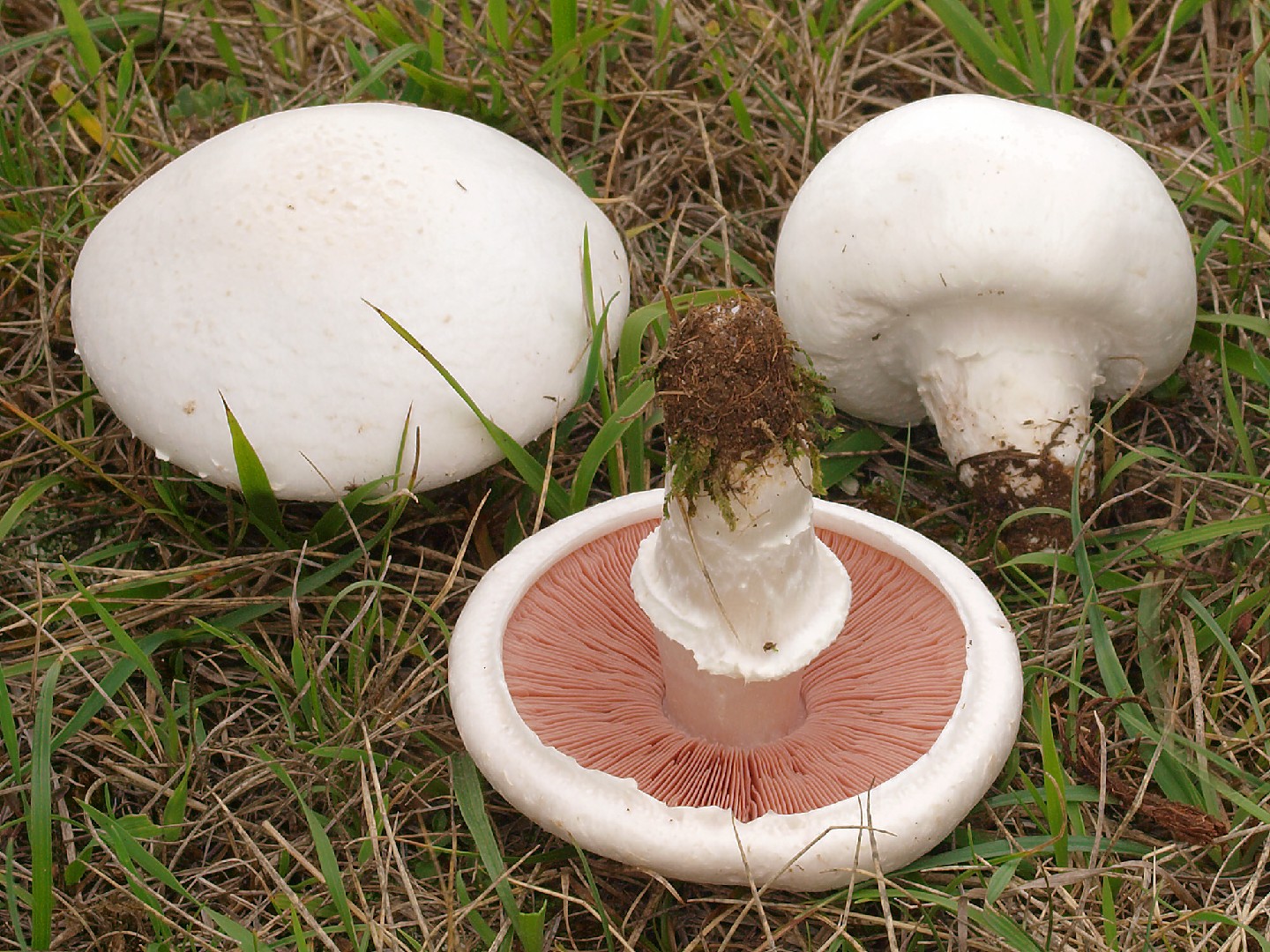
These large white mushrooms bloom all over cleared, harvested fields, as well as pastures and roadsides. The scientific species name comes from Greek words meaning “glue” (glioio) and “head” (cephalus), in reference to the sticky surface of this mushroom’s cap. The big sheath mushroom looks so similar to the poisonous Deathcap and Destroying Angel mushrooms that it should always be left alone.
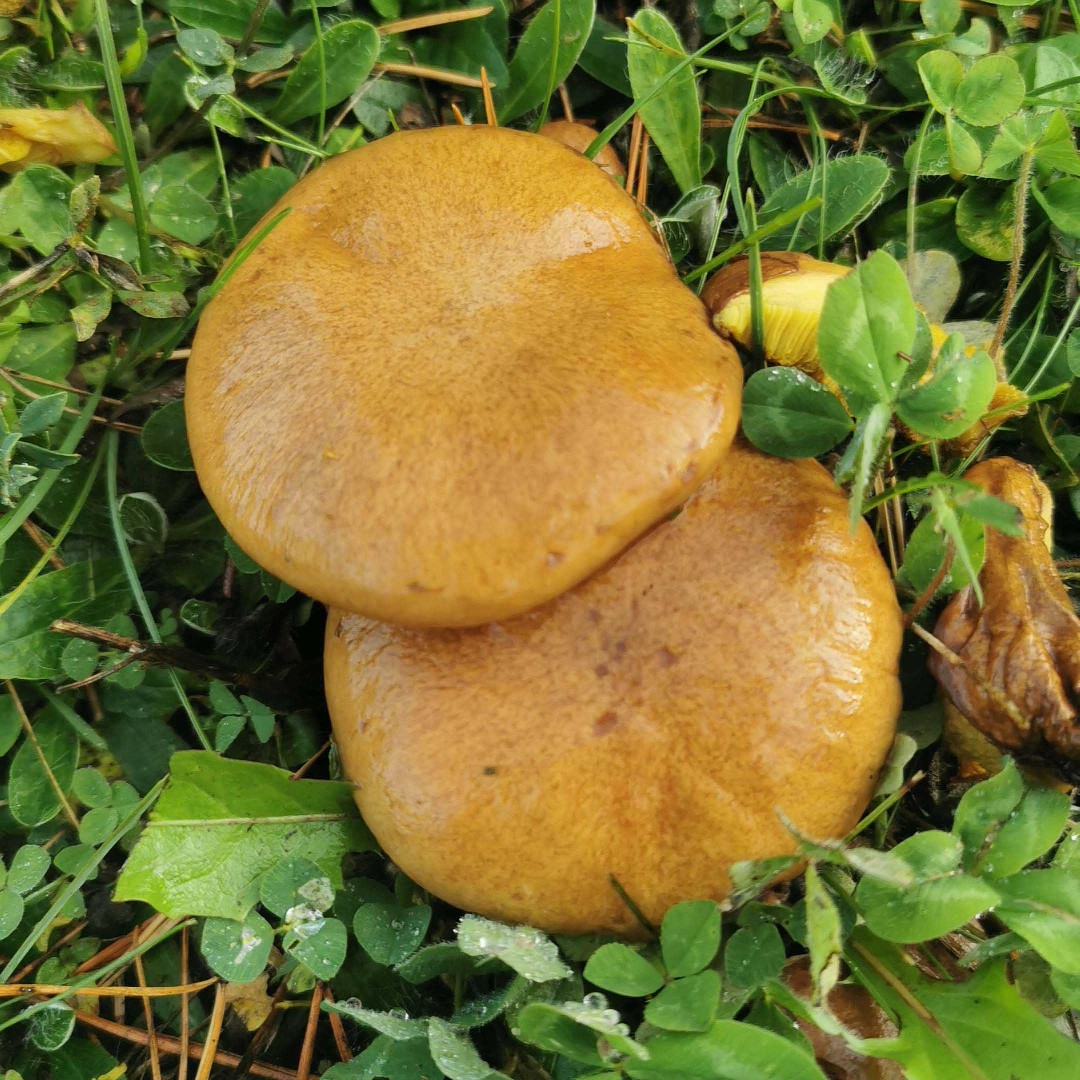
7. Suillus collinitus
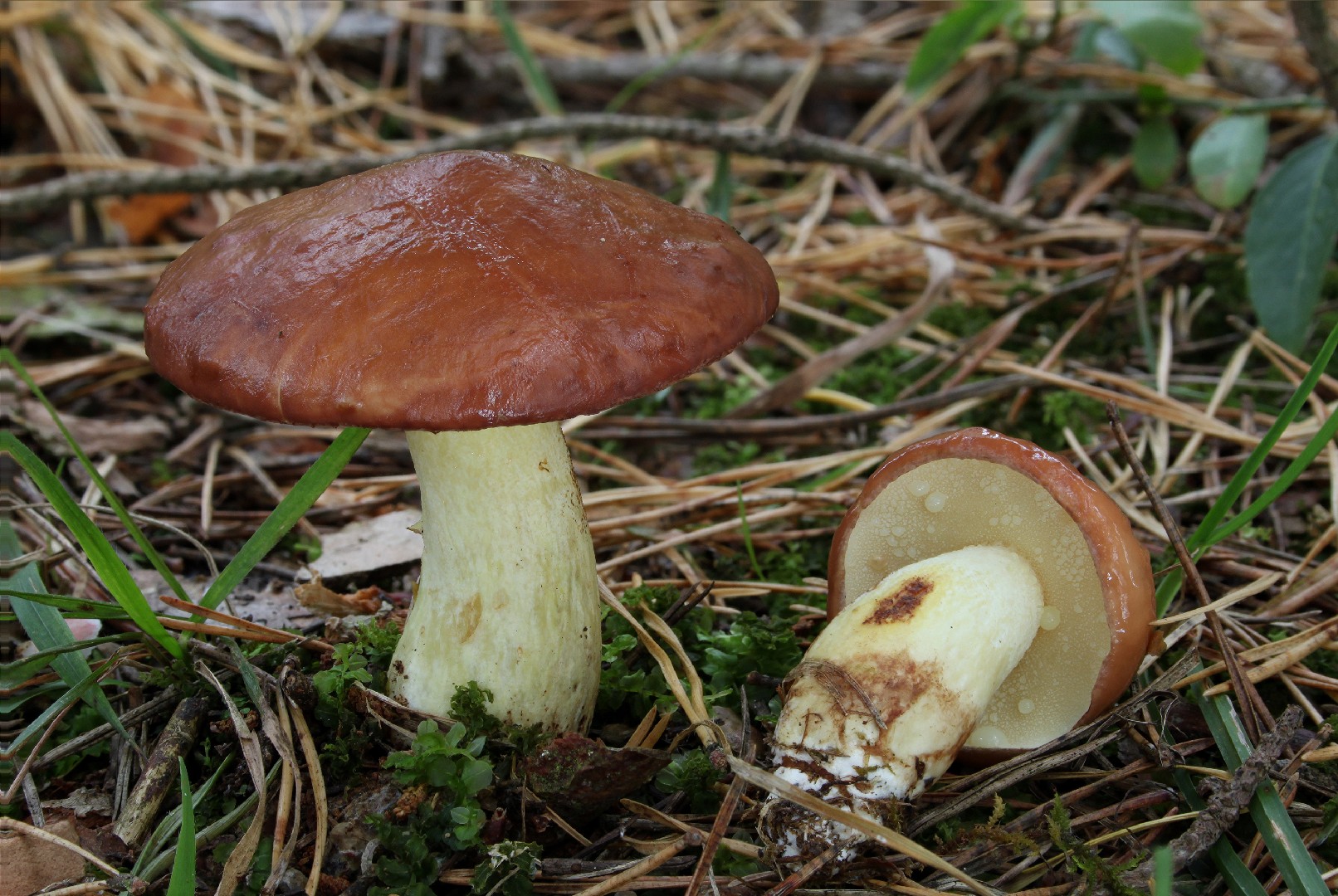
Suillus collinitus is a mushroom that grows in a symbiotic relationship with pine trees, particularly the Aleppo pine. This fungus is sometimes introduced to young pine trees to help them to become established in poor soils. It was listed as an endangered species in the United Kingdom, but its 'vulnerable' classification was removed from that nation's Red Data List in 2006.
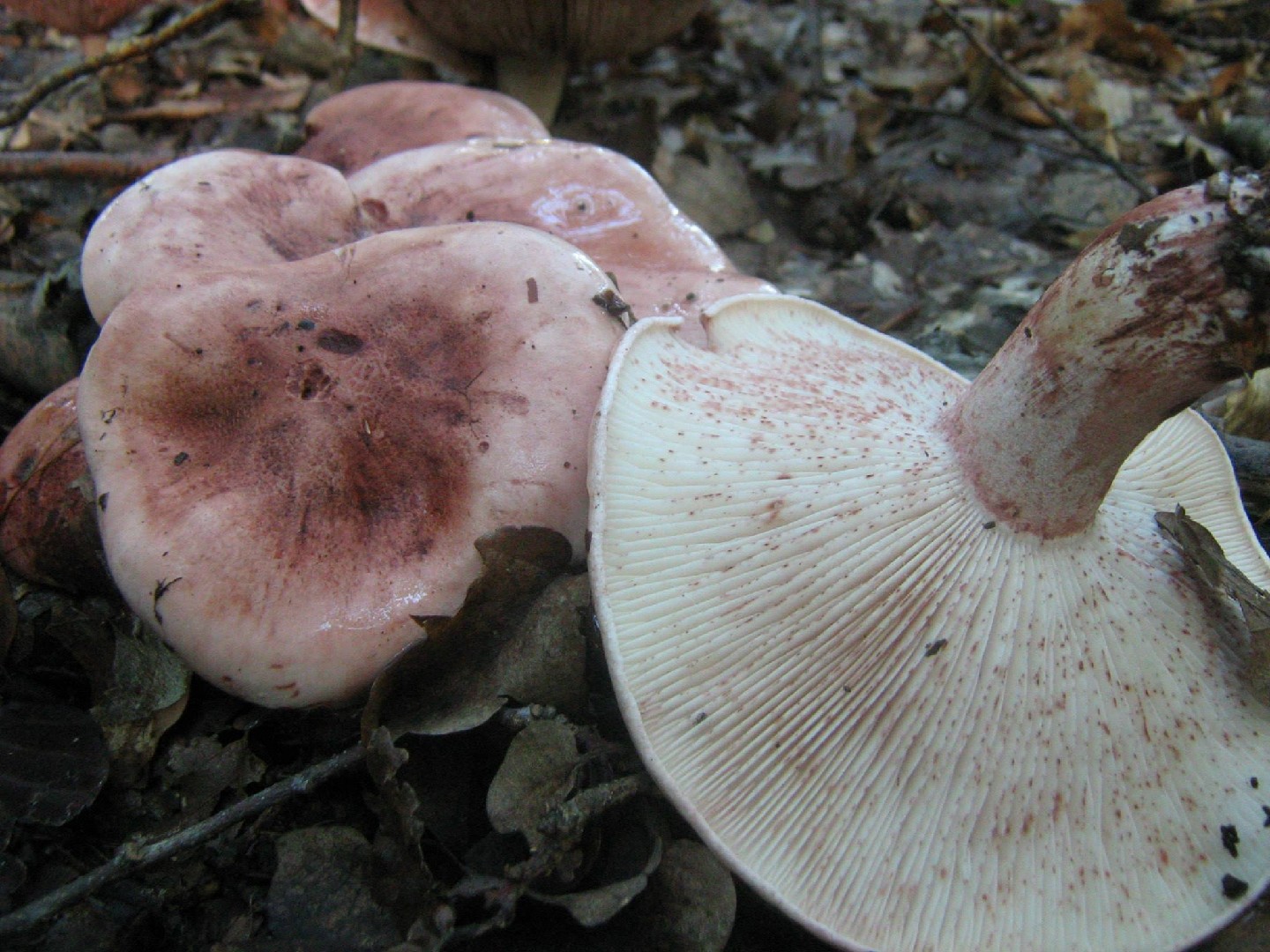
8. Pinkmottle woodwax
Although the species name references this mushroom’s physical similarity to a russula, the pinkmottle woodwax (Hygrophorus russula) is a waxy cap. The characteristic sticky cap of that genus dries out quickly in this tricky species. They are quite resistant to insect infestations.

9. Shaggy mane
The shaggy mane mushroom is commonly found in North American and European grasslands. Some peoples foraged for its young egg-shaped caps, but it has more recently been found to be a bioaccumulator of heavy metals, meaning it pulls toxic metals up from the soil where it grows. As a result, shaggy manes should not be eaten. The mushrooms usually appear in clusters or “fairy rings.”
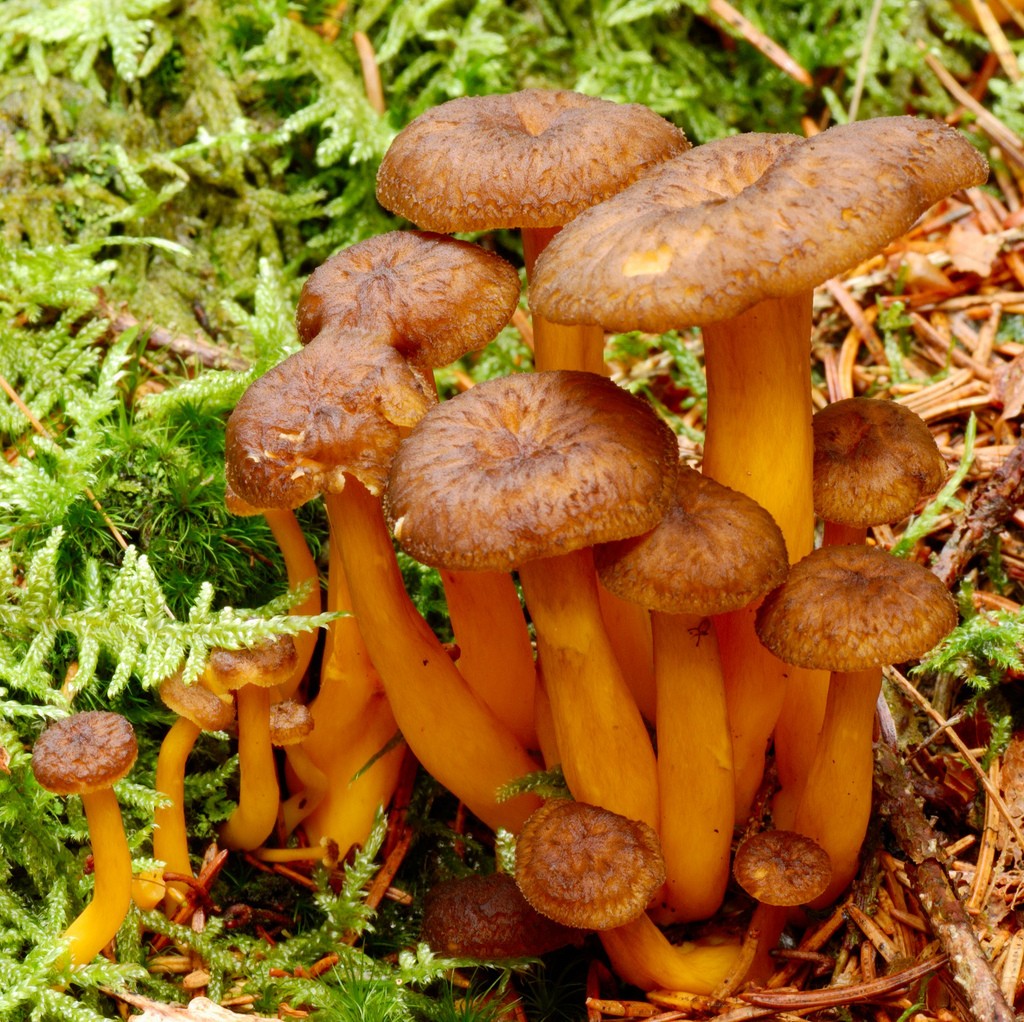
10. Yellow foot
Like all members of the Craterellus genus, the yellow foot doesn't have true gills but wrinkled veins instead. These gill-like wrinkles are extremely subtle in this mushroom and its undersurface seems like it's completely smooth. The species is associated with conifer forests.


More







