




Top 20 Edible Mushrooms Popular in KwaZulu-Natal
Nestled at the heart of South Africa, KwaZulu-Natal boasts a warm, temperate climate and plentiful rainfall, creating an ideal habitat for various fungi. In this prolific region, 20 types of edible mushrooms flourish, each with their unique characteristics. This detailed guide reveals fascinating insights into these mushrooms, encapsulating their appearance, flavor, preferred conditions, and culinary applications. This enriching knowledge promises to enhance your mycological understanding and culinary adventures. Stay tuned to discover the 'Treasures of KwaZulu-Natal Fungi'.
* Disclaimer: Content feedback CAN NOT be used as any basis for EATING ANY PLANTS. Some plants can be VERY POISONOUS, please purchase edible plants through regular channels.

Most Popular Edible Mushrooms
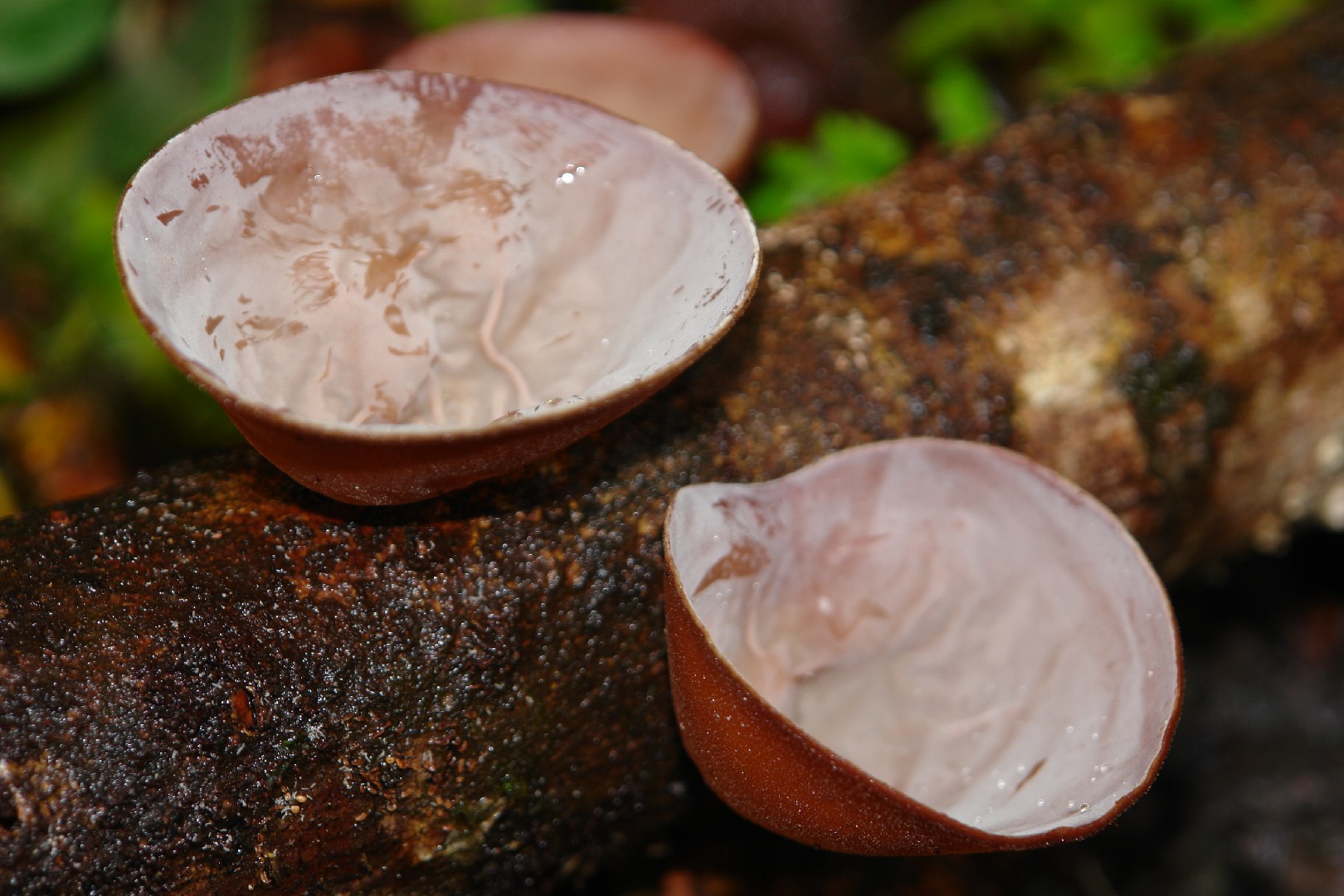
1. Wood ear
The fuzzy surface of the wood ear (Auricularia cornea) is a distinguishable characteristic of this wood-loving mushroom. The hairy, ear-shaped body transforms in color when exposed to moisture and can range from chocolate brown to dull gray.
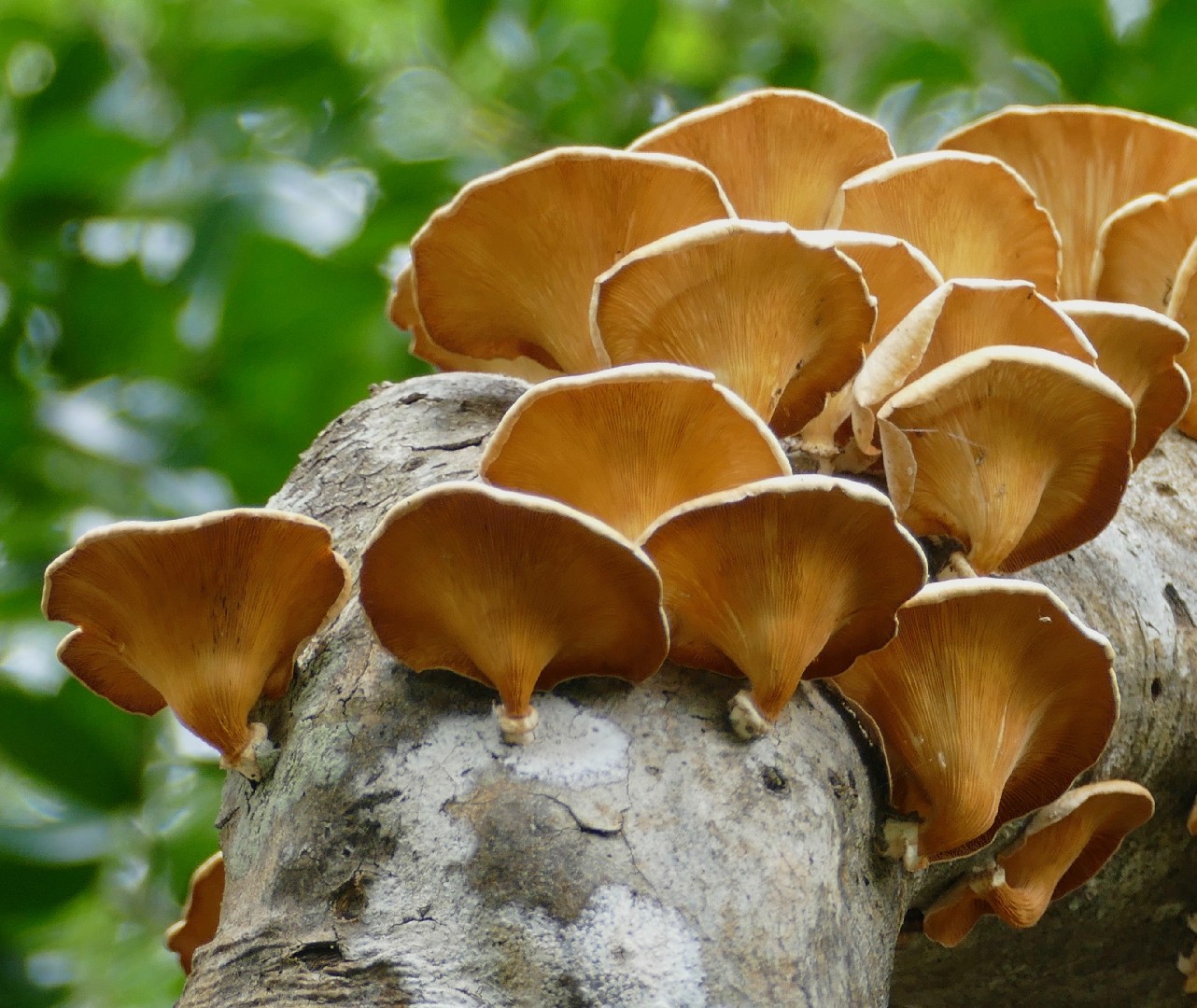
2. White-rot fungus
The white-rot fungus is known as a white-rot fungus and it's usually found growing on dead wood. When young, the mushroom is soft and leathery, but it becomes extremely tough as it matures, obtaining a funnel-shaped fruiting body.
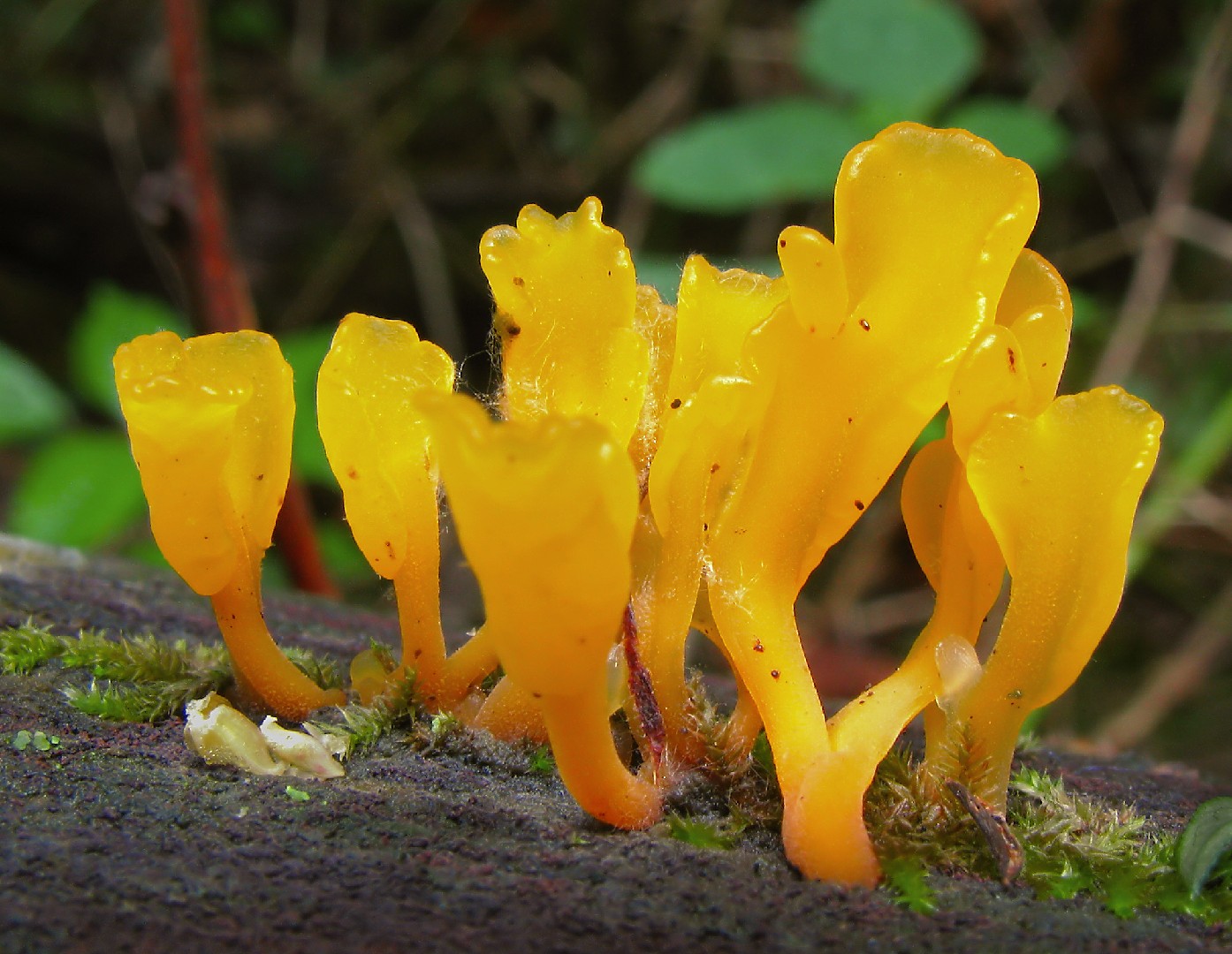
3. Fan-shaped jelly-fungus
Just as its Latin and the common English names suggest, the fan-shaped jelly-fungus (Dacryopinax spathularia) is a fan-shaped or spatula-shaped jelly-like mushroom. It commonly grows in wood cracks and it sometimes even appears in the cracks of the processed wood and lumber. Despite the word "jelly" in its name, the fan-shaped jelly-fungus is not considered edible.
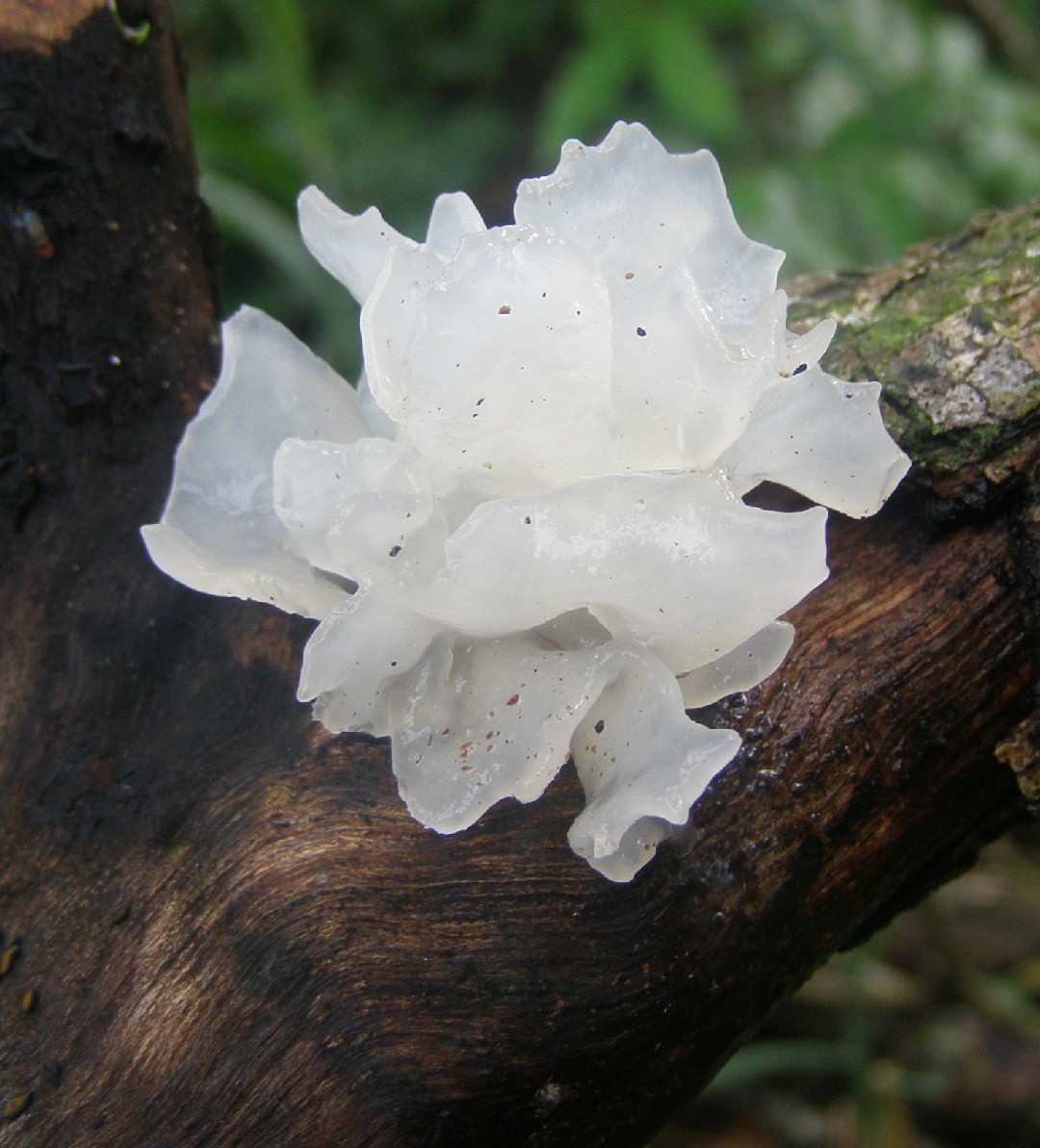
4. Snow fungus
Snow fungus (Tremella fuciformis) is so-named not because it is associated with winter, but, rather, because its fruitbodies look like little piles of snow fungus on the ground. This fungus actually inhabits very warm - tropical and subtropical - locations around the globe. Snow fungus does not have much taste, but it is cultivated for culinary use across East Asia, where it is often added to thicken soups and desserts.
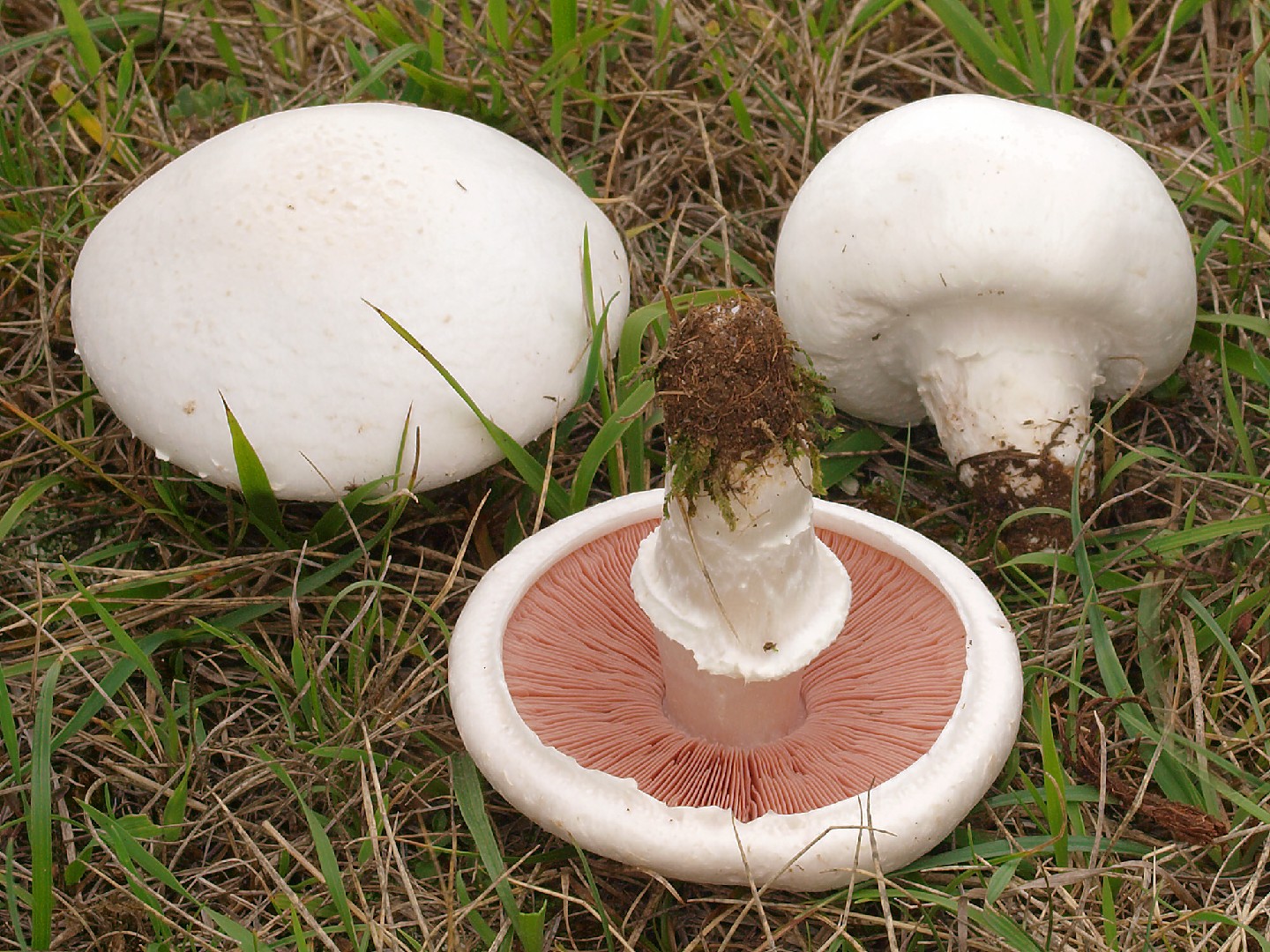
5. Meadow mushroom
The meadow mushroom grows in meadows and pastures around the world—especially those rich in manure—when the weather is warm and wet. They are known to appear in “fairy ring” shapes. Originally identified in Europe, it is possible that North American specimens identified as meadow mushrooms may genetically belong to other species.
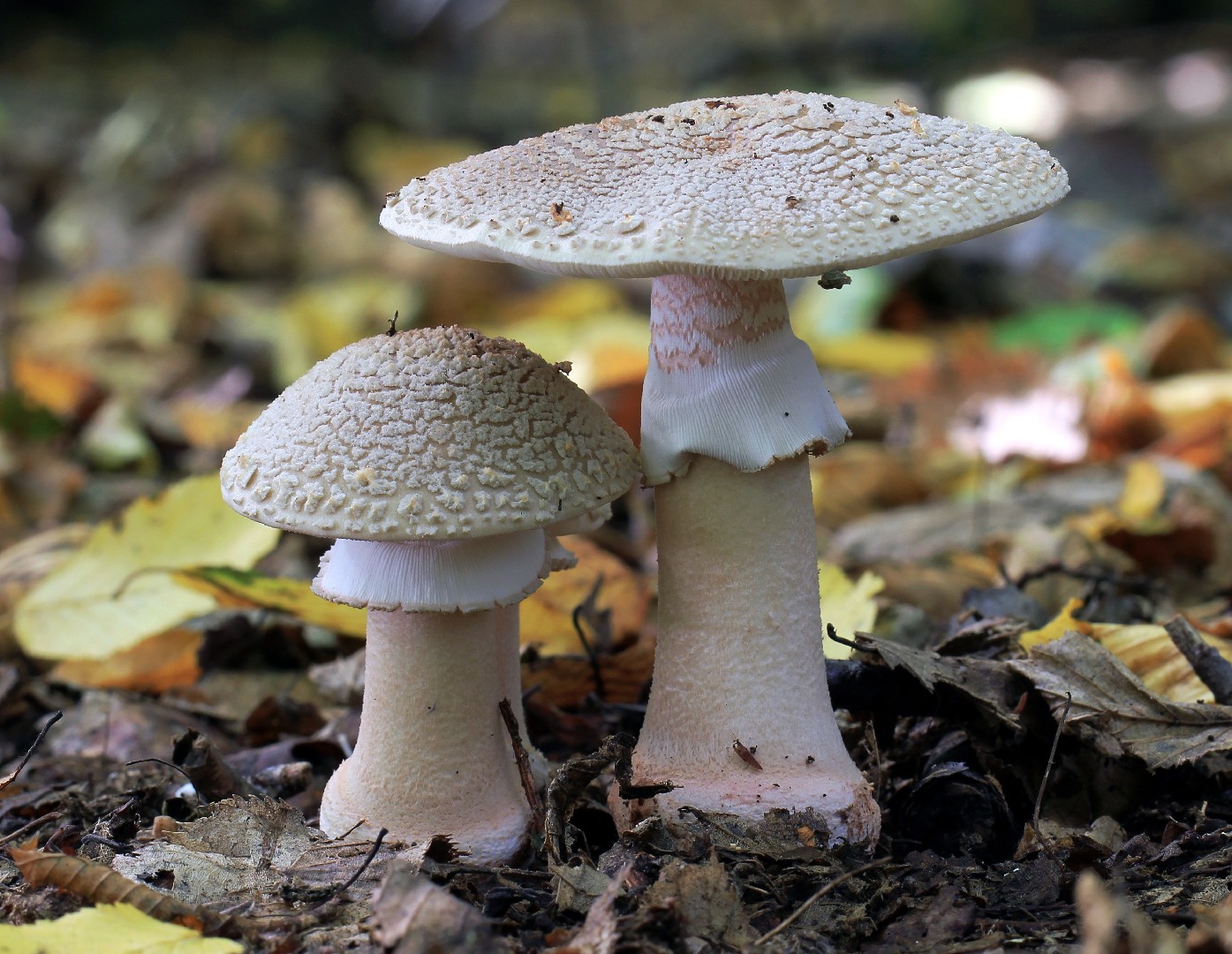
6. Blusher
The blusher mushroom is so named because it “blushes” to a pinkish red color when cut or bruised. It is found in many countries around the world, although it may not be native to the southern hemisphere. It contains a hemolytic toxin that can cause anemia if eaten.
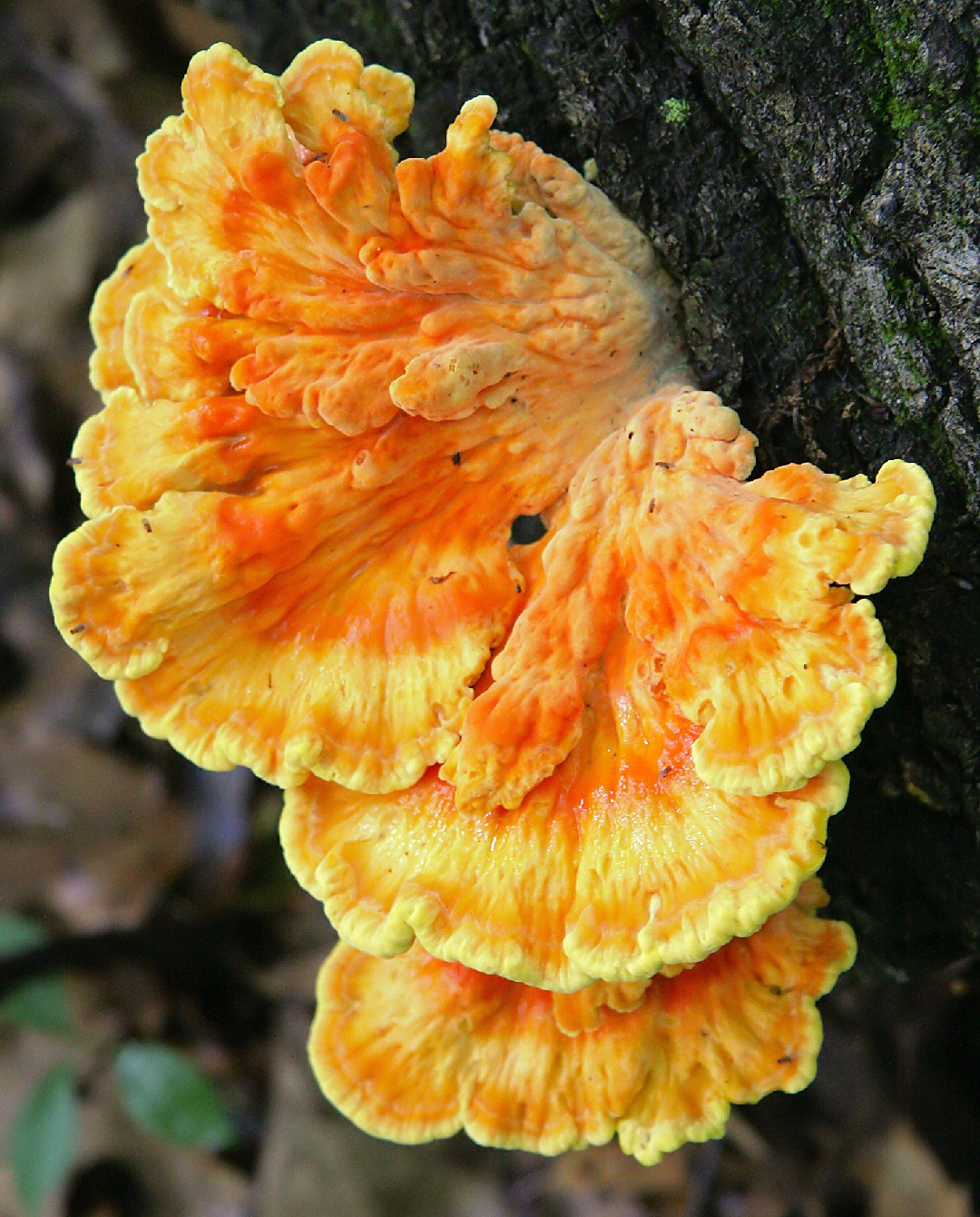
7. Chicken of the woods
Chicken of the woods is very noticeable in hardwood forests, appearing in clusters on standing tree trunks in bright orange and yellow hues that sometimes last through the entire winter. It is a parasite that causes an unfortunate brown heart rot, and is considered a particularly troublesome pest of Yew trees. If the fruitbodies can be seen, the tree is likely already beyond saving.

8. Shaggy mane
The shaggy mane mushroom is commonly found in North American and European grasslands. Some peoples foraged for its young egg-shaped caps, but it has more recently been found to be a bioaccumulator of heavy metals, meaning it pulls toxic metals up from the soil where it grows. As a result, shaggy manes should not be eaten. The mushrooms usually appear in clusters or “fairy rings.”

9. Sordid blewit
The sordid blewit is a beautiful and attractive mushroom of the northern temperate zones around the world. The flesh is pink or purple when young, and it turns brownish as the mushroom matures. It forms so-called fairy rings. Although the sordid blewit is easily identified, inexperienced mushroom hunters can confuse it for certain Clitocybe species.
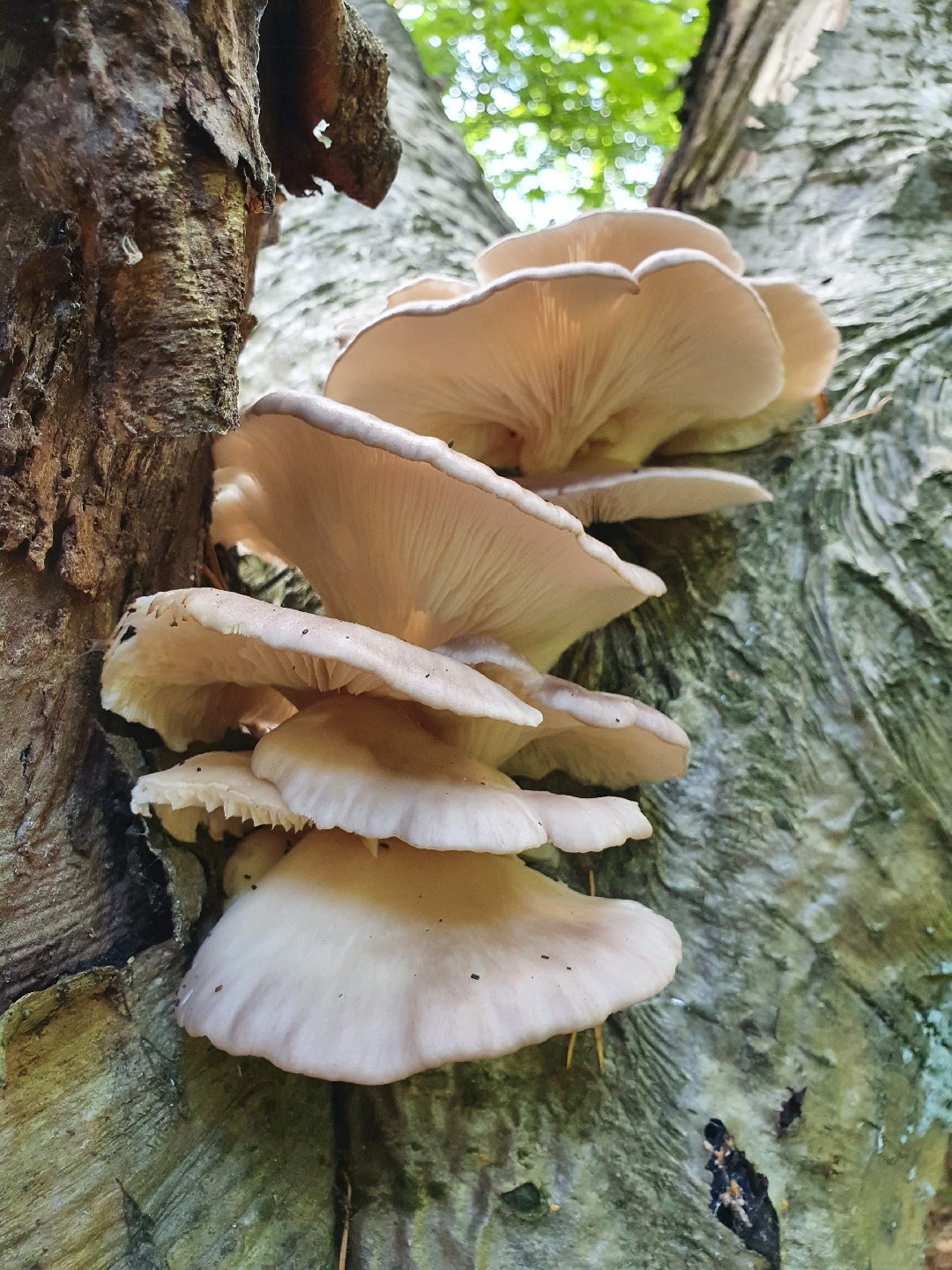
10. Oyster mushroom
Oyster mushrooms grow wild but are also cultivated for sale in supermarkets. They can even be cultivated at home. They will grow on coffee grounds and spent grain, and are occasionally even fashioned into an environmentally-friendly substitute for styrofoam. There are several toxic look-alike species, so it is best to buy these mushrooms at the store.
More







