




Top 20 Edible Mushrooms Popular in Subotica
Explore the fascinating world of fungi in the idyllic terrains of Subotica. Known for its diverse ecosystems, perfect for mushroom growth, Subotica offers 20 most common edible mushrooms. This guide will shine a light on their unique traits, natural habitats, delicious flavors, and potential culinary applications. Learn more about these fascinating fungi, and discover their essential roles in Subotica's enchantment.
* Disclaimer: Content feedback CAN NOT be used as any basis for EATING ANY PLANTS. Some plants can be VERY POISONOUS, please purchase edible plants through regular channels.

Most Popular Edible Mushrooms
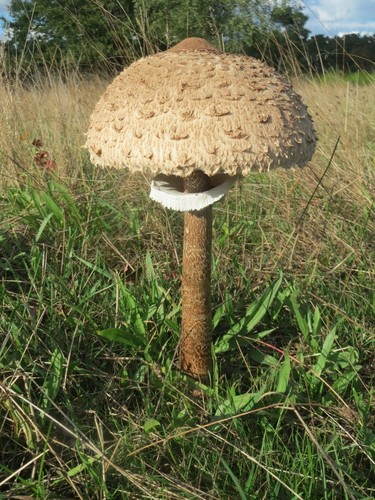
1. Parasol
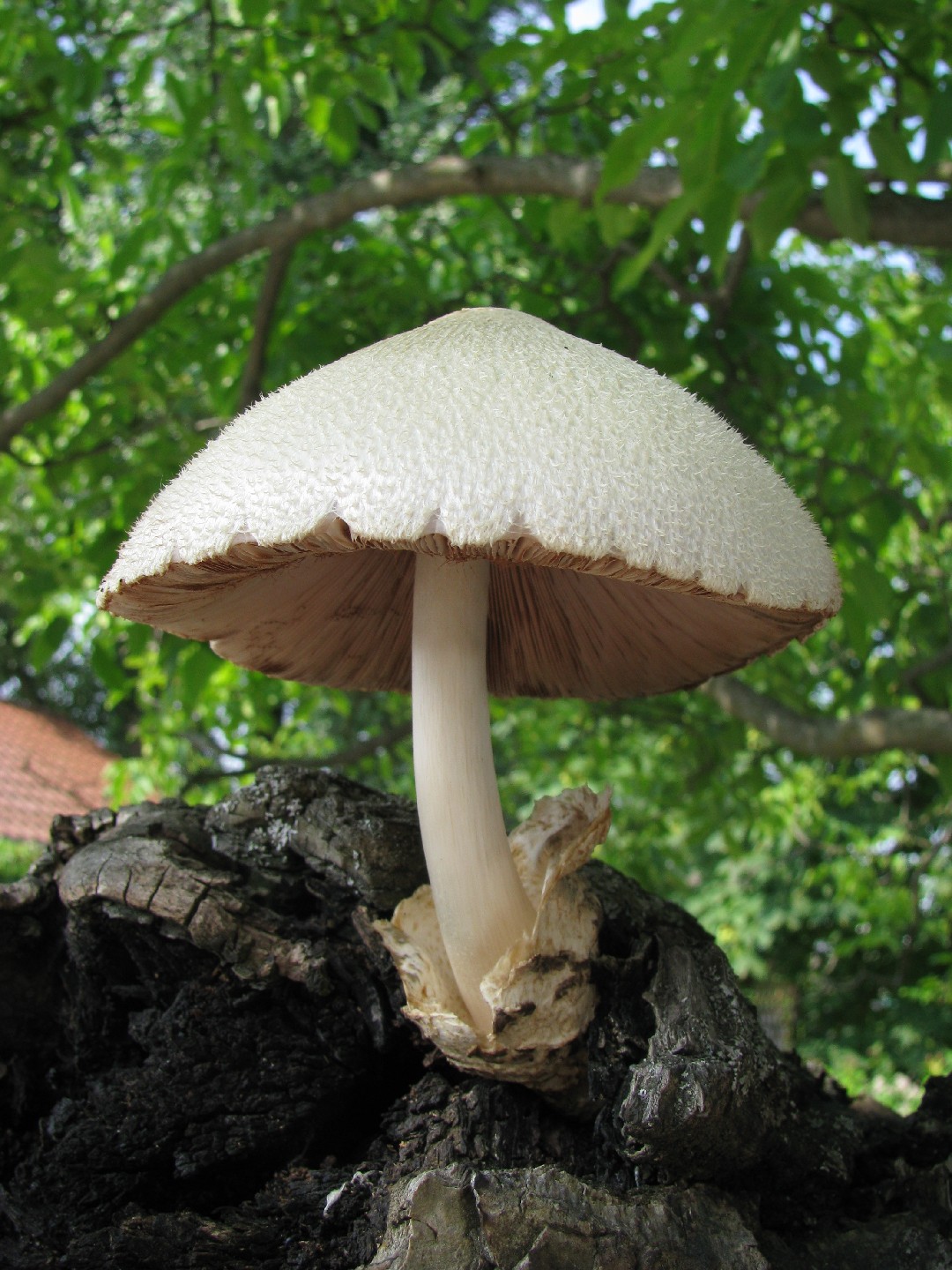
Found in clearings and grassy areas in late summer, the wild parasol mushroom has a snakeskin-patterned stem. The brown spots on its cap make it look a bit shaggy, but that name is reserved for its poisonous counterpart, the Shaggy Parasol (Chlorophyllum rhacodes). You can distinguish the two by the stems: the latter has a smooth stem and red flesh inside.
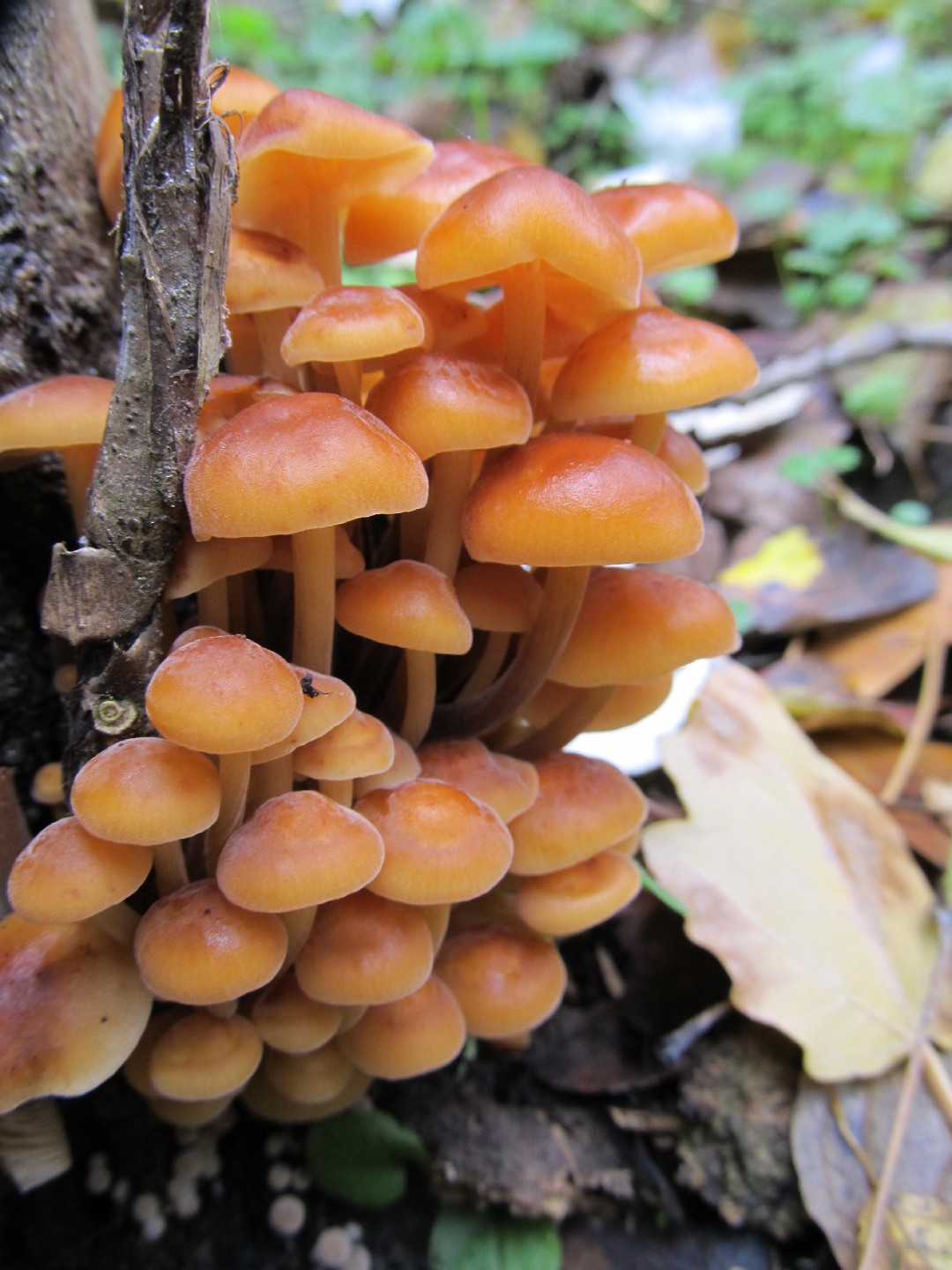
2. Enoki
The enoki grows wild on dead elm trees, and is also cultivated for human use. This flavorful species (Flammulina velutipes) has been used in dishes around the world for generations, being particularly high in nutrients. Though store-bought enoki are often plain white, wild ones can be found in a range of colors.
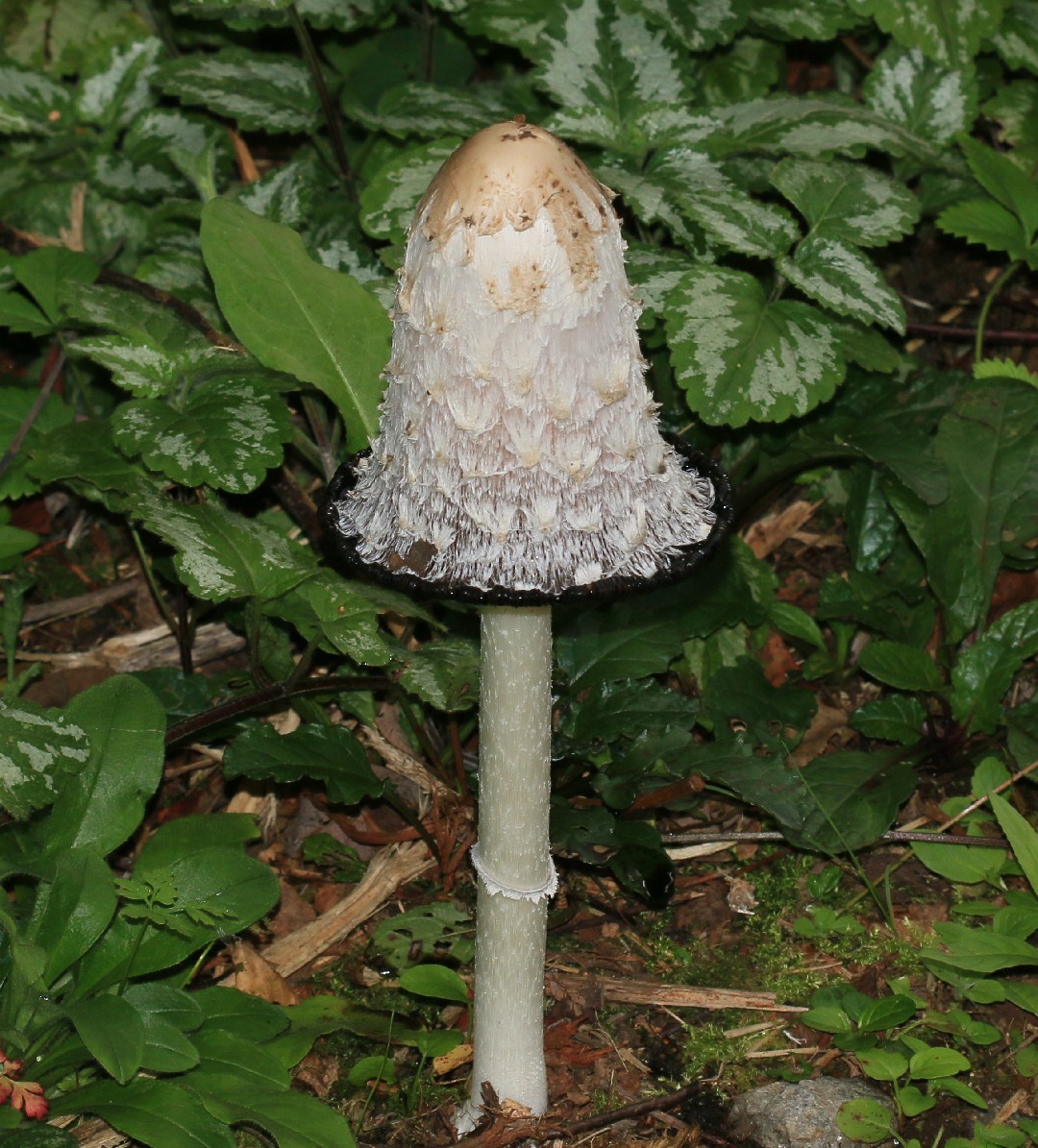
3. Shaggy mane
The shaggy mane mushroom is commonly found in North American and European grasslands. Some peoples foraged for its young egg-shaped caps, but it has more recently been found to be a bioaccumulator of heavy metals, meaning it pulls toxic metals up from the soil where it grows. As a result, shaggy manes should not be eaten. The mushrooms usually appear in clusters or “fairy rings.”
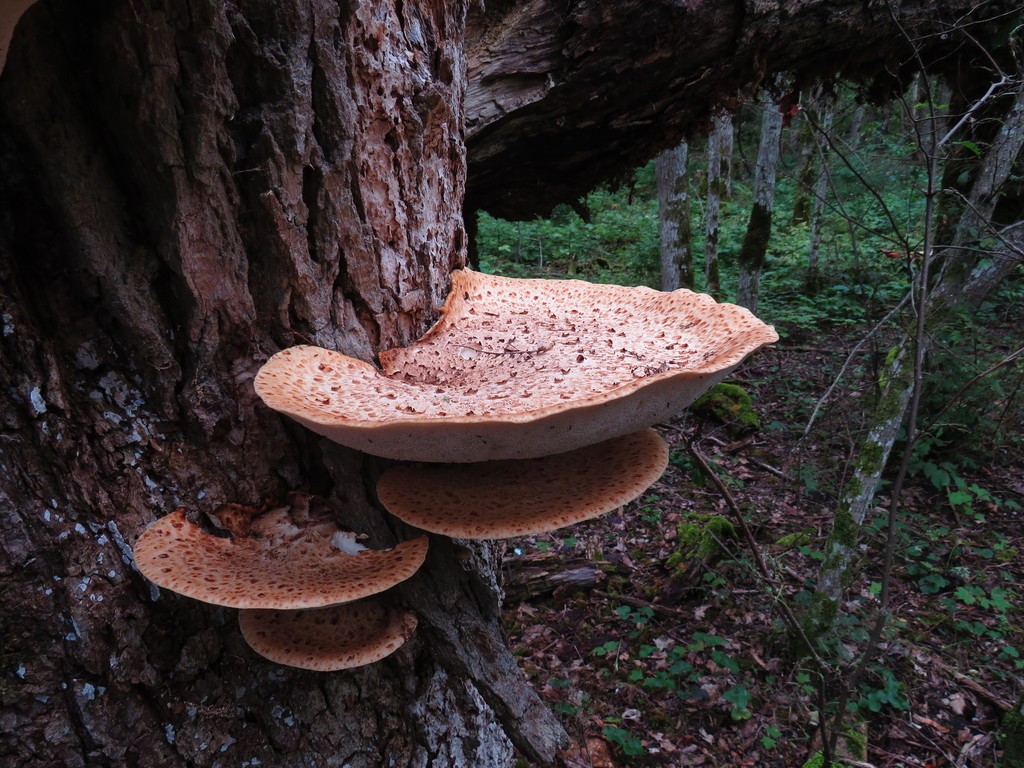
4. Dryad's saddle
A familiar sight to spring morel hunters, dryad's saddle is noteworthy for its large size, striking scales, and watermelon-like smell. Similar to other mushrooms in the bracket fungi family, dryad's saddle can be used to make paper. Younger mushrooms are better suited for this purpose due to their smaller and more consistent fibers.
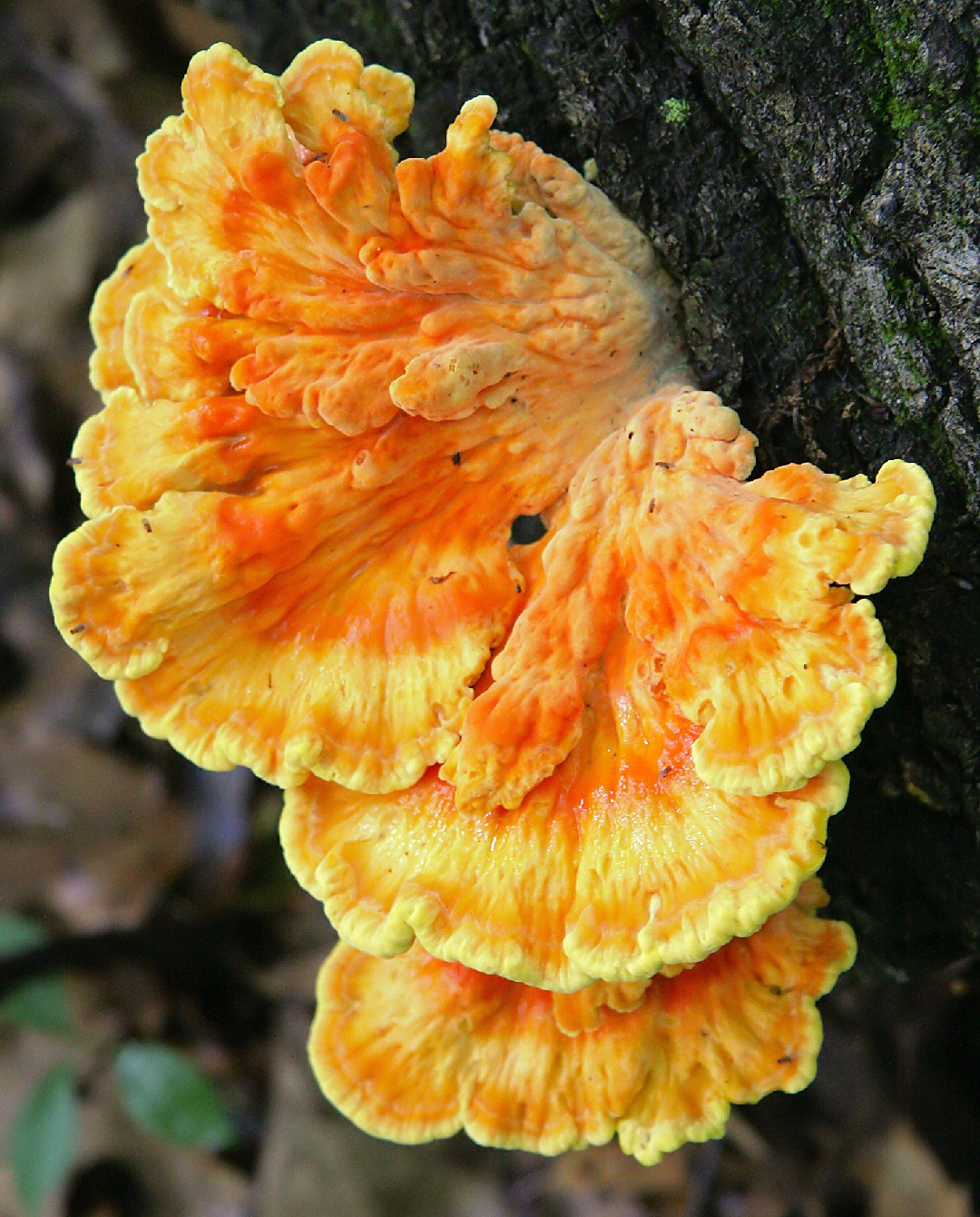
5. Chicken of the woods
Chicken of the woods is very noticeable in hardwood forests, appearing in clusters on standing tree trunks in bright orange and yellow hues that sometimes last through the entire winter. It is a parasite that causes an unfortunate brown heart rot, and is considered a particularly troublesome pest of Yew trees. If the fruitbodies can be seen, the tree is likely already beyond saving.
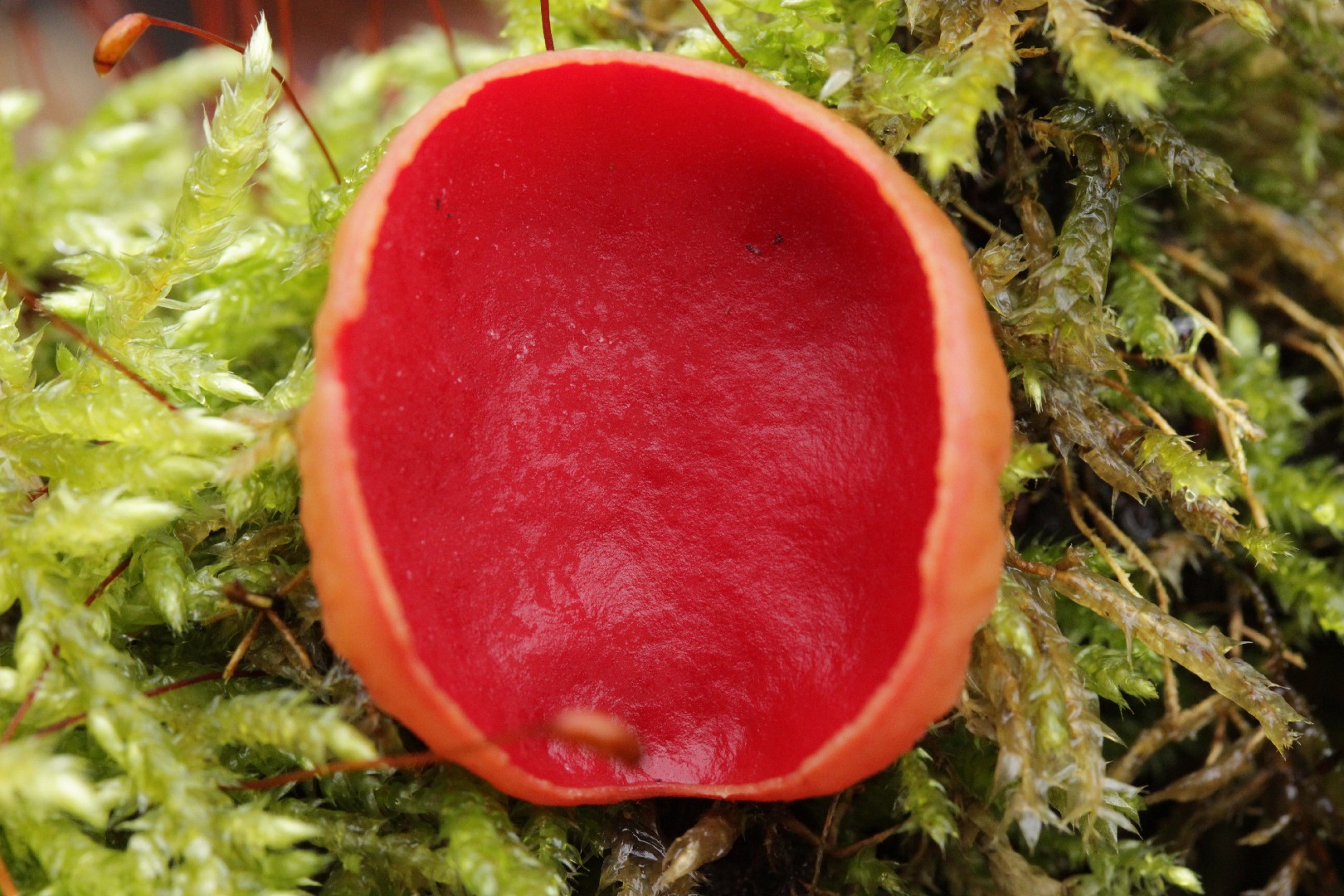
6. Scarlet cup
One of the first mushrooms to appear in the spring, the scarlet cup sometimes pops out of snow. Definitely a cool-season mushroom, the scarlet cup also prefers areas with high rainfall. It forms large colonies and it's very abundant. Slugs and various rodents like to feed on this mushroom.

7. Slate bolete
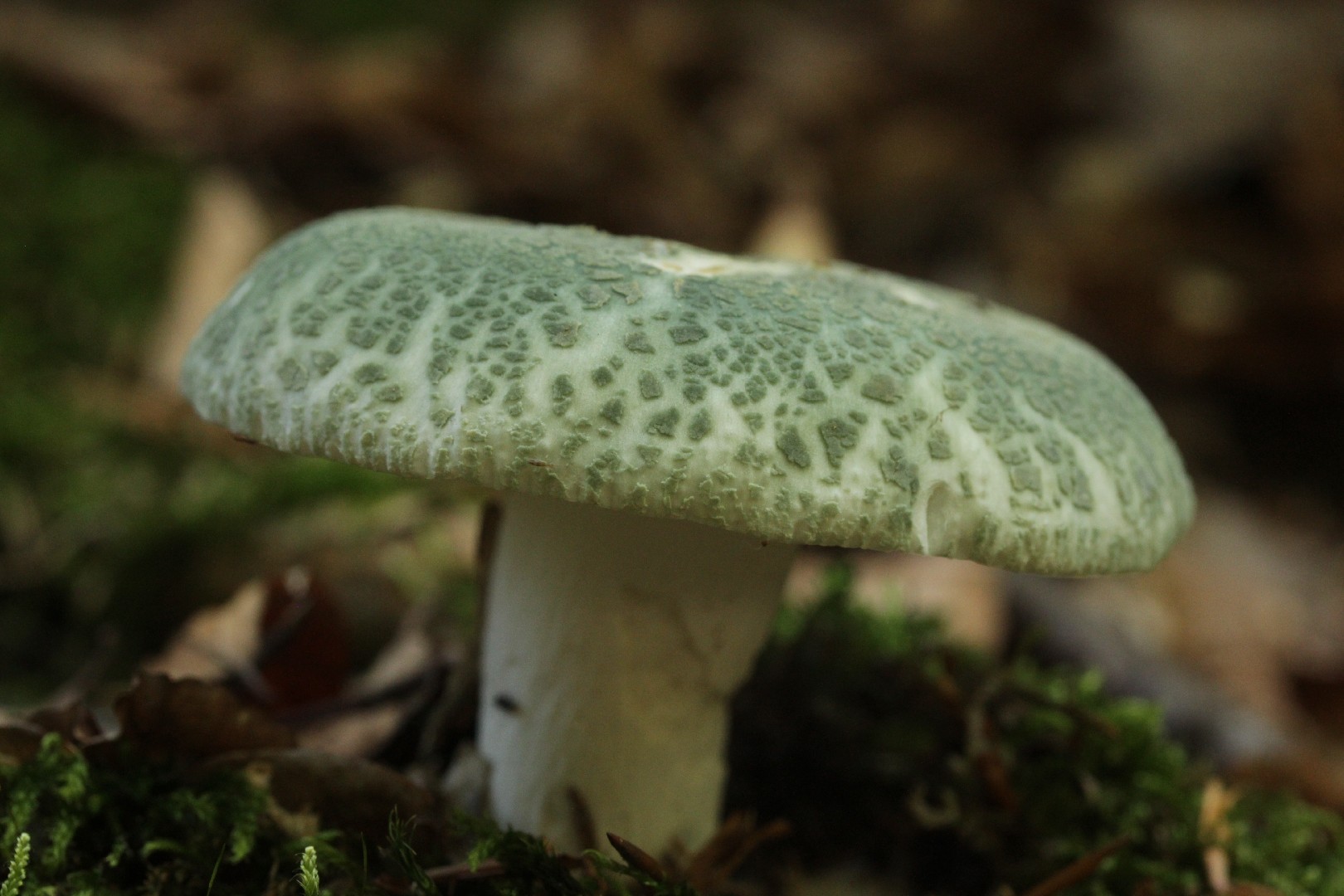
Slate bolete is a mushroom rich in vitamins such as potassium and magnesium. It is known as a useful mushroom for extracting elements from the soil. This symbiotic fungus is not cultivated and can most commonly be found under poplar trees, where it usually grows in groups.
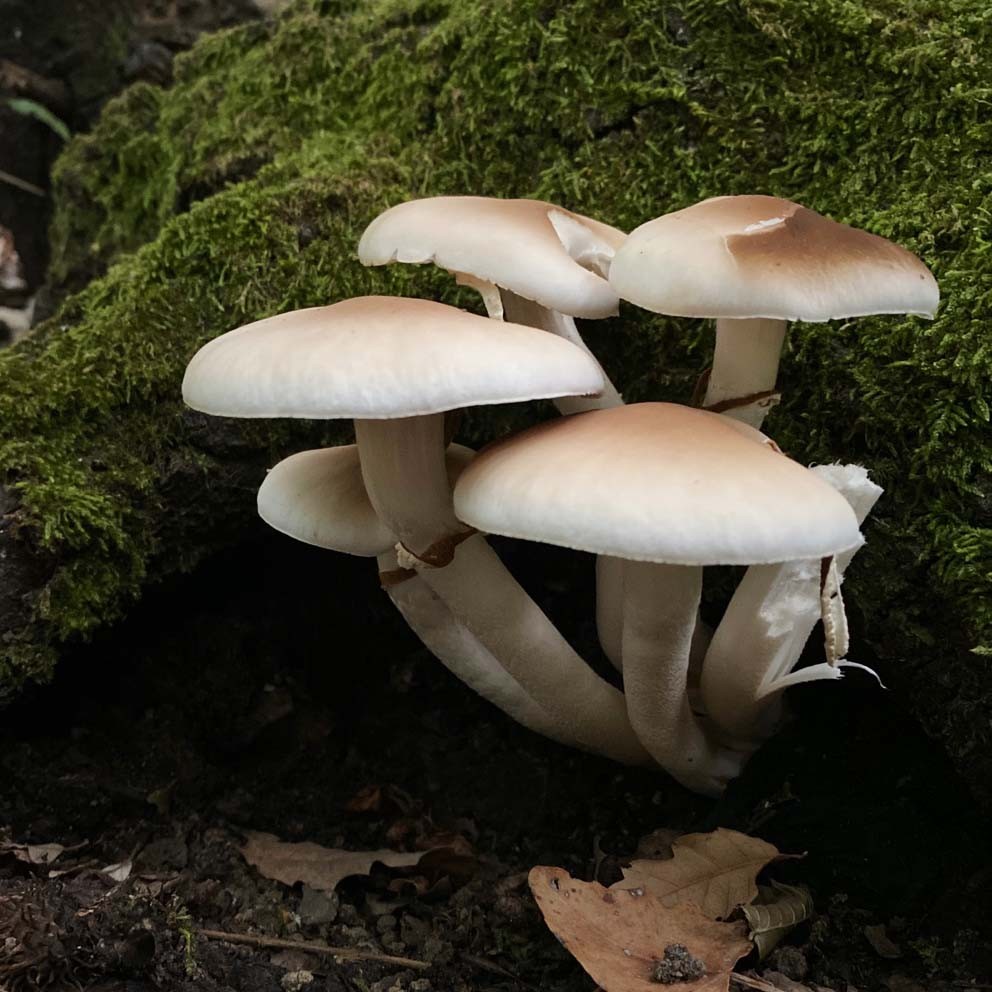
8. Poplar fieldcap
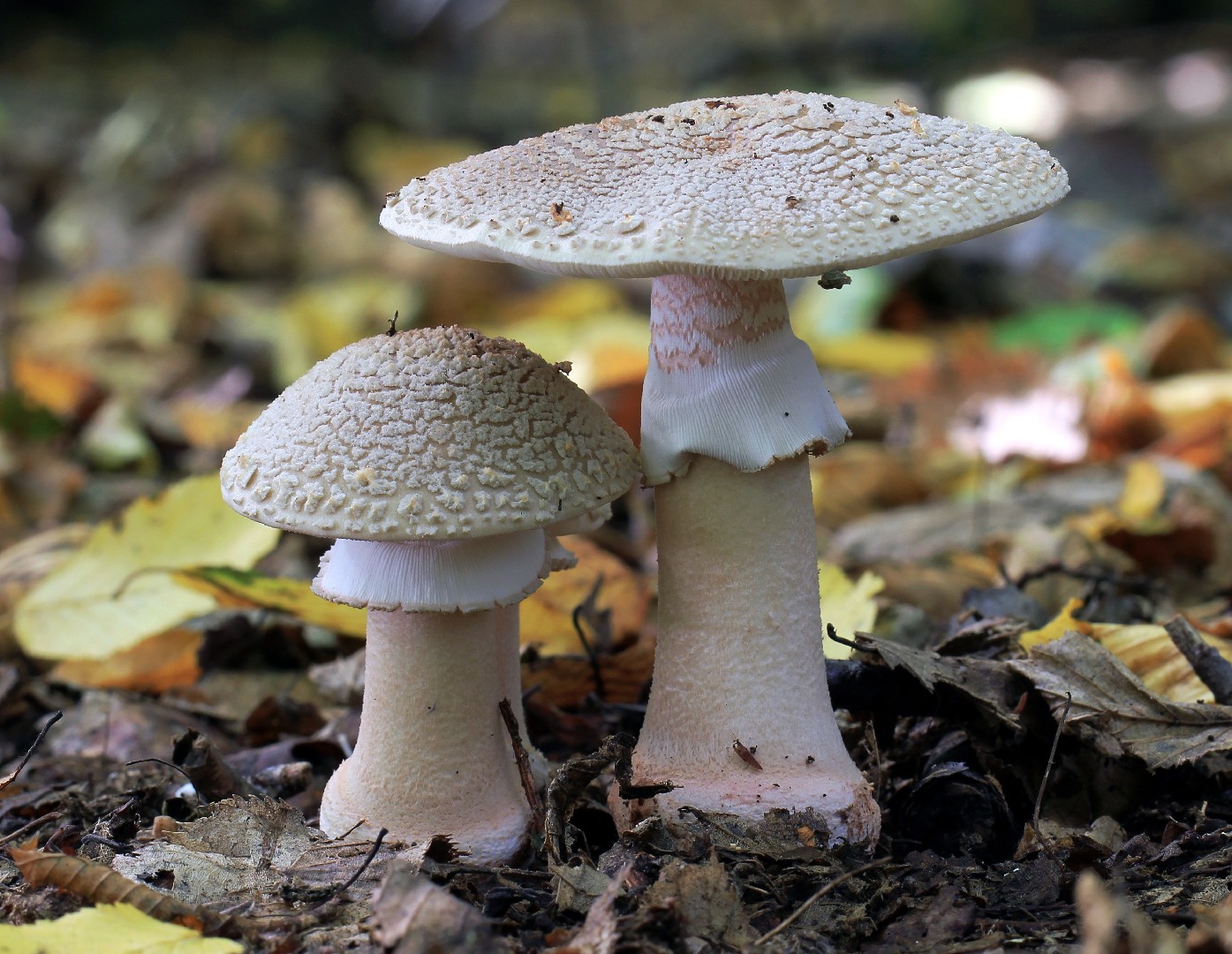
The poplar fieldcap is a cream-colored mushroom that grow predominantly in central and southern Europe. As it matures, the color changes to a tobacco brown. Even though the fungus is called poplar fieldcap, it can usually be found on wood chips and dead trees other than poplars.
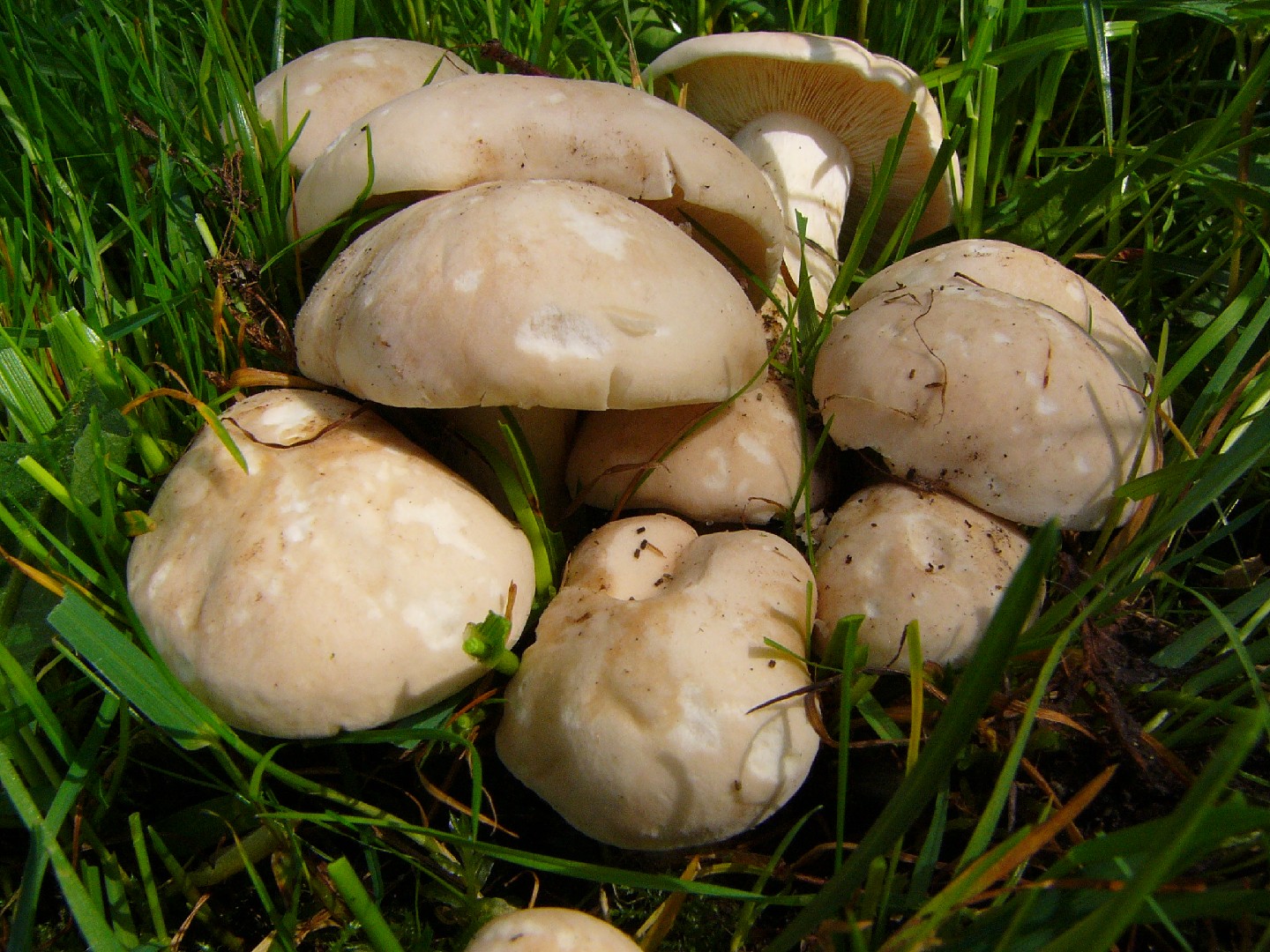
9. St. George's mushroom
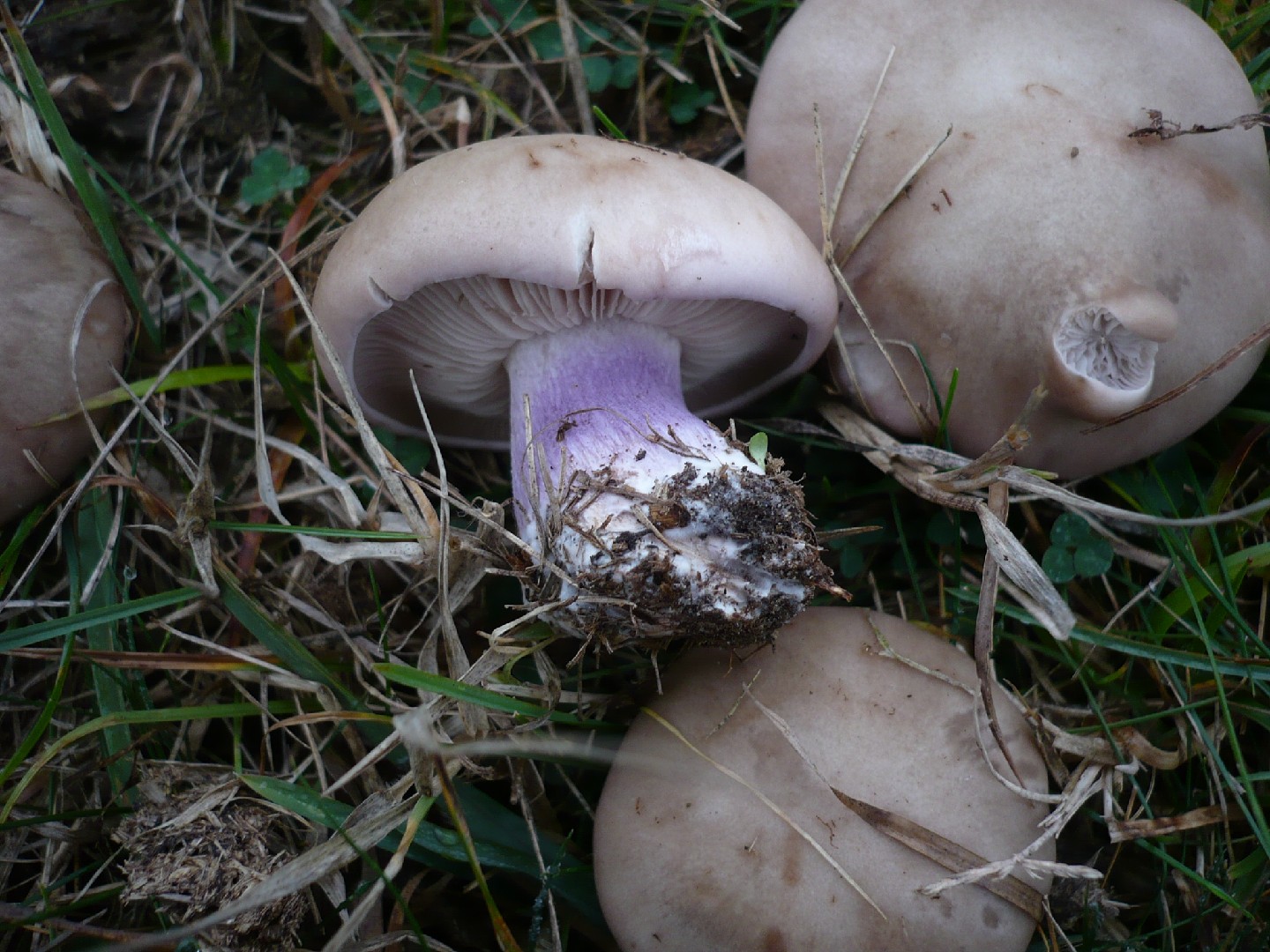
The st. George's mushroom is easily distinguished by its pleasant flour-like smell. In Great Britain, these mushrooms appear near the time of their namesake holiday, often growing in so-called fairy rings, and always in the same location. There have been several reports of persistent, hundred-year-old fairy rings of the st. George's mushroom.
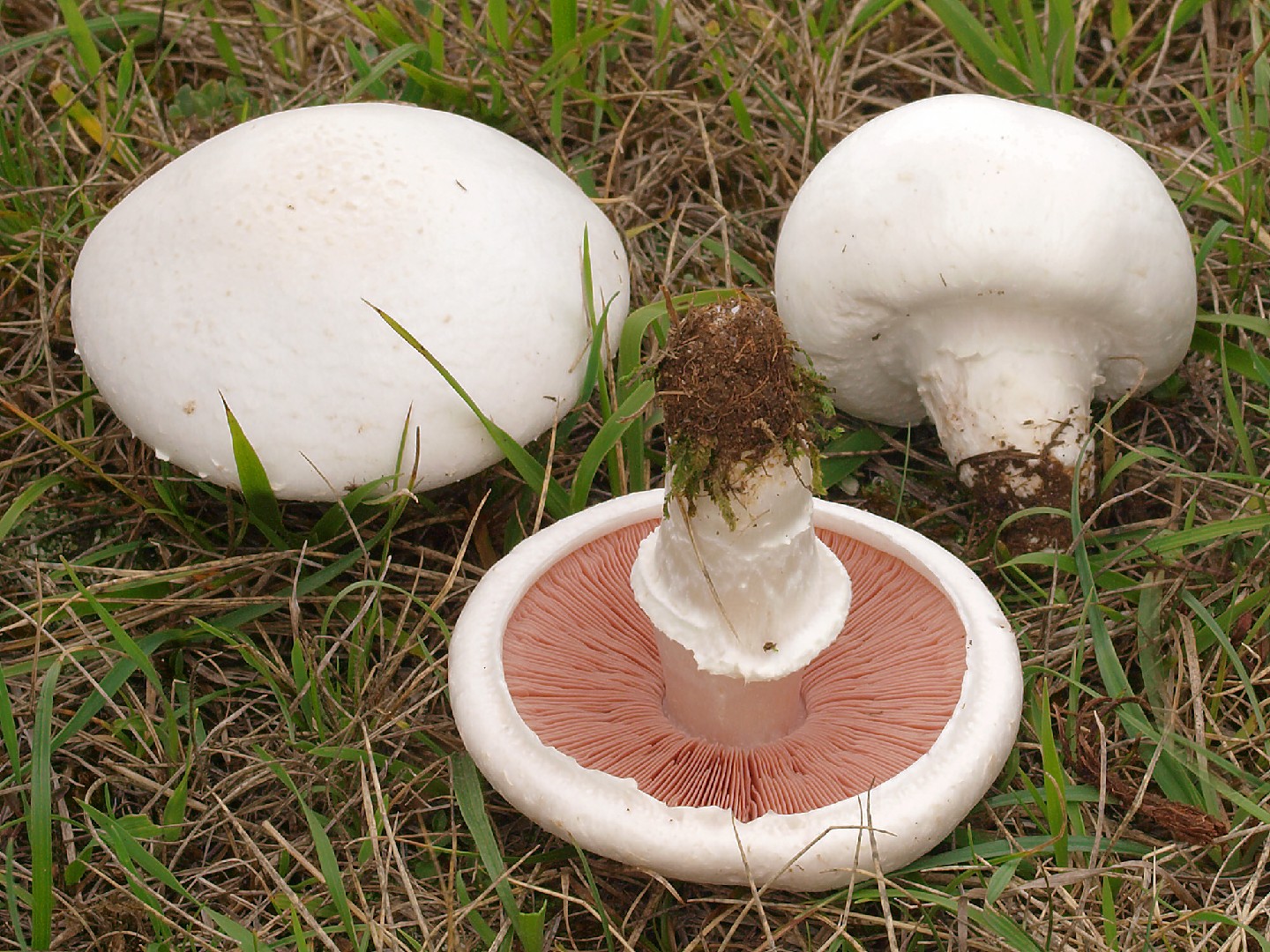
10. Meadow mushroom
The meadow mushroom grows in meadows and pastures around the world—especially those rich in manure—when the weather is warm and wet. They are known to appear in “fairy ring” shapes. Originally identified in Europe, it is possible that North American specimens identified as meadow mushrooms may genetically belong to other species.
More







