




Top 20 Edible Mushrooms Popular in Nuevo Leon
Nestled amid the sprawling landscapes of Nuevo Leon awaits an unexpected culinary treasure — mushrooms! Regarded for its diverse climate and ecosystems, Nuevo Leon endows an ideal environment for various mushroom species to thrive. Embark on a journey with us as we explore the top 20 edible fungi found here! Get ready to delve into each mushroom's unique characteristics, ranging from appearance and taste, to habitat and culinary applications. Understanding these aspects not only enhances your foraging capabilities but also your gastronomic experience!
* Disclaimer: Content feedback CAN NOT be used as any basis for EATING ANY PLANTS. Some plants can be VERY POISONOUS, please purchase edible plants through regular channels.

Most Popular Edible Mushrooms
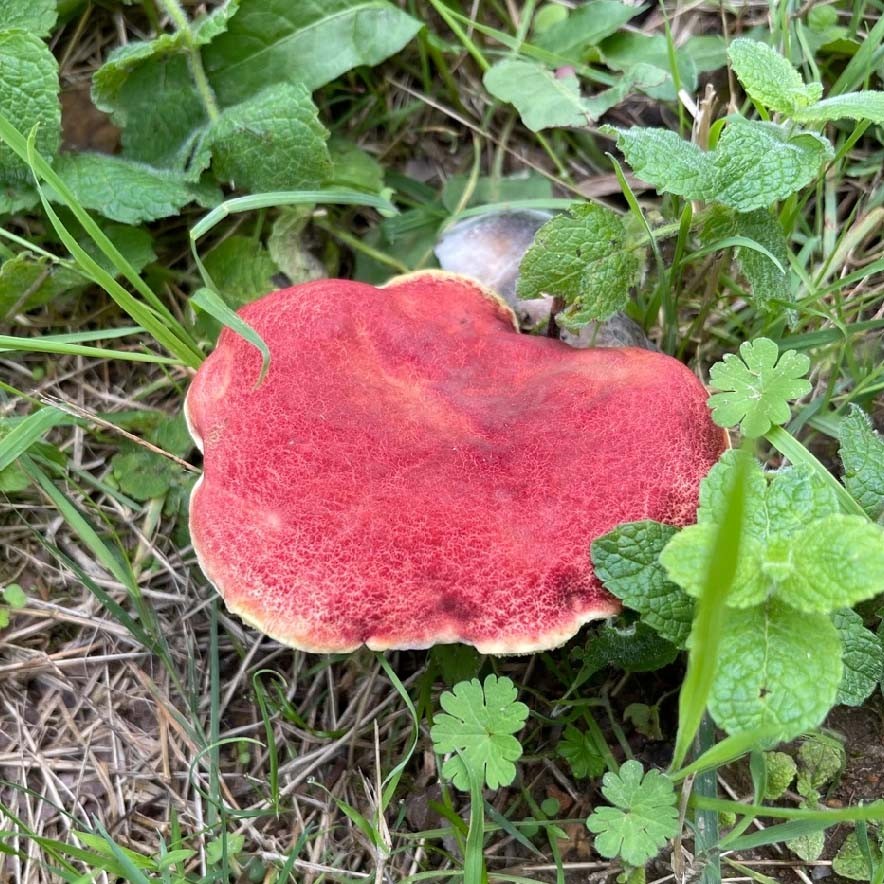
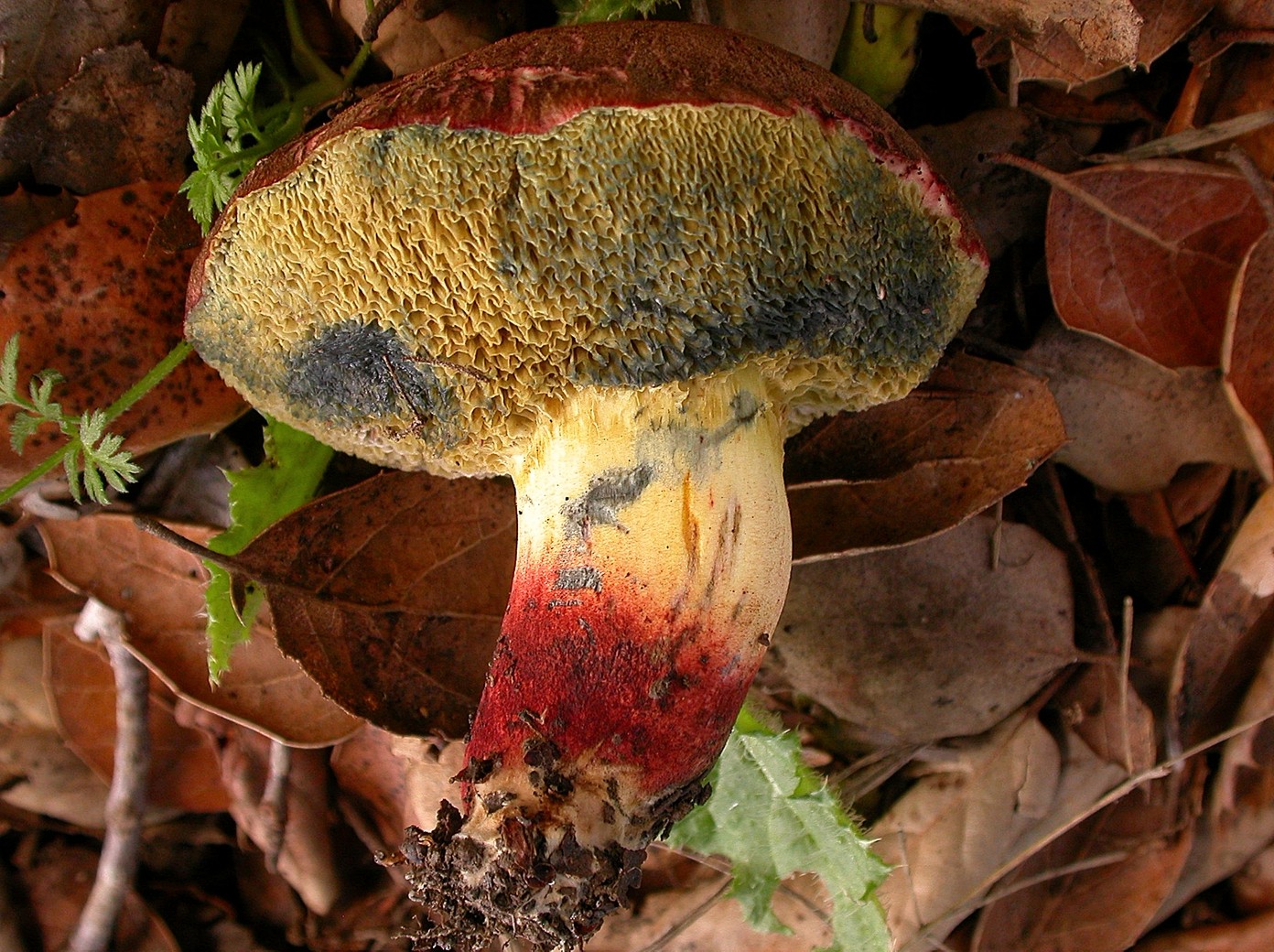
1. Ruby bolete
True to its name, ruby bolete is bright red when young but fades to a greenish-red when older. This mushroom is most commonly found growing in groups in open areas or on forest edges. However, it may be difficult to distinguish ruby bolete from other boletes.

2. Shaggy mane
The shaggy mane mushroom is commonly found in North American and European grasslands. Some peoples foraged for its young egg-shaped caps, but it has more recently been found to be a bioaccumulator of heavy metals, meaning it pulls toxic metals up from the soil where it grows. As a result, shaggy manes should not be eaten. The mushrooms usually appear in clusters or “fairy rings.”
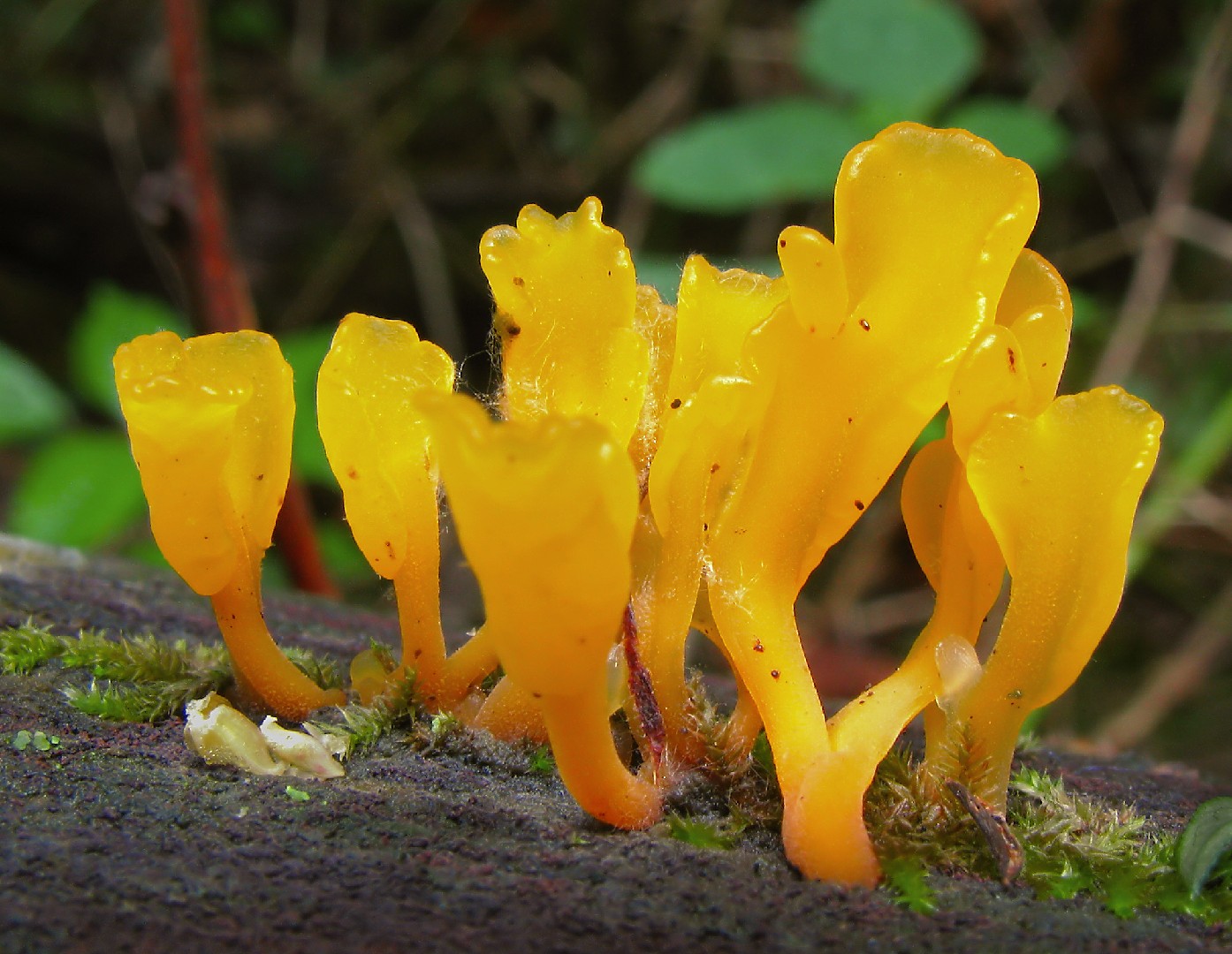
3. Fan-shaped jelly-fungus
Just as its Latin and the common English names suggest, the fan-shaped jelly-fungus (Dacryopinax spathularia) is a fan-shaped or spatula-shaped jelly-like mushroom. It commonly grows in wood cracks and it sometimes even appears in the cracks of the processed wood and lumber. Despite the word "jelly" in its name, the fan-shaped jelly-fungus is not considered edible.

4. Blushing morel
Blushing morel (Morchella rufobrunnea) is most commonly found clustered near piles of woodchips or decaying bark. Because such woodchips are commonly used in landscaping work, this species has also been nicknamed the "Landscaping Morel" for its tendency to sprout in such conditions.
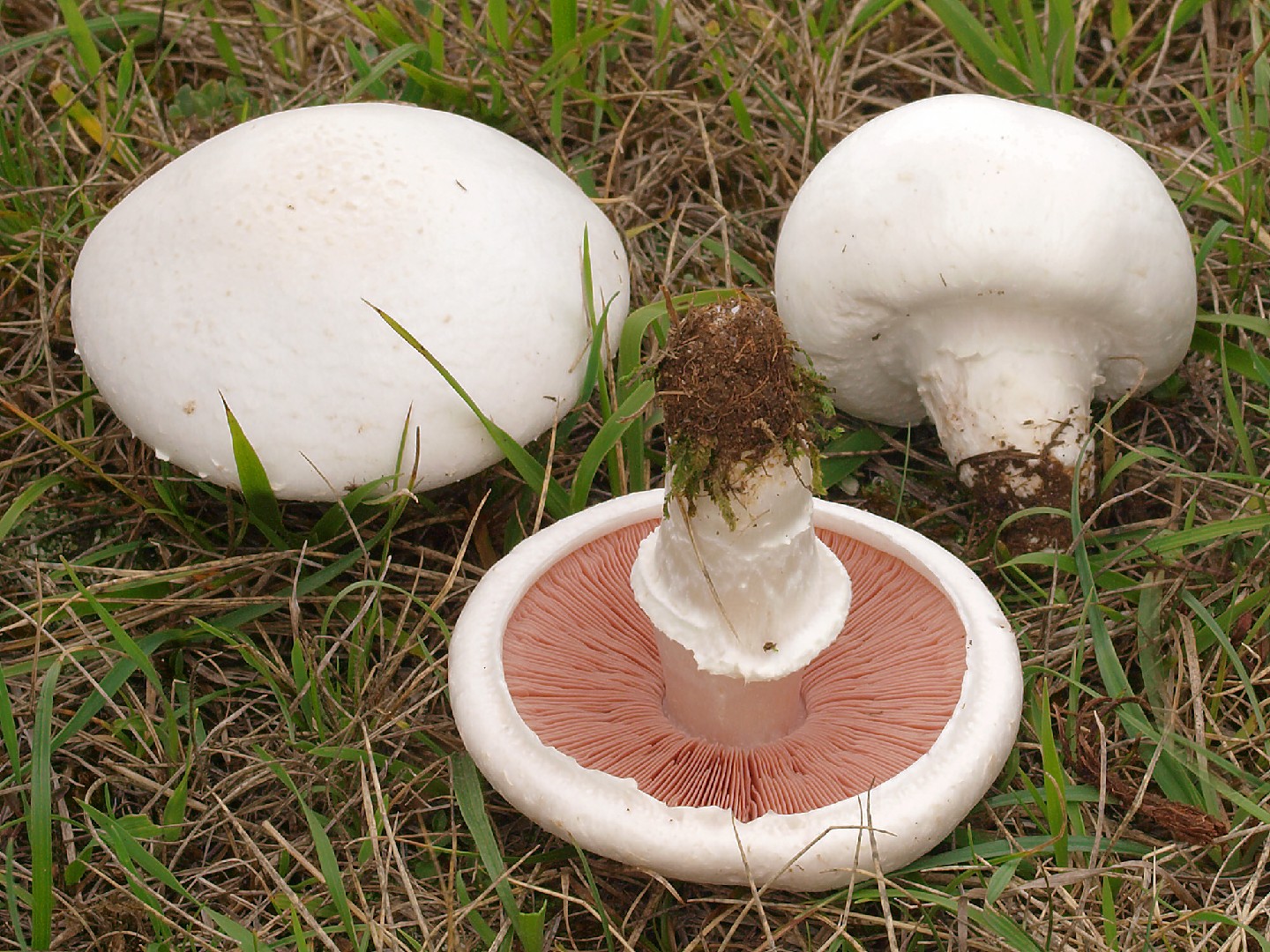
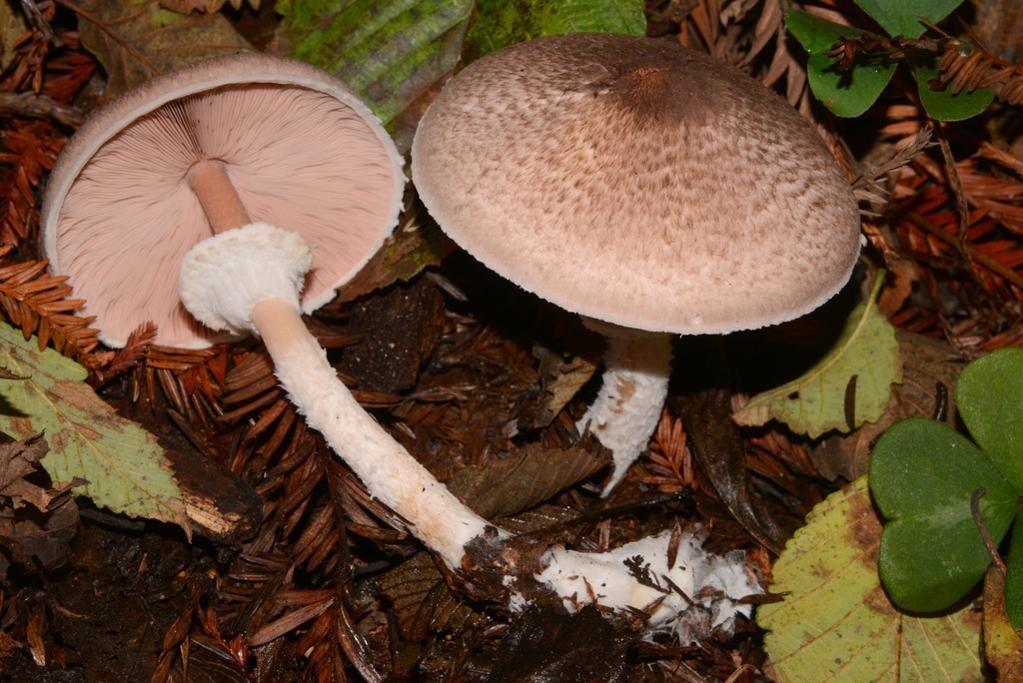
5. Meadow mushroom
The meadow mushroom grows in meadows and pastures around the world—especially those rich in manure—when the weather is warm and wet. They are known to appear in “fairy ring” shapes. Originally identified in Europe, it is possible that North American specimens identified as meadow mushrooms may genetically belong to other species.
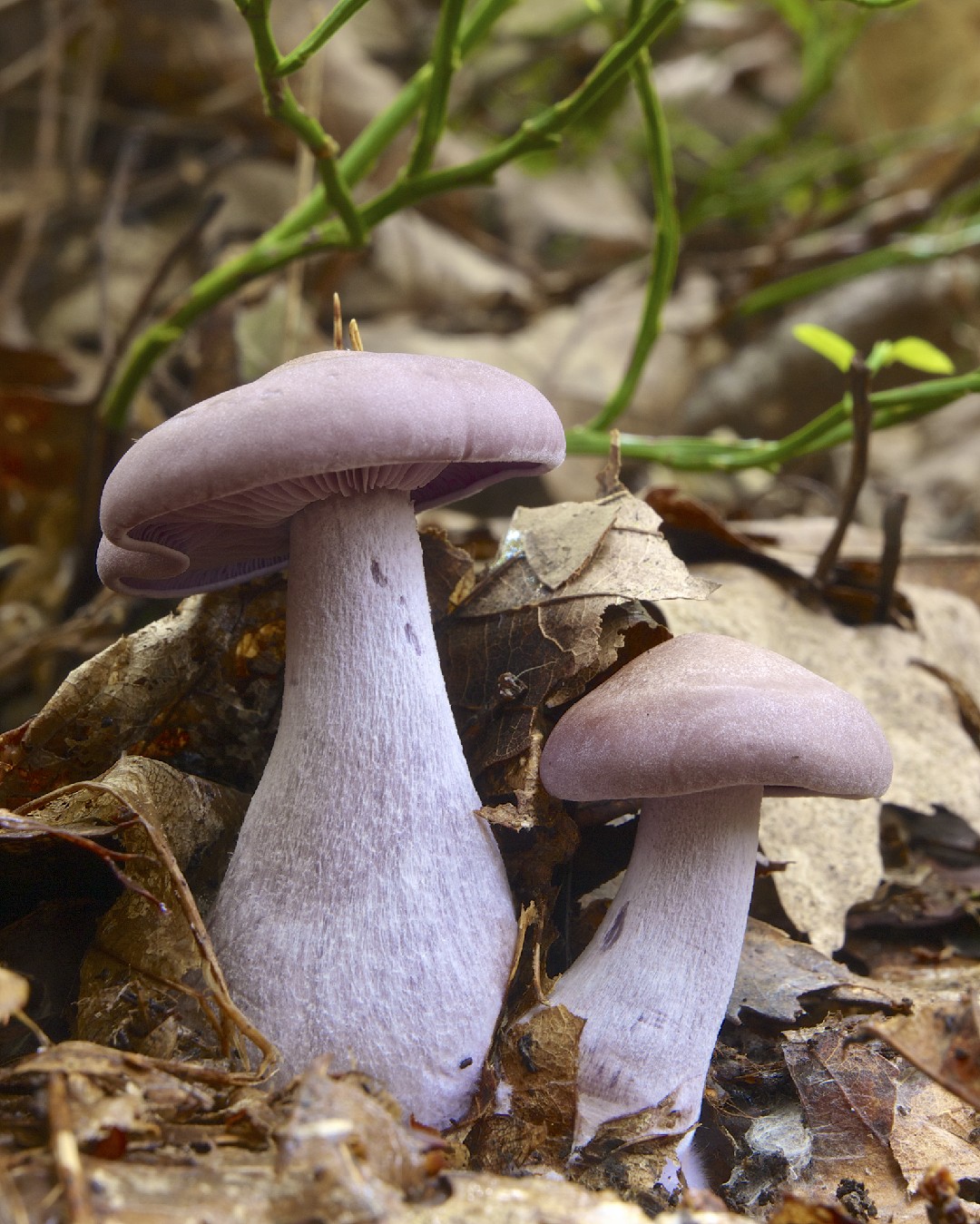
6. Blewit
The blewit mushroom grows in fallen leaves in autumn and winter, sometimes appearing in ‘fairy ring’ circles. It can be used to make a green dye when chopped and boiled in an iron pot. The scientific name, Lepista nuda, derives from Latin words meaning “bare goblet,” a reference to the shape and texture of the mushroom.
7. Leafy brain
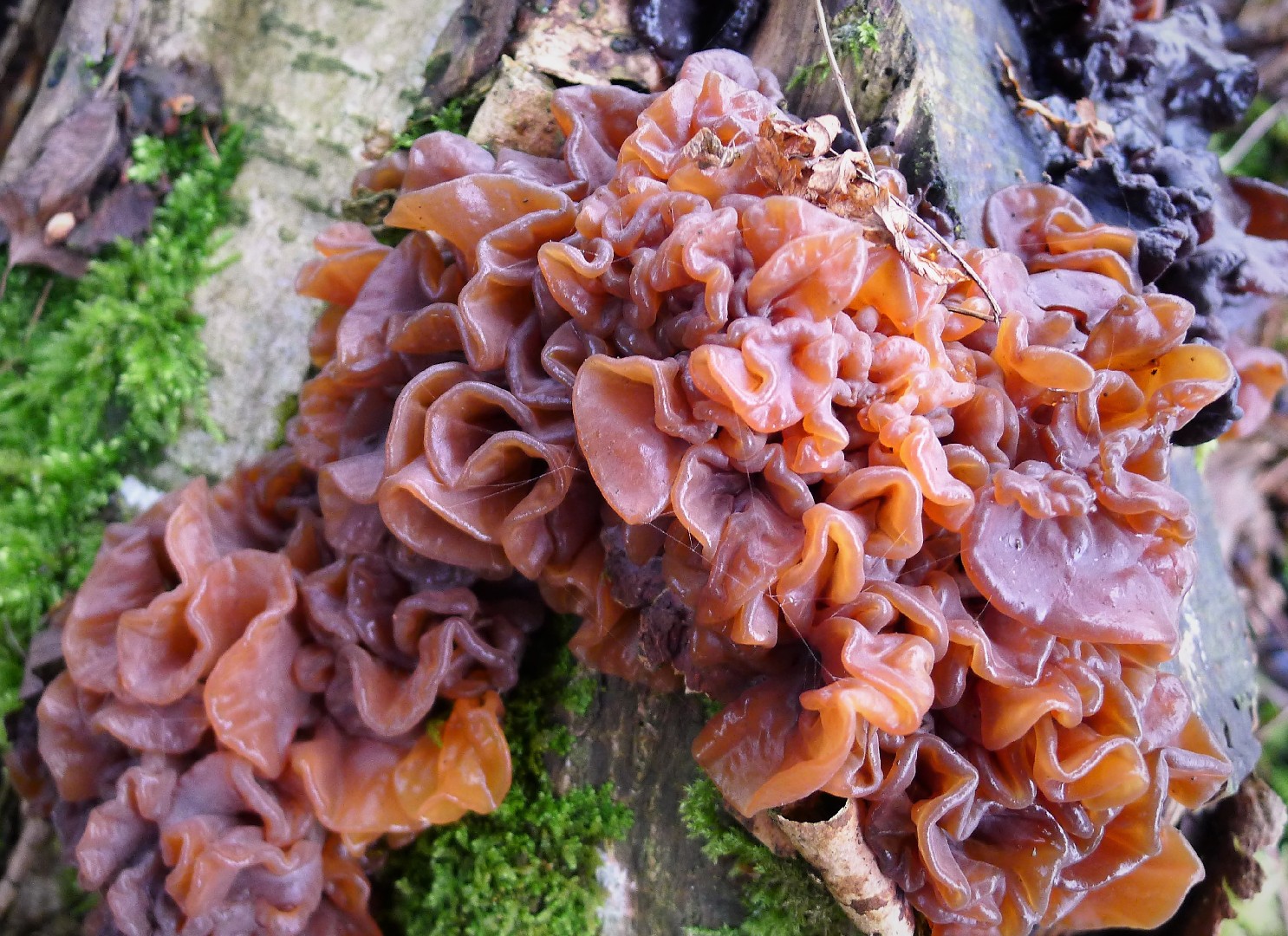
Leafy brain is a parasitic slime mold that feeds off mushrooms. As hinted by its name, it has distinct lobes that start off leaflike and become more wrinkled and brain-like with age. This slime mold shrivels into black crusts when dry but can perk up again after rain.
8. Jelly Tree Ear
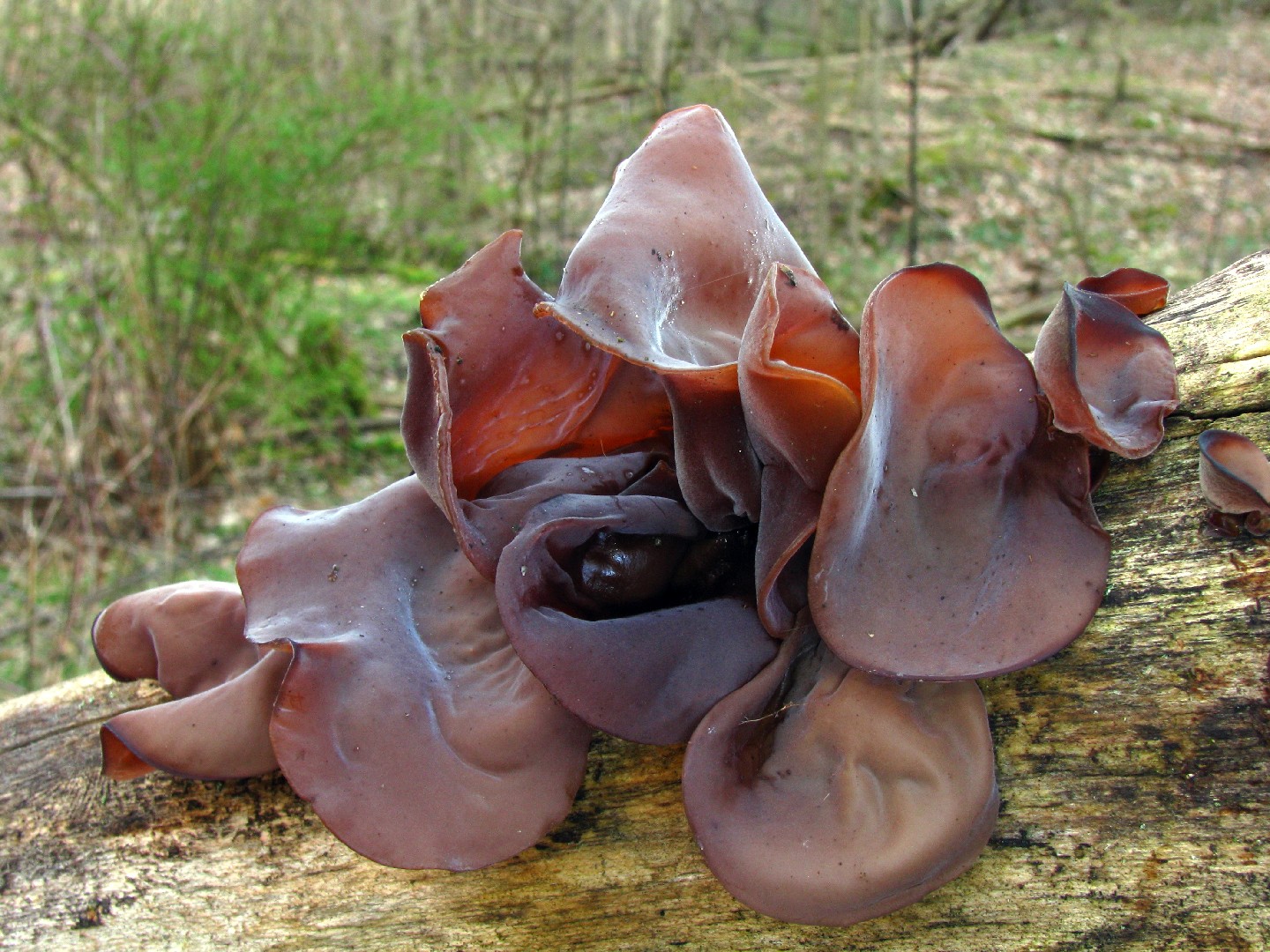
Jelly Tree Ear is a mushroom that grows on hardwood trees in North America. As suggested by its name, it can bear a striking resemblance to ears. This mushroom may completely dry up without enough water, but it is able to rehydrate after rain.
9. Old man of the woods
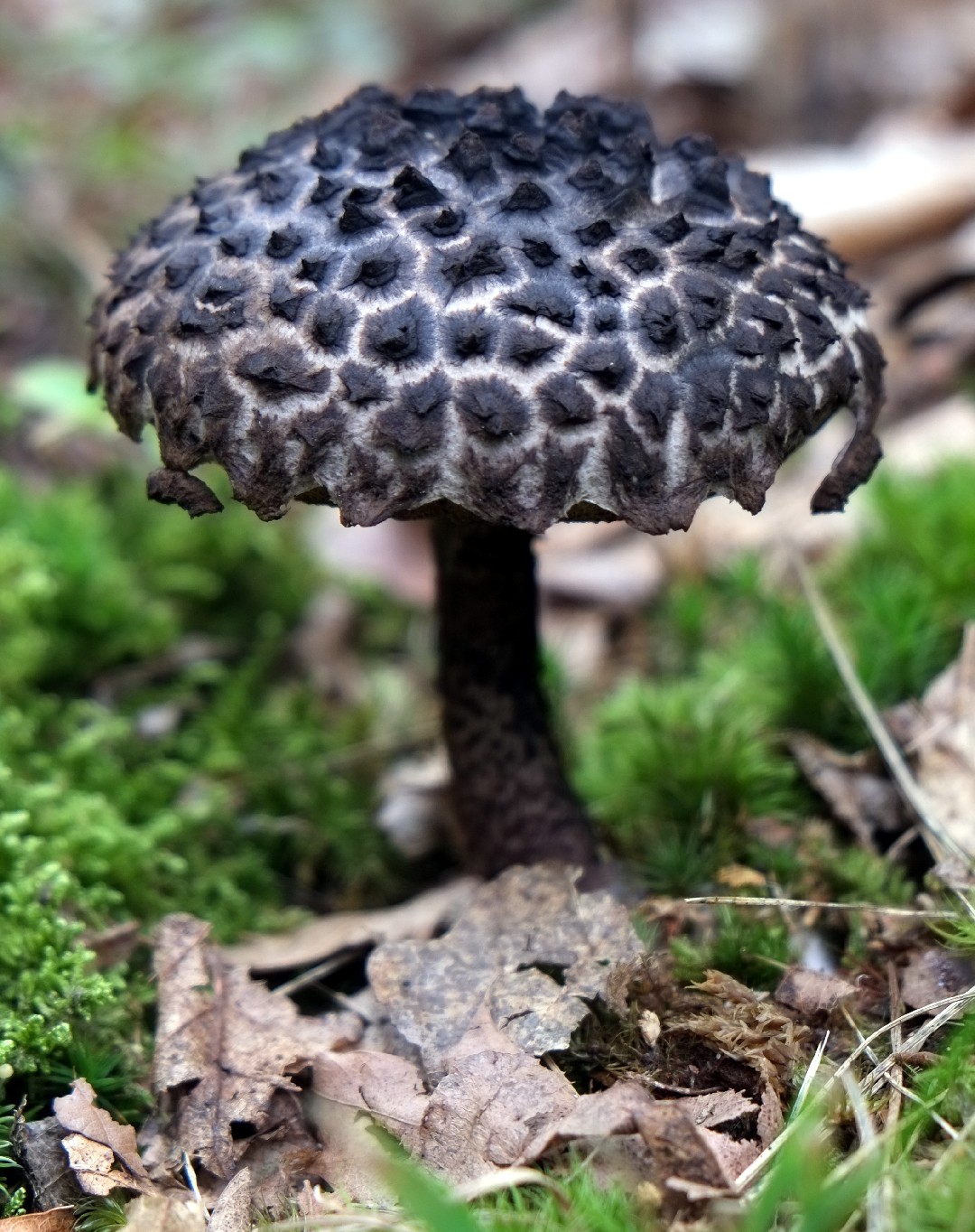
Native to Europe and North America, old man of the woods(Strobilomyces strobilaceus) is notable for its unusual coloring and texture, which visually resembles dark, overlapping scales against a white base. Interestingly, this mushroom has been depicted on a Swiss postal stamp worth fifty centimes.
10. Pear-shaped puffball
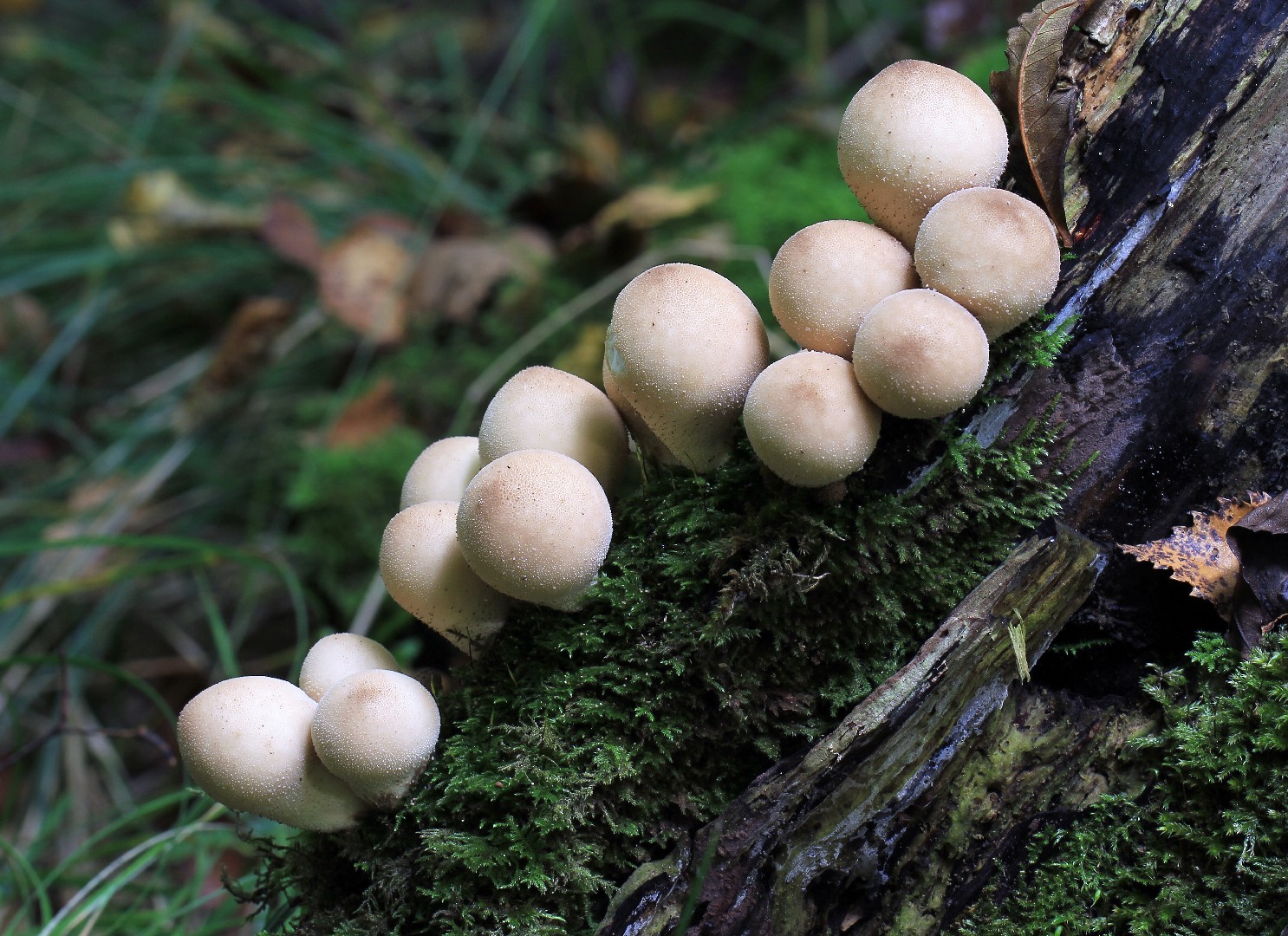
The mushrooms of this species grow in such tight clusters that they may cover fallen trees and stumps almost entirely in a brownish, puffy coat. Pear-shaped puffballs appear all around the northern hemisphere on decaying hardwoods from fall through winter.
More







