




Top 20 Edible Mushrooms Popular in Fuso
Nestled within rolling hills and fertile soil, the region of Fuso presents a rich diversification of mushrooms. Our sure guide offers details on the top 20 common edible varieties rooted in Fuso's unique biome. This enlightening compilation delves into their distinct appearances, delicious flavors, thriving habitats, and recommended culinary applications. Open your journey towards becoming proficient in identifying these natural culinary delights and their seasonal availabilities.
* Disclaimer: Content feedback CAN NOT be used as any basis for EATING ANY PLANTS. Some plants can be VERY POISONOUS, please purchase edible plants through regular channels.

Most Popular Edible Mushrooms
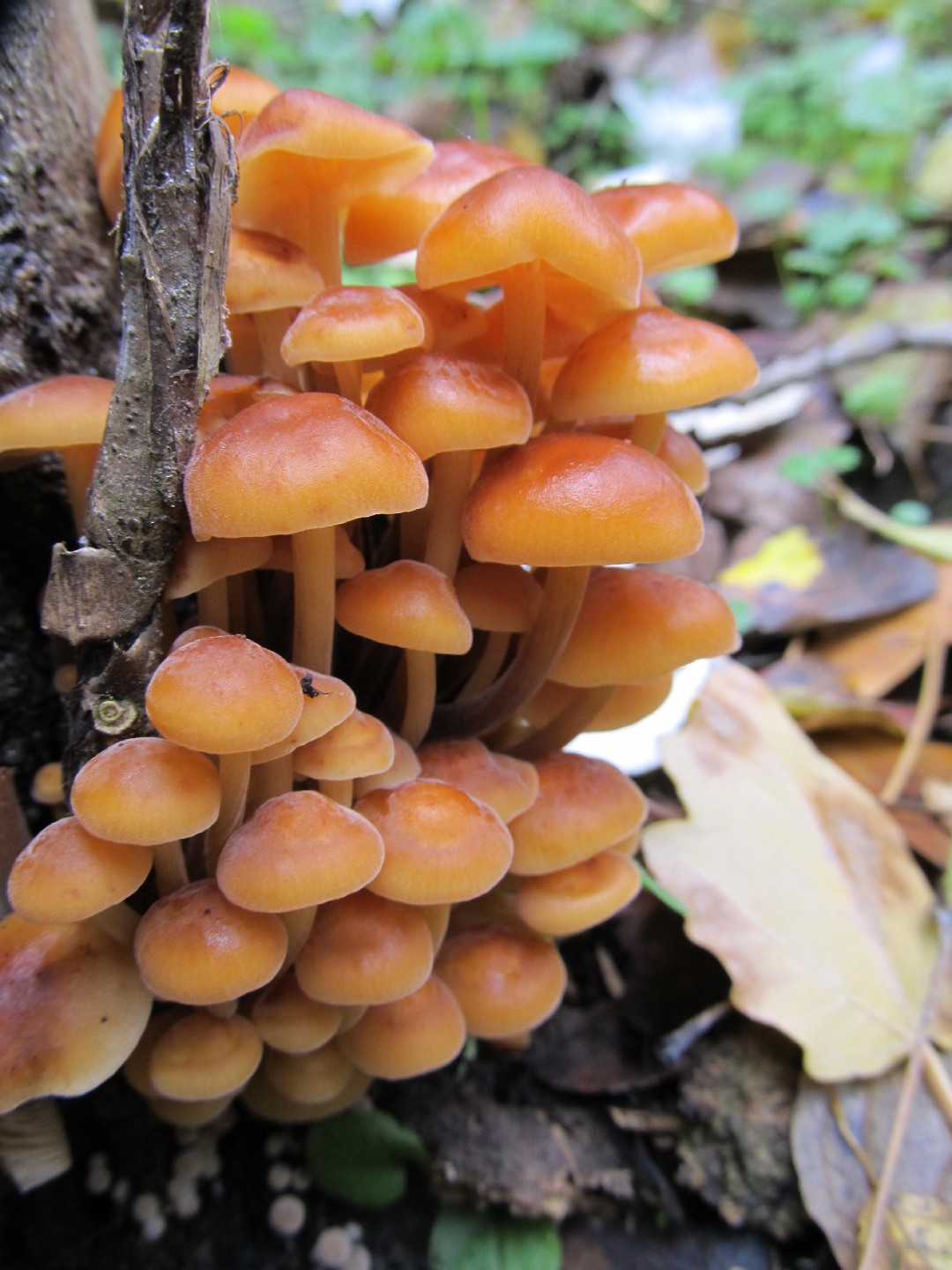
1. Enoki
The enoki grows wild on dead elm trees, and is also cultivated for human use. This flavorful species (Flammulina velutipes) has been used in dishes around the world for generations, being particularly high in nutrients. Though store-bought enoki are often plain white, wild ones can be found in a range of colors.
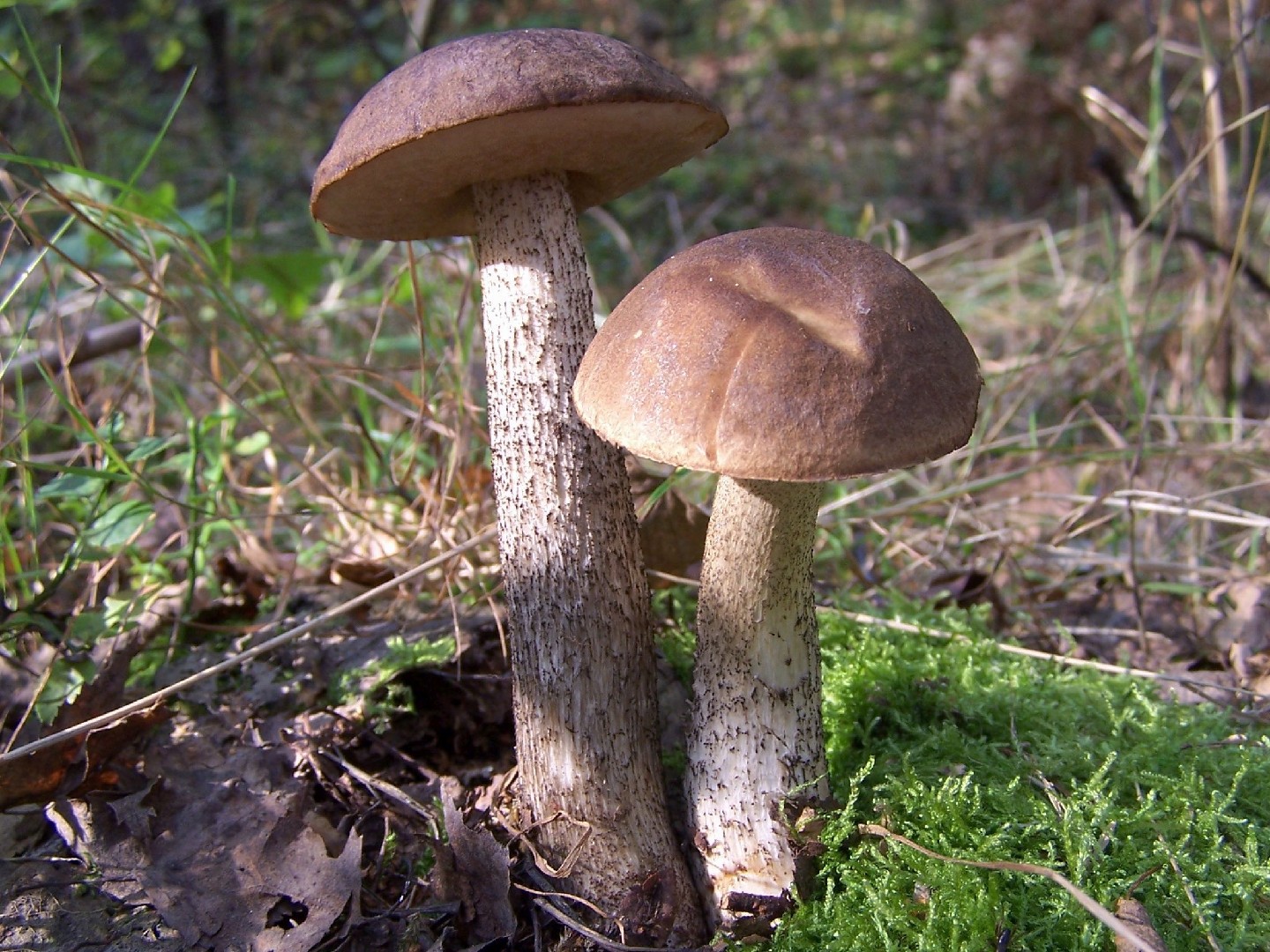
2. Brown birch-bolete
The brown birch-bolete is common around the northern hemisphere. It grows beneath birch trees and is usually easy to identify by its brown cap and scaly stem, the latter of which is referenced in its scientific name Leccinum scabrum. Occasionally, however, it can be found sporting a white cap.
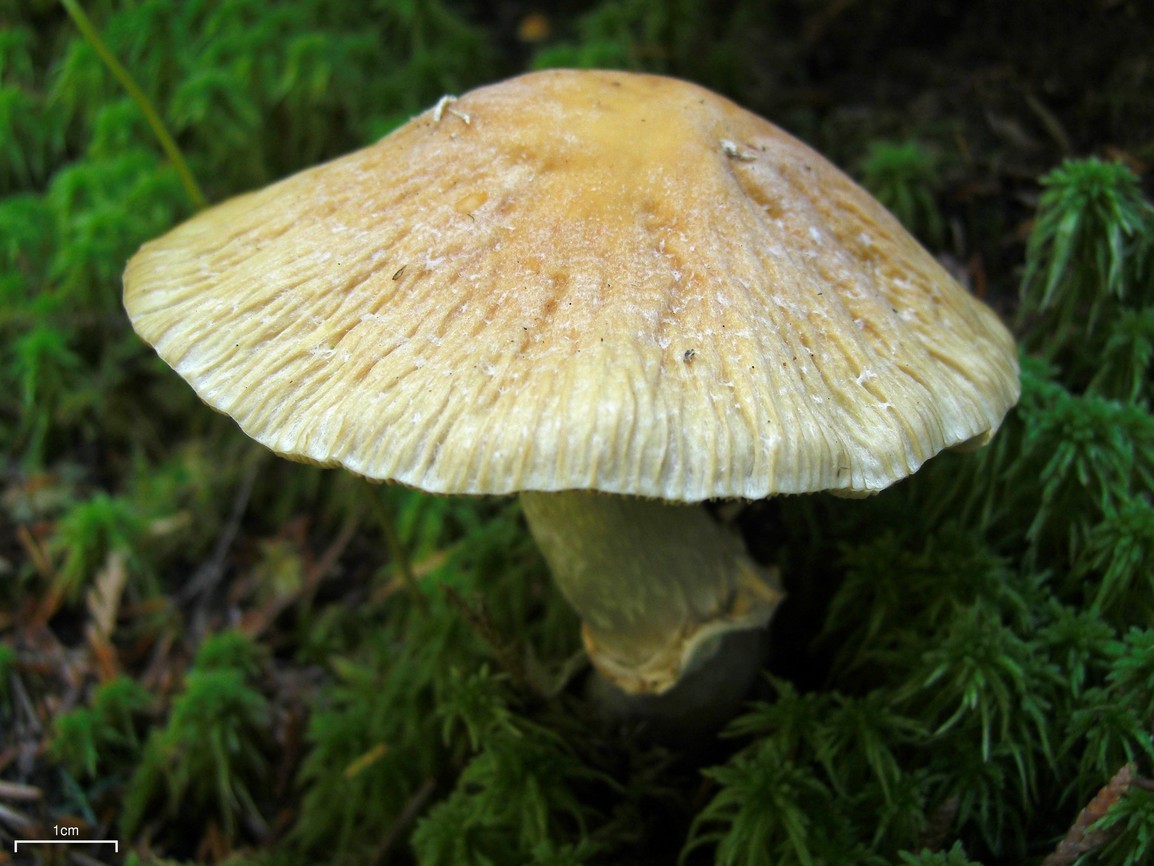
3. Gypsy mushroom
Cortinarius caperatus, commonly referred to as the gypsy mushroom, is a sought-after species that grows across the temperate regions of the Northern Hemisphere. The fruitbodies sport ochre-colored caps and pale gills and stems - their cap color fades over time though, which may lead to their being confused with other, more toxic species.
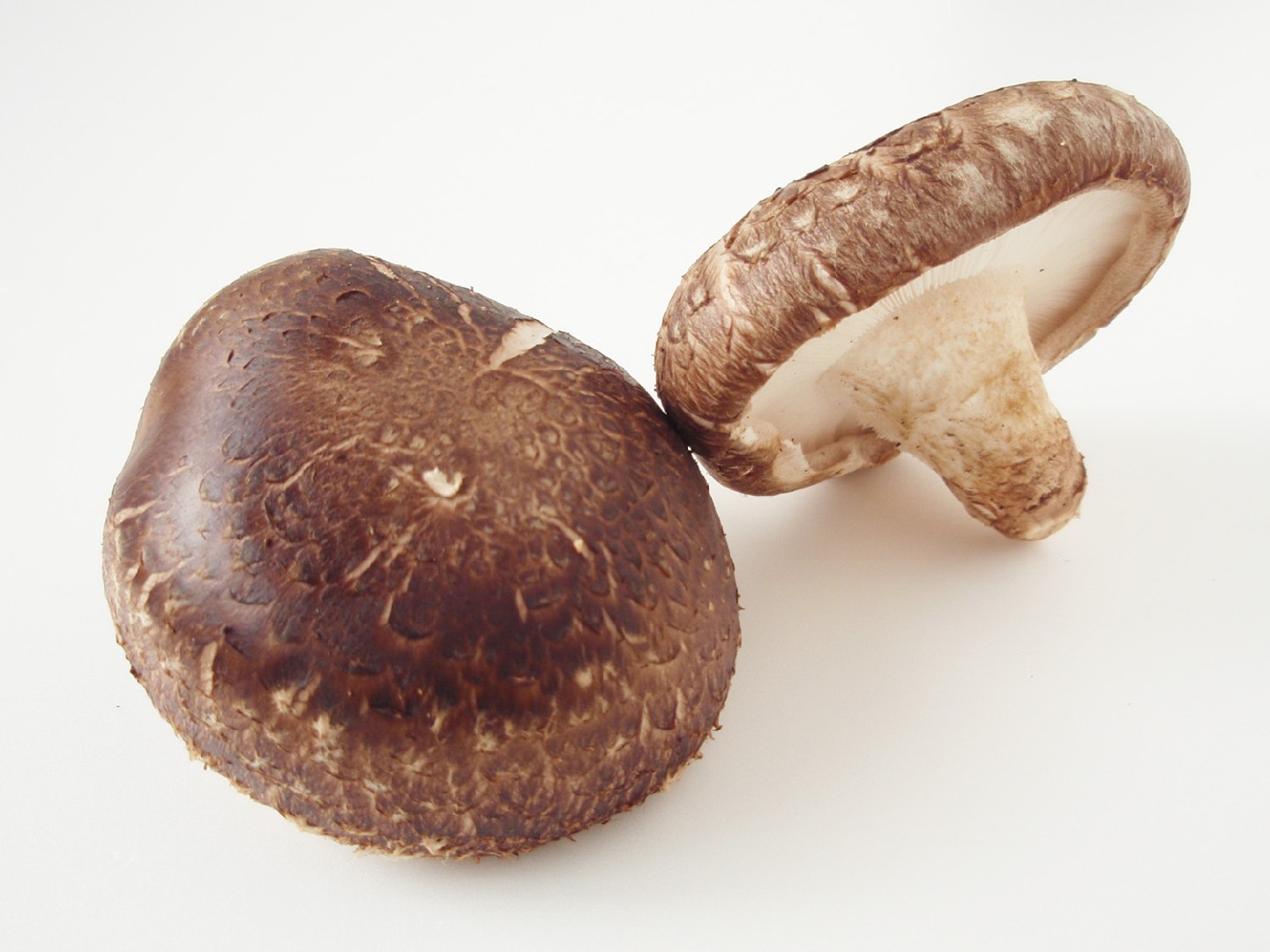
4. Shiitake
Lentinula edodes, commonly called the shiitake, is one of the most iconic and widely cultivated species of edible mushrooms in the world. The species, which is native to East and Southeast Asia, grows on dead oak and other hardwoods. Shiitakes boast a rich, meaty flavor and are used across a wide spectrum of Asian cuisines and have become popular in the West as well.
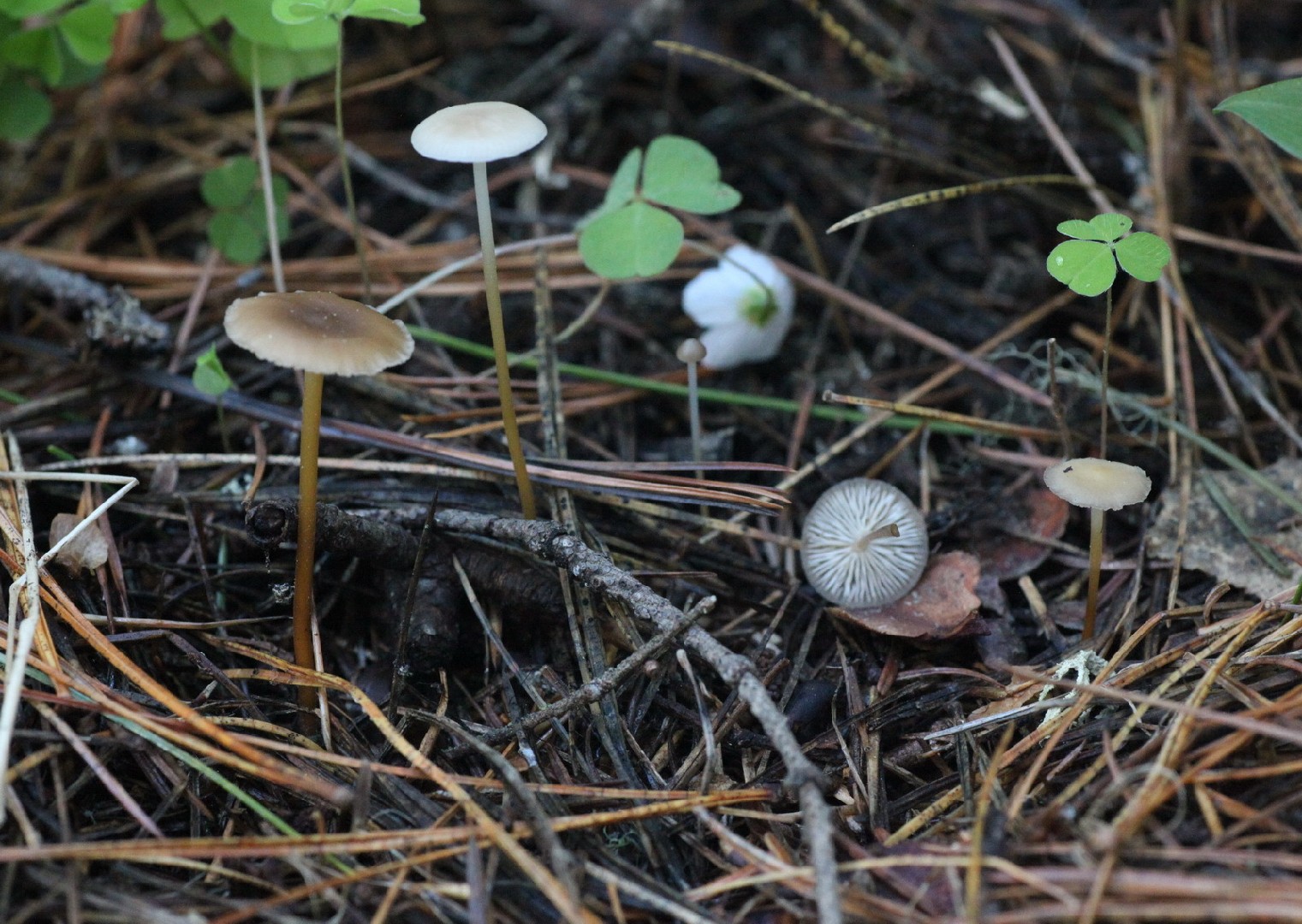
5. Russian conecap
Russian conecap can easily be identified by its unique habitat. It is commonly found growing on pinecones that are either lying on the ground or partially buried. For this reason, this mushroom is commonly known as the "pine cone cap." Its lack of a ring on the cap also makes it easy to identify from similar species.
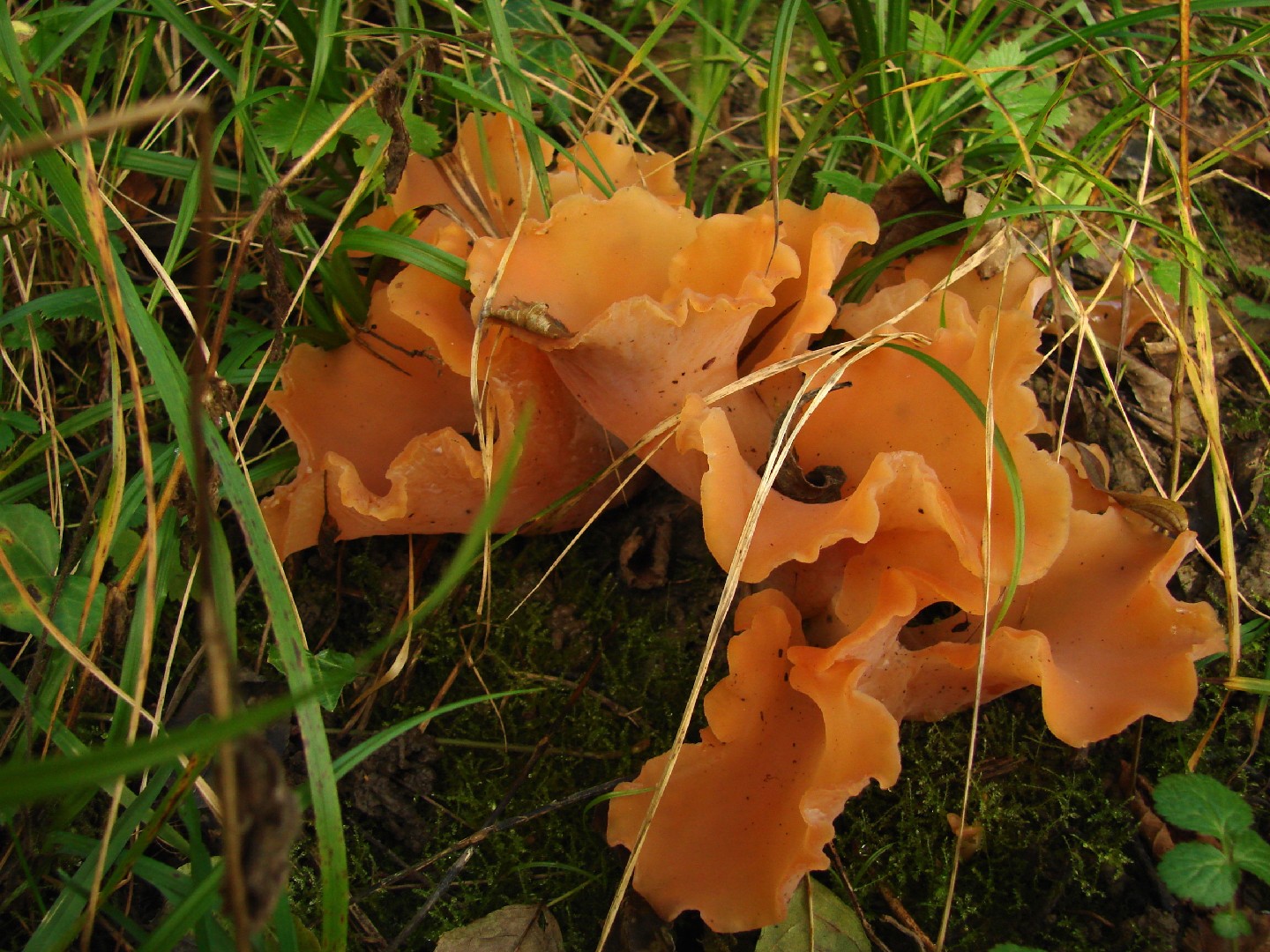
6. Apricot jelly
This distinctive, rubbery fungus has an entirely unique appearance. Occurring in temperate regions around the world, the apricot jelly grows in tongue-like funnels in varying shades of orange or pink. While it may look like candy, it is reported to have almost no taste and no culinary value.
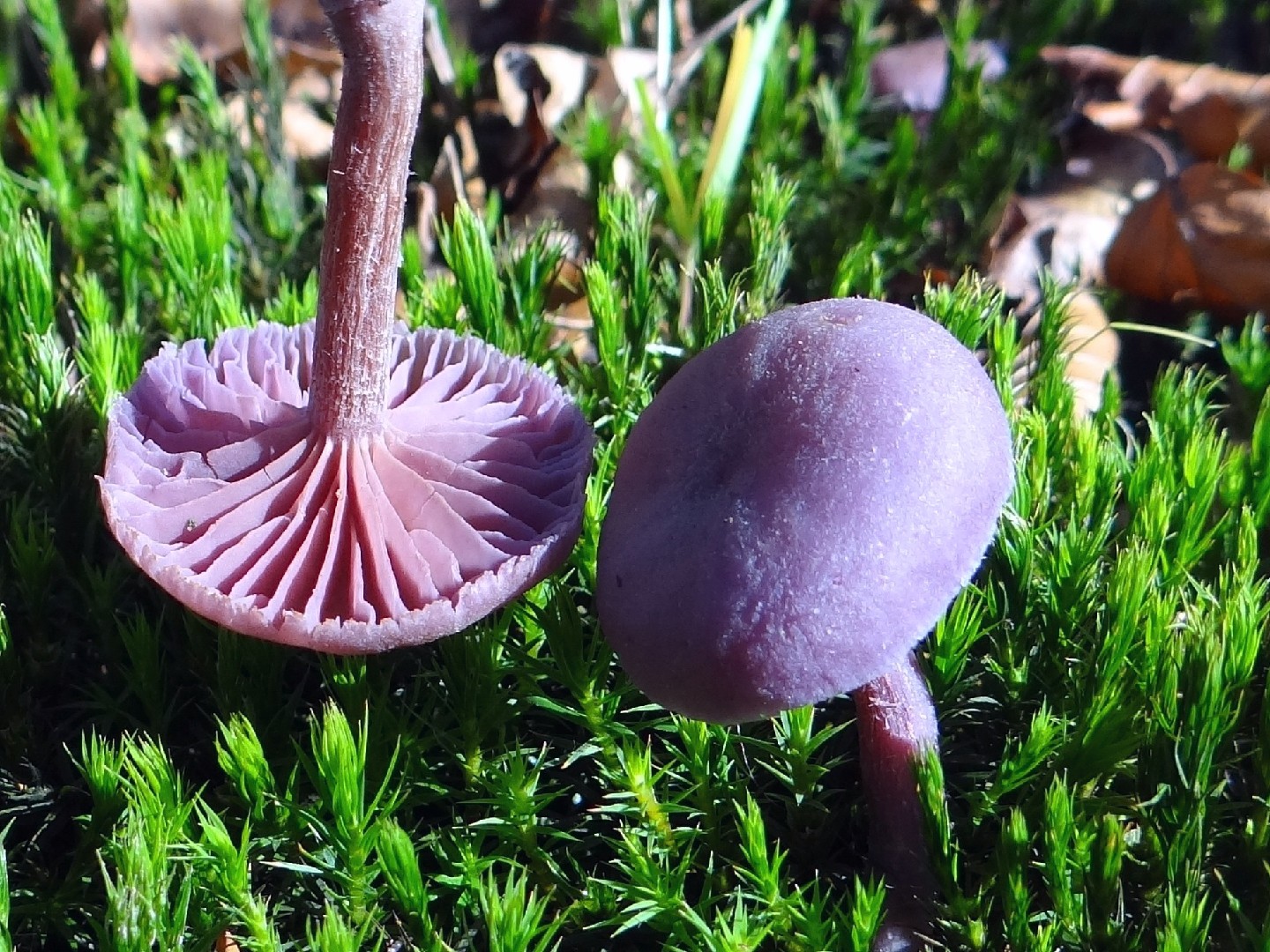
7. Amethyst deceiver
The amethyst deceiver (Laccaria amethystina) is a breathtaking mushroom that pops up from coniferous forest floors. The caps are a striking violet color in youth and are generally flat with a small indentation when the stem connects. As they mature, this violet color transforms to a less than breathtaking grey color, making it quite hard to identify after a certain age positively. Not edible.
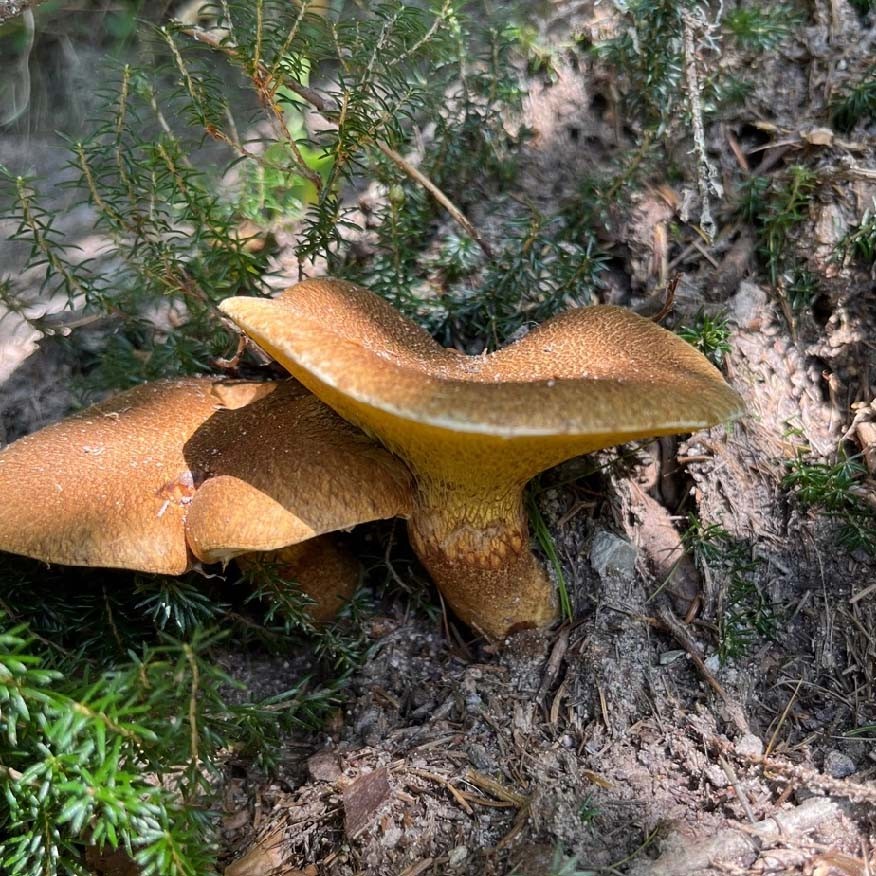
8. Hollow bolete
Hollow bolete (Suillus cavipes) gets its Latin name cavipes, which means hollow foot, from its hollow stem. It forms a mutually beneficial relationship with larch trees. This mushroom has an unusual scaly brown cap. It can grow alone or gregariously.
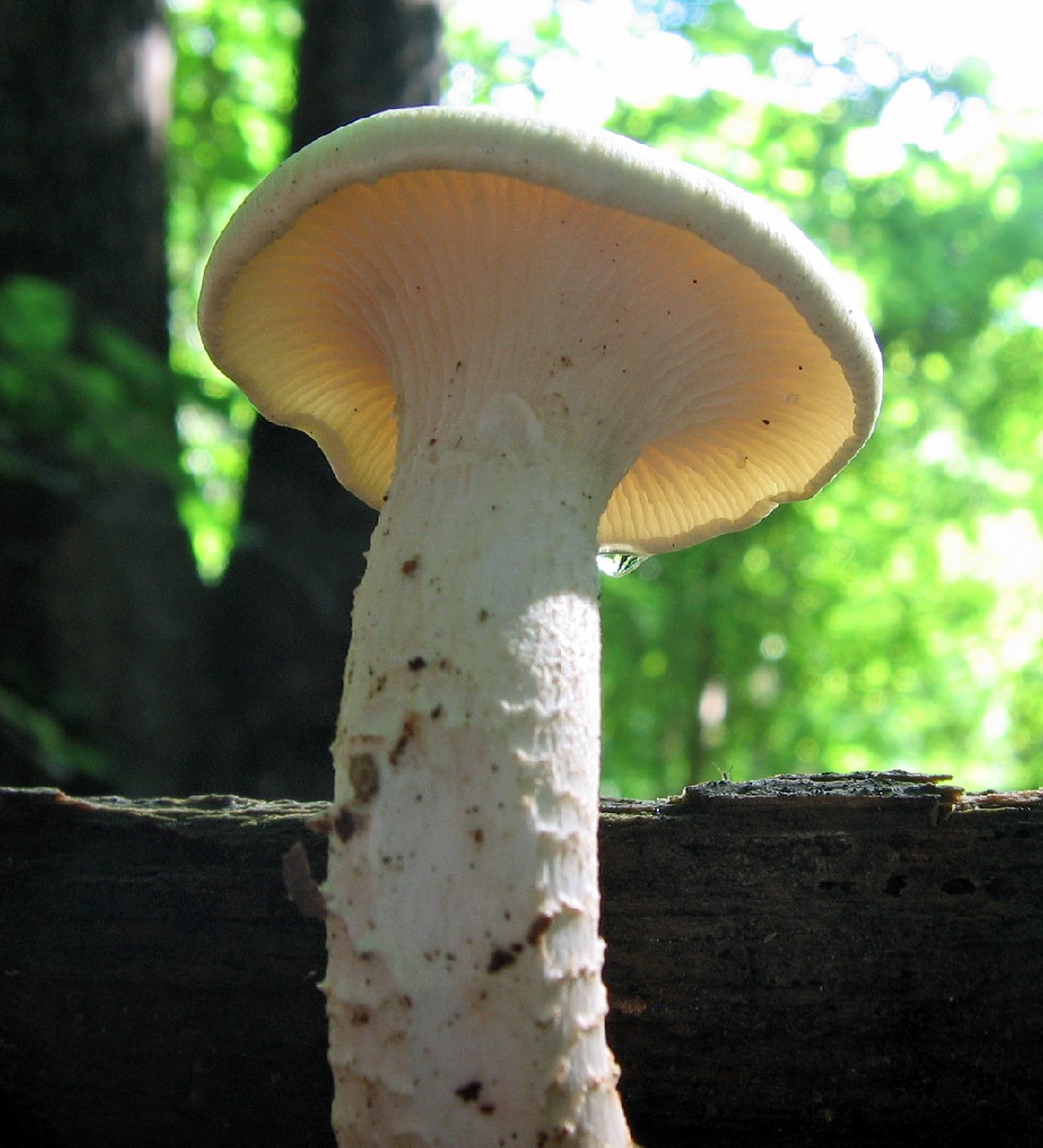
9. Scaly lentinus
Scaly lentinus(Neolentinus lepideus) may be found alone or in groups along dead or decaying pieces of timber. Due to its ability to colonize even chemically treated wood, including railroad tracks, it has been given the nickname "train wrecker." Due to inconsistent reports of safety, consumption is discouraged.
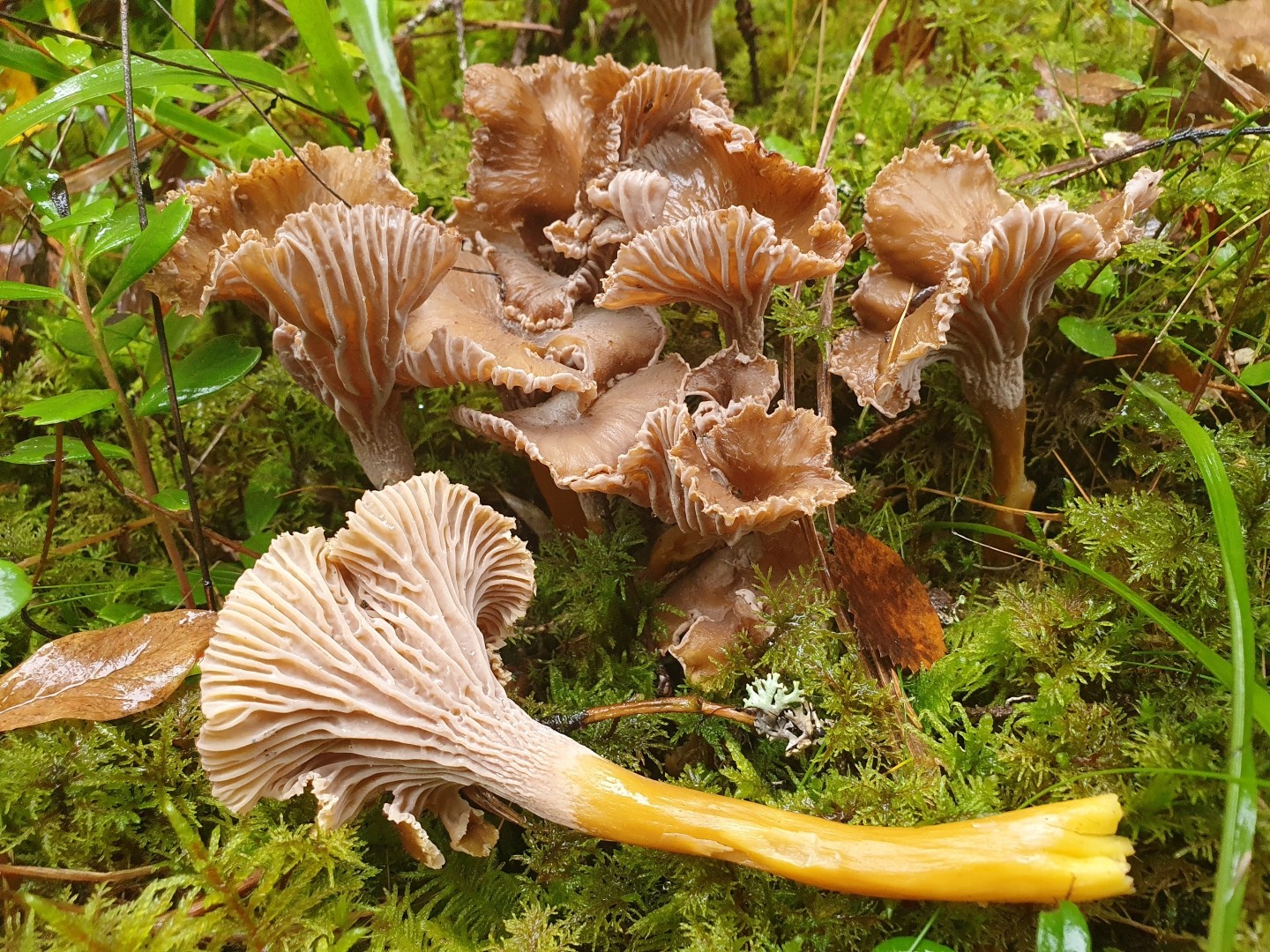
10. Yellowfoot
Found in temperate forests, wetlands, and bogs across the northern hemisphere, the yellowfoot is a highly sought after member of the chanterelle family. Considered a choice edible, it boasts a lovely, complex flavor (though it is somewhat less fruity and sweet then some of its more popular cousins). Yellowfoots are sometimes called "winter mushrooms", as they tend to be very late-season fruiters.

More







