




Top 20 Edible Mushrooms Popular in Oristano
In the verdant realm of Oristano, an oasis for mycology enthusiasts, the diverse landscape nurtures a bounty of 20 most common edible mushrooms. Each species distinct in their appearance and flavor, abounds in the terrain ranging from woodlands to grasslands. Immerse yourself in an exploration of the rich tastes, habitats, and culinary potential of these fungi in the captivating surroundings of Oristano. Learn in detail, evolving your understanding of the earth's bountiful produce.
* Disclaimer: Content feedback CAN NOT be used as any basis for EATING ANY PLANTS. Some plants can be VERY POISONOUS, please purchase edible plants through regular channels.

Most Popular Edible Mushrooms
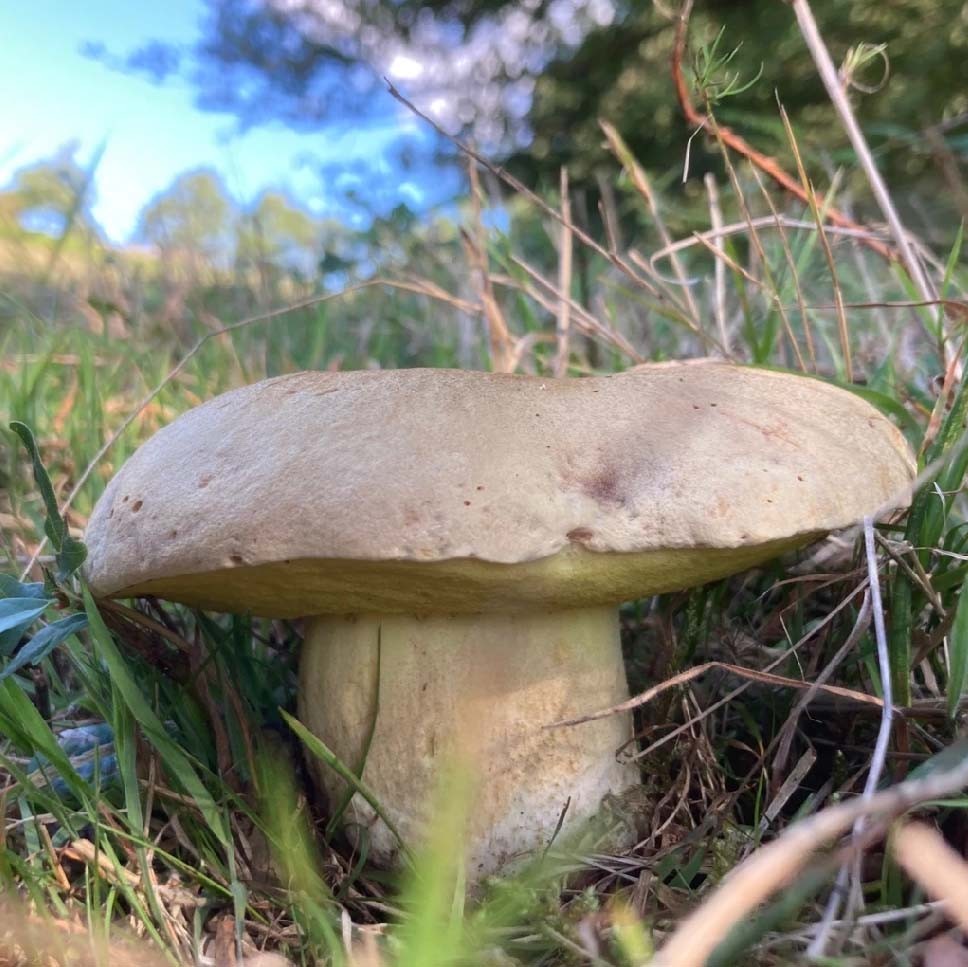
1. Iodine bolete
The name of Iodine bolete gives you a good tip on how to identify this mushroom because it gives off a strong iodine smell when it is damaged. Iodine bolete is a widely-distributed mushroom that is always found in association with broad-leaved trees, especially oak, with which it has a symbiotic relationship.
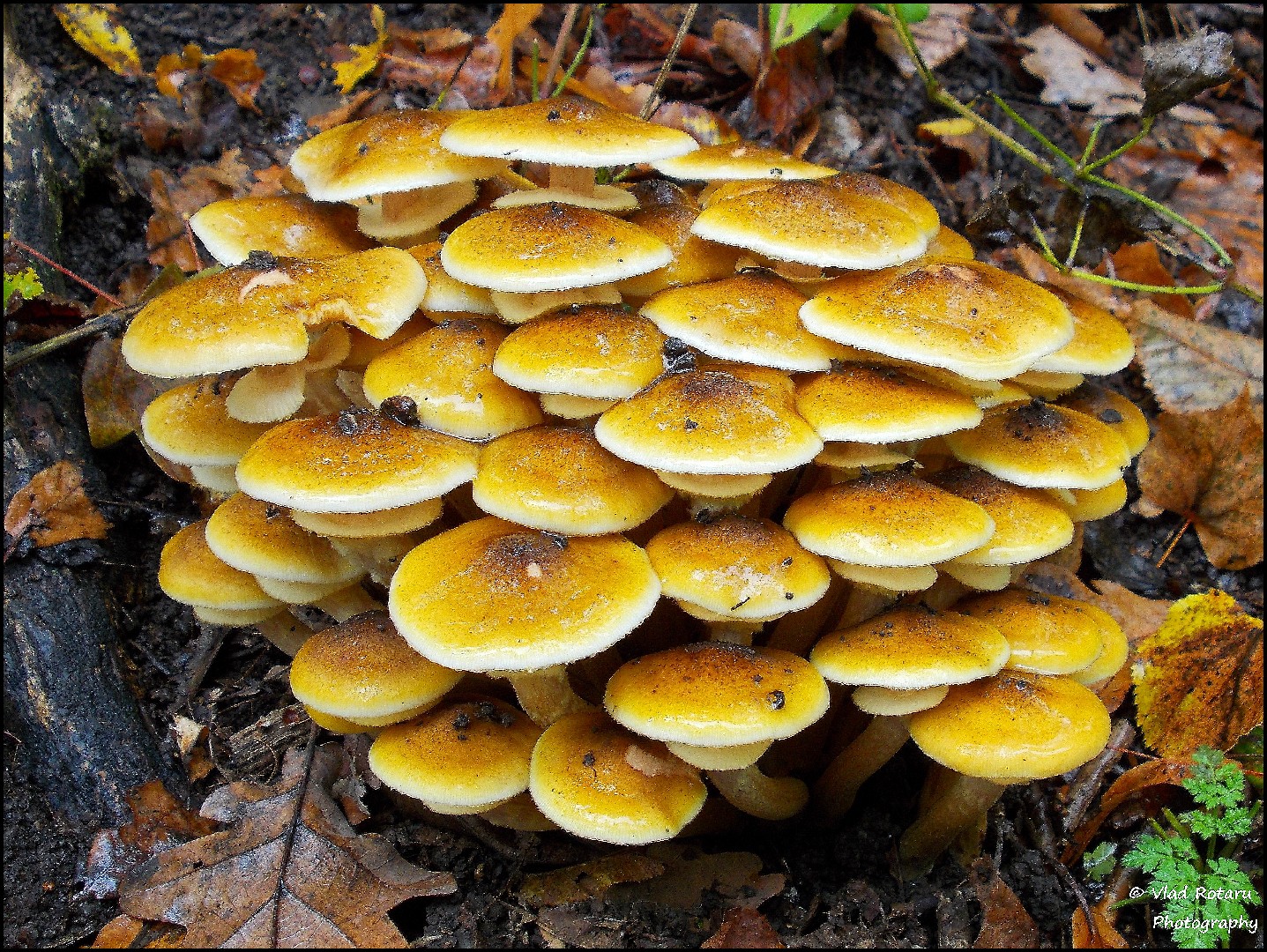
2. Honey fungus
The honey fungus is a parasitic fungus that grows on the roots of many woody and perennial plants, damaging and possibly killing its host. It spreads underground and is considered to be the most damaging fungal disease in gardens across the UK. The appearance of the mushrooms above-ground heralds a much more extensive infection below.
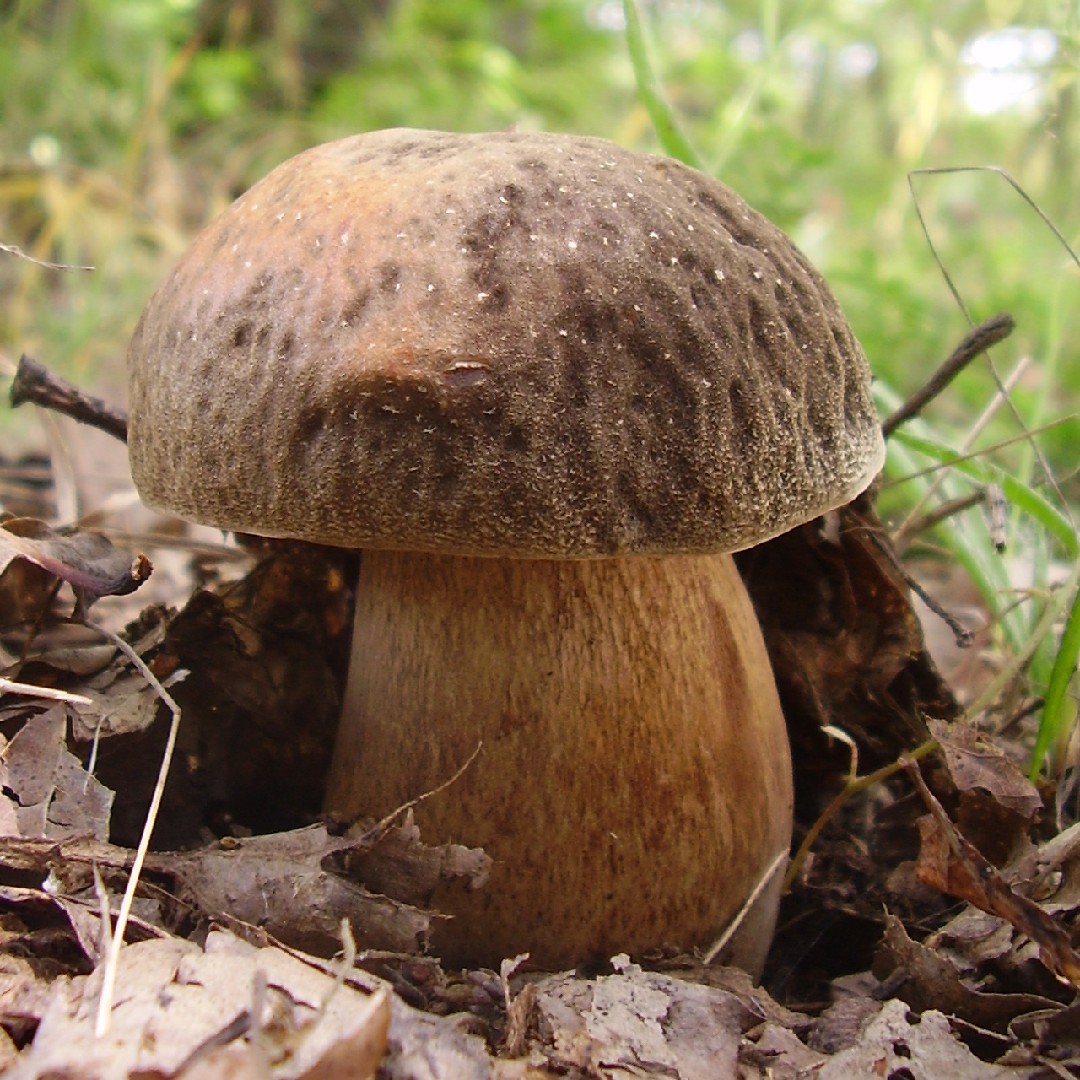
3. Bronze bolete
The bronze bolete is originally described from Europe. For many years, the species is thought to be present in North America as well, until molecular studies have shown that the North American counterpart, named Boletus regineus, was actually a different species. The bronze bolete is often found during hot and dry summer days. The specific Latin epithet "aereus" means "fitted with bronze" and it refers to the color of its velvety cap.
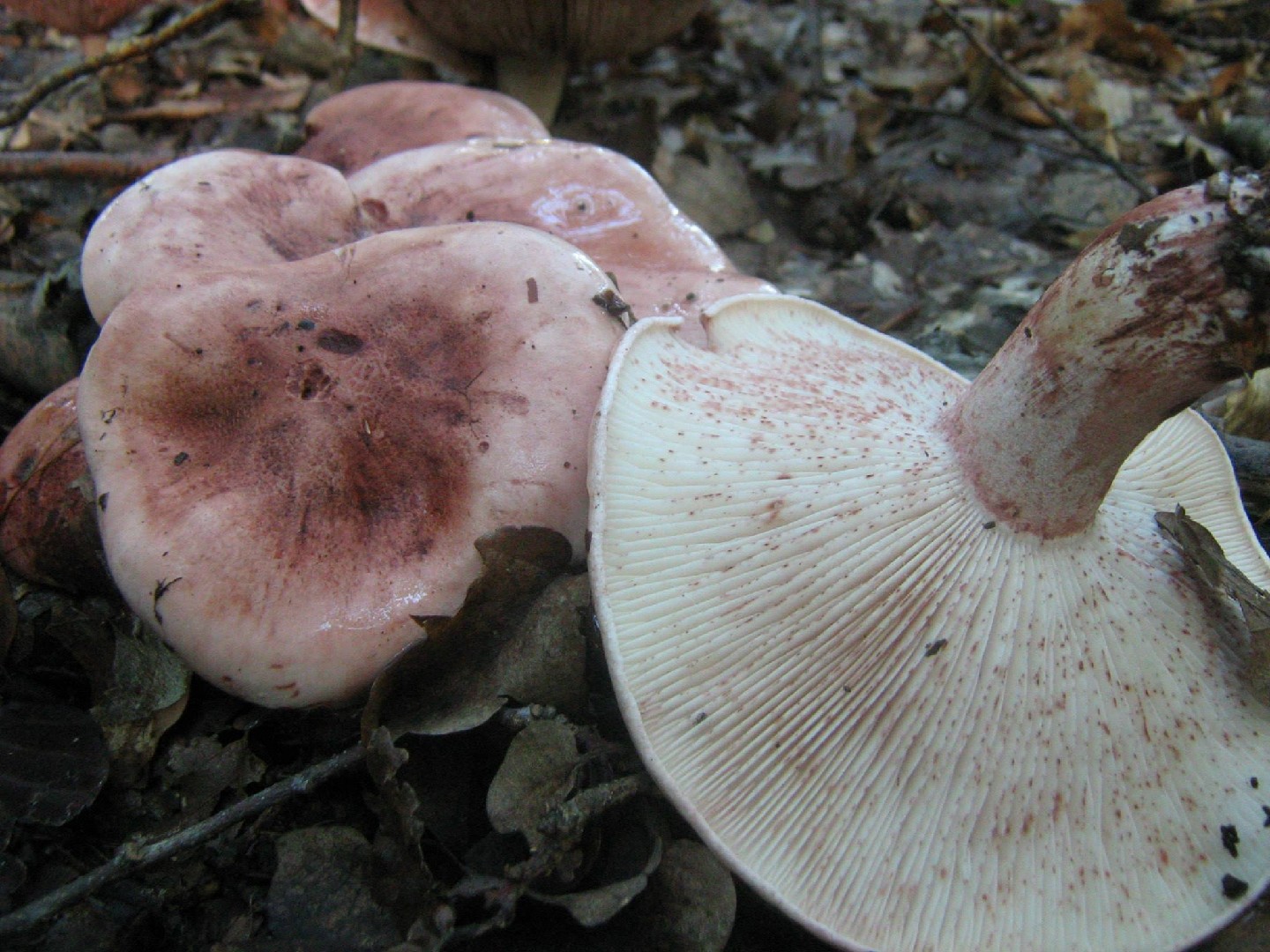
4. Pinkmottle woodwax
Although the species name references this mushroom’s physical similarity to a russula, the pinkmottle woodwax (Hygrophorus russula) is a waxy cap. The characteristic sticky cap of that genus dries out quickly in this tricky species. They are quite resistant to insect infestations.
5. Hazel bolete
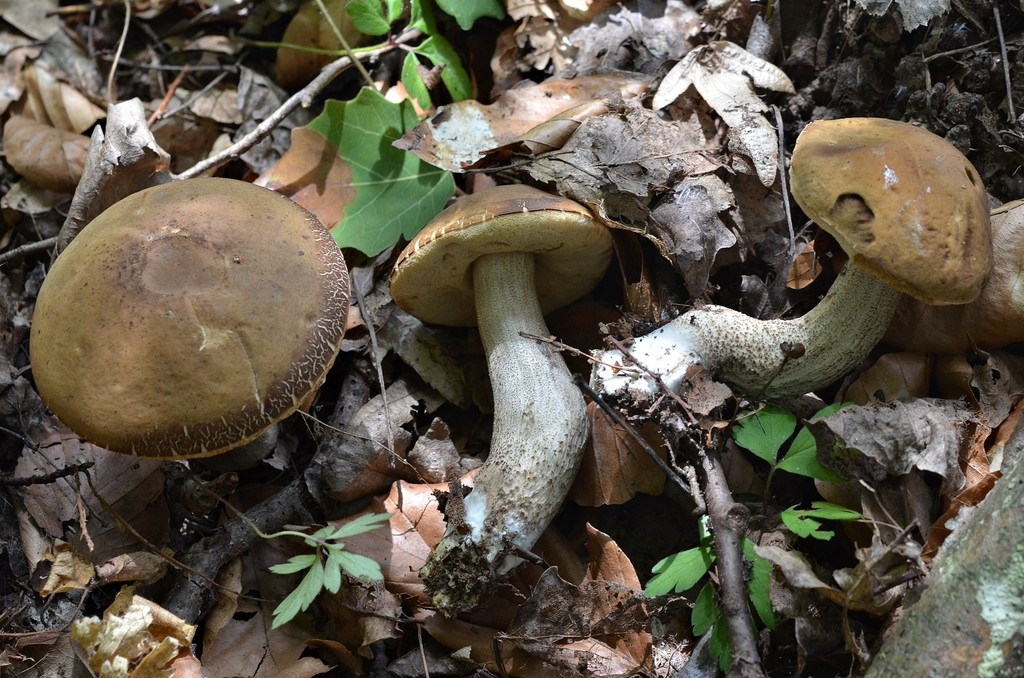
The hazel bolete is a fairly common mushroom that is often found near hornbeam trees, rather than around hazels. When cut or bruised, the flesh first goes red and then turns very dark blue. This mushroom is similar to Leccinum scabrum, but the latter one grows strictly near birch.
6. Bloody milk cap
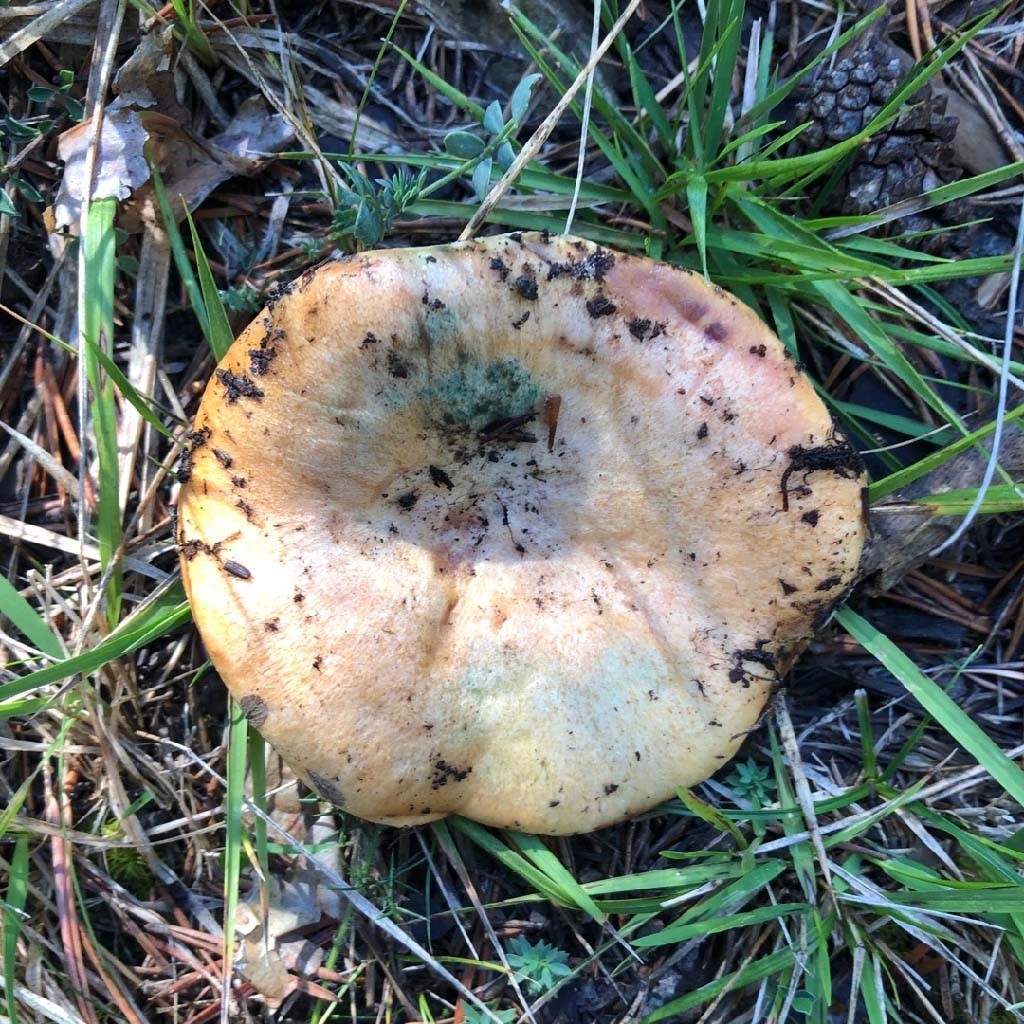
Bloody milk cap (Lactarius sanguifluus) has a distinctive appearance with its pale exterior but a deep blood-red interior, for which it is named. This mushroom can be found in pine forests where it grows in a mycorrhizal relationship with the trees. Bloody milk cap is known to accumulate large quantities of toxic heavy metals.
7. Xerocomellus cisalpinus
8. Bare-toothed Russula
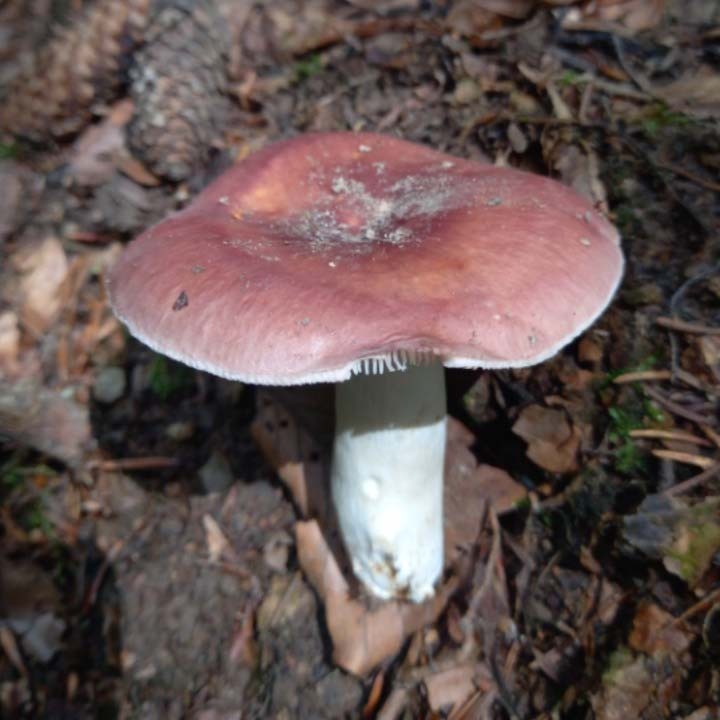
Bare-toothed Russula (Russula vesca) gets its Latin name Russula, which means red color, due to its reddish cap. The second part of its Latin name, vesca, means edible, but it should be noted that this doesn't mean this species should be considered edible by default. This widespread mushroom can be found growing close to oak and beech trees.
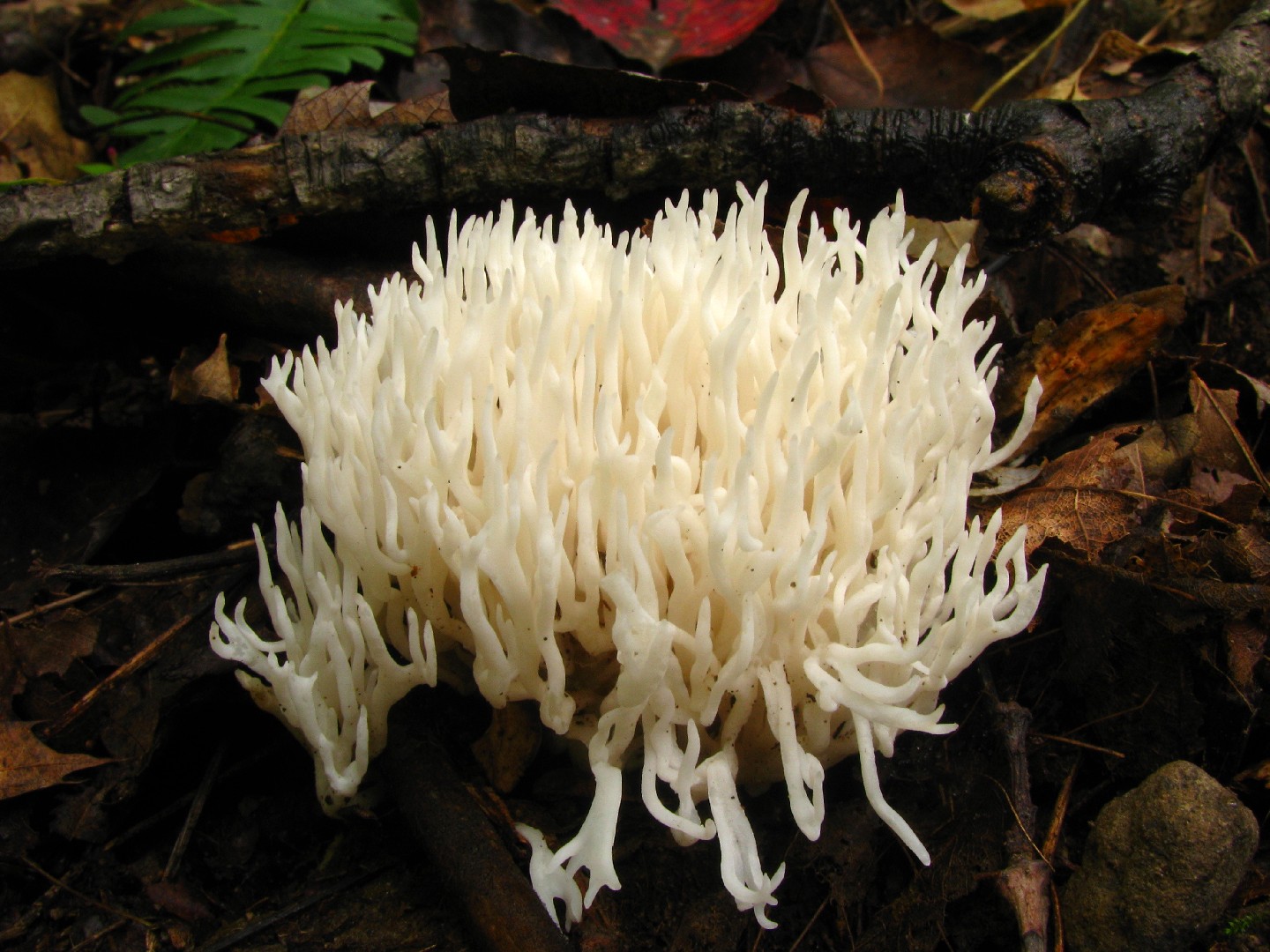
9. White coral
The white coral (Ramariopsis kunzei), with its upright, branching tendrils which do not have caps, bears a striking resemblance to underwater corals. It is an odd sight to encounter in the forest. The species is a generalist, being found in woodlands - usually on decaying litter - around the world.
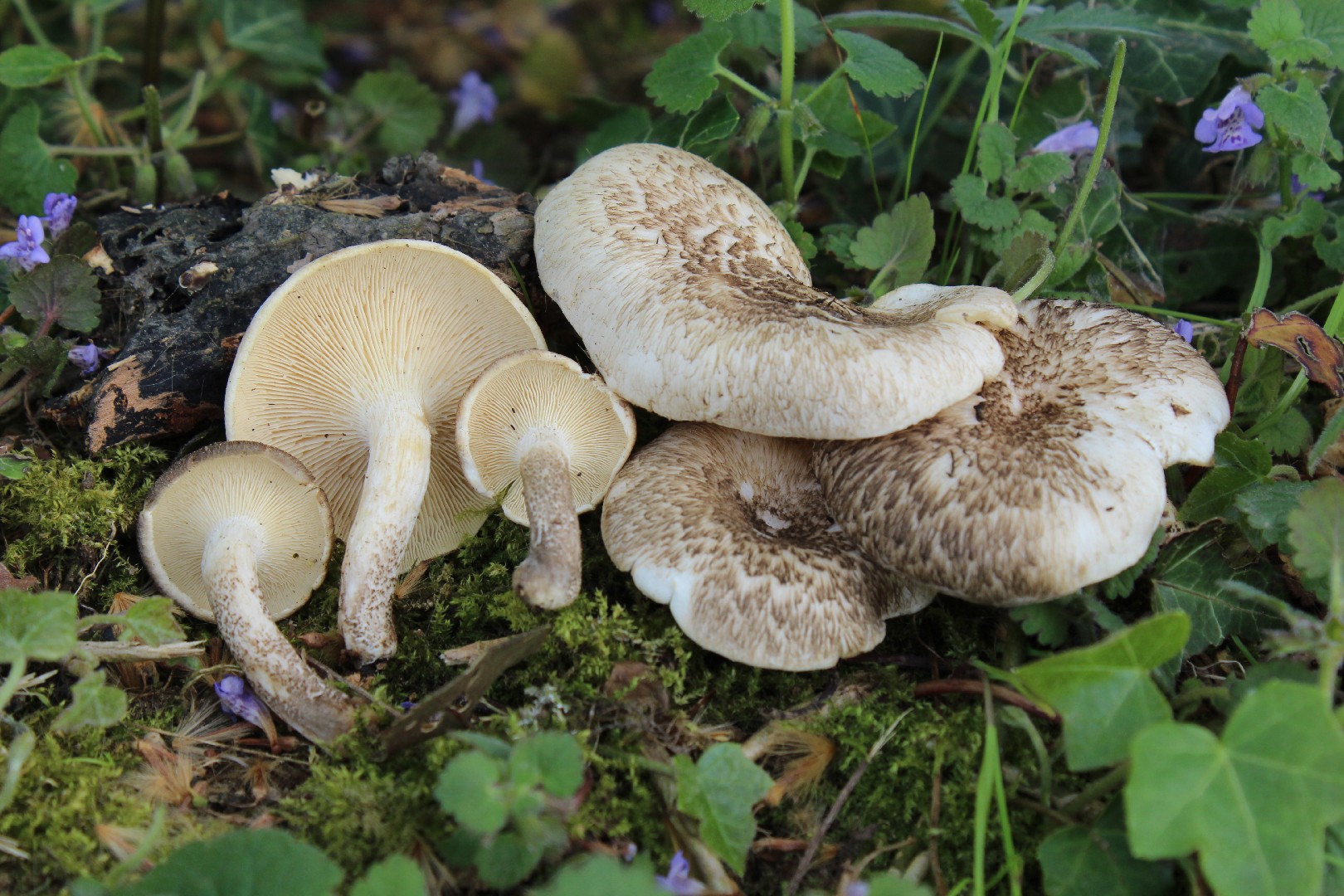
10. Tiger sawgill
The tiger sawgill (Lentinus tigrinus) is a small mushroom with a name that is not particularly accurate. Sporting neither the color nor the pattern that we commonly associate with the tiger, it has a subdued, pale cap that is usually covered in brown patches. The eighteenth-century European that named the species may have been thinking of a leopard.



More







