




Top 20 Edible Mushrooms Popular in Lappi
Dive into the fascinating world of mycoculture in Lappi, where the dense, moist forests create idyllic environments for fungi to thrive. This list will explore the 20 most common edible mushrooms found in the region. Each mushroom specified possesses unique aesthetics, flavors, and culinary applications besides specifics on their respective habitats. Let's uncover the indigenous fungal treasures of Lappi and learn how these shape the local gastronomy.
* Disclaimer: Content feedback CAN NOT be used as any basis for EATING ANY PLANTS. Some plants can be VERY POISONOUS, please purchase edible plants through regular channels.

Most Popular Edible Mushrooms
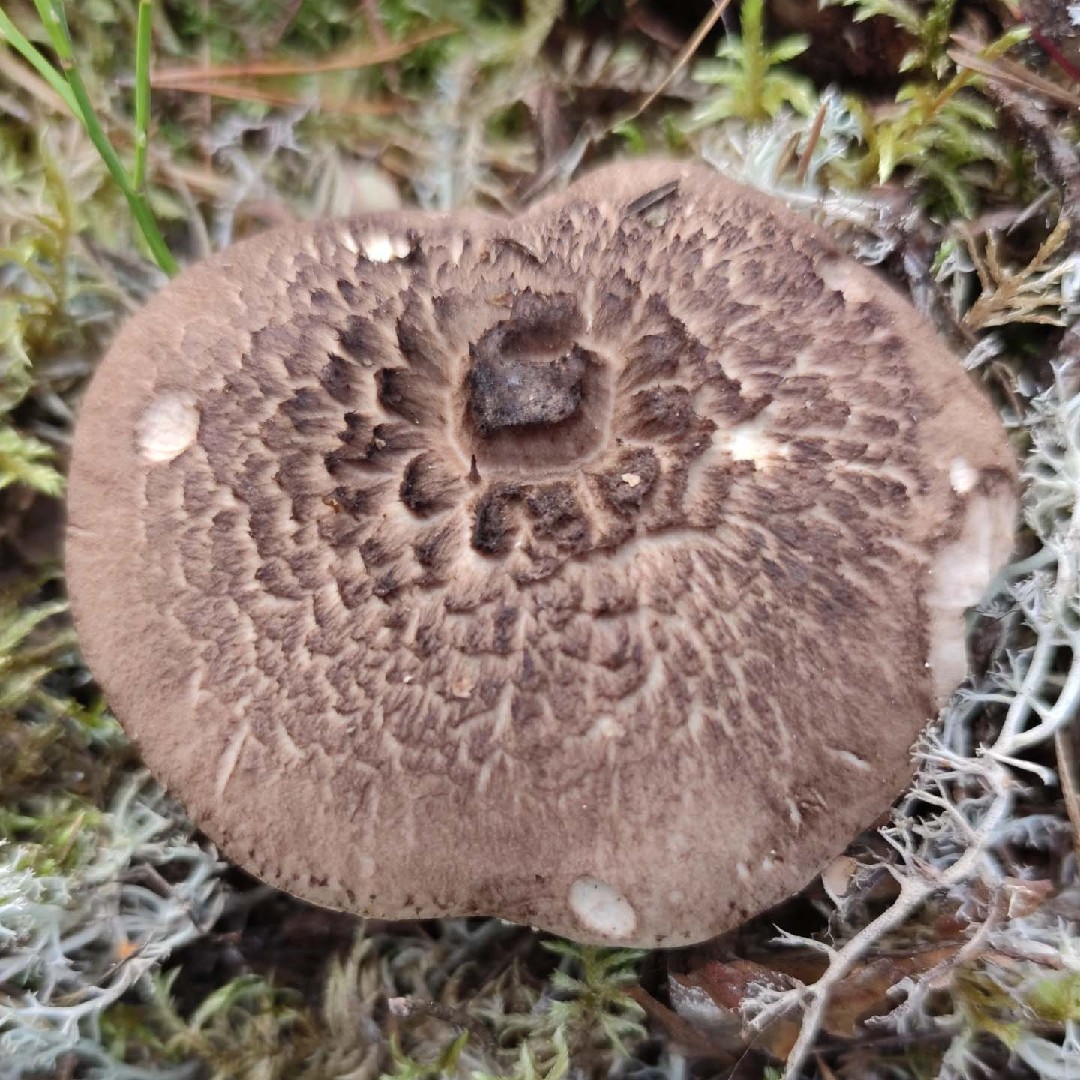
1. Scaly tooth
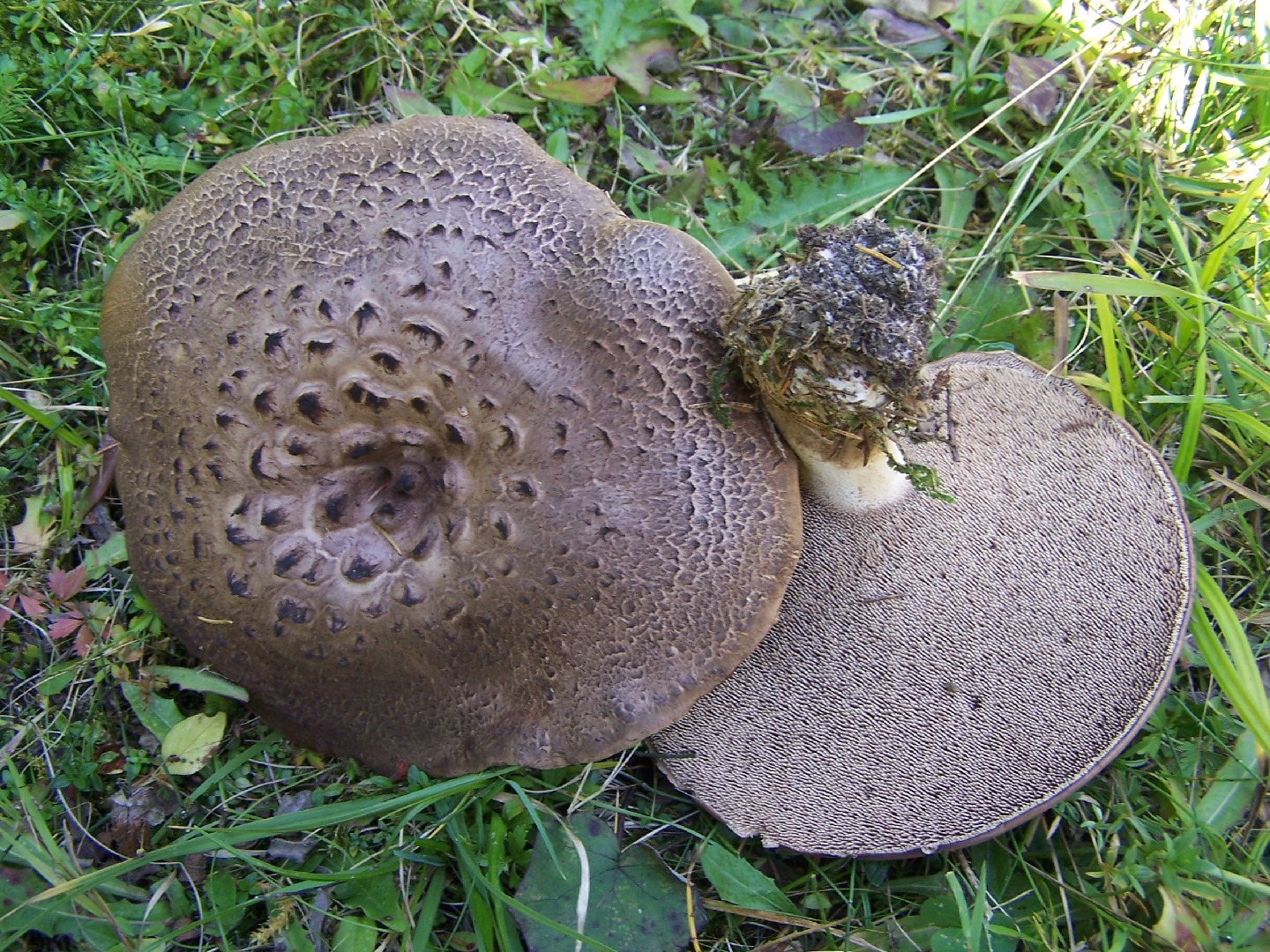
Found in the pine forests of Europe and North America, the scaly tooth has a blue pigment that can be used to dye textiles. This large mushroom got its name, scaly tooth, from its coarse and scaly, brown cap. It has a mealy scent.
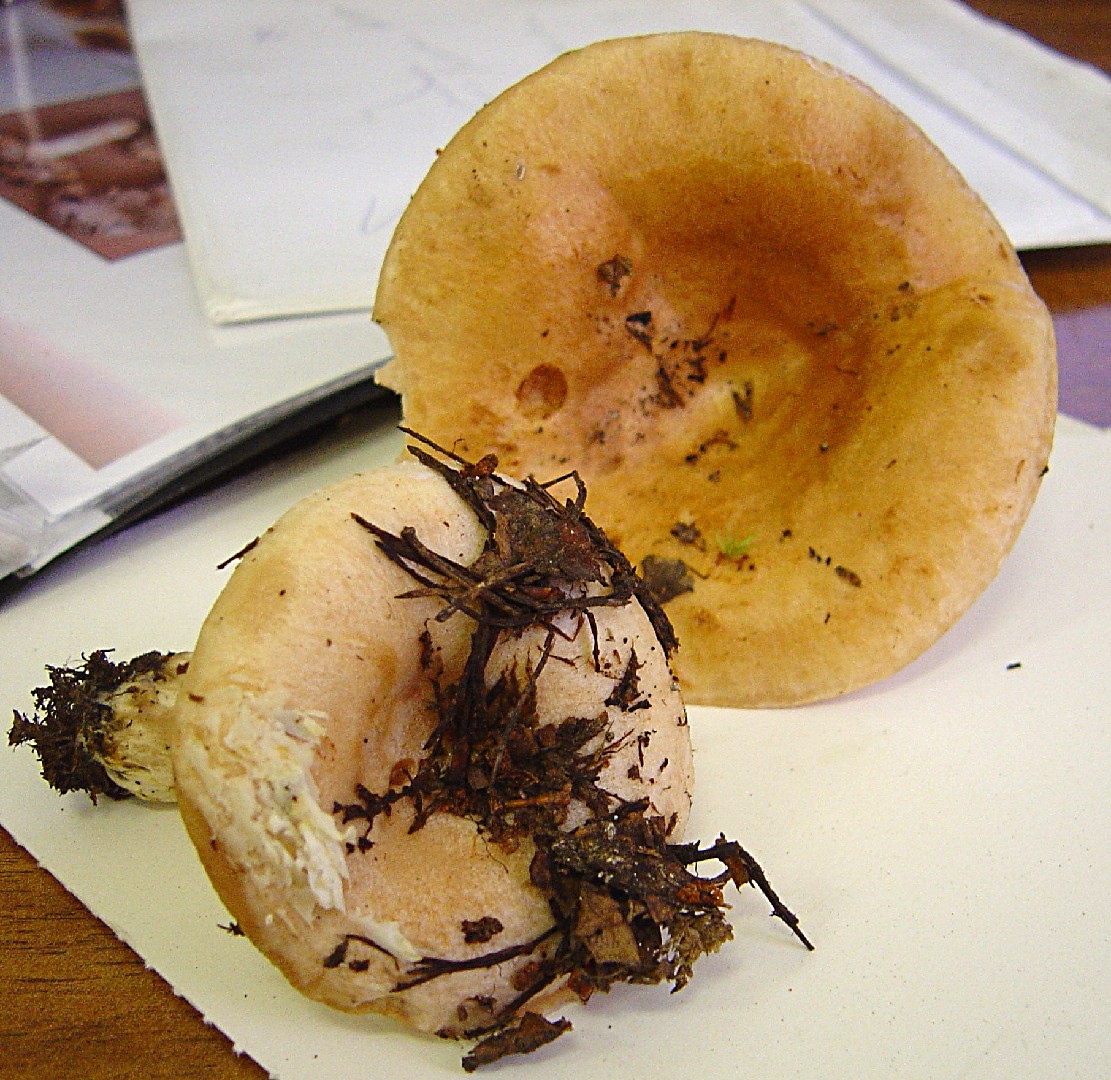
2. Pine milkcap
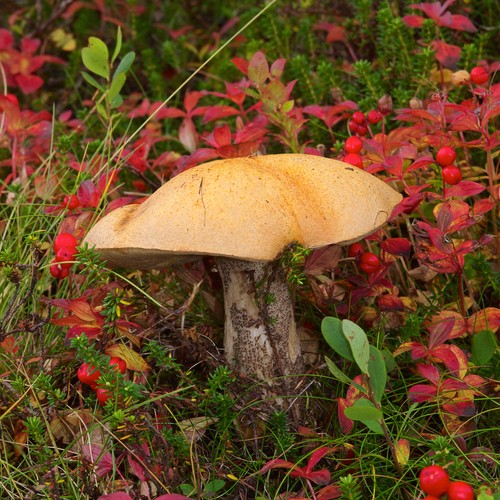
3. Orange birch bolete
You may not be particularly surprised to learn that the orange birch bolete (Leccinum versipelle) is an orange-capped bolete that commonly associates with birch trees. The species has a classic bolete form, boasting a large, bulbous cap, a thick, shaggy stalk, and a sponge-like pore surface. When cut and exposed to air, the flesh of this mushroom will turn blue.
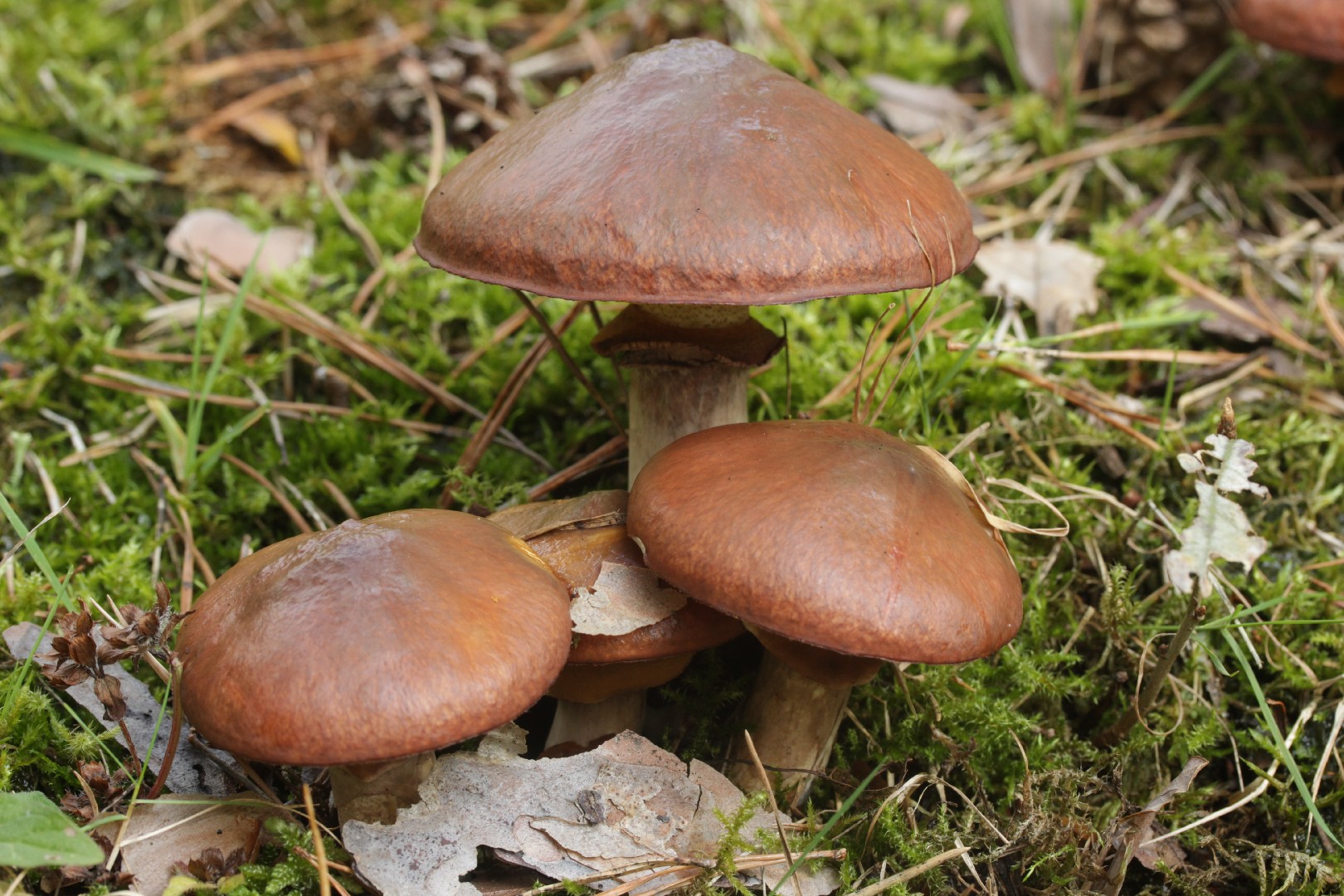
4. Slippery jack
This mushroom blooms in summer and autumn, usually near or beneath pine trees. It does well in cold climates, but can also be found further south all around the northern hemisphere. During moist weather, the slippery jack's caps become quite slimy, leading to their common name.
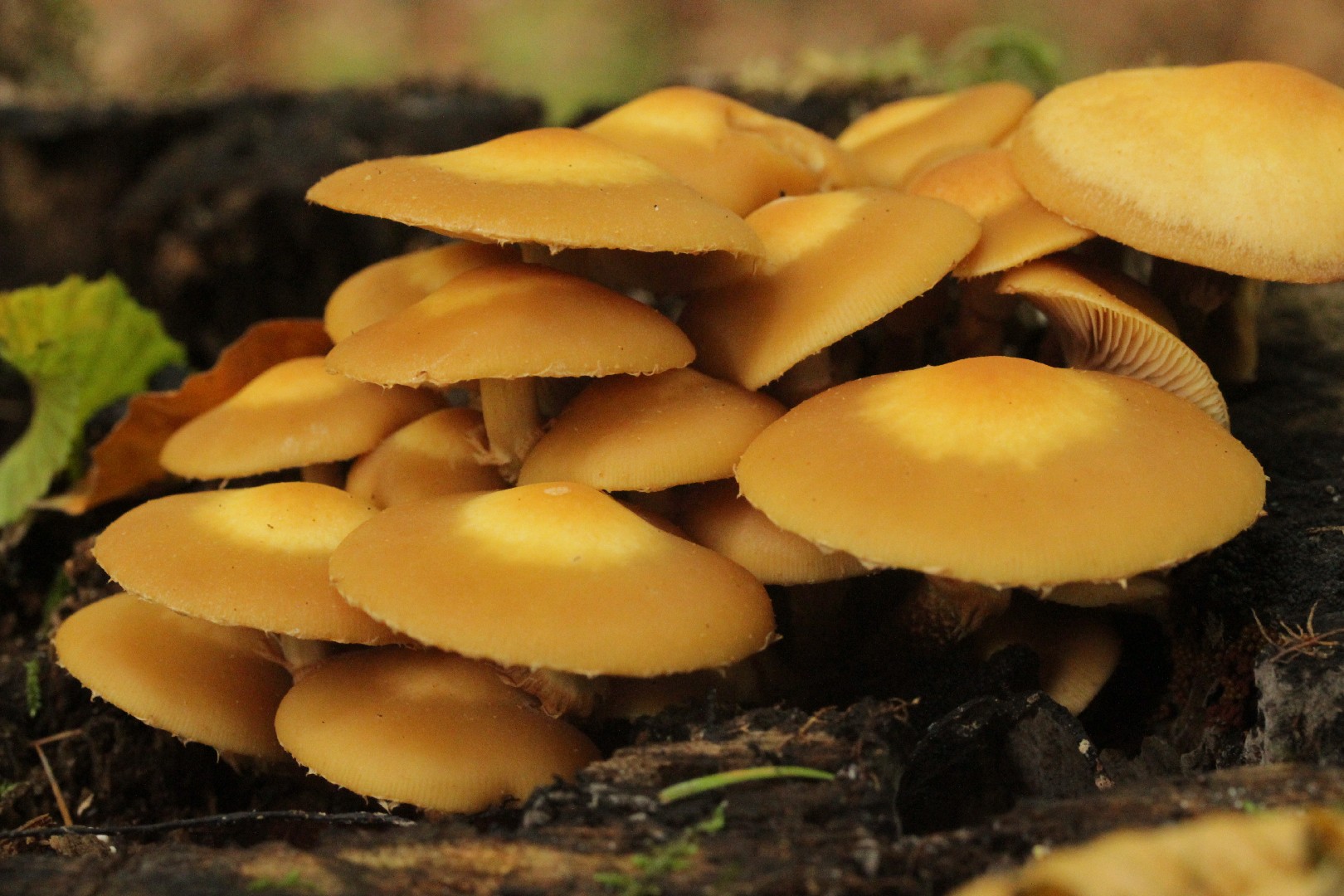
5. Sheathed woodtuft
The sheathed woodtuft (Kuehneromyces mutabilis) is a fairly distinctive species that can be found growing in clusters on dead or dying wood in temperate areas across the world. This mushroom's cap has the unusual trait of being highly hygrophanous - this means that its color changes significantly with changes in moisture level. In the case of the sheathed woodtuft, moist individuals are deep orange brown while dry individuals are a lighter brown or buff color.
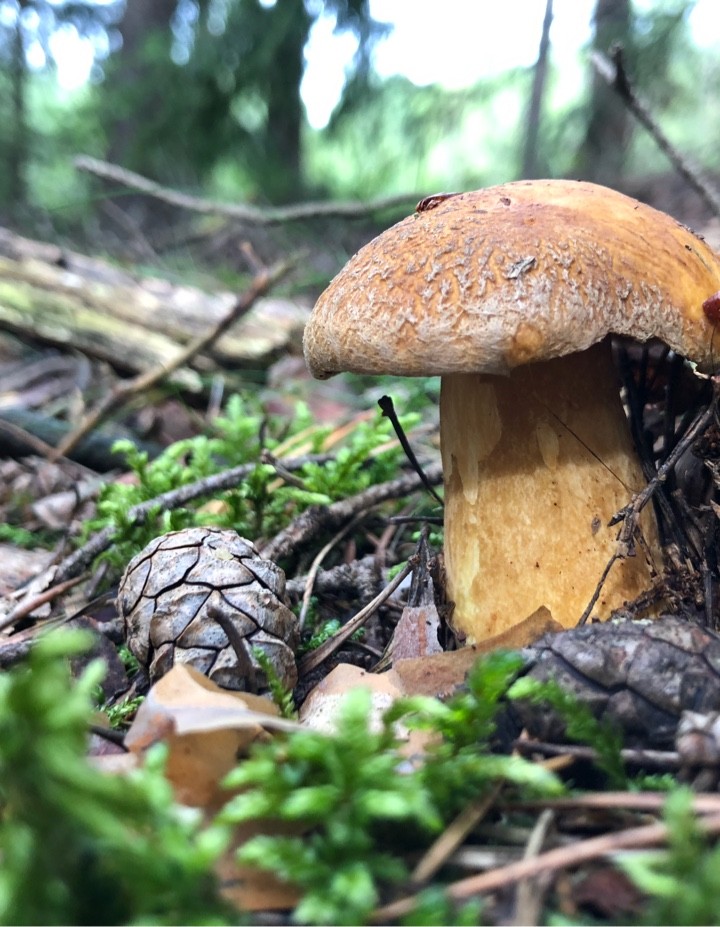
6. Velvet bolete
The velvet bolete is one of the most common mushrooms in pine forests in the northern hemisphere. There have been reports of mild poisoning cases from eating this mushroom, so it is best avoided. The velvet bolete is said to be of poor taste and unpleasant smell, anyway.
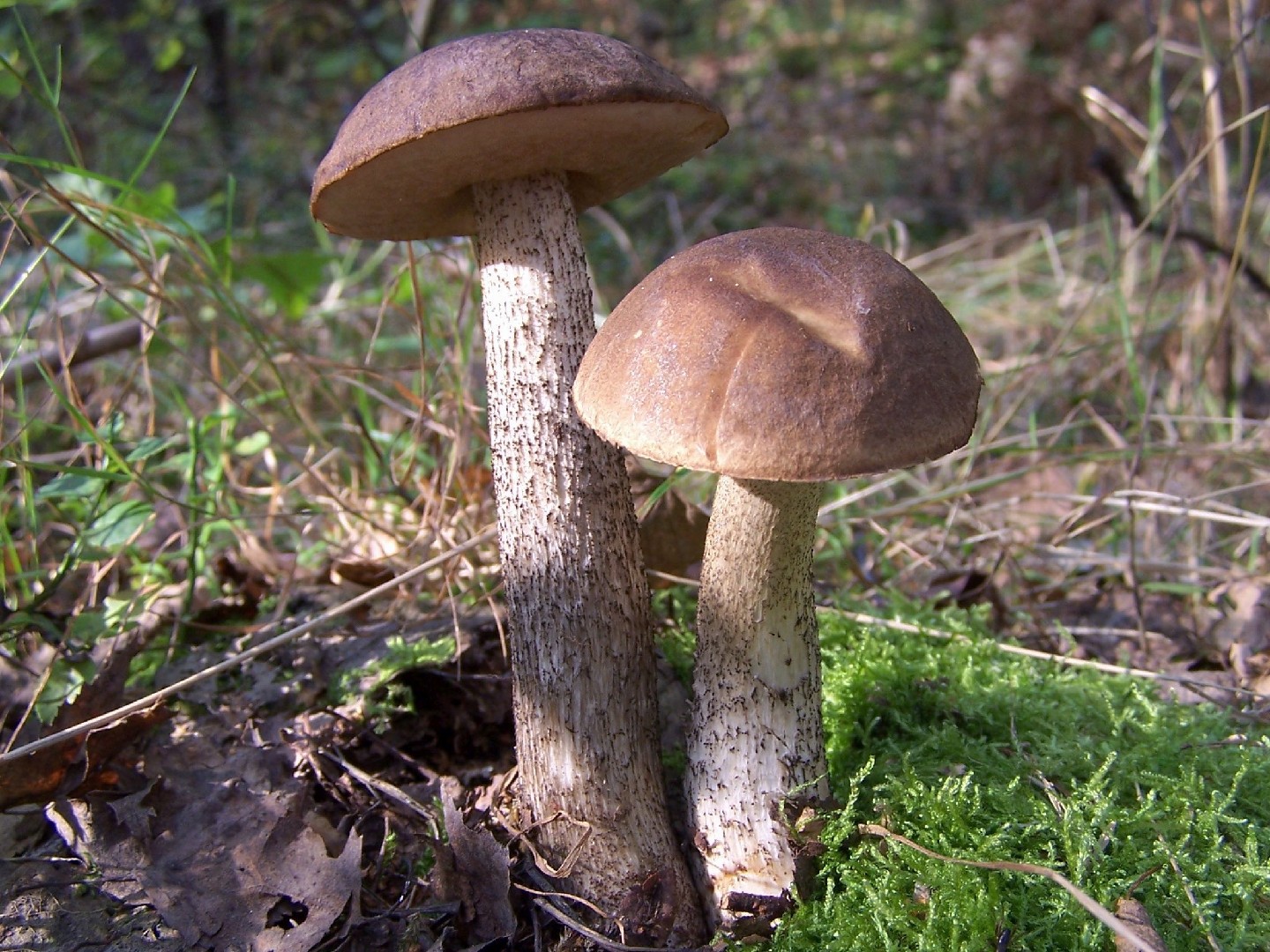
7. Brown birch-bolete
The brown birch-bolete is common around the northern hemisphere. It grows beneath birch trees and is usually easy to identify by its brown cap and scaly stem, the latter of which is referenced in its scientific name Leccinum scabrum. Occasionally, however, it can be found sporting a white cap.
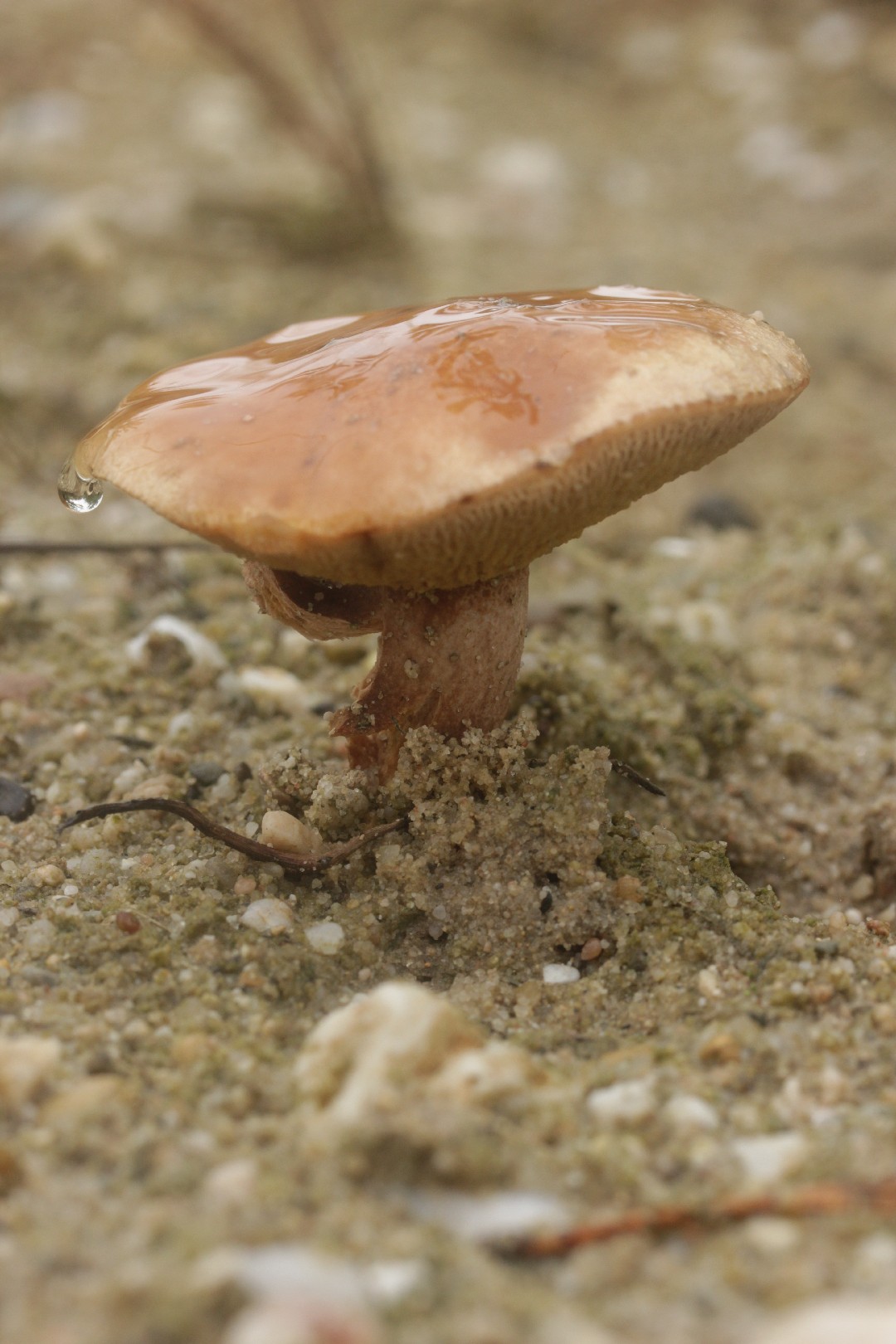
8. Bovine bolete
The bovine bolete (Suillus bovinus) often appears in a three-way relationship not only with the roots of pine trees but also with another parasitic mushroom known as the Rosy Spike. This greasy-capped mushroom appears clustered in tight tufts, which is unusual for a bolete. Bovine boletes give off a faint fruity aroma.
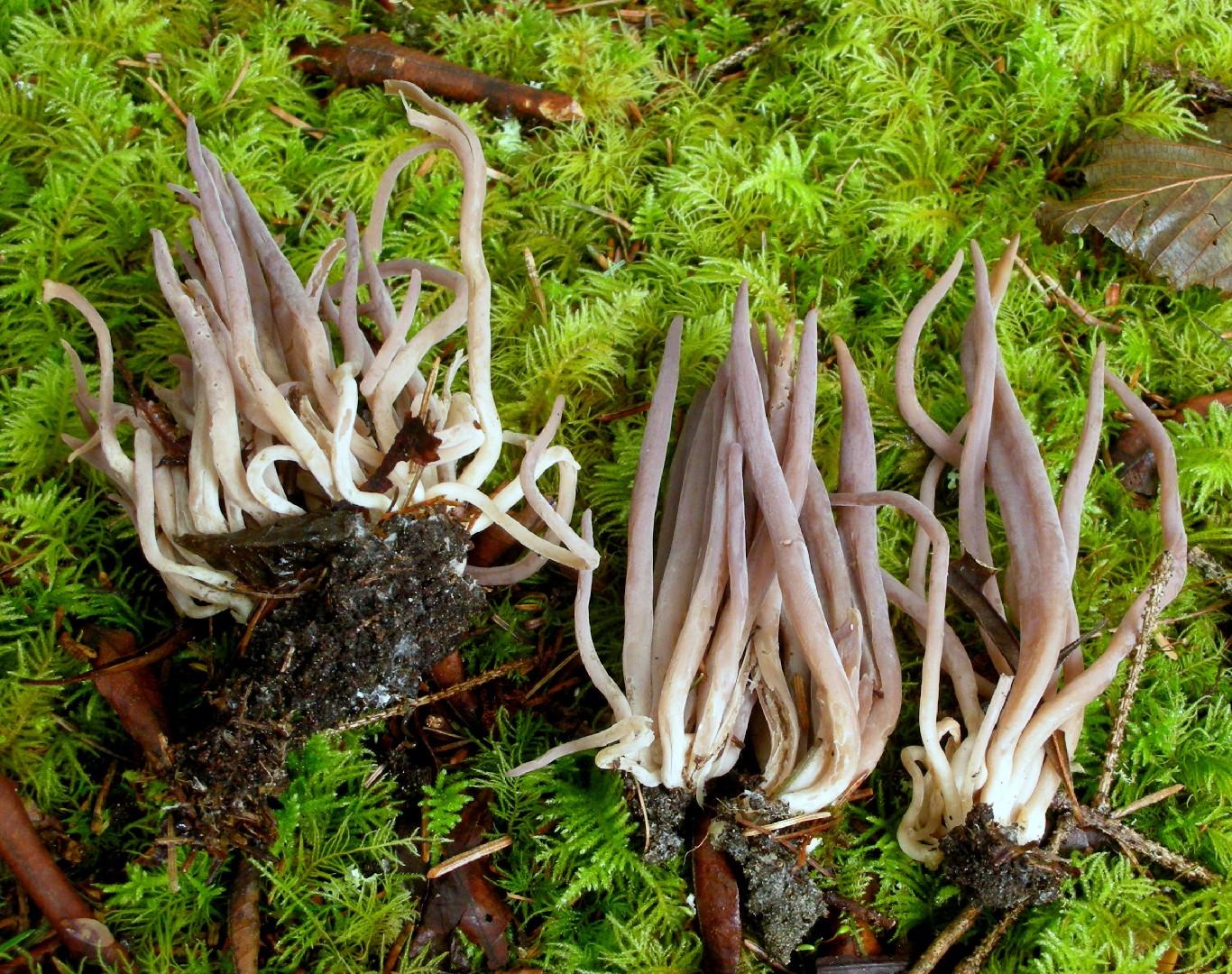
9. Purple coral
The purple coral is a tiny, but beautiful and impressive fungus that can be immediately distinguished from other Alloclavaria and Clavaria species by its distinctive purple colour. This mushroom grows in large clusters, but it's still unclear whether it's a saprobic or mycorrhizal species.
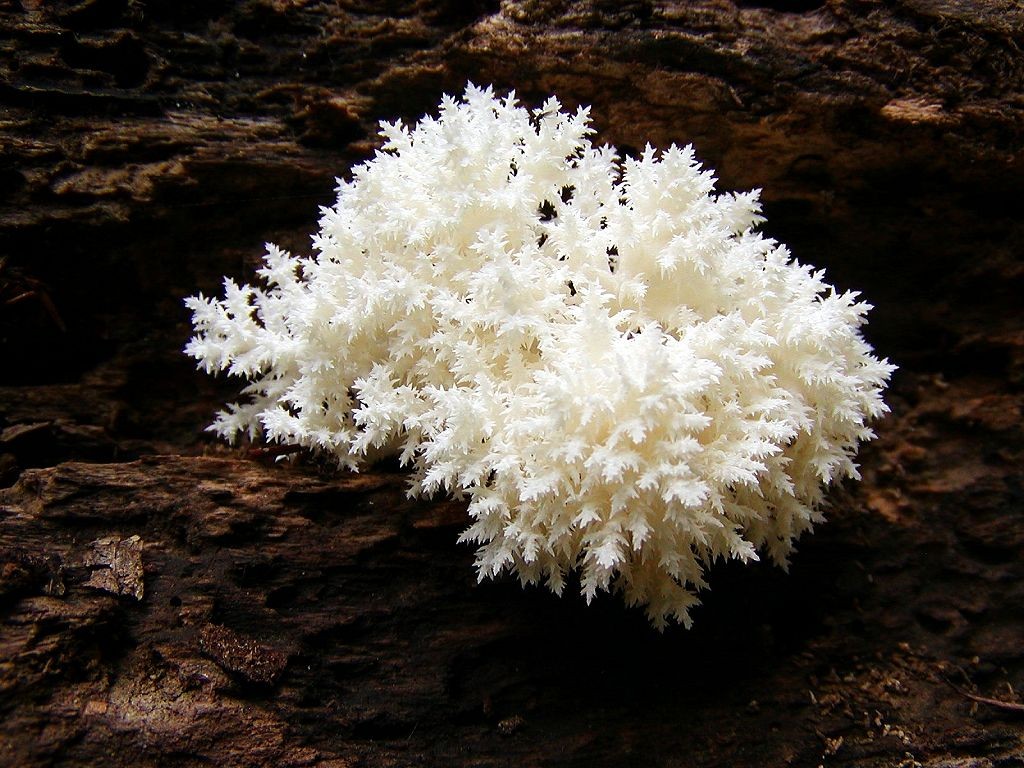
10. Coral tooth fungus
Coral tooth fungus (Hericium coralloides) is a species of coral mushroom most frequently sighted on dead or decaying hardwoods. Generally, younger specimens are white and become increasingly yellowish as they mature. Found around the world, the Māori refer to this species as pekepekekiore.

More







