




Top 20 Edible Mushrooms Popular in Aland
Experience a whimsical journey through the diverse ecosystems found within Aland, a true haven for culinary and fungal enthusiasts alike. A fungal cornucopia, Aland's lush and varied environments are perfect settings for a range of edible mushroom species to thrive. This comprehensive guide showcases the 20 most common, edible mushrooms found in Aland, offering intricate details about their distinct flavors, characteristics, and culinary uses, all essential information for the avid mycophile. Navigate and savor the exciting world of mycology, enriched by Aland's treasure trove of magnificent mushrooms.
* Disclaimer: Content feedback CAN NOT be used as any basis for EATING ANY PLANTS. Some plants can be VERY POISONOUS, please purchase edible plants through regular channels.

Most Popular Edible Mushrooms
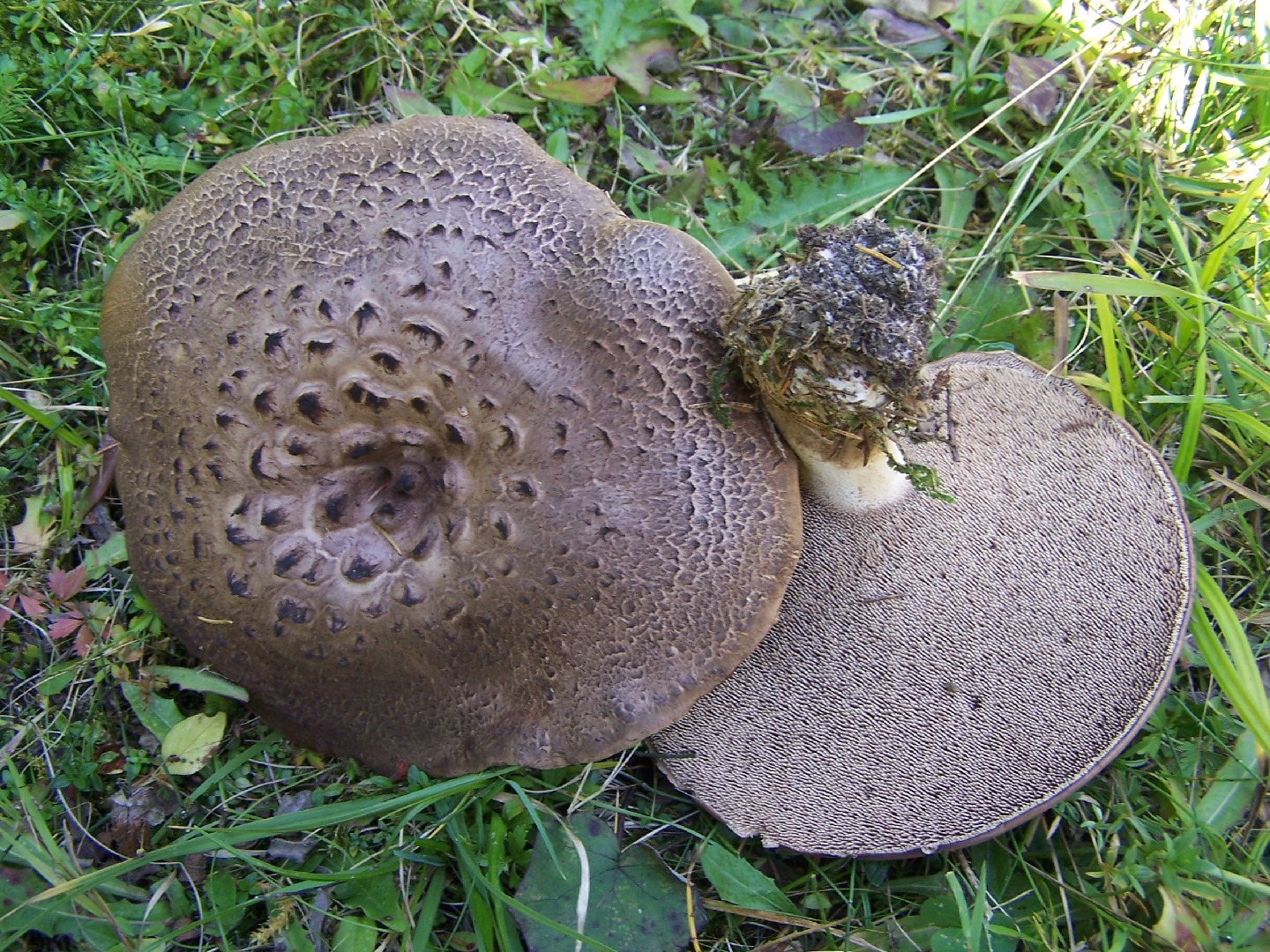
1. Shingled hedgehog
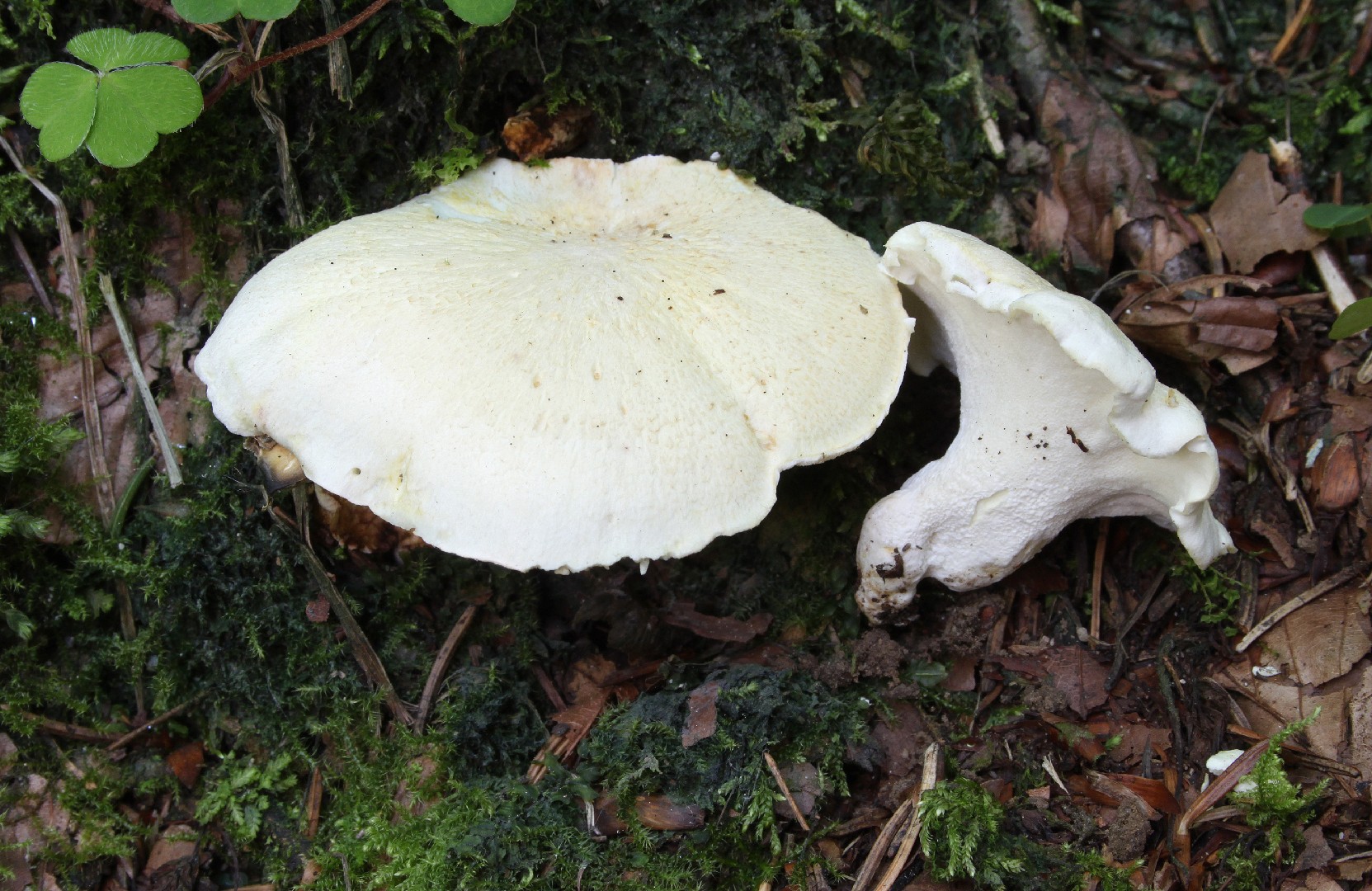
Shingled hedgehog(Sarcodon imbricatus) is often found in the company of fir trees, and it is therefore partial to mountainous or hilly regions. Endemic to Europe and North America, the species is prone to forming fairy rings. It fruits in early autumn.
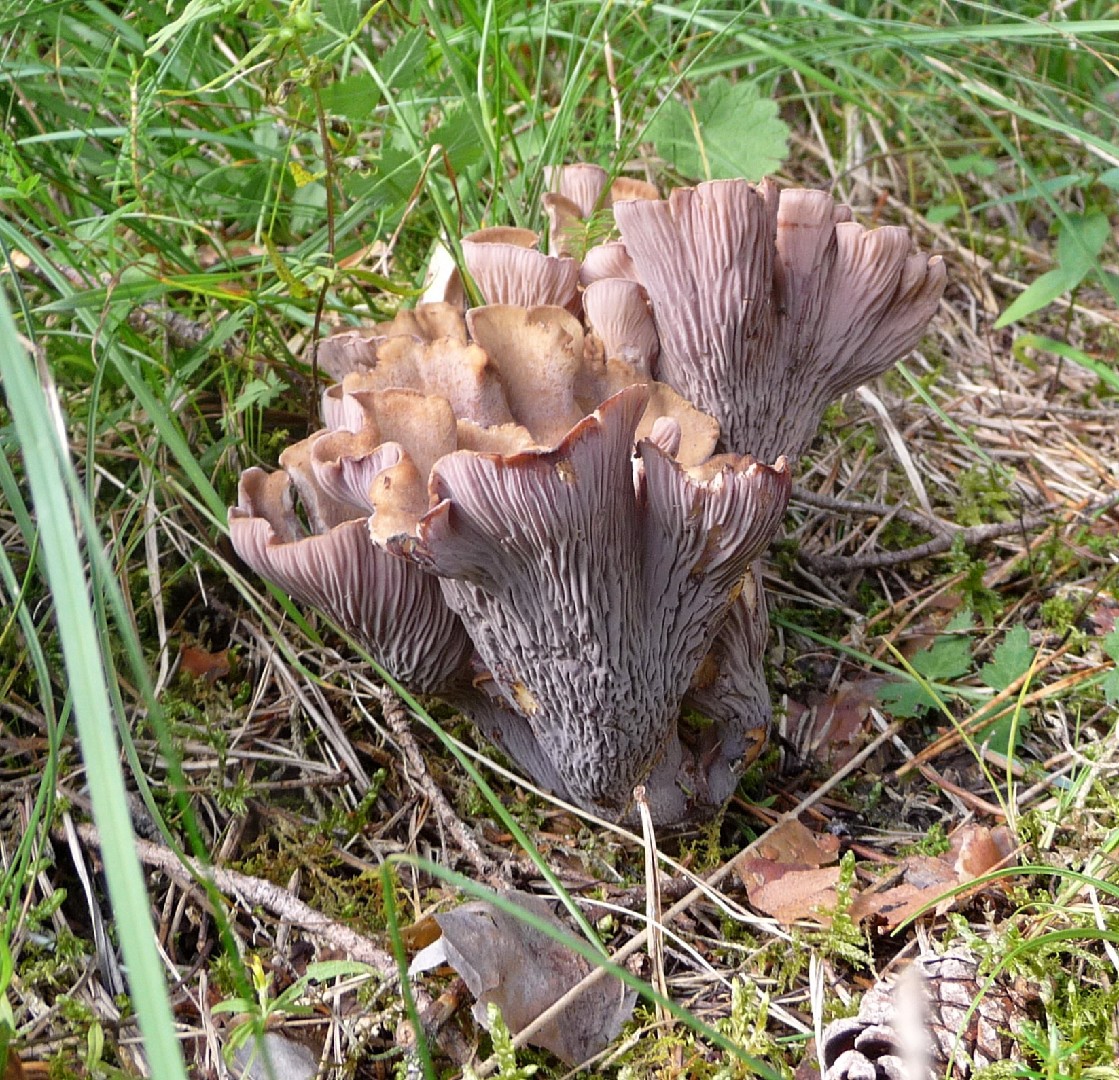
2. Pig's ears
The pig's ears (Gomphus clavatus) forms unusual-looking fruitbodies. Several mushroom caps develop from a single stem, and often fuse the edges of their caps together. This growth pattern creates a shape reminiscent of the folds of an ear. Unfortunately, it is listed as a threatened species in some parts of the world, due to destruction of old-growth forests.
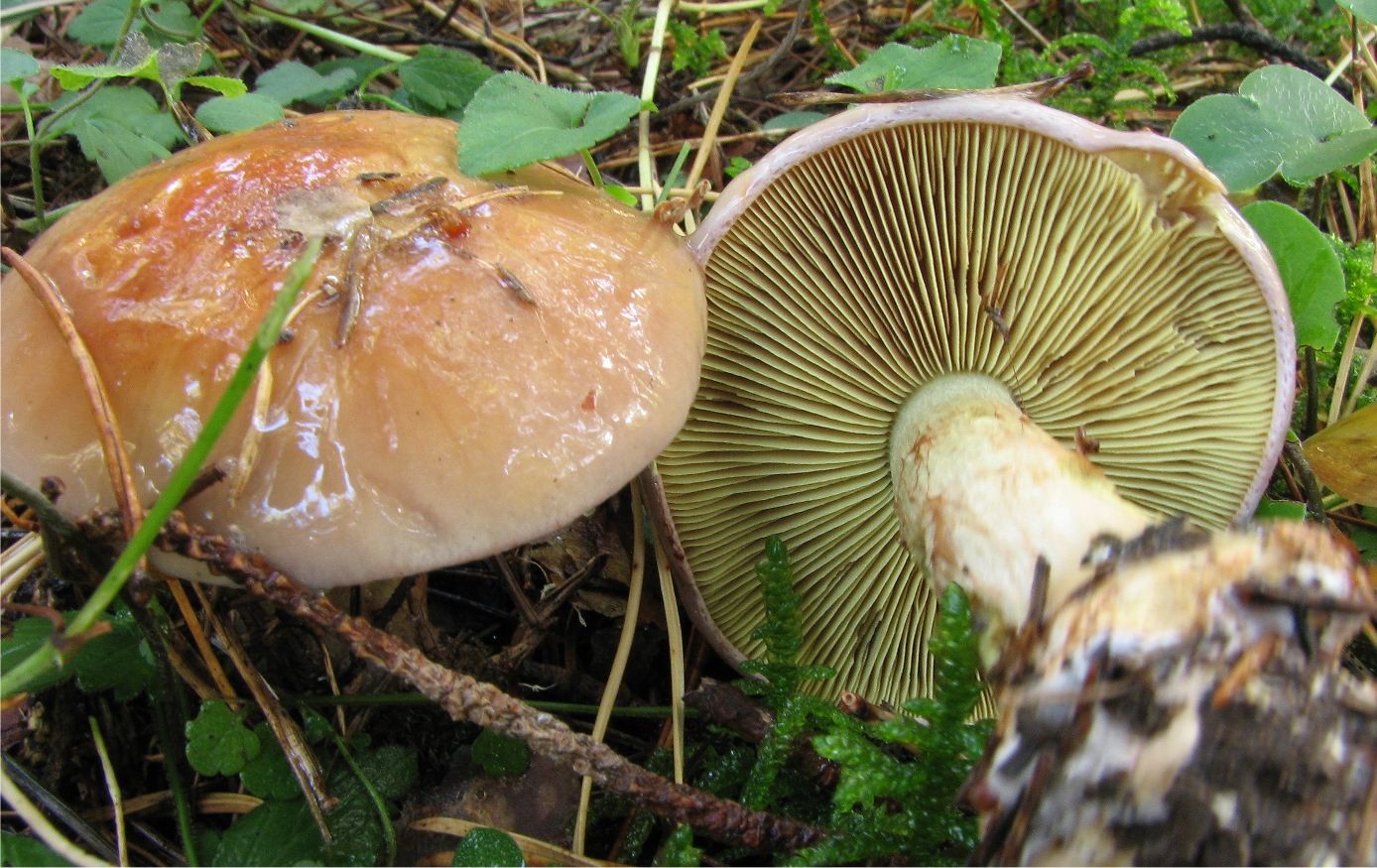
3. Cortinarius odorifer
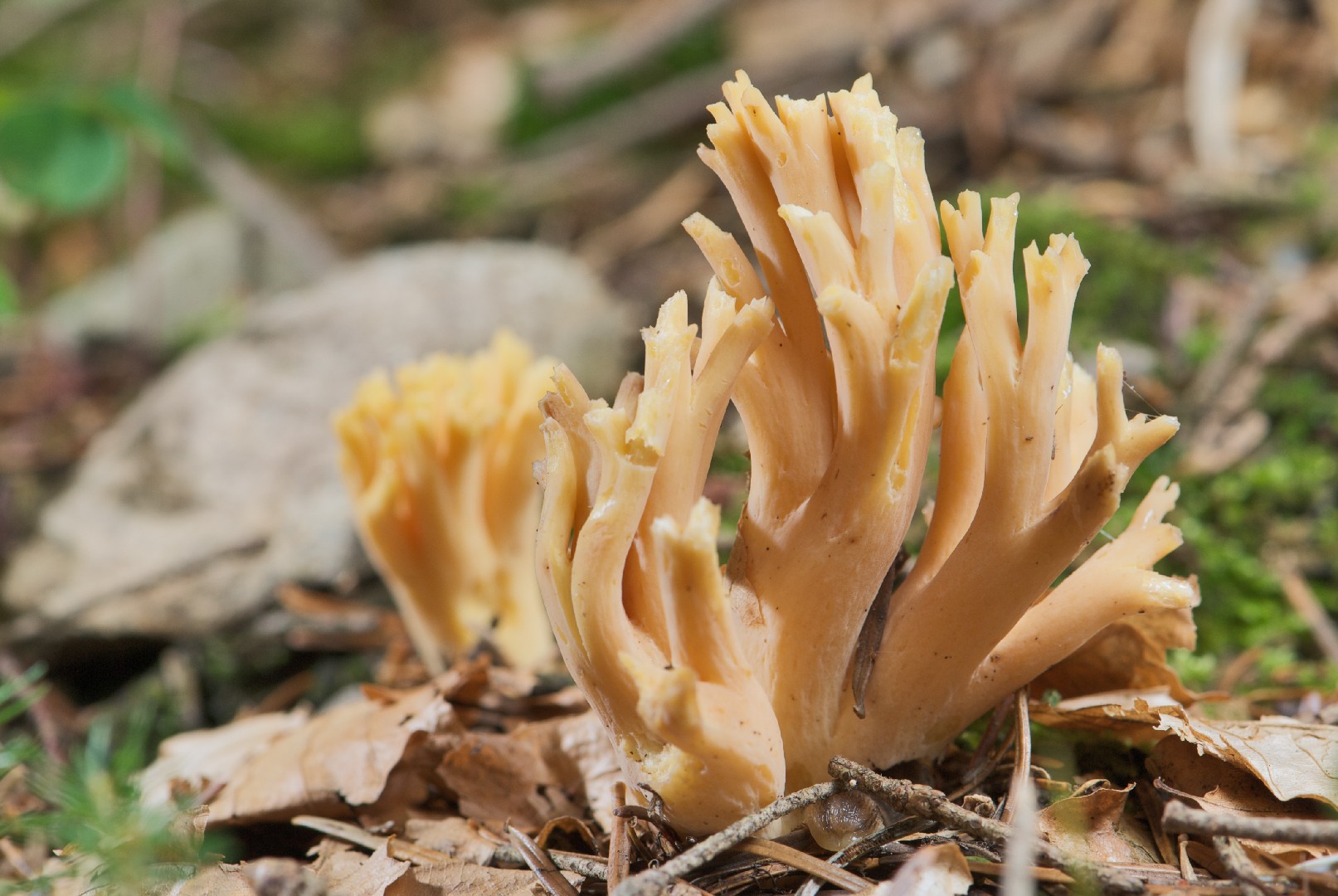
4. Changle
A beautiful fungus resembling undersea coral, the changle (Ramaria flava) appears as a bright tuft of lemony or sulfurous yellow when young. It fades into a deeper brown shade with age. The changle's cluster of branches is hard to distinguish from other coral species, some of which are quite poisonous.
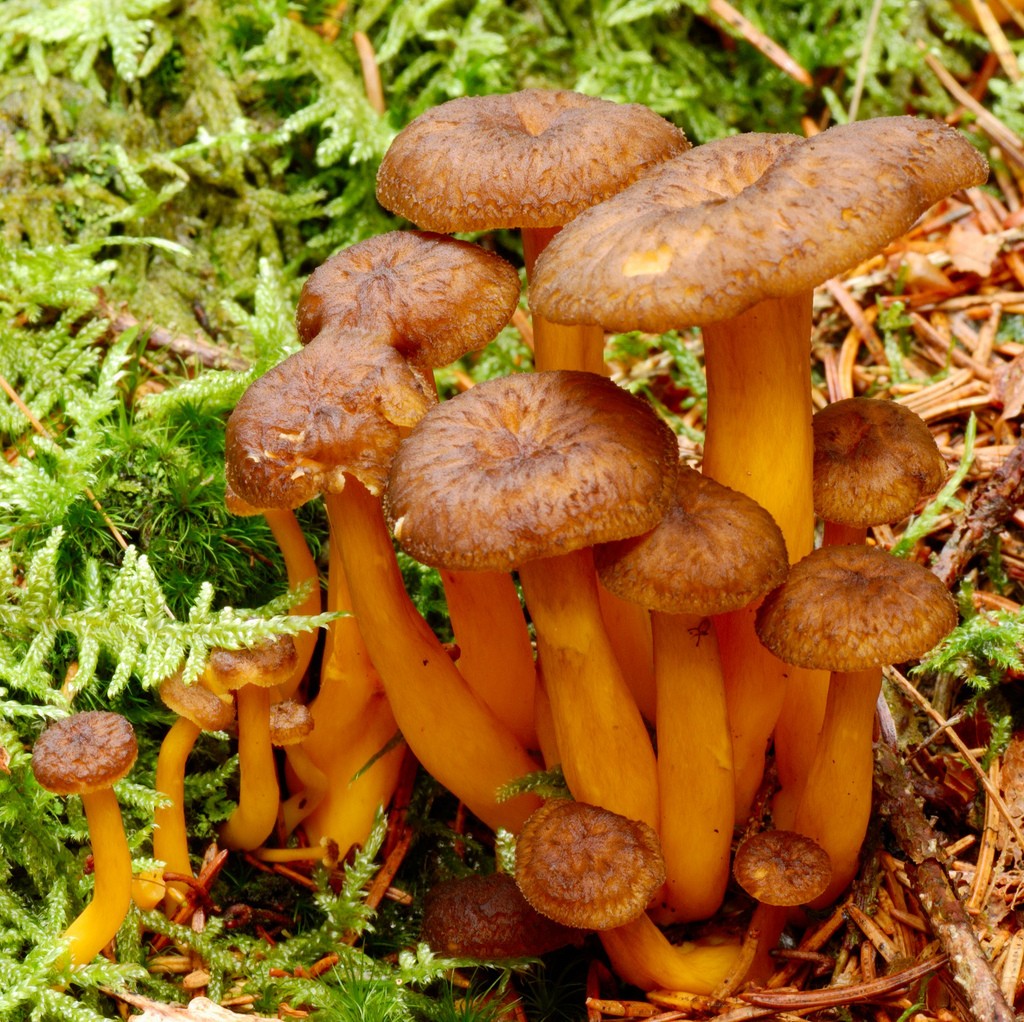
5. Yellow foot
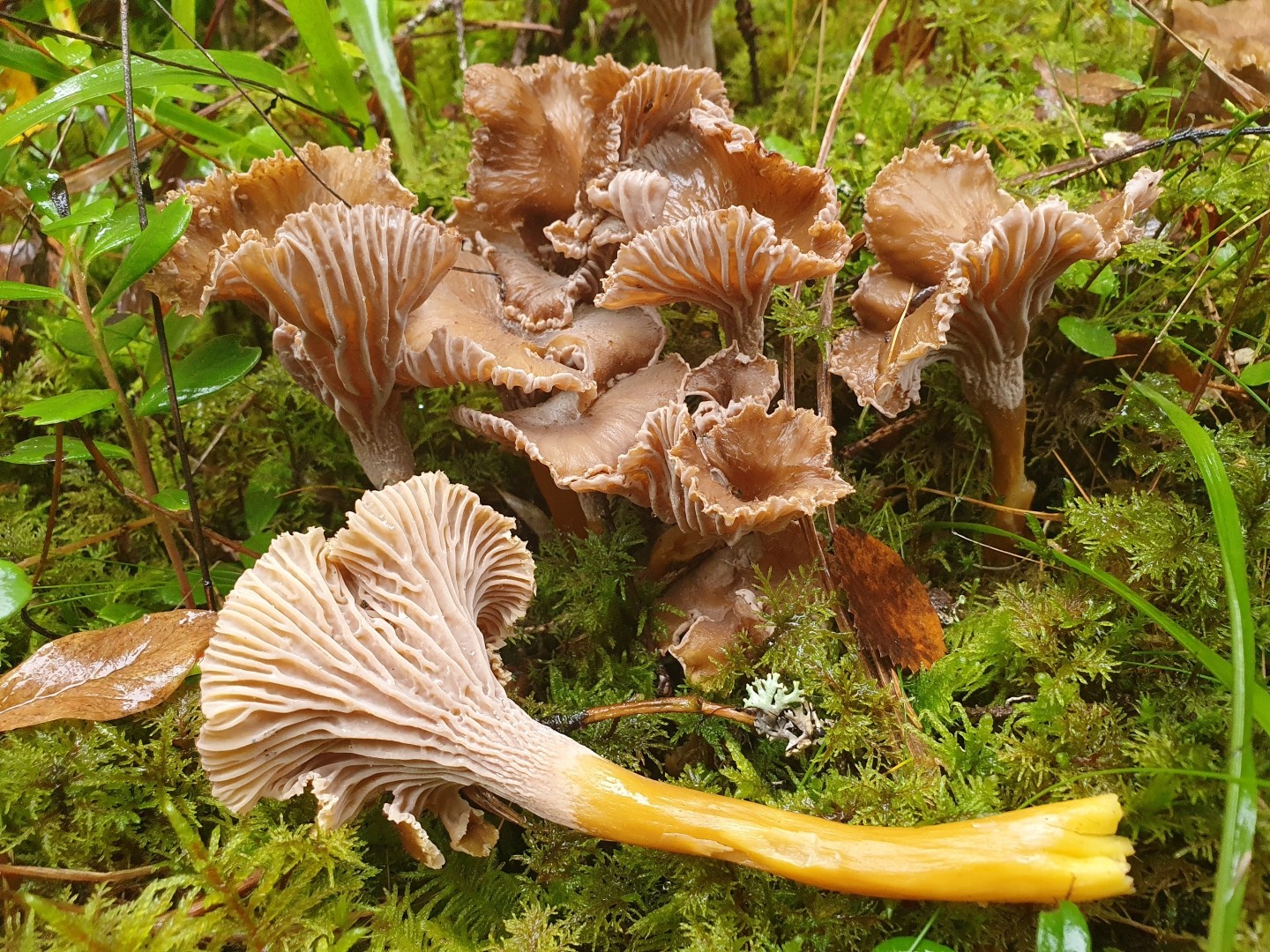
Like all members of the Craterellus genus, the yellow foot doesn't have true gills but wrinkled veins instead. These gill-like wrinkles are extremely subtle in this mushroom and its undersurface seems like it's completely smooth. The species is associated with conifer forests.
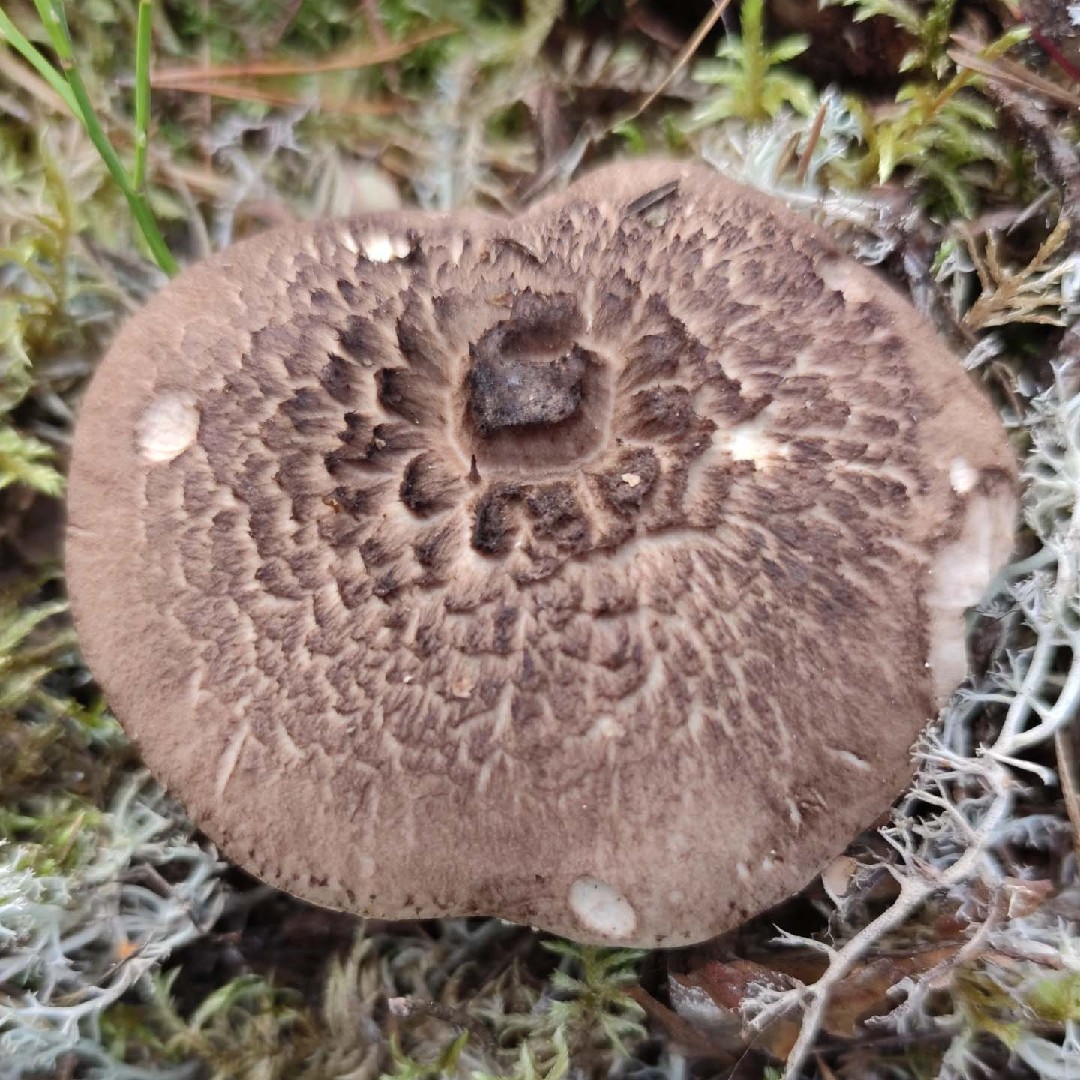
6. Scaly tooth
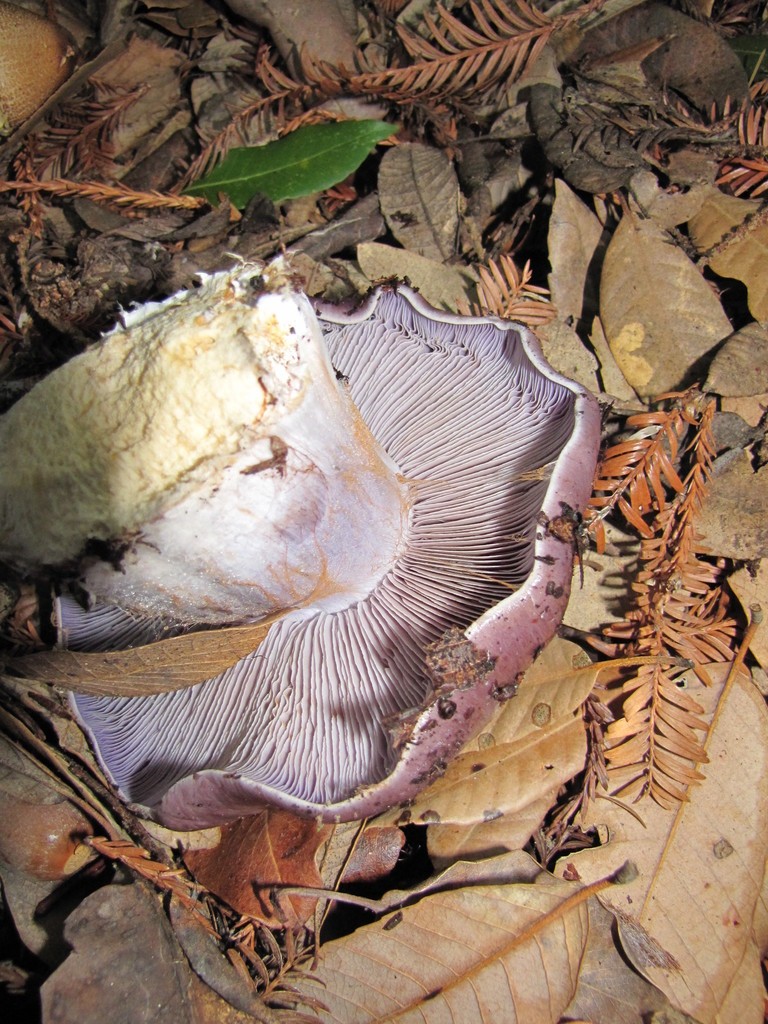
Found in the pine forests of Europe and North America, the scaly tooth has a blue pigment that can be used to dye textiles. This large mushroom got its name, scaly tooth, from its coarse and scaly, brown cap. It has a mealy scent.
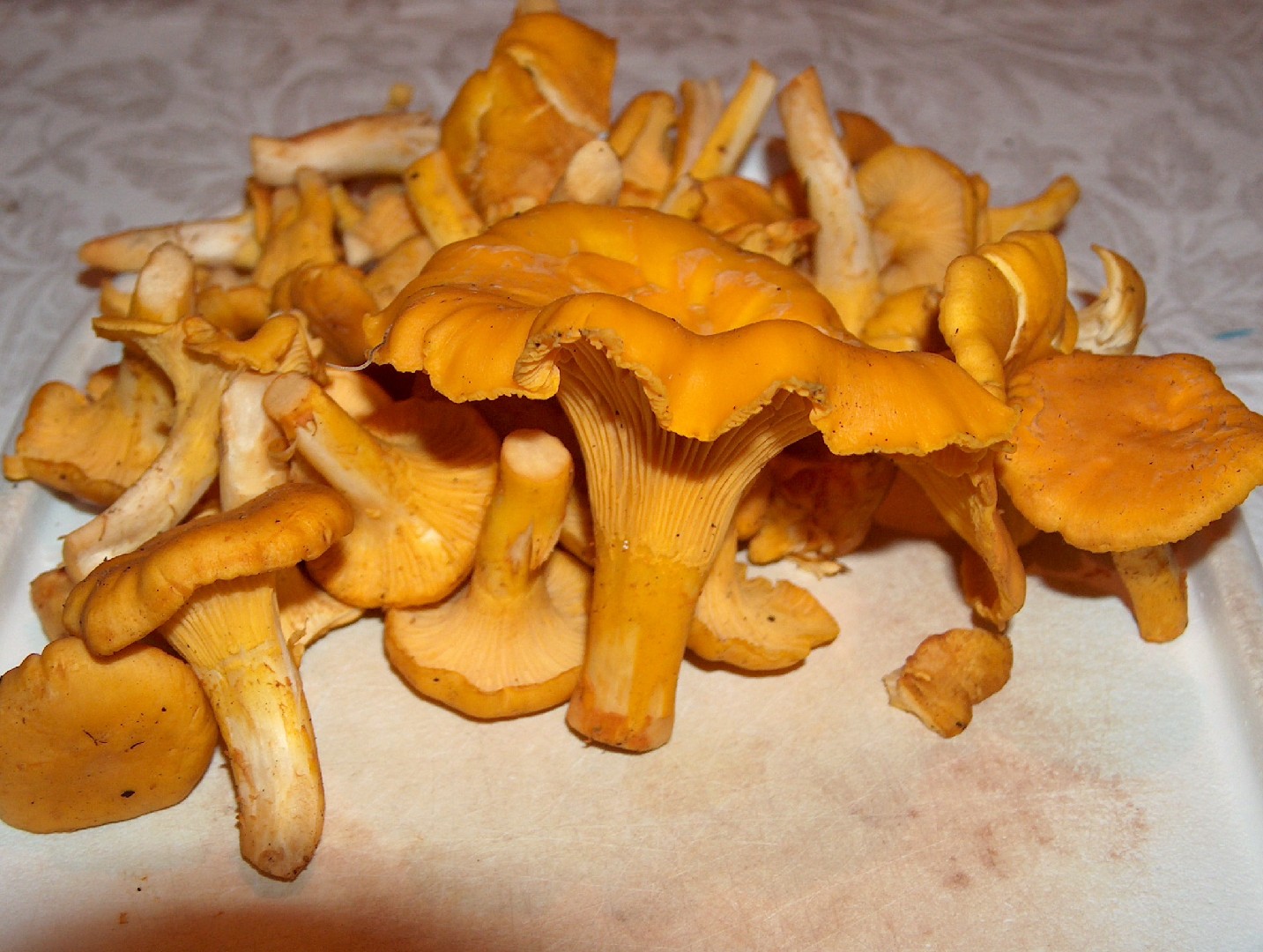
7. Golden chanterelle
Golden chanterelle mushrooms are popular in gourmet cuisine across Europe, where they grow wild during the warm (but not too hot) months. Similar species grow in other countries. Extremely popular with foragers, the golden chanterelle emits an apricot-like scent and contains an array of nutrients that benefit the human body. Several studies suggest consuming extremely large amounts may have detrimental effects on the eyes and muscles.
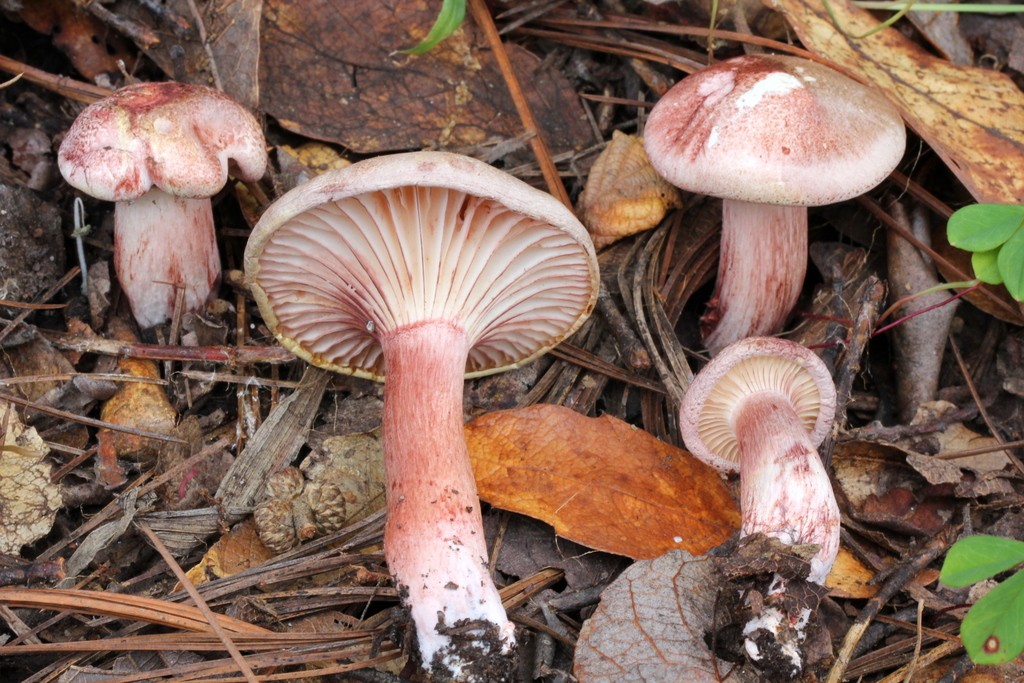
8. Blotched woodwax
Blotched woodwax has a bright white to pink cap that helps distinguish it from similar species. The gills have a reddish-pink discoloration and juveniles do not have partial veils. Blotched woodwax thrives in spruce and conifer forests and grows in chalky soil.

9. Albatrellus citrinus
10. Crimson waxcap
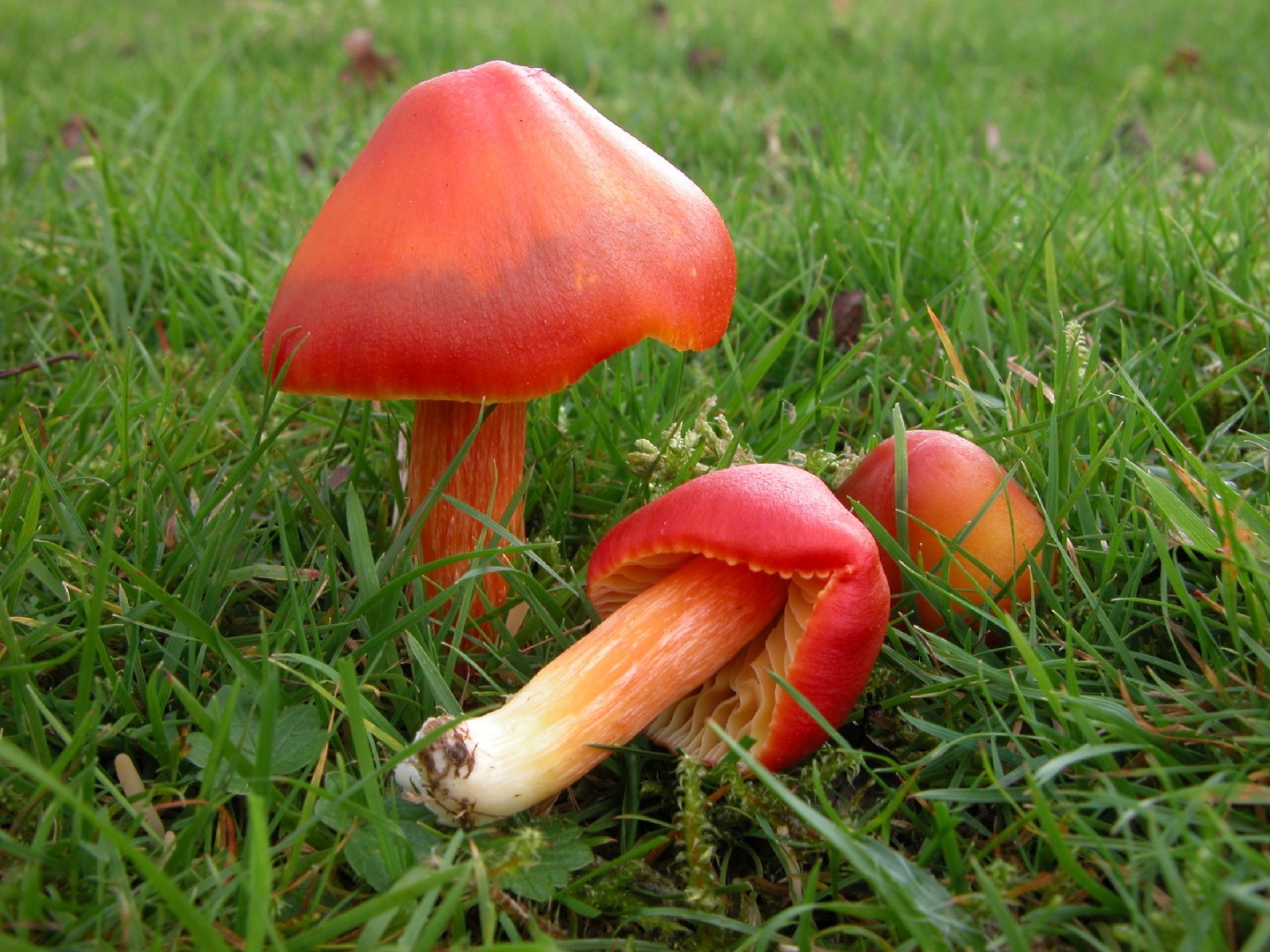
The crimson waxcap (Hygrocybe punicea) is one of the largest of the wax cap mushrooms. They have been called ‘the orchids of the fungi world.’ They present brilliant red-to-yellow shades on both cap and stem. Although they are beautiful, do not try and eat; crimson waxcaps can cause significant stomach distress.
More







