




Top 20 Edible Mushrooms Popular in Chile
Immerse yourself in the engaging world of fungi by exploring the top 20 edible mushrooms commonly found in Chile. This country, renowned for its diverse landscapes from sandy beaches to soaring mountains, offers unique and ideal conditions for a variety of flavorful fungi. Each characterized by a specific look, taste, and culinary use, these mushrooms reflect the natural biodiversity of their habitats. Varying in popularity across different cultures, they all hold a special place in local culinary traditions. Read on to dive deeper into the vibrant mycological flora of Chile.
* Disclaimer: Content feedback CAN NOT be used as any basis for EATING ANY PLANTS. Some plants can be VERY POISONOUS, please purchase edible plants through regular channels.

Most Popular Edible Mushrooms
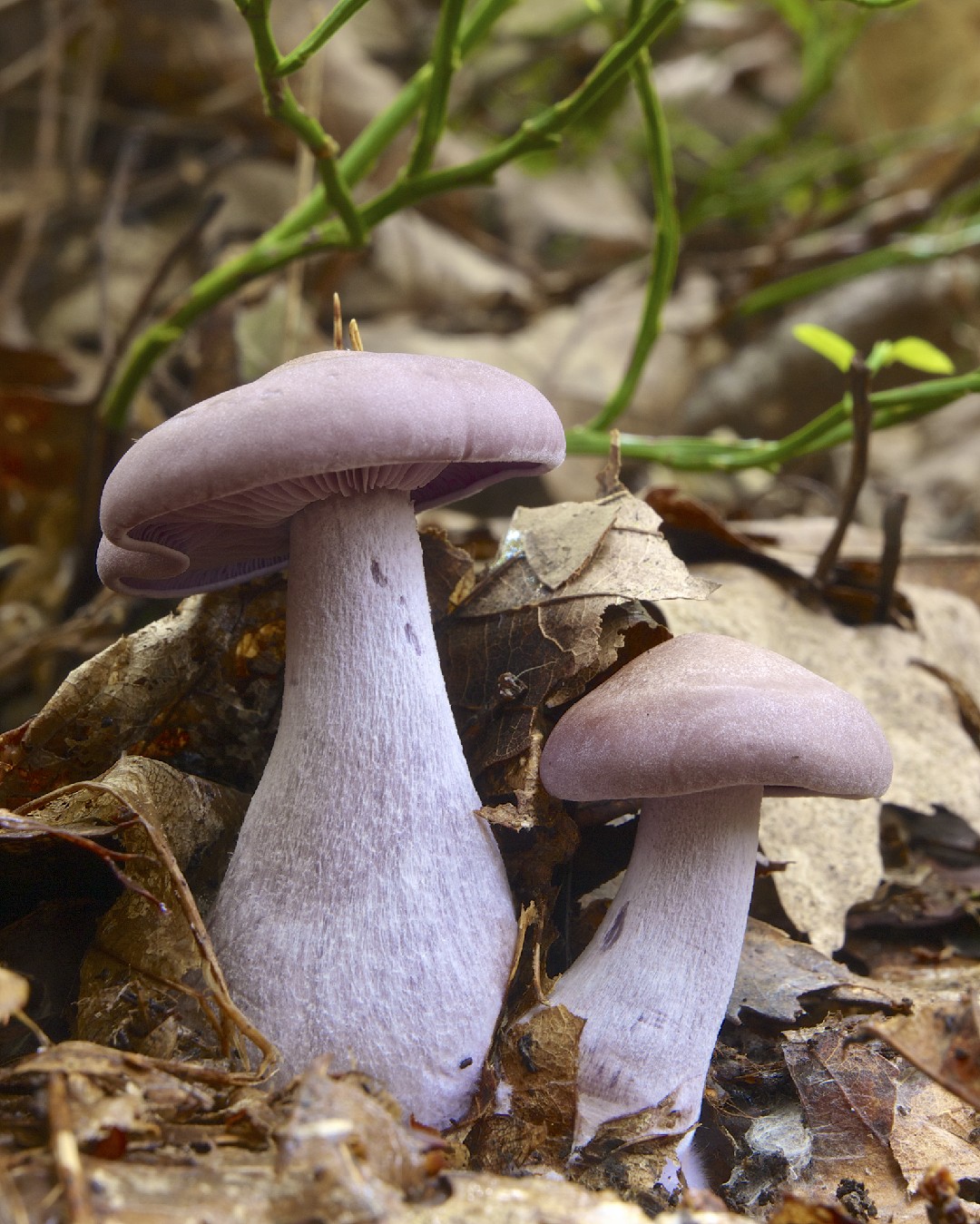
1. Blewit
The blewit mushroom grows in fallen leaves in autumn and winter, sometimes appearing in ‘fairy ring’ circles. It can be used to make a green dye when chopped and boiled in an iron pot. The scientific name, Lepista nuda, derives from Latin words meaning “bare goblet,” a reference to the shape and texture of the mushroom.

2. Shaggy mane
The shaggy mane mushroom is commonly found in North American and European grasslands. Some peoples foraged for its young egg-shaped caps, but it has more recently been found to be a bioaccumulator of heavy metals, meaning it pulls toxic metals up from the soil where it grows. As a result, shaggy manes should not be eaten. The mushrooms usually appear in clusters or “fairy rings.”
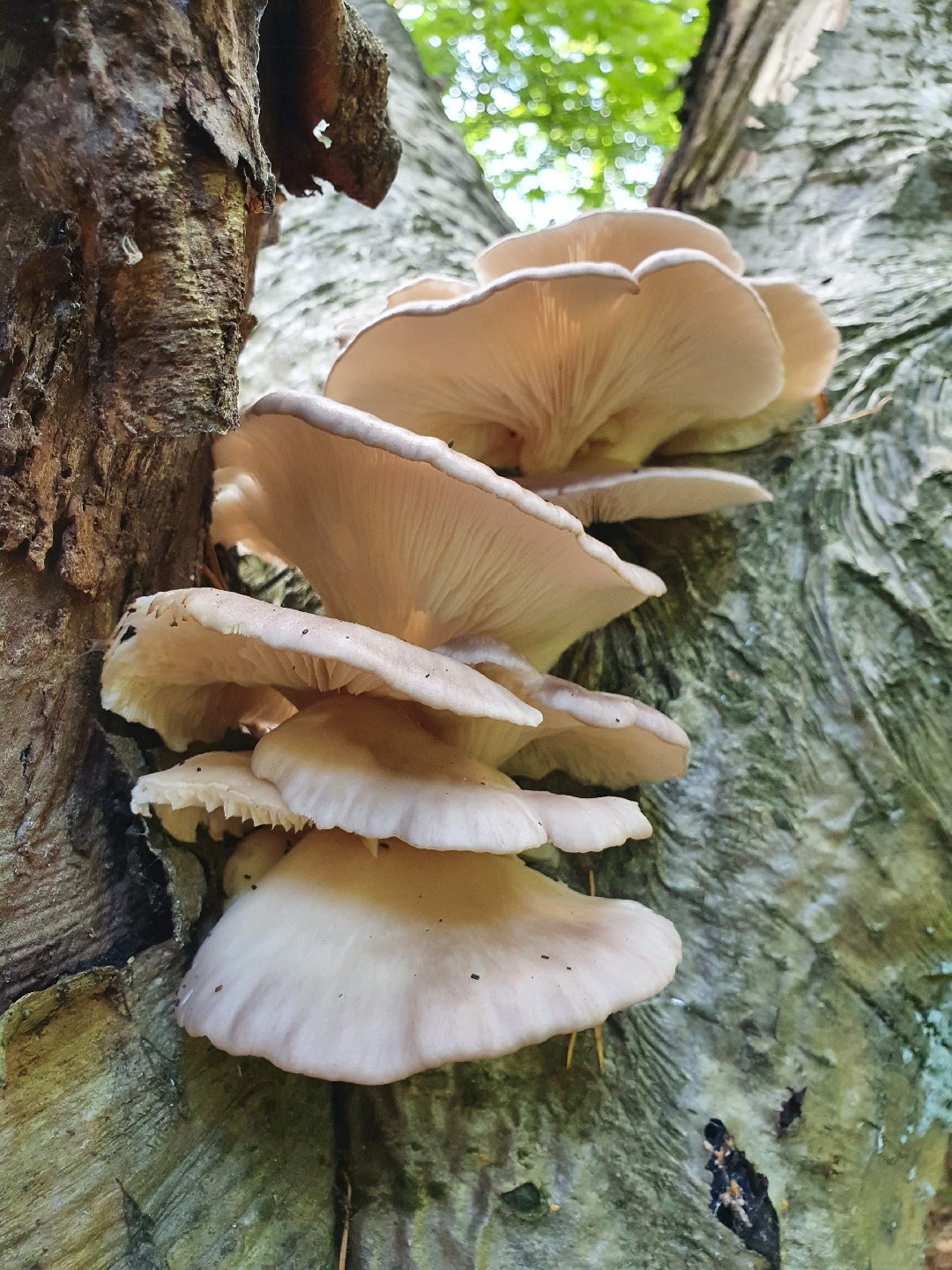
3. Oyster mushroom
Oyster mushrooms grow wild but are also cultivated for sale in supermarkets. They can even be cultivated at home. They will grow on coffee grounds and spent grain, and are occasionally even fashioned into an environmentally-friendly substitute for styrofoam. There are several toxic look-alike species, so it is best to buy these mushrooms at the store.
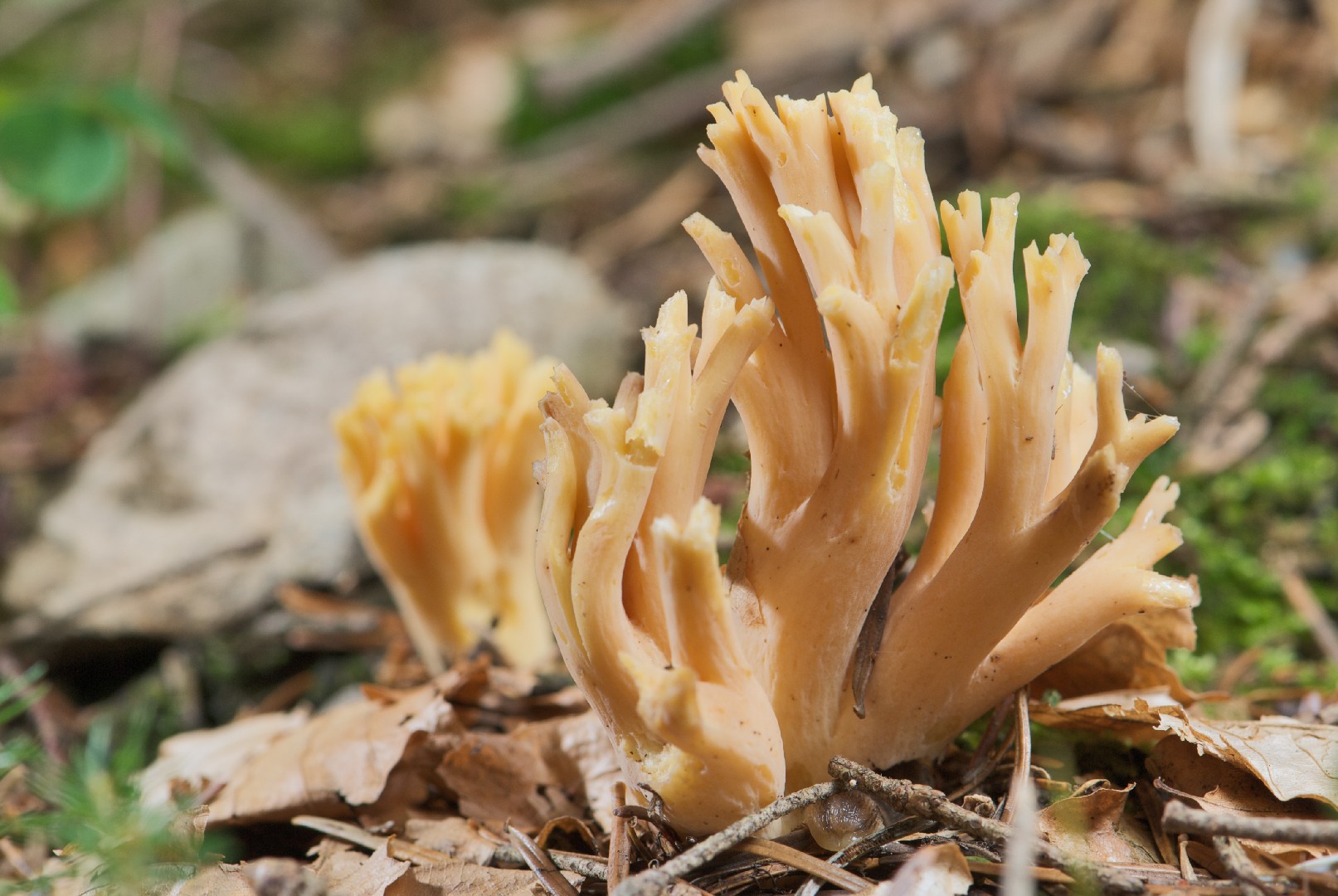
4. Changle
A beautiful fungus resembling undersea coral, the changle (Ramaria flava) appears as a bright tuft of lemony or sulfurous yellow when young. It fades into a deeper brown shade with age. The changle's cluster of branches is hard to distinguish from other coral species, some of which are quite poisonous.
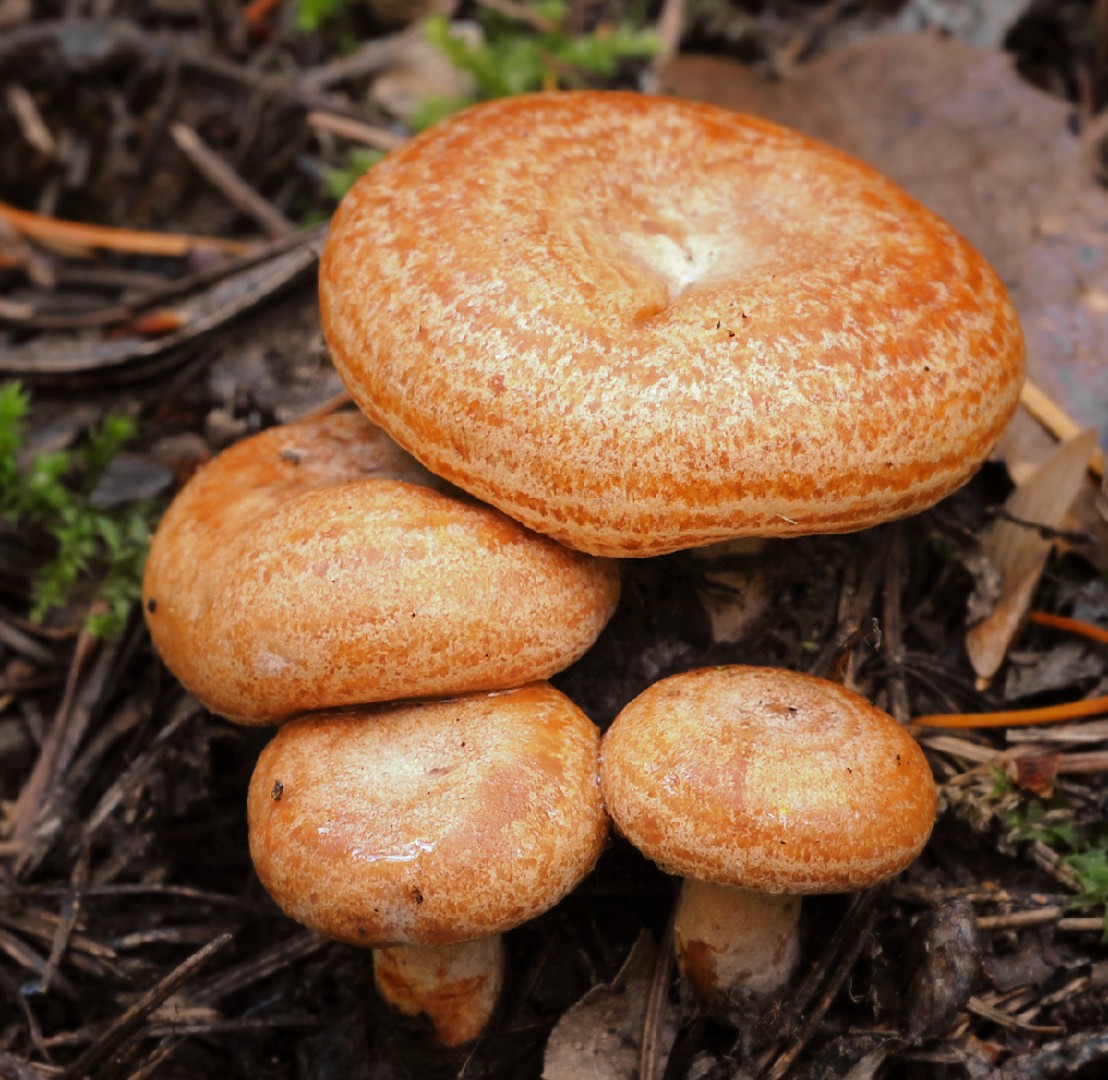
5. Saffron milk cap
Growing wild in the northern hemisphere and introduced to Australia, the saffron milk cap is found in pine forests during autumn. As the name implies, these mushrooms have been harvested for cooking for a long time. They have been known to cause stomach upset in some individuals, however, and carry a risk of being contaminated with heavy metals, so forage with caution.
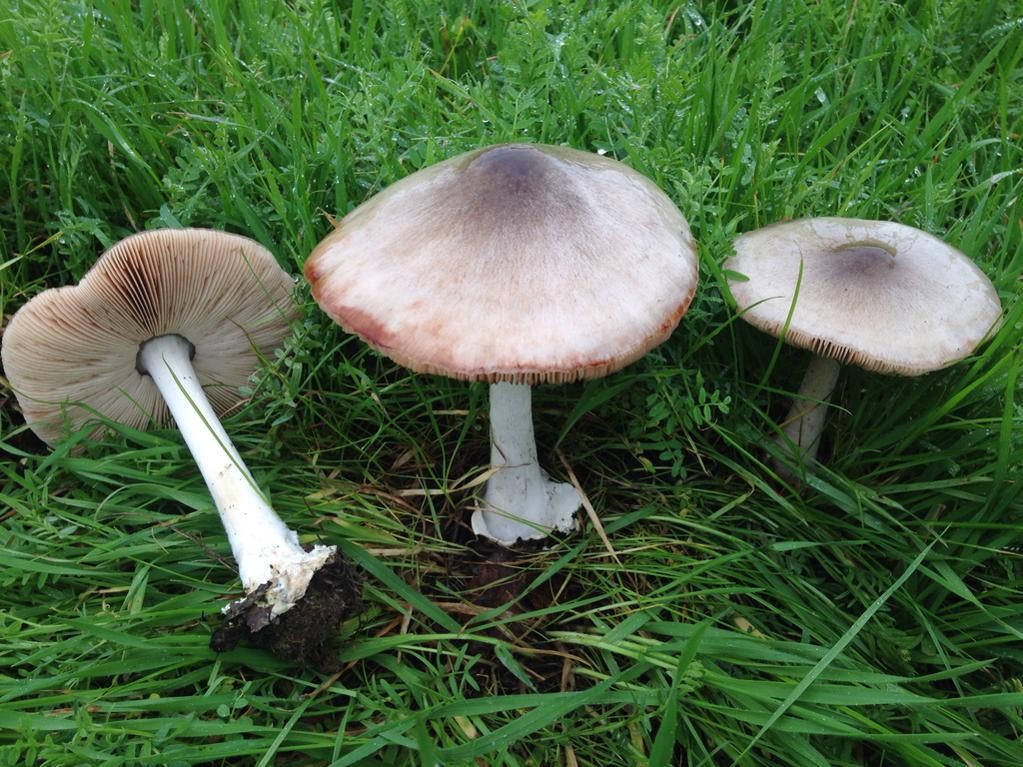
6. Big sheath mushroom
These large white mushrooms bloom all over cleared, harvested fields, as well as pastures and roadsides. The scientific species name comes from Greek words meaning “glue” (glioio) and “head” (cephalus), in reference to the sticky surface of this mushroom’s cap. The big sheath mushroom looks so similar to the poisonous Deathcap and Destroying Angel mushrooms that it should always be left alone.
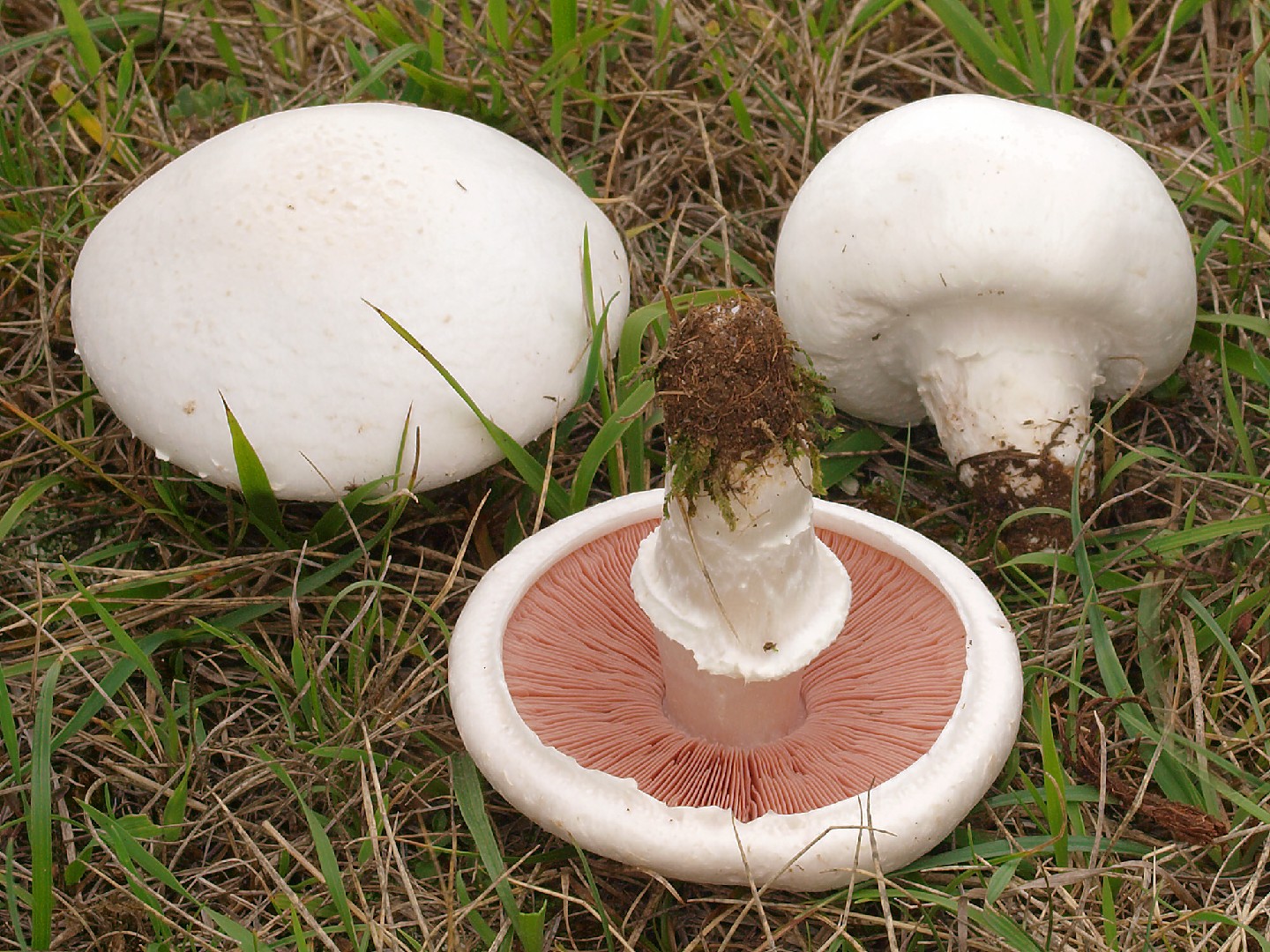
7. Meadow mushroom
The meadow mushroom grows in meadows and pastures around the world—especially those rich in manure—when the weather is warm and wet. They are known to appear in “fairy ring” shapes. Originally identified in Europe, it is possible that North American specimens identified as meadow mushrooms may genetically belong to other species.
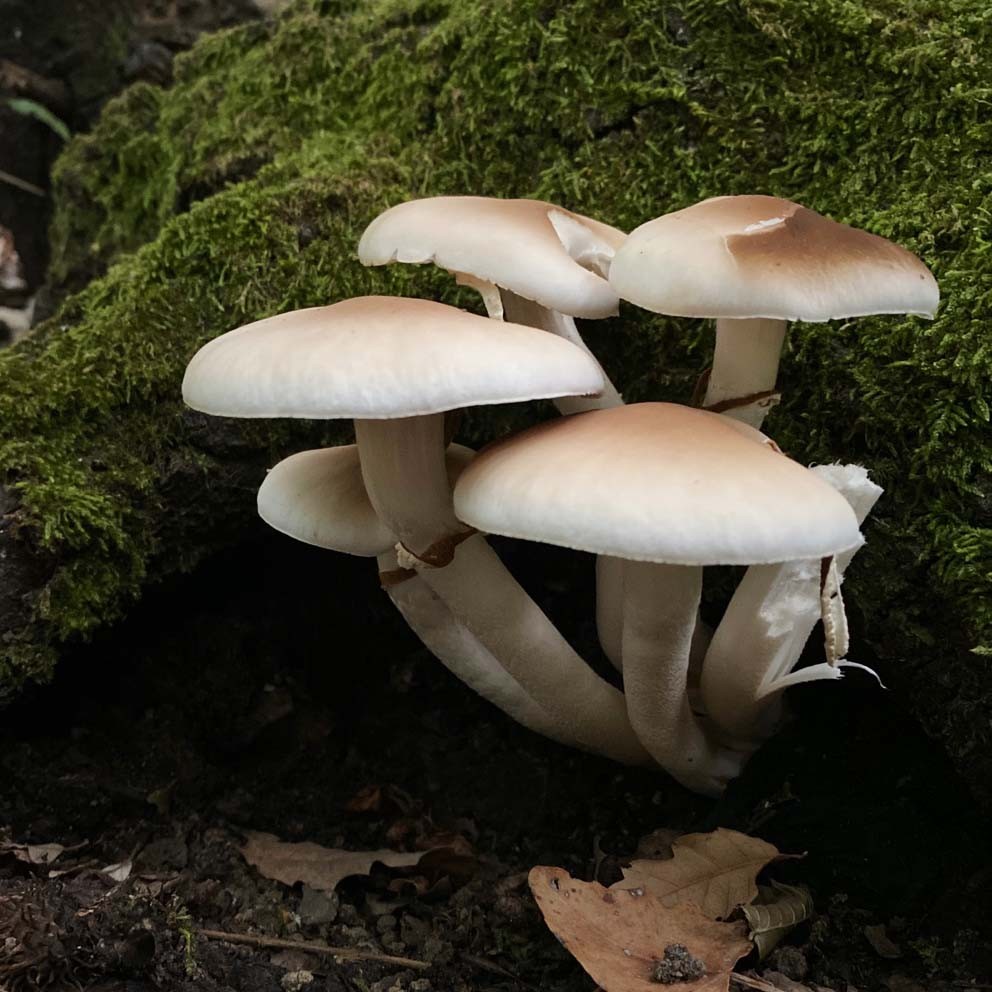
8. Poplar fieldcap
The poplar fieldcap is a cream-colored mushroom that grow predominantly in central and southern Europe. As it matures, the color changes to a tobacco brown. Even though the fungus is called poplar fieldcap, it can usually be found on wood chips and dead trees other than poplars.
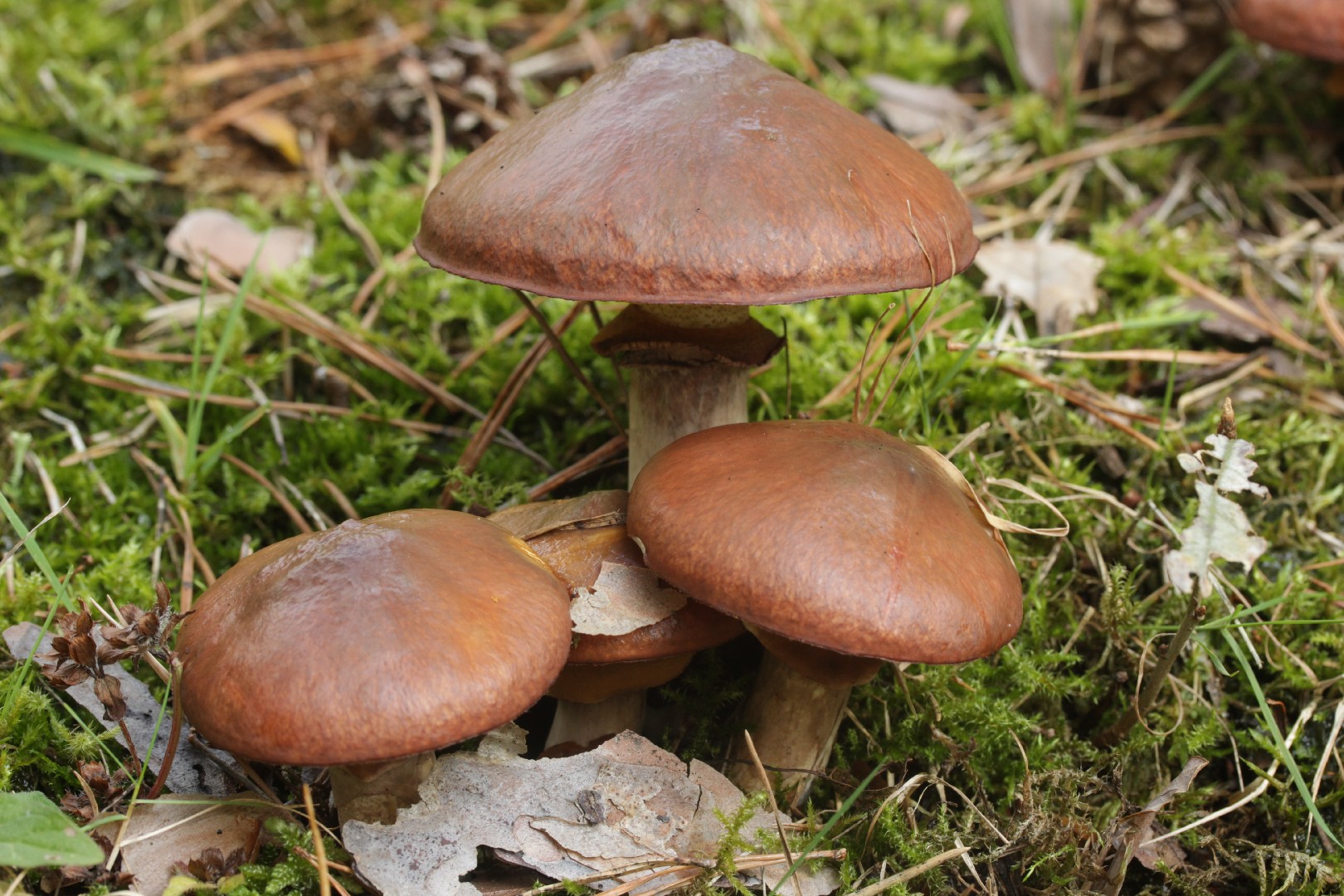
9. Slippery jack
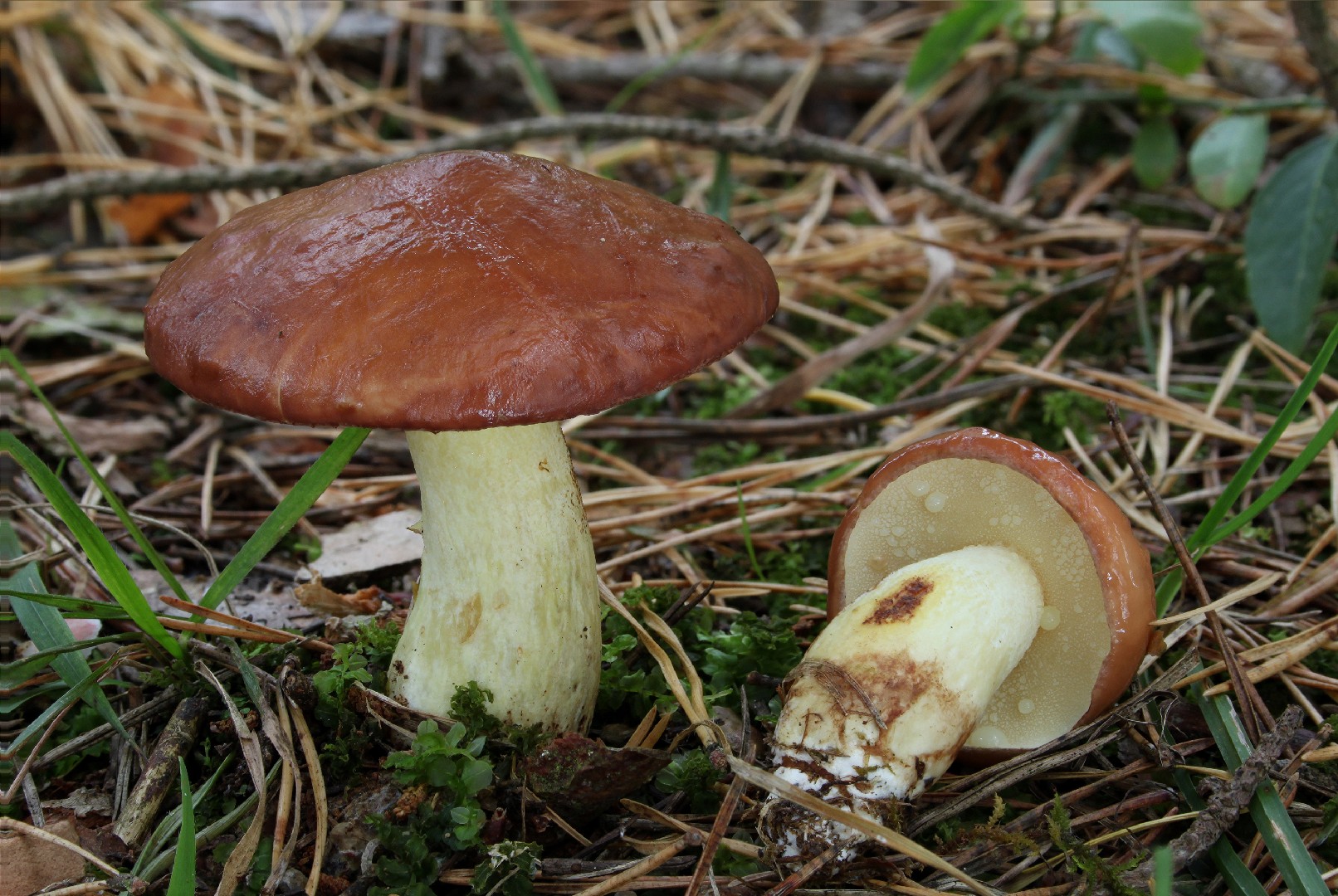
This mushroom blooms in summer and autumn, usually near or beneath pine trees. It does well in cold climates, but can also be found further south all around the northern hemisphere. During moist weather, the slippery jack's caps become quite slimy, leading to their common name.
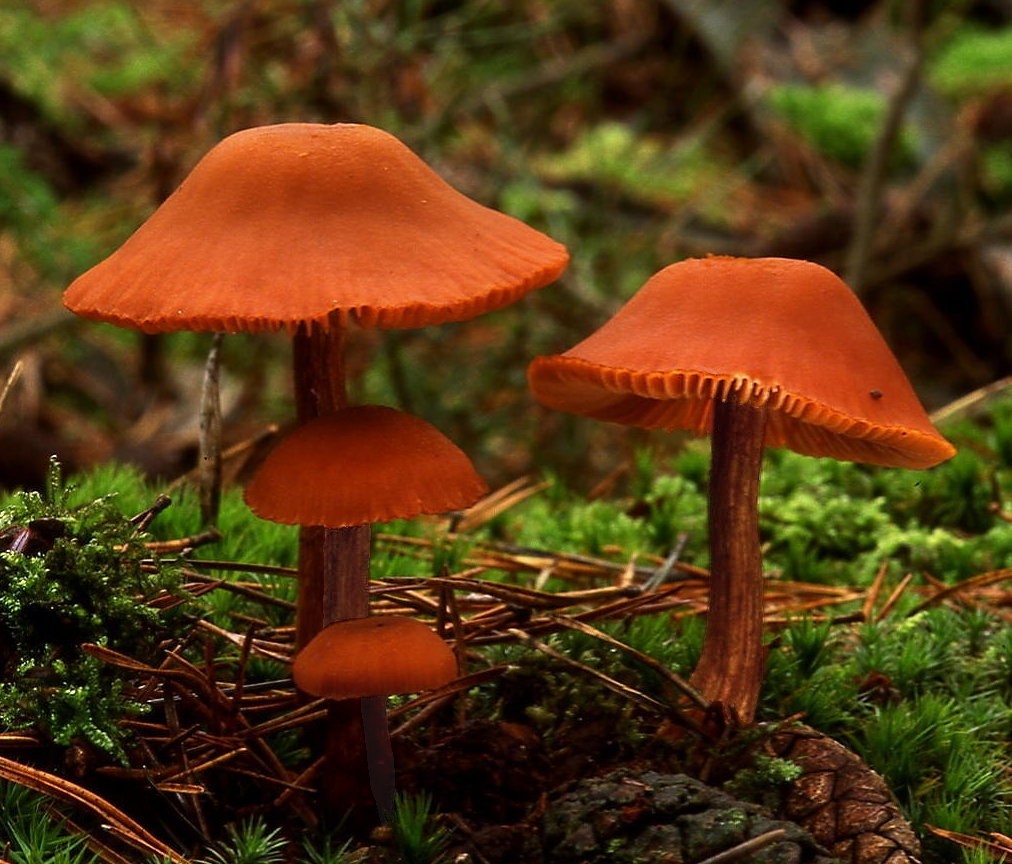
10. Common laccaria
Common laccaria may sound like a malevolent name for a mushroom, but fret not! This species is so-called because its appearance is highly variable, with individual caps taking on a whole host of colors, from whitish to pinkish to dark brown.
More







