




Top 20 Edible Mushrooms Popular in Cape Breton
Venture into the stunning fungal diversity found in Cape Breton, renowned for its vibrant mycological landscape. In this comprehensive guide, we'll explore the top 20 most common edible mushrooms in Cape Breton. For each variety, you'll discover fascinating details about their distinct appearances, unique tastes, preferred habitats, and culinary uses. This knowledge will not only enhance your appreciation for these remarkable fungi but also equip you with crucial foraging information. Expertly curated and meticulously researched, this guide celebrates the incredible fungal world that flourishes amidst Cape Breton's rich soils and lush vegetation.
* Disclaimer: Content feedback CAN NOT be used as any basis for EATING ANY PLANTS. Some plants can be VERY POISONOUS, please purchase edible plants through regular channels.

Most Popular Edible Mushrooms
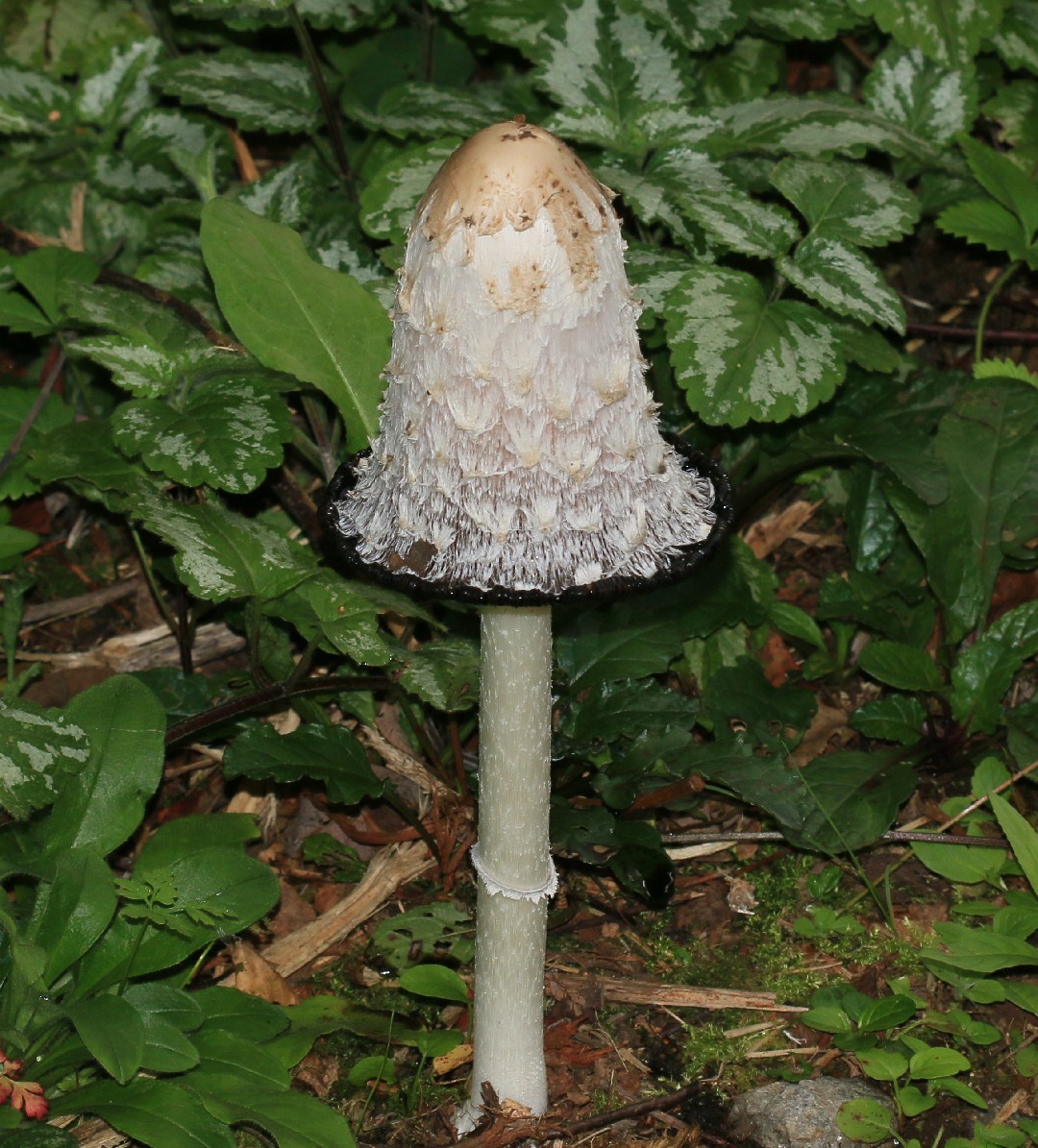
1. Shaggy mane
The shaggy mane mushroom is commonly found in North American and European grasslands. Some peoples foraged for its young egg-shaped caps, but it has more recently been found to be a bioaccumulator of heavy metals, meaning it pulls toxic metals up from the soil where it grows. As a result, shaggy manes should not be eaten. The mushrooms usually appear in clusters or “fairy rings.”
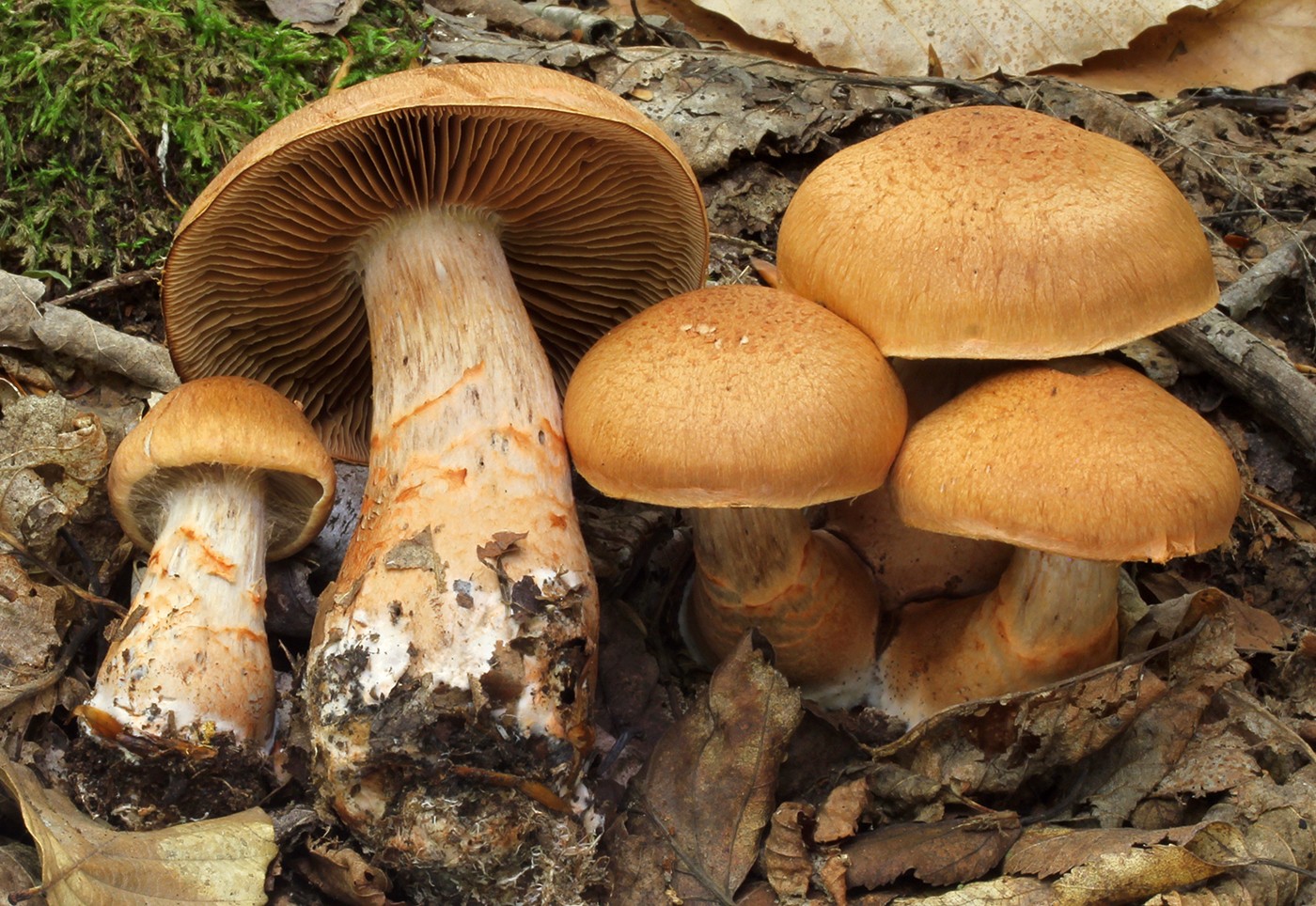
2. Red-banded cortinarius
Red-banded cortinarius (Cortinarius armillatus) usually sports a clear, red or reddish brown band at the base of its stalk. The species is found in temperate areas across Europe and eastern North America. It is often seen associating with conifers in the former area but birches in the latter area. While not edible, this species is sometimes used for dye-making.
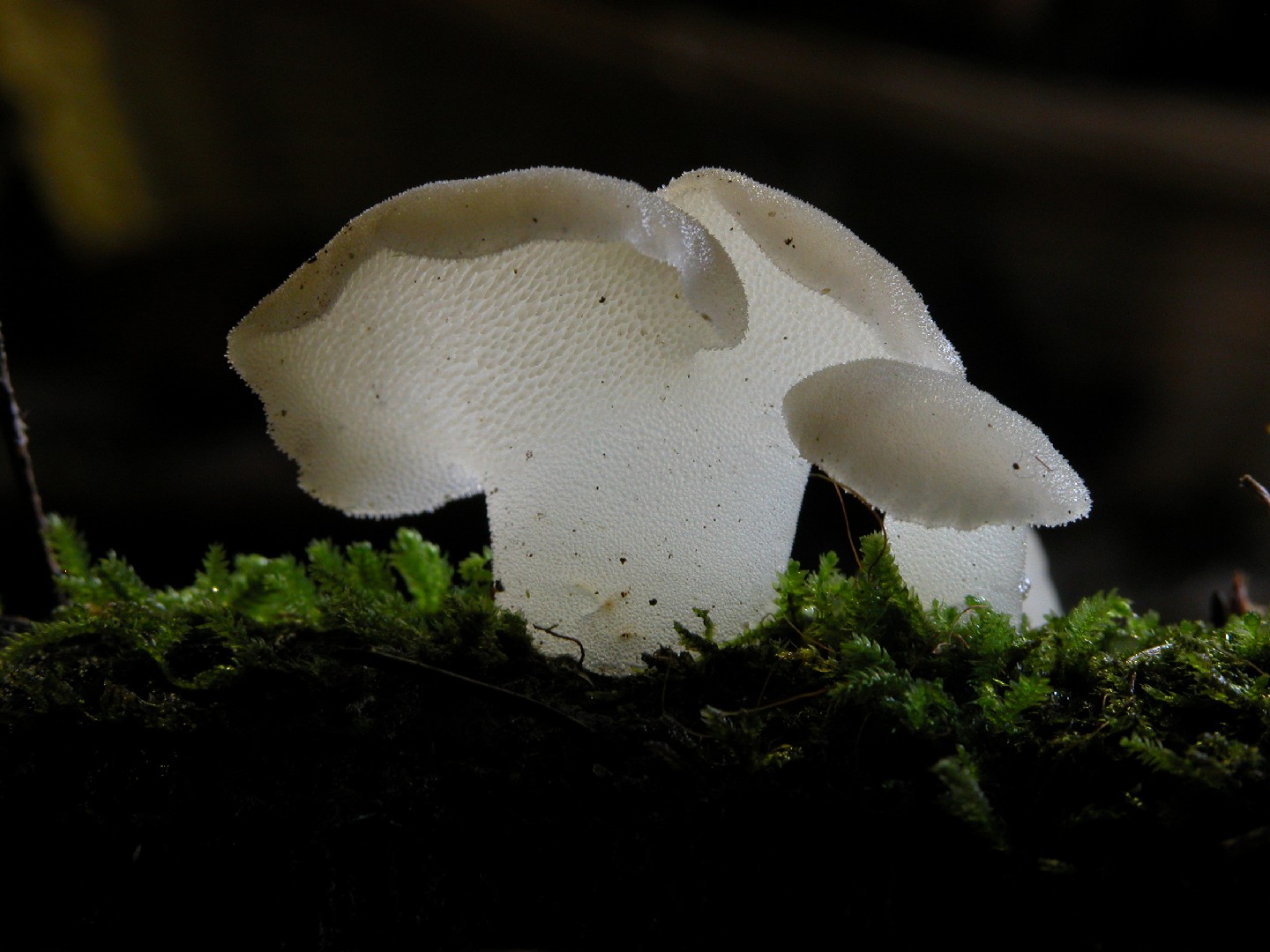
3. Toothed jelly fungus
This whimsically-named mushroom has a global distribution and a unique appearance. Toothed jelly fungus has a white, translucent - almost spectral - coloration and sports little downward pointing "teeth" on the underside of its cap. Although its toothed underside may scream "hedgehog mushroom", it is actually a member of a separate genus (Pseudohydnum, as opposed to Hydnum).

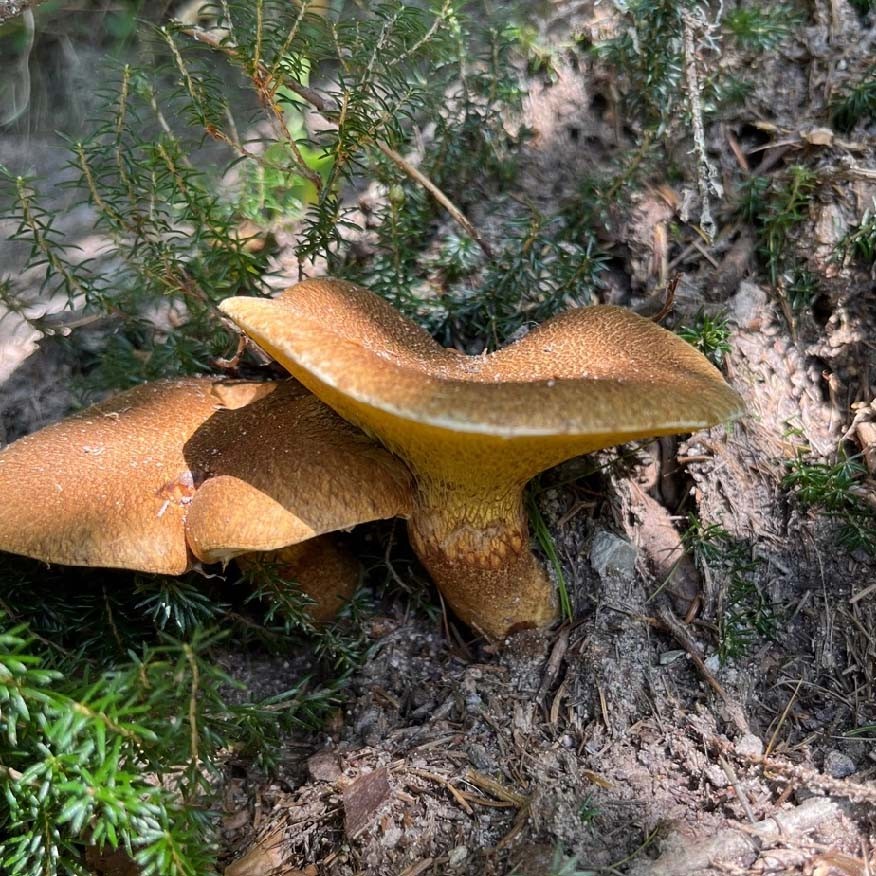
4. American slippery jack
A common sight underneath white pines in the summertime, the american slippery jack lives up to its name with its slimy cap, reminiscent of chicken fat's consistency. The subdued, yellow-brown hue is also the same color.
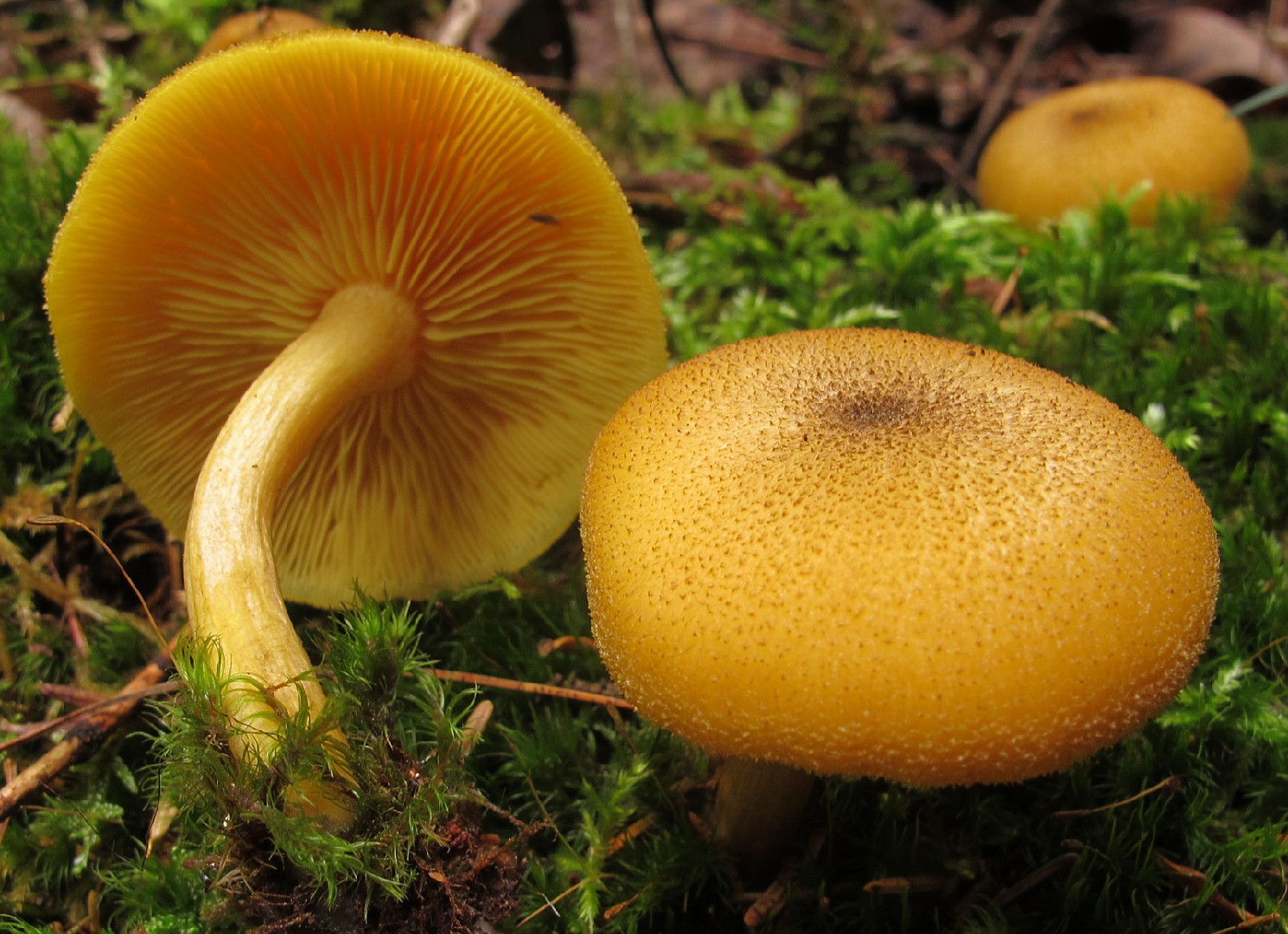
5. Decorated mop
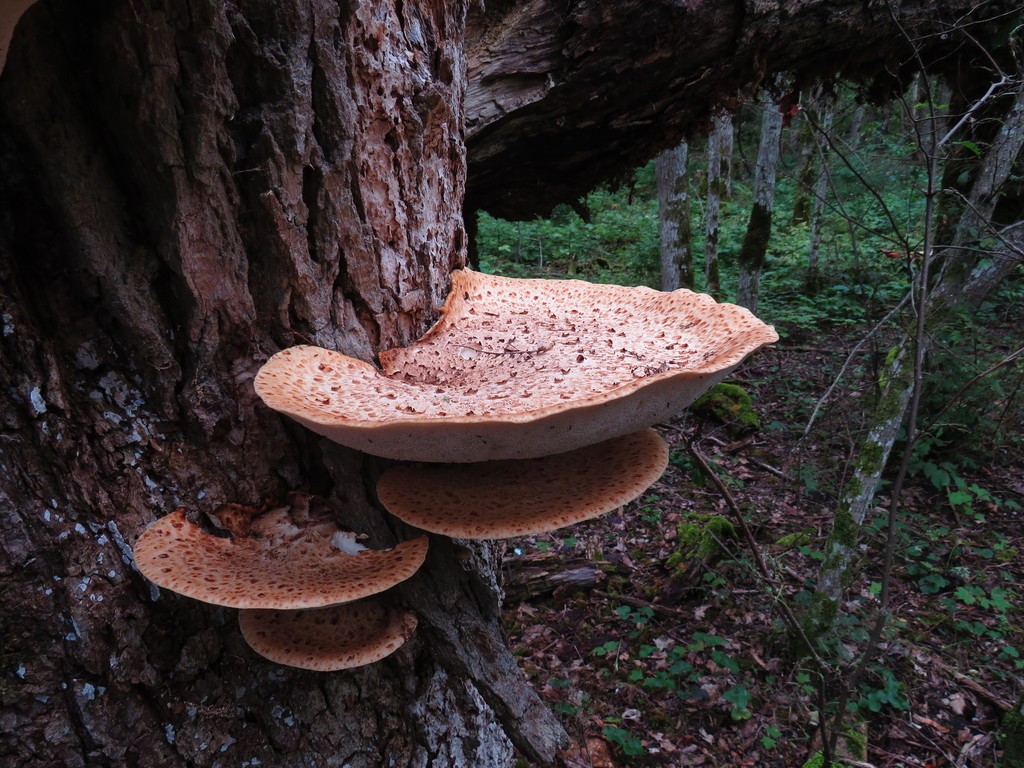
Characterized by a wide, flat cap, the decorated mop grows mushrooms of a yellow-brown hue with a scaly surface. Despite at least one of its common names referencing food, this mushroom is reportedly bitter and in 2006 was identified as possibly containing a life-threatening poison.
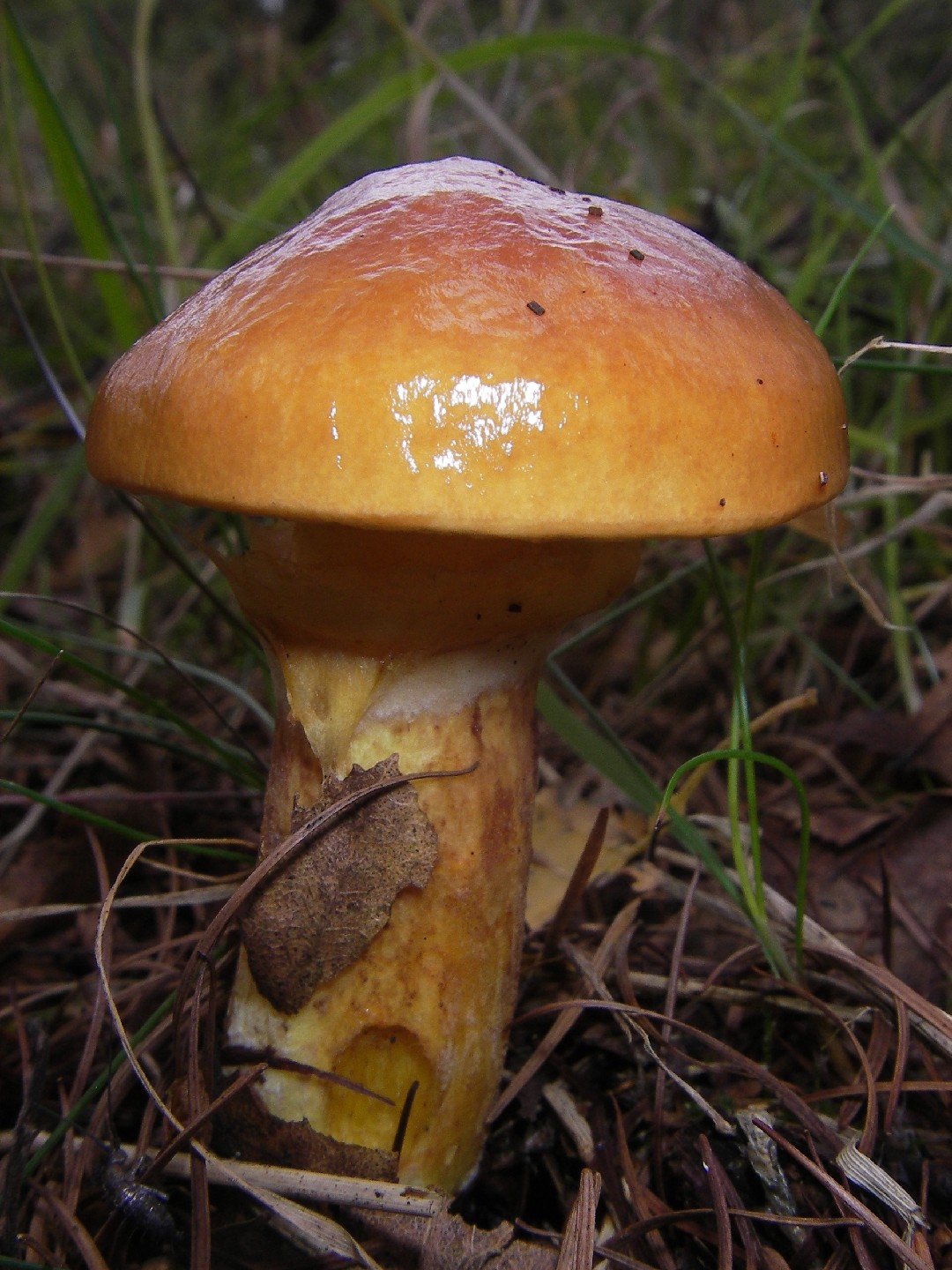
6. Larch bolete
Larch bolete is a vibrant member of the "slippery jack" genus. Like other members of that family, this species sports a slick or slimy cap and has a somewhat bulbous form. Suillus grevillei is also commonly called a "Larch Bolete" because it only associates with larch trees, with which it has a symbiotic relationship.
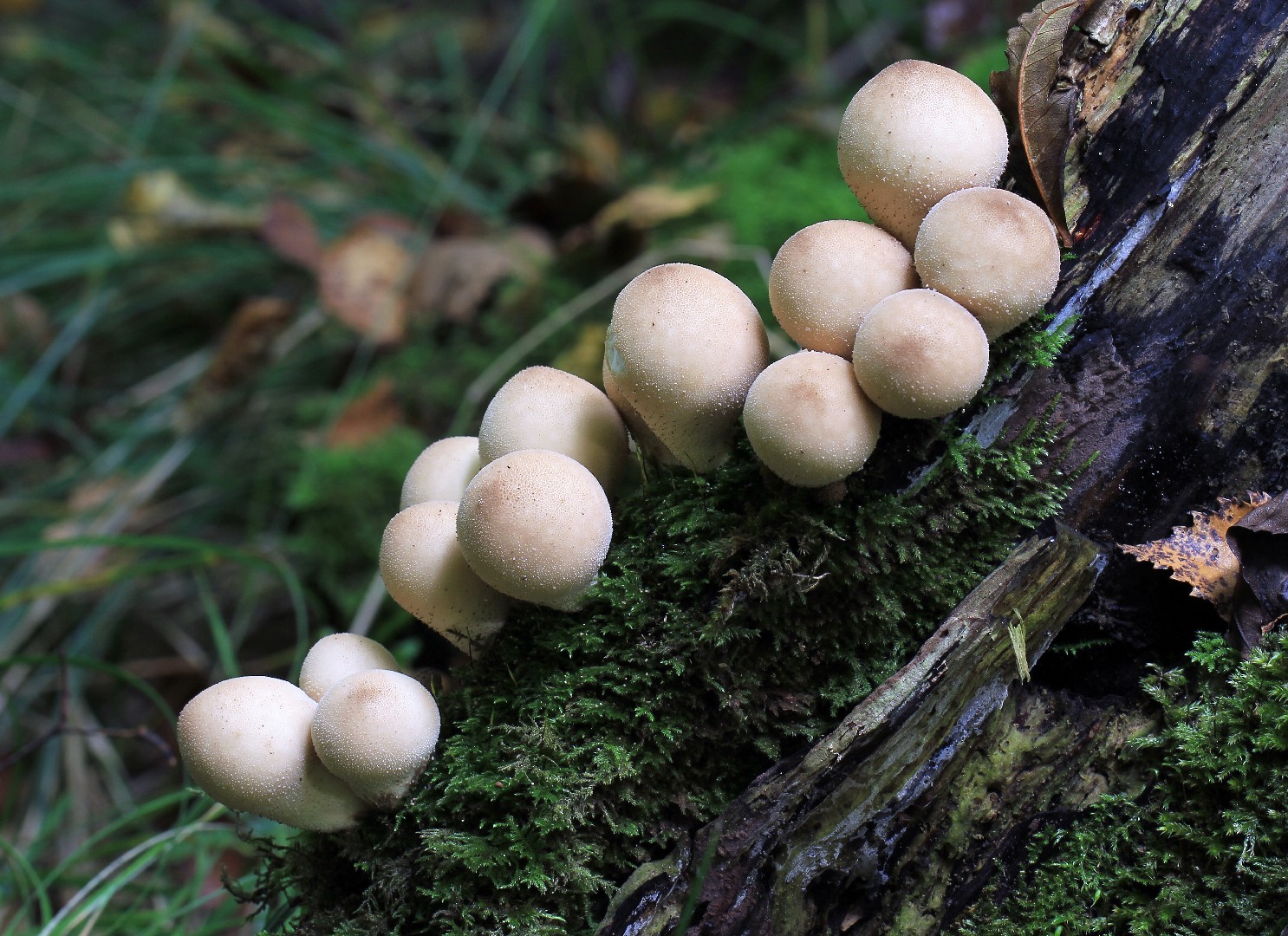
7. Pear-shaped puffball
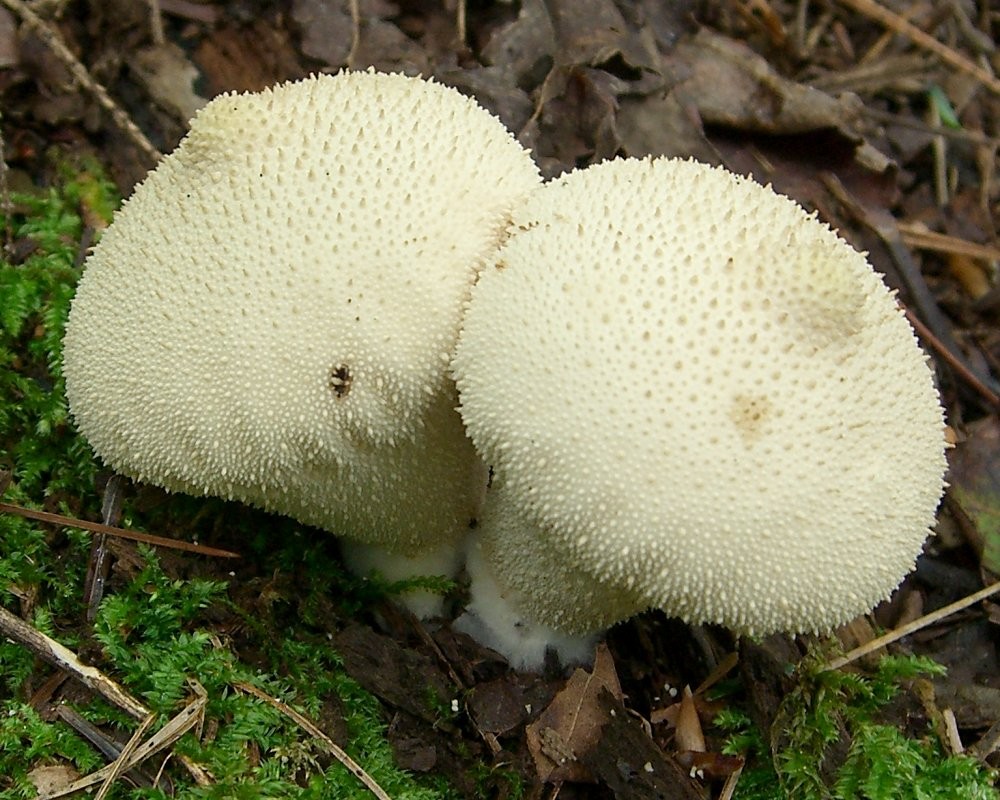
The mushrooms of this species grow in such tight clusters that they may cover fallen trees and stumps almost entirely in a brownish, puffy coat. Pear-shaped puffballs appear all around the northern hemisphere on decaying hardwoods from fall through winter.
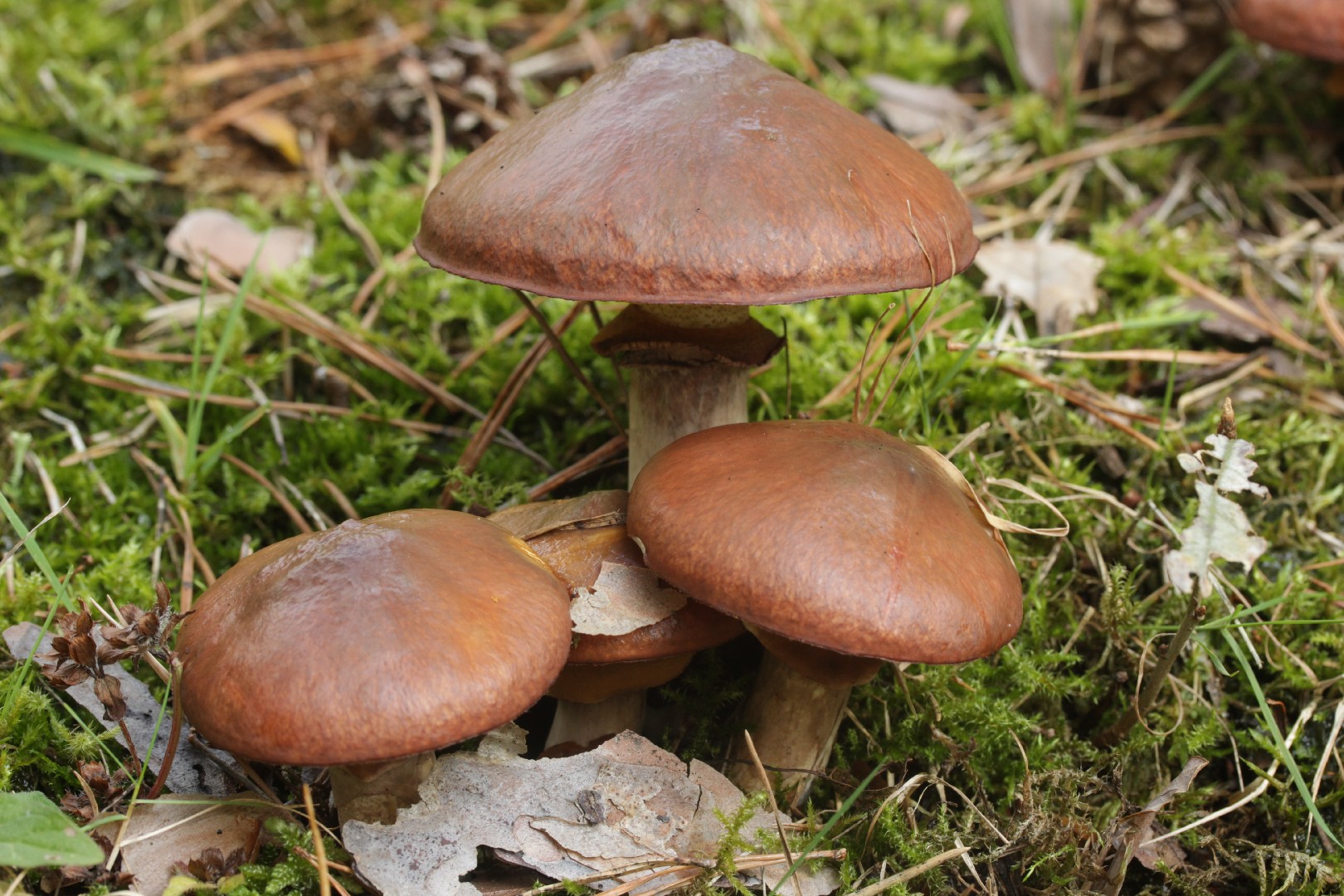
8. Slippery jack
This mushroom blooms in summer and autumn, usually near or beneath pine trees. It does well in cold climates, but can also be found further south all around the northern hemisphere. During moist weather, the slippery jack's caps become quite slimy, leading to their common name.
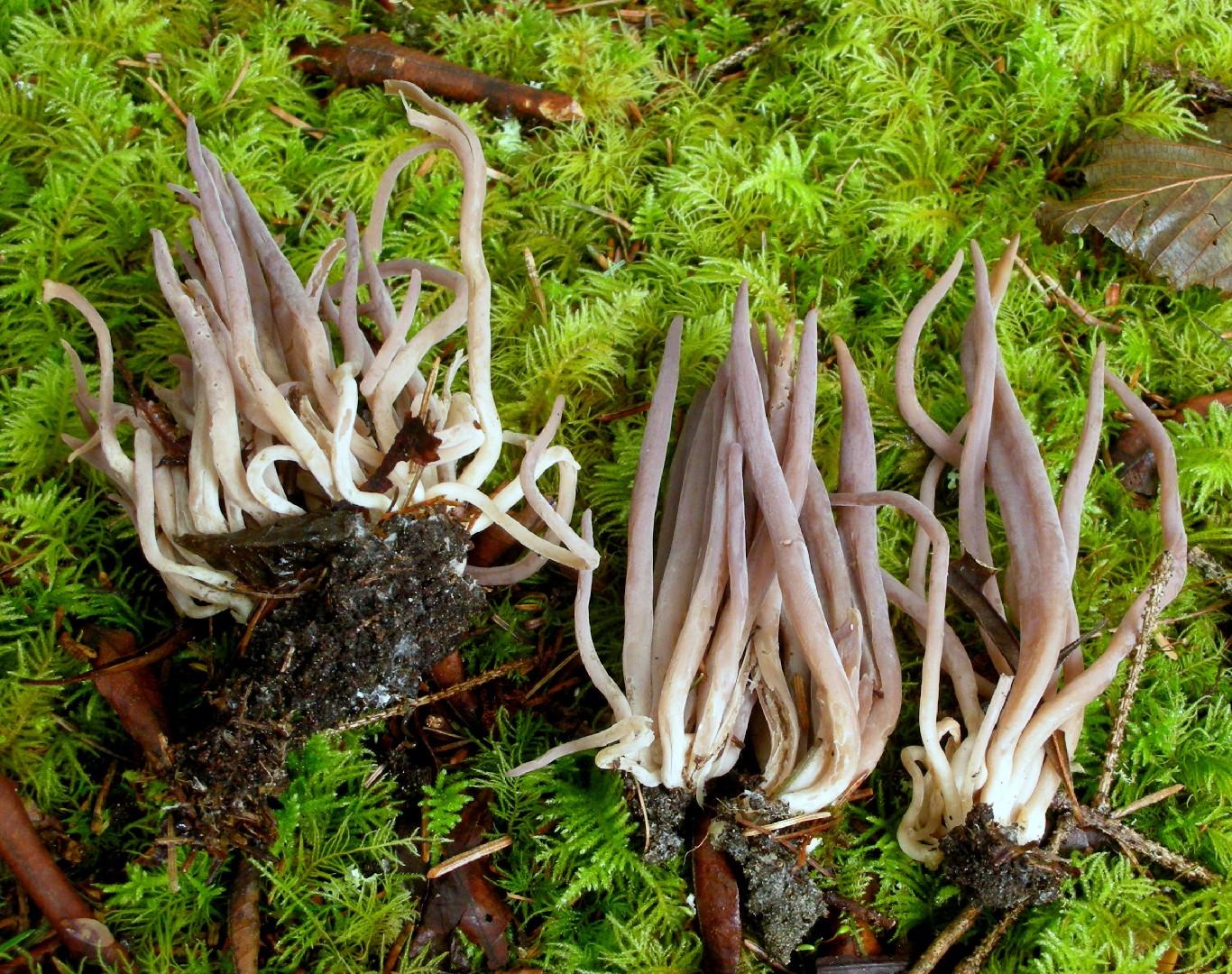
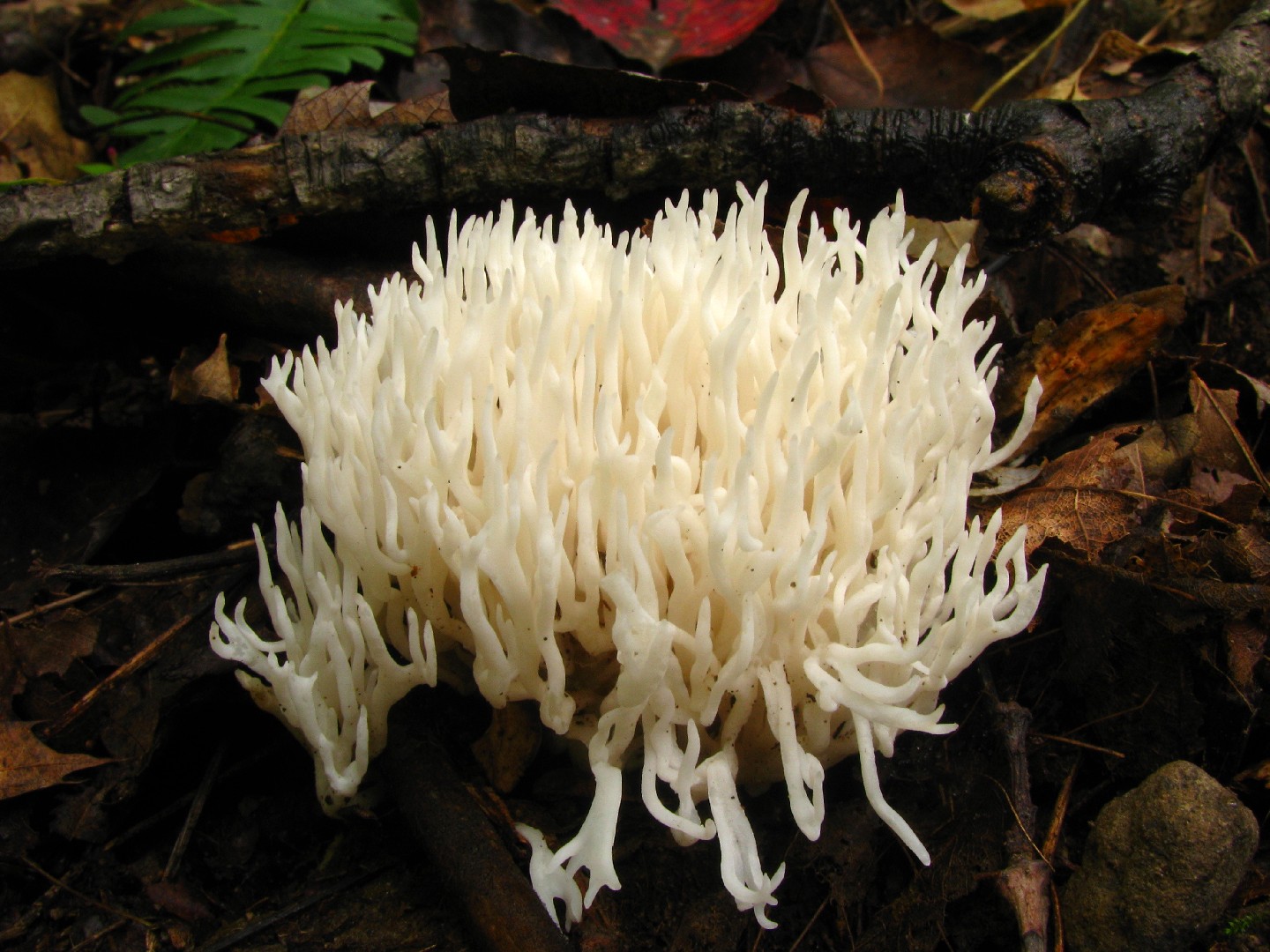
9. Purple coral
The purple coral is a tiny, but beautiful and impressive fungus that can be immediately distinguished from other Alloclavaria and Clavaria species by its distinctive purple colour. This mushroom grows in large clusters, but it's still unclear whether it's a saprobic or mycorrhizal species.
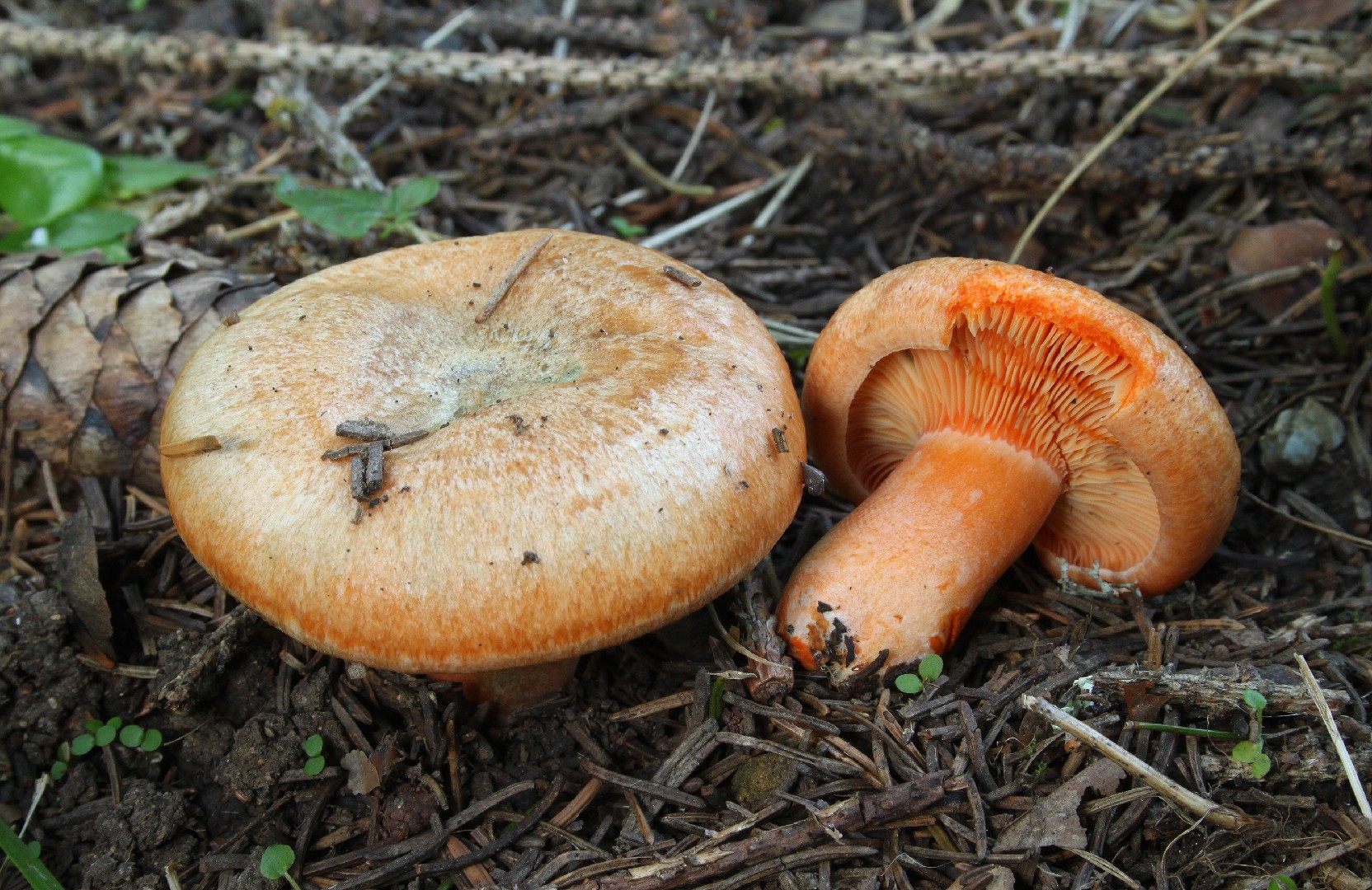
10. False saffron milkcap
A less-tasty cousin of the Saffron milkcap (Lactarius deliciosus), the false saffron milkcap is closely associated with spruce. When it appears in forests, it usually forms a large carpet. Species within the Lactarius genus are hard to differentiate from other, more poisonous mushrooms, and should not be foraged for food by the inexperienced.
More







