




Top 20 Edible Mushrooms Popular in Vancouver
Delve into the world of fungi with our guide to the top 20 most common edible mushrooms of Vancouver. With its varied climate and extensive wild spaces, Vancouver is a mycological treasure, providing a perfect habitat conducive to the growth of an array of delicious and nutritious fungi. Our expert guide will take you through each mushroom species in detail, exploring their distinctive attributes, delectable taste profiles, favored habitats, and culinary uses. Get ready to discover and tantalize your taste buds!
* Disclaimer: Content feedback CAN NOT be used as any basis for EATING ANY PLANTS. Some plants can be VERY POISONOUS, please purchase edible plants through regular channels.

Most Popular Edible Mushrooms

1. Shaggy mane
The shaggy mane mushroom is commonly found in North American and European grasslands. Some peoples foraged for its young egg-shaped caps, but it has more recently been found to be a bioaccumulator of heavy metals, meaning it pulls toxic metals up from the soil where it grows. As a result, shaggy manes should not be eaten. The mushrooms usually appear in clusters or “fairy rings.”
2. Toothed jelly fungus
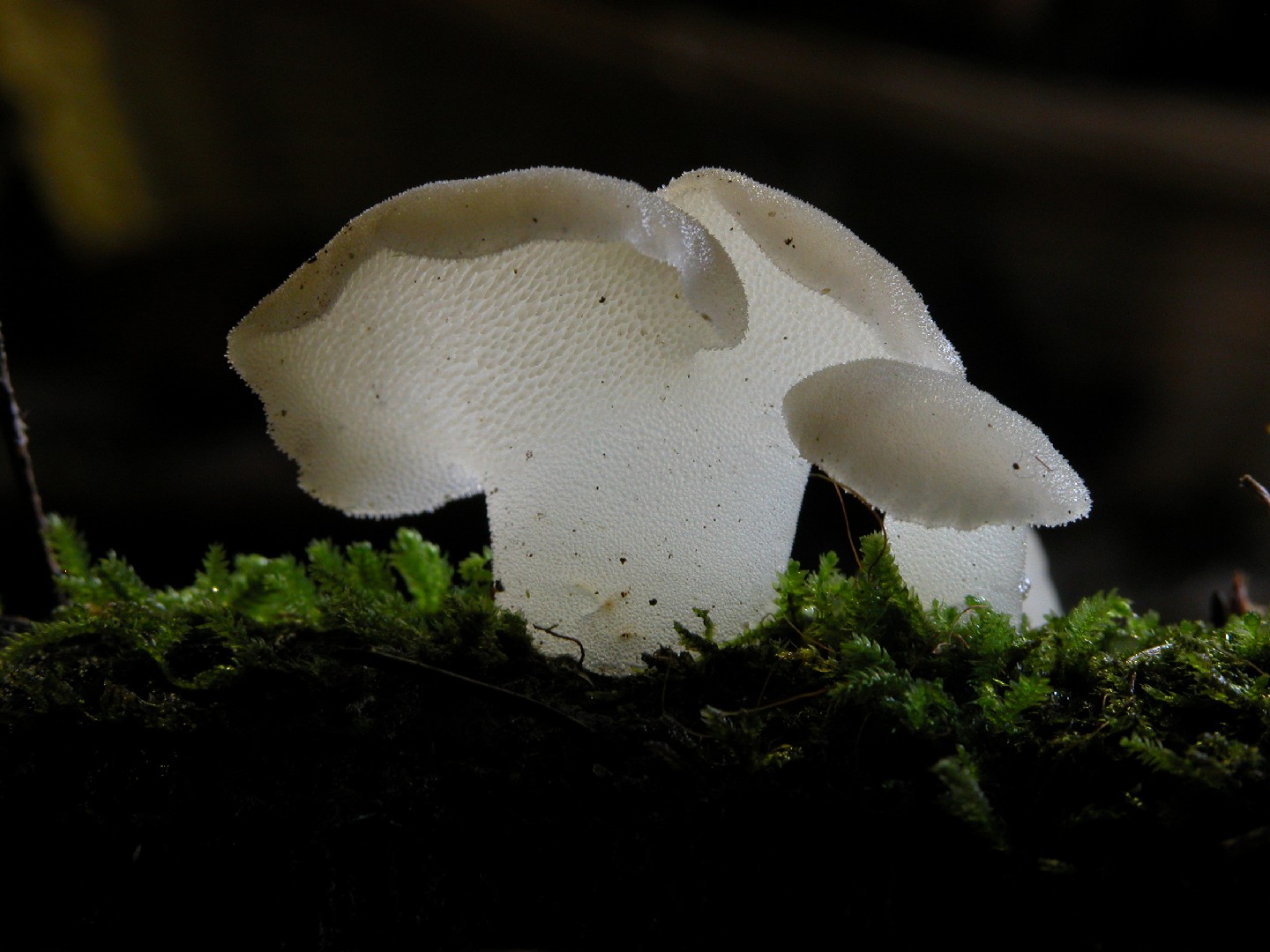
This whimsically-named mushroom has a global distribution and a unique appearance. Toothed jelly fungus has a white, translucent - almost spectral - coloration and sports little downward pointing "teeth" on the underside of its cap. Although its toothed underside may scream "hedgehog mushroom", it is actually a member of a separate genus (Pseudohydnum, as opposed to Hydnum).
3. Yellowfoot
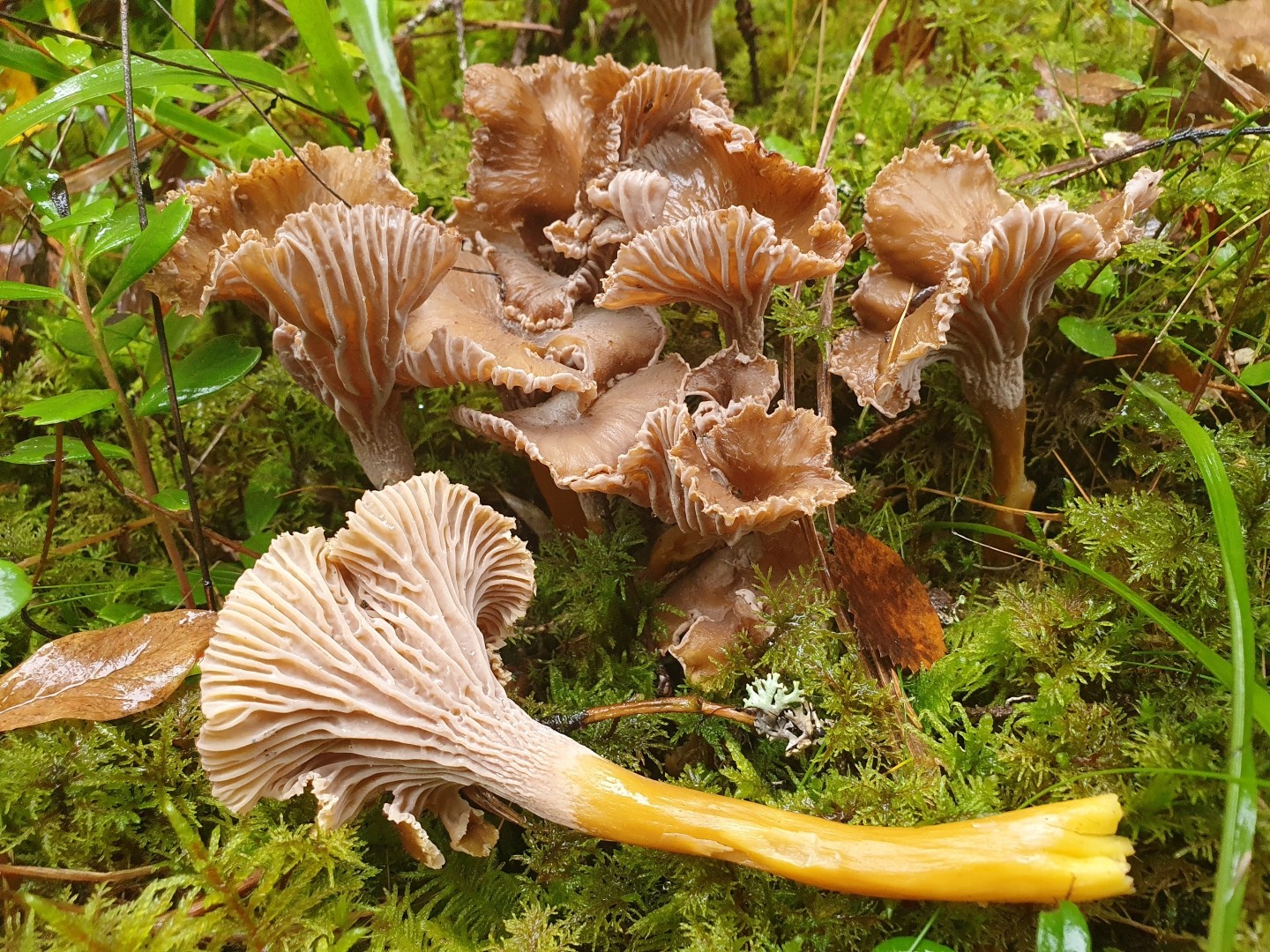
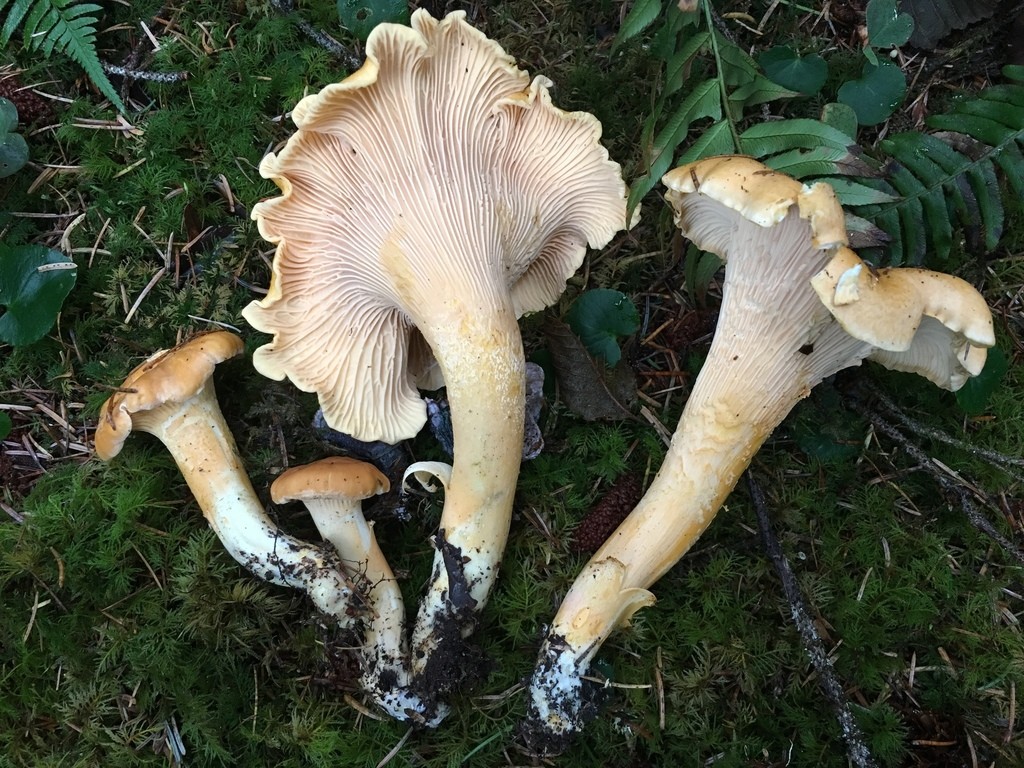
Found in temperate forests, wetlands, and bogs across the northern hemisphere, the yellowfoot is a highly sought after member of the chanterelle family. Considered a choice edible, it boasts a lovely, complex flavor (though it is somewhat less fruity and sweet then some of its more popular cousins). Yellowfoots are sometimes called "winter mushrooms", as they tend to be very late-season fruiters.
4. Violet webcap
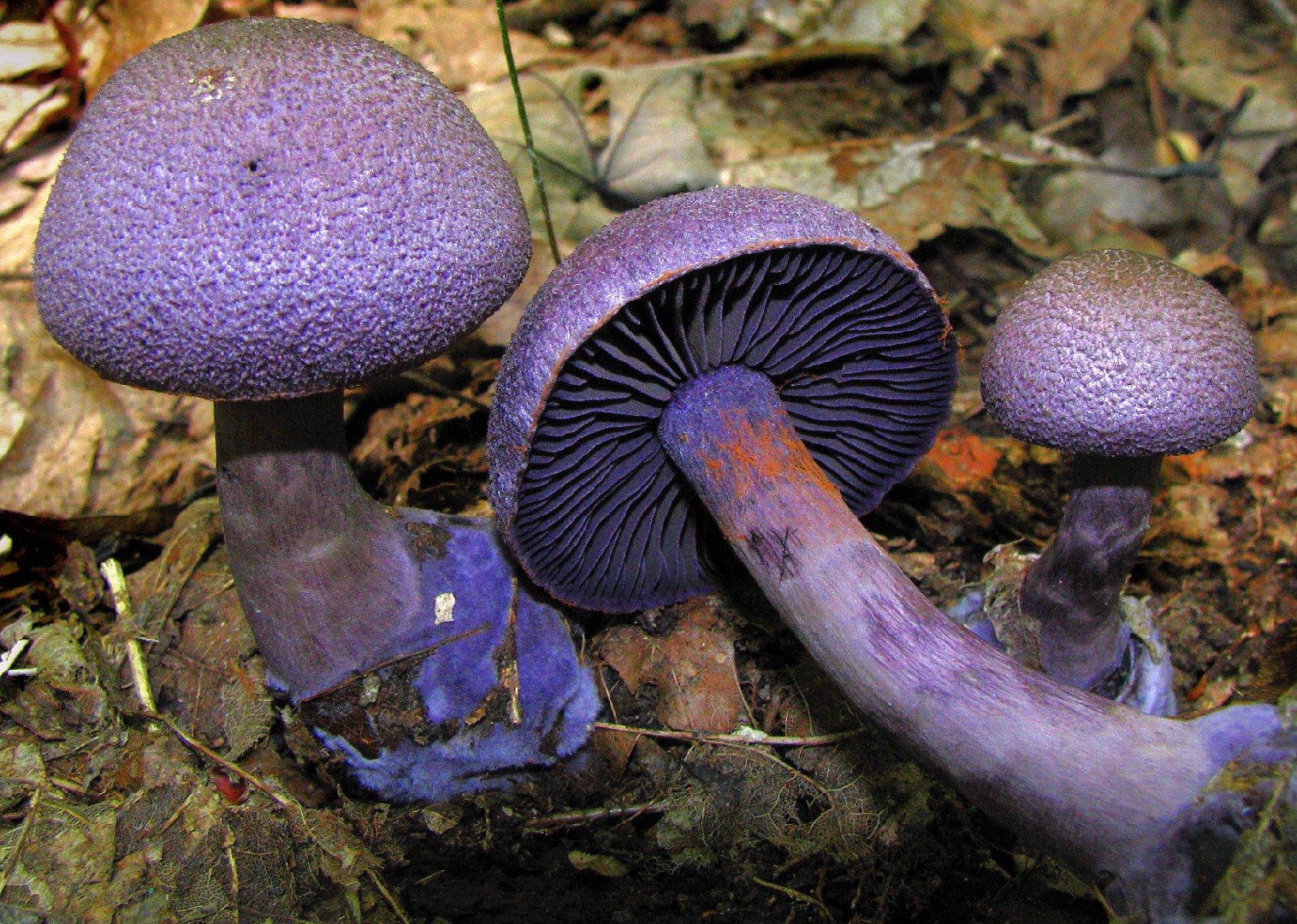
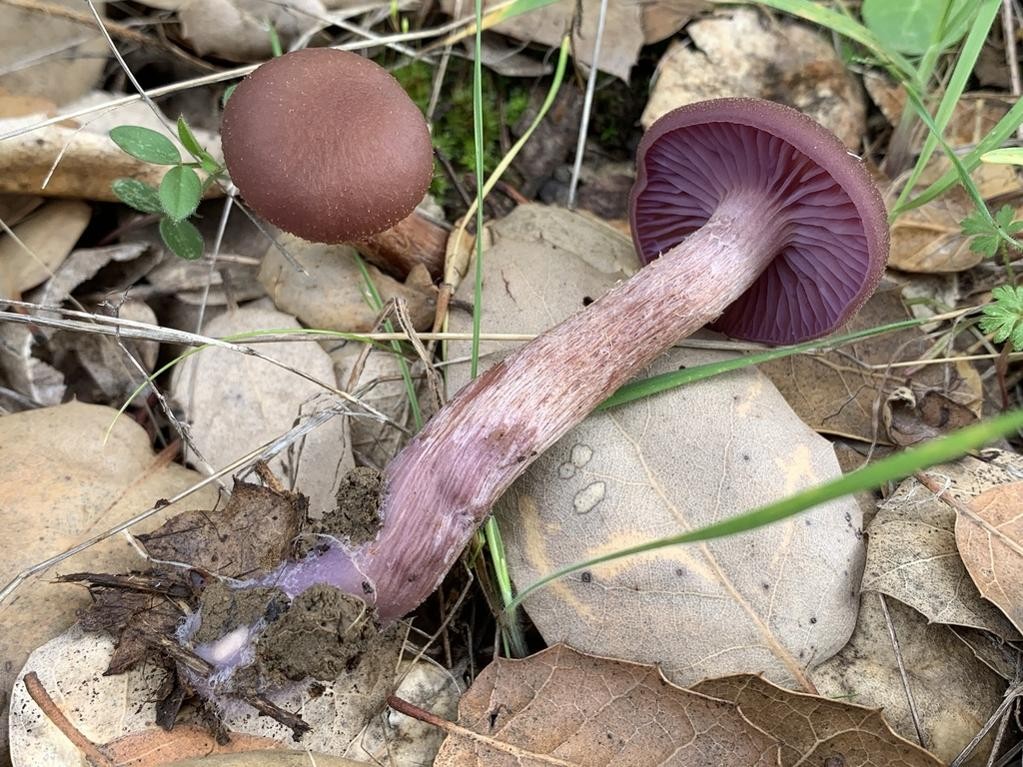
This absolutely striking mushroom looks like something out of a fairy tale. The entire fruitbody of the violet webcap - cap, stalk, and gills - ranges in color from a light lavender to a very deep purple. The species' caps are bulbous and pockmarked, often appearing velvety. Though a feast for the eyes, this species is usually considered inedible.
5. Questionable stropharia
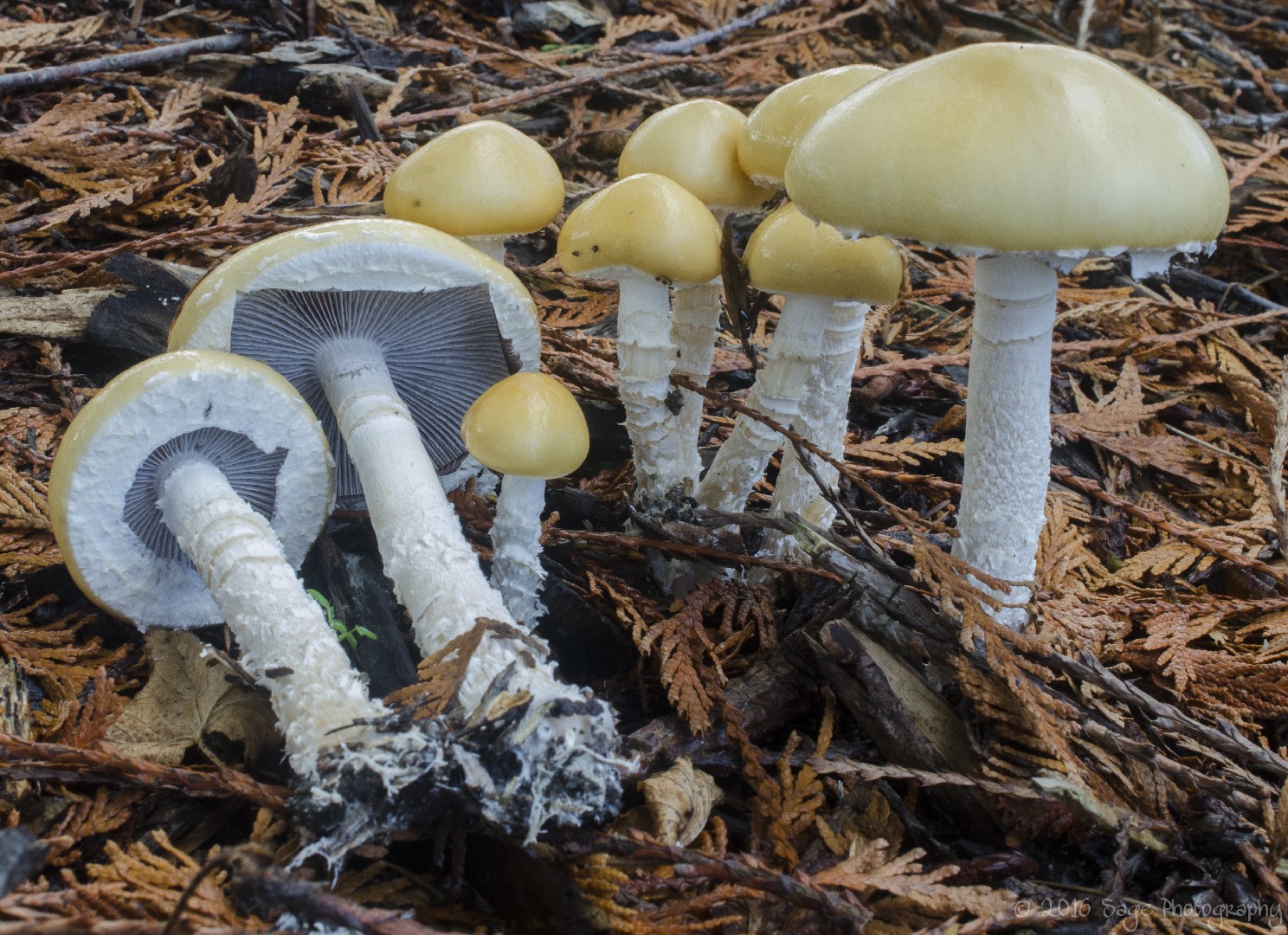
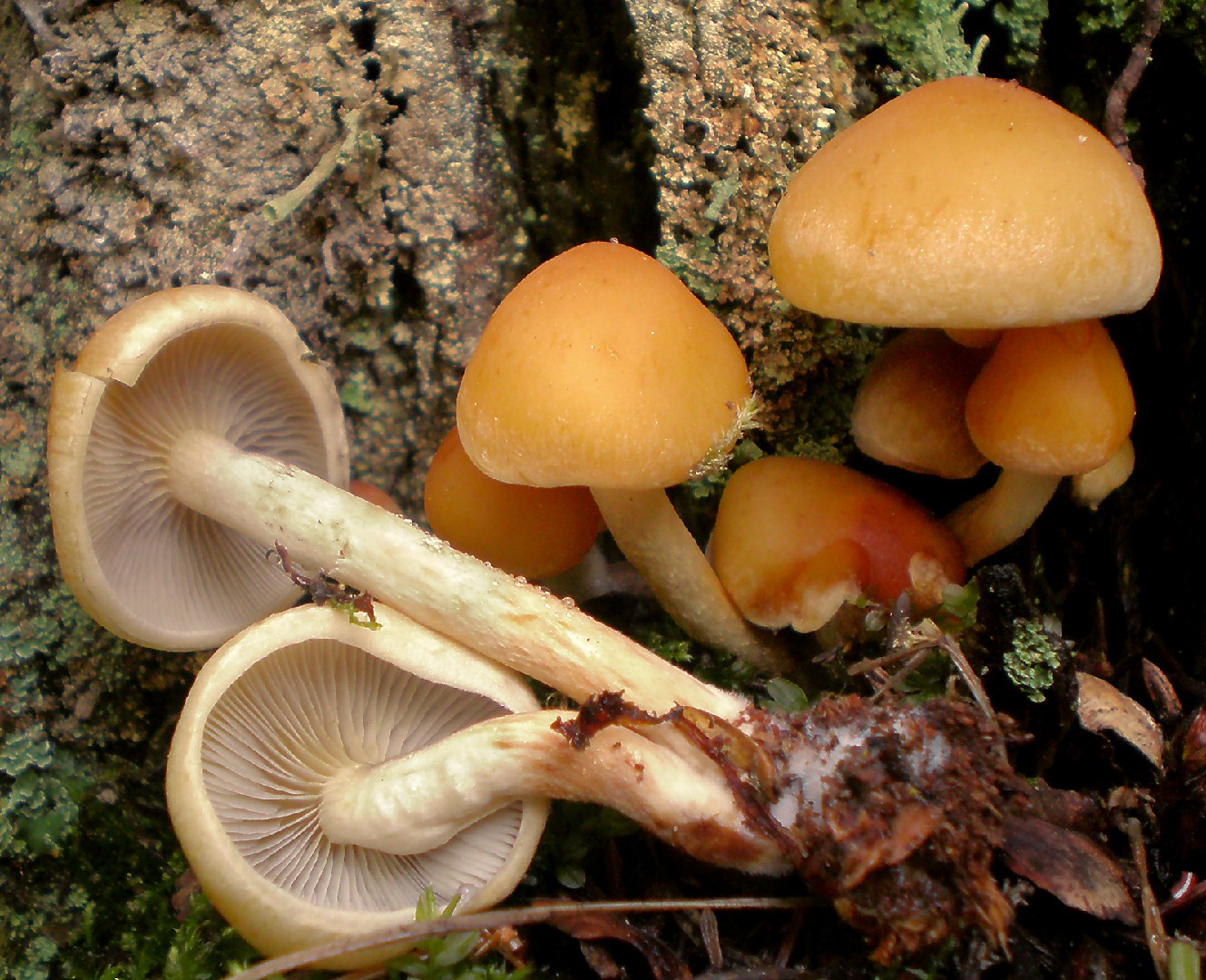
The questionable stropharia is an odd-looking species that thrives in rich, wet soils along the western coast of North America. The species sports a shiny, yellow-brown cap with a white partial veil that looks almost as though it is dripping off the cap. "Questionable" is a fair title for this species, about which there are conflicting reports on edibility. Most experts recommend staying on the safe side and avoiding eating this mushroom.
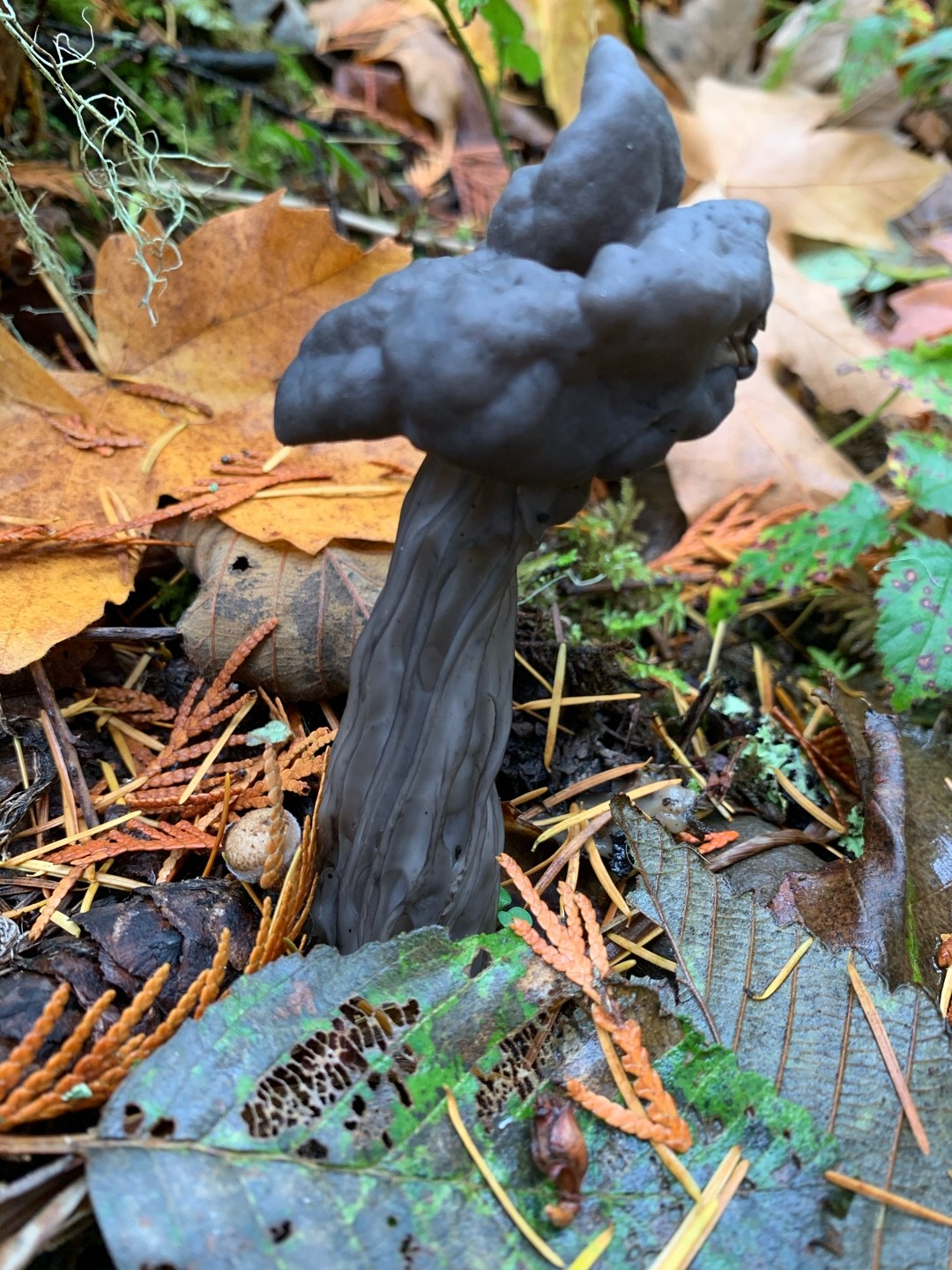
6. Western elfin saddle
The western elfin saddle (Helvella vespertina) has a striking, brain-shaped cap that becomes even more fissured as it ages. They appear and flourish amidst the leaf litter on forest floors in the western United States. The shape of the cap makes it a wonderful hiding place for insects, especially millipedes.
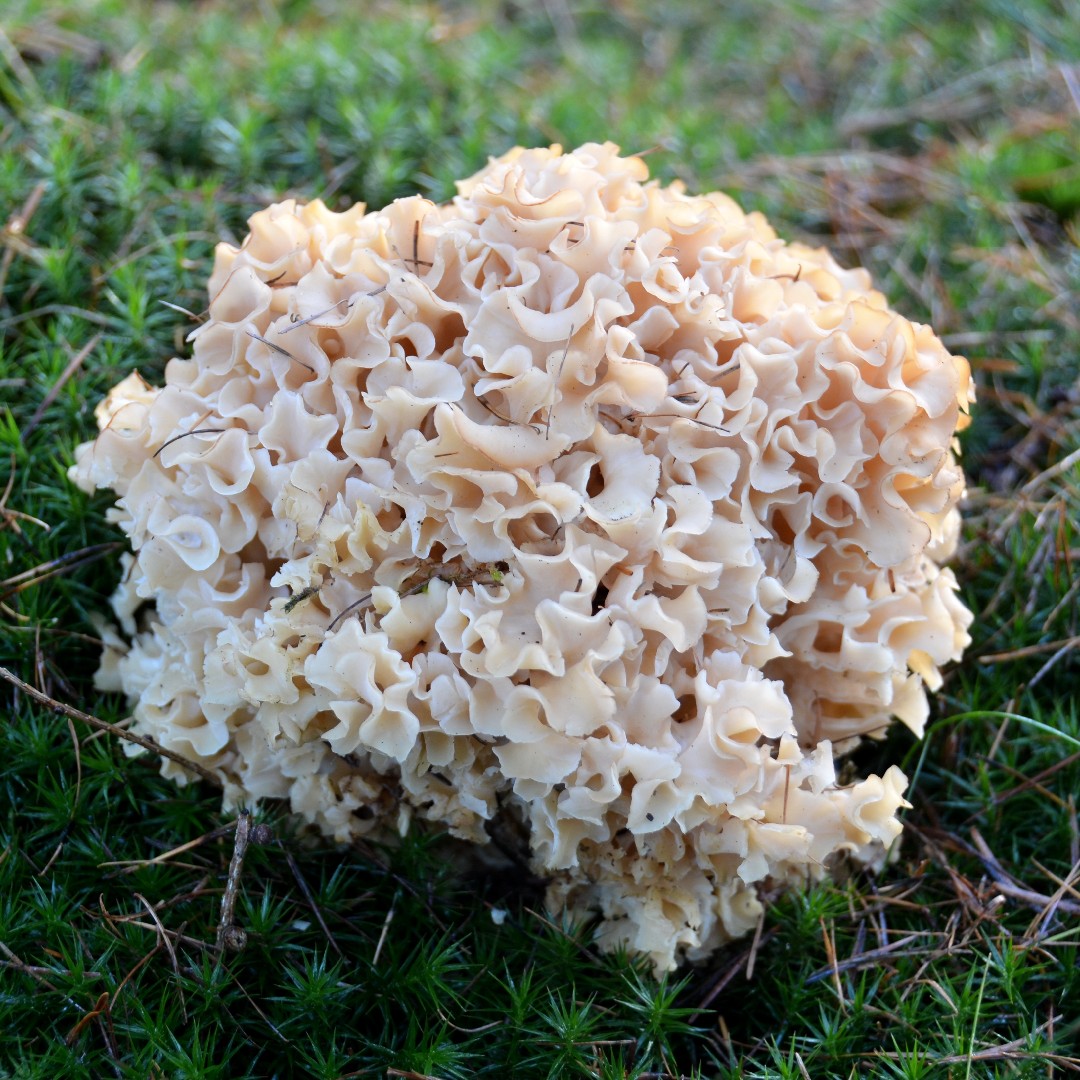
7. Cauliflower mushroom
Instantly recognizable and highly sought-after, cauliflower mushroom (Sparassis crispa) forms a distinct-looking fruitbody that can be found across temperate North America and Europe. The species resembles cauliflower in both color and overall shape, although instead of bearing florets, its appendages look more like wavy, partially-cooked pasta.
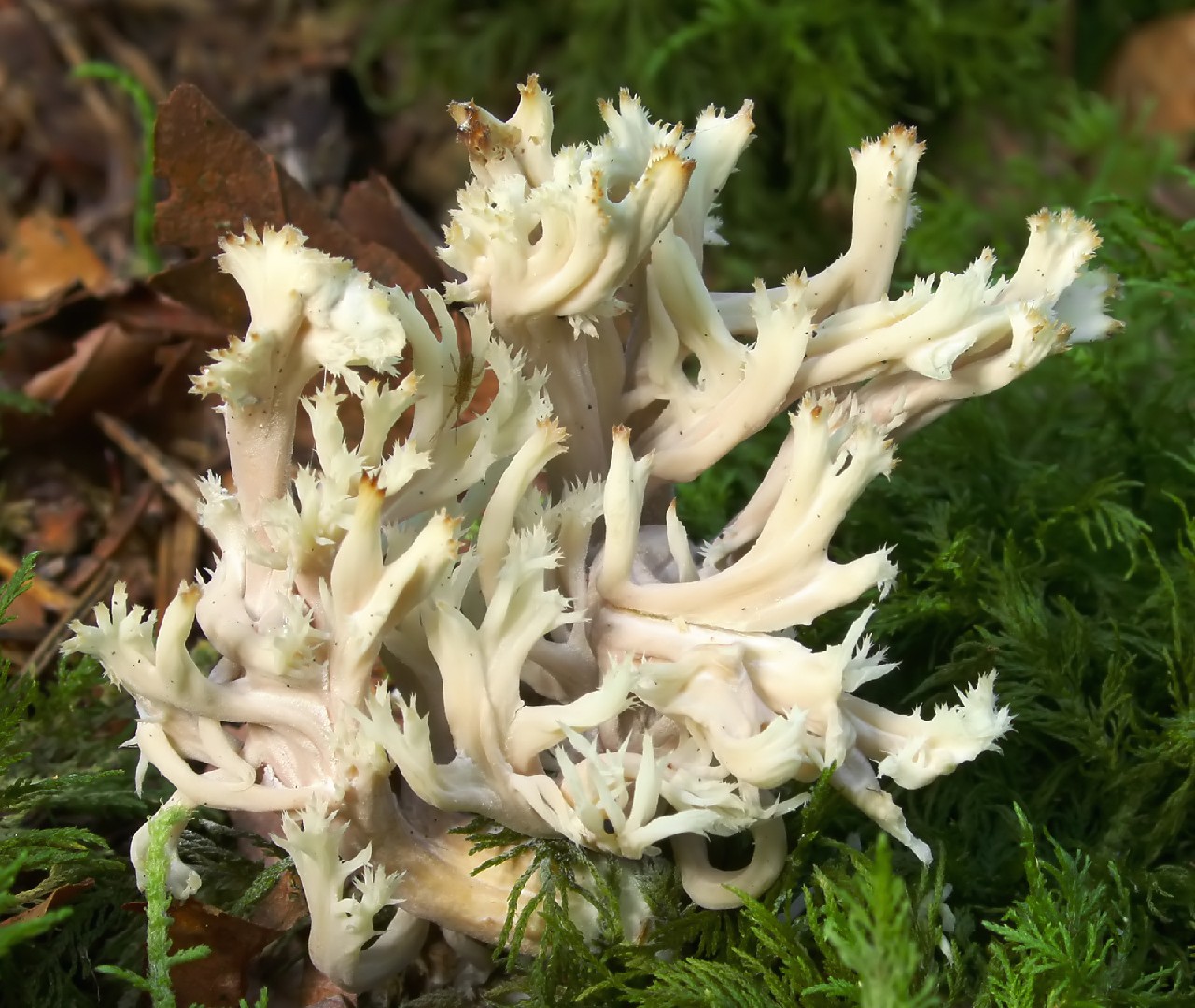
8. Crested coral
Crested coral(Clavulina coralloides) is a distinctive coral mushroom that is widespread in coniferous and hardwood forests, acting as a decomposer of dead and decaying timber. Endemic to the temperate zones of North America and Europe, it sprouts from late summer to winter.

9. Common puffball
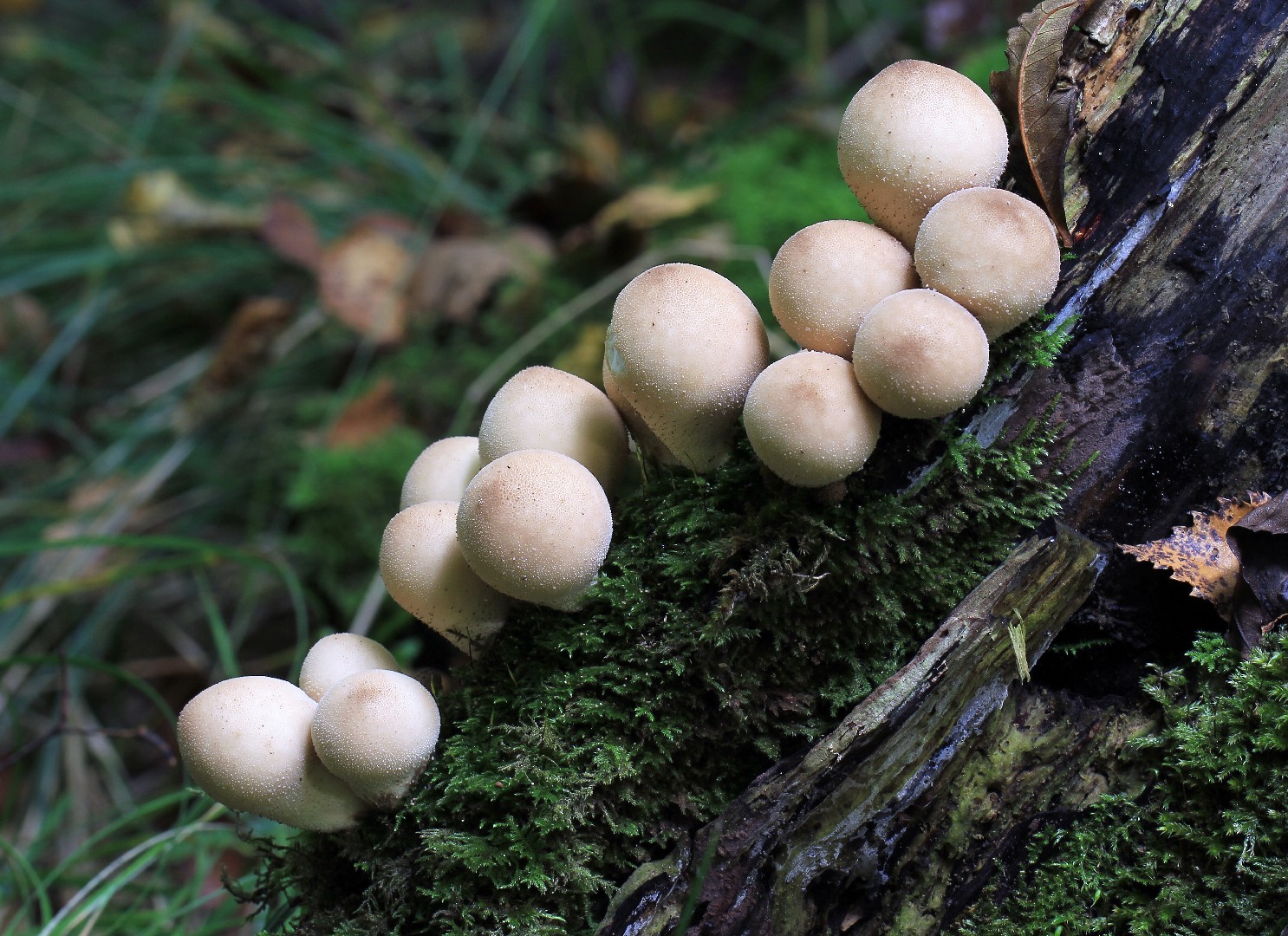
These puffy mushrooms grow in small groups on the forest floor. Once they're mature, common puffballs turn yellow and "puff out" smoke-like spore clouds when disturbed. Be very careful when identifying these mushrooms, as their young, immature form looks very similar to the lethal Deathcap.
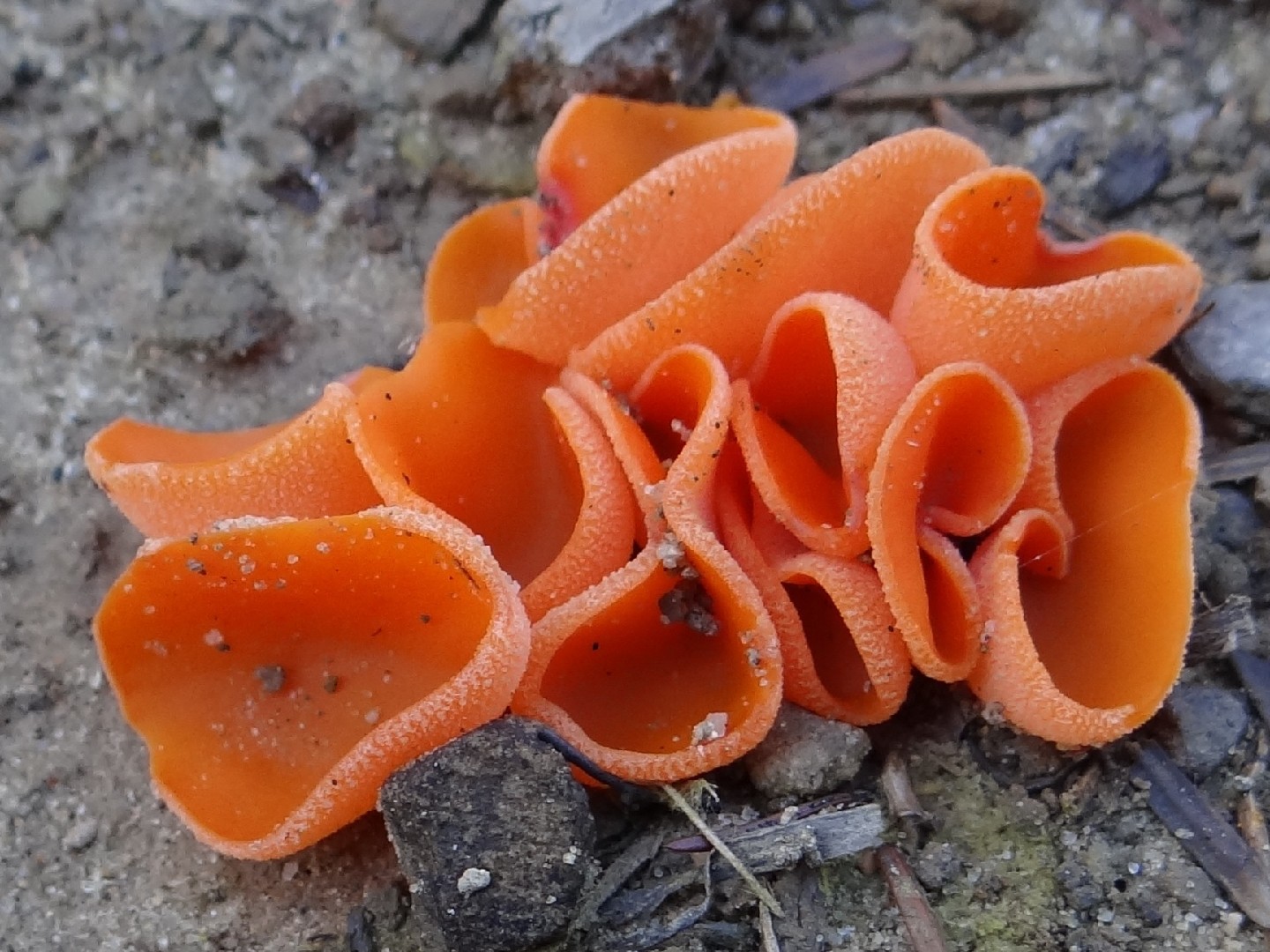
10. Orange peel fungus
The aptly-titled orange peel fungus (Aleuria aurantia) forms fruitbodies that strongly resemble peeled-off rinds of oranges. The species has an irregular folded shape and boasts a bright orange hue. Orange peel fungus usually grows directly out of soil and can be found across temperate regions of North America, Europe, and a few parts of Chile.
More







