




Top 20 Edible Mushrooms Popular in Canmore
Immerse yourself in the fascinating world of mushrooms in the verdant landscape of Canmore. This region hosts a wealth of both flora and fungi, with its varied soils and seasonal changes facilitating an array of delicious, culinary discoveries. In this guide, we delve into the 20 common edible mushrooms found here, providing essential details on their appearance, flavor profiles, ideal growing conditions, and uses in the kitchen. Explore these classic mushroom species, and enrich your foraging ventures in Canmore.
* Disclaimer: Content feedback CAN NOT be used as any basis for EATING ANY PLANTS. Some plants can be VERY POISONOUS, please purchase edible plants through regular channels.

Most Popular Edible Mushrooms

1. Shaggy mane
The shaggy mane mushroom is commonly found in North American and European grasslands. Some peoples foraged for its young egg-shaped caps, but it has more recently been found to be a bioaccumulator of heavy metals, meaning it pulls toxic metals up from the soil where it grows. As a result, shaggy manes should not be eaten. The mushrooms usually appear in clusters or “fairy rings.”
2. Coral tooth fungus
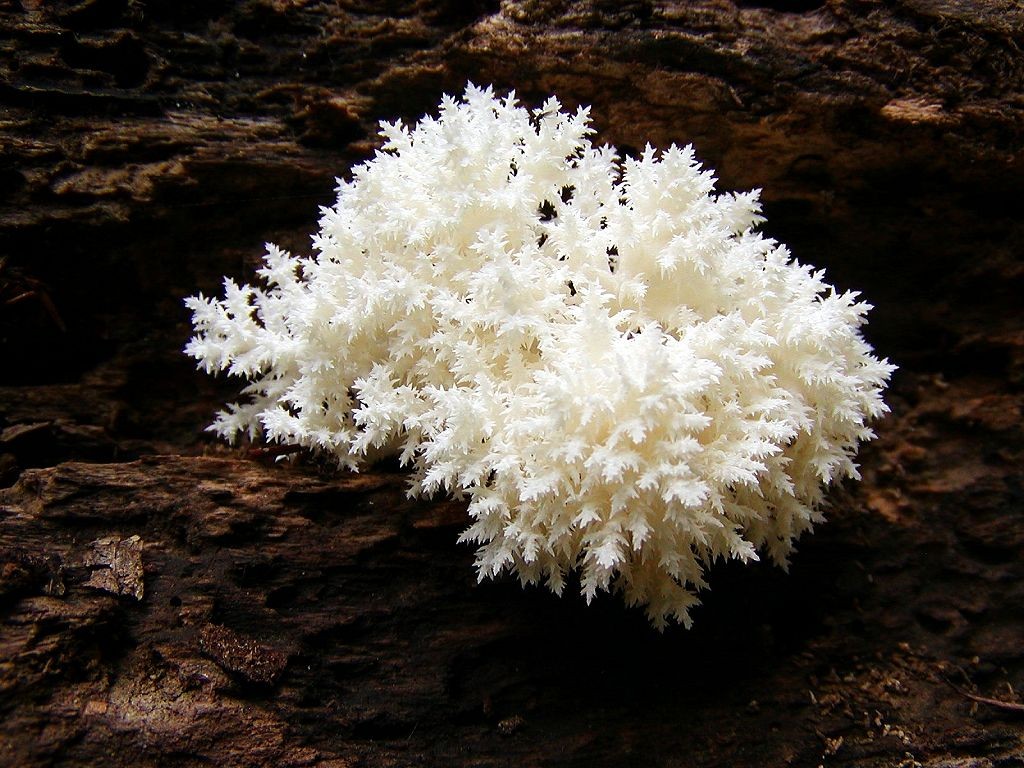
Coral tooth fungus (Hericium coralloides) is a species of coral mushroom most frequently sighted on dead or decaying hardwoods. Generally, younger specimens are white and become increasingly yellowish as they mature. Found around the world, the Māori refer to this species as pekepekekiore.
3. Flat-top coral
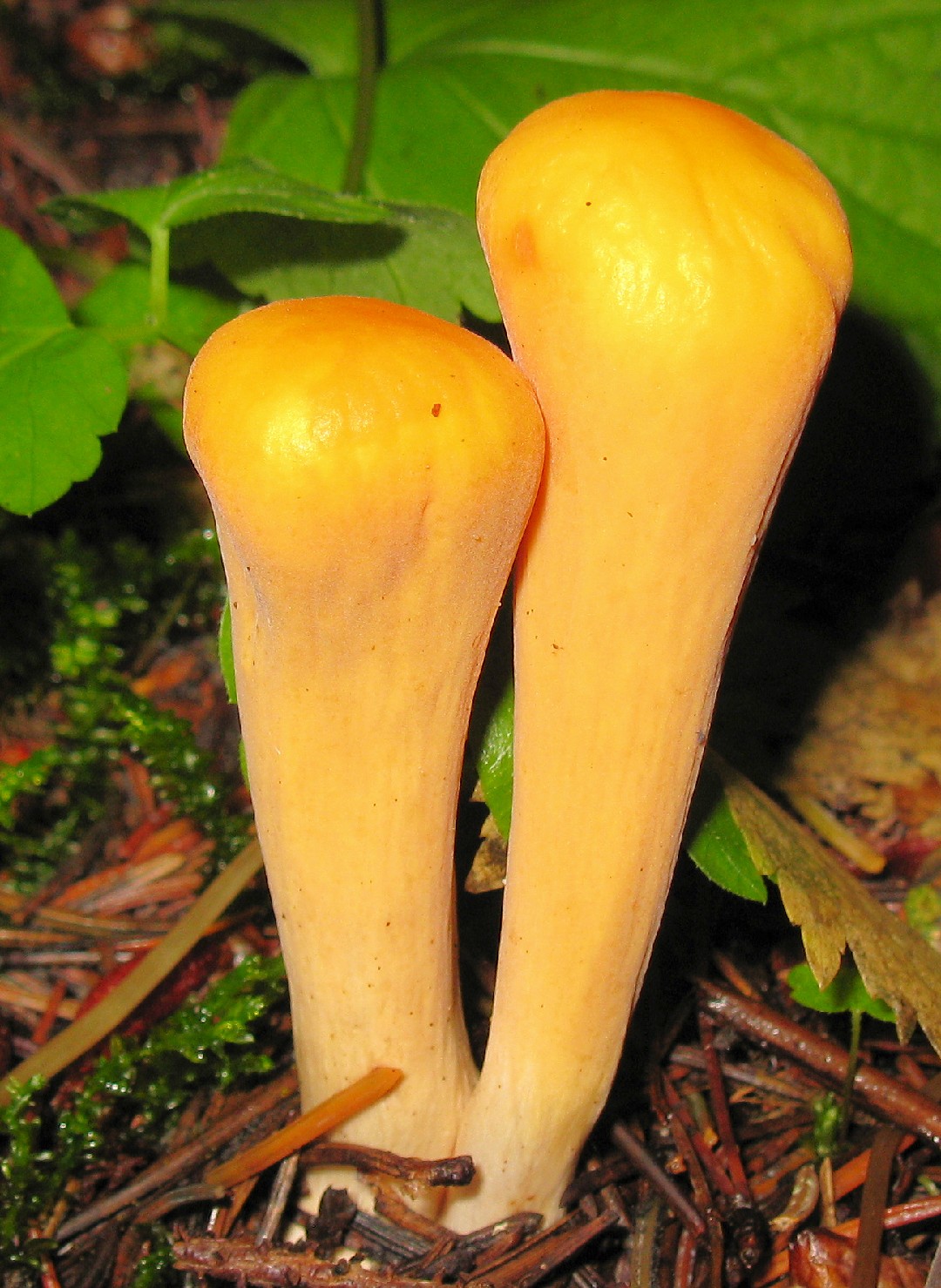
The flat-top coral (Clavariadelphus truncatus) forms a distinctive little mushroom. Its stalk is barely differentiated from the cap in many specimens, leading to an overall tapered shape that has been compared to that of a club or bat. It is distantly related to the chantarelles and shares their golden color.
4. Purple coral
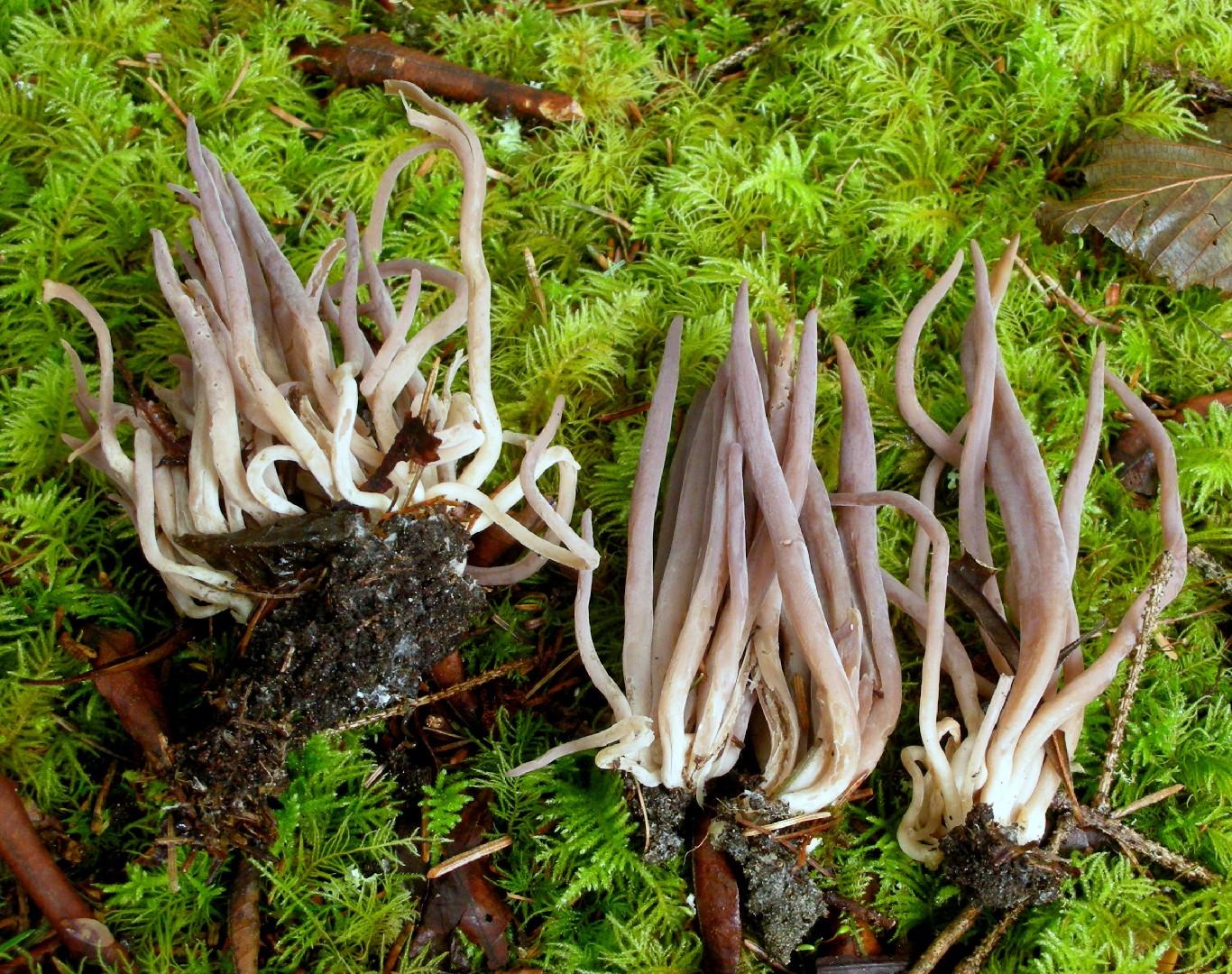
The purple coral is a tiny, but beautiful and impressive fungus that can be immediately distinguished from other Alloclavaria and Clavaria species by its distinctive purple colour. This mushroom grows in large clusters, but it's still unclear whether it's a saprobic or mycorrhizal species.
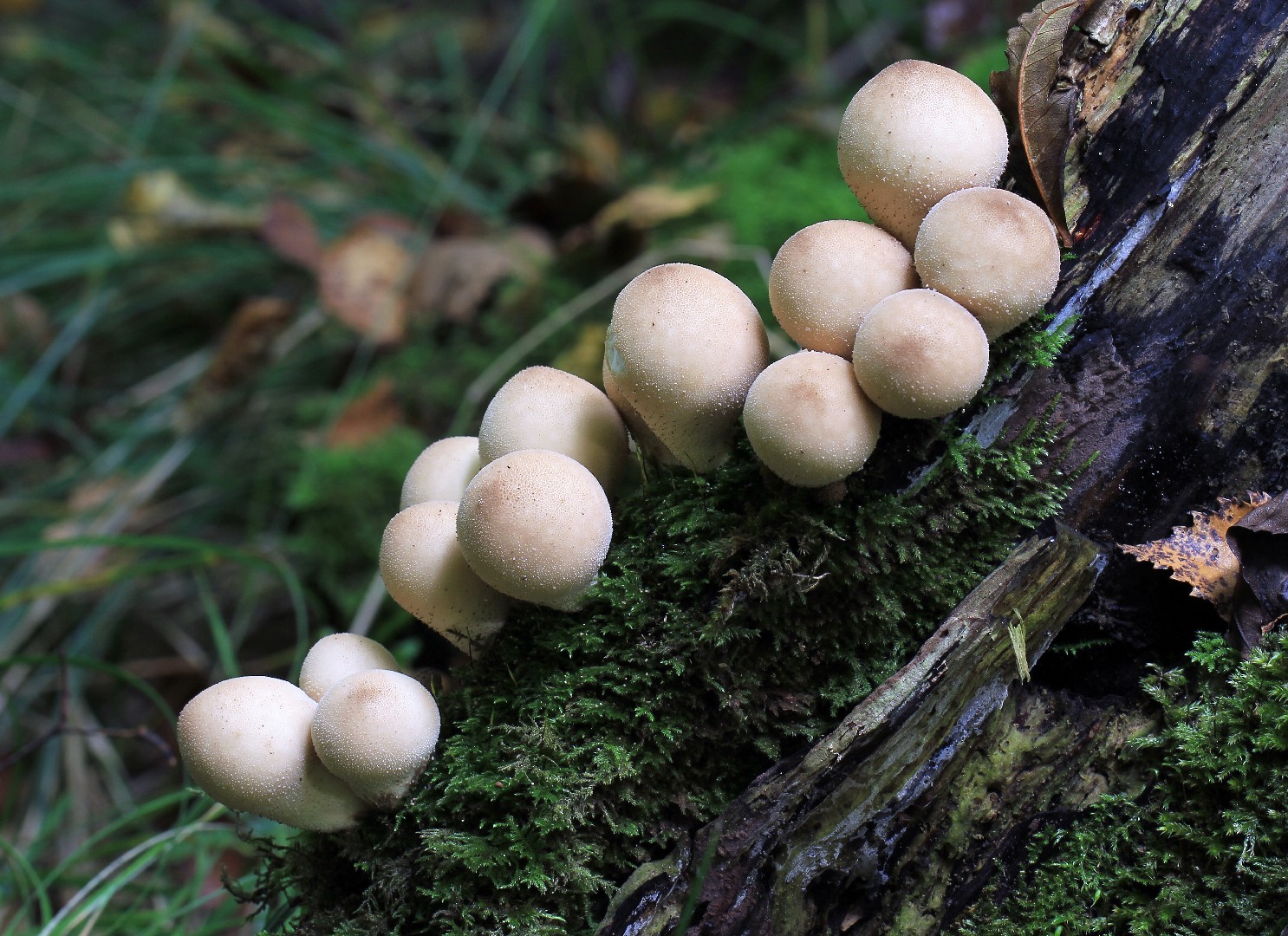
5. Common puffball
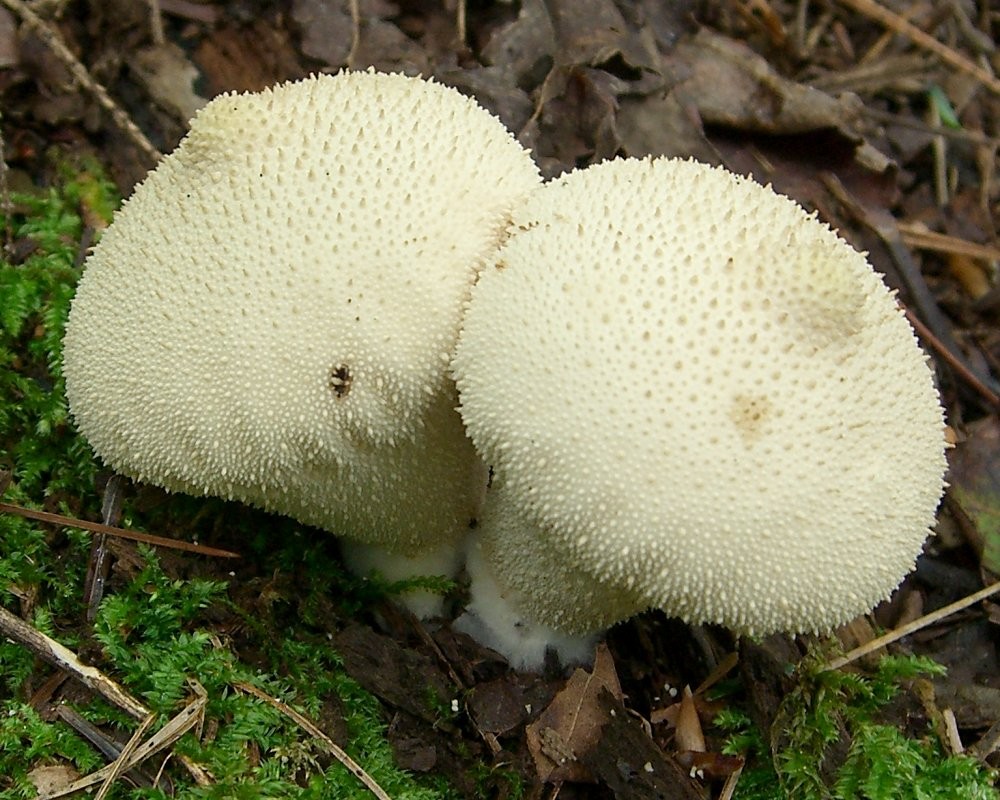
These puffy mushrooms grow in small groups on the forest floor. Once they're mature, common puffballs turn yellow and "puff out" smoke-like spore clouds when disturbed. Be very careful when identifying these mushrooms, as their young, immature form looks very similar to the lethal Deathcap.
6. Shingled hedgehog
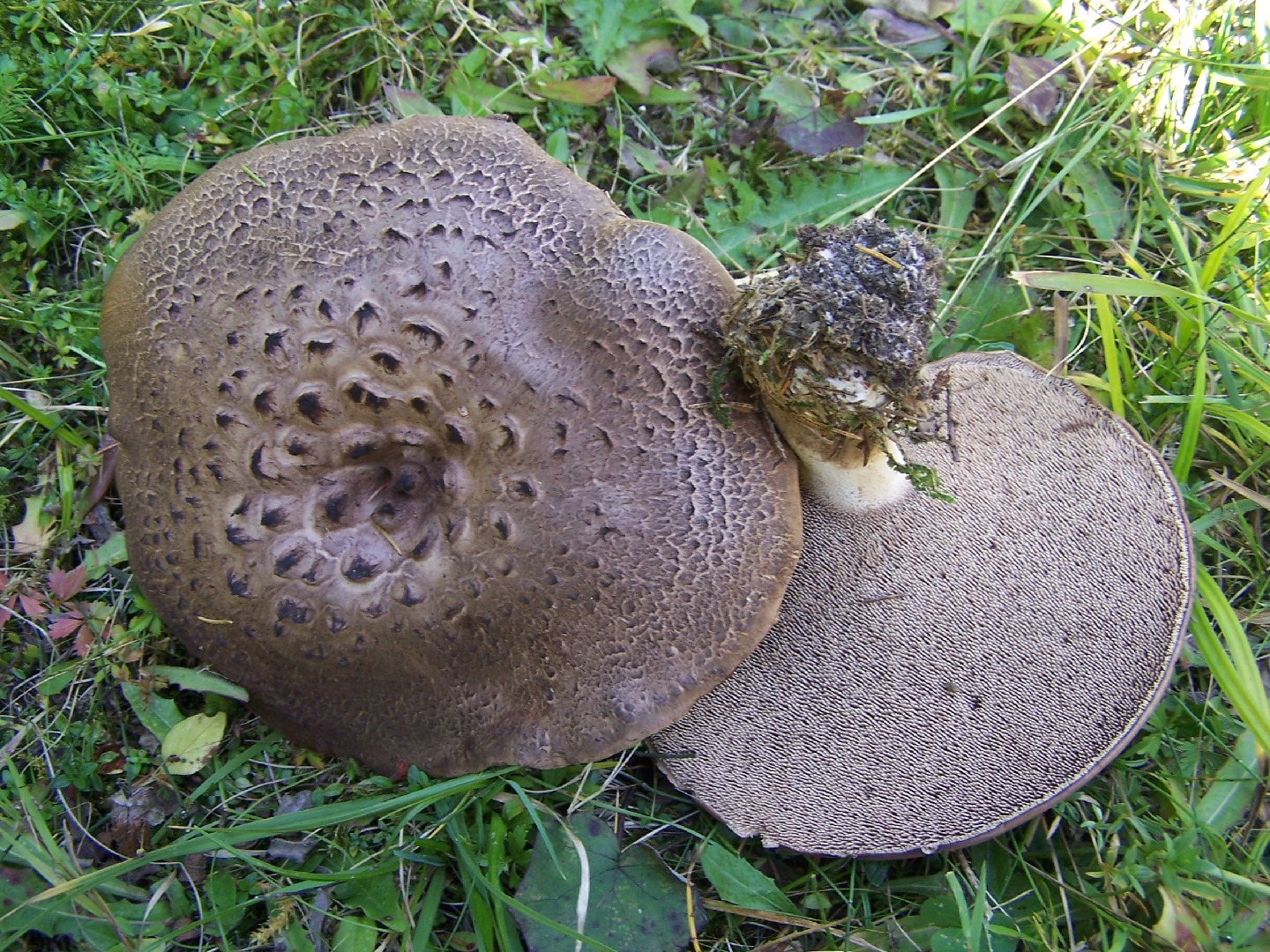
Shingled hedgehog(Sarcodon imbricatus) is often found in the company of fir trees, and it is therefore partial to mountainous or hilly regions. Endemic to Europe and North America, the species is prone to forming fairy rings. It fruits in early autumn.

7. Herald of winter
The herald of winter is a woodland mushroom, closely associated with pine trees. It can be found in large amounts, particularly during cooler months, but sometimes is difficult to spot thanks to its excellent camouflage skills. The cap color is highly variable, particularly with age - young and old specimens can bear very little resemblance.
8. Short-stemmed slippery jack
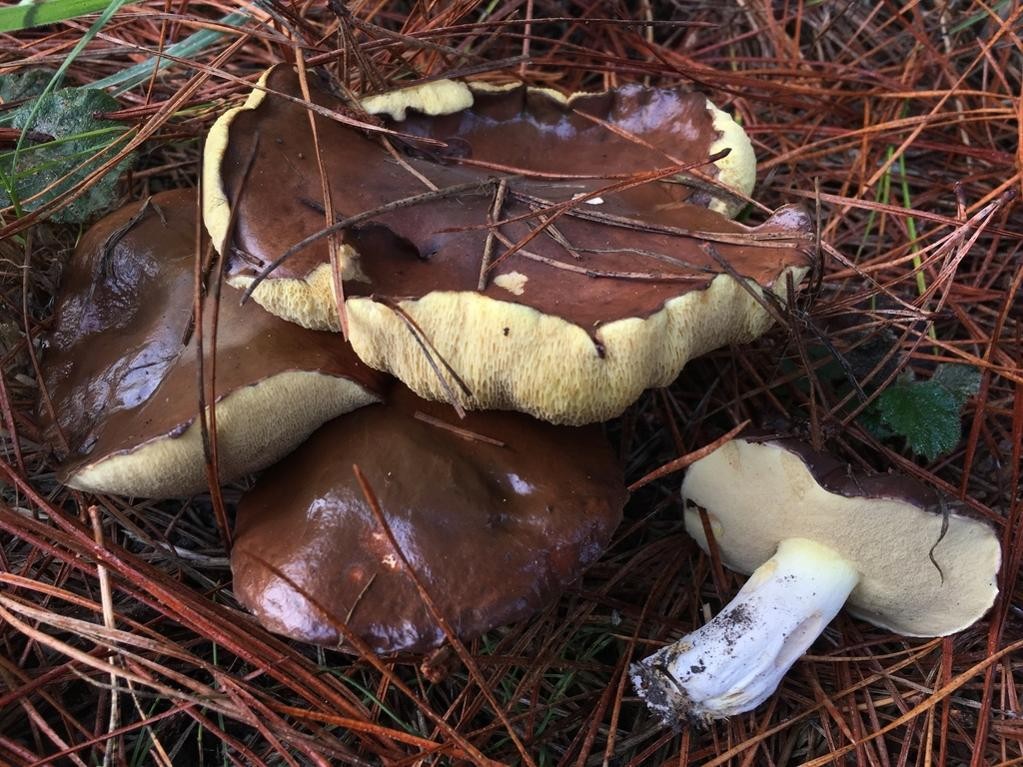
The semi-viscous cap of the short-stemmed slippery jack (Suillus brevipes) is one of the older species of classified mushrooms and was first noted in scientific journals over 140 years ago. They grow quickly in fallen pine needles and are a favorite snacks of Grizzly bears.
9. False saffron milkcap
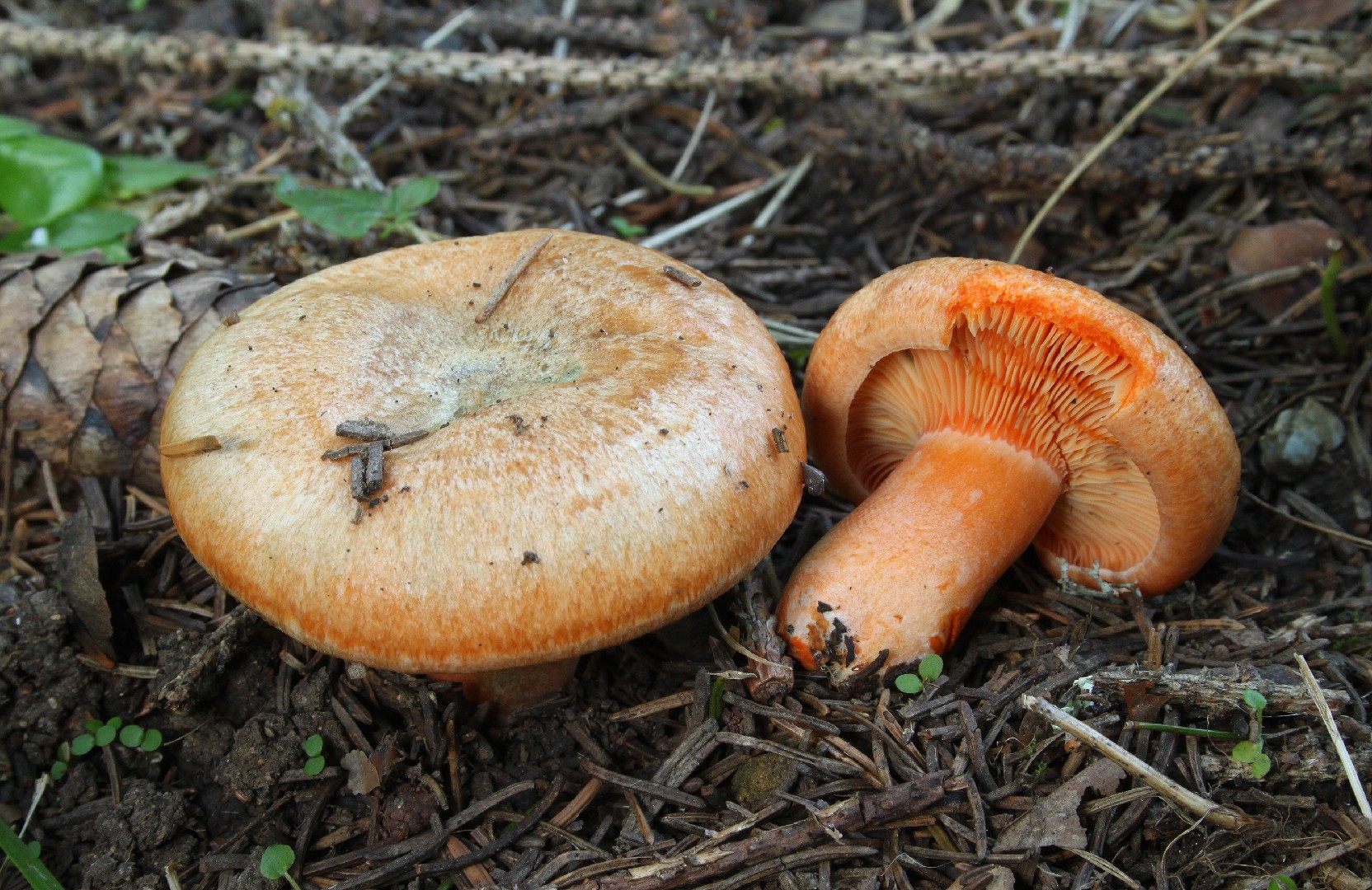
A less-tasty cousin of the Saffron milkcap (Lactarius deliciosus), the false saffron milkcap is closely associated with spruce. When it appears in forests, it usually forms a large carpet. Species within the Lactarius genus are hard to differentiate from other, more poisonous mushrooms, and should not be foraged for food by the inexperienced.
10. Conifer tuft
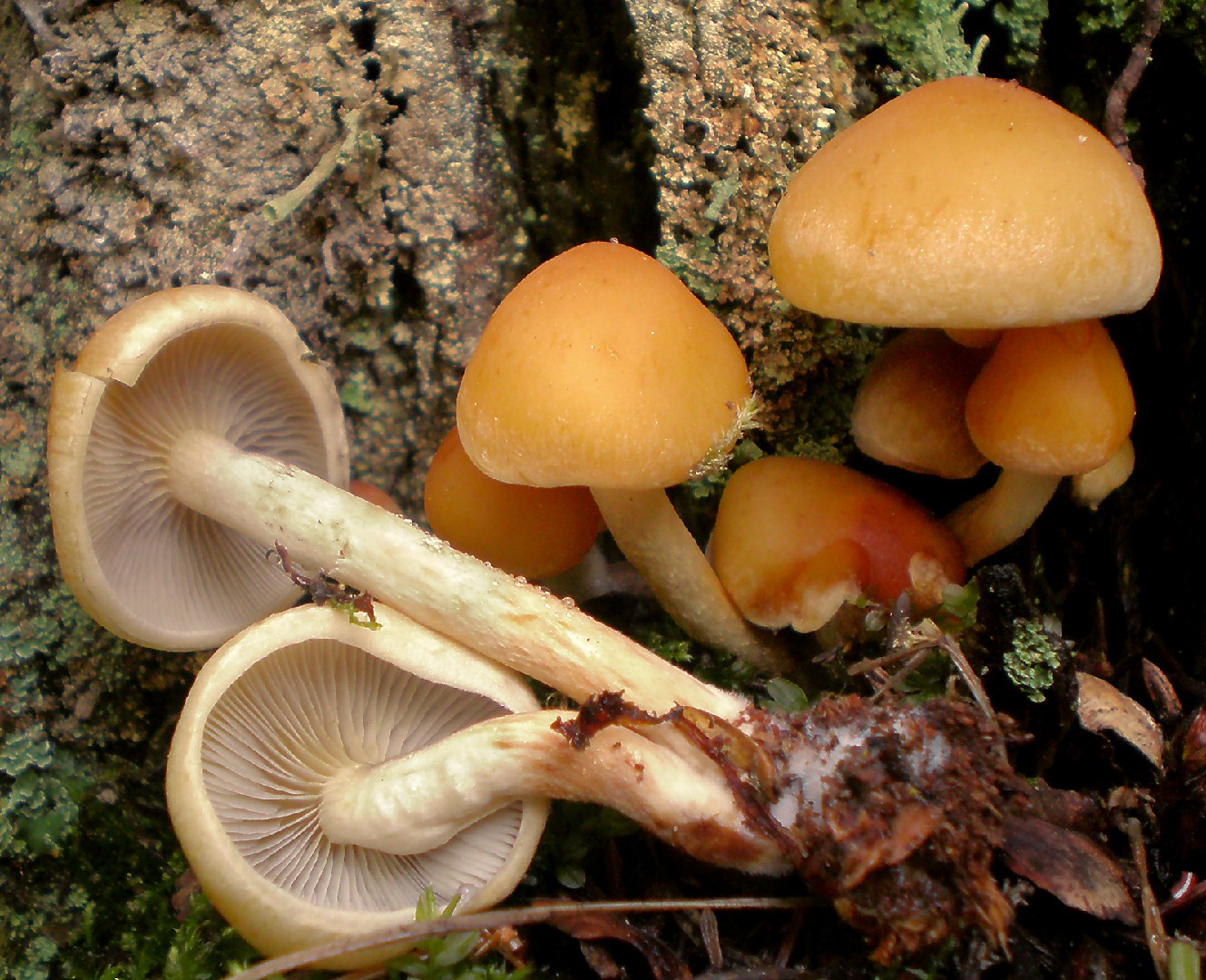
As its common name implies, the conifer tuft grows on dead conifers, either singly or in groups. It can be found around the northern hemisphere in the autumn season. Take care to distinguish this species from the highly toxic Sulphur Tuft. Inspect the gills closely; those of the conifer tuft are pale grey, and never green.


More







