




Top 20 Most Common Mushrooms in Astoria
Welcome to the fascinating world of mycology in Astoria, a locale ripe with diverse fungi! Known for its natural landscapes, Astoria offers a conducive environment for the thriving growth of mushrooms. Enjoying an abundance of the 20 most common types of mushrooms in the US, this city is a mycologist's paradise. Dive in as we explore its rich mycological tapestry in detail. Join us, and let's get down to the root of fungi!

Most Common Mushrooms
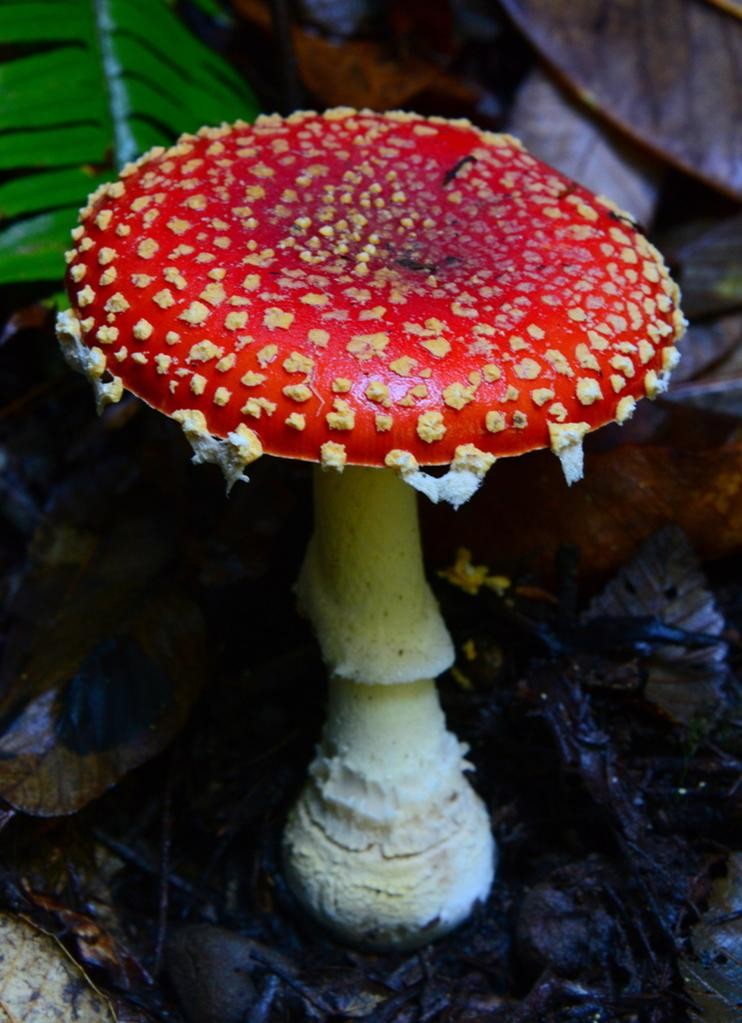
1. Fly agaric
In Northern Asia and Europe, fly agaric grows under trees near the winter solstice and is collected for ritual use tied to the season. Its characteristic shape and coloring are still ubiquitous in many European fairy tale illustrations and Christmas traditions. It is highly toxic.
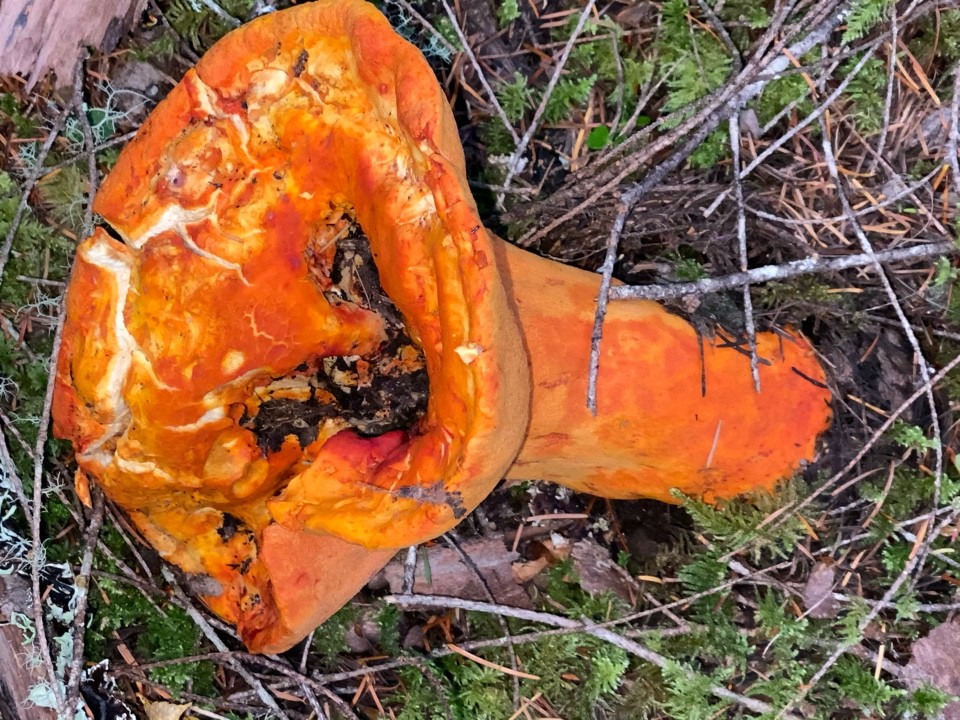
2. Lobster mushroom
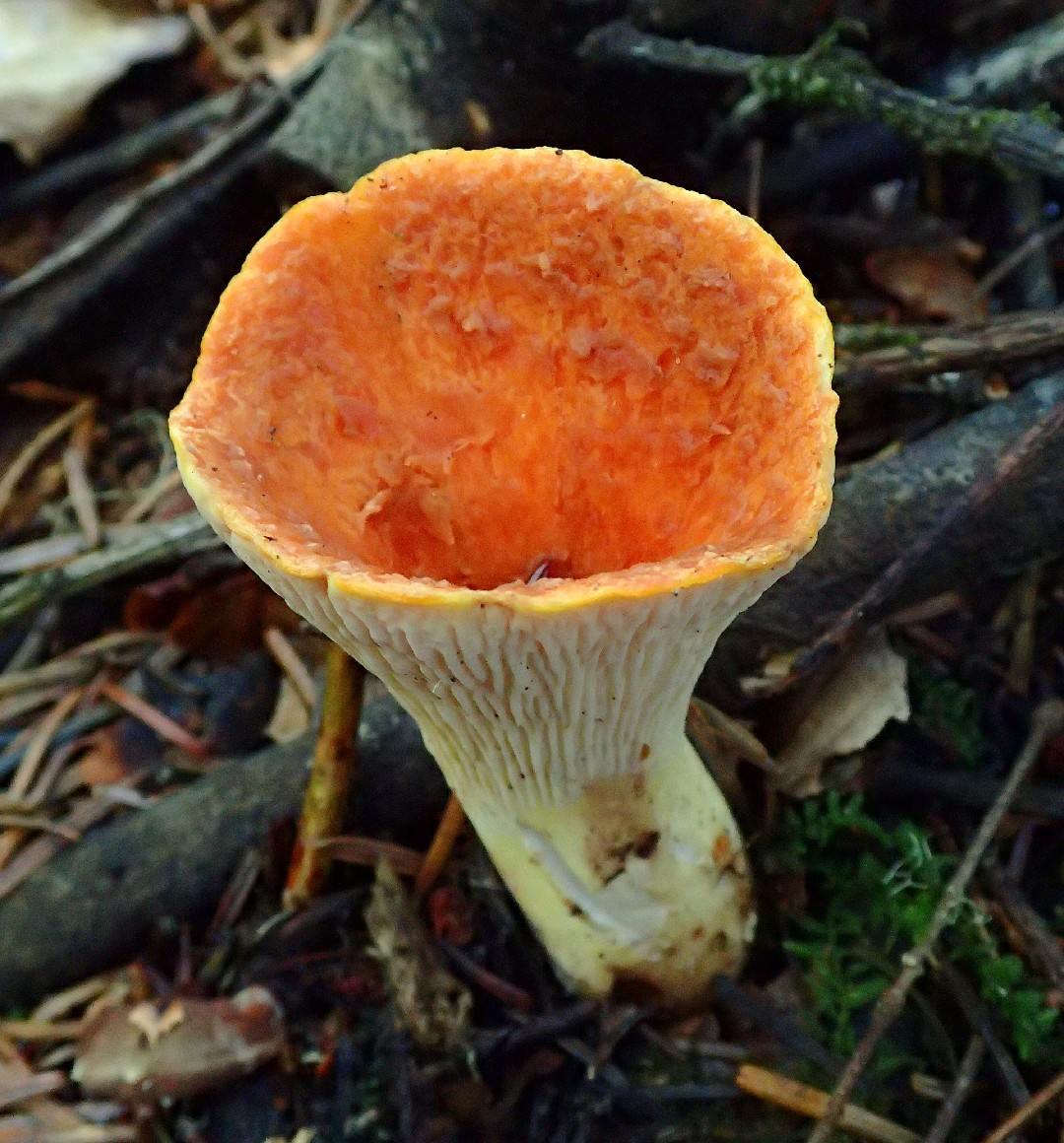
The lobster mushroom is actually not a species of mushroom, per-se. When Hypomyces lactifluorum mold attacks one of several common species of Russula mushrooms, it transforms them into lobster mushrooms: they shrivel, harden slightly, and turn bright orange or vermillion. Surprisingly, this only makes them more flavorful. Lobster mushrooms are highly sought after for their distinctive, seafood-like flavor when cooked. Upset stomachs have been reported when eaten raw.
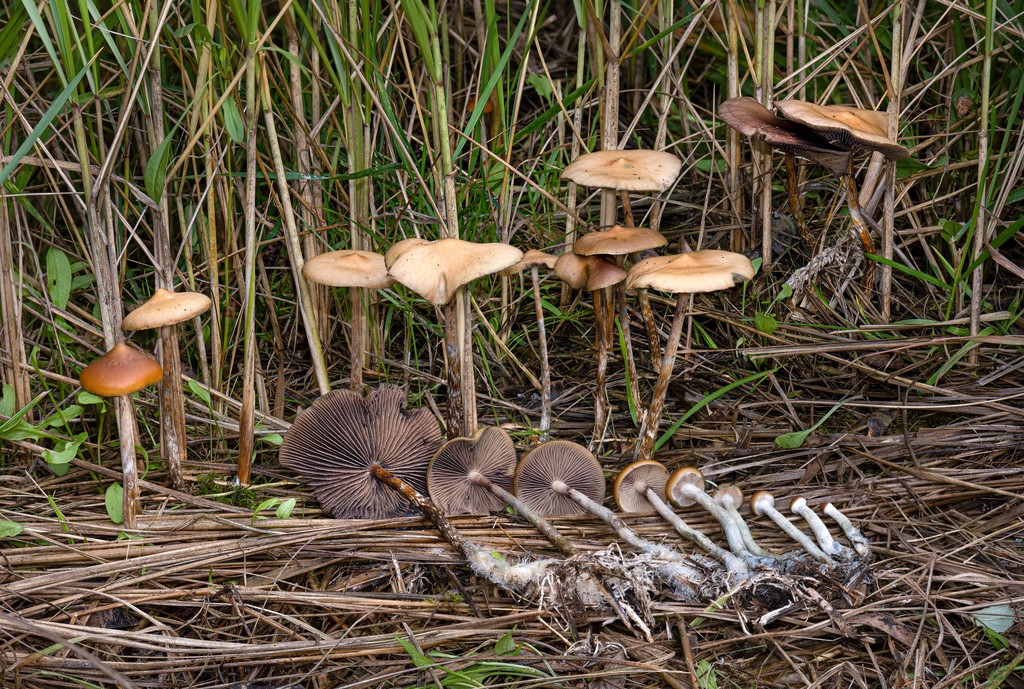
3. Psilocybe Azurescens
When the stem of psilocybe Azurescens is cut or bruised, it becomes blue; the entire mushroom also gets bluish tones as it matures. This feature probably gives the species its name: the Latin epithet azurescens refers to the color blue.
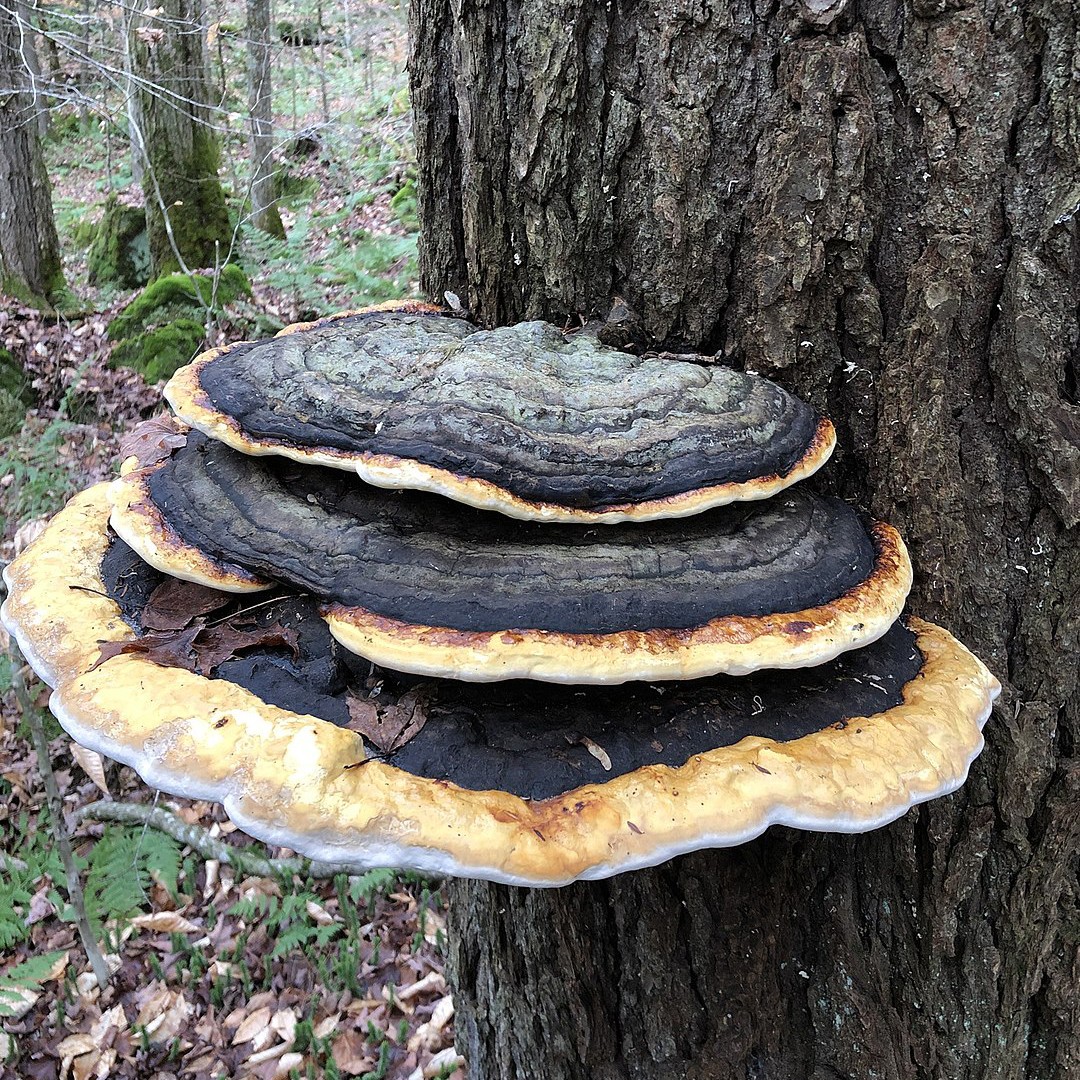
4. Red-belted polypore
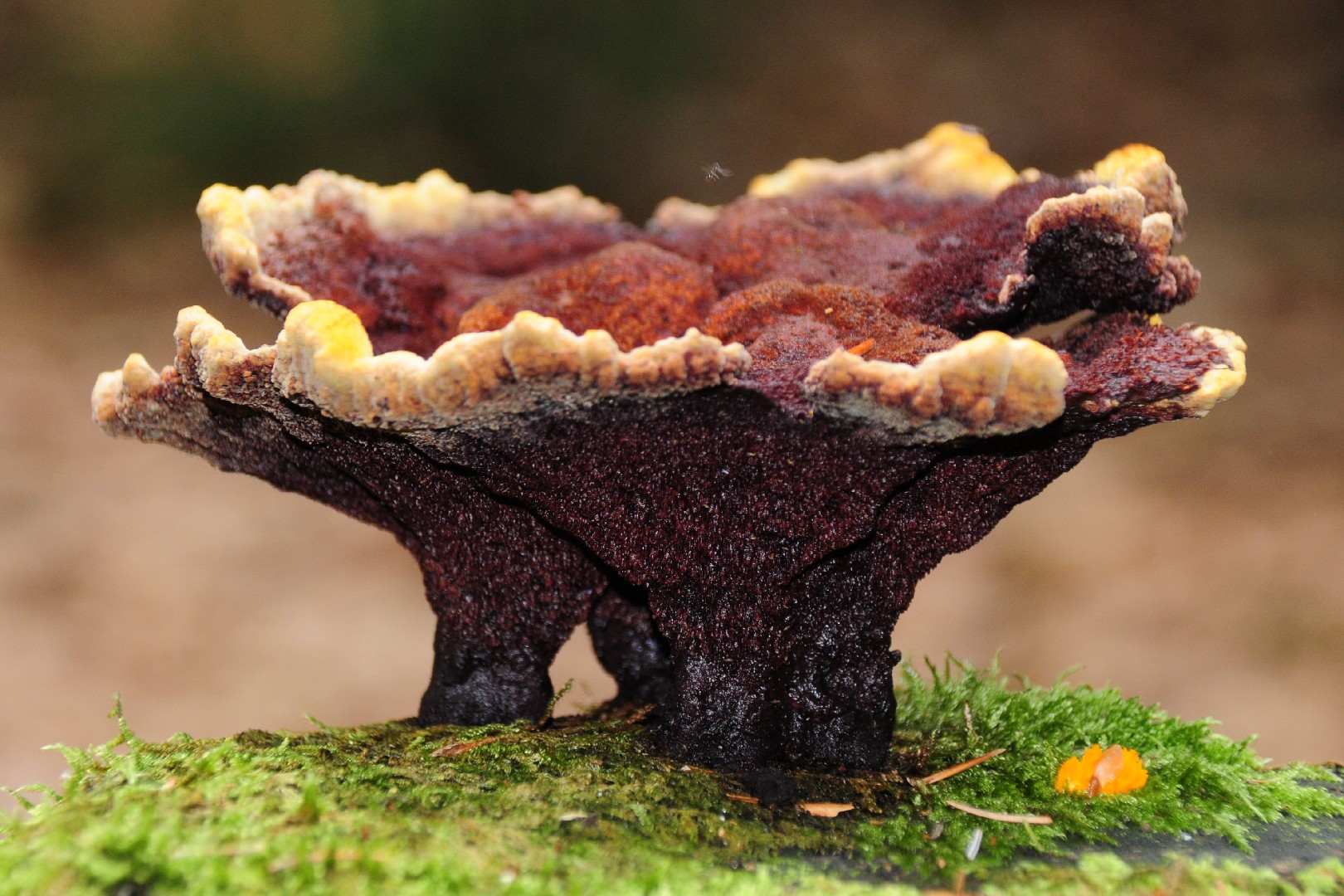
Red-belted polypore is a shelf fungus that's usually seen on aspen, birch, and various conifer trees. This perennial mushroom is known to cause the cubical brown rot in host trees. A species new to science, it was named in honor of Irene Mounce, a Canadian mycologist. 
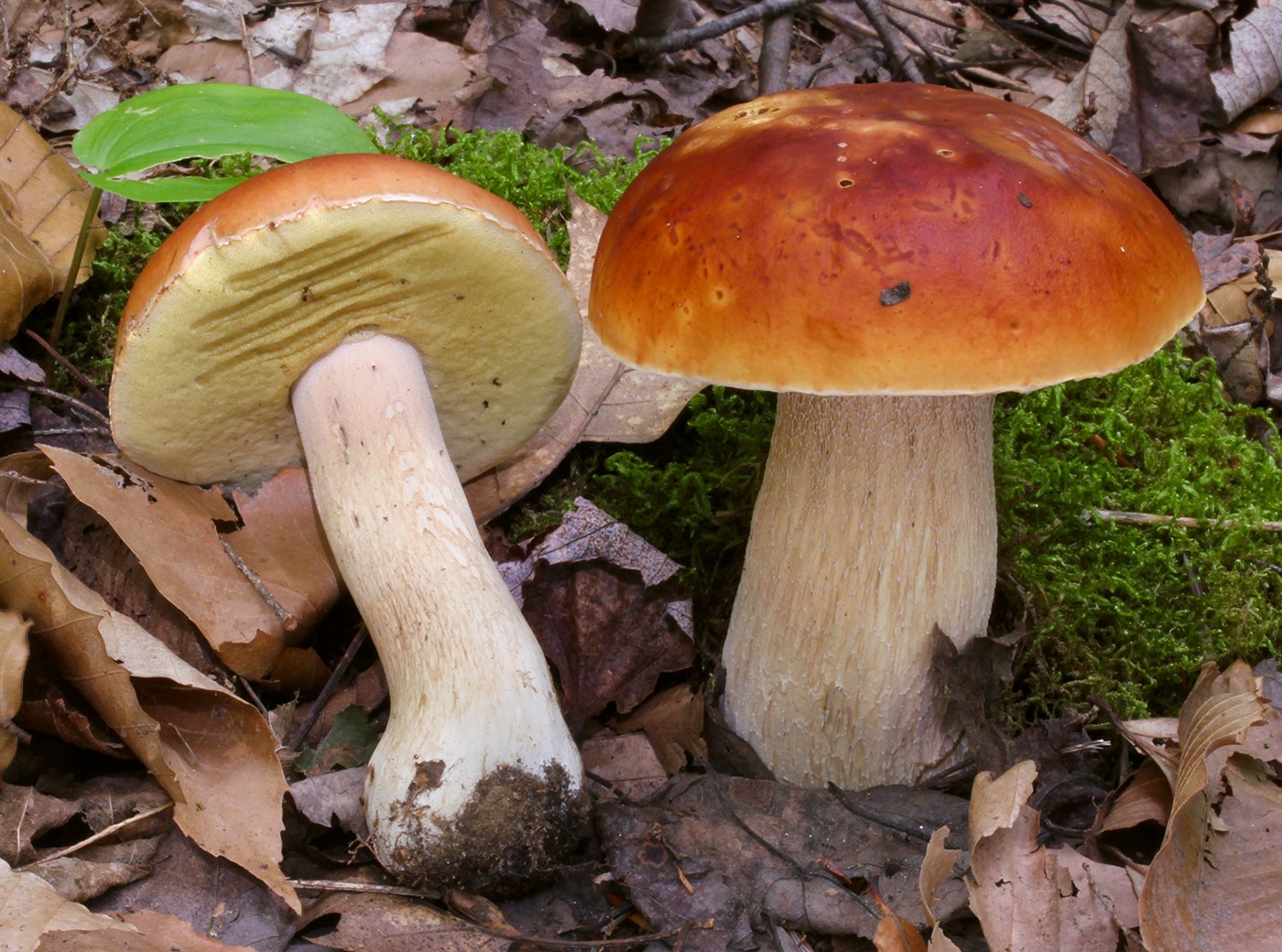
5. King bolete
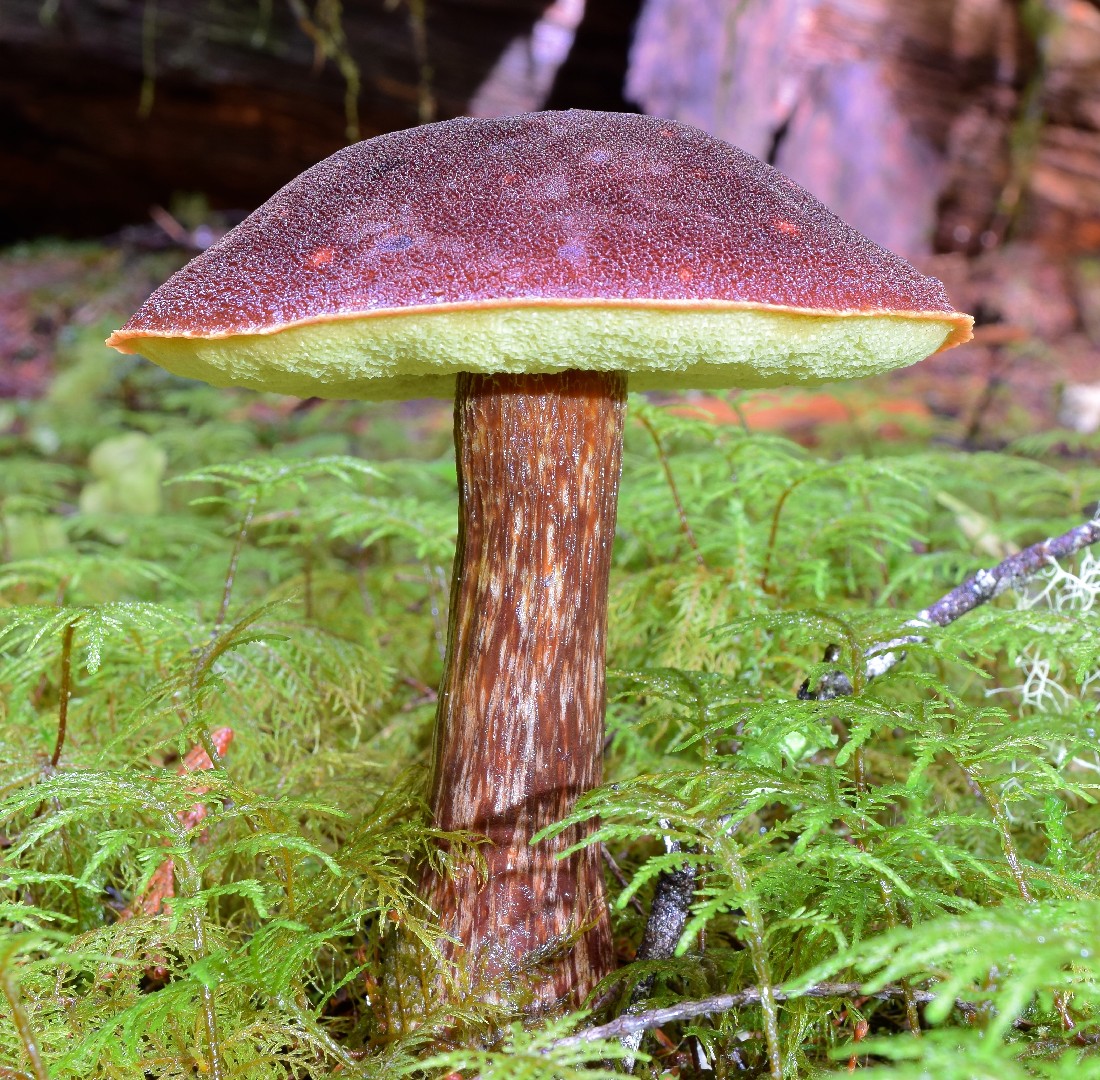
Extremely popular in many cuisines, this edible wild mushroom grows around the world near the roots of forest trees. In some regions, king bolete mushrooms are collected in great enough volumes that their sale can support entire families during the harvest season. King boletes are reported to be high in fiber, vitamins B and C, calcium, potassium, magnesium, zinc, and several antioxidants.
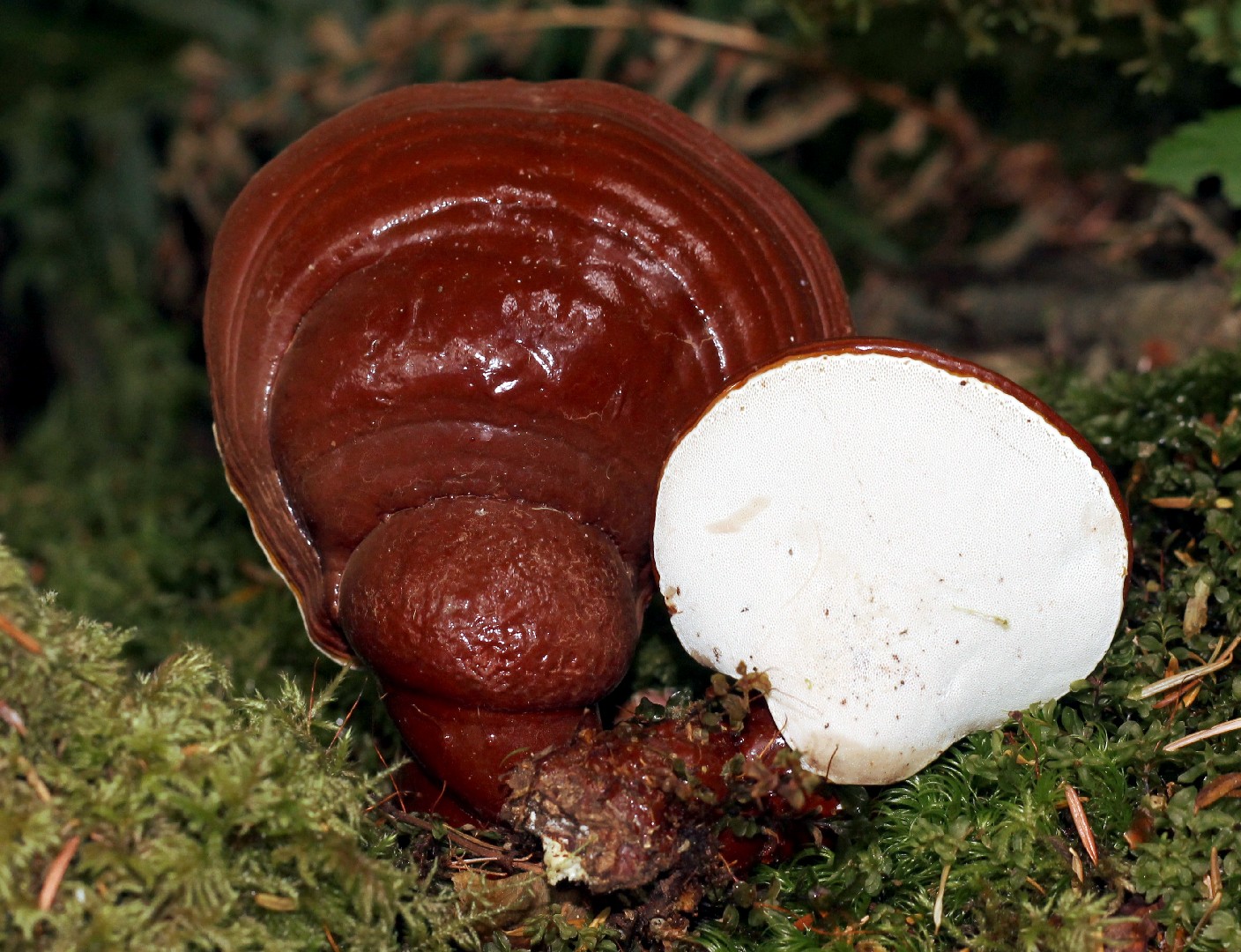
6. Western varnished conk
The western varnished conk (Ganoderma oregonense) is a stunningly attractive mushroom that looks as though the entire cap was dipped in glaze and crafted from terra cotta. They can grow to be quite massive, with each cap stretching up to 50 cm across. They appear even more impressive when several mushrooms are found growing together. Far too pretty to eat, this mushroom is toxic anyway!
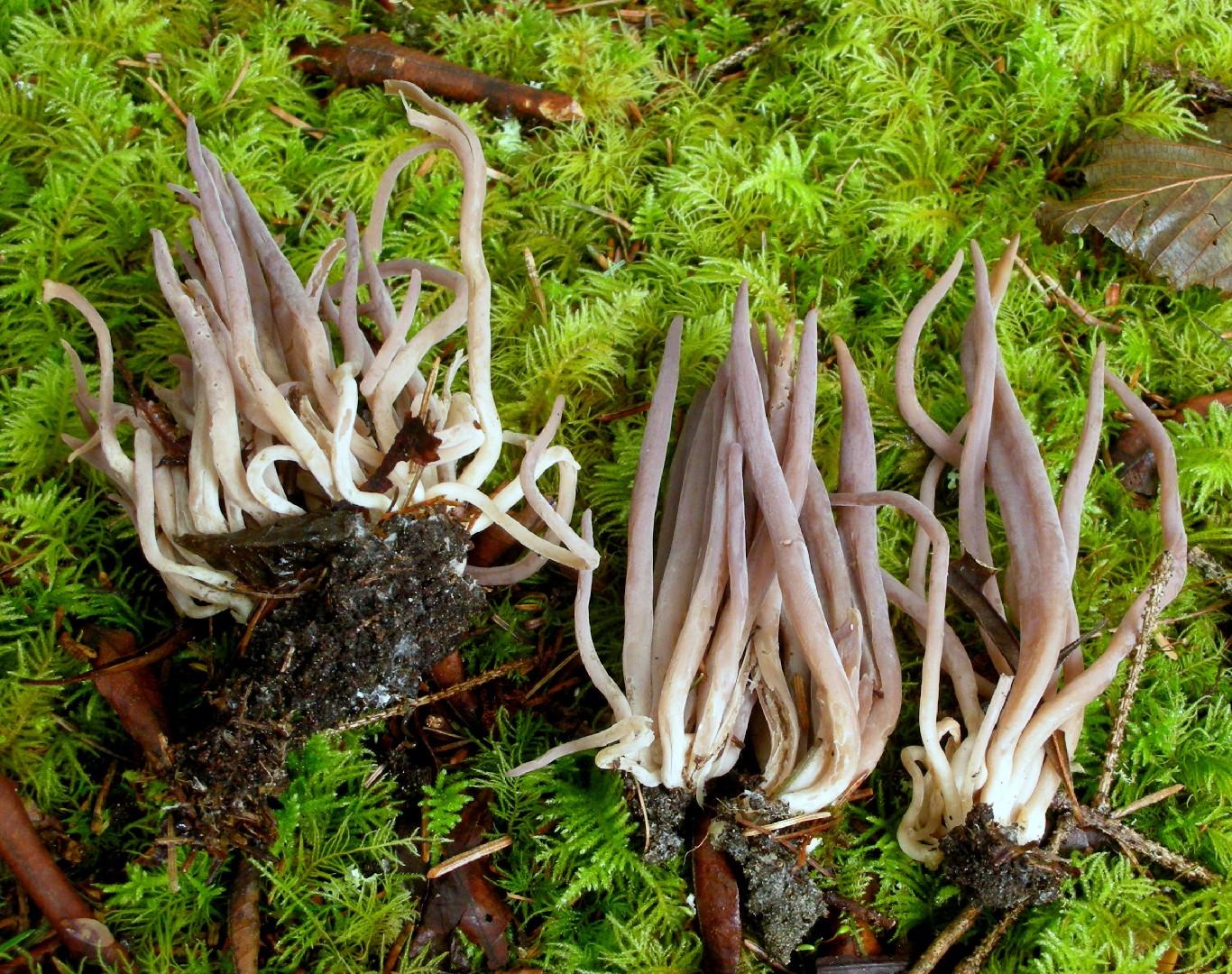
7. Purple coral
The purple coral is a tiny, but beautiful and impressive fungus that can be immediately distinguished from other Alloclavaria and Clavaria species by its distinctive purple colour. This mushroom grows in large clusters, but it's still unclear whether it's a saprobic or mycorrhizal species.
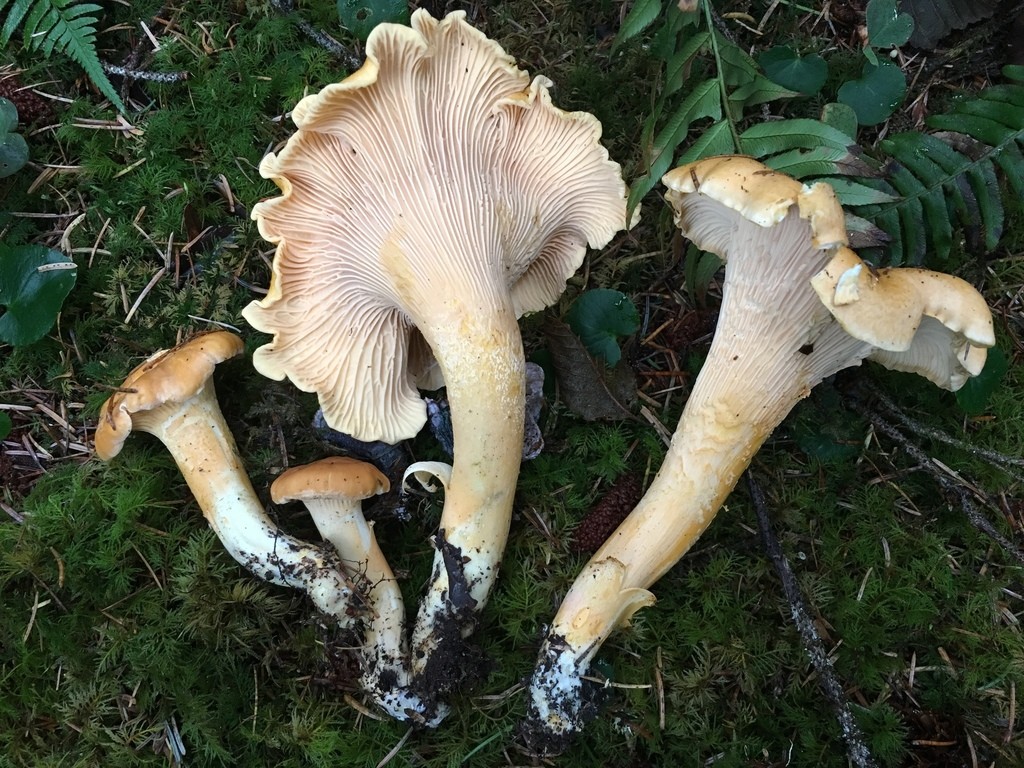
8. Pacific golden chanterelle
The pacific golden chanterelle (Cantharellus formosus) is an incredibly dense and meaty mushroom with a cap that resembles a rosette pattern instead of stereotypical dome-shaped caps. The color is an almost iridescent yellow color but may range from warm gold to salmon pink, depending on sun exposure. Highly flavorful, the pacific golden chanterelle has been named the state mushroom of Oregon because of its value and flavor.
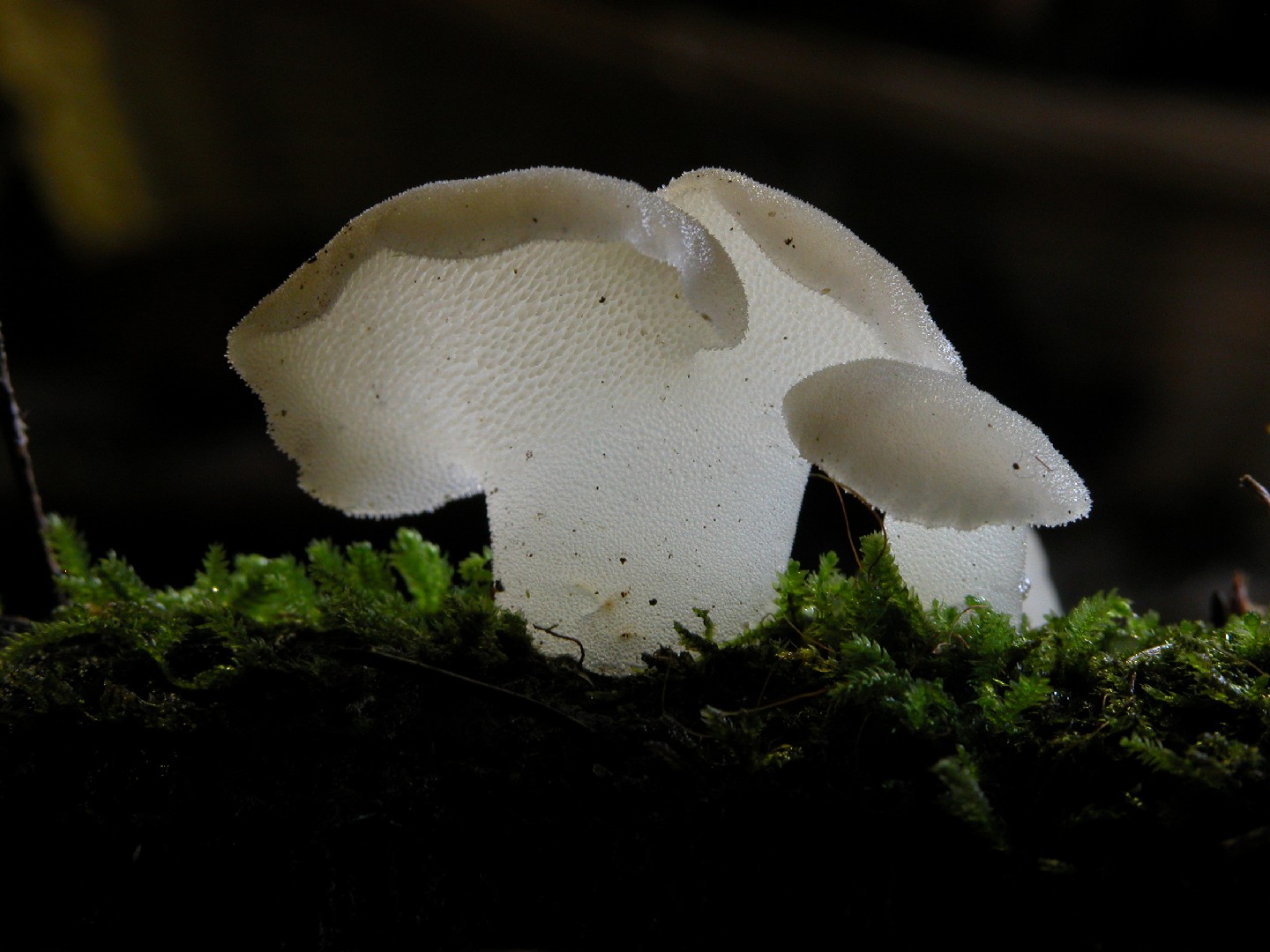
9. Toothed jelly fungus
This whimsically-named mushroom has a global distribution and a unique appearance. Toothed jelly fungus has a white, translucent - almost spectral - coloration and sports little downward pointing "teeth" on the underside of its cap. Although its toothed underside may scream "hedgehog mushroom", it is actually a member of a separate genus (Pseudohydnum, as opposed to Hydnum).
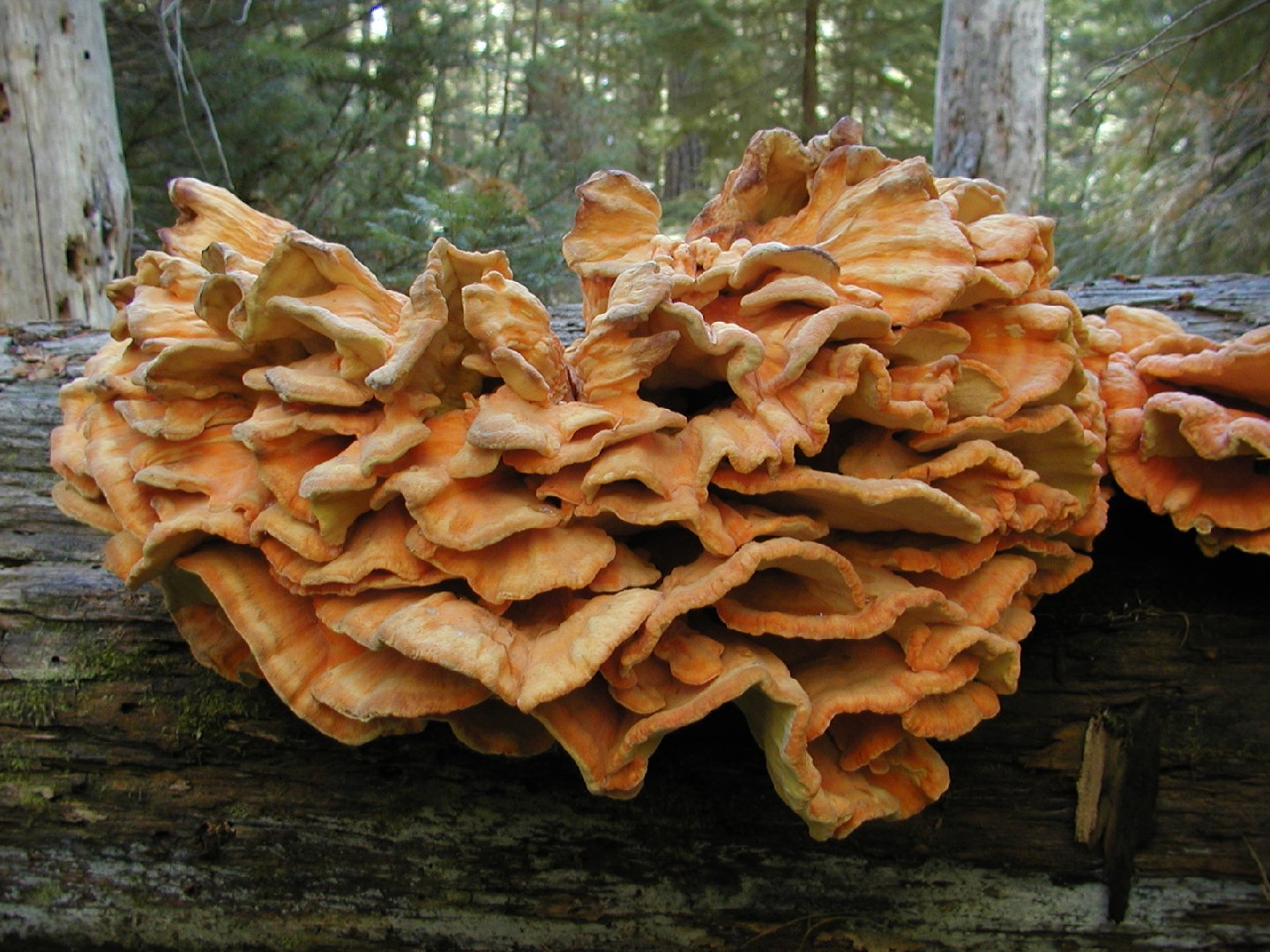
10. Conifer sulfur shelf
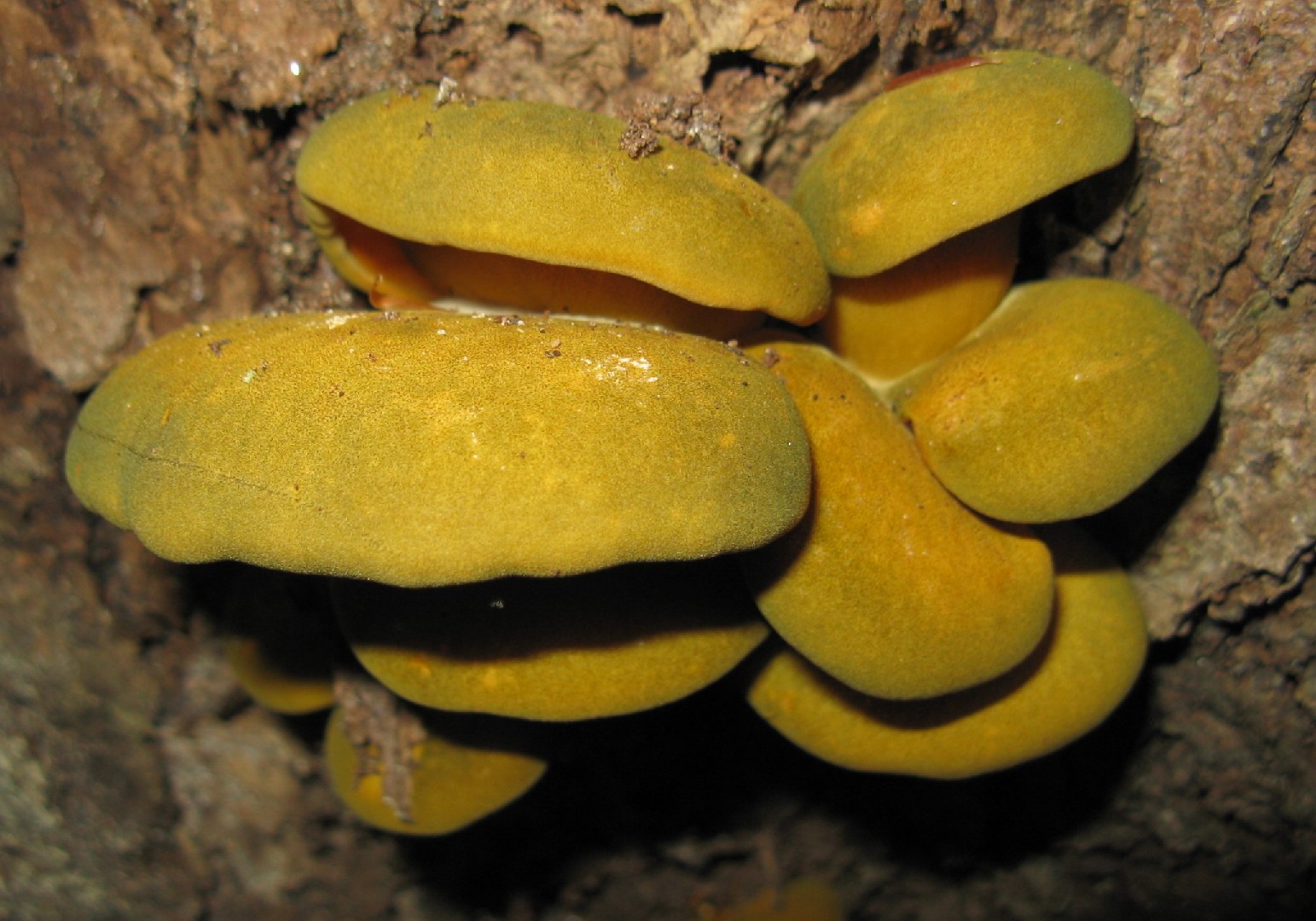
Conifer sulfur shelf (Laetiporus conifericola) may sound like a goofy name, but this mushroom is one to take very seriously. There have been reports that people have died after consuming just a few bites! Not all people have adverse reactions, but it is better not to take the risk. This mushroom's striking color can easily be seen from afar when fresh, but fades over time.
More







